


Building Blocks
Questa sezione contiene prodotti fondamentali per la sintesi di composti organici e biologici. Building blocks sono i materiali di partenza essenziali utilizzati per costruire molecole complesse attraverso varie reazioni chimiche. Svolgono un ruolo critico nella scoperta di farmaci, nella scienza dei materiali e nella ricerca chimica. Presso CymitQuimica, offriamo una gamma diversificata di building blocks di alta qualità per supportare le tue ricerche innovative e progetti industriali, assicurandoti di avere i componenti essenziali per una sintesi di successo.
Sottocategorie di "Building Blocks"
- Acidi boronici e derivati dell'acido boronico(5.756 prodotti)
- Building Blocks Chirali(1.242 prodotti)
- Building Blocks Idrocarburici(6.093 prodotti)
- Building Blocks organici(60.529 prodotti)
Trovati 195534 prodotti di "Building Blocks"
Ordinare per
Purezza (%)
0
100
|
0
|
50
|
90
|
95
|
100
2-Amino-6-fluorobenzoic acid
CAS:<p>Intermediate in the synthesis of idelalisib</p>Formula:C7H6FNO2Purezza:Min. 98 Area-%Colore e forma:PowderPeso molecolare:155.13 g/mol1,2-Dimethoxy-4,5-dinitrobenzene
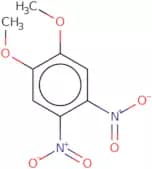
CAS:<p>1,2-Dimethoxy-4,5-dinitrobenzene is a fluorescent compound that can be used as a probe to study the response elements in DNA. It has been shown to inhibit HDAC activity and induce nuclear translocation of Nrf2 in wild-type mice. 1,2-Dimethoxy-4,5-dinitrobenzene has also been shown to decrease the level of plasma protein carbonyls in cancer patients. This molecule has analytical applications for determining the presence of it's target compounds in biological samples.</p>Formula:C8H8N2O6Purezza:Min. 95%Colore e forma:PowderPeso molecolare:228.16 g/mol1-Amino-1-cyclopropanecarbonitrile hydrochloride
CAS:<p>1-Amino-1-cyclopropanecarbonitrile hydrochloride (ACN) is a synthetic compound that has been shown to be effective against cancer and inflammatory diseases. It is an acidic compound that has been shown to inhibit the growth of tumor cells by inducing apoptosis. This drug also binds to chloride ions and inhibits the production of inflammatory cytokines, such as IL-6, TNFα, and IL-2. 1-Amino-1-cyclopropanecarbonitrile hydrochloride is soluble in water and acetonitrile with a melting point of about 157°C. The molecule's structure was determined through kinetic measurements and thermodynamic calculations.</p>Formula:C4H6N2·HClPurezza:Min. 95%Colore e forma:Off-White PowderPeso molecolare:118.56 g/mol2-(2-Aminophenyl)benzimidazole
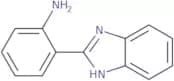
CAS:<p>2-(2-Aminophenyl)benzimidazole is a synthetic compound with the chemical formula C8H6N2. It has an intramolecular hydrogen bond and reacts with salicylaldehyde to form 2-aminobenzimidazole, which is a reaction product. 2-(2-Aminophenyl)benzimidazole may be used as an antimicrobial agent, but it also has other uses such as a reagent in organic synthesis. It is soluble in water and can be obtained through liquid chromatography.</p>Formula:C13H11N3Purezza:Min. 95%Colore e forma:Off-White PowderPeso molecolare:209.25 g/mol2-Amino-4-fluoropyridine
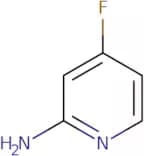
CAS:<p>2-Amino-4-fluoropyridine is an acylation reaction product of 2-amino-4-chloropyridine and a fatty acid. The diaminopyridine moiety is responsible for the inhibition of copper enzymes. In addition, fluorine substitution provides a higher operational stability. The synthesis of this compound is accomplished through the use of thionyl chloride in an operational procedure that includes heating at 180 °C for 4 hours. 2-Amino-4-fluoropyridine has been shown to be effective against some bacteria such as Mycobacterium tuberculosis and Legionella pneumophila, which are resistant to other agents. This drug also has antiplasmodial properties and can be used to treat malaria. The structure based design of this molecule was optimized by replacing chlorine with fluorine as well as introducing a n oxide group to provide a sterically more favorable conformation.</p>Formula:C5H5FN2Purezza:Min. 95%Colore e forma:White To Yellow SolidPeso molecolare:112.11 g/molDL-Valine
CAS:<p>Valine is a non-essential, branched-chain amino acid that is used for the treatment of bowel disease. Valine is a water-soluble, colorless and odorless crystalline powder that has a sour taste. It can be prepared by reacting valeric acid with ammonia in the presence of an alkali or by hydrolysis of proteins. Valine is also widely distributed in animal tissues, where it participates in the biosynthesis of important biological compounds such as coenzyme A. The optimum concentration to achieve maximum electrochemical impedance spectroscopy (EIS) signal was observed at 20 mM. The EIS signal was found to be dependent on the pH and protein content of the solution matrix. Valine binds to human serum albumin and exhibits strong hydrogen bonding interactions. In addition, valine possesses a signal peptide that helps export it from cells into blood plasma.</p>Formula:C5H11NO2Colore e forma:PowderPeso molecolare:117.15 g/mol3'-Iodoacetophenone
CAS:<p>3'-Iodoacetophenone is a synthetic analog of o-chloroaniline. 3'-Iodoacetophenone is used as a reagent for the kinetic study of anions and hydrogenated derivatives. It is also used in the palladium-catalyzed coupling of monobenzyl phenols to form phenol nucleophiles. The synthesis of 3'-iodoacetophenone starts with the dehydration of 2,6-dichloroaniline with phosphorous pentachloride and subsequent reaction with iodine in acetic acid.</p>Formula:C8H7IOPurezza:Min. 95%Colore e forma:Off-White Clear LiquidPeso molecolare:246.05 g/mol6-Hydroxy-2-naphtoic acid
CAS:<p>6-Hydroxy-2-naphtoic acid is an amide that is hydrolyzed to 6-hydroxybenzoic acid and formamide. It has been used as a viscosity modifier in the synthesis of polymers. 6-Hydroxy-2-naphtoic acid can be produced by a borane-tetrahydrofuran complex reaction with naphthalene. This reaction also produces p-hydroxybenzoic acid, which can then be converted to hydroxybenzoic acid with hydrochloric acid. The structural analysis of this compound has been performed using fluorescence probes and an inorganic acid.</p>Formula:C11H8O3Purezza:Min. 95%Colore e forma:Yellow PowderPeso molecolare:188.18 g/mol3,4-Difluorobenzaldehyde
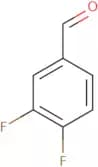
CAS:<p>3,4-Difluorobenzaldehyde is a chemical inhibitor that has been shown to be effective in the treatment of cancer. It inhibits the activity of an enzyme called tyrosine kinase by reacting with its functional group, leading to decreased production of growth factors and cell proliferation. 3,4-Difluorobenzaldehyde has been shown to have a high reaction yield in animal health studies, and it can be used as a drug for treating carcinoma cells. This compound also has strong liquid crystal properties and can be used as a component of diphenyl ether molecules. 3,4-Difluorobenzaldehyde is metabolized by the liver or excreted through urine. The pharmacokinetic properties of this compound are similar to those of other drugs that are metabolized by humans.</p>Formula:C7H4F2OPurezza:Min. 95%Colore e forma:Colorless Clear LiquidPeso molecolare:142.1 g/molDiethylene glycol dimethanesulfonate
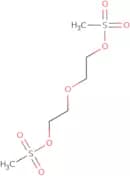
CAS:<p>Diethylene glycol dimethanesulfonate is a functional group that is used in the synthesis of organic compounds. It is a white crystalline solid with a melting point of about 130°C. Diethylene glycol dimethanesulfonate reacts slowly with water and hydrochloric acid to produce diethyl ether and hydrogen chloride gas. The reaction time for this process can be affected by the concentration of reactants, temperature, and pH. Diethylene glycol dimethanesulfonate undergoes acidic hydrolysis in the presence of hydrochloric acid or sodium hydroxide. This reaction produces sodium chloride and ethylene glycol. Busulfan, an anti-cancer drug, is produced by the dehydration of diethylene glycol dimethanesulfonate with copper chloride or chlorine gas. Intramolecular hydrogen bonds are formed during this process to give grandis as an intermediate product. Grandis can be converted into busulfan by</p>Formula:C6H14O7S2Purezza:Min. 95%Colore e forma:PowderPeso molecolare:262.3 g/mol2,6-Dibromobenzoic acid
CAS:<p>2,6-Dibromobenzoic acid is a synthetic molecule that can be used to synthesize pyrrole derivatives in the presence of a base. It has been shown to react with a number of molecules, including halogens and chlorides. The active site of 2,6-dibromobenzoic acid is its bromine atom. The steric interactions between the 2,6-dibromobenzoic acid molecule and the substrate are strong enough to prevent other molecules from accessing the active site. Chlorides and diphenylmethane can also bind to 2,6-dibromobenzoic acid due to their similar properties. This molecule has also been shown to interact with aluminium and solvents such as ethanol or acetone.</p>Formula:C7H4Br2O2Purezza:Min. 95%Colore e forma:White PowderPeso molecolare:279.91 g/mol3,3'-Diindolymethane (synthetic)
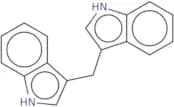
CAS:<p>3,3'-Diindolylmethane, also known as DIM, is natural compound derived from indole. In a recent study, DIM was evaluated as a potential agent for preventing biofilm formation by Streptococcus mutans, which is a major cause of dental caries. The researchers found that DIM significantly inhibited biofilm formation (by 92%) and reduced the production of extracellular polymeric substances (EPS), which are important for biofilm stability particularly under acidic conditions. The study suggests that 3,3'-diindolylmethane has anti-biofilm and anti-virulence properties against S. mutans, and it is a potential candidate for reducing biofilm formation and preventing dental caries.<br>It has been also reported that 3,3'-diindolymethane can act as a chemopreventive agent. DIM has estrogenic effects without interacting with the binding domain of the estrogen receptors. This study found that DIM could suppress cell growth and disrupt cell cycle progression of young adult mouse colonocytes (YAMCs) in vitro. Moreover, DIM altered gene expression associated with apoptosis and cell proliferation, and it induced transcriptional activity of the estrogen receptor (ER), which was inhibited by an ER antagonist.</p>Formula:C17H14N2Purezza:Min. 95%Colore e forma:PowderPeso molecolare:246.31 g/molDL-Cysteine
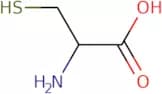
CAS:<p>DL-Cysteine is a naturally occurring amino acid that is found in human cells and other living organisms. It has been shown to have antioxidant properties. DL-Cysteine has also been shown to be a cofactor for enzymes that synthesize proteins, DNA, and RNA. DL-Cysteine may also have the ability to regulate cellular iron homeostasis through its effects on the expression of genes that play a role in this process. This amino acid can also inhibit molecules that are involved in protein oxidation and provide biochemical properties for use as research tools.</p>Formula:C3H7NO2SPurezza:Min. 95%Colore e forma:White PowderPeso molecolare:121.16 g/molSodium 2'- dicyclohexylphosphino-2,6-dimethoxy-1,1'-biphenyl-3-sulfonate hydrate
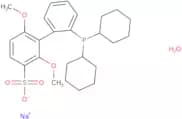
CAS:<p>Sodium 2'-dicyclohexylphosphino-2,6-dimethoxy-1,1'-biphenyl-3-sulfonate hydrate is a palladium complex that is used in organic synthesis. It can be used as an efficient method to synthesize terminal alkynes. The compound has been shown to be a bromodomain inhibitor and can be used to study the role of toll-like receptors in autoimmune diseases.</p>Formula:C26H36NaO6PSPurezza:Min. 95%Colore e forma:White PowderPeso molecolare:530.59 g/mol7-Chloroquinoline-3-carboxylicacid
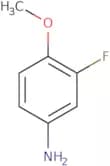
CAS:<p>7-Chloroquinoline-3-carboxylicacid (7CQCA) is a synthetic compound that has been shown to have regulatory, immunomodulatory, and anticancer properties. It is a potent inhibitor of mammalian DNA polymerase beta and it has been shown to induce apoptosis in human prostate cancer cells by inhibiting the production of cAMP. 7CQCA also inhibits the proliferation of mouse CD1 leukemia cells in vitro and induces apoptosis in these cells. The compound was found to be more effective when used with other agents such as triticum aestivum extract, which may be due to its synergistic interaction with these compounds.</p>Formula:C10H6ClNO2Purezza:Min. 95%Colore e forma:Off-White PowderPeso molecolare:207.61 g/mol3-Fluoro-4-methoxyaniline
CAS:<p>3-Fluoro-4-methoxyaniline is a chemical intermediate. It is an aminopyridine that is used in the synthesis of bosutinib, an anticancer drug. 3-Fluoro-4-methoxyaniline binds to the ATP binding site of the cell's mitochondria and prevents the release of cytochrome c from the mitochondria, which leads to apoptosis. 3-Fluoro-4-methoxyaniline also has antimitotic effects and can inhibit the growth of tumor cells. 3-Fluoro-4-methoxyaniline has been shown to have poor cellular uptake, which may be due to its interaction with positron emission tomography (PET) agents such as cyanuric acid or glycopeptide. This chemical has also been shown to be a good surrogate for chloride ions in studies on transfected tumor cells.</p>Formula:C7H8FNOPurezza:Min. 98.5%Colore e forma:Off-White PowderPeso molecolare:141.14 g/molFmoc-3-chloro-L-β-homophenylalanine
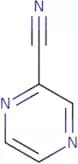
CAS:<p>Fmoc-3-chloro-L-beta-homophenylalanine is a chemical scaffold that can be used in research, as an intermediate, or as a building block. It has a wide range of utility and can be used to create complex compounds with high purity. This product is sold as a solid that is soluble in organic solvents such as dichloromethane, chloroform, and DMF. Fmoc-3-chloro-L-beta-homophenylalanine is also known by its CAS number 270596-40-2.</p>Formula:C25H22ClNO4Purezza:Min. 95%Colore e forma:White PowderPeso molecolare:435.9 g/mol2-Cyanopyrazine
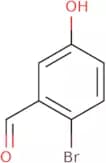
CAS:<p>2-Cyanopyrazine is a molecule that belongs to the group of nitrogen-containing heterocyclic compounds. It has been shown to exhibit antiinflammatory activity in skin cancer cells and bacterial strain, group P2. This compound inhibits the growth of bacteria by binding to their pyrazinoic acid, which is an electron acceptor. 2-Cyanopyrazine also exhibits tuberculostatic activity against M. tuberculosis and M. avium complex by inhibiting the synthesis of mycolic acids and cell wall lipids, respectively. The redox cycle of this compound is coordinated with a hydrogen bond between the hydroxyl group and the carbonyl carbon atom. 2-Cyanopyrazine is oxidized from its initial state through a reaction mechanism involving molecular oxygen or hydrogen peroxide as an oxidant and water as a reductant. The oxidation products can be reduced back to 2-cyanoapyrazine using ascorbate or NADH as</p>Formula:C5H3N3Purezza:Min. 95%Colore e forma:Off-White To Light (Or Pale) Yellow Solid Or Liquid (May Vary)Peso molecolare:105.1 g/mol2-Bromo-5-hydroxybenzaldehyde
CAS:<p>Intermediate in the synthesis of crisaborole AN2728</p>Formula:C7H5BrO2Purezza:Min. 95%Colore e forma:White PowderPeso molecolare:201.02 g/mol6-Bromopyrrolo[2,1-f][1,2,4]triazin-4(3H)-one
CAS:<p>Kinase inhibitor mimicking quinazoline kinase inhibitor scaffold</p>Formula:C6H4BrN3OPurezza:Min. 95%Colore e forma:Yellow PowderPeso molecolare:214.02 g/mol








![6-Bromopyrrolo[2,1-f][1,2,4]triazin-4(3H)-one](/_next/image/?url=https%3A%2Fstatic.cymitquimica.com%2Fproducts%2F3D%2Fthumb-webp%2FFB63187.webp&w=3840&q=75)