Building Blocks
Sottocategorie di "Building Blocks"
- Acidi boronici e derivati dell'acido boronico(5.783 prodotti)
- Building Blocks Chirali(1.242 prodotti)
- Building Blocks Idrocarburici(6.105 prodotti)
- Building Blocks organici(61.055 prodotti)
Trovati 205383 prodotti di "Building Blocks"
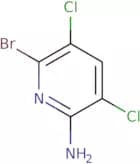
6-Bromo-3,5-dichloropyridin-2-amine
CAS:Versatile small molecule scaffold
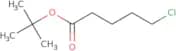
Formula:C5H3BrCl2N2Purezza:Min. 95%Peso molecolare:241.9 g/moltert-Butyl 5-chloropentanoate
CAS:Versatile small molecule scaffold
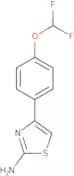
Formula:C9H17ClO2Purezza:Min. 95%Peso molecolare:192.68 g/mol4-(4-Difluoromethoxy-phenyl)-thiazol-2-ylamine
CAS:Versatile small molecule scaffoldFormula:C10H8F2N2OSPurezza:Min. 95%Peso molecolare:242.24 g/mol1,2,5,6,7,8-Hexahydroazocin-2-one
CAS:Versatile small molecule scaffold
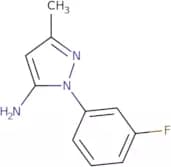
Formula:C7H11NOPurezza:Min. 95%Peso molecolare:125.17 g/mol1-(3-Fluorophenyl)-3-methyl-1H-pyrazol-5-amine
CAS:Versatile small molecule scaffoldFormula:C10H10FN3Purezza:Min. 95%Peso molecolare:191.2 g/mol5-(3H-Pyrazol-3-ylidene)-1,2,4-triazolidine-3-thione
CAS:Versatile small molecule scaffold
Formula:C5H5N5SPurezza:Min. 95%Peso molecolare:167.19 g/mol5-Methyl-4-phenyl-1H-1,2,3-triazole
CAS:Versatile small molecule scaffold
Formula:C9H9N3Purezza:Min. 95%Peso molecolare:159.19 g/mol1-Isocyanato-3-(propan-2-yl)benzene
CAS:1-Isocyanato-3-(propan-2-yl)benzene is a chiral molecule that has been synthesized and characterized by spectroscopic techniques. It is a colorless liquid with a boiling point of 137°C and an elution time of 12 minutes in high-performance liquid chromatography (HPLC). The compound exhibits strong absorption bands at 220 nm, 276 nm, and 332 nm in the UV region. NMR spectroscopy shows that the compound has a phenyl group nature. The compound also displays dichroism characteristics with correlation to the amylose content.
Formula:C10H11NOPurezza:Min. 95%Peso molecolare:161.2 g/mol2-Amino-1-(4-methoxyphenyl)ethanol
CAS:2-Amino-1-(4-methoxyphenyl)ethanol is a lactam that is minimally reactive with biological systems. It has been shown to inhibit the binding of the linker molecule to calcitriol, which is a vital component of vitamin D synthesis. This compound can also be used in intra-articular injections for the treatment of arthritis and other inflammatory disorders. 2-Amino-1-(4-methoxyphenyl)ethanol has been synthesized from an endogenous amino acid precursor and conjugated with a fluorophore, enabling it to be tracked in vivo by fluorescence imaging. It has been demonstrated that 2-Amino-1-(4-methoxyphenyl)ethanol can be used as a traceless bioactive molecule in molecular modelling and simulations.
Formula:C9H13NO2Purezza:Min. 95%Peso molecolare:167.21 g/mol3-(3-Aminopropyl)phenol hydrochloride
CAS:Versatile small molecule scaffold
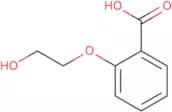
Formula:C9H14ClNOPurezza:Min. 95%Peso molecolare:187.66 g/mol2-(2-Hydroxy-ethoxy)-benzoic acid
CAS:2-(2-Hydroxy-ethoxy)-benzoic acid is a semicrystalline solid with a melting point at about 220°C. It has a concentration range of 0.5 to 10% and a molecular weight of 192.2 g/mol. 2-(2-Hydroxy-ethoxy)-benzoic acid has been used as an additive in polymers and copolymers, lowering the transition temperature of the polymer or copolymer. The compound has also been used as an intermediate in the synthesis of other compounds such as amorphous polymers, polycaprolactone, and polyesters. 2-(2-Hydroxy-ethoxy)-benzoic acid is an organic compound that belongs to the group of benzoic acids and can be synthesized by reacting ethylene glycol with phthalic anhydride.
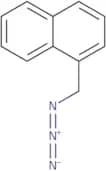
Formula:C9H10O4Purezza:Min. 95%Peso molecolare:182.17 g/mol1-(Azidomethyl)naphthalene
CAS:Versatile small molecule scaffold
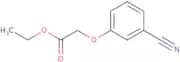
Formula:C11H9N3Purezza:Min. 95%Peso molecolare:183.21 g/molEthyl 2-(3-cyanophenoxy)acetate
CAS:Versatile small molecule scaffold
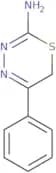
Formula:C11H11NO3Purezza:Min. 95%Peso molecolare:205.21 g/mol5-Phenyl-6H-1,3,4-thiadiazin-2-amine
CAS:Phenyl-6H-1,3,4-thiadiazin-2-amine is a bidentate ligand that has been used in analyses to study the binding of various substances. It is a phenolic compound with an azomethine group and nitrogen atoms. Phenyl-6H-1,3,4-thiadiazin-2-amine can be synthesized by reacting 1,5-diaminonaphthalene with 2,6-dihydroxyphenol. This reaction can be followed by elemental analysis and elemental identification. Phenyl-6H-1,3,4-thiadiazin-2 amine also has magnetic properties and phenolic oxygen. It displays thermogravimetric properties that can be analyzed using a TGA instrument. The electronic spectra of this substance can also be analyzed using UV/Vis spectroscopy or NMR spectroscopy. Phenyl-[H]-
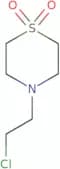
Formula:C9H9N3SPurezza:Min. 95%Peso molecolare:191.26 g/mol4-(2-Chloroethyl)thiomorpholine 1,1-dioxide
CAS:Versatile small molecule scaffold
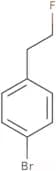
Formula:C6H12ClNO2SPurezza:Min. 95%Peso molecolare:197.68 g/mol1-Bromo-4-(2-fluoroethyl)benzene
CAS:Versatile small molecule scaffold
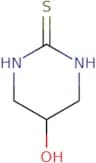
Formula:C8H8BrFPurezza:Min. 95%Peso molecolare:203.05 g/mol5-Hydroxy-1,3-diazinane-2-thione
CAS:Versatile small molecule scaffold
Formula:C4H8N2OSPurezza:Min. 95%Peso molecolare:132.19 g/molBenzyl[(4-methylphenyl)methyl]amine
CAS:Versatile small molecule scaffold
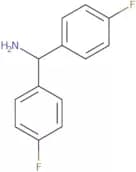
Formula:C15H17NPurezza:Min. 95%Peso molecolare:211.3 g/molBis(4-fluorophenyl)methanamine
CAS:Versatile small molecule scaffold
Formula:C13H11F2NPurezza:Min. 95%Peso molecolare:219.23 g/mol[1-(3,4-Dimethoxyphenyl)cyclohexyl]methanamine
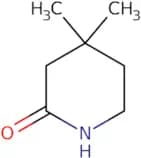
CAS:Versatile small molecule scaffoldFormula:C15H23NO2Purezza:Min. 95%Peso molecolare:249.35 g/mol4,4-Dimethylpiperidin-2-one
CAS:Versatile small molecule scaffold
Formula:C7H13NOPurezza:Min. 95%Peso molecolare:127.18 g/mol3-(Diethylphosphoryl)aniline
CAS:Versatile small molecule scaffold
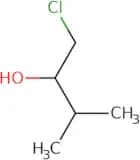
Formula:C10H16NOPPurezza:Min. 95%Peso molecolare:197.2 g/mol1-Chloro-3-methylbutan-2-ol
CAS:Versatile small molecule scaffold
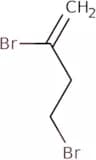
Formula:C5H11ClOPurezza:Min. 95%Peso molecolare:122.59 g/mol2,4-Dibromobut-1-ene
CAS:2,4-Dibromobut-1-ene is a dihedral molecule that is used as an intermediate in the synthesis of other compounds. The highest serum levels are seen in infants and rationalized to protonation of the tertiary butyl group. Dehydration leads to formation of a high yield via alkylation with long-term exposure. 2,4-Dibromobut-1-ene has been shown to be an antineoplastic drug that inhibits cell growth by binding to electron deficient positions on DNA molecules. This causes nucleic acid strand breakage and inhibition of DNA synthesis, leading to cell death.
Formula:C4H6Br2Purezza:Min. 95%Peso molecolare:213.9 g/mol1-[(4-Chlorophenyl)phenylmethyl]piperazine
CAS:Prodotto controllato1-[(4-Chlorophenyl)phenylmethyl]piperazine is an analytical reagent that is used in the determination of meclozine, a drug used for the treatment of nausea and vomiting. 1-[(4-Chlorophenyl)phenylmethyl]piperazine is a nucleophile, which means that it can donate electrons to other molecules. It can be used as a catalyst to increase the rate of chemical reactions. 1-[(4-Chlorophenyl)phenylmethyl]piperazine may also be used in wastewater treatment because it has been shown to have phospholipidosis inhibiting properties. The levorotatory form (1R-enantiomer) of this compound has been shown to inhibit protein synthesis in vitro and is an amine oxidase inhibitor that binds to proteins with nitrogen atoms. This nucleophilic compound may also be converted into an n-oxide or dinucleotide phosphate by hydrochloric acid and
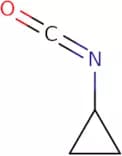
Formula:C17H19ClN2Purezza:Min. 95%Peso molecolare:286.8 g/molCyclopropyl isocyanate
CAS:Cyclopropyl isocyanate (CPC) is an aliphatic hydrocarbon that is structurally similar to butane. Cyclopropyl isocyanate has a variety of functional groups including a hydroxy group, a serine protease, and an amino group. CPC has been shown to be a potent activator of the enzyme histone h3 lysine 4 trimethyltranferase, which is involved in the regulation of inflammatory diseases. The synthesis of cyclopropyl isocyanate can be done through the reaction with diazomethane and zinc chloride or by treating 1-chlorocyclohexene with nitrous acid.
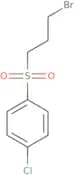
Formula:C4H5NOPurezza:Min. 95%Colore e forma:Clear LiquidPeso molecolare:83.09 g/mol1-(3-Bromopropanesulfonyl)-4-chlorobenzene
CAS:Versatile small molecule scaffoldFormula:C9H10BrClO2SPurezza:Min. 95%Peso molecolare:297.6 g/mol2-[(2-Bromoethyl)sulfanyl]-2-methylpropane
CAS:Versatile small molecule scaffold
Formula:C6H13BrSPurezza:Min. 95%Peso molecolare:197.14 g/mol2-[(3-Phenylpropyl)sulfanyl]ethan-1-ol
CAS:Versatile small molecule scaffold
Formula:C11H16OSPurezza:Min. 95%Peso molecolare:196.31 g/mol2-[(2-Aminoethyl)(ethyl)amino]ethan-1-ol
CAS:Versatile small molecule scaffold
Formula:C6H16N2OPurezza:Min. 95%Peso molecolare:132.2 g/molEthyl[1-(pyridin-3-yl)ethyl]amine
CAS:Versatile small molecule scaffold
Formula:C9H14N2Purezza:Min. 95%Peso molecolare:150.22 g/mol(2-methyl-[1,3]dioxolan-2-yl)-acetic acid
CAS:Versatile small molecule scaffold
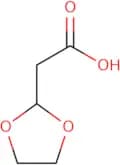
Formula:C6H10O4Purezza:Min. 95%Peso molecolare:146.14 g/mol2-(1,3-Dioxolan-2-yl)acetic acid
CAS:Versatile small molecule scaffold
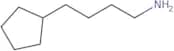
Formula:C5H8O4Purezza:Min. 95%Colore e forma:PowderPeso molecolare:132.11 g/mol4-Cyclopentylbutan-1-amine
CAS:Versatile small molecule scaffold
Formula:C9H19NPurezza:Min. 95%Peso molecolare:141.25 g/molBis(2-(2-methoxyethoxy)ethyl)amine
CAS:Versatile small molecule scaffold
Formula:C10H23NO4Purezza:Min. 95%Peso molecolare:221.29 g/mol1-N-[(4-Chlorophenyl)methyl]benzene-1,2-diamine
CAS:Versatile small molecule scaffold
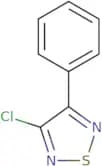
Formula:C13H13ClN2Purezza:Min. 95%Peso molecolare:232.71 g/mol3-Chloro-4-phenyl-1,2,5-thiadiazole
CAS:3-Chloro-4-phenyl-1,2,5-thiadiazole is a chemical compound with an alkoxy group (C6H4O), an organotin group (CH3Sn), and a 1-6c alkyl group. It has been used in the manufacture of medicines and agrochemicals as a reactant or catalyst. 3-Chloro-4-phenyl-1,2,5-thiadiazole is also used industrially as a trifluoromethylation reagent for phenols and thiols.
Formula:C8H5ClN2SPurezza:Min. 95%Peso molecolare:196.66 g/mol2-Oxaspiro[4.4]nonan-3-one
CAS:Versatile small molecule scaffold
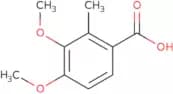
Formula:C8H12O2Purezza:Min. 95%Peso molecolare:140.18 g/mol3,4-Dimethoxy-2-methylbenzoic acid
CAS:Versatile small molecule scaffold
Formula:C10H12O4Purezza:Min. 95%Peso molecolare:196.2 g/mol2-Nitro-1H-benzo[d]imidazole
CAS:2-Nitro-1H-benzo[d]imidazole is an analog of benzimidazole compounds. It is used in the preparation of antibodies. 2-Nitro-1H-benzo[d]imidazole reacts with hydrochloric acid to form a trifluoroacetic acid, which can be purified by trichloroacetic acid and recrystallized from methanol. The purity of the product can be checked using a UV spectrophotometer, and it has a melting point of 141°C.
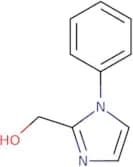
Formula:C7H5N3O2Purezza:Min. 95%Peso molecolare:163.13 g/mol(1-Phenyl-1H-imidazol-2-yl)methanol
CAS:Versatile small molecule scaffold
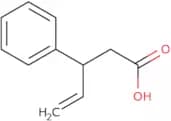
Formula:C10H10N2OPurezza:Min. 95%Peso molecolare:174.2 g/mol3-Phenylpent-4-enoic acid
CAS:3-Phenylpent-4-enoic acid is a natural product that is obtained from the lipophilic fraction of various plant species. It can be synthesized using chemoenzymatic reactions. 3-Phenylpent-4-enoic acid can be used as a chiral chemical intermediate in the synthesis of other compounds, such as olefinic compounds and alkene derivatives. This compound has been shown to have promiscuous reactivity, which is characterized by its ability to catalyze metathesis reactions with high enantiomeric excess. The isolated yield for this reaction was high at 96%.
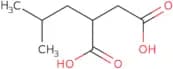
Formula:C11H12O2Purezza:Min. 95%Peso molecolare:176.21 g/mol2-(2-Methylpropyl)butanedioic acid
CAS:2-(2-Methylpropyl)butanedioic acid is an uncatalyzed chemical reaction that is used for the treatment of wastewater. It is a chiral compound, which means it has a non-superimposable mirror image. 2-(2-Methylpropyl)butanedioic acid can be synthesized by homochiral reactions, which are reactions that uses only one type of chiral molecule to produce a chiral product. The rate of this reaction is controlled by the concentration of reactants and the temperature at which it occurs. This reaction mechanism involves the formation of an enolate ion from 2-(2-methylpropyl) butanedioic acid, followed by deprotonation to form the conjugated enolate. Leukocyte elastase is an enzyme that breaks down elastin in cells, and this enzyme may be inhibited by gabapentin.
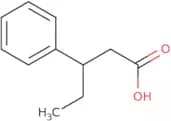
Formula:C8H14O4Purezza:Min. 95%Peso molecolare:174.19 g/mol3-phenylpentanoic acid
CAS:3-phenylpentanoic acid is an impurity of 2-phenylbutyric acid, which is used in the synthesis of some pharmaceuticals. It is also an optical isomer of 3-phenylpropanoic acid. The compound has been shown to inhibit the growth of pseudomonas strains and may be useful in the treatment of neurotoxicity. The precise mechanism by which 3-phenylpentanoic acid inhibits bacterial growth is not known, but it has been speculated that it may inhibit the synthesis of proteins, RNA, or DNA. This compound can be synthesized chemoenzymatically from 2-phenylethyl esters and proton donors, such as ethylene glycol and formaldehyde. The enantiomers can be separated by chiral HPLC.
Formula:C11H14O2Purezza:Min. 95%Peso molecolare:178.22 g/mol2-Benzylbutanoic acid
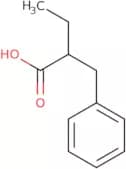
CAS:2-Benzylbutanoic acid is a molecule that belongs to the class of β-amino acids. It is used as a drug for treating chronic pulmonary disease, and in pharmaceutical preparations for treating bowel disease, fatty acid metabolism disorders, and inflammatory diseases. 2-Benzylbutanoic acid has been shown to inhibit the activity of enzymes such as hydroxylases, which are involved in the synthesis of prostaglandins. Prostaglandins are involved in many physiological processes including pain perception and inflammation. 2-Benzylbutanoic acid has also been shown to have hypoglycemic effects on mice with diabetes mellitus type 1 when administered orally or intraperitoneally.
Formula:C11H14O2Purezza:Min. 95%Peso molecolare:178.23 g/mol(7-Methoxynaphthalen-2-yl)methanol
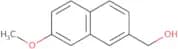
CAS:Versatile small molecule scaffold
Formula:C12H12O2Purezza:Min. 95%Peso molecolare:188.22 g/mol3-Cyclopentyl-3-hydroxypropanoic acid
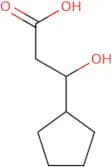
CAS:Versatile small molecule scaffold
Formula:C8H14O3Purezza:Min. 95%Peso molecolare:158.19 g/mol1-Methylpiperidine-3-carboxylic acid
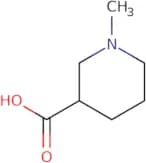
CAS:1-Methylpiperidine-3-carboxylic acid (1MP) is a neurotoxic compound that can be synthesized in vivo by the oxidation of choline. It has been shown to have a natriuretic and diuretic effect on the kidney, as well as stimulating the release of atrial natriuretic peptide. 1MP also has an agonistic effect on the dopamine receptors, and is a competitive antagonist for the binding of betaines to skin cells. Betaines are substances that are found in many foods, including wheat germ and spinach, which have been linked to nerve cell death in rats.
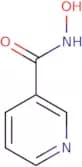
END>>Formula:C7H13NO2Purezza:Min. 95%Peso molecolare:143.19 g/molN-Hydroxypyridine-3-carboxamide
CAS:N-Hydroxypyridine-3-carboxamide is a hydroxylated metabolite of nicotinic acid that has been shown to have skin conditioning properties. The optimum pH for this product is 3.5 and its biological properties include an inhibitory effect on viral replication and a galacturonic acid complex. N-Hydroxypyridine-3-carboxamide also exhibits a high degree of hemolytic activity, which may be due to the methyl nicotinate moiety or the carbonyl oxygens present in this compound.
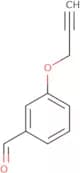
Formula:C6H6N2O2Purezza:Min. 95%Peso molecolare:138.12 g/mol3-Prop-2-ynyloxy-benzaldehyde
CAS:3-Prop-2-ynyloxy-benzaldehyde is a crystalline compound that can be used as an intermediate for the synthesis of azides. The crystal structure of 3-prop-2-ynyloxybenzaldehyde was determined by X-ray crystallography. This molecule has four nitro groups, which are in the form of methylenes. The active methylene is a tetradentate amine, which coordinates to the chloride ion and forms a supramolecular complex with it. The chloroformate group is also coordinated to this chloride ion. The azide group is coordinated to the chloride ion through an N–N bond, and the nitro group is coordinated through an N–O bond. This molecule has a high degree of symmetry due to its rigid geometry and planarity, which helps in its efficient synthesis methods.
Formula:C10H8O2Purezza:Min. 95%Peso molecolare:160.17 g/mol




![Benzyl[(4-methylphenyl)methyl]amine](/_next/image/?url=https%3A%2Fstatic.cymitquimica.com%2Fproducts%2F3D%2Fthumb-webp%2FFCA09686.webp&w=3840&q=75)
![[1-(3,4-Dimethoxyphenyl)cyclohexyl]methanamine](/_next/image/?url=https%3A%2Fstatic.cymitquimica.com%2Fproducts%2F3D%2Fthumb-webp%2FFCA09270.webp&w=3840&q=75)
![1-[(4-Chlorophenyl)phenylmethyl]piperazine](/_next/image/?url=https%3A%2Fstatic.cymitquimica.com%2Fproducts%2F3D%2Fthumb-webp%2FFC20350.webp&w=3840&q=75)
![2-[(2-Bromoethyl)sulfanyl]-2-methylpropane](/_next/image/?url=https%3A%2Fstatic.cymitquimica.com%2Fproducts%2F3D%2Fthumb-webp%2FFAA75560.webp&w=3840&q=75)
![2-[(3-Phenylpropyl)sulfanyl]ethan-1-ol](/_next/image/?url=https%3A%2Fstatic.cymitquimica.com%2Fproducts%2F3D%2Fthumb-webp%2FFAA75557.webp&w=3840&q=75)
![2-[(2-Aminoethyl)(ethyl)amino]ethan-1-ol](/_next/image/?url=https%3A%2Fstatic.cymitquimica.com%2Fproducts%2F3D%2Fthumb-webp%2FFAA75348.webp&w=3840&q=75)
![Ethyl[1-(pyridin-3-yl)ethyl]amine](/_next/image/?url=https%3A%2Fstatic.cymitquimica.com%2Fproducts%2F3D%2Fthumb-webp%2FFAA74654.webp&w=3840&q=75)
![(2-methyl-[1,3]dioxolan-2-yl)-acetic acid](/_next/image/?url=https%3A%2Fstatic.cymitquimica.com%2Fproducts%2F3D%2Fthumb-webp%2FFAA73597.webp&w=3840&q=75)

![1-N-[(4-Chlorophenyl)methyl]benzene-1,2-diamine](/_next/image/?url=https%3A%2Fstatic.cymitquimica.com%2Fproducts%2F3D%2Fthumb-webp%2FFAA72918.webp&w=3840&q=75)
![2-Oxaspiro[4.4]nonan-3-one](/_next/image/?url=https%3A%2Fstatic.cymitquimica.com%2Fproducts%2F3D%2Fthumb-webp%2FFAA72462.webp&w=3840&q=75)
![2-Nitro-1H-benzo[d]imidazole](/_next/image/?url=https%3A%2Fstatic.cymitquimica.com%2Fproducts%2F3D%2Fthumb-webp%2FFAA70967.webp&w=3840&q=75)