Alcoli
Sottocategorie di "Alcoli"
Trovati 5813 prodotti di "Alcoli"
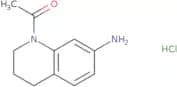
1-Acetyl-1,2,3,4-tetrahydroquinolin-7-amine hydrochloride
CAS:1-Acetyl-1,2,3,4-tetrahydroquinolin-7-amine hydrochloride is a versatile building block that can be used in the synthesis of complex compounds with high quality and as a speciality chemical. This compound is useful as a reagent and reaction component in organic synthesis. It has been shown to be useful in the synthesis of new scaffolds for drug discovery.
Formula:C11H14N2O·HClPurezza:Min. 95%Colore e forma:Off-White PowderPeso molecolare:226.7 g/mol3,4-Dihydro-2(1H)-Quinolinone
CAS:3,4-Dihydro-2(1H)-quinolinone is a potent inhibitor of dopamine β-hydroxylase and is used as a model system to study the pharmacokinetic properties of carbostyril. It has been shown that 3,4-dihydro-2(1H)-quinolinone binds to the chloride ion in the active site of dopamine β-hydroxylase. This binding prevents the formation of a complex with the enzyme's substrate, which is required for catalysis. 3,4-Dihydro-2(1H)-quinolinone also interacts with the alkynyl group on dopamine and competitively inhibits its metabolism by monoamine oxidase (MAO).Formula:C9H9NOPurezza:Min. 95%Colore e forma:PowderPeso molecolare:147.17 g/mol4-Chloro-2-methylbenzyl alcohol
CAS:4-Chloro-2-methylbenzyl alcohol is an organic compound that has a sensor and hydroxyl group. It is used in pest control as an insecticide. 4-Chloro-2-methylbenzyl alcohol has been shown to be effective against ants, cockroaches, and other insects. There are multiple instabilities of this compound, including low oxygen stability when exposed to air, which may lead to the degradation of this chemical. Impurities in 4-chloro-2-methylbenzyl alcohol may also lead to its instability as it reacts with alkali metals at high temperatures. The instability of 4-chloro-2-methylbenzyl alcohol can be reduced by storing it at low temperatures or by adding cryogenic substances such as liquid nitrogen or carbon dioxide gas.
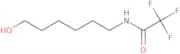
Formula:C8H9ClOPurezza:Min. 95%Peso molecolare:156.61 g/molN-(6-Hydroxyhexyl)trifluoroacetamide
CAS:6-(Trifluoroacetylamino)-1-Hexanol is a magnetic compound that has been shown to bind to liposomes and hydrophobic membranes. It is also amphipathic, meaning it contains both hydrophilic and hydrophobic properties. This compound can be used for the diagnosis of certain diseases, such as cancer, by detecting gadolinium ions in the body. 6-(Trifluoroacetylamino)-1-Hexanol is also an imidazolide ligand that binds to ribonucleotides and nucleic acid matrix proteins. This allows it to be used as a contrast agent in magnetic resonance imaging (MRI).Formula:C8H14F3NO2Purezza:Min. 95%Colore e forma:PowderPeso molecolare:213.2 g/mol4-Methyl-5-nonanol
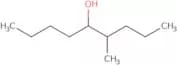
CAS:4-Methyl-5-nonanol is a synthetic pheromone that is used in the analytical methods of weevil traps. The odorant binding proteins on the surface of the weevil are attracted to this chemical, which binds to them through hydrophobic interactions. This trap is stereoselective, as it only attracts male weevils. 4-Methyl-5-nonanol has been shown to have a high specificity and sensitivity as an analytical tool for weevil traps, with no cross reactivity with other insects such as beetles or ants.
Formula:C10H22OPurezza:Min. 95%Colore e forma:Clear LiquidPeso molecolare:158.28 g/mol2,4,5-Trimethoxybenzyl alcohol
CAS:2,4,5-Trimethoxybenzyl alcohol is a metabolite that is produced by the p. pastoris strain. It has been shown to be active against the enzyme glyceraldehyde-3-phosphate dehydrogenase and has been expressed heterologously in yeast. 2,4,5-Trimethoxybenzyl alcohol also has been shown to inhibit peroxidases and may have biochemical applications in pharmaceuticals as an inhibitor of lipid peroxidation.
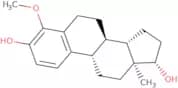
Formula:C10H14O4Purezza:Min. 95%Colore e forma:White PowderPeso molecolare:198.22 g/mol4-Methoxy 17b-estradiol
CAS:Prodotto controllato4-Methoxy 17β-estradiol is a synthetic estrogen that is used as a pharmaceutical drug in the treatment of menopausal symptoms and to prevent osteoporosis. It can be taken orally or administered by injection. 4-Methoxy 17β-estradiol has been found to have interactive effects with other drugs, such as fatty acids and catechol-o-methyltransferase (COMT). It also has an effect on body mass index in vivo, which can lead to cancerous cell proliferation. The matrix effect of 4-methoxy 17β-estradiol on tissues depends on the hydrogen bonds it forms with amino acids in the protein matrix. The hydrogen bonds are different for each tissue type and this may contribute to the differences in carcinogenic potential between tissues. This drug is not active against MCF-7 human breast cancer cells, but does inhibit growth of MDA MB 231 human breast cancer cells.
Formula:C19H26O3Purezza:Min. 95%Colore e forma:PowderPeso molecolare:302.41 g/mol4-Methylthiophenol
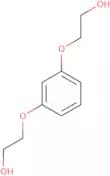
CAS:4-Methylthiophenol is a colorless liquid that is soluble in water. It has a molecular weight of 98.12 and an empirical formula of C6H7O2S. 4-Methylthiophenol is used as an analytical reagent, solvent, and chemical intermediate. It exhibits hydrogen bonding interactions with sodium carbonate and trifluoroacetic acid and forms a salt with sodium carbonate. The molecule's stability increases when it interacts with amines and the presence of nucleophiles such as water or alcohols. 4-Methylthiophenol has been shown to be effective at enhancing the fluorescence signal emitted by amines, which makes it useful for laser ablation mass spectrometry (LA-MS). 4-Methylthiophenol can also be used for kinetic energy measurements using FTIR spectroscopy because it will absorb infrared light at 1680 cm−1 from the CO2 laser beam.Formula:C7H8SPurezza:Min. 95%Colore e forma:White PowderPeso molecolare:124.2 g/molResorcinol bis(2-hydroxyethyl)ether
CAS:Resorcinol bis(2-hydroxyethyl)ether is a chemical compound that belongs to the class of polyols. It is a colorless liquid with a strong odor and has a molecular weight of 198.22 g/mol. Resorcinol bis(2-hydroxyethyl)ether is used in the production of polyester, polyurethane, and cellulose acetate butyrate. This chemical also has an anti-oxidant effect that can be utilized in industrial processes such as oxidation polymerization, dyeing, and curing agents. The synthesis methods for resorcinol bis(2-hydroxyethyl)ether include acetaldehyde condensation with glycerol or ethylene oxide followed by hydrolysis.Formula:C10H14O4Purezza:Min. 95%Colore e forma:White PowderPeso molecolare:198.22 g/mol4-Fluoroisoquinoline
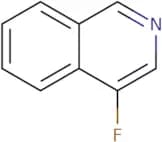
CAS:4-Fluoroisoquinoline is a synthetic compound that can be produced by the reduction of an acetonitrile-chlorinated isoquinoline compound. It is also possible to produce 4-fluoroisoquinoline by the reaction of chlorinating agents with an aldehyde, followed by the addition of phosphorus oxychloride and fluorine. The reductive sulfonation of 4-fluoroisoquinoline can be achieved by reacting it with sulfur trioxide, which is in turn generated from phosphorous oxychloride and sulfur dioxide. This process produces the desired product in good yields.
Formula:C9H6FNPurezza:Min. 95%Colore e forma:Brown PowderPeso molecolare:147.15 g/mol4-Ethoxy-3-methoxybenzyl alcohol
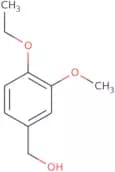
CAS:4-Ethoxy-3-methoxybenzyl alcohol is a metabolite of the drug benzocaine. It is formed by hydrolysis of the ester linkages in benzocaine and is then further metabolized to form 4-hydroxy-3-methoxybenzyl alcohol. 4-Ethoxy-3-methoxybenzyl alcohol has been shown to have antinociceptive effects in rats, which may be due to its ability to inhibit pain signals from the peripheral nerves.Formula:C10H14O3Purezza:Min. 95%Colore e forma:PowderPeso molecolare:182.22 g/mol2-Methyl-2-adamantanol
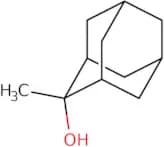
CAS:2-Methyl-2-adamantanol is a chemical compound with the molecular formula CH(CH)COOH. It is a colorless liquid that boils at 109°C and freezes at -78°C. This compound has been used as an additive to gasoline, in cosmetics, as a solvent for polymers, and as a fuel. 2-Methyl-2-adamantanol is synthesized by the reaction of 1-adamantanol with hydrogen chloride gas in the presence of dimethylformamide. The product can be purified by recrystallizing it from methanol or chloroform. The structure of this compound was determined using X-ray crystallography. 2-Methyl-2-adamantanol is an alicyclic molecule that contains two methyl groups (-CH3) on adjacent carbons (C). It also has a hydrogen bond between the two methyl groups on C1 and C2. This compound has been
Formula:C11H18OPurezza:Min. 95%Colore e forma:PowderPeso molecolare:166.1 g/molAndrostenediol 3-acetate
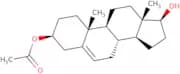
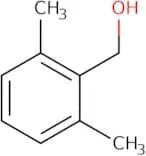
CAS:Prodotto controllatoAndrostenediol 3-acetate is an oxime that is used as a coupling agent in organic synthesis. It uncouples oxidative phosphorylation by forming a covalent bond to the enzyme cytochrome-c oxidase, which is involved in the electron transport chain of mitochondria. This inhibits ATP production and forces the cell to rely on anaerobic glycolysis for energy. The efficiency of this reaction was determined through nuclear magnetic resonance spectroscopy and found to be about 60%. Androstenediol 3-acetate has been shown to increase myocardial contractility and cause cardiac hypertrophy in rats.Formula:C21H32O3Purezza:Min. 95%Colore e forma:PowderPeso molecolare:332.48 g/mol2,6-Dimethylbenzyl alcohol
CAS:2,6-Dimethylbenzyl alcohol is a carboxylic acid that can be found in nature. It is a synthetic compound that has been shown to have stereoselective properties. The mechanism of 2,6-Dimethylbenzyl alcohol is not well known, but it has been hypothesized to react with amines and form an imine intermediate. This mechanism is supported by the presence of an alkene and primary alcohol on its structure. Some functional groups include chloride and benzoate, which are both anions. This compound has been shown to have echolocation capabilities in bats.Formula:C9H12OPurezza:Min. 95%Colore e forma:SolidPeso molecolare:136.19 g/molDiglycerol
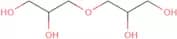
CAS:Diglycerol is a glyceride that has antimicrobial properties. It is a surface-active agent, which inhibits bacterial growth and biofilm formation by disrupting the lipid bilayer of the cell membrane. Diglycerol is also used in the production of glycerin and glycol esters, which are used in the manufacture of soaps, lotions, and other cosmetics. This compound shows anti-atherosclerotic effects at low doses in laboratory animals by inhibiting inflammation and breakdown of blood vessels. The reaction mechanism for this effect is not fully understood; however, it may be due to its ability to inhibit the release of reactive oxygen species from macrophages or cardiac muscle cells.Formula:C6H14O5Purezza:Min. 80.0 Area-%Colore e forma:Colorless Clear LiquidPeso molecolare:166.17 g/molTriglycerol
CAS:Triglycerides are a type of lipid that is composed of glycerol and three fatty acids. They are the main component of animal fats, vegetable oils, and butter. Triglycerids can be made by the reaction of glycerol with three molecules of fatty acid in the presence or absence of a catalyst. Triglycerols are also found naturally in many foods such as milk, meat, and eggs. The toxicity studies on triglycerides have shown that they are not toxic when ingested orally or intravenously at doses up to 500 mg/kg body weight. The reaction mechanism for the production of monolaurate from triglycerides is not well understood but it may involve the addition of hydroxyl groups to the fatty acid chains. This reaction is catalyzed by enzymes such as lipase, esterase, and alcohol oxidase. Triglycerides serve as an important source of energy for humans because they contain more than twice as much energy per gram than carbohydrates or proteins
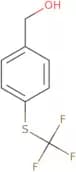
Formula:C9H20O7Purezza:Min. 60 Area-%Colore e forma:Clear LiquidPeso molecolare:240.25 g/mol4-(Trifluoromethylthio)benzyl alcohol
CAS:4-(Trifluoromethylthio)benzyl alcohol (4TFABA) is a chemical that is used as a reagent in organic synthesis. It can be used to synthesize a variety of compounds, including pharmaceuticals and agrochemicals. 4TFABA has been found to be an excellent building block for the synthesis of complex molecules. It is also widely used as a reaction component in high-quality research chemicals, such as chiral ligands and heteroaryl ligands.
Formula:C8H7F3OSPurezza:Min. 95%Colore e forma:PowderPeso molecolare:208.2 g/molIsostearylalcohol
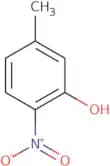
CAS:18 carbon branched aliphatic alcohol mixture; component of cosmetic formulationsFormula:C18H38OPurezza:Min 95%Colore e forma:Clear LiquidPeso molecolare:270.49 g/mol5-Methyl-2-nitrophenol
CAS:5-Methyl-2-nitrophenol is a phytotoxic chemical that is used as a synthetic intermediate in organic chemistry. It has been shown to have a high bioconcentration factor and can be found in wastewater. The major use of 5-methyl-2-nitrophenol is the synthesis of 2,4,6-trinitrophenylhydrazine (TNP) which is used as an analytical reagent for the determination of nitrates. The reaction mechanism of 5-methyl-2-nitrophenol involves intramolecular hydrogen transfer from the methylene group to the nitro group and subsequent elimination of HCl. This reaction product can be found by using analytical methods such as gas chromatography, mass spectrometry, or nuclear magnetic resonance spectroscopy. Functional groups on the reactant include phenols and nitro groups with the following endpoints: hydrochloric acid (HCl), kinetic method, and vapor pressure
Formula:C7H7NO3Purezza:Min. 95%Colore e forma:PowderPeso molecolare:153.14 g/mol(R)-2-((4-Aminophenethyl)amino)-1-phenylethanol hydrochloride
CAS:Intermediate in the synthesis of mirabegronFormula:C16H20N2O·HClPurezza:Min. 95%Colore e forma:PowderPeso molecolare:292.8 g/mol3-Aminobutan-1-ol
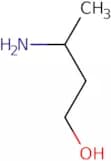
CAS:3-Aminobutan-1-ol is an amine that is synthesized industrially by the reduction of soybean trypsin with borohydride. This chemical has been used as a substrate in asymmetric synthesis and can be detected by high detection sensitivity. 3-Aminobutan-1-ol binds to the carbonyl group of amino acid residues and causes a reaction with chloride ions for detection. The product of this reaction is an enantiomer, which can be separated from other reaction products by purified chiral stationary phases. 3-Aminobutan-1-ol is also involved in the biosynthesis of proteins and enzymes. It reacts with hydrochloric acid to form a salt, which can then be used as an enzyme inhibitor.
Formula:C4H11NOPurezza:Min. 95%Colore e forma:Clear LiquidPeso molecolare:89.14 g/mol4-Fluorophenol
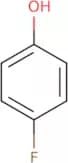
CAS:4-Fluorophenol is the organic compound with the formula CHFOH. It is a phenolic compound and has been used in the manufacture of other chemicals such as trifluoroacetic acid, sodium carbonate and creatinine sulfate. The hydroxyl group of 4-Fluorophenol is capable of donating a proton to hydrogen fluoride to form the intramolecular hydrogen bond, which is an important factor in its chemical reactivity. This reaction mechanism can be seen using electrochemical impedance spectroscopy on bacterial strains.
4-Fluorophenol has been shown to be effective for wastewater treatment due to its ability to react with oxygen nucleophiles such as creatinine sulfate and p-hydroxybenzoic acid.Formula:C6H5FOPurezza:Min. 95%Colore e forma:White PowderPeso molecolare:112.1 g/mol5-Methoxyresorcinol
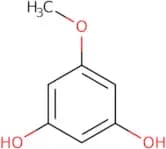
CAS:5-Methoxyresorcinol is a plant product that has been shown to inhibit protein synthesis. It was found to have a second-order rate constant of 0.079 M-1s-1 at pH 7, which is much lower than the first order rate constant for urea hydrolysis (0.71 M-1s-1). 5-Methoxyresorcinol has also been shown to demethylate methyl glycosides and synthesize cell cultures. This product inhibits the replication of herpes simplex virus by inhibiting the synthesis of viral proteins in infected cells and blocking the maturation of progeny virus particles.
Formula:C7H8O3Purezza:Min. 95%Colore e forma:Slightly Yellow PowderPeso molecolare:140.14 g/mol3,4-Dihydroisoquinolin-1(2H)-one
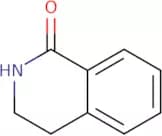
CAS:3,4-Dihydroisoquinolin-1(2H)-one is a potent antagonist of the histamine H1 receptor and has been shown to be safe in animal studies. 3,4-Dihydroisoquinolin-1(2H)-one has also shown efficacy in treating inflammatory diseases, such as asthma and arthritis. This compound was recently tested for its potential to diagnose cancer by targeting the tumor microenvironment. The compound was found to bind to trifluoromethanesulfonic acid (TFMS) with high affinity and selectivity. TFMS is an emerging therapeutic target for cancer therapy because it is highly expressed in the tumor microenvironment and can act as a proton donor for drug delivery systems. 3,4-Dihydroisoquinolin-1(2H)-one has also been observed to have low toxicity profiles in preclinical models, but more research is needed before it can be used clinically.
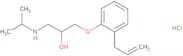
Formula:C9H9NOPurezza:Min. 95%Colore e forma:PowderPeso molecolare:147.17 g/molAlprenolol hydrochloride
CAS:Prodotto controllatoAlprenolol hydrochloride is a beta-adrenergic receptor blocker that is used to treat high blood pressure, angina pectoris, and myocardial infarcts. It binds to the β1-adrenergic receptor in the myocardium and blocks the stimulation of adenylate cyclase. This prevents cAMP production, which leads to decreased calcium influx into the myocardium and an inhibition of contractility. Alprenolol hydrochloride has been shown to be effective in treating congestive heart failure (CHF). Alprenolol is metabolized by esterases in the liver and gut wall. The drug has been shown to have a low potency because it is rapidly metabolized by esterases in humans. It also has potential for drug interactions with other drugs that are metabolized by these enzymes. Alprenolol hydrochloride has structural similarity to guanine nucleotide-binding proteins, which may
Formula:C15H23NO2·HClPurezza:Min. 98 Area-%Colore e forma:PowderPeso molecolare:285.81 g/mol1,4-Cyclohexanedimethanol diglycidyl ether
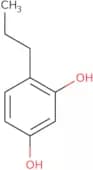
CAS:1,4-Cyclohexanedimethanol diglycidyl ether is a symmetrical molecule with cyclohexyl core and 2 terminal epoxide groups on ether linkers. 1,4-Cyclohexanedimethanol diglycidyl ether is an epoxy resin used with phenol or amine hardeners.Formula:C14H24O4Colore e forma:Clear LiquidPeso molecolare:256.34 g/mol4-Propylresorcinol
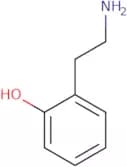
CAS:4-Propylresorcinol is a potent tyrosinase inhibitor that has been shown to inhibit the activity of this enzyme in a synergistic interaction with metal chelators. The binding of 4-propylresorcinol to the active site of the enzyme inhibits the hydroxylation of L-tyrosine, preventing melanin production. This drug also inhibits the production of melanin by other pathways, such as by modulating cellular transcription. The inhibition of tyrosinase activity by 4-propylresorcinol has been shown to be specific and reversible.Formula:C9H12O2Purezza:Min. 95%Colore e forma:Off-White PowderPeso molecolare:152.19 g/mol2-(2-Aminoethyl)phenol
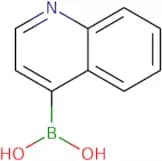
CAS:2-(2-Aminoethyl)phenol is a monoamine oxidase inhibitor. It is a biogenic amine that is found in animals and plants. 2-(2-Aminoethyl)phenol has been found to have anti-inflammatory properties and can be used to treat mongolism.Formula:C8H11NOPurezza:Min. 95 Area-%Colore e forma:PowderPeso molecolare:137.18 g/molQuinolin-4-ylboronic acid
CAS:Quinolin-4-ylboronic acid is a heterocyclic compound with two nitrogen atoms that are attached to the ring by means of carbonyl groups. This compound is a precursor in the synthesis of the drug dorsomorphin, which is used for pain relief. It also has an important role in pharmacokinetics because it can be used as a marker for estimating blood levels of other drugs. Quinolin-4-ylboronic acid yields an active form, quinolin-4-yl boronic acid, when reacted with piperazine in basic conditions. The drug ldn-193189 is a derivative of this active form and has been evaluated as a potential drug for treating osteoporosis and cancer.
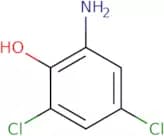
Formula:C9H8BNO2Purezza:Min. 95 Area-%Colore e forma:PowderPeso molecolare:172.98 g/mol6-Amino-2,4-dichlorophenol
CAS:6-Amino-2,4-dichlorophenol is an organic solution that has been shown to inhibit the uptake of quinoline derivatives by lung fibroblasts. It also inhibits cellular targets such as flavin, blood pressure and v79 cells. 6-Amino-2,4-dichlorophenol has potent antibacterial activity and a reactive nucleophilic group that can form covalent bonds with proteins in the cell membrane. 6-Amino-2,4-dichlorophenol is a reactive agent that binds to DNA and RNA in the bacterial cell's cytoplasmic membrane and inhibits protein synthesis.
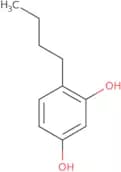
Formula:C6H5Cl2NOPurezza:Min. 95%Colore e forma:PowderPeso molecolare:178.02 g/mol4-n-Butylresorcinol
CAS:Inhibitor of tyrosinase; skin whitener
Formula:C10H14O2Colore e forma:PowderPeso molecolare:166.22 g/mol2-Methoxyresorcinol
CAS:2-Methoxyresorcinol is a metabolite that is formed by the oxidation of resorcinol. It has two methoxy groups, which are functional groups that are usually found in organic compounds. 2-Methoxyresorcinol has been shown to inhibit the growth of tumour cells in vitro and in vivo. It also inhibits cell growth by decreasing protein synthesis and cell division. This compound is an analytical method for measuring hematocrit levels and can be used as a natural compound for the treatment of chronic kidney disease.
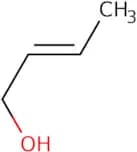
Formula:C7H8O3Purezza:Min. 95%Colore e forma:PowderPeso molecolare:140.14 g/molCrotonyl alcohol
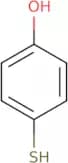
CAS:Crotonyl alcohol is an isomerizing agent that can be used in the synthesis of hydroxyapatite. It is a colorless liquid with a pungent odor. Crotonyl alcohol has been shown to react with polycarboxylic acids such as oxalic acid to produce dihydrooxalic acid, which is an intermediate in the synthesis of hydroxyapatite. The reaction mechanism of crotonyl alcohol is unknown, but it has been proposed that this reaction proceeds through a dehydrative process whereby one water molecule is eliminated to form the carboxyl group and the other water molecule reacts with the hydroxyl group to form hydrogen peroxide. The kinetic data obtained from experiments on crotonyl alcohol demonstrate that its activation energies are lower than those for other types of reactions and that its rate-determining step occurs at a lower temperature than other reactions. This suggests that crotonyl alcohol may have an unusual reaction mechanism, which could be dueFormula:C4H8OPurezza:Min. 95%Colore e forma:Colourless To Yellow Clear LiquidPeso molecolare:72.11 g/mol4-Hydroxythiophenol
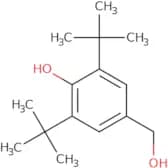
CAS:4-Hydroxythiophenol is an organic compound with the molecular formula C6H4OHO. It is a white crystalline solid that is soluble in water and ethanol. 4-Hydroxythiophenol has been shown to inhibit the growth of bacteria by reacting with free intracellular hydroxyl groups, which are necessary for the biosynthesis of cell walls. This molecule also reacts with other biological molecules, such as nucleic acids and proteins, to form covalent bonds. 4-Hydroxythiophenol has been shown to be effective against both Gram-positive and Gram-negative bacteria in vitro assays.Formula:C6H6OSPurezza:(%) Min. 75%Colore e forma:PowderPeso molecolare:126.18 g/mol3,5-Di-tert-butyl-4-hydroxybenzyl alcohol
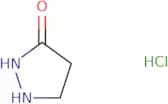
CAS:3,5-Di-tert-butyl-4-hydroxybenzyl alcohol is a fatty acid ester that is used as an analytical reagent and polymerization initiator. It produces a high yield of polymer in the presence of calcium carbonate. The polymerization reaction is initiated by the addition of 2,2'-azobis(2,4-dimethylvaleronitrile) (AADVN). The polymerization reaction has been shown to be pH dependent with a ph optimum at 8.3. 3,5-Di-tert-butyl-4-hydroxybenzyl alcohol has also been shown to have anticorrosive properties at high concentrations and inhibits coagulation factors that are involved in blood clotting.Formula:C15H24O2Purezza:Min. 95%Colore e forma:PowderPeso molecolare:236.35 g/mol4,5-Dihydro-1H-pyrazol-3-ol hydrochloride
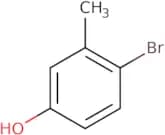
CAS:4,5-Dihydro-1H-pyrazol-3-ol hydrochloride (DHPE) is a potent inhibitor of the uptake and transport of serotonin in the rat brain. DHPE inhibits serotonin uptake by blocking the binding of serotonin to its transporter protein and also inhibits serotonin reuptake at the synapse. It is also an inhibitor of lysine hydroxylase, which converts lysine to catecholamine neurotransmitters. This inhibition leads to decreased levels of dopamine, norepinephrine and epinephrine, which can cause depression. DHPE binds to acidic amino acids such as glycine and glutamate, potentiating their actions on postsynaptic neurons. This effect may be due to increased synaptic activity or decreased inhibitory neurotransmitter release.br> br> The environment can affect the pharmacokinetics of DHPE. DHPE has been shown to have higher concentrations in acidic environments than basic environments because it is more solubleFormula:C3H6N2OPurezza:Min. 95%Colore e forma:PowderPeso molecolare:86.09 g/mol4-Bromo-3-methylphenol
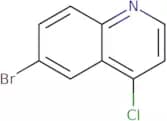
CAS:4-Bromo-3-methylphenol is a hydrochloride salt of 4-bromo-3-methylphenol that has acidic properties. It can be used as a reagent to prepare samples for phosphotungstic acid and ligand desorption techniques. It can also be used in the reduction of sulfoxides by means of hydrogen gas in an efficient method, which is suitable for on-line analysis. 4-Bromo-3-methylphenol is soluble in water and easily prepared from chlorobenzene. This compound has been extensively studied for its use in liquid phase electroosmotic techniques, which are based on the principle that the movement of ions is influenced by an electric field applied to a liquid medium.Formula:C7H7BrOPurezza:Min. 95%Colore e forma:PowderPeso molecolare:187.03 g/mol6-Bromo-4-chloroquinoline
CAS:6-Bromo-4-chloroquinoline is a chemical compound with the molecular formula C8H6BrClN. It belongs to the class of heterocyclic compounds and has been used in the synthesis of other compounds, such as pharmaceuticals. 6-Bromo-4-chloroquinoline has been shown to be an effective anticancer drug, with measurable levels in the blood after oral administration. This drug interacts with hydrogen bonding interactions with thp-1 cells, which are erythrocytes derived from human peripheral blood lymphocytes. 6-Bromo-4-chloroquinoline also interacts with sodium sulfide, which is found in human liver and kidney cells. The pharmacokinetic properties of 6-bromo-4-chloroquine have been studied in rats and mice.
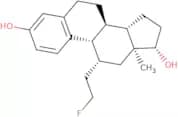
Formula:C9H5BrClNPurezza:Min. 95%Colore e forma:PowderPeso molecolare:242.5 g/mol(8S,9S,11R,13S,14S,17S)-11-(2-Fluoroethyl)-13-Methyl-6,7,8,9,11,12,14,15,16,17-Decahydrocyclopenta[a]Phenanthrene-3,17-Diol
CAS:Prodotto controllato(8S,9S,11R,13S,14S,17S)-11-(2-Fluoroethyl)-13-Methyl-6,7,8,9,11,12,14,15,16,17-Decahydrocyclopenta[a]Phenanthrene-3,17-Diol is a light emitting diode (LED) that emits light in the near infrared spectrum. This LED is composed of a single layer of CdTe nanowires and has an emission wavelength of 760 nm. It also has a high quantum efficiency and low energy requirements for fabrication. The lifetime of this device is also long and its optical properties are stable over time. This device can be used to replace traditional incandescent bulbs or to emit light in specific wavelengths for biomedical applications.Formula:C20H27FO2Purezza:Min. 95%Peso molecolare:318.43 g/mol6-[4-(1-Cyclohexyl-1H-tetrazol-5-yl)butoxy]-3,4-dihydro-2(1H)-quinolinone
CAS:Cilostazol is a drug that binds to ATP-binding cassette (ABC) transporters, which are proteins that transport molecules across membranes. It decreases the production of cyclic nucleotides and phosphodiesterase, which are important in the regulation of blood vessel tone. Cilostazol has been shown to be effective in treating heart failure and atherosclerosis. Cilostazol also inhibits cyclase activity, an enzyme involved in the synthesis of cyclic nucleotides, which leads to vasodilation by increasing the concentration of cAMP. The drug is available in both immediate-release and controlled-release preparations. Cilostazol can have serious side effects such as congestive heart failure or stroke if it is taken with other drugs that inhibit platelet aggregation such as aspirin or warfarin.Formula:C20H27N5O2Purezza:Min. 95%Colore e forma:White PowderPeso molecolare:369.46 g/molD-Phenylalaninol
CAS:D-Phenylalaninol is a chiral, optically active molecule. It is a salt of hydrochloride that is used as a chemical intermediate in the synthesis of other drugs. D-Phenylalaninol has been shown to inhibit mitochondrial membrane potential and decrease hydrogen bond interactions, which may be due to its ability to bind to chloride ions. In addition, this compound has been shown to inhibit pancreatic lipase activity and l-phenylalanine oxidase activity in mammalian cells.
Formula:C9H13NOPurezza:Min. 95%Peso molecolare:151.21 g/mol1-Chloro-3-[4-(2-methoxyethyl)phenoxy]-2-propanol
CAS:1-Chloro-3-[4-(2-methoxyethyl)phenoxy]-2-propanol is a potent antihypertensive agent that is synthesized by the chemoenzymatic process. It differs from other antihypertensive drugs in that it incorporates an oxirane group, which makes it more hydrophobic than other drugs. 1-Chloro-3-[4-(2-methoxyethyl)phenoxy]-2-propanol is a crystalline solid with a melting point of 128°C and a density of 1.0 g/mL. The chemical name for this drug is 4-[(1E)-1-(chloromethoxy)propyl]phenol, which has potent antihypertensive activity and high enantioselectivity.
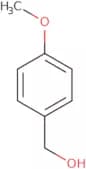
Formula:C12H17ClO3Purezza:Min. 95%Peso molecolare:244.71 g/mol4-Methoxybenzyl alcohol
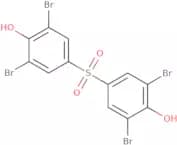
CAS:4-Methoxybenzyl alcohol is an inhibitor that inhibits the enzyme hydroxylase, which catalyzes the conversion of 4-methylphenol to 4-hydroxymandelic acid. The inhibition of this enzyme leads to a decrease in the production of pro-inflammatory factors, such as leukotrienes and prostaglandins. The inhibition of this enzyme also prevents the release of lysosomal enzymes, which may be a therapeutic target for degenerative diseases. Kinetic data has been collected by measuring the rate at which 4-methoxybenzyl alcohol reacts with hydroxylase in vitro and in vivo. This reaction was found to be second order with respect to substrate concentration, with a half-life of 2.8 hours at 37 degrees Celsius and pH 7.4.Formula:C8H10O2Purezza:Min. 98%Colore e forma:Clear LiquidPeso molecolare:138.16 g/molTetrabromobisphenol S
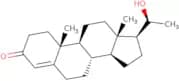
CAS:Tetrabromobisphenols (TBB) are skin conditioners that are used in the cosmetic industry. They are derived from fatty acids and have a structural formula of C10H8Br4. TBBs have a fluorine atom at their central position and have been shown to react with bacterial strains and produce reaction products, such as hydrogen chloride, calcium carbonate, and carbonic acid. TBBs form hydrogen bonds with the membrane system of cells and affect physiological functions. TBBs are able to penetrate the skin and enter the bloodstream, which can lead to toxic side effects in humans.Formula:C12H6Br4O4SPurezza:Min. 95%Colore e forma:PowderPeso molecolare:565.86 g/mol4-Pregnen-20-alpha-ol-3-one
CAS:Prodotto controllatoProgesterone is a hormone that regulates the menstrual cycle and plays a key role in pregnancy. It is produced by the corpus luteum, the placenta, and the ovaries. Progesterone is also involved in regulating other functions such as cell growth, fat metabolism, blood clotting, and water balance. The level of progesterone in urine has been shown to be a good indicator of follicular growth during ovulation. In women with metabolic disorders or lactogenic hormone deficiencies, low levels of progesterone can lead to infertility.Formula:C21H32O2Purezza:Min. 95%Colore e forma:White PowderPeso molecolare:316.48 g/molNiclosamide ethanolamine salt
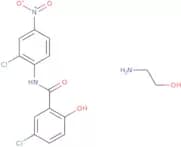
CAS:Chemically a chlorinated salicylanilide, niclosamide is clinically used as an anthelmintic agent. The action of niclosamide has been proven to proceed by inhibiting the STAT3 signaling pathway. Recently, niclosamide, has been considered as an antiproliferative agent in cancer treatment, e.g. melanoma and colorectal cancer. In 2021, niclosamide has been tested for the treatment of COVID-19 patients.Formula:C15H15Cl2N3O5Colore e forma:PowderPeso molecolare:388.2 g/mol4-Amino-3-nitrophenol
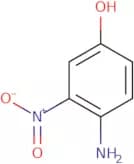
CAS:4-Amino-3-nitrophenol is a reactive aminophenol that can be synthesized from hydrogen sulfate and diethyl ester. It is used in the synthesis of amines and other chemicals, as well as in analytical methods for determining the concentration of nitrates, nitrites, and aminophenols. 4-Amino-3-nitrophenol has been shown to have photocatalytic activity.
Formula:C6H6N2O3Purezza:Min. 95%Colore e forma:PowderPeso molecolare:154.12 g/mol20-Deoxo-23-deoxy-5-O-[3,6-dideoxy-3-(dimethylamino)-β-D-glucopyranosyl]-20,23-di-1-piperidinyltylonolide
CAS:20-Deoxo-23-deoxy-5-O-[3,6-dideoxy-3-(dimethylamino)-beta-D-glucopyranosyl]-20,23-di-1-piperidinyltylonolide is an antimicrobial agent that belongs to the group of chemotherapeutic agents. It is a fluorinated analog of tilmicosin. The low dose group was treated with this drug for five days, and the high dose group received 20 times the amount of drug. Fluorescence spectrometry showed that there was no significant difference in the fluorescence intensity between these two groups after 24 hours. This drug has been shown to have pharmacokinetic properties in rats and mice, but further optimization may be required to improve its process.Formula:C41H71N3O8Purezza:Min. 95%Colore e forma:Off-White PowderPeso molecolare:734.02 g/molCarboxyethylsilanetriol sodium salt - 25% in water
CAS:Carboxyethylsilanetriol sodium salt - 25% in water is a reagent that is used to form complex compounds. It can be used as a reaction component or a building block to create more complex compounds, such as new medicines. Carboxyethylsilanetriol sodium salt - 25% in water has been shown to be an efficient and versatile scaffold for the production of fine chemicals and research chemicals. CAS No. 18191-40-7 is a speciality chemical that can react with other organic compounds to form new compounds for research purposes. Carboxyethylsilanetriol sodium salt - 25% in water is a useful intermediate and building block for various synthetic reactions because it can easily react with other organics to form new compounds which are useful in pharmaceuticals, agrochemicals, and other industries.
Formula:C3H6Na2O5SiPurezza:Approximately 25%Colore e forma:Clear LiquidPeso molecolare:196.14 g/molAmodiaquine
CAS:Amodiaquine is a drug that belongs to the class of antimalarial agents. It is used for the treatment and prevention of malaria caused by erythrocytic forms of Plasmodium falciparum. Amodiaquine has shown synergistic effects with other drugs, such as sulfadoxine and pyrimethamine, for the treatment of malaria due to P. falciparum. The mechanism of action of amodiaquine is not well understood, but it may involve inhibition of the Toll-like receptor. Amodiaquine has been shown to inhibit polymerase chain reaction in a concentration-dependent manner and also inhibits polymorphonuclear leucocytes, which are important in innate immunity. In addition, amodiaquine is a hypoglycemic agent and can be used for the treatment of bowel disease.
Formula:C20H22ClN3OPurezza:Min. 95%Colore e forma:Off-White PowderPeso molecolare:355.86 g/molGemcitabine monophosphate disodium monohydrate
CAS:Please enquire for more information about Gemcitabine monophosphate disodium monohydrate including the price, delivery time and more detailed product information at the technical inquiry form on this pageFormula:C9H12F2N3O7P•Na2•H2OPurezza:90%Min By HplcColore e forma:PowderPeso molecolare:407.16 g/mol2-Hydroxyphenethylalcohol
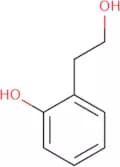
CAS:2-Hydroxyphenethylalcohol is a chemical compound with the molecular formula C8H10O2. It has a hydroxyl group on its phenyl ring and one hydroxy group on the alcohol side chain. 2-Hydroxyphenethylalcohol is used as a reaction solution for chemical ionization in mass spectrometry to identify unknown compounds by their molecular weight or other properties. The compound is also used in magnetic resonance spectroscopy as a model system to study the reactions of organic molecules with water and acids.Formula:C8H10O2Purezza:Min. 97 Area-%Colore e forma:Colorless Clear LiquidPeso molecolare:138.16 g/mol6-Aminopyrimidin-4-ol
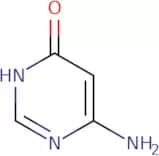
CAS:6-Aminopyrimidin-4-ol is an intermediate in the synthesis of orotic acid. It is also a precursor to 6-chloropurine, which is used in the manufacture of orotic acid and 6-aminopurine. 6-Aminopyrimidin-4-ol can be prepared by benzannulation of phosphorus oxychloride with orotic acid or by hydrolysis of 6-chloropurine with thiourea. The latter method is preferred because it results in less waste.
6-Aminopyrimidin-4-ol is labile and must be stored under an inert gas at low temperature to prevent decomposition. It undergoes inactivating reactions with strong oxidizing agents, such as chlorine dioxide, peracetic acid, hydrogen peroxide, and potassium permanganate.
It also reacts with nucleophiles such as ammonia or amines to form stable tautFormula:C4H5N3OPurezza:Min. 95%Colore e forma:PowderPeso molecolare:111.1 g/mol16-Epiestriol
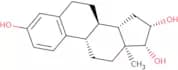
CAS:Prodotto controllato16-Epiestriol is a natural estrogen that can be found in urine samples. It has been shown to bind to the glucocorticoid receptor, which plays an important role in the regulation of immune responses and metabolism. 16-Epiestriol has also been shown to have immunosuppressive activities and may be used to treat cancer. 16-Epiestriol is metabolized by esterases in the liver, which leads to the production of covalent adducts. These covalent adducts bind to proteins in human liver and other tissues, leading to potential carcinogenicity. 16-Epiestriol binds with high affinity to streptococcus faecalis, which is an opportunistic pathogen associated with urinary tract infections. The optimum pH for this drug is 8.5 and it has been shown that it does not bind well at pH levels below 7 or above 11.
Formula:C18H24O3Purezza:Min. 95%Colore e forma:PowderPeso molecolare:288.38 g/mol6-Amino-1-hexanethiol hydrochloride
CAS:6-Amino-1-hexanethiol hydrochloride is a monolayer with an affinity for basic proteins, such as theophylline. The binding of 6-aminohexanethiol hydrochloride to theophylline has been shown to be linear and specific in electrochemical methods. 6-Aminohexanethiol hydrochloride immobilized on a surface binds theophylline with high affinity. This compound was also found to bind phosphatidylcholine, which is a major component of biological membranes. It has been demonstrated that 6-aminohexanethiol hydrochloride can be used as a functional group for immobilizing biomolecules on surfaces.Formula:C6H15NS•HClPurezza:Min. 95%Colore e forma:PowderPeso molecolare:169.72 g/molIndole-3-propanol
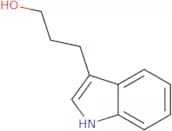
CAS:Indole-3-propanol is a reversible inhibitor of the enzyme dihydrofolate reductase that blocks the synthesis of purine nucleotides. It has been shown to have a regulatory effect on bacterial growth and may be used as an antimicrobial agent. Indole-3-propanol is an inhibitor of the enzyme dihydrofolate reductase, which catalyzes the reduction of dihydrofolic acid to tetrahydrofolic acid. This conversion is essential for DNA synthesis and repair in bacteria. Indole-3-propanol inhibits this reaction reversibly by binding to the hydroxy group in the active site of the enzyme, thereby blocking access to substrate analogues such as phosphoribosyl pyrophosphate (PRPP). The compound also inhibits human serum proteins, such as albumin, which are involved in metabolizing drugs. Molecular modeling studies suggest that indole-3-propanol binds to two lFormula:C11H13NOPurezza:Min. 95%Colore e forma:Clear LiquidPeso molecolare:175.23 g/mol4-Iodo-3-nitrophenol
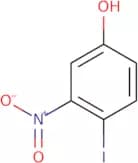
CAS:4-Iodo-3-nitrophenol is a chemical compound that is used in the synthesis of decanoic acid, an ester. It also has pharmacological properties and can be used as a cataleptic or neuroleptic agent. 4-Iodo-3-nitrophenol has been shown to have stimulant effects on the central nervous system, which may be due to its ability to inhibit the metabolism of acetylcholine by blocking cholinesterase enzymes. 4-Iodo-3-nitrophenol is also used in the preparation of analogues and it has been tested for use as a treatment for Parkinson's disease.Formula:C6H4INO3Purezza:90%Colore e forma:Brown Yellow PowderPeso molecolare:265.01 g/mol2,2-Bis(hydroxymethyl)-2,2',2''-nitrilotriethanol
CAS:Bis-Tris is a Bis(2-hydroxyethyl) amine buffer that forms metal chelates and can be used with proteins and nucleic acids. This buffering agent has an optimal pH range of 5.8-7.2 and a pKa of 6.46.Formula:C8H19NO5Purezza:Min. 98%Colore e forma:PowderPeso molecolare:209.24 g/mol2-Amino-5-chlorothiophenol
CAS:2-Amino-5-chlorothiophenol is an aminothiophene derivative that has been shown to be an effective antibacterial agent. It is a substrate in the synthesis of polyesters and is used as a precursor in the synthesis of ciprofloxacin, a broad spectrum antibiotic. 2-Amino-5-chlorothiophenol has been shown to catalyze the reaction between phenyl groups and heterocycles, which is an important step in the synthesis of ciprofloxacin and fluconazole. The optimal reaction temperature for this process is between 150°C - 180°C. The irradiation time for this process varies depending on the intensity of light used, with optimal results obtained after 10 minutes at 25 kGy.Formula:C6H6ClNSPurezza:Min. 95 Area-%Colore e forma:PowderPeso molecolare:159.64 g/mol4-Methoxy-3-methylbenzyl alcohol
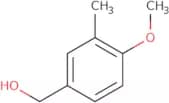
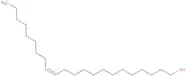
CAS:4-Methoxy-3-methylbenzyl alcohol is a high quality and versatile chemical reagent. It is a complex compound with the CAS number 114787-91-6. 4-Methoxy-3-methylbenzyl alcohol is useful as an intermediate in the synthesis of other fine chemicals, such as pesticides, dyes, and pharmaceuticals. It is also used as a speciality chemical for research purposes or as a building block for more complicated compounds. This compound can be used in reactions to produce new products, such as reaction components that are versatile building blocks.Formula:C9H12O2Purezza:Min. 95%Colore e forma:Clear LiquidPeso molecolare:152.19 g/molcis-13-Docosenol
CAS:cis-13-Docosenol is a fatty acid that is biodegradable and is used in the production of film-forming polymers. It has been shown to have disinfectant properties, which may be due to its ability to break down hydrogen chloride. The molecular formula for cis-13-docosenol is C18H38O2. cis-13-Docosenol has not been assigned an IUPAC name and has a viscosity of 0.3 mPa·s at 25°C.
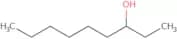
Formula:C22H44OPurezza:Min. 95%Colore e forma:PowderPeso molecolare:324.58 g/mol3-Nonanol
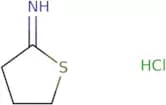
CAS:3-Nonanol is a chiral compound that is used as a catalyst in oil solutions. It has been shown to be effective at high concentrations, and the kinetic of this reaction has been studied under constant pressure. The catalytic activity of 3-nonanol is based on its ability to form an ion-pair with malonic acid and convert it into butanoic acid. 3-Nonanol can be detected in high concentrations by following the reaction with an infrared spectrophotometer, which detects the characteristic absorption bands for this compound. Symptoms of exposure to 3-nonanol include skin irritation, eye irritation, respiratory tract irritation, and central nervous system depression.Formula:C9H20OPurezza:Min. 95%Colore e forma:Clear LiquidPeso molecolare:144.25 g/mol2-Iminothiolane hydrochloride
CAS:2-Iminothiolane hydrochloride is an amine that reacts with free thiol groups in proteins. It can be used to generate models of protein structures, as well as to study the effects of disulfide bonds on protein stability and function. 2-Iminothiolane hydrochloride has been shown to inhibit HIV infection by blocking the uptake of all-trans retinoic acid into cells. This drug also has minimal toxicity and can be used for cancer therapy. The drug was shown to have minimal toxicity in vitro, but it has not yet been tested in vivo.
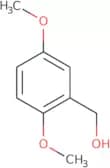
Formula:C4H8ClNSPurezza:Min. 95%Colore e forma:White Off-White PowderPeso molecolare:137.63 g/mol2,5-Dimethoxybenzyl alcohol
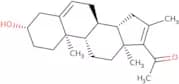
CAS:2,5-Dimethoxybenzyl alcohol is a monoterpene compound that is chemically related to menthol and thymol. It has been shown to have cytotoxic effects against cancer cells in culture. The mechanism of action is not fully understood, but it has been proposed that 2,5-dimethoxybenzyl alcohol may be an allelopathic compound. This means that it inhibits the growth of plants by releasing substances into the soil that inhibit the growth of other plants nearby. 2,5-Dimethoxybenzyl alcohol has also been shown to reduce blood pressure in rats. This effect is due to its ability to inhibit angiotensin I-converting enzyme (ACE) as well as increase vasodilation through nitric oxide release. A kinetic study on human urine showed that 2,5-dimethoxybenzyl alcohol undergoes a stepwise reaction with carbinols and methoxy groups. Further research is needed to determineFormula:C9H12O3Purezza:Min. 95%Colore e forma:Clear LiquidPeso molecolare:168.19 g/mol16-Methyl-16-dehydropregnenolone
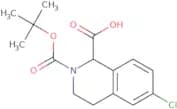
CAS:Prodotto controllato16-Methyl-16-dehydropregnenolone is a steroid that is used as an intermediate in the synthesis of other steroids. It is synthesized by the oxidation of tetrahydropyran with an aldehyde, followed by the addition of chloride to give 16-methyl-16-dehydropregnenolone. The acetonedicarboxylate group of 16-methyl-16-dehydropregnenolone can be removed by treatment with tert-butyl or cyclopentanedione, which yields intermediates for elaboration into other biologically active compounds such as steroids.Formula:C22H32O2Purezza:Min. 95%Colore e forma:PowderPeso molecolare:328.49 g/mol2-Boc-6-Chloro-3,4-dihydro-1H-isoquinoline-1-carboxylic acid
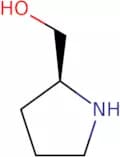
CAS:2-Boc-6-Chloro-3,4-dihydro-1H-isoquinoline-1-carboxylic acid is a useful scaffold for the production of various chemical compounds. It is a versatile building block that can be used as an intermediate in various chemical reactions or as a speciality chemical. 2-Boc-6-Chloro-3,4-dihydro-1H-isoquinoline-1 carboxylic acid has been shown to be a high quality and reliable reagent for use in research and development.Formula:C15H18ClNO4Purezza:Min. 95%Colore e forma:White PowderPeso molecolare:311.76 g/mol(S)-(+)-Prolinol
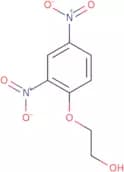
CAS:(S)-(+)-Prolinol is a chiral compound that belongs to the class of polymerase chain reaction (PCR) reagents. It is used as an antibacterial agent, which inhibits bacterial growth by interfering with DNA replication and transcription. The stereoselective nature of the compound has been shown by its differential activity against two different strains of subtilis. This molecule also interacts with diazepam and other drugs, as well as with environmental pollutants such as polychlorinated biphenyls (PCBs). The anti-inflammatory properties of this molecule may be due to its ability to inhibit prostaglandin synthesis through inhibition of cyclooxygenase or lipoxygenase enzymes.Formula:C5H11NOPurezza:Min. 95%Colore e forma:Clear LiquidPeso molecolare:101.15 g/mol2-(2,4-Dinitrophenoxy)ethanol
CAS:2-(2,4-Dinitrophenoxy)ethanol is a glycol ether that has been shown to be an effective nucleophile in nucleophilic substitution reactions. It is a colorless liquid with a boiling point of between 204°C and 205°C. 2-(2,4-Dinitrophenoxy)ethanol reacts with deionized water in the presence of ethylene to produce a crystalline precipitate. The product can be recrystallized from ethanol/water or purified by chromatography on silica gel. This chemical can also be used as an activated nucleophile in the synthesis of spirocyclic compounds and isomeric ketones. 2-(2,4-Dinitrophenoxy)ethanol is toxic and may cause severe skin burns if it comes into contact with unprotected skin. It is also environmentally hazardous when released into the environment because it breaks down slowly and may accumulate in soil or water systems.Formula:C8H8N2O6Purezza:Min. 95%Colore e forma:PowderPeso molecolare:228.16 g/mol(S)-BoroLeu-(+)-pinanediol-trifluoroacetate
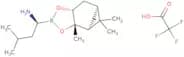
CAS:(S)-BoroLeu-(+)-pinanediol-trifluoroacetate is a useful scaffold, building block, and intermediate for the synthesis of complex compounds. It is a high quality reagent that can be used in research chemicals and speciality chemicals. (S)-BoroLeu-(+)-pinanediol-trifluoroacetate is a versatile building block because it can be used as a reaction component in the synthesis of fine chemicals and as an intermediate in the synthesis of other reagents. CAS No. 477254-69-6Formula:C15H28BNO2·C2HF3O2Purezza:Min. 95%Colore e forma:PowderPeso molecolare:379.22 g/molPolycaprolactone diol - MW 525-575
CAS:Biodegradable polymer
Formula:C4H8O3(C6H10O2)nColore e forma:Clear Liquid2,4,5-Trifluorophenol
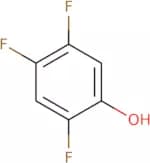
CAS:2,4,5-Trifluorophenol is a chemical compound that is used in the production of plastics and synthetic fibers. It is also found as an environmental pollutant when released into the environment from industrial waste. Trichloroacetic acid reacts with 2,4,5-trifluorophenol to produce dibenzodioxins that are toxic and mutagenic. Trifluorophenol has been shown to activate rat hepatocytes by increasing the rate of synthesis of messenger RNA (mRNA) for proteins involved in drug metabolism. This activation may be due to its ability to induce oxidative stress or because it can react with DNA bases to form covalent adducts. The photoelectron spectrum includes bands at 1210 and 1240 cm-1 that correspond to chlorine atoms attached to arene rings.
2,4,5-Trifluorophenol has been shown to inhibit the growth of primary cultures of rat hepatocytesFormula:C6H3F3OPurezza:Min. 95%Colore e forma:PowderPeso molecolare:148.08 g/mol2,2'-Biphenol
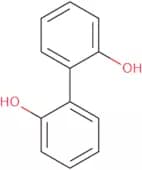
CAS:2,2'-Biphenol is a phenolic compound that is used in the synthesis of polymers. The thermal expansion coefficient of 2,2'-biphenol can be measured by DSC and found to be ˜6.5 × 10⁻⁴/°C. The UV absorption spectrum of 2,2'-biphenol shows three bands at wavelengths of 290 nm, 320 nm, and 370 nm. 2,2'-Biphenol has been shown to adsorb onto biological surfaces through an adsorption mechanism. It has been observed that this adsorption occurs via x-ray crystal structures and kinetic measurements have shown that the adsorption process is rate-limited by intramolecular hydrogen bonding between the protonated phenolic hydroxyl group and the aromatic ring. The activation energies for protonation and desorption have been determined to be ˜30 kJ/mol and ˜30 kJ/mol respectively. Ac
Formula:C12H10O2Purezza:Min. 98 Area-%Colore e forma:White PowderPeso molecolare:186.21 g/molTriadimenol
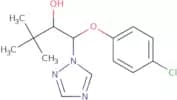
CAS:Triadimenol is a fungicide for cereals, beet and brassicas used to control a range of diseases including powdery mildew, rusts, bunts and smuts. It is a xenobiotic metabolite and an antifungal agrochemical.
Formula:C14H18ClN3O2Purezza:Min. 95%Colore e forma:White PowderPeso molecolare:295.76 g/molL-Tyrosinol hydrochloride
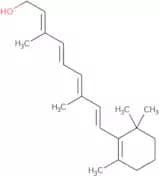
CAS:L-Tyrosinol hydrochloride is a chiral molecule that is the hydrogenated form of L-tyrosine. It is an intermediate in the synthesis of L-dopa, which is used to treat Parkinson's disease. The enzymatic reaction that converts L-tyrosinol hydrochloride to L-dopa requires adenosine 5'-phosphosulfate as cofactor and histidine as a catalyst. The conversion of L-tyrosinol hydrochloride to L-dopa occurs with high yield and has been shown to be stereoselective. This synthetic pathway has been shown to have an activation energy of 53 kcal/mol and a reaction time of 30 minutes at room temperature.Formula:C9H13NO2·HClColore e forma:White Off-White PowderPeso molecolare:203.67 g/molall-trans-Retinol
CAS:All-trans-retinol is a form of vitamin A that is an important component of the visual system and helps maintain healthy skin. Retinol is found in many animal products and can be taken as a dietary supplement. Retinol can react with other chemicals to form all-trans-retinoic acid, which has been shown to inhibit the growth of human carcinoma cells in culture by binding to the ATP binding cassette transporter. All-trans-retinol also inhibits the uptake of retinaldehyde and retinoic acid into cells, which may be due to its ability to bind to cell membranes or react with chemical inhibitors.Formula:C20H30OPurezza:Min. 95 Area-%Colore e forma:Yellow PowderPeso molecolare:286.45 g/mol(R)-BoroLeu-(+)-pinanediol-trifluoroacetate
CAS:(R)-BoroLeu-(+)-pinanediol-trifluoroacetate is a complex compound with CAS No. 179324-87-9 and can be used as a reagent, useful intermediate, or fine chemical. It is a versatile building block that can be used in the synthesis of speciality chemicals, research chemicals, and reaction components. This compound has been reported to be a useful scaffold for the synthesis of novel compounds that could have applications in medicine, such as anti-cancer drugs and antibiotics.Formula:C17H29BF3NO4Colore e forma:White Off-White PowderPeso molecolare:379.22 g/molAllylestrenol
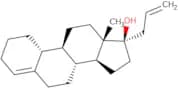
CAS:Prodotto controllatoAllylestrenol is a synthetic steroid hormone that is used as a contraceptive. It works by preventing ovulation and thickening the cervical mucus to prevent sperm from reaching the egg. Allylestrenol has been shown to have a statistically significant effect on infectious diseases of the ovary, such as endometritis, pelvic inflammatory disease, and salpingitis. Allylestrenol also inhibits ovarian enzyme activity, which may lead to autoimmune diseases. This drug has not been studied for its toxicity or pharmacokinetics in humans, but it has been found to be highly toxic in animals with levels of allylestrenol that are 100 times higher than those found in humans. A polymer composition was developed to control the release of allylestrenol in vivo.
Formula:C21H32OPurezza:Min. 95%Colore e forma:White To Off-White SolidPeso molecolare:300.48 g/molα,α,4-Trimethyl-3-cyclohexene-1-methanethiol
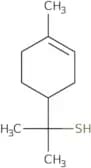
CAS:alpha,alpha,4-Trimethyl-3-cyclohexene-1-methanethiol is a volatile organic compound that is used as a flavouring agent in the food industry. It has been shown to be an effective solvent for various types of materials and can be used in the removal of odours from food containers. Alpha, alpha, 4-trimethyl-3-cyclohexene-1-methanethiol has been shown to have organoleptic properties when it is added to foods, such as pulegone and α-pinene. This compound is also used in the detection of chloride ions.
Formula:C10H18SPurezza:Min. 95%Colore e forma:Clear LiquidPeso molecolare:170.32 g/molBoc-S-benzyl-L-cysteinol
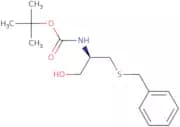
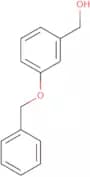
CAS:Please enquire for more information about Boc-S-benzyl-L-cysteinol including the price, delivery time and more detailed product information at the technical inquiry form on this pageFormula:C15H23NO3SPurezza:Min. 95%Colore e forma:PowderPeso molecolare:297.41 g/mol3-Benzyloxybenzyl alcohol
CAS:3-Benzyloxybenzyl alcohol is a condensation product of benzaldehyde and acetone. Hydration leads to the formation of an intramolecular hydrogen bond between the carbonyl group and the hydroxyl group. The ammonium salt is formed by reaction with ammonium chloride in water, which then undergoes a cyclization to form bicyclic ring system. 3-Benzyloxybenzyl alcohol has been shown to have antihistamine properties, as it inhibits histamine release from mast cells.
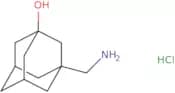
Formula:C14H14O2Purezza:Min. 98 Area-%Colore e forma:PowderPeso molecolare:214.26 g/mol3-(Aminomethyl)adamantan-1-ol HCl
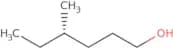
CAS:3-(Aminomethyl)adamantan-1-ol HCl is a chemical substance that can be used as a reaction component, reagent, and useful scaffold in the synthesis of pharmaceuticals. It is also a speciality chemical with versatile building block and useful intermediate properties. 3-(Aminomethyl)adamantan-1-ol HCl has been shown to be an effective building block for complex compounds, such as those used in the synthesis of anti-inflammatory drugs.Formula:C11H19NO·HClPurezza:Min. 95%Colore e forma:PowderPeso molecolare:217.74 g/mol(S)-(+)-4-Methyl-1-hexanol
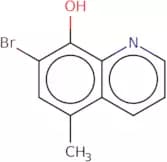
CAS:(S)-(+)-4-Methyl-1-hexanol is a synthetic compound that has been shown to have antibacterial activity against Staphylococcus aureus. The (R)-enantiomer of the compound, which has been synthesized in the past, has also shown activity against S. aureus. However, this enantiomer is not commercially available. The (S)-enantiomer is soluble in organic solvents and can be used as an attractant for S. aureus monitoring purposes. In addition, it has antioxidant potential and may be useful as a medicine for short-chain fatty acid production disorders.Formula:C7H16OPurezza:Min. 95%Peso molecolare:116.2 g/molTilbroquinol
CAS:Tilbroquinol is a coordination complex that contains a fatty acid. It is used in the treatment of bowel disease, infectious diseases, cancer and autoimmune diseases. Tilbroquinol has been shown to have broad-spectrum antimicrobial activity against bacteria such as Escherichia coli, Bacillus subtilis, Pseudomonas aeruginosa, Staphylococcus aureus and Salmonella typhimurium. It inhibits bacterial growth by inhibiting fatty acid synthesis through the inhibition of enzymes such as enoyl-acyl carrier protein reductase (ENR) and 3-hydroxyacyl-coenzyme A dehydrogenase (HAD). This drug also has anti-inflammatory properties because it is an antagonist of prostaglandin synthesis.
Formula:C10H8BrNOPurezza:Min. 95%Colore e forma:PowderPeso molecolare:238.08 g/molEpifriedelanol
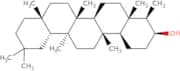
CAS:Prodotto controllatoEpifriedelanol is a sesquiterpene lactone that belongs to the group of natural compounds. This molecule is produced by the plant B. dracunculifolia and has shown anti-inflammatory properties in vitro. Epifriedelanol has been shown to inhibit mitochondrial membrane potential and activity index, which are important for cancer cell growth and survival. Epifriedelanol also has anticancer effects on colorectal adenocarcinoma cells as well as skin cancer cells. It may also be used for urinary tract infections due to its inhibition of bacterial growth.Purezza:Min. 95%Colore e forma:Powder4-Cyano-2-fluorobenzyl alcohol
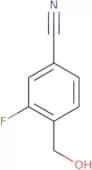
CAS:4-Cyano-2-fluorobenzyl alcohol is a reagent that is used to produce chlorine and hydrochloric acid. It is also used industrially in the production of potassium chloride, a compound that is used in fertilizers, animal feed supplements, and water treatment. 4-Cyano-2-fluorobenzyl alcohol reacts with chloride ions to form hypochlorous acid (HOCl), which then reacts with water to form hydrogen chloride gas. The reaction with fluoride ions leads to the formation of hydrofluoric acid (HF).Formula:C8H6FNOPurezza:Min. 95%Colore e forma:White To Beige SolidPeso molecolare:151.14 g/mol2,5-Dichlorobenzyl alcohol
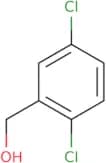
CAS:2,5-Dichlorobenzyl alcohol is a lacteous compound that is used as a herbicide. It inhibits the growth of plants by inhibiting the activity of enzymes that are involved in the biosynthesis of amino acids and fatty acids. 2,5-Dichlorobenzyl alcohol is also used to produce polychlorinated compounds and has significant effects on weed science. 2,5-Dichlorobenzyl alcohol may be used as a linker molecule in chemical reactions. This compound can be catalysed by dioxygenation to produce chlorobenzal or benzaldehyde.Formula:C7H6Cl2OPurezza:Min. 95%Colore e forma:PowderPeso molecolare:177.03 g/mol1,12-Dodecanediol
CAS:1,12-Dodecanediol is a polymeric matrix that has been shown to be effective in inhibiting the growth of microorganisms. The antimicrobial activity of 1,12-dodecanediol is primarily due to its ability to form hydrogen bonds. This polymer can be used as a film-forming polymer for hydrophobic and lipophilic compounds. It also has chemical properties that include an intramolecular hydrogen bond, which provides stabilization and protection from degradation by enzymes. This chemical compound also has the ability to bind with fatty acids and phosphodiesterase activity (which may account for its anti-inflammatory activities).Formula:C12H26O2Purezza:Min. 95%Colore e forma:White PowderPeso molecolare:202.33 g/mol(S)-(+)-1,2-Propanediol
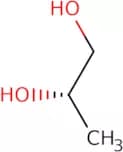
CAS:(S)-(+)-1,2-Propanediol is a diol that is a chemical compound with the molecular formula HOCHCHOH. It has an asymmetric carbon atom and can exist as two enantiomers (S)-(+)-1,2-propanediol and (R)-(-)-1,2-propanediol. The compound is produced in the laboratory by oxidation of propylene with hydrogen peroxide in the presence of a metal catalyst. It undergoes dehydration reactions to form sugars such as erythritol and xylitol. This process also occurs naturally in some plants and bacteria where glucose is oxidized to form glycerol. The conversion of propane-1,2-diol to glycerol is catalyzed by alcohol dehydrogenase from yeast or fungi such as Candida boidinii or Candida kefyr. It also reacts with other molecules such as proteins via amide formation to form new compounds called aFormula:C3H8O2Purezza:Min. 98%Colore e forma:Colorless Slightly Yellow Clear LiquidPeso molecolare:76.09 g/molGlycerol tripalmitate
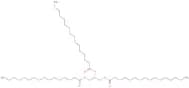
CAS:Glycerol tripalmitate is a triglyceride that is composed of three molecules of glycerol and one molecule of palmitic acid. It is used in the manufacture of sephadex g-100, a chromatographic material that separates proteins based on their size. Glycerol tripalmitate has been shown to have high chemical stability, which is important for its use as a pharmaceutical excipient. This substance also has a physiological function in the human body, including the production of lipids, such as fatty acids and triglycerides. Glycerol tripalmitate can be used to study phase transition temperature by using surface methodology. Carbonyl oxygens are present on the surface of this substance, which may have neurotrophic effects.Formula:C51H98O6Purezza:Min. 85 Area-%Colore e forma:PowderPeso molecolare:807.32 g/mol(6S)-5,6,7,8-Tetrahydro-6-[propyl[2-(2-thienyl)ethyl]amino]-1-naphthalenol
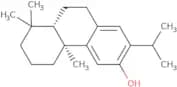
CAS:Prodotto controllato(6S)-5,6,7,8-Tetrahydro-6-[propyl[2-(2-thienyl)ethyl]amino]-1-naphthalenol is a potent and selective dopamine receptor agonist. It acts by binding to the dopamine receptors in the brain. This binding stimulates the release of dopamine and prevents it from being reabsorbed into the neurons, which in turn increases levels of extracellular dopamine in the synapse. (6S)-5,6,7,8-Tetrahydro-6-[propyl[2-(2-thienyl)ethyl]amino]-1-naphthalenol has been shown to have antidepressant effects in animal models of depression. It also has a long half life and can be administered as a transdermal patch for prolonged relief from depression symptoms.Formula:C19H25NOSPurezza:Min. 95%Colore e forma:White Off-White PowderPeso molecolare:315.47 g/molFerruginol
CAS:Ferruginol is a natural compound that can be found in the bark of the plant Phellodendron amurense. It has significant cytotoxicity against k562 cells and dextran sulfate, which may be due to its ability to inhibit mitochondrial membrane potential and cause apoptosis. Ferruginol also has anti-inflammatory properties and can inhibit the proliferation of colorectal adenocarcinoma cells by inducing pro-apoptotic protein expression. This compound binds to basic structures such as proteins, nucleic acids, lipids, and carbohydrates. Ferruginol is also known to be a potent inhibitor of disease activity for coronary heart diseases and other diseases such as Crohn's disease.Formula:C20H30OPurezza:Min. 90 Area-%Colore e forma:White PowderPeso molecolare:286.45 g/mol3-Hydroxy-4-iodobenzyl alcohol
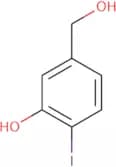
CAS:3-Hydroxy-4-iodobenzyl alcohol is a nucleophile that can be used as an affinity label for proteins and nucleic acids. 3-Hydoxy-4-iodobenzyl alcohol is capable of disrupting the linker between two molecules, which allows for analysis of protein/nucleic acid interactions. 3-Hydroxy-4-iodobenzyl alcohol can be used to label molecules, but it is not covalently bound to them. It has been shown to show tumor growth inhibition in glioma cells, which may be due to its ability to disrupt factor 1, a transcription factor that regulates cell proliferation and differentiation.
Formula:C7H7IO2Purezza:Min. 95%Colore e forma:PowderPeso molecolare:250.03 g/molPhenol red
CAS:Phenol red is a pH indicator that finds broad applications from chemistry to microbiology. Colour varies from yellow at pH<6.8 (lmax 443nm) through to light red/pink at 6.8<pH<8.2 (lmax 570 nm) to vivid purple/red at pH>8.2. It is widely used in cell culture to monitor pH and for colorimetric titration. For example, phenol red can be used to quantify Br- content in sea or fresh water. It is added to VTM as pH indicator, at the concentration of 10mg/ml, maintaining a pink colour at neutral pH.
Formula:C19H14O5SColore e forma:PowderPeso molecolare:354.38 g/molEstradiol 17-butyrate
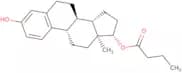
CAS:Estradiol 17-butyrate is a fine chemical that can be used as a versatile building block or in the synthesis of complex compounds. This product is a research chemical, but it can also be used as a reagent or a CAS No. 18069-79-9. It has many applications in the field of chemistry, including being useful as an intermediate in organic synthesis and as a reaction component. Estradiol 17-butyrate is also useful for use as a scaffold for the preparation of other chemicals with similar properties.
Formula:C22H30O3Purezza:Min. 95%Colore e forma:PowderPeso molecolare:342.47 g/mol3-Bromo-2-methoxybenzyl alcohol
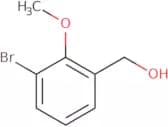
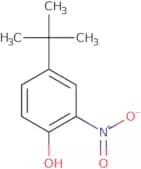
CAS:3-Bromo-2-methoxybenzyl alcohol is a reaction component that is used in the synthesis of a number of chemical compounds. It has been shown to be a useful scaffold, with versatile building blocks and intermediates. 3-Bromo-2-methoxybenzyl alcohol is an intermediate for the synthesis of complex compounds such as antihypertensive drugs, anti-inflammatory agents, and immunosuppressant drugs. This compound also has a variety of uses in research including as a reagent for the determination of enzyme activity and as an analytical reference standard.Formula:C8H9BrO2Purezza:Min. 95%Colore e forma:PowderPeso molecolare:217.06 g/mol2-Nitro-4-tert-butylphenol
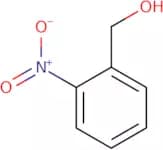
CAS:2-Nitro-4-tert-butylphenol is a phenolic antioxidant that has been used as a substitute for 2,6-di-tert-butylphenol (BHT) in cellulose triacetate. It also has been used in the production of 16-membered macrolides and macrocyclization reactions. 2NBP has been shown to be a potent inhibitor of ionophore transport across membranes, with the ability to inhibit membrane protein function and affect macrocyclization. It is also able to form mesoporous materials with diameters in the range of 10 nm to 100 nm. Nitroarenes are good candidates for molecular size control because they can be easily synthesized by addition reactions, which makes them ideal for use in organic chemistry.Formula:C10H13NO3Purezza:Min. 95%Colore e forma:PowderPeso molecolare:195.22 g/mol2-Nitrobenzyl alcohol
CAS:2-Nitrobenzyl alcohol is a molecule with photochemical properties. It has been used as a solid catalyst and in genotoxic studies. 2-Nitrobenzyl alcohol is also toxic to liver cells, although the mechanism behind this toxicity is not yet clear. The chemical biology of this molecule is being studied, which includes its receptor binding and interactions with human liver cells.Formula:C7H7NO3Purezza:Min. 97%Colore e forma:PowderPeso molecolare:153.14 g/mol1,3-Dipalmitoyl-glycero-2-phosphoethanolamine
CAS:Please enquire for more information about 1,3-Dipalmitoyl-glycero-2-phosphoethanolamine including the price, delivery time and more detailed product information at the technical inquiry form on this page
Formula:C37H74NO8PPurezza:ReportedColore e forma:White/Off-White SolidPeso molecolare:691.96 g/mol1-O-Tetradecyl-rac-glycerol
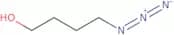
CAS:1-O-Tetradecyl-rac-glycerol is a fatty acid ester that is used as a conditioning agent and a hydroxylated alcohol. The fatty acid ester is derived from 1-O-tetradecanoyl-racemic glycerol, which is an ester of the fatty acids, oleic acid and palmitic acid. The hydroxy group on the molecule allows it to be soluble in water. It also has transport properties because it can dissolve in lipids and penetrate hair follicles. It can also act as a solid catalyst for citric acid production and malic acid production because of its hydroxyl groups.Formula:C17H36O3Purezza:Min. 95 Area-%Colore e forma:PowderPeso molecolare:288.47 g/mol4-Azidobutanol
CAS:4-Azidobutanol is a nicotinic acetylcholine receptor antagonist that has been shown to inhibit tumor growth. It can be used as a cancer therapeutic and for the prevention of cancer. 4-Azidobutanol has been shown to inhibit the activity of growth factor receptors, such as insulin-like growth factor (IGF) or vascular endothelial growth factor (VEGF), which are involved in cell proliferation and angiogenesis. 4-Azidobutanol also inhibits glucose monitoring by interfering with the binding of glucose to monoclonal antibodies. The drug blocks the kinase domain of VEGFR2, thereby inhibiting the phosphorylation of VEGFR2 downstream signaling proteins that promote angiogenesis and cell migration. This can be used in treatments for leukemia cells or endothelial cells.Formula:C4H9N3OPurezza:Min. 95%Colore e forma:PowderPeso molecolare:115.13 g/mol









![6-[4-(1-Cyclohexyl-1H-tetrazol-5-yl)butoxy]-3,4-dihydro-2(1H)-quinolinone](/_next/image/?url=https%3A%2Fstatic.cymitquimica.com%2Fproducts%2F3D%2Fthumb-webp%2FFC03161.webp&w=3840&q=75)

![1-Chloro-3-[4-(2-methoxyethyl)phenoxy]-2-propanol](/_next/image/?url=https%3A%2Fstatic.cymitquimica.com%2Fproducts%2F3D%2Fthumb-webp%2FFC27415.webp&w=3840&q=75)
![20-Deoxo-23-deoxy-5-O-[3,6-dideoxy-3-(dimethylamino)-β-D-glucopyranosyl]-20,23-di-1-piperidinyltyl…](/_next/image/?url=https%3A%2Fstatic.cymitquimica.com%2Fproducts%2F3D%2Fthumb-webp%2FFT137728.webp&w=3840&q=75)









![(6S)-5,6,7,8-Tetrahydro-6-[propyl[2-(2-thienyl)ethyl]amino]-1-naphthalenol](/_next/image/?url=https%3A%2Fstatic.cymitquimica.com%2Fproducts%2F3D%2Fthumb-webp%2FFT76640.webp&w=3840&q=75)