Alcoli
Gli alcoli sono una vasta gamma di molecole organiche derivate dagli idrocarburi che contengono uno o più gruppi idrossilici (gruppo OH). Questi composti sono essenziali in varie reazioni chimiche e sono ampiamente utilizzati in laboratorio per la sintesi, come solventi e in chimica analitica. Da CymitQuimica, offriamo alcoli di alta qualità preparati per l'uso in laboratorio, supportando le tue ricerche e applicazioni industriali con prodotti affidabili ed efficaci. La nostra selezione garantisce che tu abbia gli alcoli giusti per le tue esigenze specifiche, sia per il lavoro di laboratorio di routine che per progetti di ricerca specializzati.
Sottocategorie di "Alcoli"
Trovati 5814 prodotti di "Alcoli"
Ordinare per
Purezza (%)
0
100
|
0
|
50
|
90
|
95
|
100
3,3,3-Trifluoro-1-propanol
CAS:<p>3,3,3-Trifluoro-1-propanol is a chemical that is used in pharmaceutical dosage formulations. It has a relatively low toxicity and is not readily absorbed through the skin. 3,3,3-Trifluoro-1-propanol has been shown to be an effective inhibitor of fatty acid oxidation and protein synthesis. The structure of this compound consists of three carbon atoms connected by single bonds to one hydrogen atom each and one fluorine atom. This molecule also contains a hydroxyl group at one end and two nitrogen atoms at the other end. These nitrogen atoms are stabilized by intramolecular hydrogen bonds with the hydrogen atoms on the hydroxyl group. 3,3,3-Trifluoro-1-propanol can be used as a cationic polymerization catalyst for perfluoroalkyls and aromatic hydrocarbons.</p>Formula:C3H5F3OPurezza:Min. 95%Peso molecolare:114.07 g/mol2-(2-Aminoethoxy)ethanol
CAS:<p>2-(2-Aminoethoxy)ethanol (2-AE) is a natural compound that has been synthesized from ethanol and 2-aminoethanol. It has been shown to react with sodium carbonate to form stable complexes that are resistant to hydrolysis by amines. The stability of the complex is attributed to the formation of an intermolecular hydrogen bond between the hydroxyl group on the 2-AE molecule and the carboxylate group on the sodium carbonate molecule. 2-AE reacts with benzalkonium chloride, a quaternary ammonium salt, in water vapor to produce an alcohol and a fatty acid, which is then hydrolyzed by glycol ethers into glycolates. This mechanism is similar to that of other reactions involving quaternary ammonium salts, such as those in fatty acids or glycol ethers.</p>Formula:C4H11NO2Purezza:Min. 95%Peso molecolare:105.14 g/mol2-Heptanol
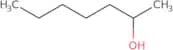
CAS:<p>2-Heptanol is a colorless liquid with a pungent odor. It is soluble in water and has a high boiling point. 2-Heptanol is an intermediate in the synthesis of fatty acids, which are used for the production of soaps, lubricants, and waxes. 2-Heptanol reacts with potassium hydroxide to produce potassium 2-heptoxide, which is soluble in water. The reaction products are caproic acid and hydroxy group. The transport properties of this compound are not well known.</p>Formula:C7H16OPurezza:Min. 95%Colore e forma:Clear LiquidPeso molecolare:116.2 g/mol4-Aminoquinoline-2-one
CAS:<p>4-Aminoquinoline-2-one is a nonsteroidal anti-inflammatory drug that has tuberculostatic activity. It binds to the nitrogen atoms of the enzyme dihydropteroate synthase, which is involved in the synthesis of folic acid and DNA. This leads to an increase in reactive oxygen species and inflammation, which causes disease activity. 4-Aminoquinoline-2-one has been shown to be synergistic with monoclonal antibodies when used as a treatment for inflammatory diseases. In order for 4-aminoquinoline-2-one to be taken up by cells, it must bind to cellular uptake proteins through hydrogen bonds or disulfide bonds.</p>Formula:C9H8N2OPurezza:Min. 95%Peso molecolare:160.17 g/mol4-Methylquinoline
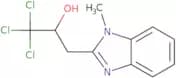
CAS:<p>4-Methylquinoline is a natural compound that is structurally related to coumarin. It serves as an enzyme substrate for various types of enzymes, and has been shown to inhibit the activity of enzymes such as N-acetyltransferase, indoleamine 2,3-dioxygenase, and tryptophan 2,3-dioxygenase. 4-Methylquinoline has also been shown to be effective against infectious diseases such as toxoplasmosis and leishmaniasis. Furthermore, 4-methylquinoline has been shown to have anti-inflammatory properties in autoimmune diseases such as multiple sclerosis. The mechanism of action of 4-methylquinoline is not fully understood but it may interfere with the production of nitric oxide by inhibiting the enzyme nitric oxide synthase.</p>Formula:C10H9NPurezza:Min. 95%Peso molecolare:143.19 g/mol1,1,1-Trichloro-3-(1-methyl-1H-benzimidazol-2-yl)propan-2-ol
CAS:Prodotto controllato<p>Please enquire for more information about 1,1,1-Trichloro-3-(1-methyl-1H-benzimidazol-2-yl)propan-2-ol including the price, delivery time and more detailed product information at the technical inquiry form on this page</p>Formula:C11H11Cl3N2OPurezza:Min. 95%Peso molecolare:293.58 g/mol2-Methoxy-4-methylbenzenethiol
CAS:<p>Please enquire for more information about 2-Methoxy-4-methylbenzenethiol including the price, delivery time and more detailed product information at the technical inquiry form on this page</p>Formula:C8H10OSPurezza:Min. 95%Peso molecolare:154.23 g/mol2-Methylaminoethanol
CAS:<p>2-Methylaminoethanol is a colorless, water-soluble liquid. It is an alkanolamine that has a dipole moment of 1.8 debye. 2-Methylaminoethanol can be synthesized by reacting potassium dichromate with ethanolamine in the presence of borohydride and ammonia. The reaction yield for this process is about 50%. 2-Methylaminoethanol reacts with maleic acid to form maleate salt. Maleate salt molecules have two amine groups attached to a carbonyl group, which are used as raw materials for the production of various other chemicals like nylon 11, nylon 12, and polyethylene terephthalate (PET). Maleates also serve as intermediates in the manufacture of esters and nitrites from alcohols and phenols. 2-Methylaminoethanol has been shown to cause blood pressure reduction in mammals due to its ability to inhibit vasoconstriction caused by</p>Formula:C3H9NOPurezza:Min. 95%Colore e forma:Clear LiquidPeso molecolare:75.11 g/mol[5-(Trifluoromethyl)-1,2-Oxazol-3-Yl]Methanol
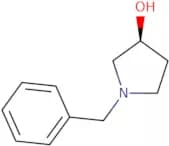
CAS:<p>Please enquire for more information about [5-(Trifluoromethyl)-1,2-Oxazol-3-Yl]Methanol including the price, delivery time and more detailed product information at the technical inquiry form on this page</p>Formula:C5H4F3NO2Purezza:Min. 95%Peso molecolare:167.09 g/mol(S)-1-Benzyl-pyrrolidin-3-ol
CAS:<p>(S)-1-Benzyl-pyrrolidin-3-ol is an enantiopure chiral drug that is used as a reagent for the synthesis of sodium salts. It is also used in environmental pollution studies, where it was found to inhibit the reaction between sulfate and sodium salts. (S)-1-Benzyl-pyrrolidin-3-ol has been shown to be stereoselective and has been used for the analysis of sulfate fractions in environmental samples. The compound can also be alkylated with various alcohols to form compounds with different properties, such as antiviral properties. (S)-1-Benzyl-pyrrolidin-3-ol is a chiral molecule that exists as two enantiomers: capitatum and helicatum. When analyzed by HPLC, these two forms can be distinguished by their retention times on a sds polyacrylamide gel electrophoresis system.</p>Formula:C11H15NOPurezza:Min. 95%Peso molecolare:177.24 g/mol4-Amino-3-bromoisoquinoline
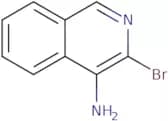
CAS:<p>4-Amino-3-bromoisoquinoline is an isocyanide that reacts with nucleophilic heteroatoms such as the amino group. It also reacts with bromine to form a bromopyridine. The nitrile group of 4-amino-3-bromoisoquinoline can be reduced with sodium borohydride to produce 4-aminoquinoline. This compound has shown potential for use in chemotherapy and treating bacterial infections.</p>Purezza:Min. 95%4-Hydroxy-17b-estradiol
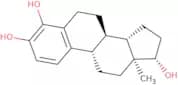
CAS:Prodotto controllato<p>4-Hydroxy-17β-estradiol (4-OHE2) is a reactive metabolite of 17β-estradiol that binds to DNA and has been shown to have carcinogenic potential. The catechol-o-methyltransferase enzyme catalyzes the conversion of 4-OHE2 to 4-hydroxycatechol, which can then be further methylated by estrogen sulfotransferase or sulfatase to estrone and estrone sulfate. It has been shown that 4-OHE2 may be a potential biomarker for breast cancer. Experimental studies have shown that 4-OHE2 may act as an antioxidant in cancer tissues, but its activity has not been demonstrated in normal tissues. In order to demonstrate the ability of 4-OHE2 as an antioxidant, its activity was tested in vitro using human breast cancer cells (MDA MB 231). Results showed that 4-OHE2 decreased oxidative stress levels in these cells,</p>Formula:C18H24O3Purezza:Min. 95%Colore e forma:SolidPeso molecolare:288.38 g/mol(16α,17β)-16-Fluoroestra-1,3,5(10)-triene-3,17-diol
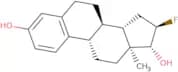
CAS:Prodotto controllato<p>16alpha,17beta)-16-Fluoroestra-1,3,5(10)-triene-3,17-diol is a potent estrogen receptor modulator that has been shown to inhibit tumor growth in clinical oncology. It acts by binding to the estrogen receptor and blocking its ability to activate gene transcription. This compound can also be used as a pharmaceutical preparation in liquid chromatography. 16alpha,17beta)-16-Fluoroestra-1,3,5(10)-triene-3,17-diol is a liquid at room temperature and can be soluble in organic solvents such as chloroform or acetone. It does not react with hydrochloric acid.</p>Formula:C18H23FO2Purezza:Min. 95%Colore e forma:PowderPeso molecolare:290.37 g/mol6-Methoxy-2-methylquinolin-4(1H)-one
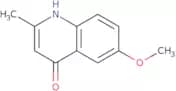
CAS:<p>6-Methoxy-2-methylquinolin-4(1H)-one is a heterocyclic molecule that has the ability to undergo oxidation reactions. It is an intermediate in the synthesis of other molecules, such as 4-hydroxyquinoline and 4-hydroxybenzaldehyde. The acidity of 6-methoxy-2-methylquinolin-4(1H)-one can be increased by adding alkali, which will cause it to react with hydroxyl and form a phenylhydrazine. When heated with hydrazine, 6-methoxy-2-methylquinolin-4(1H)-one undergoes tautomerism and forms 2-(phenylhydrazinyl) quinoline. The chemical structure of 6-methoxy-2 methylquinolin 4(1H)-one can be detected by analyzing its spectrum (i.e., absorption or emission spectra). This chemical shows bands</p>Formula:C11H11NO2Purezza:Min. 95%Peso molecolare:189.21 g/mol3,4-Dihydro-7-(4-chlorobutoxy)-2(1H)-Quinolinone
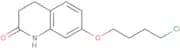
CAS:<p>3,4-Dihydro-7-(4-chlorobutoxy)-2(1H)-Quinolinone is a crystalline organic base. It is used as an intermediate in the synthesis of piperazine derivatives. 3,4-Dihydro-7-(4-chlorobutoxy)-2(1H)-Quinolinone can be used to acetylate phenols and amines. This compound also has been shown to be useful in the industrial production of carbostyril and other pharmaceuticals. 3,4-Dihydro-7-(4-chlorobutoxy)-2(1H)-Quinolinone is also a high yield coupling agent for the production of heterocyclic compounds such as 1,5,6,8-tetrahydropyrimidines and benzimidazoles.</p>Purezza:Min. 95%Sodium benzyloxide solution - 1.0 M in benzyl alcohol
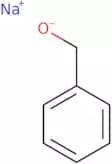
CAS:<p>Sodium benzyloxide is an alkanoic acid with the chemical formula CH3C6H2O2. It is used as a matrix metalloproteinase inhibitor in the synthesis of bicyclic heterocycles. It is also used in asymmetric synthesis and as a substrate for enzyme inhibitors. Sodium benzyloxide has been shown to be effective against herpes simplex virus by preventing viral replication and inducing apoptosis.</p>Formula:C6H5CH2ONaColore e forma:Clear LiquidPeso molecolare:130.12 g/mol(R)-(-)-2-Amino-1-butanol
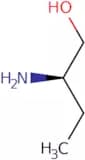
CAS:<p>(R)-(-)-2-Amino-1-butanol is an organic compound that is used as a reagent in the synthesis of pharmaceuticals. It has antimycobacterial properties and can be used to treat tuberculosis. The mechanism for its antimycobacterial activity is not fully understood, but it may involve copper complex formation with the mycobacteria. The chloride ion may also play a role in this process by binding to the copper complex and increasing its solubility in water. This compound may react with aminothiols from the host cell, leading to degradation of DNA, RNA, and proteins. (R)-(-)-2-Amino-1-butanol has been shown to have cytotoxic effects on colorectal adenocarcinoma cells and human lung cancer cells in culture. It also inhibits human colon carcinoma cells in culture through the production of organic acids such as formic acid and acetic acid.</p>Formula:C4H11NOPurezza:Min. 95%Peso molecolare:89.14 g/mol4-Aminophenyl methylcarbinol
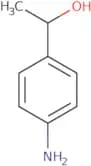
CAS:<p>4-Aminophenyl methylcarbinol is a chemical compound that is used as an additive in the production of polyurethane. It accelerates the reaction between isocyanate and polyol, which enhances the rate of polymerization. 4-Aminophenyl methylcarbinol has been shown to increase the yield by about 30% when it was added to a reaction mixture. The activation energies for this reaction were found to be 29.6 kJ/mol for the nitro group and 29.8 kJ/mol for the carbonyl group. This chemical compound also has functional groups that are capable of forming hydrogen bonds with other molecules, which may help to bind them together during polymerization reactions.</p>Purezza:Min. 95%(3b,5a,17a)-19-Norpregnane-3,17-diol
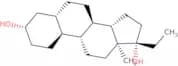
CAS:Prodotto controllato<p>Please enquire for more information about (3b,5a,17a)-19-Norpregnane-3,17-diol including the price, delivery time and more detailed product information at the technical inquiry form on this page</p>Formula:C20H34O2Purezza:Min. 95%Peso molecolare:306.48 g/mol4-Bromo-1-butanol
CAS:<p>4-Bromo-1-butanol is a synthetic fatty acid used as a reagent in the synthesis of glycyrrhetinic acid. It is a colorless liquid with a strong odor. This substance has impurities that are not specified. It reacts with n-hexane and thionyl chloride to form bromobutanoic acid, which can be used as an intermediate in the production of other substances. 4-Bromo-1-butanol is also used in the synthesis of polyvinyl pyrrolidone, which is an organic polymer that is soluble in water and polar solvents such as alcohols and acetone. The molecular weight of this compound ranges from 300 to 3,000 g/mol, with a melting point below 100 °C. Formamide is another substance that can be synthesized using 4-bromo-1 butanol. Formamide is a colorless liquid with a pungent odor and it has</p>Formula:C4H9BrOPurezza:80%MinColore e forma:Colorless Clear LiquidPeso molecolare:153.02 g/molButynediol sulfopropyl ethersodium
CAS:Prodotto controllato<p>Please enquire for more information about Butynediol sulfopropyl ethersodium including the price, delivery time and more detailed product information at the technical inquiry form on this page</p>Formula:C7H11NaO5SPurezza:Min. 95%Peso molecolare:230.22 g/molMidazolam-d4 maleate - 100 mg/mL in methanol
CAS:Prodotto controllato<p>Please enquire for more information about Midazolam-d4 maleate - 100 mg/mL in methanol including the price, delivery time and more detailed product information at the technical inquiry form on this page</p>Formula:C18D4H9ClFN3·C4H4O4Purezza:Min. 95%Peso molecolare:445.86 g/molPentafluorobenzenethiol
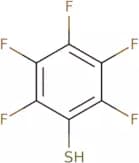
CAS:<p>Pentafluorobenzenethiol is an organosulfur compound that is synthesized by the nucleophilic attack of deuterium on a hydrogenated aliphatic hydrocarbon. It is a colorless liquid with a characteristic low boiling point and high volatility. Pentafluorobenzenethiol has been shown to react with chelate rings and to form irreversible oxidation products. This chemical has analytical applications in the determination of potassium, sodium, and lithium in water samples; it also has semiconductor properties. The diameter of pentafluorobenzenethiol is 6.2 Å, which makes it a low energy aromatic hydrocarbon that can be easily transported through porous media.</p>Formula:C6HF5SPurezza:Min. 95%Colore e forma:Colorless Clear LiquidPeso molecolare:200.13 g/mol4-Aminotetrahydrothiophene-3-ol 1,1-dioxide
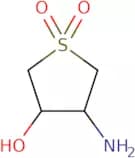
CAS:<p>Please enquire for more information about 4-Aminotetrahydrothiophene-3-ol 1,1-dioxide including the price, delivery time and more detailed product information at the technical inquiry form on this page</p>Formula:C4H9NO3SPurezza:Min. 95%Peso molecolare:151.19 g/mol2-(Trimethylsily)ethanol
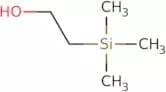
CAS:<p>2- (Trimethylsily)ethanol is a hdac inhibitor that is used in the synthesis of other chemical substances. It inhibits HDAC activity by binding to the hydroxyl group on the histone and prevents acetylation of lysine residues, preventing gene transcription. 2-(Trimethylsily)ethanol has been shown to inhibit oxidation reactions in biological systems, such as those caused by trifluoroacetic acid or trichloroacetic acid. In addition, this reagent can be used to prepare functional groups through a synthetic method with an activation energy of 15 kcal/mol and a reaction rate constant of 0.04 M-1 s-1. 2-(Trimethylsily)ethanol has also been used for preparative methods with cleavage products including sulfamoyl chloride.</p>Formula:C5H14OSiPurezza:95%NmrColore e forma:PowderPeso molecolare:118.25 g/mol1,4-Pentanediol
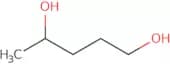
CAS:<p>1,4-Pentanediol is a diol that is used in the manufacture of polyurethanes and other organic compounds. It is produced by the oxidation of benzene with oxygen in the presence of a catalyst such as manganese dioxide. 1,4-Pentanediol can also be prepared from levulinic acid or glycol ethers. 1,4-Pentanediol reacts with an aromatic hydrocarbon in the presence of a homogeneous catalyst to produce viscosity and polycarboxylic acids. The reaction mechanism for this process begins with the addition of water to form hydrogen peroxide and acetaldehyde. Hydrogen peroxide then reacts with an aromatic hydrocarbon to produce glycol ether and hydroxy group. The hydroxyl group then reacts with another aromatic hydrocarbon to produce viscosity and polycarboxylic acid. The reaction products are isolated by distillation or vacuum evaporation, after which they are purified by recrystall</p>Formula:C5H12O2Purezza:Min. 95%Colore e forma:Colorless Clear LiquidPeso molecolare:104.15 g/molCP 55940
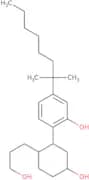
CAS:Prodotto controllato<p>CP 55940 is a cannabinoid receptor agonist that inhibits acetylcholine release in the brain and has been shown to cause neuronal death. CP 55940 binds to the α7 nicotinic acetylcholine receptor, which is important for memory and learning. The binding of this drug causes an increase in guanine nucleotide-binding protein (G protein) activity by reducing the rate of GTP hydrolysis, leading to inhibition of adenylyl cyclase activity and subsequent decrease in cAMP levels. CP 55940 has significant up-regulation of toll-like receptors following exposure, which leads to an increased immune response. This drug can also cause bowel disease or side effects such as seizures and psychotic symptoms. CP 55940 can interact with other drugs, including cannabinoids that may lead to serious side effects.</p>Formula:C24H40O3Purezza:Min. 95%Peso molecolare:376.57 g/mol11α-Methylandrostan-17β-ol-3-one
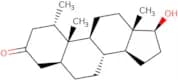
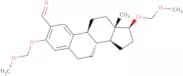
CAS:Prodotto controllato<p>11alpha-Methylandrostan-17beta-ol-3-one is a pharmacological agent that belongs to the group of androgens. It is an oral preparation and has been used in the treatment of infectious diseases, autoimmune diseases, and metabolic disorders. It has also been used as a matrix effect control in biological samples. The biological effects of 11alpha-Methylandrostan-17beta-ol-3-one are mediated by its direct action on cells or through conversion to testosterone or dihydrotestosterone (DHT). These effects include increasing protein synthesis, promoting bone formation, lowering cholesterol levels, stimulating the production of red blood cells, and decreasing fat deposition. The main side effects are acne vulgaris, male pattern baldness, prostate enlargement, increased risk for prostate cancer, and increased risk for developing breast cancer.</p>Formula:C20H32O2Purezza:Min. 95%Colore e forma:PowderPeso molecolare:304.47 g/mol2-Formyl-3,17b-O-bis(methoxymethyl)estradiol
CAS:Prodotto controllato<p>Please enquire for more information about 2-Formyl-3,17b-O-bis(methoxymethyl)estradiol including the price, delivery time and more detailed product information at the technical inquiry form on this page</p>Formula:C23H32O5Purezza:Min. 95%Peso molecolare:388.5 g/mol20-Epipregnantriol
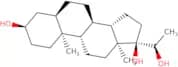
CAS:Prodotto controllato<p>20-Epipregnantriol is a natural metabolite of pregnancy, which is a mixture of 20-hydroxyprogesterone, 17-hydroxyprogesterone, and pregnanediol. This hormone has been shown to be produced in the testes and ovaries. It stimulates the production of estrogen by the ovaries and may have an effect on inhibiting testosterone production in the testes. 20-Epipregnantriol has been used as an analytical control in studies on steroidogenesis.</p>Formula:C21H36O3Purezza:Min. 95%Peso molecolare:336.51 g/mol4-Pregnen-17a,20b-diol-3-one
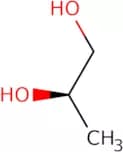
CAS:Prodotto controllato<p>4-Pregnen-17a,20b-diol-3-one is a synthetic androgen with anabolic and androgenic activity. It has been shown in animal studies to increase maximal responses of the reproductive tract to gonadotropin stimulation. 4-Pregnen-17a,20b-diol-3-one binds to the activin receptor on the cell membrane, which leads to increased expression of a gene encoding for 3β-hydroxysteroid dehydrogenase (3βHSD), an enzyme involved in testosterone synthesis. This drug also increases the sensitivity of ovarian follicles to gonadotropins and decreases basal plasma levels of LH and FSH. 4-Pregnen-17a,20b-diol-3-one has not been found to be toxicologically significant at doses up to 10 mg/kg body weight per day.</p>Formula:C21H32O3Purezza:Min. 95%Peso molecolare:332.48 g/molR-(-)-1,2-Propanediol
CAS:<p>R-(-)-1,2-Propanediol is a diol that is used as an additive in pharmaceutical preparations. It has been shown to inhibit the growth of several genera of bacteria and fungi, including Actinomyces, Bacillus, Clostridium, Corynebacterium, Enterobacteriaceae (Escherichia coli), Lactobacillus, Micrococcus, Mycobacteria (M. tuberculosis), Nocardia, Pseudomonas aeruginosa. R-(-)-1,2-Propanediol also inhibits the production of carbon source from glucose by inhibiting the enzyme pyruvate dehydrogenase which catalyzes the conversion of pyruvate to acetyl coenzyme A. R-(-)-1,2-Propanediol does not show any significant effect on bacterial growth when it is used at concentrations below 100mM. It has been shown that optimal reaction with R-(-)-</p>Formula:C3H8O2Purezza:Min. 98 Area-%Colore e forma:Colorless Clear LiquidPeso molecolare:76.09 g/mol1,2-O-Dioctadecyl-rac-glycerol
CAS:<p>1,2-O-Dioctadecyl-rac-glycerol is a lipid that belongs to the class of synthetic lipids. It has been used as a model system for studying the interactions between phosphatidylcholine (PC) and other lipids. The systematic study of the morphology of 1,2-O-dioctadecyl-rac-glycerol in various solvents revealed that it is an amphiphile with an elongated shape. This molecule interacts with PC membranes in a specific manner, which can be detected using optical measurements. The transition from the solid to liquid state causes 1,2-O-dioctadecyl-rac-glycerol to change its shape from a rod to an ellipsoid. This property can be used as a diagnostic tool for identifying transitions in nanomaterials.</p>Formula:C39H80O3Purezza:Min. 95%Peso molecolare:597.05 g/mol{1-[2-(4-Methylphenoxy)ethyl]-1H-benzimidazol-2-yl}methanol
CAS:Prodotto controllato<p>Please enquire for more information about {1-[2-(4-Methylphenoxy)ethyl]-1H-benzimidazol-2-yl}methanol including the price, delivery time and more detailed product information at the technical inquiry form on this page</p>Formula:C17H18N2O2Purezza:Min. 95%Peso molecolare:282.34 g/molL-Phenylalaninol 2-chlorotrityl resin
<p>Please enquire for more information about L-Phenylalaninol 2-chlorotrityl resin including the price, delivery time and more detailed product information at the technical inquiry form on this page</p>Purezza:Min. 95%Petromyzonol
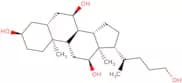
CAS:Prodotto controllato<p>Petromyzonol is an analytical agent for the determination of insulin resistance. It has been shown to be a potent inhibitor of ATP-binding cassette transporter A1 (ABCA1), which is responsible for the transport of cholesterol from peripheral tissues to the liver. Petromyzonol has also been shown to inhibit fatty acid and cholesterol synthesis, which may be due to its ability to bind disulfate groups and inhibit structural studies.</p>Formula:C24H42O4Purezza:Min. 95%Peso molecolare:394.59 g/molT2 toxin triol
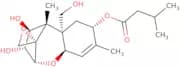
CAS:Prodotto controllato<p>T2 toxin triol is a bacterial strain that is used as a model system for the study of zearalenone. It has been shown to inhibit the growth of trifluoroacetic acid-treated cells and prevent the formation of glucuronide conjugates. T2 toxin triol has also been shown to be toxic to rat liver microsomes in vitro, but not to tissue culture or monoclonal antibody-transfected cells. The toxicity was found to be due to its basic structure, which causes an increase in intracellular levels of reactive oxygen species and lipid peroxidation.</p>Formula:C20H30O7Purezza:Min. 95%Peso molecolare:382.45 g/mol1-Phenylcyclohexanol
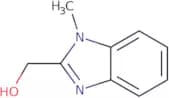
CAS:Prodotto controllato<p>1-Phenylcyclohexanol (1-PC) is an organic compound that is used as a reagent in the synthesis of other compounds. It is a colorless liquid with a pleasant odor. 1-PC has been shown to have synergic effects when reacted with various types of oxidizing agents, such as magnesium and boron trichloride. The reaction products are cyclohexanol, dehydration, and modifiers. When 1-PC reacts with phenylcyclohexene, it forms the antigen hemiketal.</p>Formula:C12H16OPurezza:Min. 95%Peso molecolare:176.25 g/mol(1-Methyl-1H-benzimidazol-2-yl)methanol
CAS:Prodotto controllato<p>1-Methyl-1H-benzimidazol-2-yl)methanol is a mononuclear, ligand anion with a sulfate group. The compound has a molecular weight of 180.07 and its chemical formula is C6H5NOSO3S. It is soluble in water and alcohols, but insoluble in ethers and chloroform. 1-Methyl-1H-benzimidazol-2-yl)methanol reacts with oxygen to form the corresponding peroxide, which has a boiling point of 228°C at 760 mm Hg pressure. This compound also reacts with nitric acid to form the corresponding nitrate salt, which can be precipitated by adding sodium chloride or ammonium chloride.</p>Formula:C9H10N2OPurezza:Min. 95%Peso molecolare:162.19 g/mol1-[(2-Chlorophenyl)-N-(methylimino)methyl]cyclopentanol hydrochloride
CAS:Prodotto controllato<p>Please enquire for more information about 1-[(2-Chlorophenyl)-N-(methylimino)methyl]cyclopentanol hydrochloride including the price, delivery time and more detailed product information at the technical inquiry form on this page</p>Formula:C13H16ClNO•HClPurezza:Min. 95%Peso molecolare:274.19 g/molMethyl linoleate
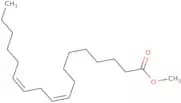
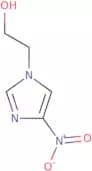
CAS:<p>Methyl linoleate is a fatty acid that is naturally found in human and animal cells. It has been shown to inhibit the growth of bacteria through its antimicrobial properties. Methyl linoleate also has antioxidative properties, which may be due to its ability to chelate metal ions such as iron and copper. This fatty acid also has anti-inflammatory activity, which may be due to its ability to inhibit prostaglandin synthesis by blocking cyclooxygenase (COX) enzymes.</p>Formula:C19H34O2Purezza:Min. 95%Colore e forma:Colorless Clear LiquidPeso molecolare:294.47 g/mol4-Nitro-1H-imidazole-1-ethanol
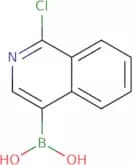
CAS:<p>Please enquire for more information about 4-Nitro-1H-imidazole-1-ethanol including the price, delivery time and more detailed product information at the technical inquiry form on this page</p>Formula:C5H7N3O3Purezza:Min. 95%Colore e forma:Beige PowderPeso molecolare:157.13 g/mol(1-Chloroisoquinolin-4-yl)boronic acid
CAS:<p>Please enquire for more information about (1-Chloroisoquinolin-4-yl)boronic acid including the price, delivery time and more detailed product information at the technical inquiry form on this page</p>Formula:C9H7BClNO2Purezza:Min. 95%Peso molecolare:207.42 g/mol4-Aminobicyclo[2.2.2]octan-1-ol hydrochloride
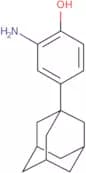
CAS:<p>Please enquire for more information about 4-Aminobicyclo[2.2.2]octan-1-ol hydrochloride including the price, delivery time and more detailed product information at the technical inquiry form on this page</p>Formula:C8H15NO•HClPurezza:Min. 95%Peso molecolare:177.67 g/mol4-(1-Adamantyl)-2-aminophenol
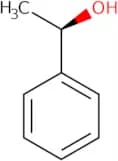
CAS:<p>Please enquire for more information about 4-(1-Adamantyl)-2-aminophenol including the price, delivery time and more detailed product information at the technical inquiry form on this page</p>Formula:C16H21NOPurezza:Min. 95%Peso molecolare:243.34 g/mol(R)-1-Phenylethanol
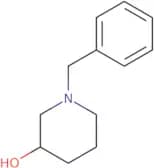
CAS:<p>(R)-1-Phenylethanol is an organic compound that belongs to the class of aldehydes. It has an optimal redox potential and is used as a reactive intermediate in surface methodology. The kinetic data for this compound have been reported, including its reaction solution, kinetic, and stereoselective properties. (R)-1-Phenylethanol can be used to synthesize aromatic hydrocarbons with acyl chains or amines, using enzymatic reactions. It can also be used as an asymmetric synthesis reagent for the preparation of chiral alcohols and amines.</p>Formula:C8H10OPurezza:Min. 95%Colore e forma:Colourless To Yellow LiquidPeso molecolare:122.16 g/mol1-Benzyl-3-piperidinol
CAS:<p>1-Benzyl-3-piperidinol is a synthetic chemical that has been used as a long-acting calcium antagonist. It is synthesized by the reaction of 1,2-dibromoethane with piperidine and benzaldehyde in the presence of an acid catalyst. The reaction yield is high, and impurities are low. This drug substance is soluble in organic solvents, such as chloroform, ethyl acetate, and ether. The synthesis process uses chiral catalysts to produce the desired enantiomeric form of the drug substance. The use of immobilized catalysts improves the conversion rate, kinetic parameters, and reaction yield of this process.</p>Formula:C12H17NOPurezza:Min. 95%Colore e forma:PowderPeso molecolare:191.27 g/molDodecane-1-thiol
CAS:<p>Dodecane-1-thiol is a chemical that is used as an ingredient in the production of nanoparticles. It has been shown to have high resistance to sodium salts and is chemically stable. Dodecane-1-thiol can be synthesized by reacting dodecane with hydroxylamine and mercaptan, which are both highly reactive compounds. Dodecane-1-thiol has a hydroxyl group on the thiol group and a dimethyl fumarate molecule attached to it. The hydroxyl group reacts with mercaptan, while the dimethyl fumarate molecule attaches to the thiol group to provide stability. Dodecane-1-thiol can also be synthesized using polymerization reactions.</p>Formula:C12H26SPurezza:95%MinPeso molecolare:202.4 g/molAllopurinol-d2
CAS:<p>Allopurinol-d2 is an inhibitor of xanthine oxidase, which is an enzyme that catalyzes the conversion of hypoxanthine to xanthine and then to uric acid. Allopurinol-d2 is used for the treatment of gout and hyperuricemia. The compound was expressed in Escherichia coli and purified by electrospray ionization mass spectrometry. It has been shown to inhibit methyltransferase activity, thereby decreasing the production of urate. Allopurinol-d2 has also been shown to decrease disease activity in animal models of colitis and ulcerative colitis.</p>Formula:C5H2D2N4OPurezza:Min. 95%Peso molecolare:138.12 g/mol2-[(4-Phenylpiperazin-1-yl)carbonyl]phenol
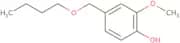
CAS:Prodotto controllato<p>Please enquire for more information about 2-[(4-Phenylpiperazin-1-yl)carbonyl]phenol including the price, delivery time and more detailed product information at the technical inquiry form on this page</p>Formula:C17H18N2O2Purezza:Min. 95%Peso molecolare:282.34 g/mol4-(Butoxymethyl)-2-methoxyphenol
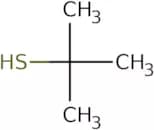
CAS:<p>4-(Butoxymethyl)-2-methoxyphenol is an antimicrobial agent that has been shown to be effective against Candida glabrata. It is a non-ionic surfactant with a C8 alkyl chain, which is derived from the reaction of butyl alcohol and phenol. 4-(Butoxymethyl)-2-methoxyphenol can be used in oral care products such as toothpaste or mouthwash. This product also has a control analysis for sodium citrate and root powder, which may be due to its fatty acid and magnesium salt content.</p>Formula:C12H18O3Purezza:Min. 95%Peso molecolare:210.27 g/mol2-Methyl-2-propanethiol
CAS:<p>2-Methyl-2-propanethiol is an electron acceptor and a reagent that can be used for the synthesis of organic compounds. It is soluble in polar solvents, but insoluble in nonpolar solvents. 2-Methyl-2-propanethiol has been shown to react with thiols at concentrations below its optimum concentration. The reaction mechanism is believed to involve adsorption and intramolecular hydrogen transfer. The adsorption process occurs on the surface of the substrate and the intramolecular hydrogen transfer occurs through an intermolecular hydrogen bond with the substrate's hydroxyl group or disulfide bond. When 2-methyl-2-propanethiol reacts with a thiol, it forms a mercaptan group called p2 that contains two substituents, one on each carbon atom. This reaction produces a disulfide bond as well as an electrochemical detector signal known as "activated."</p>Formula:C4H10SPurezza:Min. 98%Colore e forma:Clear LiquidPeso molecolare:90.19 g/molPotassium trimethylsilanolate
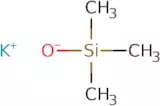
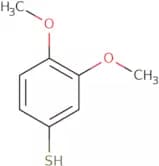
CAS:<p>Potassium trimethylsilanolate is a chemical substance that has inhibitory properties. It is a trifluoroacetic acid derivative that inhibits the activity of certain enzymes, such as proteases and lipases. The compound's inhibitory properties are due to its ability to bind to cytochrome cb2 receptors by means of hydrogen bonding. The binding of potassium trimethylsilanolate to the receptor prevents the activation of apoptosis proteins and protein synthesis in cells. This substance also has an inhibitory effect on water vapor, inhibiting the formation of water molecules from hydrogen atoms and oxygen atoms. Potassium trimethylsilanolate can be used as an anti-cancer agent by preventing cell division in tumor cells and preventing cancer metastasis through inhibition of protease activity.</p>Formula:C3H9KOSiPurezza:Min. 95%Peso molecolare:128.29 g/mol3,4-Dimethoxythiophenol
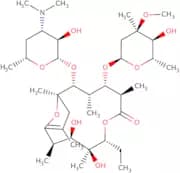
CAS:<p>3,4-Dimethoxythiophenol is a chemical compound that is used as a fluorescence probe to study biological functions in cells. It reacts with hydroxyl groups and other reactive sites on proteins, including sulfhydryl groups, thiols, and amines. 3,4-Dimethoxythiophenol has been shown to inhibit the viability of cancer cells (e.g., prostate cancer cells) by interfering with the function of dehydrogenase enzymes. 3,4-Dimethoxythiophenol also inhibits growth of microglia (cells that protect neurons) in vitro. This inhibition is due to the production of reactive oxygen species by the microglial cells. The chemical structure of this compound includes a hydroxyl group and two methoxy groups.</p>Formula:C8H10O2SPurezza:Min. 95%Colore e forma:Clear LiquidPeso molecolare:170.23 g/molErythromycin A enol ether
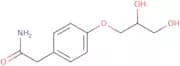
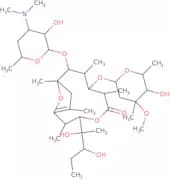
CAS:<p>Erythromycin A enol ether is an antimicrobial agent that is used as an antiretroviral therapy for HIV. It has been shown to be active against microbial infections caused by resistant microorganisms, such as methicillin-resistant Staphylococcus aureus and erythromycin-resistant Enterobacteriaceae. Erythromycin A enol ether has been found to be a promising candidate for topical applications due to its low toxicity and ability to penetrate the skin. The metabolite of erythromycin A enol ether is formed through hydrolysis with hydrochloric acid in the presence of glycol ester. The resulting product, erythromycin A, is an antibiotic that inhibits bacterial growth by blocking peptide synthesis at the ribosome level.</p>Formula:C37H65NO12Purezza:Min. 95%Peso molecolare:715.91 g/molDes(isopropylamino) atenolol diol
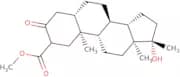
CAS:<p>Des(isopropylamino) atenolol diol is a synthetic, high-performance liquid chromatography (HPLC) analyte with an absorbance maximum of 254 nm. It is a white/off-white solid that is soluble in water and has a molecular weight of 187.5 g/mol. This compound can be analyzed using multichannel or liquid chromatographic techniques. Des(isopropylamino) atenolol diol can be used to measure the concentration of various compounds, such as impurities, by elution from the column. The elution profile has been shown to be dependent on the type of sample and technique used for analysis.</p>Formula:C11H15NO4Purezza:Min. 95%Peso molecolare:225.24 g/mol2-Carboxy mestanolone methyl ester
CAS:Prodotto controllato<p>Please enquire for more information about 2-Carboxy mestanolone methyl ester including the price, delivery time and more detailed product information at the technical inquiry form on this page</p>Formula:C22H34O4Purezza:Min. 95%Peso molecolare:362.5 g/molPotassium methoxide, 25% w/w in methanol
CAS:<p>Potassium methoxide is a strong base that reacts with methanol to produce potassium metal and methanol. It has been used as a model system for studying the reaction mechanism of metal carbonyls. The reaction solution is heated to produce glycol esters, which are catalyzed by the potassium metal. This process can be used to synthesize biologically active molecules, such as anti-inflammatory drugs, which are difficult to make using conventional methods. Potassium methoxide has also been shown to have protective effects against metabolic disorders in mice and has biological properties that may be useful in the treatment of infectious diseases.</p>Formula:CH3OKPurezza:Min. 95%Colore e forma:Clear LiquidPeso molecolare:70.13 g/mol3-O-Benzyl estriol
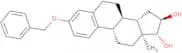
CAS:Prodotto controllato<p>3-O-Benzyl estriol is a synthetic estrogen that is used to treat menopausal symptoms. This drug has been shown to have a high affinity for the estrogen receptor, and it is also able to activate the estrogen receptor in cells. 3-O-Benzyl estriol has been shown to be more potent than other estrogens such as estrone or estriol and has been shown to increase the synthesis of proteins by increasing RNA synthesis. 3-O-Benzyl estriol is conjugated with glucuronic acid and excreted in the bile. It also has a number of metabolic transformations, including pyrolysis, which produces cyanamid and triethylamine.</p>Formula:C25H30O3Purezza:Min. 95%Peso molecolare:378.5 g/mol3-O-Benzyl 16-epiestriol
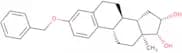
CAS:Prodotto controllato<p>Please enquire for more information about 3-O-Benzyl 16-epiestriol including the price, delivery time and more detailed product information at the technical inquiry form on this page</p>Formula:C25H30O3Purezza:Min. 95%Peso molecolare:378.5 g/mol2-Cyclopentyl-4-chlorophenol
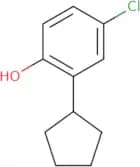
CAS:<p>2-Cyclopentyl-4-chlorophenol is a synthetic fatty acid that is used as an antiviral agent. It inhibits the synthesis of fatty acids by inhibiting the conversion of 2,4-dienoyl CoA to 3-hydroxyacyl CoA. 2-Cyclopentyl-4-chlorophenol has been shown to be effective against a number of test organisms, including bacteria such as staphylococcus and virus such as herpes simplex virus. 2-Cyclopentyl-4-chlorophenol inhibits viral protein synthesis by blocking the action of host enzymes required for this process. The target cell for this drug is the host cell infected with a virus. This drug also has antihelminthic properties and can be used to treat parasitic infections caused by schistosoma haematobium and clonorchis sinensis worms. 2CPCP's structural formula is shown below:</p>Formula:C11H13ClOPurezza:Min. 95%Peso molecolare:196.67 g/mol3-Buten-1-ol
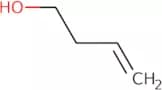
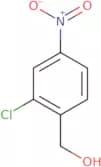
CAS:<p>3-Buten-1-ol is a reactive, anhydrous alcohol that can be used as a model system for hydrogen bonding. It can also be used to demonstrate the uptake of hydrochloric acid and hydroxyl group substitution reactions. 3-Buten-1-ol is soluble in organic solvents such as benzene and chloroform, but insoluble in water. The structural analysis of 3-buten-1-ol has been performed using spectroscopic techniques such as laser ablation and x-ray diffraction to determine its molecular formula. The reaction solution of 3-buten-1-ol with zirconium oxide has been shown to produce intramolecular hydrogen bonds and solid catalysts.</p>Formula:C4H8OPurezza:Min. 95%Colore e forma:Clear LiquidPeso molecolare:72.11 g/mol(2-Chloro-4-nitrophenyl)methanol
CAS:<p>Please enquire for more information about (2-Chloro-4-nitrophenyl)methanol including the price, delivery time and more detailed product information at the technical inquiry form on this page</p>Formula:C7H6ClNO3Purezza:Min. 95%Colore e forma:PowderPeso molecolare:187.58 g/mol1,2-O-Dioctadecyl-sn-glycerol
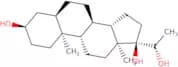
CAS:<p>1,2-O-Dioctadecyl-sn-glycerol is a hydrogenated glycerol that can be used as an advance in synthetic chemistry. It can be hydrogenolyzed to produce choline and cyclic phosphatidylglycerols. The catalytic properties of 1,2-O-dioctadecyl-sn-glycerol are due to its ability to react with chloride or cadmium chloride to form dialkyl glycerols. This product is also used in the synthesis of cadmium.</p>Formula:C39H80O3Purezza:Min. 95%Peso molecolare:597.05 g/molPregnantriol
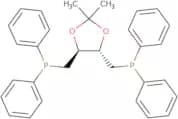
CAS:Prodotto controllato<p>Pregnantriol is a naturally occurring steroid hormone that is produced in the placenta and the adrenal glands. Pregnantriol has been shown to be a potent inducer of liver cells, which may be due to its ability to bind to enzymes that are involved in lipid metabolism. This compound has also been shown to have diagnostic properties and is used as a diagnostic agent for adrenocortical carcinoma, urinary tract infections, metabolic disorders, and acid formation. Pregnantriol can be detected using fluorescence detection.</p>Formula:C21H36O3Purezza:Min. 95%Colore e forma:PowderPeso molecolare:336.51 g/mol(2S,3S)-(+)-1,4-Bis(diphenylphosphino)-2,3-O-isopropylidene-2,3-butanediol
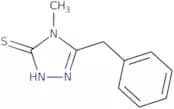
CAS:<p>(2S,3S)-(+)-1,4-Bis(diphenylphosphino)-2,3-O-isopropylidene-2,3-butanediol is a chiral phosphine ligand. It has been used as an optical catalyst for styrene polymerization and as a homogeneous catalyst for the electrochemical oxidation of cyclic aldehydes. This compound has also been used in preparative voltammetric studies of phosphines and diphosphines. (2S,3S)-(+)-1,4-Bis(diphenylphosphino)-2,3-O-isopropylidene-2,3-butanediol can be obtained by reduction of bis-(diphenylphosphine)ethane with lithium aluminum hydride or sodium borohydride. This compound is soluble in solvents such as benzene and chloro</p>Formula:C31H32O2P2Purezza:Min. 95%Peso molecolare:498.53 g/mol5-Benzyl-4-methyl-4H-1,2,4-triazole-3-thiol
CAS:<p>Please enquire for more information about 5-Benzyl-4-methyl-4H-1,2,4-triazole-3-thiol including the price, delivery time and more detailed product information at the technical inquiry form on this page</p>Formula:C10H11N3SPurezza:Min. 95%Peso molecolare:205.28 g/molβ-γ Hexenol
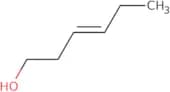
CAS:<p>b-Gamma hexenol is a chemical compound that belongs to the group of odorants. It is a volatile compound that has been identified as an important component in the fragrance of many flowers, such as roses and lavender. b-Gamma hexenol has been found to have significant binding affinity for proteins and enzymes, which may be due to its ability to form soluble complexes at the interface between organic phases and aqueous solutions. b-Gamma hexenol is used in vitro assays as a pharmacological agent that blocks acetylcholine release from nerve endings, thereby reducing pain sensation. In addition, it is also used as an anion radical scavenger due to its high resistance against acid hydrolysis. !--</p>Formula:C6H12OPurezza:Min. 95%Colore e forma:Clear LiquidPeso molecolare:100.16 g/mol5α-Androst-16-en-3α-ol
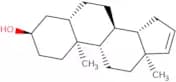
CAS:Prodotto controllato<p>5alpha-Androst-16-en-3alpha-ol is a pheromone that is produced by the human body. It has been shown to be a potent inducer of transcriptional activation in mammalian cells. 5alpha-Androst-16-en-3alpha-ol also has biological properties that are similar to those of androstenol, another pheromone produced by the human body. 5alpha-Androstenol binds to the androgen receptor, which then regulates gene transcription and protein synthesis in target cells. This process can lead to changes in cell metabolism, proliferation, or apoptosis. It has been shown that 5alpha-androstenol can increase testosterone levels in humans as well as other primates such as rhesus monkeys. The odorant binding site of 5alpha-androstenol is unknown; however, it may be able to bind with odorant receptors through hydrophobic interactions.</p>Formula:C19H30OPurezza:Min. 98 Area-%Colore e forma:White PowderPeso molecolare:274.44 g/molTris(dimethylaminomethyl)phenol
CAS:<p>Tris(dimethylaminomethyl)phenol (TDAP) is a compound that has been used as an additive in detergents, paints, and sealants. TDAP is a reactive chemical with the potential to cause adverse effects in humans such as allergic reactions and environmental pollution. TDAP is classified as an extremely hazardous substance by the United States Environmental Protection Agency. TDAP can be found in many household products and building materials, including paint and sealants. TDAP can also be found in cosmetics such as shampoos, lotions, and deodorant. TDAP may also be found in some types of food packaging materials. Long-term exposure to TDAP may lead to calcium carbonate deposits on the lungs or kidney stones due to increased levels of boron nitride-induced calcium oxalate crystals in urine.</p>Formula:C15H27N3OPurezza:Min. 95%Colore e forma:Clear LiquidPeso molecolare:265.39 g/mol2-(Methyl-2-pyridylamino)ethanol
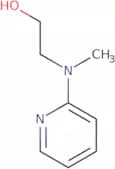
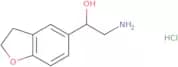
CAS:<p>2-(Methyl-2-pyridylamino)ethanol (2MPE) is a small molecule that has been studied for its potential use as an inhibitor of the enzyme protein kinase C-alpha. The reaction mechanism of 2MPE with rosiglitazone, a drug used to treat type II diabetes mellitus, has been shown to be nucleophilic and proceeds through an addition-elimination mechanism. The kinetic parameters for this reaction have been determined by studying the effect of temperature on the reaction rate. Density measurements indicate that 2MPE is a low-molecular weight compound with a density of 1.08 g/mL at 25°C and 1 atm pressure. This study also found that microreactors are capable of producing high reaction yields in shorter amounts of time than larger reactors, making them well suited to the synthesis of small molecules such as 2MPE.</p>Formula:C8H12N2OPurezza:Min. 95%Peso molecolare:152.19 g/mol2-Amino-1-(2,3-dihydro-benzofuran-5-yl)-ethanolHydrochloride
CAS:Prodotto controllato<p>Please enquire for more information about 2-Amino-1-(2,3-dihydro-benzofuran-5-yl)-ethanolHydrochloride including the price, delivery time and more detailed product information at the technical inquiry form on this page</p>Formula:C10H14ClNO2Purezza:Min. 95%Peso molecolare:215.68 g/molL-Prolinol 2-chlorotrityl resin
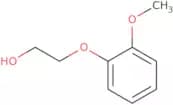
<p>Please enquire for more information about L-Prolinol 2-chlorotrityl resin including the price, delivery time and more detailed product information at the technical inquiry form on this page</p>Purezza:Min. 95%2-(2-Methoxyphenoxy)ethanol
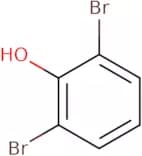
CAS:<p>2-(2-Methoxyphenoxy)ethanol (2-MPE) is a metabolite of propanediol, which is a precursor in the synthesis of polyurethanes. 2-MPE can be oxidized by monooxygenases to form syringyl and other reactive metabolites. Basic hydrolysis may also produce monomers such as phenols, alcohols, and carboxylic acids. Syringyl is one of the metabolic products of 2-MPE, which has been shown to be resistant to degradation by basidiomycete fungi.</p>Formula:C9H12O3Purezza:Min. 95%Peso molecolare:168.19 g/mol2,6-Dibromophenol
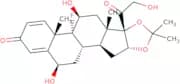
CAS:<p>2,6-Dibromophenol is a chemical compound that is used as an analytical reagent in the determination of bromide ion concentrations. It can be prepared by the debromination of 2-bromophenols using hydrochloric acid and heating to 150°C. This reaction mechanism is best described by kinetic data and a model system. The reaction product of this process is 2,6-dibromo-3-hydroxyphenol. This compound has been shown to have a higher dry weight in strains with high levels of hydroxy group activity.</p>Formula:C6H4Br2OPurezza:Min. 95%Peso molecolare:251.9 g/mol6b-Hydroxy triamcinolone acetonide
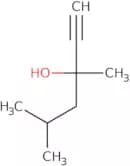
CAS:<p>Please enquire for more information about 6b-Hydroxy triamcinolone acetonide including the price, delivery time and more detailed product information at the technical inquiry form on this page</p>Formula:C24H31FO7Purezza:(%) Min. 95%Colore e forma:White Off-White PowderPeso molecolare:450.5 g/mol3,5-Dimethyl-1-hexyn-3-ol
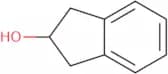
CAS:<p>3,5-Dimethyl-1-hexyn-3-ol is a reactive chemical that is used as a polymerase chain reaction (PCR) substrate film. The film has an active surface and can be used to detect the presence of DNA by adding colloidal gold. 3,5-Dimethyl-1-hexyn-3-ol reacts with the glycol ether and surfactant to form a hydrophobic film on the surface of the substrate film. The hydrophobic films are nonpolar and do not mix with water, so they do not dissolve in water. This allows for detection of DNA by using plasma mass spectrometry or eugenol, which reacts selectively with double bonds in DNA. 3,5-Dimethyl-1-hexyn-3-ol is also used in wastewater treatment as an antimicrobial agent to control bacterial growth.</p>Formula:C8H14OPurezza:Min. 95%Colore e forma:Clear LiquidPeso molecolare:126.2 g/mol2-Indanol
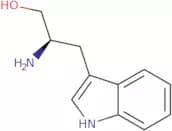
CAS:<p>2-Indanol is a hydroxy compound that has a human immunodeficiency virus (HIV) replication inhibitor, antiviral activity, and structural formula. It has been shown to have anti-HIV activity in vitro at concentrations of 0.1 μM and 1 μM. 2-Indanol inhibits the process of reverse transcription by specifically binding to the hydroxyl group of the viral RNA polymerase and preventing it from making a hydrogen bond with the viral DNA template strand. 2-Indanol also slows down HIV replication by inhibiting protein synthesis. This inhibition is due to its ability to inhibit phosphorylation and dephosphorylation reactions in the host cell's ribosome machinery, which are required for protein synthesis. 2-Indanol has been shown to be active against covid-19 pandemic influenza viruses and has been used as an antiviral agent in mice infected with these viruses.</p>Formula:C9H10OPurezza:Min. 95%Peso molecolare:134.18 g/molD-Tryptophanol
CAS:Prodotto controllato<p>D-Tryptophanol is a synthetic, enantiopure, hydroxymethylated tryptamine. It is a maltobionic molecule and it can be prepared by the hydrolysis of L-tryptophan with sodium hydroxide in water. D-Tryptophanol can also be synthesized from 3,4-diaminopyridine in the presence of a base and catalytic amount of copper(II) chloride. The chemical stability of D-tryptophanol has been studied using HPLC methods. Molecular modeling studies have shown that the compound forms hydrogen bonds with its neighboring molecules and has a high affinity for binding to human liver cells. D-Tryptophanol has been found to inhibit cancer cell growth at nanomolar concentrations, making it an attractive candidate for chemotherapeutic drugs. Calixarenes are used as chiral synthons to produce racemic mixtures of D-tryptophanol that could be</p>Formula:C11H14N2OPurezza:Min. 95%Peso molecolare:190.24 g/mol3-Methylether-estradiol
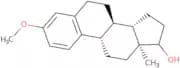
CAS:Prodotto controllato<p>3-Methylether-estradiol is a naturally occurring estrogen that is found in humans and other mammals. It binds to estrogen receptors on the plasma membrane, which stimulates cell growth, protein synthesis, and modulates the immune system. 3-Methylether-estradiol has been shown to inhibit taurocholic acid induced hypertension in rats by blocking the conversion of angiotensin I to angiotensin II. In addition, this compound has been shown to have anti-inflammatory properties and can be used as an antihypertensive agent. 3-Methylether-estradiol has also been shown to increase blood pressure in pregnant rats when given at bolus doses. This drug should not be prescribed for use during pregnancy because it can cause fetal death.</p>Formula:C19H26O2Purezza:Min. 95%Peso molecolare:286.41 g/molQuinoline-6-sulfonyl chloride
CAS:<p>Please enquire for more information about Quinoline-6-sulfonyl chloride including the price, delivery time and more detailed product information at the technical inquiry form on this page</p>Formula:C9H6ClNO2SPurezza:Min. 95%Peso molecolare:227.67 g/mol11-Heneicosanol
CAS:<p>Please enquire for more information about 11-Heneicosanol including the price, delivery time and more detailed product information at the technical inquiry form on this page</p>Formula:C21H44OPurezza:Min. 95%Peso molecolare:312.57 g/molPseudoerythromycin A enol ether
CAS:<p>Pseudoerythromycin A enol ether (PSEA) is an analog of erythromycin and has been used as a predictive model for the diagnosis of urinary tract infections. It is used in the treatment of bacterial infections caused by E. coli, Proteus mirabilis, Enterococcus faecalis, and Klebsiella pneumoniae. PSEA is an acidic compound that reacts with water to form hydroxyethyl pseudo-erythromycine (HEPE). HEPE can be detected in human urine following dehydration, which may be due to its reaction rate with water at pH 5.5-6.0. PSEA has also been used as a reagent for the detection of alkynyl group and ethyl group in liquid chromatography methods.br>br></p>Formula:C37H65NO12Purezza:Min. 95%Peso molecolare:715.91 g/mol(-)-3-Methoxy butorphanol
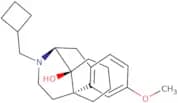
CAS:Prodotto controllato<p>Please enquire for more information about (-)-3-Methoxy butorphanol including the price, delivery time and more detailed product information at the technical inquiry form on this page</p>Formula:C22H31NO2Purezza:Min. 95%Peso molecolare:341.49 g/mol3-Methyl-1-pentyn-3-ol
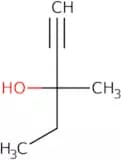
CAS:Prodotto controllato<p>3-Methyl-1-pentyn-3-ol is a chemical that has been shown to have interactive effects on the metabolism of urea nitrogen and low light. 3-Methyl-1-pentyn-3-ol has been shown to produce a depressant effect in animals, which may be due to its ability to inhibit the production of acetylcholine by blocking the enzyme cholinesterase. This chemical has also been shown to react with hydroxyl groups, producing a pharmacological agent. The reaction mechanism for 3-methyl pentynol is via hydrolysis by hydrochloric acid or pentobarbital sodium.</p>Formula:C6H10OPurezza:Min. 95%Peso molecolare:98.14 g/mol4-Methyl estradiol
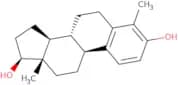
CAS:Prodotto controllato<p>4-Methyl estradiol is an estrogen that is a naturally occurring metabolite of estradiol. It has been shown to have weak estrogenic effects and may be used in low doses to treat breast cancer. 4-Methyl estradiol binds to the estrogen receptor with high affinity, which leads to its activation and subsequent translocation into the nucleus, where it binds to DNA and regulates gene transcription. The binding of 4-methyl estradiol to the receptor also stimulates the production of other hormones such as progesterone and estrone.</p>Formula:C19H26O2Purezza:Min. 95 Area-%Colore e forma:White PowderPeso molecolare:286.41 g/molRITA
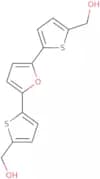
CAS:<p>RITA is a novel compound that has been shown to have anticancer activity in vivo in a rat model. RITA is a small molecule with high potency and low toxicity. It binds selectively to the α subunit of the enzyme topoisomerase II, which is involved in DNA replication and repair. RITA has been shown to induce apoptosis in cancer cells by pro-apoptotic proteins such as Bax and Bak. These proteins are known for their ability to induce apoptosis by increasing mitochondrial membrane permeability, inhibiting mitochondrial functions, or destabilizing the mitochondrial membrane potential. The compound class of RITA is not yet known, but it has been shown to be chemically stable at physiological pH levels and does not require metabolic activation for its cytotoxicity. The pharmacokinetics of this drug have also been studied in human liver cells and humans, indicating that this drug may be able to cross the blood-brain barrier.</p>Formula:C14H12O3S2Purezza:Min. 95%Peso molecolare:292.38 g/mol1-(3',4'-Dimethoxyphenyl)-1-propanol
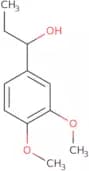
CAS:<p>1-(3’,4’-Dimethoxyphenyl)-1-propanol is a naturally occurring chemical with the molecular formula C10H14O2. It has been found in the bark of Pinus pinaster and the rhizome of Piper auritum. This compound has been shown to have an antiinflammatory effect by inhibiting prostaglandin synthesis. It also inhibits nitrosation reactions and is being studied for its potential as a cancer chemopreventive agent. 1-(3’,4’-Dimethoxyphenyl)-1-propanol is an enantiomer of 2-(3',4'-dimethoxyphenyl)propane-1,3-diol.</p>Formula:C11H16O3Purezza:Min. 95%Peso molecolare:196.24 g/mol(R)-4-Benzyloxy-1,3-butanediol
CAS:<p>Please enquire for more information about (R)-4-Benzyloxy-1,3-butanediol including the price, delivery time and more detailed product information at the technical inquiry form on this page</p>Formula:C11H16O3Purezza:Min. 95%Peso molecolare:196.24 g/mol(7-bromo-2H-1,3-benzodioxol-5-yl)methanol
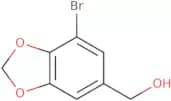
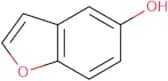
CAS:Prodotto controllato<p>Please enquire for more information about (7-bromo-2H-1,3-benzodioxol-5-yl)methanol including the price, delivery time and more detailed product information at the technical inquiry form on this page</p>Purezza:Min. 95%Peso molecolare:231.0455-Benzofuranol
CAS:<p>5-Benzofuranol is a potent cytotoxic natural product that has been isolated from the fungus Cryptococcus neoformans. It possesses a terminal alkyne group and a sulfonic acid group, which are both important for its cytotoxicity. 5-Benzofuranol inhibits the growth of cells in vitro by inhibiting their ability to synthesize DNA. 5-Benzofuranol shows significant cytotoxicity against various cancer cell lines, as well as potent inhibition against Candida albicans, Aspergillus niger, and Saccharomyces cerevisiae strains in vitro. This compound's functional groups make it an effective antifungal agent.</p>Formula:C8H6O2Purezza:Min. 95%Peso molecolare:134.13 g/mol1,2,3,4-Tetrahydroquinoline-3-carboxylic acid
CAS:<p>Tetrahydroquinoline-3-carboxylic acid is a crystalline, water-soluble compound. It is an intermediate in the synthesis of l-phenylalanine, paraformaldehyde and formaldehyde. Tetrahydroquinoline-3-carboxylic acid can be hydrolyzed to produce formic acid and hydrogen chloride. This product is also optically active and can be used as an indicator for hydroiodic acid.</p>Formula:C10H11NO2Purezza:Min. 95%Peso molecolare:177.2 g/mol1-Benzyl-1H-benzimidazole-2-thiol
CAS:<p>Please enquire for more information about 1-Benzyl-1H-benzimidazole-2-thiol including the price, delivery time and more detailed product information at the technical inquiry form on this page</p>Formula:C14H12N2SPurezza:Min. 95%Peso molecolare:240.32 g/mol(1S,2R)-2-[N-Benzyl-N-(mesitylenesulfonyl)amino]-1-phenyl-1-propanol
CAS:Prodotto controllato<p>Please enquire for more information about (1S,2R)-2-[N-Benzyl-N-(mesitylenesulfonyl)amino]-1-phenyl-1-propanol including the price, delivery time and more detailed product information at the technical inquiry form on this page</p>Formula:C25H29NO3SPurezza:Min. 95%Peso molecolare:423.57 g/molrac-3-hexadecanamido-2-methoxypropan-1-ol phosphocholine monohydrate
CAS:<p>Please enquire for more information about rac-3-hexadecanamido-2-methoxypropan-1-ol phosphocholine monohydrate including the price, delivery time and more detailed product information at the technical inquiry form on this page</p>Formula:C25H55N2O7PPurezza:Min. 95%Peso molecolare:526.69 g/mol1,3-Distearoyl-2-chloropropanediol-d5
CAS:<p>Please enquire for more information about 1,3-Distearoyl-2-chloropropanediol-d5 including the price, delivery time and more detailed product information at the technical inquiry form on this page</p>Formula:C39H70D5CIO4Purezza:Min. 95%Peso molecolare:751.95 g/mol5-Chloropentanol
CAS:<p>5-Chloropentanol is a reactive compound that can be used as an epidermal growth factor. It has been shown to have potentiating effects on the production of epidermal growth factor in a biological sample. 5-Chloropentanol has also been shown to increase the rate of cell proliferation, which could be due to its ability to generate reactive chloroform in cells. It is not known whether 5-Chloropentanol has any carcinogenic properties.</p>Purezza:Min. 95%1-Docosahexaenoin-2-oleoyl 3-phosphocholine
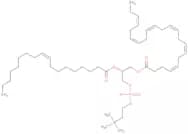
CAS:<p>1-Docosahexaenoin-2-oleoyl 3-phosphocholine is a phospholipid compound that has shown promising potential in cancer research. This compound belongs to the steroid family and has been studied for its diagnostic capabilities in detecting breast cancer. It has also been investigated for its antiviral properties, particularly against HIV-1. Additionally, 1-Docosahexaenoin-2-oleoyl 3-phosphocholine has been researched for its use in diabetes management, with studies exploring its effects on insulin secretion and glucose metabolism. This compound has also been evaluated as a potential therapeutic agent for certain types of tumors due to its ability to inhibit tumor growth.</p>Formula:C48H82NO8PPurezza:Min. 95%Peso molecolare:832.14 g/mol(1R,2S)-(-)-2-Amino-1,2-diphenylethanol
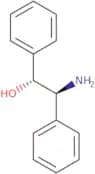
CAS:Prodotto controllato<p>The compound is a stereoselective amine. The molecule has two diastereomers, one of which is the (1R,2S) configuration and the other of which is the (1S,2R) configuration. The compound is an efficient method for preparing fatty acid esters with aromatic hydrocarbons.<br>The chemical structure of the molecule provides a cavity that can be used to bind with ethyl bromoacetate. This cavity has been shown in x-ray crystal structures to be able to bind with ethyl bromoacetate and provide an efficient method for preparing fatty acid esters with aromatic hydrocarbons.</p>Formula:C14H15NOPurezza:Min. 95%Peso molecolare:213.28 g/mol(3,5-Dimethylpyridin-2-yl)methanol
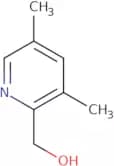
CAS:<p>3,5-Dimethylpyridin-2-yl)methanol is a compound used in the synthesis of esomeprazole. It is not considered an impurity or a target compound and does not need to be analyzed. 3,5-Dimethylpyridin-2-yl)methanol is synthesized by reacting 3,5-dimethylpyridine with methanol.</p>Formula:C8H11NOPurezza:Min. 95%Peso molecolare:137.18 g/mol




![[5-(Trifluoromethyl)-1,2-Oxazol-3-Yl]Methanol](/_next/image/?url=https%3A%2Fstatic.cymitquimica.com%2Fproducts%2F3D%2Fthumb-webp%2FFT89239.webp&w=3840&q=75)





![{1-[2-(4-Methylphenoxy)ethyl]-1H-benzimidazol-2-yl}methanol](/_next/image/?url=https%3A%2Fstatic.cymitquimica.com%2Fproducts%2F3D%2Fthumb-webp%2FFM135811.webp&w=3840&q=75)

![1-[(2-Chlorophenyl)-N-(methylimino)methyl]cyclopentanol hydrochloride](/_next/image/?url=https%3A%2Fstatic.cymitquimica.com%2Fproducts%2F3D%2Fthumb-webp%2FFC146990.webp&w=3840&q=75)
![4-Aminobicyclo[2.2.2]octan-1-ol hydrochloride](/_next/image/?url=https%3A%2Fstatic.cymitquimica.com%2Fproducts%2F3D%2Fthumb-webp%2FFA63102.webp&w=3840&q=75)


![2-[(4-Phenylpiperazin-1-yl)carbonyl]phenol](/_next/image/?url=https%3A%2Fstatic.cymitquimica.com%2Fproducts%2F3D%2Fthumb-webp%2FFP131062.webp&w=3840&q=75)







![(1S,2R)-2-[N-Benzyl-N-(mesitylenesulfonyl)amino]-1-phenyl-1-propanol](/_next/image/?url=https%3A%2Fstatic.cymitquimica.com%2Fproducts%2F3D%2Fthumb-webp%2FFB59939.webp&w=3840&q=75)