Alcoli
Sottocategorie di "Alcoli"
Trovati 5817 prodotti di "Alcoli"
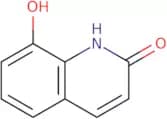
Quinoline-2,8-diol
CAS:Quinoline-2,8-diol is a bacterial strain that can be used to remove fatty acids from wastewater. The recombinant cytochrome P450 in this strain can degrade fatty acids, which are carcinogenic and have been shown to cause hepatic steatosis. In addition, the quinoline-2,8-diol strain has shown an ability to inhibit xenograft tumor growth in mice by activating cytochrome P450 and inducing apoptosis. This bacterial strain also has the potential to produce xanthurenic acid from tyrosine. Xanthurenic acid is toxic and has been shown to inhibit polymerase chain reaction (PCR) amplification of DNA. Quinoline-2,8-diol may be used as a model for experimental studies of xanthurenic acid's effects on energy metabolism and DNA synthesis.
Formula:C9H7NO2Purezza:Min. 95 Area-%Colore e forma:PowderPeso molecolare:161.16 g/mol2-(2,2-Diethoxyethyl)-1,3-propanediol
CAS:Formula:C9H20O4Purezza:>88.0%(GC)Colore e forma:Colorless to Light yellow clear liquidPeso molecolare:192.262-Bromo-3-fluorophenol
CAS:2-Bromo-3-fluorophenol is a bifunctional chemical that reacts with glycols, such as ethylene glycol, to form epoxy ethers. It is also used as a stabilizer for polyurethane plastics and rubbers. 2-Bromo-3-fluorophenol is used in the production of dibenzoyl peroxide and phenolic resins. This compound has been shown to be stable when exposed to both heat and light.Formula:C6H4BrFOPurezza:Min. 95%Colore e forma:PowderPeso molecolare:191 g/mol(1S)-3,3'-Bis(1,1-dimethylethyl)-5,5',6,6'-tetramethyl-[1,1'-biphenyl]-2,2'-diol
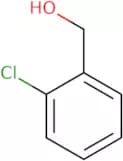
CAS:(1S)-3,3'-Bis(1,1-dimethylethyl)-5,5',6,6'-tetramethyl-[1,1'-biphenyl]-2,2'-diol is a reaction component that is used in the synthesis of complex compounds. It has been shown to be useful as a reagent and as a scaffold for high quality research chemicals. This compound is also used in the synthesis of versatile building blocks and fine chemicals.Formula:C24H34O2Purezza:Min. 95%Colore e forma:White PowderPeso molecolare:354.53 g/mol2-Chlorobenzyl alcohol
CAS:2-Chlorobenzyl alcohol is a chemical compound that is used to synthesize other compounds. It is produced by the reaction of ethyl formate and hydrogen chloride in a reaction vessel. It reacts with benzoates to produce 2-chlorobenzoates, which are used as intermediates in the synthesis of pharmaceuticals. Hydroxyl groups can react with hydrogen fluoride to produce hydrofluoric acid, which is used as an industrial solvent. 2-Chlorobenzyl alcohol also reacts with hydroxide ions to produce ethylene glycol, which is used in making polyester fibers and plastics. This chemical compound has structural studies that show it has a proton and two hydroxyl groups that can react with hydrogen bond. Hydrogen bonds are important for the stability of DNA structures. The molecular structures of velvetleaf plants contain 2-chlorobenzyl alcohol, which may be due to its role in transferring oxygen from leaves to roots for respiration during
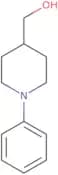
Formula:C7H7ClOPurezza:Min. 95%Colore e forma:PowderPeso molecolare:142.58 g/mol(1-Phenylpiperidin-4-yl)methanol
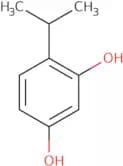
CAS:1-Phenylpiperidin-4-yl)methanol is a versatile building block that is used in the synthesis of many complex compounds. It is also a reagent and intermediate for the production of fine chemicals, speciality chemicals, and research chemicals. 1-Phenylpiperidin-4-yl)methanol has a CAS number of 697306-45-9 and it's molecular formula is C14H21NO.Formula:C12H17NOPurezza:Min. 95%Colore e forma:Red PowderPeso molecolare:191.27 g/mol4-Isopropylresorcinol
CAS:4-Isopropylresorcinol or 4-Isopropylbenzene-1,3-diol belongs to the family of alkylresorcinol. It is a synthetic molecule that has been shown to reduce tumor size and inhibit cancer cell growth in vitro and in vivo. It also inhibits the expression of heat shock protein (Hsp90), which is highly expressed in most tumor cells. A study done on human lung cancer cell lines showed that 4-isopropylresorcinol inhibited the growth of xenograft tumors with no side effects, by enhancing the sensitivity of lung cancer cells to photodynamic therapy, and arrests non-small cell lung cancer cells in the G1 phase with an associated increase in apoptosis. It also induces efflux transporters in tumor cells, which leads to a time-dependent pharmacokinetics.
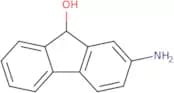
Formula:C9H12O2Purezza:Min. 98 Area-%Colore e forma:White Off-White PowderPeso molecolare:152.19 g/mol2-Amino-9-fluorenol
CAS:2-Amino-9-fluorenol is a hydrophobic compound that binds to RNA. 2-Amino-9-fluorenol has been shown to have a binding constant of 1.2 x 10, which is much higher than the binding constant for curculigoside (5.2 x 10). This substance has shown to be an effective inhibitor of RNA synthesis in HL60 cells and various bacterial strains by binding to the ribose moiety of RNA and preventing transcription. The metabolic pathway for 2-amino-9-fluorenol consists of two steps: one involving a reactive intermediate, potassium ion, and another with methylamine as the reactant. These reactions are catalyzed by enzymes such as acetaldehyde dehydrogenase and amino transferases, respectively.Formula:C13H11NOPurezza:Min. 95%Colore e forma:Yellow solid.Peso molecolare:197.23 g/mol3-Methylquinoxalin-2-ol
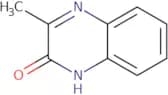
CAS:3-Methylquinoxalin-2-ol is an antimicrobial agent that exhibits a broad spectrum of activity against bacteria, fungi, and viruses. It is effective against both Gram-positive and Gram-negative bacteria, as well as yeast and mycobacteria. 3-Methylquinoxalin-2-ol has been shown to be efficacious in animal models of diabetic ulcers and also reduces the incidence of infection after surgery. The substance has been shown to have excellent bactericidal activity against streptococcus faecalis in the presence of dehydroascorbic acid. 3-Methylquinoxalin-2-ol inhibits protein synthesis by binding to amino groups on proteins and blocking their access to ATP or other amino acids. This mechanism may be exploited as a drug target for the treatment of bacterial infections.Formula:C9H8N2OPurezza:Min. 95%Peso molecolare:160.063662,4-Dimethoxy-5-methylbenzyl alcohol
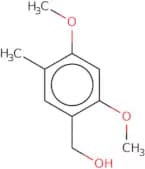
CAS:2,4-Dimethoxy-5-methylbenzyl alcohol is a high quality chemical that is used as an intermediate for the synthesis of complex compounds. It has been used as a reagent and as a building block for the synthesis of other chemicals. This compound can be used to produce fine chemicals and research chemicals. 2,4-Dimethoxy-5-methylbenzyl alcohol has been shown to be useful in the production of versatile building blocks and reaction components.
Formula:C10H14O3Purezza:Min. 95%Peso molecolare:182.22 g/mol6-(4,4,5,5-Tetramethyl-[1,3,2]dioxaborolan-2-yl)-isoquinoline
CAS:6-(4,4,5,5-Tetramethyl-[1,3,2]dioxaborolan-2-yl)-isoquinoline is a versatile building block for the synthesis of complex compounds. This product is a reagent that can be used in organic synthesis as a reaction component or as a reagent to form new compounds. 6-(4,4,5,5-Tetramethyl-[1,3,2]dioxaborolan-2-yl)-isoquinoline has shown high quality in research and is useful for the synthesis of fine chemicals and speciality chemicals.Formula:C15H18BNO2Purezza:Min. 95%Colore e forma:White To Beige SolidPeso molecolare:255.12 g/mol1,3-Dihydroxyacetone
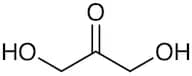
CAS:Formula:C3H6O3Purezza:>97.0%(GC)Colore e forma:White to Almost white powder to crystalPeso molecolare:90.08Linolenic acid, 98.5%
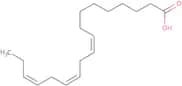
CAS:Linolenic acid is a polyunsaturated fatty acid that is an essential component of human nutrition. Linolenic acid has apoptosis-inducing properties and has been shown to induce the mitochondrial membrane potential in neuronal cells and induce neuronal death by decreasing the levels of pge2. Linolenic acid also participates in energy metabolism, as it can be converted into arachidonic acid, which is a precursor for prostaglandins. Linolenic acid has been shown to have physiological effects on humans, such as improving eye disorders and congestive heart failure. It does not seem to be linked with any toxicity or adverse effects.Formula:C18H30O2Purezza:Min. 95%Colore e forma:Colorless Clear LiquidPeso molecolare:278.43 g/mol4-Amino-2-methylphenol
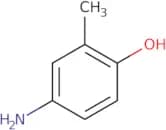
CAS:4-Amino-2-methylphenol is a chemical substance that is used in the production of dyes, cationic surfactants, and basic dyes. It can be produced through oxidation of phenol or by dehydration of aniline. 4-Amino-2-methylphenol has been shown to have potential use as a surface enhancer for Raman spectroscopy. This compound has also been used to extract amines and ethers from organic solvents.Formula:C7H9NOPurezza:Min. 95%Colore e forma:SolidPeso molecolare:123.15 g/mol5-Hydroxy-3,4-dihydro-2(1H)-quinolinone
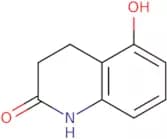
CAS:5-Hydroxy-3,4-dihydro-2(1H)-quinolinone is a high quality reagent with a CAS number of 30389-33-4. It has been shown to be a useful intermediate in the synthesis of complex compounds. This compound can also be used as an important building block for the synthesis of speciality chemicals and research chemicals. 5-Hydroxy-3,4-dihydro-2(1H)-quinolinone is versatile and can be used as a reaction component in many reactions that require the introduction of oxygen into molecules.Formula:C9H9NO2Purezza:Min. 95%Colore e forma:White PowderPeso molecolare:163.17 g/mol2,4-Hexadien-1-ol
CAS:2,4-Hexadien-1-ol is an organic compound that belongs to the group of aliphatic alcohols. It is a colorless liquid with a pleasant odor and high boiling point. 2,4-Hexadien-1-ol has been shown to be a potent inhibitor of tyrosinase in vitro. This inhibition may be due to its ability to form hydrogen bonds with zirconium oxide or the hydroxyl group on its structure. 2,4-Hexadien-1-ol also has been shown to inhibit enzymes that are involved in the metabolic pathways for xenobiotics such as sodium citrate. 2,4-Hexadien-1-ol is used in wastewater treatment because it can decompose organic matter and reduce sludge volume by increasing the solubility of oils and fats.
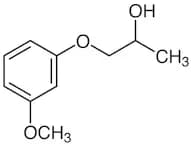
Formula:C6H10OPurezza:Min. 95%Colore e forma:White PowderPeso molecolare:98.14 g/mol1-(3-Methoxyphenoxy)-2-propanol
CAS:Formula:C10H14O3Purezza:>90.0%(GC)Colore e forma:Colorless to Light yellow to Light orange clear liquidPeso molecolare:182.228-Methoxycarbonyloctanol
CAS:8-Methoxycarbonyloctanol (8MCO) is a fatty acid molecule that has been shown to have significant inhibitory activities against Streptococcus pneumoniae in human serum. 8MCO is a synthetic molecule that can be synthesized from galactose and chloride. It has been found to have a molecular weight of 190.08 g/mol, melting point of -2°C, and boiling point of 217°C at 1 mmHg. 8MCO is soluble in water, methanol, and ethanol. This molecule can be used as an analytical tool for the detection of fatty acids by gas chromatography-mass spectrometry (GC-MS). It also exhibits enzymatic activity when incorporated into enzyme preparations such as esterases and lipases. 8MCO contains functional groups such as carbonyl (-CO), hydroxyl (-OH), carboxylic acid (-COOH), ether (-O-) and alcohol (-
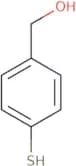
Formula:C10H20O3Purezza:Min. 95%Colore e forma:Clear LiquidPeso molecolare:188.26 g/mol4-Mercaptobenzyl alcohol, 90%
CAS:4-Mercaptobenzyl alcohol (MBBA) is a bifunctional molecule that can act as an electron donor and electron acceptor. It has been shown to have proapoptotic activity, which may be due to its ability to interact with cellular components and induce DNA damage. MBBA has also been shown to inhibit the growth of bacteria by attacking their cell walls and inhibiting their ability to synthesize proteins. The antibacterial activity of MBBA was found to be enhanced on metal surfaces, such as aluminum and copper, which are commonly used in cancer therapy equipment or for antimicrobial resistance. MBBA also has diagnostic properties, which can be used for the detection of cancer cells or bacterial infections.
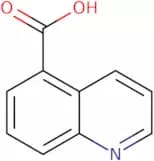
MBBA is absorbed into cells through the carboxylate groups on the surface of the cell membrane. Electrons are then transferred from the molecule to the cell's electron transport chain, thereby increasing ATP production and inducing apoptosis in cancer cells.Formula:C7H8OSPurezza:Min. 90%Colore e forma:Off-White PowderPeso molecolare:140.2 g/molQuinoline-5-carboxylic acid
CAS:Quinoline-5-carboxylic acid is a peroxide that is produced by the oxidation of quinoline derivatives. Quinoline-5-carboxylic acid has been shown to have antibacterial activity, and it also has affinity values for chloride ions. The chemical isomers of quinoline-5-carboxylic acid are called quninolines, which are produced by the hydrolysis of quinoline-5-carboxylic acid. Quinolines can be obtained by the oxidation of aniline. Quinolines have been shown to catalyze reactions with carbonyl groups in organic molecules, such as the reaction between an alkoxycarbonyl group and a hydroxyl group to form an aldehyde or ketone. Kinetic data for this reaction was obtained using titration calorimetry.
Formula:C10H7NO2Purezza:Min. 95%Colore e forma:White To Beige To Light Brown To Grey SolidPeso molecolare:173.17 g/mol




![(1S)-3,3'-Bis(1,1-dimethylethyl)-5,5',6,6'-tetramethyl-[1,1'-biphenyl]-2,2'-diol](/_next/image/?url=https%3A%2Fstatic.cymitquimica.com%2Fproducts%2F3D%2Fthumb-webp%2FFB167175.webp&w=3840&q=75)
![6-(4,4,5,5-Tetramethyl-[1,3,2]dioxaborolan-2-yl)-isoquinoline](/_next/image/?url=https%3A%2Fstatic.cymitquimica.com%2Fproducts%2F3D%2Fthumb-webp%2FFT76191.webp&w=3840&q=75)