Alcoli
Sottocategorie di "Alcoli"
Trovati 5817 prodotti di "Alcoli"
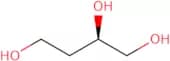
(R)-(+)-1,2,4-Butanetriol
CAS:Prodotto controllato(R)-(+)-1,2,4-Butanetriol is a molecule that has been shown to have cancer-fighting properties. It is used in clinical trials to treat cancer by inhibiting the growth of cells. This drug binds to the site on the protein that is responsible for cell division and prevents the formation of new cells, thereby preventing tumor growth. The mechanism of action for this drug is not yet fully understood but it may be due to its ability to inhibit calcium channels or interfere with protein synthesis. (R)-(+)-1,2,4-Butanetriol has also been shown in laboratory studies to bind with human immunodeficiency virus (HIV) and prevent it from attaching to CD4 T-cells. This drug has been tested in humans as an anti-HIV treatment and showed promising results in a questionnaire study.Formula:C4H10O3Purezza:Min. 95%Peso molecolare:106.12 g/molrac-1-anthracen-2-yl-ethanol
CAS:Rac-1-anthracen-2-yl-ethanol is an apolar, injecting alcohol. It has two isomers. Rac-1-anthracen-2-yl-ethanol has a selectivity profile that is different from other compounds in its class, and it outperforms amine solvents in the separation of similar compounds. This compound's selectivity profile is due to interactions with the solvent and stationary phase that are unique to this compound. Rac-1-anthracen-2-yl-ethanol also has a low nature and low toxicity profile.
Formula:C16H14OPurezza:Min. 95%Peso molecolare:222.28 g/mol6-Keto cholestanol
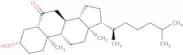
CAS:Prodotto controllato6-Keto cholestanol is a chemical compound that is structurally similar to cholesterol. It has a phase transition temperature of -65°C, and the hydroxyl group on the side chain can be replaced with other functional groups to alter its properties. 6-Keto cholestanol has been shown to induce autophagy in cells by binding to mitochondria and increasing mitochondrial membrane potential. This compound also increases the level of fatty acid oxidation and decreases levels of glycerolipids in the cell, which may be due to its ability to bind fatty acids. 6-Keto cholestanol binds to the styryl dye, benzalkonium chloride, and inhibits its fluorescence emission. This compound also binds to adenine nucleotide, which may lead to decreased ATP production in cells.Formula:C27H46O2Purezza:Min. 95%Peso molecolare:402.65 g/mol6-Aminoquinoline
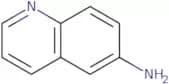
CAS:6-Aminoquinoline is a chemical compound that is used as an intermediate in the synthesis of other compounds. It has been found to be effective in inhibiting the growth of human cancer cells and cell lines by binding to amines, which are important for cell proliferation. 6-Aminoquinoline also inhibits epidermal growth factor (EGF) and its receptor, which may be due to its ability to inhibit the transfer of phosphate groups from ATP to EGF. 6-Nitroquinoline, which is derived from 6-aminoquinoline, has been shown to have antiinflammatory activity.
Formula:C9H8N2Purezza:Min. 95%Colore e forma:Yellow PowderPeso molecolare:144.17 g/mol2-Bromo-6-methylpyridin-3-ol
CAS:2-Bromo-6-methylpyridin-3-ol is a heterocyclic organic compound. It is a pyridine ring with two methyl groups attached to the ring at positions 2 and 6. The bromine atom is at position 3. This is an important intermediate in the Suzuki coupling reaction, which uses it as a starting material for the synthesis of many other compounds. The dieckmann condensation reaction produces this compound from 2,6-dichloropyridine and other reagents. Fluorescent when exposed to UV light, this compound has been used as a probe for chloride ions in solution using mass spectroscopy. This substance also yields dieckmann condensation products with alkynes and chlorine or bromine. 2-Bromo-6-methylpyridin-3-ol can be produced by treating pyridine with methylacrylate in the presence of catalysts such as copper(II)Formula:C6H6BrNOPurezza:Min. 95%Peso molecolare:188.02 g/mol3-Chloro-2-nitrobenzyl alcohol
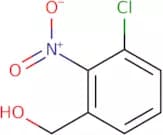
CAS:3-Chloro-2-nitrobenzyl alcohol is a chemical compound that has a molecular formula of C6H5ClNO2. This substance was synthesized by the reaction of 3-chloro-2-nitrobenzyl chloride with sodium hydroxide in methanol. The optimized geometry and vibrational frequencies were calculated using density functional theory (DFT) and theory of Raman scattering. The IR spectra were measured with Fourier transform infrared (FTIR) spectroscopy, which showed that the compound has a strong absorption in the region from 2,600 to 2,800 cm−1.Formula:C7H6ClNO3Purezza:Min. 95%Colore e forma:PowderPeso molecolare:187.58 g/mol(R)-(+)-3-Chloro-1-phenyl-1-propanol
CAS:(R)-(+)-3-Chloro-1-phenyl-1-propanol is a substrate for the lactamase of bacteria. The immobilized lipase catalyzes the hydrolysis reaction in which the lactam ring is broken, yielding a propiophenone intermediate. This intermediate can be converted to (S)-(+)-3-chloro-1-phenylpropanol by treatment with an alcohol oxidase or by hydrolysis with hydrogen peroxide. The product has been shown to have antidepressant activity and may modulate the dry weight of bacteria. In vivo studies show that this compound has a high concentration in rats and mice, but it is not active in humans.Formula:C9H11ClOPurezza:Min. 95%Colore e forma:White To Yellow SolidPeso molecolare:170.64 g/molGarcinol
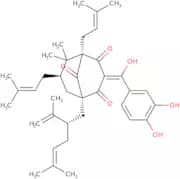
CAS:Polyisoprenylated benzophenone from Garcinia indica; HAT inhibitorFormula:C38H50O6Purezza:Min. 97 Area-%Colore e forma:Yellow PowderPeso molecolare:602.8 g/molDL-Phenylalaninol
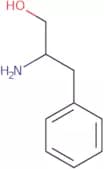
CAS:DL-Phenylalaninol is a chemical compound with the molecular formula CHNO. It is a white to pale yellow solid that is soluble in water and methanol, but not in diethyl ether. DL-Phenylalaninol has been synthesized by reacting cycloleucine with l-phenylalaninol. The reaction solution was heated at a temperature of 140°C for six hours, which yielded DL-Phenylalaninol as a hydroxy methyl compound. The synthesis of DL-Phenylalaninol was achieved through an asymmetric synthesis with sodium dodecyl sulfate surfactant. A detection sensitivity of 1 ppm and an enhancement at 260 nm were observed when analyzing the product by high performance liquid chromatography (HPLC).Formula:C9H13NOPurezza:Min. 95%Peso molecolare:151.21 g/molTetrahydropyran-2-methanol
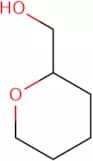
CAS:Tetrahydropyran-2-methanol is a hydrogenated, hydrated, triflic acid derivative that belongs to the group of organic compounds known as ethers. The presence of a hydroxyl group on one end and a chloride group on the other end provides tetrahydropyran-2-methanol with two reactive sites for reactions with metals. It has been shown to react with metal surfaces in order to form an adduct under acidic conditions that can be used as an ion exchange resin. Tetrahydropyran-2-methanol also reacts rapidly with hydrochloric acid to form tetrahydrothiophene and methanol. This reaction time can be sped up by heating the liquid at atmospheric pressure or by adding sulfuric acid. Tetrahydropyran-2-methanol is also capable of reacting with water in order to produce hydrogen gas and alcohol.Formula:C6H12O2Purezza:Min. 98%Peso molecolare:116.16 g/mol2,4-Dimethoxyphenylmethylcarbinol
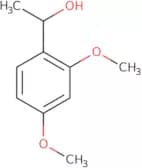
CAS:2,4-Dimethoxyphenylmethylcarbinol is a benzene derivative that can be synthesized from 2,4-dimethoxybenzaldehyde and formaldehyde. This compound is an efficient reductant for hydrazine and has been used as a screening agent for new drugs. It is also a pharmacological active substance with anti-inflammatory properties. 2,4-Dimethoxyphenylmethylcarbinol has shown activity against carrageenan-induced rat paw edema, as well as the vessel and ultrasonic effects of irradiation.Formula:C10H14O3Purezza:Min. 95%Peso molecolare:182.22 g/molDodecylbenzenesulfonic acid, 70% in isopropanol
CAS:Dodecylbenzenesulfonic acid is a sulfonic acid that is used in the production of polyaniline. It is also used as an organic reagent that can be applied in organic synthesis, including polymerization and electrochemical studies. Dodecylbenzenesulfonic acid has been shown to react with sodium salts to form dodecyl benzene, which can be observed by synchronous fluorescence spectroscopy. This chemical has a phase transition temperature of -9°C and a boiling point of 176°C. Dodecylbenzenesulfonic acid is soluble in water vapor, but insoluble in ethanol or acetone.Formula:C18H30O3SPurezza:Min. 95%Colore e forma:Clear LiquidPeso molecolare:326.5 g/mol3-Piperidin-1-ylpropan-1-ol
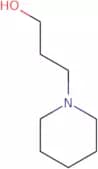
CAS:3-Piperidin-1-ylpropan-1-ol is a substance that is structurally related to biperiden and has affinity for the H3 receptor. It has been shown to have a high affinity for the H3 receptor, which is found in high concentration in the rat brain. 3-Piperidin-1-ylpropan-1-ol has been shown to have antagonistic activity against neuropathic pain in rats, by inhibiting the release of norepinephrine from nerve endings. This substance also has antihistaminic properties, which may be due to its ability to inhibit histamine release. 3-Piperidin-1-ylpropan-1-ol is an enantiomer of piperidine, with a slightly higher affinity for the H3 receptor than its mirror image. The racemic mixture isomeric form (i.e., both enantiomers) inhibits the H3 receptor with an equal potency,Formula:C8H17NOPurezza:Min. 95%Colore e forma:Colorless Clear LiquidPeso molecolare:143.23 g/mol17β-Estradiol-d2
CAS:Prodotto controllato17-Estradiol-3,17-diol (17-E2) is the most potent estrogen found in humans. It has been shown to be able to stimulate the growth of breast cancer cells and is a known carcinogen in animals. 17-E2 is metabolized by cytochrome P450 enzymes into catechol estrogens, which are reactive and can bind to DNA. These metabolites can cause mutations that lead to cancer. Analysis of human breast tissue has revealed that 17-E2 is synthesized from estradiol by aromatase and then converted into catechol estrogens by 17β-hydroxysteroid dehydrogenase type 1. 17-E2 also binds to estrogen receptors, which may be linked with the development of certain cancers. The presence of 17-E2 in the environment has been linked with an increased risk for cancer in humans, as it can enter the body through water or food contaminated with waste products.Formula:C18H22D2O2Purezza:Min. 95%Colore e forma:PowderPeso molecolare:274.39 g/mol2-(Difluoromethoxy)Phenol
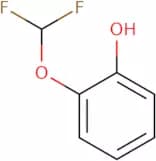
CAS:2-(Difluoromethoxy)Phenol is a purine derivative and pyrimidine derivative. It has been shown to inhibit the growth of cancer cells in vitro and in vivo. 2-(Difluoromethoxy)phenol inhibits multidrug resistance by inhibiting the transport of drugs into cells and thereby preventing their accumulation. As a result, it suppresses inflammatory diseases and autoimmune diseases. The hydroxyl group in this compound can be replaced with fluorine or nitro groups to generate new derivatives with different properties. Piperidine can also be added to this molecule to create an analogue that is more potent than 2-(difluoromethoxy)phenol and has a longer duration of action.Formula:C7H6F2O2Purezza:Min. 95%Peso molecolare:160.12 g/mol(S)-1-Phenyl-2-propanol
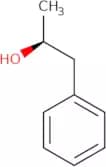
CAS:(S)-1-Phenyl-2-propanol is a chiral, enantiopure alcohol that is used as a substrate for the preparation of various drugs. It can be prepared by the reduction of (R)-1-phenyl-2-propanol with sodium borohydride. To obtain the desired product, high substrate concentrations are required. Molecular modeling and bioreactor studies have shown that this process can also be carried out in cells. Subtilis sps. were found to be suitable for this process due to their ability to synthesize (S)-1-phenyl-2-propanol from 6-phosphate and l-tert-leucine in a stepwise manner. The use of subtilis sps. may reduce the cost and time needed for production of (S)-1-phenyl-2-propanol because it does not require expensive starting materials or purification steps.END>>Formula:C9H12OPurezza:Min. 95%Colore e forma:Clear LiquidPeso molecolare:136.19 g/mol5alpha-Pregnan-3beta,17alpha-diol-20-one
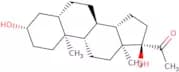
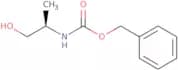
CAS:Prodotto controllato5alpha-Pregnan-3beta,17alpha-diol-20-one is a versatile building block that can be used in the synthesis of a wide range of chemical compounds. It has CAS number 570-54-7 and is useful as a reagent in organic chemistry. This compound is also an intermediate for the synthesis of other chemicals, such as steroids and hormones. 5alpha-Pregnan-3beta,17alpha-diol-20-one can be used to produce high quality products with diverse biological activities and molecular structures. The compound is also useful in the production of pharmaceuticals, pesticides, and herbicides.Formula:C21H34O3Purezza:Min. 95%Colore e forma:PowderPeso molecolare:334.49 g/molZ-D-Alaninol
CAS:Please enquire for more information about Z-D-Alaninol including the price, delivery time and more detailed product information at the technical inquiry form on this page
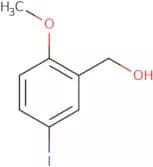
Formula:C11H15NO3Purezza:Min. 95%Peso molecolare:209.24 g/mol5-Iodo-2-methoxybenzyl alcohol
CAS:5-Iodo-2-methoxybenzyl alcohol (5IMB) is a conjugate that inhibits tubulin polymerization and mitochondrial membrane integrity. It has significant inhibitory effects on colchicine-induced apoptosis in colon cancer cells, inducing apoptotic cell death by the activation of caspase 3 and annexin. 5IMB also has an inhibitory effect on mitochondria, leading to mitochondrial membrane depolarization and apoptotic cell death. This conjugate also induces the death of human cancer cells, specifically mcf-7, which are involved in tumour growth and metastasis. The mechanism of action for 5IMB is through its ability to induce mitochondrial membrane depolarization, leading to apoptotic cell death.Formula:C8H9O2IPurezza:Min. 95%Peso molecolare:264.06 g/mol2-Pyrimidinemethanol
CAS:2-Pyrimidinemethanol is a pyrimidine derivative that is used as a starting material for the synthesis of other compounds. 2-Pyrimidinemethanol is introduced into the body through the skin, lungs and gastrointestinal tract. It has been shown to cause sensitization in humans and rats, with photoexcitation being an important factor in its activity. 2-Pyrimidinemethanol binds to DNA and inhibits protein synthesis by inhibiting ribonucleotide reductase (RNR). The active site of this enzyme contains iron, which is why this compound may be toxic to humans.Formula:C5H6N2OPurezza:Min. 95%Colore e forma:Light (Or Pale) Yellow To Brown LiquidPeso molecolare:110.11 g/mol