


Alcoli
Gli alcoli sono una vasta gamma di molecole organiche derivate dagli idrocarburi che contengono uno o più gruppi idrossilici (gruppo OH). Questi composti sono essenziali in varie reazioni chimiche e sono ampiamente utilizzati in laboratorio per la sintesi, come solventi e in chimica analitica. Da CymitQuimica, offriamo alcoli di alta qualità preparati per l'uso in laboratorio, supportando le tue ricerche e applicazioni industriali con prodotti affidabili ed efficaci. La nostra selezione garantisce che tu abbia gli alcoli giusti per le tue esigenze specifiche, sia per il lavoro di laboratorio di routine che per progetti di ricerca specializzati.
Sottocategorie di "Alcoli"
Trovati 5814 prodotti di "Alcoli"
Ordinare per
Purezza (%)
0
100
|
0
|
50
|
90
|
95
|
100
Conjugated linoleic acid - liquid
CAS:<p>Conjugated linoleic acid (CLA) is a fatty acid found in beef and dairy products. It is a conjugated form of linoleic acid, which means it has two or more double bonds in its chemical structure. CLA may help to regulate energy metabolism by inhibiting the activity of enzymes involved in fat and carbohydrate metabolism. CLA has also been shown to have inhibitory properties against polymerase chain reaction (PCR), an enzyme that copies DNA during cell division. CLA has also been shown to reduce the symptoms of bowel disease, including reducing inflammation and improving insulin sensitivity. CLA may suppress body weight gain and fat accumulation in humans, as well as reduce the development of type 2 diabetes mellitus. In addition, CLA may be effective against infectious diseases such as tuberculosis and HIV/AIDS because it can lower levels of pro-inflammatory cytokines like tumor necrosis factor-α (TNF-α)</p>Formula:C18H32O2Purezza:Min. 95%Colore e forma:Slightly Yellow Clear LiquidPeso molecolare:280.45 g/mol3-(Aminomethyl)phenol
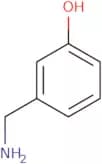
CAS:3-(Aminomethyl)phenol is a potent inhibitor of growth factor receptor kinase (GRK) and protein kinase C. It has been shown to have inhibitory effects on cellular proliferation in mammalian cells and is being investigated as an adjuvant therapy for cancer treatment. 3-(Aminomethyl)phenol has also been shown to inhibit the enzyme cyclooxygenase-2, which is involved in the synthesis of prostaglandins. DISCUSSION: The carbonyl group of 3-(aminomethyl)phenol makes it a potent inhibitor of GRKs and protein kinases C. Kinases are enzymes that catalyze the addition of phosphate groups onto proteins, which affects their activity. As such, 3-(aminomethyl)phenol inhibits the activity of GRKs and protein kinases C by binding to the ATP-binding site, preventing ATP from binding and phosphorylating the enzyme's target proteinsFormula:C7H9NOPurezza:Min. 95%Peso molecolare:123.15 g/molBisphenol A glycerolate dimethacrylate
CAS:<p>Bisphenol A glycerolate dimethacrylate is a synthetic polymer that has been used in various applications, including dental sealants and composites. It is a white or yellowish viscous liquid that is soluble in water and alcohol. Bisphenol A glycerolate dimethacrylate is used as a sealant due to its high viscosity. The molecular weight of this compound ranges from 2000 to 6000 Da. It also has an epoxy group that can form hydrogen bonds with other molecules. The major application for bisphenol A glycerolate dimethacrylate is in the dental industry as it provides an excellent sealant due to its high viscosity. This material is also used in composites due to its ability to form hydrogen bonding interactions with the polymer matrix. Bisphenol A glycerolate dimethacrylate is also known for its hemolytic activity and sugar transport properties, which are important for lactic acid</p>Formula:C29H36O8Purezza:Min. 95%Colore e forma:Clear LiquidPeso molecolare:512.59 g/mol8-Benzyloxy-5-((R)-2-bromo-1-hydroxyethyl)-1H-quinolinone
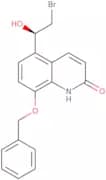
CAS:<p>8-Benzyloxy-5-((R)-2-bromo-1-hydroxyethyl)-1H-quinolinone is a potassium channel blocker. It binds to the central cavity of the channel pore and blocks potassium ion flux, inhibiting the function of potassium channels. 8-Benzyloxy-5-(2-(R)-bromo-1,3-dihydroxypropyl)quinolinone has been shown to inhibit voltage gated channels in a number of different tissues, including cardiomyocytes from rat hearts.</p>Formula:C18H16BrNO3Purezza:Min. 95%Peso molecolare:374.23 g/mol2-Pyrimidinemethanol
CAS:2-Pyrimidinemethanol is a pyrimidine derivative that is used as a starting material for the synthesis of other compounds. 2-Pyrimidinemethanol is introduced into the body through the skin, lungs and gastrointestinal tract. It has been shown to cause sensitization in humans and rats, with photoexcitation being an important factor in its activity. 2-Pyrimidinemethanol binds to DNA and inhibits protein synthesis by inhibiting ribonucleotide reductase (RNR). The active site of this enzyme contains iron, which is why this compound may be toxic to humans.Formula:C5H6N2OPurezza:Min. 95%Colore e forma:Light (Or Pale) Yellow To Brown LiquidPeso molecolare:110.11 g/molDL-Phenylalaninol
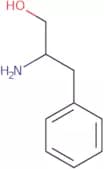
CAS:<p>DL-Phenylalaninol is a chemical compound with the molecular formula CHNO. It is a white to pale yellow solid that is soluble in water and methanol, but not in diethyl ether. DL-Phenylalaninol has been synthesized by reacting cycloleucine with l-phenylalaninol. The reaction solution was heated at a temperature of 140°C for six hours, which yielded DL-Phenylalaninol as a hydroxy methyl compound. The synthesis of DL-Phenylalaninol was achieved through an asymmetric synthesis with sodium dodecyl sulfate surfactant. A detection sensitivity of 1 ppm and an enhancement at 260 nm were observed when analyzing the product by high performance liquid chromatography (HPLC).</p>Formula:C9H13NOPurezza:Min. 95%Peso molecolare:151.21 g/mol4-(2-Oxiranylmethoxy)benzeneethanol
CAS:<p>Please enquire for more information about 4-(2-Oxiranylmethoxy)benzeneethanol including the price, delivery time and more detailed product information at the technical inquiry form on this page</p>Formula:C11H14O3Purezza:Min. 95%Peso molecolare:194.23 g/mol20b-Dihydro pregnenolone
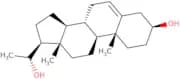
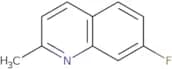
CAS:Prodotto controllato<p>Pregnenolone is a steroid hormone that is synthesized from cholesterol and secreted into the blood. It can be converted to other steroids such as progesterone, testosterone, and estradiol. Pregnenolone sulfate (PS) is a metabolite of pregnenolone that is produced by the enzyme steroid sulfatase. PS is an endogenous steroid hormone that has been shown to have potentiating effects on memory. This drug also inhibits the activity of sulfatase enzymes, which are responsible for breaking down steroids in the body.</p>Formula:C21H34O2Purezza:Min. 95%Colore e forma:PowderPeso molecolare:318.49 g/mol7-Fluoro-2-methylquinoline
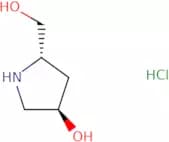
CAS:<p>7-Fluoro-2-methylquinoline is a multistep synthetic compound that belongs to the family of quinoxalines. It has been shown to have potent antibacterial activity against a wide range of bacteria, including methicillin-resistant Staphylococcus aureus (MRSA) and Mycobacterium tuberculosis. 7-Fluoro-2-methylquinoline was developed as an analog of the natural product quinoxaline. The key step in its synthesis is the reaction between an aldehyde and hydroxyalkylating reagent in the presence of iron catalyst. This process results in the formation of functional groups such as hydroxyls, alkoxy, or halogens.</p>Formula:C10H8FNPurezza:Min. 95%Colore e forma:White PowderPeso molecolare:161.18 g/mol(3R,5S)-5-(Hydroxymethyl)pyrrolidin-3-ol hydrochloride
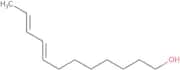
CAS:<p>Please enquire for more information about (3R,5S)-5-(Hydroxymethyl)pyrrolidin-3-ol hydrochloride including the price, delivery time and more detailed product information at the technical inquiry form on this page</p>Purezza:Min. 95%(8E,10E)-Dodeca-8,10-dien-1-ol
CAS:<p>Codlemone is a pheromone that is secreted by the female codling moth (Cydia pomonella) to attract males for mating. This compound has been shown to have pesticidal activity against various insect species, including codling moths, fruit flies, and aphids. Codlemone is an odorant that binds to olfactory receptors in insects and mammals. It has been shown to bind to the OR1 receptor in mammalian cells and may be involved in physiological functions such as reproduction, stress response, and sexual behavior. The biosynthesis of codlemone starts with the conversion of fatty acid into fatty acid esters by means of transfer reactions with alcohols or alkyl halides. These esters are then converted into dienols by the action of aldehyde oxidase. The dienols are then converted into the final product by means of a palladium-catalyzed coupling reaction with acetaldehyde.</p>Formula:C12H22OPurezza:90%MinColore e forma:Clear LiquidPeso molecolare:182.3 g/molTriglycerol monolaurate
CAS:<p>Triglycerol monolaurate (GLA) is a fatty acid that can be synthesized by reacting glycerol with lauric acid. It has been shown to have antimicrobial properties, inhibiting the growth of fungi such as flavus and staphylococcus. GLA also inhibits the production of lipase and protease, enzymes that are required for the digestion of dietary fats. GLA has been used in infant formulas to inhibit the growth of bacteria, such as p. aeruginosa, which may cause infantile diarrhea. Triglycerol monolaurate is also used as dietary supplement to treat eczema due to its inhibitory effect on inflammatory cytokines such as tumor necrosis factor-α (TNF-α).</p>Formula:C21H42O8Purezza:Min. 95%Peso molecolare:422.55 g/mol5-glutinen-3-ol
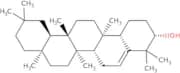
CAS:Prodotto controllato<p>5-Glutinen-3-ol is an antiinflammatory compound that belongs to the group of bioactive phenolic compounds. It has significant cytotoxicity and can be used in cancer therapy. 5-Glutinen-3-ol has been shown to inhibit the proliferation of cervical cancer cells by inducing apoptosis through a mechanism involving the activation of gamma-aminobutyric acid (GABA) receptors. This compound also inhibits oxidative stress induced by reactive oxygen species and protects cells from DNA damage, which may protect against cancer. 5-Glutinen-3-ol also has antioxidant properties, which can help prevent or alleviate metabolic disorders such as diabetes mellitus and atherosclerosis.</p>Formula:C30H50OPurezza:Min. 95%Peso molecolare:426.72 g/mol3,4-Diethoxybenzylalcohol
CAS:<p>3,4-Diethoxybenzylalcohol is a metabolite produced by the fungus Ustilago maydis. It has been shown to have pleiotropic effects on the metabolism of the organism. 3,4-Diethoxybenzylalcohol is involved in lignin biosynthesis and bond cleavage reactions. In addition to functioning as an intermediate in the pentose phosphate pathway, it is involved in the nature of the basidiomycete cell wall and also plays a role in carbon source utilization.</p>Formula:C11H16O3Purezza:Min. 95%Colore e forma:PowderPeso molecolare:196.24 g/mol2,6-Difluoro-4-methoxyphenol
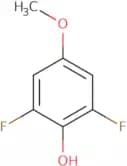
CAS:<p>Please enquire for more information about 2,6-Difluoro-4-methoxyphenol including the price, delivery time and more detailed product information at the technical inquiry form on this page</p>Formula:C7H6F2O2Purezza:Min. 95%Colore e forma:PowderPeso molecolare:160.12 g/mol12-Fluorododecan-1-ol
CAS:<p>12-Fluorododecan-1-ol is a volatile chemical compound that is found in the exoskeleton of termites. It has been shown to be a major component of the termiticide, FluoroCitrate. 12-fluorododecan-1-ol can be used to control the growth of insect populations by interfering with their ability to synthesize fatty acids and alcohols. It also has an effect on protein synthesis and inhibits the activity of citrate synthase, which is an enzyme involved in glycolate metabolism. This compound is also toxic to some species of insects such as Rhinotermitidae. 12-fluorododecan-1-ol can be used as a marker for Reticulitermes flavipes (a type of wood eating cockroach) and it can be used to distinguish between different species or strains of termites.</p>Formula:C12H25FOPurezza:Min. 95%Colore e forma:Clear LiquidPeso molecolare:204.32 g/mol(S)-(-)-6,7-Dimethoxy-1,2,3,4-tetrahydroisoquinoline-3-carboxylic acid hydrochloride
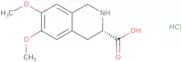
CAS:<p>(S)-(-)-6,7-Dimethoxy-1,2,3,4-tetrahydroisoquinoline-3-carboxylic acid hydrochloride is a synthetic chiral compound that is used to study the role of glyoxylate in biochemical reactions. This drug is an enolate and alkylating agent that can react with nucleophiles such as amines and thiols. It has been shown to be effective against perchlorates by hydrolyzing them into chlorine and oxygen gas. This drug has also been shown to inhibit the growth of Rhodobacter sphaeroides by inhibiting glyoxylate metabolism.</p>Formula:C12H15NO4·HClPurezza:Min. 95%Colore e forma:White PowderPeso molecolare:273.71 g/mol4-Methylaminophenol sulfate
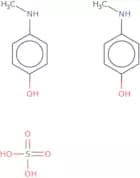
CAS:<p>4-Methylaminophenol sulfate is an enzyme substrate that is used in the analytical method for determining the concentration of potassium dichromate. It is prepared by reacting 4-methylaminophenol with sulfuric acid, and its optimum concentration is 0.2 mM. The linear calibration curve was obtained at a pH range of 2 to 5.4 and a temperature range of 25 to 37°C. The analytical method can be applied to human serum samples and has been shown to be applicable for studies on autoimmune diseases and anthelmintics.</p>Formula:C7H9NO•(H2O4S)0Purezza:Min. 95%Colore e forma:White PowderPeso molecolare:344.39 g/mol2-[(Ethylamino)methyl]-4-aminophenol dihydrochloride
CAS:<p>Please enquire for more information about 2-[(Ethylamino)methyl]-4-aminophenol dihydrochloride including the price, delivery time and more detailed product information at the technical inquiry form on this page</p>Formula:C9H14N2O•(HCl)2Purezza:Min. 95%Colore e forma:PowderPeso molecolare:239.14 g/mol5,5'-(1-Methylethylidene)-bis-[1,1'-(bisphenyl)-2-ol]
CAS:<p>5,5'-(1-Methylethylidene)-bis-[1,1'-(bisphenyl)-2-ol] (BPE) is an organic compound that is used in coatings. BPE has a high thermal expansion coefficient and can be used as a plasticizer to make polymers more flexible. BPE hydrolyzes under acidic conditions to produce mercaptoacetic acid, which is corrosive and toxic. It also reacts with proteins, like albumin, at pH 7.4. In wastewater treatment systems, BPE can react with chlorine at a rate of 3% per day to form chlorobenzene, which is known to cause cancer in humans. The use of BPE in the bioreactor process leads to the release of reactive functional groups that are not easily degraded by microbes. In addition, it has been shown that this chemical binds to nuclear hormone receptors and has estrogenic effects on animals.</p>Formula:C27H24O2Purezza:Min. 98 Area-%Colore e forma:PowderPeso molecolare:380.48 g/mol







![2-[(Ethylamino)methyl]-4-aminophenol dihydrochloride](/_next/image/?url=https%3A%2Fstatic.cymitquimica.com%2Fproducts%2F3D%2Fthumb-webp%2FFE23131.webp&w=3840&q=75)
![5,5'-(1-Methylethylidene)-bis-[1,1'-(bisphenyl)-2-ol]](/_next/image/?url=https%3A%2Fstatic.cymitquimica.com%2Fproducts%2F3D%2Fthumb-webp%2FFM29711.webp&w=3840&q=75)