Ammine
Le ammine sono un insieme di molecole contenenti un gruppo funzionale amminico (derivato dall'ammoniaca). Questa categoria include ammine a qualsiasi livello di sostituzione: primarie, secondarie, terziarie e sali di ammonio. Le ammine sono fondamentali nella sintesi organica e sono ampiamente utilizzate in prodotti farmaceutici, agrochimici e scienze dei materiali. Da CymitQuimica, offriamo una selezione completa di ammine per soddisfare le tue esigenze di ricerca e industriali. La nostra gamma garantisce l'accesso a diverse ammine per vari processi chimici e ricerche innovative.
Sottocategorie di "Ammine"
- Nitrosamine(2.605 prodotti)
- Ammine primarie(30.947 prodotti)
- Cationi di ammonio quaternario(1.100 prodotti)
- Ammine secondarie(20.886 prodotti)
- Ammine terziarie(17.193 prodotti)
Trovati 8780 prodotti di "Ammine"
Ordinare per
Purezza (%)
0
100
|
0
|
50
|
90
|
95
|
100
6-Amino-3,4-methylenedioxyacetophenone HCl
CAS:<p>Please enquire for more information about 6-Amino-3,4-methylenedioxyacetophenone HCl including the price, delivery time and more detailed product information at the technical inquiry form on this page</p>Formula:C9H10ClNO3Purezza:Min. 95%Colore e forma:PowderPeso molecolare:215.63 g/mol4-Aminobenzophenone
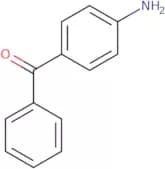
CAS:<p>4-Aminobenzophenone is a molecule that is used in the synthesis of diazonium salts. It has been shown to be an effective UV absorber and light emitter. 4-Aminobenzophenone is also able to coordinate with amine groups and hydrogen bonding, which allow it to form intermolecular bonds with other molecules. 4-Aminobenzophenone can be used in surface methodology as a cavity or as a hole on the surface of a material. 4-Aminobenzophenone has been shown to have an immune reaction when exposed to sunlight and emit light at wavelengths between 300 nm and 400 nm. This compound also reacts with carbonyl groups, which are found in quinoline derivatives, forming hydrogen bonds.</p>Formula:C13H11NOPurezza:Min. 95%Colore e forma:PowderPeso molecolare:197.23 g/mol4-Amino-3-fluorobenzoic acid
CAS:4-Amino-3-fluorobenzoic acid (4AFB) is an inhibitor of the enzyme nitric oxide synthase. It has been shown to inhibit chronic inflammation by reducing blood pressure and inhibiting the production of reactive oxygen species that can cause damage to cells in the body. 4AFB is a competitive inhibitor of nitric oxide synthase, which prevents the production of nitric oxide from L-arginine. Nitric oxide is an important signaling molecule in the nervous system, and its inhibition may lead to hyperpolarization of the membrane, which can have therapeutic benefits for certain conditions.Formula:C7H6FNO2Purezza:Min. 95%Colore e forma:PowderPeso molecolare:155.13 g/mol3’-β-Amino-2’,3’-dideoxy-5-fluorouridine
CAS:Please enquire for more information about 3’-beta-Amino-2’,3’-dideoxy-5-fluorouridine including the price, delivery time and more detailed product information at the technical inquiry form on this pagePurezza:Min. 95%(1S,2R)-(-)-cis-1-Amino-2-indanol
CAS:<p>Precusor for preparation of indinavir; a chiral ligand for asymmetric synthesis</p>Formula:C9H11NOPurezza:Min. 95%Colore e forma:White PowderPeso molecolare:149.19 g/molN,N'-Bis(2-hydroxyethyl)ethylenediamine
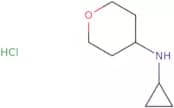
CAS:<p>N,N'-Bis(2-hydroxyethyl)ethylenediamine is a chemical compound that has been used in the synthesis of a number of drugs. It is an alkanolamine that can be synthesized by the reaction of piperazine with hydroxyethylamine. In addition, N,N'-Bis(2-hydroxyethyl)ethylenediamine has been shown to have biological properties such as being able to stimulate the production of antibodies and citric acid in animals. It also has structural similarities to vitamin B12 and exhibits hydrogen bonding between its molecules. N,N'-Bis(2-hydroxyethyl)ethylenediamine is biodegradable and does not produce significant environmental effects when released into water or soil.</p>Formula:C6H16N2O2Purezza:Min. 95 Area-%Colore e forma:White PowderPeso molecolare:148.2 g/molN-Cyclopropyl-N-tetrahydro-2H-pyran-4-ylamine HCl
CAS:N-Cyclopropyl-N-tetrahydro-2H-pyran-4-ylamine HCl is a fine chemical used as a building block in the synthesis of many compounds. It is also used in research and development, as a reagent, and as a speciality chemical. N-Cyclopropyl-N-tetrahydro-2H-pyran-4-ylamine HCl has been shown to be an excellent intermediate for the synthesis of many different products. This product is versatile and can be used as a building block or scaffold for synthesizing other compounds. N-Cyclopropyl-N-tetrahydro-2H-pyran-4-ylamine HCl has a CAS number of 1158426–65–3.Formula:C8H16NOClPurezza:Min. 95%Colore e forma:PowderPeso molecolare:177.67 g/molFosfomycin phenylethylamine
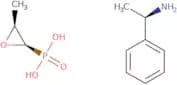
CAS:Prodotto controllatoFosfomycin is a broad-spectrum antibiotic that is effective against bacteria, especially those resistant to other antibiotics. Fosfomycin acts by inhibiting the synthesis of bacterial cell wall mucopeptides. It binds to the terminal amino acid residues of the peptidoglycan polymer and prevents cross-linking, which is essential for the formation of a functional cell wall. Fosfomycin also has low toxicity in humans and can be used as an alternative treatment for pandemic Covid-19 virus. This drug can be detected at very low concentrations in plasma samples using liquid chromatography with mass spectrometry (LCMS), which makes it useful for analysis of biological fluids. Fosfomycin can be prepared by reacting sodium carbonate and calcium carbonate with fosfomycin hydrochloride in water. The reaction products are then purified by liquid chromatography, leading to high detection levels. Fosfomycin phenylethylamine is anFormula:C8H11N·C3H7O4PPurezza:Min. 95%Colore e forma:White PowderPeso molecolare:259.24 g/molThiamine sulfate inner salt
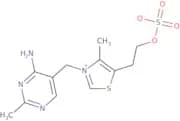
CAS:<p>Thiamine sulfate inner salt is a hyaluronic acid that is used in skin cancer treatment. It has been shown to have antimicrobial properties, which may be due to its ability to disrupt the cell membrane. Thiamine sulfate inner salt has also been shown to increase the germination rate of damaged seeds and can be used as a stabilizer for carrageenan. This compound is an acidic substance with a pH of 2-3. It is soluble in water and hydrochloric acid and reacts with magnesium salts, ethylene diamine, diamine tetraacetic acid, and antimicrobial peptides.</p>Formula:C12H16N4O4S2Purezza:Min. 95%Colore e forma:White PowderPeso molecolare:344.41 g/mol3-Amino-5-nitro-2,1-benzisothiazole
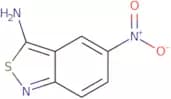
CAS:3-Amino-5-nitro-2,1-benzisothiazole is a diazonium salt that is used in wastewater treatment. It reacts with hydrogen peroxide to produce an unstable amine and a stable glycol ether. This process is known as the 3ABA reaction. The amine can be cleaved by water to produce ammonia and nitrous acid. Nitrous acid can react with organic matter in wastewater to form nitrate salts, which are soluble and easily removed from the wastewater stream. 3-Amino-5-nitro-2,1-benzisothiazole is also used in the manufacture of polyethylene terephthalate (PET) plastics. PET plastics are resistant to staining and have excellent color clarity.Formula:C7H5N3O2SPurezza:Min. 98 Area-%Colore e forma:PowderPeso molecolare:195.2 g/mol(1-Ethylcyclopropyl)amine hydrochloride
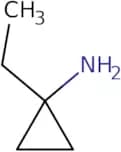
CAS:1-Ethylcyclopropyl)amine hydrochloride is a fine chemical that is used as a versatile building block and reaction component. It has been shown to be an effective intermediate in the synthesis of complex compounds. 1-Ethylcyclopropyl)amine hydrochloride has been used in the synthesis of useful scaffolds for drug discovery, such as cycloprolyl-diamine, which is a useful building block for the preparation of other compounds. Additionally, 1-Ethylcyclopropyl)amine hydrochloride is a reagent for the preparation of pharmaceutically active compounds.Formula:C5H11N·HClPurezza:Min. 95%Colore e forma:White PowderPeso molecolare:121.61 g/molSibutramine hydrochloride monohydrate
CAS:Prodotto controllatoSerotonin receptor 5-HT antagonist; noradrenaline reuptake inhibitorFormula:C17H29Cl2NOPurezza:Min. 95%Colore e forma:PowderPeso molecolare:334.32 g/mol3-Amino-4-chlorobenzamide
CAS:<p>3-Amino-4-chlorobenzamide is an organic compound that belongs to the class of aminobenzoic acids and is used as a coupling agent in organic synthesis. It reacts with aryl halides or halides to form 3-amino-4-chlorobenzonitrile, which can be converted into anilines by heating with ammonia and ammonium chloride. This reaction has been shown to be reversible with heat. 3-Amino-4-chlorobenzamide is also used as a water absorber in paper products, such as diapers and sanitary napkins.</p>Formula:C7H7ClN2OPurezza:Min. 95%Colore e forma:PowderPeso molecolare:170.6 g/mol4-Bromotriphenylamine
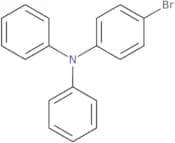
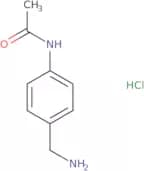
CAS:4-Bromotriphenylamine is a molecule that has two acceptor groups and one donor group. It reacts with methylamine to form the product 4,4′-dibromobutyric acid. The reaction rate of this chemical is increased by the presence of an electron withdrawing substituent on the aromatic ring such as bromine. This compound is stable at higher temperatures, but not at lower ones. When heated, it undergoes thermal expansion and molecules are forced apart from each other. The butyric acid formed in this reaction may be used to synthesize butyrate esters for use in cancer therapy or light emission systems. Light emission from this compound is due to its fluorescence properties, which depend on the chemical structure of the molecule and its environment. The efficiency of light emission is related to the number of electron-hole pairs created during excitation, which depends on the energy of incident photons and their wavelength.Formula:C18H14BrNPurezza:Min. 95%Colore e forma:PowderPeso molecolare:324.21 g/mol4-Acetamidobenzylamine hydrochloride
CAS:4-Acetamidobenzylamine hydrochloride is a chemical intermediate that belongs to the group of complex compounds. It is used as a reactant in the synthesis of other chemicals and can be used as a building block for the preparation of fine chemicals or research chemicals. 4-Acetamidobenzylamine hydrochloride has versatile uses due to its ability to react with many other chemical substances. This reagent also has high purity and can be used as a research tool in organic chemistry.Formula:C9H12N2O•HClPurezza:Min. 95%Colore e forma:Off-White To Yellow SolidPeso molecolare:200.67 g/molN-(4-(((2-Indol-3-ylethyl)amino)sulfonyl)phenyl)ethanamide
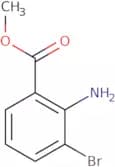
CAS:<p>Please enquire for more information about N-(4-(((2-Indol-3-ylethyl)amino)sulfonyl)phenyl)ethanamide including the price, delivery time and more detailed product information at the technical inquiry form on this page</p>Formula:C18H19N3O3SPurezza:Min. 95%Colore e forma:PowderPeso molecolare:357.43 g/molMethyl 2-amino-3-bromobenzoate
CAS:<p>Methyl 2-amino-3-bromobenzoate is a high quality, versatile building block that is used as a reagent and intermediate in the synthesis of biologically active compounds. Methyl 2-amino-3-bromobenzoate is a complex compound that has proven useful as an intermediate in the synthesis of various fine chemicals, such as speciality chemicals. The compound also serves as a useful scaffold for the preparation of other compounds, such as research chemicals. Methyl 2-amino-3-bromobenzoate can be used in reactions with other reagents to form new compounds. It is also used to make important reaction components, such as CAS No. 104670-74-8.</p>Formula:C8H8BrNO2Purezza:Min. 95%Colore e forma:PowderPeso molecolare:230.06 g/molTris(dodecyl)amine
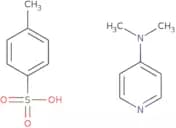
CAS:Tris(dodecyl)amine is a high-resistance organic amine. It is used as a corrosion inhibitor in citric and sodium citrate solutions that are used for nutrient solutions. Tris(dodecyl)amine also has the ability to inhibit the growth of microorganisms and prevent the formation of clumps in the solution. This compound is resistant to nitrogen atoms, has a constant pressure at low concentrations, and has an optimum concentration of picolinic acid.Formula:C36H75NPurezza:Min. 95%Colore e forma:PowderPeso molecolare:521.99 g/molN, N-Dimethylpyridin-4-amine 4-methylbenzenesulfonate
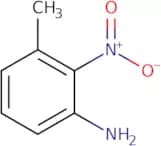
CAS:<p>N,N-Dimethylpyridin-4-amine 4-methylbenzenesulfonate is an integrating agent used in polymer chemistry. It can be used to study the effects of chromophores on both linear and nonlinear optical properties in polymers. N,N-Dimethylpyridin-4-amine 4-methylbenzenesulfonate has been shown to be a good 1,3-dipolar cycloadductor for the synthesis of polymers with polarizable hyperbranched structures.</p>Formula:C7H10N2·C7H8O3SPurezza:Min. 95%Colore e forma:White PowderPeso molecolare:294.37 g/mol3-Amino-2-nitrotoluene
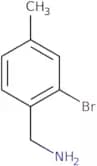
CAS:<p>3-Amino-2-nitrotoluene (3ANNT) is an organic compound with the chemical formula C6H5N3O2. 3ANNT is a useful tool for wastewater treatment because it can be used to measure nitrogen atoms in wastewater. It is also used as an analytical method to measure the concentration of amines, nitro compounds, and other diazonium salts. The magnetic resonance spectra of 3ANNT show two hydroxyl groups and two nitro groups. The acute toxicities of 3ANNT are low, but the long-term effects are unknown.</p>Formula:C7H8N2O2Purezza:Min. 98 Area-%Peso molecolare:152.15 g/mol2-Bromo-4-methylbenzylamine hydrochloride
CAS:<p>2-Bromo-4-methylbenzylamine hydrochloride is a fine chemical that is used as a building block for other chemicals or as a reagent in research. It has CAS No. 1293323-97-3 and can be used in reactions where an amine is needed. This product is high quality, versatile, and useful for many different types of reactions.</p>Formula:C8H10BrN·HClPurezza:Min. 95%Colore e forma:PowderPeso molecolare:236.54 g/molcis-2-Amino-1-cyclohexane-carboxylic acid
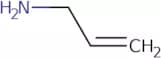
CAS:<p>Cis-2-Amino-1-cyclohexane-carboxylic acid (ACCA) is a β-amino acid that binds to peptides and cyclohexane rings. ACCA has been shown to have high resistance against denaturation, which may be due to its ability to form hydrogen bonds with water molecules. It also has an analog, cis-2-(aminomethyl)cyclohexanol (CAMCH), which is used in the treatment of Gram-positive bacterial infections. ACCA can be found in glycopeptide antibiotics such as vancomycin and teicoplanin, which are used for the treatment of resistant bacteria including methicillin resistant Staphylococcus aureus (MRSA).</p>Formula:C7H13NO2Purezza:Min. 95%Colore e forma:PowderPeso molecolare:143.18 g/molPoly(allylamine) solution - Average MW 15000 15 % aqueous solution
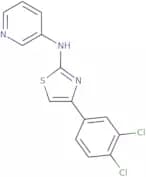
CAS:<p>Poly(allylamine) is a polymer that has antimicrobial properties and can be used to treat wastewater. It is synthesized from allyl bromide, sodium hydroxide, and water. Poly(allylamine) can also inhibit the activity of enzymes such as ATPase and lipase. The polymerization process leads to an increase in the number of hydroxyl groups, which are responsible for the antimicrobial properties. Poly(allylamine) solution has been shown to inhibit cell lysis and tumor growth in animal models.</p>Formula:(C3H7N)nPurezza:Min. 95%Colore e forma:Clear Liquid(4-(3,4-dichlorophenyl)(2,5-thiazolyl))-3-pyridylamine
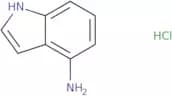
CAS:Please enquire for more information about (4-(3,4-dichlorophenyl)(2,5-thiazolyl))-3-pyridylamine including the price, delivery time and more detailed product information at the technical inquiry form on this pagePurezza:Min. 95%4-Aminoindole hydrochloride
CAS:<p>4-Aminoindole hydrochloride is a white crystalline solid that can be used as a versatile building block in organic synthesis. It is also used as an intermediate in the production of various pharmaceuticals and other chemical compounds. 4-Aminoindole hydrochloride is soluble in most polar solvents, but insoluble in ethers and oils. This compound is also a useful reagent for the conversion of nitrobenzenes to aminobenzoic acids. CAS Number 174854-93-4</p>Formula:C8H9ClN2Purezza:Min. 95%Colore e forma:PowderPeso molecolare:168.62 g/mol9-[5-Deoxy-5-[[cis-3-[2-[6-(1,1-dimethylethyl)-1H-benzimidazol-2-yl]ethyl]cyclobutyl](1-methylethyl)amino]-β-D-ribofuranosyl]-9H- purin-6-amine
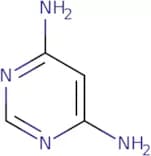
CAS:Nilotinib is a small molecule that inhibits the tyrosine kinase activity of TK1, TK2, and TK3. It binds to the ATP-binding site of these kinases and prevents the phosphorylation of the cellular substrate. Nilotinib has been shown to inhibit the proliferation of leukemia cells in vitro, as well as to have antiproliferative effects in vivo. Nilotinib can be used for the treatment of chronic myelogenous leukemia (CML) and Philadelphia chromosome-positive acute lymphoblastic leukemia (Ph+ ALL). In addition, it has been shown to have synergistic effects with other drugs such as α1-acid glycoprotein inhibitors or methyltransferase inhibitors. Nilotinib can also be used for cases of hepatic steatosis.Formula:C30H42N8O3Purezza:Min. 95%Colore e forma:PowderPeso molecolare:562.71 g/mol4,6-Diaminopyrimidine
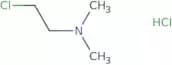
CAS:<p>4,6-Diaminopyrimidine is a potent inhibitor of epidermal growth factor receptor. It has been shown to inhibit the production of soluble guanylate cyclase and cGMP in vitro and in vivo. This drug has also been shown to inhibit cancer cell growth in vitro and in vivo. 4,6-Diaminopyrimidine has potential clinical relevance as an anticancer agent due to its ability to inhibit the kinases necessary for cancer proliferation. This drug also has pharmacokinetic properties that are favorable for anticancer drugs, including low plasma protein binding, high clearance rate, and short half-life. The activity of this drug was tested on hepg2 cells (human hepatoma) with an inhibitory effect on growth factor receptors such as EGFR and PDGFRs</p>Formula:C4H6N4Purezza:Min. 95%Peso molecolare:110.12 g/molN,N-Dimethylaminoethyl chloride HCl
CAS:Prodotto controllatoN,N-Dimethylaminoethyl chloride HCl is a reactive compound that inhibits the amine binding site on chitosan. It is used for the preparation of chitosan quaternary ammonium salts and esters. N,N-Dimethylaminoethyl chloride HCl has an inhibitory effect on both chitosan and suzuki coupling reactions. This compound also has a safety profile similar to other halides such as chlorine and hydrogen chloride.Formula:C4H10ClN·HClPurezza:Min. 98%Peso molecolare:144.04 g/molAnnexin A1(1-25)(dephosphorylated)(human)ammonium salt
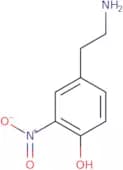
CAS:<p>Annexin A1 is a phospholipid-binding protein that is involved in the regulation of inflammation. It is often found in atherosclerotic lesions and has been shown to be an anti-inflammatory cytokine. Annexin A1 (dephosphorylated) does not inhibit the activity of enzymes such as cyclooxygenase and lipoxygenase, and so it may have therapeutic potential for treatment of autoimmune diseases such as Crohn's disease or bowel disease. Annexin A1 also has anti-inflammatory properties, which may be due to its ability to inhibit the production of proinflammatory cytokines such as IL-6 and TNF-α by inhibiting the activation of NFκB.</p>Formula:C141H210N32O44S·NH4Purezza:Min. 97 Area-%Colore e forma:White PowderPeso molecolare:3,107.47 g/mol3-Nitrotyramine
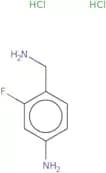
CAS:<p>3-Nitrotyramine is a compound that has catabolic properties. It is the product of tyrosine, which is an amino acid found in most proteins. 3-Nitrotyramine has been shown to be metabolized by humans through the liver and kidneys. The metabolic pathway for this compound starts with the conversion of L-methionine into dl-methionine. This reaction generates a molecule called S-adenosyl methionine, or SAMe, which is involved in many biological processes such as neurotransmitter synthesis and gene expression regulation. 3-Nitrotyramine can also be converted into dopamine by way of the enzyme catecholamine methyltransferase. Dopamine has been shown to have a variety of effects on human physiology, including being involved in mood disorders and motor control. 3-Nitrotyramine can also be converted into gold nanoparticles by means of an acid analysis test.</p>Formula:C8H10N2O3Purezza:Min. 95%Colore e forma:PowderPeso molecolare:182.18 g/mol4-Amino-2-fluorobenzylamine dihydrochloride
CAS:<p>4-Amino-2-fluorobenzylamine dihydrochloride is a high quality, complex compound that can be used as a reagent, useful intermediate, or fine chemical. It is a versatile building block that can be used as a reaction component in the synthesis of speciality chemicals such as research chemicals and building blocks for drugs. It is also an important scaffold for drug design and development. 4-Amino-2-fluorobenzylamine dihydrochloride has CAS No. 2200281-02-1 and is useful in the synthesis of many different compounds.</p>Formula:C7H9FN2·2HClPurezza:Min. 95%Colore e forma:PowderPeso molecolare:213.08 g/mol2-Amino-4-chlorobenzonitrile
CAS:<p>2-Amino-4-chlorobenzonitrile is a synthetic molecule that can be synthesized in a metal chelator. It has potent inhibitory activities against amines, choline, and other molecules. 2-Amino-4-chlorobenzonitrile also has fluorescence properties. The reaction mechanism of 2-Amino-4-chlorobenzonitrile is not well understood, but it is believed to inhibit the synthesis of proteins by binding to their functional groups. This chemical can also enhance the rate of reactions by removing a hydrogen ion from the reactant.</p>Formula:C7H5ClN2Purezza:Min. 95%Colore e forma:PowderPeso molecolare:152.58 g/mol(S)-2-Amino-3-(3,4-dihydroxyphenyl)-2-methylpropionic acid sesquihydrate
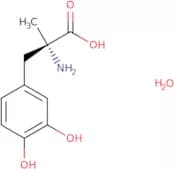
CAS:<p>(S)-2-Amino-3-(3,4-dihydroxyphenyl)-2-methylpropionic acid sesquihydrate is a synthetic drug that is used for the treatment of metabolic disorders such as diabetes mellitus. It has been shown in animal studies to increase locomotor activity and decrease bowel disease. It also has an effect on α7 nicotinic acetylcholine receptors and 2 adrenergic receptors.</p>Formula:C10H13NO4•(H2O)1Purezza:Min 98%Colore e forma:PowderPeso molecolare:238.24 g/mol2-Amino-6-morpholin-4-ylpyrimidin-4(3H)-one
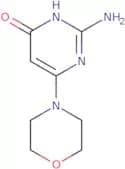
CAS:<p>2-Amino-6-morpholin-4-ylpyrimidin-4(3H)-one (2AP) is a versatile building block for the synthesis of complex compounds. It is used as a reaction component in organic chemistry, as well as a reagent for the synthesis of other chemical substances. 2AP is also useful as an intermediate in the production of pharmaceuticals, agrochemicals, and other research chemicals. 2AP has been shown to be useful in the synthesis of fine chemicals, such as amorphous silicon dioxide and polystyrene sulfonic acid. This substance can be used to make a variety of products with different properties, which makes it an excellent scaffold for research purposes.<br>2AP can be found under CAS number 37409-97-5.</p>Formula:C8H12N4O2Purezza:Min. 95%Colore e forma:PowderPeso molecolare:196.21 g/mol3-Amino-4-methylpyridine
CAS:3-Amino-4-methylpyridine is a chemical compound that belongs to the group of organic compounds. It is used as an intermediate in the synthesis of podophyllotoxin, a cytotoxic agent that inhibits protein synthesis and cell division. 3-Amino-4-methylpyridine binds to mammalian cells with high affinity and inhibits protein synthesis by inhibiting the enzyme ribosomal protein S6 kinase. This compound also has an inhibitory effect on tofacitinib citrate, which is a drug used for treatment of rheumatoid arthritis. 3-Amino-4-methylpyridine has been shown to be effective against chloride ions in its reaction mechanism, making it suitable for use in organic synthesis.Formula:C6H8N2Purezza:Min. 98 Area-%Colore e forma:PowderPeso molecolare:108.14 g/mol1,2-Diamino-3,4-ethylenedioxybenzene dihydrochloride
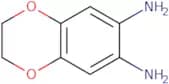
CAS:<p>1,2-Diamino-3,4-ethylenedioxybenzene dihydrochloride is a chemical compound that is used as a reference in chromatographic methods for the separation of fatty acids. It can also be used as a fluorescent derivative and has been shown to bind to chloroplasts, which are organelles that capture and store light energy. 1,2-Diamino-3,4-ethylenedioxybenzene dihydrochloride has been found in water vapor and was found to have splicing activity when bound to nucleic acid sequences. This chemical compound is an amino acid derivative with hydroxy groups and an acidic catalyst.</p>Formula:C8H10N2O2·2HClPurezza:Min. 95%Colore e forma:PowderPeso molecolare:239.1 g/mol4-Amino-5-aminomethyl-2-methylpyrimidine dihydrochloride
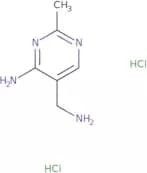
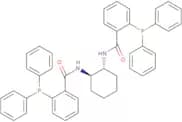
CAS:4-Amino-5-aminomethyl-2-methylpyrimidine dihydrochloride is a vitamin B1 derivative that is biosynthesized by marine algal cells. It is active at high concentrations, and has been shown to have an interaction with the active site residues of hydrogen chloride. This analog has been used in genomic analyses and can be detected by mass spectrometry. It also has the ability to inhibit the growth of phytoplankton, which are microscopic plants living near the surface of water. The concentration of 4-amino-5-aminomethyl-2-methylpyrimidine dihydrochloride in seawater can be determined using a constant scaling factor based on plankton biomass.Formula:C6H10N4•(HCl)2Purezza:Min. 95%Colore e forma:Slightly Yellow PowderPeso molecolare:211.09 g/mol(1R,2R)-(+)-1,2-Diaminocyclohexane-N,N'-bis(2'-diphenylphosphinobenzoyl)
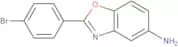
CAS:(+)-1,2-Diaminocyclohexane-N,N'-bis(2'-diphenylphosphinobenzoyl) is an important chemical building block and intermediate that can be used in a wide range of organic synthesis. This compound is a versatile building block with high quality and has been shown to be useful for the synthesis of complex compounds. (+)-1,2-Diaminocyclohexane-N,N'-bis(2'-diphenylphosphinobenzoyl) can be used as a reagent in many reactions. CAS No. 138517-61-0 is a fine chemical that has been widely used in research laboratories around the world.Formula:C44H40N2O2P2Purezza:Min. 95%Colore e forma:White PowderPeso molecolare:690.75 g/mol2-(4-Bromophenyl)-1,3-benzoxazol-5-amine
CAS:<p>2-(4-Bromophenyl)-1,3-benzoxazol-5-amine is an organic compound with a molecular formula of C14H10BrN2O and a molecular weight of 270.44 g/mol. 2-(4-Bromophenyl)-1,3-benzoxazol-5-amine is white to off white crystalline powder that is soluble in ether and ethanol but insoluble in water. It is a versatile building block for the synthesis of other fine chemicals. This compound has been used as a research chemical and as an intermediate in the synthesis of complex compounds.</p>Formula:C13H9BrN2OPurezza:Min. 95%Colore e forma:PowderPeso molecolare:289.13 g/mol2-[(2,4-Dimethylphenyl)amino]nicotinic acid
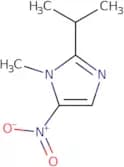
CAS:Please enquire for more information about 2-[(2,4-Dimethylphenyl)amino]nicotinic acid including the price, delivery time and more detailed product information at the technical inquiry form on this pageFormula:C14H14N2O2Purezza:Min. 95%Colore e forma:PowderPeso molecolare:242.27 g/molN-(3-Methyl-2-propan-2-ylimidazol-4-Yl)-N-oxidohydroxylamine
CAS:N-(3-Methyl-2-propan-2-ylimidazol-4-yl)-N-oxidohydroxylamine is a chemical compound that has been shown to have antimicrobial activity in vitro. It interacts with the matrix effect and can be used as a chemotherapeutic agent. The molecule is also an analytical method for detection of cancer cells, which can be performed using a lc-ms/ms method.Formula:C7H11N3O2Purezza:Min. 95%Colore e forma:PowderPeso molecolare:169.18 g/mol(2R)-2-Acetamido-5-(Diaminomethylideneazaniumyl)Pentanoate
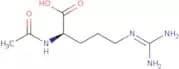
CAS:(2R)-2-Acetamido-5-(Diaminomethylideneazaniumyl)Pentanoate is an insoluble, acylase inhibitor. It is obtained from the reaction of histidine with acetaldehyde and ammonia in refluxed ethanol. This product has two optical isomers, one being (2R)-2-acetamido-5-(diaminomethylideneazaniumyl)pentanoic acid and the other being (2S)-2-acetamido-5-(diaminomethylideneazaniumyl)pentanoic acid. The former is more active than the latter against acetylesterase. The product also inhibits lysine decarboxylase and d-alanine racemase to a lesser extent. The enzyme activity of this compound can be increased by adding l-amino acid or dl-alanine.Formula:C8H16N4O3Purezza:Min. 95%Colore e forma:PowderPeso molecolare:216.24 g/mol[4-(2-Aminoethoxy)phenyl](phenyl)methanone HCl
CAS:<p>[4-(2-Aminoethoxy)phenyl](phenyl)methanone HCl is a fine chemical that belongs to the group of versatile building blocks. It can be used as a reagent, speciality chemical, useful building block, high quality research chemical, or useful intermediate. The CAS registry number is 1185504-45-3.</p>Formula:C15H15NO2·HClPurezza:Min. 95%Colore e forma:White PowderPeso molecolare:277.75 g/mol4-Dimethylaminostilbene
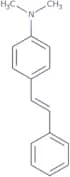
CAS:4-Dimethylaminostilbene is a stilbene derivative that is used in the laboratory as an inhibitor of protein synthesis. 4-Dimethylaminostilbene inhibits the activity of enzymes such as acid conjugates, which are enzymes that catalyze reactions involving the addition of an acid to a molecule. This drug has been shown to inhibit sarcoma cells and to be active against animals. 4-Dimethylaminostilbene reacts with proteins by forming adducts with amino groups on the side chains of lysine or arginine residues in proteins, thereby inhibiting their function. The reaction products are excreted from the body through urine and bile. 4-Dimethylaminostilbene can be administered orally, but it must be taken with acidic foods or drinks to prevent its destruction.Formula:C16H17NPurezza:95%NmrPeso molecolare:223.31 g/molFarnesyl pyrophosphate triammonium salt
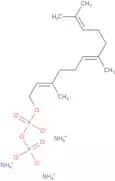
CAS:Farnesyl pyrophosphate triammonium salt is a proteolytic cancer drug that has been shown to be effective against cancer cells. Farnesyl pyrophosphate triammonium salt is an active analog of farnesyl pyrophosphate, which is an intermediate in the synthesis of cholesterol and other steroids. Farnesyl pyrophosphate triammonium salt inhibits protein synthesis by inhibiting the methylation of proteins and the transfer of methyl groups from S-adenosylmethionine to protein substrates. This leads to a decrease in the expression of proteins necessary for cell division, such as DNA polymerase α and RNA polymerase II.Formula:C15H37N3O7P2Purezza:Min. 95%Colore e forma:PowderPeso molecolare:433.42 g/molZanamivir amine triacetate methyl ester
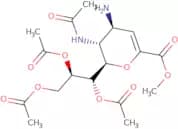
CAS:Anti-viral; neuraminidase inhibitor; effective agains influenza A and B virusesFormula:C18H26N2O10Purezza:Min. 95%Colore e forma:Yellow PowderPeso molecolare:430.41 g/molN,N-Dicyclohexylammonium nitrite
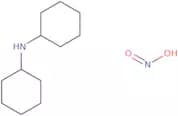
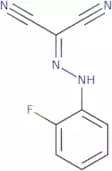
CAS:Prodotto controllato<p>Dicyclohexylammonium nitrite is a chemical compound that contains nitrite and an organic ammonium group. This compound has been shown to inhibit the growth of carcinoma cells in vitro. It has also been shown to inhibit the production of reactive oxygen species (ROS) by these cells, which may be due to its ability to scavenge hydroxyl radicals. Dicyclohexylammonium nitrite has been shown to have a low corrosion potential, which makes it suitable for use in environments where corrosion is a concern. This compound is stable in acidic, neutral or basic conditions, making it suitable for a wide range of applications.</p>Formula:C12H23N·HNO2Purezza:Min. 95%Colore e forma:PowderPeso molecolare:228.33 g/mol(aza((2-fluorophenyl)amino)methylene)methane-1,1-dicarbonitrile
CAS:<p>Please enquire for more information about (aza((2-fluorophenyl)amino)methylene)methane-1,1-dicarbonitrile including the price, delivery time and more detailed product information at the technical inquiry form on this page</p>Formula:C9H5FN4Purezza:Min. 95%Colore e forma:PowderPeso molecolare:188.16 g/molAmmonium trifluoroacetate
CAS:Ammonium trifluoroacetate is a chemical compound that has two hydroxyl groups. It is used for the treatment of autoimmune diseases, such as rheumatoid arthritis, and in the synthesis of nomegestrol acetate, which is an estrogenic drug. Ammonium trifluoroacetate is also used to study the biological properties of receptors and other proteins. The thermal expansion property of ammonium trifluoroacetate can be used to determine its concentration in a sample. Ammonium trifluoroacetate also has potent antagonistic effects against HIV infection and can be detected with high sensitivity. Studies have shown that ammonium trifluoroacetate is toxic to humans; however, it does not accumulate in the body.Formula:C2H4F3NO2Purezza:Min. 95%Colore e forma:PowderPeso molecolare:131.05 g/mol2-[[(Heptadecafluorooctyl)Sulphonyl]Methylamino]Ethyl Methacrylate
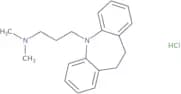
CAS:Prodotto controllato<p>2-[[(Heptadecafluorooctyl)Sulphonyl]Methylamino]Ethyl Methacrylate is a substance that belongs to the group of substances. It is a chemical substance with a molecular formula of CH2=C(COOCH2CF3SO2)-N(CH3)2. 2-[[(Heptadecafluorooctyl)Sulphonyl]Methylamino]Ethyl Methacrylate is used as an additive in paints, adhesives and sealants to improve their resistance to water, oil and acid. This substance also has a sulfonate group, which makes it soluble in organic solvents.</p>Formula:C15H12F17NO4SPurezza:Min. 95%Peso molecolare:625.3 g/molImipramine hydrochloride
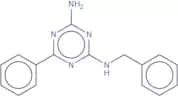
CAS:Prodotto controllato<p>Imipramine hydrochloride is a hydrochloride salt form of imipramine, a surface active tricyclic drug, a potent inhibitor of serotonin and norepinephrine reuptake. It has a greater affinity for the serotonin and it has more anticholinergic side effects which can be helpful in treating enuresis. Imipramine blocks D-2 receptors, H1 receptors, alpha 1 and alpha 2 adrenergic receptors and muscarinic receptors. It is used for therapy of depression (major and bipolar) and nocturnal enuresis in children. Also it is indicated for dysthymia, attention-deficit disorders, agoraphobia and it is effective in treating anxiety and panic disorders.</p>Formula:C19H25ClN2Purezza:Min. 95%Colore e forma:PowderPeso molecolare:316.87 g/mol4-Amino-2-benzylamino-6-phenyl-1,3,5-triazine
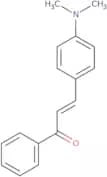
CAS:4-Amino-2-benzylamino-6-phenyl-1,3,5-triazine is a high quality chemical that can be used as a reagent in organic synthesis. This compound is also a useful intermediate and has been used as a building block in the preparation of various pharmaceuticals. 4-Amino-2-benzylamino-6-phenyl-1,3,5-triazine has CAS No. 693241-47-3 and is an important speciality chemical for research purposes. It is also versatile and can be used as a reaction component for the synthesis of other compounds.Formula:C16H15N5Purezza:Min. 95%Colore e forma:PowderPeso molecolare:277.32 g/mol4-(Dimethylamino)chalcone
CAS:4-(Dimethylamino)chalcone is a fluorescent molecule that has been used as a fluorescence probe to study the structures of fatty acids and other molecules. It is also used to detect neutral pH in biological studies. 4-(Dimethylamino)chalcone reacts with carbonyl groups to form stable complexes, which are useful for structural analysis. The fluorescence intensity is proportional to the concentration of the carbonyl group. This molecule has been shown to be potently active against human serum, which may be due to its ability to bind with protein and form stable complexes.Formula:C17H17NOPurezza:Min. 95%Colore e forma:PowderPeso molecolare:251.32 g/molN-(Ethoxy-Fluorophosphoryl)-N-Methylmethanamine
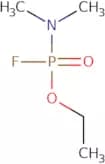
CAS:Prodotto controllato<p>Ethoxy-Fluorophosphoryl-N-Methylmethanamine is a chemical that belongs to the class of nerve agents. It can be used as an antidote for sarin poisoning. This compound reacts with the enzyme butyrylcholinesterase, which breaks down acetylcholine in the synapses. In this way, it blocks the transmission of nerve impulses and causes muscle paralysis. Ethoxy-Fluorophosphoryl-N-Methylmethanamine acts as an antagonist of acetylcholine receptors in both animals and humans. It also inhibits cholinesterase activity in blood pressure regulation, which leads to increased blood pressure levels. When administered at sublethal doses, this compound induces a long lasting sensitization of the central nervous system to other cholinergic drugs such as atropine or nerve gases such as sarin.</p>Formula:C4H11FNO2PPurezza:Min. 95%Peso molecolare:155.11 g/mol1,2-Dioleoyl-3-trimethylammonium-propane, chloride
CAS:<p>1,2-Dioleoyl-3-trimethylammonium-propane, chloride (DOTAP) is a cationic lipid of the phospholipid class. DOTAP has been shown to stimulate the growth and differentiation of hematopoietic cells in vivo. DOTAP also enhances the metastatic potential of tumor cells by increasing their uptake and inhibiting apoptosis. It has been found to be active against skin cancer cells, which may be due to its ability to enhance antitumor response. DOTAP is used as a fluorescent probe for intracellular pH measurements in live cells and can be used as a carrier lipid for liposomal drug delivery systems. The major biological properties of DOTAP are its ability to form vesicles and its capacity for energy metabolism.</p>Formula:C42H80ClNO4Purezza:(¹H-Nmr) Min. 95 Area-%Colore e forma:PowderPeso molecolare:698.54 g/molAZD 1152
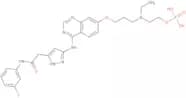
CAS:<p>AZD 1152 is an Aurora kinase inhibitor, which is a type of small-molecule therapeutic agent. It is derived from the pharmaceutical research conducted by AstraZeneca. Its primary mode of action involves the selective inhibition of Aurora B kinase, an enzyme crucial for the regulation of mitosis. By interfering with this enzyme, AZD 1152 disrupts the normal progression of cell division, leading to the inhibition of proliferation and induction of apoptosis in rapidly dividing cells.</p>Formula:C26H31FN7O6PPurezza:Min. 97 Area-%Colore e forma:Slightly Yellow PowderPeso molecolare:587.54 g/molSodium 2-[[3-(trifluoromethyl)phenyl]amino]benzoate
CAS:<p>Sodium 2-[[3-(trifluoromethyl)phenyl]amino]benzoate (TFPB) is a synthetic substrate that has been used in the synthesis of microcapsules. TFPB is soluble in water, which allows it to be administered orally and provides a non-toxic environment for the release of protein drugs. TFPB is also able to bind with receptors on polymorphonuclear leucocytes and can be used as an adjuvant therapy in women.</p>Formula:C14H9F3NNaO2Purezza:Min. 95%Colore e forma:PowderPeso molecolare:303.21 g/molNiclosamide ethanolamine salt
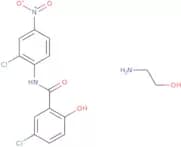
CAS:Chemically a chlorinated salicylanilide, niclosamide is clinically used as an anthelmintic agent. The action of niclosamide has been proven to proceed by inhibiting the STAT3 signaling pathway. Recently, niclosamide, has been considered as an antiproliferative agent in cancer treatment, e.g. melanoma and colorectal cancer. In 2021, niclosamide has been tested for the treatment of COVID-19 patients.Formula:C15H15Cl2N3O5Colore e forma:PowderPeso molecolare:388.2 g/mol2-[1-(Methylamino)ethyl]indole
CAS:<p>Please enquire for more information about 2-[1-(Methylamino)ethyl]indole including the price, delivery time and more detailed product information at the technical inquiry form on this page</p>Formula:C11H14N2Purezza:Min. 95%Colore e forma:PowderPeso molecolare:174.24 g/molMethyl 4-(dimethylamino)benzoate
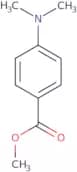
CAS:<p>Methyl 4-(dimethylamino)benzoate is a fluorescent probe that emits light at a wavelength of 360 nm when it absorbs ultraviolet radiation. It can be used in solvents to measure the acidity of solutions. The fluorescence properties are due to the dipole interaction between the trifluoromethyl group and the carbonyl group. The constant is dependent on the solvent, but it is typically around 3.2 x 10⁻² M/cm at 25°C. The solution has a greenish-yellow color, which can be attributed to its absorption in the visible region of the spectrum. This chemical also has properties as an organic solvent and can be used as a reaction medium for electrophilic aromatic substitution reactions.</p>Formula:C10H13NO2Purezza:90%Colore e forma:PowderPeso molecolare:179.22 g/molAMPD
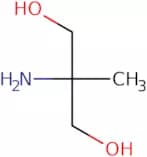
CAS:<p>AMPD, also known as 2-Amino-2-methyl-1,3-propanediol, is a buffer solution with a pH range of 7.8-9.7 and a pKa of 8.8. This chemical buffer is used in molecular biology, protein studies, enzyme assays, and separation techniques such as isatachophoresis (ITP) and SDS-gradient gel electrophoresis.</p>Formula:C4H11NO2Purezza:Min. 95%Colore e forma:PowderPeso molecolare:105.14 g/molN-Methylbutylamine
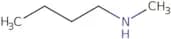
CAS:<p>N-Methylbutylamine is a pharmaceutical drug that belongs to the class of amines. It is used as a hydrogen bond donor in some organic reactions. N-Methylbutylamine has been shown to have cytotoxic effects on prostate cancer cells and has been used for the treatment of this type of cancer. This drug also has a fluorescent derivative, which can be used in the detection of water vapor. The amine group of N-Methylbutylamine is involved in catalysis by enzymes and organometallic compounds. The optimum pH for this molecule is 7, with an activation energy at 20 degrees Celsius of 42 kilojoules per mole.<br>N-Methylbutylamine has also been shown to inhibit kinesin, an important protein involved in cellular transport.</p>Formula:C5H13NPurezza:Min. 95%Colore e forma:Clear LiquidPeso molecolare:87.17 g/mol4-(N,N-Diethylamino)cinnamic acid
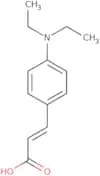
CAS:<p>4-(N,N-Diethylamino)cinnamic acid is a dye-sensitized solar cell sensitizer that has been synthesized from thiophene and acrylic acid. This compound is efficient in dye-sensitized solar cells and can be used to produce solar cells with an efficiency of over 10%.</p>Formula:C13H17NO2Purezza:Min. 95%Colore e forma:PowderPeso molecolare:219.28 g/mol5,5'-Diamino-2,2'-bipyridine
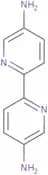
CAS:<p>5,5'-Diamino-2,2'-bipyridine is an acidic metalloporphyrin that has been shown to react with epoxides to form nucleophilic adducts. This compound can be used as a ligand for lanthanide ions and reacts with aminopyridine to form bromoethane. 5,5'-Diamino-2,2'-bipyridine has been shown to have carcinogenic properties and may induce bromoethane mutagenicity in the liver. This compound is also mutagenic when added to propylene carbonate. 5,5'-Diamino-2,2'-bipyridine is luminescent in air or water when exposed to UV light.</p>Formula:C10H10N4Purezza:Min. 97 Area-%Colore e forma:PowderPeso molecolare:186.21 g/mol1-[[5-(p-Nitrophenyl)furfurylidene]amino]-hydantoin sodium
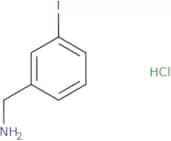
CAS:<p>Dantrolene sodium is a muscle relaxant that belongs to the group of pharmacological agents. It is used to treat muscle spasms and hyperactivity in patients with neuromuscular disorders. Dantrolene sodium inhibits calcium release by blocking the activity of the enzyme ryanodine receptor in skeletal muscle cells. This inhibition prevents uncontrolled contraction of muscles and reduces their energy consumption. The drug also has an effect on malignant hyperthermia, which is caused by an increase in the production of adenosine triphosphate (ATP) due to increased cellular metabolism. Dantrolene sodium can inhibit ATP synthesis, thus reducing energy production and stabilizing cell membranes, thereby preventing cell death in neurons and other tissues.</p>Formula:C14H10N4O5•NaPurezza:Min. 95%Colore e forma:Yellow PowderPeso molecolare:337.24 g/mol3-Iodobenzylamine hydrochloride
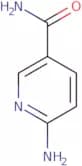
CAS:3-Iodobenzylamine HCl is a weak anion that has a moderate affinity for the adenosine A3 receptor. 3-Iodobenzylamine HCl is used in the analysis of adenosine, d-xylose and other compounds. The binding of 3-iodobenzylamine to the A3 receptor causes an increase in cyclic AMP levels and an increase in intracellular Ca2+ levels, leading to cell signaling. 3-Iodobenzylamine HCl also acts as a competitive antagonist at the A3 receptor. This drug can also act as an agonist at the A3 receptor, with binding affinities for this site comparable to those of adenosine. This drug is able to inhibit cyanamide catalysis due to its ability to bind with fluorine atoms on the acceptor site of this enzyme.Formula:C7H8IN•HClPurezza:Min. 95%Colore e forma:PowderPeso molecolare:269.51 g/mol6-Aminonicotinamide
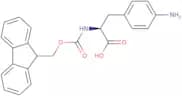
CAS:6-Aminonicotinamide is an experimental drug that has shown promising results in animal studies. This compound may be useful for the treatment of cancer, due to its ability to inhibit reactive oxygen species and maintain mitochondrial membrane potential. 6-Aminonicotinamide also has a protective effect against radiation-induced cell damage, as it prevents oxidative injury to DNA and protein. In addition, 6-aminonicotinamide can stimulate the proliferation of pluripotent cells, which are cells that have the ability to differentiate into any type of cell in the body. Finally, this compound was shown to have antitumor effects by inhibiting squamous carcinoma tumor growth in experimental models.Formula:C6H7N3OPurezza:Min. 95%Colore e forma:PowderPeso molecolare:137.14 g/molFmoc-4-amino-L-phenylalanine
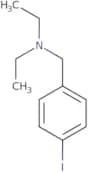
CAS:<p>Fmoc-4-amino-L-phenylalanine is a molecule with the amino acid, aminophenylalanine, that is used in devices to detect epithelial cells. It has been functionalized with a fluoro group and can be used as a fluorescent probe for the detection of epithelial cells. Fmoc-4-amino-L-phenylalanine can also be used to diagnose tumors and tumor cells by detecting their presence in urine samples. This peptide has been shown to have anti-tumor properties when it interacts with the tumor cell membrane, which may be due to its ability to inhibit protein synthesis and induce apoptosis.</p>Formula:C24H22N2O4Purezza:Min. 97 Area-%Colore e forma:Off-White PowderPeso molecolare:402.44 g/molN,N-Diethyl-N-(4-iodobenzyl)amine
CAS:<p>N,N-Diethyl-N-(4-iodobenzyl)amine is a high quality and versatile building block that is used as a reagent, speciality chemical, or intermediate. The compound has been found to be useful in the synthesis of complex compounds. It can also be used as a reaction component for various organic synthesis reactions. N,N-Diethyl-N-(4-iodobenzyl)amine is commercially available from Sigma Aldrich with CAS No. 914636-94-5.</p>Formula:C11H16INPurezza:Min. 95%Colore e forma:PowderPeso molecolare:289.16 g/mol2-[(4-Isopropylphenyl)amino]nicotinic acid
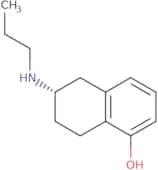
CAS:2-[(4-Isopropylphenyl)amino]nicotinic acid is a fine chemical, useful building block, research chemicals, reagent, speciality chemical and a versatile building block. It is an intermediate in organic synthesis and can be used to form many types of compounds. This compound also has many applications in the field of chemistry including use as a reaction component or as a scaffold. 2-[(4-Isopropylphenyl)amino]nicotinic acid is used in the production of pharmaceuticals, pesticides and other industrial chemicals.Formula:C15H16N2O2Purezza:Min. 95%Colore e forma:Yellow PowderPeso molecolare:256.3 g/mol(6S)-5,6,7,8-Tetrahydro-6-(propylamino)-1-naphthalenol
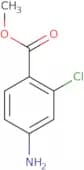
CAS:Prodotto controllato<p>Rotigotine is a drug that is used to treat Parkinson's disease. It is a dopamine agonist that stimulates the release of dopamine in the brain. Rotigotine has been shown to be effective in controlling symptoms of Parkinson's disease, such as tremors and stiffness, and improving motor skills. This drug has also been shown to have a good tolerability profile, with few side effects reported. Rotigotine is rapidly absorbed from the gastrointestinal tract and metabolized by CYP2D6 into desalkyl rotigotine, which are pharmacologically inactive compounds. The mean terminal half-life for rotigotine is about 2 hours.</p>Formula:C13H19NOPurezza:Min. 95%Peso molecolare:205.3 g/mol4-Amino-2-chlorobenzoic acid methyl ester
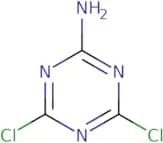
CAS:4-Amino-2-chlorobenzoic acid methyl ester (4ACBME) is a chemical compound that has been used in the treatment of autoimmune diseases. It acts as an immunoreceptor and regulatory molecule by binding to specific receptors on the surface of lymphocytes, which are cells that play a central role in the immune system. 4ACBME also inhibits the production of inflammatory molecules, such as TNF-α, IL-1β, IL-6 and IL-8. The regression of tissue inflammation was observed in animal models after 4ACBME treatment. This compound has been shown to have no genotoxic impurities in vitro studies and its molecular descriptors are consistent with those found for other immunoreceptors.Formula:C8H8ClNO2Purezza:Min. 95%Colore e forma:White PowderPeso molecolare:185.61 g/mol2-Amino-4,6-dichloro-s-triazine
CAS:<p>2-Amino-4,6-dichloro-s-triazine is a chemical compound that is used as an antimicrobial agent in wastewater treatment. It inhibits the growth of bacteria by binding to cell walls and disrupting the formation of crosslinks between peptidoglycan strands, thereby inhibiting the synthesis of proteins necessary for bacterial growth and reproduction. 2-Amino-4,6-dichloro-s-triazine has been shown to be effective against group p2 bacteria in cell culture experiments. This drug also displays antiinflammatory properties and has been shown to inhibit HIV infection in vitro.</p>Formula:C3H2Cl2N4Purezza:Min. 95%Colore e forma:White To Light (Or Pale) Yellow SolidPeso molecolare:163.96565(1-(4-Diethylamino)phenyl)-2-nitroethane
CAS:1-(4-Diethylamino)phenyl)-2-nitroethane is a reagent that is used as a building block in the synthesis of various heterocycles. It has been shown to be useful for the preparation of many heterocyclic compounds. The compound is also used as a research chemical and as a precursor to other organic compounds. 1-(4-Diethylamino)phenyl)-2-nitroethane is also an intermediate in the production of other speciality chemicals, such as pharmaceuticals, dyes, and pesticides.Formula:C12H18N2O2Purezza:Min. 95%Peso molecolare:222.28 g/molDimethyldistearylammonium chloride
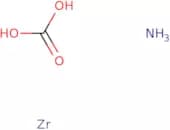
CAS:<p>Dimethyldistearylammonium chloride is a chemical compound that is used as an antimicrobial agent. It is a cationic quaternary ammonium salt that functions by forming a covalent bond with the sulfhydryl group of cysteine residues in proteins, which disrupts the disulfide bonds in the protein's tertiary or quaternary structure. Dimethyldistearylammonium chloride has been shown to have high antimicrobial activity against gram-positive bacteria and fungi but low activity against gram-negative bacteria. The optimum concentration for this compound is 0.2%. Dimethyldistearylammonium chloride has been used as a model system to study the effect of molecular weight on transfer reactions and polymer compositions, and it has also been used to study the biological properties of human immunoglobulin G (IgG).</p>Formula:C38H80ClNColore e forma:PowderPeso molecolare:586.5 g/molCarbonic acid ammonium zirconium salt
CAS:<p>Carbonic acid ammonium zirconium salt is a high quality, complex compound that is used as a reagent and an intermediate. It has been shown to be useful in the synthesis of fine chemicals and speciality chemicals. Carbonic acid ammonium zirconium salt can also be used as a building block for research chemicals and versatile building blocks.</p>Formula:CH2O3·xH3N·xZrPurezza:Min. 95%Colore e forma:Colorless Clear Liquid(S)-Tetrahydrofuran-3-amine hydrochloride
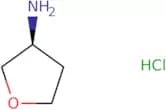
CAS:<p>Please enquire for more information about (S)-Tetrahydrofuran-3-amine hydrochloride including the price, delivery time and more detailed product information at the technical inquiry form on this page</p>Formula:C4H9NO•HClPurezza:Min. 95%Colore e forma:SolidPeso molecolare:123.58 g/mol3-Amino-2,5,6-trifluorobenzoic acid
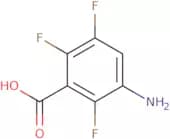
CAS:<p>3-Amino-2,5,6-trifluorobenzoic acid is a pharmaceutical agent that can be used in the synthesis of dyestuffs and as a matrix for laser desorption/ionization (LDI) mass spectrometry. 3-Amino-2,5,6-trifluorobenzoic acid has been shown to form crystals that are insoluble in water or organic solvents. The crystal morphology was determined by using XRD and FTIR. 3-Amino-2,5,6-trifluorobenzoic acid also has high concentrations of impurities such as 2,4,6-trichloroaniline and 2-(3,4 dichlorophenyl) ethyl amine.</p>Formula:C7H4F3NO2Purezza:Min. 95%Colore e forma:PowderPeso molecolare:191.11 g/mol5-Aminophthalide
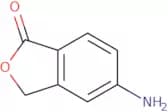
CAS:<p>5-Aminophthalide is a chemical compound that can be found as an oxidation product in cellular structures. It has been shown to have cancer-inhibiting properties and may be used for the treatment of prostate carcinoma. 5-Aminophthalide is a molecule that has two isomers, one with two chlorine atoms and one with three chlorine atoms. The molecule contains functional groups such as carbonyl, amine, and nitro groups. These functional groups are important for its activity and can bind to the enzyme dehydrogenase in bacteria, which is involved in the biosynthesis of guanine nucleotides. 5-Aminophthalide inhibits bacterial growth by binding to this enzyme and preventing it from functioning normally. This causes an accumulation of guanine nucleotides within cells, which prevents them from dividing.</p>Formula:C8H7NO2Purezza:Min. 95%Colore e forma:Off-White PowderPeso molecolare:149.15 g/molAminopterin
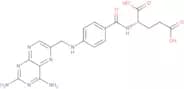
CAS:Aminopterin is an antineoplastic agent and antifolate, which is a synthetic derivative of pteroylglutamic acid. It functions as a chemotherapeutic agent by inhibiting dihydrofolate reductase, an enzyme crucial in the folic acid pathway, thereby preventing the conversion of dihydrofolate to tetrahydrofolate. This disruption leads to impaired synthesis of purine nucleotides and thymidylate, which are essential for DNA synthesis and cell division.Formula:C19H20N8O5Purezza:Min. 97 Area-%Colore e forma:Slightly Yellow PowderPeso molecolare:440.41 g/molEthyl 2-amino-4,5,6,7-tetrahydro-1-benzothiophene-3-carboxylate
CAS:Ethyl 2-amino-4,5,6,7-tetrahydro-1-benzothiophene-3-carboxylate is an antibacterial agent that inhibits the growth of bacteria by binding to amines and metal ions. It also has in vitro anticancer activity against cancer cells. Ethyl 2-amino-4,5,6,7-tetrahydro-1-benzothiophene-3-carboxylate has been shown to have antiinflammatory activity in rats.Formula:C11H15SNO2Purezza:Min. 95%Colore e forma:PowderPeso molecolare:225.31 g/molCetyltrimethylammonium bromide
CAS:<p>Cetyltrimethylammonium bromide is a cationic surfactant that is used in analytical methods. It functions as a carrier for nanoparticles and has been used to prepare sephadex g-100, an affinity chromatography matrix. Cetrimide is an organic compound that has antimicrobial activity against Gram-positive bacteria. The antimicrobial activity can be increased by adding benzalkonium chloride, which inhibits the enzyme cyclase. Cetrimide also has the ability to inhibit the synthesis of bacterial proteins by binding to 16S ribosomal RNA. This protein synthesis inhibition leads to cell death by inhibiting the production of proteins vital for cell division.</p>Formula:C19H42BrNPurezza:Min. 95%Colore e forma:White PowderPeso molecolare:364.45 g/molEthyl 2-(4-((5-chloro-2-methoxyphenyl)amino)-3,5-thiazolyl)acetate
CAS:<p>Please enquire for more information about Ethyl 2-(4-((5-chloro-2-methoxyphenyl)amino)-3,5-thiazolyl)acetate including the price, delivery time and more detailed product information at the technical inquiry form on this page</p>Purezza:Min. 95%6-Chlorotryptamine
CAS:Prodotto controllato<p>6-Chlorotryptamine is an indole alkaloid that is found in plants such as "Inula helenium". It has vasoconstrictive properties, which is due to its ability to inhibit the enzyme tryptophan decarboxylase. This inhibition leads to a decrease in serotonin levels, which causes blood vessels to narrow and slows blood flow. 6-Chlorotryptamine also inhibits protein synthesis by preventing the cross-coupling of amino acids. The compound can be found in a number of natural sources, including aerocolonigenes and plant species such as "Inula helenium" and "Lysimachia nummularia".</p>Formula:C10H11ClN2Purezza:Min. 98 Area-%Colore e forma:PowderPeso molecolare:194.66 g/mol4-[2-[[3-(4-Hydroxyphenyl)-1-methylpropyl]amino]ethyl]-1,2-benzenediol hydrochloride
CAS:<p>Dobutamine is a beta-adrenergic agonist that causes the heart to contract and increase blood pressure. It is used for pharmacological treatment of congestive heart failure and ventricular arrhythmias, as well as during angiography of the coronary arteries. Dobutamine stimulates dopamine receptors in the heart, which increases the systolic pressure. Dobutamine has been shown to be effective in improving myocardial contractility, left ventricle function, and cardiac output in patients with chronic congestive heart failure. This drug also improves left ventricular regional wall motion, papillary muscle function, and mitral valve regurgitation. Dobutamine may cause side effects such as nausea, vomiting, headache, or chest pain.</p>Formula:C18H24ClNO3Purezza:Min. 95%Colore e forma:PowderPeso molecolare:337.84 g/molN-Nitrosobis(2-hydroxypropyl)amine
CAS:<p>N-Nitrosobis(2-hydroxypropyl)amine is a polymerase chain reaction (PCR) enhancer that has been shown to be carcinogenic in experimental animals. It is used as a synthetic retinoid, which results in the conversion of thyroxine to triiodothyronine by the thyroid gland. N-Nitrosobis(2-hydroxypropyl)amine is also used as an experimental model for squamous cell carcinoma and tumors. It causes tumor development by inhibiting DNA synthesis and increasing cellular proliferation, which leads to liver lesions and carcinomas in animal models.</p>Formula:C6H14N2O3Purezza:Min. 95%Colore e forma:Yellow PowderPeso molecolare:162.19 g/mol2-Butoxyethan-1-amine
CAS:2-Butoxyethan-1-amine is a solvent that has been used in the production of polydimethylsiloxane, which is often found in silicone sealants and caulks. This chemical is volatilized, so it can be released into the atmosphere during its manufacture or use. The ethers are cross-linked with glycols to form polyether polyols that are heat treated to produce ethylene glycol. 2-Butoxyethan-1-amine is also an ingredient in water solutions of polydimethylsiloxane, which may include other substances such as salts. The permeation of this chemical through microns (µm) thick layers of silica gel was demonstrated using a template containing pores of various sizes and shapes. Fluoride ions were used to catalyze the reaction between 2-butoxyethan-1-amine and silica gel; this process was shown to increase the rate of permeation by up to 40%.Formula:C6H15NOPurezza:Min. 95%Colore e forma:Clear LiquidPeso molecolare:117.19 g/mol3-(Methylamino)propiophenone hydrochloride
CAS:3-(Methylamino)propiophenone hydrochloride is a synthetic compound that can be used as an alternative to fluoxetine in microwave irradiation. It has similar effects to the drug, including advances in neurodegenerative diseases. 3-(Methylamino)propiophenone hydrochloride has been shown to improve the effects of radiation therapy on cancer cells, by inhibiting the production of reactive oxygen species and improving cell survival.Formula:C10H13NO•HClPurezza:Min. 95%Colore e forma:PowderPeso molecolare:199.68 g/mol2-[2-(2-t-Boc-aminoethoxy)ethoxy]ethanol
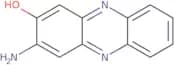
CAS:<p>2-[2-(2-t-Boc-aminoethoxy)ethoxy]ethanol is a versatile chemical building block that can be used to synthesize a variety of compounds. It has been shown to be useful as a reaction component in the synthesis of pharmaceuticals and agrochemicals. The compound is also used as an intermediate for the preparation of other compounds. 2-[2-(2-t-Boc-aminoethoxy)ethoxy]ethanol is soluble in organic solvents, such as chloroform, ethanol, or acetone. It has a CAS number of 139115-92-7 and is relatively easy to purify by recrystallization from methanol.</p>Formula:C11H23NO5Purezza:Min. 95%Colore e forma:Clear LiquidPeso molecolare:249.3 g/mol3-Amino-phenazin-2-ol
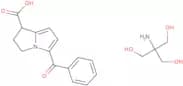
CAS:<p>3-Amino-phenazin-2-ol is a pesticide that has been shown to have genotoxic effects on human lymphocytes in vitro. 3-Amino-phenazin-2-ol inhibits the growth of triticum aestivum, a type of cereal plant, by binding to the aminoacids in the cell wall and disrupting its structure. This leads to cell death and inhibits the synthesis of proteins necessary for cellular growth. The herbicide has also been shown to inhibit the growth of typhimurium at high concentrations and may be used as an herbicide or pesticide. The mechanism by which 3-amino phenazin 2-ol exerts its toxicity is not fully understood, but it may be due to its ability to activate cells that are exposed to low energy levels.</p>Formula:C12H9N3OPurezza:Min. 95%Colore e forma:PowderPeso molecolare:211.22 g/molKetorolac tromethamine
CAS:<p>Ketorolac tromethamine salt is a nonsteroidal anti-inflammatory drug used to treat pain and inflammation. It is often administered intravenously or intramuscularly. Ketorolac tromethamine salt may interact with other drugs, such as monoethyl ethers or benzalkonium chloride, which can result in adverse effects. The polymerase chain reaction (PCR) method was used to detect the presence of ketorolac and its metabolite, ketorolac tromethamine in neural cells. The PCR method has been shown to be a statistically reliable method for detecting these substances.</p>Formula:C15H13NO3•C4H11NO3Purezza:Min. 98 Area-%Colore e forma:PowderPeso molecolare:376.4 g/molAmylamine
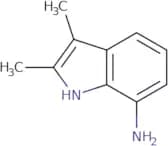
CAS:<p>Amylamine is a nitrite ion that is used in analytical chemistry to measure the concentration of nitrite ions. It is often used as a control analysis in vitro assays to compare the effects of different treatments on biological systems. Amylamine is also used to produce p-nitrophenyl phosphate, which can be detected by electrochemical impedance spectroscopy. This chemical has been shown to induce autoimmune diseases and inhibit the growth of resistant breast cancer cells.</p>Formula:C5H13NPurezza:Min. 95%Colore e forma:Clear LiquidPeso molecolare:87.16 g/mol2,3-Dimethyl-1H-indol-7-amine
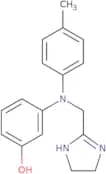
CAS:<p>2,3-Dimethyl-1H-indol-7-amine is an organic compound that belongs to the group of ethyl acetoacetate esters. It is a colorless liquid with a sweet odor and can be used as a solvent and in the manufacture of other compounds such as dibenzoylmethane. 2,3-Dimethyl-1H-indol-7-amine reacts with acetylacetone to form acetoacetic acid, which is then catalyzed by alcohol dehydrogenase to form oxaloacetate. This reaction also produces acetoacetate, which is oxidized by the enzyme dibenzoylmethane to form benzaldehyde.</p>Formula:C10H12N2Purezza:Min. 95%Colore e forma:PowderPeso molecolare:160.22 g/molPhentolamine
CAS:Phentolamine is a cyclase inhibitor and a drug that is used to treat high blood pressure. It is also used in the diagnosis of primary pulmonary hypertension. Phentolamine blocks the conversion of l-phenylalanine to tyrosine, which prevents the production of catecholamines such as dopamine, epinephrine, and norepinephrine. This drug has been shown to improve brain functions when administered to rats with Parkinson's disease. Phentolamine is prepared by reacting phenylmethylsulfonyl fluoride with phentolamine mesylate. The reaction produces phentolamine mesylate sodium salt.Formula:C17H19N3OPurezza:Min. 95%Colore e forma:PowderPeso molecolare:281.36 g/mol2-Amino-4-bromocinnamic acid
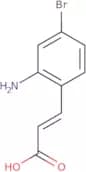
CAS:<p>2-Amino-4-bromocinnamic acid is a fine chemical with a CAS number of 914636-63-8. It is used in the synthesis of complex compounds and useful building blocks, as well as in research. This compound has been shown to be an intermediate for the preparation of derivatives with potential pharmaceutical applications, such as antihistamines, antipsychotics, and antibiotics. 2-Amino-4-bromocinnamic acid is also an important reagent for organic syntheses.</p>Formula:C9H8BrNO2Purezza:Min. 98 Area-%Colore e forma:PowderPeso molecolare:242.07 g/mol3-Amino-2-oxazolidinone
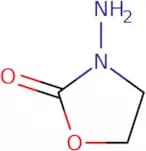
CAS:3-Amino-2-oxazolidinone is a metabolite of furazolidone. Furazolidone is a competitive inhibitor of the enzyme dihydropteroate synthase, which is involved in folate synthesis. 3-Amino-2-oxazolidinone has been shown to have an inhibitory effect on the growth of bacteria and fungi, as well as on the production of uric acid by rat liver cells. It also has genotoxic effects and can cause oxidative stress in cells. This compound is measured by an electrochemical impedance spectroscopy method that uses water vapor as the solvent.Formula:C3H6N2O2Purezza:Min. 95%Colore e forma:White PowderPeso molecolare:102.09 g/mol2-[N-[(3,5-Difluorophenyl)carbamoylamino]-C-methylcarbonimidoyl]pyridine-3-carboxylic acid
CAS:2-[N-[(3,5-Difluorophenyl)carbamoylamino]-C-methylcarbonimidoyl]pyridine-3-carboxylic acid (2FPC) is a potent herbicide that inhibits the fatty acid synthase enzyme and blocks cellular energy production. Fatty acid synthase is an important enzyme in the synthesis of essential fatty acids and this inhibition can lead to a number of health complications. 2FPC also inhibits epidermal growth factor receptor (EGFR) and glucocorticoid receptors, which can lead to autoimmune diseases. The compound has been shown to produce neurotoxic effects in animals and humans, including optical sensor activation and cation channel modulation. 2FPC is used as a herbicide to control weeds such as knapweed. It is also used as an anti-inflammatory agent in the treatment of rheumatoid arthritis.Formula:C15H12F2N4O3Purezza:Min. 97 Area-%Colore e forma:PowderPeso molecolare:334.28 g/molN-(Dithiocarboxy)sarcosine diammonium salt
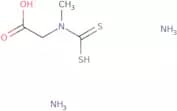
CAS:<p>Dithiocarboxy-sarcosine is a chemical compound that has been used as a reaction component in organic synthesis. It is a fine chemical with CAS number 29664-09-3. Dithiocarboxy-sarcosine can be used as a versatile building block in the synthesis of complex compounds and pharmaceutical intermediates. It is also useful for the preparation of high quality reagents and research chemicals.</p>Formula:C4H13N3O2S2Purezza:Min. 95%Colore e forma:PowderPeso molecolare:199.3 g/mol(6S)-5,6,7,8-Tetrahydro-6-[propyl[2-(2-thienyl)ethyl]amino]-1-naphthalenol
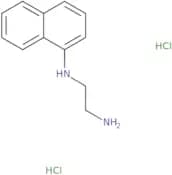
CAS:Prodotto controllato(6S)-5,6,7,8-Tetrahydro-6-[propyl[2-(2-thienyl)ethyl]amino]-1-naphthalenol is a potent and selective dopamine receptor agonist. It acts by binding to the dopamine receptors in the brain. This binding stimulates the release of dopamine and prevents it from being reabsorbed into the neurons, which in turn increases levels of extracellular dopamine in the synapse. (6S)-5,6,7,8-Tetrahydro-6-[propyl[2-(2-thienyl)ethyl]amino]-1-naphthalenol has been shown to have antidepressant effects in animal models of depression. It also has a long half life and can be administered as a transdermal patch for prolonged relief from depression symptoms.Formula:C19H25NOSPurezza:Min. 95%Colore e forma:White Off-White PowderPeso molecolare:315.47 g/molN-(1-Naphthyl)ethylenediamine dihydrochloride
CAS:<p>N-(1-Naphthyl)ethylenediamine 2HCl is a diazonium salt that is used as an analytical reagent for the determination of nitrite ion in biological samples. It can be prepared by reacting 1-naphthylamine with ethylenediamine and hydrochloric acid. The optimum concentration of N-(1-naphthyl)ethylenediamine 2HCl is between 0.5 and 1.0 M, which should be determined before use. Sulphuric acid or sodium hydroxide can be added to adjust the pH of the solution to around 2.5, although this may change the color of the solution from orange to yellow. The reaction product is then extracted into chloroform and dried over anhydrous sodium sulphate or magnesium sulfate, followed by filtration and evaporation under reduced pressure at 40°C until dryness. The final product is stored in a dark place away from</p>Formula:C12H14N2•2HClPurezza:(Titration) Min. 98%Colore e forma:White PowderPeso molecolare:259.17 g/mol











![9-[5-Deoxy-5-[[cis-3-[2-[6-(1,1-dimethylethyl)-1H-benzimidazol-2-yl]ethyl]cyclobutyl](1-methylethy…](/_next/image/?url=https%3A%2Fstatic.cymitquimica.com%2Fproducts%2F3D%2Fthumb-webp%2FFD146242.webp&w=3840&q=75)



![2-[(2,4-Dimethylphenyl)amino]nicotinic acid](/_next/image/?url=https%3A%2Fstatic.cymitquimica.com%2Fproducts%2F3D%2Fthumb-webp%2FFD136109.webp&w=3840&q=75)
methanone HCl](/_next/image/?url=https%3A%2Fstatic.cymitquimica.com%2Fproducts%2F3D%2Fthumb-webp%2FFA133569.webp&w=3840&q=75)

![2-[[(Heptadecafluorooctyl)Sulphonyl]Methylamino]Ethyl Methacrylate](/_next/image/?url=https%3A%2Fstatic.cymitquimica.com%2Fproducts%2F3D%2Fthumb-webp%2FFH98020.webp&w=3840&q=75)

![Sodium 2-[[3-(trifluoromethyl)phenyl]amino]benzoate](/_next/image/?url=https%3A%2Fstatic.cymitquimica.com%2Fproducts%2F3D%2Fthumb-webp%2FFS92420.webp&w=3840&q=75)
![2-[1-(Methylamino)ethyl]indole](/_next/image/?url=https%3A%2Fstatic.cymitquimica.com%2Fproducts%2F3D%2Fthumb-webp%2FFM25773.webp&w=3840&q=75)
![1-[[5-(p-Nitrophenyl)furfurylidene]amino]-hydantoin sodium](/_next/image/?url=https%3A%2Fstatic.cymitquimica.com%2Fproducts%2F3D%2Fthumb-webp%2FFN44999.webp&w=3840&q=75)
![2-[(4-Isopropylphenyl)amino]nicotinic acid](/_next/image/?url=https%3A%2Fstatic.cymitquimica.com%2Fproducts%2F3D%2Fthumb-webp%2FFI136104.webp&w=3840&q=75)




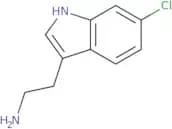
![4-[2-[[3-(4-Hydroxyphenyl)-1-methylpropyl]amino]ethyl]-1,2-benzenediol hydrochloride](/_next/image/?url=https%3A%2Fstatic.cymitquimica.com%2Fproducts%2F3D%2Fthumb-webp%2FFH27507.webp&w=3840&q=75)
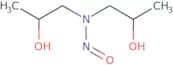

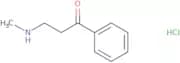
![2-[2-(2-t-Boc-aminoethoxy)ethoxy]ethanol](/_next/image/?url=https%3A%2Fstatic.cymitquimica.com%2Fproducts%2F3D%2Fthumb-webp%2FFB18924.webp&w=3840&q=75)

![2-[N-[(3,5-Difluorophenyl)carbamoylamino]-C-methylcarbonimidoyl]pyridine-3-carboxylic acid](/_next/image/?url=https%3A%2Fstatic.cymitquimica.com%2Fproducts%2F3D%2Fthumb-webp%2FFD101726.webp&w=3840&q=75)
![(6S)-5,6,7,8-Tetrahydro-6-[propyl[2-(2-thienyl)ethyl]amino]-1-naphthalenol](/_next/image/?url=https%3A%2Fstatic.cymitquimica.com%2Fproducts%2F3D%2Fthumb-webp%2FFT76640.webp&w=3840&q=75)