Ammine
Le ammine sono un insieme di molecole contenenti un gruppo funzionale amminico (derivato dall'ammoniaca). Questa categoria include ammine a qualsiasi livello di sostituzione: primarie, secondarie, terziarie e sali di ammonio. Le ammine sono fondamentali nella sintesi organica e sono ampiamente utilizzate in prodotti farmaceutici, agrochimici e scienze dei materiali. Da CymitQuimica, offriamo una selezione completa di ammine per soddisfare le tue esigenze di ricerca e industriali. La nostra gamma garantisce l'accesso a diverse ammine per vari processi chimici e ricerche innovative.
Sottocategorie di "Ammine"
- Nitrosamine(2.606 prodotti)
- Ammine primarie(30.947 prodotti)
- Cationi di ammonio quaternario(1.099 prodotti)
- Ammine secondarie(20.886 prodotti)
- Ammine terziarie(17.193 prodotti)
Trovati 8780 prodotti di "Ammine"
Ordinare per
Purezza (%)
0
100
|
0
|
50
|
90
|
95
|
100
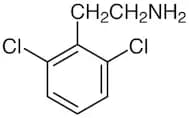
2-(2,6-Dichlorophenyl)ethylamine
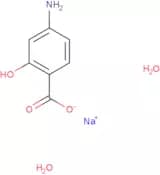
CAS:Formula:C8H9Cl2NPurezza:>98.0%(GC)(T)Colore e forma:Colorless to Light orange to Yellow clear liquidPeso molecolare:190.074-Aminosalicylic acid sodium salt dihydrate
CAS:<p>4-Aminosalicylic acid sodium salt dihydrate is a molecule that has been shown to be useful for the diagnosis of viral, autoimmune, and cancerous diseases. It is a diagnostic agent that can be used in both the diagnosis and treatment of bowel disease. 4-Aminosalicylic acid sodium salt dihydrate can also be used to treat cavity formation in teeth. It binds to fatty acids in the target tissue, which leads to cell death by apoptosis. This drug has been shown to be effective against inflammatory bowel disease (IBD) as well as other types of bowel disease. This drug has been shown to have no adverse effects on healthy cells or tissues, but it may cause kidney toxicity when taken orally or injected intravenously.</p>Formula:C7H6NNaO3·2H2OPurezza:Min. 95%Colore e forma:White PowderPeso molecolare:211.15 g/mol(11bS)-N,N-Dimethyl-8,9,10,11,12,13,14,15-octahydrodinaphtho[2,1-d:1',2'-f][1,3,2]dioxaphosphepin-4-amine
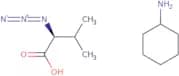
CAS:(11bS)-N,N-Dimethyl-8,9,10,11,12,13,14,15-octahydrodinaphtho[2,1-d:1',2'-f][1,3,2]dioxaphosphepin-4-amine is a chiral compound that can be used as an immobilizer in catalytic asymmetric reactions. This molecule has shown to be effective in hydrogenation reactions and insulating electrodes. It also has bifunctional properties and can be recycled with the use of a gelation process. (11bS)-N,N-Dimethyl-8,9,10,11,12,13,14,15-octahydrodinaphtho[2.1d:1',2'-f][1.3.2]dioxaphosphepin-4-amine has been synthesized from a recyclable material and its interactions haveFormula:C22H26NO2PPurezza:Min. 95%Colore e forma:White PowderPeso molecolare:367.42 g/mol(S)-2-Azido isovaleric acid cyclohexylammonium
CAS:<p>Please enquire for more information about (S)-2-Azido isovaleric acid cyclohexylammonium including the price, delivery time and more detailed product information at the technical inquiry form on this page</p>Formula:C6H13N•C5H9N3O2Purezza:Min. 95%Colore e forma:PowderPeso molecolare:242.32 g/mol[5-(4-Aminophenyl)-2-furyl]methanol
CAS:<p>Please enquire for more information about [5-(4-Aminophenyl)-2-furyl]methanol including the price, delivery time and more detailed product information at the technical inquiry form on this page</p>Formula:C11H11NO2Purezza:Min. 95%Colore e forma:Brown PowderPeso molecolare:189.21 g/mol2-Cyanobenzylamine hydrochloride
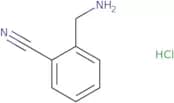
CAS:<p>2-Cyanobenzylamine hydrochloride is a chemical building block and intermediate that can be used in the synthesis of many different compounds. It is also a useful reagent for reactions involving nitro compounds. 2-Cyanobenzylamine hydrochloride is a fine chemical that is registered with the Chemical Abstract Service (CAS No. 1134529-25-1). It has been identified as a versatile building block and useful intermediate in the synthesis of pharmaceuticals, agrochemicals, and other organic chemicals.</p>Formula:C8H8N2·HClPurezza:Min. 95%Colore e forma:White/Off-White SolidPeso molecolare:168.62 g/mol2-Amino-4,6-dihydroxypyrimidine
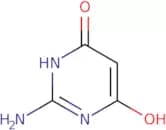
CAS:<p>2-Amino-4,6-dihydroxypyrimidine is a chemical compound that is used in the synthesis of pemetrexed. It has been shown to inhibit the growth of cancer cells in cell culture by cross-coupling with nitrogen atoms in DNA and thereby inhibiting replication. 2-Amino-4,6-dihydroxypyrimidine also reacts with halides to form reaction intermediates that are capable of reacting with hydrogen bonds and other functional groups. This chemical compound has been shown to have radical scavenging activities in acidic environments and vibrational properties.</p>Formula:C4H5N3O2Purezza:Min. 98 Area-%Colore e forma:PowderPeso molecolare:127.1 g/mol1-Pyrimidin-2-ylpiperidin-4-amine dihydrochloride
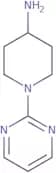
CAS:1-Pyrimidin-2-ylpiperidin-4-amine dihydrochloride is a high quality, crystalline compound with a CAS number of 1179369-48-2. It is an intermediate in the synthesis of various fine chemicals, including pharmaceuticals and pesticides. 1-Pyrimidin-2-ylpiperidin-4-amine dihydrochloride also has applications as a versatile building block for the synthesis of other compounds and is used as a reaction component in organic chemistry. This reagent can be used to synthesize many different compounds for use in research or medical purposes.Formula:C9H14N4·2HClPurezza:Min. 95%Colore e forma:PowderPeso molecolare:251.16 g/mol(+)-(1S,3R)-3-Amino-cyclopentane carboxylic acid
CAS:<p>The nature of the amino acid side chain plays a major role in determining the properties of an amino acid. The side chain is either hydrophobic (CH3) or hydrophilic (NH2). Amino acids are arranged into subunits. The alpha-amino group is attached to the carbon atom at the end of the side chain, and the carboxyl group is attached to a second carbon atom on a different molecule. These two molecules are joined by a chemical bond called an amide bond. The alpha-carboxyl group determines whether an amino acid will be acidic or basic in nature. The pH scale ranges from 0 to 14, with 7 being neutral, and numbers higher than 7 indicating alkaline conditions. Constant values for each amino acid can be found on this website:</p>Formula:C6H11NO2Purezza:Min. 95%Colore e forma:White PowderPeso molecolare:129.16 g/mol[2-(1-Methyl-1H-pyrazol-5-yl)ethyl]amine
CAS:<p>2-(1-Methyl-1H-pyrazol-5-yl)ethyl]amine is a versatile building block that can be used as a research chemical or in the synthesis of complex compounds. It has shown to be useful for the production of N-(2-(1-methyl-1H-pyrazol-5-yl)ethyl)-N'-phenylurea, which has been found to have antihydrotropic properties. CAS Number: 807315-40-8.</p>Formula:C6H11N3Purezza:Min. 95%Colore e forma:Colorless PowderPeso molecolare:125.17 g/molTAPS
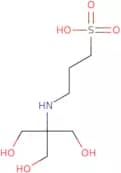
CAS:<p>TAPS, also known as 3-[(Tris(hydroxymethyl)methyl)amino]-1-propanesulfonic acid, is a buffering agent that can be used in capillary electrophoresis with DNA and can form metal complexes. It has an optimal pH range of 7.7-9.1 and a pKa of 8.4.</p>Formula:C7H17NO6SPurezza:Min. 95%Colore e forma:SolidPeso molecolare:243.28 g/mol3-Methyl-N-methylbenzylamine
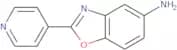
CAS:Formula:C9H13NPurezza:>97.0%(GC)Colore e forma:Colorless to Light yellow to Light orange clear liquidPeso molecolare:135.212-Pyridin-4-yl-1,3-benzoxazol-5-amine
CAS:2-Pyridin-4-yl-1,3-benzoxazol-5-amine is a fine chemical that is useful as a building block in organic synthesis. It can be used in the preparation of other chemicals and pharmaceuticals. This compound is also used as a reagent in research. 2-Pyridin-4-yl-1,3-benzoxazol-5-amine has been shown to be an excellent intermediate for the synthesis of complex compounds. It can also be used as a scaffold for drug design with versatile chemical reactivity.Formula:C12H9N3OPurezza:Min. 95%Colore e forma:PowderPeso molecolare:211.22 g/mol2-Hydroxybenzylamine hydrate
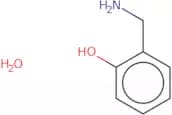
CAS:<p>2-Hydroxybenzylamine hydrate is a fine chemical, useful building block, research chemical, and reagent. It is soluble in water and has a neutral pH. 2-Hydroxybenzylamine hydrate is an intermediate in the synthesis of amphetamines and phenethylamines. This product is also used as a reaction component for the synthesis of polymers, pharmaceuticals, natural products, and other organic compounds. 2-Hydroxybenzylamine hydrate has a high quality level and can be used as a versatile building block in complex reactions.</p>Formula:C7H9NO·H2OPurezza:Min. 95%Peso molecolare:141.17 g/molBES
CAS:BES, also known as 2-[N,N-Bis-(2-hydroxyethyl)amino]ethanesulfonic acid, is a buffering agent that forms complexes with DNA and certain metal ions, It has an optimal pH range of 6.4-7.8 and a pKa of 7.09.Formula:C6H15NO5SPurezza:(%) Min. 99.0%Colore e forma:PowderPeso molecolare:213.2 g/mol3-Acetoxybenzylamine 4-toluenesulphonate
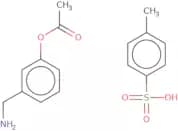
CAS:<p>3-Acetoxybenzylamine 4-toluenesulphonate is a white solid reagent that can be used as a building block for the synthesis of complex compounds. It has been shown to be useful as an intermediate and building block in the synthesis of natural products. 3-Acetoxybenzylamine 4-toluenesulphonate is a versatile compound that can be used in many different chemical reactions. It is also a speciality chemical that is available for purchase from research chemical suppliers.</p>Formula:C9H11NO2·C7H8O3SPurezza:Min. 95%Peso molecolare:337.39 g/mol4-Amino-3-chloro-2,5,6-trifluoropyridine
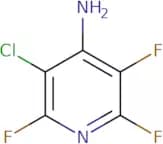
CAS:4-Amino-3-chloro-2,5,6-trifluoropyridine is a reactive and unstable chemical compound that belongs to the group of anilines. It is used in the synthesis of hypsochromic dyes. The compound has been shown to interact with other molecules, such as chemo-, supramolecular-, and synthetically-. The fluorophore has been stabilized by a supramolecular approach. Chemically induced fluorescence properties have been observed for 4-amino-3-chloro-2,5,6-trifluoropyridine.Formula:C5H2ClF3N2Purezza:Min. 95%Colore e forma:SolidPeso molecolare:182.53 g/mol2-(2,4-Dichlorophenyl)-1,3-benzoxazol-5-amine
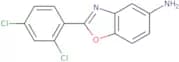
CAS:<p>2-(2,4-Dichlorophenyl)-1,3-benzoxazol-5-amine is a versatile building block that can be used in a wide range of chemical reactions. The compound is a reagent and speciality chemical with CAS No. 293737-83-4. It is an intermediate in the synthesis of pharmaceuticals and pesticides, as well as a useful scaffold for the synthesis of other compounds. 2-(2,4-Dichlorophenyl)-1,3-benzoxazol-5-amine has been shown to have high quality and can be used as a reaction component or building block in research labs.</p>Formula:C13H8Cl2N2OPurezza:Min. 95%Colore e forma:PowderPeso molecolare:279.12 g/mol4-[Bis(2-hydroxypropyl)amino]benzoic acid ethyl ester, 90%
CAS:4-[Bis(2-hydroxypropyl)amino]benzoic acid ethyl ester is an absorber that is used in the production of cationic surfactants. It has been shown to have clinical properties and can be combined with antibiotics for the treatment of inflammatory diseases. 4-[Bis(2-hydroxypropyl)amino]benzoic acid ethyl ester is also used as a radiation absorber, which prevents the formation of free radicals by absorbing radiation. This drug also has an antioxidant effect and may protect skin cells from damage caused by UV light.Formula:C15H23NO4Purezza:Min. 95%Colore e forma:Yellow PowderPeso molecolare:281.35 g/molTetradecyltrimethylammonium chloride
CAS:Tetradecyltrimethylammonium chloride (TTAC) is a hydrophobic fluorescent probe that has been used to investigate the properties of lipid bilayers and micelles. TTAC is fluorescent in aqueous solution and it can be used as a molecular-weight marker for organic solvents. The fluorescence lifetime of TTAC is dependent on the solvent conditions and the presence of counterions, while its fluorescence intensity depends on the concentration of TTAC in solution. The hydrophobic nature of TTAC causes it to be solubilized by micelles, which are spherical aggregates formed from amphiphilic molecules. This property makes TTAC ideal for studying micelles with surface properties and steady-state fluorescence.Formula:C17H38N·ClColore e forma:White PowderPeso molecolare:291.94 g/molN-(4-Methoxyphenyl)ethane-1,2-diamine
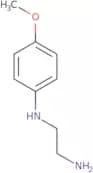
CAS:N-(4-Methoxyphenyl)ethane-1,2-diamine is a synthetic compound that has been shown to inhibit the activity of cathepsins. It can be used in the treatment of diseases caused by these enzymes, such as osteoarthritis and Alzheimer's disease. N-(4-Methoxyphenyl)ethane-1,2-diamine has a pharmacokinetic profile that is favorable for oral administration. The drug is absorbed from the gastrointestinal tract readily and undergoes extensive metabolism in the liver. This process leads to the formation of active metabolites which are excreted in urine or bile. N-(4-Methoxyphenyl)ethane-1,2-diamine also inhibits nitroalkanes with activated aromatic rings, such as 4-nitrobenzaldehyde and 2,4,6-trinitrobenzene.Formula:C9H14N2OPurezza:Min. 95%Colore e forma:Slightly Yellow PowderPeso molecolare:166.22 g/molSulbutiamine
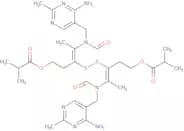
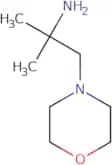
CAS:<p>Sulbutiamine is a thiamine analogue that is used to treat diseases such as Alzheimer's disease and Parkinson's disease. Sulbutiamine also has antimicrobial properties and can be used to treat infectious diseases such as infectious diarrhea. Sulbutiamine has been shown to reduce symptoms of inflammatory bowel disease (IBD) by relieving intestinal inflammation, although it does not affect the course of the disease. Sulbutiamine has also been shown to have effects on the immune system, which may be due to its ability to increase cellular redox potentials in neuro2a cells and human serum. These effects are caused by an indirect antioxidant effect, which results from sulbutiamine's ability to inhibit lipid peroxidation and stimulate glutathione reductase activity.</p>Formula:C32H46N8O6S2Purezza:Min. 95%Colore e forma:PowderPeso molecolare:702.89 g/mol1,1-Dimethyl-2-morpholin-4-ylethylamine
CAS:<p>1,1-Dimethyl-2-morpholin-4-ylethylamine (DMMEA) is a quaternary ammonium compound that has antimicrobial properties. DMMEA is an analog of 1,1-dimethylpiperidinium chloride and is used as an intermediate for the synthesis of other compounds. It can be synthesized from 1,1,2-trimethoxyethane and morpholine in the presence of ammonium chloride. DMMEA has been shown to have antimicrobial activities against Gram negative bacteria such as Escherichia coli and Enterobacter aerogenes. It also has some activity against Gram positive bacteria such as Staphylococcus aureus.</p>Formula:C8H18N2OPurezza:Min. 95%Colore e forma:Clear LiquidPeso molecolare:158.24 g/molN,N-Bis(4-bromobenzyl)amine
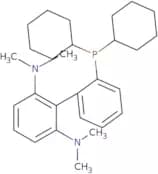
CAS:Formula:C14H13Br2NPurezza:>98.0%(GC)(T)Colore e forma:White to Orange to Green powder to crystalPeso molecolare:355.072-Dicyclohexylphosphino-2',6'-bis(N,N-dimethylamino)biphenyl
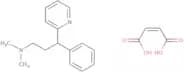
CAS:2-Dicyclohexylphosphino-2',6'-bis(N,N-dimethylamino)biphenyl (PCP-DMAP) is a phosphorus compound that is used for the synthesis of aryl chlorides. It has been validated as an effective reagent for the conversion of aryl chlorides to aryl halides. PCP-DMAP can be used in peptidomimetic synthesis and profiling. It is also useful in the synthesis of natural products where activation with N,N-dimethylchloramine (DMC) is required. PCP-DMAP can be used as an efficient alternative to other methods for activation with DMC, using less time and producing less waste. This compound has been shown to be stable against hydrolysis and oxidation in both acidic and basic media, making it a good reagent for use under these conditions. PCP-DMAP can also be used in the synthesisFormula:C28H41N2PPurezza:Min. 95%Colore e forma:PowderPeso molecolare:436.61 g/molPheniramine maleate
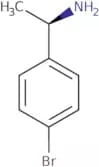
CAS:<p>Histamine receptor H1 antagonist</p>Formula:C16H20N2·C4H4O4Purezza:Min. 95%Colore e forma:PowderPeso molecolare:356.42 g/mol(R)-(+)-1-(4-Bromophenyl)ethylamine
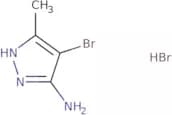
CAS:<p>(R)-(+)-1-(4-Bromophenyl)ethylamine is a chiral anion that can be used as a ligand for supramolecular chemistry. It reacts with primary amines to form a diazenyl (an anion with two nitrogen atoms and one carbon atom). The diazenyl molecule has been shown to have chemotactic activity and to stimulate the immune system. The (R)-(+)-1-(4-bromophenyl)ethylamine is generally stable when it is in contact with water, but is unstable when heated due to decomposition by light or oxygen.</p>Formula:C8H10BrNPurezza:Min. 95%Colore e forma:Clear LiquidPeso molecolare:200.08 g/mol5-Amino-4-bromo-3-methylpyrazole hydrobromide
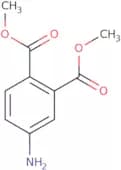
CAS:5-Amino-4-bromo-3-methylpyrazole hydrobromide is an intermediate in the synthesis of a variety of compounds. It is also a building block for the synthesis of heterocycles, such as pyrazoles, indazoles, benzoxazoles, and benzothiazoles. 5-Amino-4-bromo-3-methylpyrazole hydrobromide can be used as a reagent to synthesize pharmaceuticals and other useful compounds. 5-Amino-4-bromo-3-methylpyrazole hydrobromide is a versatile building block that can be used in the synthesis of many different types of compounds. This compound has been shown to react with various groups on organic molecules to form new chemical structures.Formula:C4H6BrN3•BrHPurezza:Min. 95%Colore e forma:PowderPeso molecolare:256.93 g/mol4-Aminophthalic acid dimethyl ester
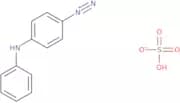
CAS:<p>4-Aminophthalic acid dimethyl ester is a product of the reaction between p-hydroxybenzoic acid and phosphorus pentachloride. It is used in analytical methods to determine the amount of 4-aminophthalic acid in an unknown sample. This product reacts with polyclonal antibodies against 4-aminophthalic acid, which are attached to a solid support, forming an antigen-antibody complex. The amount of 4-aminophthalic acid present can be determined by measuring the extent of the colour change that occurs when hydrochloric acid is added to the mixture.</p>Formula:C10H11NO4Purezza:Min. 95%Colore e forma:SolidPeso molecolare:209.2 g/mol4-Diazodiphenylamine sulfate
CAS:<p>4-Diazodiphenylamine sulfate is a phosphatase inhibitor that can be used to inhibit tyrosinase activity in the biochemical and enzymatic reactions. The inhibition constant for 4-diazodiphenylamine sulfate against tyrosinase activity is 1.5 μM. This inhibitor has been shown to have a low energy surface-enhanced Raman spectrum, which can be used to detect protein coatings on surfaces such as glass beads or sephadex g-100. It has also been shown to inhibit the phosphatase activity of human urine samples, which may be due to its ability to bind to the enzyme's active site and reduce substrate accessibility. 4-Diazodiphenylamine sulfate is also known for its ability to bind with DNA and form an adduct with p-nitrophenyl phosphate.</p>Formula:C12H9N3·H2SO4Purezza:Min. 95%Colore e forma:PowderPeso molecolare:293.3 g/molPolyethylene Glycol Stearylamine (n=approx. 10)
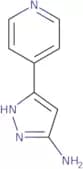
Purezza:min. 90.0 %Colore e forma:Orange to Brown to Dark red clear liquid5-Pyridin-4-yl-2H-pyrazol-3-ylamine
CAS:<p>5-Pyridin-4-yl-2H-pyrazol-3-ylamine is a potent inhibitor of b-raf, a protein kinase that is involved in the regulation of cell proliferation and differentiation. It is used as a research tool for studying the role of b-raf in cancer. 5-Pyridin-4-yl-2H-pyrazol-3-ylamine has been shown to have similar activity to other inhibitors of bRaf. It binds to the ATP binding site on bRaf and prevents phosphorylation of serine residues in the activation loop by ATP. This inhibition prevents activation of the kinase and reduces tumor growth in cancer models.</p>Formula:C8H8N4Purezza:Min. 95%Colore e forma:White/Off-White SolidPeso molecolare:160.18 g/mol1-Biotinylamino-3,6,9-trioxaundecane-11-bromide
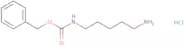
CAS:1-Biotinylamino-3,6,9-trioxaundecane-11-bromide is a high quality reagent that is used in research and development. It has a CAS number of 1041766-91-9. 1-Biotinylamino-3,6,9-trioxaundecane-11-bromide is a versatile building block that can be used as an intermediate or scaffold in chemical reactions. It is also a useful reaction component for the synthesis of fine chemicals.Formula:C18H32BrN3O5SPurezza:Min. 95%Colore e forma:PowderPeso molecolare:482.43 g/molZ-1,5-Diaminopentane HCl
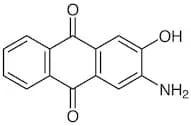
CAS:<p>Z-1,5-Diaminopentane HCl is a chemical intermediate used in the synthesis of pharmaceuticals and other organic compounds. It is also useful as a building block in the synthesis of complex compounds with high purity. Z-1,5-Diaminopentane HCl is soluble in water and has a boiling point of 232°C. CAS No. 18807-74-4</p>Formula:C13H20N2O2·HClPurezza:Min. 95%Colore e forma:PowderPeso molecolare:272.77 g/mol2-Amino-3-hydroxyanthraquinone
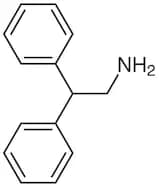
CAS:Formula:C14H9NO3Purezza:>98.0%(T)Colore e forma:Orange to Amber to Dark red powder to crystalPeso molecolare:239.232,2-Diphenylethylamine
CAS:Formula:C14H15NPurezza:>98.0%(GC)(T)Colore e forma:White or Colorless to Light yellow to Light orange powder to lump to clear liquidPeso molecolare:197.282,5,6-Triamino-4-hydroxypyrimidine
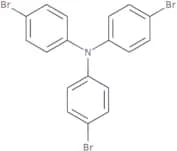
CAS:<p>2,5,6-Triamino-4-hydroxypyrimidine (THP) is a nitrogenous base that has been shown to have anticancer activity. It is an intermediate in the biosynthesis of lysine and can be found in environmental pollution. THP is formed by the reaction of hydrogen chloride with dimethylformamide, which produces hydrochloric acid as a byproduct. 2,5,6-Triamino-4-hydroxypyrimidine also reacts with glyoxal to produce a compound that can cause metabolic disorders. THP is an acidic compound that becomes neutral when dissolved in water. The molecular formula for THP is C 3 H 6 N 8 O 4 .</p>Formula:C4H7N5OPurezza:Min. 95%Colore e forma:PowderPeso molecolare:141.13 g/molTris(4-bromophenyl)amine
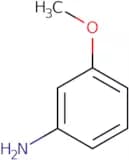
CAS:<p>Tris(4-bromophenyl)amine is a chemical compound that is used as an intermediate in the synthesis of other compounds. It has been studied for its electrochemical properties, which include its stability and ability to react with ethyl diazoacetate. The reaction mechanism of tris(4-bromophenyl)amine has been studied using electrochemical techniques, including kinetic and spectroscopic studies. Tris(4-bromophenyl)amine reacts with acid to produce nitrite ions and bromine water, which can then react with ethyl diazoacetate to produce aryl diazonium salts such as 3-nitrophenol. This process can be repeated multiple times to form aryl diazonium salts such as 6-nitrophenol or 5-nitrophenol. The electron reduction potential of tris(4-bromophenyl)amine is low enough that it can be easily oxid</p>Formula:C18H12Br3NPurezza:Min. 95%Colore e forma:PowderPeso molecolare:482.01 g/mol3-Methoxybenzenamine
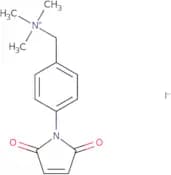
CAS:<p>3-Methoxybenzenamine is a molecule that can be synthesized by an asymmetric reaction. It has carcinogenic potential and is classified as a chemical substance. 3-Methoxybenzenamine reacts with hydrochloric acid to form hydrogen chloride gas and methoxybenzene. The hydroxyl group on the molecule reacts with l-tartaric acid to form an ester, which then undergoes hydrolysis to produce 3-hydroxybutanoic acid. This reaction also produces water, which may result in a decrease of the concentration of the reactants. 3-Methoxybenzenamine can also react with amines to form quaternary ammonium salts, which are highly soluble in water and have a high detection sensitivity.</p>Formula:C7H9NOPurezza:Min. 95%Colore e forma:Clear LiquidPeso molecolare:123.15 g/mol4-(N-Maleimido)benzyl-a-trimethylammonium iodide
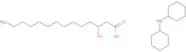
CAS:4-(N-Maleimido)benzyl-a-trimethylammonium iodide is a carotenoid that acts as an agonist binding site for the receptor molecule. It has been shown to inhibit tumor cell growth and induce apoptosis. 4-(N-Maleimido)benzyl-a-trimethylammonium iodide binds to the redox potential of iron atoms, which are important in many biochemical reactions and in maintaining iron homeostasis. The x-ray crystal structures of this compound show that it has a chemical biology model system and can be used to study the function of toll-like receptors. This drug also has an irreversible inhibition effect on cation channels, which may be due to its ability to block the opening of these channels by binding to them.Formula:C14H17IN2O2Purezza:Min. 95%Colore e forma:Yellow SolidPeso molecolare:372.2 g/mol(R)-3-Hydroxy myristic acid dicyclohexylammonium salt
CAS:Prodotto controllato(R)-3-Hydroxy myristic acid dicyclohexylammonium salt is a fine chemical that is used as a versatile building block for the synthesis of complex compounds. It has been used as a reagent and speciality chemical in research and as a high-quality, useful intermediate. It can be used in the synthesis of new drugs, such as anti-inflammatory agents. (R)-3-Hydroxy myristic acid dicyclohexylammonium salt is also an interesting scaffold for the development of new drugs or drug leads against various diseases.Formula:C26H51NO3Purezza:Min. 95%Colore e forma:White to off-white solid.Peso molecolare:425.69 g/mol2,5-Bis(aminomethyl)tetrahydrofuran
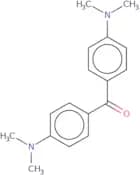
CAS:2,5-Bis(aminomethyl)tetrahydrofuran is a polymerization catalyst for polyethylene terephthalate that has been shown to be effective at low temperatures. It is not active at high temperatures and is stable in acidic and neutral media. 2,5-Bis(aminomethyl)tetrahydrofuran can be used as an electrochemical catalyst for the conversion of 5-hydroxymethylfurfural (HMF) to formic acid. This reaction has been shown to have a high turnover frequency and to be sustainable because it does not require fossil fuels or heavy metals as reactants. The parameters of this reaction are still being investigated, including the effect of oxidant on the rate of catalysis.Formula:C6H14N2OPurezza:Min. 95%Colore e forma:Colorless PowderPeso molecolare:130.19 g/mol4,4'-Bis(dimethylamino)benzophenone
CAS:<p>4,4'-Bis(dimethylamino)benzophenone (4,4'-BDMAB) is an organic molecule that has the potential to cause genotoxic effects at high concentrations. It is a cationic polymerization initiator that has been shown to bind to DNA and inhibit hl-60 cells. 4,4'-BDMAB also reacts with phenoxy groups in nucleotide phosphate chains, forming toxic products. The mechanism of this reaction is not yet clear. Studies have shown that 4,4'-BDMAB can cause cell death by inducing apoptosis as well as necrosis. This molecule can also form ketones through reactions with carbonyl groups in cell culture.</p>Formula:C17H20N2OPurezza:Min. 95%Peso molecolare:268.35 g/molPyridazin-4-ylmethanamine hydrochloride
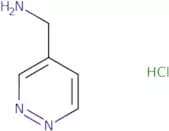
CAS:Pyridazin-4-ylmethanamine hydrochloride is a fine chemical that is used as a building block for more complex molecules. It is an intermediate in the synthesis of many organic compounds and has been used as a reagent to generate new compounds. This compound can be used as a versatile building block, as it can react with other chemicals to form new compounds. Pyridazin-4-ylmethanamine hydrochloride is also an effective scaffold for generating new drugs and pharmaceuticals.Formula:C5H8ClN3Purezza:Min. 95%Colore e forma:Yellow PowderPeso molecolare:145.59 g/mol2-Anilino-6-dibutylamino-3-methylfluoran
CAS:<p>2-Anilino-6-dibutylamino-3-methylfluoran is a switchable fluorescent dye that has been used to detect and measure biochemically active substances in living cells. The dye is introduced into the cell, where it binds to specific proteins or nucleic acids, causing a change in fluorescence. This change can then be detected using a microscope with an ultraviolet light source. 2-Anilino-6-dibutylamino-3-methylfluoran has also been used to detect bacteria in wastewater samples. An experiment was conducted to determine the effects of temperature on the reaction time of 2AADMF and metal ion concentration. Increasing the temperature resulted in an increase in reaction time, while increasing the concentration of metal ions had no effect on reaction time. 2AADMF also reacts differently depending on whether it is inside microcapsules or not. Microcapsules with 2AADMF reacted faster than those without it when</p>Formula:C35H36N2O3Purezza:Min. 95%Colore e forma:White PowderPeso molecolare:532.67 g/mol2-Chloro-4,5-diaminopyrimidine
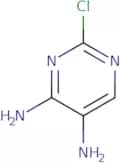
CAS:<p>2-Chloro-4,5-diaminopyrimidine is a pyrimidine compound with the molecular formula CHClN. It can be synthesized by reacting glycine and phenol with piperidine in the presence of hydrochloric acid. 2-Chloro-4,5-diaminopyrimidine has a solubility of 1.2 g/100 mL in water and reacts with quinine to form a red solution. This product also reacts with proline to produce an orange solution that fluoresces green when exposed to UV light. 2-Chloro-4,5-diaminopyrimidine has been used as an intermediate in the synthesis of other compounds such as pyridoxal phosphate and cefixime.</p>Formula:C4H5ClN4Purezza:Min. 95%Colore e forma:PowderPeso molecolare:144.56 g/mol1-(7,8-Diamino-1,2,4,5-tetrahydro-1,5-methano-3H-3-benzazepin-3-yl)-2,2,2-trifluoroethanone
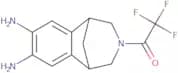
CAS:<p>Varenicline Diamine Impurity - Bio-X ™ is a diamine impurity of varenicline, a medication used for smoking cessation. Varenicline acts as a partial agonist at α4β2 nicotinic acetylcholine receptors, which are involved in the addictive effects of nicotine. Researchers utilize this compound to study its effects on nicotine addiction and develop potential treatments for smoking cessation. This impurity is used as a reference standard or analytical tool in the quality control and manufacturing process of varenicline and serves as an important marker for ensuring the purity and consistency of varenicline during its production, helping to maintain the medication's safety and efficacy for patients seeking to quit smoking.</p>Formula:C13H14F3N3OPurezza:Min. 96 Area-%Colore e forma:PowderPeso molecolare:285.27 g/mol3-(Dibutylamino)propan-1-ol
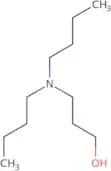
CAS:<p>3-(Dibutylamino)propan-1-ol is an intermediate that is used in the synthesis of procainamide and procaine. It can be prepared by reaction of dibutylamine with propanol. 3-(Dibutylamino)propan-1-ol has a high stability in organic solvents, such as chloroform, as well as in bioreactors and automated synthesizers. This product is also an efficient catalyst for reactions involving esters. 3-(Dibutylamino)propan-1-ol has been shown to be effective at inhibiting the growth of Mycobacterium smegmatis and Mycobacterium tuberculosis.</p>Formula:C11H25NOPurezza:Min. 95%Colore e forma:Clear LiquidPeso molecolare:187.32 g/mol1-Amino-2-methyl-propan-2-ol
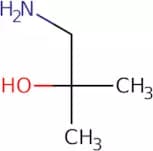
CAS:<p>1-Amino-2-methyl-propan-2-ol is a cytotoxic molecule that has been shown to inhibit the growth of cancer cells. It is synthesized by converting 1,4-benzenediamine and cyclopentanol into the corresponding amines. The amines are then condensed with an alkanolamine in a kinetic reaction to form 1-amino-2-methylpropan-2-ol. This product's anticancer activity may be due to its ability to induce nucleophilic attack on DNA, leading to DNA strand breakage. 1AMPP has also been shown to have antiviral properties against HIV infection.</p>Formula:C4H11NOPurezza:Min. 95%Colore e forma:Colorless Clear LiquidPeso molecolare:89.14 g/molN,N'-Diphenylethylenediamine
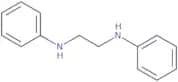
CAS:N,N'-Diphenylethylenediamine (DPEN) is a quaternary ammonium compound that possesses anti-inflammatory activity. DPEN inhibits the production of prostaglandin E2, which has been shown to be involved in prostate cancer cell growth and proliferation. This drug binds to receptors on the cell surface and blocks the binding of dopamine, leading to an increase in intracellular levels of cAMP, which is a second messenger for hormones. The drug also has genotoxic effects, such as DNA strand breaks and chromosomal aberrations. DPEN can bind to nitrogen atoms and form hydrogen bonds with other molecules such as hydrochloric acid. The drug also emits nitric oxide (NO), sulfur dioxide (SO2), nitrous oxide (N2O), and ammonia (NH3). The emission rates are dependent on pH levels.Formula:C14H16N2Purezza:Min. 97.5 Area-%Colore e forma:PowderPeso molecolare:212.29 g/mol5-Pyridin-3-yl-2H-pyrazol-3-ylamine
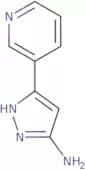
CAS:5-Pyridin-3-yl-2H-pyrazol-3-ylamine is a fine chemical with applications in the research and development of pharmaceuticals, agrochemicals, and other speciality chemicals. 5-Pyridin-3-yl-2H-pyrazol-3-ylamine is also a versatile building block for the synthesis of complex molecules. This compound can be used as a reagent or intermediate in organic reactions. It is also an excellent scaffold for the synthesis of complex molecules.Formula:C8H8N4Purezza:Min. 95%Colore e forma:Off-white to pale yellow or beige solid.Peso molecolare:160.18 g/mol[2-(3-Methyl-1,2,4-oxadiazol-5-yl)ethyl]amine hydrochloride
CAS:<p>2-(3-Methyl-1,2,4-oxadiazol-5-yl)ethyl]amine hydrochloride is a high quality chemical reagent that can be used as a complex intermediate in organic synthesis. It is also a useful scaffold for the synthesis of other complex compounds. 2-(3-Methyl-1,2,4-oxadiazol-5-yl)ethyl]amine hydrochloride is an excellent building block for the synthesis of various fine chemicals and research chemicals. This compound has many uses as a versatile building block in chemical reactions due to its reactivity.</p>Formula:C5H9N3O·HClPurezza:Min. 95%Colore e forma:White PowderPeso molecolare:163.61 g/molEthyl 3-aminobenzofuran-2-carboxylate
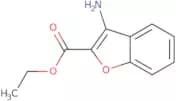
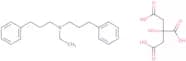
CAS:Ethyl 3-aminobenzofuran-2-carboxylate is a decarboxylated pyridine derivative that has been shown to react with an aldoxime to form an unsymmetrical aldehyde. This reaction is catalyzed by acid and alkaline hydrolysis. It is also able to form benzothiophenes and benzofurans through the same reaction. Ethyl 3-aminobenzofuran-2-carboxylate can be used in the synthesis of many other organic compounds, including phenacyl, carboxylic acids, pyridines, and aryl halides.Formula:C11H11NO3Purezza:Min. 95%Peso molecolare:205.21 g/molN-Ethyl-3,3'-diphenyldipropylamine citrate
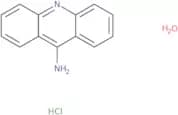
CAS:N-Ethyl-3,3'-diphenyldipropylamine citrate is a nonsteroidal anti-inflammatory drug (NSAID) that inhibits the activity of cyclooxygenase and lipoxygenase. It reduces pain, fever, and inflammation. The drug has been shown to be effective in the treatment of inflammatory bowel disease and colitis. N-Ethyl-3,3'-diphenyldipropylamine citrate is used for the relief of chronic and acute pain associated with osteoarthritis, rheumatoid arthritis, ankylosing spondylitis, or other forms of joint inflammation; as well as for temporary relief from the symptoms of minor aches or pains due to headache, toothache, muscular aches, backache, or menstrual cramps. N-Ethyl-3,3'-diphenyldipropylamine citrate also has been found to be effective in reducing symptoms associated with leukemiaFormula:C26H35NO7Purezza:Min. 95%Colore e forma:White Off-White PowderPeso molecolare:473.56 g/mol9-Acridinamine hydrochloride hydrate
CAS:9-Acridinamine hydrochloride hydrate is a redox agent that has been shown to have genotoxic effects in vitro. It can be used for the treatment of infectious diseases such as tuberculosis and leprosy, but it is not active against gram-positive bacteria. 9-Acridinamine hydrochloride hydrate has been shown to inhibit the growth of bacteria by binding to DNA and preventing transcription, replication, and repair. This compound also inhibits bacterial protein synthesis by forming covalent bonds with amino groups on proteins. 9-Acridinamine hydrochloride hydrate has been shown to be safe when administered orally in animal studies, but it may cause hepatotoxicity.Formula:C13H10N2·HCl·H2OPurezza:Min. 95%Colore e forma:Yellow PowderPeso molecolare:248.71 g/molFmoc-(1R,2R)-2-aminocyclohexane carboxylic acid
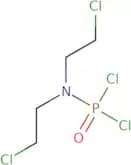
CAS:Fmoc-(1R,2R)-2-aminocyclohexane carboxylic acid is a versatile building block used as a reaction component in the synthesis of chemical compounds. It is classified as a speciality chemical and has been shown to be useful in the synthesis of complex compounds. The CAS number for this compound is 389057-34-5.Formula:C22H23NO4Purezza:Min. 99 Area-%Colore e forma:PowderPeso molecolare:365.42 g/molBis(2-chloroethyl)aminophosphoric dichloride
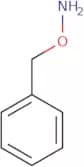
CAS:<p>Bis(2-chloroethyl)aminophosphoric dichloride is a fatty acid ester that is used as an antibiotic. It binds to the fatty acid of the bacterial cell membrane, thereby inhibiting the production of vital cell components. Bis(2-chloroethyl)aminophosphoric dichloride has been shown to be active against chondrosarcoma cells in rats and tumor tissue in mice. This drug also inhibits bacterial growth by binding to the fatty acids on the surface of Gram-positive bacteria, such as subtilis and staphylococci. Bis(2-chloroethyl)aminophosphoric dichloride has been shown to have antibacterial activity against Gram-negative bacteria, including Escherichia coli and Salmonella enterica serotype Typhimurium. The binding constants for this drug are high for both Gram-positive and Gram-negative bacteria; however, it does not bind to sugar alcohols or l12</p>Formula:C4H8Cl4NOPPurezza:Min. 95%Colore e forma:White PowderPeso molecolare:258.9 g/molO-Benzylhydroxylamine
CAS:<p>O-Benzylhydroxylamine is an antimicrobial agent that has been shown to be active against a range of microorganisms, including bacteria, fungi, and protozoa. It also has been shown to have an effect on locomotor activity in mice. O-Benzylhydroxylamine is synthesized by the asymmetric addition of hydrogen bromide to hydroxylamine with the use of a chiral catalyst. The synthesis yields two diastereomers, one enantiomeric form being active and the other inactive. O-Benzylhydroxylamine has been found to decrease levels of dopamine β-hydroxylase in rats and was used for the treatment of diabetic neuropathy and inflammatory bowel disease in human clinical trials.</p>Formula:C7H9NOPurezza:Min. 95%Colore e forma:Clear LiquidPeso molecolare:123.15 g/mol(S)-3-Methylamino-1-(2-thienyl)-1-propanol
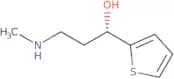
CAS:(S)-3-Methylamino-1-(2-thienyl)-1-propanol is a chiral molecule with two stereogenic centers. It is synthesized by the demethylation of acetylthiophene and the crystallization of the reaction mixture. The class of compounds to which (S)-3-Methylamino-1-(2-thienyl)-1-propanol belongs includes those that have hydroxy groups or diastereomeric salts. The hydroxy group on (S)-3-Methylamino-1-(2-thienyl)-1-propanol can be removed by demethylation, which leads to a mixture of products, including hydroxy and demethylated compounds.Formula:C8H13NOSPurezza:Min. 95%Colore e forma:White PowderPeso molecolare:171.26 g/molN-Methyloctadecylamine
CAS:<p>N-Methyloctadecylamine is a cationic surfactant that is used in the production of specialty chemicals, such as emulsifiers and wetting agents. It has been reported to have reactive properties, which may be due to its ability to react with fatty acids or amines. N-Methyloctadecylamine is also known as a lubricity agent, which improves the lubricity of materials. This chemical is an organic solution that contains hydroxyl groups, which are responsible for its high water solubility.</p>Formula:C19H41NPurezza:Min. 95%Colore e forma:White/Off-White SolidPeso molecolare:283.54 g/mol3-[[3-[(Dimethylamino)carbonyl]-2-hydroxyphenyl]amino]-4-[[(R)-1-(4-isopropylfuran-2-yl)propyl]amino]cyclobut-3-ene-1,2-dione
CAS:Please enquire for more information about 3-[[3-[(Dimethylamino)carbonyl]-2-hydroxyphenyl]amino]-4-[[(R)-1-(4-isopropylfuran-2-yl)propyl]amino]cyclobut-3-ene-1,2-dione including the price, delivery time and more detailed product information at the technical inquiry form on this pageFormula:C23H27N3O5Purezza:Min. 95%Peso molecolare:425.48 g/mol6-Aminoquinoxaline
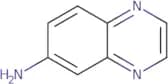
CAS:<p>6-Aminoquinoxaline is a quinoxaline derivative that has been shown to be effective against the bacterium, Salmonella typhimurium. 6-Aminoquinoxaline has significant cytotoxicity and significant activity against the ryanodine receptor (RYR). This compound is also a dopamine analog which may have neuroprotective effects. It was also shown to have no adverse effects on skeletal development in rats. 6-Aminoquinoxaline is an analog of quinoxaline and it can undergo a thermal expansion reaction with other organic molecules. The biological properties of this compound are still being researched, but it has been shown to be toxic to cells in culture due to its ability to inhibit protein synthesis and DNA replication.</p>Formula:C8H7N3Purezza:Min. 95%Colore e forma:Yellow PowderPeso molecolare:145.16 g/mol2-Amino-2',4-dichlorodiphenyl Ether
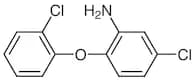
CAS:Formula:C12H9Cl2NOPurezza:>98.0%(GC)(T)Colore e forma:Colorless to Brown clear liquidPeso molecolare:254.114,5,6-Pyrimidinetriamine sulfate hydrate
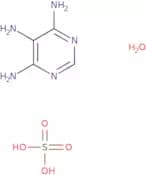
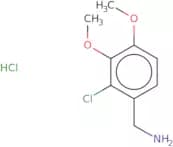
CAS:4,5,6-Pyrimidinetriamine sulfate hydrate is a pyrimidine derivative that can be used as a building block for the synthesis of a wide range of compounds. It is used as a starting material in organic chemistry and pharmaceuticals. 4,5,6-Pyrimidinetriamine sulfate hydrate is also used in research and development as an intermediate or reagent.Formula:C4H7N5·H2SO4·xH2OPurezza:Min. 95%Peso molecolare:223.21 g/mol2-Chloro-3,4-dimethoxybenzylamine HCl
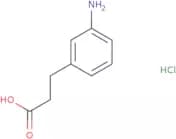
CAS:<p>2-Chloro-3,4-dimethoxybenzylamine HCl is a fine chemical that can be used as a building block to synthesize new compounds. It is also a useful intermediate in the production of pharmaceuticals and other organic chemicals. 2-Chloro-3,4-dimethoxybenzylamine HCl has been used as a reaction component for the synthesis of various complex compounds. This compound has been shown to have high purity and quality.</p>Formula:C9H12ClNO2·HClPurezza:Min. 95%Peso molecolare:238.11 g/molβ-(3-Aminophenyl)propionic acid hydrochloride
CAS:Beta- (3-aminophenyl)propionic acid hydrochloride is a drug that belongs to the class of pharmaceuticals and is used as a gastric antacid. It has been shown to be effective in treating acute and chronic gastritis, as well as ulcers in humans. Beta-(3-aminophenyl)propionic acid hydrochloride has been shown to have strong effects on tissues, membranes, and chlorides. The drug binds to hydrogen chloride and chlorine ions in the stomach, thereby preventing the formation of hydrochloric acid (HCL). This prevents the damage caused by HCL on tissues and membranes of the stomach. Beta-(3-aminophenyl)propionic acid hydrochloride also has health effects with high concentrations, such as chloroform or chlorine gas.Formula:C9H12ClNO2Purezza:Min. 95%Peso molecolare:201.65 g/mol3-[Methyl(methylsulfonyl)amino]benzoic acid
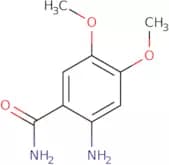
CAS:3-[Methyl(methylsulfonyl)amino]benzoic acid is a chemical compound that is used as a building block for many other compounds. It is also a useful intermediate in the synthesis of various chemicals, such as pharmaceuticals and pesticides. This compound has been shown to be useful as a reaction component in the synthesis of complex compounds and can be used as a reagent in research. 3-[Methyl(methylsulfonyl)amino]benzoic acid has CAS number 89469-46-5 and is available at high quality from our company.Formula:C9H11NO4SPurezza:Min. 95%Colore e forma:White PowderPeso molecolare:229.25 g/mol2-Amino-4,5-dimethoxybenzamide
CAS:<p>2-Amino-4,5-dimethoxybenzamide is an anticancer agent that inhibits the epidermal growth factor receptor tyrosine kinase. It binds to the linker region of the epidermal growth factor receptor and prevents autophosphorylation. 2-Amino-4,5-dimethoxybenzamide has shown in vitro cytotoxic activity against testicular cancer cells and acute lymphoblastic leukemia cells. 2-Amino-4,5-dimethoxybenzamide is a synthetic compound that has been shown to have bioisosteric properties with other growth factors such as epidermal growth factor.</p>Formula:C9H12N2O3Purezza:Min. 95%Colore e forma:PowderPeso molecolare:196.2 g/mol[2-(6-Methylpyridin-2-yl)ethyl]amine
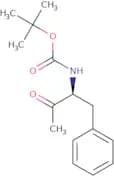
CAS:2-(6-Methylpyridin-2-yl)ethyl]amine is a reagent that is used as a building block for the synthesis of heterocycles. It is used in the preparation of various complex compounds, such as 2-(6-methylpyridin-2-yl)ethylamine hydrochloride, 2-(6-methylpyridin-2-yl)ethylamine hydrobromide, and 2-[(6-methylpyridin-2-yl)ethyl]amine hydrochloride. This chemical can be used as an intermediate in the synthesis of fine chemicals or speciality chemicals. It has CAS No. 19363-94-1 and is an important research chemical with versatile uses in organic synthesis reactions.Formula:C8H12N2Purezza:Min. 95%Colore e forma:Colourless LiquidPeso molecolare:136.19 g/molBoc-(3S)-3-amino-4-phenyl-2-butanone
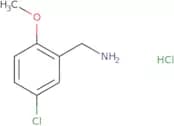
CAS:<p>Boc-(3S)-3-amino-4-phenyl-2-butanone is a chemical intermediate that is useful as a building block in organic synthesis. It has been used as a reaction component, reagent and high quality research chemical. Boc-(3S)-3-amino-4-phenyl-2-butanone is also a versatile building block and useful intermediate for the preparation of complex compounds. This chemical has shown to have speciality applications in fine chemicals such as pharmaceuticals and agrochemicals.</p>Formula:C15H21NO3Purezza:Min. 95%Colore e forma:White to off-white solid.Peso molecolare:263.33 g/mol5-Chloro-2-methoxybenzylamine hydrochloride
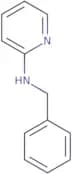
CAS:<p>5-Chloro-2-methoxybenzylamine hydrochloride is a chemical substance that is used as an intermediate in the synthesis of pharmaceuticals and other chemicals. It can be used as a building block to create complex compounds, or it can be used in reactions to produce speciality chemicals. 5-Chloro-2-methoxybenzylamine hydrochloride is a high quality reagent that can be used as a reaction component in research and development.<br>A fine chemical, 5-Chloro-2-methoxybenzylamine hydrochloride has many uses as a versatile building block for organic synthesis. It is also useful for generating research chemicals and complex compounds for use in medicines and other products.</p>Formula:C8H10ClNO·(HCl)Purezza:Min. 95%Colore e forma:PowderPeso molecolare:208.08 g/mol2-Benzylaminopyridine
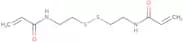
CAS:2-Benzylaminopyridine is a hydrogen bond donor that interacts with anions. This compound has been shown to be bactericidal and able to inhibit the activity of tyrosine kinase. It was also found to have functional theory properties. 2-Benzylaminopyridine is a ligand for coordination chemistry, which is used in supramolecular chemistry. The constant of this compound is high, making it useful as a starting material in the synthesis of other compounds. The imidazole derivatives of 2-benzylaminopyridine are chloride, which can be used as a ligand for interaction chemistry and dichroism spectroscopy.Formula:C12H12N2Purezza:Min. 98 Area-%Colore e forma:Yellow PowderPeso molecolare:184.24 g/molN,N'-Bis(acryloyl)cystamine
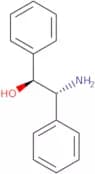
CAS:<p>N,N'-Bis(acryloyl)cystamine is a cross-linking agent that has been shown to be effective in the prevention and treatment of cancer. It is a component of nanogels that have been shown to bind to viruses in a way that prevents them from infecting cells. N,N'-Bis(acryloyl)cystamine can also be used as an adjuvant for vaccines against infectious diseases such as malaria and HIV, by binding to antigens on these viruses so they are more easily recognized by the immune system. This drug can also be used for the treatment of inflammation due to its anti-inflammatory properties.</p>Formula:C10H16N2O2S2Purezza:Min. 95%Colore e forma:White PowderPeso molecolare:260.38 g/mol(1S,2R)-(+)-2-Amino-1,2-diphenylethanol
CAS:Prodotto controllato(1S,2R)-(+)-2-Amino-1,2-diphenylethanol is an enantiopure amine that has been used as a ligand in supramolecular chemistry. It can be prepared by reacting 2-chloropropane with thionyl chloride and primary alcohols. The chloride group facilitates the reaction rate and can be replaced by nitro groups to immobilize the product on a solid substrate. (1S,2R)-(+)-2-Amino-1,2-diphenylethanol has optical properties that are dependent on its environment. It can be used to label cells for studies of cell differentiation or cell migration. This compound also reacts with cyclohexane rings to form cyclic products with different optical properties than those of the reactants. The reaction yield is high in this process.Formula:C14H15NOPurezza:Min. 95%Colore e forma:White To Beige SolidPeso molecolare:213.28 g/molMethyl 3-amino-5-methyl thiophene-2-carboxylate
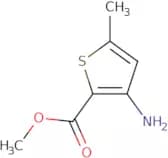
CAS:Methyl 3-amino-5-methyl thiophene-2-carboxylate is a fine chemical that belongs to the group of useful scaffolds, versatile building blocks, useful intermediates for research chemicals and speciality chemicals. It can be used as reaction components in the synthesis of complex compounds. Methyl 3-amino-5-methyl thiophene-2-carboxylate is a high quality reagent with a wide range of applications in organic chemistry.Formula:C7H9NO2SPurezza:Min. 95%Colore e forma:PowderPeso molecolare:171.22 g/molN,N-Diethyl-5-methyl-[1,2,4]triazolo[5,1-b]pyrimidin-7-amine
CAS:N,N-Diethyl-5-methyl-[1,2,4]triazolo[5,1-b]pyrimidin-7-amine (MTX) is a drug that is used in the treatment of disease activity. It has been shown to have an effect on the production of redox potentials and energy metabolism. MTX also has an effect on cardiac muscle by inhibiting the enzyme activities associated with cardiac muscle contraction and relaxation. This drug has been shown to be effective in the treatment of bowel disease, injury, and basic protein as well as caproic acid production.Formula:C10H15N5Purezza:Min. 95%Colore e forma:PowderPeso molecolare:205.26 g/mol4-Propylbenzylamine
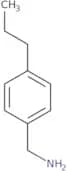
CAS:<p>4-Propylbenzylamine is a chemical compound that is an intermediate for the synthesis of other chemicals. It is a versatile building block that can be used in research to create useful scaffolds or as a reaction component to form complex compounds. 4-Propylbenzylamine has been shown to have high purity, and it is soluble in most solvents. The CAS number for this chemical is 538342-98-2.</p>Formula:C10H15NPurezza:Min. 95%Colore e forma:PowderPeso molecolare:149.23 g/mol2-Amino-4,6-dibromophenol
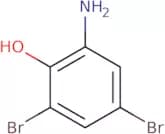
CAS:2-Amino-4,6-dibromophenol is an organic compound that is used in research for the synthesis of benzoxazoles and related compounds. It is a lactam analog that can be synthesized from commercially available starting materials. 2-Amino-4,6-dibromophenol has been shown to have pharmacological activity against tumor cells. This compound has also been used to synthesize regiospecific skeletal analogs of natural products.Formula:C6H5Br2NOPurezza:Min. 95 Area-%Colore e forma:Off-White PowderPeso molecolare:266.92 g/mol(S)-3-Amino-3-phenylpropan-1-ol
CAS:<p>The enantiopure (S)-3-Amino-3-phenylpropan-1-ol is a chiral and optically pure amino alcohol compound. It is an antibiotic that inhibits the bacterial enzyme acylase, which catalyzes the hydrolysis of ester bonds in fatty acids. This drug is also an inhibitor of drug substance, as well as an active form of dapoxetine hydrochloride. The (S)-3-Amino-3-phenylpropan-1-ol has been shown to be effective against both Gram positive and Gram negative bacteria, including methicillin resistant Staphylococcus aureus (MRSA) and Mycobacterium tuberculosis.</p>Formula:C9H13NOPurezza:Min. 95%Colore e forma:Off-White PowderPeso molecolare:151.21 g/mol5-Amino-2,4,6,-triiodoisophthaloyl dichloride
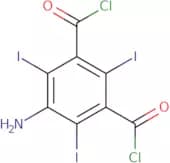
CAS:5-Amino-2,4,6,-triiodoisophthaloyl dichloride is a triiodinated compound that has been shown to bind to the receptor for asialoglycoprotein. It is used in the diagnosis of liver and kidney diseases. 5-Amino-2,4,6,-triiodoisophthaloyl dichloride is taken up by tissues and organs and causes damage to these tissues. The chloride ion binds to the molecule, making it more water soluble. The lactobionic acid residue is then cleaved off by an enzyme in the cell called beta-galactosidase. This leaves a molecule containing iodine which can be detected with a diagnostic technique such as X-ray crystallography or nuclear magnetic resonance spectroscopy.Formula:C8H2Cl2I3NO2Purezza:Min. 95%Colore e forma:Slightly Yellow PowderPeso molecolare:595.73 g/molN-Methyl-2-(4-methoxyphenyl)ethylamine
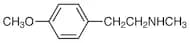
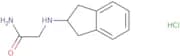
CAS:Formula:C10H15NOPurezza:>95.0%(GC)(T)Colore e forma:Light orange to Yellow to Green clear liquidPeso molecolare:165.242-(Indenylamino)acetamide, hydrochloride salt
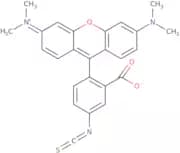
CAS:2-(Indenylamino)acetamide, hydrochloride salt is a potential drug that is an uptake inhibitor. It prevents the uptake of dopamine in the brain and has been shown to be neuroprotective in animal research. It also has potential to treat diabetic neuropathy, inflammatory diseases, and pain. The kinetic properties of this drug were studied using rat striatal cells. 2-(Indenylamino)acetamide, hydrochloride salt inhibits the transport of dopamine into these cells by blocking the movement of dopamine from outside the cell to inside the cell. This drug could potentially be used for treatment of Parkinson's disease or other conditions involving dopaminergic dysfunction.Formula:C11H15ClN2OPurezza:Min. 95%Colore e forma:PowderPeso molecolare:226.7 g/molTetramethylrhodamine-5-isothiocyanate
CAS:<p>Tetramethylrhodamine-5-isothiocyanate (TRITC) is a fluorescent dye that can be used for the detection of cancer cells. This molecule interacts with mitochondrial membrane potential and superparamagnetic iron oxide nanoparticles, which are used to detect cancer cells. TRITC is linked to a carrier protein, such as wheat germ agglutinin or streptavidin, and then incubated with the target tissue. The dye is taken up by cells with high mitochondrial membrane potential, which are typically cancerous. The dye can also be detected using an analytical method called flow cytometry, which detects changes in the fluorescence intensity of the dyed cells.<br>TRITC has been shown to have anti-cancer properties in basic fibroblast growth factor-deficient mice and in human colon carcinoma cells in vitro.</p>Formula:C25H21N3O3SPurezza:Min. 95%Colore e forma:PowderPeso molecolare:443.52 g/mol6-Amino-8-methyl-2H-1,4-benzoxazin-3(4H)-one
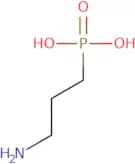
CAS:<p>6-Amino-8-methyl-2H-1,4-benzoxazin-3(4H)-one is a fine chemical that is a useful building block for research chemicals and speciality chemicals. It can be used as a reagent in organic synthesis, as well as in the production of high quality and versatile building blocks. 6-Amino-8-methyl-2H-1,4-benzoxazin-3(4H)-one can be reacted to form useful scaffolds or intermediates that are valuable in the process of making complex compounds.</p>Formula:C9H10N2O2Purezza:Min. 95%Colore e forma:PowderPeso molecolare:178.19 g/mol(3-Aminopropyl)phosphonic acid
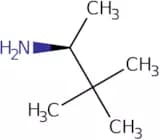
CAS:<p>(3-Aminopropyl)phosphonic acid is an organic compound that is structurally similar to the neurotransmitter gamma-aminobutyric acid (GABA). It is a potent uptake inhibitor of GABA and has been shown to inhibit cancer growth in vitro. The mechanism of action for (3-aminopropyl)phosphonic acid is not fully known, but it has been suggested that it inhibits tumor cell proliferation by binding to ganglion cells and inhibiting their growth. This inhibition may be due to its ability to act as a potent antagonist at the GABA receptor site.</p>Formula:C3H10NO3PPurezza:Min. 95%Colore e forma:White PowderPeso molecolare:139.09 g/mol(S)-(+)-3,3-Dimethyl-2-butylamine
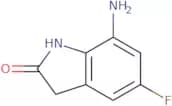
CAS:<p>Chiral bulding block used in the synthesis of allosteric modulators</p>Formula:C6H15NPurezza:Min. 95%Colore e forma:Colorless Clear LiquidPeso molecolare:101.19 g/mol7-Amino-5-fluoro-1,3-dihydroindol-2-one
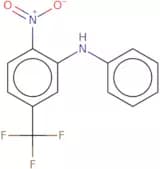
CAS:<p>7-Amino-5-fluoro-1,3-dihydroindol-2-one is a compound that can be used as a research chemical. It has been shown to react with various other compounds in the laboratory and may have potential uses as a versatile building block or useful intermediate. 7-Amino-5-fluoro-1,3-dihydroindol-2-one is also known for its high quality and speciality chemical status.</p>Formula:C8H7FN2OPurezza:Min. 95%Colore e forma:PowderPeso molecolare:166.15 g/molN-Phenyl-2-nitro-4-trifluoromethyl-phenylamine
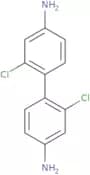
CAS:N-Phenyl-2-nitro-4-trifluoromethylphenylamine is a versatile building block. It is a fine chemical that is used in research and as a reagent, speciality chemical, or useful scaffold for the synthesis of complex compounds. This compound has CAS No. 5108-04-3 and can be used as an intermediate in reactions. It is also useful in the synthesis of various types of building blocks. N-Phenyl-2-nitro-4-trifluoromethylphenylamine has been shown to be a high quality product that can be used in various ways.Formula:C13H9F3N2O2Purezza:Min. 95%Peso molecolare:282.22 g/mol2,2'-Dichloro-1,1'-biphenyl-4,4'-diamine
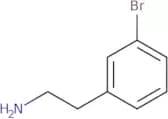
CAS:2,2'-Dichloro-1,1'-biphenyl-4,4'-diamine is a chemical that belongs to the class of organic compounds known as amines. It is insoluble in water and has a molecular weight of 190.8 g/mol. 2,2'-Dichloro-1,1'-biphenyl-4,4'-diamine has been shown to be carcinogenic in animals and can cause coagulation problems in humans. The compound also shows anti-inflammatory properties by inhibiting the production of prostaglandins.Formula:C12H10Cl2N2Purezza:Min. 95%Colore e forma:White/Off-White SolidPeso molecolare:253.13 g/mol2-(3-Bromophenyl)ethanamine
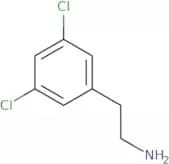
CAS:Prodotto controllato<p>2-(3-Bromophenyl)ethanamine is an affinity ligand for the 5-hydroxytryptamine receptor 7 (5-HT7). It has a high affinity for the 5-HT7 receptor and can also be used to study other serotonin receptors. This compound has been shown to bind to the 5-HT7 with a Kd of 0.3 nM and no significant binding at other serotonin receptors. It was found that 2-(3-bromophenyl)ethanamine does not inhibit the uptake of serotonin from synaptosomal preparations, but does inhibit the uptake of serotonin from cerebrospinal fluid. These results were confirmed in vitro using radioligand binding assays and autoradiography, demonstrating that 2-(3-bromophenyl)ethanamine binds selectively to the 5-HT7 receptor.</p>Formula:C8H10BrNPurezza:Min. 95%Colore e forma:Colorless PowderPeso molecolare:200.08 g/mol2-(3,5-Dichlorophenyl)ethanamine
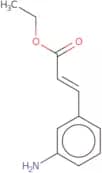
CAS:Prodotto controllato2-(3,5-Dichlorophenyl)ethanamine is a versatile building block that can be used in research and development of many compounds. This compound is a fine chemical that has been used as a reagent in organic synthesis. 2-(3,5-Dichlorophenyl)ethanamine is a useful intermediate and reaction component in the synthesis of other organics. It can also be used as a scaffold to synthesize more complicated molecules.Formula:C8H9Cl2NPurezza:Min. 95%Colore e forma:Clear LiquidPeso molecolare:190.07 g/molEthyl 3-aminocinnamate
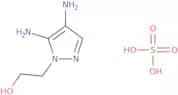
CAS:Ethyl 3-aminocinnamate is a versatile building block for the synthesis of complex compounds. It is also a useful intermediate for the synthesis of reaction components, such as antihistamines and antigens. Ethyl 3-aminocinnamate can be used to synthesize speciality chemicals, such as research chemicals and reagents. This compound has high purity and is a useful scaffold for the preparation of related compounds.Formula:C11H13NO2Purezza:Min. 95%Peso molecolare:191.23 g/mol4,5-Diamino-1-(2-hydroxyethyl)pyrazolesulphate
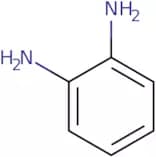
CAS:4,5-Diamino-1-(2-hydroxyethyl)pyrazolesulphate is a compound that is used as an intermediate in the production of ethoxymethylenemalonate. It is synthesized by hydrolysis of 4,5-diamino-1-(2-hydroxyethyl)pyrazole (DAP). In order to determine the purity and identity of this compound, it must be passed through a filter. The filtration process can be accomplished using analytical methods such as supercritical fluid chromatography or electrospray mass spectrometry. This compound has been shown to have a very high efficiency when recycled and can be used for the expansion of ethoxymethylenemalonate.Formula:C5H12N4O5SPurezza:Min. 95%Colore e forma:Red PowderPeso molecolare:240.24 g/mol1,2-Phenylenediamine
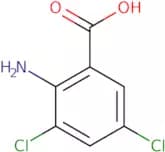
CAS:<p>1,2-Phenylenediamine is an aromatic amine that can be used as a precursor for the synthesis of various heterocyclic compounds. It has been shown to have an acidic character, which is due to its coordination geometry with three of its nitrogen atoms in the form of pyramidal nitrogen atoms. 1,2-Phenylenediamine is also a ligand for toll-like receptor (TLR) 4 and TLR9. It has been shown to activate these receptors by binding and activating downstream signaling pathways such as NF-κB and MAPK. This compound also has the ability to induce apoptosis in HL60 cells through inhibition of protein synthesis and activation of caspases.</p>Formula:C6H8N2Purezza:Min. 98 Area-%Colore e forma:White PowderPeso molecolare:108.14 g/mol2-Amino-3,5-dichlorobenzoic acid
CAS:2-Amino-3,5-dichlorobenzoic acid is a petrochemical that has been used in the production of other chemicals, such as phosphorus pentachloride. It also serves as a precursor for molybdenum and ATP binding cassette transporter. 2-Amino-3,5-dichlorobenzoic acid binds to the hydrochloric acid and sodium hydroxide solution present in the stomach to produce hydrochloric acid and sodium chloride. 2-Amino-3,5-dichlorobenzoic acid is also a precursor for quinazolone, which is used in the production of dyes and pharmaceuticals. It has also been shown to inhibit plant physiology by inhibiting chlorophyll synthesis.Formula:C7H5Cl2NO2Purezza:Min. 95%Colore e forma:PowderPeso molecolare:206.03 g/mol7-Amino-3-chloro cephalosporanic acid
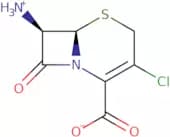
CAS:<p>7-Amino-3-chloro cephalosporanic acid is a molecule that can be used to synthesize the drug cefaclor. It is a synthetic compound that has been shown to have anticancer activity and antibacterial activity. This molecule is an ester hydrochloride and has a bulk density of 1.2 g/cm³. 7-Amino-3-chloro cephalosporanic acid is activated by hydrochloric acid in the presence of an organic solvent, such as ethyl acetate, at room temperature. The molecule is also bioactive and its expression can be induced by adding an activator, such as sodium butyrate or benzyl alcohol, to the medium.br>br><br>7-Amino-3-chloro cephalosporanic acid exhibits antibacterial activity against Gram positive bacteria, such as Bacillus subtilis and Staphylococcus epidermid</p>Formula:C7H7ClN2O3SPurezza:Min. 95%Colore e forma:PowderPeso molecolare:234.66 g/molCAPSO sodium salt
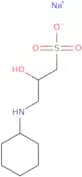
CAS:<p>CAPSO-Na salt, also known as3-Cyclohexylamino-2-hydroxypropanesulfonic acid sodium salt, is a zwitterionic buffer chemical that has an optimal pH range of 8.9-10.3 and a pKa of 9.6. This buffering agent shows low metal ion binding and high solubility and is commonly used in protein transfer applications and during cell lysis for membrane protein extraction.</p>Formula:C9H18NNaO4SPurezza:Min. 95%Colore e forma:White To Off-White SolidPeso molecolare:259.3 g/mol3-(Difluoromethoxy)benzyl amine
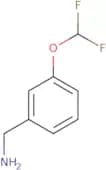
CAS:<p>3-(Difluoromethoxy)benzyl amine is a high-quality reagent that is used as an intermediate in the synthesis of complex compounds. 3-(Difluoromethoxy)benzyl amine is also a useful building block for the synthesis of speciality chemicals and research chemicals. This compound can be used as a versatile building block, which can be used to synthesize different functional groups. 3-(Difluoromethoxy)benzyl amine is soluble in many organic solvents and has a boiling point of 193 °C.</p>Formula:C8H9F2NOPurezza:Min. 95%Peso molecolare:173.16 g/mol2-Amino-4,6-dihydroxy-5-methylpyrimidine
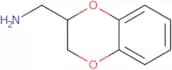
CAS:<p>2-Amino-4,6-dihydroxy-5-methylpyrimidine is a versatile building block that can be used in the synthesis of complex compounds. It has CAS No. 55477-35-5 and can be used as a reagent or speciality chemical for research purposes. 2-Amino-4,6-dihydroxy-5-methylpyrimidine is also useful for the synthesis of reaction components and scaffolds for high quality compounds.</p>Formula:C5H7N3O2Purezza:Min. 95%Colore e forma:PowderPeso molecolare:141.13 g/mol2,3-Dihydro-1,4-benzodioxin-2-ylmethylamine
CAS:2,3-Dihydro-1,4-benzodioxin-2-ylmethylamine (DHBMA) is a pharmacophore that has been shown to be an epileptic and convulsant in epidemiological studies. This drug binds to the receptor binding site of the Na+/K+ ATPase enzyme and inhibits its binding affinity for sodium ions. DHBMA has been shown to increase blood pressure in rats when it is injected into the cerebral ventricles. DHBMA also increases the affinity for dopamine D2 receptors which are linked to Parkinson's disease. This drug is used as a linker in the synthesis of prenylated synthons, which can be used to produce drugs with high affinity values and stereoisomers.Formula:C9H11NO2Purezza:Min. 95%Colore e forma:Colorless Clear LiquidPeso molecolare:165.19 g/mol


![(11bS)-N,N-Dimethyl-8,9,10,11,12,13,14,15-octahydrodinaphtho[2,1-d:1',2'-f][1,3,2]dioxaphosphepin-…](/_next/image/?url=https%3A%2Fstatic.cymitquimica.com%2Fproducts%2F3D%2Fthumb-webp%2FFD163891.webp&w=3840&q=75)
![[5-(4-Aminophenyl)-2-furyl]methanol](/_next/image/?url=https%3A%2Fstatic.cymitquimica.com%2Fproducts%2F3D%2Fthumb-webp%2FFA134137.webp&w=3840&q=75)

![[2-(1-Methyl-1H-pyrazol-5-yl)ethyl]amine](/_next/image/?url=https%3A%2Fstatic.cymitquimica.com%2Fproducts%2F3D%2Fthumb-webp%2FFM129769.webp&w=3840&q=75)


![4-[Bis(2-hydroxypropyl)amino]benzoic acid ethyl ester, 90%](/_next/image/?url=https%3A%2Fstatic.cymitquimica.com%2Fproducts%2F3D%2Fthumb-webp%2FFB18673.webp&w=3840&q=75)






![[2-(3-Methyl-1,2,4-oxadiazol-5-yl)ethyl]amine hydrochloride](/_next/image/?url=https%3A%2Fstatic.cymitquimica.com%2Fproducts%2F3D%2Fthumb-webp%2FFM120047.webp&w=3840&q=75)


![3-[[3-[(Dimethylamino)carbonyl]-2-hydroxyphenyl]amino]-4-[[(R)-1-(4-isopropylfuran-2-yl)propyl]ami…](/_next/image/?url=https%3A%2Fstatic.cymitquimica.com%2Fproducts%2F3D%2Fthumb-webp%2FFD152335.webp&w=3840&q=75)
![3-[Methyl(methylsulfonyl)amino]benzoic acid](/_next/image/?url=https%3A%2Fstatic.cymitquimica.com%2Fproducts%2F3D%2Fthumb-webp%2FFM136650.webp&w=3840&q=75)
![[2-(6-Methylpyridin-2-yl)ethyl]amine](/_next/image/?url=https%3A%2Fstatic.cymitquimica.com%2Fproducts%2F3D%2Fthumb-webp%2FFM123522.webp&w=3840&q=75)
![N,N-Diethyl-5-methyl-[1,2,4]triazolo[5,1-b]pyrimidin-7-amine](/_next/image/?url=https%3A%2Fstatic.cymitquimica.com%2Fproducts%2F3D%2Fthumb-webp%2FFD153326.webp&w=3840&q=75)