Chetoni
Trovati 18871 prodotti di "Chetoni"
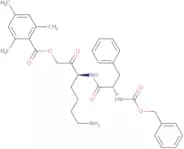
Z-Phe-Lys-2,4,6-trimethylbenzoyloxy-methylketone trifluoroacetate salt
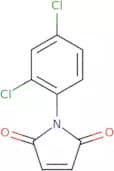
CAS:Z-Phe-Lys-2,4,6-trimethylbenzoyloxy-methylketone trifluoroacetate salt is a proteolytic enzyme that has been shown to have bone resorption and tissue destructive properties. It is active against porphyromonas and bactericidal against fibrinogen. Z-Phe-Lys-2,4,6-trimethylbenzoyloxy-methylketone trifluoroacetate salt also inhibits the formation of osteoclasts by inhibiting the uptake and protease activity of extracellular matrix proteins such as fibrinogen. This drug is currently being researched for possible use in the treatment of Alzheimer's Disease.Formula:C34H41N3O6Purezza:Min. 95%Peso molecolare:587.71 g/mol1-(2,4-Dichlorophenyl)-1H-pyrrole-2,5-dione
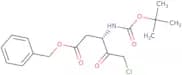
CAS:Maleimide is a chemical compound with the molecular formula CH2=C(O)NHC(=O)CH2-CO2H. It is a reactive monomer that polymerizes in the presence of an initiator to form polymers. Maleimides are also used as cross-linking agents, and have been shown to be thermostable and stable at high temperatures. This particular maleimide is a colorless solid that has been shown to copolymerize with methyl methacrylate and other monomers to form thermally stable, hydrophobic polymers.Formula:C10H5Cl2NO2Purezza:Min. 95%Peso molecolare:242.06 g/molBoc-Asp(OBzl)-chloromethylketone
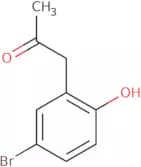
CAS:Boc-Asp(OBzl)-chloromethylketone is a synthetic molecule that is immunoreactive with gp120, the virus protein. It has been shown to inhibit the proliferation of human neuroblastoma cells and induce cell death. This compound also has an effect on cytokine production in vitro. This drug is currently being studied as a potential treatment for HIV infection. Boc-Asp(OBzl)-chloromethylketone binds to the receptor type and viral type, which are essential for the virus life cycle and induces antibody production in vivo.Formula:C17H22ClNO5Purezza:Min. 95%Peso molecolare:355.81 g/mol(5-Bromo-2-hydroxyphenyl)acetone
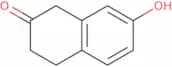
CAS:5-Bromo-2-hydroxyphenyl)acetone is a chemical that is used as a building block in the synthesis of other compounds. It can be used as a reagent to produce 5-bromo-2,4-dihydroxyphenylacetic acid, which has been shown to have antiinflammatory and analgesic effects. 5-Bromo-2-hydroxyphenyl)acetone is also useful for the synthesis of polymers with applications in electronics and as an intermediate for the production of pharmaceuticals.Formula:C9H9BrO2Purezza:Min. 95%Colore e forma:PowderPeso molecolare:229.07 g/mol7-Hydroxy-3,4-dihydro-1H-naphthalen-2-one
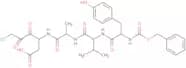
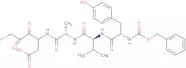
CAS:7-Hydroxy-3,4-dihydro-1H-naphthalen-2-one is an organic solvent that can be used as a pharmaceutical intermediate. It is a white crystalline solid that has been shown to bind to β-cyclodextrin, chloride, and aluminium. 7-Hydroxy-3,4-dihydro-1H-naphthalen-2-one has been shown to form stable complexes with these ions by binding to the oxygens on their surfaces. The binding constants for this compound have been determined using dichromism and fluorescence experiments. This organic solvent has also been found to have enantioselective properties.Formula:C10H10O2Purezza:Min. 95%Peso molecolare:162.19 g/molZ-Tyr-Val-Ala-Asp-chloromethylketone
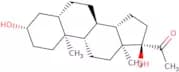
CAS:Z-Tyr-Val-Ala-Asp-chloromethylketone is a fluorescent probe that can be used for the detection of phosphatidic acid. It is also an apoptosis inducer, which means that it promotes cell death. Z-Tyr-Val-Ala-Asp-chloromethylketone induces apoptosis by binding to the kinases and causing their activation, leading to phosphatidic acid production. This process is activated by the presence of ethylene, which binds to Z-Tyr-Val-Ala-Asp chloromethylketone and stabilizes its structure.Formula:C30H37ClN4O9Purezza:Min. 95%Peso molecolare:633.09 g/mol5alpha-Pregnan-3beta,17alpha-diol-20-one
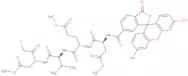
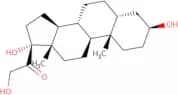
CAS:Prodotto controllato5alpha-Pregnan-3beta,17alpha-diol-20-one is a versatile building block that can be used in the synthesis of a wide range of chemical compounds. It has CAS number 570-54-7 and is useful as a reagent in organic chemistry. This compound is also an intermediate for the synthesis of other chemicals, such as steroids and hormones. 5alpha-Pregnan-3beta,17alpha-diol-20-one can be used to produce high quality products with diverse biological activities and molecular structures. The compound is also useful in the production of pharmaceuticals, pesticides, and herbicides.Formula:C21H34O3Purezza:Min. 95%Colore e forma:PowderPeso molecolare:334.49 g/molFluorescein-6-carbonyl-Asp(OMe)-Glu(OMe)-Val-DL-Asp(OMe)-fluoromethylketone
CAS:Please enquire for more information about Fluorescein-6-carbonyl-Asp(OMe)-Glu(OMe)-Val-DL-Asp(OMe)-fluoromethylketone including the price, delivery time and more detailed product information at the technical inquiry form on this pageFormula:C43H45FN4O16Purezza:Min. 95%Peso molecolare:892.83 g/molZ-Leu-Tyr-chloromethylketone
CAS:Z-Leu-Tyr-chloromethylketone is a peptide that binds to the reticulum and prevents the release of calcium ions. It is a chloromethyl ketone, which inhibits the L-type calcium channels in cells. Z-Leu-Tyr-chloromethylketone has been shown to block the influx of calcium ions into cytosolic compartments. This process leads to inhibition of protein synthesis and cell death by apoptosis.
Formula:C24H29ClN2O5Purezza:Min. 95%Peso molecolare:460.95 g/molDecanoyl-Arg-Val-Arg-Lys-chloromethylketone
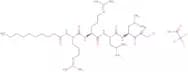
CAS:Decanoyl-Arg-Val-Arg-Lys-chloromethylketone is a potent activin antagonist that has been shown to inhibit follicle development in ovary cells. It also blocks the protease activity of leishmania, which is a parasite that causes cutaneous leishmaniasis. This drug binds to proteases and inhibits their activity by competing with substrates for the active site. Decanoyl-Arg-Val-Arg-Lys-chloromethylketone is not expressed in the submandibular gland or the submaxillary gland, which are salivary glands.Formula:C34H66ClN11O5Purezza:Min. 95%Peso molecolare:744.41 g/molMeOSuc-Ala-Ala-Pro-Val-chloromethylketone
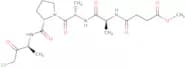
CAS:MeOSuc-Ala-Ala-Pro-Val-chloromethylketone is a serine protease inhibitor that has been shown to be effective against influenza virus and HIV. It was found to be active against a number of serine proteases, such as trypsin, chymotrypsin, and elastase. MeOSuc-Ala-Ala-Pro-Val-chloromethylketone also has chemotactic activity in thp1 cells and lung fibroblasts. It is activated by the addition of water and has been shown to inhibit the growth of soybean trypsin. However, it does not have any effect on human trypsin.Formula:C22H35ClN4O7Purezza:Min. 95%Peso molecolare:502.99 g/mol2-Hydroxy-6-methyl-4H-pyran-4-one
CAS:2-Hydroxy-6-methyl-4H-pyran-4-one is a molecule that belongs to the class of acid lactones. It has been shown to have physiological effects in wild type strains of bacteria and fungi. This compound binds to nitrogen atoms and can inhibit enzyme activities, such as the diazonium salt. 2-Hydroxy-6-methyl-4H-pyran-4-one also has antimicrobial activity against Gram positive and Gram negative bacteria, along with some fungi. The antimicrobial activity is due to the hydroxy group on the compound's structure, which is a fatty acid with a hydroxyl group that gives it an acidic property. 2HMPA can be used in combination with other antimicrobial agents like triacetic acid or sodium chloride for greater effectivity against microorganisms.Formula:C6H6O3Purezza:Min. 95%Peso molecolare:126.11 g/mol6-Chloro-2-hexanone
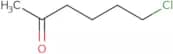
CAS:6-Chloro-2-hexanone is an organic compound that is a methylcyclopentane with a carbonyl group. It can be synthesized by reacting hexamethylenetetramine, chloral hydrate, and 2-chlorobenzimidazole in the presence of ozone. 6-Chloro-2-hexanone has been used as a reagent for normalizing the content of methyl ketones in oil samples. The reaction products are chloride and 2-chlorobenzaldehyde. 6-Chloro-2-hexanone reacts with fatty acids to produce 3,6,9,12 octadecatrienoic acid. This product also has an analytical method that uses GC and flame ionization detection (FID) to measure the amount of chlorine atoms present in a sample. 6-Chloro-2-hexanone also has biological functions such as regulating the activity of enzymes involved in lipid metabolism andFormula:C6H11ClOPurezza:Min. 97%Colore e forma:Clear LiquidPeso molecolare:134.6 g/mol2-n-Butyl-1,3-diaza-spiro[4,4]non-1-en-4-one HCl
CAS:Please enquire for more information about 2-n-Butyl-1,3-diaza-spiro[4,4]non-1-en-4-one HCl including the price, delivery time and more detailed product information at the technical inquiry form on this pageFormula:C11H18N2O·HClPurezza:Min. 95%Peso molecolare:230.73 g/mol5-Hydroxy-4-propyl-2(5H)-furanone
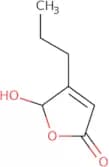
CAS:Please enquire for more information about 5-Hydroxy-4-propyl-2(5H)-furanone including the price, delivery time and more detailed product information at the technical inquiry form on this pageFormula:C7H10O3Purezza:Min. 95%Colore e forma:Yellow PowderPeso molecolare:142.15 g/molBiotinyl-Tyr-Val-Ala-Asp-chloromethylketone
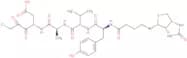
CAS:Please enquire for more information about Biotinyl-Tyr-Val-Ala-Asp-chloromethylketone including the price, delivery time and more detailed product information at the technical inquiry form on this pageFormula:C32H45ClN6O9SPurezza:Min. 95%Peso molecolare:725.25 g/mol4-hydroxybutan-2-one
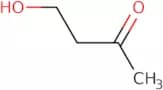
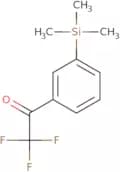
CAS:4-hydroxybutan-2-one is a chemical compound that belongs to the group of methyl ethyl ketones. It has wide applications, such as in the production of plastics, lubricants and pharmaceuticals. 4-Hydroxybutan-2-one can be used as a biocatalyst in asymmetric synthesis reactions with high chemical stability. This compound also has synergistic effects with other compounds, such as solid catalysts or supercritical carbon dioxide. 4-hydroxybutan-2-one is also an intermediate for the manufacture of glutamate dehydrogenase, which is an enzyme that catalyzes the conversion of glutamate to alpha-ketoglutarate.Formula:C4H8O2Purezza:Min. 95 Area-%Colore e forma:Colorless Clear LiquidPeso molecolare:88.11 g/mol2,2,2-Trifluoro-1-(3-Trimethylsilylphenyl)Ethanone
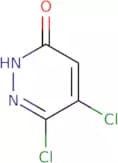
CAS:2,2,2-Trifluoro-1-(3-trimethylsilylphenyl)ethanone is a chemical that can be used as an acetylcholinesterase inhibitor. This agent is designed to inhibit the enzyme that breaks down acetylcholine, which is responsible for transmitting nerve impulses and controlling muscle contractions. The activity of 2,2,2-Trifluoro-1-(3-trimethylsilylphenyl)ethanone is reversible by hydrolysis and it has a low bioavailability due to its high lipophilicity. Acetylcholinesterase inhibitors are mainly used for the treatment of inflammatory diseases such as rheumatoid arthritis. br> The pharmacodynamics of 2,2,2-Trifluoro-1-(3-trimethylsilylphenyl)ethanone are not well understood. This drug also has side effect profilesFormula:C11H13F3OSiPurezza:Min. 95%Peso molecolare:246.3 g/mol5,6-Dichloropyridazin-3(2H)-one
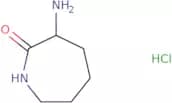
CAS:Please enquire for more information about 5,6-Dichloropyridazin-3(2H)-one including the price, delivery time and more detailed product information at the technical inquiry form on this pageFormula:C4H2Cl2N2OPurezza:Min. 95%Peso molecolare:164.98 g/mol3-Aminoazepan-2-one hydrochloride
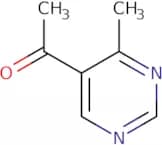
CAS:Please enquire for more information about 3-Aminoazepan-2-one hydrochloride including the price, delivery time and more detailed product information at the technical inquiry form on this pageFormula:C6H12N2O•HClPurezza:Min. 95%Peso molecolare:164.63 g/mol1-(4-Methylpyrimidin-5-yl)ethanone
CAS:A useful building block for organic synthesis.Formula:C7H8N2OPurezza:Min. 95%Peso molecolare:136.15 g/molRef: 3D-FM141007
2g412,00€5gPrezzo su richiesta10gPrezzo su richiesta25gPrezzo su richiesta50g4.786,00€(R)-4-Propyldihydrofuran-2(3H)-one
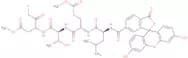
CAS:Please enquire for more information about (R)-4-Propyldihydrofuran-2(3H)-one including the price, delivery time and more detailed product information at the technical inquiry form on this pageFormula:C7H12O2Purezza:Min. 95%Peso molecolare:128.17 g/molFluorescein-6-carbonyl-Leu-Glu(OMe)-Thr-DL-Asp(OMe)-fluoromethylketone
CAS:Please enquire for more information about Fluorescein-6-carbonyl-Leu-Glu(OMe)-Thr-DL-Asp(OMe)-fluoromethylketone including the price, delivery time and more detailed product information at the technical inquiry form on this page
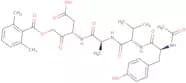
Formula:C43H47FN4O15Purezza:Min. 95%Peso molecolare:878.85 g/molAc-Tyr-Val-Ala-Asp-2,6-dimethylbenzoyloxymethylketone
CAS:Ac-Tyr-Val-Ala-Asp-2,6-dimethylbenzoyloxymethylketone is a potent transcriptional regulator that can be used to treat breast cancer. Ac-Tyr-Val-Ala-Asp-2,6-dimethylbenzoyloxymethylketone binds to estrogen receptor and prevents the binding of estrogen to its receptor. This leads to the death of cancer cells by inhibiting the function of bcl family proteins. Acetylation of this compound at C8, C10, and C17 positions increases its potency in vivo. In addition, Acetylated TAVADM can inhibit pancreatic cancer cell growth by activating signal transducer and activator of transcription 3 (STAT3) and inhibiting the activity of bcl family proteins such as BCL2 and BCLXL. Acetylated TAVADM has also been shown to have antiapoptoticFormula:C33H42N4O10Purezza:Min. 95%Peso molecolare:654.71 g/molAc-Leu-Glu-His-Asp-chloromethylketone
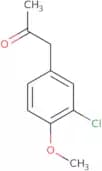
CAS:Ac-Leu-Glu-His-Asp-chloromethylketone is a creatine kinase inhibitor that prevents the conversion of ATP to ADP. It inhibits mitochondrial pathways, leading to apoptotic and proapoptotic effects. Ac-Leu-Glu-His-Asp-chloromethylketone also has a kinetic effect on cells, where it causes necrotic cell death. This compound can cause proteolytic activity, which leads to the activation of caspase 9 and matrix metalloproteinases. Ac-Leu-Glu-His-Asp chloromethylketone has been shown to have antiinflammatory properties in cellular assays, as well as an ability to inhibit the synthesis of cellular proteins.Formula:C24H35ClN6O9Purezza:Min. 95%Peso molecolare:587.02 g/mol1-(3-Chloro-4-methoxyphenyl)acetone
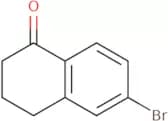
CAS:1-(3-Chloro-4-methoxyphenyl)acetone is a white solid with a melting point of 60-61°C. It is a versatile building block that can be used in the synthesis of complex compounds and as a reaction component for the preparation of speciality chemicals. 1-(3-Chloro-4-methoxyphenyl)acetone has been studied extensively as an intermediate for the synthesis of pharmaceuticals, including acetaminophen and amoxicillin. This compound also has uses in research laboratories and as a reagent in organic synthesis.Formula:C10H11ClO2Purezza:Min. 95%Peso molecolare:198.65 g/mol6-Bromo-tetral-1-one
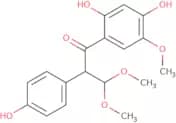
CAS:6-Bromo-tetral-1-one is a chemical compound with a molecular formula of C8H6BrO. It is synthesized by the ring opening of epichlorohydrin with boron trifluoride etherate (BF3OEt2) in pyridine at 0°C, followed by hydrolysis of the resulting epoxide with sodium hydroxide to give tetralin. The synthesis can be carried out on a laboratory scale using high purity chemicals and yields up to 100% conversion of the starting material to tetralin. 6-Bromo-tetral-1-one has been shown to be stable in air, moisture, and light. This product is also nonflammable and produces no toxic byproducts when heated to decomposition.Formula:C10H9BrOPurezza:Min. 95%Peso molecolare:225.08 g/mol1-(2,4-Dihydroxy-5-methoxyphenyl)-2-(4-hydroxyphenyl)-3,3-dimethoxy-1-propanone
CAS:Please enquire for more information about 1-(2,4-Dihydroxy-5-methoxyphenyl)-2-(4-hydroxyphenyl)-3,3-dimethoxy-1-propanone including the price, delivery time and more detailed product information at the technical inquiry form on this pageFormula:C18H20O7Purezza:Min. 95%Peso molecolare:348.35 g/molAc-Asp-Glu-Val-Asp-chloromethylketone trifluoroacetate salt
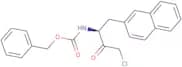
CAS:Ac-Asp-Glu-Val-Asp-chloromethylketone trifluoroacetate salt is a basic protein. It inhibits the neuronal death induced by dopamine and its derivatives, which is caused by overactivation of the mitochondrial membrane potential and release of cytochrome c from mitochondria to cytosol. This compound also inhibits the activation of toll-like receptor 4 (TLR4) and nuclear factor κB (NF-κB) signaling pathways in neuronal cells. Ac-Asp-Glu-Val-Asp-chloromethylketone trifluoroacetate salt has been shown to have antiinflammatory effects when applied topically on skin wounds. The molecule has been used as a model system for studying the molecular mechanism of epidermal growth factor (EGF) activation in hybridoma cell lines and primary cells.Formula:C21H31ClN4O11Purezza:Min. 95%Peso molecolare:550.94 g/molZ-2-Nal-chloromethylketone
CAS:Please enquire for more information about Z-2-Nal-chloromethylketone including the price, delivery time and more detailed product information at the technical inquiry form on this page
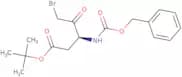
Formula:C22H20ClNO3Purezza:Min. 95%Peso molecolare:381.85 g/molZ-Asp(OtBu)-bromomethylketone
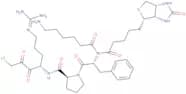
CAS:Please enquire for more information about Z-Asp(OtBu)-bromomethylketone including the price, delivery time and more detailed product information at the technical inquiry form on this pageFormula:C17H22BrNO5Purezza:Min. 95%Peso molecolare:400.26 g/molBiotinyl-ε-aminocaproyl-D-Phe-Pro-Arg-chloromethylketone
CAS:Please enquire for more information about Biotinyl-ε-aminocaproyl-D-Phe-Pro-Arg-chloromethylketone including the price, delivery time and more detailed product information at the technical inquiry form on this pageFormula:C37H56ClN9O6SPurezza:Min. 95%Peso molecolare:790.42 g/molAzocan-2-one
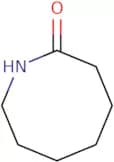
CAS:Azocan-2-one is a polyamide that has been shown to inhibit the activity of enzymes such as hydroxylases and esterases. Azocan-2-one binds to the enzyme's active site and blocks the catalytic site. This binding leads to inhibition of these enzymes, which in turn prevents reactions from occurring. Azocan-2-one can be used as an inhibitor in polymer synthesis, amide formation, and radiation chemistry. The compound also has three functional groups that allow it to act as an acid or base, making it capable of reacting with both organic and inorganic acids. Azocan-2-one is also soluble in water and hydrochloric acid, which allows for its use in various solution types.Purezza:Min. 95%1,2-Dihydro-1-Methyl-5-(Trifluoromethyl)-3H-Pyrazol-3-One
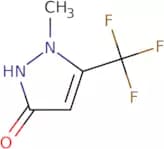
CAS:Please enquire for more information about 1,2-Dihydro-1-Methyl-5-(Trifluoromethyl)-3H-Pyrazol-3-One including the price, delivery time and more detailed product information at the technical inquiry form on this pageFormula:C5H5F3N2OPurezza:Min. 95%Peso molecolare:166.1 g/mol3-Dimethylamino-1-(3-pyridyl)-2-propen-1-one
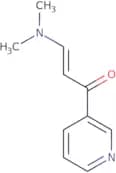
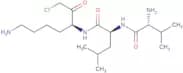
CAS:3-Dimethylamino-1-(3-pyridyl)-2-propen-1-one is a synthetic anticancer compound. It is an amide derivative of 3-dimethylamino-1-(3-pyridyl)-2-propenal, which is synthesized by reacting 3,5,6,7 tetrahydrobenzo[b]thiophene with 3-(dimethylamino)acrylic acid chloride. The synthesis of 3DAP was reported in 1974 by Novartis Pharmaceuticals Corporation and it has been used as a lead compound for the development of other anticancer agents. This drug can inhibit the growth of myelogenous leukemia cells and has been shown to be effective against cancer cells that are resistant to imatinib.Formula:C10H12N2OPurezza:Min. 95%Colore e forma:Off-White To Yellow SolidPeso molecolare:176.22 g/molH-D-Val-Leu-Lys-chloromethylketone trifluoroacetate salt
CAS:Please enquire for more information about H-D-Val-Leu-Lys-chloromethylketone trifluoroacetate salt including the price, delivery time and more detailed product information at the technical inquiry form on this pageFormula:C18H35ClN4O3Purezza:Min. 95%Peso molecolare:390.95 g/mol3,6-Bis([1,1'-biphenyl]-4-yl)-2,5-dihydropyrrolo[3,4-c]pyrrole-1,4-dione
CAS:3,6-Bis([1,1'-biphenyl]-4-yl)-2,5-dihydropyrrolo[3,4-c]pyrrole-1,4-dione is an analytical reagent that has been used as a corrosion inhibitor in coatings. It has been shown to promote the formation of reactive oxygen species and inhibit the growth of bacteria by binding to DNA. The biphenyl group is known for its ability to form intermolecular hydrogen bonding with chloride ions and aliphatic hydrocarbons. This reaction yields a biphenyl aryl halide intermediate that reacts with an acid catalyst to produce a reactive oxygen species (ROS) and convert chloride ions into chloride radicals. The ROS can then react with other molecules such as particles to form free radicals that are highly corrosive. The average particle diameter for this product is in the range of 10 nm - 100 nm.Formula:C30H20N2O2Purezza:Min. 95%Colore e forma:PowderPeso molecolare:440.49 g/molHedione
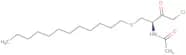
CAS:Hedione is a natural product that has been used in perfumery. It is an aliphatic ketone with the chemical formula of C10H14O2 and a molecular weight of 176.18 g/mol. Hedione is also found in some essential oils, such as jasmine oil. Hedione has been studied as a model system to study fatty acid metabolism and basic protein synthesis in bacteria. The stability of hedione is dependent on its pH and redox potential, with lower pH values leading to increased stability. Hedione can be extracted from water samples using solid phase microextraction (SPME) and analyzed by gas chromatography-mass spectrometry (GC-MS). Hedione can be used for wastewater treatment, as it has been shown to inhibit methyl dihydrojasmonate production in biological treatment processes. Hedione may have potential as an anti-inflammatory agent due to its ability to inhibit malonic acid production in humans at low concentrations (Formula:C13H22O3Purezza:Min. 95%Peso molecolare:226.31 g/molAc-Cys(dodecyl)-chloromethylketone
CAS:Please enquire for more information about Ac-Cys(dodecyl)-chloromethylketone including the price, delivery time and more detailed product information at the technical inquiry form on this pageFormula:C18H34ClNO2SPurezza:Min. 95%Peso molecolare:363.99 g/molZ-Tyr-Val-Ala-DL-Asp-fluoromethylketone
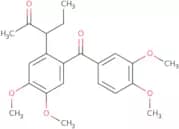
CAS:Please enquire for more information about Z-Tyr-Val-Ala-DL-Asp-fluoromethylketone including the price, delivery time and more detailed product information at the technical inquiry form on this pageFormula:C30H37FN4O9Purezza:Min. 95%Peso molecolare:616.63 g/mol3-(2-(3,4-Dimethoxybenzoyl)-4,5-dimethoxyphenyl)pentan-2-one
CAS:3-(2-(3,4-Dimethoxybenzoyl)-4,5-dimethoxyphenyl)pentan-2-one is an alkylene that is produced by the reaction of hydrazine with 2,3,4-trimethoxybenzoic acid. This molecule has been shown to have anxiolytic properties in animal studies and hydrolyzes to form ethylene glycol. 3-(2-(3,4-Dimethoxybenzoyl)-4,5-dimethoxyphenyl)pentan-2-one also has a hydrolysis product of tofisopam. Tofisopam is an organic acid that has been used as an antidepressant for the treatment of anxiety disorders.Formula:C22H26O6Purezza:Min. 95%Peso molecolare:386.44 g/molH-D-Pro-Phe-Arg-chloromethylketone trifluoroacetate salt
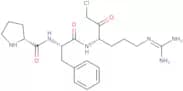
CAS:H-D-Pro-Phe-Arg-chloromethylketone trifluoroacetate salt is a polyvalent antivenom that is used in the treatment of snakebites and insect stings. It has been shown to be effective in the treatment of life-threatening envenomations, including bites from cobras and other rattlesnakes. This drug is not active against nonactivated venom, such as those from bees or spiders. H-D-Pro-Phe-Arg-chloromethylketone trifluoroacetate salt binds to the cytolysin, which prevents its activity by inactivating it. The drug also has a vasoconstrictive effect, which limits blood flow to tissues and may reduce tissue damage caused by venom toxins.Formula:C21H31ClN6O3Purezza:Min. 95%Peso molecolare:450.96 g/molMeOSuc-Ala-Ala-Pro-Ala-chloromethylketone
CAS:MeOSuc-Ala-Ala-Pro-Ala-chloromethylketone is a peptidyl substrate for the enzyme carboxypeptidase A. This substrate has a high specificity for carboxypeptidase A and does not bind to other enzymes such as carboxypeptidase B, D, or L. The hydrophobic nature of this substrate has been shown in both hamsters and macaques. MeOSuc-Ala-Ala-Pro-Ala-chloromethylketone also shows cardiovascular effects in both animal models. It is possible that this effect is due to the proteolytic activity of the enzyme. More research needs to be done to identify the sequence of this peptide and how it may affect humans.Formula:C20H31ClN4O7Purezza:Min. 95%Peso molecolare:474.94 g/mol3-Methyl-2,4-pentanedione, mixture of tautomers
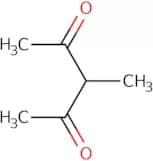
CAS:3-Methyl-2,4-pentanedione is a reactive chemical compound that is used in the preparation of other compounds. It has a ph profile with an acidic character and can be used as a reactant in organic synthesis. 3-Methyl-2,4-pentanedione reacts with hydroxyl groups to form an acid complex or intramolecular hydrogen bond. This reaction has been shown to produce malonic acid and radiation. The nitrogen atoms are also reactive, forming nitrite ions when reacted with hydrochloric acid or nitric acid. 3-Methyl-2,4-pentanedione reacts with methyl ethyl ketone and water vapor to produce hydrochloric acid and nitrous acid.Formula:C6H10O2Purezza:Min. 95%Colore e forma:Clear Colourless To Yellow LiquidPeso molecolare:114.14 g/mol5β-Pregnan-3β,17α,21-triol-20-one
CAS:Prodotto controllato5-b-Pregnan-3-b,17-a-,21-triol-20-one is a high quality chemical that can be used as a reagent, building block or scaffold for complex molecules. It has a CAS number of 601-03-6. This compound is useful in the synthesis of fine chemicals and speciality chemicals. It is also a versatile building block for reactions involving other organic compounds. 5-b-Pregnan-3-b,17-a-,21-triol 20 one is a useful intermediate in the production of research chemicals and pharmaceuticals.Formula:C21H34O4Purezza:Min. 95%Colore e forma:PowderPeso molecolare:350.49 g/mol1,3-Difluoroacetone
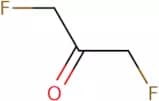
CAS:1,3-Difluoroacetone is a chemical compound that is used for biological studies. It has been shown to have protease activity in biological samples. 1,3-Difluoroacetone has been studied for its potential as an anti-cancer drug and has also been shown to have toxic effects on prostate cancer cells. It has also been found to induce pluripotent stem cells from human fibroblasts and hl-60 cells (a leukemia cell line). The mechanism of action of 1,3-difluoroacetone is not well understood but it seems to be irreversible inhibition of mitochondrial membrane potential.Formula:C3H4F2OPurezza:Min. 95%Peso molecolare:94.06 g/molFluorescein-6-carbonyl-Val-Glu(OMe)-Ile-DL-Asp(OMe)-fluoromethylketone
CAS:Please enquire for more information about Fluorescein-6-carbonyl-Val-Glu(OMe)-Ile-DL-Asp(OMe)-fluoromethylketone including the price, delivery time and more detailed product information at the technical inquiry form on this pageFormula:C44H49FN4O14Purezza:Min. 95%Peso molecolare:876.88 g/molPhenyl-N-propyl ketone
CAS:Phenyl-N-propyl ketone is a butyrophenone that has been shown to inhibit the 5-HT2 receptors in vitro. It has been used to study the mechanism of action of dopamine, and it was found that this drug blocks the binding of dopamine at the receptor site by competing with it for access. This drug also has an effect on locomotor activity in mice. The hydroxy derivative of phenyl-N-propyl ketone has been shown to have a sedative effect in humans. Phenyl-N-propyl ketone is a side effect profile with symptoms including headache, dizziness, nausea, and vomiting.
Formula:C10H12OPurezza:Min. 95%Colore e forma:Clear LiquidPeso molecolare:148.2 g/mol7,9-Dimethoxycarbonyl-2-ethoxycarbonyl-1H-pyrrolo-[2,3-f]quinoline-4,5-dione
CAS:7,9-Dimethoxycarbonyl-2-ethoxycarbonyl-1H-pyrrolo-[2,3-f]quinoline-4,5-dione is a chemical compound that is used as an intermediate for research chemicals. It has a CAS number of 80721-47-7 and is classified as a fine chemical with the Chemical Abstracts Service (CAS) classification code of 3272. This compound is a versatile building block that can be used in the synthesis of other compounds. 7,9-Dimethoxycarbonyl-2-ethoxycarbonyl-1H-pyrrolo-[2,3f]quinoline 4,5dione can be used to produce high quality products.Formula:C18H14N2O8Purezza:Min. 95%Colore e forma:Orange PowderPeso molecolare:386.31 g/mol(2S)-2-Amino-4-methyl-1-[(2R)-2-methyloxiranyl]-1-pentanone trifluoroacetate
CAS:Prodotto controllatoPlease enquire for more information about (2S)-2-Amino-4-methyl-1-[(2R)-2-methyloxiranyl]-1-pentanone trifluoroacetate including the price, delivery time and more detailed product information at the technical inquiry form on this page
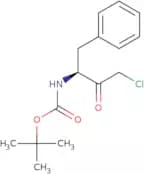
Formula:C9H17NO2•C2HF3O2Purezza:Min. 95%Colore e forma:PowderPeso molecolare:285.26 g/mol(3S)-3-(tert-Butoxycarbonyl)amino-1-chloro-4-phenyl-2-butanone
CAS:(3S)-3-(tert-Butoxycarbonyl)amino-1-chloro-4-phenyl-2-butanone is an organic compound that belongs to the class of carbonyl reductase. It is used as a catalyst for the transformation of secondary alcohols to ketones or aldehydes, including isopropyl alcohol. The reaction proceeds via an intermediate carboxylic acid. The enzyme has been found in various microorganisms, and can be purified from Bacillus megaterium and Streptomyces lividans. The enzyme’s activity can be inhibited by steric effects, metal ions, or other compounds. (3S)-3-(tert-Butoxycarbonyl)amino-1-chloro-4-phenyl-2-butanone crystallizes in two forms: one with the chiral center at the 3 position and one with it at the 4 position.Purezza:Min. 95%Z-Val-Asp(OMe)-Val-Ala-DL-Asp(OMe)-fluoromethylketone
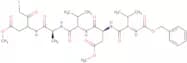
Please enquire for more information about Z-Val-Asp(OMe)-Val-Ala-DL-Asp(OMe)-fluoromethylketone including the price, delivery time and more detailed product information at the technical inquiry form on this pageFormula:C32H46FN5O11Purezza:Min. 95%Peso molecolare:695.73 g/molMenadione
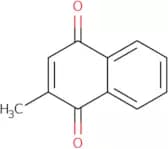
CAS:Menadione, also known as vitamin K3, is a chemical compound which is used as a cofactor in the synthesis of blood clotting factors. Menadione has been shown to protect proteins against oxidative damage. Menadione interacts with two types of DNA-binding proteins: response element (RE) and natural compounds. Menadione binds to the response elements on DNA and regulates gene expression. Menadione has been shown to inhibit protein oxidation in hl-60 cells and human polymorphonuclear leukocytes. The mechanism for this inhibition is not yet well understood but may be due to the ability of menadione to bind to reactive oxygen species (ROS). Menadione also binds to natural compounds that regulate gene expression; these compounds are small molecules that interact with DNA at points other than response elements. These binding sites are found upstream from genes, where they act as transcriptional regulators or repressors by altering the rate of transcription. Menadione binds toFormula:C11H8O2Purezza:Min. 98 Area-%Colore e forma:Yellow PowderPeso molecolare:172.18 g/molZ-Asp(OMe)-Gln-Met-DL-Asp(OMe)-fluoromethylketone
CAS:Z-Asp(OMe)-Gln-Met-DL-Asp(OMe)-fluoromethylketone is a mitochondria-targeting compound that has been shown to have neuroprotective and anti-inflammatory properties. It binds to the ATP synthase in the mitochondrial membrane, inhibiting ATP production and causing cell death by apoptosis. ZAFMK also inhibits kinases such as protein kinase 3β (PK3β) and caspase 9, which are involved in inflammation and apoptosis. ZAFMK has been shown to be effective against various diseases such as multiple sclerosis, Alzheimer's disease, Parkinson's disease, amyotrophic lateral sclerosis, Huntington's disease, and stroke.
Formula:C29H40FN5O11SPurezza:Min. 95%Peso molecolare:685.72 g/molFluorescein-6-carbonyl-Tyr-Val-Ala-DL-Asp(OMe)-fluoromethylketone
CAS:Please enquire for more information about Fluorescein-6-carbonyl-Tyr-Val-Ala-DL-Asp(OMe)-fluoromethylketone including the price, delivery time and more detailed product information at the technical inquiry form on this pageFormula:C45H50FN5O15Purezza:Min. 95%Peso molecolare:919.9 g/mol4-{[4-(4-Methyloxyphenyl)-piperazin-1-yl]-phenyl}-2,4-dihydro-[1,2,4]-triazol-3-one
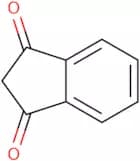
CAS:Please enquire for more information about 4-{[4-(4-Methyloxyphenyl)-piperazin-1-yl]-phenyl}-2,4-dihydro-[1,2,4]-triazol-3-one including the price, delivery time and more detailed product information at the technical inquiry form on this pageFormula:C19H21N5O2Purezza:Min. 95%Peso molecolare:351.4 g/mol1,3-Indanedione, 70%
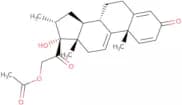
CAS:1,3-Indanedione is a precursor of indane diones that is used in the synthesis of fluorescent molecules. In the presence of light, 1,3-indanedione produces light emission and can be used as a chemiluminescent probe. In the presence of trifluoroacetic acid and copper complex, 1,3-indanedione undergoes intramolecular hydrogen transfer to form an intermediate which reacts with malonic acid to form an alkyl radical. The alkyl radical then reacts with hydrochloric acid to produce an ionic polymerization product. The biological sample is reactive with fatty acids and can be used for the detection of prostate cancer cells.Formula:C9H6O2Purezza:(%) Min. 70%Colore e forma:PowderPeso molecolare:146.14 g/mol17-alpha,21-Dihydroxy-16-a-methylpregna-1,4,9(11)-triene-3,20-dione 21-acetate
CAS:Prodotto controllatoPlease enquire for more information about 17-alpha,21-Dihydroxy-16-a-methylpregna-1,4,9(11)-triene-3,20-dione 21-acetate including the price, delivery time and more detailed product information at the technical inquiry form on this page
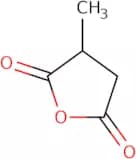
Formula:C24H30O5Purezza:Min. 95%Peso molecolare:398.49 g/mol3-Methyldihydrofuran-2,5-dione
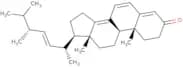
CAS:3-Methyldihydrofuran-2,5-dione is a diterpenoid alkaloid found in the plant Dictamnus albus. This compound has been shown to have metal chelating properties and can be used as an asymmetric synthesis intermediate. 3-Methyldihydrofuran-2,5-dione reacts with diazonium salt to form a high resistance molecule that is highly reactive. This chemical reacts with hydroxyl groups, amide groups, or methyl ethyl groups. The structure of this compound consists of nitrogen atoms and anhydride bonds. 3-Methyldihydrofuran-2,5-dione has been shown to exhibit electrochemical impedance spectroscopy (EIS) characteristics similar to those of other molecules that are known to be reactive.Formula:C5H6O3Purezza:Min. 95%Peso molecolare:114.1 g/molErgosta-4,6,8(14),22-tetraen-3-one
CAS:Prodotto controllatoErgosta-4,6,8(14),22-tetraen-3-one is a fatty acid that occurs naturally in the acetate extract of the kidney of sheep. It has been shown to induce apoptosis in cervical cancer cells and inhibit growth of bacteria by inhibiting energy metabolism. Ergosta-4,6,8(14),22-tetraen-3-one can be used as an antimicrobial agent because it has broad-spectrum activity against bacteria and fungi. This compound also has been found to be effective in treating kidney fibrosis. It has been shown to inhibit tubulointerstitial injury and plasma concentration–time curve by binding to human serum albumin.
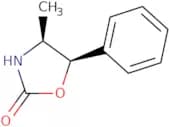
Formula:C28H40OPurezza:Min. 95%Peso molecolare:392.62 g/mol(4S,5R)-4-Methyl-5-phenyloxazolidin-2-one
CAS:(4S,5R)-4-Methyl-5-phenyloxazolidin-2-one is an amide that is prepared by the reaction of piperidine and benzyl chloride. It is a chiral compound with (4S,5R) configuration and has a basic hydrolysis. The compound was optimized for its synthesis by using different solvents. This amide has been used in the transfer of methyl groups to different substrates. It also has been used in asymmetric synthesis as a chiral auxiliary for the preparation of enantiopure sulfinyl compounds.Formula:C10H11NO2Purezza:Min. 95%Peso molecolare:177.2 g/molZ-Asp-Glu-Val-Asp-chloromethylketone
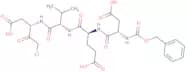
CAS:Z-Asp-Glu-Val-Asp-chloromethylketone is a reactive compound that inhibits the activity of proteases and induces neuronal death. Z-Asp-Glu-Val-Asp-chloromethylketone has been shown to induce necrotic cell death in malignant brain cells and has neurotrophic properties. It also causes mitochondrial membrane depolarization, which leads to mitochondrial cytochrome c release and subsequent apoptosis. The reaction mechanism is still unclear but it may involve hydrogen bonding between the ketone group and the amide nitrogen atom of the aspartate residue.Formula:C27H35ClN4O12Purezza:Min. 95%Peso molecolare:643.04 g/mol3,6-Di(2-thienyl)-2,5-dihydropyrrolo[3,4-c]pyrrole-1,4-dione
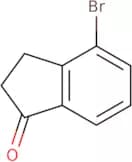
CAS:3,6-Di(2-thienyl)-2,5-dihydropyrrolo[3,4-c]pyrrole-1,4-dione is a hyaluronic acid derivative that is being studied as a possible treatment for cancer. It has been shown to have tumor suppressive effects on human breast and prostate cancer cells in vitro. The mechanism of action is thought to be related to the redox potentials of the molecule. 3,6-Di(2-thienyl)-2,5-dihydropyrrolo[3,4-c]pyrrole-1,4-dione can be used as an optical probe for studying interactions between molecules in solution. It can also be used in optical absorption spectroscopy to measure changes in tumor tissue and as an acceptor for potentials.Purezza:Min. 95%4-Bromo-1-indanone
CAS:4-Bromo-1-indanone is a molecule that has been shown to have neuroprotective properties in vitro. It has also been shown to inhibit the amines, which may be due to its ability to act as an aromatic hydrocarbon. This molecule has not been approved for use as a drug substance or drug product and its safety and efficacy are unknown.Formula:C9H7BrOPurezza:Min. 95%Peso molecolare:211.06 g/mol8-[(1E)-2-(3,4-Dimethoxyphenyl)ethenyl]-1,3-diethyl-3,9-dihydro-1H-purine-2,6-dione
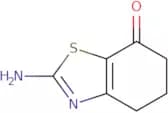
CAS:Prodotto controllatoPlease enquire for more information about 8-[(1E)-2-(3,4-Dimethoxyphenyl)ethenyl]-1,3-diethyl-3,9-dihydro-1H-purine-2,6-dione including the price, delivery time and more detailed product information at the technical inquiry form on this pageFormula:C19H22N4O4Purezza:Min. 95%Colore e forma:PowderPeso molecolare:370.4 g/mol2-Amino-5,6-dihydro-4H-benzothiazol-7-one
CAS:2-Amino-5,6-dihydro-4H-benzothiazol-7-one is a thiourea that is used as a reactant in the synthesis of brominated compounds. It reacts with ethanol to form 2,5,6-triaminopyrimidine and hydrogen bromide. This reaction occurs in the presence of acid such as hydrochloric acid or acetic acid. The reflux reaction is commonly conducted at elevated temperatures and pressures.
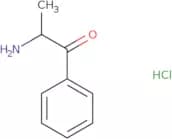
Purezza:Min. 95%2-Amino-1-phenylpropan-1-one hydrochloride
CAS:Prodotto controllato2-Amino-1-phenylpropan-1-one hydrochloride is a chemical compound that can be used as an intermediate in the synthesis of ethyl formate. It is also a pharmaceutical intermediate, which is used to prepare triazine and alicyclic compounds. It has been shown to have potential use in the treatment of prostatic hypertrophy and heterocycle disorders. 2-Amino-1-phenylpropan-1-one hydrochloride has been found to be active in animals and humans and is not toxic to women or animals. This drug has shown no adverse effects on human health at doses up to 10 g/kg body weight.Formula:C9H11NO•HClPurezza:Min. 95%Colore e forma:PowderPeso molecolare:185.65 g/molZ-Asp(OMe)-Glu(OMe)-Val-DL-Asp(OMe)-fluoromethylketone
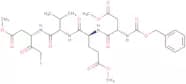
CAS:Z-Asp(OMe)-Glu(OMe)-Val-DL-Asp(OMe)-fluoromethylketone is a small molecule that has been shown to induce apoptosis in cultured cells. It is a caspase-3 inhibitor, which prevents the activation of the caspase cascade and protects cells from oxidative injury. Low doses of Z-Asp(OMe)-Glu(OMe)-Val-DL-Asp(OMe)-fluoromethylketone have been shown to induce apoptosis in cultured cells, with no significant cytotoxicity at high doses. The mechanism of action for this agent is not yet known, but it may promote mitochondrial membrane potential loss and neuronal death by binding to DNA, or induce cell death through a caspase-independent pathway.Formula:C30H41FN4O12Purezza:Min. 95%Peso molecolare:668.66 g/molcis-9,10-Epoxystearic acid
CAS:cis-9,10-Epoxystearic acid (cis-9,10-Epoxyoctadecanoic acid) is an endogenous component in human urine and blood and can be produced from oleic acid by enzymicFormula:C18H34O3Purezza:99.93%Colore e forma:SolidPeso molecolare:298.46Ref: TM-T13616
5mg33,00€10mg50,00€25mgPrezzo su richiesta50mgPrezzo su richiesta1mL*10mM (DMSO)34,00€BD-AcAc 2
CAS:BD-AcAc 2 (Ketone Ester) is a ketone monoester and can be used as a source of oral nutritional ketones.Formula:C8H16O4Purezza:99.62%Colore e forma:SolidPeso molecolare:176.215-(5-Carboxy-2-ethoxyphenyl)-1-methyl-3-n-propyl-1,6-dihydro-7H-pyrazolo[4,3-d]pyrimidin-7-one
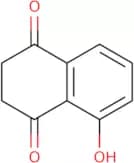
CAS:Sildenafil is a drug that is used to treat erectile dysfunction. It inhibits the action of phosphodiesterase type 5 (PDE-5), an enzyme that breaks down the messenger cyclic guanosine monophosphate (cGMP) within the corpus cavernosum. This leads to increased levels of cGMP, which relaxes smooth muscle cells in the corpus cavernosum and allows for more blood flow into the penis. Sildenafil is synthesized from chrysanthemum morifolium, a plant also known as "shamrock." Sildenafil has been shown to have no effects on insulin resistance or lipid metabolism, but it does cause side effects such as headache, visual disturbances, and hearing loss.Formula:C18H20N4O4Purezza:Min. 95%Peso molecolare:356.38 g/mol5-Hydroxy-2,3-dihydronaphthalene-1,4-dione
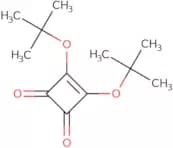
CAS:Please enquire for more information about 5-Hydroxy-2,3-dihydronaphthalene-1,4-dione including the price, delivery time and more detailed product information at the technical inquiry form on this pageFormula:C10H8O3Purezza:Min. 95%Peso molecolare:176.17 g/mol3,4-Bis(1,1-dimethylethoxy)-3-cyclobutene-1,2-dione
CAS:Please enquire for more information about 3,4-Bis(1,1-dimethylethoxy)-3-cyclobutene-1,2-dione including the price, delivery time and more detailed product information at the technical inquiry form on this pageFormula:C12H18O4Purezza:Min. 95%Peso molecolare:226.27 g/molH-Glu-Gly-Arg-chloromethylketone trifluoroacetate salt
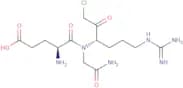
CAS:H-Glu-Gly-Arg-chloromethylketone trifluoroacetate salt is an anticoagulant drug that prevents the formation of blood clots by inhibiting the enzyme thrombin. This drug is effective in enhancing blood flow and oxygen supply to the heart and other organs. H-Glu-Gly-Arg-chloromethylketone trifluoroacetate salt has been shown to have a positive effect on patients with congestive heart failure. It has also been used as an adjuvant therapy in bypassing procedures, where clotting occurs at the site of an artificial conduit placed in the body to allow blood flow between two points. In vitro studies have demonstrated that this drug inhibits protease activity, which may be due to its ability to inhibit fibrinogen and serine protease activity.Formula:C14H25ClN6O5Purezza:Min. 95%Peso molecolare:392.84 g/molDihydro-3-(3-pyridoyl)-2-(3H)-furanone
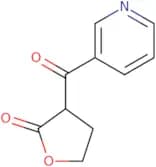
CAS:Please enquire for more information about Dihydro-3-(3-pyridoyl)-2-(3H)-furanone including the price, delivery time and more detailed product information at the technical inquiry form on this pageFormula:C10H9NO3Purezza:Min. 95%Peso molecolare:191.18 g/molFurfuralacetone
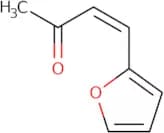
CAS:Furfuralacetone is a reaction vessel that may be used in the production of coatings. Furfuralacetone reacts with acetone and an acidic catalyst to produce furfuryl alcohol, which can be used as a raw material for the production of epoxy resins. Furfuryl alcohol and epoxy resins have been shown to have genotoxic potential. Furfuralacetone is also a reactive chemical intermediate that is produced when furfural reacts with an acid or base. This compound has been shown to react with β-unsaturated ketones in a linear plot, forming ring-opened products.Formula:C8H8O2Purezza:Min. 95%Peso molecolare:136.15 g/mol1-Acetyl-6-(perfluoropropan-2-yl)-3-((pyridin-3-ylmethyl)amino)-3,4-dihydroquinazolin-2(1H)-one
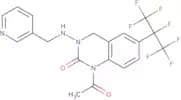
CAS:1-Acetyl-6-(perfluoropropan-2-yl)-3-((pyridin-3-ylmethyl)amino)-3,4-dihydroquinazolin-2(1H)-one (PAFQ) is a mitochondrial cytochrome P450 inhibitor that inhibits the function of the ryanodine receptor and interacts with the piperonyl butoxide synergistically. PAFQ has been shown to be effective against animal pests such as termites, ants, and cockroaches. It also inhibits population growth in these populations by interfering with their ability to synthesize proteins. The effective dose for PAFQ varies depending on whether it is applied topically or orally.Formula:C19H15F7N4O2Purezza:Min. 95%Peso molecolare:464.34 g/mol2-(tert-Butyl)-3-(4-butylphenyl)-3-hydroquinazolin-4-one
CAS:Prodotto controllatoPlease enquire for more information about 2-(tert-Butyl)-3-(4-butylphenyl)-3-hydroquinazolin-4-one including the price, delivery time and more detailed product information at the technical inquiry form on this pageFormula:C22H26N2OPurezza:Min. 95%Peso molecolare:334.45 g/molDecanoyl-Arg-Arg-Leu-Leu-chloromethylketone trifluoroacetate salt
CAS:Decanoyl-arginine-arginine-leucine-chloromethylketone trifluoroacetate salt is a prohormone that is biosynthesized from the amino acid decanoic acid. It has been shown to inhibit fatty acid synthesis and mineralization in tissue samples, as well as drug target enzymes such as human pathogens. Decanoyl-arginine-arginine-leucine-chloromethylketone trifluoroacetate salt has also been shown to have insulin resistance properties and may be used for the treatment of metabolic disorders.Formula:C35H67ClN10O5Purezza:Min. 95%Peso molecolare:743.42 g/mol(2S,3R,6RS)-2-(3-Oxobutyl)-3-methyl-6-[(R)-2-propanal]cyclohexanone
CAS:Please enquire for more information about (2S,3R,6RS)-2-(3-Oxobutyl)-3-methyl-6-[(R)-2-propanal]cyclohexanone including the price, delivery time and more detailed product information at the technical inquiry form on this page
Formula:C14H22O3Purezza:Min. 95%Peso molecolare:238.32 g/mol3-(Hydroxymethyl)cyclopentanone
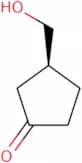
CAS:3-(Hydroxymethyl)cyclopentanone is a bifunctional molecule that can be used as a catalyst. It is able to catalyze the hydration of ketones and esters, which is an important reaction for the synthesis of carbocyclic nucleosides. 3-(Hydroxymethyl)cyclopentanone has been shown to react with dilithium (LiH), forming a covalent bond through its two functional groups. The long-chain nature of this molecule makes it ideal for use in hydrophobic environments such as those found in tumor cells. 3-(Hydroxymethyl)cyclopentanone also exhibits dichroism, which is caused by the different absorption of light when passing through a crystalline substance. This property can be utilized to study the stereoisomeric structure of molecules with similar chemical properties such as 5-hydroxymethylfurfural (HMF).Formula:C6H10O2Purezza:Min. 95%Colore e forma:Clear LiquidPeso molecolare:114.14 g/mol2-Methylcyclohexanone
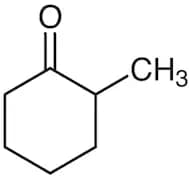
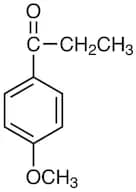
CAS:Formula:C7H12OPurezza:>96.0%(GC)Colore e forma:Colorless to Almost colorless clear liquidPeso molecolare:112.174'-Methoxypropiophenone
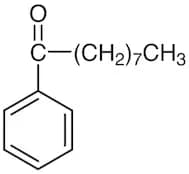
CAS:Formula:C10H12O2Purezza:>97.0%(GC)Colore e forma:White or Colorless to Yellow powder to lump to clear liquidPeso molecolare:164.20Nonanophenone
CAS:Formula:C15H22OPurezza:>97.0%(GC)Colore e forma:White or Colorless to Light yellow powder to lump to clear liquidPeso molecolare:218.346-Acetyl-1-bromo-2-methoxynaphthalene
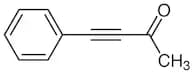
CAS:Formula:C13H11BrO2Purezza:>98.0%(GC)Colore e forma:Light yellow to Yellow to Orange powder to crystalPeso molecolare:279.134-Phenyl-3-butyn-2-one
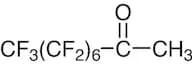
CAS:Formula:C10H8OPurezza:>97.0%(GC)Colore e forma:Colorless to Yellow to Green clear liquidPeso molecolare:144.17Methyl Pentadecafluoroheptyl Ketone
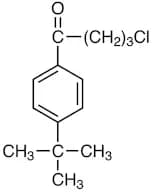
CAS:Formula:C9H3F15OPurezza:>93.0%(GC)Colore e forma:Colorless to Almost colorless clear liquidPeso molecolare:412.104'-tert-Butyl-4-chlorobutyrophenone
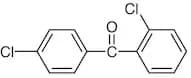
CAS:Formula:C14H19ClOPurezza:>95.0%(GC)Colore e forma:White to Light yellow powder to crystalPeso molecolare:238.762,4'-Dichlorobenzophenone
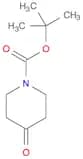
CAS:Formula:C13H8Cl2OPurezza:>99.0%(GC)Colore e forma:White to Almost white powder to crystalinePeso molecolare:251.111-tert-Butoxycarbonylpiperidin-4-one
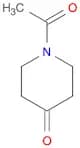
CAS:Prodotto controllatoPurezza:98.0%Colore e forma:Solid, Crystalline PowderPeso molecolare:199.25Ref: 10-F019201
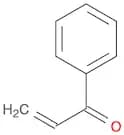
Prodotto fuori produzione1-Phenylprop-2-en-1-one
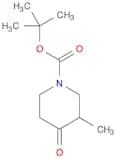
CAS:Formula:C9H8OPurezza:95% (stabilized with TBC)Colore e forma:LiquidPeso molecolare:132.15921-BOC-3-METHYL-PIPERIDIN-4-ONE
CAS:Formula:C11H19NO3Purezza:97%Colore e forma:SolidPeso molecolare:213.27352-(tert-Butylamino)-1-(3-chlorophenyl)propan-1-onehydrochloride
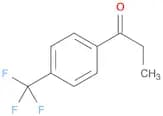
CAS:Formula:C13H19Cl2NOPurezza:98%Colore e forma:SolidPeso molecolare:276.20211-(4-(Trifluoromethyl)phenyl)propan-1-one
CAS:Formula:C10H9F3OPurezza:98%Colore e forma:SolidPeso molecolare:202.1731(4'-Bromo-[1,1'-biphenyl]-4-yl)(phenyl)methanone
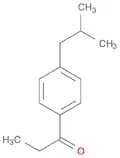
CAS:Formula:C19H13BrOPurezza:>98.0%(HPLC)Colore e forma:SolidPeso molecolare:337.20991-(4-ISOBUTYLPHENYL)PROPAN-1-ONE
CAS:Formula:C13H18OPurezza:97%Colore e forma:LiquidPeso molecolare:190.28142000000005Ref: IN-DA00E8OL
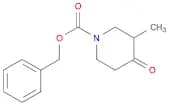
Prodotto fuori produzione1-Piperidinecarboxylic acid, 3-methyl-4-oxo-, phenylmethyl ester
CAS:Formula:C14H17NO3Purezza:98%Colore e forma:SolidPeso molecolare:247.2897Ref: IN-DA0003J2
Prodotto fuori produzioneN-(tert-Butoxycarbonyl)-4-piperidone
CAS:Prodotto controllatoFormula:C10H17NO3Purezza:98%Colore e forma:SolidPeso molecolare:199.2469



![2-n-Butyl-1,3-diaza-spiro[4,4]non-1-en-4-one HCl](/_next/image/?url=https%3A%2Fstatic.cymitquimica.com%2Fproducts%2F3D%2Fthumb-webp%2FFB37020.webp&w=3840&q=75)


![3,6-Bis([1,1'-biphenyl]-4-yl)-2,5-dihydropyrrolo[3,4-c]pyrrole-1,4-dione](/_next/image/?url=https%3A%2Fstatic.cymitquimica.com%2Fproducts%2F3D%2Fthumb-webp%2FFB151935.webp&w=3840&q=75)



![7,9-Dimethoxycarbonyl-2-ethoxycarbonyl-1H-pyrrolo-[2,3-f]quinoline-4,5-dione](/_next/image/?url=https%3A%2Fstatic.cymitquimica.com%2Fproducts%2F3D%2Fthumb-webp%2FFD22201.webp&w=3840&q=75)
![(2S)-2-Amino-4-methyl-1-[(2R)-2-methyloxiranyl]-1-pentanone trifluoroacetate](/_next/image/?url=https%3A%2Fstatic.cymitquimica.com%2Fproducts%2F3D%2Fthumb-webp%2FFA100028.webp&w=3840&q=75)


![4-{[4-(4-Methyloxyphenyl)-piperazin-1-yl]-phenyl}-2,4-dihydro-[1,2,4]-triazol-3-one](/_next/image/?url=https%3A%2Fstatic.cymitquimica.com%2Fproducts%2F3D%2Fthumb-webp%2FFM25920.webp&w=3840&q=75)
![3,6-Di(2-thienyl)-2,5-dihydropyrrolo[3,4-c]pyrrole-1,4-dione](/_next/image/?url=https%3A%2Fstatic.cymitquimica.com%2Fproducts%2F3D%2Fthumb-webp%2FFD62791.webp&w=3840&q=75)
![8-[(1E)-2-(3,4-Dimethoxyphenyl)ethenyl]-1,3-diethyl-3,9-dihydro-1H-purine-2,6-dione](/_next/image/?url=https%3A%2Fstatic.cymitquimica.com%2Fproducts%2F3D%2Fthumb-webp%2FFD152904.webp&w=3840&q=75)



![5-(5-Carboxy-2-ethoxyphenyl)-1-methyl-3-n-propyl-1,6-dihydro-7H-pyrazolo[4,3-d]pyrimidin-7-one](/_next/image/?url=https%3A%2Fstatic.cymitquimica.com%2Fproducts%2F3D%2Fthumb-webp%2FFC19751.webp&w=3840&q=75)
![(2S,3R,6RS)-2-(3-Oxobutyl)-3-methyl-6-[(R)-2-propanal]cyclohexanone](/_next/image/?url=https%3A%2Fstatic.cymitquimica.com%2Fproducts%2F3D%2Fthumb-webp%2FFO71988.webp&w=3840&q=75)





![(4'-Bromo-[1,1'-biphenyl]-4-yl)(phenyl)methanone](/_next/image/?url=https%3A%2Fstatic.cymitquimica.com%2Fproducts%2FIN%2Fthumb-webp%2FDA003KSK.webp&w=3840&q=75)