Chetoni
Trovati 18873 prodotti di "Chetoni"
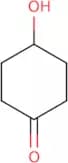
4-Hydroxycyclohexanone
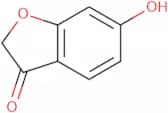
CAS:4-Hydroxycyclohexanone is a reactive compound that contains a hydroxy group and a hydroxyl group. It reacts with various substances, including hydrogen bond, to form new compounds. 4-Hydroxycyclohexanone is used in the industrial production of other chemicals, such as cyclohexanone. The reactivity of 4-hydroxycyclohexanone can be determined by its nmr spectra. The deshielding effect of the hydroxyl group causes an upfield shift in the nmr spectrum. In addition, 4-hydroxycyclohexanone reacts with hydrochloric acid to form an ester and water. The reaction mechanism for this process is nucleophilic attack by the hydroxyl group on the carbonyl carbon atom in hydroxycyclohexanone.Formula:C6H10O2Purezza:Min. 95%Colore e forma:Colorless PowderPeso molecolare:114.15 g/mol6-Hydroxy-2H-benzofuran-3-one
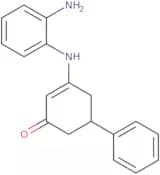
CAS:6-Hydroxy-2H-benzofuran-3-one is a potent inhibitor that blocks the formation of aurones and aldehydes, which are markers for insulin sensitivity. This compound has also been shown to inhibit dna replication in vitro by binding to the enzyme beta-diketone reductase (BDKR) and inhibiting its activity. 6-Hydroxy-2H-benzofuran-3-one is a fluorinated benzofuran derivative with an erythrocentaurin core structure. It has been shown to be effective against Gram positive bacteria, including methicillin resistant Staphylococcus aureus (MRSA). 6HBF3 also inhibits the growth of Gram negative bacteria, including Mycobacterium tuberculosis and Mycobacterium avium complex. The mechanism of action is not fully understood but may involve blocking lipid synthesis or preventing the synthesis of precursors for bacterial cell wall biosynthesis.Formula:C8H6O3Purezza:Min. 95%Colore e forma:PowderPeso molecolare:150.13 g/mol3-((2-Aminophenyl)amino)-5-phenylcyclohex-2-en-1-one
CAS:Please enquire for more information about 3-((2-Aminophenyl)amino)-5-phenylcyclohex-2-en-1-one including the price, delivery time and more detailed product information at the technical inquiry form on this pageFormula:C18H18N2OPurezza:Min. 95%Colore e forma:PowderPeso molecolare:278.35 g/mol1H-Pyrrolo[3,2-c]pyridin-4(5H)-one
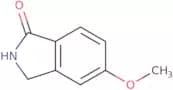
CAS:The compound 1H-Pyrrolo[3,2-c]pyridin-4(5H)-one is an enantiomer that is used as a starting material for the synthesis of other drugs. The hydrochloride salt is used in the manufacture of pharmaceuticals. This drug has been shown to be a potent inhibitor of xanthine oxidase and may have potential use in the treatment of gout and hyperuricemia.Formula:C7H6N2OPurezza:Min. 95%Peso molecolare:134.14 g/mol5-Methoxy-2,3-Dihydro-Isoindol-1-One
CAS:5-Methoxy-2,3-Dihydro-Isoindol-1-One is a chemical compound that can be used as a building block in organic synthesis. It is an intermediate in the synthesis of various pharmaceuticals and other organic compounds. 5-Methoxy-2,3-Dihydro-Isoindol-1-One is soluble in ethanol, methanol, diethyl ether, chloroform, and benzene. This chemical has been classified as being safe for human use by the FDA.Formula:C9H9NO2Purezza:Min. 95%Colore e forma:PowderPeso molecolare:163.17 g/mol1-[4-(Benzyloxy)phenyl]-2-bromopropan-1-one
CAS:1-[4-(Benzyloxy)phenyl]-2-bromopropan-1-one is an estrogenic compound. It is a reactive substance that can be synthesized by reductive amination of hydroxybenzaldehyde with benzyl bromide. 1-[4-(Benzyloxy)phenyl]-2-bromopropan-1-one has been shown to be metabolized in the liver by cytochrome P450 enzymes to form the corresponding alcohol and carboxylic acid. It binds to estrogen receptors, which may be due to its ability to bind to DNA. The binding of this substance to estrogen receptors may induce transcriptional activation and increase protein synthesis in cells.
Formula:C16H15O2BrPurezza:Min. 95%Colore e forma:PowderPeso molecolare:319.19 g/mol(3S,4R)-3-[(1R)-1-Hydroxyethyl]-4-[(1R)-1-methyl-3-diazo-3- (p-nitrobenzyloxycarbonyl)-2-oxopropyl]azetidin-2 -one
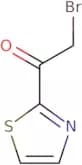
CAS:CAS No. 137391-68-5 is a fine chemical that is used as a building block in organic chemistry research and as a reagent, speciality chemical, or intermediate. This compound has been shown to be useful in the synthesis of complex compounds and can be employed as a versatile building block for the synthesis of pharmaceuticals and other chemicals. This compound has also been shown to be an excellent reaction component, making it an ideal scaffold for the construction of larger molecules.Formula:C17H18N4O7Purezza:Min. 96 Area-%Colore e forma:White PowderPeso molecolare:390.35 g/mol1-Bromo-(1,3-thiazole-2-yl)ethane-2-one
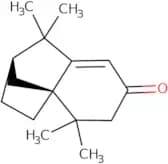
CAS:Please enquire for more information about 1-Bromo-(1,3-thiazole-2-yl)ethane-2-one including the price, delivery time and more detailed product information at the technical inquiry form on this pageFormula:C5H4BrNOSPurezza:Min. 95%Peso molecolare:206.06 g/mol(-)-Isolongifolen-9-one
CAS:(-)-Isolongifolen-9-one is a sesquiterpenoid compound, which is a type of naturally occurring terpenoid. It is primarily derived from plants and essential oils, particularly those in the Pinaceae family. The compound's molecular structure contributes to its characteristic aromatic properties, making it a subject of interest in both chemical and biological research.Formula:C15H22OPurezza:Min. 95%Peso molecolare:218.33 g/mol5-[(3,5-Dimethylphenoxy)methyl]oxazolidin-2-one
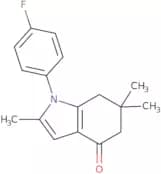
CAS:Metaxalone is a centrally acting muscle relaxant that belongs to the group of nonsteroidal anti-inflammatory drugs. It is used as an adjunct to rest, physical therapy, and other measures for the relief of discomfort associated with acute, painful musculoskeletal conditions. Metaxalone is also used in the treatment of spasticity due to multiple sclerosis and cerebral palsy. This drug has been shown to be effective in treating neurologic disorders such as epilepsy, Parkinson's disease, and Alzheimer's disease. Metaxalone has also been shown to be an effective analgesic agent in postoperative dental procedures. Metaxalone can cause fetal abnormalities when administered during pregnancy; therefore it should not be given during pregnancy or if there is a possibility of becoming pregnant while taking this medication. Metaxalone interacts with many drugs including warfarin, metoclopramide, oral hypoglycemic agents such as insulin and sulfonylureas, sedatives such as benzodiazepines andFormula:C12H15NO3Purezza:Min. 95%Colore e forma:White PowderPeso molecolare:221.25 g/mol1-(4-Fluorophenyl)-2,6,6-trimethyl-5,6,7-trihydroindol-4-one
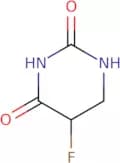
CAS:Please enquire for more information about 1-(4-Fluorophenyl)-2,6,6-trimethyl-5,6,7-trihydroindol-4-one including the price, delivery time and more detailed product information at the technical inquiry form on this pageFormula:C17H18FNOPurezza:Min. 95%Colore e forma:PowderPeso molecolare:271.33 g/mol5-Fluorodihydropyrimidine-2,4-dione
CAS:5-Fluorodihydropyrimidine-2,4-dione is a drug that inhibits the activity of certain enzymes. It has been shown to inhibit the activity of dehydrogenase in human serum and liver cells. This drug has also been shown to be successful in treating autoimmune diseases. 5-Fluorodihydropyrimidine-2,4-dione is an oral prodrug which is converted into its active form by esterases in the gastrointestinal tract. The enzyme inhibitors are used to increase the bioavailability of the drug. This conversion process can be monitored using urine samples or blood sampling.
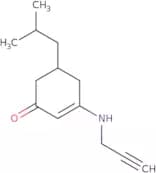
Formula:C4H5FN2O2Purezza:Min. 95%Colore e forma:PowderPeso molecolare:132.09 g/mol5-(2-methylpropyl)-3-(prop-2-ynylamino)cyclohex-2-en-1-one
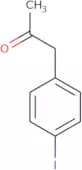
CAS:Please enquire for more information about 5-(2-methylpropyl)-3-(prop-2-ynylamino)cyclohex-2-en-1-one including the price, delivery time and more detailed product information at the technical inquiry form on this pagePurezza:Min. 95%(4-Iodophenyl)acetone
CAS:Prodotto controllato4-Iodophenylacetone is a chemical compound that is used as a radioactive label in animal and human studies. 4-Iodophenylacetone has been shown to be taken up by the nervous system, specifically the brain, when injected into animals. This uptake is constant with time and dose, indicating that it may be used as a radiopharmaceutical for imaging of the brain. 4-Iodophenylacetone has also been shown to have characteristics similar to those of acetate extraction (i.e., lipid solubility) and can be used for the analysis of tissue samples in liquid chromatography. The use of 4-iodophenylacetone as a labeling agent may provide information about the uptake of this compound in humans and its effects on blood pressure.
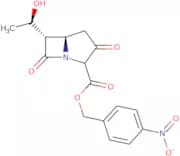
Formula:C9H9IOPurezza:Min. 95%Colore e forma:Clear LiquidPeso molecolare:260.07 g/molp-Nitrobenzyl 6-(1'-hydroxyethyl)-azabicyclo(3.2.0)heptane-3,7-dione-2-carboxylate
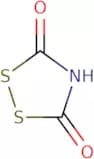
CAS:p-Nitrobenzyl 6-(1'-hydroxyethyl)-azabicyclo(3.2.0)heptane-3,7-dione-2-carboxylate is a drug substance that is used in the manufacture of carbapenem antibiotics. It can be detected by a chloride ion chromatographic method, and the detection limit is 0.5 mg/L in the presence of zinc powder as a modifier. This material is used to prepare carbapenems using an analytical method that includes reaction monitoring by optical rotation, diastereomer chromatography, and transfer.Formula:C16H16N2O7Purezza:Min. 95%Colore e forma:PowderPeso molecolare:348.31 g/mol1,2,4-Dithiazolidine-3,5-dione
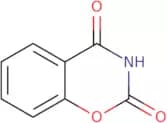
CAS:1,2,4-Dithiazolidine-3,5-dione is a disulfide bond compound that contains a nucleophilic cysteine residue. It is oxidized to the corresponding sulfoxide or sulfone by reaction with hydrochloric acid. 1,2,4-Dithiazolidine-3,5-dione has been shown to react with amines to form adducts. The nucleophilic attack of the sulfur atom on the carbonyl carbon generates an intermediate thioketal and leaves the original disulfide intact. The nucleophilic attack leads to a number of possible products including dithioesters and dithioimidates. Both these products are stable in water and can be used in organic synthesis reactions such as DNA duplex formation.Formula:C2HNO2S2Purezza:Min. 95%Colore e forma:PowderPeso molecolare:135.16 g/mol2H-1,3-Benzoxazine-2,4(3H)-dione
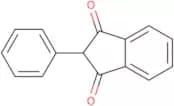
CAS:2H-1,3-Benzoxazine-2,4(3H)-dione is an analog of 5-HT7 receptor ligands. It has inhibitory properties and can be used to treat skin conditions such as psoriasis. It may also be used to increase insulin sensitivity in type 2 diabetes mellitus and for the treatment of inflammatory diseases. The 2H-1,3-benzoxazine-2,4(3H)-dione binds to the 5-HT7 receptors in the target tissue, which may lead to a reduction in inflammation. This drug has shown activity against both 5-HT2A receptors and 5-HT7 receptors in vitro.Formula:C8H5NO3Purezza:Min. 95%Colore e forma:White PowderPeso molecolare:163.13 g/mol2-Phenyl-1,3-indandione
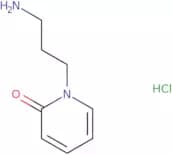
CAS:2-Phenyl-1,3-indandione is a coumarin derivative that is used as an anti-inflammatory drug. It inhibits the release of arachidonic acid from phospholipids in the cell membrane and consequently inhibits the formation of prostaglandins. The drug has been shown to inhibit light-induced tumor promotion in mice with cervical cancer, which may be due to its ability to inhibit the activity of oxidative enzymes such as cytochrome P450. 2-Phenyl-1,3-indandione also inhibits sodium-dependent glucose transport and energy metabolism by binding to potassium channels. This drug also has immunosuppressive effects on lymphocyte transformation and autoimmune diseases through hydrogen bonding interactions with protein molecules.Formula:C15H10O2Purezza:Min. 95%Colore e forma:PowderPeso molecolare:222.24 g/mol1-(3-Aminopropyl)pyridin-2(1H)-one HCl
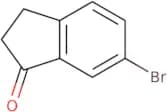
CAS:1-(3-Aminopropyl)pyridin-2(1H)-one HCl is a fine chemical that belongs to the group of heterocyclic compounds. It is a versatile building block that can be used as an intermediate or a scaffold in chemical synthesis. 1-(3-Aminopropyl)pyridin-2(1H)-one HCl is soluble in water and has been shown to react with a variety of other compounds, including amines, alcohols, thiols, and phenols. This compound also has high quality and can be used for research purposes.Formula:C8H12N2O·HClPurezza:Min. 95%Colore e forma:White PowderPeso molecolare:188.65 g/mol6-Bromo-1-indanone
CAS:6-Bromo-1-indanone is a chemical compound with the molecular formula C5H5BrNO. It belongs to the class of aromatic ketones and has a herringbone structure. 6-Bromo-1-indanone has been shown to inhibit cancer cells by binding to their a2a adenosine receptors and disrupting their function. This analog also inhibits survivin, an enzyme that regulates cell death, which may be due to its ability to form intramolecular hydrogen bonds. The crystal structure of 6-bromo-1-indanone was determined using crystallography and found to have two different conformations in solution, which is stereoselective.Formula:C9H7BrOPurezza:Min. 95%Colore e forma:White PowderPeso molecolare:211.06 g/molEfavirenz
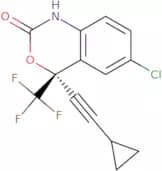
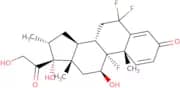
CAS:Efavirenz is a non-nucleoside-based reverse transcriptase inhibitor (NNRTI) of the reverse transcriptase of HIV-1. It inhibits the viral enzyme reverse transcriptase by binding to its active site. In certain cell culture assays, efavirenz showed great efficiency when inhibiting wild-type HIV-1 replication with values of inhibition constant Ki between 2.97 to 17.60 mM in single mutation enzymes and 26.05 to 56.50 nM in double mutation. In the treatment of HIV, efavirenz has been studied in combination with emtricitabine and tenofovir disoproxil fumarate for ease of administration in some clinical studies. Recent in vitro cell studies indicated efavirenz is a potential treatment for pancreatic, prostate and triple-negative breast cancers due to its cytotoxicity against cancer cells, with an EC50 of 31.5 μM.Formula:C14H9ClF3NO2Purezza:Min. 95%Colore e forma:PowderPeso molecolare:315.68 g/mol(9R,11S,14S,16R,17R)-6,6,9-Trifluoro-11,17-Dihydroxy-17-(2-Hydroxyacetyl)-10,13,16-Trimethyl-8,11,12,14,15,16-Hexahydro-7H-Cyclopent a[a]Phenanthren-3-One
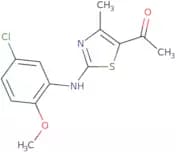
CAS:Prodotto controllato(9R,11S,14S,16R,17R)-6,6,9-Trifluoro-11,17-dihydroxy-17-(2-hydroxyacetyl)-10,13,16-trimethyl-8,11,12,14,15,16-hexahydro-7H-cyclopenta[a]phenanthrene 3-one is a congestive heart failure drug that belongs to the group of cardiotonic drugs. It has high resistance to elution and is used in the diagnosis of autoimmune diseases. (9R,11S) 6-(1′Hexahydrocyclohexa[b]pyrrolo[2′1′b]indolizinium bromide) is a nitrogenous compound that has been employed as a pharmaceutical preparation for the treatment of cardiac disorders. The biological properties of (9R) 11-(2′HydroxyacetylFormula:C22H27F3O5Purezza:Min. 95%Peso molecolare:428.44 g/mol1-(3-((5-Chloro-2-methoxyphenyl)amino)-5-methyl-2,4-thiazolyl)ethan-1-one
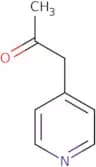
CAS:Please enquire for more information about 1-(3-((5-Chloro-2-methoxyphenyl)amino)-5-methyl-2,4-thiazolyl)ethan-1-one including the price, delivery time and more detailed product information at the technical inquiry form on this pageFormula:C13H13ClN2O2SPurezza:Min. 95%Peso molecolare:296.77 g/mol(4-Pyridyl)acetone
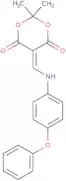
CAS:4-Pyridylacetone (4PA) is a chloride channel blocker that blocks the ion channels in muscle cells, leading to decreased levels of chloride ions. This leads to the inhibition of the release of pro-inflammatory cytokines and therefore has potential as a treatment for inflammatory diseases such as congestive heart failure, chronic obstructive pulmonary disease, and atherosclerosis. 4PA also inhibits the activation of macrophages by LPS, which may be beneficial in treating autoimmune disorders. Molecular docking analysis has shown that 4PA can bind to aminomalonamide, a drug used to treat myeloma cancer, suggesting that it could be used as an alternative treatment.Formula:C8H9NOPurezza:Min. 98 Area-%Colore e forma:Colorless Yellow Clear LiquidPeso molecolare:135.16 g/mol2,2-dimethyl-5-(((4-phenoxyphenyl)amino)methylene)-1,3-dioxane-4,6-dione
CAS:Please enquire for more information about 2,2-dimethyl-5-(((4-phenoxyphenyl)amino)methylene)-1,3-dioxane-4,6-dione including the price, delivery time and more detailed product information at the technical inquiry form on this page
Purezza:Min. 95%4-((4-(dimethylamino)phenyl)methylene)-3-methyl-1-phenyl-2-pyrazolin-5-one
CAS:Please enquire for more information about 4-((4-(dimethylamino)phenyl)methylene)-3-methyl-1-phenyl-2-pyrazolin-5-one including the price, delivery time and more detailed product information at the technical inquiry form on this pagePurezza:Min. 95%5-Chloro-6-[(2-imino-1-pyrrolidinyl)methyl]-2,4(1H,3H)-pyrimidinedione monohydrochloride
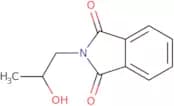
CAS:Trifluridine is a pyrimidine nucleoside analog that is used in the treatment of colorectal cancer. It is a potent inhibitor of DNA polymerase and other enzymes involved in DNA replication and transcription, including RNA polymerase. Trifluridine has been shown to inhibit the growth of various types of human tumor cells in vitro. This drug also has anti-inflammatory properties, which may be due to its ability to inhibit prostaglandin synthesis. Trifluridine can cause fetal bovine syndrome when given to pregnant women and should not be used during pregnancy or breastfeeding.Formula:C9H11ClN4O2·HClPurezza:Min. 98 Area-%Colore e forma:White PowderPeso molecolare:279.12 g/mol2-(2-Hydroxypropyl)-1H-isoindole-1,3(2H)-dione
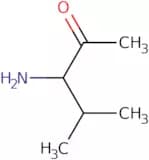
CAS:Please enquire for more information about 2-(2-Hydroxypropyl)-1H-isoindole-1,3(2H)-dione including the price, delivery time and more detailed product information at the technical inquiry form on this pageFormula:C11H11NO3Purezza:Min. 95%Colore e forma:PowderPeso molecolare:205.21 g/mol3-Amino-4-methylpentan-2-one hydrochloride
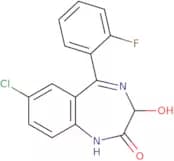
CAS:3-Amino-4-methylpentan-2-one hydrochloride is a versatile building block that is used for the synthesis of high quality research chemicals, useful scaffolds, and speciality chemicals. It is also used as a reagent in organic syntheses. This chemical has a wide range of uses and is a fine chemical that can be used as an intermediate or reaction component. 3-Amino-4-methylpentan-2-one hydrochloride can be reacted with other compounds to form complex molecules that have many different applications.Formula:C6H13NO•HClPurezza:Min. 95%Colore e forma:SolidPeso molecolare:151.63 g/mol7-Chloro-5-(2-fluorophenyl)-1,3-dihydro-3-hydroxy-2H-1,4-benzodiazepin-2-one
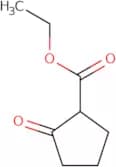
CAS:Prodotto controllatoThe chemical structure of 7-chloro-5-(2-fluorophenyl)-1,3-dihydro-3-hydroxy-2H-1,4-benzodiazepin-2-one (7CFT) is characterized by a constant and long duration of action. It is a hydroxy group extractant and has amplitudes in the organic tissues. The chlorine atom is located in the center of the molecule. 7CFT has methoxy groups on each side of the chlorine atom, which are responsible for its nature. This compound has been used as an analytical toxicology reagent and as a reference substance in analytical chemistry applications. This product description was generated using ChemSpider.Formula:C15H10ClFN2O2Purezza:Min. 95%Peso molecolare:304.7 g/molEthyl cyclopentanone-2-carboxylate
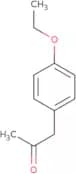
CAS:Ethyl cyclopentanone-2-carboxylate (ECPC) is a chemical compound that can be synthesized from picolinic acid, β-amino acid, and methyl ketones. It is a bifunctional molecule that has been shown to have the ability to activate methylene groups. ECPC has been used in the synthesis of β-amino esters and ethyl esters. This compound can also react with hydrogen fluoride and trifluoroacetic acid to form ethyl cyclopentanone-2-carboxylate trifluoroacetate (ECPCT). ECPC has been found to undergo an aldol cyclization reaction when exposed to hydrogen ions in the presence of a base. The activation energies for this reaction are 19.6 kJ/mol for the first step and 23.5 kJ/mol for the second step.Formula:C8H12O3Purezza:Min. 95 Area-%Colore e forma:Colorless Clear LiquidPeso molecolare:156.18 g/mol(4-Ethoxyphenyl)acetone
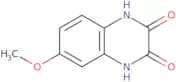
CAS:(4-Ethoxyphenyl)acetone is a versatile building block that can be used as an intermediate in the synthesis of other compounds. It is also an excellent reagent for organic syntheses and can be used in research chemical laboratories. This compound is a useful scaffold, due to its high quality and speciality chemical properties. (4-Ethoxyphenyl)acetone is not listed on the Chemical Abstracts Service Registry Number index, but has CAS number 144818-72-4.Formula:C11H14O2Purezza:Min. 95%Peso molecolare:178.23 g/mol6-Methoxy-1,4-dihydroquinoxaline-2,3-dione
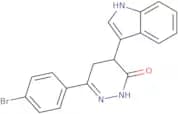
CAS:6-Methoxy-1,4-dihydroquinoxaline-2,3-dione is a nitrile that is generated by the catalytic oxidation of quinoxaline. It is a colorless to yellow solid with a melting point of about 155°C. 6-Methoxy-1,4-dihydroquinoxaline-2,3-dione has been shown to be an effective nitrile for the synthesis of diketene. 6-Methoxy-1,4-dihydroquinoxaline-2,3-dione can be converted into hydrochloric acid and ethanol through hydrolysis with hydrochloric acid or ethanol in the presence of heat. This reaction will proceed more quickly at higher temperatures. The filtration method can be used to remove any unwanted solids from the reaction mixture.Formula:C9H8N2O3Purezza:Min. 95%Colore e forma:PowderPeso molecolare:192.17 g/mol3-(4-bromophenyl)-5-indol-3-yl-1H,4H,5H-1,2-diazin-6-one
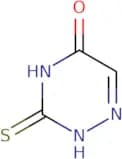
CAS:Please enquire for more information about 3-(4-bromophenyl)-5-indol-3-yl-1H,4H,5H-1,2-diazin-6-one including the price, delivery time and more detailed product information at the technical inquiry form on this pagePurezza:Min. 95%3-Thioxo-1,2,4-triazin-5-one
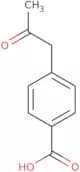
CAS:3-Thioxo-1,2,4-triazin-5-one is a chemical compound that has been shown to inhibit the growth rate of various bacteria. It inhibits the enzyme hydroxyproline hydroxylase in plants and fungi. The tautomeric form of 3-thioxo-1,2,4-triazin-5-one is found in triticum aestivum (wheat) and glyoxylate. In the presence of thiosemicarbazide or carbazone this compound undergoes a base catalyzed cyclization reaction that leads to the formation of orotic acid. 3-Thioxo-1,2,4-triazin-5-one also inhibits viral replication by blocking the synthesis of nucleobases and can be used as an antiviral agent against herpes virus.Formula:C3H3N3OSPurezza:Min. 95%Colore e forma:Brown SolidPeso molecolare:129.14 g/mol(4-Carboxyphenyl)acetone
CAS:Carboxyphenylacetone is a polymer drug that has been shown to have antimicrobial activity against P. aeruginosa, with the mechanism of action being the inhibition of DNA synthesis and protein synthesis. Carboxyphenylacetone also has anticancer properties, inhibiting human colon carcinoma cells by causing cell death and inhibiting proliferation. It has been shown to be an effective photoelectron scavenger and can be used for optical imaging studies. The conjugates are stable in acidic conditions and may be useful for treating infectious diseases such as HIV-1.Formula:C10H10O3Purezza:Min. 95%Colore e forma:PowderPeso molecolare:178.18 g/mol2-(2-Butyl)-4-{4-[4-(4-methyloxy-phenyl)-piperazin-1-yl]-phenyl}-2,4-dihydro-[1,2,4]-triazol-3-one
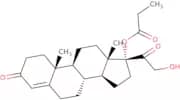
CAS:2-(2-Butyl)-4-{4-[4-(4-methyloxy-phenyl)-piperazin-1-yl]-phenyl}-2,4-dihydro-[1,2,4]-triazol-3-one (ITZ) is an antifungal drug that inhibits the synthesis of ergosterol. It is used in the treatment of systemic fungal infections such as candidiasis and cryptococcosis. ITZ is a metabolite of itraconazole and fluconazole. The presence of impurities in ITZ can be detected by liquid chromatography with a diode array detector or a fluorescence detector. An antiinfective drug product should be bioequivalent to the reference product and have comparable levels of impurities. Chromatograms are used to identify peaks on a graph and measure their height (area under the curve) to determine how much of each substance is present in the sample.Formula:C23H29N5O2Purezza:Min. 95%Colore e forma:White To Yellow SolidPeso molecolare:407.51 g/molClascoterone
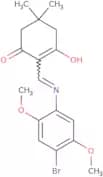
CAS:Prodotto controllatoClascoterone is a topical antiandrogen, which is a synthetic steroidal product with mechanisms focused on inhibiting androgen receptors. Derived from a modified steroid structure, this compound exhibits a targeted approach to addressing conditions influenced by androgen activity, particularly in cutaneous applications. The mode of action of Clascoterone involves competitive inhibition at the androgen receptor sites, thereby reducing the impact of dihydrotestosterone, which plays a significant role in the pathophysiology of acne.Formula:C24H34O5Purezza:Min. 98 Area-%Colore e forma:White Off-White PowderPeso molecolare:402.52 g/mol2-(((4-Bromo-2,5-dimethoxyphenyl)amino)methylene)-5,5-dimethylcyclohexane-1,3-dione
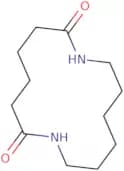
CAS:Please enquire for more information about 2-(((4-Bromo-2,5-dimethoxyphenyl)amino)methylene)-5,5-dimethylcyclohexane-1,3-dione including the price, delivery time and more detailed product information at the technical inquiry form on this pageFormula:C17H20BrNO4Purezza:Min. 95%Peso molecolare:382.25 g/mol1.8-Diazacyclotetradecane-2,7-dione
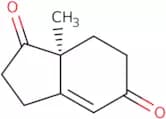
CAS:1.8-Diazacyclotetradecane-2,7-dione is a solid formed as an unwanted side-product in the conventional process to form Nylon 66 from adipic acid and hexamethylene diamine. The 1.8-diazacyclotetradecane-2,7-dione thus produced can be washed out of the final Nylon polymer. However, an alternative process allows for 1.8-diazacyclotetradecane-2,7-dione to be used as part of the feedstock for Nylon 66 and other lower molecular weight polymers.Formula:C12H22N2O2Purezza:Min. 95%Colore e forma:White PowderPeso molecolare:226.32 g/mol(S)-(+)-5,6,7,8-Tetrahydro-8-methylindan-1,5-dione
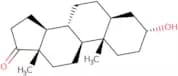
CAS:(S)-(+)-5,6,7,8-Tetrahydro-8-methylindan-1,5-dione is a chemical compound with a molecular formula of C9H14O2 that has the chemical name of methyl 8-(hydroxymethyl)indane-1,5-dione. This compound is an enantiopure substance that exists as a single stereoisomer and can be synthesized from two different starting materials. It is not commercially available but can be prepared from boronic acid and methanol or from methylamine and hydroxyacetone. The reaction time for this synthesis varies depending on the starting material used and the desired purity level. (S)-(+)-5,6,7,8-Tetrahydro-8-methylindan-1,5-dione is used in organic synthesis as an alternative to other chiral diols.Formula:C10H12O2Purezza:Min. 95%Colore e forma:White PowderPeso molecolare:164.2 g/mol3α-Hydroxy-17-androstanone
CAS:Prodotto controllato3α-Hydroxy-17-androstanone is a metabolite of testosterone. This compound has been used in vitro to study the effects of testosterone on cellular metabolism and has been shown to have an inhibitory effect on the activity of enzymes such as 3α-hydroxysteroid dehydrogenase, which is involved in energy metabolism. The effects of 3α-hydroxy-17-androstanone on human serum have also been studied and it has been found that this compound displays low potency.Formula:C19H30O2Purezza:Min. 95 Area-%Colore e forma:White Off-White PowderPeso molecolare:290.44 g/molSpiro[4.5]decan-6-one
CAS:Spiro[4.5]decan-6-one is a spirocyclic compound that belongs to the class of dienones. It is postulated to be synthesized from the condensation reaction of an imidazole and a cyclic ketone. This compound was originally isolated as a product in the crystallization process of zirconium dichloride, which was used in the immobilization of enzymes for biofuel production. Spiro[4.5]decan-6-one has been shown to be catalysed by trifluoride, which may be due to its natural products activity.
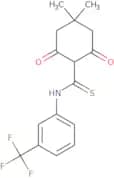
Formula:C10H16OPurezza:Min. 95%Peso molecolare:152.23 g/mol5,5-dimethyl-2-(thioxo((3-(trifluoromethyl)phenyl)amino)methyl)cyclohexane-1,3-dione
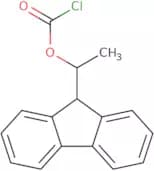
CAS:Please enquire for more information about 5,5-dimethyl-2-(thioxo((3-(trifluoromethyl)phenyl)amino)methyl)cyclohexane-1,3-dione including the price, delivery time and more detailed product information at the technical inquiry form on this pagePurezza:Min. 95%(+)-1-(9Fluorenyl)ethyl chloroformate - 18mM acetone solution
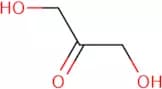
CAS:(+)-1-(9-Fluorenyl)ethyl chloroformate is a chemical reagent that is used to prepare pharmaceutical preparations. It is an acetone solution with a concentration of 18mM. Its thermal expansion properties are such that it can be used in the manufacturing of microcapsules and analytical chemistry techniques. The emission of (+)-1-(9-Fluorenyl)ethyl chloroformate has been shown to be carcinogenic, but only at high concentrations. Toxicity profiles have not been established for this compound. It is also known to cause biochemical changes in the heart and skin cells, as well as act on the calcium overload and epidermal growth factor receptor (EGFR).Formula:C16H13ClO2Colore e forma:Colorless Clear LiquidPeso molecolare:272.73 g/mol1,3-Dihydroxyacetone
CAS:1,3-Dihydroxyacetone is a chemical compound that has been used as a reactant in the synthesis of glycerol. It is the simplest ketone formed from glycerol and a hydroxyl group. The reaction mechanism for the formation of 1,3-dihydroxyacetone involves the reaction of metal hydroxides with glycerol to form an intermediate product, which then reacts with hydrogen peroxide to produce dihydroxyacetone. 1,3-Dihydroxyacetone is also an analytical reagent for phosphorus pentoxide due to its acidic properties. Structural analysis and surface methodology have been used to determine the intramolecular hydrogen bonding between hydroxyl groups on the 1,3-dihydroxyacetone molecule.
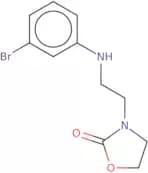
Formula:C3H6O3Purezza:Min. 95%Colore e forma:White PowderPeso molecolare:90.08 g/mol3-(2-((3-Bromophenyl)amino)ethyl)oxazolidin-2-one
CAS:Please enquire for more information about 3-(2-((3-Bromophenyl)amino)ethyl)oxazolidin-2-one including the price, delivery time and more detailed product information at the technical inquiry form on this pageFormula:C11H13BrN2O2Purezza:Min. 95%Peso molecolare:285.14 g/mol2-Methyl-4,9-dihydro-3-thia-4,9-diazabenzo[f]azulene-10-one
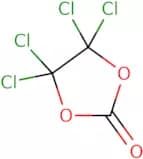
CAS:2-Methyl-4,9-dihydro-3-thia-4,9-diazabenzo[f]azulene-10-one is a high quality reagent that can be used as a useful intermediate or fine chemical. This compound is a complex compound with CAS No. 221176-49-4, which is used as a useful scaffold for the synthesis of other compounds. It also has a variety of uses in research and is versatile building block for organic synthesis. 2-Methyl-4,9-dihydro-3-thia-4,9 -diazabenzo[f]azulene 10 one can be used in reactions such as Friedel Crafts alkylation and amidation reactions to produce valuable substances.Formula:C12H10N2OSPurezza:Min. 95%Colore e forma:SolidPeso molecolare:230.29 g/mol4,4,5,5-Tetrachloro-1,3-dioxolan-2-one
CAS:4,4,5,5-Tetrachloro-1,3-dioxolan-2-one is a chemical compound that is the product of the reaction between phosphorus pentachloride and amines. This compound has been used as a reagent for the synthesis of nanotubes in an efficient method. The interaction with malonic acid leads to formation of vinylene carbonate ester. Hydrogen chloride and chloride are used as hydrogen donors and acceptors respectively during this process. 4,4,5,5-Tetrachloro-1,3-dioxolan-2-one also reacts with oxalyl in the presence of base to form 4-(4',4'''-dimethoxytrityl)benzoic acid.Formula:C3Cl4O3Purezza:(%) Min. 95%Peso molecolare:225.84 g/mol3',4'-Dihydroxyphenylacetone
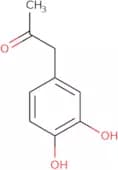
CAS:3',4'-Dihydroxyphenylacetone (DOPA) is a metabolite of dopamine that is produced in the brain and kidneys. DOPA has been shown to have pharmacological properties, but its function as an endogenous neurotransmitter has not been confirmed. DOPA is also a precursor for the synthesis of melanin, which is found in skin cells. The detection of DOPA in urine samples can be used to diagnose Parkinson's disease or other conditions characterized by low levels of dopamine. The enzyme glutamate dehydrogenase converts DOPA into 3-methoxytyramine, which can be detected in urine samples using chromatographic methods. 3',4'-Dihydroxyphenylacetone may be measured in the blood plasma of patients with bacterial infections and urinary tract infections. A detectable concentration of this metabolite could indicate that the body is making use of an alternate pathway for synthesizing amines.Formula:C9H10O3Purezza:Min. 95%Colore e forma:Off-White PowderPeso molecolare:166.17 g/mol1-Hydroxycyclohexyl phenyl ketone
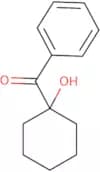
CAS:1-Hydroxycyclohexyl phenyl ketone is a reactive, water-soluble polymer that can be used as a substrate for forming thin films. It is a biocompatible polymer with a relatively low degree of toxicity. The film can be used to immobilize enzymes and other proteins on the surface of polymers. 1-Hydroxycyclohexyl phenyl ketone is also an analytical method for determining the concentration of hydroxyl groups in organic solvents. This substance has been shown to have strong fluorescence properties when it is mixed with trifluoroacetic acid and used as a probe for axonal growth.
Formula:C13H16O2Purezza:Min. 98 Area-%Colore e forma:White Off-White PowderPeso molecolare:204.26 g/mol3β,5-Dihydroxy-15β,16β-methylene-5β-androst-6-en-17-one
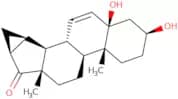
CAS:Prodotto controllato3b,5-Dihydroxy-15b,16b-methylene-5b-androst-6-en-17-one is a steroid hormone that has been shown to have antihypertensive properties. It has been shown to reduce the production of angiotensin II by inhibiting the enzyme angiotensin converting enzyme (ACE). 3b,5-Dihydroxy-15b,16b-methylene-5b-androst-6-en 17 one has also been shown to be a potent inhibitor of the enzyme 3beta hydroxysteroid dehydrogenase type 1 (3betaHSD1) and 5alpha reductase type 2 (5alphaRD2), which are enzymes that convert cortisone to cortisol and dihydrotestosterone to testosterone respectively. These effects on steroidogenesis may account for its observed antihypertensive activity.
Formula:C20H28O3Purezza:Min. 95%Colore e forma:PowderPeso molecolare:316.43 g/mol4-Cholesten-3-one
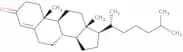
CAS:Prodotto controllato4-Cholesten-3-one is a steroid that is structurally similar to cholesterol. It has been used as a model system to study the biosynthesis of cholesterol and plant sterols. 4-Cholesten-3-one can be synthesized by the oxidation of cholestenone by cytochrome P450 enzymes in rat liver microsomes. The reaction mechanism of this process involves a dinucleotide phosphate intermediate. This compound has also been shown to inhibit cancer cell viability and human fecal sterols, suggesting that it may have potential as an anti-cancer drug or for the treatment of cholesterol disorders.Formula:C27H44OPurezza:Min. 95%Colore e forma:Off-White PowderPeso molecolare:384.65 g/mol1-Acetamido-acetone
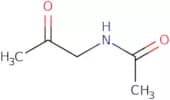
CAS:Acetamido-acetone is a chloromethyl ketone that reacts with water to form hydrochloric acid and acetone. It is used as a hydration agent in the synthesis of polyesters, such as polyethylene terephthalate (PET). Acetamido-acetone is also used for the synthesis of a variety of organic compounds and plastics. Acetamido-acetone can be used as a polymerization initiator or an intermediate in the production of other chemicals. Acetamido-acetone has low toxicity and does not react with most materials. However, it should not be mixed with strong acids or bases because this may cause hazardous fumes to form. Acetamido-acetone reacts with deuterium isotopes to produce light emission, which can be used for chemical research.
br>Formula:C5H9NO2Purezza:Min. 95%Peso molecolare:115.13 g/mol5-[3,4-(Methylenedioxy)phenyl]-cyclohexane-1,3-dione
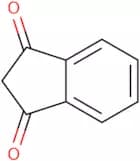
CAS:5-[3,4-(Methylenedioxy)phenyl]-cyclohexane-1,3-dione is a versatile building block for the synthesis of complex compounds. It is a reagent that is used in the preparation of research chemicals and speciality chemicals. The compound has been shown to be useful as a building block or scaffold for various reactions. This chemical also has many useful applications, such as being an intermediate in the synthesis of pharmaceuticals and agrochemicals. 5-[3,4-(Methylenedioxy)phenyl]-cyclohexane-1,3-dione is available commercially with CAS No. 55579-76-5 and can be used in high quality experiments when it is required as a reaction component.Formula:C13H12O4Purezza:Min. 95%Peso molecolare:232.23 g/mol1,3-Indanedione
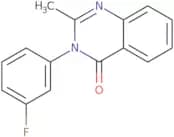
CAS:1,3-Indanedione is an organic compound that is a reactive fatty acid. It reacts with copper to form a complex. The reaction mechanism of 1,3-Indanedione with copper is not yet fully understood. 1,3-Indanedione has been shown to be effective against prostate cancer cells at an optimum concentration. This compound also has potential use in the treatment of other types of cancers and as a light emitting material in photonics applications.Formula:C9H6O2Purezza:Min. 95%Colore e forma:Beige PowderPeso molecolare:146.14 g/mol3-(3-Fluorophenyl)-2-Methylquinazolin-4(3H)-One
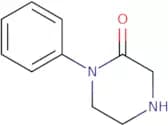
CAS:Prodotto controllatoQuinazolinones are a class of chemicals that inhibit the enzyme acetylcholinesterase. 3-Fluorophenyl-2-methylquinazolin-4(3H)-one (3FPMQ) is a connector molecule that has been shown to be an inhibitor of acetylcholinesterase, the enzyme responsible for the breakdown of the neurotransmitter acetylcholine. It is also an antenna molecule that can be used in ethyl esters and enzymatic assays. The high resistance of this molecule has been shown by chemical treatments and chemical analyses. Amplitudes generated by 3FPMQ have been shown to be effective at positioning it next to naphthalene, which is a ring structure with two c1-c6 alkoxy groups on either side. This molecule has also shown muscle relaxant properties.Formula:C15H11FN2OPurezza:Min. 95%Peso molecolare:254.26 g/mol1-Phenyl-piperazin-2-one
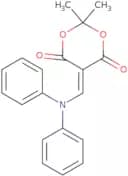
CAS:1-Phenyl-piperazin-2-one is a versatile chemical that can be used as a building block in the synthesis of complex compounds. This compound is also used as a reagent and speciality chemical. It is an important intermediate in organic synthesis and has been used in the preparation of pharmaceuticals, pesticides, and herbicides. 1-Phenyl-piperazin-2-one can be prepared by reacting phenylacetonitrile with nitrous acid to form the nitrile followed by hydrolysis to produce the corresponding carboxylic acid.Formula:C10H12N2OPurezza:Min. 95%Colore e forma:PowderPeso molecolare:176.22 g/mol5-((diphenylamino)methylene)-2,2-dimethyl-1,3-dioxane-4,6-dione
CAS:Please enquire for more information about 5-((diphenylamino)methylene)-2,2-dimethyl-1,3-dioxane-4,6-dione including the price, delivery time and more detailed product information at the technical inquiry form on this page
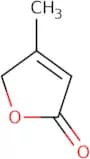
Purezza:Min. 95%4-Methyl-2(5H)-furanone
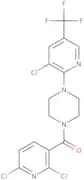
CAS:4-Methyl-2(5H)-furanone is an isomeric compound that can be isolated from various plant sources including isoprene, chalcones, and other plant extracts. It has been shown to inhibit the formation of dental plaque and the growth of oral bacteria in a functional group study. 4-Methyl-2(5H)-furanone is also known as a chalcone and has been shown to have antibacterial properties. This chemical reaction can be used as an alternative to chlorhexidine for the treatment of dental plaque.Formula:C5H6O2Purezza:Min. 95%Colore e forma:Clear LiquidPeso molecolare:98.1 g/mol2,6-dichloro(3-pyridyl)4-(3-chloro-5-(trifluoromethyl)(2-pyridyl))piperazinyl ketone
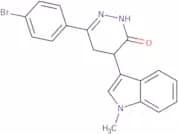
CAS:Please enquire for more information about 2,6-dichloro(3-pyridyl)4-(3-chloro-5-(trifluoromethyl)(2-pyridyl))piperazinyl ketone including the price, delivery time and more detailed product information at the technical inquiry form on this pagePurezza:Min. 95%3-(4-bromophenyl)-5-(1-methylindol-3-yl)-1H,4H,5H-1,2-diazin-6-one
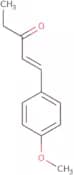
CAS:Please enquire for more information about 3-(4-bromophenyl)-5-(1-methylindol-3-yl)-1H,4H,5H-1,2-diazin-6-one including the price, delivery time and more detailed product information at the technical inquiry form on this pagePurezza:Min. 95%alpha-Methylanisalacetone
CAS:Alpha-Methylanisalacetone is a chemical substance that is used as a reagent in the production of other chemicals. It is also an allergen and a sensitizer, which may cause health risks. Alpha-Methylanisalacetone can react with trifluoroacetic acid to form alpha-methylbenzeneacetic acid, which can be detected by an ionization detector. This reaction takes about 1 hour. The fluid extract from alpha-methylanisalacetone contains histidine, which reacts with the reagent 2,4-dinitrophenylhydrazine hydrochloride and produces dinitrophenylhydrazine. The analytical method for alpha-methylanisalacetone involves measuring the turbidity of the solution at 660 nm using a spectrophotometer.Formula:C12H14O2Purezza:Min. 95%Colore e forma:White PowderPeso molecolare:190.24 g/molAnthra[9,1,2-cde]benzo[rst]pentaphene-5,10-dione
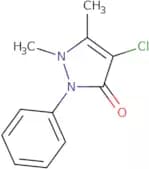
CAS:Anthra[9,1,2-cde]benzo[rst]pentaphene-5,10-dione is a polycyclic aromatic hydrocarbon. This compound is soluble in chloroform and has good transport properties. The methoxy groups on the benzene ring make it soluble in organic solvents and low light radiation. It also has an electrophotographic property that can be used for developing printed circuit boards. Anthra[9,1,2-cde]benzo[rst]pentaphene-5,10-dione is also a cationic polymerization agent with chloride as the counterion. The compound's reaction mechanism involves photochemical reactions in the presence of light or radiation. Anthra[9,1,2-cde]benzo[rst]pentaphene-5,10-dione has been shown to absorb ultraviolet light at wavelengths between 350 and 450 nm. This compound also absorbsFormula:C34H16O2Purezza:Min. 95%Colore e forma:PowderPeso molecolare:456.49 g/mol4-chloro-2,3-dimethyl-1-phenyl-3-pyrazolin-5-one
CAS:Please enquire for more information about 4-chloro-2,3-dimethyl-1-phenyl-3-pyrazolin-5-one including the price, delivery time and more detailed product information at the technical inquiry form on this page
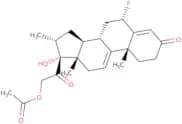
Purezza:Min. 95%6α-Fluoro-17,21-Dihydroxy-16α-Methylpregna-4,9(11)-Diene-3,20-Dione 21-Acetate
CAS:Prodotto controllato6alpha-Fluoro-17,21-Dihydroxy-16alpha-Methylpregna-4,9(11)-Diene-3,20-Dione 21-Acetate is a synthetic angiostatic agent that inhibits the angiogenic process by affecting the growth of new blood vessels. It has been shown to inhibit proteolytic activity and to have an inhibitory effect on tumour necrosis factor-α (TNF-α) induced activation of endothelial cells and their proliferation. 6alpha-Fluoro-17,21-Dihydroxy-16alpha-Methylpregna-4,9(11)-Diene 3,20 Dione 21 Acetate also inhibits the growth of fetal bovine aortic endothelial cells in culture. The drug was also found to significantly reduce the monolayer cell viability after uptake by endothelial cells.Formula:C24H31FO5Purezza:Min. 95%Peso molecolare:418.5 g/molPyridin-3-Yl-[4-[3-(Trifluoromethyl)Phenyl]Piperazin-1-Yl]Methanone Dihydrochloride
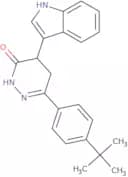
CAS:Prodotto controllatoThis polymer is a high efficiency, low cost particle that can be used to store electricity at temperatures of up to 300 degrees Celsius. It has a cycle life of more than 10,000 cycles and can be recharged in less than one minute. This polymer has been shown to have excellent structural stability and structural reversibility with lithium ion insertion/extraction. The coulombic efficiency is greater than 99%.Formula:C17H18Cl2F3N3OPurezza:Min. 95%Peso molecolare:408.25 g/mol3-(4-(tert-butyl)phenyl)-5-indol-3-yl-1H,4H,5H-1,2-diazin-6-one
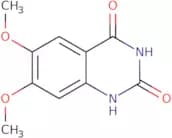
CAS:Please enquire for more information about 3-(4-(tert-butyl)phenyl)-5-indol-3-yl-1H,4H,5H-1,2-diazin-6-one including the price, delivery time and more detailed product information at the technical inquiry form on this pagePurezza:Min. 95%6,7-Dimethoxyquinazoline-2,4-dione
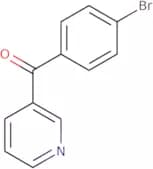
CAS:6,7-Dimethoxyquinazoline-2,4-dione is a chemical compound that can be synthesized by reacting amide and formaldehyde. It has been investigated as an efficient method for the synthesis of amides. 6,7-Dimethoxyquinazoline-2,4-dione is also a potential antibacterial agent which may prevent bacterial growth by inhibiting choline uptake or by binding to ribosomes and blocking protein synthesis. The reaction mechanism of this compound is not well understood, but it may involve hydrolysis of cyanate to produce hydrogen cyanide (HCN), which then reacts with the amide to form the quinazoline ring.Formula:C10H10N2O4Purezza:Min. 95%Colore e forma:PowderPeso molecolare:222.2 g/mol(4-Bromophenyl)-(pyridin-3-yl)methanone
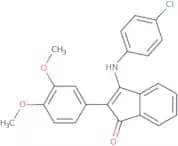
CAS:The compound is a reactive, logistic and logistic regression analysis. The logistic regression was used to determine the effects of temperature on the yields of this organic chemical. The compound is not active against test organisms such as dimethylamine, but does react with carbonyl groups in other organic chemicals. This chemical is considered reactive because it can be easily oxidized by air or water. It has been shown that this chemical reacts with oxygen molecules to form aldehydes and ketones.Formula:C12H8BrNOPurezza:Min. 95%Peso molecolare:262.1 g/mol2-(3,4-dimethoxyphenyl)-3-((4-chlorophenyl)amino)inden-1-one
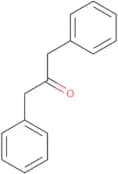
CAS:Please enquire for more information about 2-(3,4-dimethoxyphenyl)-3-((4-chlorophenyl)amino)inden-1-one including the price, delivery time and more detailed product information at the technical inquiry form on this pagePurezza:Min. 95%1,3-Diphenylacetone
CAS:1,3-Diphenylacetone is a fine chemical that can be used as a building block for research chemicals, as a reagent in organic synthesis, or as a speciality chemical. It is also a versatile building block and has been shown to be useful in the formation of complex compounds. 1,3-Diphenylacetone can react with electrophiles to form new carbon-carbon bonds and has been used in reactions involving nucleophilic substitution, electrophilic addition, and Michael reactions. 1,3-Diphenylacetone is also water soluble and has been shown to be compatible with both ionic and covalent solvents.Formula:C15H14OPurezza:Min. 99.0 Area-%Peso molecolare:210.28 g/mol3,8-Dihydroxy-6H-benzo[c]chromen-6-one
CAS:3,8-Dihydroxy-6H-benzo[c]chromen-6-one (3,8 DHC) is a natural compound that has been shown to have antioxidant and anti-inflammatory properties. It increases the production of ATP (cellular energy) by activating the ATP binding cassette transporter and increasing autophagy. 3,8 DHC may also inhibit apoptosis (cell death), which has been observed in studies involving balloon injury and atherosclerotic lesions. This compound may also have potential therapeutic benefits for bowel disease, cancer, and neuronal death.
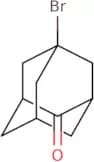
Formula:C13H8O4Purezza:Min. 95%Colore e forma:White To Beige To Yellow To Brown SolidPeso molecolare:228.2 g/mol5-Bromo-2-adamantanone
CAS:5-Bromo-2-adamantanone is a potent and selective inhibitor of human alpha-amylase. It binds to the active site in the enzyme, hindering its catalytic activity. 5-Bromo-2-adamantanone has been shown to inhibit the production of glucose by inhibiting alpha amylase, an enzyme that breaks down starch into maltose. 5-Bromo-2-adamantanone has also been shown to be a potential drug for diabetes therapy.
Formula:C10H13BrOPurezza:Min. 95%Colore e forma:PowderPeso molecolare:229.11 g/mol2-(2-aza-1-(4-methoxyphenyl)-2-(amino)vinyl)indane-1,3-dione
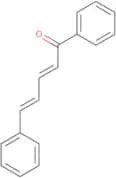
CAS:Please enquire for more information about 2-(2-aza-1-(4-methoxyphenyl)-2-(amino)vinyl)indane-1,3-dione including the price, delivery time and more detailed product information at the technical inquiry form on this pageFormula:C17H14N2O3Purezza:Min. 95%Colore e forma:PowderPeso molecolare:294.3 g/mol1,5-Diphenyl-penta-2,4-dien-1-one
CAS:1,5-Diphenyl-penta-2,4-dien-1-one is a natural compound that has been shown to have cytotoxic activity against human pathogens. It has been shown to inhibit the growth of gram-positive bacterial species by binding to dipole groups and preventing the formation of an enzyme complex required for cell division. 1,5-Diphenyl-penta-2,4-dien-1-one also inhibits the production of pyrazolines from benzoates in bacteria. When this molecule is metabolized by bacteria, it forms an aliphatic hydrocarbon with a chemical structure similar to that found in some carcinogens. 1,5 -Diphenyl penta 2,4 dien 1 one can be detected using NMR spectroscopy because it has a unique molecular structure. This compound also exhibits pharmacokinetic properties that are different from those of other molecules.
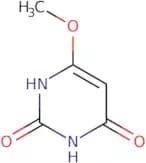
Formula:C17H14OPurezza:Min. 95%Peso molecolare:234.29 g/mol6-Methoxypyrimidine-2,4(1H,3H)-dione
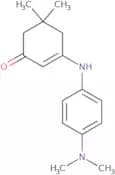
CAS:Prodotto controllato6-Methoxypyrimidine-2,4(1H,3H)-dione is a nucleophilic compound that is formed by the reaction of an electron with a carbon atom in an organic molecule. It is used as a reagent in organic synthesis. 6-Methoxypyrimidine-2,4(1H,3H)-dione can be synthesized from 2-amino-5-methoxybenzaldehyde and chloroacetic acid in three steps. The chloride ion reacts with the 6-methoxypyridine to form the desired product. 6-Methoxypyrimidine-2,4(1H,3H)-dione can also be used as a reagent to catalyze chemical reactions such as alkylation and allylation reactions. 6-Methoxypyrimidine-2,4(1H,3H)-dione has been shown to have barbiturate activityFormula:C5H6N2O3Purezza:Min. 95%Peso molecolare:142.11 g/mol3-((4-(dimethylamino)phenyl)amino)-5,5-dimethylcyclohex-2-en-1-one
CAS:Please enquire for more information about 3-((4-(dimethylamino)phenyl)amino)-5,5-dimethylcyclohex-2-en-1-one including the price, delivery time and more detailed product information at the technical inquiry form on this pagePurezza:Min. 95%Ethyl tridecyl ketone
CAS:Ethyl tridecyl ketone (ETK) is a fatty acid that is an oxidation product of the natural fatty acids found in plants. ETK has been shown to inhibit cell growth and physiological function, which may be due to its ability to react with plasma proteins, such as polysorbate. ETK is also an anti-inflammatory agent and has shown activity against infectious diseases. ETK inhibits the production of inflammatory cytokines by interfering with the synthesis of arachidonic acid, which is an important precursor for these molecules.
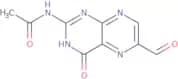
Formula:C16H32OPurezza:Min. 95%Colore e forma:PowderPeso molecolare:240.42 g/mol2-Acetamido-6-formylpteridin-4-one
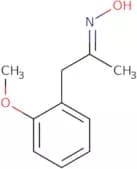
CAS:2-Acetamido-6-formylpteridin-4-one is a reductive amination product of folic acid. It is a stable compound and has been shown to be useful in the treatment of human diseases such as cancer, Alzheimer's disease, and Parkinson's disease. The reductive amination reaction produces formyl groups that can be acetylated or alkylated to produce stable compounds with different properties. This compound also reacts with glutamic acid to produce an amide.Formula:C9H7N5O3Purezza:Min. 97 Area-%Colore e forma:PowderPeso molecolare:233.18 g/mol(2-Methoxyphenyl)acetone oxime
CAS:2-Methoxyphenyl)acetone oxime is a versatile building block that can be used in the synthesis of complex compounds. It is a colourless crystalline solid with a melting point of 138°C and a boiling point of 188°C. This compound has been assigned CAS No. 43021-97-2 and is soluble in water, ethanol, acetone, benzene, chloroform, ether and ethyl acetate. The chemical structure for this compound is shown below:
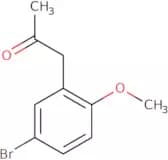
Formula:C10H13NO2Purezza:Min. 95%Colore e forma:PowderPeso molecolare:179.22 g/mol(5-Bromo-2-methoxyphenyl)acetone
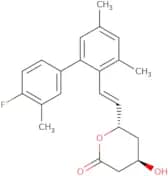
CAS:5-Bromo-2-methoxyphenyl)acetone (BMPA) is a versatile building block used in the synthesis of complex compounds and speciality chemicals. BMPA has been shown to be a useful intermediate for the synthesis of pharmaceuticals, agrochemicals, perfumes, and other products. It is also used as a reagent for research purposes. The compound was first synthesized by the condensation of aniline with acetaldehyde in 1885 by two French chemists, but has since been prepared in various ways. CAS number: 205826-73-9Formula:C10H11BrO2Purezza:Min. 95%Peso molecolare:243.1 g/mol(4α,6β(E))-DL-6-(2-(4'-Fluoro-3,3',5-trimethyl(1,1'-biphenyl)-2-Yl)ethenyl)tetrahydro-4-hydroxy-2H-pyran-2-one
CAS:Prodotto controllato(4alpha,6beta(E))-DL-6-(2-(4'-Fluoro-3,3',5-trimethyl(1,1'-biphenyl)-2-Yl)ethenyl)tetrahydro-4-hydroxy-2H-pyran-2-one is a pharmacological agent that binds to and inhibits the HMG CoA reductase enzyme. This enzyme plays a role in the production of cholesterol, which is used to form bile acids and steroid hormones. The ring structure of (4alpha,6beta(E))-DL-6-(2-(4'-Fluoro-3,3',5-trimethyl(1,1'-biphenyl)-2--Yl)ethenyl)tetrahydro -4hydroxy -2H pyran 2 one allows for it to bind to the active site of the reductase enzymeFormula:C22H23FO3Purezza:Min. 95%Peso molecolare:354.41 g/mol1-Indanone
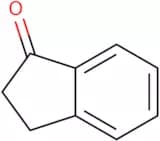
CAS:1-Indanone is a low potency, irreversible inhibitor of NADH-dependent IDO1 that may be useful as an anti-cancer agent. 1-Indanone inhibits the enzyme IDO1 by steric interactions and pyrazinoic acid. This inhibitor has been shown to have cox-2 inhibitory activity in an experimental model system. In addition, 1-indanone also inhibits mitochondrial membrane potential and can be used as a natriuretic agent. The protein target of 1-indanone is unknown at this time, but it has been shown to inhibit sugar transport in animal models.Formula:C9H8OColore e forma:PowderPeso molecolare:132.16 g/molBenzyl 4-chlorophenyl ketone
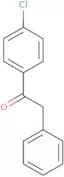
CAS:The compound benzyl 4-chlorophenyl ketone is an analog of the natural product beta-phenethylamine. It has been shown to be a potent enolizing agent in organic synthesis and can also be used as a cross-coupling agent, as well as an intermediate in the synthesis of azides, grignard reagents, halides, and magnesium biomolecules. Benzyl 4-chlorophenyl ketone has been shown to have affinity for the cannabinoid receptor 1 (CB1). This affinity makes this compound a potential drug candidate for treating neurological disorders such as Parkinson's disease. The reaction time of benzyl 4-chlorophenyl ketone with chloride under catalysis by copper(I) chloride is approximately 10 minutes at 0 °C.
Formula:C14H11ClOPurezza:Min. 95%Colore e forma:PowderPeso molecolare:230.69 g/mol1-Hydroxy-2-butanone
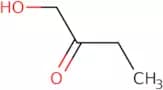
CAS:1-Hydroxy-2-Butanone is an organic compound that is used in the preparation of various fatty acids. It has been shown to be a useful analytical reagent for the determination of calcium and sodium in urine samples. The reaction mechanism is based on the addition of hydroxy groups to fatty acids. This process leads to the formation of 1,2-diols, which are then converted into 1-hydroxy-2-butanones. The reaction proceeds with a constant rate, regardless of the type or amount of the reactants.Formula:C4H8O2Purezza:Min. 95%Colore e forma:Clear LiquidPeso molecolare:88.11 g/mol3-(3,4-dimethoxyphenyl)-1,6,6-trimethyl-5,6,7-trihydro1H-indazol-4-one
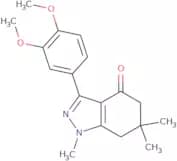
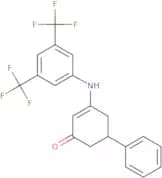
CAS:Please enquire for more information about 3-(3,4-dimethoxyphenyl)-1,6,6-trimethyl-5,6,7-trihydro1H-indazol-4-one including the price, delivery time and more detailed product information at the technical inquiry form on this pagePurezza:Min. 95%3-((3,5-bis(trifluoromethyl)phenyl)amino)-5-phenylcyclohex-2-en-1-one
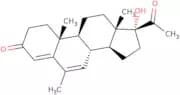
CAS:Please enquire for more information about 3-((3,5-bis(trifluoromethyl)phenyl)amino)-5-phenylcyclohex-2-en-1-one including the price, delivery time and more detailed product information at the technical inquiry form on this pagePurezza:Min. 95%17-Hydroxy-6-methylpregna-4,6-diene-3,20-dione
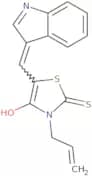
CAS:Prodotto controllato17-Hydroxy-6-methylpregna-4,6-diene-3,20-dione is a progestin that is used as an antiretroviral agent in the treatment of HIV. It has been shown to be effective for chronic cough and cancer. 17-Hydroxy-6-methylpregna-4,6-diene-3,20-dione can be used for the treatment of infectious diseases such as HIV by inhibiting viral replication and reducing the amount of virus in the blood. This drug can also be used to treat some cancers and solid tumours. It has been shown to have long term efficacy in these conditions due to its ability to block cell division. 17 hydroxy pregnane 4,6 diene 3,20 dione is also used in the treatment of geriatric patients with chronic illnesses or who are immunocompromised due to its ability to stimulate appetite.Formula:C22H30O3Purezza:Min. 98 Area-%Colore e forma:White Off-White PowderPeso molecolare:342.47 g/mol5-(indol-3-ylmethylene)-3-prop-2-enyl-2-thioxo-1,3-thiazolidin-4-one
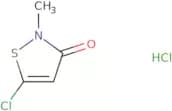
CAS:Please enquire for more information about 5-(indol-3-ylmethylene)-3-prop-2-enyl-2-thioxo-1,3-thiazolidin-4-one including the price, delivery time and more detailed product information at the technical inquiry form on this pageFormula:C15H12N2OS2Purezza:Min. 95%Colore e forma:PowderPeso molecolare:300.4 g/mol5-Chloro-2-methyl-2H-isothiazol-3-one hydrochloride
CAS:5-Chloro-2-methyl-2H-isothiazol-3-one hydrochloride (Kathon CG) is a preservative that belongs to the group of sesquiterpene lactones. It is used in cosmetics, pharmaceuticals, and industrial products as an antimicrobial agent. Kathon CG has been shown to be effective against bacteria such as Escherichia coli and Staphylococcus aureus. Kathon CG has also been found to be nontoxic to human cells in vitro at concentrations up to 100%. The optimum concentration for this preservative has been found to be 0.0025% in vivo on human skin and 0.025% in vitro on human skin. This preservative is not toxic to humans or animals when ingested at doses up to 2 g/kg body weight and can cause dermatitis at concentrations of 10%.Formula:C4H5Cl2NOSPurezza:Min. 95 Area-%Colore e forma:Red PowderPeso molecolare:186.06 g/mol(3,5-Dimethoxyphenyl)acetone
CAS:(3,5-Dimethoxyphenyl)acetone is a plant phenolic compound that has been found in many plants. It is an intermediate in the biosynthesis of lignans and a wide range of other natural products. The production of (3,5-dimethoxyphenyl)acetone by plants is induced by the presence of nitrate, chloride and/or tyrosol. This compound also represses the expression of genes involved in dextrose metabolism and carbon fixation pathways. Furthermore, it can be quantified using isotopic labelling techniques and has been detected at low levels in human urine samples.
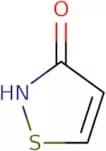
Formula:C11H14O3Purezza:Min. 95%Colore e forma:Yellow Clear LiquidPeso molecolare:194.23 g/molIsothiazol-3-one
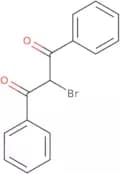
CAS:Isothiazol-3-one is a microbicidal agent that is used as an additive to water in the form of a liquid or powder. It is classified as reactive and hydrochloric acid, which means it reacts with water to produce chlorine and hydrochloric acid. The biocidal activity of the chemical is due to its ability to inhibit the growth of bacteria by reacting with their cell walls and destroying them. Isothiazol-3-one has also been shown to have an effect on insulin resistance in rats. This effect may be due to its ability to inhibit cholesterol esterase, an enzyme involved in lipid metabolism that has been shown to be associated with diabetes. Isothiazol-3-one is also known for its high values of carbonyl groups and chlorine atoms, making it useful for analytical chemistry experiments using gas chromatography (GC), as well as in agricultural research.Formula:C3H3NOSPurezza:Min. 95%Colore e forma:PowderPeso molecolare:101.13 g/mol2-Bromo-1,3-diphenylpropane-1,3-dione
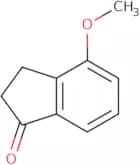
CAS:2-Bromo-1,3-diphenylpropane-1,3-dione is a ligand that binds to metal ions. It has been used as an efficient method for the synthesis of phenyl groups in organic chemistry. 2-Bromo-1,3-diphenylpropane-1,3-dione was found to have a catalytic effect on reactions involving halides and phosphine. A study on the reaction mechanism revealed that 2-bromo-1,3-diphenylpropane-1,3-dione acts as an electron donor to phosphites and phosphines. The xray diffraction study showed that the ligand binds to metal ions through its phenyl groups.Formula:C15H11BrO2Purezza:Min. 95%Peso molecolare:303.15 g/mol4-Methoxy-1-indanone
CAS:4-Methoxy-1-indanone is a quinoline derivative that is used as an intermediate for the synthesis of a number of bioactive molecules, such as gephyrotoxin (a potent neurotoxin) and oxime derivatives. 4-Methoxy-1-indanone has been shown to be activated by metal ions and oximes to form iminium cations. These cations are then converted into chloride or carbonic anions by dehydrogenase enzymes, which are important in the metabolism of carbohydrates in living organisms.Formula:C10H10O2Purezza:Min. 95%Colore e forma:PowderPeso molecolare:162.19 g/molDihydro-5-methoxy-2,4(1H,3H)-pyrimidinedione
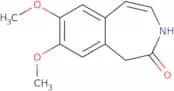
CAS:Dihydro-5-methoxy-2,4(1H,3H)-pyrimidinedione is a high quality chemical and useful building block. It is a fine chemical and research chemicals as well as a versatile building block that can be used in synthesis of various compounds. Dihydro-5-methoxy-2,4(1H,3H)-pyrimidinedione has been shown to have activity against methicillin resistant Staphylococcus aureus (MRSA) and Clostridium perfringens.Formula:C5H8N2O3Purezza:Min. 95%Colore e forma:PowderPeso molecolare:144.13 g/mol7,8-Dimethoxy-1,3-dihydro-2H-3-benzazepin-2-one
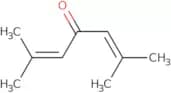
CAS:The compound 7,8-dimethoxy-1,3-dihydro-2H-3-benzazepin-2-one is an amide with a pH of 3. It has a molecular weight of 191.31 and a melting point of 79.7 degrees Celsius. The compound is used in the industrial preparation of pharmaceuticals and can be reacted with trifluoroacetic acid to form 3,4-dimethoxyphenylacetic acid.Formula:C12H13O3NPurezza:Min. 95%Colore e forma:White PowderPeso molecolare:219.24 g/mol2,6-Dimethyl-2,5-heptadien-4-one
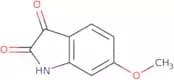
CAS:2,6-Dimethyl-2,5-heptadien-4-one is an organic compound that belongs to a class of compounds called reactive oxygen species (ROS). It is produced by the oxidation of 2,6-dimethyl-2,5-heptadienoic acid. ROS are formed in the mitochondria and have been shown to be involved in many cellular processes including mitochondrial function. ROS can induce oxidative stress leading to cell death. This compound has been shown to enhance the antibacterial efficacy of other antibiotics such as gentamycin and vancomycin. The mechanism of action is not fully understood but appears to involve intracellular glutathione depletion and damage to mitochondrial membrane potential.Formula:C9H14OPurezza:Min. 95%Colore e forma:Yellow Clear LiquidPeso molecolare:138.21 g/mol6-Methoxyindoline-2,3-dione
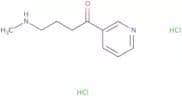
CAS:6-Methoxyindoline-2,3-dione is an indole alkaloid that has been isolated from the leaves of plants in the genus Apiaceae. It is synthesized by a reaction system that involves the oxidation of 6-methoxyindole to the corresponding oxindole and subsequent reduction to the desired product. The cytotoxicity of 6-methoxyindoline-2,3-dione has been demonstrated using a fluorescent assay with cancer cells. The compound binds to and activates cb2 receptors, which are expressed on immune cells and have been shown to be involved in inflammatory processes.Formula:C9H7NO3Purezza:Min. 95%Colore e forma:PowderPeso molecolare:177.16 g/mol4-(Methylamino)-1-(3-pyridyl)-1-butanone dihydrochloride
CAS:4-(Methylamino)-1-(3-pyridyl)-1-butanone dihydrochloride (4-MBA) is a natural product that has been shown to have anti-cancer properties in vitro and in vivo. It inhibits the growth of cancer cells by inhibiting DNA synthesis and inducing apoptosis, as well as by inhibiting the production of certain proteins. 4-MBA has been shown to be effective against strains of Escherichia coli and Salmonella typhimurium. This compound is found in honeybush tea, Aspalathus linearis, and other plants, but is not present in humans or animals. 4-MBA has also been shown to inhibit nicotine metabolism in humans and rats.Formula:C10H16Cl2N2OPurezza:Min. 95%Colore e forma:SolidPeso molecolare:251.15 g/mol

![1H-Pyrrolo[3,2-c]pyridin-4(5H)-one](/_next/image/?url=https%3A%2Fstatic.cymitquimica.com%2Fproducts%2F3D%2Fthumb-webp%2FFP140758.webp&w=3840&q=75)
![1-[4-(Benzyloxy)phenyl]-2-bromopropan-1-one](/_next/image/?url=https%3A%2Fstatic.cymitquimica.com%2Fproducts%2F3D%2Fthumb-webp%2FFB15610.webp&w=3840&q=75)
![(3S,4R)-3-[(1R)-1-Hydroxyethyl]-4-[(1R)-1-methyl-3-diazo-3- (p-nitrobenzyloxycarbonyl)-2-oxopropyl…](/_next/image/?url=https%3A%2Fstatic.cymitquimica.com%2Fproducts%2F3D%2Fthumb-webp%2FFH38865.webp&w=3840&q=75)
![5-[(3,5-Dimethylphenoxy)methyl]oxazolidin-2-one](/_next/image/?url=https%3A%2Fstatic.cymitquimica.com%2Fproducts%2F3D%2Fthumb-webp%2FFD25129.webp&w=3840&q=75)

![5-Chloro-6-[(2-imino-1-pyrrolidinyl)methyl]-2,4(1H,3H)-pyrimidinedione monohydrochloride](/_next/image/?url=https%3A%2Fstatic.cymitquimica.com%2Fproducts%2F3D%2Fthumb-webp%2FFC126316.webp&w=3840&q=75)
![2-(2-Butyl)-4-{4-[4-(4-methyloxy-phenyl)-piperazin-1-yl]-phenyl}-2,4-dihydro-[1,2,4]-triazol-3-one](/_next/image/?url=https%3A%2Fstatic.cymitquimica.com%2Fproducts%2F3D%2Fthumb-webp%2FFB19470.webp&w=3840&q=75)
![Spiro[4.5]decan-6-one](/_next/image/?url=https%3A%2Fstatic.cymitquimica.com%2Fproducts%2F3D%2Fthumb-webp%2FFS122046.webp&w=3840&q=75)
![2-Methyl-4,9-dihydro-3-thia-4,9-diazabenzo[f]azulene-10-one](/_next/image/?url=https%3A%2Fstatic.cymitquimica.com%2Fproducts%2F3D%2Fthumb-webp%2FFM21976.webp&w=3840&q=75)
![5-[3,4-(Methylenedioxy)phenyl]-cyclohexane-1,3-dione](/_next/image/?url=https%3A%2Fstatic.cymitquimica.com%2Fproducts%2F3D%2Fthumb-webp%2FFM66989.webp&w=3840&q=75)
![Anthra[9,1,2-cde]benzo[rst]pentaphene-5,10-dione](/_next/image/?url=https%3A%2Fstatic.cymitquimica.com%2Fproducts%2F3D%2Fthumb-webp%2FFA143390.webp&w=3840&q=75)
![Pyridin-3-Yl-[4-[3-(Trifluoromethyl)Phenyl]Piperazin-1-Yl]Methanone Dihydrochloride](/_next/image/?url=https%3A%2Fstatic.cymitquimica.com%2Fproducts%2F3D%2Fthumb-webp%2FFP100969.webp&w=3840&q=75)
![3,8-Dihydroxy-6H-benzo[c]chromen-6-one](/_next/image/?url=https%3A%2Fstatic.cymitquimica.com%2Fproducts%2F3D%2Fthumb-webp%2FFD171109.webp&w=3840&q=75)