Chetoni
Le chetoni sono composti organici caratterizzati dalla presenza di un gruppo carbonile (C=O) legato a due atomi di carbonio. Questi composti sono altamente versatili e svolgono un ruolo cruciale in varie reazioni chimiche, tra cui ossidazione, riduzione e condensazione. I chetoni sono intermedi essenziali nella sintesi di prodotti farmaceutici, fragranze e polimeri. Presso CymitQuimica, offriamo una vasta gamma di chetoni di alta qualità per supportare le vostre applicazioni di ricerca e industriali.
Trovati 18868 prodotti di "Chetoni"
Ordinare per
Purezza (%)
0
100
|
0
|
50
|
90
|
95
|
100
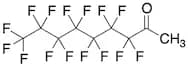
Methyl Pentadecafluoroheptyl Ketone
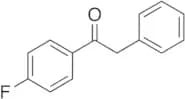
CAS:Prodotto controllato<p>Applications Methyl Pentadecafluoroheptyl Ketone 754-85-8 (cas# 754-85-8) is a useful research chemical.<br></p>Formula:C9H3OF15Colore e forma:NeatPeso molecolare:412.1Benzyl 4-Fluorophenyl Ketone
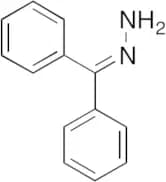
CAS:Prodotto controllato<p>Applications Benzyl 4-Fluorophenyl Ketone is used in the preparation and evaluation of 2,3-diarylpyrazines and quinoxalines as selective COX-2 inhibitors.<br>References Singh, S. et al.: Bioorg. Med. Chem., 12, 1881 (2004);<br></p>Formula:C14H11FOColore e forma:NeatPeso molecolare:214.23Diphenylmethanone Hydrazone
CAS:Prodotto controllato<p>Applications Diphenyl-methanone Hydrazone is an intermediate used to synthesize Pseudobenztropine (P840155), an analog of Benzotropine (B207575, Mesylate salt) which is used as an antiparkinsonian.. It can also be used to prepare chiral [2.2]paracyclophane-substituted triazolium salts as precursors for copper-triazolylidene-catalyzed asymmetrical boration of unsaturated N-acyloxazolidinones.<br>References Hai, N., et al.: Int. J. Pharm., 357, 55 (2008), Sanderson, H., et al.: Toxicol. Lett., 187, 84 (2009); Zhan, M., et al.: Org. Lett., 15, 4182 (2013)<br></p>Formula:C13H12N2Colore e forma:NeatPeso molecolare:196.258-Didemethyl Baquiloprim-2,4-dione
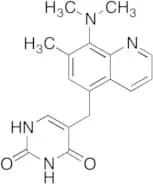
CAS:Prodotto controllato<p>Applications 8-Didemethyl Baquiloprim-2,4-dione is an intermediate used in the synthesis of Baquiloprim (B118000), which is an amiopyrimidine antibacterial synergist with high activity and slow elimination. Baquiloprim has a better half-life than trimethoprim.<br>References Zhi-hui, H., et al.: Anhui Nongye Kexue, 41, 2503 (2013)<br></p>Formula:C17H18N4O2Colore e forma:NeatPeso molecolare:282.31H-[1]-Benzazephe-2,5(3H,4H)-dione
CAS:Prodotto controllato<p>Applications Intermediate in the synthesis of protein kinase inhibitors<br>References Pruehs, C., et al.: Bioorg. Med. Chem. Lett., 17, 1850 (2007), Stukenbrock, H., et al.: J. Med. Chem., 51, 2196 (2008),<br></p>Formula:C10H9NO2Colore e forma:NeatPeso molecolare:175.185-Bromo-1-(2-fluorophenyl)-2-pentanone
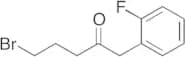
CAS:Prodotto controllato<p>Applications 5-Bromo-1-(2-fluorophenyl)-2-pentanone is an intermediate in the synthesis of Prasugrel (P701150). Prasugrel is a novel antiplatelet agent; it is a third-generation thienopyridine. Antiplatelet agent Prasugrel showed greater platelet inhibition and decreased incidence of ischemic events than Clopidogrel but may induce increased incidence of bleeding in patient with acute coronary syndrome.<br>References Von Beckerath, N., et al.: Circulation, 112, 2946 (2005), Jernberg, T., et al.: Eur. Heart J., 27, 1166 (2006), Farid, N., et al.: Drug Metab. Dispos., 35, 1096 (2007), Farid, N., et al.: Clin. Pharmacol. Ther., 81, 735 (2007), Jakubowski, J., et al.: J. Cardiovasc. Pharmacol., 49, 167 (2007), Wiviott, S., et al.: N. Engl. J. Med., 357, 2001 (2007),<br></p>Formula:C11H12BrFOColore e forma:NeatPeso molecolare:259.1155-(1,1-Dimethylethyl)-3,3-dimethyl-6-nitro-2(3H)-benzofuranone
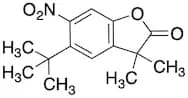
CAS:Prodotto controllato<p>Applications 5-(1,1-Dimethylethyl)-3,3-dimethyl-6-nitro-2(3H)-benzofuranone is an intermediate in synthesizing Ivacaftor Carboxylic Acid (I940605). It is an impurity of Ivacaftor (I940600); a drug used in the treatment of cystic fibrosis.<br>References Clancy, J. et al.: Am. J. Resp. Crit. Care. Med., 186, 593 (2012)<br></p>Formula:C14H17NO4Colore e forma:NeatPeso molecolare:263.29(4-Hydroxyphenyl)acetone
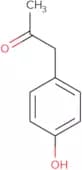
CAS:<p>4-Hydroxyphenylacetone is a reactive chemical that is used in the biosynthesis of melanin. It is also found in plant tissue and can be metabolized by acidolysis or tissue culture. 4-Hydroxyphenylacetone has been shown to inhibit tyrosinase, an enzyme involved in the production of melanin, which may be therapeutically beneficial for treating skin diseases such as acne. 4-Hydroxyphenylacetone inhibits the growth of bacteria by binding to their cell membranes and causing lysis. This chemical has also been shown to have antimicrobial properties against some strains of Escherichia coli, Staphylococcus aureus, Pseudomonas aeruginosa, and Candida albicans. 4-Hydroxyphenylacetone has been shown to cause psychosis in infants who were exposed through breast milk.</p>Formula:C9H10O2Purezza:Min. 95%Colore e forma:Clear LiquidPeso molecolare:150.17 g/mol1-(3-Chlorophenyl)-2-hydroxy-1-propanone
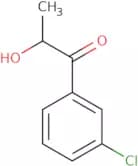
CAS:1-(3-Chlorophenyl)-2-hydroxy-1-propanone is an optically active intermediate that is used in the synthesis of pharmaceuticals. It has been shown to be an enantioselective transesterification agent, and can be used in the preparation of esters such as hexane, butanoate and vinyl. The substrate concentration affects the yield of this compound, which may be due to its chiral nature. 1-(3-Chlorophenyl)-2-hydroxy-1-propanone is soluble in organic solvents such as hexane, dichloromethane, benzene and acetone.Formula:C9H9ClO2Purezza:Min. 95%Colore e forma:Slightly Yellow PowderPeso molecolare:184.62 g/mol1,5-Di(4-Chlorophenyl)penta-1,4-dien-3-one
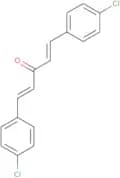
CAS:1,5-Di(4-chlorophenyl)penta-1,4-dien-3-one is a chromophore that has been extensively studied for its vibrational and optical properties. This compound has shown biological activity in the form of antitumor activity, as well as an ability to inhibit radiation and carcinogenesis. The optical properties of 1,5-di(4-chlorophenyl)penta-1,4-dien-3-one are determined by its polarizability and carbonyl group. Further research is needed to determine the functional theory and techniques used to study this compound's optical properties.Formula:C17H12Cl2OPurezza:Min. 95%Peso molecolare:303.18 g/mol2-Indanone
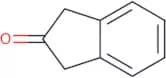
CAS:2-Indanone is a molecule with the chemical formula C6H2O. It belongs to the class of methyl ketones and has the chemical structure as shown on the right. 2-Indanone can be synthesized by coupling a sodium carbonate and an analog of curcumin. A covid-19 pandemic amination reaction is used to produce this compound. The synthesis starts with a zirconium dichloride and triethyl orthoformate, which are then oxidized to form naphthalene and carbonyl group, respectively. The enolate group is then formed by adding an alkoxide ion or base to the ketone.Formula:C9H8OPurezza:Min. 95%Colore e forma:PowderPeso molecolare:132.16 g/molIprodione
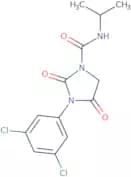
CAS:<p>Iprodione is an ester hydrochloride that belongs to the class of fungicides. It has been shown to have high resistance and is used in vitro assays to detect mutants with a high degree of resistance. Iprodione inhibits the growth of wild-type strains, but not resistant mutants, by inhibiting protein synthesis at the ribosome level, blocking the polymerase chain reaction and DNA replication. This prevents transcription and replication of genetic material. Iprodione also inhibits nitrite ion production in wild-type strains and has genotoxic effects on cultured human cells. The drug is metabolized through a number of metabolic transformations, including hydrolysis by esterases or glucuronidases, oxidation by cytochrome P450 enzymes, reduction by glutathione reductase, or conjugation with glucuronic acid.</p>Formula:C13H13Cl2N3O3Purezza:Min. 95%Colore e forma:PowderPeso molecolare:330.17 g/mol1-Benzofuran-2-yl(phenyl)methanone
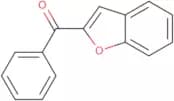
CAS:1-Benzofuran-2-yl(phenyl)methanone (1BFPM) is a benzofuran derivative. It has been shown to have significant cytotoxicity and anticancer activity, as well as radical scavenging activities. 1BFPM has been shown to inhibit glycogen synthase kinase-3, which is an enzyme that regulates the cell cycle and plays a role in tumorigenesis. This compound also inhibits the uptake of 1BFPM by cells, which may be due to its reaction with linkers in the plasma membrane or other cellular membranes.Formula:C15H10O2Purezza:Min. 95%Colore e forma:PowderPeso molecolare:222.24 g/mol1,2,3,4-Tetrahydrophenanthren-4-one
CAS:<p>1,2,3,4-Tetrahydrophenanthren-4-one is a synthetic quinone that is used as an intermediate in the Diels–Alder reaction. The compound has been shown to react with benzyne and amine molecules to form semicarbazones. 1,2,3,4-Tetrahydrophenanthren-4-one can be used as a reactive probe for studying intramolecular interactions. It can also be used to synthesize polycyclic compounds such as tetrafluoroborates. 1,2,3,4-Tetrahydrophenanthren-4-one can also serve as a reagent for the synthesis of frameworks such as zeolites.</p>Formula:C14H12OPurezza:Min. 95%Colore e forma:PowderPeso molecolare:196.24 g/mol3'-Bromo-4'-fluoroacetophenone
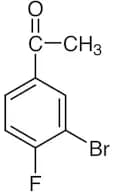
CAS:Formula:C8H6BrFOPurezza:>96.0%(GC)Colore e forma:White to Orange to Green powder to crystalPeso molecolare:217.045-Pyridin-2-yl-1H-pyridin-2-one
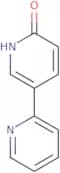
CAS:<p>5-Pyridin-2-yl-1H-pyridin-2-one is a chemical compound that belongs to the group of reactive dyes. It is a stable process that can be used for coupling with methoxy groups. This product has been shown to be a stable, high yield chemical that can be used in industrial large scale production. It is also considered an environmentally safe chemical because it does not pollute the environment and has low toxicity. 5-Pyridin-2-yl-1H-pyridin-2-one undergoes bromination reactions and has been shown to have nucleophilic properties.</p>Formula:C10H8N2OPurezza:Min. 95%Colore e forma:White PowderPeso molecolare:172.18 g/mol2-Methylcyclopentane-1,3-dione
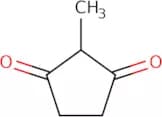
CAS:<p>2-Methylcyclopentane-1,3-dione is an organic compound that contains a benzofuran derivative. The skeleton of this molecule can be derived from the hydrogenation of cyclopentanol. 2-Methylcyclopentane-1,3-dione is a reaction intermediate in the synthesis of cardiotonic steroids. It reacts with metal chlorides to form methylene chloride and hydrogen chloride. 2-Methylcyclopentane-1,3-dione is also used as a reagent for borohydride reduction and as an enolate in the aldol cyclization reaction. This molecule also has acidic properties due to its carbonyl group and can form hydrogen bonds with other molecules, such as β-unsaturated ketones.</p>Formula:C6H8O2Purezza:Min. 98%Colore e forma:PowderPeso molecolare:112.13 g/molCyclopentylphenylketone
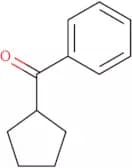
CAS:Cyclopentylphenylketone is a cyclopentanophenone that is used as a cross-linking agent for proteins. It has been shown to inhibit the activity of serine proteases, specifically trypsin and chymotrypsin, with an IC50 value of 2.5 mM. Cyclopentylphenylketone also inhibits the inflammatory response by inhibiting the activation of nuclear factor kappa-beta (NF-κB) and tumor necrosis factor alpha (TNFα). The compound has been clinically used in treating autoimmune diseases such as hepatitis and ischemia reperfusion injury.Formula:C12H14OPurezza:Min. 95%Colore e forma:Colorless Clear LiquidPeso molecolare:174.24 g/mol(3,5-Dimethyl-4-hydroxyphenyl)acetone
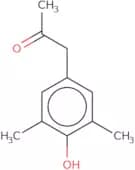
CAS:<p>(3,5-Dimethyl-4-hydroxyphenyl)acetone is a compound with versatile uses and applications. It is a reagent for the synthesis of organic compounds, such as pharmaceuticals. This product can also be used to synthesize new compounds that are difficult to prepare by other methods. The compound is a useful building block in organic chemistry and has been shown to be a good ligand for palladium catalysts.</p>Formula:C11H14O2Purezza:Min. 95%Peso molecolare:178.23 g/mol3-Ethoxy-4-hydroxyphenylacetone
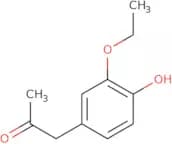
CAS:<p>3-Ethoxy-4-hydroxyphenylacetone is a fine chemical that can be used as a versatile building block and useful intermediate. It has a CAS number of 88659-82-9. 3-Ethoxy-4-hydroxyphenylacetone is a complex compound with many uses, such as research chemicals, reaction component, or speciality chemical. It is water soluble and has been shown to be non toxic. The purity of the product is high quality.</p>Formula:C11H14O3Purezza:Min. 95%Peso molecolare:194.23 g/mol2,3-Dichloro-5,8-dihydroxy-1,4-naphthalenedione
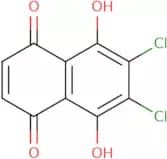
CAS:2,3-Dichloro-5,8-dihydroxy-1,4-naphthalenedione (DDD) is a chemical inhibitor of the proton response pathway. It is an analog of 2,3,7,8-tetrachlorodibenzo-p-dioxin (TCDD). DDD has been shown to enhance the induction of apoptosis in human macrophages and leishmania parasites. This agent also inhibits the growth of some tumor cell lines and enhances the cytotoxicity of other chemotherapeutic drugs. DDD has low bioavailability due to its high lipophilicity and rapid metabolism by esterases and glucuronidases.Formula:C10H4Cl2O4Purezza:Min. 95%Colore e forma:Red PowderPeso molecolare:259.04 g/mol3-Ethyl-4-methyl-3-pyrrolin-2-one
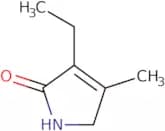
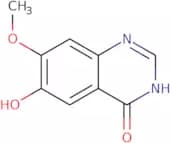
CAS:<p>3-Ethyl-4-methyl-3-pyrrolin-2-one is a sulfonated dione that can be synthesized from chloroformates. The product yields are high and the compound is stable to heat, light, and hydrolysis. The compound crystallizes in a single pure form and does not contain any impurities. 3-Ethyl-4-methyl-3-pyrrolin-2-one has been used as a precursor for the synthesis of various other organic compounds. It can also be used to synthesize dimers with an aryl group at the end of the molecule.</p>Formula:C7H11NOPurezza:Min. 95%Colore e forma:PowderPeso molecolare:125.17 g/mol6-Hydroxy-7-methoxy-3,4-dihydroquinazolin-4-one
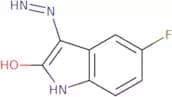
CAS:6-Hydroxy-7-methoxy-3,4-dihydroquinazolin-4-one is an amination of chloropropane and morpholinyl with 3-chloro-4-fluoroaniline. It cyclizes to form a quinazolinone. This compound was synthesized in order to produce a cytotoxic agent for cancer treatment.Formula:C9H8N2O3Purezza:Min. 95%Colore e forma:PowderPeso molecolare:192.17 g/mol5-Fluoro-3-hydrazonoindolin-2-one
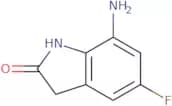
CAS:5-Fluoro-3-hydrazonoindolin-2-one is an organic compound that can be synthesized using ethyl acetate as a solvent and formylation with malate. This process is scalable and offers high yields. The reaction time for this synthesis is relatively short, making it ideal for industrialization. 5-Fluoro-3-hydrazonoindolin-2-one can also be used to synthesize sunitinib, which is an experimental drug used to treat cancer. Sunitinib has been shown to inhibit the growth of cancer cells by interfering with the activity of proteins involved in cell proliferation, cell cycle progression, and cellular differentiation.Formula:C8H6FN3OPurezza:Min. 95%Colore e forma:SolidPeso molecolare:179.15 g/mol7-Amino-5-fluoro-1,3-dihydroindol-2-one
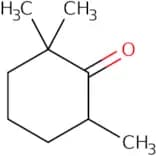
CAS:<p>7-Amino-5-fluoro-1,3-dihydroindol-2-one is a compound that can be used as a research chemical. It has been shown to react with various other compounds in the laboratory and may have potential uses as a versatile building block or useful intermediate. 7-Amino-5-fluoro-1,3-dihydroindol-2-one is also known for its high quality and speciality chemical status.</p>Formula:C8H7FN2OPurezza:Min. 95%Colore e forma:PowderPeso molecolare:166.15 g/mol2,2,6-Trimethyl-1-cyclohexanone
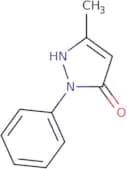
CAS:<p>Covid-19 is a synthetic compound that has been shown to have antiviral activity. Covid-19 is a carotenoid derivative that is hydrophobic and does not dissolve in water. It is oxidized to produce an isomeric mixture of products, which are characterized by vibrational spectroscopy. Covid-19 has synergistic effects with ethyl bromoacetate, which is a solvent with low energy. Covid-19 can be extracted from the sample using solid phase microextraction (SPME).</p>Formula:C9H16OPurezza:Min. 95%Colore e forma:Colorless PowderPeso molecolare:140.22 g/mol3-Methyl-1-phenyl-2-pyrazoline-5-one
CAS:3-Methyl-1-phenyl-2-pyrazoline-5-one is a drug that inhibits the production of active oxygen and has been used in clinical trials for the treatment of asthma. It belongs to the class of compounds called 1,4-benzodiazepine derivatives. 3MPP5 inhibits the activity of enzymes such as Cox2 and P450 isozymes. The most efficient method for administration is by injection. This drug has an effective dose of 0.5 mg/kg body weight, and its side effects include dizziness and headache.Formula:C10H10N2OPurezza:Min. 95%Colore e forma:PowderPeso molecolare:174.2 g/molFlavanone rhamnoglucoside
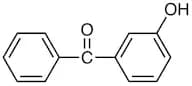
Flavanone rhamnoglucoside is a specialized flavonoid compound, which is derived from various natural sources such as fruits, vegetables, and certain medicinal plants. It functions primarily as an antioxidant by scavenging free radicals, thereby protecting cells from oxidative stress. Additionally, it exhibits anti-inflammatory properties by modulating pathways involved in inflammation, such as NF-kB and COX-2.Purezza:Min. 95%3-Hydroxybenzophenone
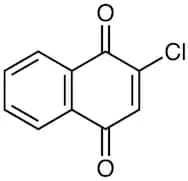
CAS:Formula:C13H10O2Purezza:>98.0%(GC)Colore e forma:White to Gray to Brown powder to crystalPeso molecolare:198.222-Chloro-1,4-naphthoquinone
CAS:Formula:C10H5ClO2Purezza:>98.0%(GC)Colore e forma:Light yellow to Yellow to Orange powder to crystalPeso molecolare:192.602-Furfurylideneacetone
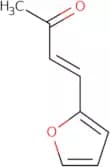
CAS:<p>2-Furfurylideneacetone is a reactive chemical that reacts with furfuryl acetate to form cross-links. It is used as a cross-linking agent in the production of polyvinyl alcohol, polyvinyl chloride, and polyurethane elastomers. This compound has been shown to be genotoxic in the Ames test and may have mutagenic potential due to its ability to induce DNA strand breaks in bacterial cells. 2-Furfurylideneacetone is produced by reacting an unsaturated ketone with an aldehyde or other electrophiles. The reaction mechanism for this process has been determined using a flow system and viscosity measurements. The activation energy for this reaction was found to be approximately <br>30 kJ/mol at 25 °C.</p>Formula:C8H8O2Purezza:Min. 95%Peso molecolare:136.15 g/molBoc-(3S)-3-amino-4-phenyl-2-butanone
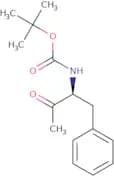
CAS:<p>Boc-(3S)-3-amino-4-phenyl-2-butanone is a chemical intermediate that is useful as a building block in organic synthesis. It has been used as a reaction component, reagent and high quality research chemical. Boc-(3S)-3-amino-4-phenyl-2-butanone is also a versatile building block and useful intermediate for the preparation of complex compounds. This chemical has shown to have speciality applications in fine chemicals such as pharmaceuticals and agrochemicals.</p>Formula:C15H21NO3Purezza:Min. 95%Colore e forma:White to off-white solid.Peso molecolare:263.33 g/mol4-Phenyl-3-buten-2-one
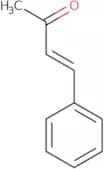
CAS:<p>4-Phenyl-3-buten-2-one (4PB) is a structural analog of benzalacetone, which is an inhibitor of cytochrome P450. It has been shown to inhibit the activities of various cytochrome P450 enzymes in vitro. 4PB can be used as a substrate molecule for chemical synthesis and as a cell specific marker. The basic structure of 4PB has been determined using electrochemical impedance spectroscopy and x-ray crystal structures.</p>Formula:C10H10OPurezza:Min. 95%Colore e forma:PowderPeso molecolare:146.19 g/mol(4-Hydroxy-3-methylphenyl)acetone
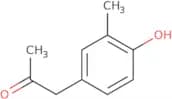
CAS:<p>(4-Hydroxy-3-methylphenyl)acetone is a high quality, reagent that has been used in the synthesis of complex compounds. It is also a useful intermediate for the production of fine chemicals, useful scaffolds, and useful building blocks. The compound can be used as a speciality chemical in research and is versatile as a building block for reactions. (4-Hydroxy-3-methylphenyl)acetone has been shown to react with various organic compounds, such as alcohols, amines, and carboxylic acids.</p>Formula:C10H12O2Purezza:Min. 98 Area-%Colore e forma:PowderPeso molecolare:164.2 g/mol1,5-Bis(4-Methyl-naphthalene-1-yl)-pentane-1,5-dione
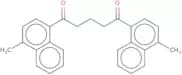
CAS:1,5-Bis(4-Methyl-naphthalene-1-yl)-pentane-1,5-dione is a high quality chemical that is used as an intermediate in the production of various complex compounds. It has been shown to be a useful scaffold for the synthesis of novel compounds with a variety of properties and uses. This compound can be used as a building block in reactions to produce speciality chemicals, research chemicals, and versatile building blocks. 1,5-Bis(4-Methyl-naphthalene-1-yl)-pentane-1,5-dione is also a reaction component that is used in the synthesis of various other compounds.Formula:C27H24O2Purezza:Min. 95%Peso molecolare:380.48 g/mol4-Bromo-5-methyl-1H-indole-2,3-dione
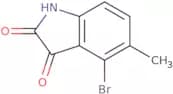
CAS:<p>4-Bromo-5-methyl-1H-indole-2,3-dione is a synthetic molecule that has been shown to have neuroprotective effects. It inhibits the production of proinflammatory cytokines, such as tnf-α and il-6, by binding to survivin. 4Bromo-5 methyl 1Hindole 2,3 dione also binds to the viral capsid protein and blocks virus infection. This compound has been shown to inhibit viral replication in vitro as well as provide protection against alphavirus infection in mice.</p>Formula:C9H6BrNO2Purezza:Min. 95%Peso molecolare:240.05 g/mol2,2,4-Trimethylcyclopentanone
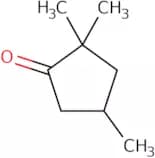
CAS:<p>2,2,4-Trimethylcyclopentanone is a cyclic ketone with the molecular formula CH(CH)3CO. It has a tautomeric equilibrium with 2,2-dimethylcyclohexanone. The compound is prepared by the addition of acetyl chloride to an aldehyde in the presence of base. The compound exhibits UV absorption at 270 nm and an uv spectrum indicative of a cyclic ketone. The compound can be synthesized from 2-methylcyclohexanol and formaldehyde in the presence of potassium hydroxide or sodium hydroxide. 2,2,4-Trimethylcyclopentanone has been used as a synthetic intermediate for other cyclic ketones as well as for pharmaceuticals, flavoring agents, and fragrances.</p>Formula:C8H14OPurezza:Min. 95%Colore e forma:Colorless Clear LiquidPeso molecolare:126.2 g/mol2-Bromo-2-phenylacetophenone
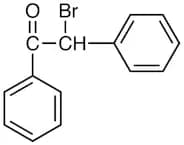
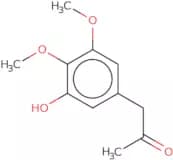
CAS:Formula:C14H11BrOPurezza:>95.0%(GC)Colore e forma:White to Light yellow to Light orange powder to crystalPeso molecolare:275.15(3,4-Dimethoxy-5-hydroxyphenyl)acetone
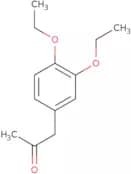
CAS:(3,4-Dimethoxy-5-hydroxyphenyl)acetone is a fine chemical that belongs to the class of compounds known as reagents. It has been used in research and development as a building block or intermediate for the synthesis of other chemicals. It is also used as a versatile building block in complex organic syntheses, such as pharmaceuticals. The chemical is soluble in organic solvents and reacts with many other chemicals, making it useful for synthetic chemistry. This compound has been shown to be high quality and can be used to synthesize other chemicals with diverse properties.Formula:C11H14O4Purezza:Min. 95%Peso molecolare:210.23 g/mol3,4-Diethoxyphenylacetone
CAS:<p>3,4-Diethoxyphenylacetone is a chemical compound that is used as a building block for research and as an intermediate in the synthesis of other chemicals. This compound is also used as a reagent. 3,4-Diethoxyphenylacetone has CAS number 93635-48-4.</p>Formula:C13H18O3Purezza:Min. 95%Peso molecolare:222.28 g/mol4-Methoxy-2-methylphenylacetone
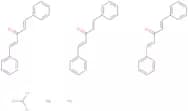
CAS:4-Methoxy-2-methylphenylacetone (4MMPA) is a reagent that is used as an intermediate for the synthesis of high quality fine chemicals. It is also a useful scaffold and building block in organic synthesis. 4MMPA is a versatile building block, which can be used in the synthesis of speciality chemicals, research chemicals, and reaction components. 4MMPA has CAS number 16882-24-9.Formula:C11H14O2Purezza:Min. 95%Peso molecolare:178.23 g/molTris(dibenzylideneacetone)dipalladium (0)-chloroform adduct
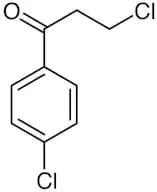
CAS:Prodotto controllatoTris(dibenzylideneacetone)dipalladium (0)-chloroform adduct is a catalyst that is used in cross-coupling reactions. It is an efficient method for the preparation of β-unsaturated ketones, which are important intermediates in organic synthesis. The catalytic cycle involves hydrolysis and condensation reactions. Tris(dibenzylideneacetone)dipalladium (0)-chloroform adduct can be prepared by reacting chloroform with a palladium compound in the presence of silver trifluoromethanesulfonate and a diphosphine ligand. The product contains a chloroform molecule that can be replaced by other functional groups such as chloride, fatty acid, or imine nitrogen. Tris(dibenzylideneacetone)dipalladium (0)-chloroform adduct has been characterized by x-ray crystal structures to identifyFormula:C51H42O3Pd2·CHCl3Purezza:Min. 95%Colore e forma:PowderPeso molecolare:1,035.09 g/mol3,4'-Dichloropropiophenone
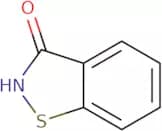
CAS:Formula:C9H8Cl2OPurezza:>98.0%(GC)(T)Colore e forma:White to Yellow to Orange powder to crystalPeso molecolare:203.061,2-Benzisothiazol-3(2H)-one
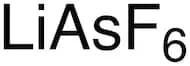
CAS:1,2-Benzisothiazol-3(2H)-one is used in personal care products and cosmetics. It acts as a disinfectant and can be used as a preservative.Formula:C7H5NOSPurezza:Min. 95%Colore e forma:PowderPeso molecolare:151.19 g/molLithium Hexafluoroarsenate(V)
CAS:Formula:LiAsF6Purezza:>98.0%(T)Colore e forma:White to Almost white powder to crystalPeso molecolare:195.856-Amino-8-methyl-2H-1,4-benzoxazin-3(4H)-one
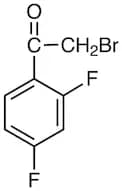
CAS:6-Amino-8-methyl-2H-1,4-benzoxazin-3(4H)-one is a fine chemical that is a useful building block for research chemicals and speciality chemicals. It can be used as a reagent in organic synthesis, as well as in the production of high quality and versatile building blocks. 6-Amino-8-methyl-2H-1,4-benzoxazin-3(4H)-one can be reacted to form useful scaffolds or intermediates that are valuable in the process of making complex compounds.Formula:C9H10N2O2Purezza:Min. 95%Colore e forma:PowderPeso molecolare:178.19 g/mol2-Bromo-2',4'-difluoroacetophenone
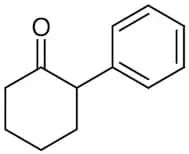
CAS:Formula:C8H5BrF2OPurezza:>98.0%(GC)Colore e forma:White or Colorless to Light yellow to Light orange powder to lump to clear liquidPeso molecolare:235.032-Phenylcyclohexanone
CAS:Formula:C12H14OPurezza:>98.0%(GC)Colore e forma:White to Orange to Green powder to crystalPeso molecolare:174.245alpha-Pregnane-3,20-dione
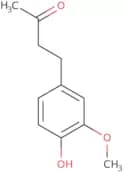
CAS:Prodotto controllato<p>5alpha-Pregnane-3,20-dione is a naturally occurring sex steroid hormone. It is produced by the ovaries and testes in humans and other mammals, as well as by the adrenal glands in small amounts. 5alpha-Pregnane-3,20-dione has been shown to inhibit the enzyme activity of hepatic microsomes that are responsible for the conversion of progesterone to 17beta-hydroxyprogesterone (17betaOHP). This inhibition is due to its ability to bind to glucocorticoid receptors. 5alpha-Pregnane-3,20-dione also inhibits fatty acid synthesis in liver cells. The drug's antiproliferative effects on ovarian cells are mediated through a number of mechanisms including transcriptional repression of progesterone receptors and estradiol benzoate binding sites on DNA. 5alpha-Pregnane-3,20-dione has been shown to have an optimal</p>Formula:C21H32O2Purezza:Min. 95%Colore e forma:PowderPeso molecolare:316.48 g/molVanillylacetone
CAS:<p>Vanillylacetone is a natural compound that belongs to the group of phenolic compounds. It is an inhibitor of the enzyme cyclase, which is involved in the biosynthesis of fatty acids and sterols. Vanillylacetone has been shown to have anti-tumor effects in mice with induced tumors. It also inhibits the growth of bacteria, fungi, and protozoa by inhibiting DNA synthesis. Vanillylacetone has been shown to inhibit nuclear DNA replication and toll-like receptor signaling pathways.</p>Formula:C11H14O3Purezza:Min. 95%Colore e forma:White To Yellow SolidPeso molecolare:194.23 g/mol

![1H-[1]-Benzazephe-2,5(3H,4H)-dione](/_next/image/?url=https%3A%2Fstatic.cymitquimica.com%2Fproducts%2FTR%2Fthumb-webp%2FB186000.webp&w=3840&q=75)