Chetoni
Le chetoni sono composti organici caratterizzati dalla presenza di un gruppo carbonile (C=O) legato a due atomi di carbonio. Questi composti sono altamente versatili e svolgono un ruolo cruciale in varie reazioni chimiche, tra cui ossidazione, riduzione e condensazione. I chetoni sono intermedi essenziali nella sintesi di prodotti farmaceutici, fragranze e polimeri. Presso CymitQuimica, offriamo una vasta gamma di chetoni di alta qualità per supportare le vostre applicazioni di ricerca e industriali.
Trovati 18868 prodotti di "Chetoni"
Ordinare per
Purezza (%)
0
100
|
0
|
50
|
90
|
95
|
100
5alpha-Pregnane-3,20-dione
CAS:Prodotto controllato<p>5alpha-Pregnane-3,20-dione is a naturally occurring sex steroid hormone. It is produced by the ovaries and testes in humans and other mammals, as well as by the adrenal glands in small amounts. 5alpha-Pregnane-3,20-dione has been shown to inhibit the enzyme activity of hepatic microsomes that are responsible for the conversion of progesterone to 17beta-hydroxyprogesterone (17betaOHP). This inhibition is due to its ability to bind to glucocorticoid receptors. 5alpha-Pregnane-3,20-dione also inhibits fatty acid synthesis in liver cells. The drug's antiproliferative effects on ovarian cells are mediated through a number of mechanisms including transcriptional repression of progesterone receptors and estradiol benzoate binding sites on DNA. 5alpha-Pregnane-3,20-dione has been shown to have an optimal</p>Formula:C21H32O2Purezza:Min. 95%Colore e forma:PowderPeso molecolare:316.48 g/mol1-(3-Methylphenyl)-1H-pyrrole-2,5-dione
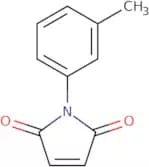
CAS:1-(3-Methylphenyl)-1H-pyrrole-2,5-dione is an anti-aging compound that has been shown to inhibit the replication of herpes viruses. It also inhibits corrosion, in particular by orthophosphoric acid. The monomer itself is useful as a viscosity agent and can be used in the synthesis of polymers such as dibutyl phthalate. 1-(3-Methylphenyl)-1H-pyrrole-2,5-dione has a high yield and can be used for analyzing magnesium oxide.Formula:C11H9NO2Purezza:Min. 95%Colore e forma:White PowderPeso molecolare:187.19 g/mol6-Hydroxy-7-methoxy-3,4-dihydroquinazolin-4-one
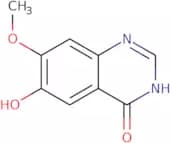
CAS:6-Hydroxy-7-methoxy-3,4-dihydroquinazolin-4-one is an amination of chloropropane and morpholinyl with 3-chloro-4-fluoroaniline. It cyclizes to form a quinazolinone. This compound was synthesized in order to produce a cytotoxic agent for cancer treatment.Formula:C9H8N2O3Purezza:Min. 95%Colore e forma:PowderPeso molecolare:192.17 g/mol3-Ethoxy-4-hydroxyphenylacetone
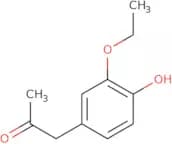
CAS:<p>3-Ethoxy-4-hydroxyphenylacetone is a fine chemical that can be used as a versatile building block and useful intermediate. It has a CAS number of 88659-82-9. 3-Ethoxy-4-hydroxyphenylacetone is a complex compound with many uses, such as research chemicals, reaction component, or speciality chemical. It is water soluble and has been shown to be non toxic. The purity of the product is high quality.</p>Formula:C11H14O3Purezza:Min. 95%Peso molecolare:194.23 g/molTris(dibenzylideneacetone)dipalladium (0)-chloroform adduct
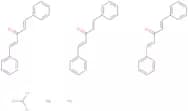
CAS:Prodotto controllatoTris(dibenzylideneacetone)dipalladium (0)-chloroform adduct is a catalyst that is used in cross-coupling reactions. It is an efficient method for the preparation of β-unsaturated ketones, which are important intermediates in organic synthesis. The catalytic cycle involves hydrolysis and condensation reactions. Tris(dibenzylideneacetone)dipalladium (0)-chloroform adduct can be prepared by reacting chloroform with a palladium compound in the presence of silver trifluoromethanesulfonate and a diphosphine ligand. The product contains a chloroform molecule that can be replaced by other functional groups such as chloride, fatty acid, or imine nitrogen. Tris(dibenzylideneacetone)dipalladium (0)-chloroform adduct has been characterized by x-ray crystal structures to identifyFormula:C51H42O3Pd2·CHCl3Purezza:Min. 95%Colore e forma:PowderPeso molecolare:1,035.09 g/mol6-Hydroxy-3,4-dihydro-1H-quinoline-2-one
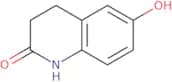
CAS:This is a quinoline derivative that has been shown to have inotropic and cardioprotective effects. It has been shown to increase the duration of action potentials and contractions in isolated heart muscle, as well as to improve the function of the heart by reducing the rate of myocardial oxygen consumption. 6-Hydroxy-3,4-dihydro-1H-quinoline-2-one has been shown to have anti-inflammatory properties and may be useful for treating respiratory diseases such as asthma. This compound is also used as a precursor for some pharmaceutical drugs, including chloroquine, mefloquine, amodiaquine, and primaquine. The compound is metabolized into conjugates that are recycled back into the body or excreted in human urine; this process is regulated by the balance between conjugation reactions and hydrolysis reactions.Formula:C9H9NO2Purezza:Min. 95%Peso molecolare:163.17 g/mol1,5-Bis(4-Methyl-naphthalene-1-yl)-pentane-1,5-dione
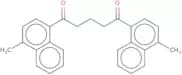
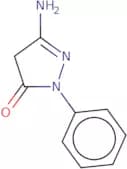
CAS:1,5-Bis(4-Methyl-naphthalene-1-yl)-pentane-1,5-dione is a high quality chemical that is used as an intermediate in the production of various complex compounds. It has been shown to be a useful scaffold for the synthesis of novel compounds with a variety of properties and uses. This compound can be used as a building block in reactions to produce speciality chemicals, research chemicals, and versatile building blocks. 1,5-Bis(4-Methyl-naphthalene-1-yl)-pentane-1,5-dione is also a reaction component that is used in the synthesis of various other compounds.Formula:C27H24O2Purezza:Min. 95%Peso molecolare:380.48 g/mol1-Phenyl-3-aminopyrazol-5-one
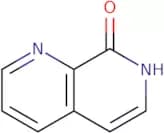
CAS:1-Phenyl-3-aminopyrazol-5-one is a solvent that can be used in elemental analysis. It has a molecular weight of 137.12 and is soluble in water, methanol, ethanol, acetone, ether, benzene and chloroform. 1-Phenyl-3-aminopyrazol-5-one has been shown to react with amines and form tautomers with different chemical properties. The spectral data for this compound are presented as the absorption spectra of substituted 1-phenyl-3-aminopyrazol-5-ones with acetyl groups at C2 and C4 (1), the nuclear magnetic resonance spectrum of 1-(dimethylamino)ethyl 3-[2-(N,N'-dimethylamino)ethyl]pyrazole (2), the NMR spectrum of 2-(dimethylamino)ethyl 3-[2-(N,N'-dimethylamino)ethyl]Formula:C9H9N3OPurezza:Min. 95%Peso molecolare:175.19 g/mol1,7-Naphthyridin-8(7H)-one
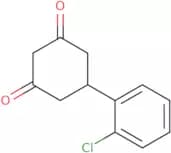
CAS:<p>1,7-Naphthyridin-8(7H)-one is a polycyclic compound that has been used as an intermediate in the synthesis of a variety of other compounds. It is also used as an iterative reagent for the annulation reactions of cyclic olefins. It can be prepared by oxidative annulation between picolinamide and 1,2,3,4-tetrahydroquinoline. The regioselectivity of this reaction can be controlled by using rhodium or copper catalysts.</p>Formula:C8H6N2OPurezza:Min. 95%Colore e forma:PowderPeso molecolare:146.15 g/mol5-(2-Chlorophenyl)cyclohexane-1,3-dione
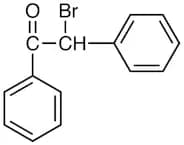
CAS:Please enquire for more information about 5-(2-Chlorophenyl)cyclohexane-1,3-dione including the price, delivery time and more detailed product information at the technical inquiry form on this pageFormula:C12H11ClO2Purezza:Min. 95%Colore e forma:PowderPeso molecolare:222.67 g/mol2-Bromo-2-phenylacetophenone
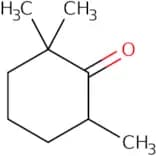
CAS:Formula:C14H11BrOPurezza:>95.0%(GC)Colore e forma:White to Light yellow to Light orange powder to crystalPeso molecolare:275.152,2,6-Trimethyl-1-cyclohexanone
CAS:<p>Covid-19 is a synthetic compound that has been shown to have antiviral activity. Covid-19 is a carotenoid derivative that is hydrophobic and does not dissolve in water. It is oxidized to produce an isomeric mixture of products, which are characterized by vibrational spectroscopy. Covid-19 has synergistic effects with ethyl bromoacetate, which is a solvent with low energy. Covid-19 can be extracted from the sample using solid phase microextraction (SPME).</p>Formula:C9H16OPurezza:Min. 95%Colore e forma:Colorless PowderPeso molecolare:140.22 g/mol1-Phenyl-3-oxabicyclo[3.1.0]hexan-2-one
CAS:<p>1-Phenyl-3-oxabicyclo[3.1.0]hexan-2-one (1POX) is a monomer that belongs to the class of cyclopropane compounds and can be used in the synthesis of polymers. It has been shown to react with benzene, irradiation, monoxide, oxiranyl, acetonitrile and trimeric dyes to form reactive intermediates such as ketones and carboxylic acids. These intermediates can undergo photolysis to produce products such as ketones and carboxylic acids. The wavelength of the light used for photolysis can influence the product formation. 1POX is also a substrate for cyclopropane ring formation reactions, which are known for their high reactivity due to the stability of this ring system. The carbonyl group on 1POX is electron withdrawing and stabilizes the planar geometry of 1POX.</p>Formula:C11H10O2Purezza:Min. 95%Colore e forma:PowderPeso molecolare:174.2 g/mol3-Cyanophenylacetone
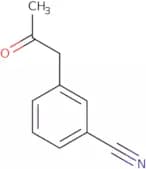
CAS:3-Cyanophenylacetone is a versatile building block and useful intermediate in the synthesis of various pharmaceuticals, agrochemicals, and other chemical products. It can be used as a reagent or speciality chemical. 3-Cyanophenylacetone is also a useful scaffold for the synthesis of complex compounds. This compound is listed on the Chemical Abstracts Service (CAS) registry with the number 73013-50-0.Formula:C10H9NOPurezza:Min. 95%Peso molecolare:159.18 g/mol(4-Hydroxy-3-methylphenyl)acetone
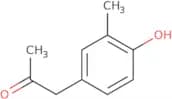
CAS:<p>(4-Hydroxy-3-methylphenyl)acetone is a high quality, reagent that has been used in the synthesis of complex compounds. It is also a useful intermediate for the production of fine chemicals, useful scaffolds, and useful building blocks. The compound can be used as a speciality chemical in research and is versatile as a building block for reactions. (4-Hydroxy-3-methylphenyl)acetone has been shown to react with various organic compounds, such as alcohols, amines, and carboxylic acids.</p>Formula:C10H12O2Purezza:Min. 98 Area-%Colore e forma:PowderPeso molecolare:164.2 g/mol1,2,3,4-Tetrahydrophenanthren-4-one
CAS:<p>1,2,3,4-Tetrahydrophenanthren-4-one is a synthetic quinone that is used as an intermediate in the Diels–Alder reaction. The compound has been shown to react with benzyne and amine molecules to form semicarbazones. 1,2,3,4-Tetrahydrophenanthren-4-one can be used as a reactive probe for studying intramolecular interactions. It can also be used to synthesize polycyclic compounds such as tetrafluoroborates. 1,2,3,4-Tetrahydrophenanthren-4-one can also serve as a reagent for the synthesis of frameworks such as zeolites.</p>Formula:C14H12OPurezza:Min. 95%Colore e forma:PowderPeso molecolare:196.24 g/mol3-Hydroxy-1-methylpyridin-4(1H)-one
CAS:3-Hydroxypyridin-4(1H)-one is a compound that belongs to the group of organic compounds called pyridines. It is a colorless, crystalline solid with a melting point of 210 °C. 3-Hydroxypyridin-4(1H)-one is soluble in ether and chloroform. 3-Hydroxypyridin-4(1H)-one forms complexes with metal ions such as copper, zinc, and nickel. The stability constants for these complexes are in the order of Cu > Zn > Ni. Potentiometric titration experiments show that the ligands are stronger bases than water and therefore react more strongly with copper ions than hydroxide ions.Formula:C6H7NO2Purezza:Min. 95%Colore e forma:PowderPeso molecolare:125.13 g/mol(3,5-Dimethyl-4-hydroxyphenyl)acetone
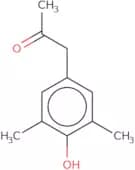
CAS:<p>(3,5-Dimethyl-4-hydroxyphenyl)acetone is a compound with versatile uses and applications. It is a reagent for the synthesis of organic compounds, such as pharmaceuticals. This product can also be used to synthesize new compounds that are difficult to prepare by other methods. The compound is a useful building block in organic chemistry and has been shown to be a good ligand for palladium catalysts.</p>Formula:C11H14O2Purezza:Min. 95%Peso molecolare:178.23 g/molFlavanone rhamnoglucoside
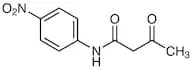
Flavanone rhamnoglucoside is a specialized flavonoid compound, which is derived from various natural sources such as fruits, vegetables, and certain medicinal plants. It functions primarily as an antioxidant by scavenging free radicals, thereby protecting cells from oxidative stress. Additionally, it exhibits anti-inflammatory properties by modulating pathways involved in inflammation, such as NF-kB and COX-2.Purezza:Min. 95%N-(4-Nitrophenyl)-3-oxobutyramide
CAS:Formula:C10H10N2O4Purezza:>98.0%(T)(HPLC)Colore e forma:White to Amber powder to crystalPeso molecolare:222.201-Cyclohexylacetone
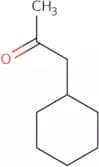
CAS:<p>Cyclohexylacetone is a colorless liquid that is used as a solvent for the production of pharmaceutical preparations. It has been used to produce methyl ketones, which are intermediates in the synthesis of polymers and plastics. Cyclohexylacetone has also been shown to be an optimal reaction intermediate for the preparation of zirconium oxide. This compound is used as a polymerization initiator and as a fluorine-containing reagent in organic synthesis. Cyclohexylacetone can react with divalent hydrocarbons to form esters and cyclooctyl compounds.</p>Formula:C9H16OPurezza:Min. 95%Colore e forma:PowderPeso molecolare:140.22 g/mol4-Methoxy-2-methylphenylacetone
CAS:4-Methoxy-2-methylphenylacetone (4MMPA) is a reagent that is used as an intermediate for the synthesis of high quality fine chemicals. It is also a useful scaffold and building block in organic synthesis. 4MMPA is a versatile building block, which can be used in the synthesis of speciality chemicals, research chemicals, and reaction components. 4MMPA has CAS number 16882-24-9.Formula:C11H14O2Purezza:Min. 95%Peso molecolare:178.23 g/mol5-Ethoxy-2(5H)-furanone
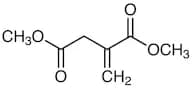
CAS:<p>5-Ethoxy-2(5H)-furanone is an oxidation product of 5-ethoxy-2(5H)-furanone. It has an isomeric, stereospecific, regiospecifically, and a tautomeric relationship with furfural. 5-Ethoxy-2(5H)-furanone can be produced by the oxidation of furfural with boron trifluoride etherate in the presence of iodosobenzene. The reaction mechanism involves the addition of hydrogen peroxide to the boron trifluoride etherate to form hydroperoxydiborane. This compound then reacts with iodosobenzene to produce 5-ethoxy-2(5H)-furanone and 2,5-dihydroxybenzaldehyde. The reaction produces a mixture of diastereomers that contain different numbers of carbon atoms due to the regiospecific</p>Formula:C6H8O3Purezza:Min. 95%Colore e forma:PowderPeso molecolare:128.13 g/molDimethyl Itaconate (stabilized with HQ)
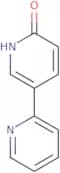
CAS:Formula:C7H10O4Purezza:>98.0%(GC)Colore e forma:White or Colorless to Light yellow powder to lump to clear liquidPeso molecolare:158.155-Pyridin-2-yl-1H-pyridin-2-one
CAS:<p>5-Pyridin-2-yl-1H-pyridin-2-one is a chemical compound that belongs to the group of reactive dyes. It is a stable process that can be used for coupling with methoxy groups. This product has been shown to be a stable, high yield chemical that can be used in industrial large scale production. It is also considered an environmentally safe chemical because it does not pollute the environment and has low toxicity. 5-Pyridin-2-yl-1H-pyridin-2-one undergoes bromination reactions and has been shown to have nucleophilic properties.</p>Formula:C10H8N2OPurezza:Min. 95%Colore e forma:White PowderPeso molecolare:172.18 g/molBenzo[1,2-b:4,5-b']dithiophene-4,8-dione
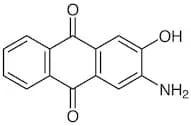
CAS:<p>Benzo[1,2-b:4,5-b']dithiophene-4,8-dione is a heterocyclic compound that has been studied for its potential use in electronic devices. The molecule is composed of two aromatic rings and one heterocyclic ring. It is an important building block in the synthesis of many five-membered heterocycles such as benzothiophene and benzofuran. Benzo[1,2-b:4,5-b']dithiophene-4,8-dione can be used as a photoactive material for solar cells due to its ability to absorb light from the visible spectrum and emit it in the near infrared region.</p>Formula:C10H4O2S2Purezza:Min. 95%Colore e forma:White PowderPeso molecolare:220.27 g/mol2-Amino-3-hydroxyanthraquinone
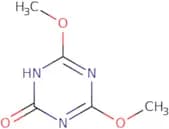
CAS:Formula:C14H9NO3Purezza:>98.0%(T)Colore e forma:Orange to Amber to Dark red powder to crystalPeso molecolare:239.234,6-Dimethoxy-1H-1,3,5-triazin-2-one
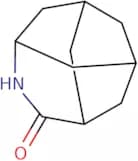
CAS:<p>4,6-Dimethoxy-1H-1,3,5-triazin-2-one is a conjugate of pyridinium with an amide. The compound has been used as a disinfectant for surfaces and in the treatment of wounds. It is also used as a biocide in water treatment. This compound has shown to be effective against Staphylococcus aureus and other bacteria, as well as some fungi. 4,6-Dimethoxy-1H-1,3,5-triazin-2-one can be synthesized from 2-(4'-methoxyphenyl)acetonitrile and chloral hydrate. The compound contains functionalities such as amines and oligosaccharides that are important for its antimicrobial activity.</p>Formula:C5H7N3O3Purezza:Min. 95%Colore e forma:PowderPeso molecolare:157.13 g/mol4-Azahomoadamantan-5-one
CAS:4-Azahomoadamantan-5-one is a pharmacological chemical that has been shown to have anti-viral, tricyclic, and adamantane properties. This compound also has a skeleton with three rings of the adamantane group and a central nitrogen atom, which is chemically similar to other compounds in this family. 4-Azahomoadamantan-5-one, which is also known as azadirachtin, is an insecticide that can be used for the treatment of arthropod pests such as ants, cockroaches, termites, and mosquitoes. It's biological activity has not been fully elucidated.Formula:C10H15NOPurezza:Min. 95%Peso molecolare:165.23 g/mol4-Aminopyridazin-3(2H)-one
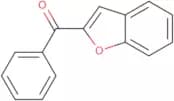
CAS:<p>4-Aminopyridazin-3(2H)-one is an antiplatelet drug that has been shown to have a pharmacological effect on the central nervous system. It is also used as a chemotherapeutic agent for the treatment of certain types of cancer. 4-Aminopyridazin-3(2H)-one contains two nitrogen atoms that are substituted with methyl groups, which can be hydrolyzed by liver enzymes to form pyridazine and 4-aminopyridine. 4-Aminopyridazin-3(2H)-one inhibits bacterial growth by inhibiting protein synthesis and cell division at the ribosome level. This drug also has antimicrobial activity against Gram-positive bacteria and fungi, but is not active against Gram-negative bacteria such as Escherichia coli.</p>Formula:C4H5N3OPurezza:Min. 95%Colore e forma:White To Yellow SolidPeso molecolare:111.1 g/mol1-Benzofuran-2-yl(phenyl)methanone
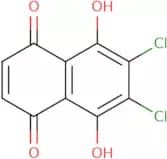
CAS:1-Benzofuran-2-yl(phenyl)methanone (1BFPM) is a benzofuran derivative. It has been shown to have significant cytotoxicity and anticancer activity, as well as radical scavenging activities. 1BFPM has been shown to inhibit glycogen synthase kinase-3, which is an enzyme that regulates the cell cycle and plays a role in tumorigenesis. This compound also inhibits the uptake of 1BFPM by cells, which may be due to its reaction with linkers in the plasma membrane or other cellular membranes.Formula:C15H10O2Purezza:Min. 95%Colore e forma:PowderPeso molecolare:222.24 g/mol2,3-Dichloro-5,8-dihydroxy-1,4-naphthalenedione
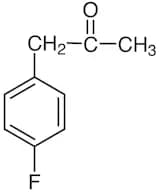
CAS:2,3-Dichloro-5,8-dihydroxy-1,4-naphthalenedione (DDD) is a chemical inhibitor of the proton response pathway. It is an analog of 2,3,7,8-tetrachlorodibenzo-p-dioxin (TCDD). DDD has been shown to enhance the induction of apoptosis in human macrophages and leishmania parasites. This agent also inhibits the growth of some tumor cell lines and enhances the cytotoxicity of other chemotherapeutic drugs. DDD has low bioavailability due to its high lipophilicity and rapid metabolism by esterases and glucuronidases.Formula:C10H4Cl2O4Purezza:Min. 95%Colore e forma:Red PowderPeso molecolare:259.04 g/mol4-Fluorophenylacetone
CAS:Formula:C9H9FOPurezza:>95.0%(GC)Colore e forma:Light yellow to Yellow to Orange clear liquidPeso molecolare:152.172-(2-Butoxyethyl)-1H-isoindole-1,3(2H)-dione
CAS:<p>2-(2-Butoxyethyl)-1H-isoindole-1,3(2H)-dione is a versatile building block and intermediate with a range of chemical properties. It is a useful scaffold for the synthesis of complex compounds with different functional groups. 2-(2-Butoxyethyl)-1H-isoindole-1,3(2H)-dione can be used as an organic solvent and reaction component in organic synthesis as well as being an effective catalyst or reagent in reactions involving other chemicals. This compound has been selected by the Chemical Abstracts Service (CAS) as one of their high quality products.</p>Formula:C14H17NO3Purezza:Min. 95%Colore e forma:PowderPeso molecolare:247.29 g/mol3-[[3-[(Dimethylamino)carbonyl]-2-hydroxyphenyl]amino]-4-[[(R)-1-(4-isopropylfuran-2-yl)propyl]amino]cyclobut-3-ene-1,2-dione
CAS:Please enquire for more information about 3-[[3-[(Dimethylamino)carbonyl]-2-hydroxyphenyl]amino]-4-[[(R)-1-(4-isopropylfuran-2-yl)propyl]amino]cyclobut-3-ene-1,2-dione including the price, delivery time and more detailed product information at the technical inquiry form on this pageFormula:C23H27N3O5Purezza:Min. 95%Peso molecolare:425.48 g/mol3-[2-(1,3-Dioxolan-2-yl)ethyl]-7,8-dimethoxy-1,3,4,5-tetrahydro-2H-3-benzazepin-2-one
CAS:<p>Please enquire for more information about 3-[2-(1,3-Dioxolan-2-yl)ethyl]-7,8-dimethoxy-1,3,4,5-tetrahydro-2H-3-benzazepin-2-one including the price, delivery time and more detailed product information at the technical inquiry form on this page</p>Formula:C17H23NO5Purezza:Min. 95%Colore e forma:PowderPeso molecolare:321.37 g/mol5,6,7,7a-Tetrahydrothieno[3,2-c]pyridine-2(4H)-onepara-toluenesulfonic acidsalt
CAS:Please enquire for more information about 5,6,7,7a-Tetrahydrothieno[3,2-c]pyridine-2(4H)-onepara-toluenesulfonic acidsalt including the price, delivery time and more detailed product information at the technical inquiry form on this pageFormula:C14H17NO4S2Purezza:Min. 95%Peso molecolare:327.42 g/mol1-(4-Bromophenyl)propan-1-one
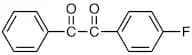
CAS:<p>1-(4-Bromophenyl)propan-1-one is a sulfonation product of propiophenone. It has been found to have anticancer activity in cervical cancer, and is currently being studied as a potential treatment for cancer. 1-(4-Bromophenyl)propan-1-one can be synthesized by treating propiophenone with hydrochloric acid and sodium hydroxide solution. It can also be synthesized using polyvinyl chloride as the starting material. 1-(4-Bromophenyl)propan-1-one can be isolated from the reaction mixture by adding hydrochloric acid to the reaction mixture, forming a salt that precipitates from solution. This salt is then dissolved in water and neutralized with an alkali such as sodium hydroxide or potassium carbonate, yielding 1-(4-bromophenyl)propan-1-one hydrochloride.</p>Formula:C9H9OBrPurezza:Min. 95%Colore e forma:White PowderPeso molecolare:213.07 g/mol4-Fluorobenzil
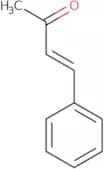
CAS:Formula:C14H9FO2Purezza:>98.0%(GC)Colore e forma:Light yellow to Brown powder to crystalPeso molecolare:228.224-Phenyl-3-buten-2-one
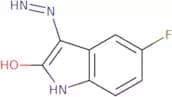
CAS:<p>4-Phenyl-3-buten-2-one (4PB) is a structural analog of benzalacetone, which is an inhibitor of cytochrome P450. It has been shown to inhibit the activities of various cytochrome P450 enzymes in vitro. 4PB can be used as a substrate molecule for chemical synthesis and as a cell specific marker. The basic structure of 4PB has been determined using electrochemical impedance spectroscopy and x-ray crystal structures.</p>Formula:C10H10OPurezza:Min. 95%Colore e forma:PowderPeso molecolare:146.19 g/mol5-Fluoro-3-hydrazonoindolin-2-one
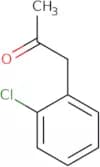
CAS:5-Fluoro-3-hydrazonoindolin-2-one is an organic compound that can be synthesized using ethyl acetate as a solvent and formylation with malate. This process is scalable and offers high yields. The reaction time for this synthesis is relatively short, making it ideal for industrialization. 5-Fluoro-3-hydrazonoindolin-2-one can also be used to synthesize sunitinib, which is an experimental drug used to treat cancer. Sunitinib has been shown to inhibit the growth of cancer cells by interfering with the activity of proteins involved in cell proliferation, cell cycle progression, and cellular differentiation.Formula:C8H6FN3OPurezza:Min. 95%Colore e forma:SolidPeso molecolare:179.15 g/mol2-Chlorophenylacetone
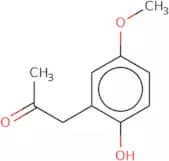
CAS:Prodotto controllato2-Chlorophenylacetone is an organic chemical compound that is a substrate for enzymes. It can be used as a reagent in the synthesis of phenylacetone and other substituted phenylacetic acids, which are chiral starting materials used in the production of pharmaceuticals, pesticides, dyes, and plastics. 2-Chlorophenylacetone binds to the active site on enzymes that catalyze reactions involving ethylene, nitroethane, chloride and phenylacetone. The binding site is defined by amino acid residues at positions corresponding to glycine (G), alanine (A), and aspartic acid (D) in the enzyme's active site. 2-Chlorophenylacetone has been shown to be a powerful inhibitor of dehydrogenase activity with IC50 values of 1.5 mM for acetaldehyde dehydrogenase from yeast cells and 3.2 mM for alcohol dehydrogenase from rat liver mitochondria. In addition, itFormula:C9H9ClOPurezza:Min. 97%Colore e forma:LiquidPeso molecolare:168.62 g/mol(2-Hydroxy-5-methoxyphenyl)acetone
CAS:<p>(2-Hydroxy-5-methoxyphenyl)acetone is a fine chemical that belongs to the group of complex compounds. It can be used as an intermediate for research chemicals, as well as a useful scaffold or building block. This compound can be converted into other useful compounds through reactions with alcohols, amines, or ketones. (2-Hydroxy-5-methoxyphenyl)acetone is also used in the synthesis of speciality chemicals and reaction components for pharmaceuticals.</p>Formula:C10H12O3Purezza:Min. 95%Peso molecolare:180.2 g/mol1,5-Dihydro-4H-pyrrolo[3,2-d]pyrimidin-4-one
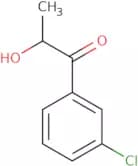
CAS:1,5-Dihydro-4H-pyrrolo[3,2-d]pyrimidin-4-one is a versatile building block that can be used in the synthesis of complex compounds and research chemicals. It is a very useful reagent that is widely used in pharmaceuticals and other chemical syntheses. The compound has been shown to be an effective scaffold for the synthesis of new drugs. 1,5-Dihydro-4H-pyrrolo[3,2-d]pyrimidin-4-one is a high quality, useful intermediate for the production of many different drugs.Formula:C6H5N3OPurezza:Min. 95%Colore e forma:PowderPeso molecolare:135.12 g/mol1-(3-Chlorophenyl)-2-hydroxy-1-propanone
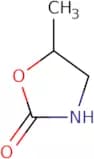
CAS:1-(3-Chlorophenyl)-2-hydroxy-1-propanone is an optically active intermediate that is used in the synthesis of pharmaceuticals. It has been shown to be an enantioselective transesterification agent, and can be used in the preparation of esters such as hexane, butanoate and vinyl. The substrate concentration affects the yield of this compound, which may be due to its chiral nature. 1-(3-Chlorophenyl)-2-hydroxy-1-propanone is soluble in organic solvents such as hexane, dichloromethane, benzene and acetone.Formula:C9H9ClO2Purezza:Min. 95%Colore e forma:Slightly Yellow PowderPeso molecolare:184.62 g/mol5-Methyl-1,3-oxazolidin-2-one
CAS:5-Methyl-1,3-oxazolidin-2-one is a synthetic compound that has been studied for its antiproliferative effects. It inhibits the growth of cancer cells by inducing cell cycle arrest and apoptosis. The structural changes in 5-Methyl-1,3-oxazolidin-2-one are responsible for these effects. The asymmetric carbon atom in the molecule allows for stereoisomeric forms to be produced. When this molecule is exposed to metal halides, it undergoes an epoxidation reaction to form an aziridine ring. This ring can then react with hydrotalcite and water to produce hydrogen gas and a carboxylic acid salt.Formula:C4H7NO2Purezza:Min. 95%Colore e forma:PowderPeso molecolare:101.1 g/molcis-Bicyclo[3.3.0]octane-3,7-dione
CAS:cis-Bicyclo[3.3.0]octane-3,7-dione (1) is a diketone that belongs to the group of epoxides. It has two functional groups, an epoxy and a ketone, which are in the trans configuration. cis-Bicyclo[3.3.0]octane-3,7-dione (1) is a reactive molecule that can form glyoxal when heated at high temperatures. cis-Bicyclo[3.3.0]octane-3,7-dione (1) can be prepared synthetically by an asymmetric synthesis with L-(+)-tartaric acid as the chiral auxiliary and glyoxal as the substrate. The reaction has been shown to proceed through an aldol cyclization and subsequent amide formation with l-(+)-tartaric acid as the chiral auxiliary and glyoxal asFormula:C8H10O2Purezza:Min. 95%Colore e forma:White PowderPeso molecolare:138.16 g/mol3,4-Dimethyl-1,2-cyclopentanedione
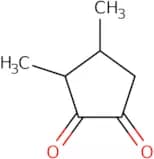
CAS:3,4-Dimethyl-1,2-cyclopentanedione is a hydroxypropyl cellulose that can be used as a sample preparation agent in the analysis of cyclic compounds. It is also used in the production of emulsions and as an additive to resins. 3,4-Dimethyl-1,2-cyclopentanedione has been postulated to be an intermediate in the synthesis of maltol from acetone and propylene glycol. The diols form a mixture of isomers. The mixture contains mainly 3,4-dimethyl-1,2-cyclohexanedione with minor amounts of 2,3-, 4-, and 5-,6-, 7-, 8-, 9-, 10-, 11-, 12-, 13-, 14-, 15-, 16-. 3,4-Dimethyl-1,2-cyclopentanedione has been detected as a component in tobacco smoke. This component has been monitored for its profile and levels by gasFormula:C7H10O2Purezza:Min. 95%Colore e forma:Pale yellow to yellow solid.Peso molecolare:126.15 g/mol6-Amino-8-methyl-2H-1,4-benzoxazin-3(4H)-one
CAS:6-Amino-8-methyl-2H-1,4-benzoxazin-3(4H)-one is a fine chemical that is a useful building block for research chemicals and speciality chemicals. It can be used as a reagent in organic synthesis, as well as in the production of high quality and versatile building blocks. 6-Amino-8-methyl-2H-1,4-benzoxazin-3(4H)-one can be reacted to form useful scaffolds or intermediates that are valuable in the process of making complex compounds.Formula:C9H10N2O2Purezza:Min. 95%Colore e forma:PowderPeso molecolare:178.19 g/mol2-Undecanone
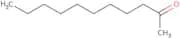
CAS:2-Undecanone is a fatty acid that has been isolated from the leaves of Melaleuca alternifolia. It has been shown to have anti-inflammatory and antifungal properties and can inhibit the production of cytokines, such as tumor necrosis factor (TNF) and interleukin (IL)-1β. 2-Undecanone also inhibits the Toll-like receptor 4 signaling pathway. This compound is an effective inhibitor of fungal growth in vitro, with activity against Candida albicans, Saccharomyces cerevisiae, Cryptococcus neoformans, Aspergillus niger, Penicillium chrysogenum, and other fungi. The analytical method for 2-undecanone includes gas chromatography/mass spectrometry using a capillary column and electron impact ionization with chemical ionization at 70 eV.Formula:C11H22OPurezza:Min. 95%Peso molecolare:170.29 g/mol



![1-Phenyl-3-oxabicyclo[3.1.0]hexan-2-one](/_next/image/?url=https%3A%2Fstatic.cymitquimica.com%2Fproducts%2F3D%2Fthumb-webp%2FFP16068.webp&w=3840&q=75)




![Benzo[1,2-b:4,5-b']dithiophene-4,8-dione](/_next/image/?url=https%3A%2Fstatic.cymitquimica.com%2Fproducts%2F3D%2Fthumb-webp%2FFB42139.webp&w=3840&q=75)


![3-[[3-[(Dimethylamino)carbonyl]-2-hydroxyphenyl]amino]-4-[[(R)-1-(4-isopropylfuran-2-yl)propyl]ami…](/_next/image/?url=https%3A%2Fstatic.cymitquimica.com%2Fproducts%2F3D%2Fthumb-webp%2FFD152335.webp&w=3840&q=75)
![3-[2-(1,3-Dioxolan-2-yl)ethyl]-7,8-dimethoxy-1,3,4,5-tetrahydro-2H-3-benzazepin-2-one](/_next/image/?url=https%3A%2Fstatic.cymitquimica.com%2Fproducts%2F3D%2Fthumb-webp%2FFD149999.webp&w=3840&q=75)
![5,6,7,7a-Tetrahydrothieno[3,2-c]pyridine-2(4H)-onepara-toluenesulfonic acidsalt](/_next/image/?url=https%3A%2Fstatic.cymitquimica.com%2Fproducts%2F3D%2Fthumb-webp%2FFT153026.webp&w=3840&q=75)

![1,5-Dihydro-4H-pyrrolo[3,2-d]pyrimidin-4-one](/_next/image/?url=https%3A%2Fstatic.cymitquimica.com%2Fproducts%2F3D%2Fthumb-webp%2FFD153605.webp&w=3840&q=75)
![cis-Bicyclo[3.3.0]octane-3,7-dione](/_next/image/?url=https%3A%2Fstatic.cymitquimica.com%2Fproducts%2F3D%2Fthumb-webp%2FFB153670.webp&w=3840&q=75)