Aldeidi
Gli aldeidi sono composti organici che contengono un gruppo carbonilico (C=O) legato ad almeno un atomo di idrogeno. Questi composti versatili sono fondamentali in varie reazioni chimiche, tra cui ossidazione, riduzione e addizione nucleofila. Gli aldeidi sono building blocks essenziali nella sintesi di prodotti farmaceutici, fragranze e polimeri. Presso CymitQuimica, offriamo una vasta selezione di aldeidi di alta qualità per supportare le vostre applicazioni di ricerca e industriali.
Trovati 8573 prodotti di "Aldeidi"
Ordinare per
Purezza (%)
0
100
|
0
|
50
|
90
|
95
|
100
5-Methylnicotinaldehyde
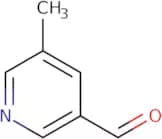
CAS:<p>5-Methylnicotinaldehyde is a chemical compound that belongs to the group of tetrahydropyridines. It is a reagent for producing triphosgene and dimethylformamide. 5-Methylnicotinaldehyde has been shown to inhibit muscarinic acetylcholine receptors, leading to an increase in acetylcholine release from nerve endings. This may be due to its ability to bind with the receptor affinity site at the base of the nicotinic acetylcholine receptor. 5-Methylnicotinaldehyde also has anti-inflammatory properties and can be used as a pesticide.</p>Formula:C7H7NOPurezza:Min. 95%Colore e forma:PowderPeso molecolare:121.14 g/mol3-Methylbenzaldehyde oxime
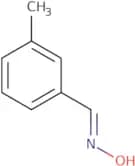
CAS:<p>3-Methylbenzaldehyde oxime is a fine chemical that can be used as a versatile building block. It has the CAS No. 41977-54-2 and is also known as benzoic acid, 3-methyl-, oxime. 3-Methylbenzaldehyde oxime is a complex compound that can be used in research chemicals and reagents. The chemical has been found to have high quality and is useful for making speciality chemicals and useful intermediates. The compound is also a reaction component for use in synthesis of other compounds. 3-Methylbenzaldehyde oxime can be used as a scaffold for drug design and development.</p>Formula:C8H9NOPurezza:Min. 95%Colore e forma:Off-White PowderPeso molecolare:135.16 g/mol2,2,7-Trimethyl-2,3-dihydro-1-benzofuran-5-carbaldehyde
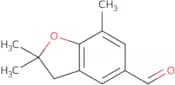
CAS:2,2,7-Trimethyl-2,3-dihydro-1-benzofuran-5-carbaldehyde is a fine chemical that is used as a building block in research and synthesis of other chemicals. It has been shown to be a versatile building block for the synthesis of complex compounds. 2,2,7-Trimethyl-2,3-dihydro-1-benzofuran-5-carbaldehyde is also a useful intermediate to make other chemicals as well as a reagent in the production of speciality chemicals. This compound can be used in reactions with amines and alcohols. It has been found to have high quality that makes it useful for use in reactions with DNA and RNA nucleotides and proteins.Formula:C12H14O2Purezza:Min. 95%Colore e forma:White PowderPeso molecolare:190.24 g/mol5-Hydroxy-3-methyl-1H-pyrazole-4-carbaldehyde
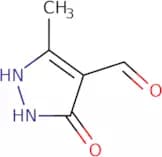
CAS:<p>5-Hydroxy-3-methyl-1H-pyrazole-4-carbaldehyde is an organic compound that is used as a building block in the synthesis of a variety of complex compounds. It can be used as a reaction component and is also useful in the production of speciality chemicals. 5-Hydroxy-3-methyl-1H-pyrazole-4-carbaldehyde has been shown to form complexes with metals, such as copper, silver, and gold. These complexes are useful for research into catalytic reactions and electrochemistry. This chemical is also used in the production of pharmaceuticals, agrochemicals, and other high quality reagents.</p>Formula:C5H6N2O2Purezza:Min. 95%Colore e forma:PowderPeso molecolare:126.11 g/mol2-Nitro-4,5-methylenedioxybenzaldehyde
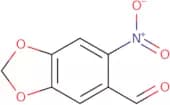
CAS:<p>2-Nitro-4,5-methylenedioxybenzaldehyde (2NMB) is a molecule with a molecular weight of 188.24, an empirical formula of C8H8NO2 and a chemical structure consisting of a benzene ring attached to two nitro groups. 2NMB has been shown to bind to the dopamine β-hydroxylase enzyme in human serum and inhibit the production of dopa, which leads to a decrease in dopamine levels. It also inhibits the growth of staphylococcus, cryptococcus neoformans, and typhimurium. 2NMB also has been used as radiotracers for gyrase activity and can be used for asymmetric synthesis due to its piperonal group. The uptake of 2NMB by cells is dependent on its nucleophilic properties.</p>Formula:C8H5NO5Purezza:Min. 98%Colore e forma:PowderPeso molecolare:195.13 g/mol4-Chlorobenzaldehyde oxime
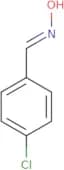
CAS:<p>4-Chlorobenzaldehyde oxime is an antibacterial agent that is classified as a chloroamine. It has been shown to be an effective inhibitor of bacterial growth, with a low toxicity to mammalian cells. 4-Chlorobenzaldehyde oxime has been shown to be activated by amines and hydroxylamine, and the resulting intermediate can cleave a variety of bonds in the bacterial cell wall. The molecular orbitals of this compound have been calculated using crystallographic data and functional theory. 4-Chlorobenzaldehyde oxime also binds to chloride ions and forms a complex with ammonium nitrate, which may account for its activity against some bacteria that are resistant to chlorinated compounds (e.g., Clostridium difficile). This compound also contains functional groups that may react with disulfides present in the bacterial cell wall.</p>Formula:C7H6ClNOPurezza:Min. 95%Colore e forma:PowderPeso molecolare:155.58 g/molL-Noradrenaline bitartrate monohydrate
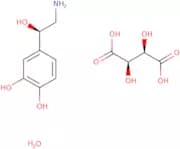
CAS:<p>L-Noradrenaline is the major precursor of norepinephrine, a neurotransmitter that regulates blood pressure and heart rate. L-Noradrenaline bitartrate monohydrate is a potent vasopressor drug that has been shown to increase blood pressure. The effects in animals are biphasic, with an initial pressor phase followed by a second phase with vasodilator effects. L-Noradrenaline bitartrate monohydrate has been shown to stimulate transcription of proteins, such as model protein and dopamine receptor D1 (D1R). This stimulation has been shown to be mediated through the activation of protein kinase C (PKC) and Ca2+/calmodulin-dependent protein kinase II (CaMKII). It has also been shown to have antioxidant effects in the presence of hydroxyl radicals. L-Noradrenaline bitartrate monohydrate can cause symptoms such as nausea, vomiting, and diarrhea in humans at high doses.</p>Formula:C12H19NO10Purezza:Min. 98 Area-%Colore e forma:PowderPeso molecolare:337.28 g/mol3-Bromo-4,5-dimethoxybenzaldehyde
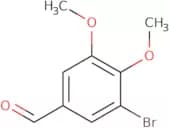
CAS:<p>3-Bromo-4,5-dimethoxybenzaldehyde is a molecule that is acidic in nature. It inhibits phosphatases and has shown cytotoxic activity against cancer cells in vitro. This compound also has antibacterial properties and can be used to treat bacterial infections. 3-Bromo-4,5-dimethoxybenzaldehyde is also a synthetic compound that can be found in the bisbenzylisoquinoline alkaloids family. It has been shown to have anti-tumor activity as well as an interaction with aldehydes and chalcones, which may lead to anti-inflammatory effects.</p>Formula:C9H9BrO3Purezza:Min. 95%Colore e forma:PowderPeso molecolare:245.07 g/mol3-Methoxy-2-nitrobenzaldehyde
CAS:<p>3-Methoxy-2-nitrobenzaldehyde is a synthetic compound that has been used in the industrial process of synthesizing other compounds. It is a nucleophilic compound, which means it can react with electrophiles to form new bonds. 3-Methoxy-2-nitrobenzaldehyde is also an oriented molecule, meaning that when it reacts with an electrophile, the resulting product can be determined by the orientation of the molecules. The rate of this reaction depends on how many functional groups are present and the presence of catalysts. 3-Methoxy-2-nitrobenzaldehyde is fluorescent, so it will emit light in a spectroscopic experiment. It has six functional groups which are all nucleophilic and capable of participating in reactions with other molecules. Catalytic rates for this reaction depend on concentration and temperature, as well as the number of chlorine atoms and polydentate ligands present in solution.</p>Formula:C8H7NO4Purezza:Min. 95%Colore e forma:Slightly Yellow PowderPeso molecolare:181.15 g/molSalicylaldehyde azine
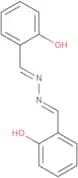
CAS:<p>Salicylaldehyde azine (SAZ) is a polymerized compound that has been shown to inhibit tyrosinase, an enzyme that catalyzes the oxidation of L-tyrosine to DOPA and dopaquinone. It can be used as a fluorescent probe for metal ions and has been used in the preparation of aluminium salts. The interaction of SAZ with protonated functional groups on tyrosinase leads to inhibition by blocking the active site. This inhibition is reversible and can be reversed by adding a reducing agent such as sodium dithionite.</p>Formula:C14H12N2O2Purezza:Min. 95%Colore e forma:PowderPeso molecolare:240.26 g/mol2,5-Dimethylbenzaldehyde
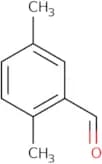
CAS:<p>2,5-Dimethylbenzaldehyde is a chemical that is used in the synthesis of various compounds. It has been shown to have anticancer and energy metabolism properties. 2,5-Dimethylbenzaldehyde can be used as an energy source in the mitochondria. This compound also prevents the formation of fatty acids by inhibiting the conversion of acetyl-CoA into malonyl-CoA. The phase transition temperature for 2,5-dimethylbenzaldehyde is approximately −20 °C. The reaction mechanism for this compound is not well understood, but it has been shown to react with piperonal to form 3,4-dimethylbenzyl alcohol and methyl ethyl ether, which are both carcinogenic compounds. Chemical ionization mass spectrometry experiments have shown that protonated 2,5-dimethylbenzaldehyde reacts with methane gas to form methyl ethane and hydrogen gas. Thermodynamic data suggest that 2,5-dimethyl</p>Formula:C9H10OPurezza:Min. 98.0 Area-%Colore e forma:Slightly Yellow Clear LiquidPeso molecolare:134.18 g/mol2-(3-Chlorophenyl)thiazole-4-carbaldehyde
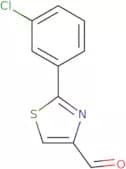
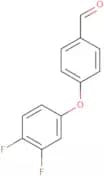
CAS:<p>Please enquire for more information about 2-(3-Chlorophenyl)thiazole-4-carbaldehyde including the price, delivery time and more detailed product information at the technical inquiry form on this page</p>Formula:C10H6ClNOSPurezza:Min. 95%Colore e forma:PowderPeso molecolare:223.68 g/mol4'-(3,4-Difluorophenoxy)benzaldehyde
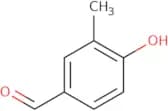
CAS:4'-(3,4-Difluorophenoxy)benzaldehyde is an organic compound that yields a bright yellow color. It is used in the replication of DNA and RNA in the laboratory. This compound has been shown to interact with environmental conditions and significant effects have been observed for cultivars of wheat.Formula:C13H8F2O2Purezza:Min. 95%Peso molecolare:234.2 g/mol4-Hydroxy-3-methylbenzaldehyde
CAS:4-Hydroxy-3-methylbenzaldehyde is a fungicidal agent that has been shown to have activity against Cryptococcus neoformans. It inhibits the mitochondrial functions of this fungus, which leads to cell death by disrupting the synthesis of fatty acids and other cellular components. 4-Hydroxy-3-methylbenzaldehyde binds to C. neoformans with high affinity, producing a reaction product that interferes with the organism's ability to produce butyric acid. The molecular modelling of this compound shows that it is a pyrazole ring with two benzyl groups on either side of an aldehyde group. This chemical also inhibits gram-negative bacteria by binding to fatty acids in their outer membrane.Formula:C8H8O2Purezza:Min. 95%Colore e forma:PowderPeso molecolare:136.15 g/mol3-Hydroxy-5-nitrobenzaldehyde
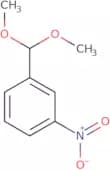
CAS:<p>3-Hydroxy-5-nitrobenzaldehyde is a solvent that has been used as a probe to measure chloride concentration in multimedia. It can be used as a sensor and an algorithm to detect the colorimetric change of 3-hydroxy-5-nitrobenzaldehyde in the presence of chloride ions. This probe is also used in colorimetric tests for linker, nonpolar, and surfactant compounds. The 3-hydroxy-5-nitrobenzaldehyde oxime can be cleaved by UV light to produce an unstable nitronium ion that reacts with metal ions such as copper(II) or silver(I) to form an insoluble precipitate.</p>Formula:C7H5NO4Purezza:Min. 95%Colore e forma:PowderPeso molecolare:167.12 g/mol3-Nitrobenzaldehyde dimethyl acetal
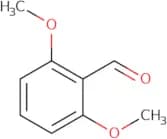
CAS:<p>3-Nitrobenzaldehyde dimethyl acetal is a reagent that is used in organic synthesis. It is a white solid that can be dissolved in polar solvents such as ethanol, acetone and water. This compound has been shown to be useful in the preparation of pharmaceuticals and other chemicals. 3-Nitrobenzaldehyde dimethyl acetal has been shown to react with amines, alcohols, carboxylic acids and phenols to produce various compounds. It also reacts with nitric acid to form an explosive compound called nitrophenol.</p>Formula:C9H11NO4Purezza:Min. 95%Colore e forma:Clear LiquidPeso molecolare:197.19 g/mol2,6-Dimethoxybenzaldehyde
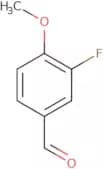
CAS:<p>Synthetic building block</p>Formula:C9H10O3Purezza:Min. 95%Colore e forma:White PowderPeso molecolare:166.17 g/mol3-Fluoro-4-methoxybenzaldehyde
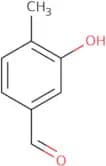
CAS:<p>3-Fluoro-4-methoxybenzaldehyde is a chemical compound that is used in the synthesis of natural products. It has been shown to have inhibitory properties against cancer cells, and has been synthesized as an analog of 3-fluoro-4-hydroxybenzaldehyde. The biological function of 3-fluoro-4-methoxybenzaldehyde is not yet known. Hydrochloric acid may be used to react with 3-fluoro-4-methoxybenzaldehyde to form a salt. This chemical also has anti-tumor effects and can be synthesized using cryogenic techniques.</p>Formula:C8H7FO2Purezza:Min. 95%Colore e forma:Slightly Yellow PowderPeso molecolare:154.14 g/mol3-Hydroxy-4-methylbenzaldehyde
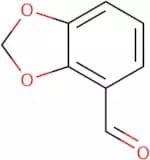
CAS:<p>3-Hydroxy-4-methylbenzaldehyde is a chemical that is synthesized from 3-hydroxy-4-methylphenol and dimethylformamide. It has been shown to interact with aluminium, which may be due to its ability to form a 1:1 complex with the metal. 3-Hydroxy-4-methylbenzaldehyde also exhibits electrochemical methods and isomers with other aldehydes. This chemical can be used in gas chromatography/mass spectrometry (GCMS) as an internal standard for fatty acid analysis.</p>Formula:C8H8O2Purezza:Min. 95%Colore e forma:White PowderPeso molecolare:136.15 g/mol(3E)-4-(1,3-Benzodioxol-4-yl)-3-butenoic acid
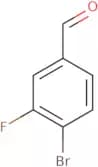
CAS:2,3-Methylenedioxybenzaldehyde is an organic compound that has been used as a chemical ionization reagent in the development of chemosensors. The formyl group in this molecule reacts with chloride to produce the corresponding formate salt, which can be detected by gas chromatography. This compound has also been shown to inhibit bacterial growth in vitro and may have potential applications as a drug substance. 2,3-Methylenedioxybenzaldehyde is an isomer of 2,4-methylenedioxybenzaldehyde, which has been shown to inhibit bacterial growth via hydrogen bonding with amines and electron deficient molecules such as chlorides. 2,3-Methylenedioxybenzaldehyde can be used for chromatographic science and the detection of drugs in urine samples.Formula:C11H10O4Purezza:Min. 95%Colore e forma:PowderPeso molecolare:206.19 g/mol4-Bromo-3-fluorobenzaldehyde
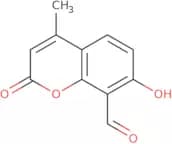
CAS:4-Bromo-3-fluorobenzaldehyde is a drug substance that can be used in cancer therapy. It is a cross-linking agent that can form covalent bonds with DNA and proteins, which inhibits the ability of cells to replicate. 4-Bromo-3-fluorobenzaldehyde has been shown to have cytotoxic activity against human cancer cells in culture. This compound is synthesized by an unsymmetrical nitroaldol reaction, followed by Suzuki coupling with 3-(4′-methoxyphenyl) propanone. The structural formula for this product is C9H5BrFO2.Formula:C7H4BrFOPurezza:Min. 95%Peso molecolare:203.01 g/mol7-Hydroxy-4-methyl-2-oxo-2H-chromene-8-carbaldehyde
CAS:<p>7-Hydroxy-4-methyl-2-oxo-2H-chromene-8-carbaldehyde is an activated molecule that exhibits significant cytotoxicity to human liver cancer cells. It inhibits the mitochondrial membrane potential, leading to the release of cytochrome c and apoptosis induction. 7HMOCA has been shown to be a reactive molecule with benzimidazole derivative properties. This compound depletes cellular glutathione levels and increases intracellular reactive oxygen species (ROS) levels, which leads to DNA fragmentation, cell cycle arrest, and ultimately apoptosis induction when combined with other agents. The fluorescence properties of this molecule have enabled its detection in living cells without the need for additional reagents or labeling.</p>Formula:C11H8O4Purezza:Min. 95 Area-%Colore e forma:White PowderPeso molecolare:204.18 g/molEnalapril diketopiperazine
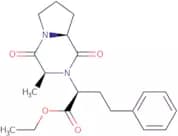
CAS:Enalapril is a potassium-sparing diuretic that belongs to the group of angiotensin-converting enzyme (ACE) inhibitors. It is used in the treatment of high blood pressure and congestive heart failure. Enalapril is activated by hydrolysis to enalaprilat, which in turn inhibits the formation of angiotensin II and prevents its effects on blood vessels and kidneys. Enalapril also prevents the conversion of captopril to enalaprilat, thereby reducing its effectiveness as an ACE inhibitor.Formula:C20H26N2O4Purezza:Min. 95%Colore e forma:PowderPeso molecolare:358.43 g/mol2-Naphthaldehyde oxime
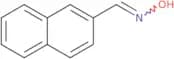
CAS:<p>2-Naphthaldehyde oxime is a reactive aldoxime that can be used as an oxidant in organic chemistry. It is able to increase the rate of hydrolysis by acid catalysts, and has been shown to cause biomolecular damage due to its ability to react with functional groups such as amines and alcohols. 2-Naphthaldehyde oxime reacts with silicon, styrene, and polystyrene. The reaction produces carbon dioxide, hydrogen, and water. This product also has the capability of solvating organic compounds through the use of water molecules. Hypervalent oxidation reactions may occur with 2-naphthaldehyde oxime due to its ability to form multiple bonds with oxygen atoms.</p>Formula:C11H9NOPurezza:Min. 95%Colore e forma:PowderPeso molecolare:171.2 g/mol4-Benzyloxy-3,5-dimethylbenzaldehyde
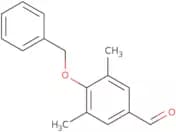
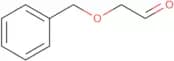
CAS:<p>4-Benzyloxy-3,5-dimethylbenzaldehyde is a potent anticancer drug that inhibits cell proliferation and induces apoptosis. It has been shown to inhibit the growth of prostate cancer cells and human erythroleukemia cells. This compound also has antibacterial activity against gram-positive bacteria such as methicillin-resistant Staphylococcus aureus (MRSA) and Mycobacterium tuberculosis. 4-Benzyloxy-3,5-dimethylbenzaldehyde binds to the flavone binding site on the enzyme DNA gyrase and topoisomerase IV in both bacterial and mammalian cells. This binding leads to inhibition of DNA synthesis by preventing the formation of an enzyme complex with DNA polymerase. A study has shown that apigenin, one of the flavone derivatives found in this compound, enhances the antitumor activity of cisplatin by inhibiting DNA repair mechanisms in human cancer cells.</p>Formula:C16H16O2Purezza:90%Colore e forma:PowderPeso molecolare:240.3 g/mol2-(Benzyloxy)acetaldehyde
CAS:<p>2-(Benzyloxy)acetaldehyde (BA) is an aldol that is used as an oxidation catalyst for chemical stability. It can be synthesized with the use of asymmetric synthesis and coordination geometry. 2-(Benzyloxy)acetaldehyde has been shown to bind to the enzyme aldehyde dehydrogenase and inhibit its activity, which may lead to the treatment of infectious diseases. This compound also has receptor activity in coli K-12 cells, which can be used to detect BA in urine samples. The reaction mechanism of BA is similar to that of benzimidazole compounds, hydroxyl group, and trifluoroacetic acid.</p>Formula:C9H10O2Purezza:Min. 95%Colore e forma:Slightly Yellow Clear LiquidPeso molecolare:150.17 g/mol4-Phenoxybenzaldehyde
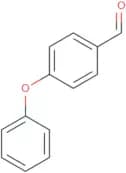
CAS:4-Phenoxybenzaldehyde is a phenolic compound that has potent inhibitory activity against bacteria. It was shown to have the highest antibacterial activity among alkanoic acids, with an MIC of less than 2 µg/mL. 4-Phenoxybenzaldehyde is produced by the condensation of phenol and acetaldehyde in the presence of a solid catalyst and potassium hydroxide. This reaction produces a mixture of products, including 4-phenoxybenzaldehyde, which can be purified by recrystallization or column chromatography. The biosynthetic pathway for 4-phenoxybenzaldehyde in plants has been elucidated and includes two steps: one involving pyrazole ring formation and another involving hydroxyl group formation.Formula:C13H10O2Purezza:Min. 95%Peso molecolare:198.22 g/mol4-Cyanobenzaldehyde
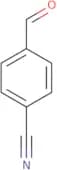
CAS:<p>4-Cyanobenzaldehyde is an acid that inhibits tyrosinase, an enzyme involved in the production of melanin. It has been shown to have a strong inhibitory effect on the activity of this enzyme in a variety of biological studies. 4-Cyanobenzaldehyde is chemically stable and does not react with hydrochloric acid or water at room temperature, making it suitable for use in experiments involving these substances. This chemical also has antiinflammatory properties and can be used as a substitute for phenols in some chemical reactions. 4-Cyanobenzaldehyde is soluble in methanol and reacts with diphenolase, an enzyme involved in the synthesis of lignin, to produce benzophenone and benzoic acid. This reaction may be important for the formation of lignin during wood decomposition.</p>Formula:C8H5NOPurezza:80%Colore e forma:PowderPeso molecolare:131.13 g/mol4-Bromo-2-hydroxybenzaldehyde
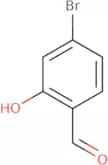
CAS:<p>4-Bromo-2-hydroxybenzaldehyde is a chemical compound that is used in the synthesis of azides. It has a molecular formula of C6H5BrO, a diameter of 197.037 pm, and a structural formula of CHBrO. 4-Bromo-2-hydroxybenzaldehyde can be prepared by reacting bromine with hydroxybenzaldehyde in the presence of an amine catalyst. This product has been shown to have synergistic effects when used in combination with other anticancer agents such as aminopyrimidines, coumarin derivatives, or 2-(4'-hydroxyphenyl) benzoxazole. The photophysical properties of 4-bromo-2-hydroxybenzaldehyde are characterized by its fluorescence emission at 272 nm and its absorption at 270 nm. This product also shows low detection levels in human liver tissue samples, which may be due to its high water sol</p>Formula:C7H5BrO2Purezza:Min. 95%Colore e forma:White PowderPeso molecolare:201.02 g/mol2-Phenoxybenzaldehyde
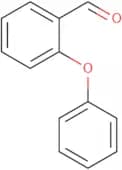
CAS:2-Phenoxybenzaldehyde is an organic compound that belongs to the heterocyclic aldehyde family. It is a white solid with a strong, pleasant odor. 2-Phenoxybenzaldehyde is used as an intermediate in organic synthesis, and has been shown to inhibit the receptor activity of human leukocyte antigen (HLA) class II molecules. The reaction mechanism for this inhibition is not known. The reaction of 2-phenoxybenzaldehyde with hydrochloric acid produces phenylhydroxylamine, which can be oxidized by inorganic acids to form phenyloxalic acid. This compound also inhibits the production of inflammatory cytokines such as TNFα and IL-1β in vitro and in vivo.Formula:C13H10O2Purezza:Min. 95%Colore e forma:Clear LiquidPeso molecolare:198.22 g/mol(3-Formylthiophen-2-yl)boronic acid
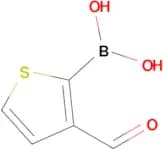
CAS:Formula:C5H5BO3SPurezza:95%Colore e forma:SolidPeso molecolare:155.96Tetrahydro-2H-thiopyran-4-carbaldehyde
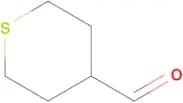
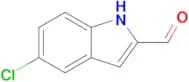
CAS:Formula:C6H10OSPurezza:96%Colore e forma:LiquidPeso molecolare:130.215-Chloro-1H-indole-2-carbaldehyde
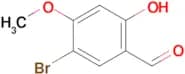
CAS:Formula:C9H6ClNOPurezza:95%Colore e forma:SolidPeso molecolare:179.65-Bromo-2-hydroxy-4-methoxybenzaldehyde
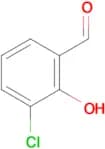
CAS:Formula:C8H7BrO3Purezza:98%Colore e forma:SolidPeso molecolare:231.0453-Chloro-2-hydroxy-benzaldehyde
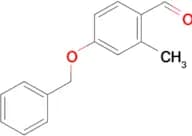
CAS:Formula:C7H5ClO2Purezza:96%Colore e forma:SolidPeso molecolare:156.572-Methyl 4-benzyloxybenzaldehyde
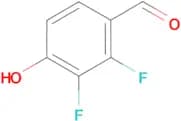
CAS:Formula:C15H14O2Purezza:96%Colore e forma:SolidPeso molecolare:226.2752,3-Difluoro-4-hydroxybenzaldehyde
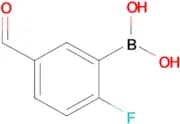
CAS:Formula:C7H4F2O2Purezza:98%Colore e forma:SolidPeso molecolare:158.1042-Fluoro-5-formylphenylboronic acid
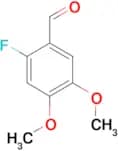
CAS:Formula:C7H6BFO3Purezza:97%Colore e forma:SolidPeso molecolare:167.936-Fluoroveratraldehyde
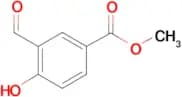
CAS:Formula:C9H9FO3Purezza:97%Colore e forma:Solid, White - Slightly pale yellow powderPeso molecolare:184.166Methyl 3-Formyl-4-hydroxybenzoate
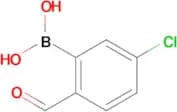
CAS:Formula:C9H8O4Purezza:96%Colore e forma:Solid, Chunks or Crystalline PowderPeso molecolare:180.1595-Chloro-2-formylphenylboronic acid
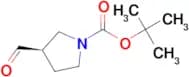
CAS:Formula:C7H6BClO3Purezza:95%Colore e forma:SolidPeso molecolare:184.38(R)-TERT-BUTYL 3-FORMYLPYRROLIDINE-1-CARBOXYLATE
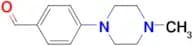
CAS:Formula:C10H17NO3Purezza:97%Colore e forma:SolidPeso molecolare:199.254-(4-Methylpiperazino)benzaldehyde
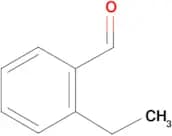
CAS:Formula:C12H16N2OPurezza:98%Colore e forma:SolidPeso molecolare:204.2732-Ethylbenzaldehyde
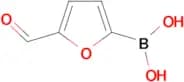
CAS:Formula:C9H10OPurezza:95%Colore e forma:Liquid, No data available.Peso molecolare:134.1782-Formylfuran-5-boronic acid
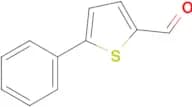
CAS:Formula:C5H5BO4Purezza:97%Colore e forma:Solid, Chunks or Crystalline PowderPeso molecolare:139.95-Phenylthiophene-2-carbaldehyde
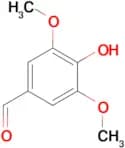
CAS:Formula:C11H8OSPurezza:97%Colore e forma:SolidPeso molecolare:188.243,5-Dimethoxy-4-hydroxybenzaldehyde
CAS:Formula:C9H10O4Purezza:95%Colore e forma:Solid, Crystalline Powder or Granules or PowderPeso molecolare:182.1754-Methyl-1H-pyrrolo[2,3-b]pyridine-3-carbaldehyde
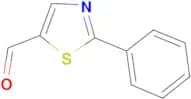
CAS:Formula:C9H8N2OPurezza:98%Peso molecolare:160.1762-Phenyl-1,3-thiazole-5-carbaldehyde
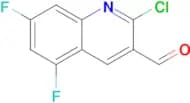
CAS:Formula:C10H7NOSPurezza:97%Colore e forma:SolidPeso molecolare:189.232-Chloro-5,7-difluoroquinoline-3-carbaldehyde
CAS:Formula:C10H4ClF2NOPurezza:97%Peso molecolare:227.595-methyl-1H-pyrazole-4-carbaldehyde
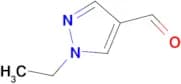
CAS:Formula:C5H6N2OPurezza:97%Colore e forma:Liquid, No data available.Peso molecolare:110.1161-Ethyl-1H-pyrazole-4-carbaldehyde
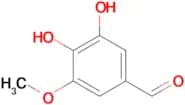
CAS:Formula:C6H8N2OPurezza:96%Colore e forma:LiquidPeso molecolare:124.1433,4-Dihydroxy-5-methoxybenzaldehyde
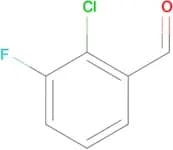
CAS:Formula:C8H8O4Purezza:95%Colore e forma:SolidPeso molecolare:168.1482-Chloro-3-fluorobenzaldehyde
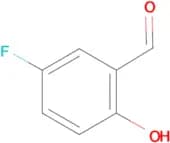
CAS:Formula:C7H4ClFOPurezza:95%Colore e forma:SolidPeso molecolare:158.565-Fluoro-2-hydroxybenzaldehyde
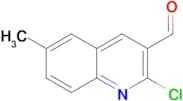
CAS:Formula:C7H5FO2Purezza:98%Colore e forma:SolidPeso molecolare:140.1132-Chloro-6-methylquinoline-3-carboxaldehyde
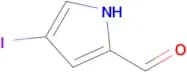
CAS:Formula:C11H8ClNOPurezza:95%Colore e forma:SolidPeso molecolare:205.644-Iodo-1H-pyrrole-2-carbaldehyde
CAS:Formula:C5H4INOPurezza:95%Colore e forma:SolidPeso molecolare:220.9973-Bromo-2-fluoro-5-methylbenzaldehyde
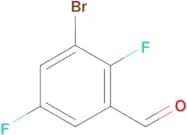
CAS:Formula:C8H6BrFOPurezza:98%Colore e forma:SolidPeso molecolare:217.0373-Bromo-2,5-difluorobenzaldehyde
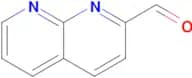
CAS:Formula:C7H3BrF2OPurezza:95%Colore e forma:SolidPeso molecolare:221.0011,8-Naphthyridine-2-carbaldehyde
CAS:Formula:C9H6N2OPurezza:97%Colore e forma:SolidPeso molecolare:158.162-Chloro-4-methoxynicotinaldehyde
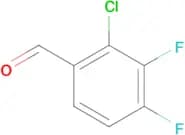
CAS:Formula:C7H6ClNO2Purezza:98%Colore e forma:SolidPeso molecolare:171.582-Chloro-3,4-difluorobenzaldehyde
CAS:Formula:C7H3ClF2OPurezza:98%Colore e forma:SolidPeso molecolare:176.554-Bromo-3,5-difluorobenzaldehyde
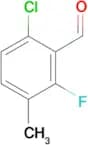
CAS:Formula:C7H3BrF2OPurezza:97%Colore e forma:SolidPeso molecolare:221.0016-Chloro-2-fluoro-3-methylbenzaldehyde
CAS:Formula:C8H6ClFOPurezza:97%Colore e forma:LiquidPeso molecolare:172.581-Methyl-1H-benzo[d][1,2,3]triazole-5-carbaldehyde
CAS:Formula:C8H7N3OPurezza:98%Colore e forma:SolidPeso molecolare:161.1645-Bromo-2-nitro-benzaldehyde
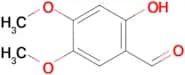
CAS:Formula:C7H4BrNO3Purezza:95%Colore e forma:Solid, CrystallinePeso molecolare:230.0172-Hydroxy-4,5-dimethoxybenzaldehyde
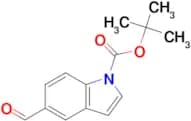
CAS:Formula:C9H10O4Purezza:97%Colore e forma:SolidPeso molecolare:182.175tert-Butyl 5-formyl-1H-indole-1-carboxylate
CAS:Formula:C14H15NO3Purezza:97%Colore e forma:SolidPeso molecolare:245.2785-Hydroxy-4-methoxy-2-nitro-benzaldehyde
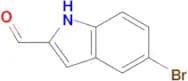
CAS:Formula:C8H7NO5Purezza:97%Colore e forma:SolidPeso molecolare:197.1465-Bromo-1H-indole-2-carbaldehyde
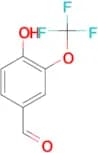
CAS:Formula:C9H6BrNOPurezza:95%Colore e forma:SolidPeso molecolare:224.0574-Hydroxy-3-(trifluoromethoxy)benzaldehyde
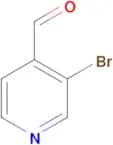
CAS:Formula:C8H5F3O3Purezza:97%Colore e forma:SolidPeso molecolare:206.123-Bromoisonicotinaldehyde
CAS:Formula:C6H4BrNOPurezza:98%Colore e forma:Solid, Powder or Crystalline Powder or SolidPeso molecolare:186.0082-Formyl-pyrrolidine-1-carboxylic acid tert-butyl ester
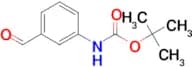
CAS:Formula:C10H17NO3Purezza:95%Colore e forma:LiquidPeso molecolare:199.25tert-Butyl (3-formylphenyl)carbamate
CAS:Formula:C12H15NO3Purezza:97%Colore e forma:SolidPeso molecolare:221.256








![4-Methyl-1H-pyrrolo[2,3-b]pyridine-3-carbaldehyde](/_next/image/?url=https%3A%2Fstatic.cymitquimica.com%2Fproducts%2F10%2Fthumb-webp%2FF465149.webp&w=3840&q=75)


![4,4′-Dihydroxy-[1,1′-biphenyl]-3,3′-dicarbaldehyde](/_next/image/?url=https%3A%2Fstatic.cymitquimica.com%2Fproducts%2F10%2Fthumb-webp%2FF693468.webp&w=3840&q=75)

![Imidazo[1,2-a]pyrimidine-2-carboxaldehyde, 3-bromo-](/_next/image/?url=https%3A%2Fstatic.cymitquimica.com%2Fproducts%2F10%2Fthumb-webp%2FF861504.webp&w=3840&q=75)



![1-Methyl-1H-benzo[d][1,2,3]triazole-5-carbaldehyde](/_next/image/?url=https%3A%2Fstatic.cymitquimica.com%2Fproducts%2F10%2Fthumb-webp%2FF093111.webp&w=3840&q=75)