Benzeni
Sottocategorie di "Benzeni"
- Benzamidi(62 prodotti)
- Acidi benzoici(5.476 prodotti)
- Alcoli benzilici(1.459 prodotti)
- Benzeni alogenati(33.987 prodotti)
- Fenoli(2.664 prodotti)
Trovati 11889 prodotti di "Benzeni"
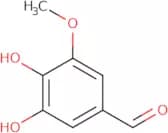
3,4-Dihydroxy-5-methoxybenzaldehyde
CAS:3,4-Dihydroxy-5-methoxybenzaldehyde is a synthetic compound that has shown to have inhibitory effects on the replication of DNA and RNA. It also inhibits the growth of bacteria in culture by binding to the nucleic acid. The chemical structure of 3,4-Dihydroxy-5-methoxybenzaldehyde is similar to that of bisbenzylisoquinoline alkaloids, which are found in plants such as opium poppy. This similarity may explain its ability to inhibit bacterial growth. 3,4-Dihydroxy-5-methoxybenzaldehyde may be used as a drug candidate for treating bacterial infections.Formula:C8H8O4Purezza:Min. 95%Colore e forma:PowderPeso molecolare:168.15 g/mol3-Hydroxy-2-methoxybenzoic acid
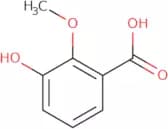
CAS:3-Hydroxy-2-methoxybenzoic acid (3HMB) is a phenolic compound that is found in the heartwood of Eucalyptus trees, fruits such as apples and cherries, and some vegetables. 3HMB has been shown to inhibit tumor necrosis factor-α (TNF-α) production by proinflammatory cytokines such as IL-1β and IL-6, which are produced by cells in response to infection or tissue injury. 3HMB also inhibits the activity of tyrosol oxygenase, which converts tyrosol to vanillic acid. Vanillic acid can be converted into vanillin, an important precursor for the synthesis of pigments that give fruits their color. 3HMB has been shown to inhibit the growth of cancer cells in vitro.Formula:C8H8O4Purezza:Min. 95%Colore e forma:PowderPeso molecolare:168.15 g/mol3-Methoxy-4-methylbenzonitrile
CAS:3-Methoxy-4-methylbenzonitrile is a reagent that is used in the synthesis of complex compounds, such as pharmaceuticals and fine chemicals. It has been shown to be useful as an intermediate for the synthesis of various drugs, including antibiotics. 3-Methoxy-4-methylbenzonitrile has also been shown to be a useful scaffold for the synthesis of new drugs and other chemical compounds. This compound is listed on the Chemical Abstracts Service registry number 3556-60-3.Formula:C9H9NOPurezza:Min. 95%Colore e forma:PowderPeso molecolare:147.17 g/mol2-tert-Butoxybenzoic acid
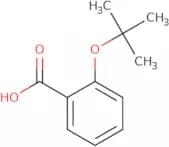
CAS:2-tert-Butoxybenzoic acid is a versatile chemical that can be used as a reagent, a speciality chemical, or as an intermediate in the synthesis of other compounds. It is typically used in organic chemistry for the preparation of esters, amides, and nitriles. 2-tert-Butoxybenzoic acid is also useful as a building block for complex molecules. This compound has been shown to react with alcohols to form esters, with amines to form amides, and with nitro groups to form nitriles.Formula:C11H14O3Purezza:Min. 95%Colore e forma:PowderPeso molecolare:194.23 g/moln-Heptyl 4-hydroxybenzoate
CAS:n-Heptyl 4-hydroxybenzoate is a preservative and antimicrobial agent that is used in cosmetics, pharmaceuticals, and food. It is primarily used to inhibit the growth of bacteria and fungi. The mechanism by which heptyl 4-hydroxybenzoate inhibits the growth of microorganisms is not well understood. It has been shown to be an effective inhibitor of Gram-positive bacteria such as Bacillus subtilis, but not against Gram-negative bacteria such as Escherichia coli. Heptyl 4-hydroxybenzoate has been shown to have no effect on the growth of probiotic bacteria such as Lactobacillus acidophilus. The chemical structure of n-heptyl 4-hydroxybenzoate includes a glycol ether moiety and two parabens that are linked by hydrogen bonds. These bonds can be broken by enzymes found in rat liver microsomes, leading to the release of n-Formula:C14H20O3Purezza:Min. 95%Colore e forma:White Off-White PowderPeso molecolare:236.31 g/mol3,4-Dihydroxy-5-methoxybenzoic acid
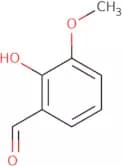
CAS:3,4-Dihydroxy-5-methoxybenzoic acid is a natural phenolic compound found in many plants. It has been shown to inhibit the growth of cancer cells and can be used as a chemopreventive agent for cancer treatment. 3,4-Dihydroxy-5-methoxybenzoic acid is metabolized by the liver into 3,4-dihydroxyphenylacetic acid (3,4-DHPA), which is excreted in urine and feces. The bioavailability of 3,4-Dihydroxy-5-methoxybenzoic acid is low due to its low solubility in water and high reactivity with proteins.Formula:C8H8O5Purezza:Min. 95%Colore e forma:PowderPeso molecolare:184.15 g/mol2-Hydroxy-3-methoxybenzaldehyde
CAS:2-Hydroxy-3-methoxybenzaldehyde is a model compound that is used to study the reaction mechanism of hydrogen bonding. It has been shown to have antioxidative properties and amoebicidal activity. The biological properties of 2-hydroxy-3-methoxybenzaldehyde are still being studied. There are also no reports on its toxicity or carcinogenicity in humans. This compound is a member of the group P2, which includes compounds with two aromatic rings connected by one carbon atom. The molecular geometry around this carbon atom is pyramidal and the molecule can exist in either an axial or equatorial orientation. Synchronous fluorescence experiments have shown that 2-hydroxymethoxybenzaldehyde reacts with Toll-like receptor 4 (TLR4).
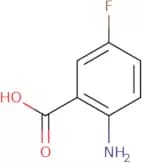
Formula:C8H8O3Purezza:Min. 95%Colore e forma:Yellow PowderPeso molecolare:152.15 g/mol5-Fluoroanthranilic acid
CAS:5-Fluoroanthranilic acid is a synthetic compound that belongs to the class of anthranilic acid derivatives. It inhibits the growth of bacteria by reacting with the hydroxyl group on the bacterial cell wall and binding to its target, which is a cellular component found in Gram-positive bacteria. The molecular modeling and gene analysis have shown that this compound has an optimal reaction at pH 8.5, which is not in accordance with the natural environment of bacteria. 5-Fluoroanthranilic acid has been shown to have anticancer activity against wild-type cells but not against resistant mutants.Formula:C7H6FNO2Purezza:Min. 95%Colore e forma:PowderPeso molecolare:155.13 g/mol2,4-Dimethylbenzoic acid
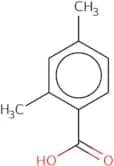
CAS:2,4-Dimethylbenzoic acid is a white solid with the chemical formula CH3C6H2O2. It is an organic acid that can be used as a building block in organic synthesis. The functional groups of 2,4-dimethylbenzoic acid are methyl and carboxyl. The most efficient method for the synthesis of 2,4-dimethylbenzoic acid is by reacting hydrochloric acid with dimethylaniline. This reaction can be carried out in one pot without isolation of intermediates. The structural analysis of 2,4-dimethylbenzoic acid was done using fluorescence lifetimes and hydrochloric acid. The reaction mechanism for the formation of 2,4-dimethylbenzoic acid from dimethylaniline is through a nucleophilic substitution reaction with chloride ion. Sample preparation for 2,4-dimethylbenzoic acid includes dissolution in water and filtration through a 0.45Formula:C9H10O2Purezza:Min. 95%Colore e forma:White PowderPeso molecolare:150.17 g/mol5-Methoxy-2-nitrobenzoic acid
CAS:5-Methoxy-2-nitrobenzoic acid is a compound that has been shown to have antiinflammatory properties. It has been found to inhibit the production of inflammatory mediators such as leukotrienes and prostaglandins. 5-Methoxy-2-nitrobenzoic acid also inhibits certain enzymes, such as cyclooxygenase and lipoxygenase, which are involved in the biosynthesis of these mediators. 5-Methoxy-2-nitrobenzoic acid may be useful in the treatment of inflammatory diseases such as arthritis or asthma. This drug can also be used for chemoprevention against cancer. The drug has been shown to inhibit the growth of tumor cells in vivo by oral administration. This is due to its ability to inhibit DNA synthesis and protein synthesis in cells by binding with DNA and inhibiting RNA synthesis through inhibition of ribonucleotide reductase.Formula:C8H7NO5Purezza:90%Colore e forma:PowderPeso molecolare:197.14 g/mol2-Benzoylbenzoic acid
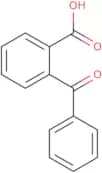
CAS:2-Benzoylbenzoic acid is an organic compound with the chemical formula C6H5CO2. It is a white solid that is soluble in water, ethanol, and ether. 2-Benzoylbenzoic acid is stable at room temperature, but decomposes when heated to above 200°C. This compound can be used as a catalyst for the synthesis of polymers.
2-Benzoylbenzoic acid is used as a raw material for the production of ferrocenecarboxylic acid and ethylene diamine. The activity index of 2-benzoylbenzoic acid was found to be high (0.7) when it was tested against Streptococcus mutans and Staphylococcus aureus.Formula:C14H10O3Purezza:Min. 95%Colore e forma:White PowderPeso molecolare:226.23 g/mol4-Dimethylamino-2-methoxybenzaldehyde
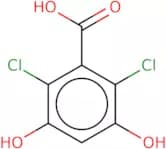
CAS:4-Dimethylamino-2-methoxybenzaldehyde is a chemical used as a research reagent and intermediate. It can be used to synthesize other compounds, such as pharmaceuticals, pesticides, and agrochemicals. It is also useful in the production of various dyes, pigments, and fragrances, representing effective staining under anaerobic conditions. CAS No. 84562-48-1Formula:C10H13NO2Peso molecolare:179.22 g/mol2,6-Dichloro-3,5-dihydroxybenzoic acid
CAS:2,6-Dichloro-3,5-dihydroxybenzoic acid is a reagent with a wide range of applications in the research and development of chemical products. It is also a useful intermediate for the synthesis of other compounds. 2,6-Dichloro-3,5-dihydroxybenzoic acid has been shown to be used as a building block for the synthesis of various complex compounds. It is also an important reaction component that can be used in many different reactions to produce valuable products.Formula:C7H4Cl2O4Purezza:Min. 95%Colore e forma:PowderPeso molecolare:223.01 g/mol2,5-Dihydroxybenzaldehyde
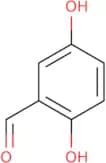
CAS:2,5-Dihydroxybenzaldehyde is a compound that can be used as an antioxidant. It is also a precursor for the synthesis of benzalkonium chloride. 2,5-Dihydroxybenzaldehyde reacts with p-hydroxybenzoic acid to form 2,5-dihydroxyphenylacetic acid and benzoic acid. The reaction mechanism of 2,5-dihydroxybenzaldehyde has been studied in detail using hl-60 cells and has been shown to be significant cytotoxicity. The hydroxyl group in this molecule creates a hydrogen bond with the carbonyl group in p-hydroxybenzoic acid and the two react together to form products. This reaction is catalyzed by Michaelis–Menten kinetics and proceeds via an electrochemical detector. Nitrogen atoms are not present in this molecule but do exist in benzalkonium chloride, which is synthesized from 2
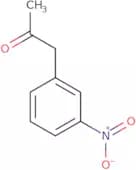
Formula:C7H6O3Purezza:Min. 95%Colore e forma:Yellow PowderPeso molecolare:138.12 g/mol(3-Nitrophenyl)acetone
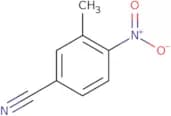
CAS:3-Nitrophenylacetone is a white solid that is soluble in water and polar organic solvents. 3-Nitrophenylacetone can be used as a building block for the synthesis of other compounds, such as pharmaceuticals and dyes. This compound has been researched for its ability to inhibit protein glycosylation. 3-Nitrophenylacetone is also used as an intermediate in the synthesis of polyurethanes and polycarbonates.Formula:C9H9NO3Purezza:Min. 95%Colore e forma:White PowderPeso molecolare:179.17 g/mol3-Methyl-4-nitrobenzonitrile
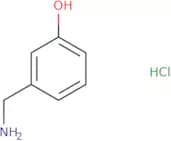
CAS:3-Methyl-4-nitrobenzonitrile is a fluorescing aromatic amine that is synthesized by aliphatic amines. It has been shown to inhibit the growth of cells in culture, which may be due to its ability to bind with and inhibit the insulin-like growth factor receptor-1 (IGF-1R). 3-Methyl-4-nitrobenzonitrile has also been shown to bind with cytochrome P450 enzymes, where it can be oxidized or reduced. The conformation of 3-methyl-4 nitrobenzonitrile is dependent on the solvent molecules present.Formula:C8H6N2O2Purezza:Min. 95%Colore e forma:PowderPeso molecolare:162.15 g/mol3-Hydroxybenzylamine hydrochloride
CAS:3-Hydroxybenzylamine hydrochloride (3HBH) is a chemical compound that has been used as a reagent and in the synthesis of other compounds. It is also known to be a useful scaffold for complex compounds, and can be used as a building block for the synthesis of fine chemicals. 3HBH has been found to have many applications in research, such as being an intermediate for pharmaceuticals, pesticides, dyes, and agrochemicals. 3HBH is also useful in organic syntheses where it has been found to react with nitriles and amides to form esters and amides respectively.
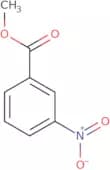
Formula:C7H9NO·HClPurezza:Min. 95%Colore e forma:PowderPeso molecolare:159.61 g/mol3-Nitrobenzoic acid methyl ester
CAS:3-Nitrobenzoic acid methyl ester is an organic compound that contains a hydroxyl group and a nitro group. It can be synthesized by the reaction of 3-nitrophenol and methanol in a solvent such as water or ethanol. The nitro group is important for the solvating power of this molecule, which has been shown to have approximations with other molecules. 3-Nitrobenzoic acid methyl ester is found in two different forms: the cis form and the trans form, which differ in the orientation of their nitro groups. The cis form is more stable than the trans form because it has a dipole moment. The vibrational frequencies are also higher for the cis form than for its trans counterpart. 3-Nitrobenzoic acid methyl ester has been shown to react with nintedanib, which is used to treat cancer, and inhibit kinetics. The kinetic data obtained from this study canFormula:C8H7NO4Purezza:(Gc) Min. 98%Colore e forma:PowderPeso molecolare:181.15 g/mol5-Bromo-2-nitrobenzoic acid
CAS:5-Bromo-2-nitrobenzoic acid is a chemical compound that belongs to the group of bromonitrobenzenes. It is an important intermediate in organic chemistry and has been used as a reagent for the synthesis of various heterocyclic compounds. 5-Bromo-2-nitrobenzoic acid can be used as a building block for pharmaceuticals, agrochemicals, dyes, and other chemicals. This versatile chemical has been widely used in research and development as a reaction component for synthesizing pharmaceuticals or speciality chemicals or as a building block to produce useful scaffolds.
Formula:C7H4BrNO4Purezza:Min. 95%Colore e forma:Slightly Yellow PowderPeso molecolare:246.02 g/mol3,5-Dimethylbenzoic acid
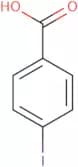
CAS:3,5-Dimethylbenzoic acid is a carboxylic acid that is a member of the 3-carboxybenzenesulfonic acid family. The molecule is formed by the reaction of sodium carbonate with benzene in the presence of water. The compound has a redox potential that is close to zero, which makes it a reducing agent and an excellent hydrogen donor. The compound is soluble in water and has been shown to inhibit plant growth as well as promote plant growth by acting as a growth regulator. This molecule has also been shown to be fluorescent.Formula:C9H10O2Purezza:Min. 95%Colore e forma:PowderPeso molecolare:150.17 g/mol4-Iodobenzoic acid
CAS:4-Iodobenzoic acid is a chiral compound that can be used as a nutrient solution in the laboratory. It has been shown to be effective at removing p-hydroxybenzoic acid and 4-dimethylaminobenzoic acid from wastewater. The reaction mechanism of 4-iodobenzoic acid involves intramolecular hydrogen transfer from the hydroxyl group on the benzoic side chain to the iodine atom, which forms an intermediate that reacts with a second molecule of benzoic acid. This reaction mechanism is similar to that found in caproic acid, except for the substitution of hydrogen with iodine. The addition of sodium hypochlorite or potassium permanganate can lead to the oxidation of 4-iodobenzoic acid and its eventual decomposition into carbon dioxide and water.
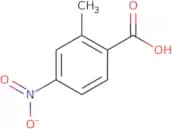
Formula:C7H5IO2Purezza:Min. 95%Colore e forma:PowderPeso molecolare:248.02 g/mol2-Methyl-4-nitrobenzoic acid
CAS:2-Methyl-4-nitrobenzoic acid is a synthetic drug substance. The crystalline structure of 2-methyl-4-nitrobenzoic acid is polymorphic and it can be obtained in two different forms: anhydrous form and monohydrate form. The reaction yield for this compound is low, which may be due to the presence of additives or deionized water. This drug substance has a high solubility in hydroxide solutions and methylbenzene. It reacts slowly with hydrochloric acid and sodium hydroxide solution to produce 2-methyl-4-nitrobenzoic acid hydrochloride and sodium benzoate, respectively. 2-Methyl-4-nitrobenzoic acid has low bioavailability due to its poor absorption from the gastrointestinal tract into the bloodstream.Formula:C8H7NO4Purezza:Min. 95%Colore e forma:PowderPeso molecolare:181.15 g/mol3-Hydroxy-4-iodobenzaldehyde
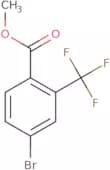
CAS:3-Hydroxy-4-iodobenzaldehyde is a fluorophore that is used in the synthesis of amide compounds, as well as in the production of other synthetic molecules. 3-Hydroxy-4-iodobenzaldehyde has been shown to have pharmacokinetic properties that are similar to those of fluorescein, and can be used to study the distribution and metabolism of this compound. This compound also has an oxidation potential that is higher than that of fluorescein, which makes it more useful for studying drug metabolism. The labile nature of 3-hydroxy-4-iodobenzaldehyde means it will not remain intact for long periods of time.Formula:C7H5IO2Purezza:Min. 95%Colore e forma:PowderPeso molecolare:248.02 g/mol4-Bromo-2-(trifluoromethyl)benzoic acid methyl ester
CAS:4-Bromo-2-(trifluoromethyl)benzoic acid methyl ester is a versatile building block that can be used to produce complex compounds. It is also an intermediate and a useful scaffold in organic synthesis. This chemical has been used as a research chemical and as a reagent for the production of other chemicals. The compound has CAS number 957207-58-8 and can be obtained from our supplier in high quality, with purity of 99%.Formula:C9H6BrF3O2Purezza:Min. 95%Colore e forma:Colorless PowderPeso molecolare:283.04 g/mol3-Hydroxy-5-nitrobenzaldehyde
CAS:3-Hydroxy-5-nitrobenzaldehyde is a solvent that has been used as a probe to measure chloride concentration in multimedia. It can be used as a sensor and an algorithm to detect the colorimetric change of 3-hydroxy-5-nitrobenzaldehyde in the presence of chloride ions. This probe is also used in colorimetric tests for linker, nonpolar, and surfactant compounds. The 3-hydroxy-5-nitrobenzaldehyde oxime can be cleaved by UV light to produce an unstable nitronium ion that reacts with metal ions such as copper(II) or silver(I) to form an insoluble precipitate.Formula:C7H5NO4Purezza:Min. 95%Colore e forma:PowderPeso molecolare:167.12 g/mol5-Amino-2-nitrobenzoic acid
CAS:5-Amino-2-nitrobenzoic acid is an organic compound that belongs to the class of versatile building block. It is a white solid that has been used as a research chemical, reagent, and specialty chemical for the synthesis of complex compounds and pharmaceuticals. 5-Amino-2-nitrobenzoic acid is also known as 2-amino-5-chlorobenzoic acid (ACBA). It is soluble in water, but insoluble in ethanol. The CAS number for this chemical is 13280-60-9.
Formula:C7H6N2O4Peso molecolare:182.14 g/molRef: 3D-A-6802
-Unit-ggPrezzo su richiesta1kgPrezzo su richiesta100gPrezzo su richiesta250gPrezzo su richiesta500gPrezzo su richiesta2500gPrezzo su richiesta3,6-Dichloro-2-hydroxy benzoic acid
CAS:3,6-Dichloro-2-hydroxy benzoic acid is a reactive compound that is used as an intermediate in the synthesis of organic compounds. It reacts with the chlorine atom to form a diazonium salt. The diazonium salt then undergoes demethylation, which allows it to be converted into various products such as 3,5-dichloro-2-hydroxybenzoic acid or 2,4-dichloro-3,5-dimethoxybenzoic acid. 3,6-Dichloro-2-hydroxy benzoic acid is a strong base and can react with any acidic compounds present in the reaction vessel. This product has been shown to be effective for wastewater treatment by converting organic compounds into less harmful compounds.Formula:C7H4Cl2O3Purezza:Min. 95%Colore e forma:PowderPeso molecolare:207.01 g/mol4-Amino-5-chloro-2-methoxybenzoic acid
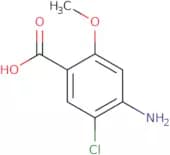
CAS:4-Amino-5-chloro-2-methoxybenzoic acid is a compound that has been shown to be a potent 5-HT4 receptor agonist. It is used in the treatment of obesity and diabetes. The molecular structure of 4-Amino-5-chloro-2-methoxybenzoic acid consists of a carbonyl group and an amine group, which are bound to each other by a covalent bond. This molecule is found to bind to the 5HT4 receptor with high affinity, which leads to its efficacy as an antiobesity agent.Formula:C8H8ClNO3Colore e forma:White PowderPeso molecolare:201.61 g/mol2,5-Difluoro-3-methylbenzoic acid methyl ester
CAS:2,5-Difluoro-3-methylbenzoic acid methyl ester is a high quality, complex compound that can be used as a versatile building block in synthesis. It acts as a reagent and can be used as a research chemical. 2,5-Difluoro-3-methylbenzoic acid methyl ester is an intermediate in the production of other chemicals and can also be used as a reaction component or useful scaffold.
Formula:C9H8F2O2Purezza:Min. 95%Colore e forma:PowderPeso molecolare:186.16 g/mol3',4'-Dihydroxyphenylacetone
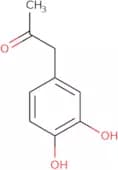
CAS:3',4'-Dihydroxyphenylacetone (DOPA) is a metabolite of dopamine that is produced in the brain and kidneys. DOPA has been shown to have pharmacological properties, but its function as an endogenous neurotransmitter has not been confirmed. DOPA is also a precursor for the synthesis of melanin, which is found in skin cells. The detection of DOPA in urine samples can be used to diagnose Parkinson's disease or other conditions characterized by low levels of dopamine. The enzyme glutamate dehydrogenase converts DOPA into 3-methoxytyramine, which can be detected in urine samples using chromatographic methods. 3',4'-Dihydroxyphenylacetone may be measured in the blood plasma of patients with bacterial infections and urinary tract infections. A detectable concentration of this metabolite could indicate that the body is making use of an alternate pathway for synthesizing amines.Formula:C9H10O3Purezza:Min. 95%Colore e forma:Off-White PowderPeso molecolare:166.17 g/mol3-tert-Butyl-4-hydroxybenzoic acid
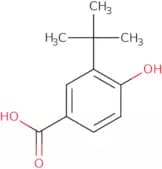
CAS:3-tert-Butyl-4-hydroxybenzoic acid is a phenolic compound that is found in the plant species of "Solanum xanthocarpum". It has antioxidant properties and has been shown to have anticancer activity in vitro. 3-tert-Butyl-4-hydroxybenzoic acid also inhibits the growth of human colon carcinoma cells. It is soluble in organic solvents and homopolymers at high temperatures, but insoluble at lower temperatures.Formula:C11H14O3Purezza:Min. 95%Colore e forma:PowderPeso molecolare:194.23 g/mol5-Amino-2-nitrobenzoic acid
CAS:5-Amino-2-nitrobenzoic acid is a versatile compound that can be used as a reagent, a reaction component, or as a useful scaffold in research. It reacts with alcohols to produce esters and amides. The high quality of this chemical makes it suitable for use in many different reactions. CAS No. 13280-60-9Formula:C7H6N2O4Peso molecolare:182.14 g/molRef: 3D-A-6803
-Unit-ggPrezzo su richiesta1kgPrezzo su richiesta100gPrezzo su richiesta250gPrezzo su richiesta500gPrezzo su richiesta2500gPrezzo su richiesta3-Methylphenylacetone
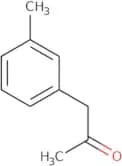
CAS:3-Methylphenylacetone is a dioxane with functional groups, which can be synthesized by coupling of acetoacetate and nitrobenzene. 3-Methylphenylacetone is a versatile precursor for the synthesis of various esters, such as phenylethyl acetate. This compound can also be deacylated to form 3-methylphenol, which is used in the synthesis of nitrophenols. In addition, 3-methylphenylacetone can be used in the production of acetophenones, ketones, and other aromatic compounds by using catalysts such as iodine or phosphoric acid. Nitro groups on 3-methylphenylacetone react with chloro-, bromo-, or methoxy-substituted substrates to form nitrosated derivatives. The tert-butyl group is eliminated spontaneously to form an amine.Formula:C10H12OPurezza:Min. 95%Colore e forma:Clear LiquidPeso molecolare:148.2 g/molMethyl 2-nitrobenzoate
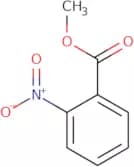
CAS:Methyl 2-nitrobenzoate is a nitro compound that has been used to synthesize benzyl esters. It has been shown to react with protonation and acidic conditions. Methyl 2-nitrobenzoate is also used as an intermediate in the synthesis of methyl anthranilate, which is a component of artificial grape flavoring. The mechanism of the reaction is not fully understood, but it has been proposed that methyl 2-nitrobenzoate undergoes an intramolecular hydrogen bond with the benzoate group to form an intermediate compound called N-methyl-2-(phenylmethyl)benzamide. This intermediate then reacts with methylamine to form methyl anthranilate. The molecule can be detected by gas chromatography or liquid chromatography in organic solvents such as methanol or acetone.Formula:C8H7NO4Purezza:Min. 95%Colore e forma:Yellow Clear LiquidPeso molecolare:181.15 g/mol4-Amino-3,5-dichlorobenzylamine dihydrochloride
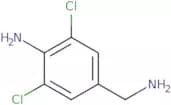
CAS:4-Amino-3,5-dichlorobenzylamine dihydrochloride is a chemical intermediate that can be used as a reagent for the synthesis of other compounds. 4-Amino-3,5-dichlorobenzylamine dihydrochloride is considered to be a high quality chemical with versatile uses. It is listed in the Chemical Abstracts Service (CAS) registry under 164648-75-3, and can be obtained from various suppliers.Formula:C7H8Cl2N2·2HClPurezza:Min. 95%Colore e forma:PowderPeso molecolare:263.98 g/mol3,5-Diisopropyl-4-hydroxybenzoic acid
CAS:3,5-Diisopropyl-4-hydroxybenzoic acid is a white, crystalline compound that can be found as a dimer. It is soluble in solvents such as chloroform and ethers but insoluble in water. 3,5-Diisopropyl-4-hydroxybenzoic acid is used in the production of polyesters, polymers, and resins. This compound has been used to produce propofol and decarboxylating monomers for organic solvents. 3,5-Diisopropyl-4-hydroxybenzoic acid reacts with chloride ion at high temperatures to form chlorine gas and hydrogen chloride. The melting point of this compound is 169 degrees Celsius.Formula:C13H18O3Purezza:Min. 95%Colore e forma:PowderPeso molecolare:222.28 g/mol3-Ethoxy-4-hydroxybenzaldehyde
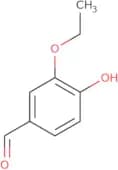
CAS:3-Ethoxy-4-hydroxybenzaldehyde is an active analogue of p-hydroxybenzoic acid that can be used in the synthesis of vanillin. 3-Ethoxy-4-hydroxybenzaldehyde is extracted from a reaction solution using solid phase microextraction, and can then be analyzed by gas chromatography/mass spectrometry to determine the concentration of vanillin. This compound has been shown to have a solubility in water, but not in organic solvents. 3-Ethoxy-4-hydroxybenzaldehyde has been found to inhibit cytochrome P450 activity and polyvinyl chloride production. This chemical compound has also been found to be toxic when inhaled or ingested, with no known toxicity studies for skin contact or eye contact.
Formula:C9H10O3Purezza:Min. 95%Colore e forma:White PowderPeso molecolare:166.17 g/mol2,3,4-Trimethoxy-6-methylbenzaldehyde
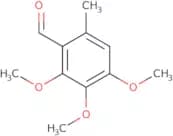
CAS:2,3,4-Trimethoxy-6-methylbenzaldehyde is a synthetic coumarin with antibacterial activity. It is synthesized by the condensation of 3-hydroxyacetophenone and benzaldehyde. 2,3,4-Trimethoxy-6-methylbenzaldehyde has been shown to have antibacterial activity against both Gram-positive and Gram-negative bacteria. This molecule has also been shown to inhibit the growth of Gram negative bacteria in the presence of hydrogen peroxide. The crystal structure of this molecule was determined by XRD analysis and shows that it contains a dihedral angle of about 155°.Formula:C11H14O4Purezza:Min. 95%Peso molecolare:210.23 g/mol4-Amino-3,5-diiodobenzoic acid
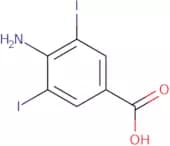
CAS:4-Amino-3,5-diiodobenzoic acid is a conjugate of the amino acid histidine with two iodine atoms. It is used as a radiopaque contrast agent for X-ray imaging and has been shown to be useful in distinguishing between normal tissue and cancerous lesions. The molecule can be modified to contain various functional groups that allow it to bind to other molecules such as proteins or DNA, which can alter its properties. 4-Amino-3,5-diiodobenzoic acid is also known as diaminobenzene diiodide and is soluble in water.Formula:C7H5I2NO2Purezza:Min. 95%Colore e forma:PowderPeso molecolare:388.93 g/mol4-Benzyloxy-3-methoxybenzaldehyde
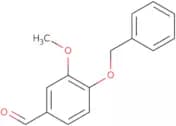
CAS:4-Benzyloxy-3-methoxybenzaldehyde is a deuterium isotope analog of the natural compound benzaldehyde. This molecule has been shown to inhibit the growth of cancer cells in tissue culture by binding to DNA. The molecular mechanism of this inhibition is believed to involve an enzymatic process that results in the substitution of chloride for chlorine, thereby inhibiting DNA synthesis and preventing cell division. 4-Benzyloxy-3-methoxybenzaldehyde also inhibits the production of growth factors and thus has anticancer activity.Formula:C15H14O3Purezza:Min. 95%Colore e forma:PowderPeso molecolare:242.27 g/mol4-Chloro-3-nitrobenzonitrile
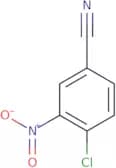
CAS:4-Chloro-3-nitrobenzonitrile is a molecule with potent antibacterial activity. It is synthesized by the reaction of sodium carbonate, hydrogen chloride, and 4-chlorobenzonitrile. 4-Chloro-3-nitrobenzonitrile has shown antimicrobial properties against a wide range of bacteria, including methicillin resistant Staphylococcus aureus (MRSA) and Enterococcus faecium. This compound has been used in the treatment of infections caused by these bacteria. 4-Chloro-3-nitrobenzonitrile also has the ability to inhibit the synthesis of fatty acids and lipids in bacterial cells, which may be responsible for its antimicrobial effects.Formula:C7H3ClN2O2Purezza:Min. 95%Colore e forma:PowderPeso molecolare:182.56 g/mol4-Bromo-3,5-dihydroxybenzoic acid methyl ester
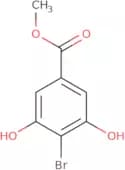
CAS:The compound 4-Bromo-3,5-dihydroxybenzoic acid methyl ester is an ether that is a natural product. It has been shown to have diastereoselective coupling with phenolic groups and unsymmetrically with lactones. This compound also undergoes epoxidation and farnesylation reactions. The intramolecular chain of the ether is methylated by formylation and reductive elimination.Formula:C8H7BrO4Purezza:Min. 95%Colore e forma:PowderPeso molecolare:247.04 g/molMethyl 4-methoxybenzoate
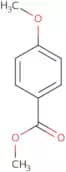
CAS:Methyl 4-methoxybenzoate is a white, crystalline powder that is soluble in alcohol and ether. The chemical formula for methyl 4-methoxybenzoate is C8H10O4. It has a molecular weight of 196.19 g/mol and a melting point of 136°C. Methyl 4-methoxybenzoate has been used as an organic reagent, as well as a pharmaceutical intermediate and additive in food manufacturing. It also has biological properties such as being an anti-inflammatory agent and being able to inhibit the growth of infectious diseases like tuberculosis and malaria. Methyl 4-methoxybenzoate can be synthesized by reacting benzoic acid with methanol, phosphoric acid, or hydrochloric acid. This molecule can also be synthesized from p-hydroxybenzoic acid by electrophilic substitution with methyl iodide followed by hydrolysis using sodium hydroxide. The chemicalFormula:C9H10O3Purezza:Min. 98%Colore e forma:PowderPeso molecolare:166.17 g/mol2,4,6-Trihydroxybenzoic acid methyl ester
CAS:2,4,6-Trihydroxybenzoic acid methyl ester is a synthetic compound that has been used in animal studies to investigate the inflammatory effects of substances. It has been shown to have anti-inflammatory properties in vitro and in vivo. Furthermore, 2,4,6-Trihydroxybenzoic acid methyl ester has been shown to inhibit the production of tumour necrosis factor-α (TNF-α) and other cytokines. This drug also has anti-fungal activity against Candida albicans and Aspergillus fumigatus. 2,4,6-Trihydroxybenzoic acid methyl ester is biodegradable.
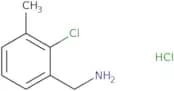
Formula:C8H8O5Purezza:Min. 95%Colore e forma:PowderPeso molecolare:184.15 g/mol2-Chloro-3-methylbenzylamine HCl - 90%
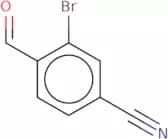
CAS:2-Chloro-3-methylbenzylamine HCl is a fine chemical that is a versatile building block for synthesis of pharmaceuticals and research chemicals. It is also a useful intermediate in the production of other compounds, such as speciality chemicals, complex compounds, and reaction components. 2-Chloro-3-methylbenzylamine HCl has many potential applications in both academia and industry because it is a high quality reagent with many uses.Formula:C8H10ClN·HClPurezza:Min. 95%Colore e forma:PowderPeso molecolare:192.09 g/mol2-Bromo-4-cyanobenzaldehyde
CAS:2-Bromo-4-cyanobenzaldehyde is a potent protease inhibitor and can be used as an antiviral agent. It inhibits the NS3 protease of hepatitis C virus (HCV) with IC50 of 0.2 μM. 2-Bromo-4-cyanobenzaldehyde has been evaluated for its ability to inhibit replicons from HCV genotypes 1, 2, 3, 4 and 5 with varying degrees of potency. In vitro studies have shown that 2-bromo-4-cyanobenzaldehyde is a potent inhibitor of HCV NS3 protease, demonstrating activity against all major HCV genotypes in cell culture. This molecule has also been shown to inhibit the replication of HIV, herpes simplex virus type 1 and human rhinovirus type 2 in cell culture.Formula:C8H4BrNOPurezza:Min. 95%Colore e forma:PowderPeso molecolare:210.03 g/mol3-Amino-2,4,6-triiodobenzoic acid
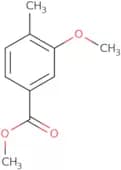
CAS:3-Amino-2,4,6-triiodobenzoic acid (3AIBA) is a chemical compound that is used as a contrast agent for medical imaging. It has been shown to be useful in the diagnosis of bladder cancer, and is used in the embolization of renal artery and ureteral calculi. 3AIBA functions by binding to the antigen binding sites on the tumor cells and allows visualization with X-rays. It has also been shown to be effective in reducing blood flow in tumors by blocking blood vessels with its cationic monomer. 3AIBA binds to the phosphate groups on DNA and causes crosslinking, which prevents DNA polymerase from binding with DNA. This inhibits DNA synthesis and cell division.Formula:C7H4I3NO2Purezza:Min. 95%Colore e forma:PowderPeso molecolare:514.83 g/mol3-Methoxy-4-methylbenzoic acid methyl ester
CAS:3-Methoxy-4-methylbenzoic acid methyl ester is a potent inhibitor of the neurotoxic effects of β-amyloid peptide (Aβ) on cultured human neurons. 3-Methoxy-4-methylbenzoic acid methyl ester inhibits fibrillation in vitro and fluorescence assay, suggesting that it may be a promising therapeutic agent for Alzheimer's disease. The fluorescence assay is based on the inhibition of fluorescence by 3-methoxy-4-methylbenzoic acid methyl ester, which competes with Aβ for binding to an acceptor molecule. This inhibition can be used as a marker to measure the amount of Aβ present in vivo.Formula:C10H12O3Purezza:Min. 95%Colore e forma:White PowderPeso molecolare:180.2 g/mol3,5-Dimethyl-4-nitrobenzoic acid
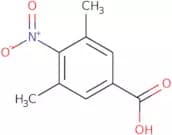
CAS:3,5-Dimethyl-4-nitrobenzoic acid is a synthetic compound that has been used in the synthesis of other organic compounds. It is not currently used as a drug, but it has been shown to inhibit the growth of bacteria in vitro. The mechanism of action for this compound is unclear. 3,5-Dimethyl-4-nitrobenzoic acid has been shown to be active against the bacterium Typhimurium and may inhibit bacterial growth by being metabolised into nitrite or nitrate ions. This chemical can also be converted into a reactive intermediate that reacts with oxygen to form superoxide anion radicals, which are known to have antibacterial effects.Formula:C9H9NO4Purezza:Min. 95%Colore e forma:PowderPeso molecolare:195.17 g/mol3,5-Difluoro-4-hydroxybenzaldehyde
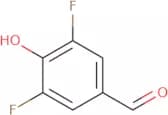
CAS:3,5-Difluoro-4-hydroxybenzaldehyde is a biochemical that belongs to the group of anticancer agents. It is activated by hydroxyl radicals and inhibits cancer cells. 3,5-Difluoro-4-hydroxybenzaldehyde inhibits protein synthesis in the cell by binding to messenger RNA and preventing its translation into protein. This compound also has inhibitory properties against DNA polymerase, which prevents DNA replication and transcription. 3,5-Difluoro-4-hydroxybenzaldehyde can be used as a template for oligodeoxynucleotides (ODN) to enhance photochemical properties.
Formula:C7H4F2O2Purezza:Min. 95%Colore e forma:Off-White PowderPeso molecolare:158.1 g/mol