Alcoli benzilici
Gli alcoli benzilici sono alcoli aromatici caratterizzati da un anello benzenico attaccato a un gruppo idrossimetilico (-CH2OH). Questi composti sono utilizzati come solventi, conservanti e intermedi nella sintesi di prodotti farmaceutici, fragranze e resine. Gli alcoli benzilici sono noti per le loro proprietà antimicrobiche e la loro versatilità in varie reazioni chimiche. Presso CymitQuimica, offriamo un'ampia selezione di alcoli benzilici di alta qualità per supportare le vostre ricerche e applicazioni industriali.
Trovati 1458 prodotti di "Alcoli benzilici"
Ordinare per
Purezza (%)
0
100
|
0
|
50
|
90
|
95
|
100
2,5-Dimethylbenzyl alcohol
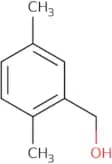
CAS:<p>2,5-Dimethylbenzyl alcohol is a colorless to pale yellow liquid used primarily in the manufacture of perfumes. It is also used as a solvent and an intermediate in organic synthesis. This chemical has been shown to be taken up by adipose tissue and excreted in urine as glucuronide conjugates. 2,5-Dimethylbenzyl alcohol is metabolized into 5-methylbenzaldehyde and then further into 2-methoxy-5-methylbenzaldehyde (2MMB). The final metabolic product of 2,5-dimethylbenzyl alcohol is benzoic acid.</p>Formula:C9H12OPurezza:Min. 97%Colore e forma:PowderPeso molecolare:136.19 g/molChlorphenesin carbamate
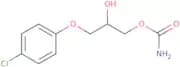
CAS:<p>Chlorphenesin carbamate is a centrally acting muscle relaxant, which is a synthetic compound derived from chlorphenesin.</p>Formula:C10H12ClNO4Purezza:Min. 95%Colore e forma:PowderPeso molecolare:245.66 g/mol2-Aminobenzyl alcohol
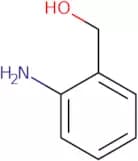
CAS:<p>2-Aminobenzyl alcohol is a chaperone that binds to the polypeptide chain of proteins and prevents them from denaturation. It also has been shown to form hydrogen bonds with other molecules, such as chaperones, and to bind to copper ions. 2-Aminobenzyl alcohol can react with sodium carbonate in an alkaline solution to form 2-aminobenzaldehyde and sodium bicarbonate. The reaction mechanism is thought to involve the formation of a copper complex with x-ray diffraction data showing a new set of peaks at d = 1.81 Å corresponding to the Cu(II) ion coordinated by two amine groups on the benzyl alcohol ring. This compound also reacts with quinoline derivatives in the presence of hydrochloric acid or hydroxyl group in an aprotic solvent such as dimethylformamide (DMF) or acetonitrile (ACN) to produce mianserin hydro</p>Formula:C7H9NOPurezza:Min. 97.5%Colore e forma:Off-White PowderPeso molecolare:123.15 g/molN1,N2-Bis(2,4,6-trimethoxyphenyl)ethanediamide
CAS:<p>Adriamycin is a cytotoxic drug that inhibits the growth of cells by causing cross-linking in DNA. It is an analogue of the naturally occurring molecule bis(2,4,6-trimethoxyphenyl)ethanediamide. Adriamycin has been shown to inhibit cell proliferation in vitro and in vivo by interfering with DNA synthesis. This agent also inhibits the production of proteins and lipids needed for cellular division by binding to the purine base adenine. Adriamycin binds to the enzyme ribonucleotide reductase, which catalyzes the conversion of ribonucleosides into deoxyribonucleosides. Adriamycin has a relatively low activation energy and can be activated thermally or photolytically.</p>Formula:C20H24N2O8Purezza:Min. 95%Colore e forma:PowderPeso molecolare:420.41 g/mol2-Bromophenol
CAS:<p>2-Bromophenol is a sodium salt that can be prepared by the reaction of sodium hydroxide with 2-bromoaniline. It is an inhibitor of acetylcholinesterase, which has been shown to be effective in treating Alzheimer's disease and other neurodegenerative disorders. 2-Bromophenol has been shown to inhibit the polymerase chain reaction (PCR) in human serum and mitochondrial membrane potential, as well as electrochemical impedance spectroscopy. It also inhibits the formation of intramolecular hydrogen bonds during the catalytic cycle of acetylcholinesterase.</p>Formula:C6H5BrOPurezza:Min. 95%Colore e forma:Colorless Clear LiquidPeso molecolare:173.01 g/mol2-Fluoro-4-nitrophenol
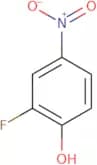
CAS:<p>2-Fluoro-4-nitrophenol is an amide that has potent antitumor activity. It is a selective inhibitor of the protein kinase Raf (Akt), leading to inhibition of the growth of cancer cells in vitro. 2-Fluoro-4-nitrophenol also inhibits the proliferation of prostate cancer cells, which may be due to its ability to inhibit the production of growth factors and cytokines such as mcf-7 and nitrous oxide. The 2-fluoro-4-nitrophenol is cytotoxic because it inhibits DNA synthesis and prevents mitosis. The chemical structure consists of a nitro group (-NO2) on C6, a phenolic hydroxyl group (-OH) on C2, and a methylene group (-CH2-) on C3. This molecule binds covalently to proteins through its amino acid side chain at C6 and forms stable complexes with x-ray crystallography structures. It</p>Formula:C6H4FNO3Purezza:Min. 95%Colore e forma:PowderPeso molecolare:157.1 g/mol2-Bromo-4,5-dimethoxybenzyl alcohol
CAS:2-Bromo-4,5-dimethoxybenzyl alcohol is an electrophilic brominating agent. It has been used in the synthesis of aryllithiums, organoiron compounds and chromenes. It is also used in the synthesis of nucleophiles, synthons and amaryllidaceae alkaloids. 2-Bromo-4,5-dimethoxybenzyl alcohol reacts with lithium diisopropylamide (LDA) to produce an aryllithium compound that is used as a nucleophile in organic synthesis reactions. This alcohol can be converted to an arene by reaction with carbon monoxide gas.Formula:C9H11BrO3Purezza:Min. 95%Colore e forma:PowderPeso molecolare:247.09 g/molBisphenol F bis(2,3-dihydroxypropyl) ether
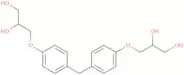
CAS:Standard for determination of toxic monomers from polymer coatingsFormula:C19H24O6Purezza:Min. 95%Colore e forma:White PowderPeso molecolare:348.39 g/mol4-Bromobenzyl alcohol
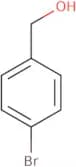
CAS:<p>4-Bromobenzyl alcohol is a reactive chemical that reacts with water to form the hydroxyl group and hydrogen bond. It has been shown to inhibit the reaction of ethyl formate with biphenyl by cleaving the molecule and forming a new site specific. Magnetic resonance spectroscopy has been used to study the reactivity of 4-bromobenzyl alcohol in model systems. The reaction mechanism is thought to be similar to that of 2-bromoethanol, which is an inhibitor molecule for this process. 4-Bromobenzyl alcohol's magnetic resonance spectrum shows proton peaks at 3.02 ppm, 2.19 ppm, and 1.77 ppm, as well as a signal at 8.03 ppm corresponding to the hydroxyl group.</p>Formula:C7H7BrOPurezza:Min. 95%Colore e forma:PowderPeso molecolare:187.03 g/mol4-Aminothiophenol
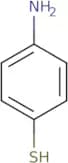
CAS:<p>4-Aminothiophenol is a redox potential probe that is used as an analytical chemistry reagent. It has been shown to react with nitrite ion and form a nitrogen atom, which can be detected by Raman spectroscopy. 4-Aminothiophenol has also been used to measure the amount of fatty acid in human serum samples. 4-Aminothiophenol has been shown to have an enhancement effect on the detection sensitivity of model system reactions and can be used as a model system for these reactions. The reaction mechanism for this compound is not well understood, but it is believed that it may involve electron transfer from the aminothiophenol radical cation to the nitrite ion.</p>Purezza:Min. 95%Colore e forma:White PowderPeso molecolare:125.19 g/mol3-Methoxybenzyl alcohol
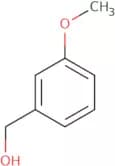
CAS:3-Methoxybenzyl alcohol is a natural product from the root of the orchid Dendrobium officinale. It has been shown to inhibit the growth of bacteria by binding to the enzyme Aldehyde Dehydrogenase, which is required for cellular energy production. The product also inhibits bacterial Vanillyl Alcohol Dehydrogenase, which prevents the formation of vanillin. 3-Methoxybenzyl alcohol has a neutral pH and can be used as an antimicrobial agent in acidic foods and beverages. 3-Methoxybenzyl alcohol also has antioxidant properties, and has been shown to prevent damage from oxidative stress.Formula:C8H10O2Purezza:Min. 95%Colore e forma:Colorless Clear LiquidPeso molecolare:138.16 g/mol4-Bromo-2,6-di-tert-butylphenol
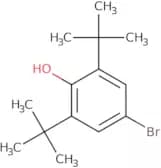
CAS:4-Bromo-2,6-di-tert-butylphenol is a chemical compound. It is a yellow solid with an optical rotation of +42.8° (c=0.5, methanol). The molecular weight is 270.4 g/mol and the density is 1.06 g/cm3. The chemical formula is C11H14Br2O4. This compound can be prepared from 2,6-di-tert-butylbenzaldehyde by reaction with bromine in the presence of alkali or from 4,4′-biphenol by reaction with bromine in the presence of sodium hydroxide in ethanol. The compound exists as two enantiomers: R-(+)-4-Bromo-2,6-di-tert-butylphenol and S-(-)4-Bromo-2,6,-di tert butylphenol. Optical activityFormula:C14H21BrOPurezza:Min. 95%Colore e forma:PowderPeso molecolare:285.22 g/mol2,3-Dimethoxybenzyl alcohol
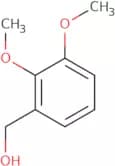
CAS:2,3-Dimethoxybenzyl alcohol is a fine chemical that is used as an intermediate in the synthesis of other chemicals. It has been shown to be a useful scaffold for the development of new compounds and is also a versatile building block for the synthesis of complex molecules. This compound exhibits many special properties that make it useful in research and industrial processes. It is a high quality reagent that can be used in organic syntheses and as a reaction component. 2,3-Dimethoxybenzyl alcohol has been shown to have antiviral activity against HIV-1, HIV-2, SIV mac1, and VSV.Formula:C9H12O3Purezza:Min. 95%Colore e forma:PowderPeso molecolare:168.19 g/mol2,4-Dichlorobenzyl alcohol
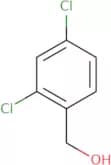
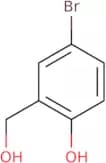
CAS:Mild antiseptic agentFormula:C7H6Cl2OPurezza:Min. 98%Colore e forma:PowderPeso molecolare:177.03 g/mol5-Bromo-2-hydroxybenzyl alcohol
CAS:<p>5-Bromo-2-hydroxybenzyl alcohol (5-BrABA) is a diagnostic agent that is used to detect microbial infections. It has been shown to be useful as an anti-infective agent in the treatment of cancer and inflammatory diseases, such as choroidal neovascularization. 5-BrABA is a cell permeable compound that binds to target tissue and accumulates at the site of infection. It has been shown to inhibit the growth of ophthalmic bacteria, including Acinetobacter baumannii, Pseudomonas aeruginosa, and Staphylococcus epidermidis. 5-BrABA has also been shown to be biocompatible with human retinal pigment epithelial cells and does not induce any detectable toxicity or cytotoxicity in these cells after 24 hours exposure.</p>Formula:C7H7BrO2Purezza:Min. 98 Area-%Colore e forma:PowderPeso molecolare:203.03 g/mol2-Cyanophenol
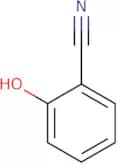
CAS:<p>2-Cyanophenol is a phenolic compound that is used as an intermediate in the synthesis of pharmaceuticals and agrochemicals. It is also a disinfectant used for wastewater treatment and to remove salicylaldoxime from contaminated water. 2-Cyanophenol can be synthesized by reacting phenol with hydrogen peroxide in the presence of sephadex g-100, which provides a high yield of product. It has been shown to have antimicrobial properties against Gram-positive bacteria, such as Staphylococcus aureus, and Gram-negative bacteria, such as Escherichia coli and Pseudomonas aeruginosa. 2-Cyanophenol has been shown to react with metal hydroxides such as ferric chloride or zinc chloride to form precipitates. This reaction can be detected using a UV/VIS spectrophotometer at wavelengths between 200–350 nm.</p>Formula:C7H5NOPurezza:Min. 95%Colore e forma:Off-White PowderPeso molecolare:119.12 g/mol2,4,6-Trimethylbenzyl alcohol
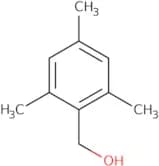
CAS:2,4,6-Trimethylbenzyl alcohol is an efficient method for the production of 2,4-dimethoxybenzaldehyde and 2,6-dimethoxybenzaldehyde. It can be used with ferrite as a dehydrogenative catalyst to produce hydroxymethyl groups in the presence of acid catalysts. The oxidation products of 2,4,6-trimethylbenzyl alcohol are polymers that have been shown to stabilize aldehydes and primary alcohols. This compound also has been shown to desymmetrize aromatic hydrocarbons and is capable of catalysis.Formula:C10H14OPurezza:Min. 95%Colore e forma:PowderPeso molecolare:150.22 g/mol2-Amino-4-nitrophenol
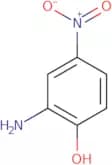
CAS:<p>2-Amino-4-nitrophenol is a chemical compound that has been used in the modeling of hydrogen bonds. It is also used as a reagent for the determination of the concentration of hydrochloric acid and sodium carbonate. 2-Amino-4-nitrophenol is activated with hydrochloric acid and then reacts with sodium carbonate to produce a yellow solution. The solution's colour changes with pH, which can be determined by measuring the absorption at different wavelengths on an nmr spectrometer. Nitro groups are present in 2-amino-4-nitrophenol, which may cause allergic reactions. This chemical also has an acidic nature due to its inorganic acid properties.</p>Formula:C6H6N2O3Purezza:Min. 95%Colore e forma:Slightly Yellow PowderPeso molecolare:154.12 g/mol4-Ethoxybenzyl alcohol
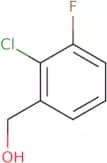
CAS:<p>4-Ethoxybenzyl alcohol is a reactive compound that can be photoexcited. It has been shown to have a cavity and is able to absorb light of wavelengths between 250 nm and 500 nm. 4-Ethoxybenzyl alcohol reacts with various compounds, such as aldehydes, to form new compounds. It has been shown that the reaction system can be used for high-throughput analysis, which may lead to the discovery of new drugs. It also has been found that 4-ethoxybenzyl alcohol can react with sulfates in an organic solvent to produce sulfonates. This reaction system has potential for use in the production of new drugs or other chemical products.</p>Formula:C9H12O2Purezza:Min. 95%Colore e forma:Colorless PowderPeso molecolare:152.19 g/mol2-Chloro-3-fluorobenzyl alcohol
CAS:<p>2-Chloro-3-fluorobenzyl alcohol is a versatile building block for the synthesis of complex compounds. It has been used as a reagent and intermediate in research chemical synthesis. This compound is useful for the preparation of high quality, useful intermediates and reaction components. 2-Chloro-3-fluorobenzyl alcohol can be used as a scaffold to build different organic compounds with different functional groups.</p>Formula:C7H6ClFOPurezza:Min. 95%Colore e forma:PowderPeso molecolare:160.57 g/mol