Standard farmaceutici
Sottocategorie di "Standard farmaceutici"
- APIs per la ricerca e le impurità(277.446 prodotti)
- Attivatori e inibitori enzimatici(2.829 prodotti)
- Nitrosamine(2.668 prodotti)
- Composti e metaboliti farmaceutici e veterinari(2.891 prodotti)
- Tossicologia(13.339 prodotti)
Trovati 8162 prodotti di "Standard farmaceutici"
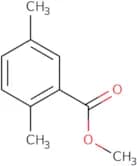
2,5-Dimethylbenzoic acid methyl ester
CAS:2,5-Dimethylbenzoic acid methyl ester is an organic compound that belongs to the class of diketones. It is a crystalline solid with a melting point of about 120 °C. The compound is used for the synthesis of other chemicals and as a precursor to pharmaceuticals. 2,5-Dimethylbenzoic acid methyl ester can be produced by photocycloaddition, which involves uv irradiation and heat. This reaction produces two isomers: trans-2,5-dimethylbenzoic acid methyl ester and cis-2,5-dimethylbenzoic acid methyl ester. Trans-2,5-dimethylbenzoic acid methyl ester has been shown to undergo conformational change when heated to 120 °C, while cis-2,5-dimethylbenzoic acid methyl ester does not show this effect.Formula:C10H12O2Purezza:Min. 95 Area-%Colore e forma:PowderPeso molecolare:164.2 g/molErythropoietin
CAS:Erythropoietin is a glycoprotein hormone, which is primarily produced by interstitial fibroblasts in the kidney in response to hypoxia. Its main mode of action involves binding to erythropoietin receptors on the surface of erythroid progenitor cells in the bone marrow, thereby initiating a signaling cascade that results in the proliferation and differentiation of these progenitors into mature red blood cells.Purezza:(Capillary Zone Electrophoresis) Min. 98.0%Colore e forma:Powder2'-Cyano-4-(dibromomethyl)biphenyl
CAS:2'-Cyano-4-(dibromomethyl)biphenyl is a reactive component that belongs to the group of speciality chemicals. It can be used as a building block in organic synthesis and as an intermediate in the production of fine chemicals. 2'-Cyano-4-(dibromomethyl)biphenyl has been used for the synthesis of various complex compounds, such as an anti-inflammatory drug, an anti-diabetic drug, and a chemotherapeutic agent.Formula:C14H9Br2NPurezza:Min. 97 Area-%Colore e forma:Off-White PowderPeso molecolare:351.04 g/mol3-Ethoxycinnamic acid
CAS:3-Ethoxycinnamic acid is a polyhydric alcohol that has been shown to inhibit the growth of various microorganisms. 3-Ethoxycinnamic acid inhibits the growth of microorganisms by binding to the alkenyl groups in the cell membrane, thereby preventing them from synthesizing their own fatty acids. The binding of 3-ethoxycinnamic acid to alkali metal ions also prevents their uptake into the cell, which leads to an accumulation of these ions outside the cell and eventually results in cell death. 3-Ethoxycinnamic acid is soluble in water and may be used as a stain or quaternary ammonium compound.Formula:C11H12O3Purezza:Min. 95%Colore e forma:SolidPeso molecolare:192.21 g/mol3,5-Diisopropylsalicylic acid
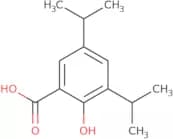
CAS:3,5-Diisopropylsalicylic acid is a reactive chemical substance that has been shown to be an effective anti-inflammatory agent. The compound is active against wild-type viruses and copper complexes. 3,5-Diisopropylsalicylic acid also has been shown to inhibit the growth of human cancer cells in vitro. This drug can be used as an analytical reagent for the detection of water vapor in gas chromatography and other techniques. The acute toxicities associated with 3,5-diisopropylsalicylic acid are not well understood, but it has been shown to have a negative effect on body mass index. It also may affect pluripotent cells and radiation therapy. There are reports of drug interactions when used with certain medications such as acetaminophen or ibuprofen.Formula:C13H18O3Purezza:Min. 95%Colore e forma:PowderPeso molecolare:222.28 g/mol3-(Trifluoromethyl)Phenylurea
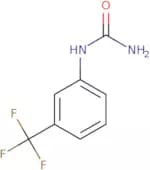
CAS:3-(Trifluoromethyl)phenylurea is a chemotherapeutic agent that is used to treat leukemia and other cancers. It has been shown to be effective in the regression of tumors in mice, when given at a concentration of 1-2 mg/kg. 3-(Trifluoromethyl)phenylurea inhibits cell growth by binding to DNA and inhibiting RNA synthesis. The optimal concentrations for 3-(trifluoromethyl)phenylurea are determined using an equation that includes coefficients obtained from stepwise regression analysis. The coefficient values are also optimized using topological descriptors and genetic algorithms.
Formula:C8H7F3N2OPurezza:Min. 95%Peso molecolare:204.15 g/mol5-Chloroindole-2-carboxylic acid methyl ester
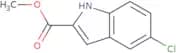
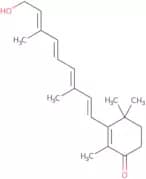
CAS:5-Chloroindole-2-carboxylic acid methyl ester is a potent inhibitor of the enzyme tyrosine kinase in cell culture, with an IC50 value of 0.5 nM. It has been shown to inhibit the growth of cancer cells (e.g., MDA-MB231, MCF-7) in vitro and in vivo. The IC50 values for inhibition of MDA-MB231 and MCF-7 cells are 0.1 and 10 nM, respectively. 5-Chloroindole-2-carboxylic acid methyl ester binds to the ATP binding site on tyrosine kinase, preventing ATP from binding and inhibiting phosphorylation of the receptor protein. This allows the receptor's downstream signaling pathways to be blocked, which leads to cell growth inhibition by arresting cell cycle progression at G0/G1 phase or inducing apoptosis.Formula:C10H8ClNO2Purezza:Min. 95%Peso molecolare:209.63 g/molall-trans-Retinol
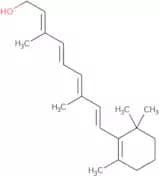
CAS:All-trans-retinol is a form of vitamin A that is an important component of the visual system and helps maintain healthy skin. Retinol is found in many animal products and can be taken as a dietary supplement. Retinol can react with other chemicals to form all-trans-retinoic acid, which has been shown to inhibit the growth of human carcinoma cells in culture by binding to the ATP binding cassette transporter. All-trans-retinol also inhibits the uptake of retinaldehyde and retinoic acid into cells, which may be due to its ability to bind to cell membranes or react with chemical inhibitors.Formula:C20H30OPurezza:Min. 95 Area-%Colore e forma:Yellow PowderPeso molecolare:286.45 g/mol(3,4-Dichlorophenyl)acetic acid methyl ester
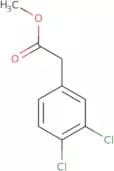
CAS:(3,4-Dichlorophenyl)acetic acid methyl ester is a versatile building block and reagent that can be used in the synthesis of complex compounds. It is also a useful intermediate and reaction component for the synthesis of high-quality chemical products. This compound has been shown to be useful in the production of speciality chemicals, including research chemicals and fine chemicals.Formula:C9H8Cl2O2Purezza:Min. 95%Colore e forma:PowderPeso molecolare:219.06 g/mol4-Keto retinol
CAS:4-Keto retinol is an analog of vitamin A, which is used in the treatment of various diseases. It has been shown to reduce the levels of PGE2 and increase the redox potential in cells. 4-Keto retinol has also been shown to increase locomotor activity and improve energy metabolism. The structural analysis of 4-keto retinol has revealed that it binds to DNA polymerase, inhibiting transcriptional activity. The pharmacokinetic properties of this drug have been studied in rats and mice, but not yet humans. This compound will most likely be administered orally or intravenously with a dosage range from 0.01 mg/kg to 10 mg/kg per day.
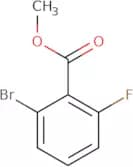
Formula:C20H28O2Purezza:Min. 95%Colore e forma:PowderPeso molecolare:300.44 g/mol2-Bromo-6-fluorobenzoic acid methyl ester
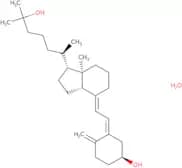
CAS:2-Bromo-6-fluorobenzoic acid methyl ester is a fine chemical that belongs to the family of brominated compounds. It is a useful building block in the synthesis of diverse organic molecules, as well as a reagent for research and speciality chemicals. 2-Bromo-6-fluorobenzoic acid methyl ester is used as a versatile building block in the synthesis of complex compounds, as well as an intermediate or scaffold in organic chemistry. This product can be used to synthesize many diverse products while maintaining high quality and purity.Formula:C8H6BrFO2Purezza:Min. 95%Colore e forma:PowderPeso molecolare:233.03 g/mol25-Hydroxyvitamin D3 monohydrate
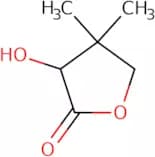
CAS:25-Hydroxyvitamin D3 monohydrate is a vitamin D analog that has been shown to reduce elevated levels of parathyroid hormone and improve bone mineral density. It is used for the treatment of chronic kidney disease, hyperparathyroidism, and osteoporosis. 25-Hydroxyvitamin D3 monohydrate has been found to be effective in the treatment of these conditions because it increases the body's production of calcitriol, the active form of vitamin D. Calcitriol promotes calcium absorption in the gut and reduces renal excretion of calcium by inhibiting parathyroid hormone synthesis. This drug also inhibits pro-inflammatory cytokines such as IL-1β, IL-6, and TNF-α.Formula:C27H44O2·H2OPurezza:Min. 97 Area-%Colore e forma:White PowderPeso molecolare:418.65 g/molDL-Pantolactone
CAS:DL-Pantolactone is a chiral lactone compound. In cosmetics, it is often used in formulations aimed at improving skin hydration and elasticity as it is an emulsion stabiliser. In pharmaceuticals it can be used as an intermediate in organic synthesis. The D-enantiomer is often used as a chiral auxiliary.Formula:C6H10O3Purezza:Min. 95%Colore e forma:White PowderPeso molecolare:130.14 g/molethyl 2-cyano-3-(4-nitrophenyl)prop-2-enoate
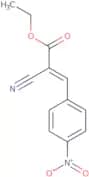
CAS:Ethyl 2-cyano-3-(4-nitrophenyl)prop-2-enoate is a functionalized molecule that contains a dipole. It has high selectivity for 1,3-dipolar cycloadditions because the electron density of the methylene group is greater than that of the aldehyde group. The mechanistic theory for this reaction is that the electron density on the methylene group in ethyl 2-cyano-3-(4-nitrophenyl)prop-2-enoate will cause it to become more reactive than the aldehyde group. The dipoles in this molecule are oriented such that they can react with each other to form an intermediate and then an adduct. This isomerization occurs through either dipolarophilic or electrocyclic mechanisms.Purezza:Min. 95%4-Iodo-3-nitrophenol
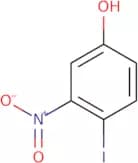
CAS:4-Iodo-3-nitrophenol is a chemical compound that is used in the synthesis of decanoic acid, an ester. It also has pharmacological properties and can be used as a cataleptic or neuroleptic agent. 4-Iodo-3-nitrophenol has been shown to have stimulant effects on the central nervous system, which may be due to its ability to inhibit the metabolism of acetylcholine by blocking cholinesterase enzymes. 4-Iodo-3-nitrophenol is also used in the preparation of analogues and it has been tested for use as a treatment for Parkinson's disease.Formula:C6H4INO3Purezza:90%Colore e forma:Brown Yellow PowderPeso molecolare:265.01 g/mol6-Hydroxy-2,3,4-trimethoxyacetophenone
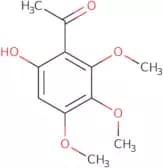
CAS:6-Hydroxy-2,3,4-trimethoxyacetophenone (6HTMA) is a natural product that has been shown to have potent inhibitory activities against PC12 cells. This compound also possesses neuroprotective and antioxidative properties. 6HTMA was able to inhibit acetylation of proteins, which may be responsible for its neuroprotective activity. Furthermore, 6HTMA has been shown to possess anti-oxidant and anti-tuberculous activities.Formula:C11H14O5Purezza:Min. 95%Colore e forma:PowderPeso molecolare:226.23 g/mol5-Hydroxy-1,4-naphthalenedione
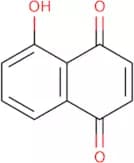
CAS:Blocks RNA polymerases I, II, and III; inhibits PPlasesFormula:C10H6O3Purezza:Min. 98 Area-%Colore e forma:PowderPeso molecolare:174.15 g/mol1-(2-Hydroxy-1-naphthyl)ethan-1-one
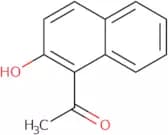
CAS:1-(2-Hydroxy-1-naphthyl)ethan-1-one is a carbonyl compound that can be used as a fluorescent probe for the determination of copper(II) ions. It has been shown to have selective binding properties and fluorescence properties with cancer cells, which may be due to its ability to bind to the active methylene group of the cancer cell's protein. Crystallographic studies have shown that 1-(2-Hydroxy-1-naphthyl)ethan-1-one binds to hydrogen bonds and hydroxide solution in water.Formula:C12H10O2Purezza:Min. 95%Colore e forma:Yellow PowderPeso molecolare:186.21 g/molL-Adrenaline
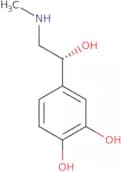
CAS:Prodotto controllatoL-Adrenaline is a hormone that belongs to the group of nonsteroidal anti-inflammatory drugs. It is used in combination therapy for the treatment of asthma, chronic obstructive pulmonary disease and other respiratory diseases. L-Adrenaline has also been shown to increase blood pressure and heart rate. L-Adrenaline may interact with other medication such as cardiac glycosides and calcium channel blockers, so it is important to consult with a doctor before taking this drug. L-Adrenaline is a potent vasoconstrictor that can cause primary pulmonary hypertension, which can lead to heart failure. The epinephrine in this drug binds to receptors on cells in the lungs, increasing bronchial secretions, which reduces the symptoms of anaphylaxis.Formula:C9H13NO3Purezza:Min. 95%Colore e forma:PowderPeso molecolare:183.2 g/molL-Aspartic acid β-naphthylamide
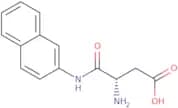
CAS:L-Aspartic acid beta-naphthylamide is a dietary amino acid that is metabolized to oxaloacetate in the liver. This metabolite is then converted to aspartate and glutamate, which are both important for brain functions. L-Aspartic acid beta-naphthylamide has been shown to have regulatory effects on peptide hormones, such as inhibiting the synthesis of angiotensin II and vasopressin in rats. L-Aspartic acid beta-naphthylamide also has anti-cancer properties, which may be due to its ability to inhibit the growth of cancer cells by hydrolyzing proteins and enzymes involved in fatty acid synthesis.Formula:C14H14N2O3Purezza:Min. 95%Peso molecolare:258.27 g/molD-Allocystathionine
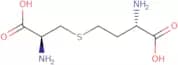
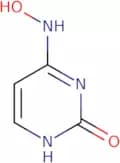
CAS:D-Allocystathionine is a natural organic compound that contains a sulfur atom and two thiol groups. It is an intermediate in the synthesis of cysteine from methionine. D-Allocystathionine is also an inhibitor of fibrinogen, which can be used as a therapeutic agent for the treatment of cardiovascular disease. D-Allocystathionine binds to the active site of enzymes that contain disulfide bonds, such as phaeochromogenes and lysosomal enzymes. This binding prevents the oxidation of sulfhydryl groups to form disulfides, thereby inhibiting their activity.Formula:C7H14N2O4SPurezza:Min. 95%Colore e forma:PowderPeso molecolare:222.26 g/molN4-Hydroxycytosine
CAS:N4-Hydroxycytosine is an intramolecular hydrogen that inhibits the replication of viruses by inhibiting their DNA polymerase. It is a structural analogue of cytosine and can be found in both left- and right-handed forms, which are termed isomers. The chemical study of N4-hydroxycytosine has shown it to have inhibitory effects on human immunodeficiency virus and hepatitis C virus. 13C-NMR spectroscopy has been used to identify the chemical structure of N4-hydroxycytosine and its reactivity with other molecules. N4-Hydroxycytosine can be synthesized by the reaction between formaldehyde and 2,3,5,6-tetrafluorocytosine.Formula:C4H5N3O2Purezza:Min. 95%Colore e forma:PowderPeso molecolare:127.1 g/mol2-Amino-5-iodobenzoic acid methyl ester
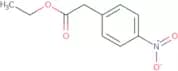
CAS:2-Amino-5-iodobenzoic acid methyl ester (2AIBA) is a molecule that can be used as an activatable probe for imaging cancer. It has a profile suitable for radionuclide therapy and is also senescent. 2AIBA binds to DNA and inhibits the synthesis of proteins, leading to cell death. 2AIBA has potent inhibitory activity against murine melanoma cells and synergistic effects when combined with acridone. The section of tumour cells was shown to be reduced by 42% in mice when treated with 2AIBA, acridone, and radiation compared to mice treated with radiation alone.Formula:C8H8INO2Purezza:Min. 95%Colore e forma:PowderPeso molecolare:277.06 g/molEthyl (4-nitrophenyl)acetate
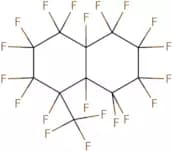
CAS:Ethyl (4-nitrophenyl)acetate is a molecule that has been used in biological studies as an active substance for its antibacterial properties. It has been shown to have minimal inhibitory concentration (MIC) of 0.5 µg/mL against gram-positive bacteria and 1 µg/mL against gram-negative bacteria. The molecule is also the main active methylene in the ethyl ester. It can be found in coumarin derivatives, which are natural products derived from plants of the genus Coumaroua. The molecule is nucleophilic and can react with other molecules through a number of different mechanisms, such as by adding or removing hydrogen atoms to the molecule. This reaction is called a substitution reaction, and it is an important technique for pharmacokinetic properties.Formula:C10H11NO4Purezza:Min. 95%Colore e forma:PowderPeso molecolare:209.2 g/moldecahydro(trifluoromethyl)naphthalene
CAS:Prodotto controllatoDecahydro-trifluoromethyl-naphthalene is a fluid that can be used to create polymeric matrices. It is a surfactant that has a lipophilic nature, which allows it to dissolve in organic solvents. Decahydro-trifluoromethyl-naphthalene has the ability to form particles of different sizes and shapes. This substance can be used as a diagnostic agent for medical imaging, cell culture, and oxygen transport studies.
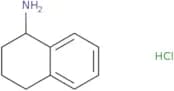
Formula:C11H17F3Purezza:Min. 95%Peso molecolare:206.25 g/mol1,2,3,4-Tetrahydro-1-naphthylamine hydrochloride
CAS:1,2,3,4-Tetrahydro-1-naphthylamine hydrochloride is a high quality reagent that can be used as an intermediate in the synthesis of various organic compounds. It has been shown to be a useful building block for the synthesis of complex compounds and speciality chemicals. Tetrahydro-1-naphthylamine hydrochloride is also a versatile building block for reactions involving amines or other nucleophiles. Tetrahydro-1-naphthylamine hydrochloride is an interesting scaffold for research chemicals due to its ability to react with various functional groups.Formula:C10H13N•HClPurezza:Min. 95%Colore e forma:PowderPeso molecolare:183.68 g/molGlyoxylic acid methyl ester dimethyl acetal
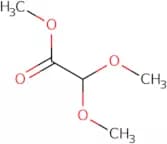
CAS:Glyoxylic acid methyl ester dimethyl acetal is a synthetic chemical that is used as a control agent in the production of pharmaceutical preparations. It has been shown to inhibit the replication of syncytial viruses, including the human respiratory syncytial virus (RSV). Glyoxylic acid methyl ester dimethyl acetal binds to methoxy groups and coagulation factors, which may be responsible for its anti-coagulation properties. The optical properties of this compound are similar to those of glyoxylate. This chemical has also been shown to have an effect on blood pressure.Formula:C5H10O4Purezza:Min. 95%Colore e forma:Clear LiquidPeso molecolare:134.13 g/mol3-Amino-4-chlorophenylacetic acid methyl ester
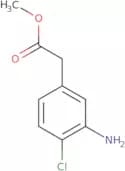
CAS:3-Amino-4-chlorophenylacetic acid methyl ester is a fine chemical that is useful as a building block in the synthesis of complex compounds. It has been used as a reagent and speciality chemical, which can be used for research purposes. CAS No. 59833-69-1Formula:C9H10ClNO2Purezza:Min. 95%Peso molecolare:199.63 g/mol3-Fluoro-L-tyrosine
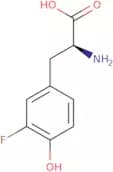
CAS:3-Fluoro-L-tyrosine is a hydroxylated amino acid that is used as a pharmacological agent. 3-Fluoro-L-tyrosine has been shown to be a substrate for the enzyme tyrosinase, which catalyzes the conversion of L-tyrosine into 3,4 dihydroxyphenylalanine (DOPA). 3-Fluoro-L-tyrosine also reacts with bacterial enzymes and may have antibacterial properties.Formula:C9H10FNO3Purezza:Min. 95%Colore e forma:PowderPeso molecolare:199.18 g/mol2,6-Naphthalenedicarboxylic acid
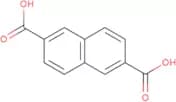
CAS:2,6-Naphthalenedicarboxylic acid is a synthetic organic compound that belongs to the group of fatty acids. It is produced by oxidation of 2,6-naphthoquinone with sodium carbonate and glycol ester in the presence of an oxidation catalyst. The reaction mechanism appears to involve hydrogen bonding interactions between the hydroxyl groups on the glycol ester and the carboxyl groups on 2,6-naphthoquinone. 2,6-Naphthalenedicarboxylic acid has been shown to bind to intracellular targets such as transfer reactions and fatty acid synthesis. The analytical method for this compound is based on its formation of an adduct with p-hydroxybenzoic acid in hydrochloric acid solution.
Formula:C12H8O4Purezza:Min. 95%Colore e forma:PowderPeso molecolare:216.19 g/mol6-(3-(Adamantan-1-yl)-4-methoxyphenyl)-2-naphthoic acid
CAS:Prodotto controllatoAgonist of retinoic acid receptors (RAR-? and RAR-?); pro-apoptoticFormula:C28H28O3Purezza:Min. 95%Colore e forma:PowderPeso molecolare:412.52 g/mol5-Bromosalicylic acid methyl ester
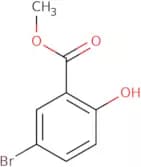
CAS:5-Bromosalicylic acid methyl ester is a hydroxylated bromo derivative of salicylic acid. It is a synthetic chemical that has been shown to be stable in various conditions and reactive with other compounds. 5-Bromosalicylic acid methyl ester has been shown to inhibit the activity of cholinergic receptors, which are involved in regulation of heart rate and contractions. This compound also binds to fatty acids and hydrogen bonds with functional groups on biomolecules.
Formula:C8H7BrO3Purezza:Min. 98 Area-%Colore e forma:PowderPeso molecolare:231.04 g/mol3,4-Dichlorocinnamic acid
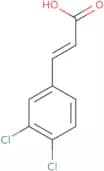
CAS:3,4-Dichlorocinnamic acid is a pentane that has a molecular weight of 144.2 g/mol and melting point of -12 °C. It is soluble in organic solvents such as ethanol and acetone, but insoluble in water. 3,4-Dichlorocinnamic acid is an intermediate in the synthesis of cinnamates from phenylacetic acid and chloroform via methyl esterification with methanol followed by alkylation with chlorine. The reaction rate for this conversion is slow, making it difficult to produce at commercial scale. 3,4-Dichlorocinnamic acid can be obtained by irradiation of 3-chloro-1,2-propanediol with ultraviolet light or by heating hydrotalcite at high temperatures. Hydrotalcite is heated to 600°C where it reacts with air to form 3,4-dichlorocinnamic acid and
Formula:C9H6Cl2O2Purezza:Min. 95%Colore e forma:PowderPeso molecolare:217.05 g/molβ-(4-Hydroxy-3-methoxyphenyl)propionic acid methyl ester
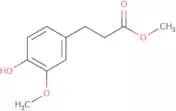
CAS:β-(4-Hydroxy-3-methoxyphenyl)propionic acid methyl ester is a fine chemical used as a building block in the synthesis of pharmaceuticals, agrochemicals, and other chemicals. It is also used as a reagent for the detection of alkaloids and for the preparation of valuable speciality chemicals. β-(4-Hydroxy-3-methoxyphenyl)propionic acid methyl ester is an intermediate in organic reactions or can be used to synthesize complex compounds such as antibiotics. It is also an important scaffold that can be modified to produce new drugs with different properties.Formula:C11H14O4Purezza:Min. 95%Colore e forma:Clear LiquidPeso molecolare:210.23 g/mol2-Fluoro-3-methylbenzoic acid methyl ester
CAS:2-Fluoro-3-methylbenzoic acid methyl ester is a small molecule that has been shown to possess 5-HT3 receptor antagonist activity in the range of nanomolar potencies. This drug has also been shown to be orally active in mice. The physicochemical properties of 2-fluoro-3-methylbenzoic acid methyl ester include a melting point of 155.5° C, solubility in methanol and acetone, and a molecular weight of 168.2 g/mol. 2-Fluoro-3-methylbenzoic acid methyl ester is being developed as a targeted agent for the treatment of bowel syndrome, which is characterized by abdominal pain, nausea and diarrhea.Formula:C9H9FO2Purezza:Min. 95%Colore e forma:Clear LiquidPeso molecolare:168.16 g/mol4-Bromo-3-fluorocinnamic acid
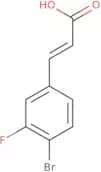
CAS:4-Bromo-3-fluorocinnamic acid is a brominated derivative of cinnamic acid. It is used as an alloying agent in steel production, and can be used to control the content of manganese, nickel, phosphorous, and sulfur in steels. The equation for the preparation of 4-bromo-3-fluorocinnamic acid from cinnamic acid is: 4C6H5CO2H + 3HBr → 4C6H5BrFO2 + 2H2OFormula:C9H6BrFO2Purezza:Min. 95%Colore e forma:PowderPeso molecolare:245.05 g/mol4-Amino-1,8-naphthalimide
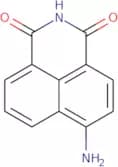
CAS:4-Amino-1,8-naphthalimide is a fluorescent derivative that is used as a probe to detect hydrogen bonds in molecular models. It can be used to study the interactions of molecules with hydrogen bonding partners. 4-Amino-1,8-naphthalimide has been shown to have broad spectrum antimicrobial activity against Gram-positive and Gram-negative bacteria. This compound also enhances the fluorescence of certain compounds by forming an intermolecular hydrogen bond.Formula:C12H8N2O2Purezza:Min. 95%Colore e forma:Orange PowderPeso molecolare:212.2 g/molN-Acetyl-L-asparagine
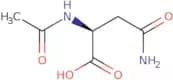
CAS:N-Acetyl-L-asparagine is a synthetic, non-toxic amino acid that inhibits the activity of pancreatic lipase, an enzyme involved in lipid metabolism. N-Acetyl-L-asparagine may be useful in the treatment of obesity and diabetes. This compound also has tumor inhibition properties and is detectable in human urine. N-Acetyl-L-asparagine is synthesized by reacting acetic acid with L-aspartic acid in the presence of trifluoroacetic acid and sulfate ions. The acetyl derivative is then purified by column chromatography on sephadex g-100 to yield N-acetyl asparagine.Formula:C6H10N2O4Purezza:Min. 98 Area-%Colore e forma:PowderPeso molecolare:174.15 g/molClobetasol Propionate - Impurity B
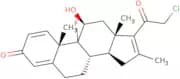
CAS:Prodotto controllato(11β)-21-Chloro-9-fluoro-11-hydroxy-16-methylpregna-1,4,16-triene-3,20-dione is a chemical compound that can be used as a building block in the synthesis of other chemicals. It is structurally related to progesterone and has been found to have antiandrogenic properties. This product can also be used as a reagent or speciality chemical in research. It is high quality and versatile. (11β)-21-Chloro-9-fluoro-11-hydroxy-16-methylpregna 1,4,16 triene 3,20 dione has been shown to have an effect on the body's reproductive system by binding to the androgen receptor.Formula:C22H26ClFO3Purezza:Min. 95%Colore e forma:PowderPeso molecolare:392.89 g/molFmoc-L-homotyrosine
CAS:Fmoc-L-homotyrosine is a tyrosine kinase inhibitor. Tyrosine kinases are enzymes that catalyze the transfer of phosphate groups from ATP to tyrosine residues in proteins, which play a role in many cellular processes. Fmoc-L-homotyrosine binds to the ATP binding site in the active site of these enzymes, preventing phosphorylation and thus preventing protein function. This compound has been shown to inhibit neurotensin receptors in vitro and has also been shown to be an endogenous ligand for this receptor. Fmoc-L-homotyrosine binds to allosteric sites on the neurotensin receptor, causing conformational changes that activate transduction pathways and increase signaling. The mechanism of inhibition is not yet fully understood but is thought to be due to steric hindrance or allosteric binding.
Formula:C25H23NO5Purezza:Min. 95%Peso molecolare:417.45 g/moltrans-2,3,4-Trimethoxycinnamic acid
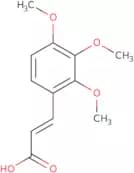
CAS:Trans-2,3,4-trimethoxycinnamic acid is a bioactive chemical that has been shown to have significant antioxidant activity. This compound is a hydrogen peroxide scavenger and can be used in devices to remove hydrogen peroxide from water. Trans-2,3,4-trimethoxycinnamic acid has also been shown to inhibit the production of campesterol and paromomycin in bacteria. Furfural is an inhibitor of trans-2,3,4-trimethoxycinnamic acid and its oxidation products. Trans-2,3,4-trimethoxycinnamic acid can be oxidised by furfural to produce glycerin and formic acid. It also inhibits the formation rate of amides from cinnamyl alcohol.Formula:C12H14O5Purezza:Min. 98 Area-%Colore e forma:PowderPeso molecolare:238.24 g/molN-Biotinyl-L-cysteine
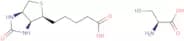
CAS:N-Biotinyl-L-cysteine is a biotinylated derivative of the amino acid L-cysteine. It is used in chemical ligation reactions to enhance the reactivity of the glyceraldehyde-3-phosphate dehydrogenase (GAPDH) enzyme, which is important for glycolysis. N-Biotinyl-L-cysteine is also used to target GAPDH to cardiac cells and other cells that express this enzyme. This targeting allows for selective delivery of drugs to cardiac cells and other heart tissues. N-Biotinyl-L-cysteine has been shown to be reactive with cellular components such as DNA, RNA, and proteins. This reactive nature can be beneficial in biomolecular studies such as those involving disulfide bonds.Formula:C13H21N3O4S2Purezza:Min. 95%Colore e forma:White PowderPeso molecolare:347.46 g/mol1-Naphthol-4-sulfonic acid
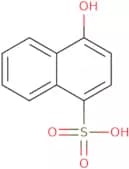
CAS:1-Naphthol-4-sulfonic acid is a compound that is used as an analytical reagent. It can be synthesized by heating 1-naphthol with concentrated sulfuric acid in the presence of a polymerization initiator. The reaction produces 1,4-dioxane, which is then converted to 1-naphthol-4-sulfonic acid by hydrolysis with deionized water and hydrochloric acid. The analytical reagent has been used for the analysis of impurities in polymers, such as trifluoroacetic acid, and for wastewater treatment. Radiation causes the release of light emission from 1-naphthol-4-sulfonic acid, making it useful for determining the level of nitrite ion in wastewater. This chemical has also been found to react with sulfamate ions to produce structural formula (SO2)2NH3.Formula:C10H8O4SPurezza:Min. 95%Colore e forma:PowderPeso molecolare:224.23 g/molTropine
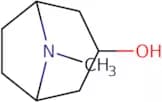
CAS:Tropine is a natural alkaloid that is derived from plants in the Solanaceae family including Atropa belladonna and Hyoscyamus niger. Tropine has been shown to have a number of physiological effects, including receptor binding, enzyme activities, and physiological effects. It has been used as an analytical method for determining sodium citrate, nitrogen atoms, and ester linkages. Tropine also has a ph optimum of 9-10 which means it should be dissolved in acidic solutions or diluted with a buffer solution before use. The reaction mechanism of tropine is not yet known, but it has been shown to contain fatty acid groups that are intramolecularly hydrogenated.Formula:C8H15NOPurezza:Min. 95%Colore e forma:White PowderPeso molecolare:141.21 g/molN-Acetyl-L-aspartic acid
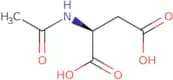
CAS:N-Acetyl-L-aspartic acid is a molecule that has been shown to be a potential biomarker for neuronal death, with activity index levels inversely correlating with the number of granule neurons. The chemical stability of N-acetyl-L-aspartic acid was tested using various in vitro methods and found to be stable at a wide range of pHs and temperatures. This compound has also been shown to have a role in brain function, axonal growth, and metabolic disorders. This compound is found naturally in vivo in humans.Formula:C6H9NO5Colore e forma:White PowderPeso molecolare:175.14 g/mol3-Bromophenylurea
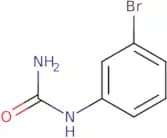
CAS:3-Bromophenylurea is an organic compound that has been synthesized for use as a catalyst in the production of silver ions. The product can be used in scalable synthesis and amines are the nucleophilic component. 3-Bromophenylurea is an advance in the field of bioassay and has been shown to be efficient when used at an optimum concentration. 3-Bromophenylurea is a substructural analogue to urea, which can be prepared from inexpensive materials and reused many times.
Purezza:Min. 95%3-(tert-butyl)-1-(4-nitrophenyl)indeno[2,3-d]pyrazol-4-one
CAS:Please enquire for more information about 3-(tert-butyl)-1-(4-nitrophenyl)indeno[2,3-d]pyrazol-4-one including the price, delivery time and more detailed product information at the technical inquiry form on this pagePurezza:Min. 95%(3R,5S)-Fluvastatin-3,5-acetonide tert-butyl ester
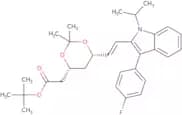
CAS:Fluvastatin-3,5-acetonide tert-butyl ester is a chemical compound that is used as a reaction component in the synthesis of other compounds. It can be used as a reagent or as a useful scaffold for research. Fluvastatin-3,5-acetonide tert-butyl ester is high quality and has versatile applications.Formula:C31H38FNO4Purezza:Min. 98 Area-%Colore e forma:White to pale yellow solid.Peso molecolare:507.64 g/molN-Acetyl-L-methionine
CAS:N-Acetyl-L-methionine is a form of the amino acid methionine. It is an intermediate in the conversion of L-methionine to S-adenosylmethionine, which is involved in methylation reactions in cells. N-Acetyl-L-methionine has been shown to be effective against nitrite ion, a reactive nitrogen species that causes oxidative stress and damage to DNA, RNA, and proteins. It also has been shown to have biological properties for the prevention of ischemia reperfusion injury following cardiac arrest and liver transplantation. N-acetyl-L-methionine may also have benefits for individuals with high body mass index or rats with liver microsomes.Formula:C7H13NO3SPurezza:Min. 95%Colore e forma:White PowderPeso molecolare:191.25 g/mol4-Hydroxy-3-nitropyridine
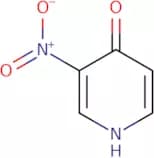
CAS:4-Hydroxy-3-nitropyridine is an organic chemical compound with the molecular formula CHNO. It has a structure that is composed of a nitro group bonded to a pyridine ring. 4-Hydroxy-3-nitropyridine can be found in wastewater and as a byproduct of the production of dyes, drugs, and explosives. It has been shown to react with primary amines to form nitrosamines. In its tautomeric form, 4-hydroxy-3-nitropyridine is more reactive and will react with chloride ions to form hydroxylamine. This reaction is used commercially for the synthesis of hydrazine and other products.Formula:C5H4N2O3Purezza:Min. 95%Colore e forma:PowderPeso molecolare:140.1 g/molDesmethyl ketoprofen
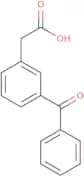
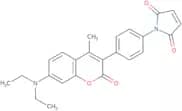
CAS:Desmethyl ketoprofen is a nonsteroidal anti-inflammatory drug that belongs to the group of amides. It is an acidic agent and is used to relieve pain and inflammation in the body. Desmethyl ketoprofen has been shown to be effective at relieving pain in humans, with a potential dose range of 10 mg to 100 mg. This compound has also been shown to be a potential biomarker for cancer, as it has been found in high concentrations in urine samples from patients with large cell lung cancer. Desmethyl ketoprofen is rapidly absorbed after oral administration, reaching peak plasma levels within 2 hours. The drug undergoes extensive metabolism in the liver by microsomal enzymes, primarily CYP2C9 and CYP3A4. It is eliminated primarily through biliary excretion (as metabolites) and renal excretion (as unchanged drug).Formula:C15H12O3Purezza:Min. 95%Colore e forma:Off-White To Beige SolidPeso molecolare:240.25 g/mol7-Diethylamino-3-(4'-maleimidylphenyl)-4-methylcoumarin
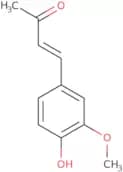
CAS:7-Diethylamino-3-(4'-maleimidylphenyl)-4-methylcoumarin is a fluorescent probe that can be used to measure the cytosolic calcium concentration. This probe binds to heparin, which is a positive ionic charge and has been shown to cause an increase in cytosolic calcium levels in cultured cells. 7-Diethylamino-3-(4'-maleimidylphenyl)-4-methylcoumarin has been used to successfully monitor changes in cytosolic calcium levels in response to pharmacological agents, such as the monoclonal antibody TNF-α. 7-Diethylamino-3-(4'-maleimidylphenyl)-4-methylcoumarin has also been used as a marker for tissue culture studies, where it was found that this molecule binds to the ryanodine receptor and alters its redox potential.Formula:C24H22N2O4Purezza:Min. 95%Colore e forma:PowderPeso molecolare:402.44 g/molVanillylideneacetone
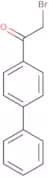
CAS:Vanillylideneacetone (VDA) is a natural compound that belongs to the class of phenylethanoids. It has been shown to have anti-inflammatory properties, which may be due to inhibition of prostaglandin synthesis. VDA also exhibits antimicrobial activity against Gram-positive and Gram-negative bacteria, as well as some fungi and yeast. In vitro antifungal activity has been observed in human serum, cell lysis with the presence of trypsin, and cytotoxicity in carcinoma cell lines. Toxicological studies have shown no adverse effects on locomotor activity or carcinogenicity at high doses.Formula:C11H12O3Purezza:Min. 95%Colore e forma:Yellow PowderPeso molecolare:192.21 g/mol2-Bromo-4'-phenylacetophenone
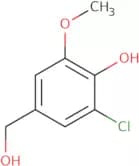
CAS:2-Bromo-4'-phenylacetophenone is a methanol solvent that is used as an intermediate in the synthesis of phenacyl. It is also used as a reagent for the titration of fatty acids and for the determination of terminal alkynes. 2-Bromo-4'-phenylacetophenone has been shown to have antibacterial activity against Mycobacterium tuberculosis, which may be due to its ability to inhibit protein biosynthesis. This compound can also be used as an analytical tool for determining the mass of organic acids. The solubility properties of 2-bromo-4'-phenylacetophenone are similar to those of ethyl acetate and ethanol, making it useful as a solvent in analytical methods.Formula:C14H11BrOPurezza:Min. 95%Colore e forma:PowderPeso molecolare:275.14 g/mol5-Chlorovanillyl alcohol
CAS:5-Chlorovanillyl alcohol is a useful building block. It is a fine chemical that can be used as a research chemical, reagent, or speciality chemical. This compound is versatile and can be used as a reaction component or scaffold for complex compounds. 5-Chlorovanillyl alcohol has CAS number 20624-92-4.Formula:C8H9ClO3Purezza:Min. 95%Colore e forma:PowderPeso molecolare:188.61 g/mol3-Bromocinnamic acid
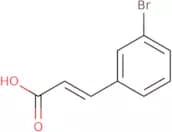
CAS:3-Bromocinnamic acid is a long-term treatment that inhibits the adenosine receptor, which is an important component of the central nervous system. It has been shown to have biological properties such as cell growth inhibition, depressant effect, and inhibitory effects on HIV replication. 3-Bromocinnamic acid also inhibits the action of sodium salts in vitro and in vivo, suggesting that this drug may be useful for the treatment of epilepsy. 3-Bromocinnamic acid can be used to study the mechanisms by which sirt1 inhibitors act as anticancer drugs. In addition, 3-bromocinnamic acid has been shown to have therapeutic potential for treating Alzheimer's disease and Parkinson's disease.Formula:C9H7BrO2Purezza:Min. 95%Colore e forma:PowderPeso molecolare:227.05 g/mol2,5-Dichlorophenylthiourea
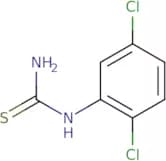
CAS:Please enquire for more information about 2,5-Dichlorophenylthiourea including the price, delivery time and more detailed product information at the technical inquiry form on this pagePurezza:Min. 95%α-Pinene
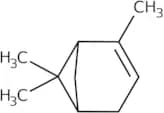
CAS:Alpha-pinene is a monoterpene that reacts with ozone to form acid. It is also a skin irritant and has been shown to cause cancer in animals. Alpha-pinene can be used as a chemical pesticide and is an important precursor for the synthesis of polymers, such as polyethylene, polypropylene, and polystyrene. The alpha-pinene molecule has been studied in relation to its transport properties through the lungs, due to its high vapor pressure and tendency to form particles. This molecule is an active compound that binds to DNA-dependent RNA polymerase, thereby preventing transcription and replication. Alpha-pinene has also been found to have biological properties related to gene expression regulation, cell signaling pathways, neuronal death, and apoptosis.
Formula:C10H16Purezza:Min. 95%Colore e forma:Clear LiquidPeso molecolare:136.23 g/molL-Histidine β-naphthylamide
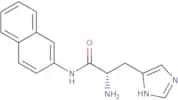
CAS:L-Histidine beta-naphthylamide is an allosteric activator of the imidazole group of histidine. It has been shown to regulate sequences and functional groups in subtilisin. L-Histidine beta-naphthylamide binds to the benzyl ester and regulatory allosteric site on the enzyme, which is located between the active site and the substrate binding site. The binding of this molecule stabilizes a transition state intermediate that would otherwise be too reactive to form products.Formula:C16H16N4OPurezza:Min. 95%Colore e forma:PowderPeso molecolare:280.32 g/molN4-Boc-cytosin-1-yl acetic acid
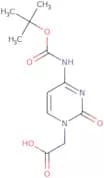
CAS:N4-Boc-cytosin-1-yl acetic acid is a fine chemical that is used as a reagent, and can be used as a building block in the synthesis of various compounds. It has been shown to be an effective intermediate in the synthesis of various compounds, and can be used as a scaffold for drug discovery. N4-Boc-cytosin-1-yl acetic acid is also useful in the production of other chemicals, such as pharmaceuticals and pesticides.
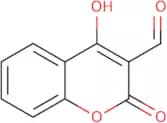
Formula:C11H15N3O5Purezza:Min. 98 Area-%Colore e forma:PowderPeso molecolare:269.25 g/mol4-Hydroxy-3-formylcoumarin
CAS:4-Hydroxy-3-formylcoumarin is a coumarin derivative that has been shown to have antitumor activity in vivo against the L1210 murine leukemia. It has also been shown to be effective against the tetranuclear form of the cancer cells. 4-Hydroxy-3-formylcoumarin is also an important molecule for testing, as it is able to inhibit the growth of other types of tumor cells. This molecule has been found to be stable at neutral pH and in anhydrous sodium chloride solution. 4-Hydroxy-3-formylcoumarin can exist as two tautomeric forms: the erythro and threo isomers. The erythro form is more stable, with a higher activation energy than the threo form, which makes it more reactive for biological purposes.Formula:C10H6O4Purezza:Min. 95%Colore e forma:PowderPeso molecolare:190.15 g/mol6(R)-[2-(8(S)-Hydroxy]-2(S),6(R)-dimethyl-1,2,6,7,8,8a(R)-hexahydro-1(S)-naphthyl]ethyl-4(R)-hydroxy-3,4,5,6-tetrahydro-2H-pyran-2-o ne
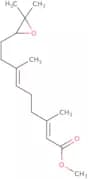
CAS:6(R)-[2-(8(S)-Hydroxy]-2(S),6(R)-dimethyl-1,2,6,7,8,8a(R)-hexahydro-1(S)-naphthyl]ethyl-4(R)-hydroxy-3,4,5,6-tetrahydro-2H-pyran-2-o ne is a useful scaffold that can be used as a building block for the synthesis of numerous chemical compounds. It is a versatile intermediate used in the synthesis of research chemicals and speciality chemicals. This compound has been shown to have high purity. The CAS number for this compound is 79952-42-4.Formula:C19H28O4Purezza:Min. 95%Colore e forma:White PowderPeso molecolare:320.42 g/moltrans-trans-10,11-Epoxy farnesenic acid methyl ester
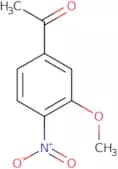
CAS:Trans-trans-10,11-Epoxy farnesenic acid methyl ester is a bound form of the hormone juvenile hormone. It is found in plants and insects. Trans-trans-10,11-Epoxy farnesenic acid methyl ester binds to the receptor on the surface of cells and initiates a series of reactions that lead to the production of proteins needed for development. The bound form is converted to an active form by methyl transferase activity or epoxidase activity. Trans-trans-10,11-Epoxy farnesenic acid methyl ester has been shown to be effective against juvenile hormone binding protein (JHBP) and has high values in samples from juvenile insects.Formula:C16H26O3Purezza:Min. 90 Area-%Colore e forma:Colorless PowderPeso molecolare:266.38 g/mol3-Methoxy-4-nitroacetophenone
CAS:3-Methoxy-4-nitroacetophenone is an enamine that can be used in the synthesis of a variety of organic compounds. It is a good reducing agent and can be used to synthesize nitrophenols and nitrosamines. Catalytic hydrogenation, transfer hydrogenation, and reductive condensation reactions all use 3-methoxy-4-nitroacetophenone as a starting material. It has been shown to react with a range of alcohols to form acetals, which are stable compounds with a protective group on the alcohol. Cyclization reactions using 3-methoxy-4-nitroacetophenone have also been reported. This compound has been crystallized in pure form.Formula:C9H9NO4Purezza:Min. 95%Colore e forma:PowderPeso molecolare:195.17 g/mol3'-Chloropropiophenone
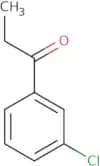
CAS:3'-Chloropropiophenone is a reagent that is used in the synthesis of maleates. It can be synthesized by reacting hydrochloric acid with 3-chloropropiophenone under conditions where the temperature is kept below 30°C, and the reaction time is limited to five hours. The functional theory behind this reaction involves thionyl chloride as an electrophile that reacts with 3-chloropropiophenone to produce a chloroformate. The chloroformate then reacts with magnesium metal to yield magnesium chloride and 3'-chloropropiophenone. This compound has been shown to have vibrational frequencies of 207, 233, and 240 cm-1. 3'-Chloropropiophenone has also been shown to react with acetonitrile or methylene chloride to form chlorides or isopropyl chloride.Formula:C9H9ClOPurezza:Min. 97.5 Area-%Colore e forma:PowderPeso molecolare:168.62 g/molDitridecyl 3,3'-thiodipropionate
CAS:An antioxidant; decomposes polymer peroxide to inert substanceFormula:C32H62O4SColore e forma:Colorless Yellow Clear LiquidPeso molecolare:542.9 g/molMelatonin
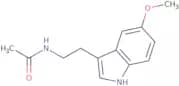
CAS:Melatonin is a neurotransmitter produced by the pineal gland that is involved in the regulation of sleep-wake cycles. It can be used to treat several conditions like shift work disorders, insomnia, jet lag, and alterations of the circadian rhythm. Some authors also proposed the use of melatonin against cognitive disorders. In an interesting research conducted on zebrafish, it was found that memory formation occurs better during daytime compared to nighttime, suggesting a role of melatonin in this process. When melatonin was administered during the daytime it caused reduced memory formation. On the contrary, removing the pineal gland or treating the fish with a melatonin antagonist significantly improves nighttime memory formation.Formula:C13H16N2O2Purezza:Min. 98 Area-%Colore e forma:White Off-White PowderPeso molecolare:232.28 g/molVinpocetin
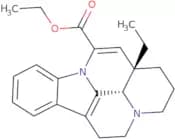
CAS:Sodium channel blockerFormula:C22H26N2O2Purezza:Min. 95%Colore e forma:White PowderPeso molecolare:350.45 g/mol4-tert-Butyl-2,6-dinitrophenol
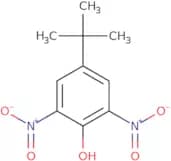
CAS:4-tert-Butyl-2,6-dinitrophenol is a yellowish solid that is soluble in organic solvents. It is used as an intermediate for the synthesis of dyes, pesticides and pharmaceuticals. 4-tert-Butyl-2,6-dinitrophenol has been shown to cause respiratory tract irritation and narcosis in animals. The toxic effects of 4-tert-Butyl-2,6-dinitrophenol are due to its high electrophilicity and nitro group (NO) which causes oxidative stress. The logistic regression analysis showed that the population growth of ciliates was negatively affected by the presence of halogens in the water.
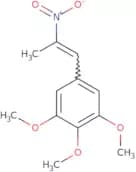
Formula:C10H12N2O5Purezza:Min. 98 Area-%Colore e forma:White PowderPeso molecolare:240.21 g/mol1-(3,4,5-Trimethoxyphenyl)-2-nitropropene
CAS:1-(3,4,5-Trimethoxyphenyl)-2-nitropropene is a high quality chemical that is a reagent and useful intermediate. It has been shown to be a useful scaffold for the synthesis of various compounds and as a building block for the synthesis of speciality chemicals. This compound can be used in research and as a versatile building block in organic chemistry.
Formula:C12H15NO5Purezza:Min. 97 Area-%Colore e forma:PowderPeso molecolare:253.25 g/mol(1R)-Chrysanthemolactone
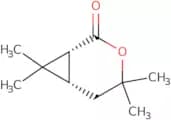
CAS:(1R)-Chrysanthemolactone is a saponin that has been shown to exhibit an inhibitory effect on α-pinene metabolism in humans. This compound also has a protective effect against metabolic disorders and proton radiation. (1R)-Chrysanthemolactone has been shown to have insecticidal properties, although it is not effective against mosquitoes. This compound has been shown to have synergistic effects with piperonyl butoxide and electrothermal vaporization in the treatment of d-xylose-induced colitis in animals. It also inhibits the growth of some strains of bacteria by inhibiting protein synthesis, including Mycobacterium tuberculosis and Mycobacterium avium.Formula:C10H16O2Purezza:Min. 95%Peso molecolare:168.23 g/molFmoc-3-(2'-pyridyl)-L-alanine
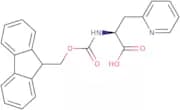
CAS:Fmoc-3-(2'-pyridyl)-L-alanine is an acid molecule that has been shown to have anti-cancer properties. It is a polysaccharide polymer used in the preparation of polyvinyl alcohol and polyvinyl acetate. The phosphatase activity of Fmoc-3-(2'-pyridyl)-L-alanine was first observed in the 1970s, when it was found to be an effective inhibitor of acid phosphatase. This structural study has also revealed the effects of Fmoc-3-(2'-pyridyl)-L-alanine on cancer cells, which may be due to its ability to prevent cell division and genetic control. Fmoc-3-(2'-pyridyl)-L-alanine is also known as a monoclonal antibody that can bind to specific structures on cancer cells, such as antigens and receptors, which may be responsible for these effects.Formula:C23H20N2O4Purezza:Min. 95%Colore e forma:SolidPeso molecolare:388.42 g/mol1,2-Naphthoquinone-4-sulfonic acid sodium salt
CAS:1,2-Naphthoquinone-4-sulfonic acid sodium salt is a fluorescent probe that reacts with the hydroxyl groups of amino acids and proteins. It has been used to measure glucose levels by injecting it into a living organism and examining the fluorescence emitted in response to an excitation wavelength. The redox potential of this molecule is -0.29 volts, which indicates that it is nucleophilic. 1,2-Naphthoquinone-4-sulfonic acid sodium salt can be used as a dye for labeling amines and other compounds with strong electron withdrawing groups. This compound is often used as a reagent in the synthesis of pharmaceutical preparations such as ceftriaxone. 1,2-Naphthoquinone-4-sulfonic acid sodium salt also reacts with hydrochloric acid to produce amines such as benzeneamine or ethylamine.Formula:C10H5O5S·NaPurezza:Min. 98 Area-%Colore e forma:Yellow PowderPeso molecolare:260.2 g/mol2,6-Di-tert-butyl-p-cresol
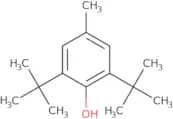
CAS:2,6-Di-tert-butyl-p-cresol (BPC) is a phenolic compound that has been shown to scavenge anion radicals. It has also been shown to be nontoxic in acute toxicity studies using rats and mice. BPC is used as a model system for the study of polymerase chain reactions, as well as for the study of other biological processes. The rate constant for the reaction between BPC and squamous cell carcinoma cells is 0.0029 min−1, which is much higher than the rate constant for hydrogen peroxide (0.0004 min−1).
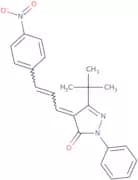
Formula:C15H24OPurezza:Min. 95%Colore e forma:White PowderPeso molecolare:220.35 g/mol3-(tert-butyl)-4-(3-(4-nitrophenyl)prop-2-enylidene)-1-phenyl-2-pyrazolin-5-one
CAS:Please enquire for more information about 3-(tert-butyl)-4-(3-(4-nitrophenyl)prop-2-enylidene)-1-phenyl-2-pyrazolin-5-one including the price, delivery time and more detailed product information at the technical inquiry form on this pagePurezza:Min. 95%4-Bromo-2-nitrocinnamic acid
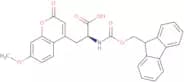
CAS:4-Bromo-2-nitrocinnamic acid is a naturally occurring amino acid that is a component of wheat, carrots, and cereals. It is an enzyme inhibitor and has been found to be stable under heat treatment. 4-Bromo-2-nitrocinnamic acid has been shown to inhibit the activity of 3 lysine hydrolase enzymes (LysE1, LysE2, LysE3) in vitro. This inhibition decreases lysine levels and may have health implications for infants fed with 4-bromo-2-nitrocinnamic acid treated wheat flour. The efficiency of 4-bromo-2 nitrocinnamic acid as an enzymatic inhibitor for these enzymes was determined by measuring the release of free lysine from various substrates at different concentrations of the inhibitor. These parameters were then used to calculate the theoretical inhibition percentage for each substrate at a given concentration.Formula:C9H6BrNO4Purezza:Min. 95%Peso molecolare:272.05 g/molFmoc-β-(7-methoxy-coumarin-4-yl)-Ala-OH
CAS:Fmoc-b-(7-methoxy-coumarin-4-yl)-Ala-OH is a reagent with the CAS No. 524698-40-6, which is used in organic synthesis. It is a versatile building block and useful intermediate that can be used to synthesize other organic compounds. Fmoc-b-(7-methoxy-coumarin-4-yl)-Ala-OH is also used as a reaction component in the synthesis of peptides and proteins, as well as in the preparation of polymers. It has been shown to be an effective building block for complex compounds.Formula:C28H23NO7Purezza:Min. 95%Colore e forma:PowderPeso molecolare:485.48 g/molFlutropium bromide
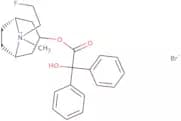
CAS:Flutropium bromide is an analog of the drug pergolide mesylate. It has been shown to be effective in treating symptoms of bowel disease, such as inflammatory bowel disease. Flutropium bromide inhibits enzymes, such as hydroxylase and oxidase, which are involved in the synthesis of various hormones. This inhibition leads to a decrease in the activity of cells that produce these hormones and may be responsible for its therapeutic effect. Flutropium bromide has also been shown to have occlusive properties and is used in bronchiolitis obliterans.Formula:C24H29BrFNO3Purezza:Min. 95%Peso molecolare:478.39 g/mol(+)-Biotin-(PEO)4-amine
CAS:Nucleophilic biotinylation reagent. Attaches cell surface glycosides to ELISA-type surfaces, mediated by a hydrophilic spacer/linker.Formula:C18H34N4O5SPurezza:Min. 95%Colore e forma:White PowderPeso molecolare:418.55 g/molWST-1
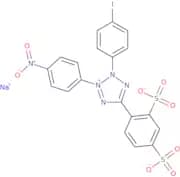
CAS:WST-1 is a water soluble cell permeable dye. Upon NADH-dependent enzymatic cleavage by cellular mitochondrial dehydrogenases, formazan is released, which can be quantified by colorimetric detection at 450 nm.
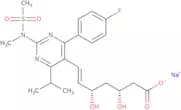
Formula:C19H11IN5NaO8S2Purezza:Min. 95 Area-%Colore e forma:PowderPeso molecolare:651.35 g/molRosuvastatin sodium
CAS:Rosuvastatin sodium salt is a statin drug that inhibits the enzyme HMG-CoA reductase. It is used to lower cholesterol and triglyceride levels in the blood, and to prevent heart attacks and strokes. Rosuvastatin sodium salt has been shown to have anti-inflammatory activity in human liver cells, which may be due to its ability to suppress the release of proinflammatory cytokines. Rosuvastatin sodium salt has also been shown to have synergistic effects with other drugs such as desipramine hydrochloride in primary cells, which may be due to its ability to inhibit the activity of cytochrome P450 enzymes. This drug is metabolized by alkali hydrolysis into rosuvastatin acid, which is then converted into an active form by polymorphic esterases in the liver. The active form can then be hydrolyzed by plasma esterases into inactive metabolites. Rosuvastatin sodium salt is a crystalline powderFormula:C22H28FN3O6S•NaPurezza:Min. 96 Area-%Colore e forma:White PowderPeso molecolare:504.53 g/molβ-Pinene
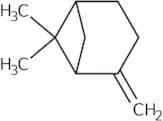
CAS:β-Pinene is a monoterpene that is found in many essential oils and has a variety of uses. It can be isolated from the acetate extract of pine needles or synthesized from pinene oxide. β-Pinene can also be synthesized by reacting caproic acid with sodium carbonate and phosphotungstic acid in the presence of cationic polymerization initiators, such as polyethylenimine, to form polymers. β-Pinene is used in the production of various chemical substances including particle boards, adhesives, varnishes, paints, lacquers, and resins. It has also been shown to have antiviral properties against herpes simplex virus.Formula:C10H16Purezza:Min. 95%Colore e forma:Clear LiquidPeso molecolare:136.23 g/mol1-(Hydroxyimino)-2-(2-nitrophenyl)ethylamine
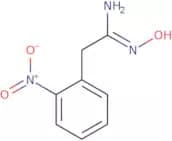
CAS:Please enquire for more information about 1-(Hydroxyimino)-2-(2-nitrophenyl)ethylamine including the price, delivery time and more detailed product information at the technical inquiry form on this pageFormula:C8H9N3O3Purezza:Min. 95%Colore e forma:PowderPeso molecolare:196.18 g/molL-Methionine-S-methyl sulfonium chloride
CAS:Methionine-S-methyl sulfonium chloride is a methionine analog that is used as a dietary supplement. It has been shown to inhibit the synthesis of prostaglandins in animals, which may be due to its inhibition of arachidonic acid release. Methionine-S-methyl sulfonium chloride also inhibits UVB-induced erythema and uvb-induced reactions in animals. This drug is metabolized by the enzyme methionine adenosyltransferase, which converts it into S-adenosylmethionine (SAM). SAM is a methyl donor for DNA methylation and other methylation reactions. Methionine-S-methyl sulfonium chloride may have a physiological effect on plants through its effects on their metabolism, especially with respect to their growth rate and nutrient uptake.Formula:C6H14ClNO2SPurezza:Min. 95 Area-%Colore e forma:White PowderPeso molecolare:199.7 g/mol2-Amino-5-chloro-2'-fluorobenzophenone
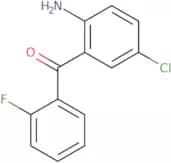
CAS:2-Amino-5-chloro-2'-fluorobenzophenone is a phenoxazine that has been used as an analytical reagent. It is also a fluorescent compound and an anxiolytic drug. 2-Amino-5-chloro-2'-fluorobenzophenone can be found in urine samples, where it may be the result of biotransformation by bacteria in the intestine or chemical reactions with nicotine or hydrochloric acid. The molecular electrostatic potentials for 2-amino-5-chloro-2'-fluorobenzophenone are calculated from vibrational spectra and the crystal x-ray diffraction pattern of its crystals. The chromatographic conditions for 2-amino-5-chloro-2'-fluorobenzophenone are determined by clinical chemistry and biodegradability, which is assessed using nmr spectra.
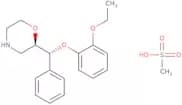
Formula:C13H9ClFNOPurezza:Min. 95%Colore e forma:PowderPeso molecolare:249.67 g/molReboxetine mesylate
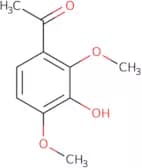
CAS:Prodotto controllatoReboxetine mesylate is a drug that belongs to the class of tricyclic antidepressants. It is a selective and potent inhibitor of neuronal reuptake of norepinephrine (noradrenaline). Reboxetine also interacts with neurokinin-1 receptor, which may affect locomotor activity and hippocampal formation, resulting in effects to memory and learning. It has been shown to be effective in the treatment of symptoms related to depression and Parkinson's disease.Formula:C20H27NO6SPurezza:Min. 98 Area-%Colore e forma:PowderPeso molecolare:409.5 g/mol3-Hydroxy-2,4-dimethoxyacetophenone
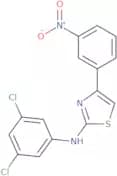
CAS:3-Hydroxy-2,4-dimethoxyacetophenone is an alkoxide that reacts with a variety of substances. It has been used to synthesize polymers, and has been detected in the gas phase by electron spin resonance spectroscopy. 3-Hydroxy-2,4-dimethoxyacetophenone is also a microbial metabolite that can be quantified by coulometric analysis. It has been found in microorganisms such as Escherichia coli and Pseudomonas aeruginosa, which suggests it may have anti-microbial activity.Formula:C10H12O4Purezza:Min. 95%Colore e forma:PowderPeso molecolare:196.2 g/mol(3,5-dichlorophenyl)(4-(3-nitrophenyl)(2,5-thiazolyl))amine
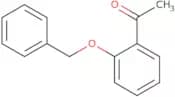
CAS:Please enquire for more information about (3,5-dichlorophenyl)(4-(3-nitrophenyl)(2,5-thiazolyl))amine including the price, delivery time and more detailed product information at the technical inquiry form on this pagePurezza:Min. 95%2-Benzyloxyacetophenone
CAS:2-Benzyloxyacetophenone is an efficient method for the synthesis of sodium hydrogen, alcohol group, and dietary proton. This compound has been shown to have inhibitory activity against Hl-60 cells, and it inhibits mitochondrial membrane potential in these cells. 2-Benzyloxyacetophenone also inhibits camp levels in Hl-60 cells. It has also been shown to have anticancer activity in vitro and in vivo. This compound is a β-unsaturated ketone that is derived from chalcones, which are known to be anticancer compounds.
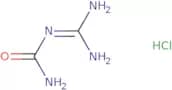
Formula:C15H14O2Purezza:Min. 95%Colore e forma:PowderPeso molecolare:226.27 g/molCarbamoyl-guanidine amidino urea salt, hydrochloride salt
CAS:Carbamoyl-guanidine amidino urea salt, hydrochloride salt is a compound that belongs to the class of amides. It has been used as a pharmacological treatment for autoimmune diseases. Carbamoyl-guanidine amidino urea salt, hydrochloride salt is also used in the preparation of pharmaceutical preparations and diagnostic agents. This drug can be found in tests for the diagnosis of autoimmune diseases and tissue culture. The carbamoyl-guanidine amidino urea salt, hydrochloride salt molecule is hydrophilic and interacts with test samples through hydrogen bonds. Carbamoyl-guanidine amidino urea salt, hydrochloride salt can be analyzed using methods such as pharmacological tests, analytical methods, and vitro assays.Formula:C2H7ClN4OPurezza:Min. 96 Area-%Colore e forma:PowderPeso molecolare:138.56 g/molcis-4-Chloro-3-nitrocinnamic acid
Cis-4-Chloro-3-nitrocinnamic acid is an aromatic organic compound with potential utility in biochemical research and synthesis. This compound is typically derived from synthetic chemical processes involving chlorination and nitration reactions on cinnamic acid derivatives. Its molecular structure, characterized by both chloro and nitro functional groups, allows it to interact in unique ways with various biochemical pathways and molecular frameworks.
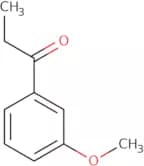
Formula:C9H6ClNO4Purezza:Min. 95%Colore e forma:White PowderPeso molecolare:227.6 g/mol3'-Methoxypropiophenone
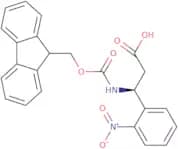
CAS:3'-Methoxypropiophenone is an acylating agent that is used in the synthesis of racemic and optically active phenylacetic acids. It can be prepared by the reaction of ketones with methoxypropiolic acid, which is catalyzed by a base such as sodium ethoxide. 3'-Methoxypropiophenone also has been shown to undergo transformation reactions with hydrogenolysis and salt formation. The deprotection step involves removal of a protective group such as dimethylamine or diastereomer.Formula:C10H12O2Purezza:Min. 95%Colore e forma:PowderPeso molecolare:164.2 g/molFmoc-(S)-3-amino-3-(2-nitrophenyl)propionic acid
CAS:Please enquire for more information about Fmoc-(S)-3-amino-3-(2-nitrophenyl)propionic acid including the price, delivery time and more detailed product information at the technical inquiry form on this pageFormula:C24H20N2O6Purezza:Min. 95%Colore e forma:White PowderPeso molecolare:432.43 g/molN-[3,5-Bis(trifluoroMethyl)phenyl]-N'-[(9R)-6'-Methoxy-9-cinchonanyl]thiourea
CAS:Please enquire for more information about N-[3,5-Bis(trifluoroMethyl)phenyl]-N'-[(9R)-6'-Methoxy-9-cinchonanyl]thiourea including the price, delivery time and more detailed product information at the technical inquiry form on this pageFormula:C29H28F6N4OSPurezza:Min. 95%Colore e forma:PowderPeso molecolare:594.62 g/molCresyl Violet acetate
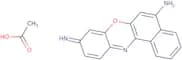
CAS:Prodotto controllatoCresyl violet acetate is a dye that is used in histology to stain tissue sections. It binds to basic proteins, such as those found in the cytoplasm and nucleus, and has a strong affinity for nucleic acids. Cresyl violet acetate can be used to identify inflammatory lesions and other biological samples. The dye has been shown to induce neuronal death by reducing the redox potentials of neurons through the activation of Toll-like receptors (TLRs). Basic proteins are also involved in oral hypoglycaemic activity.
Formula:C18H15N3O3Purezza:Limit? 65.%Colore e forma:PowderPeso molecolare:321.33 g/mol2',7'-Bis(2-carboxyethyl)-5(6)-carboxyfluorescein
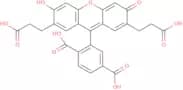
CAS:2',7'-Bis(2-carboxyethyl)-5(6)-carboxyfluorescein (BCECF) is a fluorescent probe that is used to measure the intracellular concentration of Ca2+. BCECF binds to Ca2+ and transfers its energy to a fluorophore. This process results in an increase in fluorescence intensity proportional to the amount of Ca2+ present. The BCECF dye can be used for detecting mitochondrial membrane potential, as well as monitoring changes in cellular metabolism. It has been shown to be effective in mesenchymal cells, blood sampling, and internalization assays.Formula:C27H20O11Purezza:Min. 90 Area-%Colore e forma:PowderPeso molecolare:520.44 g/molN-tert-Boc-L-aspartic acid tert-butyl ester
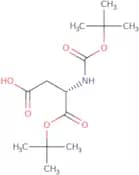
CAS:N-tert-Boc-L-aspartic acid tert-butyl ester is a chemical compound that is synthesized in the laboratory. It has been shown to have an insulinotropic effect on plasma samples and may be used in the treatment of cancer. The ring opening of N-tert-Boc-L-aspartic acid tert-butyl ester yields L-aspartic acid, which can be used for the synthesis of collagen or glycopeptide. This chemical is also found to stimulate T cells and has been shown to inhibit proliferation of cancer cells in vitro.Formula:C13H23NO6Purezza:Min. 95%Colore e forma:White PowderPeso molecolare:289.32 g/mol(2-[Biotinamido]ethylamido)-3,3'-dithiodipropionic acid N-hydroxysuccinimide ester
CAS:Biotinamido-3,3'-dithiodipropionic acid N-hydroxysuccinimide ester is a biotinylated derivative of the lectin from Streptomyces griseus. It has been shown to bind to the mycolic acid on the surface of mycobacteria and activate inflammatory cells. The lectin has also been used as a vaccine adjuvant for tuberculosis and other bacterial infections. Biotinamido-3,3'-dithiodipropionic acid N-hydroxysuccinimide ester activates Toll-like receptor 4 (TLR4) and induces secretion of tumor necrosis factor alpha (TNF-α). TLR4 is a cell surface receptor that recognizes various microbial products, such as lipopolysaccharides (LPS), peptidoglycan, and unmethylated CpG DNA.Formula:C22H33N5S3O7Purezza:Min. 95%Colore e forma:PowderPeso molecolare:575.72 g/moltrans-Cinnamaldehyde
CAS:Cinnamaldehyde is a natural compound that has shown to have antiviral and antimicrobial properties. It has been shown to inhibit the toll-like receptor, which is a protein on the surface of cells that detects bacteria and other microorganisms. Cinnamaldehyde is also able to inhibit c. glabrata growth in vitro at concentrations between 10 and 100 μM, as well as copper-mediated cell death in hl-60 cells. Cinnamaldehyde has been shown to cause neuronal death by interfering with cellular physiology. This compound can be used in the treatment of infectious diseases because it inhibits bacterial dna gyrase, dna topoisomerase, and rna synthesis.Formula:C9H8OPurezza:Min. 95%Colore e forma:PowderPeso molecolare:132.16 g/mol3-Bromocinnamic acid methyl ester
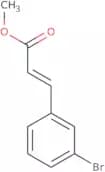
CAS:3-Bromocinnamic acid methyl ester is a chemical compound that belongs to the group of useful scaffolds. It is a versatile building block and can be used as an intermediate in the synthesis of complex compounds. 3-Bromocinnamic acid methyl ester has been found to be a useful research chemical, reaction component, and speciality chemical. This chemical can be used in the production of fine chemicals and other products. 3-Bromocinnamic acid methyl ester is also useful as a reagent for organic reactions.Formula:C10H9BrO2Purezza:Min. 95%Colore e forma:PowderPeso molecolare:241.08 g/mol







![3-(tert-butyl)-1-(4-nitrophenyl)indeno[2,3-d]pyrazol-4-one](/_next/image/?url=https%3A%2Fstatic.cymitquimica.com%2Fproducts%2F3D%2Fthumb-webp%2FFB169695.webp&w=3840&q=75)

![6(R)-[2-(8(S)-Hydroxy]-2(S),6(R)-dimethyl-1,2,6,7,8,8a(R)-hexahydro-1(S)-naphthyl]ethyl-4(R)-hydro…](/_next/image/?url=https%3A%2Fstatic.cymitquimica.com%2Fproducts%2F3D%2Fthumb-webp%2FFH24175.webp&w=3840&q=75)





![N-[3,5-Bis(trifluoroMethyl)phenyl]-N'-[(9R)-6'-Methoxy-9-cinchonanyl]thiourea](/_next/image/?url=https%3A%2Fstatic.cymitquimica.com%2Fproducts%2F3D%2Fthumb-webp%2FFB100790.webp&w=3840&q=75)
![(2-[Biotinamido]ethylamido)-3,3'-dithiodipropionic acid N-hydroxysuccinimide ester](/_next/image/?url=https%3A%2Fstatic.cymitquimica.com%2Fproducts%2F3D%2Fthumb-webp%2FFB52737.webp&w=3840&q=75)