Standard farmaceutici
Sottocategorie di "Standard farmaceutici"
- APIs per la ricerca e le impurità(277.141 prodotti)
- Attivatori e inibitori enzimatici(2.829 prodotti)
- Nitrosamine(2.646 prodotti)
- Composti e metaboliti farmaceutici e veterinari(2.894 prodotti)
- Tossicologia(13.388 prodotti)
Trovati 8093 prodotti di "Standard farmaceutici"
1-[(4-Chlorophenyl)methyl]-2-oxocyclopentanecarboxylic Acid Methyl Ester
CAS:Prodotto controllatoApplications 1-[(4-Chlorophenyl)methyl]-2-oxocyclopentanecarboxylic Acid Methyl Ester is an intermediate in the synthesis of Isotope labelled Metconazole (M225795), an conazole based fungicide used for the control of black sigatoka disease on banana.
References Kato, A., et al.: Chem. Pharma. Bull., 43, 2152 (1995);Formula:C14H15ClO3Colore e forma:NeatPeso molecolare:266.725-Chloro-1,2-dihydro-1-acenaphthylenol
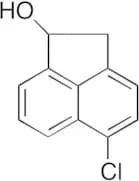
CAS:Prodotto controllatoApplications 5-Chloro-1,2-dihydro-1-acenaphthylenol is used in the preparation of benzimidazole derivatives as receptor agonists for the treatment of central nervous system diseases.
Formula:C12H9ClOColore e forma:NeatPeso molecolare:204.65O-Methyloxime Guanosine-13C15N2
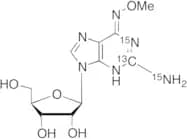
CAS:Prodotto controllatoApplications O-Methyloxime Guanosine-13C15N2 is an isotope labelled intermediate in the preparation of nucleotide analogs.
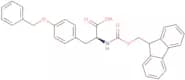
References Robins, M. J., et al.: J. Am. Chem. Soc., 105, 4059 (1983);Formula:C25H40O5Colore e forma:NeatPeso molecolare:420.582Fmoc-O-benzyl-L-tyrosine
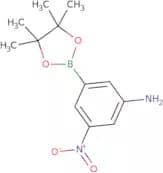
CAS:Fmoc-O-benzyl-L-tyrosine is a chalcone that is used as a monomer in the synthesis of polymers. It is also used to synthesize ciprofloxacin, which is an antibiotic with both bactericidal and bacteriostatic activity. Fmoc-O-benzyl-L-tyrosine has been shown to have pharmacokinetic properties that are similar to those of ciprofloxacin. This drug has been shown to reduce renal injury in rats with chronic kidney disease by preventing the accumulation of proteinaceous materials. Fmoc-O-benzyl-L-tyrosine has also been shown to be antibacterial, and can inhibit the growth of subtilis, a bacterial strain that causes chronic kidney disease.Formula:C31H27NO5Purezza:Min. 95%Colore e forma:White PowderPeso molecolare:493.55 g/mol3-Amino-5-nitrophenylboronic acid pinacol ester
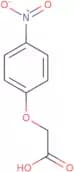
CAS:3-Amino-5-nitrophenylboronic acid pinacol ester is a versatile building block that can be used in the synthesis of complex compounds. This compound has been shown to have useful properties in research chemicals and as reagents or speciality chemicals. Useful intermediates are usually synthesized from 3-Amino-5-nitrophenylboronic acid pinacol ester, which is also a useful scaffold for the synthesis of other compounds.Formula:C12H17BN2O4Purezza:Min. 95%Colore e forma:Yellow PowderPeso molecolare:264.09 g/mol2-(4-Nitrophenoxy)acetic acid
CAS:2-(4-Nitrophenoxy)acetic acid is a chemical compound with the molecular formula CHNO. It has been shown to inhibit the polymerase chain reaction, which is an important technique in molecular biology. The intramolecular hydrogen bond between HN and OO stabilizes the molecule and inhibits its rotation. This allows 2-(4-Nitrophenoxy)acetic acid to function as a competitive inhibitor of DNA polymerase. 2-(4-Nitrophenoxy)acetic acid inhibits bacterial growth by binding to the beta subunit of DNA gyrase, an enzyme that maintains the integrity of bacterial DNA. This inhibition prevents topoisomerase IV from relaxing supercoiled DNA, leading to cell death by inhibiting protein synthesis and cell division.Formula:C8H7NO5Purezza:Min. 95%Colore e forma:PowderPeso molecolare:197.14 g/mol(R)-(-)-1,1'-Binaphthyl-2,2'-diyl hydrogen phosphate
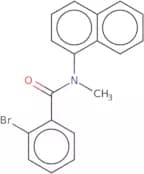
CAS:Intermediate in the synthesis of bedaquilineFormula:C20H13O4PPurezza:Min. 95%Colore e forma:PowderPeso molecolare:348.29 g/molN-Methyl-N-(1-naphthyl)-2-bromobenzamide
CAS:N-Methyl-N-(1-naphthyl)-2-bromobenzamide is a high quality reagent that is used as a complex compound. It has CAS No. 74881-58-6 and it can be used as a useful intermediate, fine chemical or speciality chemical. N-Methyl-N-(1-naphthyl)-2-bromobenzamide is also a versatile building block that is used in reactions to synthesize other compounds.Formula:C18H14BrNOPurezza:Min. 95%Peso molecolare:340.21 g/molCoumarin 152
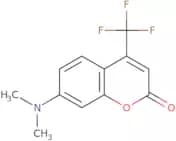
CAS:Coumarin 152 is a coumarin derivative that was developed as a fluorescent probe for phospholipid membranes. Coumarin 152 binds to the acyl chains of the lipid bilayer and has been shown to be useful in assessing the integrity of the membrane. Coumarin 152 is also used as a substrate for cytochrome P450 activity and human serum, which can be used as an indicator for liver function. Coumarin 152 also has clinical use in detecting dinucleotide phosphate (DNP) levels in urine, which are elevated with diabetes mellitus or renal failure.Formula:C12H10F3NO2Purezza:Min. 95%Colore e forma:Slightly Yellow PowderPeso molecolare:257.21 g/mol4-Amino-pyridine-2-carboxylic acid methyl ester
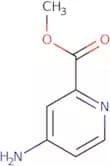
CAS:4-Amino-pyridine-2-carboxylic acid methyl ester is a compound that is used as a reactant, reagent, and building block in organic synthesis. It is also useful for the preparation of complex compounds. 4-Amino-pyridine-2-carboxylic acid methyl ester is soluble in water and has a melting point of 183°C. The CAS number for this chemical is 71469-93-7.Formula:C7H8N2O2Purezza:Min. 95%Colore e forma:White PowderPeso molecolare:152.15 g/molRivastigmine
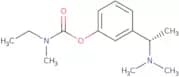
CAS:Prodotto controllatoAcetylcholinesterase and butyrylcholinesterase inhibitorFormula:C14H22N2O2Purezza:Min. 95%Colore e forma:PowderPeso molecolare:250.34 g/molL-Methionine ethyl ester HCl
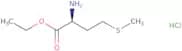
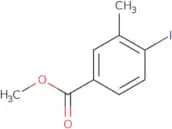
CAS:L-Methionine ethyl ester HCl is a chiral compound that is an amino acid. It is not used in the synthesis of proteins, but instead for use as a nutritional supplement. L-Methionine ethyl ester HCl has been shown to have regenerative properties in tissue culture and tumor cell lines. It may also be useful for the synthesis of peptides or other products using enzymatic methods.Formula:C7H15NO2S·HClPurezza:Min. 95%Colore e forma:White To Off-White SolidPeso molecolare:213.73 g/mol4-Iodo-3-methylbenzoic acid methyl ester
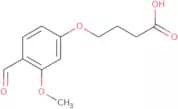
CAS:4-Iodo-3-methylbenzoic acid methyl ester is a chemical that is structurally analogous to 4-iodo-2,5-dimethoxybenzoic acid methyl ester. It is synthesized by the reaction of 3-methylbenzoic acid with ethyl chloroformate and iodomethane. 4-Iodo-3-methylbenzoic acid methyl ester has been shown to inhibit o6 alkylguanine DNA alkyltransferase (AGT) and o6 alkylguanine dna glycosylase (AGG). AGT and AGG are enzymes that repair DNA damage caused by reactive oxygen species. This inhibition leads to the accumulation of DNA damage in cells and induces apoptosis.Formula:C9H9IO2Purezza:90%Colore e forma:PowderPeso molecolare:276.07 g/mol4-(4-Formyl-3-methoxyphenoxy)butanoic acid
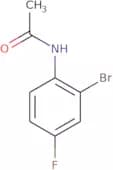
CAS:Prodotto controllato4-(4'-Formyl-3'-methoxyphenoxy)butanoic acid is a carboxylate that can be used as a preloaded reagent for the synthesis of peptides, proteins, and other organic molecules. 4-(4'-Formyl-3'-methoxyphenoxy)butanoic acid has been shown to be an efficient linker for solid-phase peptide synthesis. 4-(4'-Formyl-3'-methoxyphenoxy)butanoic acid is labile to hydrolysis and so should be stored in an organic solvent such as dimethylsulfoxide. The carboxylate group is readily available in the form of its sodium salt, which can be synthesized by reacting sodium acetate with formaldehyde.Formula:C12H14O5Purezza:Min. 95%Colore e forma:PowderPeso molecolare:238.24 g/mol2'-Bromo-4'-fluoroacetanilide
CAS:2'-Bromo-4'-fluoroacetanilide is a synthetic derivative of acetanilide that is used in the treatment of diabetes mellitus. It has been shown to have antidiabetic properties as well as to inhibit the formation of nitrosamines, which are carcinogenic compounds. The synthesis of 2'-bromo-4'-fluoroacetanilide involves the addition of bromine and sodium hydrogen to acetylated acetanilide. This reaction occurs in a reaction vessel at an elevated temperature, with the solvent being an organic solvent. The final product is isolated by distillation and purified by recrystallization or column chromatography. Molecular docking analysis has shown that 2'-bromo-4'-fluoroacetanilide binds to ATP synthase, which is involved in gluconeogenesis and glycolysis, leading to its ability to inhibit glucose production in cells.Formula:C8H7BrFNOPurezza:Min. 95%Peso molecolare:232.05 g/mol2-Nitro-1,8-naphthalic anhydride
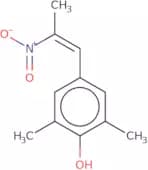
CAS:2-Nitro-1,8-naphthalic anhydride is a chemical compound that is used as a photochemical reagent. It reacts with amines to produce nitrosoamines, which are useful in the detection of dna duplexes and nucleophiles. 2-Nitro-1,8-naphthalic anhydride has fluorescence properties and is used as a photoacceptor in photophysical studies. This molecule has been shown to be stable when exposed to light and can be used for optical measurements. 2-Nitro-1,8-naphthalic anhydride is soluble in organic solvents such as chloroform or ether and insoluble in water.Formula:C12H5NO5Purezza:90%Colore e forma:PowderPeso molecolare:243.17 g/mol4'-Hydroxy-3',5-beta-trimethyl-beta-nitrostyrene
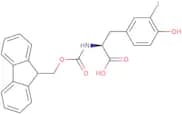
CAS:4'-Hydroxy-3',5-beta-trimethyl-beta-nitrostyrene is a high quality reagent that can be used in the synthesis of complex compounds. It has been shown to be an intermediate for the synthesis of fine chemicals, as well as useful scaffold and building block in research chemicals. 4'-Hydroxy-3',5-beta-trimethyl-beta-nitrostyrene is a versatile building block that has been used in many reactions as a reaction component. CAS No. 53205-17-7Formula:C11H13NO3Purezza:Min. 95%Peso molecolare:207.23 g/molFmoc-3-iodo-L-tyrosine
CAS:Fmoc-3-iodo-L-tyrosine is a fine chemical that belongs to the category of versatile building blocks. It can be used as a reagent, speciality chemical, and useful scaffold in the synthesis of complex compounds. Fmoc-3-iodo-L-tyrosine is a high quality material with a purity of 98%. It has been used as an intermediate for research chemicals and useful building blocks.Formula:C24H20NO5IPurezza:Min. 97.5 Area-%Colore e forma:PowderPeso molecolare:529.32 g/mol3'-(Trimethoxyphenyl)acetone
3'-(Trimethoxyphenyl)acetone is a reagent and useful scaffold for the synthesis of complex compounds. It is also used as a reaction component in the preparation of valuable research chemicals, specialty chemicals, and fine chemicals. 3'-(Trimethoxyphenyl)acetone has been shown to be an effective building block for synthesizing complex compounds, such as heterocycles. This chemical has a CAS number of 689-52-3.
Purezza:Min. 95%[2,3'-Bipyridin]-6'-amine
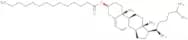
CAS:2,3'-Bipyridin-6'-amine is a chemical compound that is used as a building block for more complex molecules. It has high quality and can be used to make many different compounds. 2,3'-Bipyridin-6'-amine is versatile and can be used in the synthesis of a variety of compounds. It is also an intermediate in a number of reactions, including the formation of pyrimidine analogs. This chemical has been shown to be useful in the creation of new drugs for cancer treatment and other diseases.Formula:C10H9N3Purezza:Min. 95%Colore e forma:Off-White PowderPeso molecolare:171.2 g/molCholesterol Myristate
CAS:Prodotto controllatoCholesterol Myristate is a fatty acid that is found in the outer membrane of cells. It has been shown to be an effective cationic surfactant and to form films at low concentrations. Cholesterol Myristate is used in the manufacture of anti-infective ointments, lotions, creams, and other skin care products. It has also been used as a film-forming polymer for cosmetic applications such as mascara and lipsticks. The phase transition temperature for cholesterol myristate is about -10°C. This means that it will not crystallize until the temperature drops below 10°C. The human serum stability of cholesterol myristate is low because the hydroxyl group interacts with water molecules, causing hydrolysis and oxidation reactions.
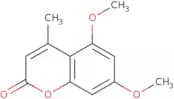
Formula:C41H72O2Purezza:Min. 95%Colore e forma:PowderPeso molecolare:597.01 g/mol4-Methyl-5,7-dimethoxycoumarin
CAS:4-Methyl-5,7-dimethoxycoumarin is a coumarin derivative that has been synthesized from acetonitrile and aluminium. It is used as an antiplatelet drug in the treatment of cardiovascular diseases such as unstable angina, myocardial infarction, and transient ischemic attack. 4-Methyl-5,7-dimethoxycoumarin reversibly inhibits platelet aggregation by blocking the platelet receptor P2Y12 on the surface of platelets. This drug also has antioxidant effects and can be used to identify markers associated with cardiovascular disease.
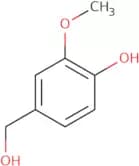
Formula:C12H12O4Purezza:Min. 95%Peso molecolare:220.22 g/molVanillyl alcohol
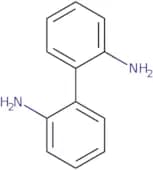
CAS:Vanillyl alcohol is a vanillin derivative that exhibits strong antibacterial activity. It can be used in the food industry as a natural preservative, and it has synergic effects with eugenol. Vanillyl alcohol shows antimicrobial properties against Gram-positive and Gram-negative bacteria, including Staphylococcus aureus, Pseudomonas aeruginosa, Escherichia coli, and Enterococcus faecalis. Vanillyl alcohol exhibits synergic effects with eugenol. In vivo models show that vanillyl alcohol is not toxic to humans, but it may be toxic to wild-type strains of bacteria.Formula:C8H10O3Purezza:Min. 98 Area-%Colore e forma:White PowderPeso molecolare:154.16 g/molBiphenyl-2,2'-diamine
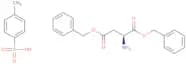
CAS:Biphenyl-2,2'-diamine is a hydrogen bond donor. It is an organic compound with a molecular formula of C6H5NH that has two amine groups. The compound is gaseous at room temperature and it has a boiling point below 400 degrees Celsius. It reacts with ethanolic solutions to form colorless crystals that are soluble in water. Biphenyl-2,2'-diamine has been shown to have antiinflammatory activity in rats. This activity may be due to biphenyl-2,2'-diamine's ability to inhibit the production of prostaglandins by inhibiting cyclooxygenase (COX).Formula:C12H12N2Purezza:Min. 95%Colore e forma:Off-White Clear LiquidPeso molecolare:184.24 g/molL-Aspartic acid dibenzyl ester p-toluenesulfonate salt
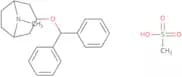
CAS:Aspartic acid derivativeFormula:C18H19NO4·C7H8O3SPurezza:Min. 95%Colore e forma:White PowderPeso molecolare:485.55 g/molBenztropine mesylate
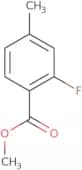
CAS:Benztropine is a drug that binds to the 5-HT2 receptors in the brain, which are involved in the regulation of many physiological functions, including motor control and memory. Benztropine is used primarily as an antiparkinsonian drug. It also has been shown to inhibit uptake of dopamine by blocking the dopamine transporter. This inhibition prevents reuptake of dopamine into presynaptic neurons, leading to increases in extracellular levels of dopamine and increased activity at dopaminergic synapses. Benztropine has been found to be a low-potency inhibitor of binding to certain other drugs, such as tricyclic antidepressant drugs and pharmacological agents.Formula:C21H25NO·CH4O3SPurezza:Min. 95%Colore e forma:PowderPeso molecolare:403.54 g/mol2-Fluoro-4-methylbenzoic acid methyl ester
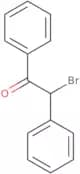
CAS:2-Fluoro-4-methylbenzoic acid methyl ester is a versatile building block useful for the synthesis of a variety of compounds. It is an important intermediate and research chemical that can be used as a reaction component or speciality chemical. 2-Fluoro-4-methylbenzoic acid methyl ester is also a useful building block with high quality and reagent.Formula:C9H9FO2Purezza:Min. 95%Colore e forma:Clear LiquidPeso molecolare:168.16 g/mol2-Bromo-2-phenylacetophenone
CAS:2-Bromo-2-phenylacetophenone is a drug that has been used in the treatment of brain disorders. It is also an antioxidant that prevents radiation damage to the brain by absorbing radiation energy and dissipating it as heat. 2-Bromo-2-phenylacetophenone has shown neuroprotective effects in animals by inhibiting the activity of cyclooxygenase (COX)-2, which is related to cancer and inflammation. This substance can be synthesized by reacting sodium carbonate or hydroxide with an alkanoic acid in the presence of trifluoroacetic acid. The reaction products are separated from unreacted reactants and other impurities by solid phase synthesis, purified, and characterized using nuclear magnetic resonance spectra.
Formula:C14H11BrOPurezza:Min. 95%Colore e forma:Off-White To Light Brown SolidPeso molecolare:275.14 g/mol1-{{[5-(4-Nitrophenyl)-2-furanyl]methylene}amino}-2,4-imidazolidinedione
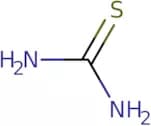
CAS:Dantrolene is an experimental model for malignant hyperthermia, a rare genetic condition that can cause muscle rigidity and death. Dantrolene has been shown to inhibit the activity of the dinucleotide phosphate (NADH) dehydrogenase enzyme in muscle cells. In addition, it inhibits calcium release from the sarcoplasmic reticulum and activates ryanodine receptors. Dantrolene also inhibits muscle contractions and prevents neuronal death by inhibiting the release of glutamate.Formula:C14H10N4O5Purezza:Min. 95%Colore e forma:SolidPeso molecolare:314.25 g/molThiourea
CAS:Thiourea is a chemical compound that is used as a fungicide, herbicide, and anti-fouling agent in water treatment plants. It has been shown to have an inhibitory effect on the growth of some cancer cells. Thiourea also has a negative charge and can be used to adsorb proteins and other organic compounds onto its surface. This property can be exploited for analytical purposes, such as determining the concentration of protein in human serum or wastewater treatment. In addition, thiourea has been shown to have a strong affinity for divalent cations such as Ca2+, Mg2+, Mn2+, Fe2+, Cu2+, Zn2+, Cd2+, Pb2+ etc. These ions are necessary for the activity of enzymes involved in energy metabolism and redox potentials. Thiourea is also known to bind with nucleic acids by electrostatic interactions with phosphate groups on the ribose sugar backbone of DNA or RNA molecules,
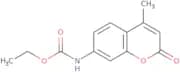
Formula:CH4N2SPurezza:(Titration) Min. 98%Colore e forma:PowderPeso molecolare:76.12 g/mol7-Carbethoxyamino-4-methylcoumarin
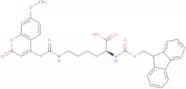
CAS:7-Carbethoxyamido-4-methylcoumarin is a aminocoumarin that exhibits anticancer activity. It is able to inhibit the activity of DPP-IV, an enzyme that degrades insulin in the body. 7-Carbethoxyamido-4-methylcoumarin has been shown to inhibit cancer cells and lung cancer cell lines, as well as breast cancer cells and cells with diabetes. This compound has also been shown to have anticancer activity in vivo in rats.Formula:C13H13NO4Purezza:Min. 90%Colore e forma:PowderPeso molecolare:247.25 g/molN-alpha-Fmoc-Nepsilon-7-methoxycoumarin-4-acetyl-L-lysine
CAS:N-alpha-Fmoc-Nepsilon-7-methoxycoumarin-4-acetyl-L-lysine is a fluorogenic molecule that is synthesized by the solid phase method. It is an analog of lysine, which is a bioactive amino acid. This compound binds to copper and exhibits fluorescence emission at 585 nm when excited at 488 nm. N-alpha-Fmoc-Nepsilon-7-methoxycoumarin-4-acetyl-L-lysine can be used as a substrate for bone growth in vitro and in vivo. It can also be used as a labeling reagent for bone tissue, such as bone sections or cells. It has been shown to produce osteogenic activity in vitro and in vivo.Formula:C33H32N2O8Purezza:Min. 97 Area-%Colore e forma:PowderPeso molecolare:584.62 g/mol1-(3-Methylphenyl)-2-nitropropene
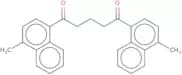
CAS:1-(3-methylphenyl)-2-nitropropene is a versatile building block that is used in the synthesis of complex compounds. It is also an intermediate for the synthesis of other chemicals, such as reaction components and useful scaffolds. It has been shown to be high quality and useful as reagent and speciality chemical.Formula:C10H11NO2Purezza:Min. 95%Peso molecolare:177.2 g/mol1,5-Bis(4-Methyl-naphthalene-1-yl)-pentane-1,5-dione
CAS:1,5-Bis(4-Methyl-naphthalene-1-yl)-pentane-1,5-dione is a high quality chemical that is used as an intermediate in the production of various complex compounds. It has been shown to be a useful scaffold for the synthesis of novel compounds with a variety of properties and uses. This compound can be used as a building block in reactions to produce speciality chemicals, research chemicals, and versatile building blocks. 1,5-Bis(4-Methyl-naphthalene-1-yl)-pentane-1,5-dione is also a reaction component that is used in the synthesis of various other compounds.Formula:C27H24O2Purezza:Min. 95%Peso molecolare:380.48 g/mol1-(2-Methylphenyl)-2-nitropropene
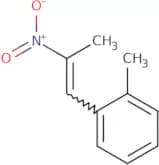
CAS:1-(2-Methylphenyl)-2-nitropropene is a high quality reagent that is used as a complex compound, useful intermediate, and fine chemical. It has been shown to be a versatile building block for the synthesis of various organic compounds. 1-(2-Methylphenyl)-2-nitropropene is a speciality chemical with CAS No. 103205-27-2. This compound can be used in research chemicals or as a reaction component for the synthesis of other substances.Formula:C10H11NO2Purezza:Min. 95%Peso molecolare:177.2 g/molDL-Methionine
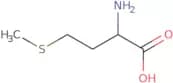
CAS:DL-Methionine is a naturally occurring amino acid that is essential for healthy protein synthesis. Methionine can be synthesized by the human body, but it must be consumed through diet. DL-Methionine has been shown to have anti-obesity properties in vitro and in vivo models. It also helps maintain normal levels of calcium and pantothenate in the blood and supports the function of the immune system. DL-Methionine may also have effects on locomotor activity, body mass index, and peptide hormones.Formula:C5H11NO2SPurezza:Min. 95%Colore e forma:White PowderPeso molecolare:149.21 g/mol3,6-Dinitro-1,8-naphthalenedicarboxylicanhydride
CAS:3,6-Dinitro-1,8-naphthalenedicarboxylic anhydride is a fine chemical that is used as a building block in the synthesis of other compounds. It is also used as a reagent and can be found in research chemicals with CAS No. 3807-80-5. 3,6-Dinitro-1,8-naphthalenedicarboxylic anhydride is versatile and has many uses as a reaction component. The compound can be used to produce complex compounds or scaffolds that are useful in research.Formula:C12H4N2O7Purezza:Min. 95%Colore e forma:Beige PowderPeso molecolare:288.17 g/mol3,3'-Dipropylthiadicarbocyanine iodide
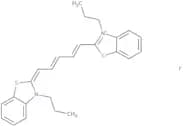
CAS:3,3'-Dipropylthiadicarbocyanine iodide (3DTI) is a proton-carrying compound that has been used extensively as a probe for measuring the cytosolic calcium concentration ([Ca2+]c). This agent binds to the cyclic lipopeptide cation channel in the bacterial cell membrane, inhibiting the uptake of organic anions. 3DTI can also be used to measure mitochondrial membrane potential by monitoring changes in its fluorescence intensity. The antimicrobial activity of 3DTI is due to its ability to inhibit bacteria that are resistant to antibiotics and other antimicrobial peptides. 3DTI binds to DNA at specific sites in the genome and targets intracellular targets such as mitochondria.
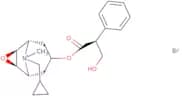
Formula:C25H27IN2S2Purezza:Min. 97 Area-%Colore e forma:PowderPeso molecolare:546.53 g/molCimetropium bromide
CAS:Cimetropium bromide is a pharmacological agent that binds to muscarinic receptors, inhibiting the release of acetylcholine. It is used in the treatment of bowel disease, such as constipation and irritable bowel syndrome. Cimetropium bromide has been shown to be effective in treating symptoms of these diseases, including decreased intestinal motility, increased stool consistency, and relief from abdominal pain. Cimetropium bromide has also been found to be effective in reducing symptoms of inflammatory bowel disease. This drug inhibits the release of acetylcholine by binding with muscarinic receptors on the smooth muscle cells lining the intestine and bladder. Cimetropium bromide is a potent antimuscarinic agent that can cause dry mouth and blurred vision.
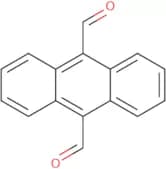
Formula:C21H28BrNO4Purezza:Min. 95%Colore e forma:White PowderPeso molecolare:438.36 g/mol9,10-Anthracenedicarboxaldehyde
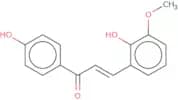
CAS:9,10-Anthracenedicarboxaldehyde is a chemical compound that is used to measure the terminal half-life of drugs in humans. It is an inhibitor of collagen synthesis and has anticancer properties. 9,10-Anthracenedicarboxaldehyde has been shown to inhibit cancer cells by interfering with DNA replication and cell division. The chemical stability of 9,10-anthracenedicarboxaldehyde has been demonstrated in the reaction solution by the formation of chloromethyl ketone. This product also inhibits activity at the camp level and shows antineoplastic properties. The terminal half-life of 9,10-anthracenedicarboxaldehyde was determined to be 48 hours in a study involving human volunteers. The terminal half-life of this product can be shortened by hydrochloric acid or nitro (a reagent).Formula:C16H10O2Purezza:Min. 95%Colore e forma:PowderPeso molecolare:234.25 g/mol4',2-Dihydroxy-3-methoxychalcone
CAS:4,2-Dihydroxy-3-methoxychalcone is a fine chemical that is useful in the synthesis of various pharmaceuticals and other chemicals. It is a versatile building block that can be used as a reaction component or intermediate in the synthesis of complex compounds. 4,2-Dihydroxy-3-methoxychalcone has been shown to be a high quality reagent for use in the synthesis of speciality chemicals and research chemicals. This compound is also useful as a scaffold for the development of new drugs.
Formula:C16H14O4Purezza:Min. 95%Peso molecolare:270.28 g/mol2,4,6-Trimethoxybenzoic acid methyl ester
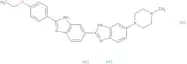
CAS:2,4,6-Trimethoxybenzoic acid methyl ester is a yellow crystalline solid that can be dissolved in acetone, chloroform, ether, and benzene. It has a molecular weight of 164.3 g/mol and its chemical name is 2,4,6-trimethoxybenzoic acid methyl ester. It has a melting point of 144 °C and can be found in the hexanones group. This product is manufactured in Australia and its registry number is 135949-06-8.Formula:C11H14O5Purezza:Min. 95%Peso molecolare:226.23 g/molHoechst 33342
CAS:2'-(4-Ethoxyphenyl)-5-(4-methyl-1-piperazinyl)-2,5'-bi-1H-benzimidazole trihydrochloride (EPMB) is a DNA binding agent that is used in tumor detection and research into apoptosis. It has been shown to inhibit the activity of p-glycoprotein, which is an efflux pump protein, and Bcl-2 protein. EPMB has also been shown to cause apoptosis in human squamous cell carcinoma cells in a concentration dependent manner. This compound has shown potential as a treatment for cancer because it inhibits the ability of cancer cells to proliferate by binding to the NMDA receptor.
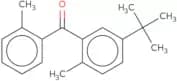
Formula:C27H28N6O·3HCl·xH2OPurezza:Min. 95%Colore e forma:Yellow PowderPeso molecolare:561.93 g/mol2,2'-Dimethyl-5-tert-butylbenzophenone
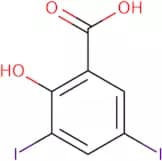
CAS:2,2'-Dimethyl-5-tert-butylbenzophenone is a versatile building block that can be used for the synthesis of complex compounds. It is also a reagent and speciality chemical that has many applications in research. 2,2'-Dimethyl-5-tert-butylbenzophenone is a high quality compound with many uses as a reaction component or scaffold for organic synthesis. It is available from Sigma Aldrich in both powder and liquid form. The CAS number of this compound is 50460-53-2.Formula:C19H22OPurezza:Min. 95%Peso molecolare:266.38 g/mol3,5-Diiodosalicylic acid
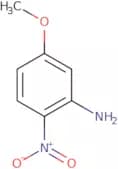
CAS:3,5-Diiodosalicylic acid is a chemical compound that has been used in biological studies to study the kinetic energy of nuclear DNA and to examine the surface glycoprotein receptors. It binds tightly to copper chloride and lithium and can be used as an inhibitor for receptor activity. 3,5-Diiodosalicylic acid has also been shown to have anti-inflammatory effects in hl-60 cells by inhibiting the production of cytokines such as IL-1β, TNFα, IL-6, IL-10, and GM-CSF.Formula:C7H4I2O3Purezza:Min. 95%Colore e forma:PowderPeso molecolare:389.91 g/mol5-Methoxy-2-nitrophenylamine
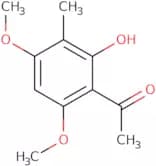
CAS:5-Methoxy-2-nitrophenylamine (5MN) is a synthetic compound. It has been shown to produce an inhibitory effect on Alzheimer's disease and Leishmania infantum by inhibiting the formation of amyloid beta (Aβ) and leishmanicidal alpha-ketoglutarate, respectively. 5MN has also been observed to stabilize supramolecular structures in magnetic resonance spectroscopy experiments. This chemical is synthesized from 4-amino-3-nitrophenol and methylamine by reacting them in the presence of sodium hydroxide and sulfuric acid under refluxing conditions. The reaction products are analyzed using FTIR spectroscopy, as shown below:Formula:C7H8N2O3Purezza:Min. 95%Colore e forma:PowderPeso molecolare:168.15 g/mol4',6'-Dimethoxy-2'-hydroxy-3-methylacetophenone
CAS:4,6-Dimethoxy-2-hydroxy-3-methylacetophenone belongs to the group of natural products. It is a phenolic compound that has been isolated from the leaves of plants in the genus Eucalyptus. 4,6-Dimethoxy-2-hydroxy-3-methylacetophenone has shown cytotoxic activity against cancer cells in an animal bioassay and inhibits tumor growth by inhibiting protein synthesis. This compound also exhibits chemosystematic properties and may be useful for research on natural products.
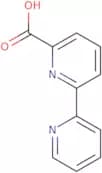
Formula:C11H14O4Purezza:Min. 95%Colore e forma:White PowderPeso molecolare:210.23 g/mol2,2'-Bipyridine-6-carboxylic acid
CAS:2,2'-Bipyridine-6-carboxylic acid is a reagent that is used in organic synthesis as a reaction component and building block for the synthesis of heterocyclic compounds. 2,2'-Bipyridine-6-carboxylic acid is also used as a precursor to produce other compounds. 2,2'-Bipyridine-6-carboxylic acid has been shown to be useful in the synthesis of complex compounds with diverse structures, making it a versatile building block. It can also be used as an intermediate in the synthesis of various drugs and speciality chemicals.
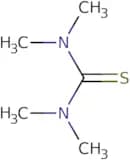
Formula:C11H8N2O2Purezza:Min. 95%Colore e forma:Off-White PowderPeso molecolare:200.19 g/mol1,1,3,3-Tetramethyl-2-thiourea
CAS:1,1,3,3-Tetramethyl-2-thiourea is a model molecule that acts as a chemoattractant protein. The interaction of 1,1,3,3-tetramethyl-2-thiourea with the p2 group of an acidic reaction solution produces hydrogen bonding interactions that are highly reactive. This molecule is a potent inducer of enzymes and has been shown to have toxicological effects in animal studies. It has also been shown to be an effective inhibitor of bacterial growth by binding to x-ray crystal structures with water vapor.
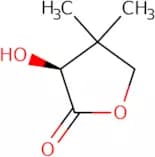
Formula:C5H12N2SPurezza:Min. 95%Colore e forma:White To Yellow SolidPeso molecolare:132.23 g/molL-Pantolactone
CAS:L-Pantolactone is an organic compound that belongs to the group of pantothenic acid derivatives and is a metabolite of pantothenic acid. It can be synthesized by the asymmetric synthesis of cinchonidine using calcium pantothenate as a starting material. L-Pantolactone has been shown to have regulatory effects on the levels of various molecules, such as sequences, which may result in improved enzyme activity. The compound is found to have acidic properties and reacts with hydrochloric acid to form hydrogen tartrate.Formula:C6H10O3Purezza:Min. 95%Colore e forma:White To Off-White SolidPeso molecolare:130.14 g/molPhenylazosalicylic acid
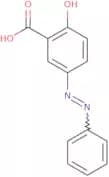
CAS:Phenylazosalicylic acid is a crystalline solid that belongs to the group of phenylacetic acids. It is synthesized by the reaction of nitric acid with salicylic acid, which is produced from the distillation of wood. Phenylazosalicylic acid has a molecular weight of 150.09 g/mol and a melting point of 123°C. The molecule is unionized in water and can be found in wastewater effluent at concentrations as high as 3 ppm. This compound has acidic properties and reacts with picric acid to form phenylazosalicylic picrate, which is used for the treatment of anthrax. Phenylazosalicylic acid also shows proton-pumping activity, which may be due to its ability to bind to anionic sites on proteins such as carbonic anhydrase II and H+/K+ ATPase.
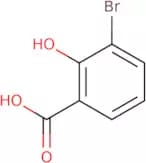
Formula:C13H10N2O3Purezza:Min. 95%Colore e forma:Orange PowderPeso molecolare:242.23 g/mol3-Bromosalicylic acid
CAS:3-Bromosalicylic acid is a metabolite of salicylic acid and has shown clinical use in the treatment of cancer. 3-Bromosalicylic acid is synthesized from cyclohexanol and chlorine. It is a toxic compound that has been shown to inhibit protein synthesis in bacteria, including soil bacteria, but not in mammalian cells. This is due to its interaction with organic ligands that are present in the bacterial cell wall and not in mammalian cells. 3-Bromosalicylic acid also has been found to be a ligand for the receptor, PI3Kδ inhibitor, which inhibits tumor growth and metastasis by inhibiting phosphatidylinositol 3-kinase (PI3K) delta activity.
Formula:C7H5BrO3Purezza:Min. 95%Colore e forma:PowderPeso molecolare:217.02 g/molMethacetin
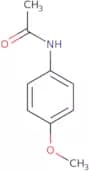
CAS:Methacetin is a chemical compound that is used in the diagnosis of liver impairment. It is a fatty acid and an inhibitor of certain enzymes. Methacetin inhibits the activity of the enzyme acetyl-CoA carboxylase, which catalyzes the conversion of acetyl-CoA to malonyl-CoA, thereby reducing fatty acid synthesis. Methacetin has been shown to be effective in inhibiting the activity of rat liver microsomes at concentrations of 0.01 mM and above. In addition, methacetin has been found to increase the body mass index (BMI) in rats with hepatic impairment and can be used as a biomarker for this condition. Methacetin has been shown to have a molecular docking score of -4.2 kcal/mol when it was docked against human hepatitis B virus (HBV). This indicates that there are strong hydrogen bonding interactions between methacetin and HBV proteins.
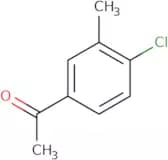
Formula:C9H11NO2Purezza:Min. 95%Colore e forma:PowderPeso molecolare:165.19 g/mol4'-Chloro-3'-methylacetophenone, 95%
CAS:4'-Chloro-3'-methylacetophenone, 95% is a white crystalline solid that is soluble in alcohols and ethers. It has been used as a reagent for the synthesis of acetophenones. The compound exhibits moderate solubility in water and reacts with aqueous alkalis to form salts. 4'-Chloro-3'-methylacetophenone, 95% also reacts with strong oxidizing agents to form peroxides and with acid chlorides to form esters.
Formula:C9H9ClOPurezza:Min. 95%Peso molecolare:168.62 g/mol2,2'-Dimethylazoxybenzene
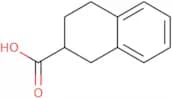
CAS:2,2'-Dimethylazoxybenzene is the active chemical in this product. It has been shown to be a reactive molecule that can undergo electron reduction. It is also an acidic compound that reacts with amines and carbon nanotubes to form azobenzene and nitrotoluene respectively. The mechanism of the reaction is not well understood but it is thought that a molecule with a double bond adjacent to the azoxy group may react with one of the hydrogen atoms on the double bond causing elimination of nitrogen gas and formation of azobenzene or nitrotoluene.Formula:C14H14N2OPurezza:Min. 95%Colore e forma:PowderPeso molecolare:226.27 g/mol1,2,3,4-Tetrahydro-2-naphthalenecarboxylic acid
CAS:1,2,3,4-Tetrahydro-2-naphthalenecarboxylic acid (1,2,3,4-THN) is an organic acid that can be metabolized by debromination or trifluoroacetic acid. It is a precursor for the synthesis of 5-caffeoylquinic acid and other biologically active compounds. 1,2,3,4-THN has been shown to have inhibitory effects on cancer cells. It also has chemical compositions including hydroxy groups and borohydride reduction sites that are important in its efficient method of synthesis.Formula:C11H12O2Purezza:Min. 95%Colore e forma:White PowderPeso molecolare:176.21 g/molN-Ethyl-3,3'-diphenyldipropylamine citrate
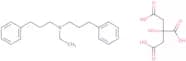
CAS:N-Ethyl-3,3'-diphenyldipropylamine citrate is a nonsteroidal anti-inflammatory drug (NSAID) that inhibits the activity of cyclooxygenase and lipoxygenase. It reduces pain, fever, and inflammation. The drug has been shown to be effective in the treatment of inflammatory bowel disease and colitis. N-Ethyl-3,3'-diphenyldipropylamine citrate is used for the relief of chronic and acute pain associated with osteoarthritis, rheumatoid arthritis, ankylosing spondylitis, or other forms of joint inflammation; as well as for temporary relief from the symptoms of minor aches or pains due to headache, toothache, muscular aches, backache, or menstrual cramps. N-Ethyl-3,3'-diphenyldipropylamine citrate also has been found to be effective in reducing symptoms associated with leukemiaFormula:C26H35NO7Purezza:Min. 95%Colore e forma:White Off-White PowderPeso molecolare:473.56 g/molBoc-L-tyrosine N-hydroxysuccinimide ester
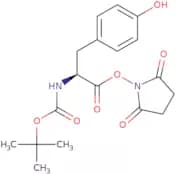
CAS:Boc-L-tyrosine N-hydroxysuccinimide ester is a linker that is used for the synthesis of peptides. It has good solubility in dimethylformamide and can be incorporated into synthetic peptides. Boc-L-tyrosine N-hydroxysuccinimide ester reacts with lysine residues to form amide bonds, which are stable under physiological conditions. It also has a hydroxy group that can be used to conjugate other molecules. This linker has been used in vitro studies and clinical trials, as well as for the preparation of peptidyl conjugates for histological analysis.
Formula:C18H22N2O7Purezza:Min. 95%Colore e forma:PowderPeso molecolare:378.38 g/mol3',5'-Difluoroacetophenone
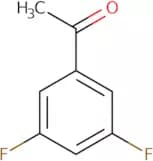
CAS:3',5'-Difluoroacetophenone is a synthetic compound that belongs to the tetradentate class of ligands. It is used as a fluorescent probe for metal ions and has been shown to have thermodynamic, systematic, and biomolecular enhancement properties. 3',5'-Difluoroacetophenone has also been used as a fluorescent probe in fluorescence resonance energy transfer (FRET) experiments. 3',5'-Difluoroacetophenone binds to metal cations, such as copper(II) ions. When this compound is protonated, it emits a strong fluorescence signal that can be detected by fluorophore-acceptor probes. This chemical can be orally taken and excreted in urine after metabolism by the liver and kidneys.
Formula:C8H6F2OPurezza:Min. 95%Colore e forma:PowderPeso molecolare:156.13 g/mol(S)-3-Amino-4-(1-naphthyl)butanoic acid hydrochloride
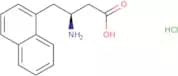
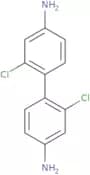
CAS:(S)-3-Amino-4-(1-naphthyl)butanoic acid hydrochloride is a high quality chemical that is used as a reaction component for the synthesis of complex organic compounds. It may also be used to produce fine chemicals, pharmaceuticals, and other useful compounds. This product has a wide variety of uses including as an intermediate in the production of speciality chemicals, as a building block for synthesizing more complex compounds, or as a precursor to producing other useful chemicals.Formula:C14H16ClNO2Purezza:Min. 95%Colore e forma:White PowderPeso molecolare:265.74 g/mol2,2'-Dichloro-1,1'-biphenyl-4,4'-diamine
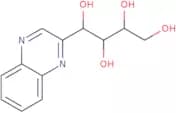
CAS:2,2'-Dichloro-1,1'-biphenyl-4,4'-diamine is a chemical that belongs to the class of organic compounds known as amines. It is insoluble in water and has a molecular weight of 190.8 g/mol. 2,2'-Dichloro-1,1'-biphenyl-4,4'-diamine has been shown to be carcinogenic in animals and can cause coagulation problems in humans. The compound also shows anti-inflammatory properties by inhibiting the production of prostaglandins.Formula:C12H10Cl2N2Purezza:Min. 95%Colore e forma:White/Off-White SolidPeso molecolare:253.13 g/mol2-(1',2',3',4'-Tetrahydroxybutyl)quinoxaline
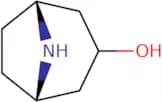
CAS:2-(1',2',3',4'-Tetrahydroxybutyl)quinoxaline is a chemical compound that is used as a versatile building block in the synthesis of complex compounds. It has been shown to be useful in reactions involving nucleophilic substitution, electrophilic addition, and oxidation. This compound has been used as a reagent for the synthesis of other fine chemicals and as an intermediate for research chemicals and speciality chemicals. 2-(1',2',3',4'-Tetrahydroxybutyl)quinoxaline has CAS No. 80840-09-1 and is soluble in organic solvents. The purity of this product is high, with less than 1% impurities.Formula:C12H14N2O4Purezza:Min. 95%Colore e forma:Off-White To Light Brown SolidPeso molecolare:250.25 g/molNortropine
CAS:Nortropine is an alkanoic acid with the molecular formula CHNO. It has been synthesized from 3-aminophenylacetic acid and can be used in pharmaceutical preparations as an aminopyrine derivative. Nortropine is a respiratory stimulant that is used for the treatment of chronic obstructive pulmonary disease (COPD) and asthma. It has also been shown to have anti-inflammatory properties, which may be due to its ability to inhibit prostaglandin synthesis.Formula:C7H13NOPurezza:Min. 95 Area-%Colore e forma:PowderPeso molecolare:127.18 g/molBiotin-PEG2-NHS
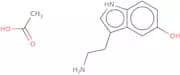
CAS:Biotin-PEG2-NHS is a PEG compound with two different functional groups (also known as heterobifunctional). Unlike homobifunctional PEG compounds (same functional group on both ends), this type of compounds are more versatile as have two different anchor points. Biotin-PEG2-NHS is used as a linker and spacer to add a PEG moiety, via pegylation (a bioconjugation technique) to proteins, peptides, oligonucleotides, small molecules and nanoparticles.Formula:C21H32N4O8SPurezza:Min. 95%Colore e forma:PowderPeso molecolare:500.57 g/molSerotonin hydrogen acetate
CAS:Prodotto controllatoSerotonin hydrogen acetate is a fine chemical with CAS No. 103360-13-0. It is a useful building block for research chemicals, such as serotonin hydrochloride, and speciality chemicals, such as serotonin phosphate. Serotonin hydrogen acetate has been used in the synthesis of a number of important compounds, including fluoxetine hydrochloride (Prozac), alpha-methylserotonin hydrochloride (PMS), and 5-hydroxytryptophan (5HTP). This compound is also an important reaction component for complex organic syntheses that require a versatile building block or scaffold.Formula:C10H12N2O·C2H4O2Purezza:Min. 95%Peso molecolare:236.27 g/mol3-Cyanomethylbenzoic acid methyl ester
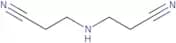
CAS:3-Cyanomethylbenzoic acid methyl ester is a synthetic chemical compound that is used as an intermediate in the production of other chemicals. It is a chlorination agent that reacts with toluene and methanol in the presence of chlorine to produce 3-chloromethylbenzoic acid methyl ester. This reaction also produces a byproduct called sulphone, which can be converted into acylation reagents for use in organic synthesis. The chloride ion can be used for cyanation reactions, which are useful for producing dyes or pharmaceuticals.Formula:C10H9NO2Purezza:Min. 95%Colore e forma:SolidPeso molecolare:175.18 g/mol3,3'-Iminodipropionitrile
CAS:3,3'-Iminodipropionitrile (IDPN) is a chiral molecule that has been studied as an experimental model for copper chloride toxicity. IDPN has been shown to inhibit the production of stem cell factor and atp levels in a mouse model. IDPN also reduces locomotor activity and alters histological analysis of the mouse hippocampus. 3,3'-Iminodipropionitrile is a toxic compound that can be used in tissue culture studies to study the effects of amines on cells.Formula:C6H9N3Purezza:Min. 95%Peso molecolare:123.16 g/molL-Threonine tert-butyl ester hydrochloride
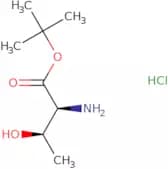
CAS:L-Threonine tert-butyl ester hydrochloride is a fine chemical that is used as a building block for complex compounds. It is also a reagent and speciality chemical with many uses in research, including the synthesis of pharmaceuticals. L-Threonine tert-butyl ester hydrochloride can be used as an intermediate in the synthesis of high quality pharmaceuticals, such as antibiotics and antifungals. This product is also useful as a scaffold for new drug development.
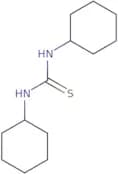
Formula:C8H17NO3·HClPurezza:Min. 95%Colore e forma:White PowderPeso molecolare:211.69 g/mol1,3-Dicyclohexylthiourea
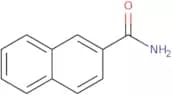
CAS:Dicyclohexylthiourea is a corrosion inhibitor that inhibits the corrosion of metals in acidic media. It is an amphoteric compound and can act as both a base or an acid depending on the pH of the solution. It has been used as a corrosion inhibitor in hydrochloric acid and sodium sulfide solutions. Dicyclohexylthiourea reacts with chloride ion to form hydrochloric acid, which reduces corrosion by preventing the formation of chlorides at metal surfaces. This agent also has anti-inflammatory properties that are due to its ability to inhibit prostaglandin synthesis. Dicyclohexylthiourea is readily soluble in water and can be synthesized by reacting dicyclohexylurea with hydrogen chloride gas at room temperature.Formula:C13H24N2SPurezza:Min. 95%Peso molecolare:240.41 g/molbeta-Naphthamide
CAS:Beta-naphthamide is an inhibitor binding to the dinucleotide phosphate (DNP) in bacterial cells. This binding prevents the enzyme from carrying out its normal function, which is the production of ATP, and it also inhibits various other enzymes. Beta-naphthamide inhibits the growth of Gram-positive bacteria by inhibiting their cell wall assembly and also has a bactericidal effect on Gram-negative bacteria. Beta-naphthamide has been shown to be active against multidrug efflux pump proteins that are present in Gram-negative bacteria, such as Escherichia coli. DNP is a receptor for dopamine and beta-naphthamide inhibits dopamine receptors in mammalian cells, which may lead to Parkinson's disease. Beta-naphthamide has been shown to inhibit the polymerase chain reaction (PCR) mechanism by binding to DNA polymerase. Beta-naphthamide binds to receptors on trigeminal nerve endings, which leads to paralysis ofFormula:C11H9NOPurezza:Min. 95%Peso molecolare:171.2 g/mol(S)-(-)-1-(1-Naphthyl)ethyl amine
CAS:(S)-(-)-1-(1-Naphthyl)ethyl amine is a chromatographic stationary phase that is used in the separation of fatty acids. It consists of an amine group bound to a naphthalene ring, which is tethered to a long alkyl chain. The stationary phase can be immobilized on silica gel or other solid support matrixes and is useful for analyzing fatty acids. This stationary phase can also be used as a model system to study the interactions between fatty acid molecules and other compounds. The enantiomers (R)-(+)-1-(1-naphthyl)ethyl amine and (S)-(-)-1-(1-naphthyl)ethyl amine are available. Although these two compounds are homologues, they have different physical properties, such as boiling points and melting points. Using an analytical method called high performance liquid chromatography (HPLC), it is possible to separate these two enantiomerFormula:C12H13NPurezza:Min. 95%Colore e forma:Slightly Yellow Clear LiquidPeso molecolare:171.24 g/mol2'-Hydroxy-5'-nitrohexadecanamide sodium
CAS:2'-Hydroxy-5'-nitrohexadecanamide sodium is a reagent that can be used for a variety of laboratory reactions. It is a versatile building block, useful intermediate, and useful building block for complex compounds. This compound has also been shown to be useful in the synthesis of pharmaceuticals and other fine chemicals.Formula:C22H36N2O4NaPurezza:Min. 95%Peso molecolare:415.52 g/mol(1S)-(+)-10-Camphorsulfonic acid
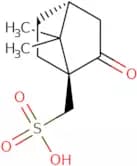
CAS:(1S)-(+)-10-Camphorsulfonic acid is an organolithium compound that is used as a reagent in organic synthesis. It has been shown to have antimicrobial activity against Gram-positive and Gram-negative bacteria, including methicillin-resistant Staphylococcus aureus (MRSA). The bathochromic shift observed in the infrared spectrum of camphorsulfonic acid at 860 nm is due to the hydrogen bonding between sulfonic acid groups. Camphorsulfonic acid has also been shown to inhibit dipeptidyl peptidase-IV, which results in increased levels of butyric acid, a short chain fatty acid. This inhibition may be responsible for its use as an adjuvant for vaccines.Formula:C10H16O4SPurezza:Min. 95%Colore e forma:PowderPeso molecolare:232.3 g/mol2,2'-Dithiobisbenzanilide
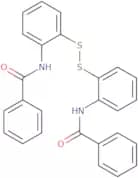
CAS:2,2'-Dithiobisbenzanilide is a dithiobenzoic acid derivative which can be used as a reagent in analytical chemistry. It has been shown to cleave the fatty acids of boron nitride and to provide valuable information on their structure. 2,2'-Dithiobisbenzanilide reacts with boron nitride at elevated temperatures to form crystalline products that are soluble in organic solvents such as chloroform. The mononuclear complex formed by this reaction has been characterized by X-ray diffraction studies.
Formula:C26H20N2O2S2Purezza:Min. 95%Colore e forma:PowderPeso molecolare:456.58 g/mol2,2'-Diiodobiphenyl
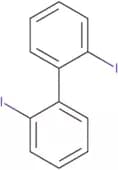
CAS:2,2'-Diiodobiphenyl is a preparative reagent that can be used to prepare diazonium salts. It is prepared by reacting an alkynyl group with an activatable probe. The product of this reaction has the same reactivity as the parent compound, but with a different spatial orientation and chemical properties. The 2,2'-diiodophenyl can be used for the preparation of carbazoles and transfer reactions. The following are some examples of 2,2'-diiodophenyl compounds: -Ethane-1,1'-dibromo-2,2'-diiodobiphenyl -Carbazole-4-carboxaldehyde -Naphthalene-1,5-dicarboxaldehydeFormula:C12H8I2Purezza:Min. 95%Colore e forma:PowderPeso molecolare:406 g/molGly-pro-4-methoxy-beta-naphthylamide
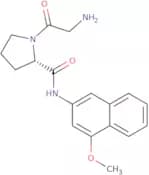
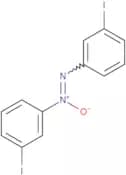
CAS:Gly-pro-4-methoxy-beta-naphthylamide is a synthetic substrate that is used to measure the activity of human plasma phosphatases. Gly-pro-4-methoxy-beta-naphthylamide is synthesized in an organic solvent and then reacted with diazonium salt to form a glycosylated aminophosphonic acid. The product is purified by chromatography and identified by mass spectrometry. Gly-pro-4-methoxy beta naphthylamide has been shown to inhibit the growth of cancer cells in vitro, as well as having antiinflammatory properties. This drug also has been shown to be effective in treating patients with severe hyperbilirubinemia who are undergoing hematopoietic stem cell transplantation.Formula:C18H21N3O3Purezza:Min. 95%Peso molecolare:327.38 g/mol3,3'-Diiodoazoxybenzene
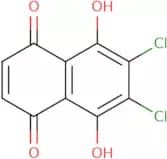
CAS:Please enquire for more information about 3,3'-Diiodoazoxybenzene including the price, delivery time and more detailed product information at the technical inquiry form on this pageFormula:C12H8I2N2OPurezza:Min. 95%Peso molecolare:450.01 g/mol2,3-Dichloro-5,8-dihydroxy-1,4-naphthalenedione
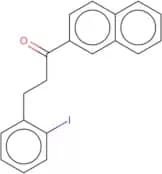
CAS:2,3-Dichloro-5,8-dihydroxy-1,4-naphthalenedione (DDD) is a chemical inhibitor of the proton response pathway. It is an analog of 2,3,7,8-tetrachlorodibenzo-p-dioxin (TCDD). DDD has been shown to enhance the induction of apoptosis in human macrophages and leishmania parasites. This agent also inhibits the growth of some tumor cell lines and enhances the cytotoxicity of other chemotherapeutic drugs. DDD has low bioavailability due to its high lipophilicity and rapid metabolism by esterases and glucuronidases.Formula:C10H4Cl2O4Purezza:Min. 95%Colore e forma:Red PowderPeso molecolare:259.04 g/mol2-Naphthyl-3-(2-iodophenyl)propanone
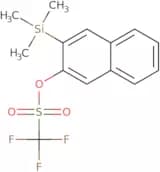
CAS:2-Naphthyl-3-(2-iodophenyl)propanone (IPA) is a chemical intermediate that can be used in the synthesis of pharmaceuticals, agrochemicals, and other organic chemicals. IPA is soluble in common solvents such as water, ethanol, ether, and acetone. It is also stable to air and light. IPA has been shown to react with aniline under basic conditions to form 2-naphthylacetanilide. This reaction component can be used in the synthesis of complex compounds such as carboxylic acid derivatives and amides.Formula:C19H15IOPurezza:Min. 95%Peso molecolare:386.23 g/mol3-(Trimethylsilyl)-2-naphthyl trifluoromethanesulfonate
CAS:3-(Trimethylsilyl)-2-naphthyl trifluoromethanesulfonate is a synthetic molecule that is used to synthesize benzofurans. 3-(Trimethylsilyl)-2-naphthyl trifluoromethanesulfonate is activated by reaction with N-bromosuccinimide, which creates an electrophilic carbon center. This electrophilic center reacts with nucleophiles such as alcohols, amines, and thiols to form a new bond. The product of this reaction is benzoylated, which can then undergo further reactions to form other compounds. X-ray crystallography has been used to characterize the structure of 3-(trimethylsilyl)-2-naphthyl trifluoromethanesulfonate.Formula:C14H15F3O3SSiPurezza:Min. 95%Colore e forma:Colorless Clear LiquidPeso molecolare:348.41 g/mol1-(Chloromethyl)-4-fluoronaphthalene
CAS:1-(Chloromethyl)-4-fluoronaphthalene is a halogenated, organic compound with two different forms, a trans and cis form. The trans form is the more stable, inactive form. The cis form is more reactive and can be converted to the trans form by heating or light. It has been studied for use in polymer synthesis and as an insecticide. 1-(Chloromethyl)-4-fluoronaphthalene has not been observed in the gas phase because it does not have any dipole moments in this state. However, it does show infrared and vibrational spectra that are explainable when it is in the gaseous phase. 1-(Chloromethyl)-4-fluoronaphthalene also emits Raman spectra when it is heated or exposed to light. These spectra help to characterize the molecule quantitatively by observing its transitions at different frequencies.Formula:C11H8ClFPurezza:Min. 95%Colore e forma:White To Beige SolidPeso molecolare:194.63 g/mol3,3'-Dimethoxyazoxybenzene
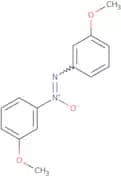
CAS:3,3'-Dimethoxyazoxybenzene is a nitroarene that has electron-donating properties. It reacts with primary amines to form azoxy groups in the presence of alkoxide. 3,3'-Dimethoxyazoxybenzene can be used for the synthesis of nitrophenyl and aniline derivatives by reaction with nitroarenes, alcohols, or amines. It can also serve as a photoreduced molecule in mechanistic studies.
Formula:C14H14N2O3Purezza:Min. 95%Peso molecolare:258.27 g/mol5-(3-Nitrophenyl)-1H-pyrazole-3-carboxylic acid
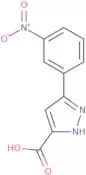
CAS:5-(3-Nitrophenyl)-1H-pyrazole-3-carboxylic acid is a molecule that inhibits the proliferation of cancer cells in vitro. This compound has been shown to inhibit the growth of human breast cancer cells in culture, with IC50 values of 7.8 µM for MCF-7 and 5.6 µM for A549 cells. It also inhibits cell growth in MDA-MB231 cells, which are human breast carcinoma cells, with IC50 values of 4.5 µM for MCF-7 and 2.4 µM for A549 cells. The mechanism by which this drug inhibits cancer cell proliferation is not clear but may be due to its ability to interfere with DNA synthesis or protein synthesis.Formula:C10H7N3O4Purezza:Min. 95%Colore e forma:PowderPeso molecolare:233.18 g/mol3',4'-Dichloroacetophenone
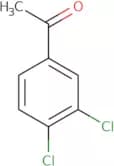
CAS:3',4'-Dichloroacetophenone is a tetranuclear compound that is used in the synthesis of chromatographic assays. It has been shown to inhibit the growth of infectious diseases, cancer, and bacteria. 3',4'-Dichloroacetophenone inhibits trichomonas vaginalis and chlamydia by binding to imine nitrogen, which prevents the formation of an enzyme (NAD-dependent), which is required for bacterial DNA synthesis. 3',4'-Dichloroacetophenone also inhibits p. aeruginosa by binding with phosphane groups on this organism's cell wall, preventing bacterial cell division.Formula:C8H6Cl2OPurezza:Min. 95%Colore e forma:Off-White PowderPeso molecolare:189.04 g/molO-tert-Butyl-L-allo-threonine
CAS:O-tert-Butyl-L-allo-threonine is a methionine derivative that has been shown to be expressed in the human liver and kidney. It is synthesized by coupling of the n-terminal tryptophan with O-tert-butyl L-allo-threonine, which is then followed by a transpeptidation reaction. The resulting product can be used as an efficient insulin precursor for the production of human insulin. The efficiency of this process depends on the spacer length and reaction time, which can be optimized for each synthesis.
Formula:C8H17NO3Purezza:Min. 95%Colore e forma:White PowderPeso molecolare:175.23 g/mol2-Bromo-5-methoxybenzoic acid methyl ester
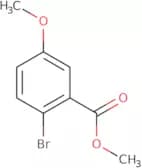
CAS:2-Bromo-5-methoxybenzoic acid methyl ester is an antibiotic with a broad spectrum of activity against bacteria, including Staphylococcus aureus and Pseudomonas aeruginosa. 2-Bromo-5-methoxybenzoic acid methyl ester is an inhibitor of the enzyme benzohydrazide, which is involved in the production of prostaglandins. This drug also has antioxidant activity and can inhibit the growth of Escherichia coli and Cereus. 2-Bromo-5-methoxybenzoic acid methyl ester has analgesic properties and was shown to have analgesic activities in animal tests.Formula:C9H9BrO3Purezza:Min. 95%Colore e forma:Clear LiquidPeso molecolare:245.07 g/molChromotrope 2R
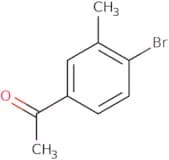
CAS:Chromotrope 2R is a chromogenic substrate that is used to assay protothecosis. Phase chromatography of this compound produces two different zones: one that is blue and another that is yellow-green. The blue zone indicates the presence of phosphotungstic acid, which can be used as a diagnostic marker for protothecosis. The yellow-green zone indicates the presence of keratinization, which can be used as a diagnostic marker for protothecosis. Chromotrope 2R has also been shown to inhibit keratinization in tissues, leading to a lack of staining and cellular changes in the surrounding tissue. Prototheca species are filamentous eukaryotic organisms that produce a variety of polyketides and other secondary metabolites. These compounds are toxic to animals when ingested and can lead to hemorrhagic necrosis in both humans and animals. Protothecosis is caused by infection with Prototheca zopfii or Prototheca wFormula:C16H10N2Na2O8S2Colore e forma:PowderPeso molecolare:468.37 g/mol4'-Bromo-3'-methylacetophenone, 98%
CAS:4'-Bromo-3'-methylacetophenone is a brominated derivative of acetophenone. It is a fine chemical that is used as a building block in the synthesis of organic compounds and research chemicals. 4'-Bromo-3'-methylacetophenone is also used as an intermediate in the production of pharmaceuticals, dyes, and pesticides. This compound reacts with amines to form N-substituted ureas. It is also used as a speciality chemical in high-quality paint manufacture, as a versatile building block for industrial applications, and as an intermediate for the production of other chemicals.Formula:C9H9BrOPurezza:Min. 95%Colore e forma:Clear LiquidPeso molecolare:213.1 g/mol1,4-Naphthoquinone
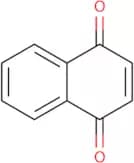
CAS:1,4-Naphthoquinone is a phenolic compound that has been shown to have antimicrobial activity. It has been used in vitro as an antifungal agent for the treatment of dermatophyte infections and has also shown significant cytotoxicity against certain cancer cell lines. 1,4-Naphthoquinone is a redox active compound with a redox potential of -0.6 V vs NHE. This redox potential may be responsible for its potent antimicrobial activity. 1,4-Naphthoquinone also exhibits significant transfer reactions that may contribute to its biological properties. It is classified as group P2 and reacts with sodium salts to form naphthoquinones and sodium salts. This reaction may be responsible for its antimicrobial properties, as these compounds are known to inhibit microbial growth by binding to bacterial DNA gyrase or topoisomerases I and II.Formula:C10H6O2Purezza:Min. 95%Colore e forma:Yellow PowderPeso molecolare:158.15 g/molN-Methyl-N-(1-naphthyl)-1-chlorobenzamide
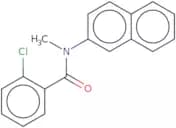
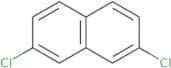
CAS:N-Methyl-N-(1-naphthyl)-1-chlorobenzamide is a versatile and useful chemical that can be used in the preparation of many different compounds. It is a reaction component and reagent, as well as a useful scaffold for the synthesis of many different compounds. It has high quality and is used in research chemicals. N-Methyl-N-(1-naphthyl)-1-chlorobenzamide has CAS No. 74881-60-0 and is a speciality chemical. It can also be used as a versatile building block or intermediates for the synthesis of more complex compounds.Formula:C18H14ClNOPurezza:Min. 95%Peso molecolare:295.76 g/mol2,7-Dichloronaphthalene
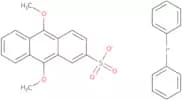
CAS:2,7-Dichloronaphthalene is a chlorinated organic chemical that has been used as an insecticide and acaricide. It is metabolized by cytochrome P-450 to form 2,7-dichloronaphthalene oxide, which is then converted to 2,7-dichloronaphthoic acid. This chemical can accumulate in adipose tissue and the liver of animals exposed to it. It also bioconcentrates in aquatic organisms and biomagnifies in food chains. 2,7-Dichloronaphthalene is not acutely toxic because it does not readily penetrate the skin or respiratory tract. Chronic exposure by ingestion or inhalation can cause adverse effects on the central nervous system, cardiac system, and blood cells. The most toxic effect of 2,7-dichloronaphthalene is its carcinogenic potential for humans and animals.Formula:C10H6Cl2Purezza:Min. 95%Colore e forma:White PowderPeso molecolare:197.06 g/molDiphenyliodanium 9,10-dimethoxyanthracene-2-sulfonate
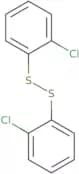
CAS:Diphenyliodanium 9,10-dimethoxyanthracene-2-sulfonate is an organic compound that belongs to the class of vinyl ethers. It can be used as a photosensitive material in photolithography. The mechanism of the photoinduced crosslinking reaction has been studied by mechanistic study and shown to proceed through a Friedel-Crafts type reaction followed by a transfer mechanism. This compound can also be prepared by irradiating an ammonium formate solution with ultraviolet light. Diphenyliodanium 9,10-dimethoxyanthracene-2-sulfonate is soluble in hydroxide solution and reacts with uv irradiation to produce radicals at the carbonyl group.Formula:C28H23IO5SPurezza:Min. 95%Peso molecolare:598.45 g/mol2,2'-Dichloro diphenyl disulfide
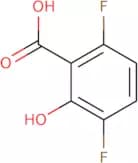
CAS:2,2'-Dichloro diphenyl disulfide is a high quality chemical that is widely used as a reagent. It belongs to the category of complex compounds and has been extensively studied as an intermediate for the synthesis of pharmaceuticals. 2,2'-Dichloro diphenyl disulfide is also useful as a building block or scaffold for the preparation of a wide range of useful chemicals. This product can be used in research laboratories and by industry as a versatile building block in organic synthesis, with applications including use as a reaction component in the production of pharmaceuticals and agrochemicals.Formula:C12H8Cl2S2Purezza:Min. 95%Colore e forma:PowderPeso molecolare:287.23 g/mol3,6-Difluoro-2-hydroxybenzoic acid methyl ester
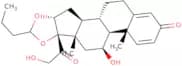
CAS:3,6-Difluoro-2-hydroxybenzoic acid methyl ester is a combination of two substances that are used as deodorants and antiperspirants. They work by blocking the pores in the skin, which prevents perspiration and reduces body odor. 3,6-Difluoro-2-hydroxybenzoic acid methyl ester is not an anti-inflammatory drug.Formula:C7H4F2O3Purezza:Min. 95%Peso molecolare:174.1 g/molBudesonide
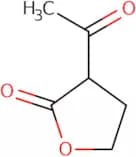
CAS:Prodotto controllatoGlucocorticoid receptor agonist; anti-inflammatoryFormula:C25H34O6Purezza:Min. 95%Colore e forma:White Off-White PowderPeso molecolare:430.53 g/mol2-Acetylbutyrolactone
CAS:2-Acetylbutyrolactone is a chemical compound that is used as a precursor to pharmaceuticals. It has been shown to react with sodium carbonate and amines in the presence of water to form esters. 2-Acetylbutyrolactone can be used as an anti-inflammatory agent by inhibiting prostaglandin synthesis. This drug also has the ability to act as a solid catalyst for palladium-catalyzed coupling reactions, which are used in organic synthesis. 2-Acetylbutyrolactone is also capable of forming noncovalent interactions with fatty acids and hydroxyl groups on proteins.
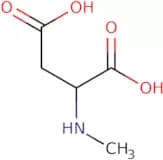
Formula:C6H8O3Purezza:Min. 95%Colore e forma:Clear LiquidPeso molecolare:128.13 g/molN-Methyl-DL-aspartic acid
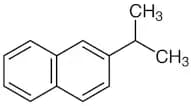
CAS:N-Methyl-DL-aspartic acid (NMDA) is a pharmacological agent that binds to the glutamate receptor and increases the intracellular calcium concentration in cells. NMDA has been shown to cause neuronal death in mouse hippocampal cells, as well as rat striatal cells. It can also act as a messenger molecule and enhance growth factor production. NMDA binds to the N-methyl-D-aspartate receptor, which is located on the surface of neurons in the brain. This binding causes an influx of sodium ions into the cell, resulting in an increase in the intracellular calcium concentration. This increase leads to changes in cellular function, including increased growth factor production and neuronal death.Formula:C5H9NO4Purezza:Min. 95%Colore e forma:PowderPeso molecolare:147.13 g/mol2-Isopropylnaphthalene
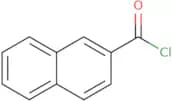
CAS:Formula:C13H14Purezza:>95.0%(GC)Colore e forma:Colorless to Light yellow clear liquidPeso molecolare:170.262-Naphthoyl chloride
CAS:2-Naphthoyl chloride is an enantiomer of the chiral compound naphthalene. It is a redox potential and a fatty acid, which can be detected using the detection sensitivity. The 2-naphthoyl chloride has been used to determine the stereoselectivity of reactions with hydroxyl groups and carbonyl groups in organic syntheses. The hydroxide solution was added to hydrolyze the esterification product from 2-naphthoyl chloride and naphthalene to produce a mixture of products. This reactant also reacts with hydrogen peroxide in a flow system to form acetaldehyde.Formula:C11H7ClOPurezza:Min. 95%Colore e forma:White/Off-White SolidPeso molecolare:190.63 g/molVanillylacetone
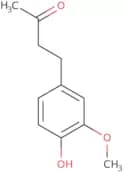
CAS:Vanillylacetone is a natural compound that belongs to the group of phenolic compounds. It is an inhibitor of the enzyme cyclase, which is involved in the biosynthesis of fatty acids and sterols. Vanillylacetone has been shown to have anti-tumor effects in mice with induced tumors. It also inhibits the growth of bacteria, fungi, and protozoa by inhibiting DNA synthesis. Vanillylacetone has been shown to inhibit nuclear DNA replication and toll-like receptor signaling pathways.
Formula:C11H14O3Purezza:Min. 95%Colore e forma:White To Yellow SolidPeso molecolare:194.23 g/mol
![1-[(4-Chlorophenyl)methyl]-2-oxocyclopentanecarboxylic Acid Methyl Ester](/_next/image/?url=https%3A%2Fstatic.cymitquimica.com%2Fproducts%2FTR%2Fthumb-webp%2FC381130.webp&w=3840&q=75)




![[2,3'-Bipyridin]-6'-amine](/_next/image/?url=https%3A%2Fstatic.cymitquimica.com%2Fproducts%2F3D%2Fthumb-webp%2FFB141123.webp&w=3840&q=75)
![1-{{[5-(4-Nitrophenyl)-2-furanyl]methylene}amino}-2,4-imidazolidinedione](/_next/image/?url=https%3A%2Fstatic.cymitquimica.com%2Fproducts%2F3D%2Fthumb-webp%2FFN138588.webp&w=3840&q=75)