Standard farmaceutici
Sottocategorie di "Standard farmaceutici"
- APIs per la ricerca e le impurità(276.202 prodotti)
- Attivatori e inibitori enzimatici(2.829 prodotti)
- Nitrosamine(2.620 prodotti)
- Composti e metaboliti farmaceutici e veterinari(2.919 prodotti)
- Tossicologia(13.565 prodotti)
Trovati 7943 prodotti di "Standard farmaceutici"
Homatropine methyl bromide
CAS:Homatropine methyl bromide is a drug that belongs to the class of anticholinergic drugs. It is used as a pharmaceutical preparation and is used in the treatment of glaucoma, diagnosis of myasthenia gravis, and as an antidote for organophosphate poisoning. Homatropine methyl bromide can be used to control diastolic pressure. This drug binds to acetylcholine receptors and increases the time needed for hydrochloric acid to break down propranolol hydrochloride. The binding constants for this drug are high, which means it has a strong affinity for acetylcholine receptors. Homatropine methyl bromide is chemically stable and does not react with fatty acids or other chemicals.Formula:C17H24NO3•BrPurezza:Min. 95%Peso molecolare:370.28 g/molDL/meso-Lanthionine
CAS:DL/meso-Lanthionine is a mixture of two amino acids, L-Lysine and L-Methionine. It has been shown to be effective in the treatment of bowel disease caused by Clostridium difficile and other bacteria that produce toxins. This drug also has a protective effect on neuronal cells by inhibiting their death. DL/meso-Lanthionine binds to penicillin-binding proteins in the bacterial cell wall, preventing them from binding with the enzyme cell wall synthesis that is required for cell wall biosynthesis, inhibiting protein synthesis and cell division. DL/meso-Lanthionine also inhibits ATPase activity and the expression of atp-binding cassette transporters. These effects are similar to those observed with penicillin, methicillin, erythromycin, vancomycin, clindamycin, and bacitracin.Formula:C6H12N2O4SPurezza:Min. 95%Colore e forma:White PowderPeso molecolare:208.24 g/molAspidosine hydrobromide
CAS:Prodotto controllatoAspidosine hydrobromide is a fine chemical that is used as an intermediate for synthesis of other compounds. The CAS number for this compound is 206196-96-5. This compound can be used as a building block to synthesize more complex compounds, and it has been shown to be useful in the preparation of research chemicals and reaction components. Aspidosine hydrobromide has been shown to have high quality, making it a sought after reagent and speciality chemical. This compound has a versatile scaffold, which makes it useful as a building block in the synthesis of other compounds.
Formula:C19H26N2O•BrHPurezza:Min. 95%Peso molecolare:379.33 g/mol25-Fluorocholesterol
CAS:Prodotto controllato25-Fluorocholesterol is a hydroxylated form of cholesterol that was originally synthesized in vitro. It has been found to inhibit cholesterol synthesis and is used to study the role of cholesterol in mitochondrial function. 25-Fluorocholesterol has also been shown to possess anti-carcinogenic properties, as it inhibits adrenocortical carcinoma cells by inhibiting the production of desmosterol, which is required for their growth. This compound is also able to inhibit cho-k1 cells by side-chain cleavage. 25-Fluorocholesterol has the ability to cross cell membranes and can be detected in non-steroidal anti-inflammatory drug studies using chromatography.Formula:C27H45FOPurezza:Min. 95%Peso molecolare:404.64 g/molN,N'-Dimethyl-3,3'-dithiodipropionamide
CAS:N,N'-Dimethyl-3,3'-dithiodipropionamide (DTDPA) is a strong oxidizing agent that is used as a catalyst in organic synthesis. It can be used to convert xylene and benzene into products that are less toxic and more easily removed from the environment. DTDPA can also be used to remove 2-methyl-4-isothiazolin-3-one, chloroform, and other pollutants from water. DTDPA has been shown to react with hydrogen peroxide or hydrochloric acid to produce oxygen gas and chlorine, which is an effective disinfectant against bacteria such as Staphylococcus aureus or Pseudomonas aeruginosa. This chemical also reacts with toluene or chloroform to produce peroxides which have been shown to have an anti-inflammatory effect on cells.Formula:C8H16N2O2S2Purezza:(Q-1H Nmr) Min 95%Colore e forma:White/Off-White SolidPeso molecolare:236.36 g/mol4-Amino-1,8-naphthalimide
CAS:4-Amino-1,8-naphthalimide is a fluorescent derivative that is used as a probe to detect hydrogen bonds in molecular models. It can be used to study the interactions of molecules with hydrogen bonding partners. 4-Amino-1,8-naphthalimide has been shown to have broad spectrum antimicrobial activity against Gram-positive and Gram-negative bacteria. This compound also enhances the fluorescence of certain compounds by forming an intermolecular hydrogen bond.Formula:C12H8N2O2Purezza:Min. 95%Colore e forma:Orange PowderPeso molecolare:212.2 g/molLoxoprofen sodium
CAS:Inhibitor of prostaglandin production; non-steroidal COX inhibitorFormula:C15H17NaO3Purezza:Min. 98 Area-%Colore e forma:PowderPeso molecolare:268.28 g/mol(+)-Limonene oxide,mixture of cis/trans isomers
CAS:Limonene oxide is a mixture of cis/trans isomers that belongs to the group of aziridines. It can be produced by catalytic ring-opening polymerization, or by copolymerization with other monomers. Limonene oxides are obtained as a mixture of cis and trans isomers. The trans isomer has been reported to have a shorter reaction time and higher selectivity than the cis isomer. Limonene oxide can be used in the production of polycarbonates, which are used in many different products such as containers for food and drink, packaging materials, and electronics. Limonene oxide can also be used for the synthesis of epoxides and n-oxides. These compounds are used in medical applications such as anti-cancer drugs, antibiotics, antifungals, antivirals, contraceptives, and more.Formula:C10H16OPurezza:Min. 95%Peso molecolare:152.23 g/mol3-Bodipy-propanoic acid methyl ester
CAS:3-Bodipy-propanoic acid methyl ester is a fluorescent probe that binds to the endoplasmic reticulum. It has been used in cancer diagnosis, as well as for the detection of chloride and ligand binding. 3-BPA has been shown to be a useful tool in the study of protein synthesis and cell binding. This compound is unmodified and has a broad spectrum of applications.Formula:C15H17BF2N2O2Purezza:Min. 95%Peso molecolare:306.12 g/mol6-Fluoroserotonin
CAS:Prodotto controllatoThe 6-Fluoroserotonin is a selective serotonin uptake inhibitor that has been used to study the serotonin transporter. It has been shown to inhibit the uptake of 5-hydroxyindoleacetic acid and 5-hydroxytryptamine, which is mediated by the serotonin transporter. The 6-Fluoroserotonin is also able to bind to clomipramine and zimelidine with high affinity. Analysis of the chromatographic profile of this compound revealed two peaks, one at 3.2 minutes and another at 4.7 minutes, corresponding to the two diastereoisomers of 6-fluoroserotonin.Formula:C10H11FN2OPurezza:Min. 95%Peso molecolare:194.21 g/molAlfuzosin
CAS:?-adrenoceptor antagonist; treatment for benign prostatic hyperplasiaFormula:C19H27N5O4Purezza:Min. 95%Colore e forma:White PowderPeso molecolare:389.45 g/mol5-Bromo-2-cyano-3-nitropyridine
CAS:5-Bromo-2-cyano-3-nitropyridine is a medication that has been shown to be an effective inhibitor of the RET tyrosine kinase. It has been used in clinical studies to treat chronic kidney disease and has been shown to inhibit the growth of cancer cells. The molecular electrostatic potential (MEP) simulations have shown that 5-bromo-2-cyano-3-nitropyridine interacts with the reactive site of RET, inhibiting its function by binding to the nucleophilic substitutions. 5-Bromo-2-cyano-3-nitropyridine is synthesized from 2,5 dibromopyridine and 3 nitrobenzene at high yield. The molecule is chromatographically separated from impurities such as 4 bromo pyridine.Formula:C6H2BrN3O2Purezza:Min. 95%Colore e forma:PowderPeso molecolare:228 g/mol1-Hydroxycyclopropanecarboxylic acid methyl ester
CAS:1-Hydroxycyclopropanecarboxylic acid methyl ester is a potent inhibitor of phosphorylation. It binds to the ATP and ADP molecules, preventing them from binding to the phosphoryl transferase enzyme. This inhibits the phosphorylation of glucose, leading to an accumulation of phosphoglycolate and pyruvate in cells. 1-Hydroxycyclopropanecarboxylic acid methyl ester has been shown to be a potent inhibitor of cyclopropane-fatty acid synthase, which is involved in synthesis of fatty acids for energy storage. The diethyl succinate derivative is also known as ethylene dibromide. Condensation reactions between this compound and carboxylic acids produce diethyl succinates that are used as plasticizers in polymers such as polyvinyl chloride (PVC).Formula:C5H8O3Purezza:Min. 95%Peso molecolare:116.12 g/mol6-Methoxy-2-naphthaldehyde
CAS:6-Methoxy-2-naphthaldehyde is a nonsteroidal antiinflammatory drug that belongs to the class of naphthalenes. It inhibits the formation of inflammatory prostaglandins, which are mediators of pain and inflammation. 6-Methoxy-2-naphthaldehyde has been shown to have cytotoxic effects on cancer cells and in vitro studies have shown that it can induce cell lysis. It has also been shown to be a potent fluorescence probe for use in biological applications. This compound binds to human serum proteins by hydrogen bonding interactions, which may affect its pharmacokinetic properties. In addition, this compound has been shown to inhibit the activity of detoxification enzymes such as CYP 2C9 and 2D6 at high concentrations, which may lead to unwanted side effects such as nausea or vomiting. The molecular docking analysis of 6-Methoxy-2-naphthaldehyde with the active site of human liver alcohol dehydrogenFormula:C12H10O2Purezza:Min. 98 Area-%Colore e forma:PowderPeso molecolare:186.21 g/mol4-Methoxycoumarin
CAS:4-Methoxycoumarin is a type of coumarin derivative that contains a hydroxy group. It is synthesized by the reaction of methoxyphenol and acetoacetic acid in the presence of an acid catalyst. This compound has been used in the synthesis of other coumarin derivatives, such as benzocoumarins, which are used for their cytostatic effects against plant cells. 4-Methoxycoumarin is also found in plants and has been shown to be active against some viruses. 4-Methoxycoumarin can be converted into its monohydroxylated form, which reacts with hydrogen ions to produce a protonated cationic surfactant. The resulting flow system can be used for analytical purposes.Formula:C10H8O3Purezza:Min. 95%Peso molecolare:176.17 g/mol3-(4-chlorophenyl)spiro[1,3-thiazolidine-2,3'-indoline]-4,7-dione
CAS:Please enquire for more information about 3-(4-chlorophenyl)spiro[1,3-thiazolidine-2,3'-indoline]-4,7-dione including the price, delivery time and more detailed product information at the technical inquiry form on this pageFormula:C16H11ClN2O2SPurezza:Min. 95%Colore e forma:PowderPeso molecolare:330.79 g/molO-Methyl-L-threonine
CAS:O-Methyl-L-threonine is an analog of L-threonine. O-Methyl-L-threonine inhibits the production of fatty acids in resistant mutants, which are activated by the addition of a hydroxy group to their amino acid backbone. This analog has been shown to be effective at suppressing the growth of animal health bacteria and fungi, and has been used as a treatment for protein synthesis disorders in animals. O-Methyl-L-threonine is also used as a precursor for nicotinic acetylcholine synthesis. In vivo tests have shown that it has no toxic effects on mammalian cells, but does not inhibit photosynthesis in plants.Formula:C5H11NO3Purezza:Min. 95%Colore e forma:PowderPeso molecolare:133.15 g/molIndole-2-carboxylic acid methyl ester
CAS:Indole-2-carboxylic acid methyl ester is a carbazole that can be synthesized from indole and hydrogen chloride. It has been shown to inhibit the production of β-amyloid, an important factor in the pathogenesis of Alzheimer’s disease. Indole-2-carboxylic acid methyl ester has also been shown to have inhibitory effects on ion-exchange, melatonin synthesis, and yields of aziridines. The affinity of indole-2-carboxylic acid methyl ester for aldehydes was found to be very high. It is also able to cross the blood brain barrier into the brain and has been shown to be effective against pancreatic cancer cells in vitro.Formula:C10H9NO2Purezza:Min. 95%Colore e forma:Slightly Brown PowderPeso molecolare:175.18 g/mol6α-Fluoro-11β,17,21-Trihydroxypregna-1,4-Diene-3,20-Dione 17-Valerate
CAS:Prodotto controllato6alpha-Fluoro-11beta,17,21-Trihydroxypregna-1,4-Diene-3,20-Dione 17-Valerate is a hydrogenated and esterified form of 6alpha-fluoro-11beta,17,21-trihydroxypregna1,4diene3,20dione. It is an oil with a fatty acid ester that has been synthetically modified to be more hydrophobic. 6alpha-Fluoro-11beta,17,21-Trihydroxypregna1,4diene3,20dione 17valerate is used in the synthesis of pharmaceuticals and hormones. It can also be used as an enhancer for the stability of pharmaceutical preparations.Formula:C26H35FO6Purezza:Min. 95%Peso molecolare:462.55 g/mol4,5-Dimethoxy-2-nitrocinnamic acid
CAS:4,5-Dimethoxy-2-nitrocinnamic acid is a versatile building block that can be used as a reagent or speciality chemical. It is useful for the synthesis of complex compounds, and can be used as a reaction component or scaffold in organic chemistry. 4,5-Dimethoxy-2-nitrocinnamic acid is a high quality intermediate with CAS No. 20567-38-8.
Formula:C11H11NO6Purezza:Min. 95%Peso molecolare:253.21 g/mol4-Acetoxycinnamic acid
CAS:4-Acetoxycinnamic acid is a staphylococcal bactericide that inhibits bacterial growth and is active against many gram-positive bacteria, including Staphylococcus aureus. It is also active against many gram-negative bacteria, such as Escherichia coli and Pseudomonas aeruginosa. 4-Acetoxycinnamic acid has been shown to inhibit the growth of Staphylococcus aureus in an in vitro experiment by interfering with membrane permeability and inhibiting lipid synthesis. 4-Acetoxycinnamic acid has been shown to have antimicrobial activity against gram-positive and gram-negative bacteria, including methicillin resistant S. aureus (MRSA).Formula:C11H10O4Purezza:Min. 97 Area-%Colore e forma:PowderPeso molecolare:206.19 g/mol4-Benzyloxybenzoic acid methyl ester
CAS:4-Benzyloxybenzoic acid methyl ester is a chemical compound that is used as a ligand in analytical chemistry. It can be used to extract metals from samples by forming coordination complexes with them. 4-Benzyloxybenzoic acid methyl ester can also be used to synthesize arenes and other organic molecules. This compound has been shown to have anti-cancer effects, which may be due to its ability to inhibit the function of histone deacetylases and thereby suppress the expression of genes involved in cell proliferation.Formula:C15H14O3Purezza:Min. 95%Colore e forma:PowderPeso molecolare:242.27 g/moltrans-2,3,4-Trimethoxycinnamic acid
CAS:Trans-2,3,4-trimethoxycinnamic acid is a bioactive chemical that has been shown to have significant antioxidant activity. This compound is a hydrogen peroxide scavenger and can be used in devices to remove hydrogen peroxide from water. Trans-2,3,4-trimethoxycinnamic acid has also been shown to inhibit the production of campesterol and paromomycin in bacteria. Furfural is an inhibitor of trans-2,3,4-trimethoxycinnamic acid and its oxidation products. Trans-2,3,4-trimethoxycinnamic acid can be oxidised by furfural to produce glycerin and formic acid. It also inhibits the formation rate of amides from cinnamyl alcohol.Formula:C12H14O5Purezza:Min. 98 Area-%Colore e forma:PowderPeso molecolare:238.24 g/mol3-Bromo-4-methoxycinnamic acid
CAS:3-Bromo-4-methoxycinnamic acid is an organic compound that is used as a reagent, a useful scaffold, and a useful intermediate. It has been shown to be an excellent building block for the synthesis of complex compounds. 3-Bromo-4-methoxycinnamic acid can be used in the production of fine chemicals.
Formula:C10H9BrO3Purezza:Min. 95%Colore e forma:PowderPeso molecolare:257.08 g/molD-α-Tocopherolquinone
CAS:D-a-Tocopherolquinone is a useful building block for the synthesis of complex compounds. It can also be used as a reagent, speciality chemical, or high quality research chemical. D-a-Tocopherolquinone has been used in the synthesis of versatile building blocks, reaction components, and scaffolds.Formula:C29H50O3Purezza:Min. 97 Area-%Colore e forma:Clear LiquidPeso molecolare:446.71 g/mol4'-Chloro-2'-hydroxyacetophenone
CAS:4'-Chloro-2'-hydroxyacetophenone is a hydrazone compound that has been shown to have an inhibitory effect on the growth of cancer cells. The crystal structure was determined using X-ray diffraction data and the parameters were refined using a program called WITWIG. Hydrazones are classified as orthorhombic with space group Pbcn. The compound has been shown to be magnetic and it is soluble in organic solvents. 4'-Chloro-2'-hydroxyacetophenone has a molecular weight of 206.079 g/mol, which indicates that it is an organic molecule. It also contains a hydroxyl group and two chlorine atoms, one of which is attached to the acetophenone nucleus. This molecule can coordinate with metal ions to form complexes, such as mononuclear complexes, or polynuclear complexes with more than one metal ion.Formula:C8H7ClO2Purezza:Min. 95%Colore e forma:Clear LiquidPeso molecolare:170.59 g/molFmoc-L-threoninol
CAS:Fmoc-L-threoninol is a conjugate of L-threoninol with a protecting group, Fmoc. It is synthesized by the solid-phase method on an activated resin and then cleaved from the resin to give the desired product. The linker used in this synthesis is succinic acid diacetate. This compound has been shown to have anti-inflammatory effects in human serum, which may be due to its ability to inhibit prostaglandin synthesis.Formula:C19H21NO4Purezza:Min. 95%Colore e forma:PowderPeso molecolare:327.37 g/molOctakis(trimethylsiloxy)silsesquioxane
CAS:Octakis(trimethylsiloxy)silsesquioxane is a cross-linking agent that forms covalent bonds with ethylene diamine and aluminium ions. It has been shown to be active against bacterial species such as Staphylococcus aureus, Pseudomonas aeruginosa, and Escherichia coli. Octakis(trimethylsiloxy)silsesquioxane binds to the calcium carbonate of the cell wall, forming a complex that prevents the bacteria from adhering to surfaces. The fluidity of octakis(trimethylsiloxy)silsesquioxane particles allows them to penetrate the cell membrane and inhibit protein synthesis by binding to ribosomes. Octakis(trimethylsiloxy)silsesquioxane can also be used as an encapsulation agent for drugs in order to prevent their degradation by enzymes in the gastrointestinal tract.Formula:C24H72O20Si16Purezza:Min. 95%Colore e forma:Clear LiquidPeso molecolare:1,130.18 g/molTibolone
CAS:Prodotto controllatoTibolone is a synthetic steroidal estrogen with both estrogenic and progestogenic activity. It has been shown to be effective in the treatment of postmenopausal symptoms, especially those related to the breast. Tibolone is also used for prevention of osteoporosis and to prevent recurrence of hormone-dependent cancers such as breast cancer or endometrial cancer. Tibolone binds to both estrogen receptor subtypes (ERα and ERβ) and progesterone receptor (PR), but with higher affinity for ERβ. This leads to increased levels of circulating estradiol and progesterone when compared to other estrogens such as nomegestrol acetate or conjugated equine estrogen. The drug also decreases expression of genes that are regulated by the response element (RE) in ERβ-positive cells, which may contribute to its anti-cancer effects. Tibolone has been shown to be statistically more effective than nomegestrol acetate in reducing hot flashes
Formula:C21H28O2Purezza:Min. 95%Colore e forma:PowderPeso molecolare:312.45 g/mol4-Bromo-2-hydroxybenzoic acid methyl ester
CAS:4-Bromo-2-hydroxybenzoic acid methyl ester is a versatile building block that can be used as a research chemical, reagent, or speciality chemical. It is a high quality, versatile compound that can be used in the synthesis of complex compounds. CAS No. 22717-56-2 is an intermediate for the synthesis of other compounds and has been shown to be a useful scaffold for organic chemistry.Formula:C8H7BrO3Purezza:Min. 95%Colore e forma:PowderPeso molecolare:231.04 g/mol9-Bromoanthracene
CAS:9-Bromoanthracene is a benzene derivative that can be used as a chemical building block. It has a high affinity for electron-rich aromatic compounds, such as picric acid and aryl halides, which are used in the Suzuki coupling reaction. 9-Bromoanthracene also has fluorescence properties and can serve as a synchronous fluorescence probe for studies of the mechanism of this reaction. The redox potentials and constant of 9-bromoanthracene are lower than those of anthracene, which makes it more reactive towards electrophilic reactions.Formula:C14H9BrPurezza:Min. 95%Colore e forma:PowderPeso molecolare:257.13 g/molL-Fucono-gamma-lactone
CAS:L-Fucono-gamma-lactone is a compound that has been identified as a possible antibiotic for the treatment of multidrug resistant bacteria. L-Fucono-gamma-lactone inhibits the growth of bacterial cells by binding to the enzyme 4-deoxy-L-fucose dehydrogenase, which catalyzes the conversion of 4-deoxy-L-fucose to L-fuconate. This binding prevents the formation of L-fuconate, which is required for cell growth. The structural biology and bioinformatics analysis have shown that L-Fucono gamma lactone may be an effective inhibitor of bacterial enzymes, such as dehydrogenases and hexokinases. These enzymes are important for maintaining cellular energy levels and preventing cell death.Formula:C6H10O5Purezza:Min. 95%Colore e forma:White PowderPeso molecolare:162.14 g/molN-Acetyl-L-aspartic acid
CAS:N-Acetyl-L-aspartic acid is a molecule that has been shown to be a potential biomarker for neuronal death, with activity index levels inversely correlating with the number of granule neurons. The chemical stability of N-acetyl-L-aspartic acid was tested using various in vitro methods and found to be stable at a wide range of pHs and temperatures. This compound has also been shown to have a role in brain function, axonal growth, and metabolic disorders. This compound is found naturally in vivo in humans.Formula:C6H9NO5Colore e forma:White PowderPeso molecolare:175.14 g/mol3-Bromophenylurea
CAS:3-Bromophenylurea is an organic compound that has been synthesized for use as a catalyst in the production of silver ions. The product can be used in scalable synthesis and amines are the nucleophilic component. 3-Bromophenylurea is an advance in the field of bioassay and has been shown to be efficient when used at an optimum concentration. 3-Bromophenylurea is a substructural analogue to urea, which can be prepared from inexpensive materials and reused many times.
Purezza:Min. 95%Dipotassium 7-hydroxynaphthalene-1,3-disulphonate
CAS:Dipotassium 7-hydroxynaphthalene-1,3-disulphonate is a drug that binds to basic proteins and inhibits the activity of the enzyme spermatocyte meiosis. It has been used in clinical trials for the treatment of male infertility, which have shown improved sperm motility and reduced sperm abnormalities. The drug also has an effect on the cells of acute lymphoblastic leukemia (ALL) patients, but these effects are dependent on radiation therapy. Dipotassium 7-hydroxynaphthalene-1,3-disulphonate slows down the growth of ALL cells by binding to their receptors and blocking DNA synthesis.
Formula:C10H6K2O7S2Purezza:Min. 98 Area-%Colore e forma:PowderPeso molecolare:380.48 g/mol4-Chloro-3-nitrobenzoic acid methyl ester
CAS:4-Chloro-3-nitrobenzoic acid methyl ester is a chemical compound that inhibits the synthesis of nucleic acids. It binds to the functional groups of DNA, preventing replication and transcription. 4-Chloro-3-nitrobenzoic acid methyl ester also inhibits protein synthesis by inhibiting ribosomal RNA which is required for translation. This agent has been shown to induce apoptotic cell death in leukemia cells, HL60 cells, and other types of cancer cells in vitro. 4-Chloro-3-nitrobenzoic acid methyl ester has a potent inhibitory activity against replicons in vitro and is a synthetic molecule with two sulfoxide functional groups.Formula:C8H6ClNO4Purezza:Min. 95%Colore e forma:PowderPeso molecolare:215.59 g/mol3-Carboxycinnamic acid
CAS:3-Carboxycinnamic acid is a metabolite of cinnamic acid and belongs to the group of phenols. It is a potent inducer of apoptosis in human carcinoma cell lines, with potency comparable to all-trans retinoic acid. 3-Carboxycinnamic acid has been shown to induce apoptosis by increasing the expression of proapoptotic proteins such as Bax and decreasing the expression of antiapoptotic proteins such as Bcl-2. 3-Carboxycinnamic acid also interacts with other transcriptional regulators, including all-trans retinoic acid, which may explain its potent cytotoxic effects. This compound has been shown to inhibit cell cycle progression at G2/M phase by inhibiting DNA synthesis. In addition, 3-carboxycinnamic acid can increase protein synthesis in liver cells, but inhibits it in cardiac cells.Formula:C10H8O4Purezza:Min. 95%Colore e forma:PowderPeso molecolare:192.17 g/mol4-Dimethylaminocinnamic acid
CAS:4-Dimethylaminocinnamic acid (DMA) is a natural organic compound found in plants and animals. This compound has been studied for its potential use as a drug, but it is not currently used in medicine. 4-Dimethylaminocinnamic acid can inhibit the activity of certain enzymes by binding to them, including the enzyme polymerase chain that synthesizes DNA. It also can bind to other proteins, such as carbonyl groups and cinnamic acid derivatives, which are found in human liver cells. 4-Dimethylaminocinnamic acid can form hydrogen bonds with other molecules due to its hydroxyl group and carboxylic acid group. It also has a high viscosity due to its long hydrocarbon chain.
Formula:C11H13NO2Purezza:Min. 95%Colore e forma:PowderPeso molecolare:191.23 g/mol(3R,5S)-Fluvastatin-3,5-acetonide tert-butyl ester
CAS:Fluvastatin-3,5-acetonide tert-butyl ester is a chemical compound that is used as a reaction component in the synthesis of other compounds. It can be used as a reagent or as a useful scaffold for research. Fluvastatin-3,5-acetonide tert-butyl ester is high quality and has versatile applications.Formula:C31H38FNO4Purezza:Min. 98 Area-%Colore e forma:White to pale yellow solid.Peso molecolare:507.64 g/molCholesterol formate
CAS:Prodotto controllatoCholesterol formate is a chemical that belongs to the group of organic compounds and is classified as an ester. It can be used in research, where it is a reagent for the synthesis of other chemicals. Cholesterol formate can be used in the production of pharmaceuticals, pesticides, fragrances, and other products. Cholesterol formate is also used as a building block in complex chemical reactions because it can act as a versatile scaffold.Formula:C28H46O2Purezza:Min. 95%Colore e forma:White PowderPeso molecolare:414.66 g/mol3,3',5'-Triiodo-L-thyronine
CAS:Triiodothyronine is a thyroid hormone that is used for oral hypoglycaemic therapy in patients with diabetes mellitus. It has been shown to be effective in the treatment of congestive heart failure and experimental models of cardiac hypertrophy. Triiodothyronine has also been shown to have strong pharmacological effects on voltage-dependent calcium channels and integrin receptors. The clinical use of triiodothyronine is limited by its toxicity, which may be caused by its interference with the production of thyroxine or triiodothyronine, as well as its ability to alter the level of iodide in the blood.Formula:C15H12I3NO4Purezza:Min. 95%Colore e forma:White PowderPeso molecolare:650.97 g/mol4-Hydroxy-3-nitropyridine
CAS:4-Hydroxy-3-nitropyridine is an organic chemical compound with the molecular formula CHNO. It has a structure that is composed of a nitro group bonded to a pyridine ring. 4-Hydroxy-3-nitropyridine can be found in wastewater and as a byproduct of the production of dyes, drugs, and explosives. It has been shown to react with primary amines to form nitrosamines. In its tautomeric form, 4-hydroxy-3-nitropyridine is more reactive and will react with chloride ions to form hydroxylamine. This reaction is used commercially for the synthesis of hydrazine and other products.Formula:C5H4N2O3Purezza:Min. 95%Colore e forma:PowderPeso molecolare:140.1 g/mol3-Chloro-L-tyrosine
CAS:3-Chloro-L-tyrosine (3CT) is a reactive, nitrogen containing molecule that has been used as a model system to study oxidative injury in the heart. The molecule reacts with the air and oxygen in the environment, producing reactive oxygen species (ROS) that can cause oxidative injury. 3CT has been shown to inhibit ATP binding cassette transporter A1 (ABCA1), which is involved in cholesterol efflux from macrophages. 3CT also promotes the release of eosinophil peroxidase from eosinophils and induces tumor necrosis factor alpha (TNF-α). The analytical method for 3CT includes liquid chromatography-mass spectrometry/mass spectrometry (LC-MS/MS).Formula:C9H10NO3ClPurezza:Min. 95%Colore e forma:PowderPeso molecolare:215.63 g/moltrans-4-(Diethylamino)cinnamaldehyde
CAS:Trans-4-(Diethylamino)cinnamaldehyde is a molecule that has been systematically studied with several techniques, such as x-ray crystallography. It has been shown to be a fluorophore and can be used as a fluorescent probe. Trans-4-(Diethylamino)cinnamaldehyde can be used in the fluorescence method in which it reacts with other molecules and emits light. This reaction scheme is based on the principle of irradiation by UV light or visible light to produce an excited state. Fluorescence is detected at various wavelengths depending on the dye used. Trans-4-(Diethylamino)cinnamaldehyde also emits fluorescence when irradiated with ultraviolet light, which is often referred to as "violet" fluorescence. The wavelength of this emission is 365 nm and it can be detected using high yield techniques, such as fluorometers.Formula:C13H17NOPurezza:Min. 95%Colore e forma:PowderPeso molecolare:203.28 g/mol2,2'-Azoxydibenzoic acid
CAS:2,2'-azoxydibenzoic acid is a high quality chemical that is used as a reagent, complex compound, and research chemical. It has CAS No. 573-79-5 and has the molecular formula of C8H4N2O4. This compound is useful as an intermediate, fine chemical, or speciality chemical in synthesis. 2,2'-Azoxydibenzoic acid can be used as a building block for scaffolds or as a versatile building block in reaction components.Formula:C14H10N2O5Purezza:Min. 95%Peso molecolare:286.24 g/molN-Carbethoxy-4-nortropinone
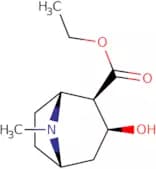
CAS:N-Carbethoxy-4-nortropinone is a high quality, reagent grade chemical that is often used as a complexing agent. It has been shown to be an excellent building block for the synthesis of other compounds and has been used in the production of speciality chemicals. N-Carbethoxy-4-nortropinone is also a versatile building block that can be used in many different types of reactions, making it an excellent reaction component. This compound is available for purchase at Sigma Aldrich with CAS number 32499-64-2.
Formula:C10H15NO3Purezza:Min. 95%Peso molecolare:197.23 g/mol4-Nitrocinnamaldehyde
CAS:4-Nitrocinnamaldehyde is a diazonium salt that is used as an efficient method for the synthesis of nitro compounds. Nitro compounds are used in the production of explosives, insecticides, and herbicides. 4-Nitrocinnamaldehyde reacts with hydrochloric acid to produce trifluoroacetic acid, which is then reacted with an organic compound to produce a nitro compound. This reaction has been shown to be irreversible and not sensitive to functional groups. 4-Nitrocinnamaldehyde binds to the enzyme cytochrome P450 reductase, inhibiting its function. The binding of 4-nitrocinnamaldehyde to enzymes such as pyruvate kinase and acetylcholinesterase has also been observed in binding experiments.
Formula:C9H7NO3Purezza:Min. 95%Colore e forma:PowderPeso molecolare:177.16 g/mol3’-Deoxy-N6,N6-dimethyladenosine
CAS:Please enquire for more information about 3’-Deoxy-N6,N6-dimethyladenosine including the price, delivery time and more detailed product information at the technical inquiry form on this pagePurezza:Min. 95%4-Keto retinol
CAS:4-Keto retinol is an analog of vitamin A, which is used in the treatment of various diseases. It has been shown to reduce the levels of PGE2 and increase the redox potential in cells. 4-Keto retinol has also been shown to increase locomotor activity and improve energy metabolism. The structural analysis of 4-keto retinol has revealed that it binds to DNA polymerase, inhibiting transcriptional activity. The pharmacokinetic properties of this drug have been studied in rats and mice, but not yet humans. This compound will most likely be administered orally or intravenously with a dosage range from 0.01 mg/kg to 10 mg/kg per day.
Formula:C20H28O2Purezza:Min. 95%Colore e forma:PowderPeso molecolare:300.44 g/mol5-(6)-Carboxynaphthofluoroscein N-succinimidyl ester
CAS:5-(6)-Carboxynaphthofluoroscein N-succinimidyl ester is a versatile building block for the synthesis of complex compounds. It is used as a reagent or speciality chemical that is useful in research and development. 5-(6)-Carboxynaphthofluoroscein N-succinimidyl ester has CAS No. 150347-58-3, which is an intermediate in the synthesis of other pharmaceuticals with potential clinical use. The compound has been used to develop new drugs, such as those for the treatment of cancer, cardiovascular disease, and diabetes.Formula:C33H19NO9Purezza:Min. 90 Area-%Colore e forma:PowderPeso molecolare:573.51 g/molN-(Ketocaproyl)-D,L-homoserine lactone
CAS:Ketoacyl-homoserine lactone is a naturally occurring fatty acid derivative that is produced by many bacteria. It has been shown to be involved in biological processes, including the regulation of transcription and protein synthesis. Ketoacyl-homoserine lactone has been shown to be an important component of bacterial quorum sensing, which is used for communication between cells. This compound also regulates energy metabolism and light emission in some model systems. Ketoacyl-homoserine lactone has also been shown to be involved in immune responses and autoimmune diseases, as well as human pathogens such as Campylobacter jejuni and Mycoplasma pneumoniae.Formula:C10H15NO4Purezza:Min. 98 Area-%Colore e forma:PowderPeso molecolare:213.23 g/mol3,3'-Dimethylazoxybenzene
CAS:3,3'-Dimethylazoxybenzene is a methylating agent that reacts with an amine to form a triflate. The reactivity of the methylating agent is determined by the electron-donating ability of the methyl group. 3,3'-Dimethylazoxybenzene reacts with electron-poor amines such as aromatic amines to form alkyltriflates. This reaction is not reversible and can lead to DNA damage in cells, which may contribute to cancer formation.
Formula:C14H14N2OPurezza:Min. 95%Peso molecolare:226.27 g/molVanillylideneacetone
CAS:Vanillylideneacetone (VDA) is a natural compound that belongs to the class of phenylethanoids. It has been shown to have anti-inflammatory properties, which may be due to inhibition of prostaglandin synthesis. VDA also exhibits antimicrobial activity against Gram-positive and Gram-negative bacteria, as well as some fungi and yeast. In vitro antifungal activity has been observed in human serum, cell lysis with the presence of trypsin, and cytotoxicity in carcinoma cell lines. Toxicological studies have shown no adverse effects on locomotor activity or carcinogenicity at high doses.Formula:C11H12O3Purezza:Min. 95%Colore e forma:Yellow PowderPeso molecolare:192.21 g/mol3-Acetoxy-2,4-dimethoxyacetophenone
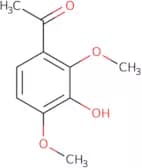
CAS:3-Acetoxy-2,4-dimethoxyacetophenone is a chemical building block that has been shown to be useful in the synthesis of complex compounds. This compound can be used as a reaction component and reagent in organic synthesis. 3-Acetoxy-2,4-dimethoxyacetophenone can be used as a versatile building block for the synthesis of high quality research chemicals and speciality chemicals. It is also a useful intermediate for the preparation of fine chemicals such as pharmaceuticals, agrochemicals, and dyestuffs. 3-Acetoxy-2,4-dimethoxyacetophenone has CAS number 63604-86-4.Formula:C12H14O5Purezza:Min. 95%Peso molecolare:238.24 g/mol2-Bromo-4'-phenylacetophenone
CAS:2-Bromo-4'-phenylacetophenone is a methanol solvent that is used as an intermediate in the synthesis of phenacyl. It is also used as a reagent for the titration of fatty acids and for the determination of terminal alkynes. 2-Bromo-4'-phenylacetophenone has been shown to have antibacterial activity against Mycobacterium tuberculosis, which may be due to its ability to inhibit protein biosynthesis. This compound can also be used as an analytical tool for determining the mass of organic acids. The solubility properties of 2-bromo-4'-phenylacetophenone are similar to those of ethyl acetate and ethanol, making it useful as a solvent in analytical methods.Formula:C14H11BrOPurezza:Min. 95%Colore e forma:PowderPeso molecolare:275.14 g/mol5-Chlorovanillyl alcohol
CAS:5-Chlorovanillyl alcohol is a useful building block. It is a fine chemical that can be used as a research chemical, reagent, or speciality chemical. This compound is versatile and can be used as a reaction component or scaffold for complex compounds. 5-Chlorovanillyl alcohol has CAS number 20624-92-4.Formula:C8H9ClO3Purezza:Min. 95%Colore e forma:PowderPeso molecolare:188.61 g/molMethyl 3,4-dimethylcinnamate
CAS:Methyl 3,4-dimethylcinnamate is a versatile building block that can be used in the synthesis of complex compounds. It is a research chemical and reagent with many applications, including as a useful scaffold for the synthesis of new compounds. Methyl 3,4-dimethylcinnamate is also used in the production of speciality chemicals. This compound has been used as a high-quality intermediate in the synthesis of other organic molecules and as a reaction component in cross-coupling reactions.Formula:C12H14O2Purezza:Min. 95%Colore e forma:White PowderPeso molecolare:190.24 g/mol3-Bromocinnamic acid
CAS:3-Bromocinnamic acid is a long-term treatment that inhibits the adenosine receptor, which is an important component of the central nervous system. It has been shown to have biological properties such as cell growth inhibition, depressant effect, and inhibitory effects on HIV replication. 3-Bromocinnamic acid also inhibits the action of sodium salts in vitro and in vivo, suggesting that this drug may be useful for the treatment of epilepsy. 3-Bromocinnamic acid can be used to study the mechanisms by which sirt1 inhibitors act as anticancer drugs. In addition, 3-bromocinnamic acid has been shown to have therapeutic potential for treating Alzheimer's disease and Parkinson's disease.Formula:C9H7BrO2Purezza:Min. 95%Colore e forma:PowderPeso molecolare:227.05 g/molPhenyl 1-hydroxy-2-naphthoate
CAS:Phenyl 1-Hydroxy-2-naphthoate is a protonated molecule that contains an intramolecular hydrogen bond. The dipole moment of this molecule is 1.54 D, which is the product of the charge on the proton and the distance between it and the oxygen atom. The chloride ion forms a hydrogen bond with the hydroxyl group of the phenyl ring, which stabilizes its structure. This compound has a molecular weight of 192.1 g/mol and is soluble in water, hydrochloric acid, and solvents such as acetone or acetonitrile. Phenyl 1-Hydroxy-2-naphthoate has been shown to be an acceptor for chlorine at room temperature.Formula:C17H12O3Purezza:Min. 95%Colore e forma:PowderPeso molecolare:264.28 g/mol7-Oxo cholesterol 3-acetate
CAS:Prodotto controllato7-Oxo cholesterol 3-acetate is a cocatalyst for the oxidation of organic compounds. It is used to catalyze the oxidation of alcohols, carboxylic acids, and other organic compounds with hydrogen peroxide. 7-Oxo cholesterol 3-acetate has been shown to be a low energy catalyst that can be used in mild conditions. This compound has been shown to produce diacetyl, which is an important reaction product in the synthesis of vitamin D3 (cholecalciferol). 7-Oxo cholesterol 3-acetate has also been isolated from adipose tissue and shown to have anti-inflammatory properties.
Formula:C29H46O3Purezza:Min. 95%Colore e forma:PowderPeso molecolare:442.67 g/mol2',4'-Dihydroxypropiophenone
CAS:2',4'-Dihydroxypropiophenone is a bioactive molecule that has been shown to have fungicidal concentrations against the fungus Monilia polystroma. It is also considered to be a useful chemical in postharvest treatments of fruit. 2',4'-Dihydroxypropiophenone is used in gravimetric analysis of uptake and viscosity, and can be analyzed by NMR spectroscopy. The compound has been found to react with Cl- ions in an ion-exchange procedure in the presence of acid catalyst, such as hydrochloric acid or n-dimethyl formamide. Kinetic studies show that 2',4'-dihydroxypropiophenone is a monomer. 2',4'-Dihydroxypropiophenone is a white crystalline solid with a melting point around 125°C and molecular weight of 223.25 g/mol.Formula:C9H10O3Purezza:Min. 95%Colore e forma:PowderPeso molecolare:166.17 g/molDuloxetine hydrochloride
CAS:Prodotto controllatoSerotonin and norepinehrine reuptake inhibitor
Formula:C18H19NOS•HClPurezza:Min. 95%Colore e forma:White PowderPeso molecolare:333.88 g/molα-Pinene
CAS:Alpha-pinene is a monoterpene that reacts with ozone to form acid. It is also a skin irritant and has been shown to cause cancer in animals. Alpha-pinene can be used as a chemical pesticide and is an important precursor for the synthesis of polymers, such as polyethylene, polypropylene, and polystyrene. The alpha-pinene molecule has been studied in relation to its transport properties through the lungs, due to its high vapor pressure and tendency to form particles. This molecule is an active compound that binds to DNA-dependent RNA polymerase, thereby preventing transcription and replication. Alpha-pinene has also been found to have biological properties related to gene expression regulation, cell signaling pathways, neuronal death, and apoptosis.
Formula:C10H16Purezza:Min. 95%Colore e forma:Clear LiquidPeso molecolare:136.23 g/molall-trans-Retinol
CAS:All-trans-retinol is a form of vitamin A that is an important component of the visual system and helps maintain healthy skin. Retinol is found in many animal products and can be taken as a dietary supplement. Retinol can react with other chemicals to form all-trans-retinoic acid, which has been shown to inhibit the growth of human carcinoma cells in culture by binding to the ATP binding cassette transporter. All-trans-retinol also inhibits the uptake of retinaldehyde and retinoic acid into cells, which may be due to its ability to bind to cell membranes or react with chemical inhibitors.Formula:C20H30OPurezza:Min. 95 Area-%Colore e forma:Yellow PowderPeso molecolare:286.45 g/mol4-Hydroxy-3-formylcoumarin
CAS:4-Hydroxy-3-formylcoumarin is a coumarin derivative that has been shown to have antitumor activity in vivo against the L1210 murine leukemia. It has also been shown to be effective against the tetranuclear form of the cancer cells. 4-Hydroxy-3-formylcoumarin is also an important molecule for testing, as it is able to inhibit the growth of other types of tumor cells. This molecule has been found to be stable at neutral pH and in anhydrous sodium chloride solution. 4-Hydroxy-3-formylcoumarin can exist as two tautomeric forms: the erythro and threo isomers. The erythro form is more stable, with a higher activation energy than the threo form, which makes it more reactive for biological purposes.Formula:C10H6O4Purezza:Min. 95%Colore e forma:PowderPeso molecolare:190.15 g/mol6(R)-[2-(8(S)-Hydroxy]-2(S),6(R)-dimethyl-1,2,6,7,8,8a(R)-hexahydro-1(S)-naphthyl]ethyl-4(R)-hydroxy-3,4,5,6-tetrahydro-2H-pyran-2-o ne
CAS:6(R)-[2-(8(S)-Hydroxy]-2(S),6(R)-dimethyl-1,2,6,7,8,8a(R)-hexahydro-1(S)-naphthyl]ethyl-4(R)-hydroxy-3,4,5,6-tetrahydro-2H-pyran-2-o ne is a useful scaffold that can be used as a building block for the synthesis of numerous chemical compounds. It is a versatile intermediate used in the synthesis of research chemicals and speciality chemicals. This compound has been shown to have high purity. The CAS number for this compound is 79952-42-4.Formula:C19H28O4Purezza:Min. 95%Colore e forma:White PowderPeso molecolare:320.42 g/mol4-Methylcinnamic acid
CAS:4-Methylcinnamic acid is a cinnamic acid derivative that is used as an intermediate in the synthesis of various drugs. It can be synthesized from 2-chlorocinnamic acid, which is prepared by reaction with phosphorus pentachloride. 4-Methylcinnamic acid is also able to be oxidized to 4-hydroxycinnamic acid, which has been shown to have anti-aging effects. The molecule can be modeled using molecular dynamics simulations and was found to be polarizable and diffracting.Formula:C10H10O2Purezza:Min. 95%Colore e forma:White PowderPeso molecolare:162.19 g/molClopidogrel related compound B
CAS:Clopidogrel related compound B is a sweetener that is used in the pharmaceutical industry. It has shown to have bacteriophage activity and is stable to duplication. This compound also has a genetic code that can be altered by duplications. Clopidogrel related compound B is an orally active molecule and it can be administered as an osmotic or chiral agent. This compound also functions as a surfactant, which contributes to its ability to act as a platelet-aggregating agent. The drug has been shown to be transducible in vitro with high efficiency, making it a good candidate for transduction therapy.Formula:C16H17Cl2NO2SPurezza:Min. 95%Colore e forma:PowderPeso molecolare:358.28 g/mol4-Isopropyl-4'-methylchalcone
CAS:4-Isopropyl-4'-methylchalcone (4'MCH) is a versatile building block that can be used for the synthesis of complex compounds. 4'MCH is an intermediate in the synthesis of various pharmaceuticals and research chemicals, such as cholesterol esters, sterols, and steroids. It also has been used to produce speciality chemicals including herbicides, pesticides, and fungicides. 4-Isopropyl-4'-methylchalcone is a high quality chemical with CAS No. 205688-50-2 that has a wide range of applications.Formula:C19H20OPurezza:Min. 95%Colore e forma:PowderPeso molecolare:264.36 g/mol3-Methoxy-4-nitroacetophenone
CAS:3-Methoxy-4-nitroacetophenone is an enamine that can be used in the synthesis of a variety of organic compounds. It is a good reducing agent and can be used to synthesize nitrophenols and nitrosamines. Catalytic hydrogenation, transfer hydrogenation, and reductive condensation reactions all use 3-methoxy-4-nitroacetophenone as a starting material. It has been shown to react with a range of alcohols to form acetals, which are stable compounds with a protective group on the alcohol. Cyclization reactions using 3-methoxy-4-nitroacetophenone have also been reported. This compound has been crystallized in pure form.Formula:C9H9NO4Purezza:Min. 95%Colore e forma:PowderPeso molecolare:195.17 g/mol4-Chloro-3-hydroxybenzoic acid methyl ester
CAS:4-Chloro-3-hydroxybenzoic acid methyl ester is a high quality, versatile building block that can react as a reagent to form complex compounds. It is also used as an intermediate in the synthesis of other fine chemicals. 4-Chloro-3-hydroxybenzoic acid methyl ester is a useful scaffold for chemical research and has been shown to be a speciality chemical with many uses. This compound is also useful as an intermediate in the synthesis of other fine chemicals, such as pharmaceuticals or agrochemicals.Formula:C8H7ClO3Purezza:Min. 98%Colore e forma:White PowderPeso molecolare:186.59 g/molIbogamine-18-carboxylic acid methyl ester
CAS:Ibogamine is a naturally occurring alkaloid that is found in the roots of plants from the Apocynaceae family. It has been shown to be low-potency and act as an α7 nicotinic acetylcholine receptor agonist. Ibogamine also possesses transport properties through the blood-brain barrier. In addition, it has been shown to inhibit coronaridine-induced convulsions in mice and alkaloids have been isolated from its leaves. Molecular docking analysis has shown that ibogamine binds to the protein data of hep-2 cells, which are used for tissue culture. Ibogamine is a monoterpenoid indole alkaloid with anti-inflammatory properties. It has been shown to have activity against infectious diseases such as tissue culture and plate test experiments, which are used to study fatty acid synthesis and β-oxidation respectively.Formula:C21H26N2O2Purezza:Min. 98 Area-%Colore e forma:PowderPeso molecolare:338.44 g/mol3'-Chloropropiophenone
CAS:3'-Chloropropiophenone is a reagent that is used in the synthesis of maleates. It can be synthesized by reacting hydrochloric acid with 3-chloropropiophenone under conditions where the temperature is kept below 30°C, and the reaction time is limited to five hours. The functional theory behind this reaction involves thionyl chloride as an electrophile that reacts with 3-chloropropiophenone to produce a chloroformate. The chloroformate then reacts with magnesium metal to yield magnesium chloride and 3'-chloropropiophenone. This compound has been shown to have vibrational frequencies of 207, 233, and 240 cm-1. 3'-Chloropropiophenone has also been shown to react with acetonitrile or methylene chloride to form chlorides or isopropyl chloride.Formula:C9H9ClOPurezza:Min. 97.5 Area-%Colore e forma:PowderPeso molecolare:168.62 g/molDitridecyl 3,3'-thiodipropionate
CAS:An antioxidant; decomposes polymer peroxide to inert substanceFormula:C32H62O4SColore e forma:Colorless Yellow Clear LiquidPeso molecolare:542.9 g/molo-Nitrocinnamaldehyde
CAS:o-Nitrocinnamaldehyde is an aldehyde that belongs to the group of β-unsaturated aldehydes. It has been shown to inhibit cancer cell growth in vitro and in vivo. o-Nitrocinnamaldehyde inhibits xanthine oxidase by preventing the oxidation of hypoxanthine to xanthine and xanthine to uric acid. This prevents the formation of superoxide radicals, which are known carcinogens. The compound also inhibits aldehyde dehydrogenase, which prevents the oxidation of nitro compounds that have been generated by nitrosation reactions. These reactions are catalyzed by nitric oxide synthases (NOS) and convert nitrate into nitrite and then into reactive nitrogen species such as peroxynitrites. o-Nitrocinnamaldehyde also inhibits uv absorption, which may be due to its ability to form supramolecular aggregates with other organic molecules or metal ions.Formula:C9H7NO3Purezza:Min. 95%Peso molecolare:177.16 g/mol6b-Hydroxy-7a-(thiomethyl) spironolactone
CAS:6b-Hydroxy-7a-(thiomethyl) spironolactone is a drug that is metabolized in the liver and excreted in the bile. It has been found to be safe and effective for the treatment of ascites due to cirrhosis. The pharmacokinetics of 6b-hydroxy-7a-(thiomethyl) spironolactone are linear, with a plasma elimination rate of 0.3 mg/kg/h. The elimination half-life for 6b-hydroxy-7a-(thiomethyl) spironolactone is about 3 hours. 6b-Hydroxy-7a-(thiomethyl) spironolactone has been found to be eliminated from the body at a constant rate, regardless of age, gender or weight. The population studied was healthy adult males who ingested 6b-hydroxy-7a-(thiomethFormula:C23H32O4SPurezza:Min. 95%Colore e forma:PowderPeso molecolare:404.56 g/mol(2-Nitrophenyl)acetone
CAS:2-Nitrophenylacetone is a polycyclic compound with an alkyl group, phenyl group, and a diterpenoid substituent. It is acylated with an acetate group on the 2-nitrophenyl group. The skeleton of this molecule contains a ketone (C=O) framework. The hydrogen atom in the molecule constitutes its chemistry. This molecule has been expressed in E. coli and purified to homogeneity. It constitutes the first example of a ketone containing framework for which biomolecular chemistry has been studied.
Formula:C9H9NO3Purezza:Min. 95%Colore e forma:PowderPeso molecolare:179.17 g/molDesmethyl atomoxetine hydrochloride
CAS:Desmethyl atomoxetine hydrochloride is a chemical compound that can be used as a reaction component, a reagent, or a useful scaffold. It is an intermediate for the production of other chemicals and has many uses in industry. Desmethyl atomoxetine hydrochloride is also one of the building blocks used to produce speciality chemicals and fine chemicals. This chemical compound has been assigned CAS number 881995-46-6.Formula:C16H19NO•HClPurezza:Min. 95%Colore e forma:White To Light (Or Pale) Yellow SolidPeso molecolare:277.79 g/molCrustacean Erythrophore Concentrating Hormone Pyr-Leu-Asn-Phe-Ser-Pro-Gly-Trp-NH2
CAS:Crustacean Erythrophore Concentrating Hormone Pyr-Leu-Asn-Phe-Ser-Pro-Gly-Trp-NH2 is a polypeptide hormone that belongs to the family of peptide hormones. It is a type of neurohormone that has been found in crustaceans. Crustacean Erythrophore Concentrating Hormone Pyr-Leu-Asn-Phe-Ser-Pro-Gly-Trp-NH2 shows high affinity for cardiac tissue and blocks the uptake of calcium ions into cells by binding to intracellular receptors. This peptide has been shown to have neurotrophic effects, which may be due to its ability to stimulate the production of nerve growth factor (NGF).Formula:C45H59N11O11Purezza:Min. 95%Peso molecolare:930.02 g/molOnjisaponin B
CAS:Onjisaponin B is a triterpenoid saponin that has been shown to have anti-angiogenic effects, neuroprotective properties, and autophagy inducing activity. Onjisaponin B has also been shown to inhibit the production of tumor necrosis factor-α (TNF-α) in cultured PC12 cells. The anti-inflammatory effects of this compound may be due to its ability to induce autophagy. This compound induces autophagy by activating the mechanistic target of rapamycin (mTOR) pathway, which leads to the induction of autophagy through the activation of AMP kinase. Onjisaponin B has been found in plants used in traditional Chinese medicine and other Asian countries.Formula:C75H112O35Purezza:Min. 95%Colore e forma:White PowderPeso molecolare:1,573.67 g/molVinpocetin
CAS:Sodium channel blockerFormula:C22H26N2O2Purezza:Min. 95%Colore e forma:White PowderPeso molecolare:350.45 g/molDL-a-Tocopherol acetate - oil
CAS:Stable form of Vitamin E used in cosmetic formulations; antioxidantFormula:C31H52O3Purezza:Min. 98%Colore e forma:Clear LiquidPeso molecolare:472.74 g/mol6-Hydroxycoumarin
CAS:6-Hydroxymethylcoumarin is a reactive, hydroxyl-containing molecule that has been shown to have inhibitory properties against the bacteria Pseudomonas aeruginosa. It is an inhibitor of nucleophilic substitutions, which are necessary for the synthesis of DNA and RNA. 6-Hydroxycoumarin has been shown to be effective in vitro against p. aeruginosa and other bacteria with similar mechanisms of action. Coumarins have also been found to be cytotoxic and cancerous in nature, as well as inhibiting growth factor activity. They are also used as pharmaceutical preparations for treating gastric ulcers due to their ability to inhibit the production of hydrochloric acid by parietal cells in the stomach lining.Formula:C9H6O3Purezza:Min. 95 Area-%Colore e forma:PowderPeso molecolare:162.14 g/mol2-(2,2-dimethylpropanoyl)-3-(2-nitrophenyl)prop-2-enenitrile
CAS:Please enquire for more information about 2-(2,2-dimethylpropanoyl)-3-(2-nitrophenyl)prop-2-enenitrile including the price, delivery time and more detailed product information at the technical inquiry form on this pagePurezza:Min. 90%1-(3-Bromobenzoyl)-2-(2-naphthoyl)-hydrazine
CAS:1-(3-Bromobenzoyl)-2-(2-naphthoyl)-hydrazine is a building block with a high quality and versatile scaffold. It is used as a reaction component in the synthesis of complex compounds, fine chemicals and speciality chemicals. 1-(3-Bromobenzoyl)-2-(2-naphthoyl)-hydrazine has been shown to be an effective reagent for the preparation of polycyclic aromatic hydrocarbons. This chemical is also a useful intermediate in the production of pharmaceuticals, pesticides, dyes, and perfumes.Formula:C18H13BrN2O2Purezza:Min. 95%Colore e forma:PowderPeso molecolare:369.21 g/mol3,5-Di-tert-Butyl-4-hydroxybenzoic acid methyl ester
CAS:3,5-Di-tert-Butyl-4-hydroxybenzoic acid methyl ester is a chemical that belongs to the group of low molecular weight solvents. It is used as an intermediate in organic synthesis and as a solvent for paints, lacquers, and varnishes. 3,5-Di-tert-Butyl-4-hydroxybenzoic acid methyl ester has been found to be resistant to radiation and ultraviolet light. This chemical has also been shown to have no mutagenic effects on calf thymus DNA.Formula:C16H24O3Purezza:Min. 95%Colore e forma:PowderPeso molecolare:264.36 g/molAtazanavir sulfate
CAS:Anti-viral; HIV protease inhibitor
Formula:C38H52N6O7·H2SO4Purezza:Min. 95%Colore e forma:PowderPeso molecolare:802.94 g/mol6-Methoxy-2-naphthoic acid
CAS:6-Methoxy-2-naphthoic acid (MN) is a cavity amide that has been shown to have an inhibitory effect on the growth of cancer cells. MN has been found to be more effective in inhibiting β-amyrin than caffeine, which may be due to its increased lipophilicity. It also has a higher affinity for adriamycin and enhances its anticancer effects. MN has been shown to be beneficial in treating diabetic patients, as it can reduce blood glucose levels by stimulating insulin release. The pharmacokinetic properties of MN are similar to those of other cavity amides, with rapid absorption and distribution throughout the body. This compound is metabolized in the liver by CYP2C8, CYP2C9, CYP3A4 and CYP3A5 enzymes. Molecular docking analysis of MN with β-amyrin showed that there was a strong interaction between them due to their complementary shapes and charge distributionsFormula:C12H10O3Purezza:Min. 98 Area-%Colore e forma:PowderPeso molecolare:202.21 g/molFormyl-L-methionine
CAS:Formyl-L-methionine is a form of methionine produced by the human body. It is found in proteins, peptides, and polypeptides as an amino acid residue. Methionine is one of the essential amino acids needed by humans. Methionine can be converted to formyl-L-methionine by the enzyme methioninase, which is found in bacteria such as Escherichia coli. The conversion of methionine to formyl-L-methionine may be important for antigen binding sites on antibodies. The N-terminal part of the protein can be recognized by antibodies, which are then able to bind to antigenic determinants on bacteria and other pathogens.
Formula:C6H11NO3SPurezza:Min. 95%Colore e forma:PowderPeso molecolare:177.22 g/mol4-Fluoro-2-hydroxybenzoic acid methyl ester
CAS:4-Fluoro-2-hydroxybenzoic acid methyl ester is a chemical compound that is used as a synthetic intermediate in the synthesis of drugs. 4-Fluoro-2-hydroxybenzoic acid methyl ester can be prepared by reductive amination of an acyl chloride with an amine, followed by reaction with methanol. This chemical intermediate is used in the synthesis of the BCL-2 inhibitor venetoclax, which inhibits cell growth and induces apoptosis in lymphoma cells. 4-Fluoro-2-hydroxybenzoic acid methyl ester also has been shown to inhibit the activity of amidating enzymes and transferases, suggesting it may have potential as an anti-inflammatory drug.Formula:C8H7FO3Purezza:Min. 95%Colore e forma:PowderPeso molecolare:170.14 g/mol1-(4-Aminophenyl)ethanone oxime
CAS:4-Aminoacetophenone oxime is an organic compound that is soluble in water and methanol. It has a molecular weight of 169.17 g/mol, a melting point of 190 °C, and a boiling point of 260 °C. 4-Aminoacetophenone oxime has been shown to have antimicrobial activity against Gram-positive bacteria, such as Staphylococcus aureus, but not against Gram-negative bacteria. This compound can be used as a ligand for metal ions such as copper and zinc, which are important in biological processes. The magnetic properties of 4-aminoacetophenone oxime make it possible to detect the molecule using nuclear magnetic resonance spectroscopy.
4-Aminoacetophenone oxime can be synthesized by reacting 5-nitrosalicylaldehyde with ammonium acetate in the presence of hydrochloric acid:Formula:C8H10N2OPurezza:Min. 95%Colore e forma:PowderPeso molecolare:150.18 g/mol1-(2,4-Dimethoxyphenyl)-2-nitropropene
CAS:1-(2,4-Dimethoxyphenyl)-2-nitropropene is a versatile building block that can be used in the synthesis of a wide range of compounds. It is a high quality chemical with a CAS number of 15804-78-1. This compound has been used as an intermediate to synthesize other compounds such as 2-amino-3,5,6-trimethylbenzaldehyde and 1-(2,4-dimethoxyphenyl)-2-(pyrrolidin-1-yl)propene. The compound is also useful as a reagent for reaction components in organic chemistry and biochemistry.
Formula:C11H13NO4Purezza:Min. 95%Colore e forma:PowderPeso molecolare:223.23 g/mol1,5-Dinitronaphthalene
CAS:1,5-Dinitronaphthalene is a test compound that has been used in the analytical method to determine the presence of basophilic leukemia cells. This reaction mechanism involves hydrogen bonding interactions with naphthalene, which is a test sample. The results are then read by chromatographic science and solubility data are collected. The 1,5-dinitronaphthalene can be used as a test compound for steric interactions with other compounds. It can also be used to measure the solubility of other compounds in different solvents.
Formula:C10H6N2O4Purezza:Min. 97.0 Area-%Peso molecolare:218.17 g/mol(1R,2R)-(+)-1,2-Diaminocyclohexane-N,N'-bis(2'-diphenylphosphinobenzoyl)
CAS:(+)-1,2-Diaminocyclohexane-N,N'-bis(2'-diphenylphosphinobenzoyl) is an important chemical building block and intermediate that can be used in a wide range of organic synthesis. This compound is a versatile building block with high quality and has been shown to be useful for the synthesis of complex compounds. (+)-1,2-Diaminocyclohexane-N,N'-bis(2'-diphenylphosphinobenzoyl) can be used as a reagent in many reactions. CAS No. 138517-61-0 is a fine chemical that has been widely used in research laboratories around the world.Formula:C44H40N2O2P2Purezza:Min. 95%Colore e forma:White PowderPeso molecolare:690.75 g/mol(1R)-Chrysanthemolactone
CAS:(1R)-Chrysanthemolactone is a saponin that has been shown to exhibit an inhibitory effect on α-pinene metabolism in humans. This compound also has a protective effect against metabolic disorders and proton radiation. (1R)-Chrysanthemolactone has been shown to have insecticidal properties, although it is not effective against mosquitoes. This compound has been shown to have synergistic effects with piperonyl butoxide and electrothermal vaporization in the treatment of d-xylose-induced colitis in animals. It also inhibits the growth of some strains of bacteria by inhibiting protein synthesis, including Mycobacterium tuberculosis and Mycobacterium avium.Formula:C10H16O2Purezza:Min. 95%Peso molecolare:168.23 g/molHydroxy naphthol blue disodium
CAS:Hydroxy naphtol blue is a synthetic azo dye, characterised for containing the functional group R N=N R. The hydroxy naphtol blue disodium and trisodium salt are used as indicators to determine the content of alkaline earth and lanthanides spectrophotometrically, showing at maximum a wavelength of ~ 650 nm (λmax = 647.6 nm). The best example of the use of hydroxy naphtol blue sodium salt is to determine the hardness of water by measuring the concentration of calcium and magnesium. At alkaline or basic pH, the hydroxy naphtol blue forms a pink/red complex with the metal ions and, after titration with EDTA, hydroxy naphtol blue is liberated, turning the solution blue which indicates the endpoint.Formula:C20H14N2O11S3·2NaColore e forma:PowderPeso molecolare:600.51 g/molHydroxy naphthol blue
CAS:Hydroxy naphtol blue is a synthetic azo dye, a chemical compound containing the functional group RN=N-R. The hydroxy naphtol blue trisodium and disodium salts are used as indicators to determine the content of alkaline earth and lanthanides spectrophotometrically, showing at maximum a wavelength of ~650 nm (λmax = 647.6 nm). An example of a common use of hydroxy naphtol blue sodium salt is to determine the hardness of water by measuring the concentration of calcium and magnesium. At alkaline or basic pH, the hydroxy naphtol blue forms a pink/red complex with the metal ions and, after titration with EDTA, hydroxy naphtol blue is liberated, turning the solution blue, indicating the endpoint.
Formula:C20H11N2O11S3·3NaColore e forma:Black Blue PowderPeso molecolare:620.48 g/mol2,2'-Dihydroxy-4-methoxybenzophenone
CAS:2,2'-Dihydroxy-4-methoxybenzophenone (DHMB) is a chemical compound used in the manufacturing of sunscreens. It is also used as an antioxidant and antiinflammatory agent in topical preparations. The genotoxic effects of DHMB are well documented, but it is unclear whether these effects are due to UV radiation or other mechanisms. DHMB has been shown to be toxic to cells in vivo and in vitro. There have been reports of skin cancer developing on the ears of rats following chronic exposure to this chemical. DHMB binds to the estrogen receptor, which may be responsible for its genotoxic activity. This chemical has also been shown to inhibit the growth of bacteria such as Pseudomonas aeruginosa and Escherichia coli by binding with fatty acids on the cell membrane surface. DHMB is used for wastewater treatment because it can bind with heavy metals and remove them from water sources.Formula:C14H12O4Purezza:Min. 95%Colore e forma:Yellow To Dark Yellow SolidPeso molecolare:244.24 g/molTropaeolin O sodium salt
CAS:Tropaeolin O sodium salt is a reactive dye that possesses the ability to form hydrogen bonds with hydroxyl groups. Tropaeolin O sodium salt has been used in pharmaceutical preparations as a dye for serum and urine samples. It is also used as an indicator for the presence of fatty acids in human serum. The reactive dye is cationic and can be used to detect anionic surfactants, such as sodium dodecyl sulfate, which are commonly found in detergents and soaps. Tropaeolin O sodium salt exhibits synchronous fluorescence when it reacts with hydroxyl ions. This property can be useful for detecting the presence of hydrochloric acid in a sample or identifying p-hydroxybenzoic acid (a product of human metabolism) in urine samples.Formula:C12H9N2O5SNaPurezza:Min. 95%Colore e forma:PowderPeso molecolare:316.27 g/mol3-Fluoro-5-hydroxy-4-methylbenzoic acid methyl ester
CAS:3-Fluoro-5-hydroxy-4-methylbenzoic acid methyl ester is a high quality, versatile building block. It is used as a reagent and as a speciality chemical in the research laboratory. This compound is also an intermediate for the synthesis of other chemicals. 3-Fluoro-5-hydroxy-4-methylbenzoic acid methyl ester can be used in the synthesis of complex compounds that are useful scaffolds for drug development.Formula:C9H9FO3Colore e forma:PowderPeso molecolare:184.16 g/mol5-Chlorovanillic acid
CAS:5-Chlorovanillic acid is a weight compound that belongs to the group of methoxylated compounds. It is a precursor in the catabolic pathway of vanillic acid, which is synthesized from p-hydroxybenzoic acid. This compound can be found as one of the major phenolic acids in many plants and fruits, such as strawberries and apples. 5-Chlorovanillic acid has been shown to be an inhibitor for the growth of bacterial strains in culture, including C. perfringens. It has also been shown to have anti-inflammatory properties by inhibiting prostaglandin synthesis.
Formula:C8H7ClO4Purezza:80%Colore e forma:PowderPeso molecolare:202.59 g/mol2,2'-Thenil
CAS:2,2'-Thenil is a radical anion that has potent inhibitory activity against radical anions. It can be used to stabilize radical anions and prevent them from undergoing reactions with other radicals or reactive molecules. 2,2'-Thenil binds to the active site of the enzyme by electron transfer and stabilizes it, preventing it from undergoing reactions with other radicals or reactive molecules. The kinetic parameters for this reaction are dose-dependent and can be determined by measuring the optical spectra of both 2,2'-thenil and hydroxyurea.Formula:C10H6O2S2Purezza:Min. 95%Colore e forma:White PowderPeso molecolare:222.29 g/molL-Aspartic acid dimethyl ester hydrochloride
CAS:L-Aspartic acid dimethyl ester hydrochloride (DAA) is an inhibitor of serine proteases, which are enzymes that break down other proteins. DAA inhibits the activity of these enzymes by forming a covalent bond with the serine residue in the active site of the enzyme. This inhibition prevents the breakdown of proteins and leads to inflammation in target tissues. L-Aspartic acid dimethyl ester hydrochloride is used to treat inflammatory bowel disease by inhibiting cathepsin B, a protease that is associated with this condition.Formula:C6H11NO4·HClPurezza:Min. 98 Area-%Colore e forma:White Off-White PowderPeso molecolare:197.62 g/moltrans-2-Hydroxycinnamic acid
CAS:Trans-2-hydroxycinnamic acid is a bioactive phytochemical that has been shown to inhibit the proliferation of 3T3-L1 preadipocytes. It also binds with 4-hydroxycinnamic acid, which is a compound found in coumarin derivatives. Trans-2-hydroxycinnamic acid is an analytical method for determining p-hydroxybenzoic acid, which is a metabolite of trans-2-hydroxycinnamic acid and can be used as an indicator for its presence in food products. Trans-2-hydoxycinnamic acid inhibits mitochondrial membrane potential and induces apoptosis in cancer cells. It also has drug interactions with etoac extract and structural analysis.
Formula:C9H8O3Colore e forma:PowderPeso molecolare:164.16 g/mol4'-Chloro-2'-fluoroacetophenone
CAS:4'-Chloro-2'-fluoroacetophenone is a high-quality chemical reagent that can be used to prepare complex compounds. It is also a useful intermediate for the preparation of fine chemicals, useful scaffolds, and other research chemicals. This compound is a versatile building block that can be used in the synthesis of speciality chemicals, reaction components, and other compounds.Formula:C8H6ClFOPurezza:Min. 95%Peso molecolare:172.58 g/mol(2-Chlorophenyl)(4-(3-nitrophenyl)(2,5-thiazolyl))amine
CAS:Please enquire for more information about (2-Chlorophenyl)(4-(3-nitrophenyl)(2,5-thiazolyl))amine including the price, delivery time and more detailed product information at the technical inquiry form on this pagePurezza:Min. 95%2',4',4-Trimethoxychalcone
CAS:2',4',4-Trimethoxychalcone is a natural product that inhibits the enzyme activity of phospholipase A2, lipoxygenase, and cyclo-oxygenase. It also has high resistance to hydrochloric acid, chloride, and blood pressure. 2',4',4-Trimethoxychalcone has shown protein inhibition effects in vitro, as well as potent transport inhibitor activity against particles. This compound is synthesized using solid-phase chemistry on an immobilized resin.Formula:C18H18O4Purezza:Min. 95%Colore e forma:PowderPeso molecolare:298.33 g/mol1-(1-(5-(2'-Fluoroethyl)-2-Thienyl)-Cyclohexyl)Piperidine
CAS:Prodotto controllato1-(1-(5-((2'-fluoroethyl)cyclohexyl)-piperidin-1-yl)cyclohexane-1,2,3,4-tetraol is a magnetic nanoparticle that has high specificity and can be used to detect hydroxyapatite. It is synthesized by the reaction of 2-fluoroethanol with 1,3-bis(diphenylphosphino)-propane (dppp) in the presence of potassium carbonate. The reaction solution spontaneously forms a monolayer on a surface such as ceramics or glass. This monolayer shows potential use in detecting hydroxyapatite and other calcium compounds in bone lesions, as well as for desorption and optical properties.Formula:C17H26FNSPurezza:Min. 95%Peso molecolare:295.46 g/mol2-Bromo-5-nitrophenetole
CAS:2-Bromo-5-nitrophenetole is a versatile building block that can be used as a reagent in the synthesis of complex compounds and research chemicals. It is a high quality chemical with a CAS number of 423165-33-7. 2-Bromo-5-nitrophenetole is an important intermediate for the synthesis of diverse and valuable compounds such as pharmaceuticals, agrochemicals, and dyes.Formula:C8H8BrNO3Purezza:Min. 95%Colore e forma:PowderPeso molecolare:246.06 g/mol6α-Fluoro-17,21-Dihydroxy-16α-Methylpregna-4,9(11)-Diene-3,20-Dione 21-Acetate
CAS:Prodotto controllato6alpha-Fluoro-17,21-Dihydroxy-16alpha-Methylpregna-4,9(11)-Diene-3,20-Dione 21-Acetate is a synthetic angiostatic agent that inhibits the angiogenic process by affecting the growth of new blood vessels. It has been shown to inhibit proteolytic activity and to have an inhibitory effect on tumour necrosis factor-α (TNF-α) induced activation of endothelial cells and their proliferation. 6alpha-Fluoro-17,21-Dihydroxy-16alpha-Methylpregna-4,9(11)-Diene 3,20 Dione 21 Acetate also inhibits the growth of fetal bovine aortic endothelial cells in culture. The drug was also found to significantly reduce the monolayer cell viability after uptake by endothelial cells.Formula:C24H31FO5Purezza:Min. 95%Peso molecolare:418.5 g/molBiotin hydrazide
CAS:Biotin hydrazide is a chromatographic analysis reagent that is used to modify biotin. It can be used as a model system for the study of the interactions between biotin and proteins. Biotin hydrazide reacts with α1-acid glycoprotein, which results in an increase of the conjugate's reactivity. It also has reactive properties and can catalyze oxidative reactions, making it suitable for analytical purposes. This reagent is used in electrochemical impedance spectroscopy to evaluate the effects of carbonylation on protein structure and function.Formula:C10H18N4O2SPurezza:Min. 95%Colore e forma:PowderPeso molecolare:258.34 g/molSarcosine
CAS:Sarcosine is a naturally occurring amino acid that can be found in the body and in many foods. It has been shown to inhibit the activity of the enzyme adenylate cyclase, which is involved in cell signaling. This inhibition leads to a decrease in intracellular calcium levels, which results in reduced proliferation and apoptosis of HL-60 cells. The sarcosine concentration required for this effect is dependent on the type of cell being treated, with optimum concentrations ranging from 10-100 mM. Sarcosine also binds to nuclear DNA and may have an inhibitory effect on transcriptional activity. In addition, it has been shown to be an effective inhibitor of protein synthesis by binding to ribosomes and preventing peptide bond formation between amino acids at the ribosomal active site.Formula:C3H7NO2Colore e forma:White PowderPeso molecolare:89.09 g/mol(+)-Biotin sulfoxide
CAS:Biotin sulfoxide is a biotin derivative that can be used to treat a number of human pathogens. This drug has been shown to inhibit the growth of wild-type strains in vivo and in vitro, as well as human pathogens. Biotin sulfoxide is a metal chelate that binds to molybdenum in the bacterial cell wall and prevents the formation of bacterial enzymes, such as reductase and sulfoxide reductase. This binding leads to a decrease in enzyme activities, which results in decreased protein synthesis and cell division. Biotin sulfoxide also has an inhibitory effect on light signal production, which may be due to its inhibition of proteins involved in electron transport. When administered orally, this drug can accumulate in the plasma and tissues, leading to chronic effects.Formula:C10H16N2O4SPurezza:Min. 95%Colore e forma:PowderPeso molecolare:260.31 g/mol2,4-Dichlorophenylthiourea
CAS:2,4-Dichlorophenylthiourea is a hydrogen-bonding molecule that has dihedral angles of 109.5° and a molecular weight of 202.2 g/mol. 2,4-Dichlorophenylthiourea has been shown to form dimers with benzene and hydrogen bonds with itself and other molecules.Purezza:Min. 95%3-Hydroxyindole-2-carboxylic acid methyl ester
CAS:3-Hydroxyindole-2-carboxylic acid methyl ester, an organic compound with CAS number [31827-04-0], is classified as an indole derivative - a type of heterocyclic organic compound. It has potential applications as a building block in organic synthesis as well as other areas such as in pharmaceutical and agrochemical industries due to its biological activity.Formula:C10H9NO3Purezza:Min. 95%Colore e forma:PowderPeso molecolare:191.18 g/mol(4-Bromophenyl)thiourea
CAS:(4-Bromophenyl)thiourea is an oxidant that has been used in the commercialization of photographic films and perovskites. It can be used as a biological stain to detect proteins, and contains both UV-A and UV-B spectra. This chemical is also able to convert ammonium nitrate into nitric acid, which has been shown to be synergistic with thiourea. (4-Bromophenyl)thiourea can exist as two isomers, cis and trans, which have different properties. The cis isomer reacts faster than the trans isomer with ammonia, but the trans form has greater solubility in water. The techniques for separating these two forms are chromatography and crystallization.
Formula:C7H7BrN2SPurezza:Min. 95%Peso molecolare:231.11 g/molTiopronin
CAS:Tiopronin is a drug that binds to the GSH-Px enzyme, which is responsible for breaking down hydrogen peroxide and lipid hydroperoxides. It also inhibits the ATP-binding cassette transporter, which is an important protein in the cell membrane that regulates the passage of substances into and out of cells. Tiopronin has been shown to inhibit chemiluminescence reactions in bacteria, such as infectious diseases. This drug has also been shown to be effective against hepatic steatosis by reducing fatty acid synthesis and increasing fatty acid oxidation in rats. Tiopronin has been used for the treatment of patients with Wilson's disease, because it facilitates copper excretion from liver cells by inhibiting metal chelate formation.Formula:C5H9NO3SPurezza:Min. 95%Colore e forma:PowderPeso molecolare:163.2 g/mol2,4-Dihydroxycinnamic acid
CAS:2,4-Dihydroxycinnamic acid (2,4-DHCA) is a naturally occurring compound that is synthesized by the shikimate pathway. 2,4-DHCA has been shown to inhibit the growth of influenza virus in cell culture. 2,4-DHCA may provide protection from influenza in humans and animals by inhibiting the release of inflammatory cytokines such as tumor necrosis factor and interleukin-1 from cells. This anti-inflammatory effect has been observed in animal models for various inflammatory diseases including arthritis and asthma.
Formula:C9H8O4Purezza:Min. 95%Colore e forma:PowderPeso molecolare:180.16 g/mol2'-Ethoxyacetophenone
CAS:2'-Ethoxyacetophenone is a Friedel-Crafts acylation agent. It reacts with nucleophilic groups, such as alcohols and amines, to form an acylated product. 2'-Ethoxyacetophenone has been shown to be a useful tool for the synthesis of chiral compounds with high yields and good enantiomeric excesses. This compound can also be used as a precursor in the synthesis of polyaromatic molecules containing a chiral center. The reaction requires low substrate concentrations and short reaction times, making it advantageous for some reactions that are sensitive to these parameters.
Formula:C10H12O2Purezza:Min. 95%Colore e forma:PowderPeso molecolare:164.2 g/mol2-Hydroxy-3-cyclohexyl-1,4-naphthoquinone
CAS:Parvaquone is a drug used in the diagnosis and treatment of rheumatoid arthritis. It is a synthetic naphthoquinone that inhibits the production of prostaglandins by inhibiting cyclooxygenase enzymes, which are involved in the biosynthesis of these compounds. Parvaquone also has antimicrobial effects against some bacteria, fungi, and viruses. The bioavailability of parvaquone is low due to its high lipophilicity and poor aqueous solubility. When it does enter the bloodstream, it binds to plasma proteins such as albumin or alpha-1-acid glycoprotein. Parvaquone binds to collagen and other macromolecules in tissues, where it inhibits the synthesis of DNA by binding to the polymerase chain reaction (PCR). This binding leads to inhibition of transcription factors that regulate cell growth, leading to decreased cell division and tissue proliferation. Parvaquone also has some anti-inflammatory properties dueFormula:C16H16O3Purezza:Min. 95%Colore e forma:Yellow PowderPeso molecolare:256.3 g/mol5-Bromo-2-fluorobenzoic acid methyl ester
CAS:5-Bromo-2-fluorobenzoic acid methyl ester (5BFME) is a synthetic, non-steroidal compound that is used to treat prostate cancer. 5BFME inhibits the production of prostate specific antigen (PSA) and other androgen levels in prostate cancer cells. 5BFME also has an effect on the cell cycle by inhibiting DNA synthesis, which is likely to have a synergistic effect with other anticancer drugs. 5BFME has shown no selectivity toward any type of cell, which may be due to its ability to modulate cellular biochemical pathways.
Formula:C8H6BrFO2Purezza:Min. 95%Colore e forma:PowderPeso molecolare:233.03 g/molL-Methionine 4-nitroanilide
CAS:L-Methionine 4-nitroanilide is a polymerase chain reaction (PCR) substrate. It has been shown to bind to DNA with calcium and to have protease activity. L-Methionine 4-nitroanilide is a synthetic substrate used in the biochemical study of serine proteases. L-Methionine 4-nitroanilide has been found to be active against P. aeruginosa and thermococcus, but not against mosquitoes. The optimum pH for this compound is 7 and it can be found at a concentration of 10mM in the range of pH 5 - 8.
Formula:C11H15N3O3SPurezza:Min. 95%Colore e forma:White To Light (Or Pale) Yellow SolidPeso molecolare:269.32 g/molLithium 3,5-diiodosalicylic acid
CAS:Lithium 3,5-diiodosalicylic acid (Li3,5I2SA) is a cross-linking agent that has been shown to inhibit phosphatase activity and receptor binding in vitro. It also inhibits sugar transport, which is important for the functioning of human cells. Li3,5I2SA has been used to study the action of drugs on cancer cells and spermatozoa. This compound has also been tested as an inhibitor of membrane lipid peroxidation. Li3,5I2SA attaches to red blood cell membranes by binding to sites with high concentrations of monoclonal antibodies. The sequences of this compound have not yet been fully elucidated.
Formula:C7H4I2O3•LiPurezza:Min. 98 Area-%Colore e forma:PowderPeso molecolare:396.85 g/molPigment Orange 36
CAS:Pigment Orange 36 is an organic pigment with a light-emitting property. It is soluble in organic solvents, such as benzene and chloroform, but insoluble in water. Pigment Orange 36 has a polycyclic aromatic hydrocarbon structure with ester linkages between the aliphatic hydrocarbon and aromatic hydrocarbon moieties. The molecule consists of two sections: one section is soluble in organic solvents and the other section is soluble in water. The particle size of Pigment Orange 36 ranges from 0.1 to 1 micron in diameter, and it emits light when excited by UV radiation or visible light.Formula:C17H13ClN6O5Purezza:Min. 95%Peso molecolare:416.8 g/mol(R)-N-Methyl-3-(1-naphthoxy)-3-(2-thienyl)propylamine hydrochloride
CAS:Prodotto controllato(R)-N-Methyl-3-(1-naphthoxy)-3-(2-thienyl)propylamine hydrochloride is a nonsteroidal anti-inflammatory drug that has been shown to be effective for the treatment of osteoarthritis, rheumatoid arthritis, ankylosing spondylitis, and chronic low back pain. This drug can also be used for other inflammatory conditions such as psoriasis and Crohn's disease. The mechanism of action of (R)-N-Methyl-3-(1-naphthoxy)-3-(2-thienyl)propylamine hydrochloride is not fully understood. It may work by blocking the synthesis of prostaglandins in the body. This drug is metabolized in the liver to its active form, which binds to cyclooxygenase 1 and 2 enzymes to inhibit the production of prostaglandins. It also inhibits human serum x-rayFormula:C18H19NOS•HClPurezza:Min. 95%Colore e forma:White To Off-White SolidPeso molecolare:333.88 g/mol3,3',5,5'-Tetra-tert-butyldiphenoquinone
CAS:3,3',5,5'-Tetra-tert-butyldiphenoquinone is a polymerized phenolic compound that is used as a dietary antioxidant. It has been shown to have hypochlorous and anion radical scavenging properties. It also acts as an oxidation catalyst and can be used for the preparation of oxidation products. 3,3',5,5'-Tetra-tert-butyldiphenoquinone stabilizes the formation of β-unsaturated aldehydes by acting as an oxidant. 3,3',5,5'-Tetra-tert-butyldiphenoquinone also has antioxidative activity by inhibiting lipid peroxidation in vitro. The antioxidant activity may be due to its ability to form hydrogen bonds with the lipid radicals produced during lipid peroxidation reactions.Formula:C28H40O2Purezza:Min. 95%Peso molecolare:408.62 g/molIsatin bis-cresol
CAS:Isatin bis-cresol is a silicon-containing compound that can be used as a viscosity modifier and stabilizer in polymers. Isatin bis-cresol has shown resistance to degradation by water, alkali, and acid. It also has a high formation rate and can be used for the production of functionalized polymers such as polycarbonates or phosphonium salts. Isatin bis-cresol is insoluble in water but soluble in organic solvents, which makes it an ideal candidate for use in transesterification reactions. Isatin bis-cresol contains three functional groups: phenolic (OH), carboxylic acid (COOH), and alcohol (OH).
Formula:C22H19NO3Purezza:Min. 98 Area-%Colore e forma:PowderPeso molecolare:345.39 g/molL-Thyronine
CAS:L-Thyronine is a hormone that is synthesized in the thyroid gland and has a variety of biological functions. It is used to treat congestive heart failure, atherosclerosis, and other types of heart disease. L-Thyronine binds to receptors on cells and activates them, which stimulates production of energy for the cell. L-Thyronine also increases the number of mitochondria in cells and regulates the production of nitric oxide, which plays an important role in vascular relaxation. L-Thyronine can be administered orally or intravenously as a solution. The clinical response to treatment is evaluated by measurement of serum thyroxin levels before and after administration of L-Thyronine.Formula:C15H15NO4Purezza:Min. 95%Colore e forma:PowderPeso molecolare:273.28 g/molNaphthyl glycidylether
CAS:Naphthyl glycidylether is a chemical compound with chemical stability, which makes it useful for the manufacture of ethers and epoxides. It has been used as an acid catalyst and in the synthesis of polycarboxylic acids. Naphthyl glycidylether is also used to produce genotoxic impurities that are not removed by sterilants or metal hydroxides. This substance can be found as an impurity in some disinfectants, such as mercuric chloride, which can cause toxicity when ingested. In order to determine if naphthyl glycidylether is present in a material, a plate test can be performed to detect its presence.Formula:C13H12O2Purezza:(%) Min. 95%Colore e forma:Colorless Clear LiquidPeso molecolare:200.23 g/mol(2-Hydroxy-5-nitrophenyl)acetone
CAS:2-Hydroxy-5-nitrophenyl)acetone is a high quality reagent that has been used as an intermediate in the synthesis of many complex compounds. It is a useful intermediate and building block in organic synthesis. 2-Hydroxy-5-nitrophenyl)acetone is also a versatile building block, which can be used to form chemical derivatives with different functional groups.Formula:C9H9NO4Colore e forma:PowderPeso molecolare:195.17 g/molAdouetine Y
CAS:Adouetine Y is a synthetic biochemical compound, designed as a highly specific inhibitor for targeted cellular processes. It is derived through advanced chemical synthesis techniques aimed at achieving optimal molecular precision. The mode of action of Adouetine Y involves binding to specific protein targets within the cell, modulating their activity and thereby influencing biochemical pathways critical to cellular function.Formula:C34H40N4O4Purezza:Min. 95%Peso molecolare:568.71 g/molBiotin-PEG4-propionic acid
CAS:Biotin-PEG4-propionic acid is a PEG compound with two different functional groups (also known as heterobifunctional). Unlike homobifunctional PEG compounds (same functional group on both ends), this type of compounds are more versatile as have two different anchor points. Biotin-PEG4-propionic acid is used as a linker and spacer to add a PEG moiety, via pegylation (a bioconjugation technique) to proteins, peptides, oligonucleotides, small molecules and nanoparticles.Formula:C21H37N3O8SPurezza:Min. 95%Colore e forma:PowderPeso molecolare:491.6 g/mol2-Methoxy-1-naphthaldehyde
CAS:2-Methoxy-1-naphthaldehyde is a potential chemical intermediate for the synthesis of a variety of biologically active compounds. It has been shown to have anti-tumor activity in solid tumours and can be used as a precursor for the production of new drugs that inhibit the growth of cancer cells. 2-Methoxy-1-naphthaldehyde is synthesized via an intramolecular hydrogen addition reaction with salicylaldehyde, which generates resonance stabilization. It also has an intermolecular hydrogen bond with naphthalene to form the dimer or trimer. The vibrational spectra and analytical methods are used to identify the functional groups present in 2-Methoxy-1-naphthaldehyde, which includes a hydrogen bond between the two methoxy groups. Computational methods can be used to predict how different molecules bind to this chemical intermediate and its role in biological activity.Formula:C12H10O2Purezza:Min. 95%Colore e forma:PowderPeso molecolare:186.21 g/mol2,2'-Dibromodiphenylacetylene
CAS:2,2'-Dibromodiphenylacetylene (DBDP) is a biomolecular that belongs to the class of stilbene derivatives. It has been shown to have fluoro-transfer properties and can be used as a vapor transport or crystalline interaction. DBDP has been shown to produce diffraction with a shift angle of 8.6° in solution and yields of up to 98%. The steric effect was also observed when the molecule interacts with transfer and transistor molecules. DBDP has been shown to undergo an arylation reaction with phenanthridines, which are potent anti-inflammatory agents.Formula:C14H8Br2Colore e forma:PowderPeso molecolare:336.02 g/mol3-Amino-L-tyrosine dihydrochloride
CAS:Please enquire for more information about 3-Amino-L-tyrosine dihydrochloride including the price, delivery time and more detailed product information at the technical inquiry form on this page
Formula:C9H12N2O3•(HCl)2Purezza:Min. 95%Peso molecolare:269.12 g/mol2,7-Dichloro-1,8-naphthyridine
CAS:2,7-Dichloro-1,8-naphthyridine is a structural analog of the functional group 2,7-dichloroquinoline. The protonated form of this molecule reacts with aryl chlorides to produce hydrogen bonds and generate supramolecular complexes. These complexes have been shown to be stable in solution and have low efficiency for electron transfer reactions. This compound has been shown to react with fluorine gas to generate reduction products with an nmr spectrum that is different from that of 2,7-dichloroquinoline. Crystallographic studies on this molecule show hydrogen bonding interactions between the molecules.Formula:C8H4Cl2N2Purezza:Min. 95%Colore e forma:Yellow PowderPeso molecolare:199.04 g/molPhenyl 1,4-dihydroxy-2-naphthoate
CAS:Phenyl 1,4-dihydroxy-2-naphthoate is a suzuki cross-coupling agent that can be used in organic synthesis. It is an electron rich phenyl derivative and can be used as an alternative to the miyaura reaction. Phenyl 1,4-dihydroxy-2-naphthoate has been shown to react with alkyl or aryl halides, typically at room temperature. This product has been shown to react with electron rich olefins under sterically demanding conditions and is often used in cross coupling reactions.
Formula:C17H12O4Purezza:Min. 95%Colore e forma:PowderPeso molecolare:280.27 g/mol4'-Fluoroacetophenone
CAS:4'-Fluoroacetophenone is an organic molecule that is used for wastewater treatment. It reacts with amine groups to form a covalent bond. 4'-Fluoroacetophenone can be used to activate AMP-activated protein kinase (AMPK) and increase the rate of cellular respiration, which may help treat cancer. The chemical structure of 4'-fluoroacetophenone includes hydrogen bonds, nucleophilic substitutions, and acylation reactions. The Langmuir adsorption isotherm for this molecule has been determined to be linear.Formula:C8H7FOPurezza:Min. 95%Colore e forma:Clear LiquidPeso molecolare:138.14 g/mol3-Iodo-L-thyronine
CAS:3-Iodo-L-thyronine is a thyroid hormone that is synthesized from thyroxine. It has a high maximal response in humans and it may be useful for the treatment of hypothyroidism. 3-Iodo-L-thyronine is not active against rat liver microsomes because it is a noncompetitive inhibitor. The clinical relevance of this drug needs to be evaluated before it can be used as a therapeutic agent, but its analytical methods are similar to those used for other thyroid hormones, such as T3, T4, and 3,5,3'-triiodothyronine. This molecule has been successfully detected in human serum and tissues by using an analytical method based on iodoacetic acid.Formula:C15H14INO4Purezza:Min. 95%Colore e forma:PowderPeso molecolare:399.18 g/mol3,5-Dinitrosalicylic acid
CAS:3,5-Dinitrosalicylic acid is a strong organic acid that is used as a reagent for the detection of starch. It reacts with the amylose and amylopectin in starch to form a blue or violet color. This reaction can be measured using titration calorimetry or complex enzyme solutions. The 3,5-dinitrosalicylic acid is also used in analytical methods to determine the purity of nitro compounds by measuring their proton content. 3,5-Dinitrosalicylic acid can also be used to detect carboxylic acids by forming an intermolecular hydrogen bond with them.Formula:C7H4N2O7Purezza:Min. 98 Area-%Colore e forma:White Yellow PowderPeso molecolare:228.12 g/molL-Homoserine lactone HCl
CAS:L-Homoserine lactone HCl is an organic compound that is used as a building block for the synthesis of other compounds. It is also a useful intermediate and building block in the synthesis of natural products, pharmaceuticals and agrochemicals. L-Homoserine lactone HCl is soluble in water and readily reacts with acid to form its salt, which can be easily purified by recrystallization. This product has a CAS number of 2185-03-7.Formula:C4H7NO2•HClPurezza:Min. 95%Colore e forma:White PowderPeso molecolare:137.56 g/mol(+)-Biotin-(PEO)4-amine
CAS:Nucleophilic biotinylation reagent. Attaches cell surface glycosides to ELISA-type surfaces, mediated by a hydrophilic spacer/linker.Formula:C18H34N4O5SPurezza:Min. 95%Colore e forma:White PowderPeso molecolare:418.55 g/mol5-Formyl nicotinic acid methyl ester
CAS:5-Formyl nicotinic acid methyl ester (5-FNA) is a derivative of nicotinic acid that is used in research to measure the level of nicotine in urine. The affinity of 5-FNA for nicotine is much stronger than the affinity of acetone. 5-FNA is detectable in urine samples from humans and animals, and it can be used to study the health effects of tobacco use. It has also been used for toxicology research on animals and detection methods for tobacco use among humans. 5-FNA binds to nicotine receptors on cells and antibodies are produced against these receptors. The antibodies can be detected by an immunosorbant assay or radioimmunoassay, which are two techniques that are often used in 5-FNA studies.Formula:C8H7NO3Purezza:(%) Min. 98%Colore e forma:PowderPeso molecolare:165.15 g/mol6-Nitrocoumarin
CAS:Substrate to study the nitroreductase activity in the pathogenic fungus Sporothrix schenckii, a thermal dimorphic pathogenic fungus causing a subcutaneous mycosis.Formula:C9H5NO4Purezza:Min. 95%Colore e forma:PowderPeso molecolare:191.14 g/mol2-Bromo-6-nitrophenol
CAS:2-Bromo-6-nitrophenol is a synthetic chemical that is used as an intermediate in the synthesis of other chemicals. It can be prepared by reacting ammonium formate with hydroxyl group of 2-bromo-6-nitropyridine. The reaction yield can be improved by activating the hydroxyl group and removing impurities through a dehydration reaction. The time required for the reaction to occur can be shortened by using acetonitrile as a solvent instead of water. This chemical is also synthesized by coupling metal salts with nitro groups or amines, which are called Suzuki coupling reactions.Formula:C6H4BrNO3Colore e forma:PowderPeso molecolare:218 g/molWST-1
CAS:WST-1 is a water soluble cell permeable dye. Upon NADH-dependent enzymatic cleavage by cellular mitochondrial dehydrogenases, formazan is released, which can be quantified by colorimetric detection at 450 nm.
Formula:C19H11IN5NaO8S2Purezza:Min. 95 Area-%Colore e forma:PowderPeso molecolare:651.35 g/mol4-(Hydroxymethyl)benzoic acid methyl ester
CAS:4-(Hydroxymethyl)benzoic acid methyl ester is a quinazolinone that has been used as an anticancer drug. It is synthesized by cross-coupling of 4-hydroxymethylbenzoic acid and methyl iodide with a cobaltic catalyst, followed by dehydrogenation. The synthesis can also be achieved using a molybdenum catalyst, leading to the same product. 4-(Hydroxymethyl)benzoic acid methyl ester is an efficient method for the synthesis of this compound and has shown anti-cancer activity in animal models. It inhibits serine proteases, including matrix metalloproteinases (MMPs) and cathepsin B, which are enzymes involved in cancer cell invasion and metastasis.Formula:C9H10O3Purezza:Min. 95%Colore e forma:PowderPeso molecolare:166.17 g/mol2,4,5-Trimethoxycinnamic acid
CAS:2,4,5-Trimethoxycinnamic acid is a phenolic acid that is found in plants. It is a precursor to many other compounds that are biologically active, such as the caffeic acids and their derivatives. 2,4,5-Trimethoxycinnamic acid has been shown to have anti-cancer effects on cervical cancer cells. It also exhibits biological properties and has been used as an ingredient in traditional Chinese medicine.Formula:C12H14O5Purezza:Min. 95%Colore e forma:PowderPeso molecolare:238.24 g/mol9-cis-Retinol acetate
CAS:9-cis-Retinol acetate is a synthetic retinoid that has been shown to have antioxidant properties. It prevents the oxidation of lipids, proteins and DNA by inhibiting the activity of enzymes such as cyclooxygenase and lipoxygenase, which are responsible for generating reactive oxygen species. 9-cis-Retinol acetate also increases glutathione levels, which scavenges reactive oxygen species. 9-cis-Retinol acetate can be used to treat oxidative injury in different tissues such as the skin, liver, bowel, lung and eye. 9-cis-Retinol acetate can be used in low doses to prevent oxidative injury in the human fetus during pregnancy or in high doses to treat oxidant injuries caused by radiation exposure or chemotherapy.Formula:C22H32O2Purezza:Min. 95%Colore e forma:Pale yellow oil.Peso molecolare:328.49 g/mol2,6-Dimethoxynaphthalene
CAS:2,6-Dimethoxynaphthalene is a skeleton that belongs to the naphthalene class of compounds. It is a white crystalline solid that is soluble in organic solvents. This compound has been used as an intermediate for the synthesis of dyes and pharmaceuticals, but it is most commonly used as a precursor to reactive carboxylic acid derivatives. The sulfonation of 2,6-dimethoxynaphthalene with SO3 leads to the formation of ethyl diazoacetate and subsequent acylation reactions can be used to produce esters. The reaction mechanism for these reactions involves proton transport from the sulfur atom to the oxygen atom on ethyl diazoacetate. Supramolecular chemistry studies have shown that this reaction also takes place at low temperatures without the need for an acid catalyst.Formula:C12H12O2Purezza:Min. 98 Area-%Peso molecolare:188.22 g/molSorbitan monolaurate
CAS:Sorbitan monolaurate is a natural compound that can be isolated from the seeds of the Cucurbitaceae family. It is used in sample preparation for biocompatible polymers, as well as for detergent compositions. Sorbitan monolaurate has been shown to act as an absorption enhancer, which may be due to its ability to form hydrogen bonds with other molecules and its capacity to interact with sodium citrate. Sorbitan monolaurate also has biological properties such as the inhibition of autoimmune diseases, malonic acid production, and bacterial growth.Formula:C18H34O6Purezza:Min. 95%Colore e forma:Slightly Yellow Clear LiquidPeso molecolare:346.46 g/mol(S)-Carprofen
CAS:Carprofen is a nonsteroidal anti-inflammatory drug (NSAID) that is used to treat pain and inflammation in dogs. It is also used for the management of postoperative pain, as well as for the treatment of osteoarthritis, rheumatoid arthritis, and other conditions. Carprofen has been shown to inhibit cyclooxygenase-2 (COX-2) activity and prostaglandin synthesis. The inhibition potential of carprofen has been determined by the modification of COX-2 by S-carprofen and its stereoselectivity. This study also showed that carprofen inhibits lipase activity in an ex vivo model of canine blood plasma, which may be related to its effects on endogenous substances such as leukotrienes. Carprofen has been shown to reduce inflammation and pain in animal models through the inhibition of COX-2 activity and prostaglandin synthesis. The time required for this reaction is less than
Formula:C15H12ClNO2Purezza:Min. 95%Colore e forma:White To Off-White SolidPeso molecolare:273.71 g/mol2'-Hydroxychalcone hydrazone
CAS:2'-Hydroxychalcone hydrazone is a fine chemical that has many uses in research and as a building block for other compounds. It can be used as a reagent, intermediate, or reaction component in the synthesis of complex molecules. 2'-Hydroxychalcone hydrazone has CAS No. 4590-70-9, which is the identification number for this compound. The molecular formula is C11H14O4N2, and it has a molecular weight of 242.24 g/mol. This compound can be found in research chemicals catalogs and specialty chemical catalogs.Formula:C15H14N2OPurezza:Min. 95%Colore e forma:PowderPeso molecolare:238.28 g/mol1,3-Dipropylurea
CAS:1,3-Dipropylurea is a nucleophilic organic compound. It is soluble in organic solvents such as benzyl alcohol, nitrous oxide, and ethylene glycol. It also has a constant boiling point of 215°C at atmospheric pressure. The reaction rate for the formation of 1,3-dipropylurea from benzaldehyde and propylene oxide is dependent on the solvent used. The yields are higher in polar solvents such as nitrous oxide or ethylene glycol than in nonpolar solvents like benzene or hexane. This reaction can be catalyzed by cyanoborohydride and the use of a base such as sodium hydroxide or potassium tert-butoxide speeds up the reaction rate considerably.
Formula:C7H16N2OPurezza:Min. 97 Area-%Colore e forma:PowderPeso molecolare:144.21 g/mol1-(4-Acetoxyphenyl)-2-nitropropene
Please enquire for more information about 1-(4-Acetoxyphenyl)-2-nitropropene including the price, delivery time and more detailed product information at the technical inquiry form on this pageFormula:C11H11NO4Purezza:Min. 95%Peso molecolare:221.21 g/mol2-(2-Thiazolylazo)-p-cresol
CAS:2-(2-Thiazolylazo)-p-cresol structure enables it to form complexes with certain metal ions, changing color in the process. This color change is highly useful in titrimetric analyses (quantitative chemical analysis method) to determine the concentration of metal ions in a solution. The substrates are colored orange-yellow (absorbance maximum= 375 nm). After the enzymatic conversion, the resulting TAC shows an intense, soluble red-violet color (544 nm) in an alkaline medium (pH = 10.3).Formula:C10H9N3OSPurezza:Min. 96 Area-%Colore e forma:Yellow To Orange Brown SolidPeso molecolare:219.26 g/mol4'-Methylacetophenone
CAS:4'-Methylacetophenone is a solvent that is used in the chemical industry, mainly for the production of trifluoroacetic acid. It has also been shown to be an effective antimicrobial agent, which is due to its ability to dissolve lipids and proteins. The mechanism of action of 4'-methylacetophenone is not fully understood, but it has been suggested that this compound reacts with fatty acids and pyrazole rings in the cell membrane and disrupts lipid bilayers. 4'-Methylacetophenone can be used as a reagent for solid phase microextraction in analytical chemistry. In addition, it reacts with acidic compounds (e.g., sulfuric acid) to produce insoluble salts and can be used as an analytical method for determining the concentration of these compounds.
Formula:C9H10OPurezza:Min. 95%Colore e forma:Clear LiquidPeso molecolare:134.18 g/mol2-(2-Nitrophenoxy)acetic acid
CAS:2-(2-Nitrophenoxy)acetic acid (NPAA) is a molecule that has been found in plants of the genus Balanites. It has been shown to be an intramolecular hydrogen bond acceptor, which may contribute to its chemical structure and stability. NPAA has also been shown to have a constant pKa value of 4.7, which means it is slightly acidic. NPAA is used as an industrial process sample preparation agent and can be synthesized by reacting phenol with nitric acid.
Formula:C8H7NO5Peso molecolare:197.14 g/molCholesterol Laurate
CAS:Prodotto controllatoCholesterol laurate is a natural substance found in plants and animals. It is an ester of cholesterol and lauric acid. Cholesterol laurate is a monolayer lipid with a transition temperature of about −30°C, making it liquid at room temperature. The molecule has been shown to form desmosterol, which is the precursor for cholesterol synthesis in humans. It has also been shown that cholesterol laurate can be used to produce campesterol and ketosteroids.Formula:C39H68O2Purezza:Min. 95%Colore e forma:PowderPeso molecolare:568.96 g/mol5-Bromothiophene-2-carboxylic acid methyl ester
CAS:5-Bromothiophene-2-carboxylic acid methyl ester is an alkene that is used in the synthesis of molybdenum trioxide and other polyhalogenated compounds. It can be prepared by alkylation of 5-bromothiophene with ethyl bromoacetate in the presence of carbon tetrachloride and a halide, such as bromine. The use of photophysical optimization has been shown to significantly improve the yield of this reaction. The reactive nature of 5-bromothiophene-2-carboxylic acid methyl ester makes it suitable for use in organic synthesis. This compound has been shown to have a positive effect on bone mass, which may be due to its ability to inhibit osteoclasts, reducing the activity of these cells that break down bone tissue.Formula:C6H5BrO2SPurezza:Min. 95%Colore e forma:PowderPeso molecolare:221.07 g/molL-Methionine sulfone
CAS:L-Methionine sulfone is an enzyme substrate that is a potent antagonist of glutamate, the α subunit of aspartate aminotransferase, and proteolytic enzymes. L-Methionine sulfone inhibits protein synthesis by competitively inhibiting uptake of methionine into the cell. This compound has been shown to have inhibitory properties in tissue culture assays and also has potent antagonistic effects on glutamate, the α subunit of aspartate aminotransferase, and proteolytic enzymes. L-Methionine sulfone inhibits protein synthesis by competitively inhibiting uptake of methionine into the cell. This compound has been shown to have inhibitory properties in tissue culture assays and also has potent antagonistic effects on glutamate, the α subunit of aspartate aminotransferase, and proteolytic enzymes.Formula:C5H11NO4SPurezza:Min. 95%Peso molecolare:181.21 g/molCholesterol 3-sulfate sodium
CAS:Cholesterol 3-sulfate sodium salt is a fine chemical that is used as a versatile building block and reagent. It is a useful intermediate that can be used in the synthesis of complex compounds, speciality chemicals, and reaction components. Cholesterol 3-sulfate sodium salt can be used to synthesize cholesterol derivatives. This compound has been shown to have high reactivity with nucleophiles and can be used as a building block for other organic compounds. The CAS number for Cholesterol 3-sulfate sodium salt is 2864-50-8.Formula:C27H45NaO4SPurezza:Min. 95%Colore e forma:White PowderPeso molecolare:488.7 g/molDipyrazino[2,3-f:2',3'-h]quinoxaline-2,3,6,7,10,11-hexacarbonitrile
CAS:Dipyrazino[2,3-f:2',3'-h]quinoxaline-2,3,6,7,10,11-hexacarbonitrile is a molecular compound that consists of an aromatic hydrocarbon and boron nitride. It has been shown to have optical properties and an ancillary effect on the transport properties of other molecules. Dipyrazino[2,3-f:2',3'-h]quinoxaline-2,3,6,7,10,11-hexacarbonitrile is also a molecule that can participate in intramolecular hydrogen bonding. This compound has been shown to have coordination geometry with nitrogen atoms that are capable of accepting electrons from other molecules. Dipyrazino[2,3-f:2',3'-h]quinoxaline-2,3,6,7,10,11-hexacarbonitrile is used in diodes as an efficientFormula:C18N12Purezza:Min. 95%Colore e forma:PowderPeso molecolare:384.27 g/molKinetin-9-glucoside
CAS:Kinetin-9-glucoside is a conjugate of kinetin and glucose. It has been shown to inhibit the growth of several types of bacteria, including Pseudomonas aeruginosa, Staphylococcus aureus, and Streptococcus pyogenes. Kinetin-9-glucoside also has anti-inflammatory properties that may be due to its ability to inhibit prostaglandin synthesis. Kinetin-9-glucoside is used in tissue culture for the induction of plant regeneration from callus tissue or from excised root tissues. Kinetin-9-glucoside has been shown to stimulate the formation of apical roots in plantlets and promote cell division in neuronal cells.Formula:C16H19N5O6Purezza:Min. 95 Area-%Colore e forma:PowderPeso molecolare:377.35 g/mol2-Bromo-4-chlorobenzoic acid methyl ester
CAS:2-Bromo-4-chlorobenzoic acid methyl ester is a versatile chemical that can be used as a building block in the synthesis of many complex chemical compounds. It is also a useful reagent, and can be used to synthesize speciality chemicals. 2-Bromo-4-chlorobenzoic acid methyl ester has a high quality that makes it useful for research purposes. It is also an important intermediate in the synthesis of other compounds and has been found to be an effective scaffold for drug discovery. This compound is also commercially available under CAS No. 57381-62-1.Formula:C8H6BrClO2Purezza:Min. 95%Colore e forma:Clear LiquidPeso molecolare:249.49 g/mol4,7-Dimethylcoumarin
CAS:4,7-Dimethylcoumarin is an alkylating agent that can be used to synthesize coumarin derivatives. It has been shown to have potent antagonistic effects on the serotonin 5-HT1A receptor and the d2 receptor. 4,7-Dimethylcoumarin has been shown to bind to these receptors and block their activation by other ligands. This leads to a decrease in receptor affinity for ethylenamine (5-HT1A) or dopamine (d2). The alkylation process of 4,7-dimethylcoumarin with bovine serum albumin (BSA) can be used as an analytical method to determine the concentration of this compound in biological samples.Formula:C11H10O2Purezza:Min. 95%Colore e forma:PowderPeso molecolare:174.2 g/molPigment YellOw 5;2-[(2-NitrOphenyl)azO]-3-OxO-N-phenylbutanamide
CAS:Please enquire for more information about Pigment YellOw 5;2-[(2-NitrOphenyl)azO]-3-OxO-N-phenylbutanamide including the price, delivery time and more detailed product information at the technical inquiry form on this pagePurezza:Min. 95%Pigment Red 38;Diethyl 4,4'-[(3,3'-dichlOrO[1,1'-biphenyl]-4,4'-diyl)bis(azO)]bis[4,5-dihydrO-5-OxO-1-phenyl-1H-pyrazOle-3-carbOxyla te]
CAS:Pigment Red 38 is a red dye that is used in the production of magnetic particles, cross-linking agents, and fluorescent dyes. Pigment Red 38 has a hydroxyl group at the 4 position and a methyl ethyl group at the 2 position. It can be synthesized from diethyl 4,4'-(3,3'-dichlorobiphenyl)-4,4'-diylbisazolate. Pigment Red 38 is thermoreversible because it can be converted to its anhydrous form when heated or dissolved in water and then reconverted back to its original form when cooled or dried. The pigment was named for its ability to produce light emission when exposed to ultraviolet radiation. Pigment Red 38 has a diameter of 6 nm and reacts with coordination complexes to form particle clusters with diameters ranging from 10-200 nm.Purezza:Min. 95%2-Nitro-3,4,5-trimethoxybenzoic acid methyl ester
CAS:2-Nitro-3,4,5-trimethoxybenzoic acid methyl ester is a potential anticancer agent. It has been shown to inhibit the growth of cancer cells in vitro and demonstrates anticancer activity against human tumor xenografts in mice. This compound binds to the epidermal growth factor receptor (EGFR) and inhibits its activity. This binding causes downstream signalling pathways to be suppressed, which ultimately prevents tumor cells from proliferating. 2-Nitro-3,4,5-trimethoxybenzoic acid methyl ester also has directional properties that may allow for selective targeting of cancerous cells. 2-Nitro-3,4,5-trimethoxybenzoic acid methyl ester is a white crystalline powder with an orthorhombic crystal system and an amine group on each end of the molecule.Formula:C11H13NO7Purezza:Min. 95%Colore e forma:PowderPeso molecolare:271.22 g/mol5-Amino-2-hydroxyacetophenone
CAS:5-Amino-2-hydroxyacetophenone is a chemical compound that belongs to the class of active substances. It is an intermediate in Friedel-Crafts acylation reactions, which are used to form alkyl esters by reaction with chloroformates. In these reactions, 5-Amino-2-hydroxyacetophenone is converted into a chloroformate in the presence of an acid catalyst. The reactions proceed rapidly, with the acetone or ester as the solvent. The frequency of 5-amino-2-hydroxyacetophenone can be correlated to its deformation energy and various chemical parameters such as electron density and force constants. 5-Amino-2-hydroxyacetophenone is uniquely characterized by intramolecularly hydrogen bonding organic solvents such as acetone and nitrobenzene.Formula:C8H9NO2Purezza:Min. 95%Peso molecolare:151.16 g/mol2-Chloro-4-hydroxybenzoic acid methyl ester
CAS:2-Chloro-4-hydroxybenzoic acid methyl ester is a white crystalline solid at room temperature. It is soluble in water and ethanol and has a melting point of 137°C. 2-Chloro-4-hydroxybenzoic acid methyl ester can be used as a versatile building block for the synthesis of fine chemicals, useful intermediates, research chemicals, reaction components, specialty chemicals, and complex compounds. It can also be used as a reagent to prepare other compounds.Formula:C8H7ClO3Purezza:Min. 95%Colore e forma:PowderPeso molecolare:186.59 g/mol2-Chloro-3-nitrobenzoic acid methyl ester
CAS:2-Chloro-3-nitrobenzoic acid methyl ester is a chemical compound that has been shown to inhibit the activity of serotonin. The compound binds to the 5-HT3 receptor on the enteric neurons and inhibits the release of serotonin in the bowel, which is one of the two major sites of action for this drug. This inhibition leads to reduced motility and decreased secretion in the bowel, which helps relieve symptoms in patients with irritable bowel syndrome (IBS). It has also been shown that 2-chloro-3-nitrobenzoic acid methyl ester is able to inhibit the production of serotonin from tryptophan by inhibiting an enzyme called aromatic amino acid decarboxylase. 2-Chloro-3-nitrobenzoic acid methyl ester has a high affinity for both rat and human 5ht3 receptors. The kinetics and thermodynamics of this reaction have been studied using methanol as aFormula:C8H6ClNO4Purezza:Min. 95%Colore e forma:PowderPeso molecolare:215.59 g/mol4'-Bromoflavone
CAS:4'-Bromoflavone is a flavonoid with potent enzyme-inducing properties. It has been shown to affect transcriptional regulation in murine hepatoma cells. 4'-Bromoflavone was also found to be an effective inducer of phase II detoxification enzymes, such as glutathione S-transferase and quinone reductase in the liver of humans. This drug also affects protein synthesis and enzyme activities in mice, rats, and human cells.Formula:C15H9BrO2Purezza:Min. 95%Colore e forma:PowderPeso molecolare:301.13 g/mol2'-Aminoacetanilide
CAS:2'-Aminoacetanilide is a colorless, crystalline compound that is soluble in water and has a bitter taste. It is used as an acidity regulator in food products, particularly bakery products. 2'-Aminoacetanilide can be found naturally in some microflora, such as lactic acid bacteria.
2'-Aminoacetanilide is an aromatic amine that contains both primary amino and functional groups. It is nucleophilic and reacts with proton by nucleophilic attack to form the corresponding amide or carbonyl group. 2'-Aminoacetanilide also has the ability to react with nitro compounds to form an amido-nitro adduct.Formula:C8H10N2OPurezza:Min. 95%Colore e forma:PowderPeso molecolare:150.18 g/mol1-(4-Cyanophenyl)-2-nitropropene
Please enquire for more information about 1-(4-Cyanophenyl)-2-nitropropene including the price, delivery time and more detailed product information at the technical inquiry form on this page
Formula:C10H8N2O2Purezza:Min. 95%Peso molecolare:188.18 g/mol3-Bromocinnamic acid ethyl ester
CAS:3-Bromocinnamic acid ethyl ester is a chemical that is useful as a building block for the synthesis of more complex compounds. It is an intermediate in the synthesis of organic compounds and can be used as a reaction component. 3-Bromocinnamic acid ethyl ester has CAS No. 24398-80-9 and is a reagent that can be used to synthesize other chemicals. 3-Bromocinnamic acid ethyl ester is also useful as a scaffold in the development of new drugs, because it has an amide bond, which may lead to new types of drug molecules with different properties.Formula:C11H11BrO2Purezza:Min. 95%Peso molecolare:255.11 g/mol(11β,16β)-9-Fluoro-11,21-dihydroxy-16-methyl-17-((1-oxopentyl)oxy)-Pregna-1,4-diene-3,20-dione mixt. with 5-chloro-7-iodo-8-qu inolinol
CAS:Prodotto controllatoClioquinol is a topical corticosteroid that is used to treat skin disorders such as pemphigoid, psoriasis, and eczema. It is also used to treat the inflammation associated with acne. Clioquinol has been shown to be effective in treating bacterial infections of the skin by inhibiting the growth of bacteria. This drug also has anti-inflammatory properties and can be used for the treatment of various inflammatory skin conditions. Clioquinol is not absorbed through the skin and does not affect the blood's ability to clot.
Formula:C36H42ClFINO7Purezza:Min. 95%Peso molecolare:782.08 g/mol(2S)-N-Boc-2-amino-4-azido-butanoic acid methyl ester
CAS:(2S)-N-Boc-2-amino-4-azido-butanoic acid methyl ester is a high quality, reagent, complex compound, useful intermediate, fine chemical that is used as a building block in the synthesis of speciality chemicals.Formula:C10H18N4O4Purezza:Min. 95%Colore e forma:PowderPeso molecolare:258.27 g/molImidazolidinyl urea
CAS:Imidazolidinyl urea is a preservative that has been used in the laboratory for decades. It is also used in cosmetics and personal care products to prevent bacterial and fungal contamination. Imidazolidinyl urea is an antimicrobial agent that exhibits high resistance to many bacteria, yeast, and molds. Imidazolidinyl urea is not active against Gram-positive bacteria, such as Clostridium difficile or Staphylococcus aureus. This chemical can be used as a preservative in biological samples at concentrations of 0.1% - 1%.Formula:C11H16N8O8Colore e forma:PowderPeso molecolare:388.29 g/molN-Isovalerylglycine
CAS:N-Isovalerylglycine is a metabolite of the branched-chain amino acid leucine. It is found in the urine of patients with acidemia due to ethylmalonic aciduria, but not in healthy individuals. N-Isovalerylglycine has been shown to be an intermediate compound for the synthesis of acetoacetate and isovalerylglycine from acetyl-CoA. This metabolite can be used as a marker for diagnosing metabolic disorders such as diabetes mellitus, obesity, and polycystic ovary syndrome.Formula:C7H13NO3Purezza:Min. 95%Colore e forma:White PowderPeso molecolare:159.18 g/molEcgonine ethyl ester
CAS:Prodotto controllatoEcgonine ethyl ester is a metabolite of cocaine that is found in the blood, urine, and cerebrospinal fluid of humans. It is used in drug assays to detect cocaine use. Ecgonine ethyl ester binds to the dopamine transporter and blocks dopamine uptake into cells, which leads to elevated levels of dopamine in the synapses. Ecgonine ethyl ester also inhibits serotonin reuptake and has been shown to induce apoptotic cell death in human cancer cells.
Formula:C11H19NO3Purezza:Min. 95%Colore e forma:Clear LiquidPeso molecolare:213.27 g/mol2',6'-Dimethylacetophenone
CAS:2',6'-Dimethylacetophenone is an organic compound that is used as a precursor in the production of other chemicals. This substance has two different isomers, namely 2,6-dimethoxybenzaldehyde and 2,6-dimethoxyphenol. The former is more stable than the latter. 2',6'-Dimethylacetophenone has a carbonyl group and a chloride. It can be found in the resonance mass spectrum between 190 and 250 MHz, with proton on the left and mesomeric on the right. It's ultraviolet absorption peaks at about 290 nm (nmr spectra), which corresponds to its molecule. Spectrometry reveals that this substance has two isomers: 2,6-dimethoxybenzaldehyde and 2,6-dimethoxyphenol. The former has a kinetic molecular modeling of 3.2 kcal/mol while the latter has a kinetic molecular modeling of 4.3 kcal/mol.brFormula:C10H12OColore e forma:Clear LiquidPeso molecolare:148.2 g/mol3-Hydroxy-2,4-dimethoxyacetophenone
CAS:3-Hydroxy-2,4-dimethoxyacetophenone is an alkoxide that reacts with a variety of substances. It has been used to synthesize polymers, and has been detected in the gas phase by electron spin resonance spectroscopy. 3-Hydroxy-2,4-dimethoxyacetophenone is also a microbial metabolite that can be quantified by coulometric analysis. It has been found in microorganisms such as Escherichia coli and Pseudomonas aeruginosa, which suggests it may have anti-microbial activity.Formula:C10H12O4Purezza:Min. 95%Colore e forma:PowderPeso molecolare:196.2 g/moltrans-Chalcone
CAS:Trans-chalcone is a natural compound that has been shown to inhibit bacterial growth and dna synthesis in vitro. Trans-chalcone is an oxo-flavonoid with a chalcone skeleton and two hydroxyl groups. It has been shown to have inhibitory properties against the bacterial enzyme dinucleotide phosphate (DNP) synthase, which catalyzes the synthesis of DNP from nicotinamide mononucleotide (NMN) and 5-phospho-D-ribose 1-diphosphate. Trans-chalcone is also a potential anticancer agent due to its ability to bind to response elements in DNA. This binding inhibits the transcription of genes that regulate cell proliferation. Trans-chalcone also exhibits antiinflammatory activity, which may be due to inhibition of proinflammatory cytokines such as tumor necrosis factor alpha (TNFα).Formula:C15H12OPurezza:Min. 95%Colore e forma:PowderPeso molecolare:208.26 g/mol4-(Dimethylamino)chalcone
CAS:4-(Dimethylamino)chalcone is a fluorescent molecule that has been used as a fluorescence probe to study the structures of fatty acids and other molecules. It is also used to detect neutral pH in biological studies. 4-(Dimethylamino)chalcone reacts with carbonyl groups to form stable complexes, which are useful for structural analysis. The fluorescence intensity is proportional to the concentration of the carbonyl group. This molecule has been shown to be potently active against human serum, which may be due to its ability to bind with protein and form stable complexes.Formula:C17H17NOPurezza:Min. 95%Colore e forma:PowderPeso molecolare:251.32 g/molErgosterol acetate
CAS:Prodotto controllatoErgosterol acetate is a fatty acid that is derived from the fungus, Ganoderma lucidum. It has anti-oxidant properties and can inhibit cholesterol synthesis. Ergosterol acetate has been shown to inhibit the growth of prostate cancer cells in k562 cells and DU-145 cells, but not in Caco-2 cells. The mechanism of action for this effect may be due to its ability to inhibit epoxidase activity and transfer reactions with epoxides. Ergosterol acetate also has been shown to have physiological activities, such as increasing the viability of ganoderma lucidum spores and inhibiting cell proliferation in caco-2 cells.Formula:C30H46O2Purezza:Min. 97 Area-%Colore e forma:Slightly Yellow PowderPeso molecolare:438.69 g/mol3-Bromo-5-iodobenzoic acid methyl ester
CAS:3-Bromo-5-iodobenzoic acid methyl ester is a reactive, insensitive and phosphine-sensitive chemical that can be used as a probe for the detection of azides and anions. This compound has been shown to be damaging to DNA and peptidic bonds in proteins. 3-Bromo-5-iodobenzoic acid methyl ester reacts with anions such as chloride, bromide, iodide, fluoride, nitrate, and thiocyanate. It also reacts with azides such as sodium azide. The reactivity of 3-bromo-5-iodobenzoic acid methyl ester towards halides and polysulfides is not yet known.Formula:C8H6BrIO2Purezza:Min. 95%Colore e forma:PowderPeso molecolare:340.94 g/mol2',3'-Di-O-isopropylidene-5-hydroxymethyl uridine
CAS:2',3'-Di-O-isopropylidene-5-hydroxymethyl uridine (DIOI) is a fine chemical that can be used as a versatile building block or an intermediate in the research of complex compounds. DIOI is also a useful reagent, which may be used as a starting material for the synthesis of other compounds. It has been shown to have high quality and is available at CAS No. 3816-77-1.Formula:C13H18N2O7Purezza:Min. 95 Area-%Colore e forma:PowderPeso molecolare:314.29 g/molIndole-3-acetyl-L-aspartic acid
CAS:Indole-3-acetyl-L-aspartic acid, also known as 3IAA or IAA, is a naturally occurring amino acid. It is used in the study of plant physiology and serves as a substrate for ATP synthesis. 3IAA is synthesized from tryptophan by the enzyme indole acetyltransferase. The kinetic data obtained with 3IAA can be used to compare the effects of light exposure on ATP levels in plants. Indole-3-acetyl-L-aspartic acid inhibits cell growth and induces apoptosis, which may be due to its ability to inhibit protein synthesis by preventing RNA and DNA synthesis. This compound has been shown to have surface membrane inhibiting properties, which may be due to its ability to cross the plasma membrane.Formula:C14H14N2O5Purezza:Min. 95%Colore e forma:White PowderPeso molecolare:290.27 g/mol2-Bromo-4,5-dimethoxycinnamic acid
CAS:2-Bromo-4,5-dimethoxycinnamic acid is a dicarboxylic acid that belongs to the group of polysaccharides. It is a furan derivative with two methoxy groups on the cinnamic acid moiety. This compound can be found in plants and animals as well as in pyrolysis products from wood and other natural materials. 2-Bromo-4,5-dimethoxycinnamic acid has been analyzed by spectroscopy and pyrolysis to determine its chemical composition. The chemical composition was determined to contain caffeine and amines, as well as esters of fatty acids and alcohols.Formula:C11H11BrO4Purezza:Min. 95%Colore e forma:PowderPeso molecolare:287.11 g/mol2-Hydroxy-6-methylbenzoic acid methyl ester
CAS:Methyl anthranilate is a bioactive molecule that belongs to the group of methyl 2-hydroxybenzoates. It has been shown to be effective against formicidae and other insects in bioassays. The chemical composition of methyl anthranilate includes a hydroxyl group and an aromatic ring, which may allow for a diverse range of chemical structures. Methyl anthranilate is synthesized by the non-enzymatic condensation of formaldehyde with 2-hydroxybenzoic acid. This molecule has been used as an insecticide in model organisms such as Drosophila melanogaster and Caenorhabditis elegans.Formula:C9H10O3Purezza:Min. 95%Colore e forma:PowderPeso molecolare:166.17 g/molCresol red
CAS:Cresol red is a weak diacidic molecule and an anionic dye largely used in genetic and biochemical studies. Cresol red is commonly used to measure the pH of aqueous solutions also from environmental samples, e.g. seawater (Byrne, 1989). Cresol red shows an increased protonation in acidic water-based solutions at low temperatures (Heger, 2006). Cresol red can be used to introduce pH-sensing features to sensing materials, such as, optical fibres or nanoparticles (Islam, 2021).Formula:C21H18O5SColore e forma:Brown Red PowderPeso molecolare:382.43 g/molThymosin α1
CAS:Please enquire for more information about Thymosin α1 including the price, delivery time and more detailed product information at the technical inquiry form on this page
Formula:C129H215N33O55Purezza:Min. 95%Colore e forma:PowderPeso molecolare:3,108.28 g/mol3,5-Diaminosalicylic acid
CAS:3,5-Diaminosalicylic acid is a potent antibacterial agent that inhibits the synthesis of bacterial cell walls by inhibiting the enzyme transpeptidase. It is also used as a preservative and stabilizer in pharmaceutical formulations. 3,5-Diaminosalicylic acid has been shown to be active against cochliobolus at an optimum concentration of 2%. The solute is stable in water or dilute acids and alkalis. However, it can be hydrolyzed by strong bases such as sodium hydroxide and potassium hydroxide. Impurities such as nitro groups can be removed by washing with water or ethanol. The drug substance should be analyzed using high performance liquid chromatography (HPLC) methods to ensure stability and purity. 3,5-Diaminosalicylic acid forms crystalline needles that are colorless to white in solution. They will dissolve when heated but form precipitates when cooled. The crystals are
Formula:C7H8N2O3Purezza:Min. 95%Colore e forma:Brown PowderPeso molecolare:168.15 g/mol2-(2,4-Dinitrophenoxy)ethanol
CAS:2-(2,4-Dinitrophenoxy)ethanol is a glycol ether that has been shown to be an effective nucleophile in nucleophilic substitution reactions. It is a colorless liquid with a boiling point of between 204°C and 205°C. 2-(2,4-Dinitrophenoxy)ethanol reacts with deionized water in the presence of ethylene to produce a crystalline precipitate. The product can be recrystallized from ethanol/water or purified by chromatography on silica gel. This chemical can also be used as an activated nucleophile in the synthesis of spirocyclic compounds and isomeric ketones. 2-(2,4-Dinitrophenoxy)ethanol is toxic and may cause severe skin burns if it comes into contact with unprotected skin. It is also environmentally hazardous when released into the environment because it breaks down slowly and may accumulate in soil or water systems.Formula:C8H8N2O6Purezza:Min. 95%Colore e forma:PowderPeso molecolare:228.16 g/mol3-Amino-3'-nitrobiphenyl hydrochloride
CAS:3-Amino-3'-nitrobiphenyl hydrochloride is a versatile intermediate that can be used in the synthesis of complex compounds. It is a white crystalline solid with a melting point of 178 °C. This product is soluble in water, methanol, ethanol, acetone and chloroform. 3-Amino-3'-nitrobiphenyl hydrochloride has many applications including research chemicals and speciality chemicals.Formula:C12H10N2O2·HClPurezza:Min. 95%Colore e forma:PowderPeso molecolare:250.68 g/mol2-Bromo-6-nicotinic acid methyl ester
CAS:2-Bromo-6-nicotinic acid methyl ester is a monomer that is used in vivo as a reactive probe. It undergoes a thermally induced reaction with sodium carbonate to form picolinic acid and 2,6-dibromonicotinic acid. The picolinic acid can be converted to its fluorescent analog, which has been shown to be useful for the detection of tumors in mice. This compound also reacts with metal ions such as copper and zinc, which allows it to act as a ligand for metal complexes.Formula:C7H6BrNO2Purezza:Min. 95%Colore e forma:PowderPeso molecolare:216.03 g/mol3,4-Methylenedioxycinnamic acid
CAS:3,4-Methylenedioxycinnamic acid is a nucleophilic reagent that has been used for the synthesis of polymers and pharmaceuticals. It has been shown to react with electron-rich aromatic compounds such as anilines and phenols to form cinnamates. The compound is also a ligand for metal ions. 3,4-Methylenedioxycinnamic acid has been analysed by vibrational spectroscopy and thermodynamic parameters have been determined using hydration reactions. The carboxylate group on the molecule can be protonated or deprotonated depending on the pH of the solution.Formula:C10H8O4Purezza:Min. 95%Colore e forma:PowderPeso molecolare:192.17 g/mol2-Amino-3-nitrophenol
CAS:2-Amino-3-nitrophenol is an inhibitor of matrix metalloproteinases that is active against a broad spectrum of pro-inflammatory and destructive enzymes. It has been used to inhibit the activity of matrix metalloproteinases in vitro and in vivo, with a wide range of applications in the fields of biochemistry, cell biology, and medicine. This compound has been shown to be effective against type strain C. albicans and C. glabrata strains, as well as other fungi such as Aspergillus niger, A. fumigatus, A. terreus, and A. flavus. 2-Amino-3-nitrophenol may have antifungal activity due to its ability to inhibit the synthesis of hyaluronic acid by these fungi.Formula:C6H6N2O3Purezza:Min. 95%Colore e forma:PowderPeso molecolare:154.12 g/mol4-tert-Butylacetophenone
CAS:4-tert-Butylacetophenone is an organic compound that is used to synthesize a variety of derivatives. It has been shown to have anticancer activity in vitro and in vivo, as well as antiviral activity against human pathogens. 4-tert-Butylacetophenone has also been shown to be active against Trichophyton mentagrophytes, a fungus that causes athlete's foot, and Cryptococcus neoformans, which is a pathogenic yeast that causes cryptococcal meningitis. The synthesis of 4-tert-butylacetophenone begins with the reaction of phosphorus pentoxide with a molecule of acetic acid in the presence of water. This reaction produces water and trichloroacetic acid as byproducts. The chloride ion then reacts with the trichloroacetic acid to form 4-tert-butylchloroacetic acid, which can then be reacted with phosphorous pentoxide again to
Formula:C12H16OPurezza:Min. 95%Colore e forma:Colorless Clear LiquidPeso molecolare:176.25 g/mol
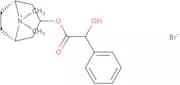

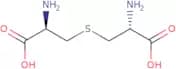
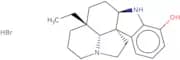
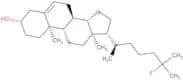
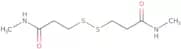
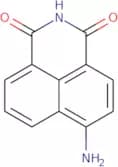
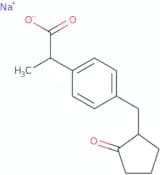

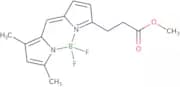
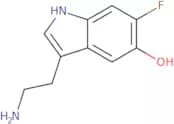
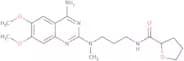
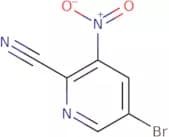
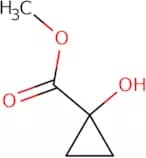
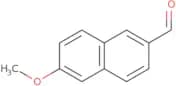
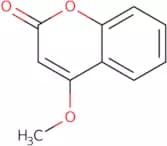
![3-(4-chlorophenyl)spiro[1,3-thiazolidine-2,3'-indoline]-4,7-dione](/_next/image/?url=https%3A%2Fstatic.cymitquimica.com%2Fproducts%2F3D%2Fthumb-webp%2FFC169673.webp&w=3840&q=75)
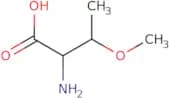
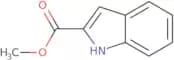
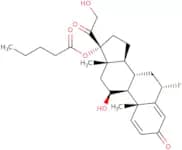

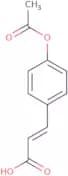
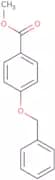
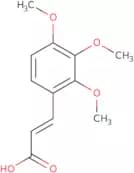
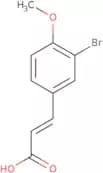
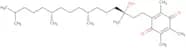
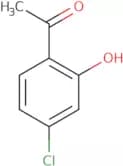
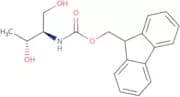
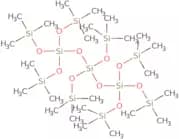
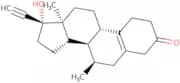
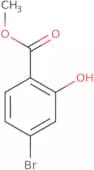
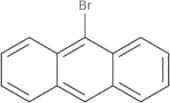
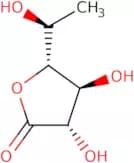
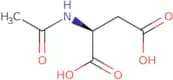
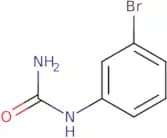

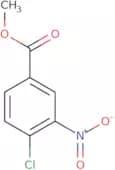
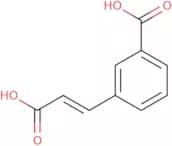
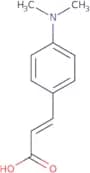
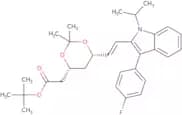

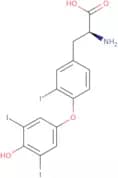
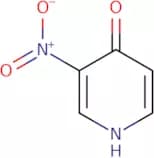
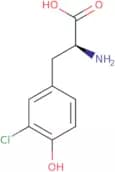
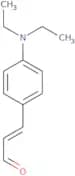
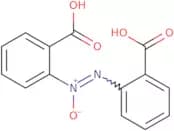
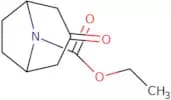
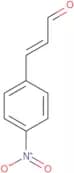
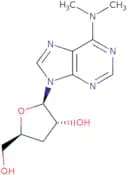
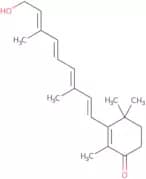
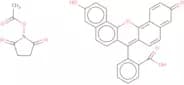
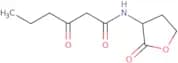

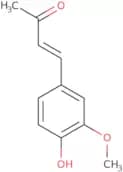
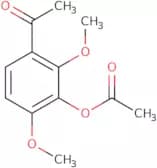
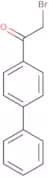
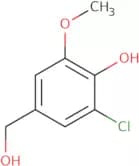
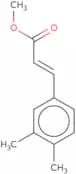
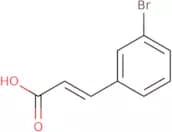
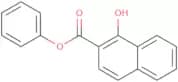
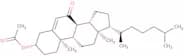
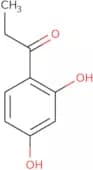
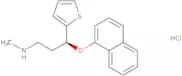
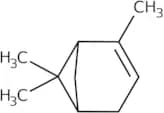
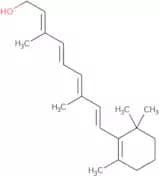
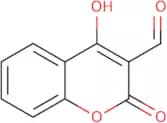
![6(R)-[2-(8(S)-Hydroxy]-2(S),6(R)-dimethyl-1,2,6,7,8,8a(R)-hexahydro-1(S)-naphthyl]ethyl-4(R)-hydro…](/_next/image/?url=https%3A%2Fstatic.cymitquimica.com%2Fproducts%2F3D%2Fthumb-webp%2FFH24175.webp&w=3840&q=75)
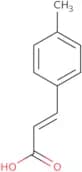
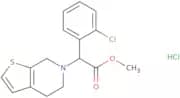
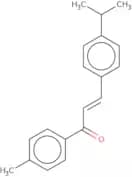
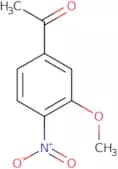
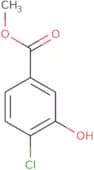
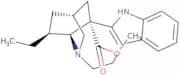
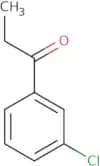

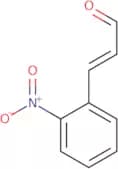
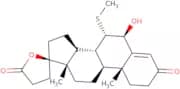
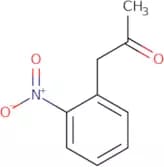
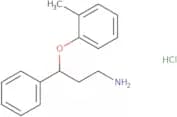
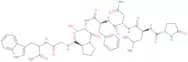
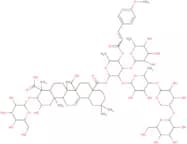
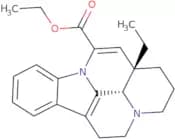
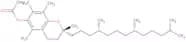
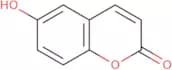
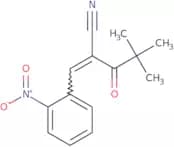
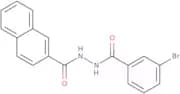
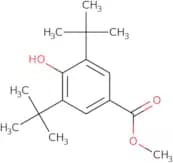
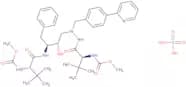
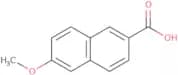
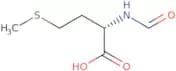
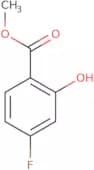

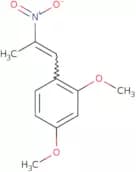
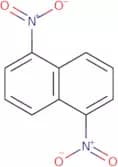
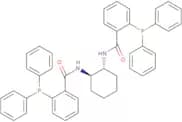
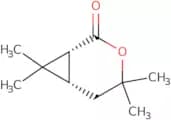
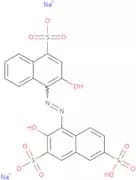

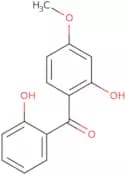

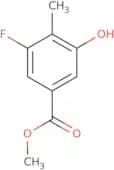
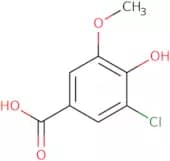
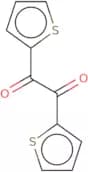
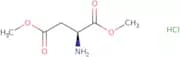
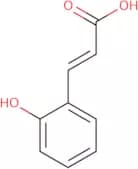
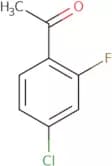
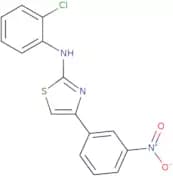
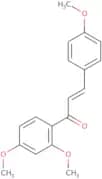
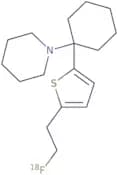

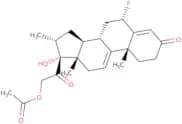
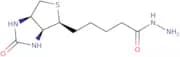
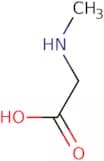
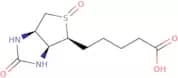
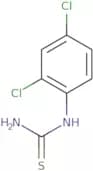
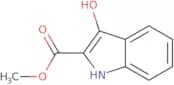

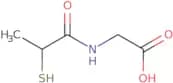
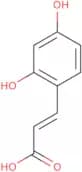
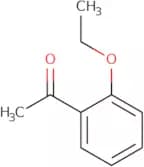
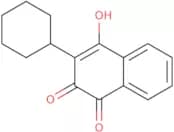
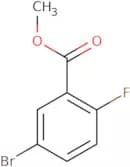
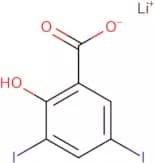
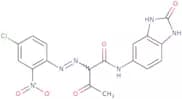
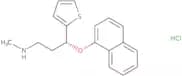
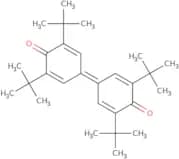

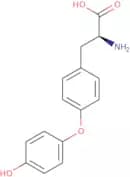
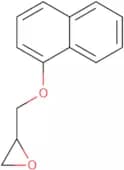
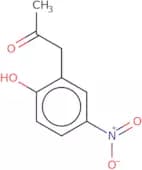
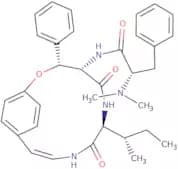

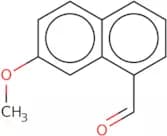
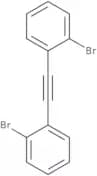
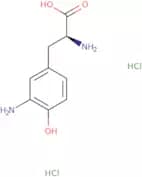
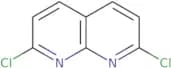
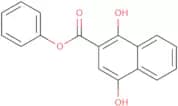
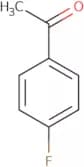
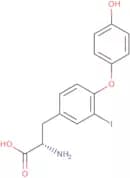
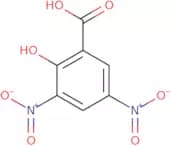
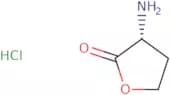

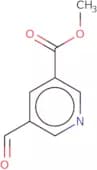

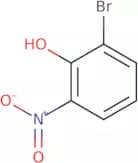
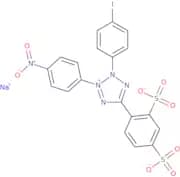
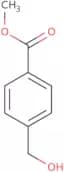
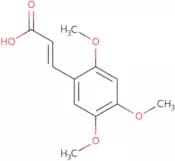
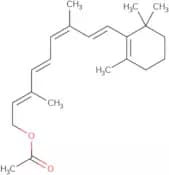
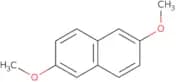

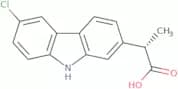
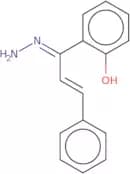
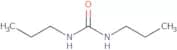

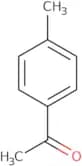

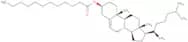

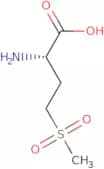

![Dipyrazino[2,3-f:2',3'-h]quinoxaline-2,3,6,7,10,11-hexacarbonitrile](/_next/image/?url=https%3A%2Fstatic.cymitquimica.com%2Fproducts%2F3D%2Fthumb-webp%2FFD42747.webp&w=3840&q=75)
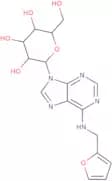
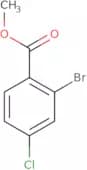
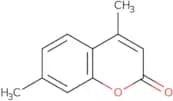
![Pigment YellOw 5;2-[(2-NitrOphenyl)azO]-3-OxO-N-phenylbutanamide](/_next/image/?url=https%3A%2Fstatic.cymitquimica.com%2Fproducts%2F3D%2Fthumb-webp%2FFP40385.webp&w=3840&q=75)
![Pigment Red 38;Diethyl 4,4'-[(3,3'-dichlOrO[1,1'-biphenyl]-4,4'-diyl)bis(azO)]bis[4,5-dihydrO-5-Ox…](/_next/image/?url=https%3A%2Fstatic.cymitquimica.com%2Fproducts%2F3D%2Fthumb-webp%2FFP43985.webp&w=3840&q=75)