Standard farmaceutici
Sottocategorie di "Standard farmaceutici"
- APIs per la ricerca e le impurità(277.271 prodotti)
- Attivatori e inibitori enzimatici(2.829 prodotti)
- Nitrosamine(2.661 prodotti)
- Composti e metaboliti farmaceutici e veterinari(2.891 prodotti)
- Tossicologia(13.367 prodotti)
Trovati 8131 prodotti di "Standard farmaceutici"
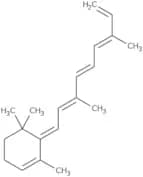
all-trans-Anhydro retinol
CAS:All-trans-Anhydro retinol is a retinoid that is biologically active as an antioxidant, with reactive properties. It has been shown to be photodecomposable in the presence of light, and it reacts rapidly with nucleophiles. All-trans-Anhydro retinol can be used as a model system for biological studies on the mechanisms of mitochondrial membrane potential and transfer reactions. All-trans-Anhydro retinol has been shown to decrease mitochondrial membrane potential in rat liver microsomes and inhibit fatty acid synthesis in liver cells, while also being a synthetic analog of all-trans retinoic acid.
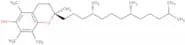
Formula:C20H28Purezza:Min. 90%Colore e forma:Yellow To Light (Or Pale) Orange SolidPeso molecolare:268.44 g/molD-a-Tocopherol
CAS:D-alpha-tocopherol, most commonly known as vitamin E, is a natural compound with antioxidant properties. It protects the API against oxidation and side reactions with oxidative species. Moreover, when used as excipient, vitamin E is a good solubilizing agent that greatly improves the solubility of poorly water-soluble drugs.
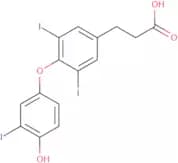
Formula:C29H50O2Purezza:Min. 97 Area-%Colore e forma:Clear LiquidPeso molecolare:430.71 g/mol3,3',5-Triiodo thyropropionic acid
CAS:Triiodothyropropionic acid is a metabolite of thyroxine, an important hormone that regulates the basal metabolic rate. It has been shown to be involved in the repair mechanism of cardiac and liver cells. Triiodothyropropionic acid is also a major metabolite of thyroxine and it is produced by the action of hydroxylases on thyroxine with water vapor as the substrate. This compound has been shown to increase cardiac function and improve heart tissue repair at physiological levels. The uptake, distribution, and excretion of triiodothyropropionic acid are similar to those for thyroxine. The metabolism of triiodothyropropionic acid occurs mainly in the liver, where it is converted into fatty acids such as 3-hydroxybutyric acid. Triiodothyropropionic acid has been shown to have effects on protein genes and rat liver microsomes.
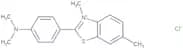
Formula:C15H11I3O4Purezza:Min. 95%Colore e forma:PowderPeso molecolare:635.96 g/molThioflavin T
CAS:Amyloid dye; membrane potential reporter
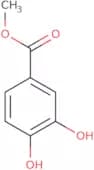
Formula:C17H19N2SClPurezza:Min. 95%Colore e forma:PowderPeso molecolare:318.86 g/mol3,4-Dihydroxybenzoic acid methyl ester
CAS:3,4-Dihydroxybenzoic acid methyl ester is a natural compound that has been isolated from Linteus. This compound has been shown to have antiinflammatory activity and to inhibit the production of pro-inflammatory cytokines, such as tumor necrosis factor-alpha (TNF-α) and interleukin 1β (IL-1β). It also inhibits toll-like receptor 4 (TLR4), which is a protein that can bind to lipopolysaccharides on the surface of bacteria. 3,4-Dihydroxybenzoic acid methyl ester has been found to decrease mitochondrial membrane potential in cells treated with hydrogen fluoride. This agent is used in organic synthesis for the preparation of derivatives with high purity. The extract from Etoac can be used as a model organism for the study of its structure and function.Formula:C8H8O4Purezza:Min. 95%Colore e forma:PowderPeso molecolare:168.15 g/molDL-a-Tocopherol acetate - powder
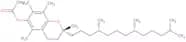
CAS:DL-a-Tocopherol acetate is a synthetic vitamin E compound that is used in the treatment of eye disorders and other conditions. It is an antioxidant that inhibits lipid peroxidation by scavenging free radicals. DL-a-Tocopherol acetate has been shown to inhibit the activity of protein kinase C, which plays a role in cancer, inflammation and apoptosis. This compound also inhibits the activity of toll-like receptor 4, which may be useful in treating infectious diseases, and scavenges anion radicals.
Formula:C31H52O3Purezza:Min. 50 Area-%Colore e forma:Clear LiquidPeso molecolare:472.74 g/molRef: 3D-FT146270
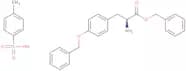
Prodotto fuori produzioneO-Benzyl-L-tyrosine benzyl ester 4-toluenesulfonate
CAS:O-Benzyl-L-tyrosine benzyl ester 4-toluenesulfonate salt is a fine chemical that belongs to the category of useful scaffolds and versatile building blocks. It is a high quality reagent that can be used as a reaction component in the preparation of complex compounds. This compound has shown to be useful in research on various types of drugs, including analgesics, antibiotics, antihistamines, antidepressants, antipsychotics and others.
Formula:C23H23NO3•C7H8O3SPurezza:Min. 95%Colore e forma:White solid.Peso molecolare:533.64 g/molRef: 3D-FB47595
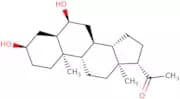
Prodotto fuori produzione5β-Pregnan-3α,6α-diol-20-one
CAS:Prodotto controllato5β-Pregnan-3α,6α-diol-20-one is an anticoagulant that inhibits the action of thrombin. It has been shown to inhibit the inflammatory response in a number of autoimmune diseases and inflammatory disorders. This drug also has a nitro group, which can be reduced to an hydroxyl group by reaction with sodium nitrite or other reducing agents. The antimicrobial properties of 5β-pregnan-3α,6α-diol-20-one are thought to be due to its ability to form particle aggregates with magnetic particles. These aggregates have an inhibitory effect on bacterial growth.Formula:C21H34O3Purezza:Min. 95%Colore e forma:PowderPeso molecolare:334.49 g/mol2'-Hydroxyacetophenone
CAS:2'-Hydroxyacetophenone is a hydroxylated acetophenone derivative. It is used in the synthesis of coumarin derivatives, which are used as pharmaceuticals and natural compounds. 2'-Hydroxyacetophenone has been found to be cytotoxic against HL-60 cells, which is a line of leukemia cells in humans. It also has anti-cancer properties that may be due to its ability to inhibit water vapor and nitrogen gas release from cervical cancer cells. The structural analysis of 2'-hydroxyacetophenone has shown that it contains an intramolecular hydrogen bond with the proton on the oxygen atom. This bond is responsible for stabilizing the molecule's structure and maintaining its 3D geometry.
Formula:C8H8O2Purezza:Min. 95%Colore e forma:Clear LiquidPeso molecolare:136.15 g/molRef: 3D-FH64535
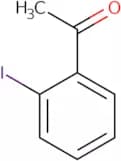
Prodotto fuori produzione2'-Iodoacetophenone
CAS:2'-Iodoacetophenone is a bioactive molecule that reacts with boronic acids to form aryl boronic acid derivatives. This reaction can be carried out in chlorobenzene or dihedral solvents, and it is scalable and applicable to a variety of boronic acids. The product of this reaction is an organocatalyst for the synthesis of bioactive molecules. 2'-Iodoacetophenone also reacts with dipole-containing additives to form dichlorodiphenyldichloroethane, which has been used as a fungicide, insecticide, and herbicide.
Formula:C8H7IOPurezza:Min. 95%Colore e forma:Clear LiquidPeso molecolare:246.05 g/molRef: 3D-FI67448
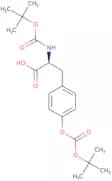
Prodotto fuori produzioneN,O-Bis-Boc-L-tyrosine
CAS:N,O-Bis-Boc-L-tyrosine is a synthetic protease inhibitor that is a diastereomer of the natural substrate tyrosine. It binds to the active site of the enzyme and prevents it from cleaving peptide bonds. N,O-Bis-Boc-L-tyrosine has been shown to inhibit proteolytic activity in vitro and in vivo, specifically targeting proteases such as trypsin, chymotrypsin, elastase, cathepsin G, and thrombin. The analogues show specific interaction with various glycoconjugates and have been used to synthesize tripeptides and peptidomimetics for use as drugs against cancer. Dermorphin is an opioid peptide derived from the N,O-bis Boc L tyrosine analogue that is able to interact with receptors on neurons in the brain.
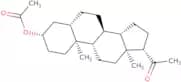
Formula:C19H27NO7Purezza:Min. 95%Colore e forma:SolidPeso molecolare:381.42 g/mol5α-Pregnan-3β-ol-20-one 3β-acetate
CAS:Prodotto controllato5α-Pregnan-3β-ol-20-one 3β-acetate is a synthetic steroid that is used to treat various neurological disorders, including dystonias, depression, and dyskinesias. It is an agonist of the GABA receptor and has been shown to have antidepressant effects in hamsters. 5α-Pregnan-3β-ol-20-one 3β-acetate has also been shown to have antiaggressive effects in mice and to decrease hormone levels in animals. The drug has been found to be safe for use in humans and does not affect fertility. 5α-Pregnan-3β-ol-20-one 3βacetate has been shown to be effective only when administered at high doses, which may be due to its poor oral bioavailability.
Formula:C23H36O3Purezza:Min. 95%Colore e forma:White PowderPeso molecolare:360.53 g/molRef: 3D-FP67983
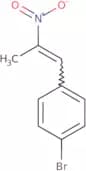
Prodotto fuori produzione1-(4-Bromophenyl)-2-nitropropene
CAS:1-(4-Bromophenyl)-2-nitropropene is a synthetic molecule that undergoes an efficient cycloaddition reaction with aldehydes. This reaction is used to synthesize 1,3-dienes and alpha,beta-unsaturated carbonyl compounds. When the substrate is an aldehyde, the final product is a 1,3-diene. When the substrate is an alpha,beta-unsaturated carbonyl compound, the final product is an alpha,beta-unsaturated ketone.
Formula:C9H8BrNO2Purezza:Min. 95%Colore e forma:PowderPeso molecolare:242.07 g/molRef: 3D-FB67070
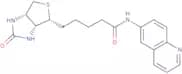
Prodotto fuori produzioneBiotinyl-6-aminoquinoline
CAS:Biotinyl-6-aminoquinoline is a synthetic chemical that has been shown to inhibit the growth of cancer cells in laboratory mice. It was synthesized to be a substrate for the enzyme quinolinate synthase, which is involved in the synthesis of nicotinic acid. Biotinyl-6-aminoquinoline is an analytical method that has been used in urinary samples from patients with bladder cancer as well as healthy individuals. The sequences of each individual were determined and analyzed using an algorithm that performs logistic regression, which can predict whether or not the patient has bladder cancer.
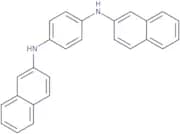
Formula:C19H22N4O2SPurezza:Min. 95 Area-%Colore e forma:PowderPeso molecolare:370.47 g/molN,N'-Di-2-naphthyl-1,4-phenylenediamine
CAS:N,N'-Di-2-naphthyl-1,4-phenylenediamine is a chemical compound that is used in the production of polyvinyl chloride (PVC). It can be used as an antimicrobial agent to prevent the growth of bacteria and fungi. It is also used as a crosslinking agent in the production of PVC. The reaction solution consists of hydrochloric acid and methyl ethyl chloride. The monochloride is then reacted with 2-naphthol, followed by reaction with benzalkonium chloride. The final product is N,N'-di-(2-naphthyl)-1,4-(phenylene) diamine monochloride.
Formula:C26H20N2Purezza:Min. 95 Area-%Colore e forma:PowderPeso molecolare:360.45 g/molRivaroxaban
CAS:Rivaroxaban is a natural drug that is a direct factor Xa inhibitor. It has been shown to be an effective therapy for the treatment of atrial fibrillation, deep vein thrombosis (DVT) and pulmonary embolism (PE). It works by inhibiting the enzyme, thrombin, which is responsible for the formation of blood clots. Rivaroxaban also has an effect on the coagulation system by decreasing the levels of fibrinogen and increases in antithrombin III. This drug does not have any specific antidote, but it can be reversed with heparin. Pharmacodynamics and drug interactions have been studied extensively in preclinical models, demonstrated by the concentration–time curves.
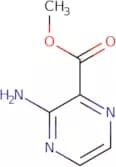
Formula:C19H18ClN3O5SPurezza:Min. 98 Area-%Colore e forma:White Off-White PowderPeso molecolare:435.88 g/mol3-Amino-2-pyrazinecarboxylic acid methyl ester
CAS:3-Amino-2-pyrazinecarboxylic acid methyl ester (3APCME) is a potent anti-mycobacterial agent that inhibits the growth of Mycobacterium tuberculosis by inhibiting the synthesis of amines, which are necessary for its survival. 3APCME has also been shown to have an inhibitory effect on other bacteria that require amines for their survival, such as Escherichia coli. This agent binds to the receptor and inhibits the enzyme pyrazinase in the reaction of phenoxy with dimethylformamide. The molecular modeling studies show that 3APCME is able to bind to a hydrophobic region on the enzyme's surface and form a covalent bond through nucleophilic attack. The asymmetric synthesis results in the production of one enantiomer of 3APCME and allows for greater efficacy against mycobacteria than other agents.Formula:C6H7N3O2Purezza:Min. 95%Colore e forma:PowderPeso molecolare:153.14 g/molRef: 3D-FA17474
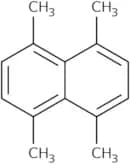
Prodotto fuori produzione1,4,5,8-Tetramethylnaphthalene
CAS:1,4,5,8-Tetramethylnaphthalene is a colorless liquid that is synthesized from naphthalene and trifluoroacetic acid. It has been used as a photolytic substrate in the rationalized synthesis of 1,4-benzoquinones. Tetramethylnaphthalene also reacts with diacetate to form tetraacetates. The compound is stable at low temperatures but undergoes thermal decomposition above 120 degrees Celsius. Tetramethylnaphthalene can be oxidized by air or oxygen to form aniline. This reaction can occur through either orientation of the molecule. Tetramethylnaphthalene has been used as an acceptor in hydrodynamic studies and as a strain in solid state studies.
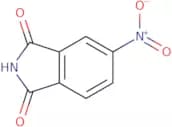
Formula:C14H16Purezza:Min. 95%Colore e forma:PowderPeso molecolare:184.28 g/mol4-Nitrophthalimide
CAS:4-Nitrophthalimide is a nitroimidazole compound that has been shown to be active against bacterial strains belonging to the group P2. It is also soluble in organic solvents such as chloroform, ethanol, and acetone. 4-Nitrophthalimide has been used for experimental solubility data and as a pharmaceutical preparation. The reaction of 4-nitrophthalimide with diazonium salt produces 3-nitrophthalic anhydride, which is then hydrolyzed by hydrochloric acid to form nitrobenzene. This reaction can be monitored using fluorescence resonance spectroscopy.
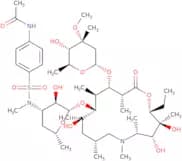
Formula:C8H4N2O4Purezza:Min. 95%Colore e forma:PowderPeso molecolare:192.13 g/molAzithromycin impurity H
CAS:Please enquire for more information about Azithromycin impurity H including the price, delivery time and more detailed product information at the technical inquiry form on this page
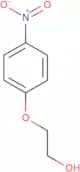
Formula:C45H77N3O15SPurezza:Min. 95%Colore e forma:PowderPeso molecolare:932.17 g/mol2-(4-Nitrophenoxy)ethanol
CAS:2-(4-Nitrophenoxy)ethanol (NPEO) is a water soluble, synthetic compound that has been shown to have anti-tumor properties. NPEO was found to be toxic to tumor cells in vitro and inhibits the growth of tumor cells in vivo. NPEO also inhibits the synthesis of DNA and RNA, which are important for cell division. This inhibitory effect may lead to the death of cancer cells by interfering with their ability to grow and divide.
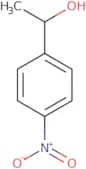
Formula:C8H9NO4Purezza:Min. 95%Colore e forma:PowderPeso molecolare:183.16 g/mol4-Nitrophenylmethylcarbinol
CAS:4-Nitrophenylmethylcarbinol is a nitro compound that has been isolated from the nitration of 4-nitrophenol. It is used as a reagent to synthesize β-unsaturated ketones. The inhibitory effect of 4-nitrophenylmethylcarbinol is due to the presence of two nitro groups and one methyl group on its structure. This compound has been shown to have an inhibitory effect on glucose 6-phosphate dehydrogenase, which functions in cellular respiration by catalyzing the conversion of glucose 6-phosphate to glucose 1,6-bisphosphate. The inhibition of this enzyme leads to a reduction in the formation of ATP and NADPH, which are essential for cell growth. 4-Nitrophenylmethylcarbinol also has reductase activities that allow it to reduce phosphotriesters (e.g., DNA) and dehydrogenase deficiency (e.g., py
Formula:C8H9NO3Purezza:Min. 95%Colore e forma:Orange Clear LiquidPeso molecolare:167.16 g/molFmoc-3-chloro-L-tyrosine
CAS:Fmoc-3-chloro-L-tyrosine is a fine chemical that belongs to the class of versatile building blocks. It is a reagent and speciality chemical that is used in the synthesis of complex compounds. Fmoc-3-chloro-L-tyrosine can be used as a useful scaffold to produce high quality and versatile building blocks, which are useful for research purposes. Fmoc-3-chloro-L-tyrosine has CAS No. 478183-58-3, which shows its high quality and usefulness.
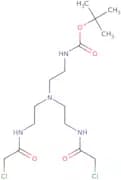
Formula:C24H20ClNO5Purezza:Min. 95%Colore e forma:White PowderPeso molecolare:437.87 g/mol2N-Boc-2',2''-triaminotriethylamine-bis(chloroacetamide)
CAS:2N-Boc-2',2''-triaminotriethylamine-bis(chloroacetamide) is a fine chemical and reagent for the synthesis of pharmaceuticals. It is also a useful building block for the synthesis of complex compounds. This product can be used as a reaction component in organic chemistry, or it can be used as a reagent in research or development laboratories.
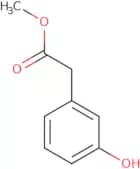
Formula:C15H28Cl2N4O4Purezza:Min. 95%Peso molecolare:399.31 g/mol(3-Hydroxyphenyl)acetic acid methyl ester
CAS:(3-Hydroxyphenyl)acetic acid methyl ester is an allosteric inhibitor of the serotonin transporter (SERT), which is a target enzyme for many drugs. It has inhibitory activity against 5-HT1A receptors, and other targets that have not yet been elucidated. This compound has been shown to react with coumarin derivatives to form reaction products. The molecular modelling of this drug shows that its uptake is inhibited by the presence of acids, such as hydrochloric acid, in the environment. The rate of reaction between (3-hydroxyphenyl)acetic acid methyl ester and serotonin has been determined experimentally using kinetic data. Molecular modeling predicts that this compound will bind tightly to the SERT protein via hydrogen bonding interactions with amino acids in the binding site.
Formula:C9H10O3Purezza:Min. 95%Colore e forma:Colorless PowderPeso molecolare:166.17 g/molRef: 3D-FH70988
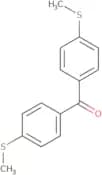
Prodotto fuori produzione4,4’-Bis-(methylthio)-benzophenone
CAS:4,4’-Bis-(methylthio)-benzophenone is a versatile building block that is used in the synthesis of complex compounds. It has a CAS number of 63084-99-1 and can be used as a reagent for research purposes. 4,4’-Bis-(methylthio)-benzophenone is also useful as an intermediate for the synthesis of other compounds or as a component in reactions. This compound is high quality and can be used as an intermediate in the synthesis of many other substances.
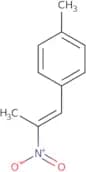
Formula:C15H14OS2Purezza:Min. 95%Colore e forma:PowderPeso molecolare:274.4 g/mol4-Methylphenylnitropropene
CAS:4-Methylphenylnitropropene is a psychostimulant drug that has been shown to have a high binding affinity for dopamine transporters. It is also known to increase the level of dopamine in the synaptic cleft and can be used as a research tool for understanding the function of dopamine in neuronal synapses. 4-Methylphenylnitropropene has been shown to cause an increase in locomotor activity and is able to induce euphoria when administered to rats. This drug is not thought to cause any physical dependence, although it may lead to psychological dependence.
Formula:C10H11NO2Purezza:Min. 95%Colore e forma:PowderPeso molecolare:177.2 g/mol(+)-Biotin-(PEO)3-amine
CAS:(+)-Biotin-(PEO)3-amine is a PEG compound with two different functional groups (also known as heterobifunctional). Unlike homobifunctional PEG compounds (same functional group on both ends), this type of compounds are more versatile as have two different anchor points. (+)-Biotin-(PEO)3-amine is used as a linker and spacer to add a PEG moiety, via pegylation (a bioconjugation technique) to proteins, peptides, oligonucleotides, small molecules and nanoparticles.
Formula:C16H30N4SO4Purezza:Min. 95 Area-%Colore e forma:White Off-White PowderPeso molecolare:374.5 g/molNorbornylmethylpentafluorocinnamate
Norbornylmethylpentafluorocinnamate is a versatile building block in organic synthesis. It is used as a reagent for the production of amines and other organic compounds, as well as for the synthesis of novel heterocycles. Norbornylmethylpentafluorocinnamate is also used as an intermediate in chemical reactions. This compound has been shown to react with ethylene glycol to form ethylene carbonate and pentafluoroethane, which may be useful for the production of polyurethane foam. Norbornylmethylpentafluorocinnamate can be used as a scaffold for synthesizing new drug candidates or to produce novel pharmaceuticals.
Formula:C17H15F5O2Purezza:Min. 95%Peso molecolare:346.29 g/molRef: 3D-FN66406
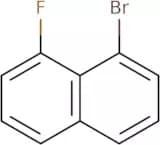
Prodotto fuori produzione1-Bromo-8-fluoronaphthalene
CAS:1-Bromo-8-fluoronaphthalene is a versatile compound that has various applications in the field of research and medicine. It is commonly used as a building block for the synthesis of different compounds, including misoprostol, a medication used to prevent stomach ulcers. Additionally, 1-Bromo-8-fluoronaphthalene has been found to enhance the growth factor effect of allopregnanolone, a neurosteroid with potential therapeutic benefits.
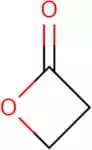
Formula:C10H6BrFPurezza:Min. 95%Colore e forma:Clear LiquidPeso molecolare:225.06 g/molb-Propiolactone
CAS:Prodotto controllatob-Propiolactone is a plant extract that is found in soybeans. It has been shown to have antiviral properties and can inhibit the growth of certain viruses. b-Propiolactone binds to the active site of an enzyme called RNA polymerase, which blocks RNA synthesis and inhibits viral replication. This compound has also been shown to inhibit virus replication in vitro assays as well as antibody response against hepatitis B. The biological effects of b-propiolactone are thought to be due to its ability to bind with group p2 protein monoclonal antibodies, which may have implications for the prevention of pandemic influenza.
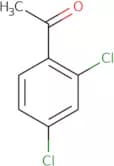
Formula:C3H4O2Purezza:Min. 95%Colore e forma:Clear LiquidPeso molecolare:72.06 g/mol2',4'-Dichloroacetophenone
CAS:2',4'-Dichloroacetophenone is a chemical intermediate used in the treatment of wastewater. It reacts with chloride ions to form 2,4-dichloro-5-chlorobenzene-1,3-diol (2,4-DCD) and dichloroacetic acid (DCAA). DCDA is an inhibitor of the synthesis of triazole antifungal agents. In addition to its use as an intermediate, 2',4'-Dichloroacetophenone has been shown to be an effective inhibitor of the enzyme carbonyl reductase and can also serve as a precursor for the synthesis of other chemicals. The reaction products are geometric isomers that differ only in their orientation about the double bond. This product's molecular weight is 188.27 g/mol and its melting point is 53 °C.
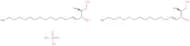
Formula:C8H6Cl2OPurezza:Min. 95%Colore e forma:PowderPeso molecolare:189.04 g/molD-erythro-Sphingosine (sulfate)
CAS:Protein kinase C inhibitor in platelets
Formula:C18H37NO2H2SO4Purezza:Min. 95%Colore e forma:White To Off-White SolidPeso molecolare:348.53 g/molRef: 3D-FE16404
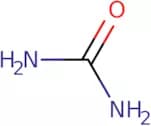
Prodotto fuori produzioneUrea
CAS:Urea is a natural by-product of protein metabolism in humans, and is also produced commercially from the ammonia by-product of fossil fuel production. Urea is commonly used as a fertilizer, and as a scrubber for removing toxic gases from coal gas, for instance. It can be used in the manufacture of plastics, paints, and explosives. Urea has been shown to have many biochemical properties including its ability to cause cell lysis. This property can be exploited in the laboratory to lyse red blood cells during blood sampling or to lyse bacteria during infectious disease testing. Urea also has an effect on enzyme activities by lowering their pH and increasing their water solubility. The addition of urea to nutrient solutions has been shown to increase slow-release fertilization rates in plants.
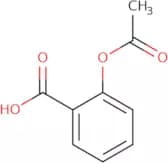
Formula:CH4N2OPurezza:Min. 95%Colore e forma:White Clear LiquidPeso molecolare:60.06 g/molAcetylsalicylic acid
CAS:Acetylsalicylic acid is a nonsteroidal anti-inflammatory drug that inhibits the production of prostaglandins, which are involved in the inflammatory response. Acetylsalicylic acid is used to prevent heart attacks or strokes. It has been shown to inhibit the migration of neutrophils and monocytes, with minimal toxicity. Acetylsalicylic acid also inhibits the binding of integrin receptors to their ligands on endothelial cells, which prevents platelet aggregation. The drug can cause drug interactions with other drugs such as clopidogrel and acetylsalicylic acid, which may lead to increased bleeding. Acetylsalicylic acid is a natural compound found in plants such as willow bark and meadowsweet. It has been shown to have analgesic and anti-inflammatory properties in mice studies, but there is not enough evidence for its effectiveness in humans.
Formula:C9H8O4Purezza:Min. 95%Colore e forma:White PowderPeso molecolare:180.16 g/molRef: 3D-FA17179
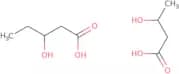
Prodotto fuori produzionePoly(3-hydroxybutyric acid-co-3-hydroxyvaleric acid)
CAS:Poly(3-hydroxybutyric acid-co-3-hydroxyvaleric acid) is a biodegradable polymer that has been shown to have high water vapor permeability and low values for water uptake and swelling. The polymer is also biocompatible, with no cytotoxicity or hemolysis. Poly(3-hydroxybutyric acid-co-3-hydroxyvaleric acid) was synthesized by ring opening polymerization of 3-hydroxybutyric acid and 3-hydroxyvaleric acid. The polymer has shown synergistic effects when used in combination with other polymers, such as polyvinyl alcohol. Poly(3-hydroxybutyric acid-co-3-hydroxyvaleric acid) can be used in tissue culture as a scaffold for the growth of animal cells.
Colore e forma:PowderCholesterol oleate
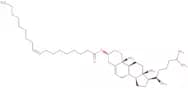
CAS:Prodotto controllatoCholesterol oleate is a mixture of cholesterol and the fatty acid oleic acid. It is used as a pharmaceutical ingredient in the production of tablets for hyperproliferative diseases. Cholesterol oleate is enzymatically inactivated by esterase enzymes, which convert it to cholesteryl erucate. This product has been shown to be effective at inhibiting lipolysis and reducing body weight gain in rats with induced hyperlipidemia. Cholesterol oleate has been shown to have a neutral pH, making it suitable for use as an excipient with acidic or basic drugs. The phase transition temperature of cholesterol oleate is -30 °C, making it suitable for storage at room temperature. Cholesterol oleate has been used as a phase transfer agent in the manufacture of pharmaceutical preparations with high lipid content such as biologicals and vaccines.
Formula:C45H78O2Purezza:Min. 85%Colore e forma:PowderPeso molecolare:651.1 g/mol3,3',5-Triiodo thyroacetic acid
CAS:3,3',5-Triiodo thyroacetic acid is a synthetic thyroid hormone that acts as a thyroid hormone receptor agonist. It binds to the thyroid hormone receptor, leading to the activation of other transcription factors and increased synthesis of proteins. 3,3',5-Triiodo thyroacetic acid has been shown to increase the metabolic rate in rats by increasing the expression of epidermal growth factor in skin cells and signal transduction in nerve cells. This drug also causes an increase in transcriptional regulation and protein synthesis. 3,3',5-Triiodo thyroacetic acid does not have any known side effects or toxicity.
Formula:C14H9I3O4Purezza:Min. 95%Colore e forma:White Off-White PowderPeso molecolare:621.93 g/molAndrosterone sulfate sodium
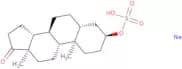
CAS:Androsterone sulfate sodium is a fine chemical that is used as a versatile building block in the synthesis of complex compounds. It is also a valuable reagent in research and speciality chemicals. Androsterone sulfate sodium is used as a high-quality reaction component and can be used as an intermediate to produce other useful compounds. This compound has the CAS number 1852-41-1 and can be used as a scaffold to generate other related compounds.
Formula:C19H29NaO5SPurezza:Min. 95 Area-%Colore e forma:White PowderPeso molecolare:392.49 g/molTiotropium bromide
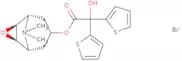
CAS:Muscarinic antagonist; bronchodilator
Formula:C19H22BrNO4S2Purezza:Min. 95%Colore e forma:PowderPeso molecolare:472.42 g/mol13-cis-Retinal - 95%
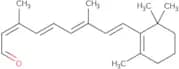
CAS:13-cis-Retinal is a natural compound that is a derivative of retinol. It is biologically active, and a precursor to retinoic acid. Retinal is synthesized from dietary vitamin A, and is converted to retinoic acid in the liver. Retinal binds to the receptor protein opsin, which initiates the photochemical conversion of light into nerve impulses. 13-cis-Retinal has been shown to be effective for restoring vision in people with retinitis pigmentosa and other degenerative diseases of the retina. This molecule also has anticancer properties that are due to its ability to inhibit cell division and induce apoptosis.
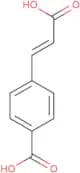
Formula:C20H28OPurezza:(%) Min. 95%Colore e forma:Yellow PowderPeso molecolare:284.44 g/mol4-Carboxycinnamic acid
CAS:4-Carboxycinnamic acid is an organic compound that is a derivative of cinnamic acid. It is a colorless solid that is soluble in organic solvents and has high resistance to environmental pollution. 4-Carboxycinnamic acid has been shown to have photocatalytic activity in the presence of UV radiation, with a quantum yield of 0.2% at 365 nm. It also exhibits fluorescence properties, but these are not as strong as the parent compound, cinnamic acid. 4-Carboxycinnamic acid has functional groups that can be activated by hydrogen bonding interactions and uptake into cells. This compound also reacts with sulfonic acids to form sulfinic acids and hydrochloric acid to form chlorocinnamic acids. Chronic pulmonary effects were observed in animals after inhalation of this substance for 30 minutes per day for 10 days. X-ray crystal structures have been determined for 4-carboxycinnamic acid and its
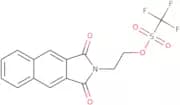
Formula:C10H8O4Purezza:Min. 95%Colore e forma:PowderPeso molecolare:192.17 g/mol2-(2,3-Naphthalimino)ethyl trifluoromethanesulfonate
CAS:2-(2,3-Naphthalimino)ethyl trifluoromethanesulfonate (2NTF) is a nonsteroidal anti-inflammatory drug that acts by inhibiting the enzyme cyclooxygenase. It is used as a sample preparation agent for epoxyeicosatrienoic acids (EETs). 2NTF is applied to a hydrophilic interaction chromatography column and then eluted with caproic acid, which selectively binds to the fatty acid component of EETs. The eluate can then be analyzed using a fluorescence detector and chromatographic methods. 2NTF has been shown to have no effect on carnitine levels in human serum.
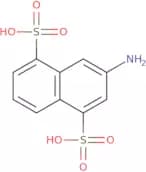
Formula:C15H10F3NO5SPurezza:Min. 97%Colore e forma:White PowderPeso molecolare:373.3 g/mol2-Amino-4,8-naphthalenedisulfonic acid
CAS:2-Amino-4,8-naphthalenedisulfonic acid is a structural analog of the natural amino acid phenylalanine. It is an inhibitor of the enzyme tyrosinase, which participates in the oxidation of dopamine to DOPA and subsequent conversion to melanin. 2-Amino-4,8-naphthalenedisulfonic acid has been shown to inhibit the growth of probiotic bacteria and can be used as a food additive. The compound also inhibits the oxidation catalyst that is required for some analytical chemistry tests. 2-Amino-4,8-naphthalenedisulfonic acid has been shown to have toxicological properties in animal studies and this toxicity is exacerbated by its ability to bind with pyridine nucleotides found in cells. The toxicological effects are thought to be related to the inhibition of protein synthesis that leads to cell death.
Formula:C10H9NO6S2Purezza:Min. 95%Colore e forma:PowderPeso molecolare:303.31 g/molRef: 3D-FA40997
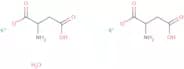
Prodotto fuori produzionePotassium DL-aspartate hemihydrate
CAS:Potassium DL-aspartate hemihydrate is a versatile building block that can be used as a reagent and as a speciality chemical. It is useful for research and development, as well as for the production of high-quality compounds and intermediates. This compound can be used in organic synthesis reactions and has been shown to be useful in the construction of scaffolds.
Formula:C4H7NO4H2O·KPurezza:Min. 95%Colore e forma:White PowderPeso molecolare:181.21 g/mol5-Bromovanillin
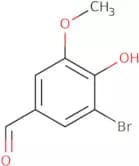
CAS:5-Bromovanillin is an antimicrobial agent that inhibits the growth of bacteria by binding to the enzyme vanillin. It is used as a natural compound, in which it can be found in plants and fruits such as Eugenia caryophyllata and Vanilla planifolia. 5-Bromovanillin has been shown to have a potent inhibitory effect on bacterial growth. The inhibitory effect of this compound is due to its ability to coordinate with the vanillin molecule, forming a complex that blocks the reaction mechanism of the enzyme. This complex also reacts with p-hydroxybenzoic acid, which disrupts the cell membrane and causes leakage of cellular contents. 5-Bromovanillin has been studied using surface methodology and electrochemical impedance spectroscopy (EIS). These studies demonstrated that 5-bromovanillin has a high affinity for methanol solvent and inhibitor molecules, which may contribute to its antimicrobial activity.
Formula:C8H7BrO3Purezza:Min. 95%Colore e forma:Yellow PowderPeso molecolare:231.04 g/molRef: 3D-FB10623
Prodotto fuori produzioneL-Alanosine
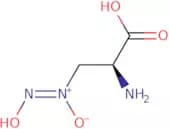
CAS:L-Alanosine is a nucleotide that is synthesized from adenosine and alanine. It is the first substrate in the synthetic pathway of l-alanosine. L-Alanosine has been shown to have antibiotic properties against gram negative bacteria, such as Escherichia coli and Klebsiella pneumoniae. L-Alanosine inhibits synthesis of bacterial cell walls by interfering with the enzymatic activity of bacterial ribonucleotide reductase, which converts ribonucleotides to deoxyribonucleotides. The molecule also inhibits protein synthesis by binding to the 30S subunit of bacterial ribosomes, preventing elongation of polypeptide chains. In vivo treatment with L-alanosine significantly reduced tumor size and increased levels of ATP in colorectal adenocarcinoma cells.
br>br>Formula:C3H7N3O4Purezza:Min. 95%Colore e forma:Off-White PowderPeso molecolare:149.11 g/molRef: 3D-FA17253
Prodotto fuori produzione2-Hydroxy-6-methoxyacetophenone
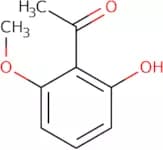
CAS:2-Hydroxy-6-methoxyacetophenone is a chalcone that belongs to the group of flavonoids. It has been shown to have anticancer properties, inhibiting the growth of colorectal carcinoma cells in a dose-dependent manner. The mechanism of action for 2-hydroxy-6-methoxyacetophenone is not fully understood, but it may be due to its ability to inhibit the enzyme demethylase and induce apoptosis. This compound also has been shown to inhibit the growth of Escherichia coli and Salmonella typhimurium when used at high concentrations. 2-Hydroxy-6-methoxyacetophenone can be synthesized by reacting ethyl acetoacetate with two equivalents of methylamine in the presence of a base such as sodium methoxide or potassium hydroxide.
2-Hydroxy-6-methoxyacetophenone has also been shown to inhibitFormula:C9H10O3Purezza:Min. 95%Colore e forma:PowderPeso molecolare:166.17 g/molRef: 3D-FH71010
Prodotto fuori produzioneUrsodeoxycholic acid methyl ester
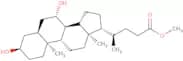
CAS:Prodotto controllatoUrsodeoxycholic acid methyl ester is a bile acid that is produced from ursodeoxycholic acid. It is used as a drug to dissolve gallstones and reduce the risk of recurrent gallstones in patients who have had a cholecystectomy. Ursodeoxycholic acid methyl ester also reduces cholesterol levels by preventing its reabsorption in the small intestine and enhancing its excretion in the bile. This agent has been shown to modulate cell proliferation and differentiation, especially in cerebral tissue and muscle cells. Ursodeoxycholic acid methyl ester can be synthesized from ursodeoxycholic acid by saponification with base followed by methylation with methanol. The synthesis of this agent involves an elimination reaction between c1-c3 alcohols, which leads to impurities such as formaldehyde, acetone, glycerol, acetic acid, and butyric acid.
Formula:C25H42O4Purezza:Min. 95%Colore e forma:White PowderPeso molecolare:406.6 g/molCocamidopropyl betaine - aqueous solution
CAS:Mixture of C12–C18 acylamides with the major component cocamidopropyl betaine.
Formula:C19H38N2O3Colore e forma:Colorless Clear LiquidPeso molecolare:342.52 g/mol