Standard farmaceutici
Sottocategorie di "Standard farmaceutici"
- APIs per la ricerca e le impurità(277.141 prodotti)
- Attivatori e inibitori enzimatici(2.829 prodotti)
- Nitrosamine(2.646 prodotti)
- Composti e metaboliti farmaceutici e veterinari(2.894 prodotti)
- Tossicologia(13.388 prodotti)
Trovati 8093 prodotti di "Standard farmaceutici"
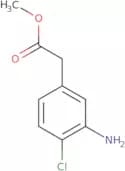
3-Amino-4-chlorophenylacetic acid methyl ester
CAS:3-Amino-4-chlorophenylacetic acid methyl ester is a fine chemical that is useful as a building block in the synthesis of complex compounds. It has been used as a reagent and speciality chemical, which can be used for research purposes. CAS No. 59833-69-1Formula:C9H10ClNO2Purezza:Min. 95%Peso molecolare:199.63 g/molN-Acetyl-L-asparagine
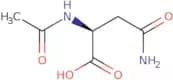
CAS:N-Acetyl-L-asparagine is a synthetic, non-toxic amino acid that inhibits the activity of pancreatic lipase, an enzyme involved in lipid metabolism. N-Acetyl-L-asparagine may be useful in the treatment of obesity and diabetes. This compound also has tumor inhibition properties and is detectable in human urine. N-Acetyl-L-asparagine is synthesized by reacting acetic acid with L-aspartic acid in the presence of trifluoroacetic acid and sulfate ions. The acetyl derivative is then purified by column chromatography on sephadex g-100 to yield N-acetyl asparagine.Formula:C6H10N2O4Purezza:Min. 98 Area-%Colore e forma:PowderPeso molecolare:174.15 g/moltrans-Cinnamaldehyde
CAS:Cinnamaldehyde is a natural compound that has shown to have antiviral and antimicrobial properties. It has been shown to inhibit the toll-like receptor, which is a protein on the surface of cells that detects bacteria and other microorganisms. Cinnamaldehyde is also able to inhibit c. glabrata growth in vitro at concentrations between 10 and 100 μM, as well as copper-mediated cell death in hl-60 cells. Cinnamaldehyde has been shown to cause neuronal death by interfering with cellular physiology. This compound can be used in the treatment of infectious diseases because it inhibits bacterial dna gyrase, dna topoisomerase, and rna synthesis.Formula:C9H8OPurezza:Min. 95%Colore e forma:PowderPeso molecolare:132.16 g/molent-Fisetinidol-(4α->8)-catechin-(6->4α)-ent-fisetinidol
CAS:Ent-Fisetinidol-(4alpha->8)-catechin-(6->4alpha)-ent-fisetinidol is a complex flavan-3-ol oligomer, which is a type of polyphenolic compound commonly found in various plant species. This compound is derived primarily from plants such as those in the genus *Acacia* and other similar species rich in condensed tannins. The mode of action of this oligomer involves its ability to engage in antioxidant activities, which include scavenging free radicals and chelating metal ions that facilitate oxidative stress in biological systems.Formula:C45H38O16Purezza:Min. 95%Colore e forma:PowderPeso molecolare:834.77 g/mol2,2'-Oxydianiline
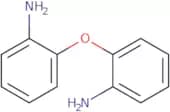
CAS:2,2'-Oxydianiline is a diazonium salt that has been used as a pharmaceutical intermediate for the synthesis of other drugs. It is also used in the manufacture of dyes and pigments. 2,2'-Oxydianiline is an electron-deficient molecule which can react with aromatic residues. The aromatic residue reacts with the electron-deficient molecule to form a covalent bond between them. This process is called electrophilic aromatic substitution reaction. This reaction rate depends on the concentration of the reactants and their relative rates of diffusion (the rate of movement of molecules from high concentrations to low concentrations). 2,2'-Oxydianiline has been shown to have an effect on viscosity by binding to cholesterol in lipoproteins and increasing its solubility in water.Formula:C12H12N2OPurezza:Min. 98 Area-%Colore e forma:PowderPeso molecolare:200.24 g/mol5-Hydroxymethylcytosine
CAS:5-Hydroxymethylcytosine is a metabolite of the nucleic acid cytosine. It is an epigenetic modification that alters gene expression without changing the DNA sequence. 5-Hydroxymethylcytosine has been shown to be a potential biomarker of cellular transformation and is involved in axonal growth, transcriptional regulation, and leukemia inhibitory factor. 5-Hydroxymethylcytosine binds to nuclear dna, which inhibits replication by binding to the duplexes of dna (the double helix) and halting transcriptional elongation. 5-Hydroxymethylcytosine also binds cell factor, which is necessary for cell proliferation and differentiation.Formula:C5H7N3O2Purezza:Min. 95 Area-%Colore e forma:Off-White PowderPeso molecolare:141.13 g/mol2,4-Dimethyl-5-nitropyridine
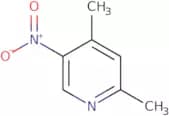
CAS:2,4-Dimethyl-5-nitropyridine is a hydroxyurea analog that inhibits the synthesis of ribonucleotides by competitively binding to the enzyme ribonucleotide reductase. This inhibition leads to the accumulation of diphosphate and deoxyribonucleotides, which are necessary for DNA synthesis. 2,4-Dimethyl-5-nitropyridine was found to be more potent than hydroxyurea as an inhibitor of cellular growth in vitro and cancer cell lines in vivo. The potency of 2,4-dimethyl-5-nitropyridine can be attributed to its ability to bind very tightly with ribonucleotide reductase and form a stable complex.
Formula:C7H8N2O2Purezza:Min. 95%Colore e forma:Yellow Clear LiquidPeso molecolare:152.15 g/mol2',4'-Dibromoacetophenone
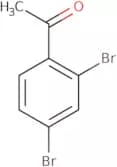
CAS:2',4'-Dibromoacetophenone is a 3',5'-cyclic monophosphate (cAMP) analogue that inhibits protein kinase and phospholipase C. It has been shown to inhibit the production of adenosine in endothelial cells by acting as an antagonist at the adenosine receptor. 2',4'-Dibromoacetophenone also has a strong inhibitory effect on human endothelial cells, which may be due to its ability to inhibit DNA synthesis and protein synthesis. This compound binds to the endothelial cell membrane and blocks the activation of phospholipase A2, preventing the release of arachidonic acid from phospholipids. Arachidonic acid is required for prostaglandin synthesis, which leads to inflammation.
Formula:C8H6Br2OPurezza:Min. 95%Colore e forma:Slightly Yellow PowderPeso molecolare:277.94 g/mol2,2'-Methylenebis(4,6-di-tert-butylphenyl)phosphatesodiumsalt
CAS:This product is a polymer that is used in the production of plastics, paper, and paints. It is also used as a thickening agent, emulsifier, or stabilizer in foods. Hydroxypropyl cellulose is produced by condensation of dimethoxybenzoic acid and sodium bis(2-hydroxypropyl)sulfate. This product has a molecular weight of about 10,000 to 1 million Daltons. It can be quantified using gas chromatography/mass spectroscopy. Hydroxypropyl cellulose has been shown to have an inhibiting effect on nucleation and growth of ice crystals during freezing and thawing cycles in polyolefin products. The polymer does not dissolve in water but readily absorbs moisture from the air and swells significantly when wetted with water. In addition to its use as a food additive, hydroxypropyl cellulose can be used as a component in the manufacture of polymers such as polyolefinsFormula:C29H42NaO4PPurezza:Min. 95%Colore e forma:White PowderPeso molecolare:508.6 g/mol5-Formylsalicylic acid
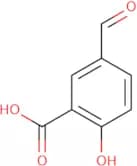
CAS:5-Formylsalicylic acid is a molecule that has the chemical formula HOOC-(CH2)4-COOH. It is an organic acid that is derived from 5-nitrosalicylic acid, which is prepared by reacting sodium carbonate with hydroxybenzoic acid in the presence of ethylene diamine. This compound has been shown to have the ability to form hydrogen bonds with other molecules and itself. 5-Formylsalicylic acid can be synthesized by reacting sodium hydroxide with hydrogen chloride gas in a neutral pH environment. The surface methodology for this compound was determined to be gravimetric analysis, while it exhibits intermolecular hydrogen bonding interactions and matrix effects. Hydrogen bonding interactions are formed through nitrogen atoms and carboxylate groups on the surface of the molecule.Formula:C8H6O4Purezza:Min. 95%Colore e forma:PowderPeso molecolare:166.13 g/molProtoporphyrin IX
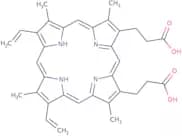
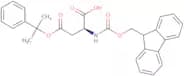
CAS:Protoporphyrin IX is a fluorescent molecule that has been used for diagnosis and treatment of cancers, especially T-cell lymphomas. Protoporphyrin IX is being studied for its potential use as a photosensitizer in photodynamic therapy. The fluorescence emission spectrum of protoporphyrin IX overlaps with the absorption spectrum of hemoglobin, which enables it to be used in diagnosis of diseases such as sickle cell anemia. Protoporphyrin IX also binds to DNA and regulates gene expression. It is involved in mitochondrial functions, energy metabolism, and biochemical research. Protoporphyrin IX has been shown to bind to response elements and activate transcription of genes which are regulated by the proto-oncogene promoter. This molecule's thermodynamic data has been extensively researched and it is currently being evaluated for use in laser ablation technology for cancer treatments.Formula:C34H34N4O4Purezza:Min. 95%Colore e forma:Red PowderPeso molecolare:562.66 g/molFmoc-L-aspartic acid beta-2-phenylisopropyl ester
CAS:Fmoc-L-aspartic acid beta-2-phenylisopropyl ester is a macrocyclic amino acid with conformational and anti-inflammatory properties. It has been shown to inhibit the proliferation of cancer cells in vitro, as well as the osteolytic, lymphoproliferative, and inflammatory activities in vivo. Fmoc-L-aspartic acid beta-2-phenylisopropyl ester also has antiarrhythmic effects on cardiac tissue that are caused by its ability to bind to chloride channels. This compound also inhibits the production of inflammatory cytokines such as tumor necrosis factor alpha (TNFα) and interleukin 6 (IL6).
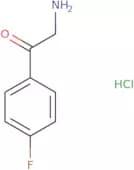
Formula:C28H27NO6Purezza:Min. 95%Colore e forma:PowderPeso molecolare:473.52 g/mol2-Amino-4'-fluoroacetophenone hydrochloride
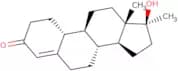
CAS:Prodotto controllato2-Amino-4'-fluoroacetophenone hydrochloride is a fine chemical with a versatile building block. It is an intermediate used in research and a reaction component for the synthesis of complex compounds. 2-Amino-4'-fluoroacetophenone hydrochloride can be used as a reagent in the synthesis of pharmaceuticals or other useful chemicals. Its CAS number is 456-00-8.Formula:C8H9ClFNOPurezza:Min. 95%Peso molecolare:189.61 g/mol17alpha-Methyl-19-nortestosterone
CAS:Prodotto controllato17alpha-Methyl-19-nortestosterone (17MT) is an anti-cancer agent that has been used as a contraceptive. It inhibits the conversion of testosterone to dihydrotestosterone by competitive inhibition of the enzyme 3beta-hydroxysteroid dehydrogenase, which is responsible for the first step in the biosynthesis of androgens. 17MT has also been shown to inhibit angiotensin II formation, thereby reducing blood pressure. This drug acts as a structural analogue of progesterone and binds to progesterone receptors, as well as other steroid receptors, with high affinity. 17MT also inhibits fatty acid synthesis in cancer cells, leading to decreased tumor growth.
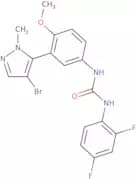
Formula:C19H28O2Purezza:Min. 95%Colore e forma:PowderPeso molecolare:288.42 g/molNelotanserin
CAS:1-[3-(4-Bromo-1-methyl-1H-pyrazol-5-yl)-4-methoxyphenyl]-3-(2,4-difluorophenyl)urea is the active ingredient in a drug that is used to treat chronic schizophrenia. It has been shown to have both antipsychotic and antidepressant properties. The drug works by blocking the 5HT2A receptor, which inhibits the effects of serotonin on heterocyclic amines at the postsynaptic membrane. This causes hyperpolarization of the membrane, which blocks neurotransmitter release and prevents further transmission of signals. It also blocks the H1 receptor, which decreases histamine release and reduces inflammation in the brain.Formula:C18H15BrF2N4O2Purezza:Min. 95%Colore e forma:PowderPeso molecolare:437.24 g/mol2,4,5,6-Tetramethoxyacetophenone
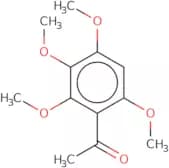
CAS:2,4,5,6-Tetramethoxyacetophenone is a versatile building block that can be used as an intermediate in the production of complex compounds and speciality chemicals. This compound is a useful scaffold for research chemicals and reaction components. It has CAS No. 7508-05-6 and a high quality.
Formula:C12H16O5Purezza:Min. 95%Peso molecolare:240.25 g/molL-Threonine benzyl ester hydrochloride
CAS:L-Threonine benzyl ester hydrochloride is a glycopeptide that is used as a precursor to L-threonine. It is synthesized from cycloserine, which contains a phenyl group, and D-serine, which contains an amino acid with two threonine molecules. The synthesis starts with the activation of the benzyl ester by treatment with hydrazoic acid. This activated compound reacts with D-serine in the presence of an organic base to form the benzyl ester of D-serine. The reaction can be carried out in one pot without isolation steps. The final step is an oxidative cleavage of the benzyl group by irradiation with ultraviolet light or exposure to hydrogen peroxide, yielding L-threonine benzyl ester hydrochloride as a white solid.
Formula:C11H15NO3•HClPurezza:Min. 95%Colore e forma:White To Off-White SolidPeso molecolare:245.7 g/moltrans-trans-10,11-Epoxy farnesenic acid methyl ester
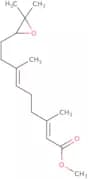
CAS:Trans-trans-10,11-Epoxy farnesenic acid methyl ester is a bound form of the hormone juvenile hormone. It is found in plants and insects. Trans-trans-10,11-Epoxy farnesenic acid methyl ester binds to the receptor on the surface of cells and initiates a series of reactions that lead to the production of proteins needed for development. The bound form is converted to an active form by methyl transferase activity or epoxidase activity. Trans-trans-10,11-Epoxy farnesenic acid methyl ester has been shown to be effective against juvenile hormone binding protein (JHBP) and has high values in samples from juvenile insects.Formula:C16H26O3Purezza:Min. 90 Area-%Colore e forma:Colorless PowderPeso molecolare:266.38 g/mol2-Methoxy-3-nitropyridine
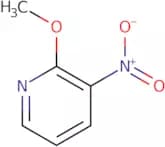
CAS:2-Methoxy-3-nitropyridine is a chemical compound with the molecular formula CHNO. It is classified as an amine and has a molecular weight of 140.24 g/mol. 2-Methoxy-3-nitropyridine is a colorless liquid that can be used to make other compounds, such as nitroarenes, boronic acids, and dyes. The molecule consists of a central carbon atom with four nitrogen atoms at the corners of a tetrahedron. The electron configuration for this molecule is 1s22s22p4. This means that the outer shell electrons are in orbitals with principal quantum numbers s=1 and p=2. These orbitals are located near the middle of the molecule rather than on the periphery as in ethane (CH3CH2). This orientation provides more space for other atoms to attach to the central carbon atom, which increases its affinity for nucleophilic attack. 2-MFormula:C6H6N2O3Purezza:Min. 95%Colore e forma:PowderPeso molecolare:154.12 g/molAcrivastine
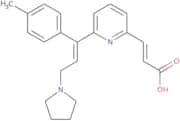
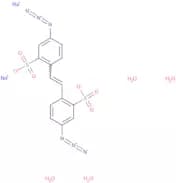
CAS:Acrivastine is a drug that belongs to the group of combination therapy. It is used in the treatment of autoimmune diseases, such as choroidal neovascularization. Acrivastine inhibits the production of prostaglandin E2 (PGE2) and inhibits the release of histamine from mast cells. Acrivastine also has immunosuppressive effects. It binds to H1 receptors and blocks their activation by histamine, which may be responsible for its therapeutic effect on eye disorders and infectious diseases. Acrivastine is chemically stable in acidic or alkaline conditions, but does not dissolve in organic solvents.Formula:C22H24N2O2Purezza:Min. 95%Colore e forma:PowderPeso molecolare:348.44 g/molDisodium 4,4'-diazidostilbene-2,2'-disulfonate tetrahydrate
CAS:Please enquire for more information about Disodium 4,4'-diazidostilbene-2,2'-disulfonate tetrahydrate including the price, delivery time and more detailed product information at the technical inquiry form on this pageFormula:C14H8N6Na2O6S2·4H2OPurezza:Min. 95%Colore e forma:PowderPeso molecolare:538.42 g/mol1,3-Bis(4-fluorophenyl)urea
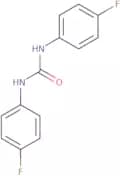
CAS:1,3-Bis(4-fluorophenyl)urea is a crystalline solid that is soluble in organic solvents. It has been used as an intermediate in the synthesis of other compounds. 1,3-Bis(4-fluorophenyl)urea is an electron acceptor and can be used to produce diphenyl ethers. This compound has been synthesized using ethyl acetoacetate and anilines. It can be used to treat infectious diseases such as tuberculosis, where it inhibits protein synthesis and cell growth by disrupting the formation of bacterial DNA.
Formula:C13H10F2N2OPurezza:Min. 98 Area-%Colore e forma:White Off-White PowderPeso molecolare:248.23 g/mol2,4-Dichloro-3-nitrophenol
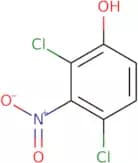
CAS:2,4-Dichloro-3-nitrophenol is a synthetic chemical that is used as an intermediate in the synthesis of chloroamines. It is a derivative of phenol and has a chlorine atom on the 2 position. The alcohol group on the 4 position and the chlorine atom on the 3 position are both substituted with chlorine atoms. 2,4-Dichloro-3-nitrophenol has been shown to be effective for the synthesis of chloroamines resistant to nitro groups. This chemical has been shown to be resistant to amines and thus can be used for immobilization purposes. Furthermore, it can be used as an intermediate for chemists who work with organic chemistry due to its ability to undergo reactions with alcohols and phenols.Formula:C6H3Cl2NO3Purezza:Min. 95%Colore e forma:White Clear LiquidPeso molecolare:208 g/mol4'-Fluoro-1'-acetonaphthone
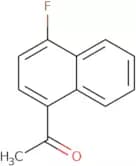
CAS:4'-Fluoro-1'-acetonaphthone is a synthetic fluorinated derivative of 1-phenyl-1,2-propanedione. It has been used as a ligand in the study of interactions between substances and shift parameters. The fluoro substituent on the ring may be difficult to synthesize because it requires high temperatures and pressure. 4'-Fluoro-1'-acetonaphthone has been used in organic synthesis as a component in photocycloadditions with chloroform or benzoyl chloride to form substituted benzoic acids.Formula:C12H9FOPurezza:Min. 95%Peso molecolare:188.2 g/molErgosterol peroxide
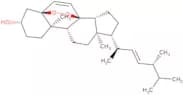
CAS:Ergosterol peroxide is a synthetic compound that binds to DNA and inhibits the growth of human cells. Ergosterol peroxide has been shown to have significant cytotoxicity against HL-60 cells in vitro, with inhibition of DNA synthesis and induction of apoptosis. Ergosterol peroxide also has amoebicidal activity against Acanthamoeba castellanii, which is an opportunistic pathogen of the central nervous system. This compound can be used as a pharmaceutical agent for the treatment of various diseases such as cancer, AIDS, or Alzheimer's disease. It may also be used as a natural compound to kill harmful pathogens in water.Formula:C28H44O3Purezza:Min. 95%Colore e forma:PowderPeso molecolare:428.65 g/mol(2',4',5'-Trimethyl)acetophenone
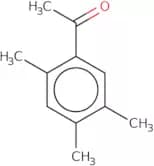
CAS:2,4,5-Trimethylacetophenone is a versatile building block used in the synthesis of complex compounds and research chemicals. It is a high quality chemical that can be used as a reagent or speciality chemical. 2,4,5-Trimethylacetophenone is also an intermediate for the synthesis of other useful compounds. This compound can be used as a reaction component to synthesize various types of scaffolds.
Formula:C11H14OPurezza:Min. 95%Colore e forma:Clear LiquidPeso molecolare:162.23 g/molTyrosinase
CAS:Copper-containing enzyme that catalyzes the first step in the synthesis of melanin
Colore e forma:Powder3-Methyl-2-nitrophenol
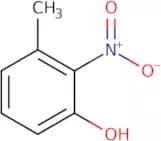
CAS:3-Methyl-2-nitrophenol is a hydroxy group that contains a reactive methylene group. It has been shown to be formed by the reaction of nitric acid with alcohols or amines. The rate of formation is influenced by the steric interactions and intramolecular hydrogen bonds present in the reactants. 3-Methyl-2-nitrophenol can react with other molecules to form various reaction products, such as 2-methylphenol, nitrobenzene, and picric acid. 3-Methyl-2-nitrophenol also has phytotoxic properties, which may be due to its ability to inhibit root growth and chlorophyll production in plants.Formula:C7H7NO3Purezza:Min. 95%Peso molecolare:153.14 g/mol3,5-Dimethyl-4-nitropyridine 1-oxide
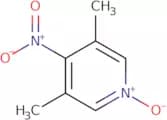
CAS:3,5-Dimethyl-4-nitropyridine 1-oxide is a nitro compound with the chemical formula CHNO. It is an organic compound that has been shown to be carcinogenic in animal studies and has caused cancer in humans. 3,5-Dimethyl-4-nitropyridine 1-oxide can be found in the environment as a result of industrial accidents or environmental pollution. It is found in building materials such as acetonitrile and organic solvents. This compound is not soluble in water, which limits its potential for environmental transport.Formula:C7H8N2O3Purezza:Min. 95%Colore e forma:PowderPeso molecolare:168.15 g/mol17-Hydroxy-6-methylpregna-4,6-diene-3,20-dione
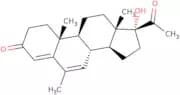
CAS:Prodotto controllato17-Hydroxy-6-methylpregna-4,6-diene-3,20-dione is a progestin that is used as an antiretroviral agent in the treatment of HIV. It has been shown to be effective for chronic cough and cancer. 17-Hydroxy-6-methylpregna-4,6-diene-3,20-dione can be used for the treatment of infectious diseases such as HIV by inhibiting viral replication and reducing the amount of virus in the blood. This drug can also be used to treat some cancers and solid tumours. It has been shown to have long term efficacy in these conditions due to its ability to block cell division. 17 hydroxy pregnane 4,6 diene 3,20 dione is also used in the treatment of geriatric patients with chronic illnesses or who are immunocompromised due to its ability to stimulate appetite.Formula:C22H30O3Purezza:Min. 98 Area-%Colore e forma:White Off-White PowderPeso molecolare:342.47 g/mol3’,5’-Di-O-acetyl-2’-azido-2’-deoxyuridine
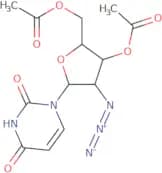
CAS:Please enquire for more information about 3’,5’-Di-O-acetyl-2’-azido-2’-deoxyuridine including the price, delivery time and more detailed product information at the technical inquiry form on this pagePurezza:Min. 95%6-Methoxycoumarin
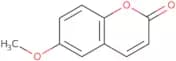
CAS:6-Methoxycoumarin is a potent inhibitor drug that inhibits the activity of monoamine oxidase (MAO). It has been shown to have anti-feedant properties in laboratory experiments and is used as an antifeedant. 6-Methoxycoumarin also fluoresces under ultraviolet light, which can be used to identify its presence in a solution. 6-Methoxycoumarin is a derivative of coumarin and has the same skeleton with two methoxy groups attached. The compound can be identified by its chemical structure and predictable fluorescence properties. 6-Methoxycoumarin has been shown to bind to amines, which are organic compounds containing nitrogen, on the chromatographic column, allowing for easy detection.Formula:C10H8O3Purezza:Min. 95%Colore e forma:PowderPeso molecolare:176.17 g/mol3-Fluoro-4-hydroxycinnamic acid
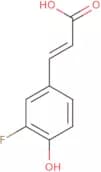
CAS:3-Fluoro-4-hydroxycinnamic acid is a phenol that is an intermediate in the biocatalytic conversion of pyruvate to phenols. It has been shown to be a good candidate for use in organic synthesis, due to its ability to catalyze the reaction between benzene and hydrogen peroxide. 3-Fluoro-4-hydroxycinnamic acid also has potential applications in science and catalysis.Formula:C9H7FO3Colore e forma:PowderPeso molecolare:182.15 g/molHydroquinone-2,2'-diacetic acid
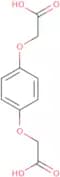
CAS:Hydroquinone-2,2'-diacetic acid is a labile and water soluble ester with activating properties. It is used in bioconjugate chemistry for the modification of proteins and peptides. Hydroquinone-2,2'-diacetic acid can be reused and has been shown to react with a wide range of synthons or linkers. This compound has been shown to induce apoptosis in cancer cells. Hydroquinone-2,2'-diacetic acid also has fluorescence properties that are sensitive to copper ions, making it useful for analytical applications such as protein quantification and detection of metal ions.Formula:C10H10O6Purezza:Min. 98 Area-%Colore e forma:PowderPeso molecolare:226.18 g/mol7-Cyano-7-deaza-2’-deoxyguanosine
CAS:7-Cyano-7-deaza-2’-deoxyguanosine is a pyrrole nucleoside analog that has been shown to inhibit the replication of herpes simplex virus type 1 and 2 in human cell lines. 7-Cyano-7-deaza-2’-deoxyguanosine is a synthetic nucleoside analog that is structurally similar to deoxyadenosine, but with a cyanide group instead of an oxygen atom. This compound has been shown to have the same biochemical properties as deoxyadenosine, including inhibiting the incorporation of uridine into RNA and DNA. In addition, 7-Cyano-7-deaza-2’-deoxyguanosine inhibits the synthesis of proteins from amino acids by competitive inhibition of ribonucleotide reductase, which catalyzes the conversion of ribonucleotides to deoxyribonucleotides. The enzyme's functionFormula:C12H13N5O4Purezza:Min. 95%Colore e forma:PowderPeso molecolare:291.26 g/mol3,3',4,4'-Tetrachlorocarbanilide
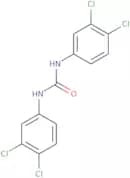
CAS:3,3',4,4'-Tetrachlorocarbanilide (TCA) is an antimicrobial agent that is used in the wastewater treatment process. It is detectable by analytical methods such as chromatography and electrospray mass spectrometry. TCA has a broad spectrum of activity against bacteria, fungi, viruses and protozoa. It is also used as a biocide in deionized water systems where it can be effective against Gram-positive bacteria, Gram-negative bacteria, yeast and protozoa. TCA has been shown to inhibit the growth of triclosan-resistant bacteria found in wastewater samples. The impurities found in TCA are not known at this time.Purezza:Min. 95%2'-Hydroxychalcone hydrazone
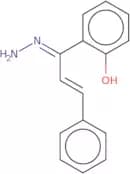
CAS:2'-Hydroxychalcone hydrazone is a fine chemical that has many uses in research and as a building block for other compounds. It can be used as a reagent, intermediate, or reaction component in the synthesis of complex molecules. 2'-Hydroxychalcone hydrazone has CAS No. 4590-70-9, which is the identification number for this compound. The molecular formula is C11H14O4N2, and it has a molecular weight of 242.24 g/mol. This compound can be found in research chemicals catalogs and specialty chemical catalogs.Formula:C15H14N2OPurezza:Min. 95%Colore e forma:PowderPeso molecolare:238.28 g/mol2,6-Naphthalenedicarboxylic acid
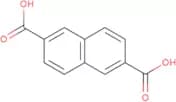
CAS:2,6-Naphthalenedicarboxylic acid is a synthetic organic compound that belongs to the group of fatty acids. It is produced by oxidation of 2,6-naphthoquinone with sodium carbonate and glycol ester in the presence of an oxidation catalyst. The reaction mechanism appears to involve hydrogen bonding interactions between the hydroxyl groups on the glycol ester and the carboxyl groups on 2,6-naphthoquinone. 2,6-Naphthalenedicarboxylic acid has been shown to bind to intracellular targets such as transfer reactions and fatty acid synthesis. The analytical method for this compound is based on its formation of an adduct with p-hydroxybenzoic acid in hydrochloric acid solution.
Formula:C12H8O4Purezza:Min. 95%Colore e forma:PowderPeso molecolare:216.19 g/mol5-Chloro-2-methoxyacetophenone
CAS:5-Chloro-2-methoxyacetophenone is a byproduct of the synthesis of 2-hydroxybenzofuran. It is also used in the synthesis of tetracyclic benzopyrans, which are known to be potent analgesics and have been found to have anti-inflammatory properties. 5-Chloro-2-methoxyacetophenone can be obtained by decarbonylation (loss of carbon) or elimination reactions.
Formula:C9H9ClO2Purezza:Min. 95%Colore e forma:Clear LiquidPeso molecolare:184.62 g/molSarcosine
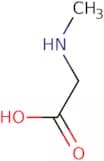
CAS:Sarcosine is a naturally occurring amino acid that can be found in the body and in many foods. It has been shown to inhibit the activity of the enzyme adenylate cyclase, which is involved in cell signaling. This inhibition leads to a decrease in intracellular calcium levels, which results in reduced proliferation and apoptosis of HL-60 cells. The sarcosine concentration required for this effect is dependent on the type of cell being treated, with optimum concentrations ranging from 10-100 mM. Sarcosine also binds to nuclear DNA and may have an inhibitory effect on transcriptional activity. In addition, it has been shown to be an effective inhibitor of protein synthesis by binding to ribosomes and preventing peptide bond formation between amino acids at the ribosomal active site.Formula:C3H7NO2Colore e forma:White PowderPeso molecolare:89.09 g/molRosuvastatin triphenylphosphonium bromide
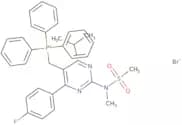
CAS:Rosuvastatin is a high-quality reagent for organic synthesis. It has a CAS number of 885477-83-8 and is used as an intermediate in the production of fine chemicals, research chemicals, and speciality chemicals. Rosuvastatin is also a versatile building block for organic synthesis because it can be used to make many different chemical compounds. It is also used as a reaction component in the production of other chemical compounds.Formula:C34H34BrFN3O2PSPurezza:Min. 95%Colore e forma:White PowderPeso molecolare:678.59 g/molVanillylideneacetone
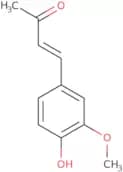
CAS:Vanillylideneacetone (VDA) is a natural compound that belongs to the class of phenylethanoids. It has been shown to have anti-inflammatory properties, which may be due to inhibition of prostaglandin synthesis. VDA also exhibits antimicrobial activity against Gram-positive and Gram-negative bacteria, as well as some fungi and yeast. In vitro antifungal activity has been observed in human serum, cell lysis with the presence of trypsin, and cytotoxicity in carcinoma cell lines. Toxicological studies have shown no adverse effects on locomotor activity or carcinogenicity at high doses.Formula:C11H12O3Purezza:Min. 95%Colore e forma:Yellow PowderPeso molecolare:192.21 g/mol4-Dimethylaminocinnamic acid
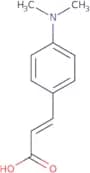
CAS:4-Dimethylaminocinnamic acid (DMA) is a natural organic compound found in plants and animals. This compound has been studied for its potential use as a drug, but it is not currently used in medicine. 4-Dimethylaminocinnamic acid can inhibit the activity of certain enzymes by binding to them, including the enzyme polymerase chain that synthesizes DNA. It also can bind to other proteins, such as carbonyl groups and cinnamic acid derivatives, which are found in human liver cells. 4-Dimethylaminocinnamic acid can form hydrogen bonds with other molecules due to its hydroxyl group and carboxylic acid group. It also has a high viscosity due to its long hydrocarbon chain.
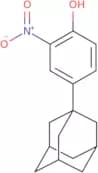
Formula:C11H13NO2Purezza:Min. 95%Colore e forma:PowderPeso molecolare:191.23 g/mol4-(1-Adamantyl)-2-nitrophenol
CAS:4-(1-Adamantyl)-2-nitrophenol is a versatile building block that can be used to construct complex compounds. It is a research chemical that can be used as a reagent, as well as in the synthesis of pharmaceuticals and other chemicals. 4-(1-Adamantyl)-2-nitrophenol is soluble in water and ethanol, and has an odorless and colorless appearance. This chemical can be found under the CAS number 32599-84-1.
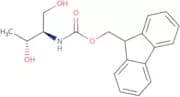
Formula:C16H19NO3Purezza:Min. 95%Peso molecolare:273.33 g/molFmoc-L-threoninol
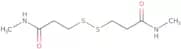
CAS:Fmoc-L-threoninol is a conjugate of L-threoninol with a protecting group, Fmoc. It is synthesized by the solid-phase method on an activated resin and then cleaved from the resin to give the desired product. The linker used in this synthesis is succinic acid diacetate. This compound has been shown to have anti-inflammatory effects in human serum, which may be due to its ability to inhibit prostaglandin synthesis.Formula:C19H21NO4Purezza:Min. 95%Colore e forma:PowderPeso molecolare:327.37 g/molN,N'-Dimethyl-3,3'-dithiodipropionamide
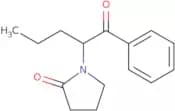
CAS:N,N'-Dimethyl-3,3'-dithiodipropionamide (DTDPA) is a strong oxidizing agent that is used as a catalyst in organic synthesis. It can be used to convert xylene and benzene into products that are less toxic and more easily removed from the environment. DTDPA can also be used to remove 2-methyl-4-isothiazolin-3-one, chloroform, and other pollutants from water. DTDPA has been shown to react with hydrogen peroxide or hydrochloric acid to produce oxygen gas and chlorine, which is an effective disinfectant against bacteria such as Staphylococcus aureus or Pseudomonas aeruginosa. This chemical also reacts with toluene or chloroform to produce peroxides which have been shown to have an anti-inflammatory effect on cells.Formula:C8H16N2O2S2Purezza:(Q-1H Nmr) Min 95%Colore e forma:White/Off-White SolidPeso molecolare:236.36 g/mola-(2-Oxopyrrolidino)valerophenone
CAS:Prodotto controllatoa-2-Oxopyrrolidino)valerophenone is a useful scaffold for the synthesis of complex compounds. It is a versatile building block and can be used as a reaction component or reagent in organic synthesis. This compound is also a high quality research chemical with CAS No. 1220881-04-8.Formula:C15H19NO2Purezza:Min. 95%Colore e forma:White SolidPeso molecolare:245.32 g/mol2-Dicyclohexylphosphino-2',6'-dimethoxybiphenyl
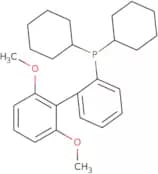
CAS:2-Dicyclohexylphosphino-2',6'-dimethoxybiphenyl is a fluorescent chemical that has been used to study interactions of fatty acids and halides. It is also used in the synthesis of palladium complexes, which have been shown to be effective for hydrogenation reactions. 2-Dicyclohexylphosphino-2',6'-dimethoxybiphenyl can be synthesized from 2,6-dichlorobenzaldehyde and dicyclohexylphosphine by the addition of trifluoroacetic acid. The synthesis proceeds via a substitution reaction with methoxy groups on the aromatic ring. This product fluoresces under ultraviolet light at 351 nm.Formula:C26H35O2PPurezza:Min. 95%Colore e forma:PowderPeso molecolare:410.53 g/mol7-Methoxy-1-naphthaldehyde
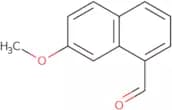
CAS:7-Methoxy-1-naphthaldehyde is an aldehyde that is synthesized from acetaldehyde and 7-methoxy-1-naphthol. It has been shown to inhibit the cytosolic aldehyde dehydrogenase, which converts acetaldehyde to acetate. This reaction is one of the major routes for the metabolism of alcohol in humans. 7-Methoxy-1-naphthaldehyde can be used as a substrate in immunochemical assays, and its synthetic scheme has been published. 7MNA was also found to have cytotoxic effects on human liver cells in vitro.Formula:C12H10O2Purezza:Min. 95%Peso molecolare:186.21 g/molCalcitonin (8-32) (salmon I) trifluoroacetate salt
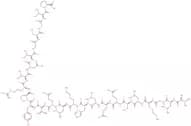
CAS:Please enquire for more information about Calcitonin (8-32) (salmon I) trifluoroacetate salt including the price, delivery time and more detailed product information at the technical inquiry form on this pageFormula:C119H198N36O37·C2HF3O2Purezza:Min. 98 Area-%Colore e forma:PowderPeso molecolare:2,725.07 g/mol