Glicoscienza
Sottocategorie di "Glicoscienza"
- Amminozucchero(108 prodotti)
- Glico-anticorpi(284 prodotti)
- Glicolipidi(46 prodotti)
- Glicosaminoglicani (GAGs)(55 prodotti)
- Glicosidi(419 prodotti)
- Monosaccaridi(6.622 prodotti)
- Oligosaccaridi(3.701 prodotti)
- Polisaccaridi(505 prodotti)
Trovati 11034 prodotti di "Glicoscienza"
3,6-Di-O-triisopropylsilyl-D-glucal
CAS:3,6-Di-O-triisopropylsilyl-D-glucal is a synthetic monosaccharide. It has a molecular weight of 368.76 g/mol and chemical formula C14H22O8Si. 3,6-Di-O-triisopropylsilyl-D-glucal is soluble in water and ethanol.
It is used for the synthesis of oligosaccharides and polysaccharides, as well as for modification of sugar moieties on glycoproteins and glycolipids. 3,6-Di-O-triisopropylsilyl-D-glucal can be used for the preparation of complex carbohydrate structures by glycosylation or polysaccharide structures by methylation. 3,6-Di-O-triisopropylsilyl--D--glucal can also be used to synthesize sugar moFormula:C24H50O4Si2Purezza:Min. 95%Peso molecolare:458.82 g/molb-Cyclodextrin dihydrogen phosphate, sodium salt
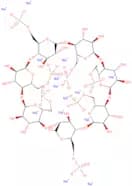
CAS:This beta-cyclodextrin (β-CD) derivative is a functionalized cyclic oligosaccharide composed of seven glucose units, characterized by a hydrophilic exterior and a lipophilic cavity (bigger than α-CD and smaller than γ-CDs), which allows it to encapsulate various guest molecules. This structural feature facilitates its use in multiple applications, including pharmaceuticals, food enhancement, and cosmetics. In the pharmaceutical industry, it enhances the solubility and stability of poorly water-soluble drugs, improving their bioavailability and efficacy while also masking unpleasant tastes. The food sector utilizes it as a stabilizer for flavors, colors, and nutrients, extending shelf life by protecting sensitive ingredients from degradation. In cosmetics, it serves as a complexing agent for fragrances and active components, ensuring their stability and controlled release. Its use expands to many other fields, including nanotechnology for drug delivery systems, environmental remediation for extracting organic pollutants, textiles for slow-release fragrances, and analytical chemistry for chiral separation.
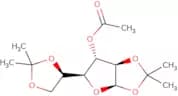
Formula:C42H70O35Purezza:Min. 95%Peso molecolare:1,134.98 g/mol3-O-Acetyl-1,2:5,6-di-O-isopropylidene-a-D-galactofuranose
CAS:3-O-Acetyl-1,2:5,6-di-O-isopropylidene-a-D-galactofuranose is a synthetic modified oligosaccharide with a molecular weight of 591.3 g/mol. It has been shown to inhibit the growth of various bacterial strains in the lab and can be used as an antibiotic for bacterial infections. 3-O-Acetyl-1,2:5,6-di-O-isopropylidene galactofuranose is a monosaccharide composed of two acetyl groups and one isopropylidene group. Its glycosylation and methylation patterns are also known.
Formula:C14H22O7Purezza:Min. 95%Peso molecolare:302.32 g/molRef: 3D-MA07181
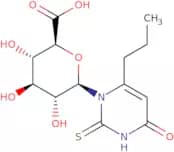
Prodotto fuori produzionePropylthiouracil N-b-D-glucuronide
CAS:Propylthiouracil N-b-D-glucuronide is a glycosylation product of propylthiouracil, which is the active form of this drug. It has been shown to inhibit thyroid hormone synthesis by binding to the enzyme thyroid peroxidase. Propylthiouracil N-b-D-glucuronide is used in the treatment of thyrotoxicosis, and can also be used as an antithyroid agent for hyperthyroidism. It is chemically synthesized from propylthiouracil with a glycosyl group added at the C3 position on the thiourea ring by glycosyltransferases. This compound has also been fluorinated and polysaccharided, modified and saccharided, oligosaccharided or sugar, synthetic or monosaccharide, custom synthesis or high purity.
Formula:C13H18N2O7SPurezza:Min. 95%Peso molecolare:346.36 g/molRef: 3D-MP16842
Prodotto fuori produzioneDecyl glucose neopentyl glycol
CAS:Decyl glucose neopentyl glycol is a molecule that is commonly used in cell-based assays to measure the hydrogen peroxide release by cells. It is also used to transport hydrogen peroxide, which is a reactive oxidative species, intracellularly and extracellularly. Decyl glucose neopentyl glycol has been shown to have a range of different isoforms in cellular systems. This allows it to be used as an effective fluorescent marker for the detection of hydrogen peroxide mediated events.
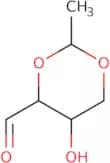
Formula:C35H68O12Purezza:Min. 95%Peso molecolare:680.91 g/mol2,4-O-Ethylidene-D-erythrose
CAS:2,4-O-Ethylidene-D-erythrose is a trimerization product of glyoxal and acetaldehyde. It is an aldehyde that can be used as a precursor to other compounds. The hydrated form of 2,4-O-ethylidene-D-erythrose has been rationalized by the mesoxalic acid and water molecules to form the trimer. This compound can be produced from the glycolaldehyde and sulfoxide in an oxidation reaction with hydrogen peroxide. The acetylation of 2,4-O-ethylidene-D-erythrose produces isoxazolidines which are stereoselective.
Formula:C6H10O4Purezza:Min. 95%Peso molecolare:146.14 g/molRef: 3D-ME66436
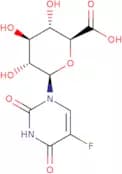
Prodotto fuori produzione5-Fluorouracil N-b-D-glucuronide
CAS:5-Fluorouracil N-b-D-glucuronide is the major metabolite of 5-fluorouracil. It is mainly excreted in urine and bile, and has a high blood level. The glucuronide conjugate of 5-fluorouracin is hydrolyzed by beta-glucuronidase to generate 5-fluorouridine, which can be reabsorbed into the cell to form cytotoxic 5-fluoro uridine triphosphate. This process inhibits protein synthesis, leading to cell death. The half life of 5FU glucuronide is short and it needs to be constantly replaced with new doses. It has also been shown that levels of 5FU glucuronide are higher in tissues than in plasma, which may explain its inhibitory effect on tumors.
Formula:C10H11FN2O8Purezza:Min. 95%Peso molecolare:306.2 g/mol1,4:3,6-Dianhydro- 2- O- methyl-D- glucitol
CAS:1,4:3,6-Dianhydro-2-O-methyl-D-glucitol is a modified sugar that belongs to the group of carbohydrates. It is synthesized by the modification of 1,4:3,6-dianhydro-2,5-diO-methyl D glucitol with methyl iodide and sodium methoxide. The compound is used in pharmaceuticals as an excipient and in cosmetics as a moisturizer. It has been shown to be effective against influenza A virus.
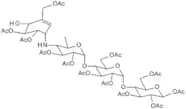
Formula:C7H12O4Purezza:Min. 95%Peso molecolare:160.17 g/molAcarbose tridecaacetate
CAS:Acarbose tridecaacetate is a bacterial extract that has been shown to inhibit the growth of various strains of bacteria. This extract was extracted from the fields and contains aluminum oxide impurities. Acarbose tridecaacetate has shown efficacy in seed culture and actinomyces, which are two types of bacteria. The sequence of this extract has been determined using aluminum oxide. Acarbose tridecaacetate is soluble in a variety of solvents, including organic solvents and solvents. It can be purified by chromatography to remove any bulk drug or organic solvent that may be present.
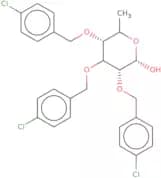
Formula:C51H69NO31Purezza:Min. 95%Colore e forma:White PowderPeso molecolare:1,192.08 g/mol2,3,5-Tri-O-p-chlorobenzyl-L-fucopyranoside
CAS:2,3,5-Tri-O-p-chlorobenzyl-L-fucopyranoside is a modified sugar and an effective inhibitor of the glycosidase enzymes. It has been shown to inhibit the synthesis of glycogen in vitro. 2,3,5-Tri-O-p-chlorobenzyl-L-fucopyranoside is a major component of commercially available agarose gel electrophoresis buffers and is also used for modification of proteins by click chemistry. The compound can be custom synthesised with a high degree of purity and can be fluorinated for use in mass spectrometry.
Formula:C27H27Cl3O5Purezza:Min. 95%Peso molecolare:537.86 g/molSucrose monopalmitate
CAS:Sucrose monopalmitate is a fatty acid that is used as a surfactant and emulsifier. It has been shown to have surface-active properties in vitro, which may be due to its ability to interact with the surface of cells. Sucrose monopalmitate is used in diagnostic agents such as active analogues, which are compounds that bind specifically to an analyte or target molecule. These compounds can then be detected by other methods such as radioactive labelling or enzyme-linked immunosorbent assay (ELISA). This product also has been shown to be useful in detergent compositions, including nanoemulsions and solid dispersions.
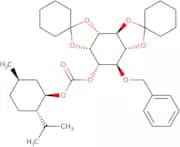
Formula:C28H52O12Purezza:Min. 95%Peso molecolare:580.71 g/mol6-O-Benzyl-1-(-)-carboxymenthyl-2,3;4,5-di-O-cyclohexylidene-D-myo-inositol
CAS:6-O-Benzyl-1-(-)-carboxymenthyl-2,3;4,5-di-O-cyclohexylidene-D-myo-inositol is a novel glycosylation substrate for the synthesis of oligosaccharides. It is synthesized by fluorination and methylation of 1,2,3,4,5,-pentaacetoxycyclopentane. The fluorinated product can be further modified to produce various saccharides. This compound can be used as a custom synthesis in the synthesis of complex carbohydrates with high purity.
Formula:C36H52O8Purezza:Min. 95%Peso molecolare:612.79 g/molRef: 3D-MB05735
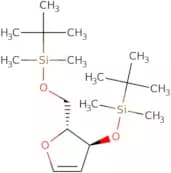
Prodotto fuori produzione1,4-Anhydro-2-deoxy-3,5-bis-O-(t-butyldimethylsilyl)-D-erythro-pent-1-enitol
CAS:1,4-Anhydro-2-deoxy-3,5-bis-O-(t-butyldimethylsilyl)-D-erythro-pent-1-enitol is a custom synthesis that has been fluorinated. It is a high purity oligosaccharide with a complex carbohydrate structure. This product was synthesized by click modification and methylation of the saccharide. It is a monosaccharide and sugar with a molecular formula C8H14FNO6S.Formula:C17H36O3Si2Purezza:Min. 95%Colore e forma:Clear LiquidPeso molecolare:344.64 g/mol1,3:1,4 b-Glucotriose (A)
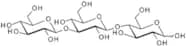
CAS:1,3:1,4 b-Glucotriose (A) is a custom synthesis that is available with a purity of ≥98%. It is a fluorinated polysaccharide with a complex structure that can be modified to produce different variations. The methylation status of the compound can be customized as well. This product is an oligosaccharide and polysaccharide sugar that contains one glucose unit. It has been synthesized from the monosaccharide sugar and it can be used for chemical modification or for research purposes.
Formula:C18H32O16Purezza:Min. 95%Colore e forma:White PowderPeso molecolare:504.44 g/molGlufosfamide
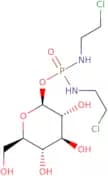
CAS:Glufosfamide is a cytotoxic drug that is used in the treatment of some types of cancer. It is a prodrug that requires conversion to its active form, glufosfamid, by esterase enzymes before it can exert its genotoxic effects. Glufosfamide has shown to be active against platinum-resistant ovarian cancer and solid tumours. This drug also has been shown to inhibit the growth of prostate cancer cells and miapaca-2 cells, which are derived from pancreatic cancer. Glufosfamide has been found to have low toxicity in mice, but there may be adverse reactions when combined with other drugs such as erythromycin or ketoconazole.
Formula:C10H21Cl2N2O7PPurezza:Min. 95%Peso molecolare:383.16 g/molp-Coumaroyl-b-D-glucose
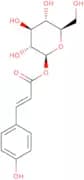
CAS:P-Coumaroyl-b-D-glucose is a flavanone that belongs to the class of flavonoids. It is an intermediate in the synthesis of many other flavonoids, such as apigenin, labiatae, and rhamnetin. P-Coumaroyl-b-D-glucose has been shown to downregulate the expression of genes encoding proteins involved in the biosynthesis of proanthocyanidins and anthocyanins. This compound also induces apoptosis by binding to the mitochondria membrane and increasing reactive oxygen species production. P-Coumaroyl-b-D-glucose can be used as a marker for phenylpropanoid metabolism in plants.
Formula:C15H18O8Purezza:Min. 95%Colore e forma:White PowderPeso molecolare:326.3 g/molMirabegron N-glucuronide
CAS:Mirabegron is a drug that is used to treat overactive bladder. Mirabegron N-glucuronide is the major metabolite of mirabegron, which has been shown to be excreted in urine. This metabolite can be detected using a validated assay and can be measured using a mass spectrometer. The concentration of mirabegron N-glucuronide in the blood sample was measured at various timepoints after administration of mirabegron. Pharmacokinetic studies were performed in humans and human liver tissue, giving information on how long it takes for the drug to reach its maximum concentration in the body and how long it stays there before being eliminated.
Purezza:Min. 95%Ref: 3D-MM59497
Prodotto fuori produzione1,2,3,4-Tetra-O-acetyl-D-fucopyranose
1,2,3,4-Tetra-O-acetyl-D-fucopyranose is a glycosylation agent that can be used in the synthesis of complex carbohydrates or in the modification of natural polysaccharides. It can be fluorinated to produce 1,2,3,4-tetra-O-fluoro-D-fucopyranose or modified with a click reagent to produce 1,2,3,4-tetra-[5-(N'-diethylamino)pentyl]-D-fucopyranose. The CAS number for this product is 109712-63-7. This product is available for custom synthesis and is sold at a purity of >99%.
Purezza:Min. 95%(2R,3R,4S,5R,6S)-3,4,5-Trihydroxy-2-hydroxymethyl-7,9-diaza-1-oxa-spiro[4,5]decane-10-one-8-thione
CAS:(2R,3R,4S,5R,6S)-3,4,5-Trihydroxy-2-hydroxymethyl-7,9-diaza-1-oxa-spiro[4,5]decane-10-one-8-thione is a custom synthesis of a polysaccharide. It has been modified to include fluorination and methylation. The monosaccharides present are glucose and galactose. This polysaccharide also has a saccharide linkage to an oligosaccharide that contains glycosylation sites for sugar groups.
Formula:C8H12N2O6SPurezza:Min. 95%Peso molecolare:264.26 g/mol3-Pyridinylmethylbeta-D-glucopyranoside
CAS:3-Pyridinylmethylbeta-D-glucopyranoside is a sugar that can be custom synthesized. It is a white to off-white crystalline powder with an odorless taste and is soluble in water. 3-Pyridinylmethylbeta-D-glucopyranoside is used in the synthesis of glycosides, saccharides, oligosaccharides, and monosaccharides. This compound can also be modified with fluorination or methylation reactions. The use of this product has been shown to produce high purity compounds for use in pharmaceuticals, agrochemicals, and other chemical industries.
Formula:C12H17NO6Purezza:Min. 95%Peso molecolare:271.27 g/molRef: 3D-FP152934
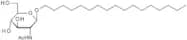
Prodotto fuori produzioneHeptadecyl 2-acetamido-2-deoxy-b-D-glucopyranoside
CAS:Heptadecyl 2-acetamido-2-deoxy-b-D-glucopyranoside is a solubilized ion pair that can be catalysed by amines and immobilized lipase. It is also a hydrophobic fatty acid ester. Heptadecyl 2-acetamido-2-deoxy-b-D-glucopyranoside is catalyzed by an enzyme, lipase, to form the corresponding amide. This reaction yield is increased in the presence of hexane, which aids in hydrolysis of the ester linkage between heptadecyl and 2,2′-diacetylidenebis(3,4,6,-trimethylphenol). Heptadecyl 2-acetamido-2-deoxyglucopyranoside is used as a substrate for lipases to produce amides from amines. This product has been used in the production of
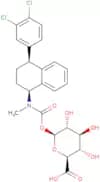
Formula:C25H49NO6Purezza:Min. 95%Peso molecolare:459.66 g/molSertraline carbamoyl glucuronide
CAS:Sertraline is a selective serotonin reuptake inhibitor (SSRI) that is used primarily in the treatment of depression and anxiety. It inhibits the serotonin transporter protein, making more serotonin available for binding to postsynaptic receptors. Sertraline also has a minor inhibitory effect on norepinephrine and dopamine reuptake, but its primary function is as a selective serotonin reuptake inhibitor. The major metabolite of sertraline is sertraline carbamoyl glucuronide, which is formed through glucuronidation by UGT2B7. This metabolite has been found to be bifurcated with one half being excreted in urine and the other half being excreted in faeces. The half that undergoes urinary excretion has been shown to have a half-life of 24 hours whereas the other half has a much shorter half-life of 2 hours. Carbamoylation of sertraline may
Formula:C24H25Cl2NO8Purezza:Min. 95%Peso molecolare:526.36 g/molRef: 3D-MS16854
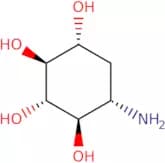
Prodotto fuori produzione3-Amino-2,3-dideoxy-D-myo-inositol
CAS:3-Amino-2,3-dideoxy-D-myo-inositol (3ADMI) is a gene product that belongs to the class of chemical biology. It is an actuator that has been shown to be able to bind and activate enzymes. 3ADMI is used as a substrate in the calibration of enzyme kinetics and as an analog for aminoglycosides. The conjugates of 3ADMI have been shown to prevent viral replication by inhibiting the synthesis of DNA or RNA.
Formula:C6H13NO4Purezza:Min. 95%Colore e forma:White/Off-White SolidPeso molecolare:163.17 g/molRef: 3D-MI44770
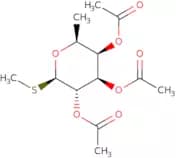
Prodotto fuori produzioneMethyl 2,3,4-tri-O-acetyl-β-L-thiofucopyranoside
CAS:Methyl 2,3,4-tri-O-acetyl-b-L-thiofucopyranoside is a ferrite that is important for the growth of cells. It can be used as a growth factor to promote the growth of cells. Covid®-19 pandemic A/Aureus strain is resistant to this drug and it has been shown to inhibit cellular transformation in human epidermal cells. The drug also reduces the size and number of cancerous lesions in mice by inhibiting tumor angiogenesis. Methyl 2,3,4-tri-O-acetyl-b-L-thiofucopyranoside can cause an overload of Ca2+ ions in the cell, which may lead to apoptosis or necrosis.
Formula:C13H20O7SPurezza:Min. 95%Peso molecolare:320.36 g/molRef: 3D-MM07042
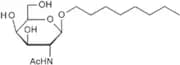
Prodotto fuori produzioneOctyl 2-acetamido-2-deoxy-b-D-galactopyranoside
CAS:Octyl 2-acetamido-2-deoxy-b-D-galactopyranoside is a synthetic sugar with a high purity. It is a custom synthesis, which can be fluorinated, monosaccharide, or oligosaccharide. Octyl 2-acetamido-2-deoxy-b-D-galactopyranoside has an Oligosaccharide and Polysaccharide structure that can be modified with methylation and Click modification. This product is CAS No. 383417-49-0 and has an Glycosylation, Carbohydrate structure.
Formula:C16H31NO6Purezza:Min. 95%Peso molecolare:333.42 g/molRef: 3D-DO05726
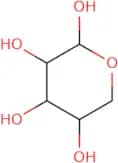
Prodotto fuori produzioneD-Ribose-2,3,4,5-13C4
CAS:D-Ribose-2,3,4,5-13C4 is a complex carbohydrate with saccharide units. It is synthesized by the chemical modification of D-ribose. This product can be used to modify or methylate glucose and other carbohydrates. It has been shown to inhibit the formation of amyloid plaques in Alzheimer's disease, which may be due to its ability to reduce nitric oxide and reactive oxygen species levels. The purity of this product is at least 98%.
Formula:C5H10O5Purezza:Min. 95%Peso molecolare:154.1 g/molRef: 3D-DUA50623
Prodotto fuori produzioneUDP-2-ketopropyl-a-D-galactose
UDP-2-ketopropyl-a-D-galactose is a synthetic compound that belongs to the group of oligosaccharides. It is an excellent candidate for glycosylation, methylation, and click modification. The product has a CAS number, which provides high purity and custom synthesis. The product is also a complex carbohydrate with a variety of modifications.
Purezza:Min. 95%5-Thio-D-lactose
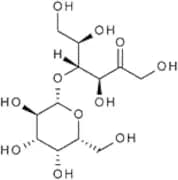
5-Thio-D-lactose is a monosaccharide that has been synthesized and modified to contain fluorine atoms. This synthetic sugar is used in the glycosylation of polysaccharides in the synthesis of complex carbohydrates. 5-Thio-D-lactose is also used for click modification and methylation reactions. 5-Thio-D-lactose can be used as a reference standard for carbohydrate analysis by gas chromatography, mass spectrometry, nuclear magnetic resonance, or infrared spectroscopy.
5-Thio-D-lactose is available at high purity (99%+) and with custom synthesis upon request.Purezza:Min. 95%Hesperetin 3'-O-beta-D-glucuronide
CAS:Hesperetin 3'-O-beta-D-glucuronide is a glycosylate that is obtained by the glycosylation of hesperidin. Hesperetin 3'-O-beta-D-glucuronide is a sugar with a glycosylation site at the C3 position of the aglycone. It has shown to be an efficient inhibitor of Triglyceride Synthetase, which reduces triglycerides in the body. Hesperetin 3'-O-beta-D-glucuronide also has been shown to inhibit insulin release and increase insulin sensitivity in vitro.
Formula:C22H22O12Purezza:Min. 95%Peso molecolare:478.4 g/molRhamnolipids C8-C8
CAS:Rhamnolipids C8-C8 are a group of lipids that are produced by the bacterium Burkholderia cepacia. They have been shown to have a strong ability to bind to and remove substances from water, such as heavy metals, lignin, and polychlorinated biphenyls. Rhamnolipids C8-C8 can be used in industrial settings for wastewater treatment or in the environment for bioremediation of pollutants. The physicochemical properties of rhamnolipids C8-C8 are determined by their composition of fatty acids and their degree of unsaturation. These properties can vary depending on the origin of the bacteria producing them.
Formula:C22H40O9Purezza:Min. 95%Peso molecolare:448.55 g/molClofibric acid acyl-b-D-glucuronide
CAS:Clofibric acid acyl-b-D-glucuronide is a reactive chemical species that has been shown to have genotoxic effects. It binds to DNA and forms covalent adducts, leading to mutations in the DNA sequence. Clofibric acid acyl-b-D-glucuronide is a metabolite of clofibrate, which is used for the treatment of hyperlipidemia and atherosclerosis. This metabolite can be detected in human blood, serum, and liver samples by GC/MS, with a limit of detection of 0.1 ng/mL (0.0003 µg/L).
Formula:C16H19ClO9Purezza:Min. 95%Peso molecolare:390.77 g/mol4-Glucopyranosylmannose
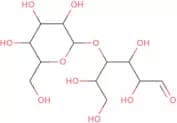
CAS:4-Glucopyranosylmannose is a disaccharide compound, which is a synthetic carbohydrate derived from the enzymatic or chemical glycosylation processes. It consists of glucose and mannose units linked through a glycosidic bond. The compound is sourced through advanced synthetic methodologies involving specific glycosyltransferases or chemical catalysts that facilitate the precise attachment of these sugar moieties.
Formula:C12H22O11Purezza:Min. 95%Peso molecolare:342.3 g/molPhenyl 2-deoxy-2-phthalimido-b-D-thioglucopyranoside
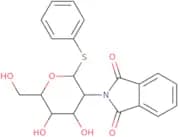
CAS:Phenyl 2-deoxy-2-phthalimido-b-D-thioglucopyranoside is a glycosylation agent that has a glycone with a pyranoside at the 3′ position and an amide bond at the 2′ position. It is used in the synthesis of oligosaccharides and polysaccharides, as well as for Click modification. The compound is also used to modify proteins and saccharides. Phenyl 2-deoxy-2-phthalimido-b-D-thioglucopyranoside has been shown to be stable when heated, making it useful for complex carbohydrate synthesis.Formula:C20H19NO6SPurezza:Min. 98 Area-%Colore e forma:PowderPeso molecolare:401.43 g/mol1,2,3,4,6-Penta-O-benzoyl-b-D-galactopyranose
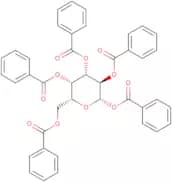
CAS:Penta-O-benzoyl-b-D-galactopyranose is a pentasaccharide that has been shown to have an inhibitory effect on the growth of corynebacterium, which may be due to its ability to modulate fatty acid synthesis. Penta-O-benzoyl-b-D-galactopyranose is a disaccharide that is used as a diagnostic agent for corynebacteria. It is also used as a growth factor in the production of Corynebacterium glutamicum. The safety profile of this drug has not been evaluated in humans.Formula:C41H32O11Purezza:Min. 95%Peso molecolare:700.71 g/mol1,3,4,6-Tetra-O-acetyl-2-O-nonafluorobutane-sulfonyl-b-D-mannopyranose
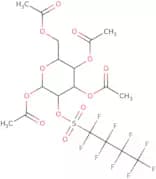
CAS:1,3,4,6-Tetra-O-acetyl-2-O-nonafluorobutane-sulfonyl-b-D-mannopyranose is a fluorinated saccharide that can be custom synthesized. It is a glycosylated carbohydrate with a 1,3,4,6 tetra acetyl substitution at the 2 position of the b D mannopyranose moiety. The chemical formula for this compound is C12H28O8FS2. It has been shown to have potential as an antihyperglycemic agent and has been found to be active in tumor models.
Formula:C18H19O12SF9Purezza:Min. 95%Peso molecolare:630.39 g/molRef: 3D-MT05146
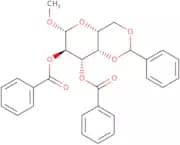
Prodotto fuori produzioneMethyl 2,3-di-O-benzoyl-4,6-O-benzylidene-b-D-galactopyranoside
CAS:Methyl 2,3-di-O-benzoyl-4,6-O-benzylidene-b-D-galactopyranoside is a custom synthesis that belongs to the class of complex carbohydrates. This compound is an oligosaccharide or a polysaccharide that has been modified by methylation and glycosylation. The modification of this saccharide with methyl groups allows for fluorination which is a click modification. Methyl 2,3-di-O-benzoyl-4,6-O-benzylidene b -D galactopyranoside is synthesized via glycosylation followed by fluorination. This product can be used as a research chemical or in other applications.
Formula:C28H26O8Purezza:Min. 95%Peso molecolare:490.5 g/molRef: 3D-MM04181
Prodotto fuori produzione(2R,4R)-2-[D-Xylo-tetrahydroxybut-1-yl]-1,3-thiazolidine-4-carboxylic acid
CAS:(2R,4R)-2-[D-Xylo-tetrahydroxybut-1-yl]-1,3-thiazolidine-4-carboxylic acid is a methylated saccharide that has been modified by the click chemistry method. It is a synthetic product with high purity and good quality. This compound can be used for glycosylation and oligosaccharide synthesis. (2R,4R)-2-[D-Xylo-tetrahydroxybut-1-yl]-1,3-thiazolidine-4-carboxylic acid has CAS No. 110270-19-4 and can be found in complex carbohydrates in nature.
Formula:C8H15NO6SPurezza:Min. 95%Peso molecolare:253.27 g/molRef: 3D-MX01042
Prodotto fuori produzioneD-Lyxose-1-C-D
CAS:Please enquire for more information about D-Lyxose-1-C-D including the price, delivery time and more detailed product information at the technical inquiry form on this page
Formula:C5H10O5Purezza:Min. 95%Peso molecolare:151.14 g/mol2-Acetonyl-1,3,4,6-tetra-O-acetyl-2-deoxy-b-D-galactopyranoside
2-Acetonyl-1,3,4,6-tetra-O-acetyl-2-deoxy-b-D-galactopyranoside is a synthetic sugar that has been modified to contain an acetyl group at the C2 position. The synthesis of this compound is based on the modification of galactose with acetic anhydride. This product has been shown to be resistant to hydrolysis by esterases or glucuronidases and can also inhibit bacterial growth in culture. It is a monosaccharide with a CAS number of 85583-40-7. It is also used as a precursor for the synthesis of complex carbohydrates.
Purezza:Min. 95%Methyl b-D-thioxylopyranoside
CAS:Methyl b-D-thioxylopyranoside is a synthetic sugar that is used in the synthesis of saccharides and oligosaccharides. It is also used to modify saccharides, such as glucosamine, by adding methyl groups to the sugar's hydroxyl group. Methyl b-D-thioxylopyranoside can be used for glycans with high purity and high yield. This product does not contain any other substances except for water and ethanol. The chemical formula for this product is C6H8O6.
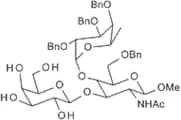
Purezza:Min. 95%Lewis A trisaccharide methyl glycoside tetrabenzylether
CAS:Lewis A trisaccharide methyl glycoside tetrabenzylether is a synthetic glycosylated oligosaccharide. It is a custom synthesis product that can be modified to the customer's specifications. The modification reaction yields a high-purity, complex carbohydrate with a saccharide content of 95%. This product is soluble in DMSO and DMF and is stable at pH 3-11.Formula:C49H61NO15Purezza:Min. 95%Peso molecolare:904.01 g/molRef: 3D-OL06815
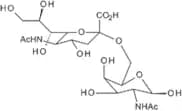
Prodotto fuori produzione2-Acetamido-2-deoxy-6-a-O-sialyl-D-galactopyranose
CAS:2-Acetamido-2-deoxy-6-a-O-sialyl-D-galactopyranose is a monosaccharide that is synthesized from D-galactose and acetamide. It has a molecular weight of 388.13 and an empirical formula of C8H14N2O4. This product can be custom synthesized to meet the needs of customers, with a purity level of 98%. 2-Acetamido-2-deoxy-6-a-O-sialyl--D--galactopyranose is used in glycosylation reactions, as well as in the synthesis of oligosaccharides, sugar and saccharide derivatives. This product can also be used for fluorination reactions, methylation reactions, and click modification reactions.
Formula:C19H32N2O14Purezza:Min. 95%Peso molecolare:512.46 g/molRef: 3D-OA04844
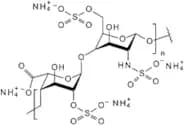
Prodotto fuori produzioneHeparin derived dp20 saccharide ammonium salt
Heparin derived dp20 saccharide ammonium salt is a synthetic, high purity, complex carbohydrate that has been modified with fluorination and methylation. It is a polysaccharide composed of repeating units of D-glucosamine and D-mannose, which are linked by alternating alpha 1-6 and alpha 1-4 glycosidic bonds. This product can be used as a monosaccharide or sugar in the synthesis of oligosaccharides or polysaccharides.
Purezza:Of Main Disaccharide Unit Approx. 75%Colore e forma:White Off-White PowderPeso molecolare:~5750 (Average)Ref: 3D-OH08956
Prodotto fuori produzioneL-Daunosamine-b-methylglycoside hydrochloride
L-Daunosamine-b-methylglycoside hydrochloride is a high purity, custom synthesis of an oligosaccharide. This product is synthesized from D-mannose and L-daunosamine. The synthetic process begins with the click modification of the carbohydrate to introduce a methyl group onto the sugar. The resulting product is then glycosylated, fluorinated, and methylated to create the final product. L-Daunosamine-b-methylglycoside hydrochloride has been shown to act as a competitive inhibitor of bacterial dna gyrase, which helps maintain the integrity of bacterial DNA by preventing supercoiling. L-Daunosamine-b-methylglycoside hydrochloride has also been shown to inhibit protein synthesis in bacteria by binding to ribosomes, which are responsible for translating mRNA into proteins.
Formula:C7H15NO3·HClPurezza:Min. 95%Peso molecolare:197.66 g/molRef: 3D-MD44774
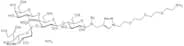
Prodotto fuori produzioneGM2-Oligosaccharide-spacer-NH2 ammonium
GM2-Oligosaccharide-spacer-NH2 ammonium is a complex carbohydrate with an oligosaccharide spacer and a hydrophobic NH2 group. The product is custom synthesized to your specifications and is available in high purity. It can be modified with fluorination or click chemistry. GM2-Oligosaccharide-spacer-NH2 ammonium is used in the synthesis of polysaccharides, saccharides, and carbohydrates. Some of its applications include modifying proteins, monosaccharides, and sugars.
Formula:C44H75N7O27·NH3Purezza:Min. 95%Peso molecolare:1,151.13 g/mol4'-O-(a-D-Galactopyranosyl)-D-lactose
4'-O-(a-D-Galactopyranosyl)-D-lactose is a synthetic and fluorinated glycoside that belongs to the class of oligosaccharides. It has a molecular weight of 474.07 Da and a chemical formula of C12H23NO8. This product is available in custom synthesis in order to meet the needs of customers. It also has been modified with methylation, monosaccharide, polysaccharide, saccharide, click modification, and complex carbohydrate modifications. This product is available at high purity with CAS No. 834-02-4 and can be ordered from our website.
Purezza:Min. 95%1,6:3,4-Bis-[O-(2,3-dimethoxybutane-2,3-diyl)]-2-O-trifluoromethanesulphonyl-5-O-benzolyl-myo-inositol
CAS:1,6:3,4-Bis-[O-(2,3-dimethoxybutane-2,3-diyl)]-2-O-trifluoromethanesulphonyl-5-O-benzolyl-myo-inositol is a Glycosylation product with CAS No. 1068089-34-8. It is a synthetic oligosaccharide that contains an Oligosaccharide sugar and a Polysaccharide saccharide. The product has been Fluorinated and Custom synthesized for Methylation. Click modification has been performed on the complex carbohydrate to produce the desired Modification in High purity.
Formula:C26H35F3O13SPurezza:Min. 95%Peso molecolare:644.61 g/molSodium carboxymethyl cellulose, viscosity 50-200 cps
CAS:Please enquire for more information about Sodium carboxymethyl cellulose, viscosity 50-200 cps including the price, delivery time and more detailed product information at the technical inquiry form on this page
Ref: 3D-YS184483
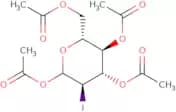
Prodotto fuori produzione1,3,4,6-Tetra-O-acetyl-2-deoxy-2-iodo-a-D-glucopyranose
CAS:1,3,4,6-Tetra-O-acetyl-2-deoxy-2-iodo-a-D-glucopyranose is a sugar molecule that is used to measure the efficiency of glycosidases. It has been shown to be an efficient site-specific inhibitor for glycosidases and analogues. This compound has been shown to inhibit the activity of glycoconjugates and glycan synthesis by interfering with the binding sites on enzymes such as endoglycosidase H. 1,3,4,6-Tetra-O-acetyl-2-deoxy-2-iodo-(1→4)-a-[alpha]-D-[beta]-D-[alpha]-glucopyranoside is an analog of this compound that can be used in place of it for specific purposes.Formula:C14H19IO9Purezza:Min. 95%Peso molecolare:458.2 g/mol5,7-Bis-(benzyloxy)-a-(4-(benzyloxy)phenyl)-3-[3,4-di-O-acetyl-a-O-acetyl-a-L-rhamnopyranosyloxyl]-4H-chromen-4-one
CAS:This product is a custom synthesis. This product is a methylation, click modification, and oligosaccharide. This product is a polysaccharide and saccharide. This product is fluorinated and complex carbohydrate. This product is high purity with modification. This product has monosaccharides and sugar. This product is synthetic and CAS No. 849938-27-8.
Formula:C53H48O12Purezza:Min. 95%Peso molecolare:876.94 g/molRef: 3D-MB16635
Prodotto fuori produzioneα,β-D-Glucose pentaacetate
CAS:Glucose pentaacetate is a form of glucose that reacts with boron trifluoride etherate to produce anomers. This process can be used to synthesize the anomeric form of glucose, which is important for the biosynthesis of glycosides. Glucose pentaacetate has been shown to react with nitrate and trifluoride, forming conjugates with aluminum and chloride. The catalytic stereocontrol of this reaction allows for the production of disaccharides without hydrogen chloride or formylation.
Formula:C16H22O11Peso molecolare:390.35 g/molTopiramate didesacetal impurity
CAS:Topiramate didesacetal impurity is a Custom synthesis, Modification, Fluorination, Methylation, Monosaccharide, Synthetic compound. It is used in the production of saccharides and polysaccharides. The Carbohydrate has a variety of uses including food additives and sweeteners.
Formula:C6H13NO8SPurezza:Min. 95%Peso molecolare:259.24 g/molRef: 3D-MT59565
Prodotto fuori produzioneMethyl D-arabinofuranoside
CAS:Methyl D-arabinofuranoside is an antimycobacterial agent that inhibits the synthesis of mycolic acids, which are important components of the cell wall of Mycobacterium tuberculosis. Methyl D-arabinofuranoside has been shown to be active against drug-resistant strains and has been well tolerated by animals. This compound can be synthesized from 2,4-dichlorophenylacetic acid and arabinose in two steps. The first step involves a three-component condensation reaction with sodium hydroxide, hydrochloric acid, and 2,4-dichlorophenylacetic acid. The second step is a nucleophilic attack on the pyran ring of methyl D-arabinofuranoside with hypophosphorous acid. Methyl D-arabinofuranoside can also be prepared by reacting sodium nitrosobenzene with sodium benzene sulfinate in alcoholic solution
Formula:C6H12O5Purezza:Min. 95%Colore e forma:Off-White PowderPeso molecolare:164.16 g/molRef: 3D-MM31839
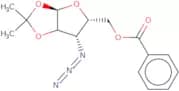
Prodotto fuori produzione3-Azido-5-O-benzoyl-3-deoxy-1,2-O-isopropylidene-a-D-ribofuranose
3-Azido-5-O-benzoyl-3-deoxy-1,2-O-isopropylidene a D-ribofuranose (3ABI) is a synthetic monosaccharide that can be synthesized via a custom synthesis. 3ABI is an oligosaccharide that has the ability to modify glycosylation and polysaccharide synthesis. The fluorination of this sugar provides it with high purity and stability. 3ABI has been shown to have a CAS number of 44793-23-2.
Formula:C15H17N3O5Purezza:Min. 95%Peso molecolare:319.31 g/molRef: 3D-MA08750
Prodotto fuori produzione2-epi-(-)-emtricitabine
CAS:2-epi-(-)-emtricitabine is an analog of the nucleoside cytidine, which inhibits the phosphorylation and subsequent degradation of deoxycytidine kinase, thereby blocking the production of the viral DNA polymerase. The compound also inhibits tyrosine kinases, which are enzymes that play a vital role in cell signaling. This inhibition may contribute to its antiviral activity. 2-epi-(-)-emtricitabine has been shown to inhibit human immunodeficiency virus (HIV) replication in vitro and in vivo. It is a prodrug that is converted to emtricitabine, its active form, by deoxycytidine kinase and then hydrolyzed by esterases. 2-epi-(-)-emtricitabine has been shown to be effective against hepatitis B virus and cancer cells.
Formula:C8H10FN3O3SPurezza:Min. 95%Peso molecolare:247.25 g/molRef: 3D-ME16711
Prodotto fuori produzione1,2,3,5,6-Penta-O-propanoyl-b-D-glucofuranose
1,2,3,5,6-Penta-O-propanoyl-b-D-glucofuranose is a methylated sugar. It is a polysaccharide consisting of 1,2,3,5,6-penta-O-propanoyl-b-D-glucopyranosyl units linked by β-(1→4)-glycosidic bonds. This carbohydrate can be used in the synthesis of oligosaccharides and glycosylation reactions. 1,2,3,5,6-Penta-O-propanoyl b -D -glucofuranose has been fluorinated to give pentafluorobenzoyl b -D -glucofuranose which is used for click modification.
Purezza:Min. 95%Ref: 3D-MP58664
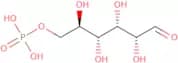
Prodotto fuori produzioneD-Glucose 6-phosphate - Powder
CAS:D-glucose 6-phosphate is an intermediate in the hexose monophosphate shunt pathway. It is formed by the enzyme phosphoglucomutase from D-glucose 1-phosphate and UTP. D-glucose 6-phosphate is also an important intermediate in glycolysis. The conversion of D-glucose 6-phosphate to glucose 1,6-bisphosphate occurs through a series of reactions catalyzed by enzymes that are sensitive to inhibition by magnesium ions. These reactions include the phosphofructokinase, hexokinase, and pyruvate kinase reactions. The accumulation of glucose 6-phosphate leads to increased levels of lactate production and decreased levels of ATP production. This may be due to its ability to inhibit monoamine reuptake, which would lead to decreased synthesis of dopamine and serotonin.
Formula:C6H13O9PPurezza:Min. 95%Colore e forma:PowderPeso molecolare:260.14 g/molRef: 3D-FD158897
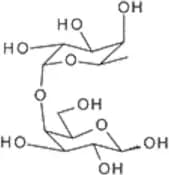
Prodotto fuori produzione4-O-(α-L-Fucopyranosyl)-D-galactopyranose
CAS:4-O-(a-L-Fucopyranosyl)-D-galactopyranose is a glycosidic sugar that has an alpha-1,3 linkage and a galactose residue. The sequence of this sugar is the same as that of D-galactose. 4-O-(a-L-Fucopyranosyl)-D-galactopyranose belongs to the group of carbohydrates. It is found in plants, animals, or fungi and can be used as a precursor for the synthesis of many other compounds.
Formula:C12H22O10Purezza:Min. 95%Colore e forma:PowderPeso molecolare:326.3 g/mol1,2-o-Isopropylidene-β-L-idofuranuronic acid 5-o-pivaloate 6,3-lactone
CAS:Please enquire for more information about 1,2-o-Isopropylidene-β-L-idofuranuronic acid 5-o-pivaloate 6,3-lactone including the price, delivery time and more detailed product information at the technical inquiry form on this page
Formula:C14H20O7Purezza:Min. 95%Peso molecolare:300.3 g/molRef: 3D-TJA98276
Prodotto fuori produzione1,5-α-L-Arabinohexaose
CAS:1,5-α-L-Arabinohexaose is a carbohydrate. It is a nonreducing sugar that can be found in plants. 1,5-α-L-Arabinohexaose has an optimum pH of 5 and an ethanol concentration of 0.02%. The enzyme form of 1,5-α-L-Arabinohexaose is α-(1→6)-glycosidase. This enzyme hydrolyzes the α-(1→6) glycosidic bond between two glucose residues in a polysaccharide chain to produce β-(1→4) bonds. It also hydrolyzes the β-(1→4) glycosidic bond between two galactose residues to produce β-(1→2) bonds and oxidizes the terminal carbon atom to produce aldehyde products.
A structural analysis of this carbohydrate was conducted using marine microorganisms and it was found that they contain galacturonic acid and sugar residuesFormula:C30H50O25Purezza:Min. 95%Colore e forma:PowderPeso molecolare:810.7 g/molRef: 3D-OA32465
Prodotto fuori produzioneD-Xylulose 5-phosphate sodium
CAS:D-Xylulose 5-phosphate sodium salt is a synthetic monosaccharide that can be used in the synthesis of oligosaccharides, polysaccharides, and complex carbohydrates. It is also used in glycosylation reactions. D-Xylulose 5-phosphate sodium salt has been fluorinated to provide better stability and solubility. The compound has a molecular weight of 206.06 g/mol and a CAS number of 105931-44-0. This product is available for custom synthesis upon request.
Formula:C5H11O8PNaPurezza:Min. 95%Colore e forma:PowderPeso molecolare:252.09 g/molRef: 3D-MX182933
Prodotto fuori produzioneAllyl 4,6-O-benzylidene-b-L-glucopyranoside
Allyl 4,6-O-benzylidene-b-L-glucopyranoside is a carbohydrate that is synthesized from allyl alcohol and glucose. It is a complex carbohydrate made up of two different saccharides. This product can be custom synthesized to meet your needs. Allyl 4,6-O-benzylidene-b-L-glucopyranoside has been modified by fluorination, methylation and glycosylation. It has the CAS number 133394-02-0 and can be synthesized at high purity levels.
Formula:C16H20O6Purezza:Min. 95%Peso molecolare:308.33 g/molRef: 3D-MA45752
Prodotto fuori produzioneHydroxyethyl Starch (HES) 450/0.7
CAS:Please enquire for more information about Hydroxyethyl Starch (HES) 450/0.7 including the price, delivery time and more detailed product information at the technical inquiry form on this page
Formula:(C6H10O5)m•(C2H5O)nNGA2FB N-Glycan
CAS:NGA2FB N-Glycan is a monosaccharide that is synthetically fluorinated on the 2-position of the sugar. It is an oligosaccharide that contains a complex carbohydrate, which is a glycosylation of a polysaccharide with a click modification at the methyl group on the sugar. This product can be custom synthesized to order and offers high purity.
Formula:C64H107N5O45Purezza:Min. 95%Peso molecolare:1,666.54 g/molHyaluronic acid decasaccharide
Hyaluronic acid is a polysaccharide containing repeating disaccharide units of β-1,3-N-acetyl glucosamine and β-1, 4-glucuronicâ¯acid. A series of unsaturated oligosaccharides (oligouronic acids) are released from hyaluronic acid by the action of hyaluronidase on the umbilical cord (Weissman, 1954). This decasaccharide and other enzymatically produced polymer homologs have been of value in the study of hyaluronic acid metabolism in both healthy and diseased tissues (Hascall, 2019).
Formula:C70H107N5O56Purezza:Min. 95%Colore e forma:White PowderPeso molecolare:1,914.6 g/molRef: 3D-OH143206
Prodotto fuori produzionePhenyl a-L-thiorhamnopyranoside
CAS:Phenyl a-L-thiorhamnopyranoside is a monosaccharide that is synthesized by the methylation of alpha-D-glucose. It is a custom synthesis that is used in the synthesis of oligosaccharides, polysaccharides, and sugar drugs. Phenyl a-L-thiorhamnopyranoside can be fluorinated to create an active form that has antibacterial activity. This compound has shown no signs of toxicity in animal studies and has been used as a food additive.
Formula:C12H16O4SPurezza:Min. 95%Peso molecolare:256.32 g/molRef: 3D-MP04367
Prodotto fuori produzione(-)-Lyoniresinol 9'-O-glucoside
CAS:This chemical is a custom synthesis of (-)-Lyoniresinol 9'-O-glucoside. The chemical is a modification of (-)-Lyoniresinol 9'-O-glucoside and fluorinated at the C2 position. It is also methylated on the C3 position. The chemical is synthesized by click chemistry, which involves the use of copper(II) ions as catalysts to generate covalent bonds between two molecules. This chemical has been shown to be an oligosaccharide with saccharide chains that are linked together by glycosylation. There are six sugar residues in this compound: glucose, galactose, rhamnose, xylose, glucuronic acid, and mannitol. This compound has CAS number 143236-02-6 and molecular weight of 881.5 g/mol (CAS No.).
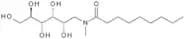
Formula:C28H38O13Purezza:Min. 95%Peso molecolare:582.59 g/molN-Nonanoyl-N-methylglucamine
CAS:N-Nonanoyl-N-methylglucamine is a nonionic surfactant that has been shown to be effective in the treatment of some inherited blood disorders. N-Nonanoyl-N-methylglucamine is used as a red cell membrane stabilizer and has been shown to increase the proton concentration in human serum. It also increases the transfer rate of p-nitrophenyl phosphate from erythrocytes to plasma. This drug has been found to have enzyme activity on soybean trypsin, model system, and epoxidase activity. N-Nonanoyl-N-methylglucamine has shown to be an effective protective agent against sodium citrate induced hemolysis and monoclonal antibody mediated cytotoxicity. It also shows kinetic data for protein synthesis and gene expression at different concentrations.
Formula:C16H33NO6Purezza:Min. 95%Colore e forma:PowderPeso molecolare:335.44 g/molRef: 3D-DN12019
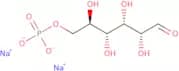
Prodotto fuori produzioneD-Glucose 6-phosphate, disodium salt
CAS:D-Glucose 6-phosphate, disodium salt is an antibiotic that is used to treat gram-negative bacterial infections. It binds to the bacterial ribosome and inhibits protein synthesis, which leads to cell death by inhibiting the production of proteins vital for cell division. This drug has been shown to be active against a wide range of bacteria, including resistant strains such as Escherichia coli and Salmonella typhimurium. D-Glucose 6-phosphate, disodium salt also has anti-inflammatory properties and can be used as an anti-bacterial agent in the treatment of typhoid fever.
Formula:C6H11O9Na2PPeso molecolare:304.10 g/mol4-Aminophenyl b-D-thioglucopyranoside
CAS:4-Aminophenyl b-D-thioglucopyranoside is a compound that belongs to the group of small molecules and has been studied for its potential use as a drug to treat brain tumours. It has been shown that 4-Aminophenyl b-D-thioglucopyranoside binds to centromeric DNA sequences in mammalian cells, which can lead to inhibition of transcription and replication. This inhibitory effect on transcription and replication is due to the inhibition of acetyltransferase enzymes by 4-Aminophenyl b-D-thioglucopyranoside.
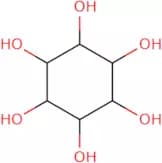
Formula:C12H17NO5SPurezza:Min. 95%Peso molecolare:287.33 g/molMyo-inositol-d6
CAS:Myo-inositol-d6 is a stable isotope of myo-inositol. It is used to monitor the biosynthesis of myo-inositol in yeast cells. Myo-inositol is a carbohydrate that has regulatory functions in yeast cells. Myo-inositol-d6 can be used as an extracellular bioassay for determining the uptake and intracellular distribution of myo-inositol in mammalian cells.
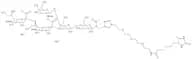
Formula:C6H12O6Purezza:Min. 95%Colore e forma:PowderPeso molecolare:186.19 g/molGD2-Oligosaccharide-desthiobiotin
Desthiobiotin is a modified form of biotin that binds less tightly to biomolecules like proteins and carbohydrates than it does biotin, while still providing excellent specificity in affinity purification methods (Hirsch, 2002). The structure of GD2-oligosaccharide-desthiobiotin (sodium salt) comprises (GalNAcβ1,4Galβ1,4Glc) of its two sialic acids linked α2,3/α2,8 to the central galactose residue (Ledeen, 2009). The desthiobiotin is attached β to position 1 of the reducing glucose moiety. GD2 ganglioside is expressed at a low concentration in the central nervous system, nerves, skin melanocytes and stem cells in healthy adults. On the other hand, GD2 ganglioside is overexpressed in a number of tumors including: neuroblastoma, melanoma, small cell lung carcinoma and brain tumors. Recently, GD2 ganglioside has been found in low concentration on breast cancer stem cells (CSC) that possess: self-renewal properties (division without disrupting the undifferentiated state) and tumor-initiating capabilities. It has been suggested that GD2 ganglioside may be developed as an effective target antigen for CSC immunotherapy (Fleurence, 2017).
Formula:C65H106N10O37·2NaPurezza:Min. 95%Colore e forma:PowderPeso molecolare:1,665.56 g/molRef: 3D-OO76165
Prodotto fuori produzioneLactulose - liquid
CAS:Lactulose is a non-absorbable sugar used in the treatment of constipation and hepatic encephalopathy. It is used by mouth for constipation and either by mouth or in the rectum for hepatic encephalopathy. It generally begins working after 8-12 hours, but may take up to 2 days to improve constipation.
Formula:C12H22O11Purezza:Min. 95%Peso molecolare:342.3 g/molGala1-3Galb1-4(6-deoxyGlcNAc)-HSA
Gala1-3Galb1-4(6-deoxyGlcNAc)-HSA is a custom synthesis of a complex carbohydrate. It is an oligosaccharide with CAS No. and Polysaccharide that has been modified by Methylation, Glycosylation, and Click modification. Carbohydrate is one of the most important macronutrients for human health, as it provides energy and cell building blocks. Sugar (e.g., glucose) is the simplest form of carbohydrate, while saccharide refers to chains of sugar molecules. Gala1-3Galb1-4(6-deoxyGlcNAc)-HSA has been fluorinated and synthesized with high purity in order to be used as a drug delivery system. This drug can be used to treat various diseases such as diabetes mellitus type I or II, cancer, or HIV/AIDS.
Purezza:Min. 95%Ref: 3D-OG58636
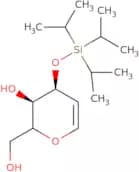
Prodotto fuori produzione3-O-Triisopropylsilyl-D-galactal
3-O-Triisopropylsilyl-D-galactal is a carbohydrate that belongs to the group of sugars. It is an oligosaccharide with a complex structure, which is synthesized from D-galactal by treatment with triisopropylsilyl chloride in pyridine. 3-O-Triisopropylsilyl-D-galactal is used as a reagent for the methylation and glycosylation of proteins and nucleic acids. This compound has been shown to inhibit the enzyme carboxypeptidase A, which may be due to its ability to act as an inhibitor of carbohydrate binding. 3-O-Triisopropylsilyl-D-galactal has also been shown to bind specifically to erythrocyte membranes, suggesting that it could be used as a potential diagnostic marker for glycogen storage diseases.
Formula:C15H30O4SiPurezza:Min. 95%Peso molecolare:302.48 g/mol2,3,5-Tri-O-benzyl-D-ribose
CAS:Remdesivir impurity
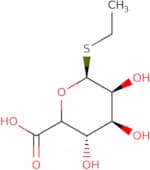
Formula:C26H28O5Purezza:Min. 98 Area-%Colore e forma:White Off-White PowderPeso molecolare:420.5 g/molEthyl D-thioglucuronide
CAS:Ethyl D-thioglucuronide is a modification of an oligosaccharide, carbohydrate, complex carbohydrate or sugar. It can be synthesized by custom synthesis or by synthetic methods. The product is highly pure and monosaccharide methylated. The product can be glycosylated, polysaccharide, sugar fluorinated and saccharides click modified.
Formula:C8H14O6SPurezza:Min. 95%Colore e forma:Off-White PowderPeso molecolare:238.26 g/molNefopam glucuronide
Nefopam is a compound that has been used as an analgesic and antipyretic. It is structurally related to the benzodiazepine class of drugs, but is not chemically equivalent to any other known drug. Nefopam has a low therapeutic index and can cause severe toxic effects in overdose. The most common adverse effects of nefopam are dizziness, drowsiness, headache, nausea and vomiting. An overdose can lead to death by respiratory paralysis or cardiac arrest.
Formula:C23H27NO7Purezza:Min. 95%Peso molecolare:429.46 g/molRef: 3D-MN46697
Prodotto fuori produzioneD-[1-13C]Galacturonic acid potassium salt
D-[1-13C]Galacturonic acid potassium salt is a sugar that is synthesized by the reaction of galactose with carbon dioxide. This sugar has been custom synthesized and is used in glycosylation reactions. Other modifications to this sugar include methylation and click modification, which can be done to make the sugar more reactive. D-[1-13C]Galacturonic acid potassium salt is a high purity product with a CAS number.
Purezza:Min. 95%α-6⁴-6³-Di-galactosyl-mannopentaose
CAS:α-6⁴-6³-Di-galactosyl-mannopentaose is a specialized oligosaccharide, which is a type of complex carbohydrate. This compound is derived from natural plant sources and its structure comprises a mannopentaose core linked with two galactose units. The mode of action involves specific interactions with gut microbiota, where it selectively enriches beneficial bacterial populations, such as Bifidobacteria and Lactobacilli. These interactions occur by serving as a fermentation substrate, promoting the growth of microbes that confer beneficial effects on host health.
Formula:C42H72O36Purezza:Min. 95%Peso molecolare:1,153 g/mol1-Cyano-2-deoxy-3,5-di-O-toluoyl-D-ribofuranose
CAS:1-Cyano-2-deoxy-3,5-di-O-toluoyl-D-ribofuranose is a monosaccharide that is used in the synthesis of oligosaccharides and polysaccharides. This product is custom synthesized to meet customer specifications. It has a CAS number of 406955-52-0. The purity of this product can be customized as well.Purezza:Min. 95%2-Deoxy-2-fluoro-D-lactose
Used for studies of the D-lactose pathway by non-invasive techniques, using ¹â¹F-NMR spectroscopy or positron emission from the ¹âžF-labeled compound.
Formula:C12H21O10FPurezza:Min. 95%Colore e forma:White PowderPeso molecolare:344.29 g/molRef: 3D-OD76699
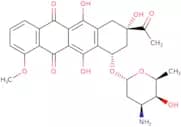
Prodotto fuori produzioneDaunorubicin
CAS:Anthracycline antibiotic with potent anti-tumoral activity. The compound interferes with DNA replication and RNA transcription since it intercalates between the base pairs of nucleic acids. It also inhibits the topoisomerase II, proteasome and generates free radicals, which leads to cell death of treated cells. Moreover, daunorubicin triggers apoptosis trough the stimulation of ceramide synthesis. It has been used as chemotherapy agent for the treatment of myeloid leukaemia (AML) and acute lymphocytic leukaemia (ALL).
Formula:C27H29NO10Purezza:Min. 95%Peso molecolare:527.52 g/molD-Arabino-5-hexulosonic acid
CAS:D-Arabino-5-hexulosonic acid is an intermediate in the pentose phosphate pathway. It is a component of the hexuronate, which is an important precursor for galactitol, 6-phosphate, and acid dehydrogenase. D-Arabino-5-hexulosonic acid is also an important intermediate in the glycolytic pathway for ATP production. The gene product has been shown to be involved in aerobic glycolysis, which is utilized by Staphylococcus aureus to produce energy from glucose fermentation. D-Arabino-5-hexulosonic acid plays a role in ion exchange and mitochondrial metabolism as well.
Formula:C6H10O7Purezza:Min. 95%Peso molecolare:194.14 g/molPantothenic acid 2,4-di-O-b-D-galactopyranoside
Pantothenic acid 2,4-di-O-b-D-galactopyranoside is a custom synthesis of Methylated Pantothenic Acid 2,4-Di-O-b-D-Galactopyranoside. The compound is an oligosaccharide composed of two glucose molecules and one galactose molecule. It contains a fluorine atom at the 4th position of the sugar chain. This modification was made to increase the solubility in water. Pantothenic acid 2,4-di-O-b-D-galactopyranoside can be used in industry as a food additive or pharmaceutical intermediate.
Formula:C21H37NO15Purezza:Min. 95%Peso molecolare:543.52 g/molGlcnacβ(1-3)GalNAc-α-Thr
CAS:Glcnacβ(1-3)GalNAc-α-Thr is a polysaccharide that is found in the human body, which is a complex carbohydrate. It is an oligosaccharide modification of galactose and alpha-threonine. Glcnacβ(1-3)GalNAc-α-Thr can be custom synthesized to order with high purity and monosaccharide content. This product is used for research purposes and has not been approved for therapeutic use. The CAS number for this compound is 286959-52-2.
Formula:C20H35N3O13Purezza:Min. 95%Peso molecolare:525.5 g/molRef: 3D-LLA95952
Prodotto fuori produzioneDi-a-D-galactosyl-mannopentaose
Di-a-D-galactosyl-mannopentaose is a mannopentaose derivative that has been modified with a methyl group at the C2 position and fluorinated at the C6 position. This compound can be used as an intermediate in the production of oligosaccharides and polysaccharides, which are complex carbohydrates that contain many sugar molecules. The product is of high purity, with no detectable impurities. It was synthesized using a custom synthesis approach, which allows for modification of the chemical structure to produce desired properties. This product is stable when stored at room temperature and does not require refrigeration. It does not contain any organic solvents or volatile compounds and is free from endotoxins or heavy metals.
Purezza:Min. 95%Peso molecolare:1,153 g/molRef: 3D-OD44481
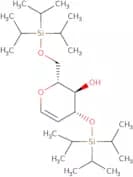
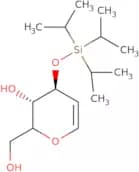
Prodotto fuori produzione3-O-Triisopropylsilyl-D-glucal
3-O-Triisopropylsilyl-D-glucal is a modified carbohydrate, which is a saccharide that has been modified by the addition of three isopropyl groups. This modification can be used to synthesize oligosaccharides and polysaccharides in order to obtain desired properties. 3-O-Triisopropylsilyl-D-glucal can also be used as a fluorinating agent in synthesis reactions. The compound is also custom synthesized and can be synthesized with high purity (>98%) or with methylation or glycosylation. 3-O-Triisopropylsilyl-D-glucal will react with nucleophiles like amines and alcohols to form adducts, which are then hydrolyzed to release the product.
Formula:C15H30O4SiPurezza:Min. 95%Peso molecolare:302.48 g/molRhamnolipids C12-C12
CAS:rhamose based 'green' surfactant
Formula:C30H56O9Purezza:Min. 95%Peso molecolare:560.77 g/mol2-Acetamido-1,3,4,6-tetra-O-acetyl-2-deoxy-5-thio-a-D-glucopyranose
CAS:2-Acetamido -1,3,4,6-tetra-O-acetyl-2-deoxy-5-thio-a-D-glucopyranose is a custom synthesis. It is an oligosaccharide and polysaccharide. It is a carbohydrate that has been modified by fluorination and a click modification. The complex carbohydrate contains one monosaccharide sugar. 2AATG can be used in the synthesis of other carbohydrates.
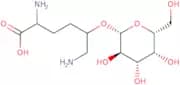
Formula:C16H23NO9SPurezza:Min. 95%Peso molecolare:405.42 g/mol5-(β-D-Galactopyranosyloxy)-DL-lysine
CAS:5-(β-D-Galactopyranosyloxy)-DL-lysine is a custom synthesized compound that has been modified with 5-(β-D-galactopyranosyloxy) groups. It is an oligosaccharide, polysaccharide, and saccharide that belongs to the category of carbohydrates. This product is available for purchase in high purity and has been fluorinated. The CAS number for this product is 35910-05-5.
Formula:C12H24N2O8Purezza:Min. 95%Colore e forma:PowderPeso molecolare:324.33 g/molRef: 3D-FG181089
Prodotto fuori produzioneb-Core-APE-HSA
b-Core-APE-HSA is a custom synthesis of an oligosaccharide. This product is a complex carbohydrate with a CAS number and the molecular weight range of 500 to 10,000 Daltons. It is a polysaccharide that has been modified by methylation or glycosylation. The saccharide in this product is either glucose or mannose and it can be modified using click chemistry, fluorination, or other modifications. This product has high purity and can be synthesized using synthetic techniques such as glycosylation or Methylation.
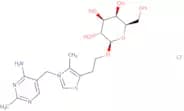
Purezza:Min. 95%Thiamine galactoside
CAS:Thiamine galactoside is a custom synthesis of a monosaccharide. It is modified with fluorination, methylation and saccharide. The resulting product has a molecular weight of 578.08 g/mol and the chemical formula C24H34N6O18S2.
Formula:C18H27O6N4S·C2H3O2Purezza:Min. 95%Peso molecolare:486.54 g/molUndecyl b-D-maltopyranoside
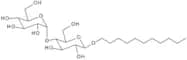
CAS:Undecyl b-D-maltopyranoside is a cell culture reagent that belongs to the group of monomers. It is used in the synthesis of dodecyl maltoside and is also used as a substrate for bacterial enzymes. Undecyl b-D-maltopyranoside has been shown to inhibit the activity of leukotriene A4 hydrolase, an enzyme involved in the metabolism of leukotrienes. This product has been shown to be effective in chromatographic separation of metal ions from other components. Undecyl b-D-maltopyranoside can also be used for solubilizing peptides and proteins, including those that are neutral or have a low pH. This product is also used as a substrate for recombinant monoclonal antibodies and viral coat proteins.
Formula:C23H44O11Purezza:Min. 95%Colore e forma:PowderPeso molecolare:496.59 g/molRef: 3D-DU05738
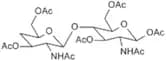
Prodotto fuori produzione4-Deoxy-D-chitobiose heptaacetate
CAS:4-Deoxy-D-chitobiose heptaacetate is a synthetic compound that has been modified by the addition of a heptaacetate group. This modification provides an additional site for attachment to other molecules, such as nucleic acids or proteins. The fluorination of this saccharide provides further protection against degradation and increases its stability in aqueous solutions. 4-Deoxy-D-chitobiose heptaacetate is available in high purity and can be custom synthesized to meet your needs.
Formula:C26H38N2O15Purezza:Min. 95%Peso molecolare:618.58 g/molN-Acetyl-L-neuraminic acid
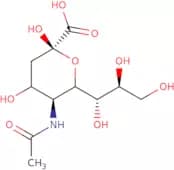
CAS:N-Acetyl-L-neuraminic acid is a glycosylation compound that is an important component of the cell wall of Gram negative bacteria. It is used in the synthesis of polysaccharides and in the formation of complex carbohydrates. N-Acetyl-L-neuraminic acid has been studied for its potential use as a drug delivery agent due to its ability to inhibit the activity of enzymes such as α-mannosidase, which can lead to tumor metastasis. This compound can be synthesized using methylation, fluorination, and click chemistry, or custom synthesized by ordering specific monosaccharides. N-Acetyl-L-neuraminic acid can also be modified with acetate groups to create an acetylated form for use in chemical analysis or as a substrate for enzymatic reactions.
Formula:C11H19NO9Purezza:Min. 95%Peso molecolare:309.27 g/molRef: 3D-MA64798
Prodotto fuori produzioneTetradecyl 2-acetamido-2-deoxy-3,4,6-tri-O-acetyl-b-D-glucopyranoside
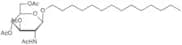
CAS:Tetradecyl 2-acetamido-2-deoxy-3,4,6-tri-O-acetyl-b-D-glucopyranoside is a glycosylation product of tetradecyl acetic acid. It is a complex carbohydrate with a molecular weight of 806.0. Tetradecyl 2-acetamido-2-deoxy-3,4,6-tri-O-acetyl b D glucopyranoside is known for its ability to be methylated and click modified. This product can be used as a polysaccharide or as an oligosaccharide in the synthesis of custom monosaccharides. Tetradecyl 2 acetamido 2 deoxy 3 4 6 tri O acetyl b D glucopyranoside has been fluorinated and saccharified to create high purity.Formula:C28H49NO9Purezza:Min. 95%Peso molecolare:543.69 g/molPhenyl 4,6-O-benzylidene-β-D-thioglucopyranoside
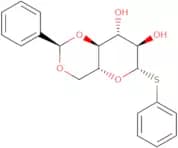
CAS:Phenyl 4,6-O-benzylidene-b-D-thioglucopyranoside is a biodegradable compound that has been shown to be effective in the treatment of cancer. This agent is synthesized by the reaction of c1-6 alkyl with benzaldehyde and thioglycolic acid in the presence of sodium borohydride. Phenyl 4,6-O-benzylidene-b-D-thioglucopyranoside emits light when it interacts with oxygen. This compound can be used for the treatment of tumors due to its ability to inhibit the proliferation of cancer cells. Phenyl 4,6-O-benzylidene-b-D-thioglucopyranoside has also been shown to reduce cardiac injury and improve blood pressure by inhibiting tyrosine kinase and increasing paracrine activity.Formula:C19H20O5SPurezza:Min. 95%Colore e forma:PowderPeso molecolare:360.42 g/mol4-Deoxy-L-fucose
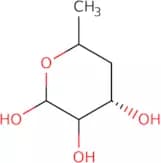
CAS:4-Deoxy-l-fucose is a molecule that has been found to inhibit the synthesis of gangliosides. It is an acetylated derivative of l-fucose and can be synthesized from ethyl 4-deoxy-D-glucuronate with the help of a multivorans enzyme. This molecule is metabolically unstable and reacts with oxygen to form a divalent alcohol that can be identified by magnetic resonance spectroscopy. 4-Deoxy-l-fucose inhibits the biosynthesis of gangliosides, which are important molecules in cell signaling, through its ability to inhibit enzymes such as acetyltransferase.
Formula:C6H12O4Purezza:Min. 95%Colore e forma:White To Off-White SolidPeso molecolare:148.16 g/molRef: 3D-MD03942
Prodotto fuori produzione2,3,4,6-Tetra-O-acetyl-b-D-glucopyranosyl-N-Fmoc-L-threonine
CAS:2,3,4,6-Tetra-O-acetyl-b-D-glucopyranosyl-N-Fmoc-L-threonine is a Fluorination compound that is synthesized by the modification of natural carbohydrate. It's CAS number is 130548-92-4 and it's molecular weight is 464.8 Da. The purity of this compound is > 98% and the chemical formula is C24H36N2O10. 2,3,4,6-Tetra-O-acetyl-b-D-glucopyranosyl -N - Fmoc - L - threonine can be used in Polysaccharide synthesis for click modifications or methylations.Formula:C33H37NO14Purezza:Min. 95%Peso molecolare:671.66 g/mol





![(2R,3R,4S,5R,6S)-3,4,5-Trihydroxy-2-hydroxymethyl-7,9-diaza-1-oxa-spiro[4,5]decane-10-one-8-thione](/_next/image/?url=https%3A%2Fstatic.cymitquimica.com%2Fproducts%2F3D%2Fthumb-webp%2FMT01909.webp&w=3840&q=75)



![(2R,4R)-2-[D-Xylo-tetrahydroxybut-1-yl]-1,3-thiazolidine-4-carboxylic acid](/_next/image/?url=https%3A%2Fstatic.cymitquimica.com%2Fproducts%2F3D%2Fthumb-webp%2FMX01042.webp&w=3840&q=75)


![1,6:3,4-Bis-[O-(2,3-dimethoxybutane-2,3-diyl)]-2-O-trifluoromethanesulphonyl-5-O-benzolyl-myo-inos…](/_next/image/?url=https%3A%2Fstatic.cymitquimica.com%2Fproducts%2F3D%2Fthumb-webp%2FMB16636.webp&w=3840&q=75)
![5,7-Bis-(benzyloxy)-a-(4-(benzyloxy)phenyl)-3-[3,4-di-O-acetyl-a-O-acetyl-a-L-rhamnopyranosyloxyl]…](/_next/image/?url=https%3A%2Fstatic.cymitquimica.com%2Fproducts%2F3D%2Fthumb-webp%2FMB16635.webp&w=3840&q=75)










![D-[1-13C]Galacturonic acid potassium salt](/_next/image/?url=https%3A%2Fstatic.cymitquimica.com%2Fproducts%2F3D%2Fthumb-webp%2FMG28931.webp&w=3840&q=75)