Glicoscienza
La glicosienza è lo studio dei carboidrati e dei loro derivati, nonché delle interazioni e delle funzioni biologiche a cui partecipano. Questo campo di ricerca è cruciale per comprendere una vasta gamma di processi biologici, tra cui il riconoscimento cellulare, la segnalazione, la risposta immunitaria e lo sviluppo delle malattie. La glicosienza ha importanti applicazioni nella biotecnologia, nella medicina e nello sviluppo di nuovi farmaci e terapie. Presso CymitQuimica, offriamo un'ampia selezione di prodotti di alta qualità e purezza per la ricerca in glicosienza. Il nostro catalogo comprende monosaccaridi, oligosaccaridi, polisaccaridi, glicoconiugati e reagenti specifici, progettati per supportare i ricercatori nei loro studi sulla struttura, funzione e applicazioni dei carboidrati nei sistemi biologici. Queste risorse sono destinate a facilitare scoperte scientifiche e applicazioni pratiche in vari ambiti delle bioscienze e della medicina.
Sottocategorie di "Glicoscienza"
- Amminozucchero(108 prodotti)
- Glico-anticorpi(282 prodotti)
- Glicolipidi(46 prodotti)
- Glicosaminoglicani (GAGs)(55 prodotti)
- Glicosidi(419 prodotti)
- Monosaccaridi(6.624 prodotti)
- Oligosaccaridi(3.682 prodotti)
- Polisaccaridi(503 prodotti)
Trovati 11046 prodotti di "Glicoscienza"
Ordinare per
Purezza (%)
0
100
|
0
|
50
|
90
|
95
|
100
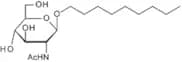
Nonyl 2-acetamido-2-deoxy-b-D-glucopyranoside
CAS:<p>Nonyl 2-acetamido-2-deoxy-b-D-glucopyranoside is a new type of cycle control method that has been developed for the stabilization of dynamically coordinated systems. It is based on the observation that stable cycles can be generated by coordinating the system with an electrode. The power consumption of this control method is lower than that of other methods, which makes it suitable for applications requiring high efficiency and low power consumption.</p>Formula:C17H33NO6Purezza:Min. 95%Peso molecolare:347.45 g/molGM2-Oligosaccharide-sp-biotin
Biotin-labelled oligosaccharide domain of the monosialylated glycosphingolipid GM2 of a-series. The compound is present on neuronal cells and plays a key role in the regulation of dendritogenesis in cortical pyramidal neurons. In lysosomal storage disorders Tay-Sachs and Sandhoff disease, where hexosaminases A and B are deficient, GM2 ganglioside accumulates in the nervous system. GM2 is also overexpressed in melanomas and other tumours of neuro-ecto origin. Moreover, the sugar moiety of this ganglioside is a receptor allowing viral infection of cells with reovirus and rotavirus.Formula:C54H88N9O29S•NaPurezza:Min. 95%Colore e forma:PowderPeso molecolare:1,382.38 g/mol2,3,4-Tri-O-benzyl-L-fucopyranose
CAS:<p>2,3,4-Tri-O-benzyl-L-fucopyranose is a synthetic compound that activates the selectin receptor on the surface of white blood cells. It has been shown to activate the cell surface receptors for the lectin mannose and mannose-binding protein which are involved in the recognition of pathogens. 2,3,4-Tri-O-benzyl-L-fucopyranose is also able to inhibit magnesium ion binding to its target site on the bacterial surface. This inhibition prevents bacteria from attaching themselves to host tissues or other cells by binding with these sites. The compound was synthesized by a stereoselective method using silver trifluoromethanesulfonate as an activating reagent and can be used as an antimicrobial agent in mammals.</p>Formula:C27H30O5Purezza:Min. 95%Colore e forma:White PowderPeso molecolare:434.52 g/molN-GlcNAc-Biotin
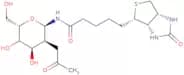
CAS:N-GlcNAc-Biotin is a biotin analog that is used for the detection of cancer. It is used as an outpatient diagnostic tool to detect chest deformity, asymmetry, and other signs of lung or breast cancer. N-GlcNAc-Biotin binds to the receptor for biotin, which is expressed on many cancers cells. The molecule then emits radiation at a specific wavelength that can be detected by a waveguide device. A recrystallized form of this compound was developed to enhance its sensitivity and specificity for diagnosis.END>Formula:C18H30N4O7SColore e forma:PowderPeso molecolare:446.52 g/molGDP-L-galactose sodium salt
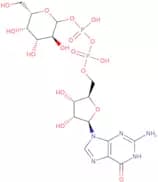
CAS:<p>GDP-L-galactose is a sugar molecule that is an intermediate in the biosynthesis of ascorbate. GDP-L-galactose is synthesized from GDP-D-mannose and GDP-L-glucose by the enzyme GDP-mannose 4,6 dehydratase. The enzyme GDP-L-galactose dehydrogenase then converts GDP-L-galactose to ascorbic acid (vitamin C). Ascorbate is essential for many biological functions such as synthesis of collagen and neurotransmitters, regulation of gene expression, and protection against oxidative stress. The biosynthesis of ascorbate occurs in a light dependent reaction involving L -galactono 1,4 diphosphate synthase and UDP glucose 6 phosphate uridylyl transferase. This process is regulated by transcriptional factors such as MYB and NAC2/NAC4.</p>Formula:C16H23N5O16P2Na2Purezza:(Hplc-Ms) Min. 95 Area-%Colore e forma:White Off-White PowderPeso molecolare:649.3 g/mol3-O-Methyl-D-glucopyranoside
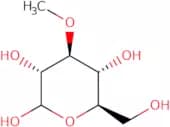
CAS:<p>Resource for synthesis of natural products with a 3-O-Me-glucosyl element</p>Formula:C7H14O6Purezza:Min. 98 Area-%Colore e forma:White Off-White PowderPeso molecolare:194.18 g/mol1,2,3,6-Tetra-O-benzyl-β-D-glucopyranoside
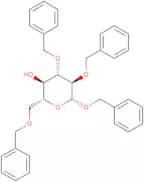
CAS:1,2,3,6-Tetra-O-benzyl-β-D-glucopyranoside is a synthetic compound that is produced by the modification of natural sugars. It was first synthesized by a team of chemists led by Professor Robert Burns Woodward. This molecule has been modified with methyl groups and fluorine atoms to improve its stability and to provide a more convenient method for its analysis. 1,2,3,6-Tetra-O-benzyl-β-D-glucopyranoside can be used in the synthesis of oligosaccharides and polysaccharides.Formula:C34H36O6Purezza:Min. 95%Colore e forma:PowderPeso molecolare:540.65 g/molDextran 500 - MW 450,000 to 550,000
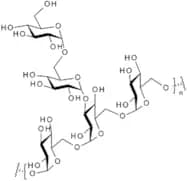
CAS:Dextran is α-(1,6)-linked α-D-glucan with α-(1,3)-linked glucose branch points produced by fermentation of Leuconostoc mesenteroides via the action of the enzyme dextransucrase on sucrose. The main use for native dextran is as an extender in blood transfusions and products having a range of sharp cut-off molecular weights are produced commercially for this and other applications. A complex of iron with dextran, known as iron dextran, is used as a source of iron for baby piglets which are often anaemic at birth.Colore e forma:White PowderOctadecylthioethyl 4-O-(4-O[6-O-a-D-glucopyranosyl-a-D-glucopyranosyl]-a-D-glucopyranosyl)-b-D-glucopyranoside
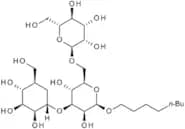
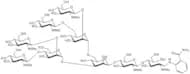
CAS:<p>Octadecylthioethyl 4-O-(4-O[6-O-a-D-glucopyranosyl-a-D-glucopyranosyl]-a-D-glucopyranosyl)-b-D-glucopyranoside is a methylated, fluorinated complex carbohydrate that has been custom synthesized. It is an oligosaccharide with a saccharide and monosaccharides. The chemical name for this compound is 2-[2-(2,3,4,6,7,8,9,10,11,12,13) -octadecylthioethyl] -1-[(6Z)-6-[(4Z)-4-[(4E)-4-(3S)-3-[(R)-1-(2S) -2-(2S) -3-(2S) -5(R) -5(R) -5(R) -</p>Formula:C44H82O21SPurezza:Min. 95%Colore e forma:SolidPeso molecolare:979.18 g/mol2-Azido-2-deoxy-3,4-O-isopropylidene-L-idonic acid methyl ester
<p>2-Azido-2-deoxy-3,4-O-isopropylidene-L-idonic acid methyl ester is a custom synthesis that is available in high purity. It is a complex carbohydrate that has been modified with methylation and glycosylation. This product has CAS number 16078-04-1 and is a monosaccharide synthesized from similar compounds.</p>Purezza:Min. 95%2,3,4,6-Tetra-O-acetyl-b-D-galactopyranosyl cyanide
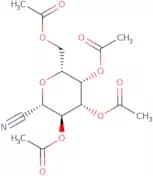
CAS:2,3,4,6-Tetra-O-acetyl-b-D-galactopyranosyl cyanide is a carbohydrate that is used in the synthesis of conjugates for use as immunogens. It has been modified to create a high purity product. Click chemistry is used to attach a fluorine atom to the sugar. The glycosylation reaction with the monosaccharides and disaccharides is then performed followed by methylation of the saccharide with methanol to produce 2,3,4,6-Tetra-O-acetyl-b-D-galactopyranosyl cyanide.Formula:C15H19NO9Purezza:Min. 95 Area-%Colore e forma:White Off-White PowderPeso molecolare:357.31 g/molGinsenoside F1
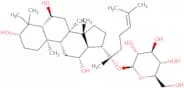
CAS:<p>Ginsenoside F1 is a natural compound found in ginseng. It is believed to have anti-cancer properties. Ginsenoside F1 has been shown to inhibit the proliferation of HL-60 cells and have an apoptotic effect by regulating mitochondrial membrane potential and activating the apoptotic pathway. The mechanism of action for the anti-cancer activity of Ginsenoside F1 may be due to its ability to inhibit angiogenesis, which is needed for cancer cell proliferation. Ginsenoside F1 also inhibits the growth of skin cancer cells in mice by regulating microvessel density. This compound has been found in foods such as soybeans, rice, peanuts, and kiwifruit.</p>Formula:C36H62O9Purezza:Min. 95%Colore e forma:PowderPeso molecolare:638.87 g/molGalNAcb(1-3)Gala(1-3)Galb(1-4)Glc-b-pNP
<p>GalNAcb(1-3)Gala(1-3)Galb(1-4)Glc-b-pNP is a synthetic glycoconjugate that is a glycosylated complex carbohydrate. It has been modified by Click chemistry and fluorination, and contains the monosaccharides galactose, galactosamine, glucose, and glucuronic acid. GalNAcb(1-3)Gala(1-3)Galb(1-4)Glc-b-pNP is used as a substrate for enzyme assays to study the activity of glycosyltransferases such as galactosyltransferase. This product can be used for research purposes in immunology, molecular biology, biochemistry and other fields.</p>Formula:C32H48N20O23Purezza:Min. 95%Peso molecolare:1,080.84 g/molFerric carboxymaltose
CAS:<p>Ferric carboxymaltose is a form of iron that is administered intravenously and is used to treat iron deficiency. Ferric carboxymaltose has been shown to be effective in treating iron deficiency anemia as well as other conditions, such as inflammation of the bowel or hematologic response. Ferric carboxymaltose binds to free iron in the blood and prevents it from oxidizing. Ferric carboxymaltose also exhibits an anti-inflammatory effect by inhibiting the production of pro-inflammatory cytokines and chemokines. The polymerase chain reaction (PCR) technique has been used to measure ferritin levels in the blood, which are then used to determine whether treatment with ferric carboxymaltose is necessary.</p>Colore e forma:PowderPhenyl 2-acetamido-2-deoxy-α-D-glucopyranoside
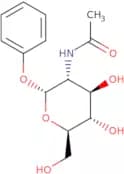
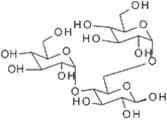
CAS:<p>Phenyl 2-acetamido-2-deoxy-a-D-glucopyranoside is a fluorinated sugar that was synthesized by chemical modification of a natural sugar. It is a white, crystalline powder and has an odorless taste. This product is custom synthesized and can be used as an intermediate in the production of other saccharides. Phenyl 2-acetamido-2-deoxy-a-D-glucopyranoside has been modified to include methyl groups and glycosyl groups, which are not present in the natural product.</p>Formula:C14H19NO6Purezza:Min. 95%Colore e forma:SolidPeso molecolare:297.3 g/mol6-o-a-D-Glucosyl-maltose
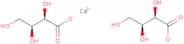
CAS:<p>Minor trisaccharide component of honey</p>Formula:C18H32O16Purezza:Min. 95%Colore e forma:White Off-White PowderPeso molecolare:504.44 g/molCalcium L-threonate
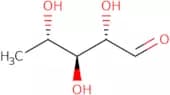
CAS:Calcium L-threonate is a four carbon monosaccharideFormula:C8H14CaO10Purezza:Min. 98 Area-%Colore e forma:PowderPeso molecolare:310.27 g/molN-Acetyl-D-galactosamine
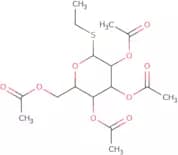
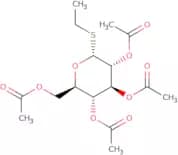
CAS:N-Acetyl-D-galactosamine (GalNAc) is an aldohexose (2-acetamido-2-deoxygalactose) in which the hydroxyl group at position 2 is replaced by a N-Acetyl group (Collins, 2006). GalNAc forms a key part of both N- and O-linked glycoproteins, glycolipids, gangliosides, blood groups, glycosaminoglycans (chondroitin and dermatan sulfate) and human milk oligosaccharides. The number of acetylgalactosamine residues attached to the IgA O-linked glycans of Crohn'sdisease patients is significantly decreased, and strongly correlated with clinical activity. It is suggested that alterations of GalNAc attachment in IgA may be useful as a novel diagnostic and prognostic marker of Crohn's disease (Inoue, 2012).Formula:C8H15NO6Purezza:Min. 98%Colore e forma:White PowderPeso molecolare:221.21 g/molEthyl 2,3,4,6-tetra-O-acetyl-b-D-thioglucopyranoside
CAS:<p>Polyimides are polymers that are used in a variety of industrial and consumer products. Ethyl 2,3,4,6-tetra-O-acetyl-b-D-thioglucopyranoside is a type of polyimide that has been shown to be photosynthetic. Polyimides are synthesized by condensing acetylene with formaldehyde in the presence of an acid catalyst. This compound has been investigated for use as an active component in photonic and optoelectronic devices such as solar cells and light emitting diodes (LEDs). The material is also being explored for use in the fabrication of microelectronic devices such as field effect transistors (FETs) and optical switches. It can be used to investigate organisms’ photosynthetic activity qualitatively or quantitatively by observing color changes or measuring oxygen production.</p>Formula:C16H24O9SPurezza:Min. 95%Colore e forma:White PowderPeso molecolare:392.5 g/mol1,2,3,4,6-Penta-O-acetyl-a-D-mannopyranose
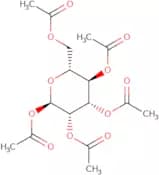
CAS:<p>1,2,3,4,6-Penta-O-acetyl-α-D-mannopyranose is an acetylated sugar which is used as an intermediate in the mannosylation of glycoproteins or glycoconjugates. It can be used in the production of mannosylated glycoconjugate vaccines or lipid nanoparticles (LNPs) which have been investigated for improving antigen up-take mediated, via the mannose receptor (MR) of human antigen presenting cells (APCs). 1,2,3,4,6-Penta-O-acetyl-a-D-mannopyranose, also known as α-D-Mannose pentaacetate, has also been used in the study of isolated rat pancreatic islets where it stimulates insulin release.</p>Formula:C16H22O11Purezza:Min. 98 Area-%Colore e forma:White Off-White PowderPeso molecolare:390.34 g/mol1,2:3,4-Di-O-isopropylidene-α-D-fucopyranose
CAS:<p>1,2:3,4-Di-O-isopropylidene-a-D-fucopyranose is a tailored drug that was developed to have the same chemical structure as endogenous natural fucopyranosides. It has been shown to be a potent inhibitor of bacterial growth in vitro. The drug has been shown to have anti-inflammatory effects in vivo and may be useful for the treatment of autoimmune diseases. 1,2:3,4-Di-O-isopropylidene-a-D-fucopyranose has been observed to inhibit the production of inflammatory cytokines such as IL1β and TNFα by macrophages at concentrations of 10 μM or less. It has also been shown to inhibit NFκB activation by inhibiting IκB kinase activity.</p>Formula:C12H20O5Purezza:Min. 95%Colore e forma:Clear colourless to yellow oil.Peso molecolare:244.28 g/molL-Ribonic acid-1,4-lactone
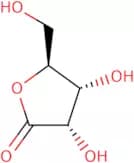
CAS:<p>L-Ribonic acid-1,4-lactone is a synthetic process that is used as an antiviral agent. It is a sugar reactant in the production of riboflavin. L-Ribonic acid-1,4-lactone has been shown to inhibit the synthesis of viral RNA and DNA, which prevents replication of the virus. The mechanism of L-ribonic acid lactone's antiviral activity is not currently known.</p>Formula:C5H8O5Purezza:(%) Min. 90%Colore e forma:PowderPeso molecolare:148.12 g/mol2,3,4,6-Tetra-O-acetyl-D-glucopyranose
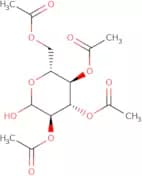
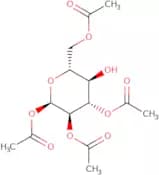
CAS:<p>2,3,4,6-Tetra-O-acetyl-D-glucopyranose is a carbohydrate that is used in the synthesis of besifloxacin. This compound has been studied as an analog for many other natural compounds and its derivatives have shown to be effective against bacteria such as Staphylococcus aureus and Clostridium perfringens. The acetyl groups on this molecule allow it to be easily converted into other compounds with desired properties. This compound has been found to be acidic and can be used as a medicinal preparation or analytical chemistry reagent. The hydroxyl group on the 2 carbon atom allows the molecule to form glycoside derivatives. The halides on this molecule are also important for making new molecules by replacing one of the hydrogen atoms with another halogen atom. The phenylpropanoid glycosides are found in plants and may contain an enantiomeric form of 2,3,4</p>Formula:C14H20O10Purezza:Min. 95%Colore e forma:White PowderPeso molecolare:348.3 g/molEthyl 3-O-allyl-4-O-benzyl-2-O-(2-naphthylmethyl)-b-D-thioglucuronide benzyl ester
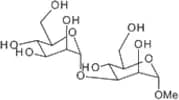
<p>Ethyl 3-O-allyl-4-O-benzyl-2-O-(2-naphthylmethyl)-b-D-thioglucuronide benzyl ester is a glycoconjugate that is synthesized by the methylation of thioglucuronic acid and subsequent etherification with ethyl bromoacetate. The chemical name for this compound is ethyl 3-[(2,4,6-trimethylphenoxy)methyl]benzoate. This chemical is soluble in ethanol and insoluble in water. It has a molecular weight of 459.5 g/mol and a CAS number of 53938-04-3.</p>Purezza:Min. 95%Methyl 3-O-(a-D-mannopyranosyl)-a-D-mannopyranoside
CAS:Used for structural and conformational studies and as enzyme substratesFormula:C13H24O11Purezza:Min. 95%Colore e forma:PowderPeso molecolare:356.32 g/molDecyl glucoside
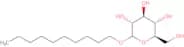
CAS:<p>Decyl Glucoside is an alkylglycoside non-ionic surfactant and emulsifier. It is commonly used in foaming and cleansing products, often by natural personal care companies due to being plant derived and biodegradable. Decyl glucoside, also known as capryl/caprylyl glucoside, is derived from combination of coconut fatty alcohols and corn starch glucose.</p>Formula:C16H32O6Purezza:Min. 95%Colore e forma:Yellow Clear LiquidPeso molecolare:320.42NGA4 Glycan, 2-AB labelled
<p>NGA4 Glycan, 2-AB labelled is a synthetic oligosaccharide that has been modified with Click chemistry. This modification has been shown to be useful for the detection of methylation. The NGA4 Glycan, 2-AB labelled has a purity of >99% and is available in quantities of 1 mg or more.</p>Purezza:Min. 95%1,2-O-Isopropylidene-5-O-tert-butyldiphenylsilyl-b-D-arabinofuranose
CAS:<p>1,2-O-Isopropylidene-5-O-tert.butyldiphenylsilyl-b-D-arabinofuranose is a modified sugar that can be used in the synthesis of complex carbohydrates. It has been custom synthesized and is available in high purity with a CAS number. It is an oligosaccharide that can be methylated or glycosylated. The chemical name for 1,2-O-Isopropylidene-5-O-tert.butyldiphenylsilyl-b-D-arabinofuranose is 5-(1,1'-Biphenylethyl)-3'-hydroxybenzaldehyde O-(4,4'-dimethoxytrityl)ester. This product also has fluorination and saccharide properties.</p>Formula:C24H32O5SiPurezza:Min. 95%Peso molecolare:428.59 g/molMethyl 2,3,4-tri-O-acetyl-6-O-tert-butyldimethylsilyl-a-D-glucopyranoside
CAS:<p>Methyl 2,3,4-tri-O-acetyl-6-O-tert-butyldimethylsilyl-a-D-glucopyranoside is a glycosylation reagent and a synthetic monosaccharide that is custom synthesized and available in high purity. It is a saccharide with a molecular weight of 244.24 g/mol and chemical formula C12H21NO8Si. This product is often used as an intermediate for modified oligosaccharides and polysaccharides.<br>Methyl 2,3,4-tri-O-acetyl-6-O-tert-butyldimethylsilyl -a D glucopyranoside can be used for the synthesis of complex carbohydrate, methylation, click modification, fluorination saccharide, modification or other reactions.<br>This product has CAS No. 637341162 and can be found in</p>Formula:C19H34O9SiPurezza:Min. 95%Peso molecolare:434.56 g/mol2,3:5,6-Di-O-isopropylidene-2-C-(tert.butyldimethylsilyloxy)methyl-D-allono-1,4-lactone
<p>2,3:5,6-Di-O-isopropylidene-2-C-(tert.butyldimethylsilyloxy)methyl-D-allono-1,4-lactone is a sugar molecule. It is composed of two monosaccharides, D and L allose. The D allose is an alpha(1→2)-linked glucose with the terminal hydroxyl group on C2 and the L allose is a beta(1→4)-linked galactose with the terminal hydroxyl group on C4. The chemical formula for 2,3:5,6-Di-O-isopropylidene-2-C-(tert.butyldimethylsilyloxy)methyl-D-allono-1,4-lactone is C12H22O11.</p>Purezza:Min. 95%Carboxymethyl-dextran sodium salt - Average MW 20,000
CAS:<p>Sodium carboxymethyl dextran is a white, odourless and tasteless powder, which is freely soluble in water or electrolyte solutions. Applications that have been described for carboxymethyl dextran include carriers of paramagnetic contrast agents, preparation of conjugates of pharmacologically active compounds and carboxymethyl dextrans in biosensors. A number of other uses in cosmetics, agriculture, foods, paints and textiles have been the subject of patent applications.</p>Colore e forma:PowderLactobionate hydrazide
<p>Lactobionate hydrazide is a custom synthesis of an oligosaccharide. It is a complex carbohydrate with CAS No. that has been modified by glycosylation, methylation and fluorination. Lactobionate hydrazide is a polysaccharide which has been synthesized by click chemistry and contains high purity with a sugar content of over 99%. This oligosaccharide is not saccharide-bound and can be modified to produce different chemical structures. Lactobionate hydrazide has been used for glycogen storage disorders, as well as for the synthesis of oligosaccharides for the treatment of cancer cells.</p>Purezza:Min. 95%2-Deoxy-2-fluoro-D-glucose 6-phosphate barium salt
CAS:<p>2-Deoxy-2-fluoro-D-glucose 6-phosphate barium salt is a glucose analogue used in positron emission tomography (PET) imaging of cancer. It is an inhibitor of glycolysis and phosphofructokinase, which are enzymes that catalyze the conversion of glucose to pyruvate. 2-Deoxy-2-fluoro-D-glucose 6-phosphate barium salt is taken up by the cell by active transport, then metabolized into 2 deoxy 2 fluoro D mannose phosphate and finally converted to glucosylceramide. The PET scan detects the accumulation of this molecule in cells with high glycolytic activity, such as cancer cells. This compound has been shown to inhibit hepatocellular carcinoma (HCC) cell growth in vitro and in vivo.</p>Formula:C6H10FO8P·BaPurezza:Min. 95%Colore e forma:PowderPeso molecolare:397.44 g/molL-Arabinose - Syrup
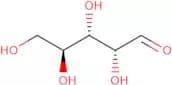
CAS:<p>L-arabinose is a monosaccharide that is found in many plants, but not in humans. It is metabolized by the liver to produce L-arabinose-1-phosphate and L-ribulose-1,5-bisphosphate. L-Arabinose syrup is used for the treatment of bacterial infections such as escherichia coli or listeria monocytogenes.</p>Formula:C5H10O5Purezza:Min. 95%Peso molecolare:150.13 g/molD-glycero-D-galacto-Heptose
CAS:<p>D-Glycero-D-galacto-heptose is a sugar that has been shown to have antimicrobial properties and inhibit the growth of oral pathogens. It inhibits the enzyme glycosyltransferase, which is responsible for synthesizing D-galactosyl sugars. This inhibition prevents the formation of a substrate for the enzyme β-1,4-N acetylglucosaminyltransferase, which is necessary for bacterial cell wall synthesis. This leads to cell death as a result of impaired membrane integrity. D-Glycero-D-galacto-heptose has been shown to have inhibitory properties against both Gram negative and Gram positive bacteria in vitro assays. The mechanism of action is through target enzymes such as glycosyltransferases, which are necessary for bacterial cell wall synthesis. Inhibition of these enzymes leads to cell death by impairing membrane integrity.</p>Formula:C7H14O7Purezza:Min. 98 Area-%Colore e forma:PowderPeso molecolare:210.18 g/mol1,2,3,6-Tetra-O-acetyl-α-D-glucopyranose
CAS:<p>1,2,3,6-Tetra-O-acetyl-a-D-glucopyranose is a high purity chemical that can be custom synthesized. It is a sugar that has been fluorinated and glycosylated with a Click modification. It is a synthetic compound that contains methylation and modification. It has CAS No. 55286-97-0, which indicates its oligosaccharide and monosaccharide saccharide composition. This product can be used for complex carbohydrate synthesis in the laboratory or for research purposes.</p>Formula:C14H20O10Purezza:Min. 98 Area-%Colore e forma:PowderPeso molecolare:348.3 g/mol1,4-Dideoxy-1,4-imino-D-ribitol
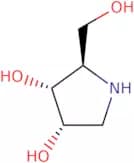
CAS:<p>1,4-Dideoxy-1,4-imino-D-ribitol is a polyhydroxylated pyrrolidine alkaloid isolated from the roots of mulberry trees (Morus alba) and from the bark of leguminous plants (Angylocalyx pynaertii). Due to its structure it has been looked at as enzyme inhibitors that mimic glycoside and nucleoside substrates. It was found to be a potent inhibitor of lysosomal β-mannosidase and eukaryotic DNA polymerases.</p>Formula:C5H11NO3Purezza:Min. 95%Peso molecolare:133.15 g/molD-Galactono-1,4-lactone
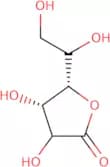
CAS:<p>D-Galactono-1,4-lactone is an intermediate in the galactose catabolism pathway. It is an acidic compound that can be found in plants and bacteria. D-Galactono-1,4-lactone has been shown to inhibit enzyme activities when it is present at high concentrations. This compound also inhibits the enzyme carbon source, which is involved in the conversion of glucose to energy. The deuterium isotope effect on the inhibition of enzyme activity by D-galactono-1,4-lactone has been studied extensively using plant phytochemicals such as triticum aestivum.</p>Formula:C6H10O6Purezza:Min. 95%Colore e forma:White PowderPeso molecolare:178.14 g/mola,a-D-Trehalose anhydrous
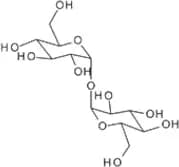
CAS:Trehalose is a sugar that is found in many organisms, including humans. It is a disaccharide composed of two glucose units. Trehalose has been shown to be effective against infectious diseases such as HIV and malaria. Trehalose may have anti-inflammatory effects by inhibiting the production of pro-inflammatory cytokines such as tumor necrosis factor alpha (TNF-α) and interleukin 6 (IL-6). The water vapor pressure of trehalose dihydrate is higher than that of trehalose anhydrous, which may account for its greater stability under high humidity conditions.Formula:C12H22O11Purezza:Min. 98 Area-%Colore e forma:PowderPeso molecolare:342.3 g/molN-Acetyl-L-lyxosamine
<p>N-Acetyl-L-lyxosamine is a glycosylation that is used in the synthesis of complex carbohydrates. It can be modified with methyl groups, fluorine atoms, and other substances to produce desired products. N-Acetyl-L-lyxosamine can be used in the synthesis of saccharides such as oligosaccharides and polysaccharides. It is also used in the modification of sugars and monosaccharides. This compound has been synthesized from various sources, including natural glycerol or plant oils. The purity of this chemical is greater than 99%.</p>Formula:C7H13NO5Purezza:Min. 95%Peso molecolare:191.18 g/molColchicoside
CAS:<p>Colchicoside is a natural compound that belongs to the chemical family of phenylpropanoids. It is used in the treatment of gout and pseudogout, and has been shown to be effective against demecolcine-induced hemolytic activity. Colchicoside has also shown to be an analog for other compounds with toxicological studies, such as hydrochloric acid and potassium dichromate. The toxicity studies performed on colchicoside have shown that it can cause damage to cells in culture by inhibiting DNA repair mechanisms.</p>Formula:C27H33NO11Purezza:Min. 95%Colore e forma:PowderPeso molecolare:547.55 g/molPrednisolone succinate a-cyclodextrin conjugate
<p>The prednisolone succinate cyclodextrin alpha conjugate represents a specific class of cyclodextrin derivatives where the drug molecule (prednisolone succinate) is covalently bound to α-cyclodextrin. The conjugate is designed to combine the beneficial properties of cyclodextrins with the therapeutic effects of prednisolone. Prednisolone succinate cyclodextrin alpha conjugate aims to improve the solubility, stability, and bioavailability of prednisolone while potentially offering controlled release properties.</p>Purezza:Min. 95%Methyl 4-C-Hydroxymethyl-2,3-O-isopropylidene-b-D-ribofuranoside
CAS:<p>Methyl 4-C-Hydroxymethyl-2,3-O-isopropylidene-b-D-ribofuranoside is a modification of the monosaccharide, D-ribose. It is synthesized by the selective methylation of the hydroxymethyl group at position C4. The synthesis of this compound starts with the oxidation of D-ribose to form 2,3'-diisopropylidene boronate ester (1). This compound is then reacted with methyl iodide in the presence of an acid to form 4-(methyloxy)benzaldehyde (2). The final step involves conversion of 2 to 4-(methyloxy)benzylidene boronate ester (3), which is then hydrolyzed to yield methyl 4-C-hydroxymethyl-2,3-O-isopropylidene ribofuranoside.</p>Purezza:Min. 95%1-Deoxy- 3- O- tert.butyldimethylsilyl - 4, 5- O- isopropylidene -D- fructose
<p>1-Deoxy-3-O-tert.butyldimethylsilyl -4,5-O-isopropylidene -D-fructose is a glycosylation reagent used to modify the carbohydrate moieties of proteins and other molecules. It reacts with a protein to produce an alpha O-linked glycosylation at the N terminus of the protein. 1DOTBSDF can be prepared by reacting 1,3,5,7-tetraacetylbenzene with methyl methanolate in the presence of butyllithium. The product is purified by crystallization from hexane and diethylether and has a melting point range of 114°C – 117°C. This compound has been reported in the literature as being used for Click modification reactions that have been reported to have improved yields in comparison to other methods.</p>Purezza:Min. 95%3-O-Benzyl-1,2-O-isopropylidene-6-O-trityl-a-D-glucofuranose
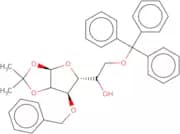
CAS:<p>3-O-Benzyl-1,2-O-isopropylidene-6-O-trityl-a-D-glucofuranose is a synthetic oligosaccharide. It is a glycosylation product of the 6′ position of β-(3,4-)dihydroxybenzoyl α-(1,6)-Dglucopyranosyl bromide with 3,5,-O-(tetraisopropyldisiloxanyl) benzyl alcohol. The molecular weight is 588.8 g/mol and it has the molecular formula C28H31NO14. 3BBIG is soluble in water and methanol, but insoluble in ethanol or ether. This compound can be used for methylation reactions or click chemistry modifications.</p>Formula:C35H36O6Purezza:Min. 95%Peso molecolare:552.66 g/molOctyl glucose neopentyl glycol
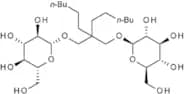
CAS:<p>Octyl glucose neopentyl glycol is a ubiquitin ligase inhibitor that prevents the ubiquitination and degradation of target proteins. It has been shown to inhibit protein synthesis in bacteria. Octyl glucose neopentyl glycol has been used to study the role of cytosolic proteins in emphysema. It was found that octyl glucose neopentyl glycol inhibits the production of these proteins by preventing the interaction between an ubiquitin-like protein and its substrate, thereby inhibiting protein synthesis. Octyl glucose neopentyl glycol also inhibits cancer cells by blocking fatty acid synthase, which is necessary for cell proliferation. This inhibitor can be used as a structural probe to determine enzyme-substrate interactions, such as those that occur with bacterial strain and protein synthesis. It can also be used to study the structure of proteins by exposing them to light or using inhibitors drugs.</p>Formula:C27H52O12Purezza:Min. 98 Area-%Colore e forma:PowderPeso molecolare:568.69 g/mol3-Deoxy- 3- fluoro- 1, 2- O- isopropylidene - D- allofuranose
<p>3-Deoxy-3-fluoro-1,2-O-isopropylidene-D-allofuranose is an oligosaccharide that has been fluorinated at the 3 position and 3' position of the allofuranose moiety. It is a synthetic monosaccharide that belongs to a family of complex carbohydrates. The modification of this sugar with fluorine atoms is done by click chemistry, which entails the use of copper (II) ions. This sugar can be used for glycosylation and polysaccharide synthesis. Its high purity makes it ideal for use in laboratory settings.</p>Formula:C9H15FO5Purezza:Min. 95%Peso molecolare:222.21 g/mol3,6-Dideoxy-3,6-imino-1,2-O-isopropylidene-a-D-glucofuranose
<p>3,6-Dideoxy-3,6-imino-1,2-O-isopropylidene-a-D-glucofuranose is an oligosaccharide that has been modified to contain fluorine. This sugar is a complex carbohydrate that can be custom synthesized for use in glycosylation reactions. It can be used to modify polysaccharides and has been shown to have a high purity.</p>Purezza:Min. 95%5-Azido-5-deoxy-2,3-O-isopropylidene-L-lyxofuranose
<p>5-Azido-5-deoxy-2,3-O-isopropylidene-L-lyxofuranose (AIL) is a synthetic molecule that belongs to the group of carbohydrates. It is synthesized by the glycosylation and methylation of 5-(azido)-5,6-dideoxyglucose. AIL has been shown to have anti-inflammatory effects in cell culture models and in mice with inflammatory bowel disease.</p>Purezza:Min. 95%6-a-D-Maltotriosyl-maltotriose
CAS:<p>Derived from pullulan using pullulanase</p>Formula:C36H62O31Purezza:Min. 95%Colore e forma:PowderPeso molecolare:990.86 g/molKonjac glucomannan
CAS:<p>Konjac glucomannan is an acetylated (1,4)-β-D-glucomannan obtained from the tubers of Amorphophallus konjac or Konnyaku root. It is widely used in foods, pharmaceuticals paints and explosives. It has been shown that ternary mixtures of konjac glucomannan, xanthan gum and sodium alginate can form a non-covalently linked complex which exhibits enhanced rheological properties of value in, for example, functional foods.</p>Purezza:Min. 75%Colore e forma:White PowderSialyl Lewis X methyl glycoside sodium salt
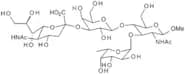
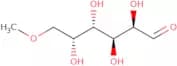
CAS:<p>Glycoside of Sialyl Lewis X</p>Formula:C32H54N2O23Purezza:Min. 95%Colore e forma:White PowderPeso molecolare:834.77 g/mol6-O-Methyl-D-galactopyranose
CAS:<p>6-O-Methyl-D-galactopyranose is a monosaccharide that is an important component of the glycosidic linkage in the plant galactomannans. 6-O-Methyl-D-galactopyranose has been shown to be a good substrate for immobilized lectin, which can be used in ionization techniques as well as to characterize glycoproteins and glycopeptides. 6-O-Methyl-D-galactopyranose has also been used in the identification of blood groups and amino acid analysis.</p>Formula:C7H14O6Purezza:Min. 97 Area-%Colore e forma:White Off-White PowderPeso molecolare:194.18 g/mol2-O-Benzhydryloxybis(trimethylsilyloxy)silyl-3, 4- O- isopropylidene - L- arabinonic acid γ-lactone
<p>2-O-Benzhydryloxybis(trimethylsilyloxy)silyl-3,4-O-isopropylidene -L-arabinonic acid gamma-lactone (2BHOS) is an oligosaccharide that is synthesized from arabinose. It is a product of the Click modification and is used to synthesize a glycosylation with a monosaccharide or saccharide donor molecule. 2BHOS can be modified by fluorination, glycosylation, methylation, or other chemical modifications. 2BHOS has CAS number 47311-27-8.</p>Purezza:Min. 95%(1R) -1- [(2S, 3R,4S) -4-Hydroxymethyl-3- hydroxy- 1- azetidinyl] -1, 2- ethanediol hydrochloride
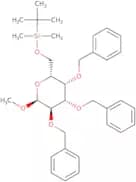
<p>(1R) -1- [(2S, 3R,4S) -4-Hydroxymethyl-3- hydroxy- 1- azetidinyl] -1, 2- ethanediol hydrochloride is a synthetic modification of oligosaccharides and polysaccharides. It is an oligosaccharide with a high degree of polymerization (DP) and a high purity. The fluorination of saccharides can be used for the synthesis of this product.</p>Purezza:Min. 95%Methyl 2,3,4-tri-O-benzyl-6-O-tert-butyldimethylsilyl-a-D-galactopyranoside
CAS:<p>Methyl 2,3,4-tri-O-benzyl-6-O-tert-butyldimethylsilyl-a-D-galactopyranoside is a fluorinated monosaccharide that is used as a building block for the synthesis of oligosaccharides and polysaccharides. This chemical has been modified with methylation and click chemistry to give it an interesting utility in glycosylation reactions. Methyl 2,3,4-tri-O-benzyl-6-O-tert butyldimethylsilyl -a D galactopyranoside has a CAS number of 862730 60 7. It is soluble in methanol and ethanol and can be purified by recrystallization or chromatography. It has been shown to be nonmutagenic and nontoxic.</p>Formula:C34H46O6SiPurezza:Min. 95%Peso molecolare:578.83 g/mol4-Methylphenyl 2-O-acetyl-3-O-benzyl-4-O-Fmoc-b-D-glucopyranuronic acid methyl ester
<p>4-Methylphenyl 2-O-acetyl-3-O-benzyl-4-O-Fmoc-b-D-glucopyranuronic acid methyl ester (4MPBA) is a custom synthesis of a sugar that belongs to the group of polysaccharides. It is a complex carbohydrate, which is an important component in living organisms. The modification of this sugar includes methylation and glycosylation. This product is available in high purity and has been fluorinated to increase its stability.</p>Purezza:Min. 95%4-Acetamidophenyl b-D-glucuronide sodium salt
CAS:<p>4-Acetamidophenyl b-D-glucuronide sodium salt is a pharmaceutical drug that is a metabolite of acetaminophen. It can be detected in the urine by biochips, which are microarrays that contain immobilized binding sites for specific analytes. The analysis of 4-acetamidophenyl b-D-glucuronide sodium salt in urine is used to screen for the use of acetaminophen and to identify cytochrome P450 2C19 (CYP2C19) activity. This drug can also be detected by spectrometric methods using biochemical assays on plates or hepatocytes and mass spectrometric detection methods using liquid chromatography/mass spectrometry (LC/MS). Acetaminophen has been shown to have toxic effects on the liver, kidneys, and lungs in humans, as well as on diode photoluminescence.</p>Formula:C14H16NNaO8Purezza:Min. 95%Colore e forma:PowderPeso molecolare:349.27 g/molMethyl 3-O-(a-D-mannopyranosyl)-b-D-mannopyranoside
Methyl 3-O-(a-D-mannopyranosyl)-b-D-mannopyranoside is a custom synthesized compound that belongs to the group of complex carbohydrates. It is used in the synthesis of oligosaccharides and polysaccharides. Methyl 3-O-(a-D-mannopyranosyl)-b-D-mannopyranoside can be modified through fluorination, which enhances its properties. This product is available in high purity and with a monosaccharide content of 99%. The CAS number for this compound is 4127757-76-4.Formula:C13H24O11Purezza:Min. 95%Peso molecolare:356.32 g/mol(3R, 4S, 5R, 6R, 7S) -1- Azabicyclo[4.2.0] octane- 3, 4, 5, 7- tetrol
CAS:<p>Fluorination, Monosaccharide, Synthetic, Oligosaccharide, complex carbohydrate, Custom synthesis, Glycosylation, Polysaccharide, Click modification, Methylation<br>Fluorination is a chemical reaction that introduces fluorine into organic compounds. The reactant is typically an alcohol or phenol and the product is a fluoroalcohol or fluoroether.<br>Monosaccharides are simple sugars that cannot be hydrolyzed to smaller carbohydrates. <br>Oligosaccharides are saccharides composed of two to ten monosaccharides. Complex carbohydrates are polymers of saccharides. <br>Click chemistry is a type of chemical reaction used in organic chemistry to create new molecules and modify existing ones with high selectivity and efficiency. <br>Methylation is the process by which methyl groups are introduced into organic compounds such as fats and oils. It can also refer to the addition of a methyl group at one specific</p>Purezza:Min. 95%1,2,3-Tri-O-acetyl-5-O-benzoyl-4-C-fluoromethyl-D-ribofuranose
<p>1,2,3-Tri-O-acetyl-5-O-benzoyl-4-C-fluoromethyl-D-ribofuranose is an organic compound. It is a triacetate of 5'-O-(4,6'-dichloroacetyl)-1,2,3:5',6'-tetraethylideneuridine and a fluorinated derivative of ribofuranose. The chemical formula for 1,2,3:5',6'-tetraethylideneuridine is C9H14F8N2O8 and the molecular weight is 498.17 g/mol.</p>Purezza:Min. 95%1-O-Methyl-beta-D-galactopyranoside
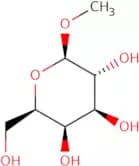
CAS:<p>Inhibitor of Gal-dependent lectin binding; used in synthesis of galactoses</p>Formula:C7H14O6Colore e forma:White PowderPeso molecolare:194.18 g/molHyaluronic acid sodium, average MW 2.0 - 2.5 million Da
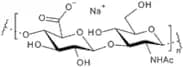
CAS:<p>Gycosaminoglycan in many organs; joint lubricant and shock absorber</p>Formula:(C14H20NO11Na)nPurezza:Min. 95%Colore e forma:Powder2-Acetamido-1,3,4-tri-O-butanoyl-2-deoxy-D-mannopyranose
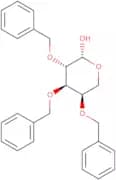
CAS:<p>2-Acetamido-1,3,4-tri-O-butanoyl-2-deoxy-D-mannopyranose is a protected mannosamine carbohydrate.</p>Formula:C23H39NO9Purezza:Min. 95%Peso molecolare:473.56 g/mol2,3,4-Tri-O-benzyl-b-D-arabinopyranose
CAS:2,3,4-Tri-O-benzyl-b-D-arabinopyranose (TBA) is a sugar that is found in the skin of primates. It has been shown to promote epidermal growth factor (EGF) production and maturation of the epidermis. TBA has also been shown to have a gestational age effect on epidermal growth. This compound has been used as a synchronizing agent for animal studies in vitro and has been investigated as a treatment for cesarean sections, which may help to reduce the risk of infection and postoperative complications. TBA has also been used to treat skin diseases such as psoriasis and ichthyosis by stimulating keratinocyte proliferation and differentiation.Formula:C26H28O5Purezza:Min. 95%Colore e forma:PowderPeso molecolare:420.5 g/molEthyl 2,3,4,6-tetra-O-acetyl-a-D-thioglucopyranoside
CAS:<p>Ethyl 2,3,4,6-tetra-O-acetyl-a-D-thioglucopyranoside is an orthorhombic sugar that is composed of a mannopyranoside and a thioglucopyranoside. The crystal structure has been determined to be space group P2(1)/c.</p>Formula:C16H24O9SPurezza:Min. 98 Area-%Colore e forma:White PowderPeso molecolare:392.42 g/mol(2R, 3R) -3- [(3aR, 4R, 6aS) - 2, 2- Diethyltetrahydro- 5- (phenylmethyl) - 4H- 1, 3- dioxolo[4, 5- c] pyrrol- 4- yl] - 3- [[(1, 1- dimethylethyl) dimethylsilyl] oxy] - 1, 2- propanediol
<p>(2R, 3R) -3- [(3aR, 4R, 6aS) - 2, 2- Diethyltetrahydro- 5- (phenylmethyl) - 4H- 1, 3- dioxolo[4, 5- c] pyrrol- 4- yl] - 3-[(1, 1-dimethylethyl) dimethylsilyl]oxy]-1, 2- propanediol is a synthetic carbohydrate that is used as a building block for saccharide synthesis. It can be modified with Click chemistry to introduce reactive groups on its molecules. This compound has been shown to react with oligosaccharides and polysaccharides by glycosylation and methylation reactions. The high purity of this product makes it suitable for use in pharmaceuticals and other chemical applications.</p>Purezza:Min. 95%N-(Phenyl-2-methyl-1-propenyl)imino-2,3,4,6-tetra-O-pivaloyl-D-glucopyranoside
<p>N-(Phenyl-2-methyl-1-propenyl)imino-2,3,4,6-tetra-O-pivaloyl-D-glucopyranoside is an Oligosaccharide that contains a sugar. It has been custom synthesized for the purpose of fluorination and methylation reactions. The purity of this product is high and it has been assigned the CAS number: 3642.</p>Formula:C36H53NO9Purezza:Min. 95%Peso molecolare:643.81 g/mol1,2,3,4-Tetra-O-acetyl-6,7-dideoxy-L-galacto-hept-6-enopyranose
CAS:<p>1,2,3,4-Tetra-O-acetyl-6,7-dideoxy-L-galacto-hept-6-enopyranose is a custom synthesis for the modification of saccharides. This compound has high purity and is synthesized by methylation of 1,2,3,4 tetra O acetyl 6,7 dideoxy L galacto hept 6 enopyranose with acetic anhydride and pyridine. The CAS number for this compound is 1193251-65-8.</p>Purezza:Min. 95%1-Bromo-2,3,4-tri-O-acetyl-a-D-glucuronide methyl ester
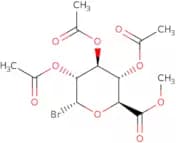
CAS:<p>1-Bromo-2,3,4-tri-O-acetyl-a-D-glucuronide methyl ester is a protected D-glucoronic acid with an alpha bromide at the anomeric position ready to undergo glycosylation reactions with suitable glycoside acceptors. Pharmaceutically active compounds have been used as acceptors to form β-linked D-glucuronide prodrugs which can be used to modify pharmacokinetics, improve solubility and lower the toxicity of the drug.</p>Formula:C13H17BrO9Purezza:Min. 80%Peso molecolare:397.17 g/molMethyl 2,3-di-O-benzyl-α-D-glucopyranoside
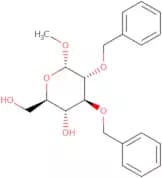
CAS:<p>Methyl 2,3-di-O-benzyl-a-D-glucopyranoside is a chiral sugar that can be synthesized by sulfidation of methyl 1,2,3,4-tetra-O-benzyloxycarbonyl-a-D-glucopyranoside. This sugar was used in the synthesis of oxathianes and sulfones as well as other synthetic methodology.</p>Formula:C21H26O6Purezza:Min. 95%Colore e forma:PowderPeso molecolare:374.43 g/mol1,2:5,6-Di-O-isopropylidene-3-O-methanesulfonyl-α-D-glucofuranose
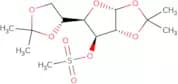
CAS:<p>A protected glucofuranose.</p>Formula:C13H22O8SPurezza:Min. 95%Colore e forma:White To Off-White SolidPeso molecolare:338.37 g/mol5-Azepan-1-yl-5-deoxy-1,2-isopropylidene-a-D-xylofuranose
CAS:<p>5-Azepan-1-yl-5-deoxy-1,2-isopropylidene-a-(D)-xylofuranose (ADXF) is a synthetic glycoside that was synthesized in order to explore the potential of ADXF as a drug candidate. ADXF has shown promising antiinflammatory and anticancer activities. The synthesis of ADXF starts with the protection of the hydroxyl group at the anomeric center with acetate and then the glycosylation with azepane and 5-deoxy-1,2 isopropylidene erythronolide B. This synthesis also includes fluorination and methylation steps, which are necessary for modifying the sugar structure.</p>Formula:C14H25NO4Purezza:Min. 95%Colore e forma:Brown solid.Peso molecolare:271.35 g/mol2-Methylphenyl 2-acetamido-2-deoxy-β-D-glucopyranoside
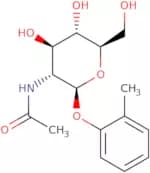
CAS:<p>2-Methylphenyl 2-acetamido-2-deoxy-b-D-glucopyranoside is a fluorinated glycosylation product that is synthesized by custom synthesis. It is a complex carbohydrate with high purity and modification.</p>Formula:C15H21NO6Purezza:Min. 95%Colore e forma:PowderPeso molecolare:311.33 g/mol4,6-O-Ethylidene-D-glucopyranose
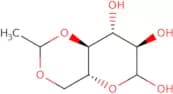
CAS:4, 6-O-Ethylidene-D-glucopyranose is a glucose analogue that inhibits sugar transport. It has been shown to inhibit glucose transport by binding to the hydroxyl group on the red cell membrane. This binding prevents the sugar from entering the cell and as a result, glucose accumulates in the blood. 4, 6-O-Ethylidene-D-glucopyranose also binds to tryptophan fluorescence and inhibits cytochalasin B binding to tryptophans that are located on the plasma membrane of eukaryotic cells.Formula:C8H14O6Purezza:Min. 90 Area-%Colore e forma:PowderPeso molecolare:206.19 g/mol2-Acetamido-2-deoxy-b-D-glucopyranosyl azide
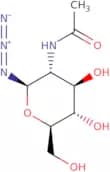
CAS:<p>2-Acetamido-2-deoxy-b-D-glucopyranosyl azide is a biodegradable, environmentally oriented compound that has been shown to be compatible with polylactic acid. This compound has shown unevenness in the hydroxy group and a functional group sensitive to hydrolysis. The molecular weight of 2-acetamido-2-deoxy-b-D-glucopyranosyl azide is 154.14 g/mol. It is soluble in water and has a natural environment frequency of 0.0005%.</p>Formula:C8H14N4O5Purezza:Min. 95 Area-%Colore e forma:White PowderPeso molecolare:246.22 g/mol1,2:3,5-Di-O-isopropylidene-D-glycero-L-gulo-heptitol
CAS:<p>Glycosylation is the process of adding glycosidic linkages to proteins or lipids. 1,2:3,5-Di-O-isopropylidene-D-glycero-L-guloheptitol is an oligosaccharide sugar with a fluorinated methyl group on the C1 position and a saccharide at the C3 position. It is synthesized by reacting a glycosylate of 1,2:3,5-di-O-isopropylidene-D-glycerohexose with sodium bisulfite in methanol. This chemical is used as a monomer for click chemistry modification and has been shown to be effective in complex carbohydrate synthesis.</p>Formula:C13H24O7Purezza:Min. 95%Peso molecolare:292.33 g/mol1,6-Anhydro-N,N’-diacetylchitobiose
CAS:<p>1,6-Anhydro-N,N’-diacetylchitobiose is an anhydrosugar that can be used in the synthesis of oligosaccharides</p>Formula:C16H26N2O10Purezza:Min. 95%Colore e forma:PowderPeso molecolare:406.39 g/molIsolichenan
CAS:<p>Isolichenan is a cold-water soluble (1,3)-(1,4)-α-D-glucan isolated from lichen Cetraria islandica to have MW of about 6-8 kDa. Lichens produce isolichenan-type polysaccharides with considerable variation in linkage ratios as well as MW, even within the same species. Occasionally these α-glucans can be branched at O2, O3 or O6. The immunomodulating activity of isolichenan was tested in in vitro phagocytosis and anti-complementary assays, and proved to be active in both cases.<br>The image was kindly provided by Prof Mike Guiry from Cork who runs ‘The Seaweed Site’.</p>Purezza:Min. 85%Colore e forma:PowderPhenyl-beta-D-thioglucopyranoside
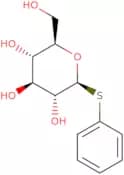
CAS:<p>Phenyl-beta-D-thioglucopyranoside is a heterocycloalkyl compound that contains a phenyl group and a beta-D-thioglucopyranoside. It is used as an intermediate in the production of pharmaceuticals, yellow dye, and cancer drugs. Phenyl-beta-D-thioglucopyranoside binds to the cell membrane of cancer cells and induces apoptosis by inhibiting the synthesis of proteins. This compound also has alkenyl and haloalkyl groups, which may be important for its biological activity. Phenyl-beta-D-thioglucopyranoside can be crystallized in two different forms: one with a crystalline form, which is yellow; the other with a crystalline form, which is colorless.</p>Formula:C12H16SO5Purezza:Min. 95%Colore e forma:PowderPeso molecolare:272.32 g/molIsomaltopentaose
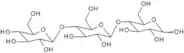
CAS:<p>Produced from high maltose syrup by treatment with transglucosidase</p>Formula:C30H52O26Purezza:Min. 95%Colore e forma:White PowderPeso molecolare:828.7 g/molD-Cellotriose
CAS:<p>Energy source for cellulose-metabolising bacteria</p>Formula:C18H32O16Purezza:Min. 95 Area-%Colore e forma:White Off-White PowderPeso molecolare:504.44 g/mol2-C-Hydroxymethyl-2,3:5,6-di-O-isopropylidene-L-gulono-1.4-lactone
<p>2-C-Hydroxymethyl-2,3:5,6-di-O-isopropylidene-L-gulono-1.4-lactone is a Custom synthesis that is used in the production of polysaccharides and other carbohydrates. It is a polysaccharide that contains many glycosylated sugars; it can be modified with methyl groups or fluorine atoms. Carbohydrates are polymers of monosaccharides linked together by glycosidic bonds. The basic structure of a carbohydrate consists of a central carbon atom to which two hydroxyl (OH) groups are attached, and three on each side. This molecule also has an oxo group, which reduces the glycosidic bond to an ether linkage. 2CGHGL is used as an additive for food products and pharmaceuticals due to its high purity and low cost.</p>Purezza:Min. 95%1,2,3,4-Tetra-O-benzyl-6-O-tert-butyldiphenylsilyl-b-D-galactopyranose
<p>1,2,3,4-Tetra-O-benzyl-6-O-tert-butyldiphenylsilyl-b-D-galactopyranose is a custom synthesis of an oligosaccharide. It is a complex carbohydrate that is composed of a glycosylated polysaccharide with a molecular weight of 676. It has been modified by methylation and fluorination (a click modification). The carbohydrate has been synthesized using high purity, fluoroquinolone resistant reagents.</p>Formula:C50H54O6SiPurezza:Min. 95%Peso molecolare:779.07 g/molDextrorphan O-β-D-glucuronide
CAS:Prodotto controllatoDextrorphan O-b-D-glucuronide is a glycosylated form of dextrorphan, an opioid analgesic. The synthesis of this compound is accomplished by the attachment of a glucose to dextrorphan via an ether bond. Dextrorphan O-b-D-glucuronide has been shown to be more potent than the parent drug. This product is available in custom synthesis and click modification. It can be used for a variety of purposes, including as a building block for other molecules, such as oligosaccharides, sugar, or synthetic compounds. It also may be used for fluorination or methylation reactions.Formula:C23H31NO7Purezza:Min. 95%Colore e forma:PowderPeso molecolare:433.51 g/molMethyl 2-deoxy-2-sulfamino-a-D-glucopyranoside sodium salt
<p>Methyl 2-deoxy-2-sulfamino-a-D-glucopyranoside sodium salt is a modification of an oligosaccharide. It is a carbohydrate that has not been found in nature, but it can be synthesized by the introduction of methyl groups to the sugar. Methyl 2-deoxy-2-sulfamino-a-D-glucopyranoside sodium salt is used as a synthetic precursor for saccharides.</p>Purezza:Min. 95%Methyl 2,3,4-tri-O-benzyl-6-O-trityl-a-D-mannopyranoside
CAS:Methyl 2,3,4-tri-O-benzyl-6-O-trityl-a-D-mannopyranoside is a complex carbohydrate that contains a glycosylation site. This compound has a CAS number of 40653-13-2, and is available for custom synthesis. Methyl 2,3,4-tri-O-benzyl-6-O-trityl-aD mannopyranoside is water soluble and has high purity. The chemical structure of this compound can be modified to include fluorination or Click modification. This compound is also an oligosaccharide containing sugar residues and monosaccharides with a molecular weight of approximately 1000 Da.Formula:C47H46O6Purezza:Min. 95%Peso molecolare:706.89 g/mol3,4,6-Tri-O-acetyl-2-O-trifluoromethanesulfonyl-b-D-mannopyranosyl azide
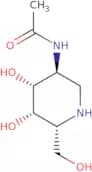
CAS:3,4,6-Tri-O-acetyl-2-O-trifluoromethanesulfonyl-b-D-mannopyranosyl azide is a chemically synthesized compound that can be used for methylation reactions. It is an Oligosaccharide with a molecular weight of 597.5 and contains the following structural features: A saccharide composed of three monosaccharides (D-glucose, D-mannose, and D-galactose), which is bonded by alpha 1,6 linkages. The chemical formula is C12H14F3N3O8. The CAS number is 1159265-99-2.Formula:C13H16F3N3O10SPurezza:Min. 95%Colore e forma:PowderPeso molecolare:463.34 g/mol2-Acetamido-1,2-dideoxy-galactonojirimycin
CAS:2-Acetamido-1,2-dideoxy-galactonojirimycin is a microbial infection drug that belongs to the class of chemical species. It has been shown to be a potent inhibitor of sodium carbonate (NaCO) and can be used as a control in analytical studies. This drug also inhibits vasoactive intestinal peptide, which may lead to the development of cancer. 2-Acetamido-1,2-dideoxy-galactonojirimycin is an acyl chain with galacturonic acid and can be used as diagnostic agents for human serum and hepatic steatosis. It has been shown to have anti-inflammatory properties that are useful for the treatment of autoimmune diseases.Formula:C8H16N2O4Purezza:Min. 95%Colore e forma:PowderPeso molecolare:204.22 g/mol5-Deoxy-L-ribose
CAS:<p>5-Deoxy-L-ribose is found in a variety of organisms, including humans. It is stereoselective, with the (-) form being more common than the (+) form. 5-Deoxy-L-ribose is synthesized by the glycosidic bond between l-arabinose and D-ribose. This compound is an inexpensive way to produce 5-deoxy analogs of other sugars, such as glucose, fructose, and mannose. The biosynthesis of 5-deoxy-L-ribose relies on a molybdenum cofactor and involves oxidation of L-arabinonate by aldehyde oxidase to give L-xylulose. Lactate dehydrogenase converts this into D-xylulose. Dihydroorotate reductase then reduces this to give D-(+)-5--deoxy--D--erythro--pentitol phosphate, which cycl</p>Formula:C5H10O4Purezza:Min. 95%Colore e forma:Slightly Yellow Clear LiquidPeso molecolare:134.13 g/mol2, 4- Anhydro-5-O-benzyl- 6- deoxy- L- mannonic acid methyl ester
<p>2, 4-Anhydro-5-O-benzyl-6-deoxy-L-mannonic acid methyl ester is a synthetic oligosaccharide that can be used as a fluorinated carbohydrate. It is modified by the addition of methyl groups to the hydroxyl group of an anhydro sugar moiety. It can be used in various applications such as glycosylation and click chemistry. 2, 4-Anhydro-5-O-benzyl-6-deoxy--L--mannonic acid methyl ester has CAS number 167801–91–9 and molecular weight of 538.4 g/mol. It is soluble in water and ethanol.</p>Purezza:Min. 95%N- [(Phenylmethoxy) carbonyl] glycylglycyl- 2- amino- 2- deoxy-a- D- manno- 2- heptulofuranosonic acid methyl ester
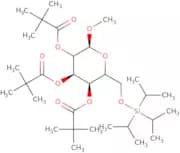
CAS:N- [(Phenylmethoxy) carbonyl] glycylglycyl- 2- amino- 2- deoxy-a- D- manno- 2- heptulofuranosonic acid methyl ester is a custom synthesis of an oligosaccharide, polysaccharide, and a complex carbohydrate. It is modified with methylation, glycosylation, and click modification. The CAS number for this compound is 161086-37-9. This product is highly pure, fluorinated, and synthetic.Purezza:Min. 95%Methyl 2,3,4-tri-O-pivaloyl-6-O-triisopropylsilyl-a-D-mannopyranoside
<p>Methyl 2,3,4-tri-O-pivaloyl-6-O-triisopropylsilyl-a-D-mannopyranoside is a custom synthesis of an oligosaccharide with high purity. It is a complex carbohydrate that has been modified to have fluorination. The modification of the saccharide was done by Click chemistry, which is a type of radical reaction. Methyl 2,3,4-tri-O-pivaloyl-6-O-triisopropylsilyl-a-D-mannopyranoside is a monosaccharides and sugar that has been synthesized.</p>Formula:C31H58O9SiPurezza:Min. 95%Peso molecolare:602.89 g/molL-Iduronic acid
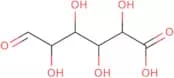
CAS:<p>L-Iduronic acid is a monosaccharide that is a component of the glycosaminoglycans. It is a sodium ion salt, which can be found in the extracellular matrix as part of the glycosaminoglycan heparan sulfate. Iduronic acid has been shown to have hypoglycemic effects in rats and mice and inhibitory properties against human osteosarcoma cells. L-Iduronic acid inhibits the synthesis of methyl glycosides by inhibiting the enzyme glucosyltransferase, which catalyzes the formation of glucuronoxylorxylan from glucose and xylose. The oligosaccharides are composed of iduronic acid units linked by α-1,4 linkages with β-1,4 linkages between adjacent iduronic acid units. The conformational properties of iduronic acid have been analyzed using X-ray crystallography and nuclear magnetic resonance spectroscopy (NMR</p>Formula:C6H10O7Purezza:Min. 98 Area-%Colore e forma:White PowderPeso molecolare:194.14 g/molMethyl 2,3-di-O-benzyl-4,6-O-benzylidene-a-D-galactopyranoside
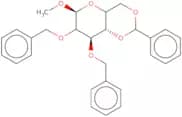
CAS:<p>Methyl 2,3-di-O-benzyl-4,6-O-benzylidene-a-D-galactopyranoside is a synthetic monosaccharide that is a glycosylation product of the natural galactose. This compound is used in the synthesis of complex carbohydrates and saccharides. It can be modified with methyl groups, fluorine, or click modification to produce various derivatives. Methyl 2,3-di-O-benzyl-4,6-O-benzylidene-a-D-galactopyranoside has been shown to be an effective candidate for the synthesis of polysaccharides as it can be modified with different reactive groups to produce desired structures. The high purity and custom synthesis make this compound suitable for use in pharmaceuticals, biotechnology, and other research studies.</p>Formula:C28H30O6Purezza:Min. 95%Peso molecolare:462.55 g/mol1,2-O-Cyclohexylidene-a-D-glucofuranose
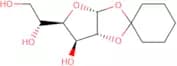
CAS:1,2-O-Cyclohexylidene-a-D-glucofuranose is a fluorinated cyclic monosaccharide. It is a synthetic oligosaccharide that belongs to the class of complex carbohydrates. This product has been modified by glycosylation, methylation, and click chemistry. The chemical name for this compound is 1,2:6,7-di-O-isopropylidene-α-D-glucofuranose. This product has not been evaluated by the U.S. Food and Drug Administration (FDA) so it should be used in laboratory research only.Formula:C12H20O6Purezza:Min. 95%Colore e forma:PowderPeso molecolare:260.28 g/mol3,4-Di-O-acetyl-D-fucal
CAS:<p>3,4-Di-O-acetyl-D-fucal is a synthetic carbohydrate with two orientations. It is a synthon for the synthesis of carbohydrates and can be used as a ligand in biomolecular design. The synthetic carbohydrate has been shown to have chemotherapeutic effects, which may be due to its ability to inhibit glycan synthesis. This synthetic carbohydrate also has conformational parameters that are similar to those of natural fucose, which makes it an attractive candidate as a potential drug target.</p>Formula:C10H14O5Purezza:Min. 95%Colore e forma:PowderPeso molecolare:214.22 g/moln-Octyl β-D-maltoside
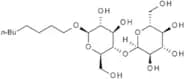
CAS:n-Octyl β-D-maltoside (OBM) is a fatty acid that is used as a sample preparation agent. OBM is chemically stable and has been shown to be non-carcinogenic in mammalian tissue. The structural analysis of OBM revealed that the molecule contains two nitrogen atoms, one on each end. In addition, OBM binds to antimicrobial peptides and inhibits their activity by preventing them from binding to their target site on the bacterial membrane. OBM also has anti-cancer properties due to its ability to prevent the proliferation of cervical cancer cells.Formula:C20H38O11Purezza:Min. 98 Area-%Colore e forma:White PowderPeso molecolare:454.51 g/mol1,2,3,4-Tetra-O-acetyl-6-deoxy-6,6,6-trifluoro-L-galactose
CAS:<p>fucosylation inhibitor</p>Formula:C14H17F3O9Peso molecolare:386.28 g/molOctyl 3,6-di-O-(a-D-mannopyranosyl)-b-D-mannopyranoside
CAS:<p>Octyl 3,6-di-O-(a-D-mannopyranosyl)-b-D-mannopyranoside is an anti-infective agent that belongs to the functional group of mannosides. It is used as a model system for investigating the inhibitory effects of chemical structures on enzymatic activity. Octyl 3,6-di-O-(a-D-mannopyranosyl)-b-D-mannopyranoside has been shown to have inhibitory effects on alzheimer's disease and other neurodegenerative diseases. The octyl 3,6 di O-(a D mannopyranosyl) b D mannopyranoside molecule can be broken down into two parts: octyl 3,6 di O-(a D mannopyranosyl) b D mannose and octyl 6 b D manno pyranose. The octyl 6 b D manno pyr</p>Formula:C26H48O16Purezza:Min. 95%Colore e forma:White To Off-White SolidPeso molecolare:616.65 g/mol


![Octadecylthioethyl 4-O-(4-O[6-O-a-D-glucopyranosyl-a-D-glucopyranosyl]-a-D-glucopyranosyl)-b-D-glu…](/_next/image/?url=https%3A%2Fstatic.cymitquimica.com%2Fproducts%2F3D%2Fthumb-webp%2FDO05214.webp&w=3840&q=75)
















![(1R) -1- [(2S, 3R,4S) -4-Hydroxymethyl-3- hydroxy- 1- azetidinyl] -1, 2- ethanediol hydrochloride](/_next/image/?url=https%3A%2Fstatic.cymitquimica.com%2Fproducts%2F3D%2Fthumb-webp%2FMH163402.webp&w=3840&q=75)


![(3R, 4S, 5R, 6R, 7S) -1- Azabicyclo[4.2.0] octane- 3, 4, 5, 7- tetrol](/_next/image/?url=https%3A%2Fstatic.cymitquimica.com%2Fproducts%2F3D%2Fthumb-webp%2FMA163391.webp&w=3840&q=75)







![N- [(Phenylmethoxy) carbonyl] glycylglycyl- 2- amino- 2- deoxy-a- D- manno- 2- heptulofuranosonic …](/_next/image/?url=https%3A%2Fstatic.cymitquimica.com%2Fproducts%2F3D%2Fthumb-webp%2FMP163942.webp&w=3840&q=75)