Glicoscienza
La glicosienza è lo studio dei carboidrati e dei loro derivati, nonché delle interazioni e delle funzioni biologiche a cui partecipano. Questo campo di ricerca è cruciale per comprendere una vasta gamma di processi biologici, tra cui il riconoscimento cellulare, la segnalazione, la risposta immunitaria e lo sviluppo delle malattie. La glicosienza ha importanti applicazioni nella biotecnologia, nella medicina e nello sviluppo di nuovi farmaci e terapie. Presso CymitQuimica, offriamo un'ampia selezione di prodotti di alta qualità e purezza per la ricerca in glicosienza. Il nostro catalogo comprende monosaccaridi, oligosaccaridi, polisaccaridi, glicoconiugati e reagenti specifici, progettati per supportare i ricercatori nei loro studi sulla struttura, funzione e applicazioni dei carboidrati nei sistemi biologici. Queste risorse sono destinate a facilitare scoperte scientifiche e applicazioni pratiche in vari ambiti delle bioscienze e della medicina.
Sottocategorie di "Glicoscienza"
- Amminozucchero(108 prodotti)
- Glico-anticorpi(282 prodotti)
- Glicolipidi(46 prodotti)
- Glicosaminoglicani (GAGs)(55 prodotti)
- Glicosidi(419 prodotti)
- Monosaccaridi(6.624 prodotti)
- Oligosaccaridi(3.682 prodotti)
- Polisaccaridi(503 prodotti)
Trovati 11046 prodotti di "Glicoscienza"
Ordinare per
Purezza (%)
0
100
|
0
|
50
|
90
|
95
|
100
6-Bromo-6-deoxy-b-cyclodextrin
CAS:This beta-cyclodextrin (β-CD) derivative is a functionalized cyclic oligosaccharide composed of seven glucose units, characterized by a hydrophilic exterior and a lipophilic cavity (bigger than α-CD and smaller than γ-CDs), which allows it to encapsulate various guest molecules. This structural feature facilitates its use in multiple applications, including pharmaceuticals, food enhancement, and cosmetics. In the pharmaceutical industry, it enhances the solubility and stability of poorly water-soluble drugs, improving their bioavailability and efficacy while also masking unpleasant tastes. The food sector utilizes it as a stabilizer for flavors, colors, and nutrients, extending shelf life by protecting sensitive ingredients from degradation. In cosmetics, it serves as a complexing agent for fragrances and active components, ensuring their stability and controlled release. Its use expands to many other fields, including nanotechnology for drug delivery systems, environmental remediation for extracting organic pollutants, textiles for slow-release fragrances, and analytical chemistry for chiral separation.Formula:C42H63Br7O28Purezza:Min. 95%Colore e forma:White PowderPeso molecolare:1,575.26 g/molDipyridamole mono-O-b-D-glucuronide
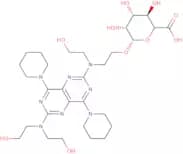
CAS:<p>Dipyridamole is a synthetic fluorinated sugar that is used in research as a model for natural oligosaccharides. It has been shown to be useful for investigating the glycosylation reactions of polysaccharides and proteins, as well as for studying carbohydrate-protein interactions. Dipyridamole mono-O-b-D-glucuronide is an example of a product that can be custom synthesized by our laboratory. The product has purity of >99% and CAS No. 63912-02-7.</p>Formula:C30H48N8O10Purezza:Min. 95%Colore e forma:Yellow solid.Peso molecolare:680.75 g/molBenzyl 4-O-(2,3,4,6-tetra-O-benzyl-a-D-galactopyranosyl)-2,3-di-O-benzyl-6-O-benzoyl-b-D-galactopyranoside
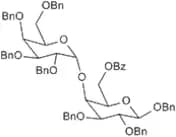
<p>Benzyl 4-O-(2,3,4,6-tetra-O-benzyl-a-D-galactopyranosyl)-2,3-di-0benzyl 6-O-benzoyl-b-D-galactopyranoside is a synthetic carbohydrate that belongs to the class of oligosaccharides. It has been modified by fluorination and methylation. This compound is also glycosylated and click modified.</p>Formula:C68H68O12Purezza:Min. 95%Peso molecolare:1,077.26 g/molLotaustralin
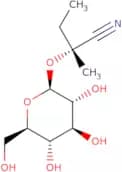
CAS:<p>Lotaustralin is a natural product that is derived from the plant Lotea usitatissima. It belongs to the class of isoflavonoids and has shown activity against infectious diseases. Lotaustralin has been shown to inhibit mycelial growth in vitro by targeting enzymes involved in the biosynthesis of isoflavonoid compounds in plants, such as lc-ms/ms methodology, preparative hplc, and enzymatic assays. It also has been shown to have an effect on locomotor activity in mice. The polymerase chain reaction (PCR) assay was used to detect the presence of lotaustralin in various samples, including blood serum and sputum samples. This product can be used for sample preparation for PCR assay.</p>Formula:C11H19NO6Purezza:Min. 97%Peso molecolare:261.27 g/mol2,3-O-Cyclohexylidene-b-D-ribofuranose
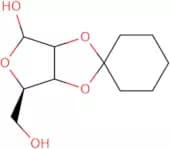
CAS:<p>2,3-O-Cyclohexylidene-b-D-ribofuranose is a monosaccharide that is used in the synthesis of complex carbohydrates. This compound possesses a cyclic structure that contains an oxygen atom at the 2 position and a hydroxyl group at the 3 position. It has been modified by fluorination, methylation, glycosylation, and click chemistry. The chemical name for this compound is 2,3-O-Cyclohexylideneb-D-ribofuranose.</p>Formula:C11H18O5Purezza:Min. 95%Peso molecolare:230.26 g/mol3,5,6-Tri-O-benzyl-D-glucofuranose
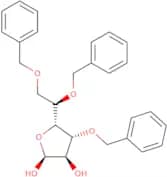
CAS:<p>3,5,6-Tri-O-benzyl-D-glucofuranose is a crystalline and white or off-white powder. It is soluble in water and toluene, but insoluble in chlorinated solvents. The chemical has been synthesized from benzoic acid and D-glucose. 3,5,6-Tri-O-benzyl-D-glucofuranose is used as a reagent for the synthesis of polyhydroxybutyrate (PHB) polymers that are biodegradable and can be used as thermoplastic polyesters. This compound has been shown to be potentially hazardous to the environment due to its high reactivity with chloride ions in the presence of benzyl alcohols.</p>Formula:C27H30O6Purezza:Min. 95%Peso molecolare:450.54 g/molN-(2-Deoxy-D-glucopyranosyl)-S-nitroso-N-acetyl-D,L-pencillamine
CAS:<p>N-(2-Deoxy-D-glucopyranosyl)-S-nitroso-N-acetyl-D,L-pencillamine is a custom synthesis of an Oligosaccharide. It is an unmodified saccharide with a CAS No. 188849-82-3. The chemical formula for this compound is C12H14N2O9 and its molecular weight is 368.24 g/mol. This compound has been synthesized using the Click modification, methylation, and fluorination techniques. N-(2-Deoxy-D-glucopyranosyl)-S-nitroso-N acetyl D,L pencillamine has a purity level of 95% or greater. This product has not been glycosylated or carbamoylated and does not contain any sugar moieties.</p>Formula:C13H23N3O8SPurezza:Min. 95%Peso molecolare:381.4 g/mol5-Deoxy-5-[di-(2-hydroxyethyl)-amino]-1,2-O-isopropylidene-a-D-xylofuranose
CAS:<p>5-Deoxy-5-[di-(2-hydroxyethyl)-amino]-1,2-O-isopropylidene-a-D-xylofuranose is a custom synthesis that is a complex carbohydrate. It is an Oligosaccharide, Polysaccharide, and Modification of saccharides. This product has been synthesized using the Click modification of sugars, Carbohydrate and Methylation or Glycosylation. It has been Fluorinated and Synthetic. 5-Deoxy-5-[di-(2-hydroxyethyl)-amino]-1,2-O-isopropylidene-a-D-xylofuranose is a high purity product that is Monosaccharide and has been modified with methyl groups and glycosyl groups.</p>Formula:C12H23NO6Purezza:Min. 95%Peso molecolare:277.32 g/molEltrombopag Acyl Glucuronide
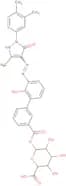
CAS:Eltrombopag aryl glucuronide is a modified form of the drug eltrombopag that contains a methyl group at the 2 position and an acetyl group at the 3 position. It has been synthesized using click chemistry to modify the oligosaccharide, which is then fluorinated and reacted with an oligosaccharide-forming reagent. Eltrombopag aryl glucuronide can be used as a monosaccharide or in combination with other saccharides to form complex carbohydrates. This product is fully synthetic and is available in high purity.Formula:C31H30N4O10Purezza:Min. 95%Peso molecolare:618.19619D3-Ethyl β-D-glucuronide
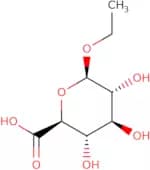
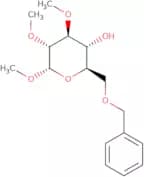
CAS:<p>D3-Ethyl β-D-glucuronide is a metabolite of ethanol. Detection of this compound may be used to diagnose alcohol consumption during pregnancy. The detection time is approximately 5 hours after a single drink. D3-Ethyl β-D-glucuronide can be reliably detected in maternal blood using solid phase microextraction and LC-MS/MS methods. The body mass index (BMI) can be used to determine the risk for alcohol consumption during pregnancy, with higher BMIs indicating an increased risk. Logistic regression models were created to estimate the probability of D3-Ethyl β-D glucuronide being present in maternal blood and the probability of alcohol consumption during pregnancy given a positive result. These models were then used to create diagnostic tools that are sensitive enough for clinical use.</p>Formula:C8H11D3O7Purezza:Min. 95%Colore e forma:White Off-White PowderPeso molecolare:225.21 g/molMethyl 6-O-benzyl-2,3-di-O-methyl-a-D-glucopyranoside
CAS:<p>Methyl 6-O-benzyl-2,3-di-O-methyl-a-D-glucopyranoside is a custom synthesis that is fluorinated and modified. This product is an oligosaccharide with a molecular weight of 906. It has CAS No. 106220-89-7 and can be used in the modification of saccharides, carbohydrates, and polysaccharides. Methyl 6-O-benzyl-2,3-di-O-methyl -a -D -glucopyranoside has a purity greater than 99%. It is composed of a single monosaccharide sugar that has been synthesized and modified.</p>Formula:C16H24O6Purezza:Min. 95%Peso molecolare:312.37 g/molGala1-3Gal-HSA
<p>Gala1-3Gal-HSA is a modified glycan with three terminal alpha-galactoside units. It is synthesized by the modification of Gala1-3Gal (saccharide) with HSA. This product is also fluorinated, methylated and click-modified. The chemical name for this product is 3-[(2S,3S)-2,3-bis[(carboxymethyl)amino]propyl]-alpha-D-galactopyranosyl-(1→4)-O-[(carboxymethyl)(hydroxyethyl)]-.</p>Purezza:Min. 95%Colore e forma:PowderMethyl 2,3-di-O-benzyl-6-deoxy-a-D-glucopyranoside
CAS:<p>Methyl 2,3-di-O-benzyl-6-deoxy-a-D-glucopyranoside is a fluorinated monosaccharide that is synthesized by the glycosylation and polysaccharide modification of methyl 2,3-di-O-benzylglycosides. The fluorination process can be carried out on a variety of saccharides, including erythrose, threose, arabinose, and glucose. This product has been shown to have high purity and is suitable for use in research applications.</p>Formula:C21H26O5Purezza:Min. 95%Peso molecolare:358.18 g/molS-Hydroxy topiramate
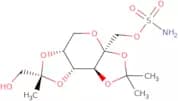
CAS:S-Hydroxy topiramate is a modification of topiramate, which is a sugar. The chemical name for this compound is carbamic acid, N-[(1R,2S)-2-[[(3S)-3-methyl-4-(2,2,2-trifluoroethoxy)piperidin-1-yl]carbonyl]cyclopentyl]-3-[(phenylmethoxy)methyl]-, monosodium salt. It has the following properties: CAS No. 198215-62-2; Carbohydrate; complex carbohydrate; Custom synthesis; Oligosaccharide; High purity; Synthetic; Monosaccharide; Methylation; Glycosylation; Polysaccharide. This product can be used in the following applications: Fluorination, saccharide.Formula:C12H21NO9SPurezza:Min. 95%Peso molecolare:355.36 g/mol1,6-Anhydro-4-O-b-D-galactopyranosyl-b-D-glucopyranose
CAS:<p>N-acetyllactosamine is a monosaccharide that belongs to the group of n-acetyllactosamine. It can be found in the form of an agglutinin, lactose, and lectin. The conformation of this molecule is an equilibrium between its alpha and beta forms. The pyridine can act as an acid catalyst for the alpha conformation. There are two forms of this molecule: one synthesized from D-glucose and one synthesized from D-galactose. 1,6-Anhydro-4-O-b-D-galactopyranosyl-b-D-glucopyranose is synthesized from D-glucose. Oligosaccharides containing this molecule have been expressed in Saccharomyces cerevisiae cells and purified by affinity chromatography on columns that contain immobilized antibody to human serum albumin. This molecule has been shown</p>Formula:C12H20O10Purezza:Min. 95%Peso molecolare:324.28 g/mol2-O-Carboxymethyl-D-glucose
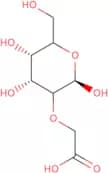
CAS:<p>2-O-Carboxymethyl-D-glucose is a reaction product of D-glucose and chloroacetate. It is often used in the production of sulfoxide and fibre. 2-O-Carboxymethyl-D-glucose can be used as a precursor for other chemical compounds, such as functional groups, acidic monomers, or reactive monomers. It has been shown to react with anhydroglucose at a rate of 1:1. The reaction time for this process is dependent on the concentration of the reactants.</p>Formula:C8H14O8Purezza:Min. 95%Colore e forma:White Off-White PowderPeso molecolare:238.19 g/mol4-Amino-4-deoxy-fructose
<p>4-Amino-4-deoxy-fructose is a catalyzed product of ribulose. Its reaction with an aldehyde produces tagatose, which is a carbohydrate that has been shown to have therapeutic properties in mice. Tagatose can be used to produce dihydroxyacetone phosphate, an intermediate in the glycolytic pathway. 4-Amino-4-deoxy-fructose also accelerates the reaction between the ketoses and acceptors in the presence of an enzyme called enolase. This process is known as enantioselective reduction. The aminosugar 4-amino-4-deoxyglucose was synthesized using this methodology, and it has been shown to inhibit bacterial growth by binding to DNA gyrase, preventing DNA replication and transcription.</p>Purezza:Min. 95%4,6-O-Benzylidene-2,3-di-O-(4-methoxybenzyl)-a-D-galactopyranosyl fluoride
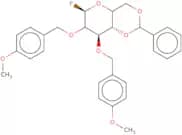
<p>4,6-O-Benzylidene-2,3-di-O-(4-methoxybenzyl)-a-D-galactopyranosyl fluoride is a glycosylation reagent that is used in the synthesis of complex carbohydrates. This product is a fluorinated sugar with a CAS number and a high purity. It can be custom synthesized to order.</p>Formula:C29H31FO7Purezza:Min. 95%Peso molecolare:510.55 g/molβ-Cyclodextrin polymer crosslinked with epichlorohydrin
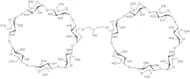
<p>β-Cyclodextrin polymer crosslinked with epichlorohydrin (β-CD-EP) is a high molecular weight, water-insoluble compound that combines the advantageous properties of cyclodextrins and polymers. It is synthesized by crosslinking β-cyclodextrin molecules with epichlorohydrin (either the R- or S-isomer, although is normally a racemic mixture) under strongly alkaline conditions. This material retains the host-guest complex formation ability of cyclodextrins while offering enhanced stability and physicochemical properties. In pharmaceuticals, β-CD-EP serves as an effective drug carrier, improving the solubility and bioavailability of poorly water-soluble drugs, masking unpleasant tastes, and enabling controlled release of active ingredients. Its insoluble nature makes it particularly useful in environmental applications for removing organic pollutants and heavy metals from water. In analytical chemistry, β-CD-EP is employed for the extraction and concentration of target substances, such as mycotoxins from beverages. The polymer's unique structure, featuring a dense, hydrophobic cross-linked core and a more hydrophilic surface, contributes to its dual adsorption mechanism through the inclusion of complex formation and physical adsorption. Recent advancements have led to β-CD-EP variants with ionic functional groups, expanding its potential in water treatment and pharmaceutical formulations.</p>Colore e forma:PowderUlvan - Ulva rotondata-Summer
CAS:<p>Ulvans are structural polysaccharides present in the cell walls of green algae such as Ulva armoricana, Ulva rotondata, Ulva rigida, Ulva lacterca and Ulva pertusa. They are highly sulphated and contain rhamnose 3-sulphate, xylose, xylose 2-sulphate, glucuronic acid and iduronic acid residues. Ulvan has several potentially valuable functionalities such as gel formation for agricultural and food applications. It has also an anticoagulant, antioxidant, antihyperlipidemic and antitumor activities that are attractive for pharmaceutical applications.<br>The image was kindly provided by Prof Mike Guiry from Cork who runs ‘The Seaweed Site’.</p>Purezza:Min. 95%Colore e forma:PowderSulpho Lewisa Na
<p>Sulpho Lewisa Na is a complex carbohydrate that has been modified with fluorination and methylation. This product is custom synthesized, high purity, and has a CAS number. It is available for synthesis in various lengths of saccharides with a variety of modifications. Sulpho Lewisa Na can be used in the following applications: glycosylations, click modification, and methylation.</p>Formula:C20H34NNaO18SPurezza:Min. 95%Peso molecolare:631.54 g/molG-NGA2F N-Glycan
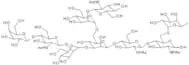
CAS:<p>G-NGA2F N-Glycan is a methylated, saccharide containing oligosaccharide. It is a custom-synthesized, high purity carbohydrate and sugar that can be modified with fluorination. G-NGA2F N-Glycan has been shown to have complex carbohydrate properties with a CAS No. of 84825-26-3.</p>Formula:C62H104N4O46Purezza:Min. 95%Colore e forma:SolidPeso molecolare:1,641.49 g/molCreatine Gluconate
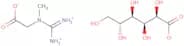
CAS:<p>Creatine is an energy metabolism agent that is used to enhance the production of ATP, or adenosine triphosphate, in muscle cells. Creatine Gluconate is a creatine supplement that can be taken orally. It has been shown to improve contractility and cardiac function by increasing ATP levels in the cells. Creatine Gluconate also enhances uptake of creatine into muscle cells and has been shown to increase creatine levels in the blood. Creatine Gluconate may be prescribed as a diagnostic tool for identifying diseases related to creatine production such as Duchenne muscular dystrophy or McArdle disease. Creatine Gluconate can also be prescribed as an anabolic agent for patients with conditions such as congestive heart failure or cardioplegia during surgery.</p>Formula:C6H11O7·C4H10N3O2Purezza:Min. 95%Peso molecolare:327.29 g/molPentaric acid
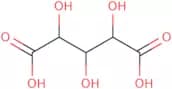
CAS:<p>Pentaric acid is a crystalline, monocarboxylic acid with a hydroxyl group. It is used as an inhibitor of corrosion in metal and as a disinfectant. Pentaric acid can be found in urine samples and has been shown to be an effective inhibitor of the enzymatic reaction that produces azobenzene, which is associated with the development of bladder cancer. This compound also inhibits the growth of bacteria. Pentaric acid is used as an additive in some detergents and soaps because it can inhibit the growth of bacteria on surfaces. <br>Pentaric acid was first synthesized by German chemist Otto Wohlert in 1834. Hydrogen ions are released when pentaric acid dissolves in water, lowering the pH level and causing corrosion to metal surfaces. The corrosion inhibition properties of pentaric acid have been known since its discovery, but its anti-bacterial properties were not discovered until recently when researchers found that pentar</p>Formula:C5H8O7Purezza:Min. 95%Peso molecolare:180.11 g/molD-Mannopyranose pentasulfate potassium
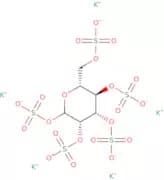
CAS:<p>D-Mannopyranose pentasulfate potassium salt is a synthetic carbohydrate with a saccharide backbone that has been fluorinated to introduce reactive sites. It is an oligosaccharide, which means it contains several sugar units linked together in a chain. This carbohydrate can be modified with methyl groups and glycosylations, and can have click modifications. This high purity product is suitable for use in a variety of applications, including as a custom synthesis or as a methylated glycosylated polysaccharide.</p>Formula:C6H12O21S5•KxPurezza:Min. 95%Colore e forma:White to off-white solid.Peso molecolare:770.93 g/mol3-[(2,3,4,6-Tetra-O-acetyl-b-D-glucopyranosyl)thio]-propanoic acid
CAS:3-[(2,3,4,6-Tetra-O-acetyl-b-D-glucopyranosyl)thio]-propanoic acid is a modification of an oligosaccharide. It is a complex carbohydrate that has been modified with methylation and glycosylation. This product is synthesized from the raw material, which is a high purity monosaccharide or polysaccharide. 3-[(2,3,4,6-Tetra-O-acetyl-b-D-glucopyranosyl)thio]-propanoic acid has CAS No. 325410 2 and Mw of 835.5 g/mol. The molecular weight and purity are determined by high performance liquid chromatography (HPLC). The product is soluble in water and ethanol.Formula:C17H24O11SPurezza:Min. 95%Peso molecolare:436.43 g/molCarboxymethyl-dextran sodium salt 10-20% COOH - Average molecular weight 70000
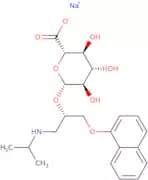
CAS:<p>Drug carrier for cancer therapy & imaging, biocompatible, soluble, biodegradable</p>Purezza:Min. 95%Colore e forma:White Powder(S)-Propranolol b-D-glucuronide sodium salt
CAS:<p>Propranolol is a non-selective beta-blocker that blocks the action of epinephrine on beta-adrenergic receptors. It is used to treat high blood pressure, angina, and arrhythmia. Propranolol b-D-glucuronide sodium salt is a prodrug of propranolol that has been modified in order to improve its oral bioavailability.</p>Formula:C22H28NNaO8Purezza:Min. 95%Peso molecolare:457.45 g/mol3-(Hepta-O-acetyl-b-lactopyranosyl)thio-propanoic acid
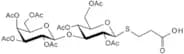
CAS:<p>3-(Hepta-O-acetyl-b-lactopyranosyl)thio-propanoic acid is a synthetic glycosylate that has been subjected to a click reaction with 4-iodo-1,1,3,3,-tetramethyluronium tetrafluoroborate. This glycoside has a purity of >98% and is offered at a price of $6.00/g.</p>Formula:C29H40O19SPurezza:Min. 95%Peso molecolare:724.69 g/molN1-b-D-Galactopyranosylamino-guanidine HNO3
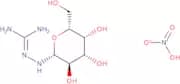
CAS:<p>N1-b-D-Galactopyranosylamino-guanidine HNO3 is a synthetic compound that has been modified by methylesterification and glycosylation. It can be used for the preparation of saccharides, polysaccharides, oligosaccharides, and custom synthesis. The CAS No. 109853-86-3 is 109853-86-3.</p>Formula:C7H16N4O5·HNO3Purezza:Min. 95%Peso molecolare:299.24 g/mol6-O-Benzoyl-3-O-tert-butyldimethylsilyl-D-galactal
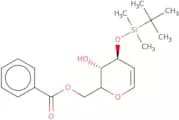
<p>6-O-Benzoyl-3-O-tert-butyldimethylsilyl-D-galactal is a custom synthesis of 6-O-(benzoyloxy)-D-galactal. It is an oligosaccharide with an acetylated benzoyl group at the C2 position and a tertiary butyl dimethylsilyl (TBDMS) ether at the C3 position. It has a molecular weight of 523.02 g/mol and CAS No. 47782-51-6. 6-O-(Benzoyloxy)-D-galactal is used as a reagent for methylation chemistry, click chemistry, or carbohydrate chemistry. This product has high purity, which makes it suitable for complex carbohydrate analysis, such as saccharide analysis, polysaccharide analysis, and oligosaccharide analysis.</p>Formula:C19H28O5SiPurezza:Min. 95%Peso molecolare:364.51 g/molPhenyl 3,4-O-(2',3'-dimethoxybutan-2',3'-diyl)-a-L-thiorhamnopyranoside
CAS:Phenyl 3,4-O-(2',3'-dimethoxybutan-2',3'-diyl)-a-L-thiorhamnopyranoside is a custom synthesis of an oligosaccharide, monosaccharide, and fluorinated sugar. This synthetic compound is a complex carbohydrate that is glycosylated with a polysaccharide. The modification of this molecule includes methylation and sugar modifications. This product is high purity and can be used as a research chemical.Formula:C18H26O6SPurezza:Min. 95%Peso molecolare:370.46 g/molL-Noviose
CAS:L-Noviose is a glycopeptide antibiotic that has been modified to increase its stability and bioavailability. The modifications have led to an increase in the activity of L-Noviose against gram-negative bacteria, including strains resistant to other antibiotics. This drug also inhibits bacterial biosynthesis by binding to the 30S ribosomal subunit and preventing the initiation of protein synthesis. L-Noviose is used clinically for the treatment of infections caused by Actinomyces, Enterobacter, Erysipelothrix, Haemophilus, Klebsiella, Proteus mirabilis, Pseudomonas aeruginosa and Staphylococcus aureus. The biological function of L-Noviose is to inhibit bacterial protein synthesis by binding to the 30S ribosomal subunit.Purezza:Min. 95%2,3,4-Tri-O-benzoyl-1-bromo-D-glucuronide methyl ester
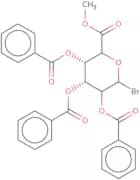
<p>2,3,4-Tri-O-benzoyl-1-bromo-D-glucuronide methyl ester is a modification of an oligosaccharide. The oligosaccharide is a complex carbohydrate that has been modified by the introduction of a bromine atom at the 2 position of the glucuronic acid moiety. This modification was accomplished through custom synthesis and high purity. This compound has CAS No. 61257-07-6 and is monosaccharide with a methyl group at the 2 position of the glucose moiety.</p>Formula:C28H23BrO9Purezza:Min. 95%Peso molecolare:583.38 g/mol2-Deoxy-D-ribose diethyl thioacetal
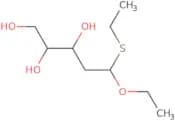
CAS:<p>2-Deoxy-D-ribose diethyl thioacetal is a synthetic, fluorinated carbohydrate that is used in the modification of saccharides and oligosaccharides. It is a complex carbohydrate that has been synthesized from D-ribose and diethyl thioacetal. Fluorination of 2-deoxy-D-ribose diethyl thioacetal has been shown to lead to glycosylation reactions with glycosyl acceptors. Click chemistry reactions have been used to modify this compound with methyl groups. This product has a high purity and can be custom synthesized by request.</p>Formula:C9H20O3S2Purezza:Min. 95%Peso molecolare:240.39 g/molBenzyl 2-azido-2-deoxy-a-D-galactopyranoside
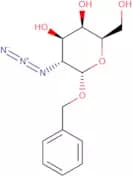
CAS:<p>Benzyl 2-azido-2-deoxy-a-D-galactopyranoside (α-OBn GalN3) is a compound based on the structural features of α-OBn GalNAc. It features an azide functionality at C2 instead of the N-acetyl. α-OBn GalN3 inhibits glycosyltransferases responsible for O-GalNAc-type glycosylation and induces apoptosis in PC/AA/C1/SB10C and HCA7/C29 cells. The compound was tested at 0.5 mM for 4 days with different colorectal cell lines and showed an inhibition of cell growth. α-OBn GalN3 was also used as an intermediate for the total synthesis of (+)-Neocarzinostatin chromophore.</p>Formula:C13H17N3O5Purezza:Min. 95%Peso molecolare:295.29 g/mol9-Amino-N-acetylneuraminic acid
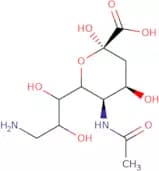
CAS:9-Amino-N-acetylneuraminic acid (9AAN) is a neuraminidase inhibitor. It blocks the activity of neuraminidase, which is an enzyme that hydrolyzes sialic linkages in glycoproteins and glycolipids. 9AAN prevents the release of influenza virus particles from infected cells. This drug can also inhibit toxins that target the nervous system, such as botulinum neurotoxin and tetanus toxin. 9AAN has been shown to have a stabilizing effect on the conformation of proteins and has been used to study conformational changes in enzymes involved in metabolism. 9AAN is synthesized by recombinant DNA technology and acts as a competitive inhibitor for the enzymatic reaction.Formula:C11H20N2O8Purezza:Min. 95%Colore e forma:PowderPeso molecolare:308.29 g/molEthyl 3,4,6-tri-O-benzyl-b-D-thiogalactopyranoside
CAS:Ethyl 3,4,6-tri-O-benzyl-b-D-thiogalactopyranoside is a sugar that has been modified by Click chemistry and fluorination. It is used in the synthesis of glycosides and oligosaccharides. The monosaccharide, saccharide, and complex carbohydrate are found in nature and are used as food additives.Formula:C29H34O5SPurezza:Min. 95%Peso molecolare:494.64 g/molHirsutanonol 5-O-glucoside
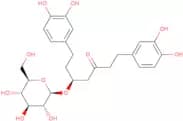
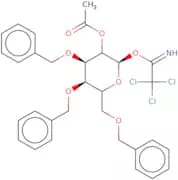
CAS:Hirsutanonol 5-O-glucoside is an antral suppressant. It controls symptoms and parameters of the disease. It is a biopsy that has been carried out in patients with symptoms of gastric ulcer disease. The biopsy samples were stained with haematoxylin and eosin, and histological investigation showed that the interstitial cells are stained. Hirsutanonol 5-O-glucoside is also a symptomatic drug that can be used to investigate the correlation between gastric ulcer disease and gender.Purezza:Min. 95%2-O-Acetyl-3,4,6-tri-O-benzyl-a-D-mannopyranosyl trichloroacetimidate
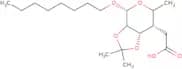
CAS:<p>2-O-Acetyl-3,4,6-tri-O-benzyl-a-D-mannopyranosyl trichloroacetimidate is a complex carbohydrate that can be modified. It can be synthesized by Methylation, Glycosylation, Carbohydrate, Click modification and fluorination of 2-(2'-deoxyribofuranosyl)propionic acid. This product has CAS No. 108869-64-3 and a purity of greater than 98%.</p>Formula:C31H32Cl3NO7Purezza:Min. 95%Peso molecolare:636.95 g/molOctyl 4-O-acetyl-2,3-O-isopropylidene-a-L-rhamnopyranoside
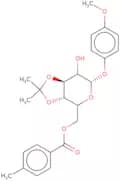
CAS:<p>Octyl 4-O-acetyl-2,3-O-isopropylidene-a-L-rhamnopyranoside is a monosaccharide that is synthesized from the glycosylation of octyl β-D-glucopyranoside and L-rhamnose by means of an acetal exchange reaction. The product is a complex carbohydrate with a molecular weight of 578. This compound can be fluorinated at the hydroxyl group to produce octyl 4-[4-(trifluoromethoxy)phenyl]butanoate, which has been shown to have significant antiinflammatory activities in animal models.</p>Formula:C19H34O6Purezza:Min. 95%Peso molecolare:358.47 g/mol4-Methoxyphenyl 3,4-O-isopropylidene-6-O-toluoyl-b-D-galactopyranoside
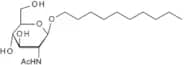
4-Methoxyphenyl 3,4-O-isopropylidene-6-O-toluoyl-b-D-galactopyranoside is a synthetic compound that can be used as a methyl donor for glycosylation reactions. It is a high purity product with a purity of 99% and can be used in custom synthesis. This product has been modified to include fluorination at the C4 position of the phenyl ring. The CAS number for this product is 56987-54-2.Formula:C24H28O8Purezza:Min. 95%Peso molecolare:444.49 g/molDecyl 2-acetamido-2-deoxy-b-D-glucopyranoside
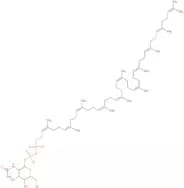
CAS:<p>Decyl 2-acetamido-2-deoxy-b-D-glucopyranoside is a glycoside that is found in the cell walls of photosynthetic organisms. It is one of the main sugars found in bacteria, fungi, and plants. In these organisms, it is linked to amino acids through amido bonds. Decyl 2-acetamido-2-deoxy-b-D-glucopyranoside has been shown to be a substrate for galactosidases, β-glycosidases, and α mannosidases. The thermal analysis of this compound shows an exothermic transition at around 200°C that may indicate its involvement in a chemical reaction. This compound also has lyotropic properties and can form micelles in water with high concentrations. The thermal parameters for this molecule are <br>T(transition) = 220°C<br>ΔH(transition) = -6 kcal/</p>Formula:C18H35NO6Purezza:Min. 95%Peso molecolare:361.47 g/mol2-Acetamido-2-deoxy-D-galactopyranose diphospho undecapyrenyl
This is a gene product that belongs to the family of histone proteins. It is a bacterial enzyme that participates in the biosynthesis of glycan, which plays an important role in bacterial pathogenicity and antigen expression. The 2-acetamido-2-deoxy-D-galactopyranose diphospho undecaprenyl (AGDP) has been shown to inhibit cancer cells by inhibiting histone protein acetylation. This inhibits DNA methylation, which may lead to tumorigenesis. Structural studies have also shown that AGDP binds to bacterial enzyme with high affinity and specificity, suggesting that it could be used as a potential antibacterial agent.Formula:C63H103NO12P2Purezza:Min. 95%Peso molecolare:1,128.44 g/molChitotetraose tetradecaacetate
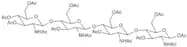
CAS:Chitotetraose tetradecaacetate is a condensation product of chitin and sephadex, which is synthesized from chitin and sodium chloride. It is an acetolysis substrate that has a sensitivity of 3.2 ug/ml in the fluorometric assay. Chitotetraose tetradecaacetate also exhibits high sensitivity to micrococcus, with a minimum inhibitory concentration (MIC) of 0.3 ug/ml.Formula:C52H74N4O31Purezza:Min. 95%Peso molecolare:1,251.18 g/mol1,5-a-L-Arabinoheptaose
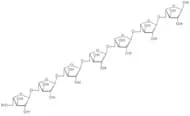
CAS:<p>1,5-a-L-Arabinoheptaose is a sugar that is found in the cell walls of bacteria. The chemical modification of this sugar has been studied extensively. The modification of this sugar with methyl groups and click chemistry has been shown to alter its properties, such as binding affinity and solubility. This modified sugar can be used for glycosylation reactions or custom synthesis. 1,5-a-L-Arabinoheptaose is also available in high purity and with a custom synthesis.</p>Formula:C35H58O29Purezza:Min. 95%Colore e forma:PowderPeso molecolare:942.82 g/molMaltotetradecaose
CAS:1,4-glucotetradecaose derived from starch by hydrolysis and chromatographyFormula:C84H142O71Purezza:Min. 95%Peso molecolare:2,287.98 g/mol5-Deoxy-1,2-O-isopropylidene-5-[(2S-pyridin-2-yl-pyrrolidine)-1-yl]-a-D-xylofuranose
CAS:5-Deoxy-1,2-O-isopropylidene-5-[(2S-pyridin-2-yl-pyrrolidine)-1-yl]-a-D-xylofuranose is a kind of modified oligosaccharide. It has been used as a building block for the synthesis of glycoproteins and glycopeptides. This product is synthesized by our company with high purity and custom synthesis.Formula:C17H24N2O4Purezza:Min. 95%Peso molecolare:320.39 g/molPropargyl 2,3,4,6-tetra-O-acetyl-a-D-galactopyranoside
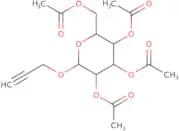
CAS:<p>Propargyl 2,3,4,6-tetra-O-acetyl-a-D-galactopyranoside is a modification of the carbohydrate that is a complex carbohydrate. It is a synthetic oligosaccharide with glycosylation and methylation. This compound has been found to have many potential applications in medicine and biotechnology. The fluorination of this saccharide may be used to create an antiangiogenic drug for cancer treatment.</p>Purezza:Min. 95%6-O-Benzyl-1-(-)-carboxymenthyl-2,3;4,5-di-O-cyclohexylidene-D-myo-inositol
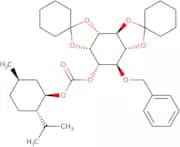
CAS:<p>6-O-Benzyl-1-(-)-carboxymenthyl-2,3;4,5-di-O-cyclohexylidene-D-myo-inositol is a novel glycosylation substrate for the synthesis of oligosaccharides. It is synthesized by fluorination and methylation of 1,2,3,4,5,-pentaacetoxycyclopentane. The fluorinated product can be further modified to produce various saccharides. This compound can be used as a custom synthesis in the synthesis of complex carbohydrates with high purity.</p>Formula:C36H52O8Purezza:Min. 95%Peso molecolare:612.79 g/molPantoprazole sulfide-b-D-glucuronide
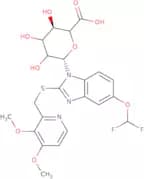
CAS:Pantoprazole sulfide-b-D-glucuronide is a custom synthesis of pantoprazole that has been modified with fluorination, methylation, and click modification. It is an oligosaccharide that consists of a saccharide. The saccharide is a carbohydrate which contains complex carbohydrates.Formula:C22H23F2N3O9SPurezza:Min. 95%Peso molecolare:543.5 g/mol1,6,6'-Tri-O-tritylsucrose pentaacetate
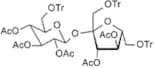
CAS:1,6,6'-Tri-O-tritylsucrose pentaacetate is a sugar that is synthesized by the process of fluorination and monosaccharide. It has a molecular formula of C12H18O9F. This compound can be used as a synthetic sugar in glycosylation reactions or as an Oligosaccharide for complex carbohydrate synthesis. The 1,6,6'-Tri-O-tritylsucrose pentaacetate can also be modified with methylation or click chemistry for high purity.Formula:C79H74O16Purezza:Min. 95%Peso molecolare:1,279.42 g/mol4-Isothiocyanatophenyl-a-D-glucopyranoside
CAS:<p>4-Isothiocyanatophenyl-a-D-glucopyranoside is a synthetic fluorinated glycosylated oligosaccharide. Its chemical formula is C16H13N3O7. It has a molecular weight of 392.</p>Formula:C13H15NO6SPurezza:Min. 95%Peso molecolare:313.33 g/mol2-Imino-2-methoxyethyl-1-deoxy-1-thio-a-D-mannopyranoside
CAS:<p>2-Imino-2-methoxyethyl-1-deoxy-1-thio-a-D-mannopyranoside is a carbohydrate that belongs to the group of sugar. It can be custom synthesized and is available in high purity. This compound has been fluorinated and methylated, which means it has been modified with fluorine and methyl groups respectively. Click modification refers to a type of chemical modification to a molecule that occurs through the addition of a thiol group at the alpha carbon of an alcohol or amine group. 2-Imino-2-methoxyethyl-1-deoxy-1-thio-a-Dmannopyranoside can be glycosylated, which means it is able to undergo the process of glycosylation by transferring its saccharide unit onto another saccharide.</p>Formula:C9H17NO6SPurezza:Min. 95%Peso molecolare:267.3 g/mol2-Deoxy-3,5-di-O-toluoyl-D-ribofuranose
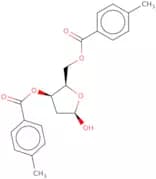
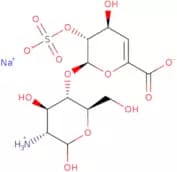
CAS:<p>2-Deoxy-3,5-di-O-toluoyl-D-ribofuranose is a sugar that can be custom synthesized. This product is a white to off-white crystalline solid with a melting point of approximately 200°C. It is soluble in water and ethanol, but not in ether or chloroform. The chemical structure of this sugar includes an oxygen atom at the 3 position of the anomeric carbon and a chlorine atom at the 5 position of the anomeric carbon. 2-Deoxy-3,5-di-O-toluoyl-D-ribofuranose has been shown to inhibit glycosylation, methylation, and modification reactions in both nucleic acids and proteins. This product also has been shown to be helpful in understanding complex carbohydrate synthesis by reducing the size of oligosaccharides and monosaccharides into smaller fragments for analysis.</p>Formula:C21H22O6Purezza:Min. 95%Peso molecolare:370.4 g/molHeparin disaccharide III-H disodium salt
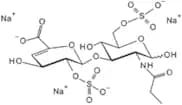
CAS:Heparin is a polysaccharide consisting of repeating units of glucosamine and glucuronic acid that has been shown to have anti-coagulant, antithrombotic, and anti-inflammatory properties. Heparin disaccharide III-H disodium salt is a heparin disaccharide that has been modified by the addition of sodium ions. This heparin disaccharide has been shown to inhibit the proliferation of leukaemia cells in vitro, which may be due to its inhibition of DNA synthesis or cell cycle progression. The mechanism by which this heparin disaccharide inhibits cell growth is not yet known. Research into this mechanism could lead to new treatments for cancer and other diseases.Formula:C12H18NNaO13SPurezza:Min. 95%Peso molecolare:439.33 g/molBenzyl 2-acetamido-2-deoxy-4,6-O-isopropylidene-D-galactopyranoside
CAS:<p>Benzyl 2-acetamido-2-deoxy-4,6-O-isopropylidene-D-galactopyranoside is a modified odorant that binds to the olfactory receptors in the insect antenna. This compound is used as a research tool for studying the detection of odors. It can be used to identify compounds that act as insect attractants or repellents. The binding assays are performed in vitro using recombinant proteins and fluorescence assays. Binding studies have been shown to reveal mutants with altered binding properties to benzyl 2-acetamido-2-deoxy-4,6-O-isopropylidene -D--galactopyranoside.</p>Formula:C18H25NO6Purezza:Min. 95%Peso molecolare:351.39 g/mol(S)-Naproxen acyl-b-D-glucuronide benzyl ester
CAS:<p>(S)-Naproxen acyl-b-D-glucuronide benzyl ester is a custom synthesis of a sugar, Click modification, and fluorination. This synthetic compound has shown anti-inflammatory properties and is used to treat pain in the treatment of osteoarthritis. The drug is also used to treat other conditions such as rheumatoid arthritis and gouty arthritis.</p>Formula:C27H28O9Purezza:Min. 95%Peso molecolare:496.51 g/molO-Butanoyl-2,3-O-isopropylidene-a-D-mannofuranoside
CAS:<p>O-Butanoyl-2,3-O-isopropylidene-a-D-mannofuranoside is a high purity sugar with CAS No. 177562-15-1. It is synthesized by the modification of saccharides with methyl groups, glycosylation, and click chemistry. This chemical has a complex structure and can be used as a raw material for the production of complex carbohydrates.</p>Formula:C14H26O7Purezza:Min. 95%Peso molecolare:304.38 g/mol1,2,3,4,6-Penta-O-acetyl-1-thio-beta-D-galactopyranose
CAS:<p>1,2,3,4,6-Penta-O-acetyl-1-thio-beta-D-galactopyranose is a nucleoside that is a derivative of glucopyranose. It is an aprotic molecule and can be used as an aprotic solvent. 1,2,3,4,6-Penta-O-acetyl-1-thio-beta-D-galactopyranose has been shown to inhibit viral growth in vitro by interfering with the synthesis of DNA and RNA. The compound inhibits the growth of herpes simplex virus type 1 (HSV) and vaccinia virus (VACV) but not influenza A virus (IAV). This drug also has antiplasmodial activity against the erythrocytic stages of Plasmodium falciparum.</p>Formula:C16H22O10SPurezza:Min. 95%Peso molecolare:406.41 g/molallo-Inositol
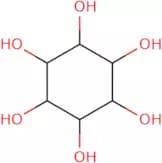
CAS:Allo-inositol is a naturally occurring molecule that is classified as a vitamin. It is a member of the B-complex group of vitamins and has been shown to inhibit growth of cells in the HL-60 cell line. The optimum concentration for allo-inositol was found to be at 100 μM, with an IC50 value of 67 μM. Allo-inositol also has inhibitory properties against ovarian cancer cells and has been investigated as a potential treatment for ovarian cancer. Allo-inositol can be converted into myo-inositol in mammalian cells and may have anticancer effects through this conversion.Formula:C6H12O6Purezza:Min. 95%Peso molecolare:180.16 g/mol3,4,6-Tri-O-acetyl-b-L-idopyranose 1,2-(methyl orthoacetate)
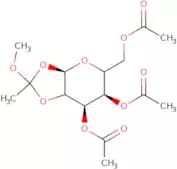
CAS:3,4,6-Tri-O-acetyl-b-L-idopyranose 1,2-(methyl orthoacetate) is a methylated saccharide that is used as a building block for the synthesis of complex carbohydrates. It is synthesized by the reaction of 3,4,6-tri-O-acetyl-b-L-idopyranose with methyl orthoacetate in presence of acid catalyst. 3,4,6-Tri-O-acetyl - b - L - idopyranose 1,2-(methyl orthoacetate) has been shown to have antihyperglycemic effects when administered orally to mice and rats. The compound also has an inhibitory effect on the glycosaminoglycan production in human chondrocytes.Formula:C15H22O10Purezza:Min. 95%Peso molecolare:362.33 g/mol2,3,4-Tri-O-benzyl-a-D-glucuronic acid benzyl ester trichloroacetimidate
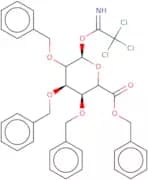
CAS:<p>2,3,4-Tri-O-benzyl-a-D-glucuronic acid benzyl ester trichloroacetimidate is a glycosyl donor set up for oligosaccharide assembly.</p>Formula:C36H34Cl3NO7Purezza:Min. 95%Peso molecolare:699.02 g/molForssman antigen triaose
Tumor associated antigen and target for the development of anti-cancer vaccines.Formula:C22H38N2O16Purezza:(Hplc-Ms) Min. 90 Area-%Colore e forma:PowderPeso molecolare:586.54 g/mol1,2,3-Tri-O-acetyl-5-deoxy-D-ribofuranoside
CAS:<p>1,2,3-Tri-O-acetyl-5-deoxy-D-ribofuranoside is an acetylated form of a sugar derivative. It is used as a reagent for the acetylation of alcohols and amines. The reaction yield for this compound is stereoselective and can be prepared from readily available starting materials in good yield. The compound crystallizes in cyclic form with an organic solvent such as n-hexane or pyridine. This product is soluble in organic solvents such as n-hexane, pyridine, or vinyl acetate.</p>Formula:C11H16O7Purezza:Min. 95%Peso molecolare:260.24 g/mol2-(Acetylamino)-1-O-benzyl-2-deoxy-3,4-O-isopropylidene-6-O-(2,3,4,6-tetra-O-acetyl-b-D-galactopyranosyl)-D-galactopyranoside
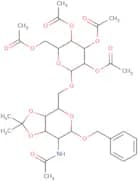
CAS:<p>The chemical name of this compound is 2-(Acetylamino)-1-O-benzyl-2-deoxy-3,4-O-isopropylidene-6-O-(2,3,4,6-tetra-O-acetylbDgalactopyranosyl)-Dgalactopyranoside. It is a synthetic compound and its molecular formula is C17H22N2O8. The molecular weight of this compound is 412.46 g/mol. CAS No. 352273-66-6</p>Formula:C32H43NO15Purezza:Min. 95%Peso molecolare:681.68 g/mol3'-O-(b-D-Glucopyranosyl)-L-DOPA
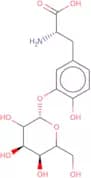
Prodotto controllato3'-O-(b-D-Glucopyranosyl)-L-DOPA is a modification of L-DOPA. It is an oligosaccharide that is a complex carbohydrate. 3'-O-(b-D-Glucopyranosyl)-L-DOPA has been synthesized and purified to high purity, with CAS No. 85825-69-7. This compound can be methylated and glycosylated, and it can form polysaccharides (sugar). 3'-O-(b-D-Glucopyranosyl)-L-DOPA can also be fluorinated, which may inhibit the enzyme bromelain that breaks down this compound in the gastrointestinal tract.Formula:C15H21NO9Purezza:Min. 95%Peso molecolare:359.33 g/molLacto-N-fucopentaose III-APD-HSA
<p>Lacto-N-fucopentaose III-APD-HSA is a custom synthesis, complex carbohydrate that has been modified with methylation and glycosylation. It is an oligosaccharide that is found in human serum albumin. Lacto-N-fucopentaose III-APD-HSA has been shown to have antitumor activity. It also inhibits the growth of bacteria by binding to bacterial DNA gyrase and topoisomerase IV, which are enzymes that maintain the integrity of bacterial DNA. This compound binds to two sites on the 16S ribosomal RNA of bacteria and can inhibit protein synthesis, leading to cell death by inhibiting production of proteins vital for cell division. Lacto-N-fucopentaose III-APD-HSA has undergone fluorination and click modification.<br>Methylation: A process whereby a methyl group (-CH3) is added to an organic molecule via a chemical</p>Purezza:Min. 95%2-Acetamido-4-O-(2-acetamido-2-deoxy-b-D-galactopyranosyl)-2-deoxy-D-glucopyranose
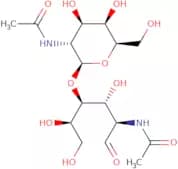
CAS:<p>A di-acetamido LacNAc analogue</p>Formula:C16H28N2O11Purezza:Min. 95%Colore e forma:White PowderPeso molecolare:424.4 g/molO-(2-Azido-4,6-O-benzylidene-2-deoxy-a-D-galactopyranosyl)-N-[(9H-fluoren-9-ylmethoxy)carbonyl]-L-serine tert-Butyl Ester
CAS:<p>O-(2-Azido-4,6-O-benzylidene-2-deoxy-a-D-galactopyranosyl)-N-[(9H-fluoren-9-ylmethoxy)carbonyl]-L-serine tert butyl ester (Fluoride) is a modified carbohydrate that has been synthesized from a sugar. The fluorination step of the synthesis has replaced the hydroxyl group at C1 with fluorine. <br>The glycosylation and methylation steps have added a new saccharide to the existing carbohydrate chain. The modification step has introduced an oligosaccharide which has been linked to the monosaccharides by an amide bond. This synthetic carbohydrate was designed to be used as a fluorescent probe for glycoproteins and glycolipids in biomedical research.</p>Formula:C35H38N4O9Purezza:Min. 95%Peso molecolare:658.7 g/molMethyl 2,6-di-O-benzoyl-3,4-di-O-[bis(3,5-dimethylphenyl)]phosphino-a-D-glucopyranoside
CAS:Methyl 2,6-di-O-benzoyl-3,4-di-O-[bis(3,5-dimethylphenyl)]phosphino-a-D-glucopyranoside is a custom synthesis of a modified sugar that has been fluorinated and methylated. This compound is also known by its CAS number 158214-06-3. The compound is a monosaccharide and an oligosaccharide. It is synthesized from saccharides and polysaccharides such as sugar and complex carbohydrates. Methyl 2,6-di-O-benzoyl-3,4 di O-[bis(3,5 dimethylphenyl)]phosphino a D glucopyranoside has many applications in the field of biochemistry and medicine.Formula:C53H56O8P2Purezza:Min. 95%Peso molecolare:882.95 g/mol4-Hydroxyestradiol-3-O-b-D-glucuronide
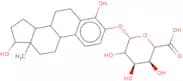
CAS:<p>4-Hydroxyestradiol-3-O-b-D-glucuronide is a synthetic compound that is custom synthesized using click chemistry. It is a methylated derivative of estradiol with a sugar moiety and a glucuronide group attached to the b carbon. This product is soluble in water and ethanol. Chemical modification of 4-hydroxyestradiol-3-O-b-D-glucuronide can be achieved by fluorination, saccharide conjugation, or carbonylation. The CAS number for this compound is 90746-94-4.</p>Formula:C24H32O9Purezza:Min. 95%Peso molecolare:464.51 g/molLacto-N-neotetraosa-APD-HSA
<p>Lacto-N-neotetraosa-APD-HSA is a synthetic monosaccharide that is structurally similar to tetrasaccharide and pentasaccharide. It can be synthesized by click chemistry and has been modified by fluorination and acetylation. Lacto-N-neotetraosa-APD-HSA has a high purity and is an excellent candidate for applications in the food industry, such as sugar substitutes.</p>Purezza:Min. 95%Methyl b-D-xylofuranoside
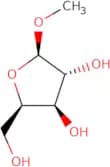
CAS:<p>Methyl b-D-xylofuranoside is a fluorinated monosaccharide that is synthesized by the replacement of hydroxyl groups with fluorine. Methyl b-D-xylofuranoside is used for the synthesis of oligosaccharides and polysaccharides, as well as for glycosylation and methylation reactions. The product has a CAS number of 1824-97-1 and can be custom synthesized to meet specific customer specifications.</p>Purezza:Min. 95%5-(Acetylamino)-5-deoxy-3-S-phenyl-3-thio-D-erythro-a-L-gluco-2-nonulopyranosonic acid methyl ester 2,4,7,8,9-pentaacetate
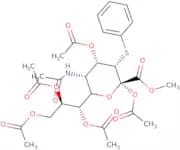
CAS:<p>5-(Acetylamino)-5-deoxy-3-S-phenyl-3-thio-D-erythro-a-L-gluco-2-nonulopyranosonic acid methyl ester 2,4,7,8,9-pentaacetate is a synthetic monosaccharide that can be used for glycosylation and polysaccharide modification. It can also be used as a click chemistry building block to modify sugars. This product has been custom synthesized for the specific needs of our customers. The purity of this compound is greater than 98%.</p>Formula:C28H35NO14SPurezza:Min. 95%Peso molecolare:641.64 g/molMaltoheptaose
CAS:<p>α 1,4-glucoheptasaccharide derived from starch by hydrolysis and chromatography</p>Formula:C42H72O36Purezza:Min. 90.0 Area-%Peso molecolare:1,153 g/molRef: 3D-M-0910
1gPrezzo su richiesta5gPrezzo su richiesta10gPrezzo su richiesta25gPrezzo su richiesta2500mgPrezzo su richiesta-Unit-ggPrezzo su richiestaParicalcitol 25-b-D-glucuronide
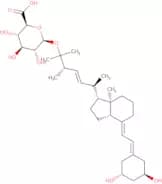
CAS:<p>Paricalcitol 25-b-D-glucuronide is a synthetic analogue of calcitriol, which is the active form of vitamin D. It is a high-purity glycosylate with an average molecular weight of 522.5 Da and a purity of >98%. Paricalcitol 25-b-D-glucuronide has been shown to be effective in prevention or treatment of secondary hyperparathyroidism in patients with chronic kidney disease (CKD). This compound has shown to inhibit calcium absorption in the gut and increase urinary excretion of calcium. It also increases serum phosphate levels, which may lead to increased calcium phosphate deposition in bone. Paricalcitol 25-b-D-glucuronide is methylated at the 25 position, which prevents it from being metabolized by the liver. This modification allows for higher concentrations to be administered without causing toxicity.</p>Formula:C33H52O9Purezza:Min. 95%Peso molecolare:592.76 g/mol4,6-Di-O-(3,4,6-tri-O-acetyl-2-deoxy-2-phthalimido b-D-glucopyranosyl)-1,3-6-tri-O-benzyl-a-D-mannopyranoside
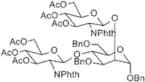
CAS:<p>4,6-Di-O-(3,4,6-tri-O-acetyl-2-deoxy-2-phthalimido b-D-glucopyranosyl)-1,3-6-tri-O-benzyl a -D -mannopyranoside is a carbohydrate that has been modified with fluorine. It is an oligosaccharide composed of three monosaccharides linked by glycosidic bonds. The modification of the carbohydrate with fluorine was achieved through a click chemistry reaction between the 4’ and 6’ position of the glucose moiety. This product is used in custom synthesis and high purity applications.</p>Formula:C67H68N2O24Purezza:Min. 95%Peso molecolare:1,285.26 g/molb-D-Lactosyltrichloroacetimidate heptaacetate
CAS:<p>b-D-Lactosyltrichloroacetimidate heptaacetate is a glycosylation product of the b-D-lactose and trichloroacetic anhydride. This compound is used in the synthesis of oligosaccharides and polysaccharides. It has been shown to be a fluorinated, methylated, or click modified monosaccharide or disaccharide which can be prepared through custom synthesis, or by modification of existing saccharides. This compound has been found to have high purity with a CAS number of 1142022-76-1.</p>Formula:C28H36Cl3NO18Purezza:Min. 95%Peso molecolare:780.94 g/mol[1-13C]Maltose monohydrate
<p>13C labeled maltose is a useful analytical standard for Carbon NMR spectroscopy</p>Formula:CC11H22O11·H2OPurezza:Min. 95%Peso molecolare:361.3 g/molMethyl 4,6-di-O-acetyl-2,3-didehydro-2,3-dideoxy-a-D-galactopyranoside
CAS:<p>Methyl 4,6-di-O-acetyl-2,3-didehydro-2,3-dideoxy-a-D-galactopyranoside is a carbohydrate that is synthesized by glycosylation with methyl 4,6-di-O-acetyl-2,3-didehydrohexahydropyranose. It is used as a synthetic intermediate in the production of saccharides and oligosaccharides. This product has high purity and custom synthesis can be requested.</p>Formula:C11H16O6Purezza:Min. 95%Peso molecolare:244.24 g/mol(2-Hydroxypropyl)-a-cyclodextrin
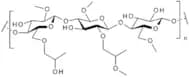
CAS:<p>Alpha-cyclodextrin (α-CD) derivative with a hydrophilic exterior and lipophilic cavity (smaller than β-CDs and γ-CDs) to allocate certain guest molecules. This structural characteristic enables applications in molecular encapsulation, solubility enhancement, and stabilization across multiple industries. In pharmaceuticals, it serves as a drug delivery vehicle, enhancing the bioavailability and stability of active ingredients. The food industry utilizes it as a stabilizer for flavors, colors, and nutrients, as well as a functional ingredient for its effects on lipid metabolism. In cosmetics, it acts as a complex agent for fragrances and active components. Its applications extend to analytical chemistry for chiral separation and to materials science for developing smart materials and nanosystems.2-hydroxypropyl-alpha-cyclodextrin (HPCD) forms a stable inclusion complex with iodine. It also serves as a co-polymer for gene delivery vectors.</p>Colore e forma:PowderPeso molecolare:1.0Hydroxypropyl cellulose - Average MW 1,000,000
CAS:<p>Binder in tablets; food additive; has several pharmaceutical applications</p>Purezza:Min. 95%Lewis A trisaccharide methyl glycoside tetrabenzylether
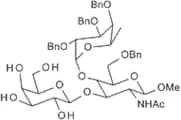
CAS:<p>Lewis A trisaccharide methyl glycoside tetrabenzylether is a synthetic glycosylated oligosaccharide. It is a custom synthesis product that can be modified to the customer's specifications. The modification reaction yields a high-purity, complex carbohydrate with a saccharide content of 95%. This product is soluble in DMSO and DMF and is stable at pH 3-11.</p>Formula:C49H61NO15Purezza:Min. 95%Peso molecolare:904.01 g/molAnthrose
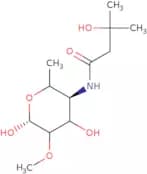
CAS:<p>Anthrose is a natural product that has been isolated from the larvae of Galleria mellonella, an insect. It has been shown to have antiviral activity against anthracis, a bacterium that causes anthrax. Anthrose treatment leads to cell lysis and DNA degradation in both prokaryotic and eukaryotic cells. The mechanism of action of this compound is not yet known, but it may be due to its ability to act as a competitive inhibitor for the enzyme aminotransferase activity. It also has antimicrobial properties and has been shown to inhibit Mycobacterium tuberculosis growth.</p>Formula:C12H23NO6Purezza:Min. 95%Colore e forma:PowderPeso molecolare:277.31 g/mol1,4:3,6-Dianhydro-5-nitro-D-glucitol
CAS:<p>Isosorbide is a naturally occurring sugar alcohol (polyol) that is found in small quantities in many plants and fruits. It is used as a pharmaceutical drug to treat angina pectoris, congestive heart failure, and high blood pressure. Isosorbide has been shown to inhibit the activity of matrix metalloproteinases (MMPs), which are enzymes that degrade extracellular matrix proteins. This effect may be beneficial for patients with disorders such as arthritis. Isosorbide also increases nitric oxide production, leading to vasodilation and improved blood flow. The therapeutic effect of isosorbide has been demonstrated in experimental models using mice with congestive heart failure due to myocardial infarction or chronic heart disease. Pharmacological treatment of these animals with isosorbide resulted in an improvement of left ventricular function, reduction of myocardial fibrosis, and reduced levels of cardiac markers.</p>Formula:C6H9NO6Purezza:Min. 95%Peso molecolare:191.14 g/mol1,4-Dibenzoyl-2,3:5,6-di-O-isopropylidene myo-inositol
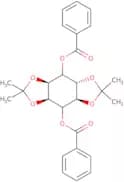
CAS:<p>1,4-Dibenzoyl-2,3:5,6-di-O-isopropylidene myo-inositol is a synthetic saccharide with the chemical formula C8H12FO4. It is a white crystalline solid that is soluble in water and methanol. This product can be used for custom synthesis of complex carbohydrates and as a reagent for fluoroquinolone resistance. It has been shown to inhibit bacterial growth by binding to DNA gyrase and topoisomerase IV, which are enzymes that maintain the integrity of bacterial DNA.</p>Purezza:Min. 95%Heparin disaccharide I-P trisodium salt
CAS:<p>Heparin disaccharide I-P trisodium salt is a synthetic, highly pure, custom-synthesized heparin derivative with a unique sequence of saccharides. It has been fluorinated and methylated to increase its stability and resistance to degradation by enzymes. Heparin disaccharide I-P trisodium salt is glycosylated, which increases its solubility in water and reduces the risk of precipitation. This product is also modified using click chemistry to introduce an oligosaccharide at one end of the molecule.</p>Formula:C15H20NO17S2Na3Purezza:Min. 95%Colore e forma:White To Off-White SolidPeso molecolare:619.42 g/mol1,2,3-Tri-O-benzoyl-4,6-dideoxy-4-iodo-a-L-glucopyranose
CAS:<p>1,2,3-Tri-O-benzoyl-4,6-dideoxy-4-iodo-a-L-glucopyranose is a custom synthesis of an Oligosaccharide, Polysaccharide. The chemical name for this compound is 1,2,3-tri-(O-(Benzoyl)glycosyl)-4,6--dideoxy-[4-(1H--1,2,3-triazol-1--yl)--a--D--glucopyranosyl]-4-[(1E)-1-(hydroxymethyl)-2-(methylsulfonyl)ethenyl]-, 4-[(1E)-1-(hydroxymethyl)-2-(methylsulfonyl)ethenyl]-. It has a molecular weight of 565.66 g/mol and CAS No. 132867-78-8. This product is available</p>Formula:C27H23IO7Purezza:Min. 95%Peso molecolare:586.37 g/mol1,2,3,4-Tetra-O-acetyl-6-O-(2,3,4,6-tetra-O-acetyl-a-D-mannopyranosyl)-D-mannopyrannose
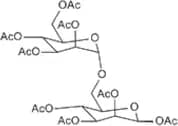
CAS:<p>1,2,3,4-Tetra-O-acetyl-6-O-(2,3,4,6-tetra-O-acetyl-aD-mannopyranosyl)-D-mannopyrannose is a tetrasaccharide that can be synthesized by modifying the sugar moiety of 1,2,3,4-tetra-O-[(2,3,4)-triacetyl]-6-[(1R)-1-(2,3,4,-triacetyl)glycoloyl]aD mannopyranose. This modified sugar moiety is then reacted with methyl fluoride to produce 1. It has been shown to inhibit the growth of bacteria and fungi.</p>Formula:C28H38O19Purezza:Min. 95%Peso molecolare:678.59 g/mol1,2,3,4,6-Penta-O-trimethylsilyl-D-mannopyranose
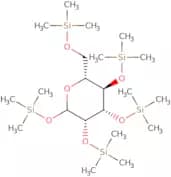
CAS:1,2,3,4,6-Penta-O-trimethylsilyl-D-mannopyranose is a methylated pentasaccharide with a fluorinated hydroxyl group at the C2 position. It is used in the synthesis of polysaccharides and oligosaccharides. 1,2,3,4,6-Penta-O-trimethylsilyl-D-mannopyranose can be modified to produce new polysaccharides or oligosaccharides with desired properties. This product is also suitable for use in high purity applications due to its high purity and low background fluorescence.Formula:C21H52O6Si5Purezza:Min. 95%Peso molecolare:541.06 g/mol3-O-(4,7-Di-O-methyl-N-acetyl-α-neuraminosyl)-D-galactopyranoside - i
3-O-(4,7-Di-O-methyl-N-acetyl-alpha-neuraminosyl)-D-galactopyranoside - i is a modified carbohydrate. It is a saccharide that has been fluorinated and methylated with the click modification. This modification is an efficient method for site specific incorporation of fluorine atoms in organic molecules. The product is custom synthesized to order and can be provided at high purity. 3-O-(4,7-Di-O-methyl-N-acetyl-alpha-neuraminosyl)-D-galactopyranoside - i is used as a sugar in organic synthesis reactions.Purezza:Min. 95%4-O-(2-O-Methyl-b-D-galactopyranosyl)-D-glucopyranose
CAS:4-O-(2-O-Methyl-b-D-galactopyranosyl)-D-glucopyranose is a disaccharide. The lacto-n-biose unit is a nonreducing sugar that contains an alpha, beta unsaturated 1,6 glycosidic bond and a lactose molecule. 4-O-(2-O-Methyl-b-D-galactopyranosyl)-D-glucopyranose has been found to stimulate the synthesis of galectin in vitro, which may be due to its ability to bind to lectins. This disaccharide can also cause denaturation at high temperatures.Formula:C13H24O11Purezza:Min. 95%Peso molecolare:356.32 g/molBenzyl 2,3-O-[(1S,2S)-1,2-dimethoxy-1,2-dimethyl-1,2-ethanediyl]-b-D-arabinopyranoside
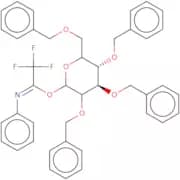
CAS:<p>Benzyl 2,3-O-[(1S,2S)-1,2-dimethoxy-1,2-dimethyl-1,2-ethanediyl]-b-D-arabinopyranoside is a modification of an oligosaccharide. It is a carbohydrate that is synthesized through the methylation and glycosylation of a monosaccharide. This product has high purity and CAS No. 887370-09-4. It is also fluorinated and saccharide.</p>Formula:C18H26O7Purezza:Min. 95%Peso molecolare:354.39 g/mol2,3,4,6-Tetra-O-benzyl-D-galactopyranosyl N-phenyl trifluoroacetimidate
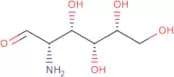
This product is a type of modification and has many uses in the industry. It is an oligosaccharide that is a carbohydrate and can be used as a complex carbohydrate. This product can also be synthesized, which is done by custom synthesis. The CAS Number for this product is 908-92-1, which means it has high purity. This product is also an oligosaccharide that is a carbohydrate and can be used as a complex carbohydrate. This product can also be synthesized, which is done by custom synthesis. The CAS Number for this product is 908-92-1, which means it has high purity.Formula:C42H40F3NO6Purezza:Min. 95%Peso molecolare:711.77 g/mol2-Amino-2-deoxy-D-idose
CAS:<p>2-Amino-2-deoxy-D-idose is a sugar that is found in the cell walls of bacteria. It has been shown to be an inhibitor of the enzymes that catalyze the acetylation and methylenecyclopropanes reactions, which are necessary for bacterial growth. 2-Amino-2-deoxy-D-idose binds to copper ions, preventing them from binding with the enzymes. This drug also chelates metals such as zinc, iron, and manganese to prevent their use by bacteria.</p>Formula:C6H13NO5Purezza:Min. 95%Peso molecolare:179.17 g/mol1,6-Anhydro-2-azido-4-O-benzyl-2-deoxy-b-D-glucopyranose
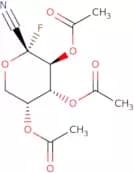
CAS:<p>1,6-Anhydro-2-azido-4-O-benzyl-2-deoxy-b-D-glucopyranose is a synthetic sugar that has been modified with a methyl group at the C6 position. This modification allows the sugar to be used in glycosylation reactions and as a site for Click modification. It is also an important building block for oligosaccharide synthesis. 1,6-Anhydro-2-azido-4-O-benzyl-2--deoxy--b--D--glucopyranose is available in high purity and can be custom synthesized to meet your needs. CAS No.: 55682 47 8</p>Formula:C13H15N3O4Purezza:Min. 95%Colore e forma:PowderPeso molecolare:277.28 g/mol2,3,4-Tri-O-acetyl-1-deoxy-1-fluoro-b-D-arabinopyranosyl cyanide
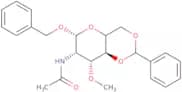
CAS:<p>2,3,4-Tri-O-acetyl-1-deoxy-1-fluoro-b-D-arabinopyranosyl cyanide is a high purity synthetic sugar that is custom synthesized to order. It has CAS No. 215942-92-0 and can be used for Click modification, fluorination, glycosylation, methylation and modification of oligosaccharides and monosaccharides. This compound has many uses in the synthesis of complex carbohydrates such as saccharides and oligosaccharides.</p>Formula:C12H14FNO7Purezza:Min. 95%Peso molecolare:303.24 g/molBenzyl 2-acetamido-4,6-O-benzylidene-2-deoxy-3-O-methyl-a-D-glucopyranoside
CAS:<p>Benzyl 2-acetamido-4,6-O-benzylidene-2-deoxy-3-O-methyl-aDglucopyranoside is a synthetic oligosaccharide with a complex carbohydrate structure. It is custom synthesized by glycosylation and polysaccharide modification to produce a high purity product. Click chemistry modifications, methylations, and fluorination are used for the synthesis of benzyl 2-acetamido-4,6-Obenzylidene -2deoxy -3OmethylaDglucopyranoside. The CAS number for this product is 116696–66–3.</p>Formula:C23H27NO6Purezza:Min. 95%Peso molecolare:413.46 g/mol2-Cyclohexylethyl-4-O-(a-D-glucopyranosyl)-b-D-glucopyranoside
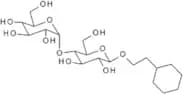
CAS:<p>Oroxylum indicum is a plant that belongs to the family Bignoniaceae. It has been used in traditional medicine for the treatment of cancer and has been shown to possess anti-inflammatory properties. The sequenced genome of Oroxylum indicum has provided a model system for understanding the molecular mechanisms underlying tumorigenesis. This plant contains a number of monoclonal antibodies, including one that is active against mouse monoclonal antibodies and inhibits tumor xenografts. The extract of this plant also inhibits influenza virus and polymerase chain reactions, which are important steps in protein synthesis. Oroxylum indicum may have therapeutic potential as an anti-cancer drug because it can inhibit solid tumours by interfering with protein synthesis.</p>Formula:C20H36O11Purezza:Min. 95%Colore e forma:PowderPeso molecolare:452.49 g/mol



![5-Deoxy-5-[di-(2-hydroxyethyl)-amino]-1,2-O-isopropylidene-a-D-xylofuranose](/_next/image/?url=https%3A%2Fstatic.cymitquimica.com%2Fproducts%2F3D%2Fthumb-webp%2FMD07492.webp&w=3840&q=75)



![3-[(2,3,4,6-Tetra-O-acetyl-b-D-glucopyranosyl)thio]-propanoic acid](/_next/image/?url=https%3A%2Fstatic.cymitquimica.com%2Fproducts%2F3D%2Fthumb-webp%2FMT01467.webp&w=3840&q=75)

![5-Deoxy-1,2-O-isopropylidene-5-[(2S-pyridin-2-yl-pyrrolidine)-1-yl]-a-D-xylofuranose](/_next/image/?url=https%3A%2Fstatic.cymitquimica.com%2Fproducts%2F3D%2Fthumb-webp%2FMD07490.webp&w=3840&q=75)





![O-(2-Azido-4,6-O-benzylidene-2-deoxy-a-D-galactopyranosyl)-N-[(9H-fluoren-9-ylmethoxy)carbonyl]-L-…](/_next/image/?url=https%3A%2Fstatic.cymitquimica.com%2Fproducts%2F3D%2Fthumb-webp%2FMA60610.webp&w=3840&q=75)
![Methyl 2,6-di-O-benzoyl-3,4-di-O-[bis(3,5-dimethylphenyl)]phosphino-a-D-glucopyranoside](/_next/image/?url=https%3A%2Fstatic.cymitquimica.com%2Fproducts%2F3D%2Fthumb-webp%2FMM166795.webp&w=3840&q=75)


![[1-13C]Maltose monohydrate](/_next/image/?url=https%3A%2Fstatic.cymitquimica.com%2Fproducts%2F3D%2Fthumb-webp%2FOM76731.webp&w=3840&q=75)





![Benzyl 2,3-O-[(1S,2S)-1,2-dimethoxy-1,2-dimethyl-1,2-ethanediyl]-b-D-arabinopyranoside](/_next/image/?url=https%3A%2Fstatic.cymitquimica.com%2Fproducts%2F3D%2Fthumb-webp%2FMB16615.webp&w=3840&q=75)