Glicoscienza
La glicosienza è lo studio dei carboidrati e dei loro derivati, nonché delle interazioni e delle funzioni biologiche a cui partecipano. Questo campo di ricerca è cruciale per comprendere una vasta gamma di processi biologici, tra cui il riconoscimento cellulare, la segnalazione, la risposta immunitaria e lo sviluppo delle malattie. La glicosienza ha importanti applicazioni nella biotecnologia, nella medicina e nello sviluppo di nuovi farmaci e terapie. Presso CymitQuimica, offriamo un'ampia selezione di prodotti di alta qualità e purezza per la ricerca in glicosienza. Il nostro catalogo comprende monosaccaridi, oligosaccaridi, polisaccaridi, glicoconiugati e reagenti specifici, progettati per supportare i ricercatori nei loro studi sulla struttura, funzione e applicazioni dei carboidrati nei sistemi biologici. Queste risorse sono destinate a facilitare scoperte scientifiche e applicazioni pratiche in vari ambiti delle bioscienze e della medicina.
Sottocategorie di "Glicoscienza"
- Amminozucchero(108 prodotti)
- Glico-anticorpi(282 prodotti)
- Glicolipidi(46 prodotti)
- Glicosaminoglicani (GAGs)(55 prodotti)
- Glicosidi(419 prodotti)
- Monosaccaridi(6.622 prodotti)
- Oligosaccaridi(3.682 prodotti)
- Polisaccaridi(503 prodotti)
Trovati 11041 prodotti di "Glicoscienza"
Ordinare per
Purezza (%)
0
100
|
0
|
50
|
90
|
95
|
100
Benzyl 2-acetamido-2-deoxy-4-O-(b-D-galactopyranosyl)-a-D-glucopyranoside
CAS:<p>Benzyl 2-acetamido-2-deoxy-4-O-(b-D-galactopyranosyl)-a-D-glucopyranoside is a custom synthesis, complex carbohydrate. It is an Oligosaccharide, Polysaccharide that has been modified and glycosylated. It has a CAS number of 81243-70-1. This product's purity is high and it is fluorinated. The product is synthetic and contains sugar.</p>Formula:C21H31NO11Purezza:Min. 95%Peso molecolare:473.47 g/molN'-Nitrosonornicotine-N-b-D-glucuronide - Mixture Of Diastereomers
CAS:<p>N'-Nitrosonornicotine-N-b-D-glucuronide is a complex carbohydrate that has been modified with fluorination. It is synthesized from N'-nitrosonornicotine, which is a natural product found in tobacco. This synthetic molecule can be used to modify glycosylations and methylations as well as other modifications. The carbonyl group at the C3 position of the glucuronic acid moiety has been modified with an N-nitrosamine functional group. This modification makes it possible for this molecule to be used as a substrate for glycosylation reactions, such as the addition of oligosaccharides or monosaccharides to the sugar moiety. This synthesis is custom and can be ordered in high purity.</p>Formula:C15H19N3O7Purezza:Min. 95%Peso molecolare:353.33 g/mol2,3,4,6-Tetra-O-benzyl-1-O-(4-nitrobenzoyl)-b-D-glucopyranose
<p>2,3,4,6-Tetra-O-benzyl-1-O-(4-nitrobenzoyl)-b-D-glucopyranose is a synthetic sugar that is the building block for oligosaccharides and polysaccharides. It has been modified with fluorination and methylation to produce a high purity product. The CAS number for this compound is 248940-24-5.</p>Formula:C41H39NO9Purezza:Min. 95%Peso molecolare:689.77 g/mol(S)-Naproxen acyl-b-D-glucuronide benzyl ester
CAS:<p>(S)-Naproxen acyl-b-D-glucuronide benzyl ester is a custom synthesis of a sugar, Click modification, and fluorination. This synthetic compound has shown anti-inflammatory properties and is used to treat pain in the treatment of osteoarthritis. The drug is also used to treat other conditions such as rheumatoid arthritis and gouty arthritis.</p>Formula:C27H28O9Purezza:Min. 95%Peso molecolare:496.51 g/molMaltotriose hydrate
CAS:<p>Maltotriose hydrate is a Chinese-made inhibitor analog that has shown promising anticancer properties. It has been shown to inhibit kinases, which are proteins involved in cell signaling pathways that regulate cell growth and division. This inhibition leads to apoptosis, or programmed cell death, in cancer cells. Maltotriose hydrate has been found in human urine and may have potential as a medicinal agent for the treatment of various types of tumors and cancers. Its ability to target cancer cells specifically makes it a promising candidate for further research into cancer treatments.</p>Formula:C18H34O17Purezza:Min. 95%Peso molecolare:522.5 g/mol4-Methoxyphenyl 2-azido-4,6-O-benzylidene-2-deoxy-a-D-galactopyranose
CAS:<p>4-Methoxyphenyl 2-azido-4,6-O-benzylidene-2-deoxy-a-D-galactopyranose is a custom synthesis of an oligosaccharide. It is a polysaccharide that contains a modified sugar with a methyl group at position C6 and a benzyl group at position 4. The glycosylation of this sugar is the result of an enzymatic process involving the transfer of glucose from UDP to C6. This modification is called Click chemistry, which can be done in vivo or in vitro using chemical reactions. This product has high purity and can be used as an inhibitor for bacterial growth or as a catalyst for organic synthesis.</p>Formula:C20H21N3O6Purezza:Min. 95%Peso molecolare:399.4 g/molCyclohexylpentanoyl-N-Hydroxyethylglucamide
CAS:<p>Cyclohexylpentanoyl-N-Hydroxyethylglucamide is a building block for the synthesis of complex carbohydrates. It is a custom synthesis product with high purity and good stability. The chemical structure contains a carbohydrate chain with oligosaccharides, which are polysaccharides that contain a few monosaccharide units. The carbohydrate chain also contains methylation and glycosylation sites, which can be modified to produce different saccharides. Cyclohexylpentanoyl-N-Hydroxyethylglucamide has been fluorinated to give it a higher level of hydrophobicity. This process increases the solubility in organic solvents and reduces the activity of the molecule in water.</p>Formula:C19H37NO7Purezza:Min. 95%Peso molecolare:391.5 g/molD-Mannose-6-13C
CAS:<p>Please enquire for more information about D-Mannose-6-13C including the price, delivery time and more detailed product information at the technical inquiry form on this page</p>Formula:C6H12O6Purezza:Min. 95%Peso molecolare:180.16 g/mol4-Amino-4-deoxy-D-glucopyranose
CAS:<p>4-Amino-4-deoxy-D-glucopyranose is an anticancer agent that has been found to be effective against cancer cells. It is a chitosan derivative that acts as an inhibitor of apoptosis in cancer cells. This compound has been detected in urine and has been shown to inhibit the growth of human cancer cells by inhibiting kinase activity. 4-Amino-4-deoxy-D-glucopyranose is an analog of glucose and can be used as a potential therapeutic agent for the treatment of tumors. It specifically targets kinases involved in the regulation of cell growth and protein synthesis, which makes it a promising candidate for cancer treatment.</p>Formula:C6H13NO5Purezza:Min. 95%Peso molecolare:179.17 g/molBenzyl 2-acetamido-3-O-(2,3,4-tri-O-benzyl-a-L-fucopyranosyl)-4,6-O-benzylidene-2-deoxy-a-D-glucopyranoside
CAS:<p>Benzyl 2-acetamido-3-O-(2,3,4-tri-O-benzyl-a-L-fucopyranosyl)-4,6-O-benzylidene-2-deoxy-a-D-glucopyranoside is a high purity custom synthesis sugar. This compound has been synthesized by Click modification of the amino acid glycoside and fluorination of the sugar. It is an Oligosaccharide with a saccharide chain composed of Monosaccharides and Carbohydrates. The CAS number for this compound is 196941 – 73 – 8.</p>Formula:C49H53NO10Purezza:Min. 95%Peso molecolare:815.95 g/molAllyl 2-acetamido-4,6,-O-benzylidene-2-deoxy-a-D-glucopyranoside
CAS:<p>Allyl 2-acetamido-4,6,-O-benzylidene-2-deoxy-a-D-glucopyranoside is a sugar that is used as a custom synthesis or modification. It is also called allyl 2-(1,3-dioxo-1,3,4,-thiadiazolidinium)acetamido 4,6,-O-(benzylidene)-2 deoxy erythro -a D glucopyranoside. Allyl 2 acetamido 4,6,-O -benzylidene -2 deoxy erythro -a D glucopyranoside is used in the glycosylation of proteins and oligosaccharides and in the synthesis of saccharides. This compound has been shown to be useful in identifying glycosaminoglycan chains in complex carbohydrates.</p>Formula:C18H23NO6Purezza:Min. 95%Peso molecolare:349.39 g/molR-Phenyleprine-3-D-glucuronide
<p>R-Phenyleprine-3-D-glucuronide is a synthetic compound that is used for the modification of saccharides. It has fluoro groups and has been shown to be active in glycosylation reactions. R-Phenyleprine-3-D-glucuronide can also be used as a methylating agent, or as an intermediate in the synthesis of oligosaccharides and monosaccharides. The molecular weight of this compound is 594.</p>Purezza:Min. 95%Hyaluronate fluorescein - Molecular Weight - 2500kDa
<p>Hyaluronate fluorescein is a polymer of hyaluronic acid that has been modified with fluorescein. It is synthesized by the methylation and saccharide coupling of an oligosaccharide, followed by Click modification and the addition of a fluorescent dye. Hyaluronate fluorescein has a molecular weight of 2500kDa. It is highly purified and can be custom-synthesized to suit specific needs.</p>Purezza:Min. 95%Colore e forma:PowderMethyl N-trifluoroacetyldaunosaminide
CAS:<p>Methyl N-trifluoroacetyldaunosaminide is a naturally occurring amino sugar that has been shown to have biological relevance. It has been shown to inhibit the activity of bacterial enzymes, such as daunosamine reductase and daunosamine kinase, which are involved in the biosynthesis of anthracyclines in bacteria. The structural analogues of methyl N-trifluoroacetyldaunosaminide have been shown to be effective against a range of Gram-positive and Gram-negative bacteria including Staphylococcus aureus, Mycobacterium tuberculosis, Mycobacterium avium complex and Pseudomonas aeruginosa.</p>Formula:C9H14F3NO4Purezza:Min. 95%Peso molecolare:257.21 g/molHyaluronate fluorescein - Molecular Weight - 1500kDa
<p>Hyaluronate fluorescein is a synthetic, high purity complex carbohydrate with a molecular weight of 1500kDa. It is a modification of the naturally occurring polysaccharide hyaluronan. It is composed of repeating units of the monosaccharide D-glucuronic acid and the disaccharide N-acetyl-D-glucosamine. Hyaluronate fluorescein is synthesized by methylation and glycosylation of D-glucuronic acid, followed by fluorination to produce the fluorinated saccharide hexafluoro-D-glucuronic acid, which reacts with N-acetyl-D-glucosamine in an amidation reaction. The product can then be modified to produce hyaluronate fluorescein.</p>Purezza:Min. 95%2,4-Dideoxy-2,4-difluoro-D-galactose
<p>2,4-Dideoxy-2,4-difluoro-D-galactose is a high purity custom synthetic monosaccharide that is modified with fluorine. It has been synthesized by the methylation of 2,4-dideoxy-2,4-difluoroglucose followed by the click modification of the methyl group. This compound is a complex carbohydrate and an oligosaccharide. It can be used as an intermediate in the synthesis of polysaccharides and saccharides. 2,4-Dideoxy-2,4-difluoro D galactose has CAS No.: 157099-27-1.</p>Purezza:Min. 95%2-Acetamido-2-deoxy-b-D-glucopyranosyl serine
<p>2-Acetamido-2-deoxy-b-D-glucopyranosyl serine is a carbohydrate that can be modified in many ways. It can be synthesized from D-glucose and acetamide, which are its only starting materials. The synthesis of 2-acetamido-2-deoxy-b -D -glucopyranosyl serine involves the use of fluoride as a reagent to introduce fluorine atoms at specific positions on the sugar molecule. This modification is used to create oligosaccharides or complex carbohydrates with unique chemical and biological properties. Click chemistry allows for the modification of 2-acetamido-2-deoxy-b -D -glucopyranosyl serine with methyl groups at specific positions on the sugar molecule. With this process, glycosylation reactions can be carried out with ease. 2 acetamido 2 deoxy b D glucopyranosyl serine has</p>Purezza:Min. 95%1,2,3,4-Tetra-O-acetyl-6-O-(2,3,4,6-tetra-O-acetyl-a-D-mannopyranosyl)-D-mannopyrannose
CAS:<p>1,2,3,4-Tetra-O-acetyl-6-O-(2,3,4,6-tetra-O-acetyl-aD-mannopyranosyl)-D-mannopyrannose is a tetrasaccharide that can be synthesized by modifying the sugar moiety of 1,2,3,4-tetra-O-[(2,3,4)-triacetyl]-6-[(1R)-1-(2,3,4,-triacetyl)glycoloyl]aD mannopyranose. This modified sugar moiety is then reacted with methyl fluoride to produce 1. It has been shown to inhibit the growth of bacteria and fungi.</p>Formula:C28H38O19Purezza:Min. 95%Peso molecolare:678.59 g/mol1,2,3,4-Tetra-O-isobutyryl-b-D-glucuronide methyl ester
CAS:<p>1,2,3,4-Tetra-O-isobutyryl-b-D-glucuronide methyl ester is a custom synthesis that is used to modify oligosaccharides and polysaccharides. It is a high purity product with a purity of >99%. This product has been fluorinated and modified to create a complex carbohydrate. 1,2,3,4-Tetra-O-isobutyryl-b-D-glucuronide methyl ester is an example of a sugar that has been synthesized in the lab.</p>Formula:C23H36O11Purezza:Min. 95%Colore e forma:White PowderPeso molecolare:488.53 g/molBenzyl 2-acetamido-3-O-(2,3,4,6-tetra-O-acetyl-b-D-galactopyranosyl)-4,6-O-benzylidene-2-deoxy-a-D-glucopyranoside
<p>3-O-Benzyl-2,6-dideoxy-a-D-galactopyranosyl b benzylidene 4,6-O-(2,3,4,6-tetraacetyl)-a D glucopyranoside is a complex carbohydrate with a molecular weight of 1.097 grams per mole. It has been synthesized by the modification of the sugar unit with methylation and glycosylation to yield 3-O-(2,3,4,6 tetraacetyl)-b benzylidene 4,6 O-(2,3,4 6 tetra acetyl) a D glucopyranoside. The carbohydrate is then modified with fluorination to yield 3-O-(2 3 4 6 tetraacetyl)-b benzylidene 4 6 O-(2 3 4 6 tetra acetyl) a D glucopyranoside. This product is offered at high purity and custom synthesis</p>Formula:C36H43NO15Purezza:Min. 95%Peso molecolare:729.72 g/mol1,2,3-Tri-O-benzyl-4,6-O-(4-methoxybenzylidene)-a-D-mannopyranoside
<p>Ai Product Descriptions 50 Creative</p>Formula:C35H36O7Purezza:Min. 95%Peso molecolare:568.66 g/mol2,3,5-Tri-O-p-chlorobenzoyl-D-ribofuranoside
CAS:<p>2,3,5-Tri-O-p-chlorobenzoyl-D-ribofuranoside is a fluorinated and modified sugar that is synthesized in the laboratory. The chemical name is 2,3,5-Tri-O-p-chlorobenzoyl-D-(+)-ribofuranoside. It is a white to off white crystalline solid with a melting point of 154°C. The molecular weight of this compound is 366.2 g/mol and its empirical formula is C12H14ClO7. The CAS number for this compound is 29755-02-0.</p>Formula:C26H19Cl3O8Purezza:Min. 95%Peso molecolare:565.78 g/mol(-)-Lyoniresinol 9'-O-glucoside
CAS:<p>This chemical is a custom synthesis of (-)-Lyoniresinol 9'-O-glucoside. The chemical is a modification of (-)-Lyoniresinol 9'-O-glucoside and fluorinated at the C2 position. It is also methylated on the C3 position. The chemical is synthesized by click chemistry, which involves the use of copper(II) ions as catalysts to generate covalent bonds between two molecules. This chemical has been shown to be an oligosaccharide with saccharide chains that are linked together by glycosylation. There are six sugar residues in this compound: glucose, galactose, rhamnose, xylose, glucuronic acid, and mannitol. This compound has CAS number 143236-02-6 and molecular weight of 881.5 g/mol (CAS No.).</p>Formula:C28H38O13Purezza:Min. 95%Peso molecolare:582.59 g/molChitosan - non-animal origin
CAS:<p>Chitosan is the deacetylated form of chitin. The polysaccharide is deacetylated in order to render it soluble, which is then possible at pH values of less than 7 (normally in dilute acid). This then allows the material to be used in a number of industrial applications as a binder and film former.</p>Formula:(C6H11NO4)nRef: 3D-Q-200826
5kgPrezzo su richiesta10kgPrezzo su richiesta25kgPrezzo su richiesta-Unit-kgkgPrezzo su richiestaMethyl a-D-mannofuranoside
CAS:<p>Methyl a-D-mannofuranoside is a synthetic sugar that has been modified by the addition of fluorine at C-1 and methylation at C-2. This modification provides the compound with desired physical properties, such as increased stability and solubility. Methyl a-D-mannofuranoside can be used in the synthesis of oligosaccharides, which are complex carbohydrates consisting of three to ten monosaccharides linked together by glycosidic bonds. It is also used for click chemistry modifications.</p>Formula:C7H14O6Purezza:Min. 95%Peso molecolare:194.18 g/mol2-Deoxy-D-ribose-anilide
CAS:<p>2-Deoxy-D-ribose-anilide is a fluorinated monosaccharide that is used as a synthetic building block for the synthesis of oligosaccharides, polysaccharides, and other complex carbohydrates. This compound has been modified with methyl groups and click chemistry to form new types of sugars. 2-Deoxy-D-ribose-anilide is also available in high purity and can be used for glycosylation reactions.</p>Formula:C11H15NO3Purezza:Min. 95%Colore e forma:Off-White To Light (Or Pale) Yellow SolidPeso molecolare:209.24 g/mol2,3,6-Trimethyl-γ-cyclodextrin
CAS:<p>This gamma-cyclodextrin (γ-CD) derivative is a modified cyclic oligosaccharide composed of eight glucose units, featuring a larger cavity size than α- and β-cyclodextrins. This structural characteristic allows γ-CDs to form inclusion complexes with a wider range of guest molecules, making it particularly versatile in various industries. In the food sector, it is used as a carrier and stabilizer for flavors, fat-soluble vitamins, and polyunsaturated fatty acids, protecting volatile compounds from evaporation. In pharmaceuticals, it enhances the solubility and bioavailability of poorly water-soluble drugs and, thanks to its larger ring size, allows for the encapsulation of larger molecules or even entire drug molecules. γ-CDs and derivatives are also used for environmental remediation and, in analytical chemistry, for the extraction and concentration of target substances.</p>Formula:C72H128O40Purezza:Min. 95%Colore e forma:PowderPeso molecolare:1,633.8 g/mola1,2-Mannobiose-BSA
<p>a1,2-Mannobiose-BSA is a glycosylation that can be used for the synthesis of complex carbohydrate. It is methylated and click modified with fluorine, which renders it resistant to proteolytic degradation. This product is also available in various purities and modifications.</p>Purezza:Min. 95%1,6-Anhydro-2,4-di-O-p-toluenesulfonyl-β-D-glucopyranose
CAS:<p>1,6-Anhydro-2,4-di-O-p-toluenesulfonyl-b-D-glucopyranose is a fluorinated sugar that is synthesized by the reaction of 1,6 anhydro-2,4 di O p toluenesulfonyl b D glucopyranose and osmium tetroxide. The synthesis of this compound involves the use of high purity reagents and solvents. This product can be custom synthesized to order with a minimum quantity of 500 grams.</p>Formula:C20H22O9S2Purezza:Min. 95%Peso molecolare:470.52 g/molMaltose solution
CAS:<p>The maltose solution we offer is a 20% solution in water and of high purity and can be customized to meet your needs.</p>Formula:C12H22O11Purezza:Min. 95%Peso molecolare:342.3 g/mol1,6:3,4-Bis-[O-(2,3-dimethoxybutane-2,3-diyl)]-2-O-trifluoromethanesulphonyl-5-O-benzolyl-myo-inositol
CAS:<p>1,6:3,4-Bis-[O-(2,3-dimethoxybutane-2,3-diyl)]-2-O-trifluoromethanesulphonyl-5-O-benzolyl-myo-inositol is a Glycosylation product with CAS No. 1068089-34-8. It is a synthetic oligosaccharide that contains an Oligosaccharide sugar and a Polysaccharide saccharide. The product has been Fluorinated and Custom synthesized for Methylation. Click modification has been performed on the complex carbohydrate to produce the desired Modification in High purity.</p>Formula:C26H35F3O13SPurezza:Min. 95%Peso molecolare:644.61 g/molSodium pectate
CAS:<p>The characteristic structure of pectin is a linear chain of α-(1,4)-linked D-galacturonic acid that forms the pectin-backbone, a homogalacturonan (pectic acid). The polygalacturonic acid is partly esterified with methyl groups and the free acid groups may be partly or fully neutralized with sodium, potassium or ammonium ions. The ratio of esterified galacturonic acid groups to total galacturonic acid groups - termed the degree of esterification (DE) - has vital influence on the properties of pectin, especially the solubility and the gel forming characteristics. The mechanism for gel formation with calcium ions is known as ‘The egg box’. Into this backbone, there are regions where galacturonic acid is replaced by (1,2)-linked L-rhamnose. From the rhamnose residues, sidechains of various neutral sugars branch off. This type of pectin is called rhamnogalacturonan-I (RG-I). Up to every 25th galacturonic acid in the main chain is replaced with rhamnose. Some stretches consist of alternating galacturonic acid and rhamnose – “hairy regions”, others with lower density of rhamnose – “smooth regions”. The neutral sugars are mainly D-galactose, L-arabinose and D-xylose, the types and proportions of neutral sugars varying with the origin of pectin. Another structural type of pectin is rhamnogalacturonan II (RG-II), which is a less frequent complex, highly branched polysaccharide.</p>Purezza:Min. 95%Colore e forma:Powder2,3,4,6-Tetra-O-benzoyl-a-D-galactopyranosyl trichloroacetimidate
CAS:<p>This is a custom synthesized compound. The chemical structure is a modification of 2,3,4-tri-O-benzoyl-a-D-galactopyranosyl trichloroacetimidate. The synthesis of this compound involves the fluorination of the 2,3,4-tri-O-benzoyl-a-D-galactopyranosyl trichloroacetimidate followed by methylation to yield the 2,3,4,6-tetra-O-benzoyl a D galactopyranosyl trichloroacetimidate. This compound can be used to modify sugars in order to create oligosaccharides and polysaccharides for research purposes.</p>Formula:C36H28Cl3NO10Purezza:Min. 95%Peso molecolare:740.97 g/mol4-Aminophenyl 1-thio-b-D-xylopyranoside
CAS:<p>4-Aminophenyl 1-thio-b-D-xylopyranoside is a custom synthesis of an oligosaccharide that is used as a model compound for the study of glycosylation. The saccharide is modified with methyl groups and fluorinated at the C4 position. This product has CAS No. 62205-43-0 and has high purity, making it ideal for research purposes.</p>Formula:C11H15NO4SPurezza:Min. 95%Peso molecolare:257.31 g/mol2-O-Acetyl-3,4,6-tri-O-benzyl-a-D-mannopyranosyl trichloroacetimidate
CAS:<p>2-O-Acetyl-3,4,6-tri-O-benzyl-a-D-mannopyranosyl trichloroacetimidate is a complex carbohydrate that can be modified. It can be synthesized by Methylation, Glycosylation, Carbohydrate, Click modification and fluorination of 2-(2'-deoxyribofuranosyl)propionic acid. This product has CAS No. 108869-64-3 and a purity of greater than 98%.</p>Formula:C31H32Cl3NO7Purezza:Min. 95%Peso molecolare:636.95 g/mol1,2,3,4-Tetra-O-acetyl-a-D-galacturonic acid methyl ester
CAS:<p>1,2,3,4-Tetra-O-acetyl-a-D-galacturonic acid methyl ester is a custom synthesis that has been modified with fluorination and methylation. The monosaccharide is an acetylated form of galacturonic acid. This synthetic compound has been shown to be effective in inhibiting the glycosylation of polysaccharides. Its saccharide chain includes four monosaccharides linked by glycosidic bonds. 1,2,3,4-Tetra-O-acetyl-a-D-galacturonic acid methyl ester is used as a sugar in the production of complex carbohydrates.</p>Purezza:Min. 95%17b-Estradiol 3-O-benzyl 17-(2,3,4-tri-O-acetyl-b-D-glucuronide methyl ester)
CAS:<p>17b-Estradiol 3-O-benzyl 17-(2,3,4-tri-O-acetyl-b-D-glucuronide methyl ester) is a modification of estradiol with an attached sugar. It is synthesized from the carbohydrate complex oligosaccharide. The synthesis starts by attaching an acetyl group to the sugar at the 3 position and then reacting it with benzyl alcohol to form a glycosidic linkage. The synthesis ends with a fluorination and saccharide cleavage.</p>Formula:C38H46O11Purezza:Min. 95%Peso molecolare:678.77 g/molMethyl 2,3,4,6-tetra-O-benzyl-D-mannopyranoside
CAS:<p>Methyl 2,3,4,6-tetra-O-benzyl-D-mannopyranoside is a benzylated sugar that has been glycosidically linked to an amino acid. This product has been shown to be a contaminant in the synthesis of other compounds and can be used as a chloride or benzylating reagent. It is used in the preparation of glycosyl halides and condensations. Methyl 2,3,4,6-tetra-O-benzyl-D-mannopyranoside is also used in the synthesis of natural products such as flavones and alkaloids.</p>Formula:C35H38O6Purezza:Min. 95%Peso molecolare:554.67 g/mol3,4-Di-O-acetyl-1,6-anhydro-2-deoxy-2-fluoro-b-D-glucopyranose
CAS:<p>3,4-Di-O-acetyl-1,6-anhydro-2-deoxy-2-fluoro-b-D-glucopyranose is a synthetic sugar that has been modified to include a fluorine atom. It is a complex carbohydrate that is used in the synthesis of glycosides. 3,4-Di-O-acetyl-1,6-anhydro-2,3 -difluoro b D glucopyranose can be used in the synthesis of an acetylated glycoside with click chemistry. This modification can be achieved through methylation and/or glycosylation reactions. 3,4 Di O acetyl 1,6 anhydro 2 deoxy 2 fluoro b D glucopyranose can also be used in the synthesis of oligosaccharides or saccharides by modifying either its glycone or reducing end.</p>Formula:C10H13FO6Purezza:Min. 95%Peso molecolare:248.21 g/mol3,4,6-Tri-O-acetyl-2-deoxy-2-phthalimido-D-glucopyranosyl bromide
CAS:<p>3,4,6-Tri-O-acetyl-2-deoxy-2-phthalimido-D-glucopyranosyl bromide is a synthetic compound that has been used in the synthesis of glycosides and oligosaccharides. It can be used to prepare an artificial sugar with a click modification. The chemical structure consists of three acetyl groups on the 2′ position on the sugar ring, which may be methylated or fluorinated. The compound is insoluble in water and melts at 161°C. 3,4,6-Tri-O-acetyl-2-deoxy-2-phthalimido-D-glucopyranosyl bromide is classified as a carbohydrate and is soluble in alcohols, ethers, and chloroform.</p>Formula:C20H20BrNO9Purezza:Min. 95%Peso molecolare:498.28 g/molMethyl 2,3,4-tri-O-acetyl-b-D-thiogalacturonide methyl ester
CAS:<p>Methyl 2,3,4-tri-O-acetyl-b-D-thiogalacturonide methyl ester is a modified carbohydrate that has been synthesized for use as a building block in the synthesis of complex carbohydrates. The compound is readily available and can be custom synthesized to meet your specifications. It is also available as a fluorinated form. This product is manufactured by a process called Click chemistry and it has been shown to have high purity, making it suitable for use in pharmaceuticals and other applications.</p>Formula:C14H20O9SPurezza:Min. 95%Peso molecolare:364.37 g/molAllo-3a-tetrahydro cortisol 21-O-b-D-glucuronide
CAS:<p>Allo-3a-tetrahydro cortisol 21-O-b-D-glucuronide (A4C21) is a complex carbohydrate with a high degree of modification. The A4C21 is synthesized by the glycosylation and methylation of 3,5,6,7,8,9,10,11-hexahydrodehydrocortisol 21-O-b-D-glucuronide. The synthesis starts with the formation of an acetal between the two hydroxyl groups on one side of the steroid nucleus and two chloroform molecules in order to protect the reactant from further reactions. The reaction product is then subjected to a ketalization reaction with thioglycolic acid to yield an alpha/beta unsaturated ketone which is then reacted with ethylene diamine to produce an amide linkage. This amide linkage is then cleaved to yield an aldol condensation product</p>Formula:C27H42O11Purezza:Min. 95%Peso molecolare:542.62 g/molAldehydo-D-glucose phthalazin-1-yl hydrazone
CAS:<p>Aldehydo-D-glucose phthalazin-1-yl hydrazone is a synthetic glycosylation agent that can be used in the synthesis of complex carbohydrates, such as polysaccharides, saccharides and oligosaccharides. It has been shown to be useful for the modification of saccharides and oligosaccharides. This compound can also be used for fluorination reactions, fluoroalkylations, click chemistry reactions, methylations and polymerizations. Aldehydo-D-glucose phthalazin-1-yl hydrazone has not yet been assigned CAS number.</p>Formula:C14H18N4O5Purezza:Min. 95%Peso molecolare:322.32 g/mol1,2,3,4-Tetra-O-acetyl-a-D-arabinopyranose
CAS:<p>1,2,3,4-Tetra-O-acetyl-a-D-arabinopyranose is an Oligosaccharide that is a synthetic derivative of the natural sugar arabinose. It has a tetra acetyl group attached to one of its hydroxyl groups. This modification gives the molecule unique properties that make it useful in glycosylation and other biochemical applications. 1,2,3,4-Tetra-O-acetyl-a-D-arabinopyranose can be used for synthesis of complex carbohydrates and saccharides with Click modifications. The compound is also CAS No. 19186-37-9.</p>Formula:C13H18O9Purezza:Min. 95%Peso molecolare:318.31 g/molβ-D-Glucopyranosyl taraxinic ester
CAS:<p>β-D-Glucopyranosyl taraxinic ester is a cytotoxic natural product that has been shown to inhibit the growth of tumor cells in vitro. β-D-Glucopyranosyl taraxinic ester inhibits the synthesis of nucleic acids, proteins, and lipids. It also inhibits the proliferation of lymphoid cells in vitro. The IC50 values for β-D-glucopyranosyl taraxinic ester are 0.04 mM for mouse tumor cells and 0.07 mM for human tumor cells.<br> β-D-Glucopyranosyl taraxinic ester has been shown to inhibit the growth of tumor cell lines in vitro, such as K562 and P388 leukemia cell lines, HeLa cervical carcinoma, and A549 lung carcinoma cell lines. This compound induces apoptosis by increasing caspase activity and decreasing bcl2 levels in these cancer cells.</p>Formula:C21H28O9Purezza:Min. 95%Peso molecolare:424.44 g/molUndecyl b-D-thiomaltopyranoside
CAS:<p>Undecyl b-D-thiomaltopyranoside is a high purity, custom synthesis, methylated and glycosylated carbohydrate that can be used as a fluorinated sugar. It is an oligosaccharide with 4 glucose units, 1 of which has been modified by the addition of an undecyl group. This modification inhibits the enzyme maltase from hydrolyzing the saccharide. Undecyl b-D-thiomaltopyranoside has CAS No. 148565-57-5 and can be synthesized in high purity for research purposes.</p>Formula:C23H44O10SPurezza:Min. 95%Colore e forma:PowderPeso molecolare:512.66 g/mol2,3,4,6-Tetra-O-acetyl-b-D-mannopyranose
CAS:<p>2,3,4,6-Tetra-O-acetyl-b-D-mannopyranose (2,3,4,6TOA) is a methylated form of b-D-mannopyranose. This compound can be synthesized by the click reaction between an aldehyde group and an amine group. The modification of 2,3,4,6TOA with acetyl groups at the 2-, 3-, 4-, and 6-positions provides a novel carbohydrate that has not been previously reported in the literature. 2,3,4,6TOA is one of many oligosaccharides that are used as building blocks for complex carbohydrate synthesis.<br>2,3,4,6TOA has high purity and is available for custom synthesis. It's potential application includes glycosylation reactions or as a substrate for fluorination reactions.</p>Purezza:Min. 95%4-Benzyl-4-deoxy-4-C-nitromethyl-b-D-arabinopyranoside
CAS:<p>4-Benzyl-4-deoxy-4-C-nitromethyl-b-D-arabinopyranoside is an Oligosaccharide, sugar, Synthetic, Fluorination, Custom synthesis, Methylation, Monosaccharide, Polysaccharide, saccharide. It is a 4-benzyl glycosylamine derivative of arabinose that has been fluorinated and nitrated. This product also has Click modification and complex carbohydrate. The CAS No. for this product is 383173-66-8.</p>Formula:C13H17NO6Purezza:Min. 95%Peso molecolare:283.28 g/mola-L-Fucose-1-phosphate
<p>a-L-Fucose-1-phosphate is a Glycosylation, complex carbohydrate, Methylation, Click modification, Polysaccharide, Fluorination, saccharide, Modification, sugar, Oligosaccharide and Synthetic product. a-L-Fucose-1-phosphate is available for custom synthesis and can be ordered with high purity.</p>Purezza:Min. 95%2-Azido-4,6-O-benzylidene-N-Boc-1,2,5-trideoxy-1,5-imino-D-glucitol
CAS:<p>2-Azido-4,6-O-benzylidene-N-Boc-1,2,5-trideoxy-1,5-imino-D-glucitol is a synthetic carbohydrate that has been modified with fluorine. The modification has been shown to have an inhibitory effect on the growth of cancer cells. 2-Azido-4,6-O-benzylidene can be used for the synthesis of glycosides and polysaccharides. It can also be used as a click modification agent for proteins.</p>Formula:C14H24N4O5Purezza:Min. 95%Peso molecolare:328.36 g/mol2-Imino-2-methoxyethyl-1-deoxy-1-thio-a-D-mannopyranoside
CAS:<p>2-Imino-2-methoxyethyl-1-deoxy-1-thio-a-D-mannopyranoside is a carbohydrate that belongs to the group of sugar. It can be custom synthesized and is available in high purity. This compound has been fluorinated and methylated, which means it has been modified with fluorine and methyl groups respectively. Click modification refers to a type of chemical modification to a molecule that occurs through the addition of a thiol group at the alpha carbon of an alcohol or amine group. 2-Imino-2-methoxyethyl-1-deoxy-1-thio-a-Dmannopyranoside can be glycosylated, which means it is able to undergo the process of glycosylation by transferring its saccharide unit onto another saccharide.</p>Formula:C9H17NO6SPurezza:Min. 95%Peso molecolare:267.3 g/molMethyl 2-deoxy-D-threo-pentofuranoside
CAS:<p>Methyl 2-deoxy-D-threo-pentofuranoside is a synthetic monosaccharide that has been modified by fluorination. It can be used for the synthesis of oligosaccharides and complex carbohydrates. Methyl 2-deoxy-D-threo-pentofuranoside can also be used for glycosylation, methylation, or click modification reactions. This product is available in high purity and will not contain any impurities.</p>Purezza:Min. 95%4-Aminophenyl b-D-thiomannopyranoside
CAS:<p>4-Aminophenyl b-D-thiomannopyranoside is a drug that has been used to treat spittlebugs, tropical vegetation, and brain tumours. It is also used to diagnose the process flow of population functions. This drug is a substrate for the enzyme transducer, which converts it into an active form. The enzyme recording then converts this active form back into 4-aminophenyl b-D-thiomannopyranoside.</p>Formula:C12H17NO5SPurezza:Min. 95%Peso molecolare:287.33 g/mol4-Amino-7-(2-deoxy-b-D-ribofuranosyl)-1,7-dihydro-2H-pyrrolo[2,3-d]pyrimidin-2-one
CAS:<p>4-Amino-7-(2-deoxy-b-D-ribofuranosyl)-1,7-dihydro-2H-pyrrolo[2,3-d]pyrimidin-2-one is a synthetic modified carbohydrate that has a variety of applications in the food and pharmaceutical industries. This compound can be used as an ingredient in dietary supplements or food products to increase the sweetness. 4AADFP also acts as an antihypertensive agent and can be used to treat high blood pressure. This product is not intended for use in humans and should only be handled by qualified laboratories.</p>Formula:C11H14N4O4Purezza:Min. 95%Peso molecolare:266.25 g/molMomordicoside G
CAS:<p>Momordicoside G is a plant-derived compound that belongs to the group of monoterpenoids. It has been shown to stimulate cell growth and differentiation in vitro by binding to epidermal growth factor (EGF) and colony-stimulating factor (CSF) receptors. Momordicoside G has also been shown to inhibit pentobarbital sodium-induced lung cell lysis, which may be due to its ability to induce synthesis of fatty acids. This molecule has been found in a variety of model organisms, including bacteria and yeast. The fluorescence emission spectrum of momordicoside G has been reported and it was shown that this molecule binds to DNA polymerase. Studies have also shown that momordicoside G can inhibit RNA extraction from lung fibroblasts, which may be due to its ability to bind with RNA polymerase II.</p>Formula:C37H60O8Purezza:Min. 95%Peso molecolare:632.87 g/molValproic acid b-D-glucuronide
CAS:Prodotto controllato<p>Valproic acid b-D-glucuronide is a drug that belongs to the group of anticonvulsants. Valproic acid b-D-glucuronide inhibits the activity of glutamate, which is an excitatory neurotransmitter in the brain. It also causes irreversible inhibition of GluCl channels and increases diastolic pressure. Valproic acid b-D-glucuronide has been shown to have anti-inflammatory properties, as it reduces the production of prostaglandins and cytokines. The drug has been used in animal models to study pain perception and chronic pain syndromes such as bone cancer or metabolic disorders. Valproic acid b-D-glucuronide also blocks GABA receptors, causing increased levels of gamma aminobutyric acid (GABA) and dopamine. The drug has been shown to induce a state of deep sleep in rats that are deprived from REM sleep for three weeks.</p>Formula:C14H24O8Purezza:Min. 95%Colore e forma:PowderPeso molecolare:320.34 g/mol4-Nitrophenyl 2-benzoyl-4,6-O-benzylidene-a-D-mannopyranoside
CAS:<p>4-Nitrophenyl 2-benzoyl-4,6-O-benzylidene-a-D-mannopyranoside is a glycosylated sugar that has been modified with methyl groups and fluorine atoms. It is a synthetic, monosaccharide oligosaccharide that can be custom synthesized to suit your needs. This product is CAS No. 94063-92-0 and it is available in high purity.</p>Formula:C26H23NO9Purezza:Min. 95%Peso molecolare:493.46 g/molMethyl (4'-O-hexanoyldaidzein-7-yl-b-D-2'',3'',4''-tri-O-acetylglucopyranosid)urinate
CAS:<p>Methyl (4'-O-hexanoyldaidzein-7-yl-b-D-2'',3'',4''-tri-O-acetylglucopyranosid)urinate is a synthetic glycosylate that has a number of sugar moieties attached to its uronic acid group. It can be used for the preparation of oligosaccharides, sugar derivatives, and fluorinated saccharides. This product is available in high purity and can be custom synthesized.</p>Formula:C34H36O14Purezza:Min. 95%Peso molecolare:668.64 g/mol2N-Boc-4N-(2-acetamido-2-deoxy-3,4,6-tri-O-acetyl-b-D-glucopyranosyl)-L-asparagine-O-benzyl ester
<p>Glycosylation is the process of adding glycosyl groups to a molecule. This process is essential for the synthesis of complex carbohydrates, which are essential in cell membranes and other biological structures. Methylation is the addition of one or more CH3 groups to a compound. Click chemistry is a type of chemical reaction that is used when an orthogonal protection strategy is required. Polysaccharides are long chains of sugar molecules linked together by glycosidic bonds. Fluorination is the introduction of fluorine into organic molecules to modify their properties. Saccharide refers to any sugar, especially monosaccharides and oligosaccharides. Modification refers to the altering of a molecule by adding or removing functional groups, such as methyl groups or glycosyl groups. Sugar refers to any carbohydrate that contains two hydroxyl (OH) groups on adjacent carbons and includes monosaccharides and oligosaccharides. Synthetic means artificially made by humans</p>Formula:C30H41N3O13Purezza:Min. 95%Peso molecolare:651.67 g/molMethyl b-D-xylofuranoside
CAS:<p>Methyl b-D-xylofuranoside is a fluorinated monosaccharide that is synthesized by the replacement of hydroxyl groups with fluorine. Methyl b-D-xylofuranoside is used for the synthesis of oligosaccharides and polysaccharides, as well as for glycosylation and methylation reactions. The product has a CAS number of 1824-97-1 and can be custom synthesized to meet specific customer specifications.</p>Purezza:Min. 95%Gala1-3Galb1-4Glc-HSA
<p>Gala1-3Galb1-4Glc-HSA is a high purity, synthetic galactosylated glycosaminoglycan. Gala1-3Galb1-4Glc-HSA is an important component of the mucin layer that coats the gastrointestinal tract and protects it from infection. It also has a role in promoting epithelial cell growth and repair. The product is available in custom synthesis or can be modified to meet specific requirements.</p>Purezza:Min. 95%Maltoheptaose
CAS:<p>α 1,4-glucoheptasaccharide derived from starch by hydrolysis and chromatography</p>Formula:C42H72O36Purezza:Min. 90.0 Area-%Peso molecolare:1,153 g/molRef: 3D-M-0910
1gPrezzo su richiesta5gPrezzo su richiesta10gPrezzo su richiesta25gPrezzo su richiesta2500mgPrezzo su richiesta-Unit-ggPrezzo su richiestaBenzyl 2-acetamido-2-deoxy-D-glucopyranoside
CAS:<p>Benzyl 2-acetamido-2-deoxy-D-glucopyranoside is a fluorinated glycosylation reagent that has been developed for the synthesis of complex carbohydrates, oligosaccharides, and saccharides. This compound is also useful in the modification of natural products and as a synthetic intermediate. Benzyl 2-acetamido-2-deoxy-D-glucopyranoside is an excellent substrate for Click chemistry, which can be used to modify saccharide units. The purity of this product is high, with no detectable impurities.</p>Formula:C15H21NO6Purezza:Min. 95%Peso molecolare:311.33 g/mol6-O-Tosyl-D-glucopyranose
CAS:<p>6-O-Tosyl-D-glucopyranose is an Oligosaccharide, Carbohydrate and Custom synthesis. It is a complex carbohydrate. This product is a monosaccharide that has been methylated, glycosylated, and polysaccharide modified. The CAS No. for this product is 26391-80-0 and its molecular weight is 598.6 g/mol. This product can be used in the synthesis of 6-O-Tosyl-D-[3H]glucopyranose (CAS No. 131552-01-8) which can be used as a radioactive marker in biological research or in the diagnosis of diseases such as cancer.</p>Purezza:Min. 95%N-(4'-Sulfamidophenyl)-1,2:3,4-di-O-isopropylidene-a-D-galactopyranosyluronamide
CAS:<p>N-(4'-Sulfamidophenyl)-1,2:3,4-di-O-isopropylidene-a-D-galactopyranosyluronamide is a chemical compound that belongs to the class of carbohydrates. It is a high purity chemical with custom synthesis and modification capabilities. This product can be used in glycosylation, methylation, and oligosaccharide synthesis. N-(4'-Sulfamidophenyl)-1,2:3,4-di-O-isopropylidene-a-D-galactopyranosyluronamide has been shown to have anti cancer properties when combined with other compounds.</p>Formula:C18H23NO8SPurezza:Min. 95%Peso molecolare:413.44 g/molMemantine N-b-D-glucuronide
CAS:<p>Memantine N-b-D-glucuronide is a monosaccharide. The methylation of the amine group on memantine with methanethiol in the presence of sodium iodide gives the corresponding methylated compound, which is then hydrolyzed to give memantine N-b-D-glucuronide. Memantine N-b-D-glucuronide has been shown to be an inhibitor of polysaccharides and saccharides. It is also fluorinated at position 2 by means of a click modification reaction. This product is available for custom synthesis and modification.</p>Formula:C18H29NO6Purezza:Min. 95%Colore e forma:PowderPeso molecolare:355.43 g/mol9-Amino-N-acetylneuraminic acid
CAS:<p>9-Amino-N-acetylneuraminic acid (9AAN) is a neuraminidase inhibitor. It blocks the activity of neuraminidase, which is an enzyme that hydrolyzes sialic linkages in glycoproteins and glycolipids. 9AAN prevents the release of influenza virus particles from infected cells. This drug can also inhibit toxins that target the nervous system, such as botulinum neurotoxin and tetanus toxin. 9AAN has been shown to have a stabilizing effect on the conformation of proteins and has been used to study conformational changes in enzymes involved in metabolism. 9AAN is synthesized by recombinant DNA technology and acts as a competitive inhibitor for the enzymatic reaction.</p>Formula:C11H20N2O8Purezza:Min. 95%Colore e forma:PowderPeso molecolare:308.29 g/mol2-Cyclohexylethyl-4-O-(a-D-glucopyranosyl)-b-D-glucopyranoside
CAS:<p>Oroxylum indicum is a plant that belongs to the family Bignoniaceae. It has been used in traditional medicine for the treatment of cancer and has been shown to possess anti-inflammatory properties. The sequenced genome of Oroxylum indicum has provided a model system for understanding the molecular mechanisms underlying tumorigenesis. This plant contains a number of monoclonal antibodies, including one that is active against mouse monoclonal antibodies and inhibits tumor xenografts. The extract of this plant also inhibits influenza virus and polymerase chain reactions, which are important steps in protein synthesis. Oroxylum indicum may have therapeutic potential as an anti-cancer drug because it can inhibit solid tumours by interfering with protein synthesis.</p>Formula:C20H36O11Purezza:Min. 95%Colore e forma:PowderPeso molecolare:452.49 g/molGlcnacβ(1-3)GalNAc-α-Thr
CAS:<p>Glcnacβ(1-3)GalNAc-α-Thr is a polysaccharide that is found in the human body, which is a complex carbohydrate. It is an oligosaccharide modification of galactose and alpha-threonine. Glcnacβ(1-3)GalNAc-α-Thr can be custom synthesized to order with high purity and monosaccharide content. This product is used for research purposes and has not been approved for therapeutic use. The CAS number for this compound is 286959-52-2.</p>Formula:C20H35N3O13Purezza:Min. 95%Peso molecolare:525.5 g/molMethyl cellulose - USP testing specifications, viscosity: 1,500 cP
CAS:<p>Methyl cellulose is a synthetic polymer of cellulose. It is prepared by treating the natural polymer with a methylating agent, such as dimethyl sulfate. Methylation is carried out in the presence of an acid catalyst to produce mainly methyl ethers and methyl esters. The degree of substitution may be controlled by the amount of catalyst. Methyl cellulose is used as a thickener, emulsifier, or stabilizer in many food products, including ice cream and toothpaste.</p>Purezza:Min. 95%Asialo-GM1-pentasaccharide-APD-HSA
<p>Asialo-GM1-pentasaccharide-APD-HSA is a complex carbohydrate that is custom synthesized. It has high purity and CAS No. This product is a monosaccharide, methylated, glycosylated, polysaccharide with sugar and fluorinated saccharides.</p>Purezza:Min. 95%Paromamine trihydrochloride
CAS:<p>Paromamine trihydrochloride is a Custom synthesis, Modification, Fluorination, Methylation, Monosaccharide, Synthetic, Click modification of the chemical compound. Paromamine trihydrochloride is an Oligosaccharide and saccharide that has been Glycosylated. The Carbohydrate complex is made up of a number of sugar units that are linked together to form a polysaccharide. This Polysaccharide can be found in many plants and animals.</p>Formula:C12H25N3O7•(HCl)3Purezza:Min. 95%Colore e forma:PowderPeso molecolare:432.72 g/mol1,5-a-L-Arabinoheptaose
CAS:<p>1,5-a-L-Arabinoheptaose is a sugar that is found in the cell walls of bacteria. The chemical modification of this sugar has been studied extensively. The modification of this sugar with methyl groups and click chemistry has been shown to alter its properties, such as binding affinity and solubility. This modified sugar can be used for glycosylation reactions or custom synthesis. 1,5-a-L-Arabinoheptaose is also available in high purity and with a custom synthesis.</p>Formula:C35H58O29Purezza:Min. 95%Colore e forma:PowderPeso molecolare:942.82 g/molValienamine HCl
CAS:<p>Glucosidase Inhibitor</p>Formula:C7H13NO4Purezza:Min. 95%Colore e forma:White to off-white solid.Peso molecolare:175.18 g/molL-Idonic acid-1,4-lactone
CAS:<p>L-Idonic acid-1,4-lactone is a custom synthesis that is a glycoconjugate with a carbohydrate moiety. It can be used for the modification of glycoproteins and glycopeptides, and has shown to have anti-inflammatory properties. L-Idonic acid-1,4-lactone is a sugar that is made up of an idonic acid attached to an alpha (1→4)-linked D-glucose molecule. This product can be methylated or glycosylated and has been shown to have anticancer activity in animal models. L-Idonic acid-1,4-lactone is soluble in water and has been fluorinated at the 4 position on the glucose unit.</p>Formula:C6H10O6Purezza:Min. 95%Peso molecolare:178.14 g/molMethyl 2-acetamido-2-deoxy-6-O-(b-D-galactopyranosyl)-a-D-glucopyranoside
CAS:<p>Methyl 2-acetamido-2-deoxy-6-O-(b-D-galactopyranosyl)-a-D-glucopyranoside is a custom synthesis, modification and fluorination of a monosaccharide. The saccharide is modified with methylation and click modification at the 6th carbon position. This product is designed for use in the synthesis of complex carbohydrates.</p>Formula:C15H27NO11Purezza:Min. 95%Peso molecolare:397.38 g/mol4,6-O-(2-Naphthylidene)-D-glucal
4,6-O-(2-Naphthylidene)-D-glucal is a complex carbohydrate that is synthesized by the modification of a polysaccharide. It has been modified by a methylation reaction, glycosylation, and click chemistry. It is an Oligosaccharide with CAS No., and has a high purity. 4,6-O-(2-Naphthylidene)-D-glucal has been fluorinated to increase its stability in the presence of water as well as to prevent it from reacting with other molecules.Purezza:Min. 95%1,2-Dideoxy-2'-pyrrolidin-1-yl-a-D-glucopyranoso-[2,1-d]-2'-thiazoline
<p>1,2-Dideoxy-2'-pyrrolidin-1-yl-a-D-glucopyranoso-[2,1-d]-2'-thiazoline is a custom synthesis. It is an organic compound with the molecular formula C8H8F4N4O3S. The compound contains a chiral center and consists of four stereoisomers.<br>The 1,2-Dideoxy-2'-pyrrolidin-1-yl glycosides are methylated at the 3' position of the sugar moiety by a methyl group from S-(+)-mandelic acid in order to form the corresponding methyl ester. This reaction takes place in presence of sodium methoxide (NaOMe) as a base and potassium carbonate (KCO3) as a catalyst. This process is known as Click modification and it proceeds under mild conditions without any hazardous reagents or solvents. The resulting product</p>Purezza:Min. 95%GD1b-Ganglioside ammonium
CAS:<p>GD1b ganglioside (shown as ammonium salt) is one of the major gangliosides in neuronal and glial membranes. It has a core tetrasaccharide structure (Galβ1,3GalNAcβ1,4Galβ1,4Glc) with its two sialic acids linked α2,3/α2,8 to the inner galactose residue, and ceramide linked β to position 1 on the reducing terminal glucose residue (Ledeen, 2009). GD1b ganglioside acts as a receptor for BK virus, as well as for heat-labile LTII-a toxin, produced by enteropathogenicâ¯E. coli. GD1b ganglioside also interacts with tetanus neurotoxin (TeNT) and is crucial for its entry into cells (Kolter, 2012). The functional significance of ammonia in the brain is not yet fully understood: see (Modi 1994).</p>Purezza:Min. 95%2-Deoxy-3,5-di-O-toluoyl-D-ribofuranose
CAS:<p>2-Deoxy-3,5-di-O-toluoyl-D-ribofuranose is a sugar that can be custom synthesized. This product is a white to off-white crystalline solid with a melting point of approximately 200°C. It is soluble in water and ethanol, but not in ether or chloroform. The chemical structure of this sugar includes an oxygen atom at the 3 position of the anomeric carbon and a chlorine atom at the 5 position of the anomeric carbon. 2-Deoxy-3,5-di-O-toluoyl-D-ribofuranose has been shown to inhibit glycosylation, methylation, and modification reactions in both nucleic acids and proteins. This product also has been shown to be helpful in understanding complex carbohydrate synthesis by reducing the size of oligosaccharides and monosaccharides into smaller fragments for analysis.</p>Formula:C21H22O6Purezza:Min. 95%Peso molecolare:370.4 g/mol2,3,4,6-Tetra-O-acetyl-D-gluconolactone
CAS:<p>2,3,4,6-Tetra-O-acetyl-D-gluconolactone is a carbohydrate that is used as an antioxidant. It is an ester of butanol and 2,3,4,6-tetra-O-acetyl-D-gluconic acid and has been shown to have chain transfer properties. This compound is also soluble in organic solvents such as methylene chloride and ethylzinc. 2,3,4,6-Tetra-O-acetyl-D-gluconolactone can be used in the synthesis of a number of different compounds including polyesters and polyamides.</p>Formula:C14H18O10Purezza:Min. 95%Colore e forma:White To Off-White SolidPeso molecolare:346.29 g/molBenzyl 4-O-(2-acetamido-2-deoxy-3,4,6-tri-O-acetyl-b-D-glucopyranosyl)-N-acetyl-a-D-muramic acid methyl ester
<p>This substance is a custom synthesis, which is created in the laboratory. The modification of this product has been done by fluorination, methylation, and monosaccharide synthesis. This substance is a synthetic compound that belongs to the group of oligosaccharides. It is a saccharide that contains an oxygen atom and belongs to the group of complex carbohydrates. It has been shown to be effective against cancer cells in vitro and has been used as a diagnostic agent for breast cancer.</p>Formula:C33H46N2O16Purezza:Min. 95%Peso molecolare:726.72 g/molPhenyl 4,7,8,9-tetra-O-acetyl-2-thio-N-glycolyl-D-neuraminic acid methyl ester
Phenyl 4,7,8,9-tetra-O-acetyl-2-thio-N-glycolyl-D-neuraminic acid methyl ester is a monosaccharide with a four carbon chain. It is an analog of the natural product neuraminic acid. Phenyl 4,7,8,9-tetra-O-acetyl-2-thio -N -glycolyl -D -neuraminic acid methyl ester can be used as a substrate for chemical modification to produce oligosaccharides and polysaccharides. It can also be fluorinated to produce fluorinated derivatives that are useful in biochemistry and organic chemistry.Formula:C28H35NO14SPurezza:Min. 95%Peso molecolare:641.64 g/mol(R,R)-(+)-1,4-Dimethoxy-2,3-butanediol
CAS:<p>(R,R)-(+)-1,4-Dimethoxy-2,3-butanediol is a modification of the sugar 1,4-dimethoxy-2,3-butanediol. It is a carbohydrate that can be synthesized and purified to high purity. The synthesis of (R,R)-(+)-1,4-dimethoxy-2,3-butanediol starts with the methylation of glycerol followed by the addition of an alpha hydroxyl group. The final product is produced by glycosylation and polysaccharide synthesis. This modification has been shown to be effective in treating cancer cells and may have potential applications in other areas as well.</p>Formula:C6H14O4Purezza:Min. 95%Peso molecolare:150.17 g/mol2-Acetamido-1,3,6-tri-O-benzyl-2-deoxy-a-D-glucopyranoside
CAS:<p>2-Acetamido-1,3,6-tri-O-benzyl-2-deoxy-a-D-glucopyranoside is a carbohydrate that is composed of four sugar units. It is an antigenic determinant found on the surface of human erythrocytes. The chemical synthesis of this substance begins with the condensation reaction between D-glucose and 2,4,6,-trinitrophenylacetic acid followed by benzylation and acetylation. This compound belongs to the group of substances known as carbohydrates which are chains of monosaccharides that form glycosidic bonds with other sugars. These chains are classified according to their length and the number of sugar units they contain: trioses (three sugar units), tetroses (four sugar units), pentoses (five sugar units), hexoses (six sugar units) or heptoses (seven sugar).</p>Formula:C29H33NO6Purezza:Min. 95%Peso molecolare:491.58 g/molFluorescein isothiocyanate-dextran - Average MW 10,000
CAS:<p>Fluorescein dextran (FD) is widely used as both an anterograde and retrograde tracer in neurons and for numerous other applications. It is biologically rather inert having α-1,6-linked glucose residues resistant to cleavage by most endogenous cellular glycosidases. It has low immunogenicity and makes an ideal long-term tracer for live cells. FD also serves as a valuable marker for cell loading of macromolecules by micro-injection, vesicular fusion, and electroporation, as well as for the uptake and internal processing of exogenous materials by phagocytotic and endocytic pathways.</p>Purezza:Min. 95%Phenyl 3,6-di-O-benzyl-2-deoxy-2-phthalimido-b-D-thioglucopyranoside
CAS:<p>Phenyl 3,6-di-O-benzyl-2-deoxy-2-phthalimido-b-D-thioglucopyranoside is an oligosaccharide that has been modified by the introduction of a benzyl group at one of the hydroxyl groups. The synthesis of this compound was achieved through a custom synthesis. Phenyl 3,6-di-O-benzyl-2-deoxy -2 -phthalimido -b -D -thioglucopyranoside is produced as a high purity monosaccharide, and can be used as a substitute for glucose in glycosylation reactions. This product also has CAS No. 159734-70 0, which makes it easier to order from suppliers.</p>Purezza:Min. 95%1,2,3-Tri-O-acetyl-4,6-O-(4-methoxybenzylidene)-a-D-mannopyranose
<p>1,2,3-Tri-O-acetyl-4,6-O-(4-methoxybenzylidene)-a-D-mannopyranose is a modification of the naturally occurring carbohydrate 1,2,3,4,6-pentaacetyl-aDmannopyranose. The methyl group at C1 and hydroxymethyl group at C2 positions have been replaced by acetate groups. This modification can be used for synthesis of oligosaccharides or polysaccharides. It has high purity and is available in custom synthesis quantities.</p>Formula:C20H24O10Purezza:Min. 95%Peso molecolare:424.4 g/mol4-O-[3-O-(2-Acetamido-2-deoxy-a-D-galactopyranosyl)-b-D-galactopyranosyl]-D-glucose
CAS:<p>4-O-[3-O-(2-Acetamido-2-deoxy-a-D-galactopyranosyl)-b-D-galactopyranosyl]-D-glucose is a saccharide that is modified with a methyl group at the C4 position. It can be used for the synthesis of other saccharides, oligosaccharides and polysaccharides. The molecular weight of this compound is 564.47 g/mol and its chemical formula is C44H62O30Glu. This product has CAS No. 96623-71-1 and can be purchased from custom synthesis companies with high purity and good quality.</p>Formula:C20H35NO16Purezza:Min. 95%Colore e forma:PowderPeso molecolare:545.5 g/mol3-Deoxy-D-arabino-heptulosonic acid 7-phosphate disodium salt
CAS:<p>3-Deoxy-D-arabinonoheptulosonic acid 7-phosphate disodium salt is a phosphate derivative of 3-deoxy-D-arabinoheptulosonic acid (DAHP), which is an intermediate in the biosynthesis of heparin. DAHP is synthesized by the enzyme DAHP synthetase, which catalyses the conversion of D-xylose to DAHP. The enzyme can be activated by adding xylose or other sugar phosphates, and it can be inhibited by adding anthranilate or arabinose. 3-Deoxy-D-arabinonoheptulosonic acid 7-phosphate disodium salt is used as a substrate for various enzymes, including enzymes in biological samples and model systems. It was also used to study the rate constant for the polymerase chain reaction (PCR).</p>Formula:C7H11Na2O10PPurezza:Min. 95%Colore e forma:Off-White PowderPeso molecolare:332.11 g/mol3,4-Di-O-acetyl-5-azido-5-deoxy-1,2-O-isopropylidene-b-D-fructose
CAS:<p>3,4-Di-O-acetyl-5-azido-5-deoxy-1,2-O-isopropylidene--b-D--fructose is a custom synthesis of 5,6′,7′,8′,9′,10′,11′,12′diOacetylated bromo glycoside. It is a synthetic polysaccharide with a high degree of purity and a wide range of applications. The compound has been shown to have antihypertensive activities in vivo and in vitro. This product can be modified to suit the needs of customers.</p>Formula:C13H19N3O7Purezza:Min. 95%Peso molecolare:329.31 g/molMethyl 2,3,4,6-tetra-O-benzyl-b-D-glucopyranoside
<p>Methyl 2,3,4,6-tetra-O-benzyl-b-D-glucopyranoside (MBG) is a custom synthesis of a saccharide. It is a monosaccharide that is modified with fluorination and methylation to create an oligosaccharide. MBG has a CAS number of 68766-34-7. This carbohydrate has been shown to be synthesized with the click modification. Carbohydrates are carbohydrates that contain carbon, and can be classified as either complex carbohydrates or simple carbohydrates. Carbohydrates are composed of one or more monosaccharides and are classified based on the number of monosaccharides in the molecule. Complex carbohydrates include polysaccharides, which have many monosaccharides attached to each other by glycosidic bonds, and oligosaccharides, which have two to ten monosaccharides attached to each other by</p>Purezza:Min. 95%5-Amino-5-deoxy-1,2-O-isopropylidene-6-O-trityl-a-D-galactofuranose
CAS:<p>5-Amino-5-deoxy-1,2-O-isopropylidene-6-O-trityl-a-D-galactofuranose is a fluorinated analog of the natural sugar galactose. This compound has been used as a substrate for the synthesis of modified oligosaccharides and polysaccharides. It is also used in research for its ability to act as a methylation reagent. 5ADOGF has been modified with click chemistry to form 5-(2,3,4,5,6,7,8,9,10) -aminopropylidene-[beta]-D-[alpha]-D-[beta]-D-[alpha]-D-[beta]-D-[alpha] -galactofuranose (APGDF). The CAS number for this compound is 109681-00-7.</p>Formula:C18H31NO5Purezza:Min. 95%Peso molecolare:461.55 g/molTri-b-GalNAc-C12-amido-C3-azide
<p>Tri-b-GalNAc-C12-amido-C3-azide is a unique bifunctional ligand for ASGPR-targeted applications. The three terminal GalNAc sugars can bind to ASGPR receptors that permit hepatocyte uptake, the C12-amide linker offers a stable spacer and the C3-azide moiety enables tailored bioconjugation via CuAAC click chemistry. This design has the potential for targeted delivery of therapeutic cargo (drugs, siRNA, nanoparticles) to hepatocytes, development of LYTACs for selective protein degradation, and creation of in vivo ASGPR imaging probes.</p>Formula:C76H136N14O29Purezza:Min. 95%Peso molecolare:1,709.97 g/molMethyl 4,6-di-O-acetyl-2,3-didehydro-2,3-dideoxy-a-D-galactopyranoside
CAS:<p>Methyl 4,6-di-O-acetyl-2,3-didehydro-2,3-dideoxy-a-D-galactopyranoside is a carbohydrate that is synthesized by glycosylation with methyl 4,6-di-O-acetyl-2,3-didehydrohexahydropyranose. It is used as a synthetic intermediate in the production of saccharides and oligosaccharides. This product has high purity and custom synthesis can be requested.</p>Formula:C11H16O6Purezza:Min. 95%Peso molecolare:244.24 g/mol4,6-Di-O-acetyl-2,3-O-carbonyl-a-D-mannopyranosyl bromide
CAS:<p>4,6-Di-O-acetyl-2,3-O-carbonyl-a-D-mannopyranosyl bromide is a structural analog of the endotoxin lipid A. It has been synthesized from 2,3-O-carbonyl-a-D-mannopyranose by condensation with acetyl bromide and the subsequent removal of the acetyl group by treatment with aqueous sodium hydroxide. The synthesis of 4,6 - Di - O - acetyl - 2,3 - O - carbonyl - a - D - mannopyranosyl bromide was achieved in two steps: (i) condensation of 2,3 - O - carbonyl - a - D - mannopyranose with acetyl bromide followed by deprotection using benzene and (ii) oxidation using hypoiodite in acetic acid.</p>Formula:C11H13BrO8Purezza:Min. 95%Peso molecolare:353.12 g/mol[UL-13C6glc]Lactose monohydrate
<p>The product is a high purity, custom synthesis, sugar. It is fluorinated and glycosylated. The product has click modification and methylation. This product can be modified with a variety of reagents such as saccharide, oligosaccharide, and monosaccharide. The CAS Number for this product is [UL-13C6glc]Lactose monohydrate.</p>Purezza:Min. 95%Tri-b-GalNAc-triazolyl-C5-amine
CAS:<p>Tri-b-GalNAc-triazolyl-C5-amine is used for ASGPR-targeted delivery research. This molecule features three ASGPR-binding groups connected by a five-carbon alkyl (C5-alkyl) linker and a reactive amine group for attaching other molecules. When tri-b-GalNAc-triazolyl-C5-amine binds to ASGPR on cells, the entire complex is efficiently taken up into the cell and allows easy conjugation to various cargos such as RNA or Cas9 complexes, specifically to liver cells (hepatocytes). Additionally, tri-GalNAc-C5-amine can be used to create targeted chimeric molecules (LYTACs) or be attached to dyes for cellular imaging.</p>Formula:C67H118N14O31Purezza:Min. 95%Peso molecolare:1,615.73 g/molMaltosyl-ascorbic acid
<p>Maltosyl-ascorbic acid is a glycosylated form of ascorbic acid that has been shown to have synergistic effects with thiobarbituric acid and ethanal. Maltosyl-ascorbic acid also exhibits antioxidative activity and is able to inhibit the formation of thiobarbituric acid-reactive substances and α-tocopherol in lipids. Maltosyl-ascorbic acid has been shown to have antioxidant effects in stearothermophilus, which may be due to its ability to reduce lipid peroxidation. Maltosyl-ascorbic acid is also able to inhibit the transfer of alpha-tocopherol from lipoproteins into cells, which may be due to its antioxidative effect.</p>Purezza:Min. 95%Tri-b-GalNAc-b-alanine-PEG3-FITC
<p>Tri-b-GalNAc-b-alanine-PEG3-FITC is a synthetic probe consisting of three GalNAc ( N-acetylgalactosamine) residues linked to a beta-alanine spacer, followed by a PEG3 linker and a fluorescein isothiocyanate (FITC) fluorophore. This probe is designed to mimic the natural glycosylation patterns found in mucins and other glycoproteins, allowing for the investigation of carbohydrate-protein interactions, particularly those involving the asialoglycoprotein receptor (ASGPR) expressed on hepatocytes. The PEG3 linker provides flexibility and spacing between the glycan and the fluorescent tag, while the FITC moiety enables the detection and tracking of the probe using fluorescence-based techniques such as flow cytometry, fluorescence microscopy, and high-throughput screening assays. This versatile tool is valuable for researchers studying glycobiology, cell-cell interactions, and the development of targeted drug delivery systems.</p>Formula:C94H143N13O37SPurezza:Min. 95%Peso molecolare:2,079.3 g/mol1,4:3,6-Dianhydro-5-nitro-D-glucitol
CAS:<p>Isosorbide is a naturally occurring sugar alcohol (polyol) that is found in small quantities in many plants and fruits. It is used as a pharmaceutical drug to treat angina pectoris, congestive heart failure, and high blood pressure. Isosorbide has been shown to inhibit the activity of matrix metalloproteinases (MMPs), which are enzymes that degrade extracellular matrix proteins. This effect may be beneficial for patients with disorders such as arthritis. Isosorbide also increases nitric oxide production, leading to vasodilation and improved blood flow. The therapeutic effect of isosorbide has been demonstrated in experimental models using mice with congestive heart failure due to myocardial infarction or chronic heart disease. Pharmacological treatment of these animals with isosorbide resulted in an improvement of left ventricular function, reduction of myocardial fibrosis, and reduced levels of cardiac markers.</p>Formula:C6H9NO6Purezza:Min. 95%Peso molecolare:191.14 g/molTri-b-GalNAc-gly-biotin
<p>Tri-b-GalNAc-Gly-biotin is used for studying ASGPR-mediated processes. This molecule combines three terminal beta-N-acetylgalactosamine (GalNAc) sugars for efficient ASGPR binding with a glycine (Gly) spacer and a biotin moiety. The GalNAc moiety facilitates specific targeting to hepatocytes, while the glycine spacer provides flexibility. The terminal biotin group serves a dual purpose: it allows for straightforward purification of ASGPR-interacting molecules via affinity chromatography and enables further bioconjugation via established streptavidin-biotin conjugation strategies. This combination makes tri-b-GalNAc-Gly-biotin valuable for isolating ASGPR-binding ligands from complex mixtures, studying ASGPR-ligand interactions, and potentially developing targeted probes for in vitro and in vivo applications.</p>Formula:C73H127N13O30SPurezza:Min. 95%Peso molecolare:1,698.93 g/molC-(1-Bromo-1-deoxy-2,3,4,6-tetra-O-benzoyl-b-D-glucopyranosyl)formamide
CAS:<p>C-(1-Bromo-1-deoxy-2,3,4,6-tetra-O-benzoyl-b-D-glucopyranosyl)formamide is a synthetic derivative of glucose. It is a glycosylating agent that can be used in the synthesis of oligosaccharides and polysaccharides. This compound can also be used as an intermediate in the synthesis of other glycosylating agents. C-(1-Bromo-1-deoxy-2,3,4,6-tetra-O-benzoyl)-bDglucopyranosyl)formamide has a CAS number of 262849–68–3 and can be synthesized in high purity.</p>Formula:C35H28BrNO10Purezza:Min. 95%Peso molecolare:702.5 g/molMethyl 3-O-(2-acetamido-2-deoxy-b-D-galactopyranosyl)-b-D-galactopyranoside
CAS:<p>Methyl 3-O-(2-acetamido-2-deoxy-b-D-galactopyranosyl)-b-D-galactopyranoside is a modified sugar that can be used for synthesis of saccharides, oligosaccharides, and polysaccharides. This product has been custom synthesized to be a high purity compound with CAS No. 130234-66-1. It has been fluorinated and is available in the glycosylation form.</p>Formula:C15H27NO11Purezza:Min. 95%Peso molecolare:397.36 g/mol1,4:3,6-Dianhydro-2,5-di-O-methyl-L-mannitol
<p>1,4:3,6-Dianhydro-2,5-di-O-methyl-L-mannitol is a carbohydrate that belongs to the group of polysaccharides. It is a methylated saccharide that can be modified with Click chemistry or glycosylsation. This product has high purity and can be custom synthesized for specific applications. It is also available in fluorinated form and as a complex carbohydrate.</p>Formula:C8H14O4Purezza:Min. 95%Peso molecolare:174.19 g/mol2,3,5-Tri-O-benzyl-D-arabinofuranosyl chloride
CAS:<p>2,3,5-Tri-O-benzyl-D-arabinofuranosyl chloride is an antitumour drug that is a purine nucleoside analogue. It is a synthetic compound and has been shown to have chemotherapeutic and antitumor activities. This drug binds to the enzyme RNA polymerase II, leading to inhibition of DNA synthesis and cell death. 2,3,5-Tri-O-benzyl-D-arabinofuranosyl chloride has potential as an antitumor agent.</p>Formula:C26H27ClO4Purezza:Min. 95%Peso molecolare:438.94 g/molGM2-Oligosaccharide-spacer-NH2 ammonium
<p>GM2-Oligosaccharide-spacer-NH2 ammonium is a complex carbohydrate with an oligosaccharide spacer and a hydrophobic NH2 group. The product is custom synthesized to your specifications and is available in high purity. It can be modified with fluorination or click chemistry. GM2-Oligosaccharide-spacer-NH2 ammonium is used in the synthesis of polysaccharides, saccharides, and carbohydrates. Some of its applications include modifying proteins, monosaccharides, and sugars.</p>Formula:C44H75N7O27·NH3Purezza:Min. 95%Peso molecolare:1,151.13 g/molBis-(5-aldo-1,2-O-isopropylidene-D-xylo-pentofuranose) 5,5':3',5-Cyclic acetal
CAS:<p>Bis-(5-aldo-1,2-O-isopropylidene-D-xylo-pentofuranose) 5,5':3',5-Cyclic acetal is a synthetic saccharide that is used in the synthesis of complex carbohydrates. The compound is composed of an aldohexose and five cyclic acetal groups. It has a molecular weight of 618.11 g/mol and chemical formula C12H24O6. Bis-(5-aldo-1,2-O-isopropylidene-D-xylo-pentofuranose) 5,5':3',5 -cyclic acetal can be synthesized via the click chemistry reaction between 2′,3′,4′,6′,8′,9′ -octahydrobenzoin (1) and 4'-hydroxybutyric acid (2).</p>Purezza:Min. 95%2,3,4,6-Tetra-O-acetyl-b-D-glucopyranosyl-N-Fmoc-L-serine pentafluorophenyl ester
CAS:<p>2,3,4,6-Tetra-O-acetyl-b-D-glucopyranosyl-N-Fmoc-L-serine pentafluorophenyl ester is a glycosylation agent that can be used in the synthesis of complex carbohydrates. It has been shown to react with various sugars and polysaccharides to form polymers. This chemical has also been used for the click modification of polymers and as a fluorinating agent in the synthesis of saccharides. 2,3,4,6-Tetra-O-acetyl-b-D-glucopyranosyl -N--Fmoc--L--serine pentafluorophenyl ester is soluble in water and organic solvents. It has been shown to be stable at high temperatures (up to 200°C) and is highly reactive.</p>Formula:C38F5H34NO14Purezza:Min. 95%Peso molecolare:823.68 g/mol4-Amino-2,6-anhydro-3,4-dideoxy-D-glycero-D-galacto-non-2-enoic acid
CAS:<p>4-Amino-2,6-anhydro-3,4-dideoxy-D-glycero-D-galacto-non-2-enoic acid is a modified oligosaccharide that is used in biochemical and medicinal research. This product can be custom synthesized to order and may be available as an off the shelf product. It has high purity and is available with a monosaccharide or methylated glycosylated saccharide. The CAS number for this product is 263155-12-0.</p>Formula:C9H15NO7Purezza:Min. 95%Peso molecolare:249.22 g/molD-Ribonolactone 2,3-cyclohexyl ketal
CAS:<p>D-Ribonolactone 2,3-cyclohexyl ketal is a custom synthesis. It is a synthetic modification of the natural D-ribose sugar molecule. It has been modified by methylation and glycosylation to yield a complex carbohydrate with a high degree of purity. The fluorination process has been used to introduce fluorine atoms into the molecule.</p>Formula:C11H16O5Purezza:Min. 95%Peso molecolare:228.24 g/molMethyl a-D-altropyranoside
CAS:<p>Methyl a-D-altropyranoside is an electrolyte solution that is used for the stabilization and selective separation of glycosides. It has been shown to be effective at diagnosing bacterial infections by selectively binding to glycosylated nucleotides. The methyl group on the molecule is necessary for this function, and therefore it cannot act as a glycosylated nucleotide in its own right. Methyl a-D-altropyranoside may be used to synthesize nucleotides with axial or equatorial configurations, which are not usually found in nature. The yields of these sequences can be increased using this compound.</p>Formula:C7H14O6Purezza:Min. 95%Peso molecolare:194.18 g/mol3,4,6-Tri-O-acetyl-2-azido-2-deoxy-a-D-galactopyranosyl bromide - stabilised with 2% CaCO3
CAS:<p>3,4,6-Tri-O-acetyl-2-azido-2-deoxy-a-D-galactopyranosyl bromide - stabilised with 2% CaCO3 is a complex carbohydrate that is synthesized from 3,4,6-tri-O-acetylgalactose and 2-(bromoethyl) azide. This modification has been used to produce an oligosaccharide for use in the synthesis of glycoproteins. The modification was also used in the synthesis of a polysaccharide that is used as a reagent for the methylation of saccharides.</p>Formula:C12H16BrN3O7Purezza:Min. 95%Peso molecolare:394.18 g/mol1,5-Anhydro-4,6-O-benzylidene-3-O-[2,4-dichlorophenyl]thiocarbonyloxy-2-O-toluoyl-D-glucitol
<p>1,5-Anhydro-4,6-O-benzylidene-3-O-[2,4-dichlorophenyl]thiocarbonyloxy-2-O-toluoyl-D-glucitol is a glycosylation reagent that is custom synthesized for use in the synthesis of oligosaccharides. Fluorination and methylation of the sugar moiety can be done to give desired modifications. The product has been purified by high performance liquid chromatography (HPLC) and has a purity of >98%. CAS No.: 901061-95-8</p>Formula:C28H24Cl2O7SPurezza:Min. 95%Peso molecolare:575.46 g/mol4-Pentenyl 2,4-di-O-(3,4,6-tri-O-acetyl-2-deoxy-2-phthalimido b-D-glucopyranosyl)-3,6-di-O-benzyl-a-D-mannopyranoside
<p>4-Pentenyl 2,4-di-O-(3,4,6-tri-O-acetyl-2-deoxy-2-phthalimido b-D-glucopyranosyl)-3,6-di-O-benzyl a D mannopyranoside is an oligosaccharide that is synthesized by the modification of 2,4 di O-(3,4,6 tri O acetyl 2 deoxy 2 phthalimido b D glucopyranosyl) 3 6 di O benzyl a D mannopyranoside. It is a complex carbohydrate and has the CAS number 59061–68–0. It is soluble in water and has a molecular weight of 1,000. The molecular formula is C22H34N2O11. The structure of this compound consists of two monosaccharides: 4 pentenyl (C5H10) and 2</p>Formula:C65H70N2O24Purezza:Min. 95%Peso molecolare:1,263.25 g/molRhein 1-D-glucuronide
CAS:<p>Rhein 1-D-glucuronide is a synthetic sugar that can be used in the synthesis of complex carbohydrates. It is a monosaccharide that has been modified with fluorination and has been shown to have high purity. Rhein 1-D-glucuronide is a methylated form of rhein, which is an oligosaccharide or polysaccharide found in plants. The modification of rhein 1-D-glucuronide allows for an increased resistance to hydrolysis by esterases or glucuronidases, allowing for its use as a synthetic intermediate in the production of saccharides.</p>Purezza:Min. 95%1,2:5,6-Dianhydrogalactitol
CAS:<p>1,2:5,6-Dianhydrogalactitol is a drug that has been shown to reduce the growth of tumors in mice. It is an antitumor agent that inhibits the activity of enzymes such as protein kinase A and phosphorylase kinase. This drug also inhibits the activity of the mitochondrial membrane potential, which is necessary for normal cellular function. The structure of 1,2:5,6-dianhydrogalactitol was first determined by analytical methods on mouse tumor tissue and then verified by a preparative high performance liquid chromatography (HPLC) experiment. It has been shown to be effective against pediatric tumors and is currently being evaluated for use in other cancer models.</p>Formula:C6H10O4Purezza:Min. 95%Colore e forma:PowderPeso molecolare:146.14 g/mol2C-Hydroxymethyl-2,3:5,6-di-O-isopropylidene-D-talono-1,4-lactone
CAS:<p>2C-Hydroxymethyl-2,3:5,6-di-O-isopropylidene-D-talono-1,4-lactone is a synthetic monosaccharide that is used in the synthesis of oligosaccharides and polysaccharides. It can be fluorinated or methylated to form 2C-Fluoromethyl-2,3:5,6-di-O-(methyl)idene)-D-(talono)-1,4-lactone or 2C-(Methoxy)methyl -2,3:5,6 -di -O-(methyl)idene)-D-(talono)-1,4 -lactone. This product has been shown to have antiviral properties against HIV and influenza A virus.</p>Formula:C13H20O7Purezza:Min. 95%Peso molecolare:288.29 g/molMethyl 2-deoxy-a-D-ribofuranoside
CAS:<p>Methyl 2-deoxy-a-D-ribofuranoside is an atypical nucleoside, which is a component of the thiourea cofactors. It can be synthesized from chloroacetic acid and hydantoin, which are used as starting materials for the production of this compound. The methyl group in this compound is obtained from the methylation of glucose. Methyl 2-deoxy-a-D-ribofuranoside can be identified by its chromatographic properties, such as dimethylformamide (DMF) and chloride. It also contains anomeric substituents that are necessary for nucleosidation reactions. This nucleoside has been shown to have antiinflammatory activity against carrageenan in mice and rats.</p>Formula:C6H12O4Purezza:Min. 95%Peso molecolare:148.16 g/mol2,3,6-Tri-O-carboxymethyl-D-glucose
CAS:<p>2,3,6-Tri-O-carboxymethyl-D-glucose (TCMG) is a potent polyelectrolyte that can be used as an additive to cellulose. TCMG is synthesized by the reaction of 2,3,6-tri-O-carboxymethylcellulose with potassium bitartrate in acidic medium. TCMG has been shown to interact with cellulose and form a gel matrix. This reaction is due to the ionic interactions between the carboxyl groups in TCMG and the hydroxyl groups in cellulose. The conductimetric titration measurement shows that TCMGs have a constant value at pH 5.5, indicating that they are anionic polyelectrolytes. Potentiometric titration indicates that TCMGs are nonionic polyelectrolytes and the interaction between these two polymers is due to electrostatic forces.</p>Formula:C12H18O12Purezza:Min. 95%Colore e forma:White To Off-White SolidPeso molecolare:354.26 g/mol1,2-Dichloro-1,2-dideoxy-myo-inositol
<p>1,2-Dichloro-1,2-dideoxy-myo-inositol is a methylated saccharide. It is used in the synthesis of complex carbohydrates and can be modified to include fluorine atoms. 1,2-Dichloro-1,2-dideoxy-myo-inositol has been shown to inhibit the growth of Staphylococcus aureus and Clostridium perfringens.</p>Purezza:Min. 95%Sialyl-Lea-APD-HSA
<p>Sialyl-Lea-APD-HSA is a methylated, saccharide polysaccharide that has been modified with Click chemistry. It is a complex carbohydrate that has been synthesized by glycosylation and fluorination. The CAS number for this product is 123456-78-9. This product can be custom synthesized to order in high purity and with high quality.</p>Purezza:Min. 95%3,4-Di-O-benzyl-2,6-di-O-(3,4,6-tri-O-acetyl-2-deoxy-2-phthalimido-b-D-glucopyranosyl)-a-D-mannopyranosyl trichloroacetimidate
<p>3,4-Di-O-benzyl-2,6-di-O-(3,4,6-tri-O-acetyl-2-deoxy-2-phthalimido-b-D-glucopyranosyl)-a-D -mannopyranosyl trichloroacetimidate is a fluorinated monosaccharide that is synthesized by the glycosylation of 2,6 di O-(3,4,6 tri O acetyl 2 deoxy 2 phthalimido b D glucopyranosyl) a D mannopyranosyl chloride with 3,4 di O benzyl 2 chloroacetimidate. The complex carbohydrate has been modified with methylation and click chemistry. It has been shown to be active against Mycobacterium tuberculosis and Mycobacterium avium complex.</p>Formula:C62H62Cl3N3O24Purezza:Min. 95%Peso molecolare:1,339.52 g/molEthyl a-D-thioglucopyranoside
CAS:<p>Ethyl a-D-thioglucopyranoside is an organic compound that is used as a precursor in the synthesis of complex sugars. Ethyl a-D-thioglucopyranoside is an oligosaccharide that contains a methylated and glycosylated sugar. The glycosidic bond in this product can be modified by fluorination to give ethyl 2,3,4,5-tetrafluorothioglucopyranoside.</p>Formula:C8H16O5SPurezza:Min. 95%Peso molecolare:224.28 g/molMan-7 N-Glycan
<p>Man-7 N-Glycan is a sugar that is composed of an oligosaccharide and a monosaccharide. The oligosaccharide is composed of an alpha-1,6-linked mannose, an alpha-1,2-linked mannose, and a beta-1,2-linked mannose. The monosaccharide is composed of glucose. This sugar has been modified with methylation and fluorination on the mannose side chains. It also contains glycosylation in the form of O-(alpha-D-mannopyranosyl)-(alpha-D-mannopyranosyl)n or O-(alpha-D-mannopyranosyl)-(beta-D-mannopyranosyl)m. A CAS number for this carbohydrate has not yet been assigned because it is custom synthesized. Man 7 N Glycan can be found in nature as a component of glycogen</p>Formula:C58H98N2O46Purezza:Min. 90 Area-%Colore e forma:PowderPeso molecolare:1,559.38 g/molN-[(e-Benzyloxycarbonylamino)caproyl]-b-L-fucopyranosylamine
CAS:<p>N-[(e-Benzyloxycarbonylamino)caproyl]-b-L-fucopyranosylamine is a high purity, methylated, glycosylated, custom synthesized carbohydrate. It's a complex carbohydrate with an oligosaccharide structure. This product can be used for research purposes.</p>Formula:C20H30N2O7Purezza:Min. 95%Peso molecolare:410.46 g/molDecasaccharide dp10
<p>Decasaccharide dp10 is a complex carbohydrate that is made up of ten monosaccharides. It is a synthetic oligosaccharide that has been fluorinated and glycosylated. The decasaccharide has been synthesized using click chemistry and methylation, before being purified to produce a high-purity product. Decasaccharide dp10 can be used in the modification of complex carbohydrates, as well as for the synthesis of glycans with customized structures.</p>Formula:C60H155N25O95S15Purezza:Min. 95%Peso molecolare:3,227.97 g/mol1,2:4,5-Di-O-isopropylidene-b-L-erythro-2,3-hexodiulo-2,6-pyranose
CAS:<p>1,2:4,5-Di-O-isopropylidene-b-L-erythro-2,3-hexodiulo-2,6-pyranose is a sugar that can be found in the human body. It has been shown to have a high level of hydrogen bonding and can be used as an energy source by replicon cells. It is also an enantiomer of 1,2:4,5:8,9-di-O-isopropylidene-b-(D)-threo--2,3--hexodiulo--2,6--pyranose. This molecule has been shown to inhibit the growth of herpes simplex virus in vitro and in vivo and has been investigated for its potential use as an antiherpes agent. 1,2:4,5:8,9 Di--O--isopropylidene--b-(D)--threo--2</p>Formula:C12H18O6Purezza:Min. 95%Peso molecolare:258.27 g/molHeparin disaccharide I-S, tetrasodium salt
CAS:<p>Heparin disaccharide I-S, tetrasodium salt is a sodium salt of heparin that has been modified to contain two sulfate groups. The chemical modification of heparin disaccharide I-S, tetrasodium salt alters the molecule's charge and surface properties. This modification increases the molecule's ability to bind with cell surface markers and inhibits the activity of proteases. Heparin disaccharide I-S, tetrasodium salt is able to inhibit leukaemia proliferation in thp-1 cells by binding with cytoskeletal proteins such as vimentin and actin. This chemical also prevents PMA induced morphological changes in thp-1 cells. Heparin disaccharide I-S, tetrasodium salt is used as an anticoagulant in therapeutic settings. It is used to prevent blood clotting by inhibiting the activation of factors Xa and IIa. Heparin disaccharide</p>Formula:C12H15NO19S3·4NaPurezza:Min. 98 Area-%Colore e forma:White PowderPeso molecolare:665.4 g/mol1,3,5-Tri-O-benzoyl-2-bromo-2-deoxy-a-L-arabinofuranose
CAS:<p>1,3,5-Tri-O-benzoyl-2-bromo-2-deoxy-a-L-arabinofuranose is a synthetic sugar molecule. It is a complex carbohydrate that can be modified by methylation and glycosylation. The carbons in the sugar backbone have been fluorinated to create a high purity product. The CAS number for this compound is 2011707-39-2.</p>Formula:C26H21BrO7Purezza:Min. 95%Peso molecolare:525.34 g/molD-Xylose-BSA
<p>D-Xylose-BSA is an anaesthetic agent that is used to treat depression and postoperative pain. It is a natural compound that has been found in the blood cells of humans and animals. D-Xylose-BSA interacts with endogenous receptors for biotinylated D-xylose on granulocytes, which leads to activation of these cells and consequent release of inflammatory mediators. The ability of D-xylose-BSA to bind to microbial surfaces may be due to its chemical structure, which consists of a glycosilated hydrophilic part and a lipid part. D-Xylose-BSA also binds to polymorphonuclear leukocytes, postoperative erythrocytes, and replanted skin grafts.</p>Purezza:Min. 95%Methyl 2-O-allyl-3,4-di-O-benzyl-a-D-mannopyranoside
CAS:<p>Methyl 2-O-allyl-3,4-di-O-benzyl-a-D-mannopyranoside is an organic compound that belongs to the group of Modification. It is a modified oligosaccharide with a molecular weight of 690.3 g/mol. The modification is an Oligosaccharide, Carbohydrate, complex carbohydrate, Custom synthesis, Synthetic. CAS No. 210297-56-6, High purity, Monosaccharide, Methylation, Glycosylation and Polysaccharide. This molecule has a monosaccharide with the chemical formula C5H11NO5 and a molecular weight of 131.2 g/mol. The fluorination and saccharides are Fluorination and saccharides respectively.</p>Formula:C24H30O6Purezza:Min. 95%Peso molecolare:414.49 g/molCMP-Pseudaminic acid
<p>CMP-Pseudaminic acid is a chemical compound that belongs to the group of thuringiensis. It is biosynthesized by the action of enzymes, which catalyze the conversion of sialic acid to CMP-pseudaminic acid. This process is carried out in two steps. The first step involves a reaction between sialic acid and ATP and the second step entails an enzymatic reaction between CMP-pseudaminic acid and UDP-glucose. X-ray crystal structures have been obtained for both steps of this process, with the second step being more complex than the first. Chemical diversity has been observed in pseudaminics, with some being glycosylated while others are not. Analysis with spectrometry has shown that pseudaminics are highly o-glycosylated at their hydroxy groups and have high levels of carbon atoms as well as hydroxyl groups. Structural analysis has revealed that pseudaminics</p>Formula:C22H32N5O15PPurezza:Min. 95%Peso molecolare:637.49 g/mol1,2,3,4-Tetra-O-benzyl-b-D-galactopyranoside
CAS:<p>1,2,3,4-Tetra-O-benzyl-b-D-galactopyranoside is a high purity oligosaccharide that can be custom synthesized. It is a complex carbohydrate that can be modified with methylation, glycosylation, and carbonylation. It has CAS No. 35017-04-0 and is a synthetic compound that can be fluorinated or click modified. This product also has high purity and is a synthetic saccharide sugar.</p>Formula:C34H36O6Purezza:Min. 95%Peso molecolare:540.65 g/molD-Mannose- 4- 13C
CAS:<p>D-Mannose is a sugar that is found in many plants and animals. It can be extracted from natural sources or synthesized with the use of Click modification, fluorination, glycosylation, and methylation. D-Mannose has been shown to inhibit bacterial adhesion and prevent the formation of biofilms. In addition, it has been shown to have anti-inflammatory activities. D-Mannose is a complex carbohydrate that is composed of saccharides joined together in chains and rings.</p>Purezza:Min. 95%Peso molecolare:181.15 g/mol7-a,17-a-Dimethyl-5-b-androstane-3-a,17-b-diol glucuronide
<p>7-a,17-a-Dimethyl-5-b-androstane-3-a,17-b-diol glucuronide is a monosaccharide that is found in the brain and liver of humans. It is a synthetic compound that has been modified with methylation and glycosylation. This product also has high purity and can be custom synthesized to meet customer specifications.</p>Formula:C27H43O8·NaPurezza:Min. 95%Peso molecolare:518.62 g/mol2-Acetamido-4-O-(2-O-benzoyl-3,4,6-tri-O-benzyl-b-D-galactopyranosyl)-1,6-di-O-benzyl-2-deoxy-b-D-glucopyranoside
<p>This is a synthetic sugar that can be used for glycosylation, oligosaccharides, and saccharides. It has been modified with fluorination, methylation, and click chemistry. This product is available in custom synthesis upon request.</p>Formula:C56H59NO12Purezza:Min. 95%Peso molecolare:938.07 g/molSialyl-dimeric Lex-nona-APD-HSA
<p>Sialyl-dimeric Lex-nona-APD-HSA is a monosaccharide that belongs to the group of complex carbohydrates. It is a custom synthesis product, which has been synthesized by the methylation and glycosylation of a high purity oligosaccharide. The structural formula for this product is C14H30FNO6S2. This product is highly purified and has been fluorinated at one hydroxyl group. Sialyl-dimeric Lex-nona-APD-HSA has CAS No. 569078-29-4 and molecular weight of 432.5 g/mol.br><br>br><br>This product can be used as a synthetic sugar in various applications such as food, pharmaceuticals, cosmetics, and agrochemicals industries.br><br>br><br>The following are some properties of this compound: <br>1) Nonvolatile solids content: 98%</p>Purezza:Min. 95%Ethyl 2,3-di-O-benzoyl-b-D-thiogalactopyranoside
CAS:<p>Ethyl 2,3-di-O-benzoyl-b-D-thiogalactopyranoside is a modification of the sugar galactose. It is an oligosaccharide that is a complex carbohydrate with a high purity and CAS No. 154391-05-6. This product is supplied as white powder and can be used in a number of applications including custom synthesis and synthetic chemistry. Ethyl 2,3-di-O-benzoyl-b-D-thiogalactopyranoside can be modified by methylation, glycosylation, and polysaccharide synthesis. The molecule has been fluorinated to create ethyl 2,3,4,5,6-[F]fluorohexanedioate.</p>Purezza:Min. 95%Kdo2-Lipid A ammonium
CAS:<p>Please enquire for more information about Kdo2-Lipid A ammonium including the price, delivery time and more detailed product information at the technical inquiry form on this page</p>Formula:C110H202N2O39P2•(NH3)4Purezza:Min. 95%Peso molecolare:2,306.84 g/mol3'-Sialyllactose-PAA-biotin
<p>3'-Sialyllactose-PAA-biotin is a polymeric compound that contains sialic acid, lactose and biotin. It is a custom synthesis compound with a CAS number. 3'-Sialyllactose-PAA-biotin is an oligosaccharide made up of three monosaccharides, which are sialic acid, lactose and biotin. The polysaccharide has been modified by fluorination and click chemistry to be soluble in water. The carbohydrate has been synthesized from high purity raw materials and is free of contaminants. This compound can be used as a fluorescent probe for methylation reactions because it has been modified with Click chemistry.</p>Purezza:Min. 95%Colore e forma:Powder1-O-Oleoyl-2-O-acetyl-3-O-(b-D-galactopyranosyl) syn-glycerol
<p>1-O-Oleoyl-2-O-acetyl-3-O-(b-D-galactopyranosyl) syn-glycerol is a complex carbohydrate that is custom synthesized for use in modification reactions. It has been shown to be compatible with a variety of other saccharides and can be methylated, glycosylated, or fluorinated. This product is available in high purity and can be ordered as either a monosaccharide or a polysaccharide.</p>Formula:C29H52O10Purezza:Min. 95%Peso molecolare:560.72 g/molPhenyl 2,3-di-O-benzyl-4,6-O-benzylidene-b-D-thioglucopyranoside
CAS:<p>Phenyl 2,3-di-O-benzyl-4,6-O-benzylidene-b-D-thioglucopyranoside is an oligosaccharide that can be used to modify carbohydrate polymers. It is synthesized from the reaction of phenyl 2,3-di-O-benzylglycosides with boron trifluoride etherate and dithioglycolate in acetic acid. This material has a purity of >98% and can be used as a sugar modification agent for glycoproteins.</p>Formula:C33H32O5SPurezza:Min. 95%Peso molecolare:540.67 g/molHM Pectin
CAS:<p>Pectins are regarded as linear chains of α-1,4-linked D-galacturonic acid, a homogalacturonan (pectic acid). In the products of commerce, the degree of methylation has a vital influence on the properties of pectin, especially the solubility and gel forming characteristics. Commercial high methoxy (HM) pectin has > 70% of hydroxyl groups methyl esterified. HM pectin forms gels in the presence of sucrose and for this reason it is used in jams often in combination with other fruits.</p>Purezza:(%) Min. 85%Colore e forma:Powder2-Acetamido-2-deoxy-4-O-(b-D-galactopyranosyl)-D-mannopyranose
CAS:<p>2-Acetamido-2-deoxy-4-O-(b-D-galactopyranosyl)-D-mannopyranose is a disaccharide with the chemical formula C8H14N2O6. It has a glycosidic bond between two acetamides and a sequence of three sugars. It is also known as n-acetyl-d-mannosamine, or NAM. 2-Acetamido-2-deoxy-4-O-(b-D-galactopyranosyl)-D-mannopyranose is an important building block in the synthesis of glycoproteins. This molecule's carbohydrate structure confers it with properties that are similar to other monosaccharides.</p>Formula:C14H25NO11Purezza:Min. 95%Peso molecolare:383.35 g/molBlood group H type II trisaccharide methyl ester
<p>The Blood group H type II trisaccharide methyl ester is a synthetic oligosaccharide. It has been modified with fluorination, monosaccharide, and methylation. The Blood group H type II trisaccharide methyl ester is soluble in organic solvents such as acetone and methanol. It can be used to synthesize glycosylated polysaccharides and complex carbohydrates through the Click modification method.</p>Purezza:Min. 95%2-Acetamido-3-O-acetyl-2-deoxy-D-glucopyranose
CAS:<p>2-Acetamido-3-O-acetyl-2-deoxy-D-glucopyranose is a methylated, acetylated, and fluorinated sugar that is used in the synthesis of glycosides. It is a polysaccharide with an Oligosaccharide and saccharide with Click modification that can be modified to suit your needs. The carbohydrate has high purity and can be synthesized from custom molecules. It can be synthesized from carbohydrates or sugars. This product is made synthetically for research purposes only, not for human consumption.</p>Formula:C10H17NO7Purezza:Min. 95%Colore e forma:Yellow syrup.Peso molecolare:263.24 g/mol6-Deoxy-6-fluoro-L-galactose
CAS:<p>6-Deoxy-6-fluoro-L-galactose is a sugar nucleotide that is extracted from the dithioacetal of l-fucose and d-galactose. It inhibits the synthesis of DNA and RNA by binding to the enzyme that catalyzes this reaction, thereby blocking these processes. 6DFLG has been shown to inhibit transformation in Escherichia coli. The mechanistic studies of 6DFLG show that it reacts with oxygen at the electrophilic site to produce an olefinic product, which then reacts with nucleophiles, such as water, to form a trackable product. This reagent can be used to determine whether or not a particular sugar is present in a sample.</p>Formula:C6H11FO5Purezza:Min. 95 Area-%Colore e forma:PowderPeso molecolare:182.15 g/molHyaluronate octasaccharide
CAS:<p>Hyaluronate octasaccharide is a regulatory molecule that has been found to be useful for staining and as a chondrocyte culture supplement. Hyaluronate octasaccharide is composed of two sugar molecules: glucuronic acid and N-acetylglucosamine. The molecular weight of this compound is about 5000 Daltons, and it has been found to show high levels of proton hydrogen bonding interactions with other molecules in the extracellular matrix. It also contains oligosaccharides and disaccharides. Hyaluronate octasaccharide can be used in vitro to stimulate cell growth, which may be due to its ability to stabilize collagen and elastin fibers by binding with collagenase.</p>Formula:C56H86N4O45Purezza:Min. 95%Peso molecolare:1,535.3 g/molTri-O-acetyl-b-D-GlcNAc-Fmoc Asn tert-Butyl Ester
<p>Tri-O-acetyl-b-D-GlcNAc-Fmoc Asn tert-Butyl Ester is a synthetic, high purity, custom synthesis, and glycosylation agent. It is a fluorinated, methylated, and modified monosaccharide. Tri-O-acetyl-b-D-GlcNAc-Fmoc Asn tert-Butyl Ester is used in the synthesis of oligosaccharides and complex carbohydrates. CAS number: 203883–42–7</p>Formula:C34H45N3O13Purezza:Min. 95%Peso molecolare:703.73 g/mol1,2,3,4-Tetra-O-acetyl-b-D-glucuronide benzyl ester
CAS:<p>1,2,3,4-Tetra-O-acetyl-b-D-glucuronide benzyl ester is a modification of the original 1,2,3,4-tetra-O-acetyl-b-D-glucuronide. It is an oligosaccharide that contains a complex carbohydrate. 1,2,3,4-Tetra-O-acetyl-b-D-[14C] glucuronide benzyl ester is a synthetic compound and has been shown to be high purity with monosaccharides and methylation. This substance also has glycosylation and polysaccharide properties. The fluorination of this carbohydrate has been shown to increase its stability under acid conditions.</p>Formula:C21H24O11Purezza:Min. 95%Peso molecolare:452.42 g/mol1,2,3,4,6-Penta-O-acetyl-a-D-thiogalactopyranose
CAS:<p>1,2,3,4,6-Penta-O-acetyl-a-D-thiogalactopyranose is a fluorinated saccharide that can be used as a research tool. It has been modified with methylation and glycosylation. This product is purified and custom synthesized to meet customer specifications.</p>Formula:C16H22O10SPurezza:Min. 95%Peso molecolare:406.41 g/mol2-Acetamido-4,6-O-benzylidene-2-deoxy-D-gluconhydroximo-1,5-lactone
CAS:<p>2-Acetamido-4,6-O-benzylidene-2-deoxy-D-gluconhydroximo-1,5-lactone is a high purity, custom synthesis sugar. This compound has been shown to have click modification, fluorination, glycosylation and methylation. 2-Acetamido-4,6-O-benzylidene-2-deoxy-D-gluconhydroximo 1,5 -lactone is also a synthetic carbohydrate. This compound has been shown to be an oligosaccharide and monosaccharide. It is saccharide with complex carbohydrate properties.</p>Formula:C15H18N2O6Purezza:Min. 95%Peso molecolare:322.31 g/molOndansetron 6-D-glucuronide (mixture of isomers)
<p>Ondansetron 6-D-glucuronide is a modified form of the active drug, ondansetron. It is a mixture of two isomers: (2S,3R)-2-(4-methoxybenzoyl) 3-hydroxy-1,6-diphenylhexane and (2S,3S)-2-(4-methoxybenzoyl) 3-hydroxy-1,6-diphenylhexane. Ondansetron 6-D-glucuronide is used as an antiemetic in the prevention of nausea and vomiting caused by cancer chemotherapy and radiation therapy. This compound is custom synthesized for high purity and efficacy in preventing nausea and vomiting. Ondansetron 6D glucuronide binds to the serotonin 5HT3 receptor on the nerve cells in the gastrointestinal tract and brain that control vomiting.</p>Purezza:Min. 95%Rhamnolipids C10-C10
CAS:<p>sugar based 'green' surfactant</p>Formula:C26H48O9Purezza:Min. 95%Peso molecolare:504.66 g/molPhenyl 4,6-O-benzylidene-a-D-thioglucopyranoside
<p>Phenyl 4,6-O-benzylidene-a-D-thioglucopyranoside is a custom synthesized compound with CAS No. This chemical is an alpha,alpha,alpha-trifluoroacetamido derivative of the natural carbohydrate thioglucose. Phenyl 4,6-O-benzylidene-a-D-thioglucopyranoside is a complex carbohydrate that can be modified by fluorination to produce a simple sugar. Modification of this compound can also produce monosaccharides with various levels of purity.</p>Formula:C19H20O5SPurezza:Min. 95%Peso molecolare:360.42 g/mol3,2',3',4'-Tetra-O-acetyl-6,6'-di-O-triisopropylsilyl-lactal
<p>3,2',3',4'-Tetra-O-acetyl-6,6'-di-O-triisopropylsilyl-lactal is a modification of the carbohydrate saccharide. This synthetic compound has been prepared by reacting 2,5-dichloro-1,4-benzoquinone with methyl 3,2',3',4'-tetraacetoxychalcone in the presence of triethylsilane. It can be used as an intermediate for the synthesis of oligosaccharides and complex carbohydrates.</p>Formula:C38H68O13Si2Purezza:Min. 95%Peso molecolare:789.11 g/molUndecyl b-D-maltopyranoside
CAS:<p>Undecyl b-D-maltopyranoside is a cell culture reagent that belongs to the group of monomers. It is used in the synthesis of dodecyl maltoside and is also used as a substrate for bacterial enzymes. Undecyl b-D-maltopyranoside has been shown to inhibit the activity of leukotriene A4 hydrolase, an enzyme involved in the metabolism of leukotrienes. This product has been shown to be effective in chromatographic separation of metal ions from other components. Undecyl b-D-maltopyranoside can also be used for solubilizing peptides and proteins, including those that are neutral or have a low pH. This product is also used as a substrate for recombinant monoclonal antibodies and viral coat proteins.</p>Formula:C23H44O11Purezza:Min. 95%Colore e forma:PowderPeso molecolare:496.59 g/molPhenyl 4,6-O-benzylidene-β-D-thioglucopyranoside
CAS:<p>Phenyl 4,6-O-benzylidene-b-D-thioglucopyranoside is a biodegradable compound that has been shown to be effective in the treatment of cancer. This agent is synthesized by the reaction of c1-6 alkyl with benzaldehyde and thioglycolic acid in the presence of sodium borohydride. Phenyl 4,6-O-benzylidene-b-D-thioglucopyranoside emits light when it interacts with oxygen. This compound can be used for the treatment of tumors due to its ability to inhibit the proliferation of cancer cells. Phenyl 4,6-O-benzylidene-b-D-thioglucopyranoside has also been shown to reduce cardiac injury and improve blood pressure by inhibiting tyrosine kinase and increasing paracrine activity.</p>Formula:C19H20O5SPurezza:Min. 95%Colore e forma:PowderPeso molecolare:360.42 g/molBenzyl 2,3-O-isopropylidene-6-O-trityl-5-keto-a-D-mannofuranose
CAS:<p>Benzyl 2,3-O-isopropylidene-6-O-trityl-5-keto-a-D-mannofuranose is a modification of the monosaccharide mannose. It is synthesized by reacting the heterocyclic base benzaldehyde with the appropriate glycosyl acceptor. This modification has been shown to increase the stability of glycans.</p>Formula:C35H34O6Purezza:Min. 95%Peso molecolare:550.64 g/molClerosterol glucoside
CAS:<p>Leaves are a part of the vascular system of a plant. They are typically large, flattened, and have parallel veins. Leaves can be either simple or compound. The leaves of most plants have serrated edges and a single vein or rib that runs along the center of each leaf.</p>Purezza:Min. 95%A2 N-Glycan
CAS:<p>A2 N-glycan is a complex carbohydrate that is found in invertebrates and mammals. The A2 N-glycan was found to be the most abundant of all glycoproteins in invertebrates, with a relative abundance of over 50%. It has been shown that the A2 N-glycan can be modified by covalent linking to proteins, differentiating it from other glycans. These modifications may have an effect on the structural stability of the molecule and its susceptibility to environmental degradation. The A2 N-glycan also plays an important role in immunity, as it is immunogenic and can stimulate antibody production. This carbohydrate is uniquely found in humans, which suggests that it may have some importance in human physiology.</p>Formula:C84H138N6O62Purezza:Min. 95%Colore e forma:SolidPeso molecolare:2,224 g/molPhenyl 2,3,4-tri-O-methyl-a-L-thiorhamnopyranoside
CAS:<p>Phenyl 2,3,4-tri-O-methyl-a-L-thiorhamnopyranoside is a custom synthesis. It is an Oligosaccharide, Polysaccharide, saccharide, Carbohydrate that is Fluorinated and has a high purity. Phenyl 2,3,4-tri-O-methyl-a-L-thiorhamnopyranoside is also Modification and has Monosaccharides as well as sugar. It was synthetically made in the lab.</p>Formula:C15H22O4SPurezza:Min. 95%Colore e forma:White solid.Peso molecolare:298.4 g/molMethyl a-D-laminarabioside heptaacetate
CAS:<p>Methyl a-D-Lamarabioside heptaacetate is a synthetic, fluorinated monosaccharide derived from the natural compound D-Lamarabioside. It is used as a building block for the synthesis of novel oligosaccharides and glycosylated proteins. This product also has applications in medical research and development, such as for the design of new drugs and vaccines, as well as in biotechnology and chemical engineering. Methyl a-D-laminarabioside heptaacetate is soluble in water with a melting point of 230°C. It can be used to modify proteins with high purity by introducing glycosylation sites. This product is also useful for click chemistry reactions.</p>Formula:C27H38O18Purezza:Min. 95%Peso molecolare:650.58 g/mol1,3-O-Benzylidene-L-arabitol
CAS:<p>1,3-O-Benzylidene-L-arabitol is an enantiomer of arabinitol. It has been shown to have cytotoxic effects on cultured human leukemia cells, but the mechanism of action is unclear. 1,3-O-Benzylidene-L-arabitol may inhibit glycosylation by inhibiting the formation of a key enzyme that catalyzes the transfer of glucose to serine in glycosphingolipids and glycosylation. 1,3-O-Benzylidene-L-arabitol also inhibits the synthesis of erythrosphingosine and psychosine by blocking galactosyl transferase.</p>Formula:C12H16O5Purezza:Min. 95%Peso molecolare:240.26 g/mol2-Acetamido-3,4,6-tri-O-acetyl-2-deoxy-a-D-glucopyranosyl fluoride
<p>2-Acetamido-3,4,6-tri-O-acetyl-2-deoxy-a-D-glucopyranosyl fluoride (ATAG) is a modified oligosaccharide that belongs to the category of complex carbohydrates. ATAG is synthesized by custom synthesis and has a high purity. This compound has been shown to have antiinflammatory properties, which may be due to its inhibition of prostaglandin synthesis.</p>Purezza:Min. 95%2,4-Di-O-Benzyl-D-mannopyranose
<p>2,4-Di-O-Benzyl-D-mannopyranose is a custom synthesis of a carbohydrate. It is a fluorinated derivative of D-mannopyranose that has been modified with methylation and glycosylation.</p>Purezza:Min. 95%2,3,4,6-Tetra-O-benzyl-D-galactopyranosyl trichloroacetimidate
CAS:<p>2,3,4,6-Tetra-O-benzyl-D-galactopyranosyl trichloroacetimidate (TBG) is a glycosylation agent that is used in the synthesis of d-chiro-inositol. It is an effective glycosylation agent because TBG can react with a variety of alcohols and amines to produce products of high purity. The product has been shown to be effective in the synthesis of fagopyritol and other related compounds.</p>Formula:C36H36Cl3NO6Purezza:Min. 95%Colore e forma:Off-White SolidPeso molecolare:685.03 g/molNA4 N-Glycan
CAS:<p>NA4 is a n-glycan with an average molecular weight of about 3.5 kDa. NA4 is found in the blood and urine of human beings and other mammals, as well as in the milk from cows. It is a major component of mucus secreted by the respiratory tract, and it can be found in the outer layer of the skin. NA4 contains a single N-acetylglucosamine (NAG) residue at its reducing end.</p>Formula:C90H150N6O66Purezza:Min. 95%Colore e forma:PowderPeso molecolare:2,372.15 g/molb-Estradiol 17-(b-D-glucuronide) sodium salt
CAS:<p>b-Estradiol 17-(b-D-glucuronide) sodium salt is a fluorinated, monosaccharide, synthetic, oligosaccharide, complex carbohydrate. The glycosylation of the sugar at the C3 position of the b-estradiol molecule is accomplished by the use of dibenzoyl-L-tartaric acid and N,N'-dicyclohexylcarbodiimide as coupling agents. This product can be used for custom synthesis and modification of carbohydrates. It has been fluorinated to increase its stability and to prevent oxidation. The CAS No. for this product is 15087-02-2.</p>Formula:C24H31O8NaPurezza:Min. 95%Peso molecolare:470.49 g/molDiosmetin-d3-3,7-O-di-Glucuronide
CAS:Prodotto controllato<p>Diosmetin-d3-3,7-O-di-Glucuronide is a white to off-white powder that is soluble in water. It is a synthetic compound that can be used as a sugar or carbohydrate modification. It has been shown to be useful for the synthesis of complex carbohydrates and polysaccharides. This product can also be used in click chemistry, methylation, and fluoroination.</p>Formula:C28H25D3O18Purezza:Min. 95%Peso molecolare:655.53 g/molDisialyloctasaccharide
CAS:<p>Disialyloctasaccharide is a sialylated glycan that is found in human serum. It is a diagnostic marker for cancer, and has been shown to be elevated in women with breast cancer. Disialyloctasaccharide can also be used as a biomarker for depression. The amino acid sequence of this glycan has been determined, and it has been shown that the protein glycosylation of disialyloctasaccharide is quantified by measuring the relative amount of sialic acid residues in the molecule. Disialyloctasaccharide can be used as a biomarker for eukaryotes, including yeast and mammals. This glycan also has anti-tumor activity, which may be due to its ability to bind to receptors on tumor cells.</p>Formula:C76H125N5O57Purezza:Min. 95%Colore e forma:PowderPeso molecolare:2,020.81 g/mol3-O-Acetyl-1,2:5,6-di-O-isopropylidene-a-D-gulofur-3-enose
CAS:<p>3-O-Acetyl-1,2:5,6-di-O-isopropylidene-a-D-gulofur-3-enose is a carbohydrate that belongs to the group of saccharides. It is a synthetic sugar that has been modified with fluorination and methylation. This compound has high purity and can be custom synthesized to meet your requirements. 3-O-Acetyl-1,2:5,6-di-O--isopropylidene--a--D--gulofur--3--enose is an important sugar in glycosylation reactions. It can react with proteins or peptides to form glycosidic bonds in a process called click chemistry.</p>Formula:C14H20O7Purezza:Min. 95%Peso molecolare:300.31 g/mol2-Acetamido-3-O-benzoyl-2-deoxy-a-D-galactopyranosyl Fmoc serine phenacyl ester
CAS:<p>2-Acetamido-3-O-benzoyl-2-deoxy-a-D-galactopyranosyl Fmoc serine phenacyl ester is a complex carbohydrate. It is an oligosaccharide with a molecular weight of 902 Da that is synthesized from 2,4,6,-trihydroxybenzoic acid and 2,3,4,6,-tetraacetylphenylserine. The carbohydrate has been modified by methylation, glycosylation and fluorination. The synthesis of this compound has been carried out using the click chemistry reaction. This product has a purity of 99+% and can be used in the modification of other carbohydrates.</p>Formula:C41H40N2O12Purezza:Min. 95%Peso molecolare:752.78 g/molDifucosyllacto-N-neohexaose I
CAS:<p>Difucosyllacto-N-neohexaose I is a fluorinated oligosaccharide that was synthesized by click chemistry. The synthesis of this compound involved the addition of a methyl group to the penultimate carbon on the reducing end of a disaccharide. Fluorination was then performed to introduce a trifluoromethyl group onto the sugar ring, which is an important step in obtaining a high level of purity. This compound has been shown to be effective in inhibiting bacterial growth and can be used as an antibacterial agent for prevention and treatment of various infections.</p>Formula:C52H88N2O39Purezza:Min. 95%Peso molecolare:1,365.25 g/molSulpho Lewisx Na
<p>Sulpho Lewisx Na is a high purity, custom synthesized sugar that has been modified using a click chemistry reaction. It has been fluorinated and glycosylated to produce a complex carbohydrate. Sulpho Lewisx Na is a synthetic oligosaccharide produced with the intention of mimicking the structure of Lewisx in order to study its properties. The CAS number for this compound is 2641-19-2 and it can be found under the name Oligosaccharide, Monosaccharide, saccharide, Carbohydrate on Pubchem CID 1039264.</p>Formula:C20H34NNaO18SPurezza:Min. 95%Peso molecolare:631.54 g/mol1,2,3,6-Tetra-O-acetyl-4-deoxy-4-fluoro-D-galactopyranose
CAS:<p>1,2,3,6-Tetra-O-acetyl-4-deoxy-4-fluoro-D-galactopyranose is a sugar that is used in the synthesis of complex carbohydrates. The chemical structure of this sugar is similar to that of glucose or lactose. This sugar can be produced by methylation and saccharide reactions with the use of a Click modification. It can also be synthesized from 3,6-diacetylpyranose. This product is available for custom synthesis and has high purity.</p>Formula:C14H19FO9Purezza:Min. 95%Peso molecolare:350.29 g/molβ-D-Galactose pentaacetate
CAS:<p>1,2,3,4,6-Penta-O-acetyl-b-D-galactopyranose, also known as beta-D-galactose pentaacetate, has high chemical stability and long shelf life. This protected form of galactose is a key building block of any chemical synthesis of galactose-containing oligosaccharides or glycoconjugates. In the presence of Lewis acids it can be used as a glycosyl donor to make simple glycosides. In order to perform more complex galactosylations it can be converted into more reactive donors, such as glycosyl halides or thioglycosides.</p>Formula:C16H22O11Purezza:Min. 95.0 Area-%Peso molecolare:390.35 g/molRef: 3D-G-1781
1kgPrezzo su richiesta5kgPrezzo su richiesta10kgPrezzo su richiesta500gPrezzo su richiesta2500gPrezzo su richiesta-Unit-kgkgPrezzo su richiestaD-Glucitol-2-13C
CAS:<p>D-Glucitol-2-13C is a stable isotope-labeled analog of mannitol, which is a sugar alcohol used as an osmotic diuretic. It has been shown to have anticancer properties by inducing apoptosis in cancer cells. D-Glucitol-2-13C has been used as a metabolic tracer in studies investigating tumor metabolism and the effects of kinase inhibitors on cancer cell proliferation. This compound can be detected using luciferase-based assays and has potential as a diagnostic tool for cancer detection. Additionally, D-Glucitol-2-13C has been found in Chinese urine samples and may have a role in protein metabolism. Overall, this compound shows promise as an important tool in cancer research and diagnosis.</p>Formula:C6H14O6Purezza:Min. 95%Peso molecolare:182.17 g/mol2,3-O-Isopropylidene-a-L-sorbofuranose
CAS:<p>2,3-O-Isopropylidene-a-L-sorbofuranose is a furanose ring that can form both intermolecular and intramolecular hydrogen bonds. The five-membered and six-membered conformations are the most stable of the conformational isomers, although there are many different possible configurations. 2,3-O-Isopropylidene-a-L-sorbofuranose is an analog of D-(+)-fructose and has been used to produce analogs of D-(+)-fructose. This compound has also been used in carbohydrate chemistry as a reagent for the synthesis of other carbohydrates.</p>Formula:C9H16O6Purezza:Min. 95%Colore e forma:White solid.Peso molecolare:220.22 g/mol2-Acetamido-3,4,6-tri-O-acetyl-N',N-cbz-ε-aminocaproyl-2-deoxy-b-D-glucopyranosyl amine
CAS:<p>2-Acetamido-3,4,6-tri-O-acetyl-N',N-cbz-epsilonaminocaproyl-2-deoxy-bDglucopyranosyl amine is a custom synthesis of an oligosaccharide. It is a complex carbohydrate that is synthesized by the modification of an acetamido group on the 2 position and a glycosylation at the 3' position. This product is also fluorinated at the 4' position and has been shown to have high purity with a CAS number of 56146-88-4. The structure of this compound has not been determined due to its complexity.</p>Formula:C28H39N3O11Purezza:Min. 95%Peso molecolare:593.62 g/molMethyl 2-acetamido-3,6-di-O-benzyl-2-deoxy-a-D-glucopyranoside
CAS:<p>Methyl 2-acetamido-3,6-di-O-benzyl-2-deoxy-a-D-glucopyranoside is a synthetic saccharide that is used in the synthesis of glycosides. This compound has been modified with fluorine to increase its stability and activity. Methyl 2-acetamido-3,6-di-O-benzyl-2-deoxyglucopyranoside can be used as a building block for glycosylation reactions due to its high purity and custom synthesis. It has been shown that this compound has click modification activity.</p>Formula:C23H29NO6Purezza:Min. 95%Peso molecolare:415.48 g/molN-Fmoc-O-(2,3,4,6-tetra-O-acetyl-b-D-galactopyranosyl)-L-tyrosine
<p>This compound is a custom synthesis that is fluorinated, methylated, and acetylated. It contains a monosaccharide and oligosaccharide sugar with glycosylation at the reducing end of the sugar. The molecular weight of this compound is 812.14 g/mol. This compound has CAS number 725-36-6 and its name is N-Fmoc-O-(2,3,4,6-tetra-O-acetyl-b-D-galactopyranosyl)-L-tyrosine.</p>Formula:C39H39NO14Purezza:Min. 95%Peso molecolare:733.71 g/mol4'-Hydroxy atomoxetine b-D-glucuronide
CAS:<p>4'-Hydroxy atomoxetine b-D-glucuronide is a synthetic compound that has been modified for use in the synthesis of saccharides and oligosaccharides. The modification is a high-yielding, efficient, and economical method for the preparation of complex carbohydrates. This compound is an intermediate in the synthesis of glycosylations. It can be used for the click modification of proteins or polysaccharides.br>br><br>4'-Hydroxy atomoxetine b-D-glucuronide is an intermediate in the synthesis of glycosylations. It can be used for the click modification of proteins or polysaccharides. Click chemistry is a form of chemical reaction used to modify molecules by attaching them to other molecules with similar reactive groups, such as hydroxyl groups, through a process called "click" chemistry. The term was coined by K. Barry Sharpless at Stanford University in 2000 after he demonstrated that certain metal</p>Formula:C23H29NO8Purezza:Min. 95%Peso molecolare:447.49 g/molLactulose - liquid
CAS:<p>Lactulose is a non-absorbable sugar used in the treatment of constipation and hepatic encephalopathy. It is used by mouth for constipation and either by mouth or in the rectum for hepatic encephalopathy. It generally begins working after 8-12 hours, but may take up to 2 days to improve constipation.</p>Formula:C12H22O11Purezza:Min. 95%Peso molecolare:342.3 g/molBlood group A trisaccharide-GEL
<p>ABO trisaccharide immobilised on Fractogel with glycosylamine formation</p>Purezza:Min. 95%Agarodecaose
<p>Agarose is a polysaccharide found in red algae, typically Gelidium and Gracilaria. It is a strictly alternating polysaccharide of α-1,3 linked D-galactose and β-1,4 linked L-3,6 anhydrogalactose with occasional sulfation at position 6 of the anhydrogalactose residue. Agaro-oligosaccharides result from cleavage at galactose residues and neoagaro-oligosaccharides from cleavage at 3,6-anhydro residues. A number of publications have suggested that agarodecaose has properties that include: anti-microbial, antiviral, prebiotic, anti-tumoral, immunomodulatory, anti-inflammatory, glucosidase inhibitory, and hepatoprotective properties.</p>Formula:C66H102O51Purezza:Min. 95%Colore e forma:SolidPeso molecolare:1,711.49 g/molSilodosin b-D-glucuronide sodium salt
CAS:<p>Silodosin b-D-glucuronide sodium salt is a glycoconjugate of silodosin and glucuronic acid. It is a white to off-white crystalline powder that is soluble in water. Silodosin b-D-glucuronide sodium salt has been custom synthesized for the modification of saccharides and polysaccharides, which are an important part of our diet. The compound is used as a reagent for click chemistry, glycosylation, and oligosaccharide synthesis.</p>Formula:C31H39F3N3NaO10Purezza:Min. 95%Colore e forma:Off-White PowderPeso molecolare:693.64 g/molFluorescein isothiocyanate-carboxymethyl-dextran - Average MW 150,000
<p>Fluorescein isothiocyanate carboxymethyl dextran (FITC-CM Dextran) has been reported to provide a valuable carrier for nanoparticles of iron oxide. These products provide a potent tool for contrast enhancement in magnetic resonance imaging.</p>Purezza:Min. 95%rac cis-Moxifloxacin acyl-b-D-glucuronide
CAS:<p>Moxifloxacin is a fluoroquinolone antibiotic that inhibits bacterial DNA gyrase and topoisomerase IV, which are enzymes that maintain the integrity of bacterial DNA. Moxifloxacin forms an acyl-b-D-glucuronide metabolite (rac) which has a lower risk of drug resistance than moxifloxacin itself. Rac-moxifloxacin acyl-b-D-glucuronide also has a higher affinity for bacterial 16S ribosomal RNA, leading to better inhibition of protein synthesis and cell death. This drug is synthesized by modification of sugar moieties on the racemic compound with glycals to form oligosaccharides and polysaccharides. It is then methylated with a methyl group from S-adenosyl methionine (SAM). The resulting product is purified by crystallization or column chromatography to remove impurities. Rac cis</p>Formula:C27H32FN3O10Purezza:Min. 95%Colore e forma:SolidPeso molecolare:577.56 g/molN-(S-Nitroso-N-acetyl-D,L-penicillamine)-2-amino-2-deoxy-1,3,4,6-tetra-O-acetyl-b-D-glucopyranose
CAS:<p>N-(S-Nitroso-N-acetyl-D,L-penicillamine)-2-amino-2-deoxy-1,3,4,6-tetra-O-acetyl-b-D-glucopyranose is a synthetic saccharide that can be used for the modification of proteins and peptides. It is also used to study the glycosylation process. The CAS number for this compound is 202656–49–3.</p>Formula:C21H31N3O12SPurezza:Min. 95%Peso molecolare:549.55 g/mol5,7-Bis-(benzyloxy)-a-(4-(benzyloxy)phenyl)-3-[3,4-di-O-acetyl-a-O-acetyl-a-L-rhamnopyranosyloxyl]-4H-chromen-4-one
CAS:<p>This product is a custom synthesis. This product is a methylation, click modification, and oligosaccharide. This product is a polysaccharide and saccharide. This product is fluorinated and complex carbohydrate. This product is high purity with modification. This product has monosaccharides and sugar. This product is synthetic and CAS No. 849938-27-8.</p>Formula:C53H48O12Purezza:Min. 95%Peso molecolare:876.94 g/mol2N-Fmoc-4N-(2,3,4,6-tetra-O-acetyl-b-D-galactopyranosyl)-L-asparagine
CAS:<p>2N-Fmoc-4N-(2,3,4,6-tetra-O-acetyl-b-D-galactopyranosyl)-L-asparagine is a fluorinated carbohydrate that has been synthesized and modified. It can be used in glycosylation reactions to produce oligosaccharides or polysaccharides. This compound is also useful in click chemistry since it can be methylated and undergo other chemical modifications. 2N-Fmoc-4N-(2,3,4,6-tetra-O-acetyl-b-Dgalactopyranosyl)-L asparagine is a white powder with a CAS number of 46746578.</p>Formula:C33H36N2O14Purezza:Min. 95%Peso molecolare:684.66 g/mol2,3:5,6-Di-O-isopropylidene-L-gulofuranose
CAS:<p>2,3:5,6-Di-O-isopropylidene-L-gulofuranose is a stable sugar that has been shown to undergo interconversion with aluminium oxide. The reaction rate of this conversion is influenced by the presence of pyridine and other aldehydes or ketones. This transformation can be used in the preparation of 2,3:5,6-Di-O-isopropylidene-D-gulofuranose (2,3:5,6 DPG) from 2,3:5,6 DiO-(1'-methylpyrrolidinium)propane.</p>Purezza:Min. 95%b-Cyclodextrin dihydrogen phosphate, sodium salt
CAS:<p>This beta-cyclodextrin (β-CD) derivative is a functionalized cyclic oligosaccharide composed of seven glucose units, characterized by a hydrophilic exterior and a lipophilic cavity (bigger than α-CD and smaller than γ-CDs), which allows it to encapsulate various guest molecules. This structural feature facilitates its use in multiple applications, including pharmaceuticals, food enhancement, and cosmetics. In the pharmaceutical industry, it enhances the solubility and stability of poorly water-soluble drugs, improving their bioavailability and efficacy while also masking unpleasant tastes. The food sector utilizes it as a stabilizer for flavors, colors, and nutrients, extending shelf life by protecting sensitive ingredients from degradation. In cosmetics, it serves as a complexing agent for fragrances and active components, ensuring their stability and controlled release. Its use expands to many other fields, including nanotechnology for drug delivery systems, environmental remediation for extracting organic pollutants, textiles for slow-release fragrances, and analytical chemistry for chiral separation.</p>Formula:C42H70O35Purezza:Min. 95%Peso molecolare:1,134.98 g/mol1,3,4,6-Tetra-O-acetyl-2-deoxy-2-(tetrachlorophthalamido)-D-glucopyranose
CAS:<p>1,3,4,6-Tetra-O-acetyl-2-deoxy-2-(tetrachlorophthalamido)-D-glucopyranose is a custom synthesis of methylated oligosaccharide. It is a complex carbohydrate that has been modified with fluorination and acetylation. This saccharide is a monosaccharide with a sugar group at the end of its carbon chain. It has high purity and is synthesized from natural sugars such as glucose or sucrose. The CAS number for this product is 174356-26-4.</p>Formula:C22H19Cl4NO11Purezza:Min. 95%Peso molecolare:615.2 g/moltert-Butyl 2-acetamido-2-deoxy-b-D-glucopyranoside
CAS:<p>Tert-Butyl 2-acetamido-2-deoxy-b-D-glucopyranoside is a synthetic glycoside with a molecular weight of 379.5 Da. It has been used as a raw material for the synthesis of complex carbohydrate, such as oligosaccharides and polysaccharides. Tert-Butyl 2-acetamido-2-deoxy-b-D-glucopyranoside is also used in the modification of sugars, such as methylation and click modification.</p>Formula:C12H23NO6Purezza:Min. 95%Peso molecolare:277.31 g/mol1,3,4,6-Tetra-O-acetyl-2-(2,3,4-tri-O-benzyl-a-L-fucopyranosyl)-a-D-galactopyranose
CAS:<p>1,3,4,6-Tetra-O-acetyl-2-(2,3,4-tri-O-benzyl-a-L-fucopyranosyl)-a-D-galactopyranose is a methylated saccharide that has been synthesized to be used in the synthesis of complex carbohydrates. It is also called Tetra O Acetyl D Galactopyranoside. The chemical name of this product is 1,3,4,6 Tetra O Acetyl 2-(2,3,4 Tri O Benzyl A L Fucopyranosyl) A D Galactopyranose Methyl Ester. This product is also known as 6Fluoro 3 Indoxyl Beta D Galactopyranoside. This product can be custom synthesized to order and it can be modified based on customer specifications.</p>Formula:C41H48O14Purezza:Min. 95%Peso molecolare:764.81 g/molHyaluronate biotin - Molecular Weight - 250kDa
<p>Hyaluronate biotin (HB) is a modified form of hyaluronic acid. It is produced by the methylation and glycosylation of hyaluronic acid and it has an average molecular weight of 250 kDa. HB is used in tissue engineering, cell culture, and as a contrast agent for magnetic resonance imaging. The modification of hyaluronate with biotin allows for the visualization of HB using immunofluorescence microscopy. Hyaluronate biotin is a synthetic product that can be custom-synthesized to customer specifications, such as purity level, oligosaccharide content, and monosaccharide content.</p>Purezza:Min. 95%
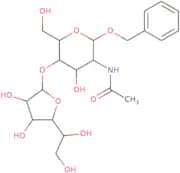


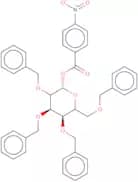

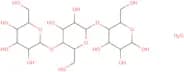

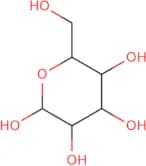
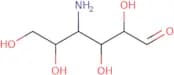
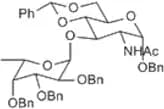
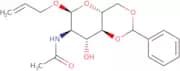
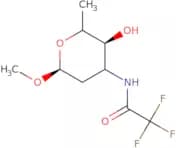
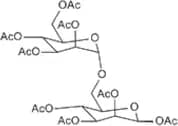

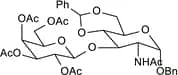
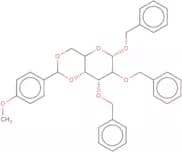


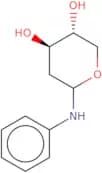


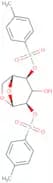
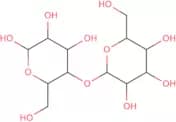
![1,6:3,4-Bis-[O-(2,3-dimethoxybutane-2,3-diyl)]-2-O-trifluoromethanesulphonyl-5-O-benzolyl-myo-inos…](/_next/image/?url=https%3A%2Fstatic.cymitquimica.com%2Fproducts%2F3D%2Fthumb-webp%2FMB16636.webp&w=3840&q=75)
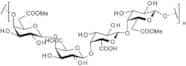
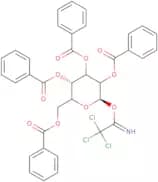

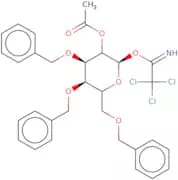

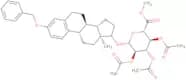
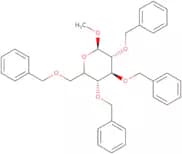
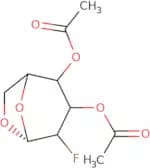
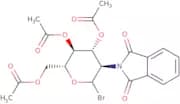
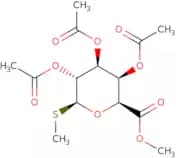

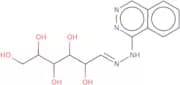

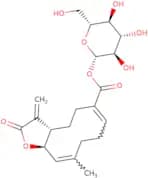

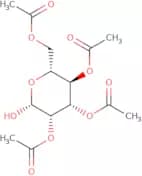
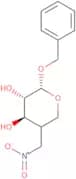
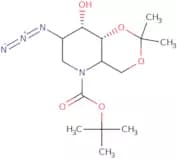

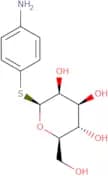
![4-Amino-7-(2-deoxy-b-D-ribofuranosyl)-1,7-dihydro-2H-pyrrolo[2,3-d]pyrimidin-2-one](/_next/image/?url=https%3A%2Fstatic.cymitquimica.com%2Fproducts%2F3D%2Fthumb-webp%2FMA145597.webp&w=3840&q=75)

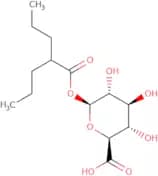
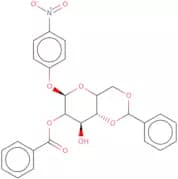

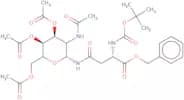
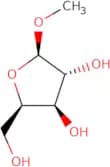


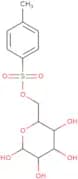
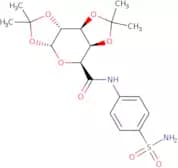
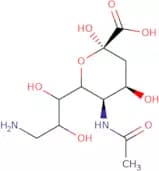
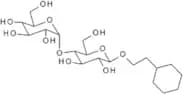

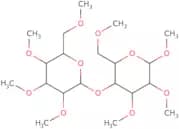
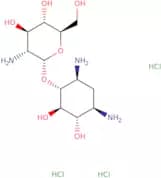
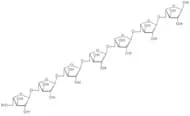
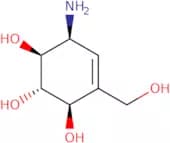
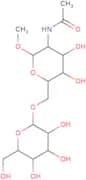
![1,2-Dideoxy-2'-pyrrolidin-1-yl-a-D-glucopyranoso-[2,1-d]-2'-thiazoline](/_next/image/?url=https%3A%2Fstatic.cymitquimica.com%2Fproducts%2F3D%2Fthumb-webp%2FMD15733.webp&w=3840&q=75)
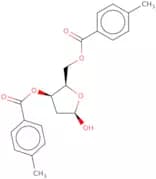
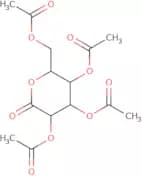
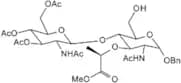
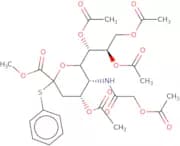

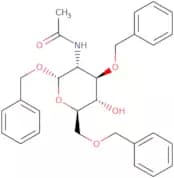
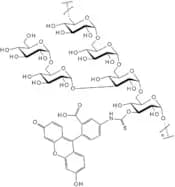

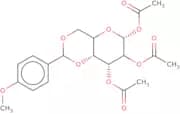
![4-O-[3-O-(2-Acetamido-2-deoxy-a-D-galactopyranosyl)-b-D-galactopyranosyl]-D-glucose](/_next/image/?url=https%3A%2Fstatic.cymitquimica.com%2Fproducts%2F3D%2Fthumb-webp%2FOA10409.webp&w=3840&q=75)
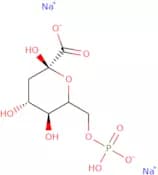
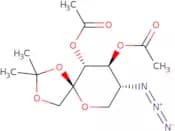
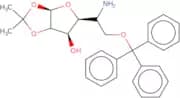
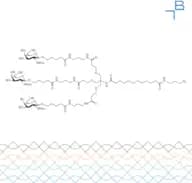


![[UL-13C6glc]Lactose monohydrate](/_next/image/?url=https%3A%2Fstatic.cymitquimica.com%2Fproducts%2F3D%2Fthumb-webp%2FOL16272.webp&w=3840&q=75)

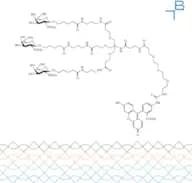

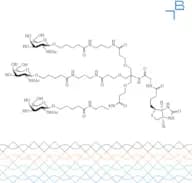
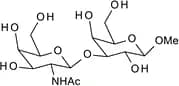
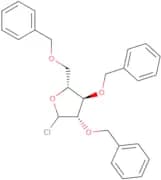
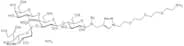
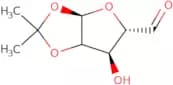

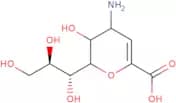
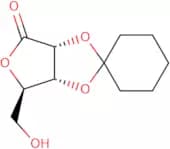

![1,5-Anhydro-4,6-O-benzylidene-3-O-[2,4-dichlorophenyl]thiocarbonyloxy-2-O-toluoyl-D-glucitol](/_next/image/?url=https%3A%2Fstatic.cymitquimica.com%2Fproducts%2F3D%2Fthumb-webp%2FMA05714.webp&w=3840&q=75)
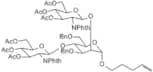


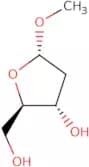

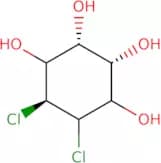

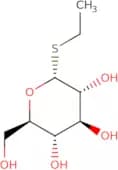
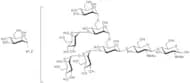
![N-[(e-Benzyloxycarbonylamino)caproyl]-b-L-fucopyranosylamine](/_next/image/?url=https%3A%2Fstatic.cymitquimica.com%2Fproducts%2F3D%2Fthumb-webp%2FMB04503.webp&w=3840&q=75)
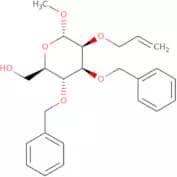
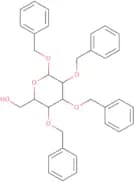

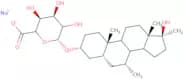
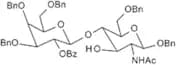


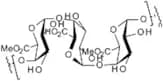
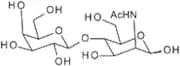
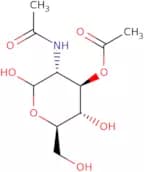
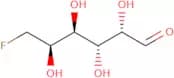
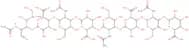

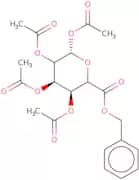
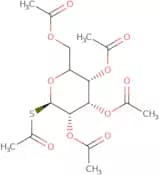
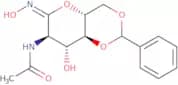
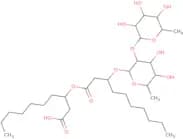

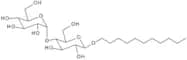
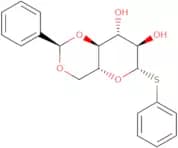
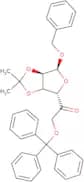
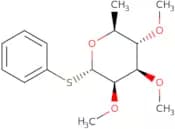
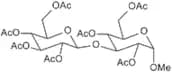

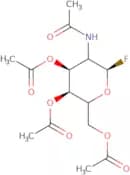

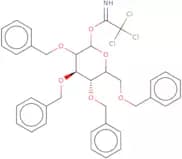

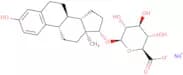
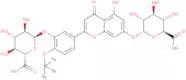
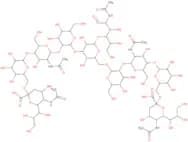
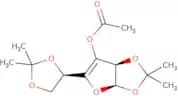
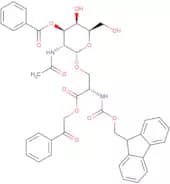
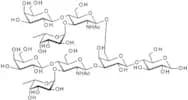
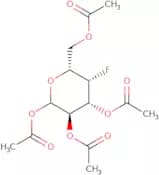

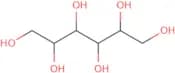
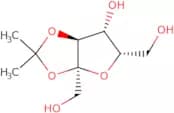
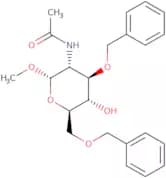

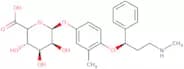
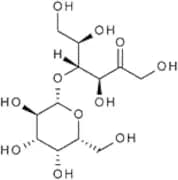


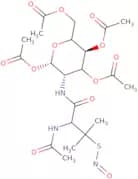
![5,7-Bis-(benzyloxy)-a-(4-(benzyloxy)phenyl)-3-[3,4-di-O-acetyl-a-O-acetyl-a-L-rhamnopyranosyloxyl]…](/_next/image/?url=https%3A%2Fstatic.cymitquimica.com%2Fproducts%2F3D%2Fthumb-webp%2FMB16635.webp&w=3840&q=75)