Glicoscienza
La glicosienza è lo studio dei carboidrati e dei loro derivati, nonché delle interazioni e delle funzioni biologiche a cui partecipano. Questo campo di ricerca è cruciale per comprendere una vasta gamma di processi biologici, tra cui il riconoscimento cellulare, la segnalazione, la risposta immunitaria e lo sviluppo delle malattie. La glicosienza ha importanti applicazioni nella biotecnologia, nella medicina e nello sviluppo di nuovi farmaci e terapie. Presso CymitQuimica, offriamo un'ampia selezione di prodotti di alta qualità e purezza per la ricerca in glicosienza. Il nostro catalogo comprende monosaccaridi, oligosaccaridi, polisaccaridi, glicoconiugati e reagenti specifici, progettati per supportare i ricercatori nei loro studi sulla struttura, funzione e applicazioni dei carboidrati nei sistemi biologici. Queste risorse sono destinate a facilitare scoperte scientifiche e applicazioni pratiche in vari ambiti delle bioscienze e della medicina.
Sottocategorie di "Glicoscienza"
- Amminozucchero(108 prodotti)
- Glico-anticorpi(282 prodotti)
- Glicolipidi(46 prodotti)
- Glicosaminoglicani (GAGs)(55 prodotti)
- Glicosidi(419 prodotti)
- Monosaccaridi(6.622 prodotti)
- Oligosaccaridi(3.682 prodotti)
- Polisaccaridi(503 prodotti)
Trovati 11041 prodotti di "Glicoscienza"
Ordinare per
Purezza (%)
0
100
|
0
|
50
|
90
|
95
|
100
1,3,4,6-Tetra-O-acetyl-2-deoxy-2-(4,5-dichlorophthalimido)-D-glucopyranose
CAS:<p>1,3,4,6-Tetra-O-acetyl-2-deoxy-2-(4,5-dichlorophthalimido)-D-glucopyranose is a Modification of the Carbohydrate. It is a synthetic compound that is used as a building block for the synthesis of complex carbohydrates. This product has been shown to be effective in the modification of glycoproteins and polysaccharides. The product can be used in applications such as fluorination reactions, saccharide methylation reactions, glycosylation reactions, and sugar polymerization reactions.</p>Formula:C22H21Cl2NO11Purezza:Min. 95%Peso molecolare:546.31 g/molGangliotriose
CAS:<p>Gangliotriose is the core trisaccharide structure in gangliosides, such as, GD2 (GalNAcβ1,4Galβ1,4Glc) (Ledeen, 2009). GD2 ganglioside is expressed at a low concentration in the central nervous system, nerves, skin melanocytes and stem cells in healthy adults. On the other hand, GD2 ganglioside is overexpressed in a number of tumors including: neuroblastoma, melanoma, small cell lung carcinoma and brain tumors. Recently, GD2 ganglioside has been found in low concentrations on breast cancer stem cells (CSC) that posess: self-renewal properties (division without disrupting the undifferentiated state), and tumor-initiating capabilities. It has been suggested that GD2 ganglioside may be developed as an effective target antigen for CSC immunotherapy (Fleurence, 2017).</p>Formula:C20H35NO16Purezza:90%MinColore e forma:PowderPeso molecolare:545.49 g/mol1,2:3,4-Di-O-isopropylidene-6-O-p-toluenesulfonyl-a-D-galactopyranose
CAS:<p>1,2:3,4-Di-O-isopropylidene-6-O-p-toluenesulfonyl-a-D-galactopyranose is a liquid at room temperature. It has been shown to form gas at temperatures below -78°C and solid at higher temperatures. 1,2:3,4 Di-O-isopropylidene-6-O p toluenesulfonyl a D galactopyranose has been shown to have magnetic properties that can be used in a particle detector. The compound has also been studied using simulations and spectrometry. 1,2:3,4 Di-O-isopropylidene 6 O p toluenesulfonyl a D galactopyranose is an electron acceptor and an electron donor. It has been shown to have absorption bands in the range of 190 nm - 400 nm as well as in</p>Formula:C19H26O8SPurezza:Min. 95%Colore e forma:Brown PowderPeso molecolare:414.47 g/mol1-(4-methoxy-phenoxy)-a-D-talopyranose
<p>Methylation: The process of adding a methyl group to a molecule.<br>Saccharide: A carbohydrate that is composed of sugar units, such as glucose or sucrose.<br>Polysaccharide: A carbohydrate consisting of many sugar units linked together. <br>CAS No.: Chemical Abstracts Service number assigned to a chemical compound, which provides unique identification and allows for the tracking of chemical substances. <br>Modification: The process of altering the physical properties of an organic molecule by adding or removing functional groups. <br>Oligosaccharide: A carbohydrate consisting of three to ten sugar units linked together.<br>Carbohydrate: One type of macronutrient that contains carbon, hydrogen, and oxygen atoms in a ratio of 1:2:1 and can be classified as either simple or complex carbohydrates. <br>Sugar: Carbohydrates that are composed solely of one type of monosaccharide unit and typically have a sweet taste.</p>Purezza:Min. 95%Methyl 4,6-dichloro-4,6-dideoxy-a-D-glucopyranoside
<p>Methyl 4,6-dichloro-4,6-dideoxy-a-D-glucopyranoside is a fluorinated carbohydrate that belongs to the class of monosaccharides and is synthetically produced. Methyl 4,6-dichloro-4,6-dideoxy-a-D-glucopyranoside is an oligosaccharide that has been modified with a click reaction. This product can be used in glycosylation reactions with polysaccharides or as an intermediate for the production of other modified sugars. Methyl 4,6-dichloro-4,6-dideoxy--D--glucopyranoside has high purity and CAS No. 8013695.</p>Formula:C7H12Cl2O4Purezza:Min. 95%Peso molecolare:231.08 g/mol(S)-Naproxen acyl-b-D-glucuronide
CAS:<p>Naproxen is a non-steroidal anti-inflammatory drug (NSAID) that is used to relieve pain and reduce inflammation. The NSAIDs are metabolized in the liver by oxidation, reduction, hydrolysis, or conjugation with glucuronic acid. Naproxen undergoes a number of metabolic transformations including fragmentation, which can be detected using an MS/MS analyzer. Naproxen acyl-b-D-glucuronide is an oxidative metabolite of naproxen that has been shown to have high uptake into mammalian cells and bioconcentrates in fish. This metabolite has also been shown to be metabolized in the liver by conjugation with glucuronic acid.</p>Formula:C20H22O9Purezza:Min. 95%Peso molecolare:406.38 g/molk-Carrapentaose trisulfate trisodium
<p>k-carrageenan derived pentasaccharide trisulphate+(3-6 anhydrogalactose)</p>Formula:C30H45O33S3Na3Purezza:Min. 95%Peso molecolare:1,098.83 g/molN-(b-D-Glucopyranosyl)-N'-[(2-methanethiosulfonyl)ethyl]urea
CAS:<p>N-(b-D-Glucopyranosyl)-N'-[(2-methanethiosulfonyl)ethyl]urea is a synthetic, fluorinated glycosylamine that has been used for the synthesis of oligosaccharides and polysaccharides. The product is supplied in high purity and with a custom synthesis. It is also available for click modification to suit customer needs.</p>Formula:C10H20N2O8S2Purezza:Min. 95%Colore e forma:White to off-white solid.Peso molecolare:360.4 g/molMethyl 3,6-anhydro-a-D-galactopyranoside
CAS:<p>Methyl 3,6-anhydro-a-D-galactopyranoside is a high purity, custom synthesis, fluorinated saccharide. It is synthesized from D-galactose by a modification of the Fischer glycosylation. Methyl 3,6-anhydro-a-D-galactopyranoside has been modified with methyl groups on the 6th and 3rd carbon atoms. This product can be used in various methods to modify carbohydrates and oligosaccharides including glycosylation, methylation and click chemistry. Methyl 3,6-anhydro-a-D-galactopyranoside is CAS No. 5540-31-8.</p>Formula:C7H12O5Purezza:Min. 95%Peso molecolare:176.17 g/mol5-Deoxy-1,2-O-isopropylidene-5-[(2S-pyridin-4-yl-pyrrolidine)-1-yl]-a-D-xylofuranose
CAS:<p>5-Deoxy-1,2-O-isopropylidene-5-[(2S-pyridin-4-yl-pyrrolidine)-1-yl]-a-D-xylofuranose is a synthetic glycoside that can be used in the synthesis of complex carbohydrates. The compound is fluorinated and has been custom synthesized to include methylation and click modification. 5DIOXFURANOSE can be used in the synthesis of saccharides and oligosaccharides with various applications, including drug development and medical research.</p>Formula:C17H24N2O4Purezza:Min. 95%Peso molecolare:320.39 g/molD-Fructose-1,6-diphosphate monocalcium salt
CAS:<p>D-Fructose-1,6-diphosphate monocalcium salt is a complex carbohydrate that is produced by methylation of D-fructose 1,6-diphosphate. This compound belongs to the class of saccharides and has been modified using fluorination. It is also an important glycosylation site for many proteins. In addition, it can be used as a synthetic substrate in click chemistry and as a building block for oligosaccharides or polysaccharides.</p>Formula:C6H12O12P2·CaPurezza:Min. 95%Peso molecolare:378.18 g/mol1,2,3,4-Tetra-O-benzoyl-a-D-glucuronide methyl ester
CAS:<p>1,2,3,4-Tetra-O-benzoyl-a-D-glucuronide methyl ester is a synthetic compound that belongs to the class of complex carbohydrates. It has been custom synthesized and modified using glycosylation, methylation, and click chemistry. It is composed of one monosaccharide and four oligosaccharides linked together by O-glycosidic bonds. The carbohydrate moiety contains a benzoyl group attached to the 1 position on the glucose molecule through an ether linkage. This product is available in high purity (≥ 99%) at CAS No. 201789-32-4.</p>Formula:C35H28O11Purezza:Min. 95%Peso molecolare:624.59 g/moltrans-Zeatin-9-glucoside
CAS:<p>Trans-zeatin-9-glucoside is a natural product that is produced by plants and is known to have a variety of biological activities. Trans-zeatin-9-glucoside has been shown to affect plant growth and development, as well as the immune system. It has also been shown to exhibit antioxidant activity and inhibit cancer cell proliferation. Trans-zeatin-9-glucoside has been found in barley, wheat, rye, oat straw, corn stover, soybean leaves, potato tubers, and composts. The biosynthesis of this compound begins with the conversion of zeatin into zeaxanthin via a series of enzymatic reactions. Zeaxanthin is then converted into trans-zeatin-9-glucoside through the action of an enzyme called β--cyclodextrin glucanotransferase.</p>Formula:C16H23N5O6Purezza:Min. 98 Area-%Colore e forma:Colorless PowderPeso molecolare:381.38 g/mol2,3,4,6-Tetra-O-benzyl-1,5-di-O-mesyl-D-glucitol
<p>2,3,4,6-Tetra-O-benzyl-1,5-di-O-mesyl-D-glucitol is a substituted sugar alcohol that can exist as either an intramolecular or an intermolecular isomer. The intramolecular isomer has a carboxylate group in the 6 position and the intermolecular isomer has a propionate group in the 6 position. 2,3,4,6-Tetra-O-benzyl-1,5-di-O-mesyl-D-glucitol has conformational properties that depend on which substituent occupies the 4 position. Benzene rings are more flexible than benzyloxy groups. The geometry of 2,3,4,6 - Tetra - O - benzyl - 1 , 5 - di - O - mesyl - D - glucitol changes from chair to boat with substitution at position</p>Formula:C36H42O10S2Purezza:Min. 95%Peso molecolare:698.84 g/molDi-a-D-galactosyl-mannopentaose
<p>Di-a-D-galactosyl-mannopentaose is a mannopentaose derivative that has been modified with a methyl group at the C2 position and fluorinated at the C6 position. This compound can be used as an intermediate in the production of oligosaccharides and polysaccharides, which are complex carbohydrates that contain many sugar molecules. The product is of high purity, with no detectable impurities. It was synthesized using a custom synthesis approach, which allows for modification of the chemical structure to produce desired properties. This product is stable when stored at room temperature and does not require refrigeration. It does not contain any organic solvents or volatile compounds and is free from endotoxins or heavy metals.</p>Purezza:Min. 95%Peso molecolare:1,153 g/mol4-Methoxyphenyl-D-ribofuranoside
<p>4-Methoxyphenyl-D-ribofuranoside is a monosaccharide that is used in the synthesis of oligosaccharides and polysaccharides. It is a synthetic compound that can be fluorinated, methylated, or glycosylated. The chemical formula for 4-methoxyphenyl-D-ribofuranoside is C6H8O5. The molecular weight of 4-methoxyphenyl-D-ribofuranoside is 184.12 g/mol. This product does not contain any hazardous chemicals and can be custom synthesized to meet your needs.</p>Purezza:Min. 95%2-C-(2,3,4,6-Tetra-O-acetyl-a-D-glucopyranosyl) ethyne
CAS:<p>2-C-(2,3,4,6-Tetra-O-acetyl-a-D-glucopyranosyl) ethyne is a custom synthesis that has been modified with fluorination. It is a monosaccharide sugar with a CAS number of 1236069-71-8. This chemical is also known as Oligo(2,3,4,6-tetraacetyl aD glucopyranosyl) ethyne. The chemical is used in the synthesis of oligosaccharides and polysaccharides.</p>Formula:C16H20O9Purezza:Min. 95%Peso molecolare:356.32 g/molN-Ethyl glucamine
CAS:<p>N-Ethyl glucamine is a nonsteroidal anti-inflammatory drug (NSAID) that belongs to the class of drugs called salicylates. It is a prodrug that is hydrolyzed in vivo to form salicylic acid and ethylene glycol. The sub-effective dose of N-ethyl glucamine has been shown to be effective against various types of cancer cells, including lung, colon, breast, prostate, and skin cancers. This drug also has an effect on lipid metabolism and can be used for the treatment of metabolic disorders such as hyperlipidemia. N-Ethyl glucamine has been shown to have anti-inflammatory properties by inhibiting prostaglandin synthesis.</p>Formula:C9H19NO5Purezza:Min. 95%Peso molecolare:221.25 g/molOuabain - anhydrous
CAS:<p>Ouabain is a potent inhibitor of the Na+/K+-ATPase pump in cardiac and skeletal muscles. It has been shown to inhibit signal pathways that are involved in the regulation of cellular membrane potentials, such as the michaelis–menten kinetics. Ouabain has also been found to be effective against syncytial virus infection. Ouabain inhibits viral replication by inhibiting cellular protein synthesis and reducing cell number due to its cytotoxic effects on myocardial cells. Ouabain has also been found to inhibit neuronal death induced by α1-adrenergic receptor agonists, such as p2y receptors.</p>Formula:C29H44O12Purezza:Min. 95%Colore e forma:PowderPeso molecolare:584.65 g/molNaltrexone 3-D-glucuronide-D4
<p>Naltrexone 3-D-glucuronide-D4 is a carbohydrate. It is a glycosylation product of naltrexone. The compound has been synthesized by the methylation of naltrexone and the glycosylation of the resultant product with glucose. Naltrexone 3-D-glucuronide-D4 is a high purity, custom synthesis, synthetic carbohydrate with a CAS number.</p>Purezza:Min. 95%Benzyl 2-acetamido-4,6-O-benzylidene-2-deoxy-a-D-galactopyranoside
CAS:<p>Benzyl 2-acetamido-4,6-O-benzylidene-2-deoxy-a-D-galactopyranoside is a synthetic fluorinated carbohydrate that has been custom synthesized and modified with a click modification. This high purity product is available in the form of an oligosaccharide or a complex carbohydrate. It can be used in glycosylation and polysaccharide synthesis.</p>Formula:C22H25NO6Purezza:Min. 95%Peso molecolare:399.44 g/mol3-O-(2-Acetamido-2-deoxy-a-D-glucopyranosyl)-D-galactose
CAS:<p>3-O-(2-Acetamido-2-deoxy-a-D-glucopyranosyl)-D-galactose is a synthetic compound that is synthesized by the reaction of 3,4,6-trihydroxypyranose with trifluoroacetic anhydride. The product can be purified to the desired level of purity using preparative HPLC or recrystallization. The CAS number for this compound is 97096-73-6.END></p>Formula:C14H25NO11Purezza:Min. 95%Colore e forma:PowderPeso molecolare:383.35 g/mol4-Methoxyphenyl 2-amino-3,6-di-O-benzyl-2-deoxy-b-D-glucopyranoside
CAS:<p>4-Methoxyphenyl 2-amino-3,6-di-O-benzyl-2-deoxy-b-D-glucopyranoside (4MOP) is a drug that has been shown to be effective against colitis caused by viruses. 4MOP binds to single stranded DNA, which prevents the virus from replicating. 4MOP also inhibits the activity of papilloma viruses, such as human papilloma virus and typhimurium.</p>Formula:C27H31NO6Purezza:Min. 95%Peso molecolare:465.54 g/mol2-C-Methyl-D-erythritol 4-phosphate
CAS:<p>2-C-Methyl-D-erythritol 4-phosphate is a natural product that can be found in plants. It has been used as a substrate molecule for kinetic study of phosphorolytic enzymes and as an antimicrobial agent in cell culture.</p>Purezza:Min. 95%1,2, 4,6-Tetra-O-acetyl-3-O-carbamoyl- D-mannopyranose
CAS:<p>1,2,4,6-Tetra-O-acetyl-3-O-carbamoyl-D-mannopyranose is a synthetic sugar that belongs to the class of glycosides. It can be used in the synthesis of oligosaccharides and polysaccharides. This product is custom synthesized on request and can be modified with fluorination, methylation or click modification. It is available in high purity and has a CAS number of 99748-11-5.</p>Formula:C15H21NO11Purezza:Min. 95%Peso molecolare:391.33 g/molHexasaccharide dp6
<p>Hexasaccharide dp6 is a synthetic hexasaccharide that mimics heparin. It binds to the antithrombin III and pentasaccharide in human plasma, which are proteins that inhibit blood clotting. Hexasaccharide dp6 also has affinity for peptides from HIV-1 and anti-HIV activity. Hexasaccharide dp6 can be used to prevent coagulation or as an antithrombotic agent.</p>Formula:C36H93N15O57S9Purezza:Min. 95%Peso molecolare:1,936.78 g/mol8-Methoxycarbonyloctyl 2-deoxy-4,6-O-(4-methoxybenzylidene)-2-phthalimido-b-D-glucopyranoside
CAS:<p>8-Methoxycarbonyloctyl 2-deoxy-4,6-O-(4-methoxybenzylidene)-2-phthalimido-b-D-glucopyranoside is a sugar that is found in plants. It can be used as a custom synthesis for pharmaceutical purposes. The CAS number of this product is 359436-88-7 and it has a purity of >99%.</p>Formula:C32H39NO10Purezza:Min. 95%Peso molecolare:597.65 g/moltrans-Zeatin-o-glucuronide
CAS:<p>Trans-Zeatin-o-glucuronide is a synthetic cytokinin derivative, which is derived from zeatin, a naturally occurring plant hormone. Zeatin originates from a variety of plant tissues but is predominantly found in corn, where it plays a crucial role in plant growth and development. As a cytokinin, trans-Zeatin-o-glucuronide acts by influencing cell division, differentiation, and apical dominance in plants. Its glucuronide form is a metabolite, which allows researchers to study the storage and transport of cytokinins within plant cells.</p>Formula:C16H21N5O7Purezza:Min. 95%Peso molecolare:395.37 g/molCarboxymethyl cellulose sodium - Viscosity 4000-6000 mPa·s
CAS:<p>Please enquire for more information about Carboxymethyl cellulose sodium - Viscosity 4000-6000 mPa·s including the price, delivery time and more detailed product information at the technical inquiry form on this page</p>5-Azido-5-deoxy-2,3-O-isopropylidene-D-lyxono-1,4-lactone
CAS:<p>5-Azido-5-deoxy-2,3-O-isopropylidene-D-lyxono-1,4-lactone is a synthetic monosaccharide. It is used in the synthesis of glycosylated saccharides and oligosaccharides. This product can be custom synthesized at high purity.</p>Formula:C8H11N3O4Purezza:Min. 95%Colore e forma:PowderPeso molecolare:213.19 g/molAllyl 4,6-O-benzylidene-b-D-glucopyranoside
CAS:<p>Allyl 4,6-O-benzylidene-b-D-glucopyranoside is a custom synthesis molecule that can be modified to suit your needs. It has been used in the synthesis of oligosaccharides and polysaccharides. Allyl 4,6-O-benzylidene-b-D-glucopyranoside is a high purity product that has been fluorinated with allyl bromide and benzoyl chloride. This product is a monosaccharide and sugar that can be synthesized from a variety of raw materials.</p>Formula:C16H20O6Purezza:Min. 95%Peso molecolare:308.33 g/molAstragaloside II
CAS:<p>Astragaloside II is a natural compound that has been shown to have anti-inflammatory effects in vitro and in vivo. Astragaloside II inhibits the production of inflammatory mediators by inhibiting phosphodiesterase and cyclooxygenase pathways. It also has a matrix effect on the cells, which may be due to its ability to activate protein kinase C. This compound also has an analytical method, which consists of HPLC with UV detection at 210 nm.</p>Formula:C43H70O15Purezza:Min. 95%Colore e forma:White To Off-White SolidPeso molecolare:827.01 g/molBenzyl N-acetyl-6-O-benzyl-a-D-muramic acid methyl ester
CAS:<p>Benzyl N-acetyl-6-O-benzyl-a-D-muramic acid methyl ester is a synthetic glycosylation that is custom synthesized for the purpose of modifying glycoproteins. This compound can be used to add a fluorinated sugar to the glycan chain, which can help increase the drug's bioavailability. The synthesis of this compound is achieved through a click modification reaction.</p>Formula:C26H33NO8Purezza:Min. 95%Peso molecolare:487.54 g/molNicotine-N-(4-deoxy-4,5-didehydro)-b-D-glucuronide
CAS:<p>Nicotine-N-(4-deoxy-4,5-didehydro)-b-D-glucuronide is a synthetic glycosylated nicotine derivative. It is a white to slightly yellow powder that is soluble in water and alcohol. Nicotine-N-(4-deoxy-4,5-didehydro)-b-D-glucuronide has been shown to be effective against methicillin resistant Staphylococcus aureus (MRSA) and Clostridium perfringens, although is not active against acid fast bacteria such as Mycobacterium tuberculosis or Mycobacterium avium complex. This product has been custom synthesized with the goal of providing high purity and modification.</p>Formula:C16H20N2O5Purezza:Min. 95%Peso molecolare:320.34 g/molEthyl 2-acetamido-3,4,6-tri-O-acetyl-2-deoxy-D-thiogalactopyranoside
<p>Ethyl 2-acetamido-3,4,6-tri-O-acetyl-2-deoxy-D-thiogalactopyranoside is a custom synthesis of an oligosaccharide. It has a CAS No. and is a high purity synthetic product. Ethyl 2-acetamido-3,4,6-tri-O-acetyl-2-deoxy -D thiogalactopyranoside consists of monosaccharides with a sugar backbone that has been modified by fluorination and methylation for increased stability. The modification of the sugar backbone makes it resistant to degradation by enzymes in the human body, so it can be used as an oral drug. This product is also soluble in water and alcohol, making it useful in pharmaceutical applications.</p>Purezza:Min. 95%6-Deoxy-6-Fluorocyclomaltoheptaose
CAS:<p>The 6-deoxy-6-fluorocyclomaltoheptaose is a low molecular weight compound that has been found to have anti-amylase activity. This substance is characterized by its chromatographic techniques, which can be used to identify the chemical structure of the molecule. The 6-deoxy-6-fluorocyclomaltoheptaose has been found to consist of an amylase inhibitor and an enzyme substrate. It exhibits specificity for the catalytic site of amylase, which is located in subsite 1, and it attacks this substrate at the 6-position of glucose. This substance is not as potent as other amylase inhibitors such as d-glucose, but it does show greater specificity for amylase than other substances with similar structures.</p>Formula:C42H69FO34Purezza:Min. 95%Peso molecolare:1,136.98 g/molprim-O-glucosylangelicain
CAS:<p>Prim-O-glucosylangelicain is a complex carbohydrate that has been synthesized by custom synthesis and modification. Prim-O-glucosylangelicain is a monosaccharide that has been methylated and then click modified. It also contains an oligosaccharide with glycosylation. The prim-O-glucosylangelicain has been synthesized to have a saccharide chain consisting of glycosidic linkages with a polysaccharide. Click modification is the process of attaching reactive groups to the hydroxyl groups of sugars. This process can be used to replace the hydroxyl group with fluorine, which is done in this case to increase stability and reduce reactivity.</p>Purezza:Min. 95%Amiprilose
CAS:<p>Amiprilose is a nonsteroidal anti-inflammatory drug that inhibits the production of IL-2. Amiprilose has been shown to inhibit IL-17a, which is an inflammatory cytokine, in skin cells and mononuclear cells. It also inhibits cell proliferation by binding to the il-2 receptor on muscle cells. Amiprilose has been shown to be effective as a pharmacological agent for treating autoimmune diseases such as rheumatoid arthritis and psoriasis.</p>Formula:C14H27NOPurezza:Min. 95%Peso molecolare:225.37 g/molNGA5FB N-Glycan
<p>NGA5FB is a custom synthesis, modification, and fluorination of a glycan. It is a monosaccharide with a methylation and click modification on the terminal glucose. This glycan is synthesized with an oligosaccharide saccharide that contains a complex carbohydrate. The CAS No. for this product is 2279-97-0.</p>Purezza:Min. 95%1,2,3,4,6-Penta-O-benzoyl-b-D-galactopyranose
CAS:<p>Penta-O-benzoyl-b-D-galactopyranose is a pentasaccharide that has been shown to have an inhibitory effect on the growth of corynebacterium, which may be due to its ability to modulate fatty acid synthesis. Penta-O-benzoyl-b-D-galactopyranose is a disaccharide that is used as a diagnostic agent for corynebacteria. It is also used as a growth factor in the production of Corynebacterium glutamicum. The safety profile of this drug has not been evaluated in humans.</p>Formula:C41H32O11Purezza:Min. 95%Peso molecolare:700.71 g/mol1,2,3,4-Tetra-O-acetyl-b-D-arabinopyranose
CAS:<p>1,2,3,4-Tetra-O-acetyl-b-D-arabinopyranose is a custom synthesis of a carbohydrate. It is a tetra acetylated form of arabinopyranose that has been fluorinated. The fluorination process increases the reactivity of the sugar and allows for it to be glycosylated or methylated. This sugar can be used in the synthesis of oligosaccharides and complex carbohydrates. These can be used as sweeteners or functional food additives.</p>Formula:C13H18O9Purezza:Min. 95%Peso molecolare:318.28 g/mol2,3,4-Tri-O-acetyl-a-D-arabinopyranosyl cyanide
<p>2,3,4-Tri-O-acetyl-a-D-arabinopyranosyl cyanide is a synthetic compound that is used to synthesize complex carbohydrates. This product can be customized for customers' needs and has high purity.</p>Purezza:Min. 95%Glcnacβ(1-2)man-α-ethylazide
CAS:<p>Glcnacβ(1-2)man-α-ethylazide is a modified oligosaccharide that has been synthesized from the sugar GlcNAcβ(1-2)mannose. It is a complex carbohydrate with a high purity, which can be used as a custom synthesis. The synthesis of this product involves fluorination and saccharide methylation. The CAS number for this product is 1858224-15-3.</p>Formula:C16H28N4O11Purezza:Min. 95%Peso molecolare:452.41 g/mol2-Acetamido-1,6-di-O-benzyl-3-O-(2,3,4-tri-O-benzyl-b-L-fucopyranosyl)-2-deoxy-4-O-(b-D-galactopyranosyl)-a-D-glucopyranoside
CAS:<p>CAS No. 71208-05-4 is a complex carbohydrate that belongs to the group of oligosaccharides, polysaccharides and modifications of saccharides. This compound was synthesized by methylation, glycosylation, carbamoylation and fluorination. It is available in high purity and with low impurities.</p>Formula:C55H65NO15Purezza:Min. 95%Peso molecolare:980.13 g/molGlobotriose-APE-HSA
<p>Globotriose conjugated to HSA via an aminophenylethyl spacer (APE)</p>Purezza:Min. 95%Acetylsalicylic acid-acyl-β-D-glucuronide
CAS:<p>Acetylsalicylic acid-acyl-b-D-glucuronide is a glycosylation product of acetylsalicylic acid. It is a complex carbohydrate that can be methylated, fluorinated, or modified by click chemistry. Acetylsalicylic acid-acyl-b-D-glucuronide has been shown to be an effective inhibitor of the MMPs metalloproteinases and collagenase in vitro. It also inhibits the growth of Staphylococcus aureus, Streptococcus agalactiae, and Group A Streptococcus. Acetylsalicylic acid-acyl-b-D-glucuronide can be synthesized using monosaccharides, oligosaccharides, or custom synthesis. This product is available in high purity (99%) and CAS No. 24719-72-0.</p>Formula:C15H16O10Purezza:Min. 95%Colore e forma:White PowderPeso molecolare:356.28 g/molResveratrol-4’-O-(6”-galloyl)glucoside
CAS:<p>Resveratrol-4’-O-(6”-galloyl)glucoside is a methylated, saccharide complex carbohydrate. It is an oligosaccharide that has been modified with click chemistry and glycosylation. Resveratrol-4’-O-(6”-galloyl)glucoside is synthesized in high purity through a custom synthesis process that includes fluorination and modification of the sugar. This product can be used as an ingredient in pharmaceuticals, food additives, or dietary supplements.</p>Formula:C27H26O12Purezza:Min. 95%Peso molecolare:542.49 g/mol1,2-Di-O-acetyl-4-O-allyl-3-O-benzyl-a-L-rhamnpyranose
<p>1,2-Di-O-acetyl-4-O-allyl-3-O-benzyl-a-L-rhamnpyranose is a synthetic monosaccharide that contains an O,O'-diacetyl group on the 2' position. This product is a complex carbohydrate that has been modified with fluorination and methylation. It can be used as a custom synthesis or as a glycosylation or polysaccharide modification. 1,2-Di-O-acetyl-4-O-allyl-3,6'-di(benzoyloxy)-a,a'-dimethyl rhamnopyranose is soluble in water and is of high purity.</p>Formula:C20H26O7Purezza:Min. 95%Peso molecolare:378.42 g/molMan6GlcNAc (I)
CAS:<p>Man6GlcNAc (I) is a synthetic, fluorinated, monosaccharide that can be modified to produce a wide range of products. This product has been shown to have high purity and can be customized for specific applications. It is used in the production of complex carbohydrates with click modification and methylation. Man6GlcNAc (I) is often used as an intermediate in the synthesis of oligosaccharides such as glycosylated proteins or glycans.</p>Formula:C44H75NO36Purezza:Min. 95%Colore e forma:PowderPeso molecolare:1,194.05 g/mol3-O-tert-Butyldiphenylsilyl-D-galactal
<p>3-O-tert-Butyldiphenylsilyl-D-galactal is a glycosylation agent that can be used in the synthesis of oligosaccharides, sugar derivatives, and polysaccharides. It is synthesized by reacting 3-bromoacetophenone with D-galactal. This product is a white powder that is soluble in methanol and DMF. The CAS number for this product is 53533-71-3.</p>Purezza:Min. 95%Hyaluronate fluorescein - Molecular Weight - 250kDa
<p>Hyaluronate fluorescein is a large molecular weight, high-molecular weight, high-purity, highly modified carbohydrate. It is a synthetic oligosaccharide that has been chemically modified with methylation and saccharide. Hyaluronate fluorescein is synthesized using Click chemistry to add a fluorescent tag at the reducing end of the molecule. This product can be used for custom synthesis and glycosylation. Hyaluronate fluorescein is available in various sizes including 250kDa.</p>Purezza:Min. 95%NA3 N-Glycan
CAS:<p>NA3 N-glycan is a base that forms glycosidic bonds with other molecules. It has been shown to be pharmacologically active in tissues and has a safety profile. NA3 N-glycan is metabolized by the serine protease, which cleaves it from its glycosylated protein. The resulting molecule lacks a reactive group, which prevents it from forming toxic reactions with other molecules. NA3 N-glycan has been used for pharmacokinetic modeling and for mass spectrometric measurements of proteins in human serum and plasma.</p>Formula:C76H127N5O56Purezza:Min. 95%Colore e forma:Solid.Peso molecolare:2,006.82 g/mol3-O-Acetyl-1,2-O-isopropylidene-6-O-trityl-b-L-arabino-hexofuranos-5-ulose
CAS:<p>3-O-Acetyl-1,2-O-isopropylidene-6-O-trityl-b-L-arabino hexofuranos 5 Urolose is a custom synthesis of a complex carbohydrate that is not found in nature. This molecule has a number of modifications, including methylation and glycosylation. 3-O-Acetyl b L arabinoxylan can be used as a substitute for other complex carbohydrates, such as starch or glycogen. It can be manufactured by the click modification of D-xylose and D maltotriose with nitrous acid to form an acetal linkage. The methyl groups are then added to the sugar molecule with phosphorous pentoxide to form this product.</p>Formula:C30H30O7Purezza:Min. 95%Peso molecolare:502.56 g/mola-Cyclodextrin sulfate sodium salt
CAS:<p>Alpha-cyclodextrin (α-CD) derivative with a hydrophilic exterior and lipophilic cavity (smaller than β-CDs and γ-CDs) to allocate certain guest molecules. This structural characteristic enables applications in molecular encapsulation, solubility enhancement, and stabilization across multiple industries. In pharmaceuticals, it serves as a drug delivery vehicle, enhancing the bioavailability and stability of active ingredients. The food industry utilizes it as a stabilizer for flavors, colors, and nutrients, as well as a functional ingredient for its effects on lipid metabolism. In cosmetics, it acts as a complex agent for fragrances and active components. Its applications extend to analytical chemistry for chiral separation and to materials science for developing smart materials and nanosystems.</p>Purezza:Min. 95%Colore e forma:White PowderGD1b-Ganglioside ammonium
CAS:<p>GD1b ganglioside (shown as ammonium salt) is one of the major gangliosides in neuronal and glial membranes. It has a core tetrasaccharide structure (Galβ1,3GalNAcβ1,4Galβ1,4Glc) with its two sialic acids linked α2,3/α2,8 to the inner galactose residue, and ceramide linked β to position 1 on the reducing terminal glucose residue (Ledeen, 2009). GD1b ganglioside acts as a receptor for BK virus, as well as for heat-labile LTII-a toxin, produced by enteropathogenicâ¯E. coli. GD1b ganglioside also interacts with tetanus neurotoxin (TeNT) and is crucial for its entry into cells (Kolter, 2012). The functional significance of ammonia in the brain is not yet fully understood: see (Modi 1994).</p>Purezza:Min. 95%3-Deoxy-D-gluconic acid calcium
CAS:<p>3-Deoxy-D-gluconic acid calcium is a modification of the sugar 3-deoxy-D-glucono-1,5-lactone. It is an oligosaccharide that has been synthesized from D-glucose and D-xylose with the use of a click reaction. The monosaccharide (3DG) can be methylated to produce 3,6-dimethyl 3DG or fluorinated to make 3,6,9F 2 -3DG. This modification can be glycosylated to form a complex carbohydrate. The saccharide is also found in nature as the sugar component of glycogen and cellulose.</p>Formula:C6H12O6CaPurezza:Min. 97 Area-%Peso molecolare:400.39 g/molGala1-2Gal-HSA
<p>Gala1-2Gal-HSA is a modified, complex carbohydrate. The carbohydrate is synthesized by methylating, glycosylating and polysaccharide synthesis to produce Gala1-2Gal-HSA. It has CAS No. and can be custom synthesized with high purity. Gala1-2Gal-HSA is a monosaccharide that can be fluorinated or saccharide that can be glycosylated or methylated. Gala1-2Gal-HSA has many applications in the biomedical field such as inhibiting inflammation and preventing cancer metastasis.</p>Purezza:Min. 95%Heparin disaccharide III-H disodium salt
CAS:<p>Heparin is a polysaccharide consisting of repeating units of glucosamine and glucuronic acid that has been shown to have anti-coagulant, antithrombotic, and anti-inflammatory properties. Heparin disaccharide III-H disodium salt is a heparin disaccharide that has been modified by the addition of sodium ions. This heparin disaccharide has been shown to inhibit the proliferation of leukaemia cells in vitro, which may be due to its inhibition of DNA synthesis or cell cycle progression. The mechanism by which this heparin disaccharide inhibits cell growth is not yet known. Research into this mechanism could lead to new treatments for cancer and other diseases.</p>Formula:C12H18NNaO13SPurezza:Min. 95%Peso molecolare:439.33 g/molMethyl 4-deoxy-a-D-glucopyranoside
CAS:<p>Methyl 4-deoxy-a-D-glucopyranoside is a high purity synthetic sugar with the molecular formula C5H10O5. It has been custom synthesized for Click modification, fluorination, glycosylation and methylation. Methyl 4-deoxy-a-D-glucopyranoside is used in glycosylation as a monosaccharide or saccharide to form complex carbohydrates. This product can be used in the synthesis of oligosaccharides and polysaccharides.</p>Formula:C7H14O5Purezza:Min. 95%Peso molecolare:178.19 g/molD-Glucaro-1,5-lactam potassium salt
CAS:<p>D-Glucaro-1,5-lactam potassium salt is a synthetic compound that can be used as a building block for the synthesis of glycosylated carbohydrates. It is fluorinated to prevent hydrolysis and methylated to protect against oxidation. This product is also suitable for click modification, polysaccharide synthesis, and glycosylation reactions. D-Glucaro-1,5-lactam potassium salt has CAS No. 53834-55-2 and can be custom synthesized in high purity.</p>Formula:C6H9NO6·xKPurezza:Min. 95%Colore e forma:PowderPeso molecolare:191.14 g/mola-D-Glucopyranoside-b-D-fructofuranosyl octadecanoate
CAS:<p>Quantification of a-D-glucopyranoside-b-D-fructofuranosyl octadecanoate is possible by real-time PCR. The polymerase chain reaction (PCR) technique is used to detect the presence or absence of DNA or RNA. This process starts with the enzyme DNA polymerase and deoxyribonucleotide triphosphates, which use a primer sequence to synthesize complementary strands of DNA from the template. The resulting double stranded DNA molecule is then heated to separate the two strands, and one strand is used as a template for the next cycle of synthesis. Real-time PCR is an analytical technique that permits quantification in real time because it includes an internal control; this technique can also be used to measure gene expression levels in developmental processes. Quantitative results were obtained using real time PCR analysis on conidia and mycelium of pathogenic fungi.</p>Formula:C30H56O12Purezza:Min. 95%Peso molecolare:608.76 g/mol1,2,3,4,6-Penta-O-acetyl-1-thio-β-D-galactopyranose
CAS:<p>1,2,3,4,6-Penta-O-acetyl-1-thio-beta-D-galactopyranose is a nucleoside that is a derivative of glucopyranose. It is an aprotic molecule and can be used as an aprotic solvent. 1,2,3,4,6-Penta-O-acetyl-1-thio-beta-D-galactopyranose has been shown to inhibit viral growth in vitro by interfering with the synthesis of DNA and RNA. The compound inhibits the growth of herpes simplex virus type 1 (HSV) and vaccinia virus (VACV) but not influenza A virus (IAV). This drug also has antiplasmodial activity against the erythrocytic stages of Plasmodium falciparum.</p>Formula:C16H22O10SPurezza:Min. 95%Peso molecolare:406.41 g/mol4-Methoxyphenyl 3,4-O-isopropylidene-2,6-bis-O-(4-methylbenzoyl)-β-D-galactopyranoside
CAS:<p>4-Methoxyphenyl 3,4-O-Isopropylidene-2,6-bis-O-(4-methylbenzoyl)-b-D-galactopyranoside is a galactoside that acts as an inhibitor of calcium ion influx. It inhibits actin filament assembly and expression by binding to the N terminus of proteins in the actin filament regulatory complex. 4MPBIG has been shown to have anti-cancer effects through microstructural changes in cancer cells. This compound also inhibits cation channels and prevents the release of neurotransmitters from nerve cells. 4MPBIG has strong thermodynamic and kinetic profiles that can be used for profiling and identification purposes. The irreversible oxidation of the hydroxy group at C2 is a sequence specific process that can be used for identification purposes. The kinase domain contains carbides, which are useful for sequencing purposes due to their stability under acidic conditions.</p>Formula:C32H34O9Purezza:Min. 95%Peso molecolare:562.61 g/mol2-Acetamido-3,4,6-tri-O-acetyl-1-O-(N-Cbz-6-aminohexyl)-2-deoxy-b-D-galactopyranose
CAS:<p>2-Acetamido-3,4,6-tri-O-acetyl-1-O-(N-Cbz-6-aminohexyl)-2-deoxy-b-D-galactopyranose is a glycosylation agent that is used in the preparation of complex carbohydrates. It is also a methylation agent, fluorinated saccharide and an oligosaccharide. This compound can be custom synthesized for your specific needs. It is a white to off white powder and has a purity of 99%. The CAS number for this product is 159173 -77 -0.</p>Formula:C28H40N2O11Purezza:Min. 95%Peso molecolare:580.62 g/molL-Glucuronic acid sodium salt
CAS:<p>L-Glucuronic acid sodium salt is a natural product that is used as an excipient and additive in pharmaceuticals. L-Glucuronic acid sodium salt is the sodium salt of L-glucuronic acid, which is a natural compound found in plants, animals and humans. It is used as a protective agent for drugs because it can be easily metabolized by the liver and has low toxicity. L-Glucuronic acid sodium salt inhibits the uptake of radioactive isotopes into cells, which may be due to its ability to bind to cytosolic proteins. The binding of L-glucuronic acid sodium salt to these proteins blocks the binding sites for radioactive isotopes on these proteins. This inhibition leads to reduced uptake of radioactive isotopes by cells.</p>Formula:C6H9NaO7Purezza:Min. 95%Peso molecolare:216.12 g/molFluorescein isothiocyanate-dextran - Average MW 10,000
CAS:<p>Fluorescein dextran (FD) is widely used as both an anterograde and retrograde tracer in neurons and for numerous other applications. It is biologically rather inert having α-1,6-linked glucose residues resistant to cleavage by most endogenous cellular glycosidases. It has low immunogenicity and makes an ideal long-term tracer for live cells. FD also serves as a valuable marker for cell loading of macromolecules by micro-injection, vesicular fusion, and electroporation, as well as for the uptake and internal processing of exogenous materials by phagocytotic and endocytic pathways.</p>Purezza:Min. 95%1,2,3,4-Tetra-O-acetyl-L-lyxopyranose
CAS:<p>1,2,3,4-Tetra-O-acetyl-L-lyxopyranose is a sugar that is modified with a click reaction to create an acetal. The acetal can be used for glycosylation or methylation in order to produce complex carbohydrates. This carbohydrate has been shown to be useful for the synthesis of oligosaccharides and monosaccharides.</p>Formula:C13H18O9Purezza:Min. 95%Peso molecolare:318.28 g/mol5-Amino-5-deoxy-1,2-O-isopropylidene-6-O-trityl-a-D-galactofuranose
CAS:<p>5-Amino-5-deoxy-1,2-O-isopropylidene-6-O-trityl-a-D-galactofuranose is a fluorinated analog of the natural sugar galactose. This compound has been used as a substrate for the synthesis of modified oligosaccharides and polysaccharides. It is also used in research for its ability to act as a methylation reagent. 5ADOGF has been modified with click chemistry to form 5-(2,3,4,5,6,7,8,9,10) -aminopropylidene-[beta]-D-[alpha]-D-[beta]-D-[alpha]-D-[beta]-D-[alpha] -galactofuranose (APGDF). The CAS number for this compound is 109681-00-7.</p>Formula:C18H31NO5Purezza:Min. 95%Peso molecolare:461.55 g/molFosinoprilat acyl-b-D-glucuronide
CAS:<p>Fosinoprilat acyl-b-D-glucuronide is a modified fosinoprilat which is an orally active, potent and long lasting inhibitor of angiotensin-converting enzyme (ACE) with a high degree of selectivity for ACE. It has been shown to be effective in the treatment of hypertension, congestive heart failure, and diabetic nephropathy. Fosinoprilat acyl-b-D-glucuronide has been synthesized by click modification from L-fosinoprilat. The carbohydrate moiety is attached to the methyl group of the amine group on the saccharide backbone. This drug exhibits low toxicity and good stability in vivo.</p>Formula:C29H42NO11PPurezza:Min. 95%Peso molecolare:611.62 g/molp-Topolin-9-glucoside
CAS:<p>p-Topolin-9-glucoside is a custom synthesis that has been modified with fluorination, methylation, and click modification. It is a monosaccharide that is synthetically made and has been shown to have antiviral activity against herpes simplex virus type 1 (HSV-1) in vitro. p-Topolin-9-glucoside is also an oligosaccharide that can be glycosylated and contains saccharides. It is a synthetic carbohydrate with CAS No. 1046433-04-8.</p>Formula:C18H21N5O6Purezza:Min. 95%Peso molecolare:403.39 g/molEmodin-1-O-b-D-glucopyranoside
<p>Emodin-1-O-b-D-glucopyranoside is a synthetic, fluorinated, glycosylated oligosaccharide. It can be used as a high purity, non-fluorinated carbohydrate for research purposes. Emodin-1-O-b-D-glucopyranoside has been modified via Click chemistry to provide the desired functional group and is available in various sizes.</p>Purezza:Min. 95%Ramiprilat acyl-b-D-glucuronide
CAS:<p>Ramiprilat acyl-b-D-glucuronide is a modified form of ramipril, an angiotensin converting enzyme inhibitor that belongs to the class of angiotensin II receptor antagonists. It is used in the treatment of hypertension and congestive heart failure. The modifications are performed by methylation, saccharide, polysaccharide, click modification, and modification. This active compound has CAS number 1357570-22-9. The chemical formula for this product is C37H53NO4. Ramiprilat acyl-b-D-glucuronide has high purity and is a complex carbohydrate with glycosylation on the sugar moiety that contains a fluorination at the 3 position on the glucose ring.</p>Formula:C27H36N2O11Purezza:Min. 95%Peso molecolare:564.59 g/molD-Ribonolactone 2,3-cyclohexyl ketal
CAS:<p>D-Ribonolactone 2,3-cyclohexyl ketal is a custom synthesis. It is a synthetic modification of the natural D-ribose sugar molecule. It has been modified by methylation and glycosylation to yield a complex carbohydrate with a high degree of purity. The fluorination process has been used to introduce fluorine atoms into the molecule.</p>Formula:C11H16O5Purezza:Min. 95%Peso molecolare:228.24 g/molTri-b-GalNAc-C12-amido-C3-azide
<p>Tri-b-GalNAc-C12-amido-C3-azide is a unique bifunctional ligand for ASGPR-targeted applications. The three terminal GalNAc sugars can bind to ASGPR receptors that permit hepatocyte uptake, the C12-amide linker offers a stable spacer and the C3-azide moiety enables tailored bioconjugation via CuAAC click chemistry. This design has the potential for targeted delivery of therapeutic cargo (drugs, siRNA, nanoparticles) to hepatocytes, development of LYTACs for selective protein degradation, and creation of in vivo ASGPR imaging probes.</p>Formula:C76H136N14O29Purezza:Min. 95%Peso molecolare:1,709.97 g/mol3,4,6-Tri-O-acetyl-2-deoxy-2-trichloroacetamido-D-glucopyranose
<p>3,4,6-Tri-O-acetyl-2-deoxy-2-trichloroacetamido-D-glucopyranose is an oligosaccharide that can be synthesized with a high purity. It is used as an intermediate in the synthesis of saccharides and complex carbohydrates. 3,4,6-Tri-O-acetyl-2-deoxy-2-trichloroacetamido-D-glucopyranose can also be fluorinated, glycosylated and methylated to generate new compounds. The CAS number for this compound is 4953–59–3. This compound is made up of three sugars: a hexose, a pentose and a triose. The carbohydrate that is produced from this compound has the following formula: C6H12O6 • H2O • O4CCH(OH)CH(OH)CH(OH)COO</p>Formula:C14H18Cl3NO9Purezza:Min. 95%Peso molecolare:450.66 g/mol5-O-(5-Amino-5-deoxy-b-D-ribofuranosyl)-1-N-[(S)-4-amino-2-hydroxy-butanoyl]paromamine
<p>5-O-(5-Amino-5-deoxy-b-D-ribofuranosyl)-1-N-[(S)-4-amino-2-hydroxybutanoyl]paromamine is a Glycosylation agent that is used in the synthesis of oligosaccharides and polysaccharides. It can be used for Click modification, fluorination, saccharide, modification, sugar, and oligosaccharide synthesis. This product is CAS No. 51417-97-9 and has purity >99% (HPLC).</p>Purezza:Min. 95%Tri-b-GalNAc-triazolyl-C5-amine
CAS:<p>Tri-b-GalNAc-triazolyl-C5-amine is used for ASGPR-targeted delivery research. This molecule features three ASGPR-binding groups connected by a five-carbon alkyl (C5-alkyl) linker and a reactive amine group for attaching other molecules. When tri-b-GalNAc-triazolyl-C5-amine binds to ASGPR on cells, the entire complex is efficiently taken up into the cell and allows easy conjugation to various cargos such as RNA or Cas9 complexes, specifically to liver cells (hepatocytes). Additionally, tri-GalNAc-C5-amine can be used to create targeted chimeric molecules (LYTACs) or be attached to dyes for cellular imaging.</p>Formula:C67H118N14O31Purezza:Min. 95%Peso molecolare:1,615.73 g/molMethyl 3-O-benzyl-2-deoxy-2-phthalimido-b-D-glucopyranoside
CAS:<p>Methyl 3-O-benzyl-2-deoxy-2-phthalimido-b-D-glucopyranoside is a synthetic, fluorinated saccharide that can be used as a glycosylation or Click modification reagent. It can be used for the synthesis of oligosaccharides and polysaccharides and has been shown to be capable of introducing methyl groups in saccharides. Methyl 3-O-benzyl-2-deoxy-2-phthalimido-b-D-glucopyranoside is also a potent inhibitor of bacterial RNA polymerase.</p>Formula:C22H23NO7Purezza:Min. 95%Peso molecolare:413.42 g/molMaltotetraose-APD-HSA
<p>Maltotetraose-APD-HSA is a complex carbohydrate with a high purity. Maltotetraose-APD-HSA is a synthetic oligosaccharide that has been modified by glycosylation, methylation, and fluorination. It is an alpha 1,4 linked maltotetraose that has been conjugated to HSA. Maltotetraose-APD-HSA has the CAS number 113789-04-8 and its molecular weight is 495.7 Da. Maltotetraose-APD-HSA can be found in the monosaccharides saccharide and carbohydrate categories.</p>Purezza:Min. 95%Trifluoroacetamidopropyl b-D-lactose
<p>Trifluoroacetamidopropyl b-D-lactose is a modification of the sugar, b-D-lactose. It is synthesized by methylation and glycosylation. Trifluoroacetamidopropyl b-D-lactose has high purity and can be used as a monosaccharide or polysaccharide to make other carbohydrates. Trifluoroacetamidopropyl b-D-lactose can be modified by fluorination or saccharide modifications to produce other products. The CAS number for trifluoroacetamidopropyl b-D-lactose is 87890-36-6.</p>Purezza:Min. 95%N,N-Dimethyl-D-glucosamine
CAS:<p>N,N-Dimethyl-D-glucosamine is a natural amino sugar that yields pyrazoles, triazoles, and formaldehyde. It can be prepared by the reaction of acetyl chloride with potassium hydroxide in hydrochloric acid. The synthesis of N,N-Dimethyl-D-glucosamine has been optimized on a Raney nickel catalyst to produce high yields of the desired product. This product is a broad spectrum antibiotic that has been shown to inhibit bacterial growth through inhibition of protein synthesis. The salt form of N,N-Dimethyl-D-glucosamine is sodium salt.</p>Formula:C8H17NO5Purezza:Min. 95%Peso molecolare:207.22 g/molTri-b-GalNAc-PEG5-carboxylic acid
CAS:<p>Tri-b-GalNAc-PEG5-carboxylic acid, a trivalent beta-GalNAc ligand with a monodisperse PEG5 linker and carboxylic acid group for conjugation, targets the asialoglycoprotein receptor (ASGPR) for lysosomal degradation research (LYTACs). This facilitates efficient cargo delivery, such as RNA or Cas9 complexes, to hepatocytes.</p>Formula:C75H134N10O35Purezza:Min. 95%Peso molecolare:1,735.92 g/molTri-b-GalNAc-b-alanine-PEG3-FITC
<p>Tri-b-GalNAc-b-alanine-PEG3-FITC is a synthetic probe consisting of three GalNAc ( N-acetylgalactosamine) residues linked to a beta-alanine spacer, followed by a PEG3 linker and a fluorescein isothiocyanate (FITC) fluorophore. This probe is designed to mimic the natural glycosylation patterns found in mucins and other glycoproteins, allowing for the investigation of carbohydrate-protein interactions, particularly those involving the asialoglycoprotein receptor (ASGPR) expressed on hepatocytes. The PEG3 linker provides flexibility and spacing between the glycan and the fluorescent tag, while the FITC moiety enables the detection and tracking of the probe using fluorescence-based techniques such as flow cytometry, fluorescence microscopy, and high-throughput screening assays. This versatile tool is valuable for researchers studying glycobiology, cell-cell interactions, and the development of targeted drug delivery systems.</p>Formula:C94H143N13O37SPurezza:Min. 95%Peso molecolare:2,079.3 g/molMethyl 2,3:4,6-di-O-benzylidene-α-D-mannopyranoside
CAS:<p>Methyl 2,3:4,6-di-O-benzylidene-a-D-mannopyranoside is a cyclic peptide that was developed for the treatment of tropical diseases. It has been shown to be a potent inhibitor of protein synthesis and an absorber of amino acids in experimental infections. Comparative studies have shown that this drug inhibits protein synthesis more than other cyclic peptides. Methyl 2,3:4,6-di-O-benzylidene-a-D-mannopyranoside has also been shown to have antiinflammatory properties in inflammatory bowel disease and may be useful as a therapeutic agent for Alzheimer’s disease or cancer.</p>Formula:C21H22O6Purezza:Min. 95%Peso molecolare:370.4 g/molTri-b-GalNAc-gly-biotin
<p>Tri-b-GalNAc-Gly-biotin is used for studying ASGPR-mediated processes. This molecule combines three terminal beta-N-acetylgalactosamine (GalNAc) sugars for efficient ASGPR binding with a glycine (Gly) spacer and a biotin moiety. The GalNAc moiety facilitates specific targeting to hepatocytes, while the glycine spacer provides flexibility. The terminal biotin group serves a dual purpose: it allows for straightforward purification of ASGPR-interacting molecules via affinity chromatography and enables further bioconjugation via established streptavidin-biotin conjugation strategies. This combination makes tri-b-GalNAc-Gly-biotin valuable for isolating ASGPR-binding ligands from complex mixtures, studying ASGPR-ligand interactions, and potentially developing targeted probes for in vitro and in vivo applications.</p>Formula:C73H127N13O30SPurezza:Min. 95%Peso molecolare:1,698.93 g/mol2,3,4,6-Tetra-O-acetyl-a-D-galactopyranosyl-Fmoc serine
CAS:<p>2,3,4,6-Tetra-O-acetyl-a-D-galactopyranosyl-Fmoc serine is a custom synthesis that has been modified by fluorination and methylation. It is a monosaccharide with CAS No. 1351605-34-8 and Polysaccharide with Glycosylation and sugar Carbohydrate. This molecule has a complex carbohydrate structure with many glycosylation sites.</p>Formula:C32H35NO14Purezza:Min. 95%Peso molecolare:657.62 g/moltrans-3'-Benzoyloxy cotinine 2,3,4-tri-O-acetyl-N-b-D-glucuronide methyl ester bromide
CAS:<p>Cotinine is a toxic alkaloid found in tobacco, which is used in the synthesis of a variety of drugs and other substances. Cotinine is used to prepare a range of modified and unmodified oligosaccharides, complex carbohydrates and polysaccharides. It can be synthesized by combining 3-benzoyloxy cotinine with glycosylation, methylation, or fluorination. The chemical structure of cotinine consists of a complex carbohydrate that contains an acidic sugar. Cotinine bromide can be used for the synthesis of saccharides with various chemical modifications.</p>Formula:C30H33BrN2O12Purezza:Min. 95%Peso molecolare:693.49 g/molMethyl 4,6-di-O-acetyl-2,3-didehydro-2,3-dideoxy-a-D-galactopyranoside
CAS:<p>Methyl 4,6-di-O-acetyl-2,3-didehydro-2,3-dideoxy-a-D-galactopyranoside is a carbohydrate that is synthesized by glycosylation with methyl 4,6-di-O-acetyl-2,3-didehydrohexahydropyranose. It is used as a synthetic intermediate in the production of saccharides and oligosaccharides. This product has high purity and custom synthesis can be requested.</p>Formula:C11H16O6Purezza:Min. 95%Peso molecolare:244.24 g/molLacto-N-fucopentaose II-APD-KLH
CAS:<p>Lacto-N-fucopentaose II-APD-KLH is a fluorinated, monosaccharide, synthetic, oligosaccharide, complex carbohydrate. It has CAS No. 21973-23-9 and a custom synthesis. Lacto-N-fucopentaose II-APD-KLH can be used as a glycosylation or polysaccharide with click modification or methylation. The high purity of this product is 99%.</p>Purezza:Min. 95%Hydroxypropyl cellulose - Average MW 1,000,000
CAS:<p>Binder in tablets; food additive; has several pharmaceutical applications</p>Purezza:Min. 95%1,3-O-Benzylidene-L-erythritol
CAS:<p>1,3-O-Benzylidene-L-erythritol is a potent inhibitor of the intestinal maltase. It has two diastereomers, one of which is more potent than the other. The more potent diastereomer inhibits both the maltase and L-arabinose isomerase enzymes in the intestine. This inhibition prevents digestion of complex carbohydrates such as starch and sucrose into simple sugars that can be absorbed by the body. 1,3-O-Benzylidene-L-erythritol also inhibits salacinol synthase and thiosugar synthetases from bacteria and plants, preventing synthesis of these important compounds.</p>Purezza:Min. 95%2,4,7,8,9-Penta-O-acetyl-N-acetyl-3-fluoro-D-neuraminic acid methyl ester
CAS:<p>Cell-permeable sialic acid analog</p>Formula:C22H30FNO14Purezza:Min. 95%Colore e forma:White Off-White PowderPeso molecolare:551.47 g/mol4-Formylphenyl 2-acetamido-3,4,6-tri-O-acetyl-2-deoxy-b-D-glucopyranoside
CAS:<p>4-Formylphenyl 2-acetamido-3,4,6-tri-O-acetyl-2-deoxy-β--glucopyranoside is a pyranoside that is a potent inhibitor of the enzyme glycosidase. It is used to study the interactions between enzymes and substrates. The crystal structure of 4FFAP has been determined using X-ray diffraction data. This compound has a six membered ring with two acetamido groups and one carbonyl group attached to the same carbon atom in the ring. 4FFAP interacts with other molecules through hydrogen bonding and van der Waals forces.</p>Formula:C21H25NO10Purezza:Min. 95%Peso molecolare:451.42 g/molMethyl 2-O-allyl-4,6-O-benzylidene-a-D-mannopyranoside
CAS:<p>Methyl 2-O-allyl-4,6-O-benzylidene-a-D-mannopyranoside is a complex carbohydrate that has been synthesized from mannose and allyl bromide. This compound is a monosaccharide with a linear structure that contains an allyl group at C2 and a benzylidene group at C4. Methyl 2-O-allyl-4,6-O-benzylidene-a-D-mannopyranoside has been modified by fluorination and saccharification. It can be used in the synthesis of oligosaccharides or as a custom synthesis for monosaccharides. Methyl 2-O-allyl-4,6-O--benzylidene--a--D--mannopyranoside is available in high purity and is made to order.</p>Formula:C17H22O6Purezza:Min. 95%Peso molecolare:322.35 g/mol5-Deoxy-L-lyxose
CAS:<p>5-Deoxy-L-lyxose is a marine bioactive molecule that belongs to the group of 5-deoxy sugars. Its ring structure is similar to that of ribulose, and it has been found in marine sponges. This compound has a hydroxyl group in its structure and can be oxidized to produce orange pigments. The compound's nmr spectra show it to be an isomer of benzoate, with the sodium salt being more soluble in water than the sodium salts of other 5-deoxy sugars. 5-Deoxy-L-lyxose is also conjugated with amino acids or peptides.</p>Formula:C5H10O4Purezza:Min. 95%Peso molecolare:134.13 g/mol5-Azido-1,2,3,6-tetra-O-pivaloyl-2-deoxy-D-galactofuranoside
<p>5-Azido-1,2,3,6-tetra-O-pivaloyl-2-deoxy-D-galactofuranoside is a custom synthesis of a fluorinated sugar. It is an oligosaccharide that is synthesized through a glycosylation reaction with the use of a click modification. 5-Azido-1,2,3,6-tetra-O-pivaloyl-2-deoxy-D -galactofuranoside has been modified with methyl groups to produce high purity.</p>Formula:C26H43N3O9Purezza:Min. 95%Peso molecolare:541.63 g/molAcemetacin-acyl-β-D-glucuronide
CAS:<p>Acemetacin-acyl-b-D-glucuronide is a synthetic, fluorinated, glycosylated carbohydrate. It is a custom synthesis and has high purity. The CAS No. 1260603-31-3.</p>Formula:C27H26ClNO12Purezza:Min. 95%Colore e forma:PowderPeso molecolare:591.96 g/molNojirimycin 1-sulfonic acid
CAS:<p>Nojirimycin 1-sulfonic acid is a synthetic compound that has been shown to be an inhibitor of glycosylation. It is a modification of nojirimycin, which is a natural product that has been used as an anti-inflammatory agent for years. Nojirimycin 1-sulfonic acid (NJA) binds to the active site of the glycosyltransferase enzyme and prevents the transfer of sugar from the donor substrate to the acceptor substrate. This inhibits the synthesis of complex carbohydrates, oligosaccharides, and polysaccharides. The fluorination on NJA's sulfonate group also makes it more soluble in water, which increases its activity.</p>Formula:C6H13NO7SPurezza:Min. 95%Colore e forma:White PowderPeso molecolare:243.24 g/molPhosphatidyl 1-(3-deoxy-2-O-methyl-D-myo-inositol)
CAS:<p>Phosphatidyl 1-(3-deoxy-2-O-methyl-D-myo-inositol), also known as phosphatidylinositol (PI) is a lipid molecule that is the main component of cell membranes. PI is synthesized from glucose in the cytosol and then transported to the Golgi where it is converted into its final form, phosphatidylcholine. PI has been shown to inhibit chitinase activity in human HL60 cells and leukemia cells and may be an effective treatment for cancer.</p>Formula:C29H59O10PPurezza:Min. 95%Peso molecolare:598.75 g/molHeparin derived dp20 saccharide ammonium salt
<p>Heparin derived dp20 saccharide ammonium salt is a synthetic, high purity, complex carbohydrate that has been modified with fluorination and methylation. It is a polysaccharide composed of repeating units of D-glucosamine and D-mannose, which are linked by alternating alpha 1-6 and alpha 1-4 glycosidic bonds. This product can be used as a monosaccharide or sugar in the synthesis of oligosaccharides or polysaccharides.</p>Purezza:Of Main Disaccharide Unit Approx. 75%Colore e forma:White Off-White PowderPeso molecolare:~5750 (Average)D-Mannose- 1, 2- 13C2
CAS:<p>D-Mannose- 1, 2- 13C2 is a synthetic sugar that has been modified with a fluorination reaction. D-Mannose-1,2- 13C2 is used for the synthesis of glycosylations and oligosaccharides. This product is available in high purity and custom synthesis. CAS No. 141789-26-6</p>Purezza:Min. 95%Peso molecolare:182.14 g/mol1,3,5-Tri-O-benzoyl-2-deoxyribofuranose
CAS:<p>1,3,5-Tri-O-benzoyl-2-deoxyribofuranose is a custom synthesis of a complex carbohydrate. It has been modified by methylation and glycosylation to form an Oligosaccharide. This product is also fluorinated and synthesized in the laboratory using click chemistry. The compound is available at high purity with low impurities.</p>Formula:C26H22O7Purezza:Min. 95%Peso molecolare:446.45 g/molD-Galacto-D-mannan - From aspergillus fumigatus
CAS:<p>The Galactomannan from Aspergillus fumigatus consistists of a mannose backbone with galactose side groups, more specifically, a (1-4)-linked b-D-mannopyranose backbone with branchpoints from their 6-positions linked to a-D-galactose, (i.e. 1-6-linked a-D-galactopyranose). This polysaccharide is a component of the cell wall of the mold Aspergillus and is released during growth. Detection of galactomannan in blood is used to diagnose invasive aspergillosis infections in humans. This is performed with monoclonal antibodies in a double-sandwich ELISA; the assay was approved by the FDA in 2003 and is of moderate accuracy.</p>Purezza:Min. 95%Colore e forma:PowderN-Methylglucamine antimonate
CAS:<p>N-Methylglucamine antimonate is a drug that is used to treat cutaneous leishmaniasis. It is not active against the visceral form of the disease. The drug binds to antimony in a 1:1 stoichiometry and inhibits the polymerase chain reaction (PCR) in the parasite, which prevents DNA replication and transcription. This inhibition leads to cell death and eventual elimination of Leishmania parasites from the host. N-Methylglucamine antimonate is only effective against Leishmania parasites and has no effect on other bacteria or viruses, such as bowel disease. The drug can be given orally or intravenously, but should not be given to patients with bowel diseases because this may lead to intestinal ulceration or perforation.</p>Formula:C7H17NO5·HSbO3Purezza:Min. 95%Colore e forma:White PowderPeso molecolare:365.98 g/molC-(2,3,4,6-Tetra-O-acetyl-1-azido-1-deoxy-a-D-galactopyranosyl)formamide
CAS:<p>C-(2,3,4,6-Tetra-O-acetyl-1-azido-1-deoxy-a-D-galactopyranosyl)formamide is a sugar that can be custom synthesized. It is an aldose sugar with the chemical formula C12H22N2O8. This compound is often used as a fluorination agent in glycosylation and methylation reactions due to its high purity.</p>Formula:C15H20N4O10Purezza:Min. 95%Peso molecolare:416.34 g/molb-D-Fructofuranosyl-a-D-galactopyranoside
CAS:<p>The b-D-Fructofuranosyl-a-D-galactopyranoside is a sugar molecule that is a carbohydrate. It contains sugar phosphates and an aldehyde group. The hydroxyl groups on the molecule can be found on the hydroxyl, ketone, and alcohols that are present. This carbohydrate also has hemiketal and sugar alcohol groups. These molecules have six carbon atoms in their molecular structure with one oxygen atom and one hydrogen atom attached to each of them. The deoxy form of this molecule is not active for DNA synthesis or protein synthesis but it can be used as an intermediate in the production of other sugars such as maltose, cellobiose, and sucrose.</p>Formula:C12H22O11Purezza:Min. 95%Peso molecolare:342.3 g/molDi[3-deoxy-D-manno-octulosonyl]-lipid A sodium salt - 0.5mg/ml aqueous solution
CAS:<p>Essential component of lipopolysaccharide in most Gram-negative bacteria and the minimal structural component to sustain bacterial viability. It serves as the active component of lipopolysaccharide to stimulate potent host immune responses through the complex of Toll-like-receptor 4 and myeloid differentiation protein 2.</p>Formula:C110H198N2Na4O39P2Purezza:Min. 95%Colore e forma:PowderPeso molecolare:2,326.65 g/mol4-Aminophenyl 2,3,4,6-tetra-O-acetyl-a-D-mannopyranoside
CAS:<p>4-Aminophenyl 2,3,4,6-tetra-O-acetyl-a-D-mannopyranoside is a modified oligosaccharide that has been synthesized by the glycosylation of methylated 4-aminophenol with 1,2,3,5-tetra-O-(acetyl)-D-mannitol. The acetyl group at the sixth position on the mannose residue is introduced by acetic anhydride. The chemical formula for this compound is C10H11NO7 and it has a molecular weight of 285.24 g/mol. This compound was tested for its ability to inhibit bacterial growth in vitro and found to be active against E. coli and S. aureus (ATCC 25923).</p>Purezza:Min. 95%6-Deoxy-6-fluoro-1,2-O-isopropylidene-a-D-glucofuranose
CAS:<p>6-Deoxy-6-fluoro-1,2-O-isopropylidene-a-D-glucofuranose is an oligosaccharide with a molecular weight of 692.3 Da. It is synthesized by the reaction of 1,2:5,6:8,9-hexahydroxydecane and 2,5,6:8,9-hexahydroxyoctane in dichloromethane. This product can be methylated at the hydroxyl group at C1 or glycosylated at the hydroxyl group at C2 to produce 6-(methyloxy)-6-(glycosyloxy)-1,2-O-isopropylidene-a-Dglucofuranose or 6-(methyloxy)-6-(glycosyloxy) -a -Dglucofuranose. The desired product can be purified using column chromatography on</p>Formula:C9H15FO5Purezza:Min. 95%Peso molecolare:222.21 g/mol5-Deoxy-1,2-O-isopropylidene-5-[(2R-pyridin-2-yl-pyrrolidine)-1-yl]-a-D-xylofuranose
CAS:<p>5-Deoxy-1,2-O-isopropylidene-5-[(2R-pyridin-2-yl-pyrrolidine)-1-yl]-a-D-xylofuranose is a custom synthesis that has been modified by fluorination, methylation, and monosaccharide addition. This chemical is also known as 5DIPXF.</p>Formula:C17H24N2O4Purezza:Min. 95%Peso molecolare:320.39 g/mol2,3,4,6-Tetra-O-acetyl-b-D-glucopyranosyl-N-Fmoc-L-serine pentafluorophenyl ester
CAS:<p>2,3,4,6-Tetra-O-acetyl-b-D-glucopyranosyl-N-Fmoc-L-serine pentafluorophenyl ester is a glycosylation agent that can be used in the synthesis of complex carbohydrates. It has been shown to react with various sugars and polysaccharides to form polymers. This chemical has also been used for the click modification of polymers and as a fluorinating agent in the synthesis of saccharides. 2,3,4,6-Tetra-O-acetyl-b-D-glucopyranosyl -N--Fmoc--L--serine pentafluorophenyl ester is soluble in water and organic solvents. It has been shown to be stable at high temperatures (up to 200°C) and is highly reactive.</p>Formula:C38F5H34NO14Purezza:Min. 95%Peso molecolare:823.68 g/molb-Glucosylglycerol 2,3,4,6-tetraacetate
CAS:<p>b-Glucosylglycerol 2,3,4,6-tetraacetate is a fluorinated and modified carbohydrate. It is a complex carbohydrate that is synthesized from monosaccharide glucose. The product can be custom synthesized to meet the requirements of the customer. b-Glucosylglycerol 2,3,4,6-tetraacetate can be methylated to produce b-glucosylglycerol 3-(2H)fluoro-2-methylbutanoate (CAS No. 157024-68-5). This product has been shown to be useful in glycosylation reactions and click chemistry reactions.</p>Formula:C17H26O12Purezza:Min. 95%Peso molecolare:422.38 g/mol6-O-tert-Butyldimethylsilyl-D-galactal
CAS:<p>6-O-tert-Butyldimethylsilyl-D-galactal has been used as a methylating agent in the synthesis of complex carbohydrates. It is a synthetic modification of D-galactal, which is an oligosaccharide and polysaccharide consisting of galactose residues. The chemical name for 6-O-tert-Butyldimethylsilyl-D-galactal is 6-(tert-butyldimethylsilyloxy)-1,2,3,4,6,7,-hexahydrobenzo[a]pyrene. This compound is soluble in organic solvents and can be used to modify other carbohydrates. It has a molecular weight of 578.9 g/mol and CAS number 124751-19-5.</p>Purezza:Min. 95%b-Maltosyl azide
CAS:<p>b-Maltosyl azide is a glycosylation reagent that is used in the synthesis of complex carbohydrates, saccharides, and oligosaccharides. It has been shown to be an efficient methylation agent for alcohols and phenols, as well as a good fluorinating agent for alcohols. b-Maltosyl azide can be used to modify sugars with Click chemistry and polysaccharides with fluorination. This compound is also commonly used for custom synthesis of saccharides, oligosaccharides, and monosaccharides.</p>Formula:C12H21N3O10Purezza:Min. 95%Peso molecolare:367.3 g/molMethyl 2,3,4-tri-O-acetyl-6-O-trityl-a-D-glucopyranoside
CAS:<p>Methyl 2,3,4-tri-O-acetyl-6-O-trityl-a-D-glucopyranoside is a custom synthesis. It is a monosaccharide that has been modified with fluorination and methylation. This chemical is soluble in water and is used as an intermediate for the synthesis of oligosaccharides and polysaccharides.</p>Formula:C32H34O9Purezza:Min. 95%Peso molecolare:562.62 g/molMethyl 3,6-dideoxychloroacetamido-a-D-mannopyranoside
CAS:<p>Methyl 3,6-dideoxychloroacetamido-a-D-mannopyranoside is a complex carbohydrate that has been modified by fluorination and methylation. It is an important building block in the synthesis of oligosaccharides and polysaccharides. This product is also used in click chemistry, where it can be reacted with a variety of thiols to form new linkages. Methyl 3,6-dideoxychloroacetamido-a-D-mannopyranoside can also be used to modify saccharides or sugars by click chemistry. This compound is highly pure and custom synthesized to customer specifications.</p>Formula:C9H14ClNO5Purezza:Min. 95%Peso molecolare:251.66 g/molGM1-Ganglioside labelled by biotin
<p>GM1-biotin ganglioside (sodium salt) has a core tetrasaccharide structure (Galβ1,3GalNAcβ1,4Galβ1,4Glc) with sialic acid linked α2,3 to the inner galactose residue, ceramide linked β to position 1 on the reducing terminal glucose residue, and biotin to position 5 on sialic acid (Ledeen, 2009). GM1 ganglioside is abundant in all mammalian brains where it covers 10%-20% of the total ganglioside mixture. It is found in epithelial membranes and is a key element for bacterial toxicity and viral infection as it is the intestinal receptor for the cholera toxin, the B-subunits of heat-labile toxin, rotavirus, and simian virus 40. GM1 ganglioside functions as a neurotrophic and neuroprotective compound, and has been used therapeutically for diabetic and peripheral neuropathies. GM1 ganglioside also has the ability to bind amyloid-β proteins and is involved in Alzheimerâs pathogenesis (Chiricozzi, 2020).</p>Formula:C71H122N6O33SPurezza:Min. 95%Peso molecolare:1,619.82 g/mol1,3,6-Tri-O-benzyl-2,4-dideoxy-2-phthalimido-b-D-glucopyranoside
<p>The chemical structure of 1,3,6-Tri-O-benzyl-2,4-dideoxy-2-phthalimido-b-D-glucopyranoside is shown below.</p>Formula:C35H33NO6Purezza:Min. 95%Peso molecolare:563.64 g/mol3-Chloro-3-deoxy-D-glucose
CAS:<p>3-Chloro-3-deoxy-D-glucose is a synthetic compound that has been used to study substituent effects on the transport of molecules across membranes. 3-Chloro-3-deoxy-D-glucose is hydrophobic and can be transported across membranes by a passive diffusion mechanism. It is also capable of transporting other hydrophobic compounds, such as l-arabinose, across membranes. 3-Chloro-3-deoxyglucose contains a transition metal halogeno group and has an affinity for divalent cations, which may explain its ability to bind with the sugar d -xylose.</p>Formula:C6H11ClO5Purezza:Min. 95%Colore e forma:PowderPeso molecolare:198.6 g/mol2,3,4,6-Tetra-O-pivaloyl-a-D-mannopyranosyl bromide
CAS:<p>2,3,4,6-Tetra-O-pivaloyl-a-D-mannopyranosyl bromide is a synthetic glycosylation reagent that is used in the synthesis of oligosaccharides and polysaccharides. It has been fluorinated to give 2,3,4,6-Tetra-O-pivaloyl-a-D-(2'-fluoroethyl)mannopyranosyl bromide (CAS No. 1360879-08). This compound can be methylated to give 2,3,4,6-Tetra-O-(2'-methoxy)pivaloylmannopyranosyl bromide (CAS No. 1360879-09). It is also a click modification agent for complex carbohydrates. This chemical has high purity and can be modified with other groups.</p>Formula:C26H43BrO9Purezza:Min. 95%Peso molecolare:579.52 g/molMethyl-2,3-dideoxy-3-fluoro-5-O-(4-phenylbenzoyl)-a-D-erythro-pentofuranoside
CAS:<p>A mutant is a modified form of a gene that can be either natural or artificial. This gene has been modified by the introduction of an additional chemical group, such as methyl, at a specific position in the DNA sequence. The new compound is not found in nature and may have beneficial effects on the organism. The control system for this experiment is programmable and allows for the introduction of multiple mutations to be introduced simultaneously into a single gene. This technique has been shown to create mutants with neurological disorders, including protein overload, which occurs when there are too many proteins made by one particular gene.</p>Purezza:Min. 95%4-Methoxyphenyl 3-O-allyl-4,6-O-benzylidene-2-deoxy-2-phthalimido-b-D-glucopyranoside
CAS:<p>4-Methoxyphenyl 3-O-allyl-4,6-O-benzylidene-2-deoxy-2-phthalimido-b-D-glucopyranoside (BAP) is a phosphatase inhibitor. It binds to the active site of the enzyme phosphatase and prevents it from hydrolyzing phosphate esters. BAP is used to prevent the release of calcium ions from bone, which can lead to osteitis fibrosa cystica in patients with esophagectomy or those who have undergone abdominal surgery. Thermodynamic studies indicate that BAP binds to phosphatases with a 1:1 stoichiometry and that this binding is irreversible.</p>Formula:C31H29NO8Purezza:Min. 95%Peso molecolare:543.56 g/molPhenyl 2,4,6-Tri-O-acetyl-3-O-allyl-b-D-thiogalactopyranoside
CAS:<p>Phenyl 2,4,6-Tri-O-acetyl-3-O-allyl-b-D-thiogalactopyranoside is a custom synthesis that can be modified to suit your needs. This product is a complex carbohydrate that is used in glycosylation reactions as an Oligosaccharide. It is fluorinated at the hydroxyl group of the sugar and methylated at the C5 position of the sugar. The CAS number for this product is 1820572-28-8.</p>Formula:C21H26O8SPurezza:Min. 95%Peso molecolare:438.49 g/mol2-Methylphenyl 2-acetamido-3,4,6-tri-O-acetyl-2-deoxy-b-D-glucopyranoside
CAS:<p>2-Methylphenyl 2-acetamido-3,4,6-tri-O-acetyl-2-deoxy-b-D-glucopyranoside is a high purity custom synthesis that has undergone a click modification (a reaction in which an azide group is transferred from an alkyne group to an electron rich atom such as nitrogen). The product has been fluorinated and modified with the addition of a saccharide group. This complex carbohydrate can be used in the synthesis of oligosaccharides or polysaccharides. It is also used as a sugar substitute.</p>Formula:C21H27NO9Purezza:Min. 95%Peso molecolare:437.44 g/mol3,4-Di-O-acetyl-2,6-di-O-(3,4,6-tri-O-acetyl-2-deoxy-2-phthalimido-b-D-glucopyranosyl)-a-D-mannopyranosyl trichloroacetimidate
<p>3,4-Di-O-acetyl-2,6-di-O-(3,4,6-tri-O-acetyl-2-deoxy-2-phthalimido-b-D-glucopyranosyl)-a-D-mannopyranosyl trichloroacetimidate is a modified sugar with the molecular formula of C54H79F14N5O26. It is a complex carbohydrate that can be synthesized and custom made. It has high purity and CAS No., and can be methylated, glycosylated, or polysaccarided. This product can also be fluorinated to produce a saccharide with the molecular formula of C54H79F14N5O26F3.</p>Formula:C52H54Cl3N3O26Purezza:Min. 95%Peso molecolare:1,243.35 g/mol1-Chloro-2-deoxy-3,5-di-O-benzoyl-a-D-ribofuranose
CAS:<p>1-Chloro-2-deoxy-3,5-di-O-benzoyl-a-D-ribofuranose is a fluorinated sugar that has been modified using click chemistry. This fluorinated sugar is used in the synthesis of glycosylations and methylations. 1-Chloro-2-deoxy-3,5-di-O benzoyl a D ribofuranose is available as custom syntheses with high purity and can be used for methylation studies.</p>Formula:C19H17ClO5Purezza:Min. 95%Peso molecolare:360.79 g/mol2,3,5-Tri-O-benzyl-L-lyxono-1,4-lactone
<p>Tri-O-benzyl-L-lyxono-1,4-lactone is a methylated saccharide. It can be used as a building block for the synthesis of oligosaccharides and glycosylations. It can also be used as a click modification to modify proteins and polymers.</p>Formula:C26H26O5Purezza:Min. 95%Colore e forma:PowderPeso molecolare:418.48 g/mol1,2-O-Isopropylidene-5-O-p-toluenesulfonyl-a-D-xylofuranose
CAS:<p>1,2-O-Isopropylidene-5-O-p-toluenesulfonyl-a-D-xylofuranose is a carbohydrate that belongs to the group of oligosaccharides. It is a synthetic saccharide that can be used in the production of various glycosylated and methylated compounds. This compound can be custom synthesized to order, with high purity and low price. The synthesis of 1,2-O-Isopropylidene-5-O-p-toluenesulfonyl-a-D -xylofuranose is accomplished through a click modification reaction between 1,2:5,6:7,8:9,10:11:12:13:14:15:16:17-(1H,6H)-heptaoxacyclooctadecane and pyridine.</p>Formula:C15H20O7SPurezza:Min. 95%Peso molecolare:344.39 g/molGlobo-H hexasaccharide-sp-biotin
<p>Globo-H is a high purity, custom-synthesized hexasaccharide with a spacer arm and biotin at the non-reducing end. Globo-H is synthesized by reacting glycosylation reagents with an oligosaccharide on a solid support. The reaction generates an activated glycosylant, which is then reacted with the spacer arm and biotin to form the desired product. Globo-H has been modified for use in click chemistry reactions.</p>Formula:C61H102N8O35SPurezza:Min. 90 Area-%Colore e forma:PowderPeso molecolare:1,539.56 g/molN-(2-Amino-2-deoxy-β-D-glucopyranosyl)acetamide
CAS:<p>Etanercept is a recombinant protein that is used to treat ankylosing spondylitis and other inflammatory diseases. It is a TNF blocker that binds to soluble TNF receptors, preventing them from activating the TNF receptors on cells. Etanercept has been shown to be effective in both adults and children with these disease. Etanercept also has an immunogenicity of about 10%.</p>Formula:C8H16N2O5Purezza:Min. 95%Colore e forma:SolidPeso molecolare:220.22 g/molMethyl 2,3,4,6-tetra-O-acetyl-b-D-thioglucopyranoside
CAS:<p>Methyl 2,3,4,6-tetra-O-acetyl-b-D-thioglucopyranoside is a sugar that has been modified with fluorination. It is synthesized by glycosylation and methylation of the sugar. Methyl 2,3,4,6-tetra-O-acetyl-b-D-thioglucopyranoside is a synthetically produced compound that is used as an intermediate in the synthesis of oligosaccharides and saccharides. It can be used as a monosaccharide or part of a complex carbohydrate.</p>Formula:C15H22O9SPurezza:Min. 95%Peso molecolare:378.4 g/mol4-O-Acetyl-2,5-anhydro-1,3-O-isopropylidene-6-[bis(2-cyanoethyl)phosphoryl]-D-glucitol
CAS:<p>4-O-Acetyl-2,5-anhydro-1,3-O-isopropylidene-6-[bis(2-cyanoethyl)phosphoryl]-D-glucitol is a synthetic carbohydrate that can be used as a pharmaceutical intermediate. 4-O-Acetyl-2,5-anhydro-1,3,-O isopropylidene 6-[bis(2 cyanoethyl)phosphoryl]-D glucitol is a sugar that has been fluorinated and methylated. It is an oligosaccharide sugar with glycosylation and click modification.</p>Formula:C17H25N2O9PPurezza:Min. 95%Peso molecolare:432.36 g/mol1,4-Di-[(Trishydroxymethyl)aminomethane]-1,4-tertratamide
<p>1,4-Di-[(Trishydroxymethyl)aminomethane]-1,4-tertratamide is a methylated saccharide that can be used as a reagent for the click modification of polysaccharides and oligosaccharides. The fluorinated analogue of 1,4-di-[(trishydroxymethyl)aminomethane]-1,4-tertratamide has been shown to be an effective inhibitor of bacterial growth in vitro. This compound is also suitable for glycosylation and high purity synthesis.</p>Purezza:Min. 95%1-Deoxy-L-erythrulose
CAS:<p>1-Deoxy-L-erythrulose is an electron acceptor that is a non-essential cofactor for the enzyme reductoisomerase. It binds to the active site of the enzyme and stabilizes its conformation, which leads to the formation of a dianion. 1-Deoxy-L-erythrulose also acts as an activator for phosphite, which is a transition state analog. This activation leads to the formation of ATP and NADPH as products.</p>Formula:C4H8O3Purezza:Min. 95%Peso molecolare:104.1 g/molSambubiose
CAS:<p>Sambubiose is a flavonol glycoside that is found in the lacrimal gland of rabbits. It has been used as a dietary supplement and is said to be synthesized by hydrolysis of the starch-bound glucose disaccharides, maltose and maltotriose. Sambubiose is not readily absorbed by the gastrointestinal tract, which may be due to its low solubility in water and acidic pH. It is also poorly absorbed because it contains a glycosidic bond and a non-reducing terminal sugar group. Sambubiose can be detected by nuclear magnetic resonance spectroscopy at 1.5 ppm for the methylene protons from the OH group of the glycosidic bond. The chemical shift at 2.7 ppm corresponds to the methylene protons from the hydroxyl group on malonic acid (a component of sambubiose).</p>Formula:C11H20O10Purezza:Min. 95%Peso molecolare:312.27 g/mol2,3,6-Tri-O-carboxymethyl-D-glucose
CAS:<p>2,3,6-Tri-O-carboxymethyl-D-glucose (TCMG) is a potent polyelectrolyte that can be used as an additive to cellulose. TCMG is synthesized by the reaction of 2,3,6-tri-O-carboxymethylcellulose with potassium bitartrate in acidic medium. TCMG has been shown to interact with cellulose and form a gel matrix. This reaction is due to the ionic interactions between the carboxyl groups in TCMG and the hydroxyl groups in cellulose. The conductimetric titration measurement shows that TCMGs have a constant value at pH 5.5, indicating that they are anionic polyelectrolytes. Potentiometric titration indicates that TCMGs are nonionic polyelectrolytes and the interaction between these two polymers is due to electrostatic forces.</p>Formula:C12H18O12Purezza:Min. 95%Colore e forma:White To Off-White SolidPeso molecolare:354.26 g/mol2,3,4-Tri-O-acetyl-α-L-fucopyranosyl bromide
CAS:<p>2,3,4-Tri-O-acetyl-alpha-L-fucopyranosyl bromide is a methylated alpha-L-fucopyranosyl bromide that is used as a glycosylation reagent for the synthesis of complex carbohydrates. It is also used in Click chemistry and has been shown to be an effective and selective glycosylation agent.<br>2,3,4-Tri-O-acetyl-alpha-L-fucopyranosyl bromide is available at high purity and can be custom synthesized to your specifications. This compound has CAS number 16741-27-8 and is listed on the FDA Inactive Ingredient Database (IID).</p>Formula:C12H17BrO7Peso molecolare:353.16 g/molRef: 3D-T-5921
1gPrezzo su richiesta5gPrezzo su richiesta250mgPrezzo su richiesta500mgPrezzo su richiesta2500mgPrezzo su richiesta-Unit-ggPrezzo su richiesta3,6-Di-O-(3,4,6-tri-O-acetyl-b-D-mannopyranosylethylidyne)-1,2-O-ethylidene-b-D-mannopyranose
CAS:<p>3,6-Di-O-(3,4,6-tri-O-acetyl-b-D-mannopyranosylethylidyne)-1,2-O-ethylidene-b-D-mannopyranose is a synthetic glycoside that is used as an intermediate in the production of other compounds. It has been modified with fluorine to give it increased stability. This product is also known as 3,6:3',4',6'-di(1,2:1') ethylidene-.beta.-D-.mannopyranose and has CAS number 230963–26–5.</p>Formula:C37H52O23Purezza:Min. 95%Peso molecolare:864.79 g/mol1,2-Dichloro-1,2-dideoxy-myo-inositol
<p>1,2-Dichloro-1,2-dideoxy-myo-inositol is a methylated saccharide. It is used in the synthesis of complex carbohydrates and can be modified to include fluorine atoms. 1,2-Dichloro-1,2-dideoxy-myo-inositol has been shown to inhibit the growth of Staphylococcus aureus and Clostridium perfringens.</p>Purezza:Min. 95%2,3,5-Tri-O-benzoyl-b-D-ribofuranosyl azide
CAS:<p>2,3,5-Tri-O-benzoyl-b-D-ribofuranosyl azide (2,3,5-TRBA) is an antiviral agent that inhibits the synthesis of viral nucleic acid by targeting a glycosylation step in the synthesis of herpes simplex virus type 1 (HSV1). 2,3,5-TRBA has significant antiviral activity against HSV1 and other herpes viruses. This compound is also active against influenza A virus and vaccinia virus. 2,3,5-TRBA inhibits the enzyme triosephosphate isomerase (TPI), which catalyzes the conversion of dihydroxyacetone phosphate to glyceraldehyde 3-phosphate. Inhibition of TPI leads to decreased glucose production in cells infected with herpes viruses. The acetonitrile used as a solvent in this reaction can be replaced by pyridine or DMF. The sulfonate group</p>Formula:C26H21N3O7Purezza:Min. 98 Area-%Colore e forma:PowderPeso molecolare:487.46 g/molCarprofen acyl-glucuronide
CAS:<p>Carprofen acyl-glucuronide is an acidic drug that is used for the treatment of inflammation, pain and fever. It has been shown to be active in humans at a dosage of 10 mg/kg. Carprofen acyl-glucuronide binds to nicotinic acetylcholine receptors (nAChR) and has been shown to have a high affinity for ligands containing lysine residues. The molecule can also bind to fatty acids, which may lead to its reactivity with human serum and plasma proteins, as well as the matrix effect seen in acidic pH. This drug is also selective for glutamate stereospecificity. Carprofen acyl-glucuronide has been shown to produce a dose-dependent inhibition of diazepam binding to its specific ligand, alpha 1 beta 2 gamma 2 subunit.</p>Formula:C21H20ClNO8Purezza:Min. 95%Peso molecolare:449.84 g/mol1,2-Dideoxy-2'-piperidin-1-yl-a-D-glucopyranoso-[2,1-d]-2'-thiazoline
<p>1,2-Dideoxy-2'-piperidin-1-yl-a-D-glucopyranoso-[2,1-d]-2'-thiazoline is a synthetic glycosylation reagent that is used in the synthesis of oligosaccharides and polysaccharides. This product is also used for click modification of complex carbohydrates and for fluoroination. 1,2-Dideoxy-2'-piperidin-1-yl-a-D-glucopyranoso-[2,1-d]-2'-thiazoline can be used to fluorinate saccharides or monosaccharides with high purity. It has a CAS number and can be custom synthesized.</p>Purezza:Min. 95%1,2-Dideoxy-2-fluoronojirimycin
CAS:<p>1,2-Dideoxy-2-fluoronojirimycin is a synthetic alkenyl compound that inhibits the HIV-1 virus by competitively inhibiting the enzyme reverse transcriptase. It has been shown to inhibit the synthesis of viral DNA and RNA. 1,2-Dideoxy-2-fluoronojirimycin is an aralkyl compound with a hydroxyl group at position 1 and a fluorine atom at position 2. It also has sulfinyl groups in positions 3 and 4. The natural product is synthesised from glucose via glycosidase inhibition. This compound has shown potent antiviral activity against HIV-1 strains with high levels of resistance to other compounds such as AZT.</p>Formula:C6H12NO3FPurezza:Min. 95%Peso molecolare:165.16 g/mol3,4,6-Tri-O-acetyl-2-O-(2,3,4-tri-O-benzoyl-a-L-fucopyranosyl)-D-galactopyranose
<p>3,4,6-Tri-O-acetyl-2-O-(2,3,4-tri-O-benzoyl-a-L-fucopyranosyl)-D-galactopyranose (TFP) is a fluorinated carbohydrate synthesized by the reaction of 3,4,6 trihydroxyacetophenone with 2,3,4 trihydroxypentanediol and acetyl chloride. TFP is a complex carbohydrate that can be used to modify proteins and glycoproteins. The methylation of TFP has been shown to decrease the binding affinity between lectins and glycoproteins.</p>Formula:C39H40O16Purezza:Min. 95%Peso molecolare:764.73 g/molBenzyl b-D-galactopyranoside
CAS:<p>Benzyl b-D-galactopyranoside is a synthetic compound that can be used in the synthesis of complex carbohydrates. This compound has been modified with fluorination, methylation and click chemistry. The monosaccharide benzyl b-D-galactopyranoside is an important building block for the glycosylation of saccharides and polysaccharides. This compound can also be used as a fluorescent probe for complementary DNA hybridization in microarrays.</p>Purezza:Min. 95%A1 N-Glycan
CAS:<p>A1 N-glycan is a custom synthesis, complex carbohydrate that is an oligosaccharide and polysaccharide. It is modified with saccharides, methylation, glycosylation, and fluorination. A1 N-Glycan has high purity and is custom synthesized to order.</p>Formula:C73H121N5O54Purezza:Min. 95%Colore e forma:PowderPeso molecolare:1,932.74 g/molPhenyl 4-O-acetyl-3,6-di-O-benzyl-2-deoxy-2-phthalimido-b-D-thioglucopyranoside
CAS:<p>Phenyl 4-O-acetyl-3,6-di-O-benzyl-2-deoxy-2-phthalimido-b-D-thioglucopyranoside is an oligosaccharide that has been modified with a click modification. The sugar is synthesized in high purity and the modification of this compound was achieved by fluorination. Phenyl 4O acetyl 3,6 di O benzyl 2 deoxy 2 phthalimido b D thioglucopyranoside is a carbohydrate that can be used as a monosaccharide or polysaccharide and has a complex structure. This chemical can also be used for methylation and is CAS No. 159734 71 1.</p>Purezza:Min. 95%2-O-Acetyl-3,4,6-tri-O-benzyl-b-D-glucopyranosyl trichloroacetimidate
CAS:<p>2-O-Acetyl-3,4,6-tri-O-benzyl-b-D-glucopyranosyl trichloroacetimidate is a product of sugar modification. The modification is performed by the addition of acetyl groups to the hydroxyl groups on the glucose molecule. This process can be used to produce oligosaccharides and complex carbohydrates. The compound has no fluorine atoms and is not methylated or glycosylated. It has a CAS number of 180714-32-3.</p>Formula:C31H32Cl3NO7Purezza:Min. 95%Peso molecolare:636.95 g/mol4-Methoxyphenyl 3-O-allyl-4,6-O-benzylidene-2-O-(4-methylbenzoyl)-b-D-galactopyranoside
<p>4-Methoxyphenyl 3-O-allyl-4,6-O-benzylidene-2-O-(4-methylbenzoyl)-b-D-galactopyranoside is a custom synthesis of saccharide, CAS No. 90423-62-9. This compound has been modified by fluorination and methylation. It has also been shown to be useful for click modification, oligosaccharides, saccharides, and polysaccharides.</p>Formula:C31H32O8Purezza:Min. 95%Peso molecolare:532.58 g/mol3'-a-Sialyl-N-acetyllactosamine-PAA-biotin
<p>3'-a-Sialyl-N-acetyllactosamine-PAA-biotin is a biotin labelled sialylglycoside</p>Purezza:Min. 95 Area-%Colore e forma:Off-White Powder2,3,4-Tri-O-benzyl-1-O-(4-nitrobenzoyl)-L-fucopyranose
CAS:<p>2,3,4-Tri-O-benzyl-1-O-(4-nitrobenzoyl)-L-fucopyranose is a methylated, custom synthesized oligosaccharide. It has been modified with fluorination to give it high purity and complex carbohydrates with a saccharide backbone. This product is also a sugar and is synthesized from monosaccharides.</p>Formula:C34H33NO8Purezza:Min. 95%Peso molecolare:583.63 g/mol1,2:4,5-Di-O-isopropylidene-b-L-erythro-2,3-hexodiulo-2,6-pyranose
CAS:<p>1,2:4,5-Di-O-isopropylidene-b-L-erythro-2,3-hexodiulo-2,6-pyranose is a sugar that can be found in the human body. It has been shown to have a high level of hydrogen bonding and can be used as an energy source by replicon cells. It is also an enantiomer of 1,2:4,5:8,9-di-O-isopropylidene-b-(D)-threo--2,3--hexodiulo--2,6--pyranose. This molecule has been shown to inhibit the growth of herpes simplex virus in vitro and in vivo and has been investigated for its potential use as an antiherpes agent. 1,2:4,5:8,9 Di--O--isopropylidene--b-(D)--threo--2</p>Formula:C12H18O6Purezza:Min. 95%Peso molecolare:258.27 g/molN-Acetyl-D-galactopyranosylthiosemicarbazide
<p>N-Acetyl-D-galactopyranosylthiosemicarbazide is a glycosylation reagent that is used in the synthesis of saccharides, oligosaccharides, and polysaccharides. N-Acetyl-D-galactopyranosylthiosemicarbazide is synthesized by reacting acetamidoacetonitrile with D-galactose and sodium thiosulfate. The reaction product can be easily purified by crystallization or recrystallization. N-Acetyl-D-galactopyranosylthiosemicarbazide has been shown to be a high purity compound, as it does not contain any residual solvents or impurities. The CAS number for this compound is 58437-66-7.</p>Purezza:Min. 95%CYMAL-5 neopentyl glycol
CAS:<p>CyMAL-5 neopentyl glycol is a membrane protein that is n-glycosylated. Its deglycosylation has been shown to be inhibited by light exposure, which may lead to an increase in the population of this protein. CyMAL-5 neopentyl glycol is a ligand for the G protein coupled receptor and can be used as a fluorescent probe for labeling and staining. It has been shown that the binding of this ligand to the receptor alters its conformation, causing it to activate downstream signaling pathways. The crystal structure of CyMAL-5 neopentyl glycol has also been determined, revealing its large size and shape.</p>Formula:C45H80O22Purezza:Min. 95%Peso molecolare:973.1 g/molHeparin disaccharide I-S, tetrasodium salt
CAS:<p>Heparin disaccharide I-S, tetrasodium salt is a sodium salt of heparin that has been modified to contain two sulfate groups. The chemical modification of heparin disaccharide I-S, tetrasodium salt alters the molecule's charge and surface properties. This modification increases the molecule's ability to bind with cell surface markers and inhibits the activity of proteases. Heparin disaccharide I-S, tetrasodium salt is able to inhibit leukaemia proliferation in thp-1 cells by binding with cytoskeletal proteins such as vimentin and actin. This chemical also prevents PMA induced morphological changes in thp-1 cells. Heparin disaccharide I-S, tetrasodium salt is used as an anticoagulant in therapeutic settings. It is used to prevent blood clotting by inhibiting the activation of factors Xa and IIa. Heparin disaccharide</p>Formula:C12H15NO19S3·4NaPurezza:Min. 98 Area-%Colore e forma:White PowderPeso molecolare:665.4 g/molSitagliptin carbamoyl b-D-glucuronide
CAS:<p>Sitagliptin carbamoyl b-D-glucuronide is a synthetic drug that has been modified to be sitagliptin, which is an oral antihyperglycemic agent. Sitagliptin carbamoyl b-D-glucuronide has been synthesized through the methylation of a polysaccharide. It is a complex carbohydrate and is soluble in water. This product can be used as an additive to many food items because it does not affect their taste or texture. The CAS number for this product is 940002-59-5. This product is synthesized by the modification of natural saccharides with fluorine gas and it has a high purity level. It can be used as an intermediate in other organic synthesis reactions and its primary use is as a sugar substitute that is not metabolized by human enzymes.</p>Formula:C23H23F6N5O9Purezza:Min. 95%Peso molecolare:627.45 g/mol1,3,5-Tri-O-benzoyl-2-bromo-2-deoxy-a-L-arabinofuranose
CAS:<p>1,3,5-Tri-O-benzoyl-2-bromo-2-deoxy-a-L-arabinofuranose is a synthetic sugar molecule. It is a complex carbohydrate that can be modified by methylation and glycosylation. The carbons in the sugar backbone have been fluorinated to create a high purity product. The CAS number for this compound is 2011707-39-2.</p>Formula:C26H21BrO7Purezza:Min. 95%Peso molecolare:525.34 g/molHexadecyl 2-acetamido-3,4,6-tri-O-acetyl-2-deoxy-b-D-glucopyranoside
CAS:<p>Hexadecyl 2-acetamido-3,4,6-tri-O-acetyl-2-deoxy-b-D-glucopyranoside (HAT) is an antibiotic that belongs to the class of macrolides. It has been shown to be heritable and its heritability is dependent on the type of animal species. HAT also has a basic structure with substituents that are either acidic or hydroxylated. The heterogeneity in this compound can be seen by the different lactation periods for different animals. Regression analysis was used to find out if there was a correlation between the lactation period and the basicity of HAT. This study found that there was no such correlation and therefore concluded that there is no relationship between HAT's basicity and its heritability.</p>Formula:C30H53NO9Purezza:Min. 95%Peso molecolare:571.74 g/molb-Lactosyl ureide dihydrate
<p>b-Lactosyl ureide dihydrate is a white crystalline powder that is soluble in water. It has a molecular weight of 598.7 and was synthesized by the reaction of b-lactosyl chloride with urea. The compound has been used as a fluoro-protecting group for nucleophilic substitution reactions, and glycosylation reactions.</p>Formula:C13H24N2O11·2H2OPurezza:Min. 95%Colore e forma:White/Off-White SolidPeso molecolare:420.37 g/mol2,3,4-Tri-O-acetyl-6-azido-6-deoxy-a-D-glucopyranosyl trichloroacetimidate
CAS:<p>2,3,4-Tri-O-acetyl-6-azido-6-deoxy-a-D-glucopyranosyl trichloroacetimidate is a modification of a carbohydrate. It can be custom synthesized to order and is available in high purity. This product is an oligosaccharide that has been methylated and glycosylated. It can also be used as a monosaccharide or polysaccharide. The 2,3,4-Tri-O-acetyl-6-azido-6-deoxy--a -D--glucopyranosyl trichloroacetimidate is fluorinated and saccharide.</p>Formula:C14H17Cl3N4O8Purezza:Min. 95%Peso molecolare:475.67 g/mol4-Deoxy-4-fluoro-a-D-glucopyranose
CAS:<p>4-Deoxy-4-fluoro-a-D-glucopyranose is a carbohydrate that belongs to the group of carbohydrates. It has enthalpy and entropy values of -1,865.2 kJ/mol and -3,363.6 J/(mol·K) at 298 K, respectively. This compound has been shown to interact with water molecules in solution phase. 4-Deoxy-4-fluoro-a-D-glucopyranose is soluble in water and interacts with other carbohydrate molecules at an intermolecular level. 4DFA has an extrapolated melting point of about 216 degrees Celsius.</p>Formula:C6H11FO5Purezza:Min. 95%Peso molecolare:182.15 g/mol1-o-Acetyl-2,3,5-tri-o-benzoyl-L-ribose
CAS:<p>1-o-Acetyl-2,3,5-tri-o-benzoyl-L-ribose is a potent inhibitor of human kinases and has been shown to have anticancer properties. It is an analog of tumor suppressor protein and induces apoptosis in cancer cells. This compound has been found in the urine of Chinese medicinal plants and has been extensively studied for its potential use in cancer treatment. Its ability to inhibit kinases makes it a promising candidate for the development of new anticancer drugs. Additionally, 1-o-Acetyl-2,3,5-tri-o-benzoyl-L-ribose has been found to have significant anti-inflammatory effects, which may also make it useful in treating other diseases associated with inflammation. Overall, this compound shows great potential as a therapeutic agent for various diseases and conditions.</p>Formula:C28H24O9Purezza:Min. 95%Peso molecolare:504.5 g/mol6-Chloro-6-deoxy-D-allitol
<p>6-Chloro-6-deoxy-D-allitol is a custom synthesis, complex carbohydrate that belongs to the group of oligosaccharides. It is an Oligosaccharide, which is a type of polymer containing a small number of monomer units. This product can be found in CAS No., Polysaccharide, Modification, saccharide, Methylation, Glycosylation, Click modification and Carbohydrate. This product has been modified using fluorination and it’s high purity with a purity greater than 95%.</p>Formula:C6H13ClO5Purezza:Min. 95%Peso molecolare:200.62 g/mol6-O-Carboxymethyl-D-glucose
CAS:<p>6-O-Carboxymethyl-D-glucose (CMG) is a trityl glucanotransferase substrate that is used in the synthesis of carboxymethylated polysaccharides. This compound can be obtained from glucose by treatment with a glucanotransferase enzyme. CMG has been shown to have an inhibitory effect on pancreatic acinar cells and also inhibits acidic proteases in saliva, which leads to its use as an anti-inflammatory drug.</p>Formula:C8H14O8Purezza:Min. 95%Colore e forma:White Off-White PowderPeso molecolare:238.19 g/molPropargyl 2,3,4,6-tetra-O-acetyl-b-D-galactopyranoside
CAS:<p>Propargyl 2,3,4,6-tetra-O-acetyl-b-D-galactopyranoside is a custom synthesis of a fluorinated and methylated monosaccharide. This compound is an oligosaccharide that has been glycosylated with sugar. The CAS number for this compound is 211688-84-5.</p>Purezza:Min. 95%Methyl 2,4-di-O-acetyl-b-D-xylopyranoside
CAS:<p>Methyl 2,4-di-O-acetyl-b-D-xylopyranoside (MDX) is an epoxide that has been found to stimulate the growth of Schizophyllum commune and other fungi. It is structurally related to vicinal diols, which are known to inhibit esterases and hydrolyze acetyl groups. The acetyl groups on MDX can be reduced by hydride reduction or by hydrolysis with acetylated esters. MDX inhibits bacterial growth by inhibiting protein synthesis through its structural similarity to deoxyribose phosphate, a component of DNA.</p>Formula:C10H16O7Purezza:Min. 95%Peso molecolare:248.2 g/mol7-a,17-a-Dimethyl-5-b-androstane-3-a,17-b-diol glucuronide
<p>7-a,17-a-Dimethyl-5-b-androstane-3-a,17-b-diol glucuronide is a monosaccharide that is found in the brain and liver of humans. It is a synthetic compound that has been modified with methylation and glycosylation. This product also has high purity and can be custom synthesized to meet customer specifications.</p>Formula:C27H43O8·NaPurezza:Min. 95%Peso molecolare:518.62 g/molPentaerythritol dibromide b-D-glucuronide
CAS:<p>Pentaerythritol dibromide b-D-glucuronide is a high purity, custom synthesis, oligosaccharide with many potential applications. It is a complex carbohydrate that can be used for glycosylation and polysaccharide modifications. The fluorination of this compound allows for the synthesis of a wide variety of sugars including: monosaccharides, disaccharides, and polysaccharides. This product is available in powder form and has been shown to have excellent solubility in water.</p>Formula:C11H18Br2O8Purezza:Min. 95%Peso molecolare:438.06 g/mol4-Chlorophenyl 2-acetamido-2-deoxy-b-D-glucopyranoside
CAS:<p>4-Chlorophenyl 2-acetamido-2-deoxy-b-D-glucopyranoside is a molecule that belongs to the class of acid molecules and has been implicated in the metabolism of corynebacterium. The metabolic pathway for this molecule has been studied using databases and datasets, with population simulations and profile data being generated to help identify potential strategies for its positioning in the market. This molecule is also related to death, which may be related to its positioning.</p>Formula:C14H18ClNO6Purezza:Min. 95%Peso molecolare:331.75 g/mol(4R,5R)-5-(Methoxycarbonyl)-2,2-dimethyl-1,3-dioxolane-4-carboxylic acid
CAS:<p>(4R,5R)-5-(Methoxycarbonyl)-2,2-dimethyl-1,3-dioxolane-4-carboxylic acid is a synthetic monosaccharide that can be used in the synthesis of oligosaccharides and polysaccharides. This chemical is also known as Fluorination, Monosaccharide, Synthetic, Oligosaccharide, complex carbohydrate. It is a high purity product with CAS No. 67812-33-3 and Methylation sugar Carbohydrate Modification.</p>Purezza:Min. 95%2,4-Di-O-acetyl-1,6-anhydro-3-O-benzyl-b-L-idopyranose
CAS:<p>2,4-Di-O-acetyl-1,6-anhydro-3-O-benzyl-b-L-idopyranose is a synthetic carbohydrate that has been modified with a click reaction. The compound can be used as a building block for the synthesis of complex carbohydrates and oligosaccharides. It is also used in the production of high purity monosaccharides and glycosylates. 2,4-Di-O-acetyl-1,6-anhydro-3-O-benzylidopyranose is soluble in water and exhibits a melting point of ~170°C. It has an n D 25 value of 1.5381 at 20°C.</p>Formula:C17H20O7Purezza:Min. 95%Peso molecolare:336.34 g/mol1,2,3,4,6-Penta-O-pivaloyl-b-D-galactopyranoside
CAS:<p>1,2,3,4,6-Penta-O-pivaloyl-b-D-galactopyranoside is a high purity custom synthesis sugar. It is the product of a click modification, fluorination, glycosylation and carbamylation. This compound is also methylated and modified with an oligosaccharide and monosaccharide. The CAS number for 1,2,3,4,6-Penta-O-pivaloyl-b-D-galactopyranoside is 108342-85-4.</p>Formula:C31H52O11Purezza:Min. 95%Peso molecolare:600.74 g/molMethyl 2,3-O-isopropylidene-D-ribofuranoside
CAS:<p>Methyl 2,3-O-isopropylidene-D-ribofuranoside is a nucleophile that reacts with amines to form a tetroxide intermediate. It has been shown to react with the cellular components of vesicular stomatitis virus and to have an interaction with malonic acid. This compound also reacts with osmium tetroxide in the presence of phosphite to produce a chloride ion and an osmate ester. Methyl 2,3-O-isopropylidene-D-ribofuranoside can be recycled by quaternization with sodium periodate, which yields methyl 3,5-dimethoxybenzoate.</p>Formula:C9H16O5Purezza:Min. 95%Colore e forma:Colorless PowderPeso molecolare:204.2 g/mol4'-Hydroxypropranolol-2-O-b-D-glucuronide
<p>4'-Hydroxypropranolol-2-O-b-D-glucuronide is a custom synthesis that has been modified with glycosylation, methylation, and fluorination. It is a complex carbohydrate that has CAS number and is a polysaccharide. 4'-Hydroxypropranolol-2-O-b-D-glucuronide is synthesized by the modification of an oligosaccharide, saccharide, or sugar with methylation and glycosylation. This product also contains a click modification.</p>Purezza:Min. 95%3-Fucosyllactose-BSA
<p>3-Fucosyllactose is a high purity synthetic sugar that is custom synthesized to order. It has a click modification, fluorination and glycosylation. 3-Fucosyllactose is a monosaccharide with CAS No. 160159-69-2. 3-Fucosyllactose has the ability to be modified for glycoengineering and glycobiology studies. It can be used in the synthesis of complex carbohydrates, such as oligosaccharides and monosaccharides.</p>Purezza:Min. 95%1,5-α-L-Arabinopentaose
CAS:<p>1,5-α-L-Arabinopentaose is a sugar that is found in plants. It inhibits the growth of bacteria by sequencing and binding to the enzyme L-arabinose isomerase, which converts L-arabinose to D-xylulose. 1,5-α-L-Arabinopentaose has been shown to have inhibitory effects on the metabolism of sugars in plants. This sugar binds tightly to immobilized enzymes and can be used for immobilization processes.</p>Formula:C25H42O21Purezza:Min. 95%Colore e forma:Clear LiquidPeso molecolare:678.59 g/mol5-Deoxy-1,2-O-isopropylidene-5-[(2R-pyridin-4-yl-pyrrolidine)-1-yl]-a-D-xylofuranose
CAS:<p>5-Deoxy-1,2-O-isopropylidene-5-[(2R-pyridin-4-yl-pyrrolidine)-1-yl]-a-D-xylofuranose is a synthetic sugar that can be custom synthesized. This sugar has been modified with fluorination and glycosylation. It is also methylated and has been modified by the addition of saccharide chains.</p>Formula:C17H24N2O4Purezza:Min. 95%Peso molecolare:320.39 g/molMethyl 2,3,4-triacetyl-D-glucopyranosiduronyl 1-(N-4-methoxyphenyl)-2,2,2-trifluoroacetimidate
CAS:<p>Methyl 2,3,4-triacetyl-D-glucopyranosiduronyl 1-(N-4-methoxyphenyl)-2,2,2-trifluoroacetimidate is a synthetic saccharide that can be used for the modification of polysaccharides and oligosaccharides. It is often used in glycosylation reactions to produce complex carbohydrates with high purity. This chemical compound has been shown to methylate sugars at their C1 position with high selectivity and efficiency. Methyl 2,3,4-triacetyl-D-glucopyranosiduronyl 1-(N-4-methoxyphenyl)-2,2,2-trifluoroacetimidate is also known as CAS No. 918158-52-8.</p>Formula:C22H24F3NO11Purezza:Min. 95%Peso molecolare:535.42 g/mol2-Deoxy-2,2-difluoro-D-threo-pentofuranos-1-ulose-3,5-dibenzoate
CAS:<p>2-Deoxy-2,2-difluoro-D-threo-pentofuranos-1-ulose-3,5-dibenzoate is a custom synthesis of an oligosaccharide. It is a polysaccharide that contains saccharides and other modifications such as methylation and glycosylation. This product is a sugar with high purity and fluorination. Click modification is the process by which 2,2'-dF (fluorine) is introduced into the furanose ring at the C4 position. Fluorination increases the stability of the molecule and increases its resistance to hydrolysis by enzymes. The addition of this fluorine group also decreases the reactivity of the molecule with water, making it more stable for storage.</p>Formula:C19H14F2O6Purezza:Min. 95%Colore e forma:SolidPeso molecolare:376.31 g/molHexyl 2-acetamido-2-deoxy-b-D-glucopyranoside
CAS:<p>Hexyl 2-acetamido-2-deoxy-b-D-glucopyranoside is a sugar that is used in the study of immune reactions. It can be used to measure albumin levels and tissue samples, as well as in animal experiments. Hexyl 2-acetamido-2-deoxy-b-D-glucopyranoside has been shown to have toxic effects on cells, which may be due to its ability to inhibit DNA concentrations. This substance also has a directional fluorescence, which means that it will emit light in one direction only when stimulated with light of a certain wavelength.</p>Formula:C14H27NO6Purezza:Min. 95%Peso molecolare:305.37 g/mol2,6-Di-O-benzoyl-methyl-a-D-glucopyranoside
CAS:<p>2,6-Di-O-benzoyl-methyl-a-D-glucopyranoside is a custom synthesis that is an oligosaccharide. It has a molecular weight of 590.17 g/mol and a formula weight of 594.22 g/mol. 2,6-Di-O-benzoyl-methyl-a-D-glucopyranoside has the following structure:</p>Formula:C21H22O8Purezza:Min. 95%Peso molecolare:402.39 g/molPhenylpropyl 2-acetamido-3,4,6-tri-O-acetyl-2-deoxy-b-D-glucopyranoside
CAS:<p>Phenylpropyl 2-acetamido-3,4,6-tri-O-acetyl-2-deoxy-b-D-glucopyranoside is a custom synthesis. It is a complex carbohydrate with a molecular weight of 554.7 Da and a CAS number of 220341-05:9. This product has been fluorinated and modified by glycosylation, methylation, and acetamidomethylation. The purity of this product is >99%.</p>Formula:C23H31NO9Purezza:Min. 95%Peso molecolare:465.49 g/molEthyl β-D-xylopyranoside
CAS:<p>Ethyl b-D-xylopyranoside is a sugar that is synthesized from the reaction of b-D-xylopyranoside with ethyl bromoacetate. The product of this reaction is a glycoside, which can be modified in many ways. It can be fluorinated, glycosylated, methylated, and/or modified in order to produce desired properties. Ethyl b-D-xylopyranoside has a molecular weight of 294.24 g/mol and a CAS number of 6743-62-0. This compound is used as an intermediate for the synthesis of complex carbohydrates or saccharides and it contains an oligosaccharide chain at its end.</p>Formula:C7H14O5Purezza:Min. 95%Colore e forma:White PowderPeso molecolare:178.19 g/mol2-Amino-2-deoxy-D-lyxose
CAS:<p>2-Amino-2-deoxy-D-lyxose is a sugar that is commonly found in nature. It is an isomaltose and a galactitol, which are both forms of sugar alcohols. 2-Amino-2-deoxy-D-lyxose can be found in acid hydrolysates and arabinitol, which are the products of the hydrolysis of starch. It has been shown to have inhibitory effects on the metabolism of glucose and to regulate the blood glucose levels due to its ability to stimulate insulin secretion. This compound also has an effect on logarithmic growth phase in bacteria, as it inhibits cell growth. 2-Amino-2-deoxy-D-lyxose can be used as a chromatographic stationary phase with glycolaldehyde, which is another sugar alcohol that binds strongly to the column matrix. This compound also has an effect on galacturonic acid, ion exchange</p>Formula:C5H11NO4Purezza:Min. 95%Peso molecolare:149.15 g/molOctyl 2-acetamido-3,4,6-tri-O-acetyl-2-deoxy-b-D-glucopyranoside
CAS:<p>Octyl 2-acetamido-3,4,6-tri-O-acetyl-2-deoxy-b-D-glucopyranoside is an antigen that is expressed in tumor tissue. It is a polynucleotide molecule that can be used for the diagnosis of cancer and autoimmune diseases. The octyl 2-acetamido-3,4,6-tri-O acetyl 2 deoxy b D glucopyranoside molecule is a programmable molecule that can be used to induce a specific phenotype in cells. Octyl 2 acetamido 3,4,6 tri O acetyl 2 deoxy b D glucopyranoside has been shown to be an effective antigen for the generation of CD8+ T cells.</p>Formula:C22H37NO9Purezza:Min. 95%Peso molecolare:459.53 g/molMethyl 4-chloro-4-deoxy-a-D-glucopyranoside
<p>Methyl 4-chloro-4-deoxy-a-D-glucopyranoside is a custom synthesis of an oligosaccharide with a sugar. It is synthesized by the reaction between methyl 4-chloro-4-deoxybenzoate and sodium cyanoborohydride in methanol. The product can be used to modify complex carbohydrates, such as glycosylation, which is the process of adding sugars to proteins or polysaccharides. Methyl 4-chloro-4-deoxyglucopyranoside has a high purity level of 99% and a CAS number of 3126991.</p>Formula:C7H13ClO5Purezza:Min. 95%Peso molecolare:212.63 g/mol2-(N-Octylcarboamido)phenyl-2-acetamido-2-deoxy-b-D-glucopyranoside
<p>2-(N-Octylcarboamido)phenyl-2-acetamido-2-deoxy-b-D-glucopyranoside is a modified carbohydrate which is used as a synthetic monosaccharide. It is also used in the preparation of Oligosaccharides, Carbohydrates, and Complex Carbohydrates. 2-(N-Octylcarboamido)phenyl-2-acetamido-2-deoxy-b-D--glucopyranoside has been fluorinated to 2-(N-[3,5-(diiodo)phenyl]carboamido)phenyl)-2-[3,5-(diiodo)phenyl]-acetamide.</p>Formula:C23H36N2O8Purezza:Min. 95%Peso molecolare:468.54 g/molOctyl 2-acetamido-2-deoxy-b-D-glucopyranoside
CAS:<p>Octyl 2-acetamido-2-deoxy-b-D-glucopyranoside is a lyotropic liquid that is flammable. It can be used to prepare potassium hydride, which is an organometallic. Potassium hydride reacts with organic acids and atorvastatin to produce argon gas. This reaction can be done in the presence of chlorine gas instead of air. Preparative methods for octyl 2-acetamido-2-deoxy-b-D-glucopyranoside include heating it in a vacuum or under argon gas and then reacting it with potassium tetrachlorocobaltate in water or ethanol solution.</p>Formula:C16H31NO6Purezza:Min. 95%Peso molecolare:333.42 g/molBlood Group H-BSA - 15 atom spacer
<p>The H-BSA-15-atom spacer is a synthetic polymer that can be modified to create a glycolipid or glycopeptide. The H-BSA-15-atom spacer is an oligosaccharide with a molecular weight of 3,500 daltons and has been custom synthesized for this use. This product is highly purified and does not contain any other substances, such as proteins. It has been fluorinated to increase its resistance to degradation by enzymes. Glycosylation and click modification have also been performed on the H-BSA-15 atom spacer.</p>Purezza:Min. 95%Colore e forma:PowderMannose pentasulfate pentapotassium salt - technical grade
CAS:<p>Mannose pentasulfate pentapotassium salt - technical grade is a white crystalline powder that is soluble in water. This product is a synthetic, high purity, custom synthesis, and glycosylation reagent for the preparation of oligosaccharides and carbohydrates. The CAS number for this product is 359436-63-8.</p>Formula:C6H7K5O21S5Purezza:Min. 95%Peso molecolare:770.93 g/molMethyl β-D-glucuronide sodium
CAS:<p>Methyl β-D-glucuronide sodium is a synthetic sugar that is used as a building block for the synthesis of glycoconjugates. This compound has been shown to be an efficient reagent for the introduction of click modifications into saccharides and oligosaccharides in order to produce glycosylations. Methyl β-D-glucuronide sodium is also used in the modification of polysaccharides, such as starch, cellulose, and chitin.</p>Formula:C7H11NaO7Purezza:Min. 95%Colore e forma:PowderPeso molecolare:230.15 g/molCyclohexylbutanoyl-N-hydroxyethylglucamide
CAS:<p>Cyclohexylbutanoyl-N-hydroxyethylglucamide (CHBE) is a nitrite reductase inhibitor that has been shown to be effective in plant cell cultures and in proton uptake assays. It inhibits the biosynthesis of cyclic guanosine monophosphate (cGMP), which is an important regulator of smooth muscle relaxation. CHBE has been shown to inhibit nitrite reductase activity, as well as cavity formation and protein synthesis in the bacteria typhimurium. This drug also binds to the active site of nitrite reductase, inhibiting its function by stabilising a reduced form of the enzyme.</p>Formula:C18H35NO7Purezza:Min. 95%Peso molecolare:377.47 g/mol1,3-Di-O-benzyl-4,6-O-benzylidene-2-(2-carboxybenzimido)-2-deoxy-b-D-glucopyranoside
<p>1,3-Di-O-benzyl-4,6-O-benzylidene-2-(2-carboxybenzimido)-2-deoxy-b-D-glucopyranoside (1,3DBG) is a glycosylation compound that is a natural product of the reaction between 1,3,4,6 tetra-, 2,3-, or 3,4-, dihydroxyacetone and benzaldehyde. This compound is an important building block for the synthesis of complex carbohydrates. 1,3DBG can be modified with methyl groups through click chemistry and fluorination reactions. It can also be modified by saccharide modification and acetal formation with polyols. The CAS number is 139027-06-0.</p>Formula:C35H33NO8Purezza:Min. 95%Peso molecolare:595.64 g/molGlobo-H-b-N-acetyl propargyl
<p>Intermediate in the development of anti-cancer vaccines</p>Formula:C43H70N2O30Purezza:Min. 95%Peso molecolare:1,095.01 g/mol?-Gal-nonoate
CAS:<p>β-Gal-nonoate is a high purity, custom synthesis, sugar modified with fluorination, glycosylation, and methylation. It is a synthetic molecule that has CAS No. 357192-77-9. β-Gal-nonoate is a modification of β-galactoside and it's glycosylated with oligosaccharides and monosaccharides. It is an oligosaccharide that can be complex carbohydrate.</p>Formula:C10H19N3O7Purezza:Min. 95%Peso molecolare:293.27 g/mol3-Desmethylthiocolchicine-3-O-D-glucuronide
CAS:<p>3-Desmethylthiocolchicine-3-O-D-glucuronide is a compound that has been custom synthesized, with a purity of >95%. The compound is an oligosaccharide and polysaccharide containing saccharides and carbohydrates.</p>Formula:C27H31NO11SPurezza:Min. 95%Peso molecolare:577.6 g/mol(Hydroxypropyl)methyl cellulose - USP39, Viscocity 3000-5600 cP
CAS:<p>Viscoelastic polymer; excipient; food additive</p>Purezza:Min. 95%1,2,4,6-Tetra-O-acetyl-3-azido-3-deoxy-D-glucopyranose
<p>1,2,4,6-Tetra-O-acetyl-3-azido-3-deoxy-D-glucopyranose is a custom synthesis that has been fluorinated and modified with methyl groups. It is used to synthesize complex carbohydrates and it can be used as a raw material for the production of oligosaccharides. 1,2,4,6-Tetra-O-acetyl-3-azido-3-deoxy--D--glucopyranose is soluble in water and ethanol and has a CAS number.</p>Formula:C14H19N3O9Purezza:Min. 95%Peso molecolare:373.32 g/mol2,3:5,6-Di-O-isopropylidene-a-D-mannofuranose oxime
<p>2,3:5,6-Di-O-isopropylidene-a-D-mannofuranose oxime is a glycosylation reagent that can be used in the Click reaction to modify proteins and oligosaccharides. This product has a high purity and can be custom synthesized. 2,3:5,6-Di-O-isopropylidene-a-D-mannofuranose oxime is an intermediate for the synthesis of complex carbohydrates. It is synthesized by methylation of mannose with ethylene glycol followed by fluorination of the methylated sugar. The resulting product is then reacted with an alcohol to produce 2,3:5,6-diO-(2'-hydroxyethyl)-a-D-mannofuranose oxime.</p>Purezza:Min. 95%2-Acetamido-1,2-dideoxynojirimycin hydrochloride
CAS:<p>2-Acetamido-1,2-dideoxynojirimycin hydrochloride is used in the treatment of human ovarian carcinoma. It has been shown to inhibit glycosidase enzymes with binding constants in the micromolar range. 2-Acetamido-1,2-dideoxynojirimycin hydrochloride has been shown to be a potential inhibitor of mammalian cell transport involving complex oligosaccharides. This drug also inhibits the enzymatic degradation of glycoproteins and other proteins by glycosidases. 2-Acetamido-1,2-dideoxynojirimycin hydrochloride is a synthetic analog of nijirimycin, which is a naturally occurring antibiotic obtained from cultures of Streptomyces nijirimensis. The clinical significance of this drug is that it can be used as an antiangiogenic agent and chemo sensitizing</p>Formula:C8H16N2O4·HClPurezza:(%) Min. 97%Colore e forma:White PowderPeso molecolare:204.22 g/mol
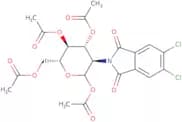

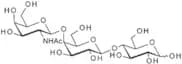
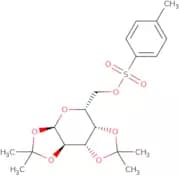
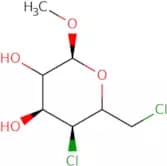
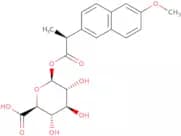
![N-(b-D-Glucopyranosyl)-N'-[(2-methanethiosulfonyl)ethyl]urea](/_next/image/?url=https%3A%2Fstatic.cymitquimica.com%2Fproducts%2F3D%2Fthumb-webp%2FMG07448.webp&w=3840&q=75)
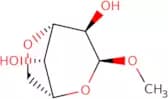
![5-Deoxy-1,2-O-isopropylidene-5-[(2S-pyridin-4-yl-pyrrolidine)-1-yl]-a-D-xylofuranose](/_next/image/?url=https%3A%2Fstatic.cymitquimica.com%2Fproducts%2F3D%2Fthumb-webp%2FMD07489.webp&w=3840&q=75)
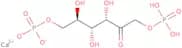
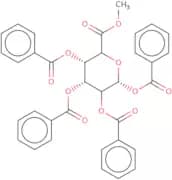
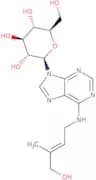
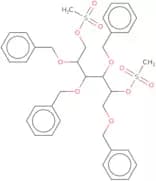

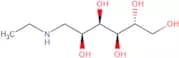
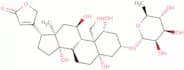
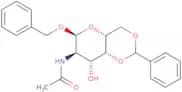
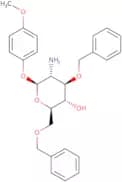
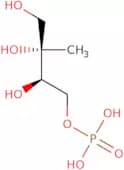

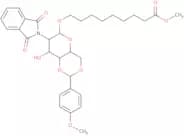

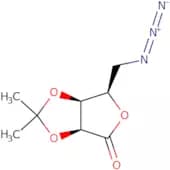
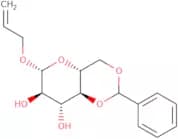
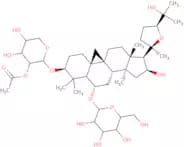

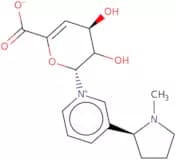
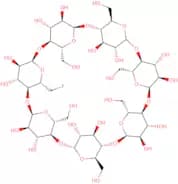
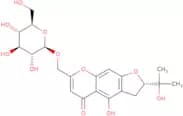
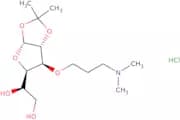
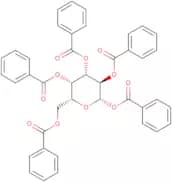
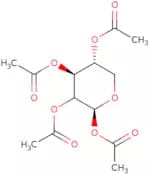


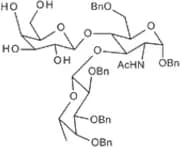
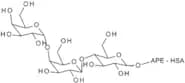
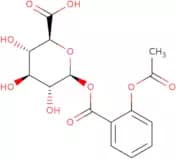
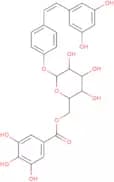


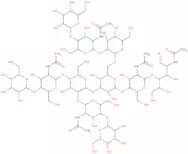

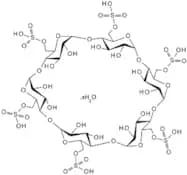

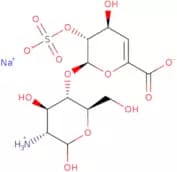
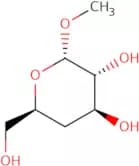
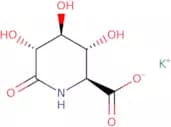


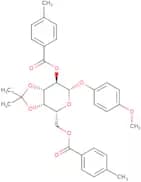
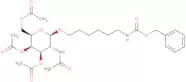
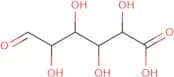
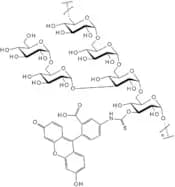

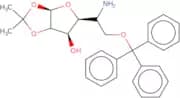
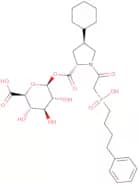

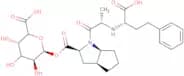
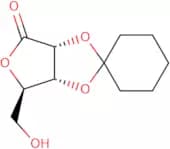
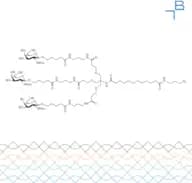
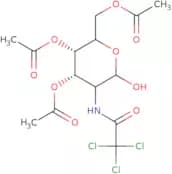
![5-O-(5-Amino-5-deoxy-b-D-ribofuranosyl)-1-N-[(S)-4-amino-2-hydroxy-butanoyl]paromamine](/_next/image/?url=https%3A%2Fstatic.cymitquimica.com%2Fproducts%2F3D%2Fthumb-webp%2FOA32030.webp&w=3840&q=75)

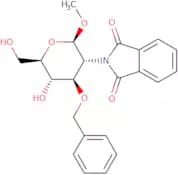
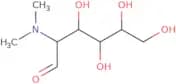
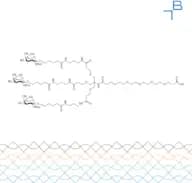
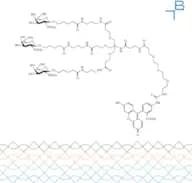
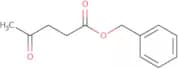
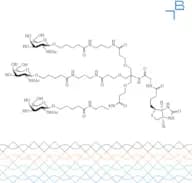
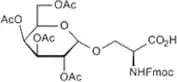
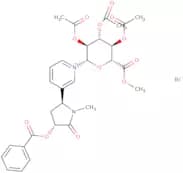


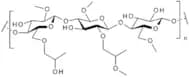
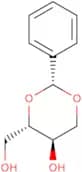

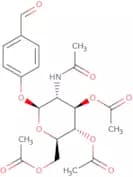

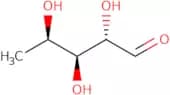
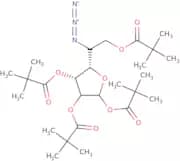
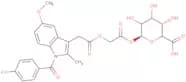
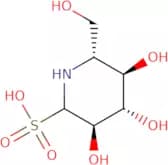

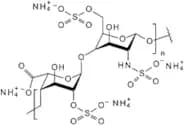


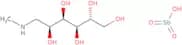
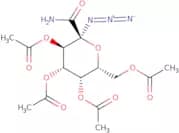

![Di[3-deoxy-D-manno-octulosonyl]-lipid A sodium salt - 0.5mg/ml aqueous solution](/_next/image/?url=https%3A%2Fstatic.cymitquimica.com%2Fproducts%2F3D%2Fthumb-webp%2FOD29173.webp&w=3840&q=75)

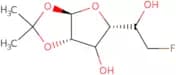
![5-Deoxy-1,2-O-isopropylidene-5-[(2R-pyridin-2-yl-pyrrolidine)-1-yl]-a-D-xylofuranose](/_next/image/?url=https%3A%2Fstatic.cymitquimica.com%2Fproducts%2F3D%2Fthumb-webp%2FMD07487.webp&w=3840&q=75)

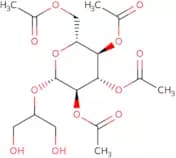

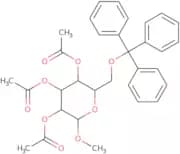
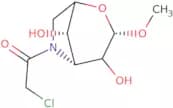

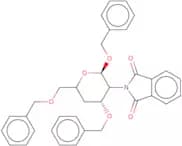
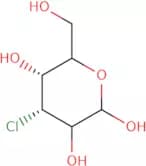

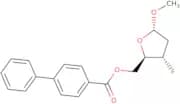
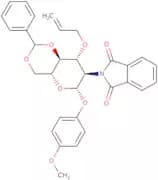
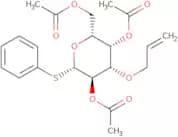
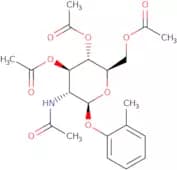
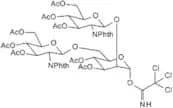


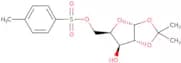
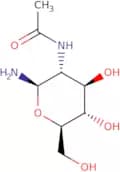
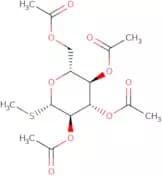
![4-O-Acetyl-2,5-anhydro-1,3-O-isopropylidene-6-[bis(2-cyanoethyl)phosphoryl]-D-glucitol](/_next/image/?url=https%3A%2Fstatic.cymitquimica.com%2Fproducts%2F3D%2Fthumb-webp%2FMA05705.webp&w=3840&q=75)
![1,4-Di-[(Trishydroxymethyl)aminomethane]-1,4-tertratamide](/_next/image/?url=https%3A%2Fstatic.cymitquimica.com%2Fproducts%2F3D%2Fthumb-webp%2FMD12057.webp&w=3840&q=75)
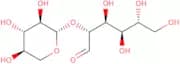


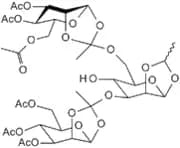
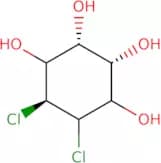
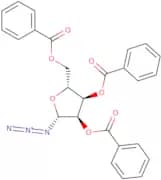
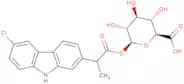
![1,2-Dideoxy-2'-piperidin-1-yl-a-D-glucopyranoso-[2,1-d]-2'-thiazoline](/_next/image/?url=https%3A%2Fstatic.cymitquimica.com%2Fproducts%2F3D%2Fthumb-webp%2FMD15732.webp&w=3840&q=75)
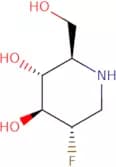
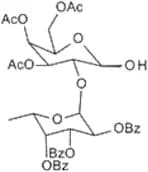


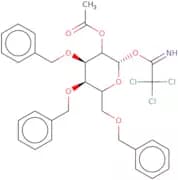
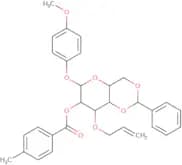
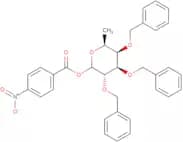
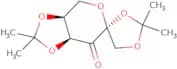
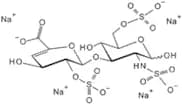
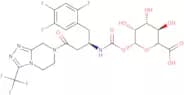
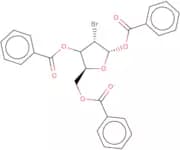
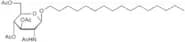
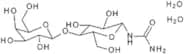
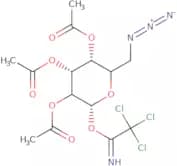
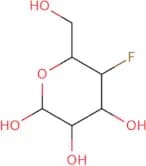
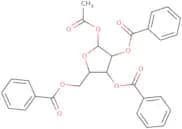


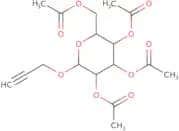

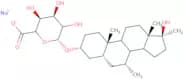
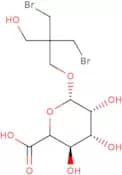
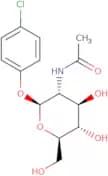
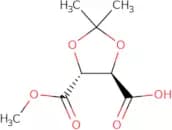
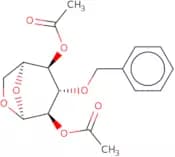
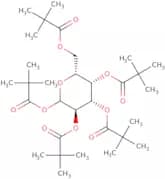
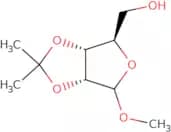

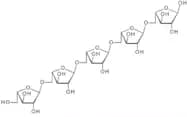
![5-Deoxy-1,2-O-isopropylidene-5-[(2R-pyridin-4-yl-pyrrolidine)-1-yl]-a-D-xylofuranose](/_next/image/?url=https%3A%2Fstatic.cymitquimica.com%2Fproducts%2F3D%2Fthumb-webp%2FMD07488.webp&w=3840&q=75)