Glicoscienza
Sottocategorie di "Glicoscienza"
- Amminozucchero(108 prodotti)
- Glico-anticorpi(284 prodotti)
- Glicolipidi(46 prodotti)
- Glicosaminoglicani (GAGs)(55 prodotti)
- Glicosidi(419 prodotti)
- Monosaccaridi(6.622 prodotti)
- Oligosaccaridi(3.701 prodotti)
- Polisaccaridi(505 prodotti)
Trovati 11034 prodotti di "Glicoscienza"
CMP-Neu5Ac sodium salt
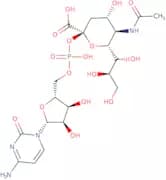
CAS:CMP-Neu5Ac sodium salt (CMP-sialic acid) is a compound of the monosaccharide N-acetylneuraminic acid (Neu5Ac) O-linked with the nucleotide cytidine-5’-monophosphate (CMP). CMP-sialic acid is a substrate for sialyltransferases, which attach sialic acid to a growing oligosaccharide chain. This sugar nucleotide is produced in cytoplasm and then transported into Golgi lumen by a nucleotide-sugar transporter, where it is used in sialylation reactions on glycoproteins and glycolipids.Formula:C20H30NaN4O16PPurezza:(%) Min. 85.0%Colore e forma:White Off-White PowderPeso molecolare:636.43 g/mol1,6:2,3-Dianhydro-4-O-(2,3-di-O-benzyl-b-D-glucopyranosyl)-b-D-mannopyranose
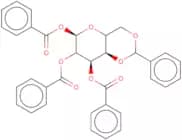
This compound is a sugar molecule that is used in the synthesis of complex carbohydrates. It can be custom synthesized to have a desired purity and monomer content. It is also an intermediate for the synthesis of other saccharides. This compound is fluorinated at the 6-position and glycosylated at the 2-position, which makes it water soluble. The CAS number for this compound is 58427-42-6.Formula:C26H30O9Purezza:Min. 95%Peso molecolare:486.51 g/mol1,2,3-Tri-O-benzoyl-4,6-O-benzylidene-a-D-mannopyranose
1,2,3-Tri-O-benzoyl-4,6-O-benzylidene-a-D-mannopyranose is a synthetic carbohydrate that has been modified with fluorine. It is a complex carbohydrate that has been designed to have high purity and custom synthesis. This product also contains methylation and glycosylation modifications. 1,2,3-Tri-O-benzoyl-4,6-O-benzylidene-a-D -mannopyranose can be used in the synthesis of oligosaccharides and polysaccharides for research purposes.Formula:C34H28O9Purezza:Min. 95%Peso molecolare:580.58 g/mol2,5-Anhydro-3-deoxy-6-O-methyl-4-O-tert.butyldimethylsilyl-L-arabino-hexonic acid methyl ester
2,5-Anhydro-3-deoxy-6-O-methyl-4-O-tert.butyldimethylsilyl-L-arabinohexonic acid methyl ester (2,5Anh3DMA) is a custom synthesis that is used as an intermediate for the preparation of oligosaccharides and polysaccharides. This compound has a CAS number of 51357-61-1 and is soluble in water. 2,5Anh3DMA can be modified with different groups such as methylation, glycosylation, or fluorination to produce desired products. It can be synthesized by the click reaction between an acetaldehyde and a silyl enolate.Purezza:Min. 95%trans,trans-3,4-Dihydroxy-D-proline
Trans,trans-3,4-Dihydroxy-D-proline is a custom synthesis that has been fluorinated and methylated. It is a polysaccharide with a sugar backbone of an oligosaccharide or saccharide. The carbons in the backbone are connected by glycosylation to form a complex carbohydrate. This product has CAS No.
Purezza:Min. 95%Hyacinthacine A2
CAS:Hyacinthacine A2 (HA2) is a diastereomer of hyacinthacine A3. It is a radical coupling compound that has been shown to be stereoselective. HA2 selectively reacts with d-arabinose and other sugar molecules, but not with L-arabinose or other sugar molecules, which makes it useful in the synthesis of polyhydroxylated compounds. HA2 has been found to inhibit the growth of bacteria such as Staphylococcus aureus and Clostridium perfringens, making it an antibacterial agent. HA2 also inhibits protein synthesis and cell division by binding to DNA-dependent RNA polymerase, preventing transcription and replication. This inhibition is due to conformational changes in the molecule as well as radical mechanisms.Formula:C8H15NO3Purezza:Min. 95%Peso molecolare:173.21 g/mol5,6-O-Isopropylidene-L-ascorbic acid
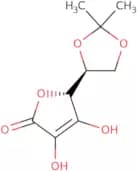
CAS:5,6-O-Isopropylidene-L-ascorbic acid is an access to the vitamin C molecule. It can be synthesized from L-ascorbic acid by reacting with isopropyl iodide and hydrochloric acid. Cryo-electron microscopy has been used to identify the location of 5,6-O-Isopropylidene-L-ascorbic acid in human ganglion cells. This compound has a number of physiological activities and is one of the most powerful antioxidants found in humans. 5,6-O-Isopropylidene-L-ascorbic acid is a precursor to retinoic acid and hydrogen chloride, which are important for erythropoietin production in the kidneys. Dehydroascorbate (DHA) is formed when 5,6-O-Isopropylidene-L-ascorbic acid reacts with hydrogen chloride. DFormula:C9H12O6Purezza:Min. 95%Peso molecolare:216.19 g/molD-Galactopyranosyl-(b1-3)-[N-acetylneuraminyl-(a2-6)]-D-N-acetylgalactosaminyl serine
D-Galactopyranosyl-(b1-3)-[N-acetylneuraminyl-(a2-6)]-D-N-acetylgalactosaminyl serine is a synthetic, fluorinated glycoside that has been modified with methylation and saccharide modifications. It is used in click chemistry to modify proteins and other biomolecules. This compound is available as a custom synthesis, and can be modified with various saccharides or oligosaccharides. D-Galactopyranosyl-(b1-3)-[N-acetylneuraminyl-(a2-6)]-D-N-acetylgalactosaminyl serine is an important carbohydrate in glycosylation reactions as it contains the sugar backbone needed for N-, O-, and S-glycosidic linkages. The CAS number for this compound is 514063-.Formula:C28H47N3O21Purezza:Min. 95%Colore e forma:PowderPeso molecolare:761.68 g/mol5-Keto-D-gluconic acid potassium salt
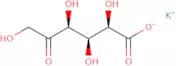
CAS:Intermediate in L-idonate degradation and ketogluconate metabolismFormula:C6H9KO7Purezza:Min. 99.0%Colore e forma:White PowderPeso molecolare:232.23 g/mol6-Deoxy-6-iodo-2,3:4,5-di-O-isopropylidene-D-gulonic acid methyl ester
6-Deoxy-6-iodo-2,3:4,5-di-O-isopropylidene-D-gulonic acid methyl ester is a synthetic compound that can be used in the synthesis of complex carbohydrates and polysaccharides. It has been shown to have a high degree of fluorescence. This compound is also resistant to hydrolysis and can be used as a model for glycosylation. 6-Deoxy-6-iodo-2,3:4,5-di-O-isopropylidene -D gulonic acid methyl ester is an intermediate in the synthesis of saccharides and oligosaccharides. This compound can be custom synthesized with high purity.Purezza:Min. 95%Sialylfucosyllacto-N-tetraose
CAS:Sialylfucosyllacto-N-tetraose is a human milk oligosaccharide (HMO) and is present in lower concentrations than 2â²-fucosyllactose. Sialylfucosyllacto-N-tetraose contains both nitrogen and sialic acid in its chemical structure. It has been demostrated that sialylfucosyllacto-N-tetraose in the HMO pool acts as a prebiotic, protects against infections and inflammation, modulates the immune system, supports brain development, and reduces the risk of necrotizing enterocolitis (WiciÅski, 2020).
Formula:C43H72N2O33Purezza:Min. 95 Area-%Colore e forma:PowderPeso molecolare:1,145.03 g/mol2,3,4,6-Tetra-O-acetyl-D-mannopyranosyl fluoride
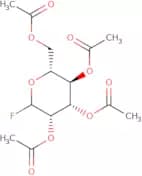
CAS:2,3,4,6-Tetra-O-acetyl-D-mannopyranosyl fluoride is a methylated, fluorinated oligosaccharide. It is a custom synthesis and can be used as a monosaccharide to modify polysaccharides or saccharides. The modification of the sugar with 2,3,4,6-Tetra-O-acetyl-D-mannopyranosyl fluoride increases the water solubility of the complex carbohydrate and its ability to be synthesized into other compounds. This product is high purity and has been modified with fluorine for better stability.
Formula:C14H19FO9Purezza:Min. 95%Peso molecolare:350.29 g/molAtractyloside dipotassium salt
CAS:Atractyloside dipotassium salt is a chemical compound that acts as a potent mitochondrial toxin. It is primarily derived from plant sources, notably from the Atractylis gummifera species. This compound functions by specifically inhibiting the adenine nucleotide translocase (ANT) located in the inner mitochondrial membrane, thereby obstructing the exchange of ADP and ATP across this membrane. This blockade disrupts ATP synthesis, leading to alterations in cellular bioenergetics and apoptotic pathways.Formula:C30H44K2O16S2Purezza:Min. 95 Area-%Peso molecolare:802.99 g/molHyaluronic acid sodium salt - Average MW 1.0 - 2.0 million Da
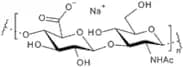
CAS:The sodium salt of hyaluronic acid is a glycosaminoglycan found in many organs, where it functions as a joint lubricant and shock absorber. It is obtained principally from synovial fluid, vitreous humor of the eye, umbilical tissue and cocks comb. The chemical structure of hyaluronic is a disaccharide repeat of β-(1,3) glucuronic acid and β-(1,4) N-acetyl glucosamine.Formula:(C14H20NO11Na)nColore e forma:Powder2-Keto-D-gluconic acid
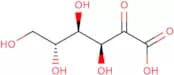
CAS:2-Keto-D-gluconic acid is a naturally occurring compound that can be synthesized from sodium carbonate and 2-keto-d-gluconic acid. 2-Keto-D-gluconic acid has been shown to have antimicrobial properties against many bacterial strains, including its ability to inhibit the growth of wild type strains of Staphylococcus aureus, Streptococcus pneumoniae, Escherichia coli, and Pseudomonas aeruginosa. It has also been shown to have antiinflammatory properties. The synthesis of 2-keto-D-gluconic acid requires optimization of the process with respect to the monoclonal antibody surface methodology used.Formula:C6H10O7Purezza:Min. 95%Colore e forma:PowderPeso molecolare:194.14 g/molMethyl 3-O-benzyl-D-glucopyranoside
CAS:Methyl 3-O-benzyl-D-glucopyranoside is a custom synthesis. It is a complex carbohydrate that is an oligosaccharide, polysaccharide, and modified saccharide. Methyl 3-O-benzyl-D-glucopyranoside can be synthesized from glucose with the use of methylation, glycosylation, or carbonylation reactions. The product has been fluorinated to yield a high purity product. This product can be used for click modifications or sugar chemistry experiments.Purezza:Min. 95%D-Psicose
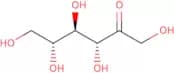
CAS:D-Psicose is a rare ketohexose carbohydrate that is water-soluble and has a sweet taste. It is also known as D-allulose or d-psicose, and is the C3 epimer of L-fructose. D-Psicose can be used as a sweetener in various food and beverage products, providing a low-calorie alternative to traditional sugar. This natural sweetener is derived from corn and has been found to have minimal impact on blood sugar levels, making it suitable for individuals with diabetes or those following a low-carbohydrate diet. Additionally, D-Psicose has been studied for its potential health benefits, including its ability to reduce the risk of hyperuricemia and improve insulin sensitivity. It is also a intestinal beta-glucosidase inhibitor.Formula:C6H12O6Purezza:Min. 98 Area-%Colore e forma:White PowderPeso molecolare:180.16 g/molD-Glucuronic acid methyl ester
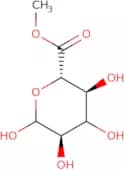
CAS:D-Glucuronic acid methyl ester is an acidic, carbohydrate-binding molecule. It has been shown to bind to sugar residues in proteins and form covalent linkages with ester linkages. D-Glucuronic acid methyl ester has also been shown to be effective for the treatment of pentosan polysulfate sodium (PPS) induced inflammation in animal models. D-Glucuronic acid methyl ester binds to the monoclonal antibodies that are used for structural analysis of glycosidic bonds and oligosaccharides. The hydroxyl group on the molecule can form hydrogen bonds with other molecules, which may explain its usefulness as a magnetic resonance spectroscopy probe.Formula:C7H12O7Purezza:Min. 90 Area-%Colore e forma:Yellow PowderPeso molecolare:208.17 g/mol4-Aminobutyl 3-O-(a-D-mannopyranosyl)-a-D-mannopyranoside
4-Aminobutyl 3-O-(a-D-mannopyranosyl)-a-D-mannopyranoside is a fluorescent, water soluble, and hydrophilic glycoside. This compound is synthesized through the condensation of 4-aminobutyric acid with 3-(2,3,4,6-tetraacetyl glucosamine) to form an aminobutyl ester. The aminobutyl ester is then reacted with a D-mannose derived from 2,3,4,6-tetraacetyl glucosamine. This product is used in glycoprotein analysis and can be modified for various purposes.Purezza:Min. 95%Lactose 3'-sulfate
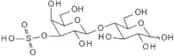
CAS:Unusual lactose sulphate isolated from canine milk (beagle-Canis familiaris), which does not appear to have previously been isolated from milk or other natural sources. The structure was established by 2D NMR spectroscopy and mass spectrometry.Formula:C12H22O14SPurezza:Min. 95%Colore e forma:Beige PowderPeso molecolare:422.36 g/molN-[2-(4'-Methoxyphenyl)-1-cyano-3-butene)-2,3,4,6-tetra-O-pivaloyl-D-glucopyranoside
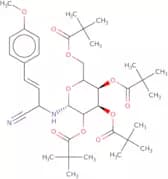
N-[2-(4'-Methoxyphenyl)-1-cyano-3-butene)-2,3,4,6-tetra-O-pivaloyl-D-glucopyranoside is a modification of a complex carbohydrate. It has a CAS No. and is made synthetically with high purity. It is also a monosaccharide that has been methylated and glycosylated. This product is fluorinated and saccharide.Formula:C37H54N2O10Purezza:Min. 95%Peso molecolare:686.83 g/molDiacetone-D-glucose
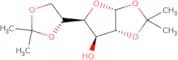
CAS:1,2:5,6-Di-O-isopropylidene-alpha-D-glucofuranose, also known as diacetone-D-glucose (DAG), is a partially protected D-glucose sugar locked in the furanose form with isopropylidene protecting groups on the 1,2 and 5,6 positions. The unprotected 3 position is ready for a variety of chemical manipulations, such as alkylation, acylation or stereo-inversion. An orthogonal protecting group could be added to the 3 position to allow deprotection of an isopropylidene and therefore manipulations of the other hydroxyl groups. Diacetone-D-glucose has been used to make fluorinated hexopyranose glycolysis inhibitors useful in the treatment of brain tumours.
Formula:C12H20O6Purezza:Min. 98 Area-%Colore e forma:White Off-White PowderPeso molecolare:260.28 g/mol2-Deoxy-2-fluoro-D-mannose
CAS:2-Deoxy-2-fluoro-D-mannose is known for its antiviral properties as a sugar analog and glycosylation inhibitor. It works by inhibiting the glycosylation of viral envelope proteins, which can prevent viral replication and reduce viral infectivity. Studies have shown that 2-deoxy-2-fluoro-D-mannose can inhibit the replication of various viruses, including influenza A virus, human immunodeficiency virus (HIV), and hepatitis C virus (HCV). Inhibition of viral glycosylation by 2-Deoxy-2-fluoro-D-mannose can also enhance the effectiveness of some antiviral drugs, making them more potent.Formula:C6H11FO5Purezza:Min. 97 Area-%Colore e forma:PowderPeso molecolare:182.15 g/mol(-)-D-Noviose
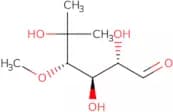
CAS:(-)-D-Noviose is a naturally occurring sulfoxide that was first isolated from the tubercles of tuberculosis patients. It is a biosynthetic precursor to tiacumicin, an antibacterial agent. In addition, (-)-D-Noviose has been shown to act as a chaperone and inhibit cancer cells in vitro. (-)-D-Noviose binds to the cysteine residues of proteins, preventing their oxidation and subsequent aggregation. This prevents the cross-linking of proteins that leads to cellular damage and death.
Formula:C8H16O5Purezza:Min. 95%Peso molecolare:192.21 g/molN-(2-Carboxyethyl)-2,5-dideoxy-2,5-imino-D-mannonic acid
N-(2-Carboxyethyl)-2,5-dideoxy-2,5-imino-D-mannonic acid is a hydrogen bonded compound that has a low melting point and crystallizes in the form of a five membered ring. The molecule has an unusual conformation due to the presence of two carboxylic acid moieties and two hydroxy groups. The molecule's zwitterionic nature arises from the presence of two negative charges on one side of the molecule and two positive charges on the other side. It is a weak acceptor for hydrogen bonding with an intermolecular distance of 3.4 Å and an intramolecular distance of 2.3 Å.Purezza:Min. 95%GM3-Ganglioside sodium
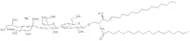
CAS:Ganglioside GM3 (sodium salt) has a core disaccharide structure (Galβ1,4Glc) with sialic acid linked α2,3 to the galactose residue and ceramide linked β to position 1 on the reducing terminal glucose residue (Ledeen, 2009). Ganglioside GM3 is strongly associated with human tumors, such as: lung, brain and melanomas, where it is over expressed. It is seen as a possible tumor-associated carbohydrate antigen for cancer immunotherapy (Changping, 2019). GM3 ganglioside is implicated in various other diseases involving chronic inflammation, such as: insulin resistance, leptin resistance, T-cell function and immune disorders (e.g., allergic asthma). It has also been shown to play an essential role in murine and human auditory systems, and a common pathological feature of GM3S deficiency is deafness (Inokuchi, 2018).Formula:C64H118N2O21·xNaPurezza:Min. 98 Area-%Colore e forma:White PowderPeso molecolare:1,252 g/mol6'-N-Glycolylneuraminyl-D-lactose sodium salt
6'-N-Glycolylneuraminyl-D-lactose sodium salt is a custom synthesis that provides high purity and custom synthesis. It is a complex carbohydrate with a CAS number of 24932-91-0 and an Oligosaccharide, Monosaccharide, saccharide Carbohydrate. This product is Fluorination, Glycosylation, Synthetic, Methylation, Modification.
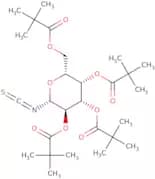
Purezza:Min. 95%2,3,4,6-Tetra-O-pivaloyl-b-D-galactopyranosyl isothiocyanate
CAS:2,3,4,6-Tetra-O-pivaloyl-b-D-galactopyranosyl isothiocyanate is a custom synthesis that has complex carbohydrate as its main component. It is a modified saccharide with chemical modifications such as methylation, glycosylation, and fluorination. It also contains one or more sugars. The CAS number for this product is 147948-52-5. This product has high purity and can be synthesized according to customer specifications.Formula:C27H43NO9SPurezza:Min. 95%Colore e forma:White PowderPeso molecolare:557.7 g/molRaffinose-sp-biotin
Raffinose-sp-biotin is a Custom synthesis, Modification, Fluorination, Methylation, Monosaccharide, Synthetic, Click modification, Oligosaccharide, saccharide. It is available in CAS No. and has the molecular formula C6H14O6. Raffinose-sp-biotin is a polysaccharide with a complex carbohydrate structure.Purezza:Min. 95%Tri-mannuronic acid sodium salt
CAS:Tri-mannuronic acid sodium salt (b-1,4-linked sodium mannuronotriose) is one of a number of oligosaccharides obtained from alginate which is a polysaccharide in brown seaweeds containing: blocks of repeating mannuronic acid sequences (M-M-M-M etc), repeating guluronic acid sequences (G-G-G-G etc), and alternating M-G-M-G sequences.Oligosaccharides can be released using several methods (Lua, 2015; Yanga, 2004) and claims have been published that mannuronic acid oligosaccharides for example, can be effective in the prophylaxis and treatment of Alzheimer's disease, or for the prophylaxis and treatment of diabetes (USP 8835403B2, 2014).
Formula:C18H23O19Na3Purezza:Min. 98 Area-%Colore e forma:White PowderPeso molecolare:612.33 g/mol1,6-Anhydro-β-D-cellotriose
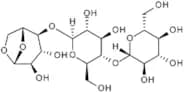
CAS:Produced by the fast pyrolysis of celluloseFormula:C18H30O15Purezza:Min. 95%Colore e forma:PowderPeso molecolare:486.42 g/mol3-C-Methyl-1-deoxy-psicose
3-C-Methyl-1-deoxy-psicose is a sugar that is used in the synthesis of complex carbohydrates. This synthetic sugar is synthesized by the click modification of 3,4-dihydroxybenzaldehyde with 1,2,3,4-tetraacetylated benzyl chloride. The compound has a molecular weight of 228.22 and an empirical formula of C6H8O6F2. It's CAS number is 52714-32-0 and it's Oligosaccharide number is 976.
Purezza:Min. 95%(2R, 4S) - 3- Fluoro- 2,4- azetidinedimethanol
(2R, 4S) - 3- Fluoro- 2,4- azetidinedimethanol is a fluorinated monosaccharide. It is a synthetic compound that has been modified by methylation and Click chemistry. The fluorination of the sugar allows for high purity and modification of the carbohydrate. This compound is used in the synthesis of oligosaccharides and polysaccharides.
Purezza:Min. 95%N- [(3S, 4R, 5S, 6R) - 4, 5- Dihydroxy- 6- (hydroxymethyl) - 3- piperidinyl] -acetamide
N- [(3S, 4R, 5S, 6R) - 4, 5- Dihydroxy- 6- (hydroxymethyl) - 3- piperidinyl] -acetamide is a fluorinated monosaccharide that has been synthesized in the laboratory. The compound is a synthetic oligosaccharide with an acetamide group at position 2. N- [(3S, 4R, 5S, 6R) - 4, 5- Dihydroxy- 6- (hydroxymethyl) - 3- piperidinyl] -acetamide is also a glycosylated polysaccharide that has been modified by methylation and click chemistry.Purezza:Min. 95%2-Amino- 2- deoxy- 3- O- methyl-D- glucose
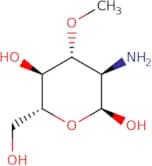
CAS:2-Amino-2-deoxy-3-O-methyl-D-glucose is a modified sugar that has been synthesized by the methylation of D-glucose. This product is often used as a building block in glycosylation, which is the process of adding sugars to proteins or polysaccharides. The modification of this carbohydrate makes it resistant to hydrolysis and oxidation reactions, making it suitable for use in pharmaceuticals and other applications. 2-Amino-2-deoxy-3-O-methyl-D-glucose can be fluorinated to produce 2-(Fluoro)amino 2 deoxy 3 O methyl D glucose, which has been shown to have antihypertensive effects in rats with high blood pressure. This product can also be modified with click chemistry to produce 2-[(Azidomethyl)amino]-2 deoxy 3 O methyl D glucose, which can be usedFormula:C7H15NO5Purezza:Min. 95%Peso molecolare:193.2 g/molPhenyl b-D-galactopyranoside
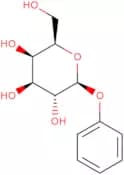
CAS:Phenyl b-D-galactopyranoside is a glycoside of galactose. It is used as an antigen and cross-linking agent in the preparation of monoclonal antibodies to human serum proteins. Phenyl b-D-galactopyranoside has been shown to be a potent inhibitor of protein synthesis in cells from primary tumors, and it has been found to decrease the rate of tumor growth in mice. This compound also inhibits the growth of certain bacteria, including methicillin-resistant Staphylococcus aureus (MRSA), Mycobacterium tuberculosis, and Mycobacterium avium complex. The mechanism by which phenyl b-D-galactopyranoside inhibits bacterial growth is not well understood.Formula:C12H16O6Purezza:Min. 98 Area-%Colore e forma:PowderPeso molecolare:256.25 g/mol(Hydroxypropyl)methyl cellulose - Viscocity 80-120 cP, 2 % in H2O (20 °C)
CAS:Hydroxypropyl methylcellulose (HPMC or hypromellose) is a semisynthetic, inert and viscoelastic polymer that is used as eye drops and as semi-synthetic substitute for tear-films. When applied, a hypromellose solution acts to swell and absorb water, by increasing the thickness of the tear-film, resulting in decreased eye irritation. In addition to its use in ophthalmic liquids, hypromellose has been used as an excipient in oral tablet and capsule formulations, where, depending on the grade, it functions as controlled-release agent. It is also used as a binder and as a component of tablet coatings. Hypromellose in aqueous solution, unlike methylcellulose, exhibits thermal gelation properties. HPMC is approved as a food additive, emulsifier, thickening and suspending agent, and as an alternative to animal gelatin (Codex Alimentarius code (E number) is E464).Colore e forma:White Powder2-Amino- 2- deoxy- 3, 4- di- O- methyl-D- glucose
CAS:2-Amino- 2-deoxy-3,4-di-O-methyl-D-glucose is a sugar that belongs to the group of carbohydrates. It has been custom synthesized and modified with fluorine and methyl groups. This product is available in high purity, which can be used as a building block for glycosylation or click modification.Formula:C8H17NO5Purezza:Min. 95%Peso molecolare:207.22 g/mol[2S- (2a, 3a, 4b, 5b, 6a) ]-2- (Hydroxymethyl) - 6- methyl- 3, 4, 5- piperidinetriol
The compound 2S-[2a,3a,4b,5b,6a] -2- (hydroxymethyl)-6-methyl-3,4,5-piperidinetriol is a saccharide with a piperidine ring. It is a synthetic carbohydrate that belongs to the group of oligosaccharides. The fluorine atom in this compound is substituted with methyl groups at positions 2 and 6 on the piperidine ring. This modification is used to increase the water solubility of this carbohydrate. The CAS number for this compound is 53543-33-8.Purezza:Min. 95%4-O-Methyl-alpha-D-glucurono-beta-D-xylan
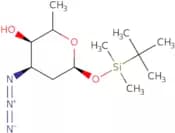
CAS:4-O-Methyl-alpha-D-glucurono-beta-D-xylan is produced by the hydrolysis of xylan. It can be used in studies to find new soluble chromogenic substrates for the assay of xylanases and glucanases.Colore e forma:Powder3-Azido-1-O-t-butyldimethylsilyl-2,3,6-trideoxy-b-L-arabino-hexopyranose
3-Azido-1-O-t-butyldimethylsilyl-2,3,6-trideoxy-b-L-arabinohexopyranose is a modified sugar. It is used as a building block in the synthesis of oligosaccharides and polysaccharides. This product is custom synthesized to customer's specifications and is available in high purity.Formula:C12H25N3O3SiPurezza:Min. 95%Peso molecolare:287.43 g/molMethyl 4-O-(2-acetamido-2-deoxy-β-D-galactopyranosyl)-β-D-galactopyranoside
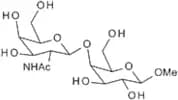
CAS:Methyl 4-O-(2-acetamido-2-deoxy-b-D-galactopyranosyl)-b-D-galactopyranoside is a glycosylated, fluorinated oligosaccharide. The product has been modified with acetamidomethyl and 2,3,4,6'-tetraacetyl bromoacetate to produce the desired structure. This compound is used in synthesis of glycoproteins and carbohydrates for medical purposes. It is synthesized from high purity monosaccharides and custom synthesis for specific applications.Formula:C15H27NO11Purezza:Min. 95%Colore e forma:PowderPeso molecolare:397.38 g/molN-Acetyl-D-glucosamine-3-O-sulphate sodium
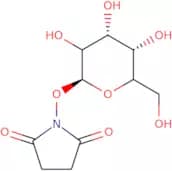
N-Acetyl-D-glucosamine-3-O-sulphate sodium (NADG) is a type of high purity, monosaccharide that is synthesized from D-glucosamine and sulphuric acid. NADG is a synthetic carbohydrate that can be used in the synthesis of complex carbohydrates. It has been modified to contain fluorine atoms at the 3rd and 4th carbon positions. This modification prevents NADG from being hydrolyzed by aminoglycosides such as kanamycin and neomycin, which are used in chemotherapy treatment.Formula:C8H15NO9S•NaPurezza:Min. 95%Colore e forma:PowderPeso molecolare:324.25 g/molN-(Succinyl)-O-b-D-galactopyranosylhydroxylamine
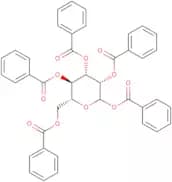
N-(Succinyl)-O-b-D-galactopyranosylhydroxylamine is a custom synthesis of an oligosaccharide with a modified sugar. The modification includes fluorination and succinylation of the hydroxyl group at the b position on the galactose ring. This sugar is also known as a complex carbohydrate and is found in saccharides, carbohydrates, and sugars. This product is synthesized to provide high purity with a click modification for use in methylation reactions.Formula:C10H15NO8Purezza:Min. 95%Peso molecolare:277.23 g/mol1,2,3,4,6-Penta-O-benzoyl-D-mannopyranose
CAS:1,2,3,4,6-Penta-O-benzoyl-D-mannopyranose is a high purity sugar that is custom synthesized to be used in glycosylation reactions. It has been shown to be effective for Click chemistry and can be fluorinated or methylated. 1,2,3,4,6-Penta-O-benzoyl-D-mannopyranose is a synthetic sugar that can be modified by glycosylation reactions. This sugar has the CAS No. 96996-90-6 and is known as Methyl 1-(1'-methylpropyl)-1H-[1',2',3',4',5',6']pentaoxacyclohexane.Formula:C41H32O11Purezza:Min. 95%Colore e forma:White PowderPeso molecolare:700.69 g/mol5-Azido-5-deoxy-2,3-O-isopropylidene-2-C-([trifluormethanesulfonyloxy]methyl)- D-ribono-1.4-lactone
This is a custom synthesis of 5-azido-5-deoxy-2,3-O-isopropylidene-2-[(trifluoromethanesulfonyloxy)methyl]-D-ribono-1.4 -lactone (5ADL). The compound can be used as a synthetic intermediate and is a glycoside that contains an azido group. It is also known as a sugar and has the CAS number: 6374506-32-8. This compound has been shown to inhibit bacterial growth in vitro by inhibiting protein synthesis, DNA replication, and RNA transcription.Purezza:Min. 95%a-D-[UL-13C6]Glucose-1-phosphate dipotassium salt hydrate
CAS:a-D-[UL-13C6]Glucose-1-phosphate dipotassium salt hydrate is a kinetic and structural analysis of the glucose phosphate metabolic pathway. It has been used to study biochemical properties of the glucose phosphate metabolic pathway, and to study the control mechanisms for this process. Specifically, it has been used to determine kinetic parameters that are necessary for understanding glucose metabolism. This compound has also been used to study hydrogen bonding interactions between monoclonal antibodies and ganoderma lucidum and transfer reactions of immobilized enzymes. The pH optimum for this compound is 4.5, and it can be synthesized from solanum tuberosum.Formula:C6H11K2O9P·xH2OPurezza:Min. 95%Colore e forma:PowderPeso molecolare:342.27 g/mol3-O-(a-D-Mannopyranosyl)-D-mannopyranose
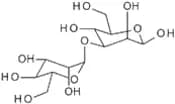
CAS:Isolated from the products of the acid reversion of D-mannoseFormula:C12H22O11Purezza:Min. 95 Area-%Colore e forma:White PowderPeso molecolare:342.3 g/mol3,4-Di-O-acetyl-2,6-di-O-(3,4,6-tri-O-acetyl-2-deoxy-2-phthalimido-β-D-glucopyranosyl)-α-D-mannopyranose
3,4-Di-O-acetyl-2,6-di-O-(3,4,6-tri-O-acetyl-2-deoxy-2-phthalimido-b-D-glucopyranosyl)-a-D mannopyranose is a modification of the carbohydrate oligosaccharide. It is a custom synthesis that has high purity and CAS number. The structure of the molecule is an Oligosaccharide with a Carbohydrate. This molecule is an example of a complex carbohydrate. The monosaccharide in this compound is glucose and it has been methylated and glycosylated. This molecule also has a polysaccharide sugar which can be fluorinated or saccharided.Formula:C50H54N2O26Purezza:Min. 95%Peso molecolare:1,098.96 g/mol2,3:4,5-Di-O-isopropylidene-L-arabitol
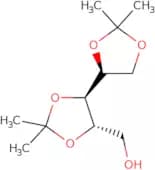
CAS:2,3:4,5-Di-O-isopropylidene-L-arabitol is a modification of an oligosaccharide in which the hydroxyl group at position 4 on the D-ribose moiety has been replaced with an isopropylidene group. The synthesis of 2,3:4,5-Di-O-isopropylidene-L-arabitol can be achieved by methylation and fluorination of L-arabinose. This compound is used in glycosylations and polysaccharide syntheses. 2,3:4,5-Di-O-isopropylidene-L--arabitol is also found as a natural constituent of many plants. 2,3:4,5--Di--O--isopropylidene--L--arabitol is chemically described as α-(1→6)-D--glucopFormula:C11H20O5Purezza:Min. 95%Colore e forma:PowderPeso molecolare:232.27 g/mol

![D-Galactopyranosyl-(b1-3)-[N-acetylneuraminyl-(a2-6)]-D-N-acetylgalactosaminyl serine](/_next/image/?url=https%3A%2Fstatic.cymitquimica.com%2Fproducts%2F3D%2Fthumb-webp%2FOG15272.webp&w=3840&q=75)





![N- [(3S, 4R, 5S, 6R) - 4, 5- Dihydroxy- 6- (hydroxymethyl) - 3- piperidinyl] -acetamide](/_next/image/?url=https%3A%2Fstatic.cymitquimica.com%2Fproducts%2F3D%2Fthumb-webp%2FMD163935.webp&w=3840&q=75)

![[2S- (2a, 3a, 4b, 5b, 6a) ]-2- (Hydroxymethyl) - 6- methyl- 3, 4, 5- piperidinetriol](/_next/image/?url=https%3A%2Fstatic.cymitquimica.com%2Fproducts%2F3D%2Fthumb-webp%2FMH163934.webp&w=3840&q=75)


![5-Azido-5-deoxy-2,3-O-isopropylidene-2-C-([trifluormethanesulfonyloxy]methyl)- D-ribono-1.4-lactone](/_next/image/?url=https%3A%2Fstatic.cymitquimica.com%2Fproducts%2F3D%2Fthumb-webp%2FMA163999.webp&w=3840&q=75)
![a-D-[UL-13C6]Glucose-1-phosphate dipotassium salt hydrate](/_next/image/?url=https%3A%2Fstatic.cymitquimica.com%2Fproducts%2F3D%2Fthumb-webp%2FMG64091.webp&w=3840&q=75)