Glicoscienza
La glicosienza è lo studio dei carboidrati e dei loro derivati, nonché delle interazioni e delle funzioni biologiche a cui partecipano. Questo campo di ricerca è cruciale per comprendere una vasta gamma di processi biologici, tra cui il riconoscimento cellulare, la segnalazione, la risposta immunitaria e lo sviluppo delle malattie. La glicosienza ha importanti applicazioni nella biotecnologia, nella medicina e nello sviluppo di nuovi farmaci e terapie. Presso CymitQuimica, offriamo un'ampia selezione di prodotti di alta qualità e purezza per la ricerca in glicosienza. Il nostro catalogo comprende monosaccaridi, oligosaccaridi, polisaccaridi, glicoconiugati e reagenti specifici, progettati per supportare i ricercatori nei loro studi sulla struttura, funzione e applicazioni dei carboidrati nei sistemi biologici. Queste risorse sono destinate a facilitare scoperte scientifiche e applicazioni pratiche in vari ambiti delle bioscienze e della medicina.
Sottocategorie di "Glicoscienza"
- Amminozucchero(108 prodotti)
- Glico-anticorpi(282 prodotti)
- Glicolipidi(46 prodotti)
- Glicosaminoglicani (GAGs)(55 prodotti)
- Glicosidi(419 prodotti)
- Monosaccaridi(6.624 prodotti)
- Oligosaccaridi(3.682 prodotti)
- Polisaccaridi(503 prodotti)
Trovati 11046 prodotti di "Glicoscienza"
Ordinare per
Purezza (%)
0
100
|
0
|
50
|
90
|
95
|
100
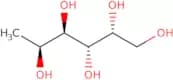
6-Deoxy-L-tallose
CAS:<p>6-Deoxy-L-tallose is a heterocyclic compound that is an enol ether with a vicinal, β-unsaturated aldehyde and the correct stereochemistry. It can be synthesized from D-glucose by enolization of the hydroxyl group at C2, followed by oxidation to form an aldehyde. This reaction can also be accomplished using hydrogen peroxide in acetic acid. 6-Deoxy-L-tallose can also be synthesized from D-mannitol or D-sorbitol by reduction of the carbonyl group at C1, followed by oxidation to form an aldehyde. The synthesis of 6-deoxy L -tallose has been shown to be useful as a chiral synthon for the synthesis of other molecules.END></p>Formula:C6H12O5Purezza:Min. 95%Peso molecolare:164.16 g/mol(1R) -1- [(2R, 3S) -3-Hydroxy- N-nonyl-1- azetidinyl] -1, 2- ethanediol
(1R) -1- [(2R, 3S) -3-Hydroxy- N-nonyl-1- azetidinyl] -1, 2- ethanediol is a methylated saccharide that can be used in the synthesis of oligosaccharides. It has been shown to be an effective inhibitor of glycosylation and can be used for the modification of carbohydrates. The compound has a CAS number and is available for custom synthesis. It also has high purity and stability, as well as being a synthetic product.Purezza:Min. 95%(2R, 3S, 4R) -4- Azido- 3 benzhydryloxybis(trimethylsilyloxy)silyloxy - 2- [( benzhydryloxybis(trimethylsilyloxy)silyloxy) methyl] - 1- benzyl- pyrrolidine
(2R, 3S, 4R) -4- Azido- 3 benzhydryloxybis(trimethylsilyloxy)silyloxy - 2- [(benzhydryloxybis(trimethylsilyloxy)silyloxy) methyl] - 1- benzyl- pyrrolidine is a highly pure and custom synthesized oligosaccharide. It is a methylated saccharide with a high purity. The CAS number for this compound is 102780-43-1. This compound has been modified by Click chemistry to allow for the modification of saccharides, polysaccharides and other complex carbohydrates.Purezza:Min. 95%(1S) -1- [(2S, 3R) - N-(Methoxyphenyl)methyl-3- hydroxy- 1- azetidinyl] -1, 2- ethanediol
<p>(1S) -1- [(2S, 3R) - N-(Methoxyphenyl)methyl-3- hydroxy- 1- azetidinyl] -1, 2- ethanediol is a synthetic modification of the sugar glucose. It has been fluorinated at the hydroxyl group of the C2 position to produce (1S) -1-[(2S, 3R)-N-(methoxyphenyl)methyl]-3-hydroxy-1-azetidinol. This compound can be used as an intermediate for glycosylation and methylation reactions. It is also available with high purity and custom synthesis.</p>Purezza:Min. 95%Torachrysone 8-O-glucoside
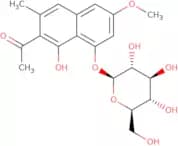
CAS:Torachrysone 8-O-glucoside is a natural product found in the rhizome of Chinese medicinal plant Rhubarb. It is an antiinflammatory that has been shown to be effective in vitro against inflammation induced by spleen, blood, and the stomach. Torachrysone 8-O-glucoside has also been shown to have protective effects on the kidney and bladder.Formula:C20H24O9Purezza:Min. 95%Colore e forma:White PowderPeso molecolare:408.4 g/molD-Glucurono-3,6-lactone
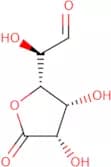
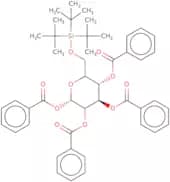
CAS:Glucose metaboliteFormula:C6H8O6Purezza:Min 98%Colore e forma:White PowderPeso molecolare:176.12 g/mol1,2,3,4-Tetra-O-benzoyl-6-O-triisopropylsilyl-b-D-galactopyranose
1,2,3,4-Tetra-O-benzoyl-6-O-triisopropylsilyl-b-D-galactopyranose is an oligosaccharide. The carbohydrate is a complex carbohydrate that has been custom synthesized and high purity. The CAS number for this compound is 10981-97-5. This compound is a monosaccharide that has been methylated and glycosylated. It is also a polysaccharide composed of sugar molecules with the molecular formula C8H18O6. This compound has been fluorinated and saccharided.Formula:C46H54O10SiPurezza:Min. 95%Peso molecolare:795.02 g/mol[2S- (2a, 3b, 4a, 5b) ] - 1-Benzyl - 2-methyl-3, 4, 5- piperidinetriol
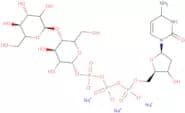
This product is a custom synthesis. It is a fluorinated, modified monosaccharide that has been synthesized by click chemistry and contains an O-glycosyl group. This product can be used in the synthesis of glycosylated polysaccharides and oligosaccharides, or as a building block for modification of complex carbohydrates to produce new compounds with novel properties, such as fluorescence.Purezza:Min. 95%Maltopyranosyl-CTP
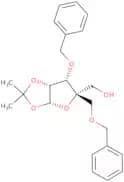
<p>Maltopyranosyl-CTP is a high purity, custom synthesis, sugar modified with Click chemistry. The modification includes fluorination, glycosylation and methylation. Maltopyranosyl-CTP is synthesized by the reaction of maltoheptaose with 3-chloro-2-fluoroaniline. Maltopyranosyl-CTP has CAS No.: 6791-87-0 and molecular weight: 592.28. Maltopyranosyl-CTP is an oligosaccharide that consists of six monosaccharides linked together in a linear chain by alpha (1→4) glycosidic bonds. Maltopyranosyl-CTP has the following chemical formula: C6H14O6F3Cl2N3O6S2. Maltopyranosyl-CTP is a complex carbohydrate that can be found in plants and yeast.</p>Formula:C21H32N2Na3O24P3Purezza:Min. 95%Peso molecolare:858.37 g/mol3-O-Benzyl-1,2-O-isoproylidene-4-C-(phenylmethoxy)methyl-β-L-lyxofuranose
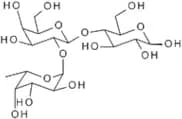
CAS:3-O-Benzyl-1,2-O-isoproylidene-4-C-(phenylmethoxy)methyl-b-L-lyxofuranose is a monosaccharide that belongs to the group of carbohydrates. It is used as a raw material in the synthesis of complex carbohydrates by click chemistry, glycosylation and methylation. 3-O-Benzyl--1,2--O--isoproylidene--4--C-(phenylmethoxy)methyl--b--L--lyxofuranose has been modified for use in fluoroformations and glycosylations. This compound can also be used as an intermediate for the synthesis of other saccharides.Formula:C23H28O6Purezza:Min. 95%Colore e forma:PowderPeso molecolare:400.46 g/mol2'-Fucosyllactose - Synthetic
CAS:<p>2'-Fucosyllactose (2'-FL) is the most abundant human milk oligosaccharide (HMO) with multiple functions including: acting as a prebiotic, protecting against infections and inflammation, modulating the immune system, supporting brain development, and reducing the risk of necrotizing enterocolitis. The commercial availability of synthetic fucosyllactose is important because HMOs were previously only found at significant levels in human milk, however they are now available in several infant formulas. It has been given Generally Recognized As Safe (GRAS) status and the European Union has approved the use of 2'-Fucosyllactose in infant formula products (Reverri, 2018).</p>Formula:C18H32O15Purezza:(2'-Fucosyllactose) Min. 94.0%Colore e forma:White PowderPeso molecolare:488.44 g/mol4-Aminophenyl β-D-galactopyranoside
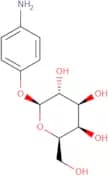
CAS:<p>4-Aminophenyl-beta-D-galactopyranoside is a substrate for beta-galactosidase. 4-aminophenol is released upon cleavage by beta-galactosidase. 4-aminophenol can be assayed by electro-oxidation to 4-imino quinone while recording changes in potential or current of a galvanic system. 4-Aminophenyl-beta-D-galactopyranoside can be used in affinity chromatography for the isolation of galactose-binding lectins.</p>Formula:C12H17NO6Purezza:Min. 95%Colore e forma:PowderPeso molecolare:271.27 g/molD-Lyxose
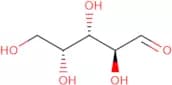
CAS:<p>Starting material for chiral-pool based synthesis of modified nucleosides</p>Formula:C5H10O5Purezza:Min. 99 Area-%Colore e forma:White PowderPeso molecolare:150.13 g/mol3,5-O-Benzylidene-D-lyxono-1,4-lactone
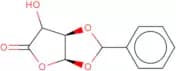
3,5-O-Benzylidene-D-lyxono-1,4-lactone is a crystalline compound with a molecular formula of C6H8O3. It has the molecular weight of 154.11 g/mol and melting point of 104°C. 3,5-O-Benzylidene-D-lyxono-1,4-lactone has been shown to be an inhibitor for the enzyme xanthine oxidase. This compound may be useful in treating conditions such as hyperuricemia or gout.Formula:C11H10O5Purezza:Min. 95%Peso molecolare:222.2 g/mol1,2,3,4-Tetra-O-benzyl-6-O-tert-butyldimethylsilyl-a-D-mannopyranose
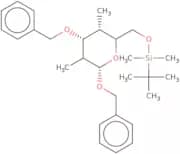
<p>This is a fluorinated monosaccharide, synthesized by the click modification of an oligosaccharide with an a-D-mannopyranose. The complex carbohydrate has been modified with methyl and benzyl groups, which can be removed using tert-butyldimethylsilyl chloride to yield 1,2,3,4-Tetra-O-benzyl-6-O--tert-butyldimethylsilyl a-D-mannopyranose.</p>Formula:C40H50O6SiPurezza:Min. 95%Peso molecolare:654.93 g/molGlucose spacer fluorescein
Glucose spacer fluorescein is a sugar that is used in glycosylation reactions. It has a molecular weight of 368.2 g/mol, CAS No. 605-85-8, and the chemical formula C6H10O5. Glucose spacer fluorescein is synthesized by reacting glucose with an activator such as sodium borohydride or tris(dibenzylideneacetone)dipalladium(0) (Pd). The synthesis of glucose spacer fluorescein can be modified to include methylation, glycosylation, or other modifications. Glucose spacer fluorescein is composed of two monosaccharides and one saccharide residue. This sugar consists of a glucose molecule linked to a fluorinated 1-deoxy-D-ribofuranose via an ether bond at position 3' and a glucosamine residue attached to the 5Purezza:Min. 95%Globotriose
CAS:<p>an important cell surface epitope that acts as the receptor for Shiga-like toxin</p>Formula:C18H32O16Purezza:Min. 95%Colore e forma:PowderPeso molecolare:504.44 g/mol1,3:1,4 b-Glucotetraose (C)
CAS:Glucotetraose (C) is a custom-synthesized carbohydrate that is modified with fluorine, methylation, and click modification. It is a monosaccharide with an Oligosaccharide chain of saccharides. This product has a purity of 99.5%.Formula:C24H42O21Purezza:Min. 95 Area-%Colore e forma:White PowderPeso molecolare:666.58 g/molLacto-N-tetraose - 90%
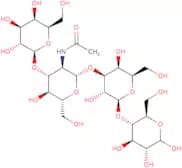
CAS:Core human milk oligosaccharideFormula:C26H45NO21Purezza:Min. 90 Area-%Colore e forma:White PowderPeso molecolare:707.63 g/molFucoidan, cladosiphon
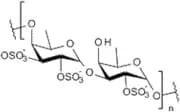
CAS:<p>A fucan sulphate found in brown marine algae (Phaeophyta-typically Fucus vesiculotus, Ascophyllum nodosum, Alaria and Cladosiphon (illustrated) and has been shown to have anticoagulant activity. The main constituents are α-1,4 and α-1,2 linked L-fucose sulphates although galactose also occurs and there are many variations of the basic structure found in different species of Phaeophyta.<br>The fucose content of the fucan is approx. 51% and it also contains galactose (approx. 6.3%), uronic acid (approx. 15.5%) and sulfate (approx. 25%).<br>The image was kindly provided by Prof Mike Guiry from Cork who runs ‘The Seaweed Site’.</p>Purezza:(Fucoidan) Reported (%)Colore e forma:White PowderRibitol
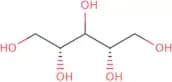
CAS:<p>Non-cariogenic sweetener; part of carbohydrate-based, biodegradable tensides</p>Formula:C5H12O5Purezza:Min. 98 Area-%Colore e forma:White Off-White PowderPeso molecolare:152.15 g/molEzetimibe b-D-glucuronide
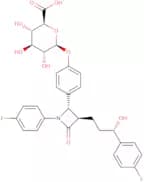
CAS:<p>Ezetimibe b-D-glucuronide is a glucuronide conjugate of ezetimibe. It can be found in human serum, as well as in the liver and small intestine. Ezetimibe b-D-glucuronide has been shown to inhibit uptake of uridine into Caco2 cells, which may be due to its ability to inhibit the activity of drug transporters such as P-glycoprotein and organic anion transporting polypeptides. This drug also inhibits the production of creatine kinase in the liver and lowers cholesterol levels by inhibiting dietary cholesterol absorption. The drug interactions with statins are still unclear and require further investigation. Ezetimibe b-D-glucuronide is metabolized by glucuronidation in the liver and small intestine.</p>Formula:C30H29F2NO9Purezza:Min. 95%Colore e forma:PowderPeso molecolare:585.55 g/molD-Galactose - non-animal origin
CAS:D-Galactose is a monosaccharide that is found in the form of a white, odorless powder. It has many applications, including as an additive in foods and beverages, as an intermediate in the production of other modified sugars, and as an important component of glycoproteins. D-Galactose is also used to produce glycogen or lactose by modifying it with phosphate or acetate groups. The synthesis of D-galactose is done by methylation of D-glucose followed by glycosylation reactions. This product can be custom synthesized to meet your needs.Formula:C6H12O6Purezza:Min. 99 Area-%Peso molecolare:180.16 g/molRef: 3D-G-1705
5kgPrezzo su richiesta10kgPrezzo su richiesta25kgPrezzo su richiesta2500gPrezzo su richiesta-Unit-kgkgPrezzo su richiestaTriclosan-β-D-glucopyranoside
Triclosan-beta-D-glucopyranoside is a sugar that is custom synthesized to your specifications. The sugar can be modified by fluorination, glycosylation, methylation, or modification. Triclosan-beta-D-glucopyranoside is an oligosaccharide that has a molecular weight of 534.2 and is soluble in water. This compound has CAS number 6051-08-4.Formula:C18H17Cl3O7Purezza:Min. 98.0 Area-%Peso molecolare:451.68 g/molLactulose
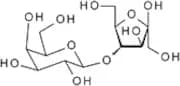
CAS:Lactulose is a non-absorbable sugar used in the treatment of constipation and hepatic encephalopathy. It is used by mouth for constipation and either by mouth or in the rectum for hepatic encephalopathy. It generally begins working after 8-12 hours, but may take up to 2 days to improve constipation.Formula:C12H22O11Purezza:Min. 99 Area-%Colore e forma:White PowderPeso molecolare:342.3 g/molAgaropentaose
CAS:Agarose is a polysaccharide found in red algae, typically Gelidium and Gracilaria. It is a strictly alternating polysaccharide of α-1,3 linked D-galactose and β-1,4 linked L-3,6 anhydrogalactose with occasional sulfation at position 6 of the anhydrogalactose residue. Agaro-oligosaccharides result from cleavage at galactose residues and neoagaro-oligosaccharides from cleavage at 3,6-anhydro residues. Reports have suggested that agaropentaose has neuroprotective properties.Formula:C30H48O24Purezza:Min. 97 Area-%Colore e forma:White PowderPeso molecolare:792.69 g/mol4-Acetylphenyl-β-D-glucopyranoside
CAS:<p>4-Acetylphenyl-β-D-glucopyranoside (4APG) is a natural compound that belongs to the group of p-hydroxybenzoic acid. It has been shown to have antibacterial properties, with an optimum pH of 5.0 and an MIC of 1.0 μg/mL. 4APG was found to be active against Gram-positive bacteria, including Staphylococcus aureus, Bacillus subtilis, and Clostridium perfringens. This compound also inhibits the growth of Gram-negative bacteria such as Escherichia coli, Salmonella enteritidis, and Shigella dysenteriae. The chemical structure of 4APG was determined by NMR spectroscopy analysis and HPLC analysis. Analysis by GCMS revealed that 4APG contains protocatechuic acid, 5-caffeoylquinic acid, and other unknown compounds.</p>Formula:C14H18O7Purezza:Min. 95%Colore e forma:Off-White Slightly Yellow PowderPeso molecolare:298.29 g/mol4-Methoxyphenyl 2,3,6-tri-O-benzoyl-b-D-galactopyranoside
CAS:<p>The 4-methoxyphenyl 2,3,6-tri-O-benzoyl-b-D-galactopyranoside (4MP) is a coagulation factor that inhibits the activity of coagulation factors Xa and IIa. The compound has been shown to be reactive with the detection methods used for other coagulation factors. The sensitivity of 4MP to detection was assessed using a battery of detection methods. 4MP was found to be more reactive than other compounds studied with regard to the use of an immunoassay for detection. This compound has hepatotoxic effects and can cause cell death in vitro. Cell culture studies show that 4MP causes membrane permeabilization and cellular uptake by bacteria.</p>Formula:C34H36O7Purezza:Min. 95%Colore e forma:White to off-white solid.Peso molecolare:556.2461Methyl 2-acetamido-2-deoxy-a-D-galactopyranoside
CAS:Methyl 2-acetamido-2-deoxy-a-D-galactopyranoside is a metabolite of the drug 6-fluoro-3-indoxyl-beta-D-galactopyranoside. It has been shown to induce apoptosis in cells, which is mediated by the activation of caspase 3 and cleavage of poly(ADP)ribose polymerase (PARP). Methyl 2-acetamido-2-deoxy-a-D-galactopyranoside also induces transcriptional regulation and decreases the expression of proteins that are involved in cell proliferation. These effects have been seen in clinical pathology, including cancer and infectious diseases. This metabolite binds to mouse monoclonal antibodies, which are used as a diagnostic tool for several types of cancer. The electrochemical impedance spectroscopy technique has demonstrated that methyl 2 acetamido 2 deoxy a D galactopyranoside inhibitsFormula:C9H17NO6Purezza:Min. 98 Area-%Colore e forma:White PowderPeso molecolare:235.23 g/molNAcDGJ
<p>NAcDGJ is a glycosylation-derived, synthetic, complex carbohydrate with methylation, click modification, fluorination, saccharide and sugar modifications. NAcDGJ has shown to have anticancer activity in vitro and in vivo. This compound can be custom synthesized with high purity and CAS number.</p>Purezza:Min. 95%Monosialyllacto-N-hexaose
<p>Monosialyllacto-N-hexaose is a high purity, custom synthesis sugar that belongs to the group of oligosaccharides. This carbohydrate is modified with fluorination and glycosylation, which are Click modifications. Monosialyllacto-N-hexaose has a CAS number of 68638-04-3. This product is available for purchase in bulk quantities.</p>Formula:C51H85N3O39Purezza:Min. 95%Peso molecolare:1,364.22 g/mol2,3,5-Tri-O-benzyl-b-D-xylofuranose
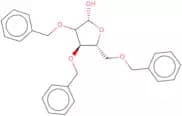
CAS:2,3,5-Tri-O-benzyl-b-D-xylofuranose is a synthetic carbohydrate with a complex structure. It is an oligosaccharide that has been modified by methylation and glycosylation. It has a molecular weight of 582.16 g/mol and the CAS number is 1174234-12-8.Formula:C26H28O5Purezza:Min. 95%Colore e forma:PowderPeso molecolare:420.5 g/mol2-Deoxy-2-fluoro-D-galactose - non-animal origin
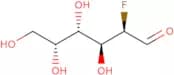
CAS:2-Deoxy-2-fluoro-D-galactose, also called 3-fluoro-6-hydroxymethyl-tetrahydro-pyran-2,4,5-triol, can be added to the medium of primary cultured rat hepatocytes to inhibit N-glycosylation of proteins. Immunoglobulin G (IgG) is the most common antibody found in blood and 2-deoxy-2-fluoro-D-galactose modifies the galactosylation of the N-linked glycan in the IgG-Fc receptor. We also have the same product MD04718.Formula:C6H11FO5Purezza:Min. 97 Area-%Colore e forma:White Off-White PowderPeso molecolare:182.15 g/mol20-Deoxo-23-deoxy-5-O-[3,6-dideoxy-3-(dimethylamino)-beta-D-glucopyranosyl]-20,23-di-1-piperidinyltylonolide
CAS:<p>20-Deoxo-23-deoxy-5-O-[3,6-dideoxy-3-(dimethylamino)-beta-D-glucopyranosyl]-20,23-di-1-piperidinyltylonolide is an antimicrobial agent that belongs to the group of chemotherapeutic agents. It is a fluorinated analog of tilmicosin. The low dose group was treated with this drug for five days, and the high dose group received 20 times the amount of drug. Fluorescence spectrometry showed that there was no significant difference in the fluorescence intensity between these two groups after 24 hours. This drug has been shown to have pharmacokinetic properties in rats and mice, but further optimization may be required to improve its process.</p>Formula:C41H71N3O8Purezza:Min. 95%Colore e forma:Off-White PowderPeso molecolare:734.02 g/molAgarose
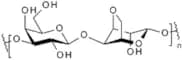
CAS:A sulphated galactan from the red seaweeds (Gelidium spp.). The major gel-forming component agarose consisting of a linear chain of sequences of (1,3) linked β -D-galactopyranosyl units and (1,4 ) linkages to 3,6-anhydro-α-D-galactopyranosyl units. Gelation is via the formation of double helices. Both Gelidium latifolium and Gelidium amansii are sources of both Agar (mixture of agarose and agaropectin) and Agarose. The images were kindly provided by Prof Mike Guiry from Cork who runs ‘The Seaweed Site’.Colore e forma:White Off-White PowderHydroxyethyl cellulose - Viscosity 2400 to 2800(1% aqueous solution)
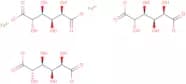
CAS:<p>Water thickener; rheological control additive; has industrial appplications</p>Purezza:Min. 95%D-Tagatose-6-phosphate barium salt
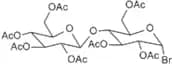
<p>D-Tagatose-6-phosphate barium salt is a custom synthesis, modification, fluorination, methylation, and monosaccharide. It has CAS No. and is a polysaccharide. D-tagatose-6-phosphate barium salt is a complex carbohydrate with glycosylation and sugar.</p>Purezza:Min. 95%2,3,6,2',3',6',2'',3'',4'',6''-Deca-O-acetyl-a-D-maltotriosyl bromide
2,3,6,2',3',6',2'',3'',4'',6''-Deca-O-acetyl-a-D-maltotriosyl bromide is an acetylated and fluorinated oligosaccharide that has been prepared by a click reaction. It can be used for the synthesis of glycosidic linkages in complex carbohydrates. This product is available as a custom synthesis.Purezza:Min. 95%1-Amino-2,5-anhydro-1-deoxy-D-mannitol
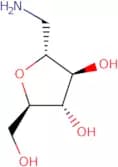
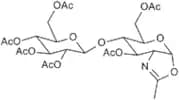
CAS:1-Amino-2,5-anhydro-1-deoxy-D-mannitol is an amino sugar that is synthesized by reductive amination of d-fructose and nitrous acid. It has been shown to be a substrate for the transporter protein, which transports it into the cell. 1-Amino-2,5-anhydro-1-deoxy-D-mannitol has been used in the synthesis of arylamines with nitrous acid as a reducing agent. This process has been used to study the stereospecificity of reductive amination.Formula:C6H13NO4Purezza:Min. 95%Colore e forma:PowderPeso molecolare:163.17 g/mol2-Methyl-(3,6-di-O-acetyl-4-O-(2,3,4,6-tetra-O-acetyl-β-D-glucopyranosyl)-1,2-dideoxy-α-D-glucopyrano)-[2,1-d]-2-oxazoline
A carbohydrate that is a modification of the saccharide, oligosaccharide, sugar, or fluorinated carbons. It is a complex carbohydrate that is synthesized from monosaccharides. This compound has an acetylated glucopyranosyl group and a methylated glucopyranosyl group that are attached by an acetal linkage. The compound can be modified with click chemistry to produce a desired product.Formula:C26H35NO16Purezza:Min. 95%Peso molecolare:617.55 g/molChitobiose dihydrochloride
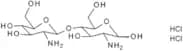
CAS:Chitobiose is a dimer formed by beta-1,4-linked glucosamine units. It is also the repeated dimer of chitin, a polysaccharide.Formula:C12H24N2O9·2HClPurezza:Min. 98 Area-%Colore e forma:White PowderPeso molecolare:413.25 g/mol3-Deoxygalactosone
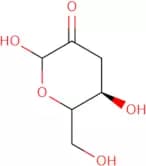
CAS:3-Deoxygalactosone is a reactive compound that is formed by the reaction of glyoxal and galactose. The glyoxal molecule reacts with the hydroxyl group on the galactose to form a new aldehyde, which can then react with another molecule of glyoxal or galactose to form 3-deoxygalactosone. 3-Deoxygalactosone has been shown to have health effects in clinical studies. It also has been shown to decrease the dry weight of rats fed a high-fat diet. This compound also is an intermediate in the formation of 5-hydroxymethylfurfural, which is produced during the Maillard reaction between sugars and amino acids. 3-Deoxygalactosone binds to proteins, forming hydrogen bonds with amino acid side chains and affecting their biological function.Formula:C6H10O5Purezza:90%Colore e forma:Yellow PowderPeso molecolare:162.14 g/mol1-Naphthyl 2-acetamido-2-deoxy-b-D-galactopyranose
<p>1-Naphthyl 2-acetamido-2-deoxy-b-D-galactopyranose is a modified carbohydrate that is used in the synthesis of polysaccharides. It is a high purity, custom synthesized monosaccharide that has been fluorinated and methylated. This chemical can be glycosylated or click modified to produce saccharides with desired properties.</p>Purezza:Min. 95%D-Glucosamine 6-phosphate
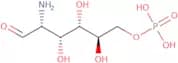
CAS:<p>D-Glucosamine 6-phosphate is a non-essential amino acid that belongs to the group of nucleotide sugar phosphates. It is a metabolite of the sugar D-glucose and it plays an important role in the energy metabolism of bacteria, plants, and animals. It has been shown to have anti-cancer effects on prostate cancer cells. D-Glucosamine 6-phosphate inhibits methyltransferase activity by binding to the enzyme's active site. This inhibition prevents DNA synthesis, leading to cell death. The structural analysis has been done using NMR spectroscopy on d-arabinose as a model substrate.</p>Formula:C6H14NO8PPurezza:Min. 98 Area-%Colore e forma:White PowderPeso molecolare:259.15 g/molN-Acetyl-D-glucosamine 2-epimerase
CAS:<p>N-Acetyl-D-glucosamine 2-epimerase is an enzyme that catalyzes the conversion of N-acetyl D-glucosamine to N-acetyl D-mannosamine. This enzyme is a recombinant protein. It has been shown to be active against bacterial cells and has been used as a target for antibodies in research. The enzyme is insoluble at high concentrations, so it must be refolded before use. It is active in a denatured form, but can be made inactive by heat or other denaturing agents such as urea, guanidine hydrochloride, or sodium dodecyl sulfate (SDS). Refolding strategies include dilution, dialysis, or adsorption onto a solid support such as agarose beads.<br>!--</p>Purezza:Min. 95%Colore e forma:Grey to brown solid.L-Fucitol
CAS:<p>L-Fucitol is a sugar that is found in the form of D-arabinose and D-xylitol. It is used in flow systems for the detection of herpes simplex virus type 1 (HSV1) glycoproteins and can be used to measure xylitol dehydrogenase activity. L-Fucitol has been shown to inhibit the growth of bacteria that are resistant to penicillin, ampicillin, and erythromycin. L-Fucitol also inhibits enzymes such as galactocerebrosidase, which breaks down galactocerebroside, a myelin constituent. This inhibition leads to accumulation of galactitol, an inhibitor of oligosaccharide synthesis. L-Fucitol also inhibits enzyme activities such as glycosidases and glycosyltransferases, which affect metabolic profiles by inhibiting the breakdown or synthesis of sugars. L-Fucitol is a monosac</p>Formula:C6H14O5Purezza:Min. 95%Colore e forma:White Off-White PowderPeso molecolare:166.17 g/mol1-Deoxy-L-mannitol
CAS:<p>1-Deoxy-L-mannitol is an effective oral hypoglycemic agent that has been used in the treatment of diabetes. It is a sugar alcohol with a chemical structure similar to glucose and erythritol. 1-Deoxy-L-mannitol is absorbed by the small intestine and enters the bloodstream after being hydrolyzed by pancreatic enzymes. It inhibits fatty acid synthesis, which leads to decreased levels of acetyl coenzyme A and increased levels of carnitine, leading to activation of fatty acid oxidation in liver cells. This drug also inhibits phosphatase activity, which leads to decreased production of glycerophosphate from triphosphate. This process results in an increase in intracellular pH and a decrease in plasma glucose concentration. The use of 1-deoxy-L-mannitol for the treatment of diabetes was first reported by George Cahill and his colleagues at Harvard University in 1967. It was shown that this drug could reduce blood sugar</p>Formula:C6H14O5Purezza:Min. 95%Colore e forma:PowderPeso molecolare:166.17 g/mol2,3,6,2',3',4',6'-Hepta-O-acetyl-a-D-cellobiosyl bromide
CAS:2,3,6,2',3',4',6'-Hepta-O-acetyl-a-D-cellobiosyl bromide is a naturally occurring trisubstituted steroidal glycoside. It is insoluble in water and activated by chloride ions. 2,3,6,2',3',4',6'-Hepta-O-acetyl-a-D-cellobiosyl bromide has been shown to have antiviral properties in mammalian tissue cultures. This compound also has potential use as an ingredient in skin care products due to its ability to inhibit the production of fatty acids that are essential for the replication of viruses. 2,3,6,2',3',4',6'-Hepta-O-acetyl-a-D-cellobiosyl bromide can be found in microalgae and food composition as a nutrient.Formula:C26H35BrO17Purezza:Min. 95%Colore e forma:White PowderPeso molecolare:699.45 g/molIron sucrose
CAS:<p>Iron sucrose is a sucrose-iron complex that is administered intravenously for the treatment of bowel disease and iron deficiency. Iron sucrose has been shown to have potent inducers of oxidative injury, which may be due to the formation of reactive oxygen species. Iron sucrose has also been shown to increase cellular transformation and congestive heart failure in mice. Long-term toxicity studies have not been conducted.</p>Formula:C12H22O11FePurezza:Min. 95%Colore e forma:Brown PowderPeso molecolare:398.14Methyl b-D-cellobioside
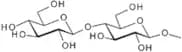
CAS:Methyl β-D-cellobioside is the β-configured glycosylation product of cellobiose and methanol. It is a cellobiose mimetic without the reactive (reducing) properties of the cellobiose aldehyde/hemiacetal. As a highly water soluble, non-reducing mimetic of cellobiose (the repeating disaccharide of cellulose), methyl β-D-cellobioside has been applied as inhibitor of binding events involving cellulose-binding domains (CBD) in proteins, for instance as part of the eluent in the related affinity chromatography. It is also a substrate for various β-glucosidases and glycosyltransferases, and the scaffold is a useful starting material for the chemical synthesis of inhibitors of the latter types of enzymes.Formula:C13H24O11Purezza:Min. 95%Colore e forma:PowderPeso molecolare:356.32 g/mol


![(1R) -1- [(2R, 3S) -3-Hydroxy- N-nonyl-1- azetidinyl] -1, 2- ethanediol](/_next/image/?url=https%3A%2Fstatic.cymitquimica.com%2Fproducts%2F3D%2Fthumb-webp%2FMH163400.webp&w=3840&q=75)
![(1S) -1- [(2S, 3R) - N-(Methoxyphenyl)methyl-3- hydroxy- 1- azetidinyl] -1, 2- ethanediol](/_next/image/?url=https%3A%2Fstatic.cymitquimica.com%2Fproducts%2F3D%2Fthumb-webp%2FMM163410.webp&w=3840&q=75)
![[2S- (2a, 3b, 4a, 5b) ] - 1-Benzyl - 2-methyl-3, 4, 5- piperidinetriol](/_next/image/?url=https%3A%2Fstatic.cymitquimica.com%2Fproducts%2F3D%2Fthumb-webp%2FMB163330.webp&w=3840&q=75)







![20-Deoxo-23-deoxy-5-O-[3,6-dideoxy-3-(dimethylamino)-beta-D-glucopyranosyl]-20,23-di-1-piperidinyl…](/_next/image/?url=https%3A%2Fstatic.cymitquimica.com%2Fproducts%2F3D%2Fthumb-webp%2FFT137728.webp&w=3840&q=75)