Glicoscienza
Sottocategorie di "Glicoscienza"
- Amminozucchero(108 prodotti)
- Glico-anticorpi(283 prodotti)
- Glicolipidi(46 prodotti)
- Glicosaminoglicani (GAGs)(55 prodotti)
- Glicosidi(419 prodotti)
- Monosaccaridi(6.617 prodotti)
- Oligosaccaridi(3.715 prodotti)
- Polisaccaridi(505 prodotti)
Trovati 11023 prodotti di "Glicoscienza"
Fructosyl-lysine
CAS:Fructosyl-lysine is a substituted lysine that is formed through the glycation of proteins by sugars. It can be detected by fluorescence spectrometry and has been shown to inhibit the activity of receptor tyrosine kinases, which are involved in physiological functions such as cell growth and differentiation. Fructosyl-lysine also inhibits collagen synthesis and reduces the amount of glucose in human serum. This compound may be used as a model system to study glycation reactions with lysine, fatty acids, and other amino acids. The concentration of fructosyl-lysine found in human serum is at physiological levels and may not have any effect on antibody response.Formula:C12H24N2O7Purezza:Min. 95%Colore e forma:PowderPeso molecolare:308.33 g/mol2-Acetamido-2-deoxy-D-talopyranose
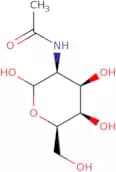
CAS:2-Acetamido-2-deoxy-D-talopyranose is a noncompetitive inhibitor of the enzyme glycosidase. It has been shown to inhibit the enzymatic cleavage of glycoconjugates, such as glycoproteins and glycolipids, as well as antigen binding. 2-Acetamido-2-deoxy-D-talopyranose binds to the receptor binding domain on the surface of cancer cells and inhibits the growth of these cells in vitro. This compound also has potent inhibitory activity against influenza virus and is used in the synthesis of glycans for use in vaccines. 2-Acetamido-2-deoxy-D-talopyranose can be produced through acid hydrolysis or enzymatic methods.Formula:C8H15NO6Purezza:Min. 95%Colore e forma:PowderPeso molecolare:221.2 g/mol6-bromo-6-deoxy-gamma-cyclodextrin
CAS:This gamma-cyclodextrin (γ-CD) derivative is a modified cyclic oligosaccharide composed of eight glucose units, featuring a larger cavity size than α- and β-cyclodextrins. This structural characteristic allows γ-CDs to form inclusion complexes with a wider range of guest molecules, making it particularly versatile in various industries. In the food sector, it is used as a carrier and stabilizer for flavors, fat-soluble vitamins, and polyunsaturated fatty acids, protecting volatile compounds from evaporation. In pharmaceuticals, it enhances the solubility and bioavailability of poorly water-soluble drugs and, thanks to its larger ring size, allows for the encapsulation of larger molecules or even entire drug molecules. γ-CDs and derivatives are also used for environmental remediation and, in analytical chemistry, for the extraction and concentration of target substances.Formula:C48H72Br8O32Purezza:Min. 95%Peso molecolare:1,800.3 g/molGM4-Ganglioside
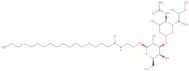
CAS:GM4-ganglioside (sodium salt) is a disaccharide of sialic acid linked α2,4 to galactose and ceramide linked β to position 1 on the galactose (Ledeen, 2009). Demyelinated plaques in multiple sclerosis have decreased amounts of GM4-ganglioside, localized in myelin and oligodendroglia of the central nervous system. It has been found that the myelin basic protein is capable of releasing large quantities of entrapped [14C]glucose from multilamellar liposomes containing GM4. If the conformation of GM4 ganglioside in liposomal membranes resembles that of GM4 ganglioside in its natural environment, basic protein and GM4 may be associated within the myelin sheath of the central nervous system and their interactions are altered in demyelinating diseases, such as, multiple sclerosis (Mullin, 1981).Formula:C57H106N2O17·xNaPurezza:Min. 95%Peso molecolare:1,091.45 g/molLacto-N-fucopentaose I-BSA
Lacto-N-fucopentaose I-BSA is a Glycosylation, Oligosaccharide, sugar, Synthetic, Fluorination, Custom synthesis, Methylation, Monosaccharide, Polysaccharide, saccharide.Purezza:Min. 95%Nepetin-7-glucoside
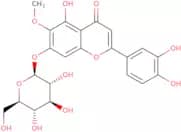
CAS:Nepetin-7-glucoside is a compound found in plants that has been shown to have anti-inflammatory and antiviral properties. Nepetin-7-glucoside inhibits the activity of enzymes such as phospholipase A2, cyclooxygenase, and lipoxygenase. It also reduces the production of inflammatory mediators such as prostaglandins and leukotrienes. Nepetin-7-glucoside may be helpful in the treatment of autoimmune diseases and other inflammatory disorders. This compound also has antiviral effects by inhibiting the replication of herpes simplex virus type 1 (HSV1) in a cell culture system. Nepetin-7-glucoside also has been shown to inhibit the expression of genes related to inflammation and other inflammatory diseases, such as rheumatoid arthritis, colitis ulcerosa, psoriasis, and Crohn's disease.Formula:C22H22O12Purezza:Min. 95%Colore e forma:PowderPeso molecolare:478.4 g/mol1,2-O-Isopropylideneglycerol
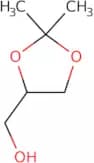
CAS:1,2-O-Isopropylideneglycerol is an inhibitor of glycerin and glycerol dehydrogenase. It is a colorless liquid that has been shown to have a kinetic inhibitory effect on the enzyme activities of glycerin and glycerol dehydrogenase in vitro. 1,2-O-Isopropylideneglycerol has also been shown to react with light at wavelengths of 250 nm or less. This reaction produces reactive oxygen species that may lead to the degradation of the enzyme's active site. In vivo, 1,2-O-isopropylideneglycerol is converted into an acidic metabolite that can accumulate in cells. This metabolite can react with other molecules such as proteins and nucleic acids, which may result in structural changes and/or modification of their function.Formula:C6H12O3Purezza:Min. 95%Colore e forma:Clear LiquidPeso molecolare:132.16 g/molAcidic Sophorolipids mix-acetylated - mixture of C30H54O13, C32H56O14 and C34H58O15
Sophorolipids are produced by various yeast species, notably Starmerella bombicola. Acidic Sophorolipids are amphiphilic molecules and therefore possess the attributes of surfactants; however as bio-surfactants they have several advantages over synthetic surfactants including low toxicity, biodegradability and the potential for low cost manufacture.Purezza:Min. 95%Colore e forma:White Yellow PowderPeso molecolare:622.74. 664.78 and 706.822,3,4,6-Tetra-O-acetyl-a-D-galactopyranosyl trichloroacetimidate
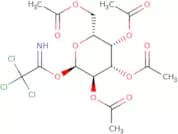
CAS:2,3,4,6-Tetra-O-acetyl-a-D-galactopyranosyl trichloroacetimidate is a disaccharide that is an activated glycoprotein. It is used as a hapten for the production of monoclonal antibodies and as an immunogen in stepwise immunization with bovine serum albumin. This compound has been shown to be specific for the EGF receptor on neoglycoproteins and can be used to detect this receptor. The glycosidic residue of 2,3,4,6-tetra-O-acetyl-a-D-galactopyranosyl trichloroacetimidate allows it to bind to proteins such as albumin and act as a carrier for other molecules.Formula:C16H20Cl3NO10Purezza:Min. 95%Colore e forma:White PowderPeso molecolare:492.69 g/mol2-O-α-D-Galactopyranosyl-1-deoxynojirimycin
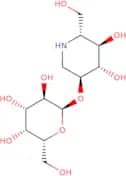
CAS:2-O-a-D-Galactopyranosyl-1-deoxynojirimycin is a monosaccharide derivative of deoxynojirimycin. It is synthesized by the methylation of the natural product, followed by the addition of a click modification and the fluorination of one sugar. This compound has been shown to have anti-inflammatory properties, as well as inhibitory effects on bacterial growth.Formula:C12H23NO9Purezza:90%Colore e forma:PowderPeso molecolare:325.31 g/molgamma-Cyclodextrin dihydrogen phosphate sodium salt
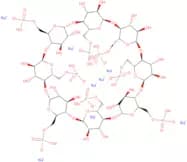
CAS:This gamma-cyclodextrin (γ-CD) derivative is a modified cyclic oligosaccharide composed of eight glucose units, featuring a larger cavity size than α- and β-cyclodextrins. This structural characteristic allows γ-CDs to form inclusion complexes with a wider range of guest molecules, making it particularly versatile in various industries. In the food sector, it is used as a carrier and stabilizer for flavors, fat-soluble vitamins, and polyunsaturated fatty acids, protecting volatile compounds from evaporation. In pharmaceuticals, it enhances the solubility and bioavailability of poorly water-soluble drugs and, thanks to its larger ring size, allows for the encapsulation of larger molecules or even entire drug molecules. γ-CDs and derivatives are also used for environmental remediation and, in analytical chemistry, for the extraction and concentration of target substances.Formula:C48H80O40Purezza:Min. 95%Peso molecolare:1,297.12 g/molCarboxymethyl-dextran sodium 20-30% COOH - Average molecular weight 70000
CAS:Drug carrier for cancer therapy & imaging, biocompatible, soluble, biodegradableColore e forma:PowderTween 85
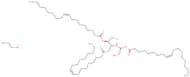
CAS:Prodotto controllatoTween 85 is a surface active agent that can be used to remove particulates from the air. It is a synthetic, non-ionic surfactant composed of ethylene oxide and propylene oxide. This product has been shown to inhibit particle aggregation in vitro studies. Tween 85 has also been shown to reduce bronchiolitis obliterans in mice when administered by inhalation. Tween 85 may also be useful for removal of water-soluble drugs from wastewater treatment systems and as a chitosan quaternary ammonium detergent additive.Colore e forma:Clear Liquid6-Amino-6-deoxy-beta-cyclodextrin
CAS:This beta-cyclodextrin (β-CD) derivative is a functionalized cyclic oligosaccharide composed of seven glucose units, characterized by a hydrophilic exterior and a lipophilic cavity (bigger than α-CD and smaller than γ-CDs), which allows it to encapsulate various guest molecules. This structural feature facilitates its use in multiple applications, including pharmaceuticals, food enhancement, and cosmetics. In the pharmaceutical industry, it enhances the solubility and stability of poorly water-soluble drugs, improving their bioavailability and efficacy while also masking unpleasant tastes. The food sector utilizes it as a stabilizer for flavors, colors, and nutrients, extending shelf life by protecting sensitive ingredients from degradation. In cosmetics, it serves as a complexing agent for fragrances and active components, ensuring their stability and controlled release. Its use expands to many other fields, including nanotechnology for drug delivery systems, environmental remediation for extracting organic pollutants, textiles for slow-release fragrances, and analytical chemistry for chiral separation.
Formula:C42H71NO34Peso molecolare:1,134 g/mol3-O-Benzyl-1,2-O-isopropylidene-a-D-glucofuranose
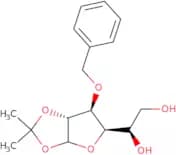
CAS:3-O-Benzyl-1,2-O-isopropylidene-a-D-glucofuranose (3BZIPF) is an oligosaccharide with a molecular weight of 477.6 g/mol. It is soluble in alcohol and water. 3BZIPF can be used as a sugar substitute or in the food industry. The product can be custom synthesized to meet your requirements.Formula:C16H22O6Purezza:Min. 95%Colore e forma:Yellow PowderPeso molecolare:310.34 g/molCapsaicin β-D-Glucopyranoside
CAS:Formula:C24H37NO8Purezza:>90.0%(HPLC)Colore e forma:White to Almost white powder to crystalPeso molecolare:467.56Methyl β-L-arabinopyranoside
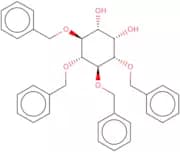
CAS:Methyl β-L-arabinopyranoside is a monomer that is used for the synthesis of polymers. It has been shown to be an effective polymerization catalyst, with long-term stability and good storage properties. Methyl β-L-arabinopyranoside has been used in gas chromatographic analysis as an analyte to identify hydroxy groups, although it may also interfere with the detection of certain other analytes. This monomer is often used in the production of plastics and rubbers because it enhances bonding between rubber molecules and plasticizers. Methyl β-L-arabinopyranoside has also been shown to have tailing enhancements and extracts that are due to hydroxy groups, which can lead to signal enhancement in gas chromatography. Additives such as ammonium acetate can be added if there is a need to increase sensitivity or reduce tailing effects.Formula:C6H12O5Purezza:Min. 95%Colore e forma:PowderPeso molecolare:164.16 g/mol3,4,5,6-Tetra-O-benzyl-myo-inositol
CAS:3,4,5,6-Tetra-O-benzyl-myo-inositol is a chiral molecule that is synthesised by the reaction of 3,4,5,6-tetra-O-benzylglycerol with myo-inositol. It has been used as an optical probe to study the function of biomolecules such as membranes and reticulum. The compound was also shown to inhibit the phosphorylation of myosin light chain kinase.
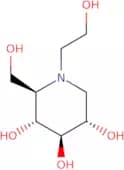
Formula:C34H36O6Purezza:Min. 95%Colore e forma:PowderPeso molecolare:540.65 g/molN-(b-Hydroxyethyl)-1-deoxynojirimycin
CAS:Inhibitor of α-glucosidase with applications in diabetes therapy for control of post-prandial blood glucose fluctuations. The compound inhibits the digestive breakdown of complex carbohydrates to absorbable monosaccharides and smoothens hyperglycaemic peaks in type 2 diabetes mellitus. It also possesses anti-obesity effects thanks to activation of brown adipose tissue and increasing energy expenditure.
Formula:C8H17NO5Purezza:Min. 95%Colore e forma:White PowderPeso molecolare:207.22 g/molGD1b-Oligosaccharide
GD1b oligosaccharide (shown as ammonium salt) is the carbohydrate moiety in one of the major gangliosides in neuronal and glial membranes; it has a core tetrasaccharide structure (Galβ1,3GalNAcβ1,4Galβ1,4Glc) with its two sialic acids linked α2,3/α2,8 to the inner galactose residue (Ledeen, 2009). GD1b ganglioside acts as a receptor for BK virus as well as for heat-labile LTII-a toxin, produced by enteropathogenicâ¯E. coli. GD1b ganglioside also interacts with tetanus neurotoxin (TeNT) and is crucial for its entry into cells (Kolter, 2012). The functional significance of ammonia in the brain is not yet fully understood. However, NH4 + stimulates Na+, K+ activated ATPase causing stabilization of the neuronal membranes of which gangliosides are major structural components. Further, ammonia is known to inhibit lysosomal enzymes which include enzymes degrading gangliosides (Modi, 1994).
Formula:C48H77N3O37Na2Purezza:Min. 90%Colore e forma:White PowderPeso molecolare:1,334.1 g/molCarboxymethyl-a-cyclodextrin sodium salt
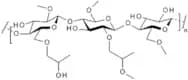
Alpha-cyclodextrin (α-CD) derivative with a hydrophilic exterior and lipophilic cavity (smaller than β-CDs and γ-CDs) to allocate certain guest molecules. This structural characteristic enables applications in molecular encapsulation, solubility enhancement, and stabilization across multiple industries. In pharmaceuticals, it serves as a drug delivery vehicle, enhancing the bioavailability and stability of active ingredients. The food industry utilizes it as a stabilizer for flavors, colors, and nutrients, as well as a functional ingredient for its effects on lipid metabolism. In cosmetics, it acts as a complex agent for fragrances and active components. Its applications extend to analytical chemistry for chiral separation and to materials science for developing smart materials and nanosystems.Formula:C43H64O37·xNaPurezza:Min. 95%Peso molecolare:1,172.95 g/molHydroxypropyl cellulose - Average MW 150,000
CAS:In water, hydroxypropyl cellulose forms liquid crystals with many mesophases depending on concentration. These mesophases include isotropic, anisotropic, nematic and cholesteric, the latter resulting in many colors such as violet, green and red. Pharmaceutical applications include treatments for medical conditions such as dry eye syndrome (keratoconjunctivitis sicca), recurrent corneal erosions, decreased corneal sensitivity, exposure and neuroparalytic keratitis. It is also used as a binder in tablets. Hydroxypropylcellulose is also used as a thickener, a binder and emulsion stabiliser in foods with E number E463. HPC is used as a support matrix for DNA separations by capillary and microchip electrophoresis.
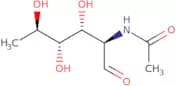
N-Acetyl-D-quinovosamine
CAS:N-Acetyl-D-quinovosamine is a chemical compound that belongs to the group of quinovosamines. It is an acidic molecule with a pKa of 3.5 and is soluble in water, methanol, and acetic acid. N-Acetyl-D-quinovosamine has been shown to inhibit the growth of P. aeruginosa strains, which are human pathogens. This drug binds to the bacterial cell wall by competitive inhibition and prevents the formation of an antibiotic-inhibitor complex with the enzyme cell wall synthesis that is required for cell wall biosynthesis, inhibiting protein synthesis and cell division. N-Acetyl-D-quinovosamine also inhibits the production of hydrogen fluoride (HF) by bacteria as well as their ability to produce ammonia from nitrite or nitrate ions.Formula:C8H15NO5Purezza:Min. 95%Colore e forma:PowderPeso molecolare:205.21 g/molSedoheptulose-1,7-diphosphate
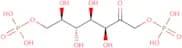
CAS:Sedoheptulose-1,7-diphosphate is a metabolite of glucose and fructose that is synthesized by the enzyme sedoheptulose-1,7-bisphosphatase. It is formed when the phosphate group of sedoheptulose-1,7-bisphosphate is transferred to another molecule in a process called phosphorylation. Sedoheptulose-1,7-diphosphate has been shown to be an important intermediate in the synthesis of fatty acids. It also activates various enzymes and has been shown to have an effect on transcriptional regulation in plants.Formula:C7H16O13P2Purezza:Min. 95%Colore e forma:SolidPeso molecolare:370.14 g/molN-Acetyl-β-D-glucosaminyl-(1→4)-N-acetylmuramoyl-L-alanyl-D-isoglutamine
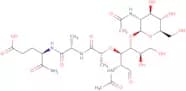
CAS:Please enquire for more information about N-Acetyl-β-D-glucosaminyl-(1→4)-N-acetylmuramoyl-L-alanyl-D-isoglutamine including the price, delivery time and more detailed product information at the technical inquiry form on this pageFormula:C27H45N5O16Purezza:Min. 95%Colore e forma:PowderPeso molecolare:695.67 g/molMethyl b-L-fucopyranoside
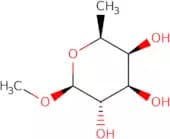
CAS:Methyl b-L-fucopyranoside is a glycosylating agent that is used to modify saccharides and oligosaccharides. It can be used for the synthesis of complex carbohydrates, such as polysaccharides and glycoconjugates. Methyl b-L-fucopyranoside is also useful for the synthesis of glycosylated proteins, which are proteins with sugar chains attached to them. The product is a white solid that is soluble in water.Formula:C7H14O5Purezza:Min. 95%Colore e forma:White PowderPeso molecolare:178.18 g/molL-Gulurono-6,3-lactone
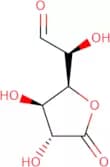
CAS:L-Gulurono-6,3-lactone is a methylated carbohydrate that can be modified with a variety of functional groups. It is used in the synthesis of saccharides and oligosaccharides. L-Gulurono-6,3-lactone has been shown to bind to a variety of proteins, including amyloid beta protein and human serum albumin. This compound is synthesized by reacting L-glucose with 2 equivalents of anhydrous hydrogen fluoride in acetic acid at room temperature. It is also fluorinated by reacting it with sodium borohydride and hydrogen fluoride in methanol at -78°C.Formula:C6H8O6Purezza:Min. 95%Colore e forma:PowderPeso molecolare:176.12 g/molN-Glycolylneuraminic acid-spacer-BSA
N-Glycolylneuraminic acid-spacer-BSA is a synthetic, monosaccharide oligosaccharide, complex carbohydrate. The glycosylation of BSA with N-glycolylneuraminic acid has been shown to be an effective method for the protection of biomolecules against fluoroquinolones. Glycosylation with N-glycolylneuraminic acid can be used as a method for the protection of biomolecules from fluoroquinolone antibiotics and other chemical reagents that are known to react with sugars.Purezza:Min. 95%Colore e forma:PowderN-(7-Oxa-9,9,9-trifluorononyl)deoxynojirimycin
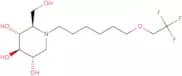
CAS:N-(7-Oxa-9,9,9-trifluorononyl)deoxynojirimycin is a carbohydrate that belongs to the group of saccharides. It is an oligosaccharide with a complex structure containing seven monosaccharides and nine oxygens. N-(7-Oxa-9,9,9-trifluorononyl)deoxynojirimycin has been custom synthesized for use in click chemistry applications. This carbohydrate is freely soluble in water and has a high purity level. The product can be methylated, glycosylated, or modified with other functional groups.Formula:C14H26F3NO5Purezza:Min. 95%Colore e forma:PowderPeso molecolare:345.36 g/molGDP-2-deoxy-2-fluoro-L-fucose ammonium salt
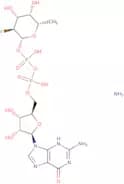
CAS:Competitive inhibitor of fucosyltransferases FUT3, FUT5, FUT6 and FUT7 with Ki values in low micromolar range. This fluorinated GDP-fucose analog inhibits oligosaccharide core fucosylation of N-linked glycans in animal and plant cells.Formula:C16H30FN7O14P2Purezza:Min. 95%Colore e forma:PowderPeso molecolare:625.39 g/molCellulose - Arbocel
CAS:Cellulose is a linear polysaccharide of β 1-4 linked glucose residues. The polysaccharide chains are bundled as microfibrils in cell walls and provide the essential structural components within growing plants. Each microfibril exhibits a high degree of three-dimensional internal bonding resulting in a crystalline structure that is insoluble in water, resistant to reagents and very strong.Colore e forma:Powder(-)-Lentiginosine
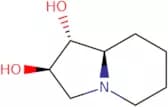
CAS:(-)-Lentiginosine is a natural iminosugar that serves as a potent glycosidase inhibitor. This compound is sourced primarily from a variety of plant species, where it occurs naturally as a secondary metabolite. The mode of action of (-)-lentiginosine involves the competitive inhibition of glycosidase enzymes, particularly α-glucosidases. By binding to these enzymes, it prevents the hydrolysis of glycosidic bonds, therefore impeding carbohydrate digestion and absorption processes.Formula:C8H15NO2Purezza:Min. 95%Colore e forma:PowderPeso molecolare:157.21 g/mol2’-(N-Hexadecanoylamino)-4’-nitrophenyl-β-D-glucopyranoside
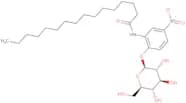
CAS:2’-(N-Hexadecanoylamino)-4’-nitrophenyl-b-D-glucopyranoside is a synthetic substrate that is used in diagnostic procedures to identify the presence of lysosomal enzymes. The reaction product, resorufin, is a fluorogenic substrate that reacts with the enzyme hexanoyl coenzyme A reductase and can be detected by spectrophotometry. This experimentally insensitive compound has been used to measure the activity of hexanoyl coenzyme A reductase in skin fibroblasts from patients with ichthyosis vulgaris. Resorufin fluorescence is proportional to the amount of hexanoyl coenzyme A reductase present in cells.Formula:C28H46N2O9Purezza:Min. 95%Colore e forma:PowderPeso molecolare:554.67 g/molEthyl a-D-glucopyranoside
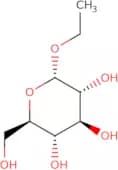
CAS:Ethyl a-D-glucopyranoside is an organic acid that has been extracted from the seeds of the plant Reticulata. It contains a mixture of fatty acids and compounds that are collectively known as retinoids. Ethyl a-D-glucopyranoside inhibits beta-glucosidase, aminotransferase activity, and intestinal glucosidases and has been shown to have antioxidant properties. This product may be used for the treatment of musculoskeletal disorders, such as osteoarthritis, which is characterized by degeneration and inflammation of joints. Ethyl a-D-glucopyranoside may also be used as an agent to help prevent skin aging caused by exposure to ultraviolet (UV) radiation and other factors.Formula:C8H16O6Purezza:Min. 95%Colore e forma:White PowderPeso molecolare:208.21 g/molIsomaltulose
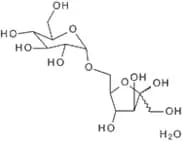
CAS:Occurs by epimerisation of maltose and transglucosylationFormula:C12H22O11Purezza:Min. 95%Colore e forma:White PowderPeso molecolare:342.3 g/mol13-cis-Retinoyl b-D-glucuronide
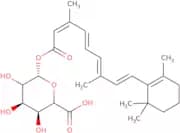
CAS:Prodotto controllato13-cis-Retinoyl b-D-glucuronide is a synthetic compound that can be modified to create a wide range of potential products. 13-cis-Retinoyl b-D-glucuronide is an oligosaccharide with a carbohydrate that may be glycosylated or polysaccharided. It has been custom synthesized and fluorinated, methylated, and monosaccharided. This product is extremely pure and can be used for many applications in the biomedical field.
Formula:C26H36O8Purezza:Min. 95%Peso molecolare:476.56 g/molLactosylceramide
CAS:Asialylated glycosphingolipid and precursor for ganglioside biosynthesis. The compound is a major glycosphingolipid in human neutrophils and is involved in the regulation of superoxides as well as nitric oxide. Moreover, lactosylceramide accumulates in atherosclerotic plaques and is also found elevated in familial hypercholesterolemia and polycystic kidney disease. Animal studies revealed that lactosylceramide induces hypertrophy in cardiomyocytes via signal transduction pathway that is oxygen-sensitive.
Formula:C53H101NO13Purezza:Min. 90 Area-%Colore e forma:White Yellow PowderPeso molecolare:960.37 g/molDextran sulfate sodium - MW 5,000-8,000
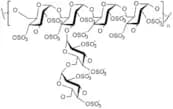
CAS:Dextran sulphate is a dextran derivative whose ulcer (colitis) -causing properties were first reported in hamsters and extrapolated a few years later to mice and rats. The exact mechanisms through which dextran sulphate induces intestinal inflammation are unclear but may be the result of direct damage of the monolayer of epithelial cells in the colon, leading to the crossing of intestinal contents (for e.g. commensal bacteria and their products) into underlying tissue and therefore induction of inflammation. The dextran sulphate sodium induced ulceration model in laboratory animals has some advantages, when compared to other animal models of colitis, due to its simplicity and similarities to human inflammatory bowel disease.Formula:(C6H7Na3O14S3)nPurezza:Min. 95%Colore e forma:Powder1,2,3,4-Tetra-O-acetyl-5-alkynyl-L-fucose
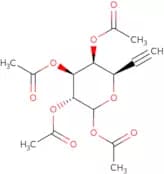
CAS:1,2,3,4-Tetra-O-acetyl-5-alkynyl-L-fucose is a per-O-acetylated version of 5-alkynyl-L-fucose, an inhibitor of the cellular fucosylation pathway. 1,2,3,4-Tetra-O-acetyl-5-alkynyl-L-fucose can pass through the eukaryotic cell membrane somewhat better than 5-alkynyl-L-fucose can itself, is deacetylated by cellular esterases and interferes with the biosynthesis of the fucosyl-donor and fucosyltransferase substrate GDP-Fuc, thus reducing fucosylation levels during glycoprotein biosynthesis (Dekkers, 2016).
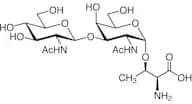
Formula:C15H18O9Purezza:Min. 95%Colore e forma:Colorless Clear LiquidPeso molecolare:342.3 g/molGlcNAcβ(1-3)GalNAc-α-Thr
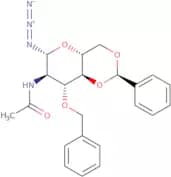
CAS:Formula:C20H35N3O13Purezza:>97.0%(HPLC)Colore e forma:White to Almost white powder to crystalPeso molecolare:525.512-Acetamido-3-O-benzyl-4,6-O-benzylidene-2-deoxy-b-D-glucopyranosyl azide
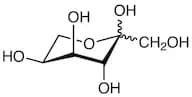
CAS:2-Acetamido-3-O-benzyl-4,6-O-benzylidene-2-deoxy-b-D-glucopyranosyl azide is a modified carbohydrate that is used in the synthesis of glycosides. It is a synthetic molecule that is fluorinated at the alpha position of the glycosidic bond to allow for reaction with other molecules. This product has been shown to be stable in acid and base reactions and can be used for oligosaccharide synthesis or modification.Formula:C22H24N4O5Purezza:Min. 95%Colore e forma:PowderPeso molecolare:424.46 g/molL-(+)-Fructose
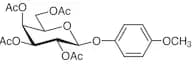
CAS:Formula:C6H12O6Purezza:>95.0%(HPLC)Colore e forma:White to Almost white powder to crystalPeso molecolare:180.164-Methoxyphenyl 2,3,4,6-Tetra-O-acetyl-β-D-galactopyranoside
CAS:Formula:C21H26O11Purezza:>98.0%(HPLC)Colore e forma:White to Almost white powder to crystalPeso molecolare:454.432,3-Di-O-allyl-b-cyclodextrin
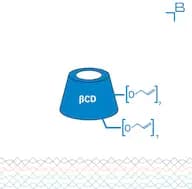
This beta-cyclodextrin (β-CD) derivative is a functionalized cyclic oligosaccharide composed of seven glucose units, characterized by a hydrophilic exterior and a lipophilic cavity (bigger than α-CD and smaller than γ-CDs), which allows it to encapsulate various guest molecules. This structural feature facilitates its use in multiple applications, including pharmaceuticals, food enhancement, and cosmetics. In the pharmaceutical industry, it enhances the solubility and stability of poorly water-soluble drugs, improving their bioavailability and efficacy while also masking unpleasant tastes. The food sector utilizes it as a stabilizer for flavors, colors, and nutrients, extending shelf life by protecting sensitive ingredients from degradation. In cosmetics, it serves as a complexing agent for fragrances and active components, ensuring their stability and controlled release. Its use expands to many other fields, including nanotechnology for drug delivery systems, environmental remediation for extracting organic pollutants, textiles for slow-release fragrances, and analytical chemistry for chiral separation.Formula:C84H126O35Purezza:Min. 95%Peso molecolare:1,695.88 g/molMono-2-O-(p-toluenesulfonyl)-β-cyclodextrin
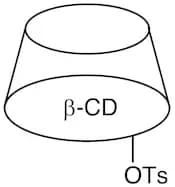
CAS:Formula:C49H76O37SPurezza:>97.0%(HPLC)Colore e forma:White to Almost white powder to crystalPeso molecolare:1,289.17Lactose-6'-phosphate
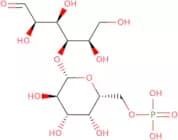
CAS:Lactose-6'-phosphate is a sugar phosphateFormula:C12H23O14PPurezza:Min. 95%Peso molecolare:422.28 g/molNeodiosmin
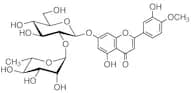
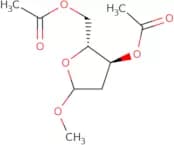
CAS:Formula:C28H32O15Purezza:>95.0%(HPLC)Colore e forma:Light yellow to Yellow to Orange powder to crystalinePeso molecolare:608.55Methyl 3,5-di-O-acetyl-2-deoxy-D-ribofuranoside
CAS:Methyl 3,5-di-O-acetyl-2-deoxy-D-ribofuranoside is a synthetic, fluorinated monosaccharide. It is an important building block for the synthesis of complex carbohydrates. The compound is also used for glycosylation reactions, click modification reactions and methylation reactions. Methyl 3,5-di-O-acetyl-2-deoxy-D-ribofuranoside can be used as an intermediate to make other products or as a custom synthesis.Formula:C10H16O6Purezza:Min. 95%Peso molecolare:232.23 g/molEthyl cellulose
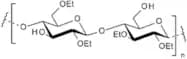
CAS:Ethyl cellulose is similar in structure to methyl cellulose with ethyl replacing the methyl groups. It is approved for use in regulated markets such as food and pharmaceuticals. In pharmaceuticals it can mask the taste of bitter actives, enhance the strength and appearance of tablets and capsules, and enable controlled release formulations. In food products it functions as a binder, film former and flavour fixative.Purezza:Min. 95%Colore e forma:White Yellow Powder6-Deoxy-6-thio-a-cyclodextrin
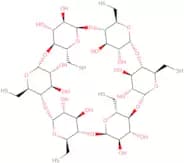
CAS:Alpha-cyclodextrin (α-CD) derivative with a hydrophilic exterior and lipophilic cavity (smaller than β-CDs and γ-CDs) to allocate certain guest molecules. This structural characteristic enables applications in molecular encapsulation, solubility enhancement, and stabilization across multiple industries. In pharmaceuticals, it serves as a drug delivery vehicle, enhancing the bioavailability and stability of active ingredients. The food industry utilizes it as a stabilizer for flavors, colors, and nutrients, as well as a functional ingredient for its effects on lipid metabolism. In cosmetics, it acts as a complex agent for fragrances and active components. Its applications extend to analytical chemistry for chiral separation and to materials science for developing smart materials and nanosystems.Formula:C36H60O24S6Purezza:Min. 95%Peso molecolare:1,069.24 g/mol