Glicoscienza
La glicosienza è lo studio dei carboidrati e dei loro derivati, nonché delle interazioni e delle funzioni biologiche a cui partecipano. Questo campo di ricerca è cruciale per comprendere una vasta gamma di processi biologici, tra cui il riconoscimento cellulare, la segnalazione, la risposta immunitaria e lo sviluppo delle malattie. La glicosienza ha importanti applicazioni nella biotecnologia, nella medicina e nello sviluppo di nuovi farmaci e terapie. Presso CymitQuimica, offriamo un'ampia selezione di prodotti di alta qualità e purezza per la ricerca in glicosienza. Il nostro catalogo comprende monosaccaridi, oligosaccaridi, polisaccaridi, glicoconiugati e reagenti specifici, progettati per supportare i ricercatori nei loro studi sulla struttura, funzione e applicazioni dei carboidrati nei sistemi biologici. Queste risorse sono destinate a facilitare scoperte scientifiche e applicazioni pratiche in vari ambiti delle bioscienze e della medicina.
Sottocategorie di "Glicoscienza"
- Amminozucchero(108 prodotti)
- Glico-anticorpi(282 prodotti)
- Glicolipidi(46 prodotti)
- Glicosaminoglicani (GAGs)(55 prodotti)
- Glicosidi(419 prodotti)
- Monosaccaridi(6.624 prodotti)
- Oligosaccaridi(3.682 prodotti)
- Polisaccaridi(503 prodotti)
Trovati 11046 prodotti di "Glicoscienza"
Ordinare per
Purezza (%)
0
100
|
0
|
50
|
90
|
95
|
100
3-O-Benzyl-2-deoxy-1,6-di-O-methoxyphenyl-2-phthalimido-β-D-glucopyranoside
3-O-Benzyl-2-deoxy-1,6-di-O-methoxyphenyl-2-phthalimido-b-D-glucopyranoside is a synthetic glycosylation agent. It is a sugar with an Oligosaccharide structure. 3-O-Benzyl--2'-deoxy--1,6'-di--O--methoxyphenyl--2'-phthalimido--b--D--glucopyranoside has been synthesized by fluorination of the sugar and methylation of the benzyl group. Click modification can be used to modify the carbohydrate to create complex carbohydrates. This compound is made from natural ingredients and has a high purity level. Molecular weight: 592.24 g/mol CAS Number: 251300 EINECS Number: 208–831–3 Melting Point: 130°C (decFormula:C35H33NO9Purezza:Min. 95%Peso molecolare:611.64 g/molOctyl 2,3,4,6-tetra-O-acetyl-b-D-glucopyranoside
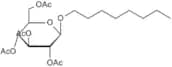
CAS:Octyl 2,3,4,6-tetra-O-acetyl-b-D-glucopyranoside is an analog of 6-(trifluoromethyl)indoxyl beta-D-galactopyranoside. It is a potent antituberculosis agent that inhibits the growth of Mycobacterium tuberculosis and has been shown to be active against other bacteria in vitro. Octyl 2,3,4,6-tetra-O-acetyl-b-D-glucopyranoside inhibits bacterial growth by binding to DNA dependent RNA polymerase and prevents transcription and replication. This compound has been tested for its ability to inhibit neoplastic cell proliferation in humans.Formula:C22H36O10Purezza:(%) Min. 95%Colore e forma:PowderPeso molecolare:460.52 g/mol7-Cyclohexylheptyl β-D-maltoside
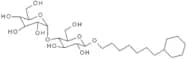
CAS:<p>Cyclohexylheptyl b-D-maltoside is a broad-spectrum antimicrobial that inhibits the growth of human pathogens and some cancers. It has been shown to bind to the active site of the enzyme DNA methyltransferase, thereby inhibiting DNA methylation. Cyclohexylheptyl b-D-maltoside also binds to basic fibroblast cells, which may be due to its ability to inhibit protein synthesis by preventing RNA polymerase from binding to ribosomes. Cyclohexylheptyl b-D-malto sugar also has an effect on human serum albumin, with x-ray diffraction data showing that it binds reversibly in a 1:1 stoichiometric ratio.</p>Formula:C25H46O11Purezza:Min. 95%Colore e forma:PowderPeso molecolare:522.63 g/molFerric carboxymaltose
CAS:<p>Ferric carboxymaltose is a form of iron that is administered intravenously and is used to treat iron deficiency. Ferric carboxymaltose has been shown to be effective in treating iron deficiency anemia as well as other conditions, such as inflammation of the bowel or hematologic response. Ferric carboxymaltose binds to free iron in the blood and prevents it from oxidizing. Ferric carboxymaltose also exhibits an anti-inflammatory effect by inhibiting the production of pro-inflammatory cytokines and chemokines. The polymerase chain reaction (PCR) technique has been used to measure ferritin levels in the blood, which are then used to determine whether treatment with ferric carboxymaltose is necessary.</p>Colore e forma:Powder1,2,3,6-Tetra-O-benzyl-β-D-glucopyranoside
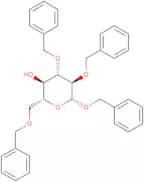
CAS:1,2,3,6-Tetra-O-benzyl-β-D-glucopyranoside is a synthetic compound that is produced by the modification of natural sugars. It was first synthesized by a team of chemists led by Professor Robert Burns Woodward. This molecule has been modified with methyl groups and fluorine atoms to improve its stability and to provide a more convenient method for its analysis. 1,2,3,6-Tetra-O-benzyl-β-D-glucopyranoside can be used in the synthesis of oligosaccharides and polysaccharides.Formula:C34H36O6Purezza:Min. 95%Colore e forma:PowderPeso molecolare:540.65 g/molDecyl b-D-thioglucopyranoside
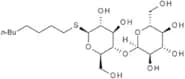
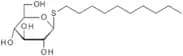
CAS:<p>Decyl b-D-thioglucopyranoside is a saccharide that is a methylated derivative of the sugar glucose. It is used in the synthesis of oligosaccharides, glycosylations, and fluorinated carbohydrates. The compound can be custom synthesized to suit specific needs and has high purity.</p>Formula:C16H32O5SPurezza:Min. 95%Colore e forma:PowderPeso molecolare:336.49 g/molPolysorbate 80
CAS:<p>Polysorbate 80, is a non-ionic surfactant, also known as Tween 80. It also acts as an emulsifier and a solubilizer, making it a useful tool in scientific industries such as pharmaceuticals, food and cosmetics.</p>Formula:C32H60O10Purezza:Min. 95%Colore e forma:Clear LiquidPeso molecolare:604.81 g/molRaloxifene 4'-D-glucuronide
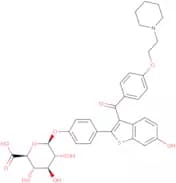
CAS:Raloxifene 4'-D-glucuronide is a drug that is a prodrug of raloxifene, and it can be used to treat osteoporosis. The compound is metabolized by glucuronidation in the liver, and it has been found to have bioequivalence with the parent drug. Raloxifene 4'-D-glucuronide is marketed under the trade name Evista.Formula:C34H35NO10SPurezza:Min. 95%Colore e forma:PowderPeso molecolare:649.71 g/molD-Altrose
CAS:<p>D-Altrose is an alpha-hydroxy acid that is synthesized from D-arabinose and trifluoroacetic acid. It has been shown to be a substrate for the synthesis of oligosaccharides, which are important in carbohydrate chemistry. This molecule can also be used as a reagent in the preparation of carbohydrates with a specific configuration at C2. One use of this product is in generating analytical methods that can distinguish between D-altrose and D-arabinose by monitoring the ratio of hydrogen fluoride to carbonyl group signals. D-Altrose may also be used in asymmetric synthesis, where it is a useful chiral building block for the construction of galacturonic acid derivatives.</p>Formula:C6H12O6Purezza:Min. 98 Area-%Colore e forma:White PowderPeso molecolare:180.16 g/molBlood group B hexasaccharide type I
<p>Gala1-3(Fuca1-2)Galb1-3GlcNAcb1-3Galb1-4Glc (B antigen hexasaccharide Type I)</p>Formula:C38H65NO30Purezza:Min. 90 Area-%Colore e forma:PowderPeso molecolare:1,015.91 g/molMaltulose monohydrate
CAS:Occurs by epimerisation of maltose and transglucosylationFormula:C12H22O11·H2OPurezza:Min. 95%Colore e forma:White PowderPeso molecolare:360.32 g/molMethyl 2,3,5-tri-O-benzoyl-b-D-arabinofuranoside
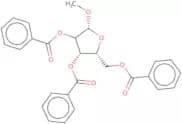
CAS:<p>Methyl 2,3,5-tri-O-benzoyl-b-D-arabinofuranoside is a custom synthesis of an Oligosaccharide with a molecular formula of C12H22O11. It has CAS No. 1093344-99-0 and Methylation, Glycosylation, Carbohydrate, Click modification, saccharide, sugar. This product is a high purity product that is Fluorination and Synthetic.</p>Formula:C27H24O8Purezza:Min. 95%Colore e forma:White to off-white solid.Peso molecolare:476.47 g/mol6-Chloro-6-deoxy-a-cyclodextrin
<p>Alpha-cyclodextrin (α-CD) derivative with a hydrophilic exterior and lipophilic cavity (smaller than β-CDs and γ-CDs) to allocate certain guest molecules. This structural characteristic enables applications in molecular encapsulation, solubility enhancement, and stabilization across multiple industries. In pharmaceuticals, it serves as a drug delivery vehicle, enhancing the bioavailability and stability of active ingredients. The food industry utilizes it as a stabilizer for flavors, colors, and nutrients, as well as a functional ingredient for its effects on lipid metabolism. In cosmetics, it acts as a complex agent for fragrances and active components. Its applications extend to analytical chemistry for chiral separation and to materials science for developing smart materials and nanosystems.</p>Formula:C36H54Cl6O24Purezza:Min. 95%Peso molecolare:1,083.52 g/mol(3S, 4R) -3, 4- Dihydroxy- 2- methyl-D- proline
<p>(3S, 4R) -3, 4-Dihydroxy-2-methyl-D-proline is a synthetic monosaccharide. It is an intermediate in the synthesis of (3S, 4R)-3,4-dihydroxy-2-methyl-D-proline and can be used for the production of glycosylated products. This carbohydrate has been synthesized by fluorination followed by methylation and glycosylation. This is a high purity product that can be custom synthesized to meet your needs.</p>Purezza:Min. 95%Methyl 2,3-di-O-benzyl-4,6-O-(4-methoxybenzylidene)-a-D-mannopyranoside
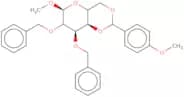
CAS:<p>Methyl 2,3-di-O-benzyl-4,6-O-(4-methoxybenzylidene)-a-D-mannopyranoside is a custom synthesis of a complex carbohydrate. It has been modified to include an Oligosaccharide and Polysaccharide, which are saccharides. This product can be used for the synthesis of glycosylation and carbonylation reactions. Methyl 2,3-di-O-benzyl-4,6-O-(4-methoxybenzylidene)-a-D-mannopyranoside is high purity with a fluorination process that ensures the highest quality.</p>Formula:C29H32O7Purezza:Min. 95%Peso molecolare:492.57 g/molTrimethyl (2S)-2-((4R)-3-O-benzyl-1,2-O-isopropylidene-D-threos-4-yl)ethanetricarboxylate
Trimethyl (2S)-2-((4R)-3-O-benzyl-1,2-O-isopropylidene-D-threos-4-yl)ethanetricarboxylate is a synthetic precursor to the sugar 2,6'-dithia-D-(+)-fucopyranose. It has been shown to be an effective glycosylation agent for the synthesis of sugars with an intact threose ring. Trimethyl (2S)-2-((4R)-3-O-benzyl-1,2-O-isopropylidene--D--threos-)ethanetricarboxylate is not available in pure form and cannot be found in nature.Purezza:Min. 95%1,2,3,5,6-Penta-O-acetyl-D-galactofuranose
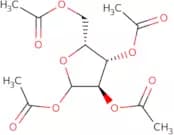
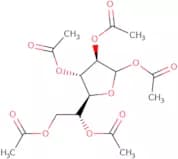
CAS:1,2,3,5,6-Penta-O-acetyl-D-galactofuranose is a condensation product of a 4-methylumbelliferone with the anomeric form of D-galactose. It is a white crystalline solid that can be obtained in yields up to 200 g per multigram of reactants. This compound has been shown to react with chloride ion and zinc chloride at elevated temperatures to yield the corresponding chloride or zinc salt. The crystal structure of this compound has been studied by x-ray diffraction and found to have an anomeric configuration and a space group P2(1)22(1). Carbohydrates are polyhydroxyaldehydes or polyhydroxyketones containing at least one hemiacetal or hemiketal group in their structure. The general formula for carbohydrates is (Cx(H2O)y)z where x is usually 2 or 3, y isFormula:C16H22O11Purezza:Min. 95%Colore e forma:PowderPeso molecolare:390.4 g/mol2-Acetamido- 2- deoxy- 3, 6- di- O- methyl-D- glucose
CAS:2-Acetamido- 2- deoxy- 3, 6- di- O- methyl-D- glucose is a carbohydrate that has been modified with fluorine. The molecular weight of the compound is 348.14 g/mol. This product was synthesized by custom synthesis and has high purity. It can be used in glycosylation and click chemistry to modify saccharides, oligosaccharides, monosaccharides, or polysaccharides. Methylation of this product can also be done using reductive amination. Click modification is a reaction between an azide group on one molecule and an alkyne group on another molecule, which produces a 1,3,5 triazole ring containing two new chemical bonds. Polysaccharide refers to carbohydrates that are long chains of monosaccharides linked together by glycosidic bonds.Formula:C10H19NO6Purezza:Min. 95%Peso molecolare:249.26 g/mol7-Deoxy-1,2:4,5-di-O-isopropylidene-L-glycero-D-gluco-heptitol
7-Deoxy-1,2:4,5-di-O-isopropylidene-L-glycero-D-glucoheptitol is a high purity synthetic compound that can be custom synthesized to order. It is a white powder with a molecular weight of 264.27 grams per mole and is soluble in water and DMSO. The CAS No. for this compound is 2206188-76-3. It has been fluorinated at the C2 position and has been modified with a click chemistry reaction to create an oligosaccharide or polysaccharide. This product is available for purchase from our store at www.sigmaaldrichchemicals.com/7deoxy1,2:4,5diOisopropylideneLglyceroDglucoheptitolPurezza:Min. 95%N-[2-(3'-Nitrophenylacetonitrile)]-2,3,4,6-tetra-O-pivaloyl-D-glucopyranoside
N-[2-(3'-Nitrophenylacetonitrile)]-2,3,4,6-tetra-O-pivaloyl-D-glucopyranoside is a high purity custom synthesis sugar. It is synthesized through Click modification and fluorination. This chemical has been used as a building block for glycosylation and methylation. The CAS number is 95825-78-8.Formula:C34H49N3O11Purezza:Min. 95%Peso molecolare:675.77 g/mol1-Deoxy-3,4-O-isopropylidene-L-tagatose
1-Deoxy-3,4-O-isopropylidene-L-tagatose is a synthetic sugar that is modified by the addition of a fluorine atom at the 1 position. This modification prevents the enzyme glycosidase from cleaving this sugar and releasing glucose. 1DILT can be used to produce glycans with different structures, including complex carbohydrates. The CAS number for this product is 7062-93-5.Purezza:Min. 95%3,4-O-Isopropylidene-2-C-methyl-D-arabinopyranose
<p>3,4-O-Isopropylidene-2-C-methyl-D-arabinopyranose is a glycosylation reagent that is synthesized by the fluorination of D-arabinose. It is an oligosaccharide sugar with a high purity and can be used for synthesis of complex carbohydrates.</p>Purezza:Min. 95%1,2,3,5-Tetra-O-acetyl-D-xylofuranose
CAS:<p>1,2,3,5-Tetra-O-acetyl-D-xylofuranose is a lectin that has been shown to have an affinity for bacterial cells. It has been shown to be effective against Gram-positive and Gram-negative bacteria, with the exception of mycobacteria. 1,2,3,5-Tetra-O-acetyl-D-xylofuranose binds to the terminal sugar of the cell wall carbohydrate chains of these cells by means of its oligosaccharide side chain. The binding causes conformational changes in the bacterial membrane and disrupts the ion gradient across it. This leads to an influx of water into the cell and subsequent death.</p>Formula:C13H18O9Purezza:Min. 95%Colore e forma:Colorless PowderPeso molecolare:318.28 g/molHeparin derived dp8 saccharide ammonium salt
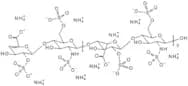
<p>Heparin is a glycosaminoglycan which is a complex carbohydrate that contains repeating disaccharide units of glucosamine and N-acetylglucosamine. Heparin has been shown to inhibit the activity of bacterial enzymes involved in fibrinolysis, such as plasminogen activator inhibitor 1 (PAI-1), and may act as an anticoagulant. Heparin is often used as an anticoagulant in patients with thrombotic disorders, including deep vein thrombosis, pulmonary embolism, or heart attack. Heparin also acts as a cofactor for the activation of clotting factors II (thrombin), VII, IX, X, XI and XII. In addition, it inhibits the activation of factor XIII by preventing its conversion from its inactive form into active factor XIIIa. The molecular weight of heparin is approximately 10 kilodaltons (kDa) and it has a molecular formula</p>Purezza:Min. 95%Colore e forma:PowderPeso molecolare:~2400 (Average)2-((4,4,5,5,5-Pentafluoropentyl)oxy)dodecanyl b-D-maltopyranoside
2-((4,4,5,5,5-Pentafluoropentyl)oxy)dodecanyl ?-D-maltopyranoside is a fluorinated form of Dodecyl ?-D-maltopyranoside (DDM). Fluorinated detergents are extremely bulky and hydrophobic. These types of detergents are not necessarily suitable for membrane protein extraction, but can stabilize proteins during the purification stages and during crystallization.Formula:C29F5H52O12Purezza:Min. 95%Colore e forma:SolidPeso molecolare:687.71 g/mol2-Formylphenyl 2,3,4,6-tetra-O-acetyl-b-D-glucopyranoside
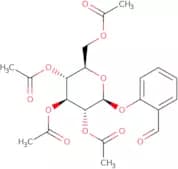
CAS:<p>2-Formylphenyl 2,3,4,6-tetra-O-acetyl-b-D-glucopyranoside is a natural product of the gentisyl family. It is synthesized from benzyl alcohol and acetic anhydride. This compound has been shown to have anticancer properties in animal studies. The acetyl groups are thought to be responsible for the cytotoxicity of this compound. Salireposide is one such analog that has been shown to inhibit protein synthesis and induce apoptosis in cancer cells.</p>Formula:C21H24O11Purezza:Min. 95%Colore e forma:PowderPeso molecolare:452.41 g/mol5-Deoxy-5-fluoro-D-galactose
<p>5-Deoxy-5-fluoro-D-galactose is an oligosaccharide that can be used as a custom synthesis. It is a modification of the natural monosaccharide D-galactose. 5-Deoxy-5-fluoro-D-galactose has the following chemical structure:</p>Purezza:Min. 95%Methyl 6-chloro-6-deoxy-a-D-glucopyranoside
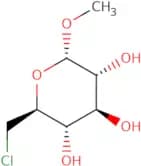
CAS:<p>Methyl 6-chloro-6-deoxy-a-D-glucopyranoside is a custom chemical synthesis that can be modified, fluorinated, methylated, monosaccharide and polysaccharide. It is an oligosaccharide sugar with CAS No. 4144-87-0. This chemical is synthesized by glycosylation of the saccharide.</p>Formula:C7H13ClO5Purezza:Min. 95%Peso molecolare:212.63 g/molCarrageenan
CAS:<p>Carageenan is a mixture of gelling sulphated galactans extracted from red algae (typically Euchuma cottonii, Euchuma spinosum Mastocarpus stellata and Chondrus crispus). The structure of all carrageenans consists of a strictly alternating masked repeating unit of 1,3 linked α-D-galactose and 1,4 linked β-D-galactose with variable proportions of sulphate. The α-linked galactose residue occurs as α-3-6-anhydro-2-sulphate.<br>The images were kindly provided by Prof Mike Guiry from Cork who runs ‘The Seaweed Site’.</p>Colore e forma:White PowderEthyl β-D-thioglucopyranoside
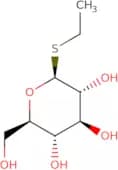
CAS:<p>Ethyl β-D-thioglucopyranoside is a custom synthesis that has been modified with fluorination and methylation, which has made it a monosaccharide. This product is synthetic and can be used for click modification. It is also an oligosaccharide, saccharide, and polysaccharide. Ethyl β-D-thioglucopyranoside is a sugar that belongs to the complex carbohydrate group. It is highly pure and has no impurities.</p>Formula:C8H16O5SPurezza:Min. 95%Colore e forma:White PowderPeso molecolare:224.28 g/molOctyl b-D-thiomaltopyranoside
CAS:<p>Octyl b-D-thiomaltopyranoside is a colorless to yellow liquid with a sweet, malty odor. It is soluble in alcohol and ether. This product has been used as an analytical reagent in the analysis of sulfur compounds for GC/MS and LC/MS. It can be used to determine the concentration of dimethylsulfide (DMS) in marine systems. Octyl b-D-thiomaltopyranoside has also been used as a cycling agent for column chromatography, as well as an additive for animal injection compositions. Octyl b-D-thiomaltopyranoside is not toxic to animals at concentrations up to 2000 mg/kg body weight.</p>Formula:C20H38O10SPurezza:Min. 95%Peso molecolare:470.58 g/molDiethyl stilbestrol β-D-glucuronide
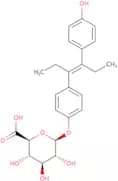
CAS:<p>Diethylstilbestrol (DES) is an endogenous substance that has been shown to be a potent estrogen. It is metabolized in the body to form stilbestrol glucuronide, which is excreted in the urine. Radiolabeling studies have shown that DES has a chemical structure similar to estradiol, although its pharmacologic effects are not as potent. Diethylstilbestrol glucuronide can be used for the diagnosis of cancer and other diseases by using nuclear medicine techniques such as positron emission tomography (PET) and single-photon emission computed tomography (SPECT). Studies have also demonstrated that DES can induce erythropoietic protoporphyria in animals.</p>Formula:C24H28O8Purezza:Min. 95%Colore e forma:White to off-white powder.Peso molecolare:444.47 g/molD-Maltose 1-phosphate dipotassium salt
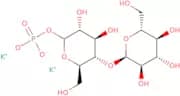
CAS:D-Maltose 1-phosphate dipotassium salt is a disaccharide that can be used in the synthesis of oligosaccharides and polysaccharides. It is also an excellent candidate for further modification.Formula:C12H21O14PK2Purezza:Min. 95%Peso molecolare:498.46 g/molscyllo-Inositol
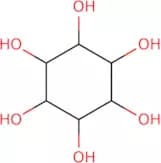
CAS:<p>Scyllo-inositol is a sugar alcohol that is an effective inhibitor of inositol monophosphatase and phosphatidylinositol-4,5-bisphosphate 3-kinase. It has been shown to inhibit the activity of these enzymes in a model system, which may be due to its structural similarity to inositol. Scyllo-inositol has also been shown to have physiological effects on cell lysis and metabolic disorders. The inhibitory properties of scyllo-inositol have been evaluated using microdialysis probes and x-ray crystal structures.</p>Formula:C6H12O6Purezza:Min. 98 Area-%Colore e forma:White Off-White PowderPeso molecolare:180.16 g/molb-D-Allopyranose
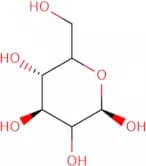
CAS:<p>b-D-Allopyranose is a monosaccharide that has been modified with fluorine. It is used as a substrate for the production of oligosaccharides and polysaccharides, which are important biomolecules in cell walls and membranes. b-D-Allopyranose can be customized to suit your needs with Click chemistry, Methylation, or other modifications. We offer high purity b-D-Allopyranose at competitive prices.</p>Formula:C6H12O6Purezza:Min. 97 Area-%Colore e forma:PowderPeso molecolare:180.16 g/mol(2S, 3S, 4S, 5R) -3,4-Dihydroxy-2, 5- pyrrolidinedimethano l
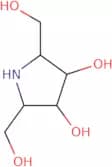
CAS:<p>Disrupting agents are compounds that inhibit the function of a protein. These agents are able to bind to proteins and disrupt their normal function, leading to cell death. Picolinic acid is one such agent, which binds to proteins that contain an active site with a metal ion. It has been shown to be effective in reducing tumor cells and drug efficacy. Disrupting agents have also been shown to induce apoptosis by activating caspases, which are proteases that process proteins in cells. Research on these agents has shown anticancer potential in drug research and cancer treatment.</p>Purezza:Min. 95%Sucrose stearate - 70% monostearate
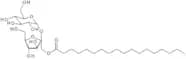
CAS:<p>The "tallowate" esters are probably the best known derivatives of sucrose and many attempts have been made to commercialise them in order to exploit their excellent surfactant functionalities. The most functional products are the mono- and diesters of the tallow acids (stearic, palmitic, oleic) with hydrophile-lipophile balance (HLB) values that lend themselves to surfactant applications in foods and cosmetics. They also have other uses, for example in coating fruits with a semipermeable membrane that acts as a preservative. Manufacturing economics have prevented these products from mass production and they remain in niche applications.</p>Formula:C30H56O12Purezza:Min. 90 Area-%Colore e forma:White Off-White PowderPeso molecolare:608.77 g/molChloramphenicol 1-O-β-D-galactopyranoside
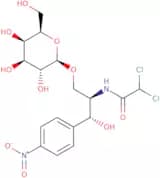
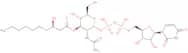
CAS:Chloramphenicol 1-O-b-D-galactopyranoside is an antibiotic that binds to the 50S ribosomal subunit and inhibits bacterial protein synthesis. It is a modified form of chloramphenicol, which has been chemically altered to make it more soluble in water. Chloramphenicol 1-O-b-D-galactopyranoside can be used for the treatment of infections caused by bacteria such as Mycobacterium avium complex, Clostridium perfringens, or Staphylococcus aureus. This drug is also used to protect against meningitis caused by H. influenzae type b and other Gram negative bacteria. Chloramphenicol 1-O-b-D-galactopyranoside is also used for the prevention of disease recurrence in patients with superficial bladder cancer who have had a partial cystectomy and are at high risk for tumor recurrenceFormula:C17H22N2O10Cl2Purezza:Min. 95%Colore e forma:PowderPeso molecolare:485.27 g/molUDP-3-O-(R-3-hydroxydecanoyl)-GlcNAc sodium salt
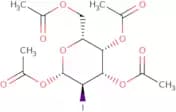
CAS:<p>Substrate for UDP-3-O-acyl-GlcNAc deacetylase</p>Formula:C27H43N3O19P2·xNaPurezza:Min. 90 Area-%Colore e forma:White Off-White Solidified MassPeso molecolare:777.6 g/mol1,3,4,6-Tetra-O-acetyl-2-deoxy-2-iodo-β-D-galactopyranose
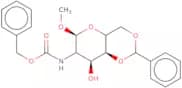
CAS:Synthetic carbohydrate building blockFormula:C14H19IO9Purezza:Min. 95%Peso molecolare:458.2 g/molMethyl 4,6-O-benzylidene-2-benzyloxycarbonylamino-2-deoxy-a-D-glucopyranose
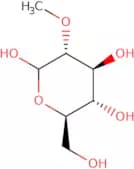
CAS:<p>Methyl 4,6-O-benzylidene-2-benzyloxycarbonylamino-2-deoxy-a-D-glucopyranose is a custom synthesized compound. It is a polysaccharide that is modified with fluorine and methyl groups. The chemical structure of this compound includes a glucose molecule with an amino group at the C1 position and an acetyl group at the C4 position. This modification increases the solubility and stability of this compound. Methyl 4,6-O-benzylidene-2-benzyloxycarbonylamino-2-deoxy--A D glucopyranose has been used in research as a model for glycosylation.</p>Formula:C22H25NO7Purezza:Min. 95%Peso molecolare:415.44 g/mol2-O-Methyl-D-glucose
CAS:2-O-Methyl-D-glucose is an aldohexose that is used in the synthesis of a number of biological compounds. It has been shown to inhibit the growth of cancer cells by interfering with the synthesis of fatty acids and proteins.Formula:C7H14O6Purezza:Min. 95%Colore e forma:PowderPeso molecolare:194.18 g/mol4-Methoxyphenyl 3-O-benzyl-a-D-mannopyranoside
CAS:<p>4-Methoxyphenyl 3-O-benzyl-a-D-mannopyranoside is a synthetic carbohydrate that has been modified with a click reaction. It is an Oligosaccharide, which is a type of Carbohydrate, and has a saccharide sequence. This product is used in the synthesis of complex carbohydrates. The product has high purity and custom synthesis capabilities.</p>Formula:C20H24O7Purezza:Min. 95%Peso molecolare:376.4 g/molMethyl 2,3,4,6-tetra-O-benzyl-D-galactopyranoside
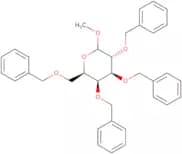
CAS:<p>Methyl 2,3,4,6-tetra-O-benzyl-D-galactopyranoside is a trisaccharide that binds to the fluorescent chromophore. It has been shown to have strong binding activity and can be used for the labeling of carbohydrates. Methyl 2,3,4,6-tetra-O-benzyl-D-galactopyranoside is also used in assays to detect toxins or as a fluorescent label for polymers. This compound can be synthesized by reacting methyl 4,6-dibenzyloxybenzoate with glucose in methanol.</p>Formula:C35H38O6Purezza:Min. 95%Colore e forma:PowderPeso molecolare:554.67 g/molVarenicline N-glucoside
CAS:<p>Varenicline N-glucoside is a modification of varenicline, which is an antagonist of the nicotinic acetylcholine receptor. This compound has been synthesized using custom synthesis and glycosylation to obtain high purity. It has been methylated and fluorinated in order to remove any impurities. Varenicline N-glucoside is a carbohydrate with a molecular weight of 581.5 g/mol, consisting of one monosaccharide and one disaccharide. It also contains a complex carbohydrate with an oligosaccharide chain that is composed of glycosylation and saccharide units. The CAS number for this compound is 873302-31-9.</p>Formula:C19H23N3O5Purezza:Min. 95%Colore e forma:PowderPeso molecolare:373.4 g/molMethyl 2,3:4,6-di-O-isopropylidene-D-mannopyranoside
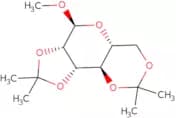
CAS:<p>Methyl 2,3:4,6-di-O-isopropylidene-D-mannopyranoside is a synthetic glycosylate sugar that has been modified with fluorination. It is a monosaccharide that is used in the synthesis of complex carbohydrates. Click modification of this molecule has been performed to yield high purity and desired modifications. CAS number 50705-56-1.</p>Formula:C13H22O6Purezza:Min. 95%Colore e forma:PowderPeso molecolare:274.31 g/mol2,3,4,6-Tetra-O-acetyl-1-deoxy-D-arabino-hex-1-enopyranose
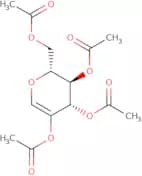
CAS:Tetra-O-acetyl-1-deoxy-D-arabinohexopyranose is a boron trifluoride etherate method for the synthesis of tetraacetylated 1-deoxyhexopyranoses. The yield of this reaction is dependent on the formamide concentration and the hydrogenation time. When formamide is used, the yields are greater than when it is not. This product can be used in a variety of reactions such as the synthesis of 2,3,4,6-tetraiodo-, 2,3,4,6-tetrahalogeno-, or 2,3,4,-trihalogeno hexoses by substitution with iodine or chlorine. Tetraacetylated 1-deoxyhexopyranoses can also be used to synthesize ethanethiols and other alcohols by elimination reactions.Formula:C14H18O9Colore e forma:White PowderPeso molecolare:330.29 g/mol2-Acetamido-2-deoxy-4-O-(b-D-galactopyranosyl)-D-galactopyranose
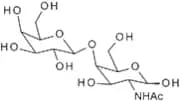
CAS:<p>2-Acetamido-2-deoxy-4-O-(b-D-galactopyranosyl)-D-galactopyranose is a glycan that binds to human lymphocytes and induces their death. It is a glycan that has been shown to be sialylated, which may be due to its high degree of homology with other glycan structures. The 2-acetamido group confers the ability to bind to sialyltransferases, which are enzymes that catalyze the transfer of sialic acid from glucose onto complex carbohydrates. This binding inhibits the enzymatic activity of these enzymes and prevents the addition of sialic acid onto oligosaccharides, preventing antigen presentation. 2-Acetamido-2-deoxy-4-O-(b-D-galactopyranosyl)-D-galactopyranose is also known as "sialic acid" or "</p>Formula:C14H25NO11Purezza:Min. 90 Area-%Colore e forma:PowderPeso molecolare:383.35 g/mol2-Azido-2,6-dideoxy-3,5-((R)-benzylidene-L-mannofuranose
<p>2-Azido-2,6-dideoxy-3,5-((R)-benzylidene-L-mannofuranose) is a synthetic, fluorinated carbohydrate that can be used to modify saccharides, oligosaccharides, or polysaccharides with click chemistry. This product has been modified by the addition of an azido group at the 2 position and a fluoride atom at the 6 position. The CAS number for this product is 52765-69-0.</p>Purezza:Min. 95%D-Glucosamine-2-N-sulfate sodium
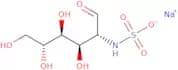
CAS:D-Glucosamine-2-N-sulfate sodium is a synthetic, high purity carbohydrate with a custom synthesis. It is an oligosaccharide that is also a sugar and a saccharide. The methylation of D-glucosamine 2-N-sulfate sodium can be achieved by glycosylation or click modification. Click modification is the addition of a carbon atom to the molecule through the reaction with an electrophile, such as N-hydroxysuccinimide ester. This modification can be used to introduce fluorine atoms into the molecules, which can improve their solubility and stability. The product has shown anti-inflammatory activities in animal models, which may be due to its ability to inhibit prostaglandin synthesis.Formula:C6H12NNaO8SPurezza:Min. 95 Area-%Colore e forma:White Off-White PowderPeso molecolare:281.22 g/mol





![N-[2-(3'-Nitrophenylacetonitrile)]-2,3,4,6-tetra-O-pivaloyl-D-glucopyranoside](/_next/image/?url=https%3A%2Fstatic.cymitquimica.com%2Fproducts%2F3D%2Fthumb-webp%2FMN08451.webp&w=3840&q=75)