Antimicrobici
Sottocategorie di "Antimicrobici"
- Antibiotici(4.131 prodotti)
- Antimicotici(912 prodotti)
- Antiparassitari(706 prodotti)
- Antivirali(768 prodotti)
Trovati 2425 prodotti di "Antimicrobici"
Gentamicin c1 sulfate
CAS:Gentamicin c1 sulfate is an aminoglycoside antibiotic, which is derived from the fermentation of the soil bacterium *Micromonospora purpurea*. Its mode of action involves binding to the 30S ribosomal subunit, disrupting protein synthesis by causing misreading of mRNA and inhibiting the initiation of translation. This mechanism is particularly effective against a broad spectrum of Gram-negative bacteria, including *Pseudomonas aeruginosa* and members of the Enterobacteriaceae family.Formula:C21H45N5O11SPurezza:Min. 95%Peso molecolare:575.7 g/molPosaconazole-d5
CAS:Posaconazole-d5 is a deuterated form of the antifungal agent posaconazole, which is a synthetic compound derived from triazole. The substitution of hydrogen atoms with deuterium in this compound allows for enhanced stability and differentiation in analytical applications, particularly in pharmacokinetic and metabolic studies.Formula:C37H42F2N8O4Purezza:Min. 95%Peso molecolare:705.8 g/molPSI-7409
CAS:PSI-7409 is a novel antimicrobial compound, which is synthetically derived with a unique mechanism of action. This compound is engineered through a complex synthesis process ensuring high purity and efficacy. PSI-7409 exerts its effects by disrupting bacterial cell wall synthesis, leading to cell lysis and death. Its precise mode of interaction on the molecular level involves inhibition of key enzymatic pathways essential for peptidoglycan assembly, thereby compromising the structural integrity of bacterial cells.
Formula:C10H16FN2O14P3Purezza:Min. 95%Peso molecolare:500.16 g/molFluxapyroxad-N-desmethyl
CAS:Fluxapyroxad-N-desmethyl is a fungicidal metabolite, which is derived from the parent compound fluxapyroxad, a pyridine carboxamide fungicide. The source of this compound is through the biological or chemical transformation of fluxapyroxad, which involves demethylation. Its mode of action involves the inhibition of succinate dehydrogenase, an essential enzyme in the fungal pathogen's mitochondrial electron transport chain. This inhibition results in disruption of energy production within the fungal cells, ultimately leading to their death.Formula:C17H10F5N3OPurezza:Min. 95%Peso molecolare:367.27 g/molFenbuconazole-lactone B rh-9130
CAS:Fenbuconazole-lactone B rh-9130 is an azole fungicide, which is a chemically synthesized compound. It is derived from the lactone form of fenbuconazole, an established triazole fungicide, and designed to inhibit sterol biosynthesis. Its mode of action involves disrupting the synthesis of ergosterol, a critical component of fungal cell membranes, thereby impeding fungal growth and reproduction.Formula:C19H16ClN3O2Purezza:Min. 95%Peso molecolare:353.8 g/molN-Biotinyl-12-aminododecanoyltobramycin amide
CAS:N-Biotinyl-12-aminododecanoyltobramycin amide is a synthetic bioconjugate, which is derived from the aminoglycoside antibiotic tobramycin. This compound is chemically modified by the addition of a biotin moiety linked through a 12-aminododecanoyl spacer. The source of this product is rooted in the conjugation of biotin to tobramycin, allowing for targeted delivery and potential hybrid applications in both therapeutic and diagnostic fields.
Formula:C40H74N8O12SPurezza:Min. 95%Peso molecolare:891.13 g/mol3'-N-Desmethyl-3'-N-formyl azithromycin
CAS:3'-N-Desmethyl-3'-N-formyl azithromycin is a semi-synthetic macrolide antibiotic, derived from the well-known azithromycin. It is created through structural modification, where the 3'-N-demethylated and 3'-N-formyl groups enhance its pharmacokinetic properties and potentially improve its antimicrobial efficacy.Formula:C38H70N2O13Purezza:Min. 95%Peso molecolare:762.97 g/molDidesethyl chloroquine hydroxyacetamide-d4
CAS:Didesethyl chloroquine hydroxyacetamide-d4 is a deuterated pharmaceutical compound, which serves as a stable isotope-labeled analog. Such compounds are often synthesized in specialized laboratories for research purposes, providing insightful data on pharmacokinetics and metabolic pathways. The deuteration, involving the replacement of hydrogen atoms with deuterium, offers enhanced accuracy in mass spectrometry analysis due to its unique isotopic signature.
Formula:C16H20ClN3O2Purezza:Min. 95%Peso molecolare:325.82 g/molCarbovir
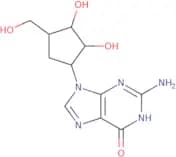
CAS:Carbovir is a nucleoside reverse transcriptase inhibitor (NRTI), which is derived from carbocyclic nucleosides. Its mode of action involves the selective inhibition of the reverse transcriptase enzyme, an essential component in the replication cycle of retroviruses, such as HIV. By incorporating into the viral DNA chain during synthesis, Carbovir effectively halts chain elongation, thereby impeding the virus's ability to proliferate.Formula:C11H13N5O2Purezza:Min. 95%Peso molecolare:247.25 g/mol8-Hydroxy-3,5,6,7,3',4'-hexamethoxyflavone
CAS:8-Hydroxy-3,5,6,7,3',4'-hexamethoxyflavone is a flavonoid compound, which is a naturally occurring polyphenolic substance found predominantly in various citrus fruits. As part of the flavone class of flavonoids, its structure is characterized by the presence of multiple methoxy and hydroxyl groups. These functional groups contribute to its biochemical properties, particularly its ability to act as an electron donor.Formula:C21H22O9Purezza:Min. 95%Peso molecolare:418.4 g/molSatranidazole
CAS:Satranidazole is an antimicrobial agent that falls under the category of synthetic nitroimidazoles. It is derived from chemical synthesis and is designed to combat infections caused by specific organisms. The mode of action involves the reduction of the nitro group within the organism, creating reactive intermediates that disrupt DNA synthesis and lead to cell death. This mode of action is notably effective against protozoal infections and anaerobic bacterial infections.
Formula:C8H11N5O5SPurezza:Min. 95%Peso molecolare:289.27 g/molTunicamycin
CAS:Inhibitor of N-glycosylation in eukaryotes
Formula:C37H60N4O16Purezza:Min. 95%Colore e forma:PowderPeso molecolare:816.89Virginiamycin M1
CAS:Inhibitor of protein synthesis; streptogramin
Formula:C28H35N3O7Purezza:Min. 95%Peso molecolare:525.59 g/molFlorpyrauxifen
CAS:Florpyrauxifen is a synthetic auxin herbicide, which is derived from chemical synthesis. It functions by mimicking natural plant hormones called auxins, which regulate plant growth and development. The mode of action involves disrupting normal cellular function by causing uncontrolled growth, leading to plant death.
Formula:C13H8Cl2F2N2O3Purezza:Min. 95%Peso molecolare:349.11 g/molTazobactam diphenylmethyl ester
CAS:Tazobactam diphenylmethyl ester is a chemical compound that serves as a precursor or intermediate in the synthesis of beta-lactamase inhibitors. This product originates from synthetic organic chemistry and plays a crucial role in antibiotic research and development. Its mode of action involves modifying or blocking the active site of beta-lactamase enzymes, which are responsible for granting bacteria resistance to beta-lactam antibiotics.
Formula:C23H22N4O5SPurezza:Min. 95%Peso molecolare:466.5 g/molPhthalic acid, bis[2-(2-ethoxyethoxy)ethyl] ester
CAS:Phthalic acid, bis[2-(2-ethoxyethoxy)ethyl] ester is a specialized industrial plasticizer, which is a type of additive used to enhance the flexibility and durability of polymer-based materials. It is derived from phthalic acid through esterification with ethylene glycol ether derivatives, resulting in a compound that effectively reduces the brittleness of plastic formulations by increasing their plasticity.Formula:C20H30O8Purezza:Min. 95%Peso molecolare:398.4 g/molAWZ1066S
CAS:AWZ1066S is a synthetic analog, which is a chemically engineered compound designed to mimic or influence biological molecules. This product is derived from sophisticated organic synthesis techniques that enable the precise modification of its molecular structure to enhance its specificity and efficacy. AWZ1066S operates through targeted binding to specific biomolecules or receptors, thereby modulating their function or facilitating their detection in complex biological systems.Formula:C19H19F3N6OPurezza:Min. 95%Peso molecolare:404.4 g/molAvermectin a1b
CAS:Avermectin A1b is an antiparasitic compound, which is a macrocyclic lactone isolated from the soil bacterium *Streptomyces avermitilis*. This compound functions primarily by enhancing the release of gamma-aminobutyric acid (GABA) and binding to glutamate-gated chloride channels in nerve and muscle cells of parasites. This interaction leads to an increase in the permeability of cell membranes to chloride ions, resulting in paralysis and death of the parasite.
Formula:C48H72O14Purezza:Min. 95%Peso molecolare:873.1 g/molPuromycin aminonucleoside
CAS:Inducer of apoptosis; translational inhibitor; aminonucleoside antibiotic
Formula:C12H18N6O3Purezza:Min. 95%Peso molecolare:294.31 g/molGriseoluteic acid
CAS:Griseoluteic acid is a cyclic lipopeptide that inhibits bacterial growth by binding to the enzyme cyclase, which is involved in the production of cyclic AMP. Griseoluteic acid also inhibits the synthesis of rRNA (ribosomal RNA), which is required for protein synthesis. The compound has been shown to have a high degree of resistance against antibiotic-resistant strains and exhibits a low toxicity profile in vitro. Griseoluteic acid also has an inhibitory effect on hydrogen bonding interactions, which may be due to its ability to inhibit energy metabolism. This compound also exhibits anti-inflammatory properties and has been shown to have neurodevelopmental effects in animal models.
Formula:C15H12N2O4Purezza:Min. 95%Peso molecolare:284.27 g/molRef: 3D-AAA48976
1mgPrezzo su richiesta5mgPrezzo su richiesta10mgPrezzo su richiesta25mgPrezzo su richiestaTriazoxide-desoxy
CAS:Triazoxide-desoxy is an investigational compound, which is a synthetic derivative of triazoxide, originating from pharmacological research aimed at modulating physiological pathways. This compound acts primarily by influencing ion channel activity at a cellular level, impacting the regulation of potassium channels which are crucial for maintaining cellular homeostasis and signaling.Formula:C10H6ClN5Purezza:Min. 95%Peso molecolare:231.64 g/mol4′-O-De(2,6-dideoxy-3-O-methyl-α-L-arabino-hexopyranosyl)-5-O-demethylavermectin A1a
CAS:4′-O-De(2,6-dideoxy-3-O-methyl-α-L-arabino-hexopyranosyl)-5-O-demethylavermectin A1a is a semi-synthetic derivative of avermectin, which is a naturally occurring compound isolated from the fermentation broth of the soil bacterium *Streptomyces avermitilis*. This compound exhibits potent antiparasitic activity by targeting the glutamate-gated chloride channels in the nervous systems of parasitic organisms. By binding and activating these channels, it increases the permeability of the cell membrane to chloride ions, resulting in paralysis and death of the parasite.Formula:C41H60O11Purezza:Min. 95%Peso molecolare:728.91 g/molCefotiam
CAS:Cefotiam is a broad-spectrum cephalosporin antibiotic, which is a beta-lactam compound derived from the mold Acremonium. It functions by inhibiting bacterial cell wall synthesis, particularly by targeting penicillin-binding proteins, which leads to cell lysis and death in susceptible bacteria. This mechanism of action makes it effective against various Gram-positive and Gram-negative bacteria.
Formula:C18H23N9O4S3Purezza:Min. 95%Colore e forma:PowderPeso molecolare:525.62 g/molBaumycin C1
CAS:Baumycin C1 is an anthracycline-type antibiotic, which is derived from the bacterium *Streptomyces coeruleorubidus*. The mode of action of Baumycin C1 involves intercalating into DNA strands, thereby disrupting the process of DNA synthesis and replication. This intercalation results in the inhibition of topoisomerase II, an enzyme crucial for DNA unwinding, leading to the generation of double-strand breaks and subsequent interruption of cellular proliferation.
Formula:C28H29NO11Purezza:Min. 95%Peso molecolare:555.5 g/molAcetoxypolygodial
CAS:Acetoxypolygodial is a sesquiterpenoid compound, which is a naturally derived product from the roots of the plant Polygonum hydropiper. This compound exhibits its mode of action through its ability to disrupt microbial cell membranes, leading to increased permeability and eventual cell death. Its primary mechanism involves direct interaction with lipid bilayers, causing destabilization.Formula:C17H24O4Purezza:Min. 95%Peso molecolare:292.4 g/molWF-3681
CAS:WF-3681 is a chemical compound utilized as an insecticide, which is synthesized from organic compounds through a controlled chemical process. The mode of action for WF-3681 involves the disruption of the neural pathways in target insects, leading to paralysis and eventual death. This mechanism specifically interferes with neurotransmitter functions, ensuring efficacy against a broad range of agricultural pests. The compound's specificity minimizes impacts on non-target organisms and the surrounding environment.Formula:C13H12O5Purezza:Min. 95%Peso molecolare:248.23 g/molA2ti-2
CAS:A2ti-2 is an advanced metallurgical alloy, which is a synthesized product combining high-grade titanium and aluminum elements. It is engineered through a precise metallurgical process that involves controlled alloying at elevated temperatures, optimizing the atomic structure for superior performance traits. The mode of action for A2ti-2 involves its exceptional ability to maintain stability under extreme temperatures, providing resistance to thermal degradation and mechanical stress.Formula:C18H18N4O2SPurezza:Min. 95%Peso molecolare:354.4 g/mol2'-O-Acetylspiramycin I
CAS:2'-O-Acetylspiramycin I is a semi-synthetic derivative of spiramycin, which is a macrolide antibiotic originally sourced from the bacterium *Streptomyces ambofaciens*. The modification involves the acetylation at the 2'-hydroxyl group of spiramycin, enhancing certain pharmacokinetic properties.Formula:C45H76N2O15Purezza:Min. 95%Peso molecolare:885.09 g/molFosravuconazole
CAS:Fosravuconazole is an antifungal agent, classified as a triazole antifungal, which is developed from a synthetic chemical source. It operates as a prodrug of ravuconazole, meaning that after administration, fosravuconazole is converted into its active form in the body. This conversion enhances the absorption and bioavailability of the drug, providing improved treatment efficacy against fungal infections.Formula:C23H20F2N5O5PSPurezza:Min. 95%Peso molecolare:547.5 g/molSultasin
CAS:Sultasin is a combination antibiotic product, which is derived from the synthesis of sulbactam, a β-lactamase inhibitor, and ampicillin, a β-lactam antibiotic. The mode of action of Sultasin involves the inhibition of bacterial cell wall synthesis. Ampicillin works by attaching to penicillin-binding proteins (PBPs) inside the bacterial cell wall, disrupting the final transpeptidation step of peptidoglycan synthesis, which leads to cell lysis. Sulbactam enhances the efficacy of ampicillin by inhibiting β-lactamase enzymes produced by resistant bacterial strains, thereby preventing the degradation of the antibiotic.Formula:C25H29N3Na2O9S2Purezza:Min. 95%Peso molecolare:625.6 g/molAlbendazole-2-aminosulfoxide
CAS:Albendazole-2-aminosulfoxide is a metabolite of the benzimidazole class of antiparasitic agents, which is derived from the biotransformation of albendazole in the liver. As a potent bioactive compound, its mode of action primarily involves the selective binding to the β-tubulin of parasitic organisms, disrupting the polymerization of microtubules necessary for their cellular structures. This disruption impedes vital processes such as glucose uptake and cellular division, leading to parasite death.Formula:C10H13N3OSPurezza:Min. 95%Peso molecolare:223.3 g/molBO3482
CAS:Please enquire for more information about BO3482 including the price, delivery time and more detailed product information at the technical inquiry form on this pageFormula:C14H20N2NaO5S2Purezza:Min. 95%Peso molecolare:383.4 g/molMitomycin D
CAS:Mitomycin D is an antibiotic and chemotherapeutic agent known for its ability to inhibit DNA synthesis, making it a potent antitumor agent. It is derived from the bacterium *Streptomyces caespitosus*. Mitomycin D functions as a DNA crosslinking agent by alkylating the DNA strands, which interferes with DNA replication and transcription. This mechanism leads to the cessation of cellular division and ultimately induces apoptosis in rapidly dividing cells.Formula:C15H18N4O5Purezza:Min. 95%Peso molecolare:334.33 g/molCycloxydim-sulfone-glutaric acid
CAS:Cycloxydim-sulfone-glutaric acid is a synthesized herbicide, which is a derivative of cycloxydim, a cyclohexanedione compound. It is characterized by its ability to effectively inhibit acetyl-CoA carboxylase, an enzyme crucial in fatty acid biosynthesis within plant systems. The source of this compound is primarily through complex chemical synthesis processes that combine its constituent elements to enhance its stability and efficacy as a herbicide.
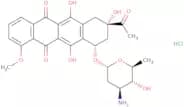
Formula:C10H16O6SPurezza:Min. 95%Peso molecolare:264.3 g/molAclacinomycin HCl
CAS:Aclacinomycin HCl is a cytotoxic antibiotic that inhibits the growth of tumor cells. It has been shown to induce apoptosis in human leukemia cells by altering the transmembrane potential and inhibiting cell proliferation. Aclacinomycin HCl also induces DNA damage response, which leads to caspase activities and cell death. This drug is highly selective for tumor cells, with no effect on normal cells. It has been shown to be effective against primary liver cancer in animal models, as well as developmental disorders such as autism spectrum disorder (ASD).
Formula:C42H53NO15·HClPurezza:Min. 95%Colore e forma:Orange PowderPeso molecolare:848.33 g/molArtelinic acid
CAS:Artelinic acid is a synthetic antimalarial agent, which is derived from artemisinin, a natural compound sourced from the sweet wormwood plant (Artemisia annua). The mode of action of Artelinic acid involves the generation of free radicals within the Plasmodium parasite, leading to oxidative stress and damage to the parasite’s cellular components, ultimately resulting in parasite death. This mechanism is particularly effective against Plasmodium species, including those strains resistant to other antimalarial drugs.
Formula:C23H30O7Purezza:Min. 95%Peso molecolare:418.5 g/molNeticonazole
CAS:Neticonazole is a synthetic antifungal compound, which is derived from pharmaceutical chemical synthesis. It functions primarily as an imidazole derivative, disrupting the synthesis of ergosterol, a crucial component of fungal cell membranes. This interference leads to increased cell membrane permeability, ultimately causing cell lysis and death of the fungal organism.
Formula:C17H22N2OSPurezza:Min. 95%Peso molecolare:302.4 g/molGatifloxacin hydrate
CAS:Gatifloxacin hydrate is a fluoroquinolone antibiotic, which is synthesized chemically. It exerts its bactericidal effects primarily by inhibiting bacterial DNA gyrase and topoisomerase IV. These enzymes are crucial for bacterial DNA replication, transcription, and repair. By preventing these processes, gatifloxacin effectively halts bacterial cell division, ultimately leading to cell death.
Formula:C19H24FN3O5Purezza:Min. 95%Peso molecolare:393.4 g/molBleomycin HCl
CAS:Inducer of DNA strand breaks; glycopeptide antibiotic, anti-neoplasticFormula:C50H71N16O21S2R•(HCl)xPurezza:Min. 95%Colore e forma:White To Off-White SolidDimethenamid-oxalamid
CAS:Dimethenamid-oxalamid is a pre-emergent herbicide, which is a synthetic compound developed for agricultural use. It is derived from research focused on improving crop protection through chemical innovation. The mode of action involves inhibiting the synthesis of very long-chain fatty acids (VLCFAs) in weeds, disrupting their cell division and growth processes, ultimately leading to the prevention of weed emergence.
Formula:C12H17NO4SPurezza:Min. 95%Peso molecolare:271.33 g/mol7-epi-Clindamycin
CAS:7-epi-Clindamycin is a clindamycin derivative, which is a semisynthetic antibiotic derived from the bacterium *Streptomyces lincolnensis*. Its mode of action involves binding to the 50S subunit of the bacterial ribosome, thereby inhibiting protein synthesis. This results in the suppression of bacterial growth, making it effective against certain Gram-positive bacteria and anaerobic species.Formula:C18H34Cl2N2O5SPurezza:Min. 95%Colore e forma:White To Off-White SolidPeso molecolare:461.44 g/molFaldaprevir
CAS:Hepatitis C virus protease inhibitorFormula:C40H49BrN6O9SPurezza:Min. 95%Colore e forma:White PowderPeso molecolare:869.82 g/molTelavancin
CAS:Telavancin is a lipoglycopeptide antibiotic, which is a semi-synthetic derivative of vancomycin. Its source is derived through modifications of the glycopeptide antibiotic, specifically aimed to enhance antibacterial activity. Telavancin functions by inhibiting cell wall synthesis in Gram-positive bacteria, including methicillin-resistant Staphylococcus aureus (MRSA). It does this by binding to the D-alanyl-D-alanine terminus of cell wall precursors, disrupting peptidoglycan polymerization and, consequently, cell wall integrity. Additionally, Telavancin increases membrane permeability and disrupts membrane potential, further enhancing its bactericidal activity.
Formula:C80H106Cl2N11O27PPurezza:Min. 95%Peso molecolare:1,755.64 g/molQuinthiophos
CAS:Quinthiophos is an organophosphate insecticide, which is synthesized chemically. Its mode of action involves the inhibition of the enzyme acetylcholinesterase, which is critical in nerve function. By disrupting this enzyme, quinthiophos causes an accumulation of acetylcholine at the synapses, leading to continual nerve signal transmission, paralysis, and eventual death of the targeted pests.
Formula:C17H16NO2PSPurezza:Min. 95%Peso molecolare:329.4 g/molSpiromesifen-alcohol-4-hydroxymethyl
CAS:Spiromesifen-alcohol-4-hydroxymethyl is a selective miticide, which is a derivative of spiromesifen. This compound is sourced from novel chemical synthesis approaches focusing on the manipulation of chemical structures to improve efficacy and selectivity. The mode of action of Spiromesifen-alcohol-4-hydroxymethyl centers on disrupting the lipid biosynthesis pathway within target mites and whiteflies. By inhibiting acetyl-CoA carboxylase, it leads to impaired energy storage and membrane biosynthesis, ultimately causing the mortality of these pests.
Formula:C17H20O4Purezza:Min. 95%Peso molecolare:288.34 g/molLincomycin 2-palmitate hydrochloride
CAS:Lincomycin 2-palmitate hydrochloride is a semi-synthetic antibiotic, derived from the natural antibiotic lincomycin through chemical modification. It is sourced from fermentative processes involving the bacterium *Streptomyces lincolnensis*. The compound exerts its action by inhibiting protein synthesis in susceptible bacteria. This occurs through its binding to the 50S subunit of the bacterial ribosome, thereby hindering peptide chain elongation and ultimately arresting bacterial growth.Formula:C34H65ClN2O7SPurezza:Min. 95%Peso molecolare:681.41 g/molAtazanavir-d5
CAS:Atazanavir-d5 is an isotopically labeled variant of the antiretroviral drug Atazanavir, a non-peptidic HIV-1 protease inhibitor. It is synthesized using stable isotope labeling, specifically deuterium, which replaces five hydrogen atoms. The mechanism of action involves binding to the active site of the HIV-1 protease enzyme, a critical enzyme in the replication cycle of HIV, thereby preventing the cleavage of the viral gag-pol polyprotein precursors into the mature protein components of an infectious viral particle.Formula:C38H52N6O7Purezza:Min. 95%Peso molecolare:709.9 g/molAtherosperminine
CAS:Prodotto controllatoAtherosperminine is an alkaloid compound, which is a bioactive chemical derived from plants. Specifically, it is sourced from members of the Lauraceae family, such as Atherosperma moschatum. This compound exhibits a range of pharmacological activities that are of significant interest to researchers. The mode of action of atherosperminine involves interactions with various biological pathways, potentially affecting physiological processes and exhibiting therapeutic effects.Formula:C20H23NO2Purezza:Min. 95%Peso molecolare:309.4 g/molSE 563
CAS:SE 563 is a biocontrol agent, which is an organism-based product derived from natural sources. It is sourced from a specific strain of entomopathogenic nematodes known for their effectiveness in targeting and controlling insect pests. The mode of action involves the nematodes seeking out their insect hosts in the soil, entering through natural openings, and releasing symbiotic bacteria that kill the host from within.
Formula:C22H17ClF3NO3Purezza:Min. 95%Peso molecolare:435.08491N-(4-Hexylphenyl)-5-nitro-2-furancarboxamide
CAS:N-(4-Hexylphenyl)-5-nitro-2-furancarboxamide is a synthetic organic compound, categorized as a nitroaromatic amide. It is synthesized through a condensation reaction involving 4-hexylphenylamine and 5-nitro-2-furancarboxylic acid. The compound's mode of action involves the potential to interfere with specific biomolecular interactions due to its structure, which includes a nitro group capable of engaging in electron transfer reactions. These interactions may modulate enzymatic activities or alter binding affinities between proteins and other biomolecules.Formula:C17H20N2O4Purezza:Min. 95%Peso molecolare:316.35 g/molLTAS-IN-1
CAS:LTAS-IN-1 is a synthetic chemical compound designed as an advanced inhibitor, which is developed through a series of intricate chemical synthesis processes. The mode of action of LTAS-IN-1 involves the selective inhibition of specific enzyme targets, effectively modulating their biological pathways. This selective inhibition allows researchers to investigate the compound's effects on various cellular and molecular processes.Formula:C24H17N3O5Purezza:Min. 95%Peso molecolare:427.4 g/molCensavudine
CAS:Censavudine is an antiviral compound, which is a synthetic nucleoside analog designed to interfere with viral replication processes. The source of this compound lies in its chemical synthesis, which involves precise structural modifications to resemble natural nucleosides. Its mode of action involves incorporation into viral RNA by the viral polymerase, leading to chain termination. This mechanism effectively hinders the replication of viral genomes, thus preventing the proliferation of the virus within the host organism.
Formula:C12H12N2O4Purezza:Min. 95%Peso molecolare:248.23 g/mol(Z)-Fenpyroximate
CAS:(Z)-Fenpyroximate is a selective acaricide, which is a chemical agent specifically designed to control mite populations. It is derived from the chemical class of pyrazole compounds. The mode of action of (Z)-Fenpyroximate involves the inhibition of the mitochondrial electron transport chain, particularly targeting complex I (NADH: ubiquinone oxidoreductase). This disruption prevents ATP production, leading to mite mortality due to energy starvation.Formula:C20H19N3O4Purezza:Min. 95%Peso molecolare:365.4 g/molBacitracin A
CAS:Bacitracin A is an antibiotic peptide, which is isolated from the bacterium Bacillus subtilis. It functions by interfering with the cell wall synthesis of bacteria. Specifically, Bacitracin A inhibits the dephosphorylation of the C55-isoprenyl pyrophosphate molecule, an essential lipid carrier that transports peptidoglycan building blocks to the growing cell wall. This disruption leads to the inhibition of peptidoglycan synthesis, a critical component of bacterial cell walls, resulting in cell lysis and death.
Formula:C66H103N17O16SPurezza:Min. 95%Peso molecolare:1,422.7 g/molMetalaxyl-hydroxymethyl
CAS:Metalaxyl-hydroxymethyl is a systemic fungicide, which is synthesized chemically. With its unique mechanism of action as an acylalanine fungicide, it targets and disrupts RNA synthesis specifically in oomycetes—a group of fungus-like organisms. This disruption inhibits the growth and spread of pathogenic fungi.Formula:C15H21NO5Purezza:Min. 95%Peso molecolare:295.33 g/molMCB-3681
CAS:MCB-3681 is a small-molecule inhibitor, which is synthesized through advanced chemical processes. It operates at a molecular level by selectively targeting and inhibiting specific cellular pathways involved in cancer cell proliferation. The compound's action is characterized by its ability to interfere with enzyme activity crucial for the survival and growth of malignant cells, thus inducing apoptosis and inhibiting tumor progression.Formula:C31H32F2N4O8Purezza:Min. 95%Peso molecolare:626.6 g/molAtisinium chloride
CAS:Atisinium chloride is an organometallic compound, which is synthesized through advanced coordination chemistry techniques. The source of this compound lies in the strategic combination of organic ligands with metal centers, facilitating unique interactions that are pivotal to its functionality. The mode of action primarily involves the ability to participate in complex catalytic cycles, engaging in electron transfer processes that are essential for mediating chemical transformations.
This compound finds applications in specialized fields such as catalysis, where it is utilized to promote and drive reactions that may be inefficient under normal conditions. Its effectiveness in altering reaction pathways and increasing selectivity makes it valuable in synthetic chemistry and industrial processes. Additionally, atisinium chloride's unique properties might be leveraged in materials science for the development of novel materials with tailored functionalities. The intricate balance of its reactive properties and stability under varying conditions makes it a subject of ongoing research for further applications.Formula:C22H34ClNO2Purezza:Min. 95%Peso molecolare:379.96 g/molEnt-avibactam sodium
CAS:Ent-avibactam sodium is a pharmacological agent, categorized as a beta-lactamase inhibitor, which is synthetically derived. This compound acts by binding to and inhibiting the action of beta-lactamase enzymes produced by certain bacteria, thereby preventing the breakdown of beta-lactam antibiotics. Consequently, it restores the effectiveness of these antibiotics against resistant strains.Formula:C7H10N3NaO6SPurezza:Min. 95%Peso molecolare:287.23 g/molImipenem Monohydrate, Antibiotic for Culture Media Use Only
CAS:Imipenem acts as an antimicrobial through inhibiting cell wall synthesis of various gram-positive and gram-negative bacteria. It remains very stable in the presence of beta-lactamase (both penicillinase andcephalosporinase) produced by some bacteria, and is a strong inhibitor of beta-lactamases from some gram-negative bacteria that are resistant to most beta-lactam antibiotics.Formula:C12H19N3O5SPurezza:Min. 98.0 Area-%Peso molecolare:317.36 g/molRef: 3D-I-0500
1kgPrezzo su richiesta100gPrezzo su richiesta250gPrezzo su richiesta500gPrezzo su richiestaCefetrizole
CAS:Please enquire for more information about Cefetrizole including the price, delivery time and more detailed product information at the technical inquiry form on this page
Formula:C16H15N5O4S3Purezza:Min. 95%Peso molecolare:437.5 g/molPantoprazole magnesium
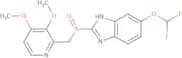
CAS:Pantoprazole magnesium is a pharmaceutical compound that belongs to the class of proton pump inhibitors (PPIs). It is derived from the benzimidazole chemical family and synthesized through a chemical process that involves the formation of a magnesium salt of pantoprazole. This compound's mode of action involves the irreversible inhibition of the H+/K+ ATPase enzyme system located on the gastric parietal cell surface. By blocking this enzyme system, pantoprazole magnesium effectively reduces the secretion of gastric acid.Formula:C32H28F4MgN6O8S2Purezza:Min. 95%Peso molecolare:789.00 g/molPhenamacril
CAS:Phenamacril is a synthetic fungicide, which is derived from chemical synthesis processes with a unique mode of action that targets fungal signaling pathways. It operates by inhibiting the myosin-5 ATPase activities within filamentous fungi, disrupting key cellular functions and effectively halting fungal growth.
Formula:C12H12N2O2Purezza:Min. 95%Peso molecolare:216.24 g/molViramidine hydrochloride
CAS:Viramidine hydrochloride is an antiviral prodrug with action as a precursor to ribavirin, targeting viral RNA synthesis and is used for research on hepatitis C and other viral infections.Formula:C8H14ClN5O4Purezza:Min. 95%Peso molecolare:279.68 g/molSofosbuvir d6
CAS:Sofosbuvir d6 is a deuterated antiviral drug used for the treatment of Hepatitis C virus (HCV) infection, which is synthesized chemically. This modification involves the replacement of hydrogen atoms with deuterium, a stable isotope of hydrogen, resulting in enhanced pharmacokinetic properties. By incorporating deuterium, the metabolic stability of the compound is improved due to the kinetic isotope effect, which slows down the metabolic degradation of the compound.Formula:C22H29FN3O9PPurezza:Min. 95%Peso molecolare:535.5 g/molPicarbutrazox
CAS:Picarbutrazox is a fungicide, which is a product derived from chemical synthesis designed to protect crops by inhibiting fungal growth. It works through a specific mode of action that targets and disrupts the biosynthesis of essential lipids within fungal cells. This disruption ultimately leads to the cessation of cell membrane formation, impeding the growth and proliferation of the fungi.
Formula:C20H23N7O3Purezza:Min. 95%Peso molecolare:409.4 g/molMGB-BP-3
CAS:MGB-BP-3 is a synthetic antimicrobial agent, which is derived from natural DNA-binding minor groove binder (MGB) compounds. Its structure is based on distamycin, known for targeting the minor groove of DNA. MGB-BP-3 operates by binding to specific sequences within the DNA minor groove, thereby interfering with the replication and transcription processes of bacterial cells. This binding disrupts the DNA function and inhibits the growth and proliferation of bacterial pathogens.
Formula:C36H37N7O4Purezza:Min. 95%Peso molecolare:631.7 g/molCyclosporin L
CAS:Cyclosporin L is an immunosuppressive agent, which is a cyclic polypeptide derived from the soil fungus Tolypocladium inflatum. It primarily functions by inhibiting the activity of calcineurin, a key phosphatase involved in the activation of T-cells. This inhibition prevents the transcription of interleukin-2 and other cytokines critical for T-cell proliferation.
Formula:C61H109N11O12Purezza:90%MinPeso molecolare:1,188.59 g/mol4''-(p-Fluorobenzyl)tylosin A
CAS:4''-(p-Fluorobenzyl)tylosin A is a semi-synthetic derivative of tylosin, which is a macrolide antibiotic produced by fermentation of the bacterium *Streptomyces fradiae*. This compound demonstrates a modified structure by incorporating a p-Fluorobenzyl group at the 4'' position of tylosin, enhancing its pharmaceutical properties. The mode of action involves binding to the 50S subunit of the bacterial ribosome, thereby inhibiting protein synthesis and exerting its bacteriostatic effects against Gram-positive bacteria.Formula:C53H82FNO17Purezza:Min. 95%Peso molecolare:1,024.2 g/molMethicillin sodium hydrate
CAS:Methicillin sodium hydrate is a semi-synthetic β-lactam antibiotic, which is a derivative of the naturally occurring antibiotic penicillin. It is sourced from the modification of the penicillin nucleus, specifically designed to resist degradation by the bacterial enzyme penicillinase. This enzyme, produced by certain bacterial strains, can render penicillin ineffective. Methicillin operates by inhibiting the synthesis of bacterial cell walls, specifically binding to penicillin-binding proteins (PBPs). This action disrupts the cross-linking of peptidoglycan chains, a critical component for bacterial cell wall integrity, ultimately leading to cell lysis and death.
Formula:C17H21N2NaO7SPurezza:Min. 95%Peso molecolare:420.4 g/molDeoxylapachol
CAS:Deoxylapachol is a naturally occurring metabolite, which is derived from the heartwood of certain Tabebuia tree species. It is a type of naphthoquinone, recognized for its biologically active properties. The mode of action of deoxylapachol involves the inhibition of certain enzymes and signaling pathways, contributing to its potential therapeutic effects. It disrupts cellular respiration and affects redox balance, which can lead to the selective targeting of certain pathogenic organisms and cancer cells.Formula:C15H14O2Purezza:Min. 95%Peso molecolare:226.27 g/mol6-Chloro didesacetyl famciclovir
CAS:6-Chloro didesacetyl famciclovir is a synthetic antiviral compound, which is derived from famciclovir, with specific modifications to enhance its biochemical properties. It is a chlorinated analog resulting from structural alterations to famciclovir, a prodrug of the antiviral agent penciclovir.
Formula:C10H14ClN5O2Purezza:Min. 95%Peso molecolare:271.7 g/molMinocycline hydrochloride dihydrate
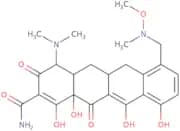
CAS:Minocycline hydrochloride dihydrate is a broad-spectrum antibiotic, which is a synthetic derivative of tetracycline. It is sourced from chemical synthesis processes and possesses potent antimicrobial properties. The mode of action involves inhibiting bacterial protein synthesis by binding to the 30S ribosomal subunit, thereby preventing the addition of amino acids to the growing peptide chain. This mechanism effectively disrupts bacterial growth and replication.
Formula:C23H32ClN3O9Purezza:Min. 95%Peso molecolare:530 g/molClenhexerol
CAS:Clenhexerol is a topical antiseptic, which is a chemically synthesized product with broad-spectrum antimicrobial properties. It is derived from chlorhexidine, commonly used in various medical formulations for its efficacy against both Gram-positive and Gram-negative bacteria. Clenhexerol operates through disrupting microbial cell membranes, leading to leakage of cellular components and cell death, making it highly effective in reducing microbial load on skin and mucous membranes.
Formula:C14H22Cl2N2OPurezza:Min. 95%Peso molecolare:305.2 g/molβ-Cypermethrin
CAS:Beta-cypermethrin is a synthetic pyrethroid insecticide, which is a chemically altered derivative of natural pyrethrins found in chrysanthemum flowers. These pyrethrins are modified to enhance their stability and potency. Beta-cypermethrin acts by targeting the nervous system of insects, specifically by modifying the function of voltage-gated sodium channels. This action leads to prolonged depolarization of the neuron, resulting in paralysis and eventual death of the insect.Formula:C22H19Cl2NO3Purezza:Min. 95%Peso molecolare:416.3 g/molSporidesmolide
CAS:Sporidesmolide is a cyclic depsipeptide, which is a type of compound characterized by having both ester and amide bonds in its structure. This product is derived from fungal sources, specifically certain species within the genus *Sporidesmium*. The mode of action for sporidesmolide involves disrupting microbial cell membrane integrity, leading to increased permeability and eventual cell death. This activity primarily targets bacteria and fungi, making it an important subject of study for its potential antimicrobial properties.
Formula:C34H60N4O8Purezza:Min. 95%Peso molecolare:652.9 g/mol(2RS,4S)-2-[[(phenylacetyl)amino]methyl]-5,5-dimethylthiazolidine-4-carboxylic acid (penilloic acids of benzylpenicillin)
CAS:(2RS,4S)-2-[[(Phenylacetyl)amino]methyl]-5,5-dimethylthiazolidine-4-carboxylic acid, commonly referred to as penilloic acids, is a hydrolytic degradation product of benzylpenicillin. It is derived through the enzymatic or chemical cleavage of the β-lactam ring of benzylpenicillin, which is a classic β-lactam antibiotic.
Formula:C15H20N2O3SPurezza:Min. 95%Peso molecolare:308.4 g/molAqabamycin C
CAS:Aqabamycin C is an antibiotic compound, which is derived from marine bacteria, specifically, the actinomycete strain found in marine environments. Its mode of action involves the disruption of bacterial cell wall synthesis, making it particularly effective against certain gram-negative bacteria. This antibiotic selectively inhibits pathogens by interfering with their essential cellular processes.Formula:C16H10N2O5Purezza:Min. 95%Peso molecolare:310.26 g/molClindamycin-2,4-diphosphate
CAS:Clindamycin-2,4-diphosphate is a phosphorylated derivative of the antibiotic clindamycin, which is a semi-synthetic lincosamide antibiotic originally derived from Streptomyces lincolnensis. Its mode of action involves the inhibition of bacterial protein synthesis by binding to the 50S ribosomal subunit, thereby preventing peptide chain elongation during translation. This mechanism effectively disrupts protein production in susceptible bacteria, leading to their growth inhibition or death.Formula:C18H35ClN2O11P2SPurezza:Min. 95%Peso molecolare:584.94 g/molBiotinamidocaproate tobramycin amide
CAS:Biotinamidocaproate tobramycin amide is a chemical conjugate, serving as an innovative antimicrobial agent derived from the integration of biotin with tobramycin, an aminoglycoside antibiotic. This product embodies the amalgamation of tobramycin’s robust antibacterial properties with biotin’s ability to guide compounds specifically to targets through biotin-avidin interactions.Formula:C34H62N8O12SPurezza:Min. 95%Peso molecolare:806.97 g/molVapendavir diphosphate
CAS:Vapendavir diphosphate is an antiviral compound, which is a synthesized small molecule with selective activity targeting picornaviruses. This compound is derived from rigorous medicinal chemistry efforts focusing on the inhibition of viral replication. Vapendavir diphosphate functions by binding to a specific site on the viral capsid, thereby inhibiting the uncoating process essential for viral RNA release into the host cell. This mode of action effectively prevents the virus from replicating within the host.
Formula:C21H32N4O11P2Purezza:Min. 95%Peso molecolare:578.4 g/molThienamycin
CAS:Thienamycin is a β-lactam antibiotic, which originates from the fermentation of the bacterium *Streptomyces cattleya*. Its mode of action involves inhibiting the synthesis of bacterial cell walls. Thienamycin accomplishes this by binding to penicillin-binding proteins (PBPs) critical for peptidoglycan construction, thereby disrupting cell wall integrity and leading to bacterial lysis.
Formula:C11H16N2O4SPurezza:80%MinColore e forma:PowderPeso molecolare:272.32 g/molAmrubicin hydrochloride
CAS:Amrubicin hydrochloride is an anthracycline chemotherapeutic agent, which is a synthetic anthracycline derivative derived from reductive amination. It functions primarily by intercalating into DNA and inhibiting topoisomerase II, an enzyme crucial to DNA replication. This mode of action disrupts DNA synthesis, leading to apoptosis in rapidly proliferating cancer cells.
Formula:C25H25NO9•HClPurezza:Min. 95%Peso molecolare:519.93 g/mol4'-Ethynyl-2'-deoxyadenosine
CAS:4'-Ethynyl-2'-deoxyadenosine is a deoxynucleoside analogue, which is synthesized through chemical processes. This compound acts as an antiviral agent, primarily targeting the viral replication machinery. Its mode of action involves the incorporation into viral DNA by mimicking natural nucleosides, which subsequently inhibits the enzymatic activity of reverse transcriptase. This inhibition disrupts the synthesis of viral DNA, effectively curtailing viral replication.Formula:C12H13N5O3Purezza:Min. 95%Peso molecolare:275.26 g/molSARS-CoV-IN-2
CAS:SARS-CoV-IN-2 is a highly specific and potent antiviral inhibitor, which is chemically synthesized to target SARS-CoV-2, the virus responsible for COVID-19. This compound functions by interfering with the viral replication process, specifically targeting the viral 3CL protease enzyme, crucial for viral polyprotein cleavage. By inhibiting this protease, SARS-CoV-IN-2 effectively hampers the replication cycle of the virus, limiting its ability to proliferate within the host cells.Formula:C24H18ClFEN3OPurezza:Min. 95%Peso molecolare:455.72 g/molClarithromycin - EP
CAS:A macrolide, broad-spectrum antibiotic that targets cytochrome P4503A4 (CYP3A4). Clarithromycin has been used to potentiate the pharmacological effects of some drugs that are metabolised by the cytochrome P450.
Formula:C38H69NO13Purezza:Min. 95%Peso molecolare:747.95 g/molTylosin D
CAS:Tylosin D is an antibiotic product, which is derived from the bacterium *Streptomyces fradiae*. Its mode of action involves binding to the 50S subunit of the bacterial ribosome, thereby inhibiting protein synthesis essential for bacterial growth and replication. This mechanism is particularly effective against Gram-positive bacteria and mycoplasma species, making it a crucial agent in combatting infections in the veterinary field.
Formula:C46H79NO17Purezza:Min. 95%Peso molecolare:918.1 g/mol(E)-Cefotaxime
CAS:(E)-Cefotaxime is a third-generation cephalosporin antibiotic, which is derived from the actinomycete mold Acremonium. Its mode of action involves inhibiting bacterial cell wall synthesis by binding to penicillin-binding proteins, leading to cell lysis and death. This mechanism is highly effective against a wide range of Gram-positive and Gram-negative bacteria, including strains resistant to earlier cephalosporins and penicillins.Formula:C16H17N5O7S2Purezza:Min. 95%Peso molecolare:455.5 g/molOxacillin sodium
CAS:Oxacillin sodium is a beta-lactam antibiotic with action on bacterial cell wall synthesis and is used for treating infections caused by penicillin-resistant Staphylococcus aureus.
Formula:C19H18N3NaO5SPurezza:Min. 95%Colore e forma:PowderPeso molecolare:423.42 g/molHBV-IN-4
CAS:HBV-IN-4 is an antiviral compound that serves as a potent and selective inhibitor of hepatitis B virus (HBV). It is derived from chemical synthesis with a focus on targeting the viral replication machinery. The mode of action involves interrupting the HBV lifecycle by inhibiting the functioning of viral polymerase, thereby preventing the synthesis of viral DNA and subsequent viral propagation.
Formula:C24H19ClFN5O3Purezza:Min. 95%Peso molecolare:479.9 g/mol(4S)-2-[Carboxy[[[3-(2-chloro-6-fluorophenyl)-5-methylisoxazol-4-yl]carbonyl]amino]methyl]-5,5-dimethylthiazolidine-4-carboxylic aci d disodium salt (penicilloic acids of flucloxacillin disodium salt)
CAS:(4S)-2-[Carboxy[[[3-(2-chloro-6-fluorophenyl)-5-methylisoxazol-4-yl]carbonyl]amino]methyl]-5,5-dimethylthiazolidine-4-carboxylic acid disodium salt, known as the penicilloic acids of flucloxacillin disodium salt, is a β-lactam antibiotic. This compound is derived from the penicillin family and exhibits potent antibacterial properties. The mode of action involves the inhibition of bacterial cell wall synthesis, primarily targeting the transpeptidase enzyme, which plays a crucial role in cross-linking the peptidoglycan layers of the bacterial cell wall. By acylating this enzyme, the penicilloic acids disrupt the integrity of the cell wall, leading to cell lysis and death of the bacteria.
Formula:C19H17ClFN3Na2O6SPurezza:Min. 95%Peso molecolare:515.9 g/molVoxilaprevir
CAS:Voxilaprevir is an antiviral compound, which is a product of chemical synthesis with a unique mode of action targeting the Hepatitis C virus (HCV). It acts as a potent inhibitor of the HCV NS3/4A protease, a crucial enzyme required for the viral replication process. By inhibiting this protease, Voxilaprevir disrupts the viral life cycle, preventing replication and aiding in the clearance of the virus from the host.Formula:C40H52F4N6O9SPurezza:Min. 95%Peso molecolare:868.94 g/molBensulide-oxon
CAS:Bensulide-oxon is a metabolite derived from the organophosphate pesticide bensulide, which is predominantly used in agricultural settings. It forms as a result of environmental or biological processes that involve the oxidation of bensulide. As a potent acetylcholinesterase (AChE) inhibitor, bensulide-oxon disrupts normal neuronal signaling by preventing the breakdown of the neurotransmitter acetylcholine, leading to an accumulation that affects the nervous systems of target organisms.
Formula:C14H24NO5PS2Purezza:Min. 95%Peso molecolare:381.5 g/molChloraniformethan
CAS:Please enquire for more information about Chloraniformethan including the price, delivery time and more detailed product information at the technical inquiry form on this pageFormula:C9H7Cl5N2OPurezza:Min. 95%Peso molecolare:336.4 g/molFlutimide
CAS:Flutimide is a nonsteroidal antiandrogen, which is synthesized chemically. It functions by competitively inhibiting the binding of androgens, such as testosterone, to androgen receptors. This interferes with the action of androgens at the cellular level, leading to a reduction in the growth effects mediated by these hormones.Formula:C12H18N2O3Purezza:Min. 95%Peso molecolare:238.28 g/molLexithromycin
CAS:Please enquire for more information about Lexithromycin including the price, delivery time and more detailed product information at the technical inquiry form on this pageFormula:C38H70N2O13Purezza:Min. 95%Peso molecolare:762.97 g/molAcephate d3
CAS:Acephate d3 is an isotopically labeled organophosphorus insecticide, which is a synthetic chemical compound used primarily for its insecticidal properties. It is derived by incorporating deuterium, a stable hydrogen isotope, into the molecular structure of acephate. The inclusion of deuterium isotopes is instrumental in tracing and studying the biochemical pathways and metabolic degradation of acephate within target organisms and ecosystems.
Formula:C4H10NO3PSPurezza:Min. 95%Peso molecolare:186.19 g/molTebufloquin
CAS:Tebufloquin is an insecticide, which is a synthetic compound designed to target specific pests. It is derived from chemical synthesis with a mode of action that interferes with critical biological pathways in insects, rendering them unable to survive or reproduce. Tebufloquin works primarily by targeting the nervous system of insects, leading to paralysis and eventual death.Formula:C17H20FNO2Purezza:Min. 95%Peso molecolare:289.34 g/mol(4E)-1-(3,4-Dichlorophenyl)-4-[(4-ethoxyphenyl)methylidene]pyrazolidine-3,5-dione
CAS:(4E)-1-(3,4-Dichlorophenyl)-4-[(4-ethoxyphenyl)methylidene]pyrazolidine-3,5-dione is a synthetic compound belonging to the class of pyrazolidine diones. This compound is mainly derived from chemical synthesis in a laboratory setting. It acts through its interaction with specific biological pathways, potentially affecting enzyme activity or receptor sites involved in various physiological processes.Formula:C18H14Cl2N2O3Purezza:Min. 95%Peso molecolare:377.2 g/mol3-Chloro-4-(3-chloro-2-nitrophenyl)pyrrole
CAS:3-Chloro-4-(3-chloro-2-nitrophenyl)pyrrole is a synthetic chemical compound, classified as an organochlorine derivative. This compound originates from the modification of pyrrole structures, which are heterocyclic aromatic compounds. The synthesis involves chlorination and nitration processes to enhance its potential activity and specificity.
Formula:C10H6Cl2N2O2Purezza:Min. 95%Peso molecolare:257.07 g/molNeuraminidase-in-1
CAS:Neuraminidase-in-1 is a chemical compound known as a neuraminidase inhibitor, which is synthetically derived. This inhibitor functions by blocking the activity of the neuraminidase enzyme, a glycoprotein found on the surface of various viruses, including influenza. The enzyme is crucial for the viral life cycle as it facilitates the release of new viral particles from infected host cells. By inhibiting this enzyme, Neuraminidase-in-1 effectively halts the replication and spread of the virus within the host organism.
Formula:C14H11N3O6Purezza:Min. 95%Peso molecolare:317.25 g/mol2-(1-Hydroxyethyl)-6-ethylaniline
CAS:2-(1-Hydroxyethyl)-6-ethylaniline is an organic chemical compound, which is often utilized as an intermediate in the synthesis of dyes, pigments, and other industrial chemicals. This compound is derived from aromatic amines and undergoes specific chemical reactions that enable its functionality in various synthetic processes.
Formula:C10H15NOPurezza:Min. 95%Peso molecolare:165.23 g/molAlamethacin
CAS:Alamethacin is a peptide antibiotic, which is derived from the soil fungus Trichoderma viride. This compound consists of a sequence of amino acids that form a helical structure, enabling its interaction with lipid membranes. Alamethacin functions by inserting itself into cellular membranes and forming voltage-dependent ion channels. As a result, it alters membrane permeability, causing ion imbalance and leading to cell death.
Formula:C92H150N22O25Purezza:Min. 95%Colore e forma:SolidPeso molecolare:1,964.31 g/mol14-Chloro daunorubicin
CAS:14-Chloro daunorubicin is a chemotherapeutic agent, which is a synthetic derivative of the naturally occurring anthracycline antibiotic, daunorubicin. This compound is specifically modified to include a chlorine atom at the 14th position, which enhances its pharmacological effectiveness compared to its parent compound. The drug acts primarily by intercalating into DNA, disrupting the function of topoisomerase II, and generating free radicals. These mechanisms collectively inhibit DNA replication and transcription, leading to cell apoptosis, particularly in rapidly dividing cancer cells.Formula:C27H28ClNO10Purezza:Min. 95%Peso molecolare:561.96 g/molParvodicin C2
CAS:Parvodicin C2 is a natural antibiotic compound, which is derived from the fermentation of specific actinomycete strains. This antibiotic functions through the inhibition of bacterial protein synthesis, specifically targeting the ribosomal subunits and leading to disruption in the peptide chain elongation process. The targeted mode of action allows it to effectively limit the replication and survival of susceptible bacterial strains.
Formula:C83H88Cl2N8O29Purezza:Min. 95%Peso molecolare:1,732.5 g/molCefepime-d3 sulfate
CAS:Prodotto controllatoCefepime-d3 sulfate is an isotopically labeled antibiotic, which is derived from the fourth-generation cephalosporin, cefepime. The source of this compound is synthetic, utilizing deuterium to label the parent cefepime molecule, allowing for detailed metabolic and pharmacokinetic studies. With deuterium's stable, non-radioactive nature, it serves as a powerful tool in mass spectrometry-based analyses.
Formula:C19H23D3N6O9S3Purezza:Min. 95%Peso molecolare:581.66 g/molBeclabuvir
CAS:Beclabuvir is an investigational antiviral agent, which is synthetically derived with the purpose of targeting the hepatitis C virus (HCV). It functions as a non-nucleoside inhibitor, specifically inhibiting the HCV NS5B RNA-dependent RNA polymerase, a crucial enzyme necessary for viral replication. By obstructing the polymerase activity, Beclabuvir effectively impedes the replication cycle of the virus, thereby reducing viral load in infected individuals.Formula:C36H45N5O5SPurezza:Min. 95%Peso molecolare:659.84 g/molFoscarnet sodium
CAS:Foscarnet sodium is a pyrophosphate analog antiviral agent with action on viral DNA polymerase and is used for treating cytomegalovirus and herpes simplex virus infections.
Formula:CNa3O5PPurezza:Min. 95%Colore e forma:White PowderPeso molecolare:191.95 g/molN-Demethylclindamycin
CAS:N-Demethylclindamycin is a metabolite of clindamycin, which is a semi-synthetic antibiotic derived from the naturally occurring compound lincomycin. This product is synthesized by enzymatic or chemical processes that remove the N-methyl group from clindamycin's molecular structure, making it an important derivative in the study of antibiotic activity and metabolic pathways.
Formula:C17H31ClN2O5SPurezza:Min. 95%Peso molecolare:411 g/molHexazinone metabolite A
CAS:Hexazinone metabolite A is a chemical compound derived from the degradation of the parent herbicide hexazinone, which is commonly used in agriculture and forestry for broad-spectrum weed control. This metabolite is a result of microbial and environmental processes that modify the original chemical structure, altering its behavior and ecological interactions. With a mode of action involving the disruption of photosynthetic processes, Hexazinone metabolite A impacts plant growth by inhibiting photosystem II, thereby impeding electron transfer required for photosynthesis.Formula:C12H20N4O3Purezza:Min. 95%Peso molecolare:268.31 g/molHypothemycin
CAS:Hypothemycin is a natural product that serves as a potent inhibitor of protein kinases. It is derived from the fungus Hypomyces subiculosus and belongs to the class of resorcylic acid lactones. Its mode of action involves binding covalently to the ATP-binding site of kinases, leading to the inhibition of their activity. This covalent modification is achieved through the formation of a Michael-type addition with a reactive ene-diene functionality within its structure. By targeting these critical enzymes, hypothemycin disrupts key signaling pathways that are essential for cell growth and proliferation.Purezza:Min. 95%Capsimycin
CAS:Capsimycin is an antibiotic product, which is derived from the bacterium Streptomyces. This compound is part of a class of natural products isolated from soil-dwelling actinomycetes, known for their ability to produce a wide array of bioactive molecules. The mode of action of Capsimycin involves the inhibition of cell wall biosynthesis in susceptible bacterial strains. This specific mechanism disrupts the integrity of the bacterial cell wall, ultimately leading to cell lysis and death, making Capsimycin effective against a variety of Gram-positive bacteria.Formula:C30H40N2O6Purezza:Min. 95%Peso molecolare:524.60 g/molCladosporin
CAS:Cladosporin is a secondary metabolite and natural product, specifically a fungal cyclodepsipeptide, which is isolated from the fungus *Cladosporium cladosporioides*. It exhibits its mode of action by selectively inhibiting the lysyl-tRNA synthetase enzyme in the Plasmodium species, the causative agent of malaria. This inhibition disrupts the protein synthesis pathway crucial for the survival and proliferation of the parasite.
Formula:C16H20O5Purezza:Min. 95%Peso molecolare:292.33 g/molHerbimycin
CAS:Herbimycin is an antibiotic, which is a natural product derived from Streptomyces bacteria. It functions primarily as a tyrosine kinase inhibitor, disrupting cellular signaling pathways by binding to the ATP-binding site of kinases and inhibiting phosphorylation events. This mode of action makes it an effective tool for scientists studying signal transduction processes and oncogenic transformation.Formula:C30H42N2O9Purezza:Min. 95%Peso molecolare:574.66 g/moltert-Butyl 4-[3-(4,4,5,5-tetramethyl-1,3,2-dioxaborolan-2-yl)pyrazol-1-yl]piperidine-1-carboxylate
CAS:Tert-Butyl 4-[3-(4,4,5,5-tetramethyl-1,3,2-dioxaborolan-2-yl)pyrazol-1-yl]piperidine-1-carboxylate is a boronic ester compound used primarily in organic synthesis. It is derived from the reaction of a piperidine-based carboxylate with a dioxaborolane moiety, forming a unique structural entity that serves as a versatile building block in molecular modification and drug development.
Formula:C19H32BN3O4Purezza:Min. 95%Peso molecolare:377.3 g/molPSI-352938
CAS:Please enquire for more information about PSI-352938 including the price, delivery time and more detailed product information at the technical inquiry form on this pageFormula:C16H23FN5O6PPurezza:Min. 95%Peso molecolare:431.36 g/molPenipurdin A
CAS:Please enquire for more information about Penipurdin A including the price, delivery time and more detailed product information at the technical inquiry form on this pageFormula:C18H16O6Purezza:Min. 95%Peso molecolare:328.3 g/molAcorafloxacin
CAS:Acorafloxacin is a synthetic fluoroquinolone antibiotic, which is derived from the chemical modification of the quinolone core structure. It acts by inhibiting bacterial DNA gyrase and topoisomerase IV, enzymes crucial for bacterial DNA replication and transcription. The bactericidal action results from preventing the supercoiling and relaxation of the bacterial DNA, ultimately interrupting essential cellular processes.Formula:C21H23F2N3O4Purezza:Min. 95%Peso molecolare:419.4 g/mol3-Descyano fludioxonil 3-carboxylic acid
CAS:3-Descyano fludioxonil 3-carboxylic acid is a synthetic compound, which is derived from chemical modification of fludioxonil, a well-known fungicide. The compound acts by disrupting fungal cell osmoregulation through inhibition of the protein kinase pathway. This disruption inhibits spore germination and mycelial growth, contributing to its antifungal properties.Formula:C12H7F2NO4Purezza:Min. 95%Peso molecolare:267.18 g/mol2-Sec-butyl-1-(decyloxy)-4-tritylbenzene
CAS:2-Sec-butyl-1-(decyloxy)-4-tritylbenzene is a synthetic organic compound, typically utilized in chemical research and development. It is sourced through a series of organic synthesis reactions, involving alkylation, etherification, and aromatic substitution, primarily in a controlled laboratory environment.
Formula:C39H48OPurezza:Min. 95%Peso molecolare:532.8 g/mol(±)-Salbutamol
CAS:Prodotto controllato(±)-Salbutamol is a racemic mixture of a beta-2 adrenergic agonist, which is synthetically derived. This compound functions primarily by selectively stimulating beta-2 adrenergic receptors, which are predominantly located on the smooth muscle cells lining the airways. The activation of these receptors leads to the relaxation of bronchial muscle tissue, resulting in bronchodilation and improved airflow.Formula:C13H21NO3Peso molecolare:239.31 g/molRef: 3D-Q-201695
10gPrezzo su richiesta25gPrezzo su richiesta50gPrezzo su richiesta100gPrezzo su richiesta250gPrezzo su richiestaMoxifloxacin
CAS:Moxifloxacin is a synthetic broad-spectrum antibiotic, which is derived from the fluoroquinolones class. It functions by inhibiting bacterial topoisomerase II (DNA gyrase) and topoisomerase IV, enzymes critical for DNA replication, transcription, repair, and recombination. The inhibition of these enzymes results in DNA breakage, thereby leading to bacterial cell death.Formula:C21H24FN3O4Purezza:Min. 95%Peso molecolare:401.4 g/molCefadroxil monohydrate, Antibiotic for Culture Media Use Only
CAS:Cefadroxil is a broad-spectrum bactericidal antibiotic that belongs to the cephalosporin family. It is a semi-synthetic penicillin and inhibits bacterial cell wall synthesis through binding to one or more of the penicillin-binding proteins (PBPs). Cefadroxil monohydrate is used as an antibiotic for culture media and has been proven to be effective against methicillin-resistant Staphylococcus aureus (MRSA). In addition, the drug has been shown to have no significant effect on blood tests or microscopic studies.Formula:C16H19N3O6SPurezza:Min. 97.0 Area-%Peso molecolare:381.40 g/molRef: 3D-Q-200807
1kgPrezzo su richiesta250gPrezzo su richiesta500gPrezzo su richiesta-Unit-ggPrezzo su richiestaNalidixic acid ethyl ester
CAS:Nalidixic acid ethyl ester is a chemical compound that functions as a pro-drug antibacterial agent, specifically belonging to the quinolone class of antibiotics. It is synthesized from nalidixic acid, which is derived from the older synthetic derivative class of naphthyridines. Nalidixic acid ethyl ester exhibits its antibacterial properties through the inhibition of DNA gyrase and topoisomerase IV. These are essential enzymes for bacterial DNA replication, transcription, and repair, leading to the disruption of DNA synthesis in susceptible bacterial cells.Formula:C14H16N2O3Purezza:Min. 95%Peso molecolare:260.29 g/molKanamycin C
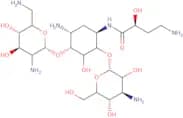
CAS:Inhibitor of protein synthesis; aminoglycosideFormula:C18H36N4O11Purezza:Min. 95%Peso molecolare:484.5 g/molClindamycin sulfoxide
CAS:Clindamycin sulfoxide is a potent metabolite of the lincosamide antibiotic clindamycin, which is derived from the fermentation product of *Streptomyces lincolnensis*. This compound acts by inhibiting bacterial protein synthesis through binding to the 50S ribosomal subunit, thereby interfering with the translocation steps in protein elongation. The mechanism effectively suppresses the growth of a broad range of Gram-positive bacteria, including *Staphylococcus aureus*, *Streptococcus pneumoniae*, and anaerobic microorganisms.Formula:C18H33ClN2O6SPurezza:Min. 95%Peso molecolare:440.98 g/molThiamethoxam-urea
CAS:Thiamethoxam-urea is an advanced agrochemical formulation, which is a synthetic compound derived from the integration of the neonicotinoid insecticide thiamethoxam and the stabilizing agent urea. This product is engineered from laboratory synthesis, where chemical reactions enable the effective combination of these components to ensure optimal stability and efficacy. The mode of action of Thiamethoxam-urea involves neurotoxic interference within the central nervous system of target organisms, primarily acting as an agonist at nicotinic acetylcholine receptors in insects. This disrupts neural transmission, leading to paralysis and eventual death of the pest.Formula:C8H10ClN3O2SPurezza:Min. 95%Peso molecolare:247.7 g/molColistin A
CAS:Colistin A is an antimicrobial peptide, which is a type of polymyxin antibiotic derived from the bacterium *Paenibacillus polymyxa*. It exerts its bactericidal effect by interacting electrostatically with the lipopolysaccharides and phospholipids in the outer membrane of Gram-negative bacteria. This action disrupts the bacterial cell membrane, leading to increased permeability and cell death.Formula:C53H100N16O13Purezza:Min. 95%Peso molecolare:1,169.5 g/molCefminox Sodium
CAS:Cefminox Sodium is a beta-lactam antibiotic, which is synthesized through chemical modification of naturally occurring compounds. This product is classified as a second-generation cephalosporin, derived from cephalosporin C obtained from the fungus Acremonium. It exerts its mode of action by inhibiting bacterial cell wall synthesis. This occurs through the binding to penicillin-binding proteins, ultimately disrupting the cross-linking of peptidoglycan chains which are essential for bacterial cell wall integrity.
Formula:C16H20N7O7S3·NaPurezza:Min. 95%Peso molecolare:541.56 g/molFlufenacet-methylsulfone
CAS:Flufenacet-methylsulfone is an herbicidal derivative, which is sourced from the modification of flufenacet metabolites. It operates by inhibiting the biosynthesis of very-long-chain fatty acids, which are crucial components in the formation of cell membranes within target plant species. This biochemical intervention disrupts normal cell division and elongation in weeds, ultimately inhibiting their growth and establishment.
Formula:C12H16FNO3SPurezza:Min. 95%Peso molecolare:273.33 g/molCefodizime
CAS:Cefodizime is a third-generation cephalosporin antibiotic, which is derived from the fungus Acremonium. It exerts its bactericidal effects by inhibiting bacterial cell wall synthesis. This action is achieved through binding to penicillin-binding proteins (PBPs), leading to the interruption of peptidoglycan cross-linking essential for the bacterial cell wall integrity. The breakdown of cell wall synthesis results in the lysis and death of the bacterial cell.
Purezza:Min. 95%Amidosulfuron-o-desmethyl
CAS:Amidosulfuron-o-desmethyl is a metabolite derivative, which is studied primarily as a secondary product originating from the breakdown of the herbicide amidosulfuron. Synthesized through microbial and environmental degradation processes, it is part of the sulfonylurea class of compounds. The mode of action involves inhibition of the plant enzyme acetolactate synthase (ALS), leading to disrupted synthesis of essential branched-chain amino acids, ultimately affecting plant growth and survival.Formula:C8H13N5O7S2Purezza:Min. 95%Peso molecolare:355.4 g/molTris(4'-carboxy-1,1'-biphenyl)amine
CAS:Tris(4'-carboxy-1,1'-biphenyl)amine is an organic compound commonly employed as a building block in the development of advanced materials. It is synthesized through a series of chemical reactions involving biphenyl and aniline derivatives, ultimately producing a triphenylamine core with carboxylic acid functional groups. The unique molecular architecture allows this compound to participate in various chemical interactions, including π-π stacking and hydrogen bonding, which are pivotal in its applications.
Formula:C39H27NO6Purezza:Min. 95%Peso molecolare:605.6 g/molTropodithietic acid
CAS:Tropodithietic acid is a bioactive compound, which is a potent antibacterial agent derived from certain marine bacteria, including the genus Phaeobacter. This antibiotic is characterized by its ability to disrupt quorum sensing, a mechanism that bacteria use for communication and coordination of group behaviors, including virulence. By interfering with this process, tropodithietic acid impedes bacterial colonization and biofilm formation, effectively inhibiting pathogenic activity.
Purezza:Min. 95%Porfiromycin
CAS:Porfiromycin is an antineoplastic antibiotic with action on DNA alkylation and cross-linking and is used for research on cancer treatment, particularly for hypoxic tumors.
Formula:C16H20N4O5Purezza:Min. 95 Area-%Colore e forma:PowderPeso molecolare:348.35 g/molN4-Methyl-5-(3,4,5-trimethoxybenzyl)-pyrimidine-2,4-diamine
CAS:N4-Methyl-5-(3,4,5-trimethoxybenzyl)-pyrimidine-2,4-diamine is a synthetic organic compound, classified as an antimicrobial agent. This compound is developed through chemical synthesis processes, derived from pyrimidine analogs, and is commonly used in medicinal chemistry and pharmacology research. It operates by inhibiting key enzymes involved in the folic acid pathway, crucial for bacterial growth and proliferation. By targeting this pathway, the compound prevents nucleic acid synthesis, ultimately leading to bacterial cell death.
Formula:C15H20N4O3Purezza:Min. 95%Peso molecolare:304.34 g/molAmpicillin amino-benzeneacetaldehyde
CAS:Ampicillin amino-benzeneacetaldehyde is a specialized biochemical compound, which is a derivative of the well-known antibiotic ampicillin. This compound serves as an advanced progenitor in the synthesis of tailored antibiotics, stemming from both natural and semi-synthetic sources. The primary mode of action for this derivative involves its transformation into active ampicillin forms, which then inhibit bacterial cell wall synthesis by binding to penicillin-binding proteins. This mechanism effectively compromises the structural integrity of bacterial cells, leading to their eventual lysis.Formula:C24H26N4O5SPurezza:Min. 95%Peso molecolare:482.6 g/molDL-chloramphenicol
CAS:DL-chloramphenicol is a broad-spectrum antibiotic, which is a synthetic compound derived from natural chloramphenicol originally isolated from the bacterium Streptomyces venezuelae. This compound exerts its effects by inhibiting bacterial protein synthesis. It binds to the 50S subunit of the bacterial ribosome, preventing peptide bond formation and consequently halting the growth of susceptible bacteria. The optical isomer, DL-chloramphenicol, contains equal parts of both D- and L- isomers, with the L-form being responsible for its antibiotic activity.
Formula:C11H12Cl2N2O5Purezza:Min. 95%Peso molecolare:323.13 g/molPhleomycin
CAS:Phleomycin is an antibiotic, which is derived from the bacterium *Streptomyces verticillus*. Its mode of action involves binding to DNA and inducing breaks by generating free radicals in the presence of oxygen and ferrous ions, leading to cell death. Phleomycin is prominently used in molecular biology applications as a selective agent in the generation of stable transfectants. It is particularly effective in selecting for cells that have integrated vectors conferring resistance, such as the Sh ble gene used in yeast, plant, and mammalian cell systems. Due to its potent DNA-cleaving ability, Phleomycin is valuable in studies requiring stringent selection pressure. Researchers commonly utilize it in experiments focusing on genetic modification and cellular resistance development.
Formula:C51H75N17O21S2Purezza:Min. 95%Peso molecolare:1,326.38 g/molUrdamycin B
CAS:Urdamycin B is an anthracycline antibiotic, which is derived from the bacterium *Streptomyces fradiae*. This compound acts by intercalating into DNA, disrupting the replication and transcription processes, leading to cell death. Its mode of action involves inhibiting topoisomerase II, an enzyme critical for DNA replication and cell cycle progression. This mechanism impairs cellular proliferation, making it effective against rapidly dividing cells.
Formula:C37H44O13Purezza:Min. 95%Peso molecolare:696.70 g/molNeticonazole hydrochloride
CAS:Neticonazole hydrochloride is an antifungal agent, which is a synthetic imidazole derivative with potent antifungal properties. It is synthesized through a multi-step chemical process in a laboratory setting, designed to enhance its efficacy and stability. Its mode of action involves the inhibition of ergosterol synthesis, a critical component of fungal cell membranes. By hindering this pathway, Neticonazole hydrochloride compromises the integrity and function of the fungal cell membrane, ultimately leading to cell death.
Formula:C17H23ClN2OSPurezza:Min. 95%Peso molecolare:338.9 g/molPenciclovir diacetate
CAS:Penciclovir diacetate is an antiviral compound, which is synthesized as a prodrug derivative of penciclovir. This compound originates from chemical modification processes designed to improve the pharmacokinetic properties of its active metabolite. Once administered, penciclovir diacetate undergoes in vivo conversion to penciclovir, an active nucleoside analog. The mode of action involves selective inhibition of viral DNA polymerase after being phosphorylated to its triphosphate form, thereby impeding viral DNA synthesis and replication.
Formula:C14H19N5O5Purezza:Min. 95%Peso molecolare:337.33 g/mol8-Methylpyrido[2,3-d]pyridazin-5(6H)-one
CAS:8-Methylpyrido[2,3-d]pyridazin-5(6H)-one is a heterocyclic compound used in the field of medicinal chemistry. This compound is synthesized through complex organic reactions involving pyridazine and pyridine derivatives. As a molecule, its primary mode of action involves interactions with specific biochemical pathways, potentially influencing enzymatic activity or receptor bindings, leading to modulation of biological activities.
Formula:C8H7N3OPurezza:Min. 95%Peso molecolare:161.16 g/molMagnamycin B
CAS:Magnamycin B is an antifungal antibiotic, which is derived from natural sources through microbial fermentation. Its mode of action involves the inhibition of cell wall synthesis in pathogenic fungi, thereby disrupting essential processes required for their growth and proliferation. Magnamycin B is particularly effective against a range of fungal pathogens that affect agricultural and clinical settings.Formula:C42H67NO15Purezza:Min. 95%Peso molecolare:826.00 g/molTriadimenol-tert-butylhydroxy
CAS:Triadimenol-tert-butylhydroxy is a systemic fungicide, originating from synthetic chemical processes, characterized by its ability to inhibit fungal sterol biosynthesis. This sterol biosynthesis disruption occurs through the demethylation of lanosterol or 24-methylene dihydrolanosterol, which impedes the production of ergosterol, a crucial component in fungal cell membranes. The inhibition results in disrupted cell membrane integrity and impaired fungal growth, leading to effective control over a range of plant-pathogenic fungi.
Formula:C14H18ClN3O3Purezza:Min. 95%Peso molecolare:311.76 g/molImazamox-o-desmethyl
CAS:Imazamox-o-desmethyl is a herbicide metabolite, which is derived from the biotransformation of the imazamox compound, typically occurring during degradation processes. Its mode of action involves targeting the acetohydroxyacid synthase (AHAS) enzyme—a critical component in the biosynthesis of branched-chain amino acids in plants. This inhibition disrupts plant growth, leading to effective weed control.
Formula:C14H17N3O4Purezza:Min. 95%Peso molecolare:291.3 g/molSofosbuvir impurity I
CAS:Sofosbuvir impurity I is an organic chemical impurity often associated with the active pharmaceutical ingredient (API) Sofosbuvir, which is used in the treatment of hepatitis C. This impurity arises during the manufacturing process of Sofosbuvir as a byproduct. It is crucial to monitor and identify such impurities to ensure the safety, efficacy, and quality of the final pharmaceutical product.
Formula:C21H27FN3O9PPurezza:Min. 95%Peso molecolare:515.4 g/molBentaluron
CAS:Bentaluron is a synthetic fungicide, which is a chemical compound developed to combat fungal pathogens in agriculture. Its source originates from rigorous industrial chemical synthesis, ensuring efficacy and stability. The mode of action of Bentaluron involves disrupting essential biochemical pathways within fungal cells, specifically targeting and inhibiting enzymes critical for fungal growth and metabolism. This precise interference prevents the synthesis of vital cellular components, ultimately halting the proliferation of the fungus.
Formula:C11H13N3OSPurezza:Min. 95%Peso molecolare:235.31 g/molRPW-24
CAS:RPW-24 is a microbial inoculant, which is derived from specifically cultivated microbial strains with known capabilities of enhancing soil fertility. Utilizing a proprietary selection of Bacillus and Pseudomonas species, this product functions by facilitating the solubilization of inorganic phosphate compounds in the soil. These microbes secrete organic acids and enzymes that convert insoluble forms of phosphorus into forms that are more readily available to plants, thereby enhancing nutrient uptake and promoting plant growth.
Formula:C15H13ClN4Purezza:Min. 95%Peso molecolare:284.74 g/molGalidesivir dihydrochloride
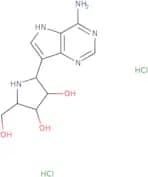
CAS:Galidesivir dihydrochloride is an investigational antiviral drug, which is a synthetic nucleoside analogue with broad-spectrum activity. It is derived from a modified adenosine analog structure, targeting viral RNA-dependent RNA polymerases. Galidesivir functions through the incorporation into viral RNA, leading to premature termination of RNA synthesis, effectively inhibiting viral replication. This mechanism aligns with its utility in combating various RNA viruses.Formula:C11H15N5O3•(HCl)2Purezza:Min. 95%Peso molecolare:338.19 g/molTubulysin A
CAS:Tubulysin A is a natural cytotoxic agent, which is derived from myxobacteria. The compound originates from strains such as Archangium gephyra and Angiococcus disciformis, known for their prolific production of secondary metabolites. Tubulysin A exerts its mode of action by disrupting microtubule dynamics, which are essential for cell division and intracellular transport. It specifically binds to the microtubules and inhibits their polymerization, leading to cell cycle arrest and apoptosis in rapidly dividing cells.Formula:C43H65N5O10SPurezza:Min. 95%Peso molecolare:844.07 g/molInteriotherinA
CAS:InteriotherinA is a bioactive compound, which is derived from specific strains of bacteria. It operates through a sophisticated mode of action that involves modulating the activity of nerve cells by binding to particular receptors on their membranes. This interaction can alter ion channel function, thereby influencing the electrochemical signaling within these cells.
Formula:C29H28O8Purezza:Min. 95%Peso molecolare:504.5 g/molAqabamycin G
CAS:Aqabamycin G is a macrolactam antibiotic, which is derived from marine bacteria belonging to the genus Streptomyces. This compound is noted for its complex structure, featuring a macrolactam ring that is crucial for its biological activity. Aqabamycin G's mode of action involves inhibiting bacterial protein synthesis by binding to the bacterial ribosomal subunit, thereby disrupting peptide bond formation. This interference with the protein production machinery of bacterial cells results in effective bacteriostatic or bactericidal outcomes, depending on the concentration and specific bacterial target.Formula:C18H11N3O5Purezza:Min. 95%Peso molecolare:349.3 g/molACX-362E
CAS:ACX-362E is a novel antibacterial agent, which is a synthetic compound derived from small-molecule chemical libraries with selective action on bacterial pathogens. The mode of action of ACX-362E involves the inhibition of bacterial cell wall synthesis, specifically targeting essential enzymes involved in the peptidoglycan biosynthesis pathway. This interference disrupts cell wall integrity, leading to bacterial lysis and cell death.
Formula:C18H20Cl2N6O2Purezza:Min. 95%Peso molecolare:423.3 g/molHexazinone metabolite B
CAS:Hexazinone metabolite B is a chemical byproduct of the breakdown of Hexazinone, which is an herbicide. This metabolite emerges from an extensive metabolic pathway in plants, fungi, and soil microorganisms as they degrade the parent compound. Its mode of action involves interacting with plant processes, potentially affecting growth and development, as it may influence photosynthetic pathways or other vital physiological functions.Formula:C11H18N4O2Purezza:Min. 95%Peso molecolare:238.29 g/molHexazinone metabolite E
CAS:Hexazinone metabolite E is a degradation product of the herbicide Hexazinone, which is derived from synthetic chemical processes. This metabolite emerges as a result of the biochemical breakdown of Hexazinone in soil and water environments. The mode of action involves the contamination and persistence in various environmental matrices, making it a key compound of interest for understanding the environmental impact of herbicide application. Hexazinone initially acts by inhibiting photosynthesis in plants, and its metabolites, including metabolite E, provide insights into the degradation pathways and long-term behavior of the herbicide in ecosystems.Formula:C10H15N3O4Purezza:Min. 95%Peso molecolare:241.24 g/molSulfasymazine
CAS:Sulfasymazine is a synthetic antibacterial agent, which is derived from sulfonamide compounds. These compounds originate from chemical synthesis processes involving the introduction of sulfonamide groups to aromatic amines, creating potent inhibitors of bacterial growth. Sulfasymazine functions by interfering with the synthesis of folic acid within bacterial cells. It inhibits the enzyme dihydropteroate synthase, which is crucial for the production of dihydrofolate, a precursor of folic acid. This disruption hampers nucleic acid synthesis, impeding bacterial proliferation.Formula:C13H17N5O2SPurezza:Min. 95%Peso molecolare:307.37 g/molCeftarolin fosamil
CAS:Ceftaroline fosamil is an advanced antibiotic, which is a cephalosporin derived from synthetic sources with a broad spectrum of activity. It is a prodrug that, once metabolized, becomes active in the body, binding to penicillin-binding proteins (PBPs) of bacteria. This binding inhibits the proteins responsible for cell wall synthesis, leading to bacterial cell lysis and death.Formula:C22H21N8O8PS4Purezza:Min. 95%Peso molecolare:684.69 g/molDemethylbleomycin A2 sulfate
CAS:Demethylbleomycin A2 sulfate is an antineoplastic agent, which is derived from the bacterium Streptomyces verticillus. This compound functions by binding to DNA, inducing strand breaks and inhibiting DNA synthesis, ultimately leading to apoptosis or programmed cell death. Its mechanism of action involves the generation of free radicals, which cause oxidative damage to the DNA strands, impairing cellular replication and tumor growth.Formula:C55H84N17O21S3Purezza:Min. 95%Peso molecolare:1,415.6 g/molN-Acetyl glyphosate-13C2,15N
CAS:N-Acetyl glyphosate-13C2,15N is a stable isotope-labeled analog of the well-known herbicide glyphosate. This product is synthesized using isotopically enriched carbon and nitrogen sources. Its mode of action involves inhibiting the shikimate pathway by targeting the enzyme 5-enolpyruvylshikimate-3-phosphate synthase (EPSPS), crucial for aromatic amino acid biosynthesis in plants. This pathway is not present in animals, making it a valuable target for selective herbicidal action.
Formula:C5H10NO6PPurezza:Min. 95%Peso molecolare:214.09 g/mol1-Chloro-2,2-bis(4'-chlorophenyl)ethane
CAS:1-Chloro-2,2-bis(4'-chlorophenyl)ethane is an organochlorine pesticide known for its agricultural applications. It is a synthetic product derived from chlorinated hydrocarbons. It functions primarily through its mode of action as an insecticide by interfering with the nervous system of insects. It disrupts normal nerve function by causing prolonged opening of sodium channels in nerve cells, leading to hyperexcitation and eventual paralysis of the target pests.
Formula:C14H11Cl3Purezza:Min. 95%Peso molecolare:285.6 g/molBalapiravir
CAS:Balapiravir is an antiviral agent, which is a synthetic derivative based on natural compounds, specifically designed to inhibit the replication of various viral pathogens. The source of Balapiravir integrates bio-based elements with modifications to enhance its therapeutic efficacy.Formula:C21H30N6O8Purezza:Min. 95%Peso molecolare:494.5 g/molChlorsulfuron-5-hydroxy
CAS:Chlorsulfuron-5-hydroxy is a herbicide derivative, specifically an active metabolite of chlorsulfuron, which is a sulfonylurea herbicide. This compound is derived from synthetic chemistry processes that focus on altering the molecular structure of chlorsulfuron to enhance its properties or study its breakdown. The mode of action of Chlorsulfuron-5-hydroxy involves the inhibition of the enzyme acetolactate synthase (ALS), which plays a crucial role in the biosynthesis of branched-chain amino acids in plants such as valine, leucine, and isoleucine. This inhibition disrupts protein synthesis, leading to halted cell division and plant growth.Formula:C12H12ClN5O5SPurezza:Min. 95%Peso molecolare:373.77 g/mol8-epiAtazanavir
CAS:8-epiAtazanavir is a stereoisomer of the antiretroviral drug Atazanavir, which is derived from synthetic sources. It acts as an HIV-1 protease inhibitor, where it binds to the active site of the viral protease enzyme, thereby preventing the cleavage of precursor proteins required for the maturation of infectious viral particles. This interference with viral replication is achieved by the structural mimicry of the natural substrate of the protease, allowing it to competitively inhibit the enzyme's activity.Formula:C38H52N6O7Purezza:Min. 95%Peso molecolare:704.38975Sofosbuvir impurity N
CAS:Sofosbuvir impurity N is a chemical impurity found as a byproduct in the synthesis of sofosbuvir, a nucleotide analog used as an antiviral drug. Its origin is directly linked to the complex chemical processes involved in producing the active pharmaceutical ingredient. This impurity is specifically identified and analyzed to ensure the purity and efficacy of the sofosbuvir drug. Impurities like these are of significant interest in pharmaceutical development, as they provide insights into the synthetic pathways and potential degradation products.
Formula:C20H25FN3O9PPurezza:Min. 95%Peso molecolare:501.4 g/molKanzonol C
CAS:Please enquire for more information about Kanzonol C including the price, delivery time and more detailed product information at the technical inquiry form on this pageFormula:C25H28O4Purezza:Min. 95%Peso molecolare:392.5 g/molPyrametostrobin
CAS:Pyrametostrobin is a fungicide, which is derived from strobilurin compounds. These compounds are originally sourced from natural antifungal substances produced by certain fungi, specifically the wood-decay fungus Strobilurus tenacellus. Pyrametostrobin functions by inhibiting mitochondrial respiration in fungal cells, specifically targeting the cytochrome bc1 complex within the electron transport chain. This action disrupts the energy production of the fungal cells, ultimately leading to their death.
Formula:C21H23N3O4Purezza:Min. 95%Peso molecolare:381.4 g/molPicloxydine digluconate
CAS:Picloxydine digluconate is an antiseptic agent, which is derived from synthetic chemical processes designed to produce highly effective antimicrobial compounds. It operates through the disruption of microbial cell membranes, leading to the leakage of cell contents and subsequent cell death. This mode of action is particularly efficient against a wide spectrum of bacteria, including both Gram-positive and Gram-negative strains, as well as fungi and some viruses.Formula:C26H36Cl2N10O7Purezza:Min. 95%Peso molecolare:671.5 g/molPK150
CAS:PK150 is a soil amendment product, which is derived from natural mineral sources with a specific focus on enhancing plant growth through optimized nutrient uptake efficiency. This product works by modifying the soil's physical and chemical properties, thereby improving the availability and mobility of essential nutrients like phosphorus (P) and potassium (K), which are crucial for the development and yield of plants.Formula:C15H8ClF5N2O3Purezza:Min. 95%Peso molecolare:394.68 g/mol2-(((5-Methyl-2-thienyl)methylene)amino)-N-phenylbenzamide
CAS:2-(((5-Methyl-2-thienyl)methylene)amino)-N-phenylbenzamide is a synthetic compound that functions as an enzyme inhibitor, specifically targeting proteins involved in various signaling pathways. This compound is sourced through synthetic organic chemistry whereby it is meticulously crafted to interact with biological molecules at a molecular level. Its mode of action involves binding to the active or allosteric sites of specific enzymes, which can modulate the enzyme's activity. This interaction can lead to the downregulation or inhibition of specific biochemical pathways, making it an invaluable tool in the study of cellular processes.Formula:C19H16N2OSPurezza:Min. 95%Peso molecolare:320.4 g/mol(R)-Ambrisentan
CAS:(R)-Ambrisentan is an endothelin receptor antagonist, which is a pharmacological agent derived synthetically to target and inhibit specific cellular pathways. It is primarily utilized in the treatment of pulmonary arterial hypertension (PAH), where it plays a crucial role in modulating vascular function. The mode of action of (R)-Ambrisentan involves selective antagonism of the endothelin type A (ETA) receptors, which are responsible for vasoconstriction and proliferation of vascular smooth muscle cells. By blocking these receptors, it mitigates the effects of endothelin, a potent vasoconstrictor, thus reducing blood pressure and improving blood flow in pulmonary arteries.
Formula:C22H22N2O4Purezza:Min. 95%Peso molecolare:378.40 g/molOxaquin
CAS:Oxaquin is a synthetic antibiotic, which is a derivative of the fluoroquinolone class, developed through chemical synthesis. It disrupts bacterial DNA replication by inhibiting the DNA gyrase and topoisomerase IV enzymes, which are crucial for DNA synthesis and repair. This mode of action prevents bacterial cells from dividing and leading to cell death.
Formula:C31H33F2N4O11PPurezza:Min. 95%Peso molecolare:706.6 g/molAT-527
CAS:AT-527 is an investigational antiviral compound, which is a nucleoside analog prodrug with a specific mode of action inhibiting viral RNA polymerase. This product is derived from synthetic organic chemistry processes, uniquely designed to interfere with the replication machinery of certain RNA viruses. Upon administration, AT-527 undergoes intracellular conversion to its active triphosphate form, which then incorporates into the viral RNA. This incorporation results in premature chain termination or erroneous RNA synthesis, effectively disrupting the viral replication cycle.
Formula:C24H33FN7O7PPurezza:Min. 95%Peso molecolare:581.5 g/molFomidacillin
CAS:Please enquire for more information about Fomidacillin including the price, delivery time and more detailed product information at the technical inquiry form on this pageFormula:C24H28N6O10SPurezza:Min. 95%Peso molecolare:592.60 g/molTunicamycin V
CAS:Tunicamycin V is an antibiotic and nucleoside analog, which is a secondary metabolite derived from various Streptomyces species. It functions predominantly by inhibiting the initial step of N-linked glycosylation, a critical post-translational modification process in eukaryotic cells. This inhibition occurs through the blockage of UDP-N-acetylglucosamine: dolichyl-phosphate N-acetylglucosamine-1-phosphate transferase, thereby preventing the synthesis of dolichol-linked oligosaccharides and ultimately affecting protein folding and quality control mechanisms within the endoplasmic reticulum.
Formula:C38H62N4O16Purezza:Min. 95%Peso molecolare:830.9 g/molMalformin C
CAS:Malformin C is a cyclic pentapeptide, which is a secondary metabolite derived from certain strains of the fungus Aspergillus. Its mode of action involves disrupting cellular processes by interfering with cell division. Specifically, it is thought to affect mitotic spindle formation, leading to abnormal cell cycle progression.
Formula:C23H39N5O5S2Purezza:Min. 95%Colore e forma:PowderPeso molecolare:529.72 g/molAmikacin B Sulfate
CAS:Inhibitor of protein synthesis; aminoglycosideFormula:C22H44N6O12xH2so4Purezza:Min. 95%Peso molecolare:584.62 g/molHodgkinsine B
CAS:Hodgkinsine B is an indole alkaloid, which is a complex organic compound derived from natural sources. It is isolated from the leaves of certain Rubiaceae family plants, including Psychotria colorata. Hodgkinsine B is characterized by its unique trimeric structure that contributes to its pharmacological properties.
Formula:C33H38N6Purezza:Min. 95%Peso molecolare:518.7 g/molEntecavir-13C2,15N
CAS:Entecavir-13C2,15N is an isotopically labeled antiviral agent, which is a synthetic nucleoside analogue derived from natural sources. Its mode of action involves selectively inhibiting the reverse transcription activity of the hepatitis B virus (HBV) polymerase. By mimicking the natural substrates of the viral polymerase, Entecavir-13C2,15N becomes incorporated into viral DNA, ultimately leading to chain termination and suppression of viral replication.Formula:C12H15N5O3Purezza:Min. 95%Peso molecolare:280.26 g/molKanamycin A Related Compound 1
CAS:Kanamycin A Related Compound 1 is an analytical reference standard, which is derived from aminoglycoside antibiotics. Its source stems from the chemical structures related to the aminoglycoside class, primarily used to ensure precise identification and quantification of kanamycin residues or impurities in pharmaceutical formulations. The mode of action of Kanamycin A Related Compound 1 involves serving as a comparator or reference point in chromatographic and spectroscopic methods, facilitating accurate analysis by providing a consistent baseline for research laboratories.Formula:C12H25N3O7Purezza:Min. 95%Peso molecolare:323.34 g/molRef: 3D-OK57799
10mg5.405,00€25mgPrezzo su richiesta50mgPrezzo su richiesta100mgPrezzo su richiesta250mgPrezzo su richiestaDesethyl chloroquine (diphosphate)
CAS:Desethyl chloroquine (diphosphate) is a pharmacological compound, which is a derivative and metabolite of chloroquine. Chloroquine itself is a synthetic drug originally derived from quinoline. The mode of action of Desethyl chloroquine involves the interference with heme polymerization in malaria parasites. This process disrupts the detoxification of heme, a byproduct of hemoglobin digestion, thereby exhibiting antimalarial effects.Formula:C16H28ClN3O8P2Purezza:Min. 95%Peso molecolare:487.8 g/molHsv-tk substrate
CAS:HSV-tk substrate is a nucleotide analogue, which is a synthetic compound derived from the herpes simplex virus thymidine kinase (HSV-tk) gene. This substrate is specifically phosphorylated by the HSV-tk enzyme, a property that provides significant utility in molecular biology and genetic research. The mode of action involves the selective phosphorylation of the substrate by HSV-tk, which is typically absent in mammalian cells but can be introduced via genetic engineering. Once phosphorylated, the substrate becomes toxic to the host cell, allowing researchers to selectively target and eliminate cells expressing the HSV-tk gene.Formula:C11H15N5O4Purezza:Min. 95%Peso molecolare:281.27 g/molBPH715
CAS:Please enquire for more information about BPH715 including the price, delivery time and more detailed product information at the technical inquiry form on this pageFormula:C17H31NO7P2Purezza:Min. 95%Peso molecolare:423.4 g/molTigecycline, Antibiotic for Culture Media Use Only
CAS:Tigecycline is an antibiotic specifically tailored for use in culture media, which is derived from glycylcycline, a structural analogue of minocycline. Its mode of action involves binding to the 30S ribosomal subunit, thereby inhibiting protein synthesis in a broad spectrum of Gram-positive and Gram-negative bacteria. This action is distinct and not easily circumvented by common resistance mechanisms, such as efflux or ribosomal protection proteins, making tigecycline an effective agent in controlling bacterial contamination during microbiological studies.Formula:C29H39N5O8Purezza:Min. 95 Area-%Peso molecolare:585.65 g/molRef: 3D-Q-101396
1gPrezzo su richiesta5gPrezzo su richiesta10gPrezzo su richiesta25gPrezzo su richiesta2500mgPrezzo su richiestaTioconazole
CAS:Tioconazole is an antifungal agent, which is a synthetic derivative of imidazole with broad-spectrum activity against fungi. This compound is chemically synthesized through complex organic reactions to enhance its antimycotic efficacy. Tioconazole functions by inhibiting the synthesis of ergosterol, an essential component of the fungal cell membrane. By disrupting the ergosterol biosynthesis pathway, tioconazole destabilizes the fungal cell membrane, leading to increased permeability and eventual cell death.
Formula:C16H13Cl3N2OSPurezza:Min. 95%Peso molecolare:387.71 g/molCladospirone bisepoxide
CAS:Cladospirone bisepoxide is a naturally occurring bioactive compound, classified specifically as a fungal metabolite, which is derived from species within the Cladosporium genus. The compound exhibits a complex bisepoxide structure, contributing to its unique chemical properties. Its mode of action involves disrupting microbial cellular processes, displaying potent antimicrobial activity by interfering with the synthesis and functioning of vital cellular components in targeted microorganisms.Formula:C20H14O7Purezza:Min. 95%Peso molecolare:366.3 g/mol3-(2-(2,4-Dichlorophenyl)-2-hydroxyethyl)-3,4-imidazolidinedione
CAS:3-(2-(2,4-Dichlorophenyl)-2-hydroxyethyl)-3,4-imidazolidinedione is a synthetic compound, which is a derivative of imidazolidinedione. It is primarily characterized as an antifungal agent with broad-spectrum activity against various fungal species. Its mode of action involves disrupting the synthesis of ergosterol, an essential component of fungal cell membranes. This disruption leads to increased membrane permeability and ultimately, cell death. The efficacy of this compound is attributed to its ability to inhibit the growth of pathogens by targeting critical pathways necessary for fungal survival.
Formula:C11H12Cl2N2O3Purezza:Min. 95%Peso molecolare:291.13 g/molTebufenozide-1-hydroxyethyl
CAS:Tebufenozide-1-hydroxyethyl is an insect growth regulator, which is a synthetic chemical derived from a modified benzoic acid structure. Its mode of action involves mimicking the molting hormone ecdysone, which disrupts the normal development process of insects by inducing premature molting. This specific interference targets lepidopteran larvae, leading to incomplete development and eventual death, thereby controlling pest populations effectively without harming non-target organisms.Formula:C22H28N2O3Purezza:Min. 95%Peso molecolare:368.5 g/molFamciclovir-d4
CAS:Famciclovir-d4 is a deuterium-labeled antiviral nucleoside analog, which is a synthetic derivative of the guanine analog famciclovir. This compound is sourced through advanced chemical synthesis where deuterium atoms replace specific hydrogen atoms, providing an isotopic label that aids in the tracking and analysis of the pharmaceutical compound within biological systems.Formula:C14H19N5O4Purezza:Min. 95%Peso molecolare:325.36 g/mol(R)-(+)-Pantoprazole
CAS:(R)-(+)-Pantoprazole is a proton pump inhibitor (PPI), which is derived from benzimidazole compounds. Its mode of action involves the selective and irreversible inhibition of the H+/K+ ATPase enzyme system, commonly known as the proton pump, located on the gastric parietal cells. By binding covalently to this enzyme, (R)-(+)-Pantoprazole effectively reduces gastric acid secretion, leading to an increase in gastric pH.Formula:C16H15F2N3O4SPurezza:Min. 95%Peso molecolare:383.4 g/molAqabamycin B
CAS:Aqabamycin B is a novel antibiotic compound, which is derived from marine microorganisms. This secondary metabolite is isolated from a marine sponge-associated bacterium, showcasing the rich potential of oceanic sources for discovering new antimicrobial agents. The mode of action of Aqabamycin B involves inhibition of bacterial cell wall synthesis, disrupting the structural integrity and leading to cell lysis. Its efficacy extends predominantly to combatting multi-drug resistant bacterial strains.Formula:C16H10N2O6Purezza:Min. 95%Peso molecolare:326.26 g/mol4'-Epidaunorubicin hydrochloride
CAS:4'-Epidaunorubicin hydrochloride is an anthracycline antibiotic derivative, which is synthesized from modifications of natural products. It functions as a topoisomerase II inhibitor, which intercalates into DNA strands and disrupts replication and transcription, thereby inhibiting cancer cell proliferation. This compound is primarily utilized in the field of oncology for its potent anti-tumor activities. By forming stable complexes with DNA and topoisomerase II, 4'-Epidaunorubicin hydrochloride induces breaks in the DNA strands, leading to apoptosis of cancer cells. It is often used in treatment protocols for various malignancies, including leukemia and solid tumors. While highly effective, its administration is carefully managed to mitigate potential cardiotoxicity, a common attribute of anthracycline drugs. Research continues to explore its full potential and optimize delivery methods to enhance its therapeutic index.Formula:C27H30ClNO10Purezza:Min. 95%Peso molecolare:563.98 g/molCarbazomycin D
CAS:Carbazomycin D is a bioactive product classified as an antibiotic, which is derived from the bacterium Streptomyces. These actinomycetes are well-known for their ability to produce a wide range of secondary metabolites with antimicrobial properties. The mode of action of Carbazomycin D involves the inhibition of bacterial cell wall synthesis, effectively disrupting the growth and replication of gram-positive bacteria.
Formula:C17H19NO3Purezza:Min. 95%Peso molecolare:285.34 g/molSarecycline
CAS:Sarecycline is a tetracycline-class antibiotic, which is derived from naturally occurring tetracycline antibiotics. Its mode of action involves inhibition of bacterial protein synthesis by binding to the 30S ribosomal subunit, thereby preventing the addition of amino acids to nascent peptide chains. This specific mechanism disrupts bacterial growth, making Sarecycline effective against certain strains of bacteria implicated in dermatological conditions.
Formula:C24H29N3O8Purezza:Min. 95 Area-%Peso molecolare:487.5 g/molAphidicolin
CAS:Aphidicolin is a tetracyclic diterpenoid that acts as a potent inhibitor of DNA polymerase. Derived from the fungus *Cephalosporium aphidicola*, it is primarily identified for its ability to impede DNA synthesis by targeting eukaryotic DNA polymerase α. This selective inhibition disrupts replication processes, making it a crucial tool for studying cell cycle dynamics.Formula:C20H34O4Purezza:Min. 95%Peso molecolare:338.48 g/molPyraziflumid
CAS:Pyraziflumid is a fungicide, which is chemically synthesized with a specific mode of action as a succinate dehydrogenase inhibitor (SDHI). This compound is designed to target mitochondrial complex II, disrupting critical energy production within fungal cells. The inhibition of succinate dehydrogenase prevents the fungi from efficiently undergoing respiration, ultimately leading to cell death.Formula:C18H10F5N3OPurezza:Min. 95%Peso molecolare:379.3 g/molViolacein
CAS:Violacein is a model system for studying the effects of hydroxyl groups on cell lysis. It is a fatty acid that contains nitrogen atoms and has antimicrobial properties. Violacein has been shown to cause the loss of mitochondrial membrane potential in HL-60 cells, which may be due to its ability to act as a multidrug efflux pump inhibitor. Violacein also exhibits antimicrobial activity against several bacterial strains, including MRSA and methicillin-sensitive Staphylococcus aureus (MSSA). In addition, violacein has been shown to induce cell lysis in vitro via the degradation of proteins and lipids in the cytoplasm.
Formula:C20H13N3O3Purezza:Min. 95%Colore e forma:PowderPeso molecolare:343.3 g/mol9,11Beta-Dichloro-17,21-dihydroxy-16beta-methyl-pregna-1,4-diene-3,20-dione dipropionate
CAS:9,11Beta-Dichloro-17,21-dihydroxy-16beta-methyl-pregna-1,4-diene-3,20-dione dipropionate is a synthetic corticosteroid, which is derived from chemical synthesis in laboratories. It functions by mimicking the actions of naturally occurring corticosteroids in the body, modulating immune responses and suppressing inflammatory mediators at the cellular level.Formula:C28H36Cl2O6Purezza:Min. 95%Peso molecolare:539.50 g/mol4-Epitetracycline ammonium
CAS:4-Epitetracycline ammonium is a tetracycline analog, which is a derivative of the well-known antibiotic tetracycline. This compound is synthesized from naturally occurring tetracycline through chemical modification, involving the alteration of the hydroxyl group at the C-4 position. As a result, 4-Epitetracycline ammonium retains the fundamental characteristics of its parent compound.Formula:C22H27N3O8Purezza:Min. 95%Peso molecolare:461.5 g/molCEF3
CAS:CEF3 is a cephalosporin-based antibacterial agent, which is derived from the fermentation of Streptomyces species. This compound functions by inhibiting bacterial cell wall synthesis, specifically targeting the transpeptidase enzyme involved in the cross-linking of peptidoglycan layers. The disruption of this process results in weakened bacterial cell walls, leading to cell lysis and death, particularly affecting Gram-positive and some Gram-negative bacteria.
Formula:C42H74N10O12Purezza:Min. 95%Peso molecolare:911.1 g/molErythromycin propionate
CAS:Erythromycin propionate is an antibiotic, which is derived from the bacterium *Saccharopolyspora erythraea*. This compound functions by inhibiting protein synthesis in susceptible bacteria, specifically targeting the 50S ribosomal subunit. Erythromycin propionate achieves this by binding to the ribosomal RNA, thereby preventing the translocation step of protein elongation.Formula:C40H71NO14Purezza:Min. 95%Peso molecolare:790 g/mol
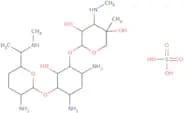

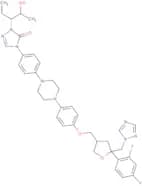
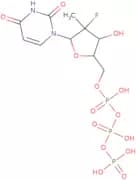
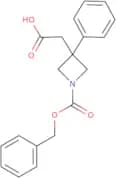
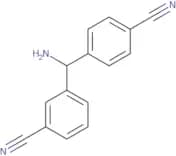
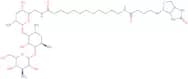


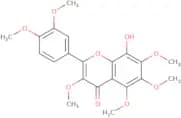
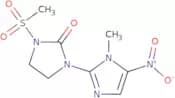
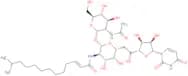

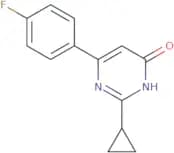
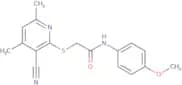
![Phthalic acid, bis[2-(2-ethoxyethoxy)ethyl] ester](/_next/image/?url=https%3A%2Fstatic.cymitquimica.com%2Fproducts%2F3D%2Fthumb-webp%2FAAA11785.webp&w=3840&q=75)
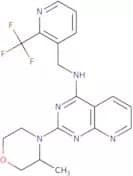
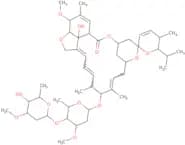

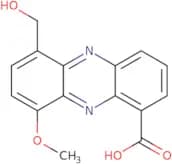
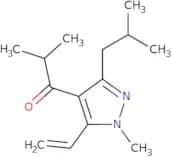
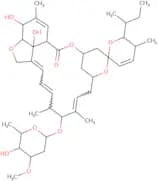


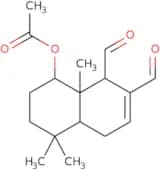
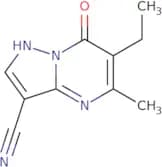

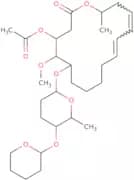


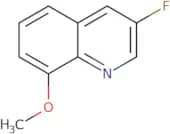
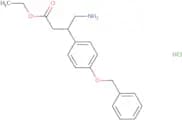
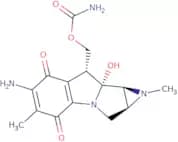

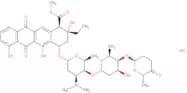

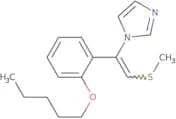

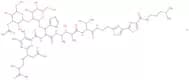
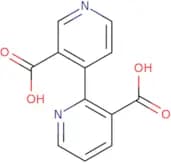


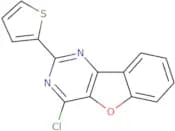
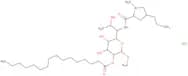
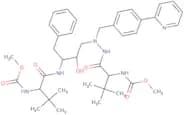
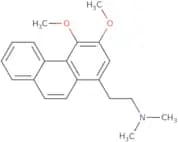
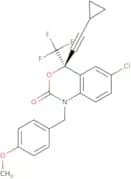
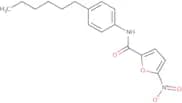
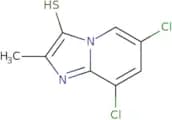
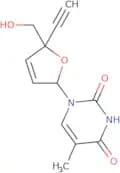
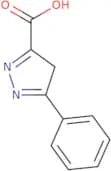

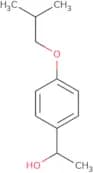
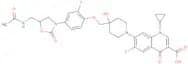
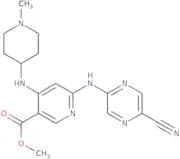
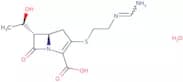
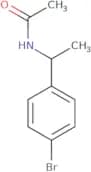

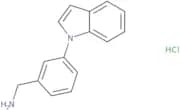
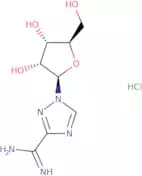
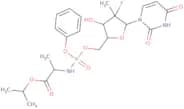
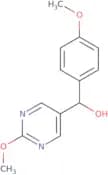
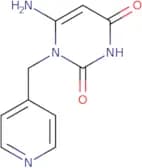
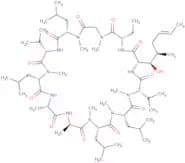
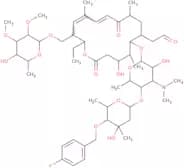
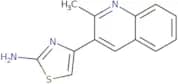
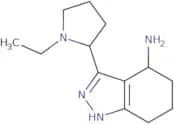
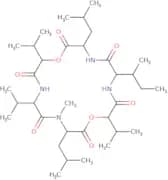
![(2RS,4S)-2-[[(phenylacetyl)amino]methyl]-5,5-dimethylthiazolidine-4-carboxylic acid (penilloic aci…](/_next/image/?url=https%3A%2Fstatic.cymitquimica.com%2Fproducts%2F3D%2Fthumb-webp%2FAAA50134.webp&w=3840&q=75)
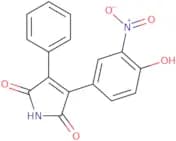
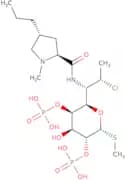

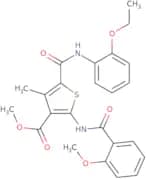
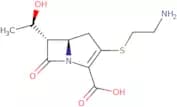
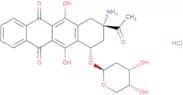
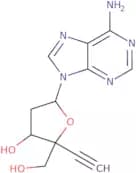
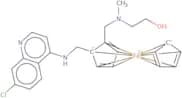

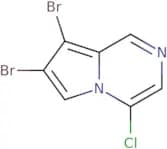
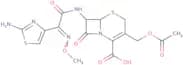

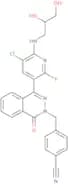
![(4S)-2-[Carboxy[[[3-(2-chloro-6-fluorophenyl)-5-methylisoxazol-4-yl]carbonyl]amino]methyl]-5,5-dim…](/_next/image/?url=https%3A%2Fstatic.cymitquimica.com%2Fproducts%2F3D%2Fthumb-webp%2FTCA72850.webp&w=3840&q=75)
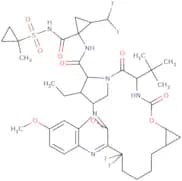
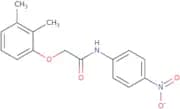
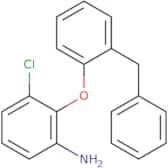
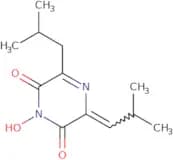
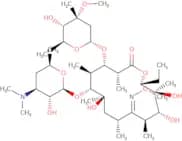

![(4E)-1-(3,4-Dichlorophenyl)-4-[(4-ethoxyphenyl)methylidene]pyrazolidine-3,5-dione](/_next/image/?url=https%3A%2Fstatic.cymitquimica.com%2Fproducts%2F3D%2Fthumb-webp%2FISA23884.webp&w=3840&q=75)

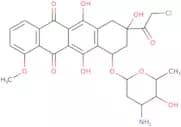
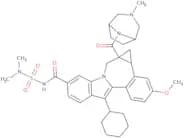
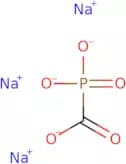
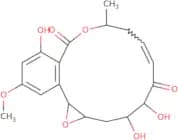

![tert-Butyl 4-[3-(4,4,5,5-tetramethyl-1,3,2-dioxaborolan-2-yl)pyrazol-1-yl]piperidine-1-carboxylate](/_next/image/?url=https%3A%2Fstatic.cymitquimica.com%2Fproducts%2F3D%2Fthumb-webp%2FFP181624.webp&w=3840&q=75)
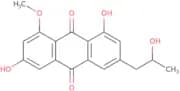

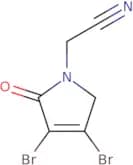
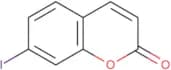
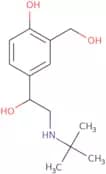
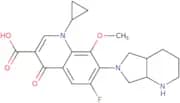
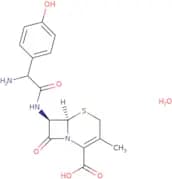
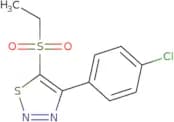

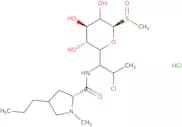
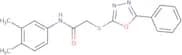

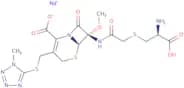
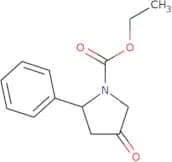
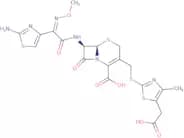
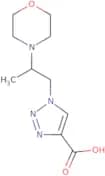
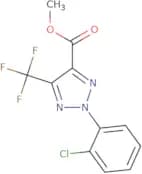
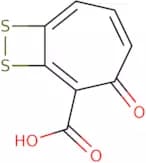
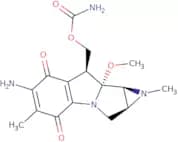
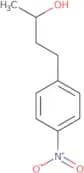
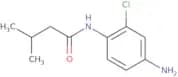

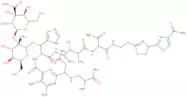

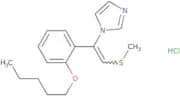
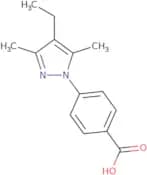
![8-Methylpyrido[2,3-d]pyridazin-5(6H)-one](/_next/image/?url=https%3A%2Fstatic.cymitquimica.com%2Fproducts%2F3D%2Fthumb-webp%2FQDA00407.webp&w=3840&q=75)