Antimicrobici
Gli antimicrobici sono agenti che distruggono o inibiscono la crescita di microrganismi, inclusi batteri, virus, funghi e parassiti. Questi composti sono essenziali nella prevenzione e nel trattamento delle infezioni, svolgendo un ruolo cruciale nella medicina, nell'agricoltura e nell'industria alimentare. Presso CymitQuimica offriamo un'ampia gamma di antimicrobici di alta qualità e purezza, adatti a varie applicazioni scientifiche e industriali. Il nostro catalogo comprende antibiotici, antifungini, antivirali e disinfettanti, tutti progettati per soddisfare le esigenze della ricerca e dello sviluppo, nonché per applicazioni cliniche e di produzione. Con i nostri prodotti, i professionisti possono garantire l'efficacia e la sicurezza nel controllo delle infezioni e nella protezione della salute pubblica.
Sottocategorie di "Antimicrobici"
- Antibiotici(4.131 prodotti)
- Antimicotici(909 prodotti)
- Antiparassitari(702 prodotti)
- Antivirali(765 prodotti)
Trovati 2424 prodotti di "Antimicrobici"
Ordinare per
Purezza (%)
0
100
|
0
|
50
|
90
|
95
|
100
Micafungin FR-179642 impurity (acid)
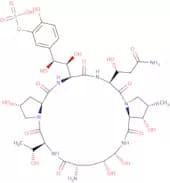
CAS:Micafungin is an antifungal drug that inhibits the synthesis of ergosterol, a vital component of fungal cell membranes. It is a cyclic peptide with a lipophilic fatty acid chain that has been modified to allow penetration into cells. Micafungin is active against Candida and Aspergillus species and has shown activity against some strains of Cryptococcus neoformans. The MIC (minimum inhibitory concentration) for this drug ranges from 0.06 to 1 microgram/mL, depending on the bacterial strain being tested. Micafungin FR-179642 impurity (acid) is an impurity in micafungin that can be present as trace amounts in the final product and may contribute to hemolytic activity. This impurity is formed by hydrolysis during the synthesis process.Formula:C35H52N8O20SPurezza:Min. 95 Area-%Colore e forma:White PowderPeso molecolare:936.9 g/molTaniborbactam hydrochloride
CAS:<p>Taniborbactam hydrochloride is a β-lactamase inhibitor that is synthetically derived for use in combination with β-lactam antibiotics. Its mode of action involves the inhibition of β-lactamase enzymes, which are produced by certain bacteria to confer resistance to β-lactam antibiotics, including cephalosporins and carbapenems.</p>Formula:C19H30BCl2N3O5Purezza:Min. 95%Peso molecolare:462.2 g/molErythromycin C
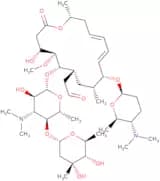
CAS:<p>Erythromycin C is a macrolide antibiotic, which is a type of product derived from the bacterium *Saccharopolyspora erythraea*. It functions by binding to the 50S subunit of the bacterial ribosome, inhibiting protein synthesis through blocking translocation of peptidyl-tRNA. This mode of action effectively prevents bacterial growth and replication, making it a potent bacteriostatic agent.</p>Formula:C36H65NO13Purezza:Min. 95%Peso molecolare:719.9 g/molAmpicillin-sulbactam
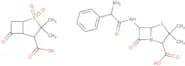
CAS:Ampicillin-sulbactam is a combination antibiotic, which is a pharmaceutical product derived from the penicillin class of beta-lactam antibiotics. Its source involves semi-synthetic processes, combining ampicillin with sulbactam. The mode of action of this compound is through the inhibition of bacterial cell wall synthesis. Ampicillin specifically binds to penicillin-binding proteins, thereby disrupting the cross-linking process essential for maintaining cell wall structural integrity, leading to bacterial lysis. Sulbactam functions as a beta-lactamase inhibitor, enhancing the efficacy of ampicillin by preventing its degradation by beta-lactamase enzymes produced by certain resistant bacterial strains.Formula:C25H31N3O9S2Purezza:Min. 95%Peso molecolare:581.7 g/molLactoferricin B (4-14) (bovine) trifluoroacetate salt
CAS:Lactoferricin B (4-14) (bovine) trifluoroacetate salt is a peptide derivative, which is a fragment derived from bovine lactoferrin. It is obtained by enzymatic digestion of lactoferrin, a glycoprotein with a well-established role in the innate immune system. This specific peptide, Lactoferricin B (4-14), is known for its potent antimicrobial properties, attributed to its amphipathic structure that facilitates the disruption of microbial membranes. Additionally, it can modulate immune responses through interactions with immune cells, thereby influencing inflammatory processes.Formula:C70H113N25O13SPurezza:Min. 95%Peso molecolare:1,544.87 g/molMonensin
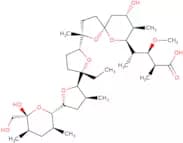
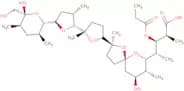
CAS:<p>Monensin is a polyether ionophore antibiotic, which is derived from the fermentation of the bacterium *Streptomyces cinnamonensis*. It operates by disrupting ion transport across biological membranes, primarily by facilitating the exchange of sodium and potassium ions. This ionophore action alters the osmotic balance in target cells, leading to their destabilization and death, particularly in Gram-positive bacteria and certain protozoa.</p>Formula:C36H62O11Purezza:Min. 95%Peso molecolare:670.87 g/molDoxorubicin Impurity 2
CAS:<p>Doxorubicin Impurity 2 is a chemical impurity of doxorubicin with no direct therapeutic action but used in research and quality control.</p>Formula:C19H12O6Purezza:Min. 95%Colore e forma:PowderPeso molecolare:336.29 g/molSpiramycin I
CAS:<p>Spiramycin I is a macrolide antibiotic with action on bacterial protein synthesis inhibition and is used for treating toxoplasmosis and bacterial infections.</p>Formula:C43H74N2O14Purezza:Min. 95 Area-%Colore e forma:White PowderPeso molecolare:843.05 g/molDMDNA31
CAS:<p>DMDNA31 is a synthetic nucleotide analog, which is a man-made compound designed to mimic the natural building blocks of DNA. It originates from advanced chemical synthesis processes, allowing precise control over its structure to mimic specific nucleotide sequences. DMDNA31 operates by integrating into DNA strands during replication, thereby enabling the study of genetic mutations and the mapping of genomic sequences.</p>Formula:C50H62N4O13Purezza:Min. 95%Peso molecolare:927 g/molLaidlomycin
CAS:<p>Laidlomycin is an ionophore compound with a mode of action that disrupts ion gradients in bacterial cells. It is used as a feed additive to improve feed efficiency in cattle.</p>Formula:C37H62O12Purezza:Min. 95%Peso molecolare:698.88 g/molGentamicin C1 pentaacetate
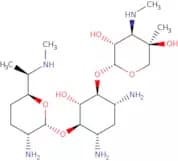
CAS:<p>Gentamicin C1 pentaacetate is an aminoglycoside antibiotic with action on bacterial protein synthesis inhibition and is used for research and analytical applications.</p>Formula:C21H43N5O7•(C2H4O2)5Purezza:Min. 90%Colore e forma:Off-White PowderPeso molecolare:777.86 g/molFlucloxacillin
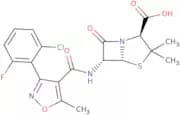
CAS:<p>Flucloxacillin is a beta-lactam antibiotic, which is derived from the penicillin family. It is synthetically produced through chemical modification to enhance its stability against beta-lactamase enzymes. The mode of action of flucloxacillin involves inhibiting bacterial cell wall synthesis. It binds to penicillin-binding proteins (PBPs) located inside the bacterial cell wall, which in turn inhibits the transpeptidation or cross-linking of peptidoglycan chains. This action leads to cell lysis and ultimately, bacterial death.</p>Formula:C19H17ClFN3O5SPurezza:Min. 95%Peso molecolare:453.87 g/molSulfadimethoxine sodium
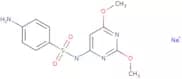
CAS:<p>Sulfadimethoxine sodium is a sulfonamide antibiotic with action on bacterial folate synthesis inhibition and is used for treating respiratory and urinary tract infections in veterinary medicine.</p>Formula:C12H13N4NaO4SPurezza:Min. 95%Colore e forma:White Off-White PowderPeso molecolare:332.31 g/molFaropenem sodium hydrate
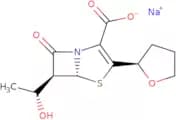
CAS:Faropenem sodium hydrate is a hydrated form of faropenem sodium with similar action and applications as faropenem sodium hemipentahydrate.Formula:C12H14NNaO5S·xH2OPurezza:Min. 95%Colore e forma:PowderPeso molecolare:307.3 g/mol14-Bromodaunorubicin HBr
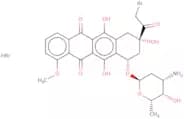
CAS:<p>14-Bromodaunorubicin HBr is a synthetic antitumor antibiotic derivative, which is a modified version of daunorubicin, an anthracycline antibiotic originally isolated from Streptomyces peucetius. With the inclusion of a bromine atom at the 14th position, this compound is designed to enhance the antitumor efficacy and alter pharmacokinetic properties compared to its parent molecule.</p>Formula:C27H28BrNO10·BrHPurezza:75%MinPeso molecolare:687.33 g/molSancycline hydrochloride
CAS:<p>Sancycline hydrochloride is a tetracycline antibiotic, which is derived from the natural fermentation process of Streptomyces bacteria. The mechanism of action involves the inhibition of protein synthesis by bindin directly to the 30S ribosomal subunit, thereby preventing the attachment of aminoacyl-tRNA to the A site of the ribosome. This action effectively halts the growth of bacteria by impeding protein production, making it bacteriostatic rather than bactericidal.</p>Formula:C21H23ClN2O7Purezza:Min. 95%Peso molecolare:450.87 g/molLomefloxacin hydrochloride
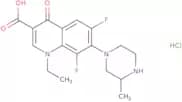
CAS:<p>Lumefantrine is an antimalarial compound with a mode of action that inhibits heme detoxification in Plasmodium parasites. It is used in combination with artemether for treating malaria.</p>Formula:C17H19F2N3O3•HClPurezza:Min. 95%Colore e forma:PowderPeso molecolare:387.81 g/molDicresulene Hydrate
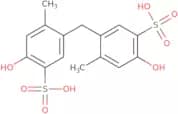
CAS:Dicresulene Hydrate is an anti-inflammatory compound, which is derived from synthetic sources. It functions primarily by inhibiting specific enzymes involved in the inflammatory response. This inhibition reduces the production of pro-inflammatory mediators, thereby mitigating inflammation and associated symptoms.Formula:C15H16O8S2•(H2O)xPurezza:Min. 95%Colore e forma:PowderPeso molecolare:388.41 g/molCefmenoxime hydrochloride
CAS:Cefmenoxime hydrochloride is a third-generation cephalosporin antibiotic with action on bacterial cell wall synthesis and is used for treating gynecological and obstetric infections.Formula:C16H17N9O5S3HClPurezza:Min. 95%Colore e forma:White PowderPeso molecolare:529.79 g/molNikkomycin Z from streptomyces tendae
CAS:<p>Nikkomycin Z is an antifungal agent, which is a secondary metabolite isolated from the bacterium Streptomyces tendae. This compound functions as a competitive inhibitor of chitin synthase, an essential enzyme responsible for the synthesis of chitin, a vital component of the fungal cell wall. By inhibiting this enzyme, Nikkomycin Z disrupts the structural integrity of the fungal cell wall, leading to impaired growth and cell lysis in susceptible fungi.</p>Formula:C20H25N5O10Purezza:Min. 95%Peso molecolare:495.4 g/molCeftriaxone sodium
CAS:<p>Ceftriaxone sodium is a third-generation cephalosporin antibiotic with action on bacterial cell wall synthesis and is used for treating severe bacterial infections like meningitis and pneumonia.</p>Formula:C18H18N8Na2O7S3Purezza:Min. 84 Area-%Colore e forma:White Yellow PowderPeso molecolare:600.56 g/molCarumonam
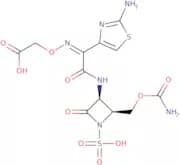
CAS:Carumonam is a synthetic monobactam antibiotic, which is derived from chemically modifying aztreonam to enhance its antimicrobial properties. Its source is entirely synthetic, allowing for precise structural modifications to target specific bacterial pathogens. The mode of action involves the inhibition of bacterial cell wall synthesis. Carumonam binds to penicillin-binding proteins (PBPs) on the surface of bacterial cell walls, disrupting the peptidoglycan cross-linking process necessary for cell wall strength and integrity. This action results in bacterial cell lysis and death, making it effective against a range of Gram-negative bacteria.Formula:C12H14N6O10S2Purezza:Min. 95%Peso molecolare:466.41 g/molN-Acetylamphotericin B
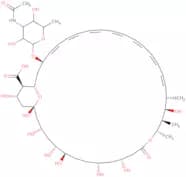
CAS:<p>N-Acetylamphotericin B is a derivative of the well-known antifungal agent Amphotericin B, which is derived from the bacterium *Streptomyces nodosus*. This compound is an acetylated version of Amphotericin B, designed to improve certain pharmacokinetic properties. It operates by binding to ergosterol, a key component of fungal cell membranes, leading to the formation of pores that disrupt membrane integrity, causing cell death. The acetylation is intended to reduce the compound's cytotoxicity and improve its solubility in aqueous solutions, potentially allowing for enhanced therapeutic applications.</p>Formula:C49H75NO18Purezza:(%) Min. 75%Colore e forma:Yellow To Brown SolidPeso molecolare:966.12 g/molOleandomycin
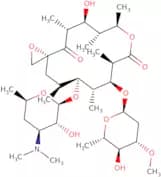
CAS:<p>Oleandomycin is a macrolide antibiotic, which is derived from the bacterium *Streptomyces antibioticus*. This antibiotic functions by binding to the 50S subunit of the bacterial ribosome, thereby inhibiting protein synthesis. The interruption of this essential process ultimately leads to the cessation of bacterial growth and replication.</p>Formula:C35H61NO12Purezza:Min. 95%Colore e forma:White PowderPeso molecolare:687.86 g/molCasein
CAS:<p>Casein is a phosphoprotein, which is derived from milk. It originates primarily from cow's milk, where it constitutes about 80% of the total protein content. The mode of action for casein involves its ability to form a gel or clot in the stomach, which makes it highly efficient in nutrient delivery, especially the slow release of amino acids. This process is facilitated by its unique structural features, such as the presence of multiple phosphoryl groups that can bind calcium ions.</p>Purezza:Min. 95%Colore e forma:PowderEconazole
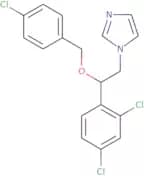
CAS:<p>Econazole is an imidazole antifungal agent with action on fungal cell membrane disruption and is used for treating fungal skin infections like athlete's foot and ringworm.</p>Formula:C18H15Cl3N2OPurezza:Min. 98 Area-%Colore e forma:White PowderPeso molecolare:381.68 g/molPuberulic acid
CAS:Puberulic acid is a fungal metabolite that exhibits significant antimicrobial properties. It is derived from certain species of the Penicillium genus, a well-known source of various bioactive compounds. The mode of action of puberulic acid involves the disruption of microbial cell wall synthesis, leading to inhibited growth and eventual cell death of targeted microorganisms.Formula:C8H6O6Purezza:Min. 95%Peso molecolare:198.13 g/molLinearmycin A
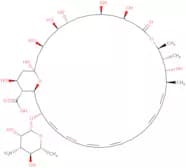
CAS:Linearmycin A is an antibiotic compound, which is a secondary metabolite produced by the bacterium Streptomyces sp. Its mode of action involves disrupting bacterial protein synthesis, leading to the inhibition of bacterial growth. This compound exhibits strong efficacy against various Gram-positive and some Gram-negative bacteria, making it valuable in microbiological research.Formula:C64H101NO16Purezza:Min. 95%Peso molecolare:1,140.5 g/molFengycin
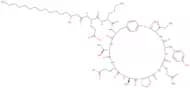
CAS:Fengycin is a cyclic lipopeptide from Bacillus subtilis acts as a biosurfactant and antifungal. As a fungicide, it has a mode of action that involves the formation of ion channels in the fungal lipid membrane, leading to membrane leakage This activity is negatively correlated to cholesterol levels, and may explain why mammalian cells, with higher cholesterol present, are not sensitive to fengycin.Formula:C72H110N12O20Purezza:Min. 90 Area-%Colore e forma:PowderPeso molecolare:1,463.71 g/molGramicidin S hydrochloride
CAS:Gramicidin S hydrochloride is a cyclic peptide antibiotic, which is a derivative of the naturally occurring antibiotic gramicidin S. It is sourced from Bacillus brevis, a type of soil bacterium. This peptide operates through a unique mode of action, whereby it disrupts bacterial cell membranes. By integrating into the lipid bilayer, it increases membrane permeability, leading to leakage of essential ions and molecules, and ultimately causing cell death.Formula:C60H92N12O10•(HCl)2Purezza:90%MinPeso molecolare:1,214.37 g/molDesoxymycin
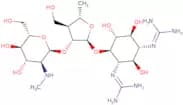
CAS:Desoxymycin is an antibiotic product that belongs to the class of aminoglycosides, which is derived from natural sources such as certain species of Streptomyces bacteria. This compound exhibits its mode of action by specifically binding to the bacterial ribosomal RNA, interfering with protein synthesis. As a result, it inhibits the replication and growth of susceptible bacterial strains.Formula:C21H41N7O11Purezza:Min. 95%Peso molecolare:567.59 g/molAmoxicillin
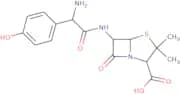
CAS:<p>Amoxicillin is an aminopenicillin antibiotic and is used for the treatment of various bacterial infections. It works by inhibiting the synthesis of bacterial cell wall mucopeptides, leading to cell lysis and death</p>Formula:C16H19N3O5SPurezza:Min. 95%Colore e forma:PowderPeso molecolare:365.41 g/molSebuthylazine-2-hydroxy
CAS:<p>Sebuthylazine-2-hydroxy is a selective pre-emergent herbicide, which is a derivative of the sym-triazine compound family synthesized through chemical processes. It functions primarily as a soil-acting agent that inhibits photosynthesis by binding to the D1 protein in the photosystem II complex, thereby disrupting the electron transport chain. This biochemical action effectively curtails the growth of susceptible weed species by preventing their development, particularly annual grasses and broadleaf weeds.</p>Formula:C9H17N5OPurezza:Min. 95%Peso molecolare:211.26 g/mol(S)-HPMPA
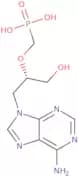
CAS:(S)-HPMPA is a nucleotide analogue, which is a chemically synthesized compound designed to mimic nucleotides. It acts as both an antiviral and an antitumor agent, sourced primarily through synthetic chemistry involving the modification of naturally occurring nucleotide structures. The mode of action of (S)-HPMPA involves mimicking natural substrates of various viral polymerases and cellular enzymes, thereby inhibiting viral DNA synthesis and disrupting the replication cycle of DNA viruses. Additionally, it can interfere with certain cellular pathways contributing to its antitumor effects.Formula:C9H14N5O5PPurezza:Min. 95%Peso molecolare:303.21 g/molQuinofumelin
CAS:<p>Quinofumelin is a fungicide, which is synthetically derived with a novel mode of action targeting specific biochemical pathways in fungi. Its unique mechanism disrupts crucial cellular processes within pathogenic fungi, thereby halting their growth and spread. This fungicide has been meticulously developed through advanced chemical synthesis to ensure high efficacy and specificity against a broad spectrum of fungal pathogens affecting various crops.</p>Formula:C20H16F2N2Purezza:Min. 95%Peso molecolare:322.4 g/molAmicoumacin C
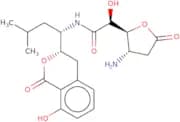
CAS:<p>Amicoumacin C is a biological product derived from certain strains of the Bacillus species, specifically fermented by Bacillus subtilis. It is recognized as a potent antibiotic compound, noted for its ability to inhibit bacterial protein synthesis, primarily by interacting with the 30S ribosomal subunit, thereby hindering the translation process.</p>Formula:C20H26N2O7Purezza:Min. 95%Peso molecolare:406.43 g/molHalauxifen
CAS:<p>Halauxifen is a synthetic herbicide, which is a product of chemical synthesis used in agricultural practices. Derived from advanced chemical research and development, its primary source is a laboratory setting where it is engineered to exhibit specific properties for plant management.</p>Formula:C13H9Cl2FN2O3Purezza:Min. 95%Peso molecolare:331.12 g/molBacitracin B1
CAS:<p>Bacitracin B1 is a polypeptide antibiotic and is used for the treatment of bacterial infections. Its mode of action is similar to bacitracin.</p>Formula:C65H101N17O16SPurezza:90%MinColore e forma:PowderPeso molecolare:1,408.67 g/mol4-Hydroxyvoriconazole
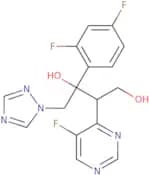
CAS:<p>Metabolite of voriconazole; sterol 14?-demethylase inhibitor</p>Purezza:Min. 95%2-Methyl-4-isothiazolin-3-one hydrochloride
CAS:<p>Methyl-4-isothiazolin-3-one HCl, also known as MIT hydrochloride is often used as a preservative in personal care products and other industrial applications. The product has shown to act as an antimicrobial and antifungal agent.</p>Formula:C4H6ClNOSPurezza:Min. 99 Area-%Peso molecolare:151.62 g/molRitonavir - Bio-X ™
CAS:<p>Ritonavir is a HIV protease inhibitor. It has an anti-retroviral activity as it inhibits the protease enzymes specific of both HIV-1 and HIV-2 and has been shown to be effective in controlling virus replication in humans and animals. Ritonavir works by preventing the HIV viral protease enzyme from cleaving the structural and replicative proteins produced by HIV genes such as gag and pol.</p>Formula:C37H48N6O5S2Purezza:Min. 98 Area-%Colore e forma:White PowderPeso molecolare:720.95 g/molGatifloxacin - Bio-X ™
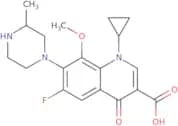
CAS:<p>This product is part of our Bio-X ™ Range. These products are aimed at life science researchers who need high quality ready-to-use products for assay development, screening or other R&D work. With a solubility datasheet and convenient vials, all of our Bio-X ™ products are in stock across our global warehouses for rapid delivery and ease of use.</p>Formula:C19H22FN3O4Purezza:Min. 95%Colore e forma:PowderPeso molecolare:375.39 g/molMolnupiravir - Bio-X ™
CAS:Prodotto controllato<p>EIDD 2801 is an orally bioavailable prodrug of β-D-N4-hydroxycytidine and was shown to inhibit SARS-CoV-2 replication in human airway epithelial cells. EIDD 2801 was also tested in mice infected with SARS-CoV and MERS-CoV viruses. EIDD 2801 targets the RNA-dependent RNA polymerase (RdRp) and reduces virus titer and improved pulmonary function in experimental animals when used in prophylactic and therapeutic regime.</p>Formula:C13H19N3O7Purezza:Min. 95%Colore e forma:Clear LiquidPeso molecolare:329.31 g/molPotassium clavulanate
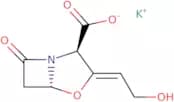
CAS:<p>Potassium clavulanate is a beta-lactamase inhibitor and an antibacterial agent. The presence of potassium clavulanate in culture media inhibits the activity of beta-lactamases, which are enzymes that confer resistance to penicillin and other beta-lactam antibiotics. It also has been shown to be active against bacterial infections such as tuberculosis, sepsis, and pneumonia, where it can inhibit the growth of bacteria by interfering with their ability to form cell walls. Potassium clavulanate is also used as an antimicrobial agent for blood culture technique and antimicrobial treatment.</p>Formula:C8H8NO5·KPurezza:Min. 95%Colore e forma:White PowderPeso molecolare:237.25 g/molSTAADIUM™ GalactoZide II
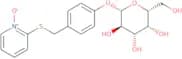
CAS:<p>STAADIUMTM GalactoZide II is a targeted inhibitor for β-galactosidase producing bacteria. The antibacterial activity of STAADIUMTM GalactoZide II is triggered by the enzyme β-galactosidase which is produced by E.coli (EHEC), thermophilic lactic acid bacteria, and other coliform bacteria. STAADIUMTM GalactoZide II can help to selectively inhibit the growth of E. coli in complex bacterial cultures and canbe used in microbiome studies, food control, environmental safety, hygiene, and clinical diagnostics. STAADIUMTM GalactoZide II is not compatible with some experimental conditions, e.g. pH indicators such as neutral red, indigo stains, and possibly H2S staining. STAADIUMTM GalactoZide II can be added as an enzyme-specific selective supplement to agar plates and as an enrichment agent to broth culture.</p>Formula:C18H21NO7SPurezza:Min. 95 Area-%Colore e forma:PowderPeso molecolare:395.43 g/molAmphotericin A
CAS:<p>Amphotericin A is a polyene macrolide antibiotic, which is derived primarily from the soil bacterium *Streptomyces nodosus*. This compound functions by binding to ergosterol, an essential component of fungal cell membranes. This binding creates pores in the membrane, increasing its permeability and ultimately leading to cell death. Unlike its more widely used counterpart Amphotericin B, Amphotericin A is less frequently utilized but is critical in the study and understanding of antifungal activity.</p>Formula:C47H75NO17Purezza:Min. 95%Peso molecolare:926.09 g/molN-[5-[3-[(4-Hydroxyphenyl)sulfamoyl]-4-methoxyphenyl]-4-methyl-1,3-thiazol-2-yl]-2,2-dimethylpropanamide
CAS:<p>PI4KIII beta inhibitor</p>Formula:C22H25N3O5S2Purezza:Min. 98 Area-%Colore e forma:White PowderPeso molecolare:475.58 g/molAmicoumacin A
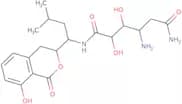
CAS:<p>Amicoumacin A is an antibiotic compound, which is derived from the bacterium Bacillus subtilis. This natural source is known for its production of a variety of biologically active compounds that contribute to its utility in numerous scientific contexts. The mode of action of Amicoumacin A involves the inhibition of bacterial protein synthesis by targeting the ribosomal subunit. Specifically, it interferes with the translation process, effectively disrupting the growth and proliferation of susceptible bacterial strains.<br><br>Amicoumacin A is primarily utilized in research settings to study bacterial resistance mechanisms, as well as to explore novel antibacterial therapies. Its application in scientific research extends to examining its potential synergistic effects with other antimicrobial agents, and it serves as a model compound for understanding ribosomal inhibition. The study of Amicoumacin A not only contributes to the broader field of antibiotic development but also offers insights into the molecular interactions that underlie bacterial protein synthesis and antibiotic resistance. This compound's unique properties make it an important subject of investigation for microbiologists and pharmacologists alike, emphasizing its relevance in the ongoing battle against antibiotic-resistant pathogens.</p>Formula:C20H29N3O7Purezza:Min. 95%Colore e forma:PowderPeso molecolare:423.46 g/molTicarcillin disodium salt - 80%
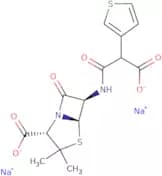
CAS:<p>Ticarcillin disodium salt is a beta-lactam antibiotic that has in vitro activity against Gram-positive and Gram-negative bacteria. Ticarcillin is active against penicillinase-producing strains of Staphylococcus aureus, Enterobacter aerogenes, Proteus mirabilis, Escherichia coli, Pseudomonas aeruginosa, Klebsiella pneumoniae, Serratia marcescens, Streptococcus pyogenes, Streptococcus faecalis, and Streptococcus pneumoniae. Furthermore, it inhibits transpeptidase activity of the cell wall of bacteria which prevents peptidoglycan synthesis. It is bactericidal for many bacteria at low concentrations.</p>Formula:C15H14N2Na2O6S2Purezza:Min. 90 Area-%Colore e forma:PowderPeso molecolare:428.4 g/molNigericin sodium - from Streptomyces hygroscopicus
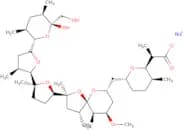
CAS:<p>Membrane pore-forming agent; H+, K+, Pb2+ ionophore; polyether antibiotic</p>Formula:C40H67O11NaPurezza:Min. 95%Colore e forma:White PowderPeso molecolare:746.94 g/mol














![N-[5-[3-[(4-Hydroxyphenyl)sulfamoyl]-4-methoxyphenyl]-4-methyl-1,3-thiazol-2-yl]-2,2-dimethylpropa…](/_next/image/?url=https%3A%2Fstatic.cymitquimica.com%2Fproducts%2F3D%2Fthumb-webp%2FAC177867.webp&w=3840&q=75)