Antimicrobici
Gli antimicrobici sono agenti che distruggono o inibiscono la crescita di microrganismi, inclusi batteri, virus, funghi e parassiti. Questi composti sono essenziali nella prevenzione e nel trattamento delle infezioni, svolgendo un ruolo cruciale nella medicina, nell'agricoltura e nell'industria alimentare. Presso CymitQuimica offriamo un'ampia gamma di antimicrobici di alta qualità e purezza, adatti a varie applicazioni scientifiche e industriali. Il nostro catalogo comprende antibiotici, antifungini, antivirali e disinfettanti, tutti progettati per soddisfare le esigenze della ricerca e dello sviluppo, nonché per applicazioni cliniche e di produzione. Con i nostri prodotti, i professionisti possono garantire l'efficacia e la sicurezza nel controllo delle infezioni e nella protezione della salute pubblica.
Sottocategorie di "Antimicrobici"
- Antibiotici(4.131 prodotti)
- Antimicotici(909 prodotti)
- Antiparassitari(702 prodotti)
- Antivirali(765 prodotti)
Trovati 2424 prodotti di "Antimicrobici"
Ordinare per
Purezza (%)
0
100
|
0
|
50
|
90
|
95
|
100
Lenacapavir
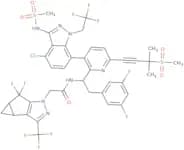
CAS:<p>Lenacapavir is a capsid inhibitor with a mode of action that interferes with the HIV capsid protein, disrupting multiple stages of the viral lifecycle. It is used for treating multidrug-resistant HIV infections.</p>Formula:C39H32ClF10N7O5S2Purezza:Min. 95%Colore e forma:PowderPeso molecolare:968.28 g/molAtramycin A
CAS:Atramycin A is an antibiotic, which is derived from the Streptomyces genus, a prolific source of bioactive compounds. Streptomyces species are renowned for their ability to produce a vast array of secondary metabolites with diverse pharmacological activities. Atramycin A operates primarily through the inhibition of bacterial protein synthesis. It achieves this by binding to bacterial ribosomal subunits, thus interfering with peptide chain elongation and effectively halting bacterial growth.Formula:C25H24O9Purezza:Min. 95%Peso molecolare:468.50 g/molDemethylbleomycin A2 sulfate
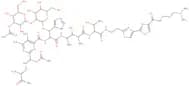
CAS:Demethylbleomycin A2 sulfate is an antineoplastic agent, which is derived from the bacterium Streptomyces verticillus. This compound functions by binding to DNA, inducing strand breaks and inhibiting DNA synthesis, ultimately leading to apoptosis or programmed cell death. Its mechanism of action involves the generation of free radicals, which cause oxidative damage to the DNA strands, impairing cellular replication and tumor growth.Formula:C55H84N17O21S3Purezza:Min. 95%Peso molecolare:1,415.6 g/molMetolachlor mercapturate
CAS:<p>Metolachlor mercapturate is a metabolite of the herbicide Metolachlor, which is derived from the degradation of the primary active ingredient found in various agricultural herbicide formulations. It is formed through biotransformation processes in plants, soil, and water, where the parent compound undergoes enzymatic reactions leading to its metabolic products. The primary mode of action involves the inhibition of elongase enzymes, which are crucial for the synthesis of fatty acids in plants, thus preventing cell division and impacting weed growth effectively.</p>Formula:C20H30N2O5SPurezza:Min. 95%Peso molecolare:410.5 g/molBalapiravir hydrochloride
CAS:<p>Balapiravir hydrochloride is an antiviral agent, which is synthesized through chemical processes. It operates as a prodrug, meaning it is metabolized in the body to produce the active compound that inhibits viral replication. The mode of action of Balapiravir involves targeting the viral RNA polymerase, an essential enzyme for the replication of viral genomes. By inhibiting this enzyme, the drug effectively reduces viral load within the host, impairing the spread and establishment of the virus.</p>Formula:C21H31ClN6O8Purezza:Min. 95%Peso molecolare:531 g/molSideroxylin
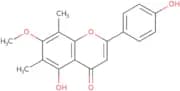
CAS:Sideroxylin is a C-methylated flavone with action as an antimicrobial agent against Staphylococcus aureus and is used for research on antimicrobial and anticancer properties.Formula:C18H16O5Purezza:Min. 95%Peso molecolare:312.3 g/molLeptomycin A
CAS:<p>Leptomycin A is a Streptomyces-produced inhibitor, which is derived from the bacterium Streptomyces spiroverticillatus. It functions by specifically binding to and inhibiting the CRM1 (exportin 1), a nuclear export receptor. This action blocks the nuclear export of proteins that contain a leucine-rich nuclear export signal (NES), thereby leading to their accumulation within the nucleus. The inhibition of CRM1 disrupts various cellular processes, including cell cycle regulation and signal transduction pathways.</p>Formula:C32H46O6Purezza:Min. 95%Peso molecolare:526.7 g/mol1-Chloro-2,2-bis(4'-chlorophenyl)ethane
CAS:<p>1-Chloro-2,2-bis(4'-chlorophenyl)ethane is an organochlorine pesticide known for its agricultural applications. It is a synthetic product derived from chlorinated hydrocarbons. It functions primarily through its mode of action as an insecticide by interfering with the nervous system of insects. It disrupts normal nerve function by causing prolonged opening of sodium channels in nerve cells, leading to hyperexcitation and eventual paralysis of the target pests.</p>Formula:C14H11Cl3Purezza:Min. 95%Peso molecolare:285.6 g/molBalapiravir
CAS:Balapiravir is an antiviral agent, which is a synthetic derivative based on natural compounds, specifically designed to inhibit the replication of various viral pathogens. The source of Balapiravir integrates bio-based elements with modifications to enhance its therapeutic efficacy.Formula:C21H30N6O8Purezza:Min. 95%Peso molecolare:494.5 g/molChlorsulfuron-5-hydroxy
CAS:<p>Chlorsulfuron-5-hydroxy is a herbicide derivative, specifically an active metabolite of chlorsulfuron, which is a sulfonylurea herbicide. This compound is derived from synthetic chemistry processes that focus on altering the molecular structure of chlorsulfuron to enhance its properties or study its breakdown. The mode of action of Chlorsulfuron-5-hydroxy involves the inhibition of the enzyme acetolactate synthase (ALS), which plays a crucial role in the biosynthesis of branched-chain amino acids in plants such as valine, leucine, and isoleucine. This inhibition disrupts protein synthesis, leading to halted cell division and plant growth.</p>Formula:C12H12ClN5O5SPurezza:Min. 95%Peso molecolare:373.77 g/molMtbHU-IN-1
CAS:<p>MtbHU-IN-1 is a small-molecule inhibitor designed specifically for targeting the HU protein in Mycobacterium tuberculosis. This compound is derived through rational drug design and computational modeling efforts, exploiting the vulnerabilities of the bacterial DNA-binding proteins. Its mode of action involves binding to the HU protein, inhibiting its function, which is crucial for DNA structuring and stability within the bacterial cell. By disrupting HU protein function, MtbHU-IN-1 impairs bacterial chromosomal architecture, leading to an inability to replicate and ultimately cell death.</p>Formula:C44H36N4O12S2Purezza:Min. 95%Peso molecolare:876.9 g/molPicloxidina
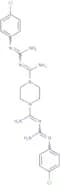
CAS:<p>Picloxidina is a chlorhexidine-based antiseptic, which is a synthetic compound with broad-spectrum antimicrobial activity. Its mode of action involves disrupting microbial cell membranes, leading to leakage of cellular contents and subsequent cell death. Picloxidina has been utilized extensively in ophthalmology due to its effectiveness in controlling ocular infections.</p>Formula:C20H24Cl2N10Purezza:Min. 95%Peso molecolare:475.4 g/molAvermectin a1a
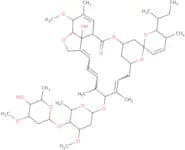
CAS:<p>Avermectin A1a is a macrocyclic lactone used primarily as an anthelmintic and insecticide. It is derived from the fermentation of the soil bacterium *Streptomyces avermitilis*. The compound works through a neurotoxic mode of action, binding to glutamate-gated chloride channels in nerve and muscle cells of invertebrates, leading to paralysis and subsequent death of the parasites. This mechanism is highly specific, primarily affecting nematodes and arthropods.</p>Formula:C49H74O14Purezza:90%Peso molecolare:887.1 g/molKanzonol C
CAS:<p>Please enquire for more information about Kanzonol C including the price, delivery time and more detailed product information at the technical inquiry form on this page</p>Formula:C25H28O4Purezza:Min. 95%Peso molecolare:392.5 g/molPK150
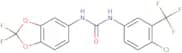
CAS:PK150 is a soil amendment product, which is derived from natural mineral sources with a specific focus on enhancing plant growth through optimized nutrient uptake efficiency. This product works by modifying the soil's physical and chemical properties, thereby improving the availability and mobility of essential nutrients like phosphorus (P) and potassium (K), which are crucial for the development and yield of plants.Formula:C15H8ClF5N2O3Purezza:Min. 95%Peso molecolare:394.68 g/molOxaquin
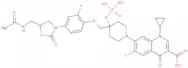
CAS:<p>Oxaquin is a synthetic antibiotic, which is a derivative of the fluoroquinolone class, developed through chemical synthesis. It disrupts bacterial DNA replication by inhibiting the DNA gyrase and topoisomerase IV enzymes, which are crucial for DNA synthesis and repair. This mode of action prevents bacterial cells from dividing and leading to cell death.</p>Formula:C31H33F2N4O11PPurezza:Min. 95%Peso molecolare:706.6 g/molOfloxacin d3 hydrochloride
CAS:<p>Ofloxacin d3 hydrochloride is a deuterated form of the quinolone antibiotic, which is a synthetic derivative designed for research purposes. It is sourced from the fluorinated carboxyquinolone class, where deuterium atoms replace certain hydrogen atoms to study metabolic pathways involving ofloxacin with minimal isotopic interference. Ofloxacin d3 inhibits bacterial DNA gyrase and topoisomerase IV, enzymes crucial for DNA replication, transcription, and repair. By stabilizing the transient cleavable complex with DNA, it prevents the ligation of DNA strands, leading to bacterial cell death. This compound is utilized primarily in laboratory settings for studying the pharmacokinetics and biodistribution of quinolones, as well as for elucidating resistance mechanisms in bacterial strains. Its stable isotopic composition makes it ideal for advanced analytical techniques such as mass spectrometry. Through these investigations, insights into drug metabolism, efficacy, and resistance can be gleaned, contributing to the broader understanding of quinolone antibiotic activity.</p>Formula:C18H21ClFN3O4Purezza:Min. 95%Peso molecolare:400.8 g/molFomidacillin
CAS:Please enquire for more information about Fomidacillin including the price, delivery time and more detailed product information at the technical inquiry form on this pageFormula:C24H28N6O10SPurezza:Min. 95%Peso molecolare:592.60 g/molN-Nitroso-N-phenylbenzylamine
CAS:N-Nitroso-N-phenylbenzylamine is a nitroso compound, which is synthesized through a chemical reaction involving nitrosation. It arises typically from the interaction of secondary amines and nitrosating agents. This compound functions as a potential mutagen due to its ability to form reactive intermediates that can interact with DNA. These intermediates can lead to modifications in the DNA structure, potentially causing mutations.Formula:C13H12N2OPurezza:Min. 95%Peso molecolare:212.25 g/molKasugamycin
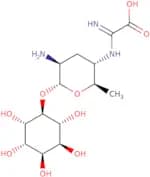
CAS:Kasugamycin is an aminoglycoside antibiotic, which is derived from the actinomycete Streptomyces kasugaensis. Its mode of action involves the inhibition of protein synthesis by interfering with the function of the 30S ribosomal subunit, ultimately preventing the growth and proliferation of sensitive organisms. In agricultural contexts, Kasugamycin is primarily utilized to control bacterial and fungal diseases in a variety of crops, including rice and fruit trees. It is particularly effective against Xanthomonas oryzae, which causes bacterial leaf blight in rice, and other pathogenic organisms detrimental to plant health. The application of Kasugamycin has been an important tool for integrated pest management programs focusing on sustainable agricultural practices. As a compound with a specific mode of activity, it helps to reduce the environmental impact typically associated with broader-spectrum antibiotics, while offering target-specific disease control. Its careful application supports the minimization of resistance development, ensuring continued efficacy in protecting crop yields.Formula:C14H25N3O9Purezza:Min. 95%Peso molecolare:379.36 g/mol