Terpenoidi
I terpenoidi, noti anche come isoprenoidi, sono la più grande classe di composti organici naturali, derivati da unità di isoprene a cinque atomi di carbonio. Si trovano in una varietà di piante e sono noti per le loro proprietà aromatiche, oltre al loro ruolo nella difesa e nella segnalazione delle piante. I terpenoidi sono stati ampiamente studiati per i loro effetti terapeutici, tra cui proprietà antinfiammatorie, antimicrobiche e antitumorali. Sono utilizzati nelle industrie farmaceutiche, cosmetiche e alimentari per i loro benefici per la salute e le qualità aromatiche. Da CymitQuimica troverete un'ampia selezione di terpenoidi, essenziali per la ricerca in biologia vegetale, farmacologia e sintesi di prodotti naturali.
Sottocategorie di "Terpenoidi"
- Diterpeni (C₂₀)(671 prodotti)
- Emiterpeni (C₅)(21 prodotti)
- Monoterpeni (C₁₀)(709 prodotti)
- Sesquiterpeni (C₂₅)(452 prodotti)
- Tetraterpeni (C₄₀)(63 prodotti)
- Triterpeni (C₃₀)(1.130 prodotti)
Trovati 1423 prodotti di "Terpenoidi"
Ordinare per
Purezza (%)
0
100
|
0
|
50
|
90
|
95
|
100
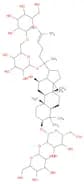
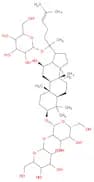
b-D-Glucopyranoside,(3b,12b)-20-(b-D-glucopyranosyloxy)-12-hydroxydammar-24-en-3-yl2-O-b-D-glucopyranosyl-
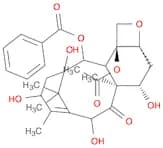
CAS:Formula:C48H82O18Purezza:98%Colore e forma:SolidPeso molecolare:947.1539b-D-Glucopyranoside,(1aR,2S,3aR,5R,5aR,5bS)-5b-[(benzoyloxy)methyl]tetrahydro-5-hydroxy-2-methyl-2,5-methano-1H-3,4-dioxacyclobuta[cd]pentalen-1a(2H)-yl
CAS:Formula:C23H28O11Purezza:95%Colore e forma:SolidPeso molecolare:480.4618Ref: IN-DA003AAQ
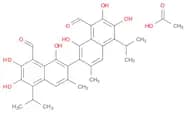
Prodotto fuori produzioneGossypol Acetic Acid
CAS:Formula:C32H34O10Purezza:95%Colore e forma:SolidPeso molecolare:578.6063599999999Ref: IN-DA004ZSE
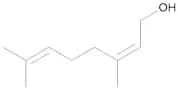
Prodotto fuori produzioneNerol 1000 µg/mL in Isopropanol
CAS:Prodotto controllatoFormula:C10H18OColore e forma:Single SolutionPeso molecolare:154.25Levomenol 100 µg/mL in Methanol
CAS:Formula:C15H26OColore e forma:Single SolutionPeso molecolare:222.37α-Terpinene 2000 µg/mL in Acetonitrile
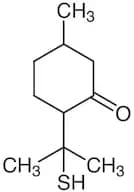
CAS:Formula:C10H16Colore e forma:Single SolutionPeso molecolare:136.238-Mercaptomenthone
CAS:Formula:C10H18OSPurezza:>97.0%(GC)(T)Colore e forma:Colorless to Light yellow to Light orange clear liquidPeso molecolare:186.31Farnesol (mixture of isomers)
CAS:Prodotto controllatoFormula:C15H26OColore e forma:NeatPeso molecolare:222.37Geranyl acetate 100 µg/mL in Acetonitrile
CAS:Formula:C12H20O2Colore e forma:Single SolutionPeso molecolare:196.29(1S)-β-Pinene 2000 µg/mL in Acetonitrile
CAS:Formula:C10H16Colore e forma:Single SolutionPeso molecolare:136.23(-)-Borneol 100 µg/mL in Acetonitrile
CAS:Formula:C10H18OColore e forma:Single SolutionPeso molecolare:154.25Peduncloside II
CAS:<p>Peduncloside II is a rare glucoside, a type of chemical compound, that is naturally derived from specific plant sources. The source of Peduncloside II is primarily the traditional medicinal plant, which has been utilized in various indigenous pharmacopeias, particularly in certain regions of Asia. It is isolated from plant tissues where it functions as a secondary metabolite.</p>Formula:C36H58O10Purezza:Min. 95%Colore e forma:PowderPeso molecolare:650.84 g/molRef: 3D-FP65835
Prodotto fuori produzione8(17)14-Labdadiene-13,18-diol, picea sitchensis (sitka spruce)
CAS:<p>8(17)14-Labdadiene-13,18-diol is a diterpene, a class of chemical compounds known for their diverse structural traits and biological activities. This compound is derived from Picea sitchensis, commonly known as Sitka spruce, which is native to the western regions of North America. The diterpene structure of 8(17)14-Labdadiene-13,18-diol is significant due to its potential biological interactions.</p>Formula:C20H34O2Purezza:Min. 95%Peso molecolare:306.48 g/molRef: 3D-XA170622
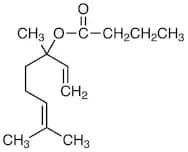
Prodotto fuori produzioneLinalyl Butyrate
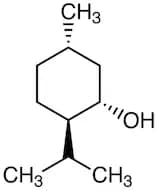
CAS:Formula:C14H24O2Purezza:>97.0%(GC)Colore e forma:Colorless to Almost colorless clear liquidPeso molecolare:224.34(+)-Menthol
CAS:Formula:C10H20OPurezza:>99.0%(GC)Colore e forma:White or Colorless powder to lump to clear liquidPeso molecolare:156.2720(R)Ginsenoside Rh1
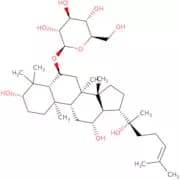
CAS:<p>20(R)-Ginsenoside Rh1 is a bioactive compound, which is a secondary metabolite extracted from Panax ginseng, a medicinal plant widely utilized in traditional medicine. This ginsenoside functions by modulating various cellular pathways, interacting with nuclear receptors and signal transduction molecules, thus influencing immune responses, anti-inflammatory activities, and neuroprotective mechanisms.</p>Purezza:Min. 95%Pseudolaric acid A beta-D-glucoside
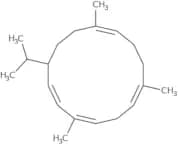
CAS:<p>Pseudolaric acid A beta-D-glucoside is a bioactive compound, which is a natural product derived from Pseudolarix amabilis, a species of tree native to certain regions of China. It belongs to the diterpenoid family, known for their diverse structural features and significant biological activities. This compound exhibits its mode of action primarily through interactions with cellular pathways, modulating specific enzymatic activities and receptor responses, which can lead to varying effects at the cellular and molecular levels.</p>Purezza:Min. 95%(+)-Cembrene
CAS:<p>(+)-Cembrene is a diterpene hydrocarbon, which is a naturally occurring compound primarily found in marine organisms such as soft corals. This compound is characterized by its complex cyclic structure, which is a hallmark of many terpenoids known for diverse biological activities. The source of (+)-Cembrene is often the soft coral species, where it functions as a part of the organism's chemical defense system, deterring predators and inhibiting microbial growth.</p>Formula:C20H32Purezza:Min. 95%Colore e forma:White PowderPeso molecolare:272.47 g/molQS 21
CAS:<p>QS-21 is a saponin-based adjuvant, which is a compound used to enhance the body's immune response to an antigen. This product is derived from the bark of the Quillaja saponaria tree, commonly known as the soapbark tree, native to Chile. The mode of action of QS-21 involves stimulating the immune system by activating antigen-presenting cells, such as dendritic cells and macrophages, which in turn enhance both humoral and cellular immune responses.</p>Formula:C92H148O46Peso molecolare:1,990.14 g/mol

![b-D-Glucopyranoside,(1aR,2S,3aR,5R,5aR,5bS)-5b-[(benzoyloxy)methyl]tetrahydro-5-hydroxy-2-methyl-2…](/_next/image/?url=https%3A%2Fstatic.cymitquimica.com%2Fproducts%2FIN%2Fthumb-webp%2FDA00I4J3.webp&w=3840&q=75)