Flavonoidi
I flavonoidi sono un gruppo di metaboliti vegetali con proprietà antiossidanti che contribuiscono al colore di frutti e fiori. Svolgono un ruolo significativo nella protezione delle piante dai raggi UV e dai patogeni. I flavonoidi sono studiati per i loro potenziali benefici per la salute, tra cui proprietà antinfiammatorie, antivirali e anticancro. Sono ampiamente studiati nei campi della farmacologia, della nutrizione e della biologia molecolare.
Sottocategorie di "Flavonoidi"
- Antocianidine(46 prodotti)
- Antocianina(46 prodotti)
- Catechina(88 prodotti)
- Chalcones(237 prodotti)
- Pterocarpani(28 prodotti)
Trovati 2408 prodotti di "Flavonoidi"
Ordinare per
Purezza (%)
0
100
|
0
|
50
|
90
|
95
|
100
2',3'-Dimethoxyflavone
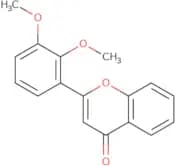
CAS:2',3'-Dimethoxyflavone is a synthetic flavone derivative, which is naturally sourced from plants, particularly those containing flavonoid compounds. Its mode of action involves modulating various biochemical pathways, including enzyme inhibition and interaction with cellular receptors. This modulation can alter cell signaling, affecting processes such as inflammation and cancer cell proliferation.Formula:C17H14O4Purezza:Min. 95%Colore e forma:PowderPeso molecolare:282.29 g/molFujikinetin
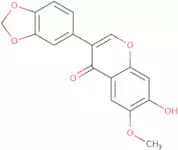
CAS:<p>Isoflavone from processed leaves and stems of Cyclopia intermedia</p>Formula:C17H12O6Purezza:Min. 95%Colore e forma:PowderPeso molecolare:312.27 g/molChrysoeriol
CAS:<p>Chrysoeriol is a flavonoid compound, which is derived from various plant sources, including many herbs and flowers such as chamomile and tarragon. It functions through inhibition of certain cellular pathways that lead to inflammation, such as the suppression of NF-kB and cyclooxygenase activity. Additionally, chrysoeriol exhibits antioxidative effects by scavenging free radicals and enhancing the body's natural antioxidant enzyme systems.</p>Formula:C16H12O6Purezza:Min. 95%Colore e forma:Yellow PowderPeso molecolare:300.26 g/molGarciniflavanone
CAS:<p>Garciniflavanone is a naturally occurring flavonoid compound, which is primarily derived from plants in the Garcinia genus. It acts as an antioxidant through the scavenging of free radicals, thereby mitigating oxidative stress within cellular environments. Additionally, garciniflavanone influences various cellular signaling pathways, contributing to its anti-inflammatory and potential anticancer effects.</p>Formula:C30H22O13Purezza:Min. 95%Peso molecolare:590.49 g/mol3-Hydroxy-2',4',5'-trimethoxyflavone
CAS:3-Hydroxy-2',4',5'-trimethoxyflavone is a naturally occurring flavone, which is a type of polyphenolic compound. This compound is typically derived from plant sources, where it is biosynthesized as part of the plant’s secondary metabolism. The mode of action for flavones like 3-Hydroxy-2',4',5'-trimethoxyflavone involves modulating various biochemical pathways, including antioxidant activity and enzyme inhibition, which may affect various metabolic and cellular processes.Formula:C18H16O6Purezza:Min. 95%Peso molecolare:328.32 g/mol7,2'-Dibenzyloxy-4'-methoxyisoflavone
CAS:<p>7,2'-Dibenzyloxy-4'-methoxyisoflavone is a synthetic isoflavone compound, which is derived from chemical synthesis processes rather than natural sources. Isoflavones are a class of flavonoids often studied for their diverse biological activities, including antioxidant, anti-inflammatory, and potential anticancer properties. This compound is characterized by its unique chemical structure that incorporates benzyl and methoxy groups, possibly enhancing its pharmacokinetic profile and efficacy.</p>Formula:C30H24O5Purezza:Min. 95%Peso molecolare:464.51 g/molEpimedin C
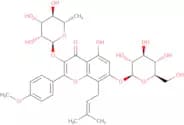
CAS:<p>Epimedin C is a flavonoid compound, which is derived from natural sources, specifically from plants belonging to the genus Epimedium. It is a bioactive constituent commonly found in traditional Chinese medicinal herbs known as "Horny Goat Weed." The mode of action of Epimedin C involves the modulation of various biological pathways, including the inhibition of specific enzymes and interaction with estrogen receptors. These actions contribute to its potential effects on bone health, cardiovascular function, and sexual health.</p>Formula:C39H50O19Purezza:Min. 95%Colore e forma:PowderPeso molecolare:822.8 g/molHomoplantaginin
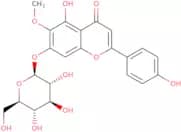
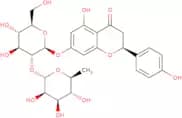
CAS:Homoplantaginin is a flavonoid glycoside, which is a bioactive compound primarily derived from certain plant species. As a naturally occurring flavonoid, it is sourced from plant material where it plays a significant role in the plant's metabolic and defensive systems. The mode of action of Homoplantaginin involves interacting with cellular pathways, often influencing processes such as anti-inflammatory responses, antioxidant activity, and modulation of enzyme activities.Formula:C22H22O11Purezza:Min. 95%Colore e forma:PowderPeso molecolare:462.4 g/molNaringin
CAS:Naringin is a bioflavonoid, which is a secondary metabolite predominantly found in citrus fruits, particularly in grapefruits and oranges. This compound is sourced from the peels and juices of these fruits, where it serves as a major constituent contributing to their distinct bitter taste.Formula:C27H32O14Purezza:Min. 95.0 Area-%Colore e forma:White PowderPeso molecolare:580.53 g/mol3,7-Dimethoxyflavone
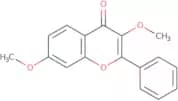
CAS:<p>3,7-Dimethoxyflavone is a naturally occurring flavone, which is a type of polyphenolic compound. It is sourced from various plant species, notably those within the genus *Kaempferia*, and can also be synthesized in laboratory settings. The compound is characterized by its distinct chemical structure, featuring methoxy groups at the 3 and 7 positions on the flavone backbone.</p>Formula:C17H14O4Purezza:Min. 95%Colore e forma:PowderPeso molecolare:282.29 g/mol8-Prenylgenistein
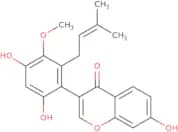
CAS:<p>8-Prenylgenistein is a prenylated isoflavone, which is a type of naturally occurring polyphenolic compound. It is primarily sourced from plants, particularly legumes, and is a derivative of genistein, an isoflavone commonly found in soy products. The addition of a prenyl group distinguishes 8-prenylgenistein from its parent compound, potentially enhancing its bioactivity and pharmacokinetics.</p>Formula:C20H18O5Purezza:Min. 95%Colore e forma:PowderPeso molecolare:338.35 g/molIsoflavone - 98%
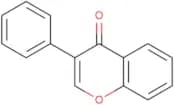
CAS:<p>Isoflavone - 98% is a highly purified chemical compound from the class of phytoestrogens, which is naturally sourced from legumes, particularly soybeans. It exhibits a structural similarity to estrogen, which allows it to modulate estrogen receptors in the body. This capability enables it to exert both estrogenic and anti-estrogenic effects depending on the physiological environment.</p>Purezza:Min. 95%Dihydropunctatin
CAS:<p>Dihydropunctatin is a natural compound, which is an organic molecule derived from specific fungal sources. The biosynthesis of Dihydropunctatin typically occurs in endophytic fungi, which inhabit the internal tissues of plants and contribute to the host's adaptability and survival. These fungi are known for producing a diverse range of secondary metabolites with potential bioactive properties.</p>Formula:C20H26O7Purezza:Min. 95%Peso molecolare:378.42 g/molIsorhoifolin
CAS:<p>Anti-diabetic; anti-hyperlipidemic; antioxidantImage taken by Jin-Yao Ong 台灣山豆根 Euchresta formosana (Hayata) OhwiOhwi, J. Jap. Bot. 12(9): 659. 1936.</p>Formula:C27H30O14Purezza:Min. 98 Area-%Colore e forma:White PowderPeso molecolare:578.52 g/mol3,6,2',3'-Tetrahydroxyflavone
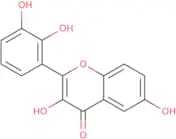
CAS:3,6,2',3'-Tetrahydroxyflavone is a naturally occurring flavonoid, which is a type of phytochemical found in various plants. As a secondary metabolite, flavonoids like this one are primarily sourced from the polyphenolic compounds prevalent in fruits, vegetables, and certain herbs.Formula:C15H10O6Purezza:Min. 95%Peso molecolare:286.24 g/molTernatin B
CAS:<p>Ternatin B is a naturally derived compound, which is a cyclic peptide sourced from plant-based materials. It functions predominantly by inhibiting the mechanistic target of rapamycin complex 1 (mTORC1), a critical pathway involved in the regulation of cell growth and autophagy. This mode of action positions Ternatin B as a potent inhibitor of autophagy, the cellular process responsible for the degradation and recycling of cellular components.</p>Formula:C75H81O41Purezza:Min. 95%Peso molecolare:1,638.42 g/mol5,3',4'-Trimethoxyflavone
CAS:5,3',4'-Trimethoxyflavone is a polyphenolic compound, which is categorized as a flavonoid. This compound is naturally sourced from certain plant species in the Asteraceae family, known for their rich flavonoid content. As a flavonoid, it functions primarily by modulating various biological pathways, including antioxidant, anti-inflammatory, and neuroprotective mechanisms.Formula:C18H16O5Purezza:Min. 95%Colore e forma:PowderPeso molecolare:312.32 g/mol5-Methoxyflavone
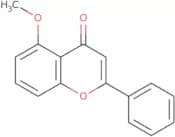
CAS:5-Methoxyflavone is a flavonoid compound, which is a type of polyphenolic compound found in various plants. This natural compound is synthesized primarily through the biosynthetic pathways of plants, involving the condensation of a phenylpropanoid with a polyketide. The mode of action of 5-Methoxyflavone involves interactions with cellular pathways, including modulation of oxidative stress and influences on cell signaling mechanisms.Formula:C16H12O3Purezza:Min. 95%Colore e forma:PowderPeso molecolare:252.26 g/molDihydrokaempferol
CAS:<p>Dihydrokaempferol is a flavonoid compound, which is predominantly sourced from a variety of plant species including fruits, vegetables, and certain herbs. It is a dihydroflavonol, a type of flavonoid that plays a significant role in plant coloration and protection against environmental stressors.</p>Formula:C15H12O6Purezza:Min. 95%Colore e forma:PowderPeso molecolare:288.25 g/mol2',3',6-Trihydroxyflavone
CAS:2',3',6-Trihydroxyflavone is a flavonoid compound, which is naturally derived from various plant sources such as fruits, vegetables, and certain herbs. It exists as a small molecule flavonoid within the polyphenolic family, known for its diverse biological activities. The compound acts primarily through antioxidant mechanisms, scavenging free radicals and reducing oxidative stress, which can mitigate cellular damage and inflammation.Formula:C15H10O5Purezza:Min. 95%Peso molecolare:312.32 g/molRobustigenin
CAS:<p>Robustigenin is a naturally occurring compound, classified as a cardenolide, which is derived from plant sources, specifically from the Apocynaceae family. It is characterized by its distinct steroidal structure, which is integral to its biological activity. The mode of action of Robustigenin involves inhibition of the sodium-potassium ATPase enzyme, leading to increased intracellular sodium levels. This, in turn, affects calcium ion concentrations through sodium-calcium exchange mechanisms, impacting cellular processes, particularly in cardiac tissues.</p>Formula:C19H18O7Purezza:Min. 95%Peso molecolare:358.34 g/molHerbacetin-8-glucoside
CAS:Herbacetin-8-glucoside is a flavonoid compound, which is a naturally occurring glucoside derived from various plant sources, predominantly found in flaxseed and some other plant species. The glycosidic linkage occurs at the 8th position on the herbacetin structure, contributing to its unique biochemical profile. Herbacetin-8-glucoside functions primarily through its potent antioxidant and anti-inflammatory mechanisms, effectively scavenging free radicals and modulating inflammatory pathways.Formula:C21H20O12Purezza:Min. 95%Peso molecolare:464.38 g/mol6-Hydroxy-2'-methoxyflavone
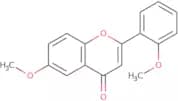
CAS:<p>6-Hydroxy-2'-methoxyflavone is a naturally-derived flavonoid compound, primarily sourced from various plants. Its structure, a modification of the flavone backbone, incorporates hydroxy and methoxy functional groups that contribute to its unique chemical properties. The mode of action of 6-Hydroxy-2'-methoxyflavone involves interactions with specific cellular pathways and receptors, potentially influencing antioxidant and anti-inflammatory responses. This compound may modulate enzyme activity and participate in scavenging free radicals, offering insights into its biochemical versatility.</p>Formula:C16H12O4Purezza:Min. 95%Peso molecolare:268.26 g/molIcariin
CAS:<p>Icariin is a bioactive flavonoid compound, which is primarily derived from plants in the genus Epimedium, commonly known as Horny Goat Weed. This compound is a prenylated flavonol glycoside that is found in varying concentrations depending on the specific species of Epimedium used. Icariin exerts its effects through multiple biochemical pathways, most notably by inhibiting phosphodiesterase type 5 (PDE5), which leads to an increase in nitric oxide levels and the subsequent vasodilation of blood vessels.</p>Formula:C33H40O15Purezza:Min. 95%Colore e forma:Slightly Yellow PowderPeso molecolare:676.66 g/molTangeretin
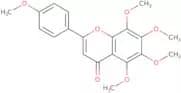
CAS:Tangeretin is a polymethoxylated flavonoid, which is derived primarily from the peels of citrus fruits, particularly oranges and tangerines. As a naturally occurring compound, it exerts its effects through several biochemical pathways. Tangeretin has been shown to modulate cellular signaling pathways, inhibit inflammatory mediators, and scavenge free radicals, highlighting its antioxidant and anti-inflammatory potential.Formula:C20H20O7Purezza:Min. 97 Area-%Colore e forma:PowderPeso molecolare:372.37 g/mol3,7,8,2'-Tetrahydroxyflavone
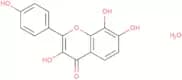
CAS:3,7,8,2'-Tetrahydroxyflavone is a polyphenolic compound, which is a type of flavonoid. These compounds are known for their presence in various plants as secondary metabolites. This particular flavone is naturally sourced from specific plant species, contributing to the plant's defense mechanisms against environmental stressors.Formula:C15H10O6Purezza:Min. 95%Peso molecolare:286.24 g/molTaxifolin 3-O-rhamnoside
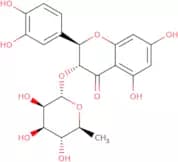
CAS:<p>Taxifolin 3-O-rhamnoside is a natural flavonoid glycoside, which is primarily sourced from certain plant species, including members of the Pinaceae family. This compound is recognized for its unique chemical structure, comprising taxifolin attached to a rhamnose sugar moiety. Its mode of action predominantly involves the scavenging of free radicals, thanks to its potent antioxidant properties. Taxifolin 3-O-rhamnoside exhibits the ability to neutralize reactive oxygen species, thereby contributing to the protection of cellular components from oxidative stress.</p>Formula:C21H22O11Purezza:Min. 95%Colore e forma:PowderPeso molecolare:450.39 g/mol3,7,8,2',3'-Pentamethoxyflavone
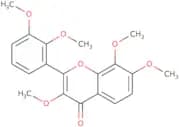
CAS:3,7,8,2',3'-Pentamethoxyflavone is a synthetic flavone derivative, which is primarily isolated from certain plant species known for their rich flavonoid content. This compound is notable for its potential biological and pharmaceutical applications, resulting from its molecular structure that allows it to interact with various cellular pathways.Formula:C20H20O7Purezza:Min. 95%Peso molecolare:372.37 g/molCirsimaritin
CAS:<p>Cirsimaritin is a natural product that is classified as a flavonoid, which is derived from various plants, particularly those belonging to the Asteraceae family. As a plant metabolite, Cirsimaritin plays a significant role in the plant’s own defense mechanisms against microbial infections and environmental stressors.</p>Formula:C17H14O6Purezza:Min. 98 Area-%Colore e forma:Yellow PowderPeso molecolare:314.29 g/mol3-Hydroxy-7,2',4',5'-tetramethoxyflavone
CAS:<p>3-Hydroxy-7,2',4',5'-tetramethoxyflavone is a naturally occurring flavonoid, which is derived from plant sources, particularly within the family of citrus fruits. Its chemical structure consists of a hydroxyl group and multiple methoxy groups, contributing to its biological activity. As a flavonoid, it is primarily involved in mediating anti-inflammatory, antioxidant, and potential anticancer effects by modulating various cellular pathways.</p>Formula:C19H18O7Purezza:Min. 95%Peso molecolare:358.34 g/mol3,7,8,4'-Tetrahydroxyflavone
CAS:<p>3,7,8,4'-Tetrahydroxyflavone is a naturally occurring flavonoid, which is a type of secondary metabolite commonly found in various plants. It is derived from botanical sources like fruits, vegetables, and certain herbs. This compound has gained attention due to its potential biological activities linked to its structural properties, specifically the presence of multiple hydroxyl groups that contribute to its antioxidant capacity.</p>Formula:C15H10O6Purezza:Min. 95%Colore e forma:PowderPeso molecolare:286.24 g/mol6-Hydroxydesmethylangolensin
CAS:<p>6-Hydroxydesmethylangolensin is a metabolite, which is derived from the fermentation of dietary isoflavones by intestinal microbiota. This compound originates specifically from the bacterial metabolism of daidzein, a principal soybean isoflavone. The mode of action of 6-Hydroxydesmethylangolensin involves its interaction with various biological pathways, potentially influencing estrogenic activity due to its structural similarity to estrogen, as well as possible antioxidant effects.</p>Formula:C15H14O5Purezza:Min. 95%Colore e forma:PowderPeso molecolare:274.27 g/mol7,8-Benzoflavone
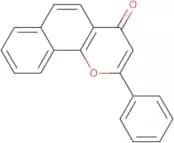
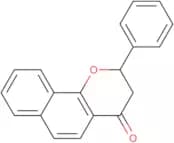
CAS:7,8-Benzoflavone is a synthetic flavonoid compound, which is derived from the structural modification of naturally occurring flavones. It possesses significant biochemical activity attributed to its ability to act as a potent inhibitor of certain cytochrome P450 enzymes, particularly CYP1A1 and CYP1B1. By inhibiting these enzymes, 7,8-Benzoflavone modulates the metabolism of various xenobiotics, impacting the bioactivation or detoxification of potential carcinogens.Formula:C19H12O2Purezza:Min. 95%Colore e forma:White PowderPeso molecolare:272.3 g/mol6,8-Diprenylnaringenin
CAS:<p>6,8-Diprenylnaringenin is a prenylated flavonoid, which is an organic compound predominantly derived from the hops plant, Humulus lupulus. This compound exhibits a unique mode of action owing to its interaction with estrogen receptors, where it acts as a phytoestrogen. Its chemical structure, characterized by the presence of prenyl groups, enhances its bioavailability and affinity for these receptors, suggesting its potential role in modulating estrogenic activity in biological systems.</p>Formula:C25H28O5Purezza:Min. 95%Peso molecolare:408.49 g/molJuglanin
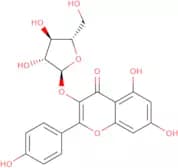
CAS:<p>Juglanin is a flavonoid glycoside, which is a naturally occurring compound found in plants, specifically from the genus Juglans, commonly known as walnut. Its mode of action involves antioxidant and anti-inflammatory activities, wherein it scavenges free radicals and inhibits inflammatory pathways. Juglanin achieves this by modulating various cellular signaling pathways, including those related to oxidative stress and inflammation.</p>Formula:C20H18O10Purezza:Min. 95%Colore e forma:PowderPeso molecolare:418.35 g/molKaranjin
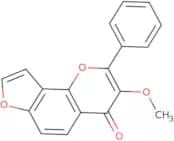
CAS:<p>From seeds of Karanja tree; insecticidal, acaricidal & fungicidal properties</p>Formula:C18H12O4Purezza:Min. 95%Colore e forma:White PowderPeso molecolare:292.29 g/molFisetin
CAS:<p>Fisetin is a flavonoid compound, which is a type of polyphenol found in various fruits and vegetables. It is primarily sourced from strawberries, apples, persimmons, onions, and cucumbers. This flavonoid exhibits a range of biological activities due to its involvement in modulating cellular processes.</p>Formula:C15H10O6·xH2OPurezza:Min. 90 Area-%Colore e forma:Yellow PowderPeso molecolare:286.24 g/molAequinetin
CAS:<p>Aequinetin is a cyclic peptide, which is derived from marine organisms, specifically sponges. It acts by targeting cellular processes in bacteria and cancer cells through disruption of cell membrane integrity and interference with specific signaling pathways. This mode of action makes it a promising candidate for antibiotic and anticancer applications.</p>Formula:C21H20O9Purezza:Min. 95%Peso molecolare:416.38 g/molEucomnalin
CAS:Eucomnalin is a synthetic compound, which is derived from a carefully controlled chemical synthesis process. Its mode of action involves modulation of specific biochemical pathways, targeting enzymes critical for cellular processes. This modulation allows it to influence various cellular functions, potentially rectifying imbalances or dysfunctions present in certain disease states.Formula:C17H14O6Purezza:Min. 95%Peso molecolare:314.29 g/molPoncirin
CAS:<p>Poncirin is a natural flavonoid glycoside, which is derived from the fruit of Poncirus trifoliata, commonly known as bitter orange. This compound is extracted from the plant materials using solvents followed by purification processes to isolate the active flavonoid.</p>Formula:C28H34O14Purezza:Min. 95%Colore e forma:PowderPeso molecolare:594.56 g/molKaempferol-3,7,4'-trimethyl ether
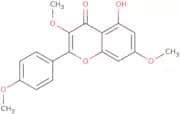
CAS:<p>Kaempferol-3,7,4'-trimethyl ether is a methylated flavonoid compound, which is naturally derived from various plant sources known for their rich polyphenol content. This compound is characterized by its three methoxy groups attached to the kaempferol structure, enhancing its hydrophobic nature and overall stability. The primary mode of action of Kaempferol-3,7,4'-trimethyl ether involves modulation of various cellular signaling pathways, including those related to antioxidant and anti-inflammatory processes. It exerts its effects by interacting with key enzymes and receptors, leading to the modulation of gene expression linked to cellular stress responses.</p>Formula:C18H16O6Purezza:Min. 98 Area-%Colore e forma:PowderPeso molecolare:328.32 g/molSakuranetin
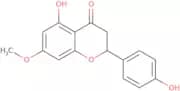
CAS:<p>Sakuranetin is a flavonoid, which is a natural compound derived predominantly from cherry blossoms and various citrus plants. As a phytochemical, it is primarily sourced from plants where it functions as a natural defense mechanism against environmental stressors. The mode of action of sakuranetin involves the inhibition of key pro-inflammatory pathways, notably blocking the activation of NF-κB, a protein complex that plays a crucial role in controlling the transcription of DNA, cytokine production, and cell survival.</p>Formula:C16H14O5Purezza:Min. 95%Colore e forma:PowderPeso molecolare:286.28 g/mol5-Methoxyflavanone
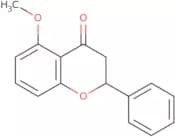
CAS:5-Methoxyflavanone is a synthetic flavonoid compound, which is derived from chemical modifications of naturally occurring flavonoids. These modifications often enhance bioavailability and activity compared to their natural counterparts. This compound functions primarily through its antioxidant activity, scavenging free radicals and reducing oxidative stress within biological systems. This mode of action is vital in cellular protection against damage caused by oxidative agents.Formula:C16H14O3Purezza:Min. 95%Colore e forma:White PowderPeso molecolare:254.28 g/mol3',4',5,7-Tetramethoxyflavone
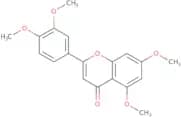
CAS:<p>3',4',5,7-Tetramethoxyflavone is a polyphenolic compound, which is a specific type of flavonoid. It is derived from various plant sources, where it occurs naturally as part of the plant's defense mechanism against environmental stressors. This compound exerts its activity through various biochemical pathways, including modulation of enzyme activities and interference with cellular signaling pathways. Studies suggest it may inhibit certain enzymes involved in inflammation and oxidative stress, thereby playing a potential role in therapeutic applications.</p>Formula:C19H18O6Purezza:Min. 95%Colore e forma:White PowderPeso molecolare:342.34 g/molLotisoflavan
CAS:<p>Phytoalexin isolated from the fungus-inoculated leaflets of Lotus angustissimus</p>Formula:C17H18O5Purezza:Min. 95%Colore e forma:PowderPeso molecolare:302.32 g/mol5,7-Dihydroxyflavone
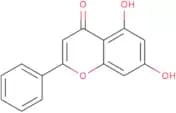
CAS:5,7-Dihydroxyflavone is a naturally occurring flavonoid, which is derived from various plant sources, including herbs and fruits. With its structure characterized by hydroxyl groups at positions 5 and 7, it serves as a bioactive compound with strong antioxidant properties. This flavonoid is known to interact with cellular pathways by scavenging free radicals and modulating enzyme activity, thereby protecting cells from oxidative stress and potential damage.Formula:C15H10O4Purezza:Min. 95%Colore e forma:Yellow PowderPeso molecolare:254.24 g/mol2'-Hydroxyflavanone
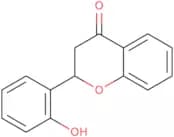
CAS:<p>2'-Hydroxyflavanone is a flavonoid, which is a type of polyphenolic compound found naturally in a variety of plants. These compounds are widely distributed in the plant kingdom and are particularly abundant in fruits, vegetables, and certain herbs. The source of 2'-Hydroxyflavanone can be traced back to its presence in citrus fruits and other plant materials, where it serves as a secondary metabolite.</p>Formula:C15H12O3Purezza:Min. 98 Area-%Colore e forma:PowderPeso molecolare:240.25 g/molChrysoeriol-7-diglucoside
CAS:<p>Chrysoeriol-7-diglucoside is a flavonoid glycoside, which is commonly found in various plants. As a naturally occurring compound, it is typically derived from botanical sources such as flowers, leaves, or seeds of specific plant species. Its structure consists of a chrysoeriol molecule bonded to two glucose units. The mode of action of Chrysoeriol-7-diglucoside involves its interaction with biological pathways associated with oxidative stress and inflammation. It exhibits antioxidant properties by scavenging free radicals and potentially modulating enzymatic activity related to these processes.</p>Formula:C28H32O16Purezza:Min. 95%Peso molecolare:624.54 g/molPinocembrin 7-O-beta-D-glucoside
CAS:<p>Pinocembrin 7-O-beta-D-glucoside is a flavonoid glucoside, which is a specialized type of plant secondary metabolite. This compound is primarily sourced from the plant genus *Eremurus*. The mode of action of Pinocembrin 7-O-beta-D-glucoside involves its interaction with various biological pathways, where it exhibits antioxidant, anti-inflammatory, and neuroprotective properties. It functions by modulating oxidative stress and reducing inflammation, which contributes to its protective roles in cellular systems.</p>Formula:C21H22O9Purezza:Min. 95%Colore e forma:SolidPeso molecolare:418.39 g/molIsoneorautenol
CAS:<p>Isoneorautenol is a synthetic compound, which is derived from complex organic synthesis processes. Its unique chemical structure allows it to interact specifically with certain molecular targets, making it an intriguing candidate for various biological and chemical applications. The mode of action of Isoneorautenol involves the modulation of specific biochemical pathways, potentially influencing cellular behavior and function.</p>Formula:C20H18O4Purezza:Min. 95%Colore e forma:PowderPeso molecolare:322.35 g/molMethyl hesperidine
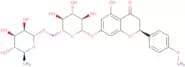
CAS:Methyl hesperidine is a flavonoid derivative, which is a chemical compound sourced from citrus fruits, particularly from the peels. It is a modified form of hesperidin, a natural flavonoid found predominantly in oranges and other citrus species. The mode of action for methyl hesperidine involves its antioxidant and anti-inflammatory properties. It works by scavenging free radicals and reducing oxidative stress, which can help protect cells and tissues from damage.Formula:C29H36O15Purezza:Min. 95%Colore e forma:PowderPeso molecolare:624.59 g/mol3'-Methoxy-α-napthoflavone
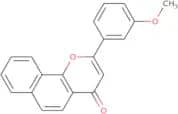
CAS:3'-Methoxy-α-napthoflavone is a synthetic small molecule inhibitor, which is derived from naphthoflavone structures known for their affinity with cytochrome P450 enzymes. It primarily acts as a selective inhibitor of CYP1A enzymes, particularly CYP1A1 and CYP1A2. The compound's mode of action involves binding to the active site of the CYP1A enzymes, thereby hindering the enzyme's metabolic activity and preventing substrate access.Formula:C20H14O3Purezza:Min. 95%Peso molecolare:302.32 g/mol5,7-Dihydroxy-2',3',4',5'-tetramethoxyflavone
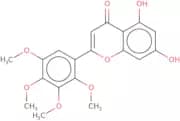
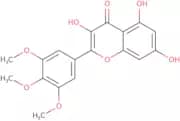
CAS:5,7-Dihydroxy-2',3',4',5'-tetramethoxyflavone is a naturally occurring flavonoid, which is a type of polyphenolic compound. It is sourced primarily from various plant species, particularly those belonging to the genus *Scutellaria* and other related species known for their rich flavonoid content. The mode of action of 5,7-Dihydroxy-2',3',4',5'-tetramethoxyflavone involves modulation of key signaling pathways associated with oxidative stress and inflammatory processes, which can contribute to cellular protection and homeostasis.Formula:C19H18O8Purezza:Min. 95%Colore e forma:SolidPeso molecolare:374.34 g/mol5',3'''-Dihydroxyrobustaflavone
CAS:5',3'''-Dihydroxyrobustaflavone is a naturally occurring biflavonoid, which is a type of polyphenolic compound known for its diverse biological activities. It is derived from various plant sources, often found in species belonging to the Moraceae family, among others. The compound's chemical structure comprises multiple flavonoid units linked together, contributing to its unique properties.Formula:C30H18O12Purezza:Min. 95%Peso molecolare:570.46 g/mol3,7,8,3',4'-Pentahydroxyflavone
CAS:<p>3,7,8,3',4'-Pentahydroxyflavone is a naturally occurring flavonoid, which is commonly found in plants and contributes to their defensive mechanisms. This compound is sourced from a variety of plant materials, where it acts as a potent antioxidant by scavenging free radicals and inhibiting oxidative stress pathways.</p>Formula:C15H10O7Purezza:Min. 95%Colore e forma:PowderPeso molecolare:302.24 g/molMyricetin trimethyl ether
CAS:Myricetin trimethyl ether is a flavonoid derivative, which is a metabolite of myricetin, a naturally occurring flavonoid found in various fruits, vegetables, and herbs. This compound is of significant interest due to its potential bioactive properties. It is commonly studied within the context of its antioxidative mechanisms, where it functions by neutralizing free radicals and attenuating oxidative stress, a key factor implicated in the pathogenesis of numerous chronic diseases.Formula:C18H16O8Colore e forma:PowderPeso molecolare:360.31 g/mol4'-Hydroxyflavone
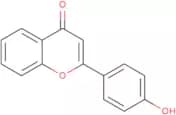
CAS:<p>4'-Hydroxyflavone is a hydroxylated flavone, which is a type of organic compound belonging to the flavonoid family. These compounds are naturally found in a variety of plants, such as fruits, vegetables, and herbs, where they often contribute to pigmentation. This particular flavonoid possesses a hydroxyl group on its fourth carbon, structurally distinguishing it and potentially altering its biological activity compared to other flavones.</p>Formula:C15H10O3Purezza:Min. 95%Colore e forma:PowderPeso molecolare:238.24 g/molEupatorin - 94%
CAS:Eupatorin - 94% is a bioactive flavonoid compound, which is a natural extract primarily derived from the plant species Eupatorium. This compound is characterized by its high degree of purity, standing at 94%, making it suitable for rigorous scientific investigation. Eupatorin is widely recognized for its pharmacological potential due to its ability to modulate various biochemical pathways.Formula:C18H16O7Purezza:Min. 95%Colore e forma:White PowderPeso molecolare:344.32 g/molChrysin dimethyl ether
CAS:<p>Chrysin dimethyl ether is a methylated flavonoid derivative, which is naturally sourced from various plants. This compound is synthesized by methylation of the hydroxyl groups on the chrysin molecule, a process often accomplished using organic synthesis methods. The mode of action for Chrysin dimethyl ether involves modulation of various biological pathways, including antioxidant activity and interaction with cell signaling pathways. Its phenolic structure confers radical scavenging properties, potentially influencing oxidative stress processes in biological systems.</p>Formula:C17H14O4Purezza:Min. 95%Colore e forma:White PowderPeso molecolare:282.29 g/molGlycitein
CAS:<p>Glycitein is an isoflavone compound, which is a type of phytoestrogen primarily derived from soy products. It is sourced from soybeans, where it functions as a secondary metabolite. In biochemical terms, glycitein exhibits modes of action characterized by its estrogenic and antioxidant activities. It interacts with estrogen receptors in the body, mimicking the hormone's effects to a certain extent, which can influence numerous physiological processes.</p>Formula:C16H12O5Purezza:Min. 95%Colore e forma:PowderPeso molecolare:284.26 g/mol7-Hydroxyflavone
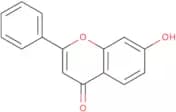
CAS:<p>7-Hydroxyflavone is a naturally occurring flavonoid, which is a type of polyphenolic compound derived primarily from various plant sources. As a natural antioxidant, its mode of action involves the scavenging of free radicals, thus providing potential protective effects against oxidative stress. This compound also influences multiple cellular signaling pathways and can modulate the activity of certain enzymes.</p>Formula:C15H10O3Purezza:Min. 95%Colore e forma:PowderPeso molecolare:238.24 g/molApigenin-7-neohesperidoside
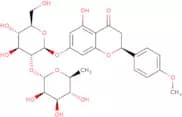
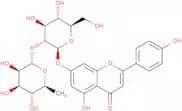
CAS:<p>Apigenin-7-neohesperidoside is a flavonoid glycoside, which is derived primarily from certain plant species, including members of the Rutaceae family. It is characterized by its glycosidic linkage to apigenin, a well-known flavonoid. The source of this compound is often plant-derived extracts, where it is isolated using advanced phytochemical techniques.</p>Formula:C27H30O14Purezza:Min. 98 Area-%Colore e forma:PowderPeso molecolare:578.52 g/molKwakhurin
CAS:<p>Kwakhurin is a natural compound, characterized as an isoflavone, which is derived from the plant Pueraria mirifica. This plant is traditionally found in Southeast Asia and has been used in traditional medicine for various health benefits. Kwakhurin acts primarily as a phytoestrogen, meaning it can mimic the activity of estrogen in the body by binding to estrogen receptors. This behavior enables it to potentially modulate hormonal balances and exert estrogenic effects.</p>Formula:C21H20O6Purezza:(%) Min. 95%Colore e forma:White/Off-White SolidPeso molecolare:368.38 g/molVestitol
CAS:<p>Vestitol is a naturally occurring flavonoid, which is a bioactive compound derived from various plant species. As a flavonoid, vestitol is synthesized by plants during their metabolic processes and is found predominantly in legumes such as red clover. Its biochemical mode of action includes modulation of reactive oxygen species (ROS) and interactions with cellular signaling pathways that regulate oxidative stress. By scavenging free radicals, vestitol contributes to the protection of cellular structures and biomolecules from oxidative damage.</p>Formula:C16H16O4Purezza:Min. 95%Colore e forma:White Off-White PowderPeso molecolare:272.3 g/molAlpinumisoflavone dimethyl ether
CAS:<p>Alpinumisoflavone dimethyl ether is a naturally occurring isoflavonoid, which is a type of phytochemical compound. It is derived from the plant family Leguminosae, particularly found in some species of the genus Millettia. This compound acts primarily through the modulation of cellular pathways associated with inflammation and cell proliferation, often involving the inhibition of specific kinases and signaling molecules that are active in both cancerous and inflammatory processes.</p>Formula:C22H20O5Purezza:Min. 95%Peso molecolare:364.39 g/mol4'-Methoxyflavone
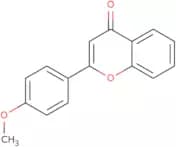
CAS:<p>4'-Methoxyflavone is a synthetic flavonoid, which is derived from modifications of naturally occurring flavonoid structures. It is synthesized through chemical processes involving the methoxylation of flavonoids, commonly found in plants. The compound exhibits its mode of action primarily through antioxidant activity. By scavenging free radicals, 4'-Methoxyflavone helps to prevent oxidative stress at the cellular level, which can damage DNA, proteins, and lipids.</p>Formula:C16H12O3Purezza:Min. 95%Colore e forma:PowderPeso molecolare:252.26 g/mol6,7,3',4'-Tetrahydroxyflavone
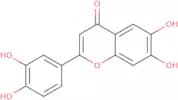
CAS:<p>6,7,3',4'-Tetrahydroxyflavone is a natural flavonoid compound, which is a class of polyphenolic molecules found ubiquitously in plants. These compounds are synthesized via the phenylpropanoid pathway, predominantly in the leaves, flowers, and fruits of plants. 6,7,3',4'-Tetrahydroxyflavone exhibits its effects primarily through antioxidant and anti-inflammatory mechanisms. It interacts with cellular pathways to scavenge free radicals and modulate signaling pathways involved in inflammation and oxidative stress.</p>Formula:C15H10O6Purezza:Min. 98 Area-%Colore e forma:PowderPeso molecolare:286.24 g/mol6,2'-Dimethoxyflavone
CAS:<p>6,2'-Dimethoxyflavone is a flavonoid compound, which is a type of secondary metabolite commonly found in plants. This compound is derived from various plant sources, where it acts as a natural antioxidant. The mode of action of 6,2'-Dimethoxyflavone includes modulation of signaling pathways involved in inflammation and cell proliferation. It influences the activity of specific enzymes and receptors, such as kinases and growth factor receptors, thereby affecting cellular responses.</p>Formula:C17H14O4Purezza:Min. 95%Colore e forma:PowderPeso molecolare:282.29 g/molQuercetin-7,3',4'-trimethyl ether-3-rhamnoside
CAS:<p>Quercetin-7,3',4'-trimethyl ether-3-rhamnoside is a methylated flavonoid glycoside, which is a specialized compound found in certain plant species. This compound is derived from natural plant sources, particularly various herbs and fruits that are known to produce bioactive flavonoids. The mode of action of quercetin-7,3',4'-trimethyl ether-3-rhamnoside involves its ability to interact with various cellular signaling pathways, potentially modulating oxidative stress, inflammation, and other cellular processes.</p>Formula:C24H26O11Purezza:Min. 95%Peso molecolare:490.46 g/mol3,3',4',7-Tetrahydroxyflavanone
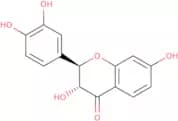
CAS:<p>3,3',4',7-Tetrahydroxyflavanone is a flavanone compound, which is a type of polyphenolic molecule. This compound is primarily derived from various plant sources, where it occurs naturally in fruits, vegetables, and certain herbs. Its structure is characterized by its multiple hydroxyl groups, which contribute to its chemical reactivity and biological interactions.</p>Formula:C15H12O6Purezza:Min. 95%Colore e forma:White PowderPeso molecolare:288.25 g/mol3',4'-Dihydroxyflavone
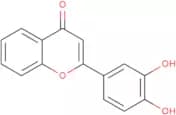
CAS:3',4'-Dihydroxyflavone is a type of flavonoid compound, which is naturally found in various plants. These secondary metabolites are crucial for plant health and defense mechanisms. Known for their antioxidative and anti-inflammatory properties, flavonoids play a significant role in moderating oxidative stress and inflammation.Formula:C15H10O4Purezza:Min. 95%Colore e forma:PowderPeso molecolare:254.24 g/molBaicalein-6-glucuronide - from Scutellaria galericulata (skullcap)
CAS:Baicalein-6-glucuronide is a glucuronide derivative of the flavonoid baicalein, derived from the herb Scutellaria galericulata, commonly known as skullcap. This flavonoid is intricately bound with a glucuronic acid moiety, which enhances its solubility and bioavailability compared to its parent compound. The source, Scutellaria galericulata, is a perennial herbaceous plant native to wetlands and known for its rich phytochemical profile.Formula:C21H18O11Purezza:Min. 95%Colore e forma:Yellow PowderPeso molecolare:446.36 g/mol3',4',7,8-Tetrahydroxyflavone
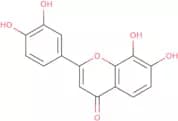
CAS:<p>3',4',7,8-Tetrahydroxyflavone is a polyhydroxyflavone compound, which is a type of flavonoid systematically derived from plant sources known for their rich polyphenolic content. It is characterized primarily by the presence of multiple hydroxyl groups that contribute to its significant biochemical activity. This compound exhibits its mode of action through the modulation of various biochemical pathways, primarily through its antioxidant properties that enable it to scavenge free radicals, thus reducing oxidative stress within biological systems.</p>Formula:C15H10O6Purezza:Min. 95%Colore e forma:Off-White Yellow PowderPeso molecolare:286.24 g/molFlavone
CAS:<p>Flavone is a type of flavonoid, which is a naturally occurring compound found in various plant sources. As a subgroup of polyphenolic compounds, flavones are primarily derived from the leaves, stems, and seeds of plants like parsley, thyme, and celery. The mode of action of flavones involves their ability to act as antioxidant agents, scavenging free radicals and reducing oxidative stress in biological systems. This mechanism plays a crucial role in protecting cells from damage and maintaining cellular integrity.</p>Formula:C15H10O2Purezza:Min. 98 Area-%Colore e forma:PowderPeso molecolare:222.24 g/molα-Naphthoflavanone
CAS:**α-Naphthoflavanone** is a synthetic flavanone compound, which is derived from natural plant polyphenols. It exhibits its mode of action primarily through the modulation of various biochemical pathways, potentially influencing enzyme activity, receptor binding, and signaling cascades. As a flavanone, it interacts with specific molecular targets, leading to possible antioxidant and anti-inflammatory effects.Formula:C19H14O2Purezza:Min. 95%Colore e forma:SolidPeso molecolare:274.31 g/mol6-Hydroxyluteolin
CAS:<p>6-Hydroxyluteolin is a flavonoid, which is a type of polyphenolic compound found in various plants. It is primarily sourced from plant species such as the Asteraceae family, including herbs like sage and parsley. The mode of action of 6-Hydroxyluteolin involves its capacity to scavenge free radicals, thereby exerting antioxidant effects. This activity is mediated through the donation of electrons or hydrogen atoms to reactive oxygen species, neutralizing them and preventing cellular damage.</p>Formula:C15H10O7Purezza:Min. 95%Peso molecolare:302.24 g/molKaempferol-3-rutinoside
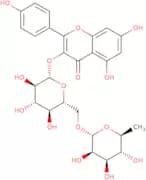
CAS:Kaempferol-3-rutinoside is a naturally occurring flavonoid glycoside, which is derived from various plant sources such as tea, fruits, and vegetables. It is a complex compound where the flavonoid kaempferol is conjugated to a disaccharide, rutinoside. The mode of action involves its ability to scavenge free radicals due to its antioxidant properties, as well as inhibit specific enzymes and pathways associated with inflammation, thus providing both antioxidant and anti-inflammatory benefits.Formula:C27H30O15Purezza:Min. 95%Colore e forma:PowderPeso molecolare:594.52 g/molAzoxystrobin
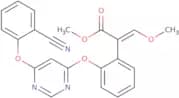
CAS:Azoxystrobin is a fungicide, which is a synthesized chemical compound, derived from natural strobilurin compounds produced by fungi. Its mode of action involves inhibiting mitochondrial respiration in fungi by blocking the cytochrome bc1 complex, disrupting energy production essential for fungal growth and survival.Formula:C22H17N3O5Purezza:Min. 95%Colore e forma:PowderPeso molecolare:403.39 g/mol3-Hydroxy-6,3'-dimethoxyflavone
CAS:3-Hydroxy-6,3'-dimethoxyflavone is a naturally occurring flavone, which is a type of polyphenolic compound found in various plants. As a product of plant secondary metabolism, this flavone is often sourced from medicinal herbs and fruits, where it contributes to the plant's defense mechanisms.Formula:C17H14O5Purezza:Min. 95%Peso molecolare:298.29 g/molOrobol 7-O-glucoside
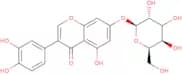
CAS:Orobol 7-O-glucoside is a flavonoid glucoside, which is a type of phenolic compound widely studied in the scientific community for its potential biological activities. It is derived from natural plant sources, particularly legumes, where it occurs as a conjugate of the isoflavone orobol. The mode of action of Orobol 7-O-glucoside involves its ability to scavenge free radicals, providing potent antioxidant effects. This compound exhibits the ability to modulate signaling pathways relevant to oxidative stress and inflammation, suggesting possible therapeutic roles in related disorders.Formula:C21H20O11Purezza:Min. 95%Colore e forma:PowderPeso molecolare:448.38 g/molFlavanone
CAS:<p>Flavanone is a type of flavonoid, which is a class of plant secondary metabolites. This compound is primarily found in citrus fruits such as oranges, lemons, and grapefruits. As a natural polyphenolic antioxidant, flavanone exhibits its mode of action by scavenging free radicals, thereby reducing oxidative stress within biological systems. This activity is crucial in modulating signaling pathways and enhancing the cellular antioxidant capacity.</p>Formula:C15H12O2Purezza:Min. 95%Colore e forma:PowderPeso molecolare:224.25 g/mol2'-Hydroxyflavone
CAS:<p>2'-Hydroxyflavone is a flavonoid compound that is naturally derived from various plant sources and is commonly found in certain fruits, vegetables, and herbs. Its structure is characterized by the presence of a hydroxyl group at the 2' position, which significantly influences its biological activity.</p>Formula:C15H10O3Colore e forma:PowderPeso molecolare:238.24 g/molLupinalbin A
CAS:<p>Lupinalbin A is a natural compound, which is a type of phenolic compound, sourced from white lupin (Lupinus albus) seeds. This compound exhibits significant biological activity primarily through its ability to modulate cellular signaling pathways. Its mode of action includes the inhibition of specific kinases and transcription factors, which are crucial in the progression of inflammatory and cancerous processes.</p>Formula:C15H8O6Purezza:Min. 95%Colore e forma:PowderPeso molecolare:284.22 g/mol6,7-Dihydroxyflavone
CAS:<p>6,7-Dihydroxyflavone is a small molecule flavonoid compound, which is a synthetic product derived to mimic naturally occurring substances. This compound is primarily sourced from the metabolic pathways involved in the biosynthesis of flavonoids, which are naturally found in plants. The mode of action of 6,7-Dihydroxyflavone involves the selective activation of the TrkB receptor, mimicking the action of the brain-derived neurotrophic factor (BDNF). This receptor plays a crucial role in neuronal survival, differentiation, and synaptic plasticity.</p>Formula:C15H10O4Purezza:Min. 95 Area-%Colore e forma:Yellow PowderPeso molecolare:254.24 g/molFlavanone azine
CAS:<p>Flavanone azine is a synthetic compound derived from flavonoid sources, specifically engineered through the structural manipulation of flavanone molecules. Flavonoids are naturally occurring compounds found in plants known for their diverse biological activities. The synthetic derivation allows for enhanced stability and bioavailability compared to natural counterparts.</p>Formula:C30H24N2O2Purezza:Min. 95%Peso molecolare:444.52 g/molbeta-Naphthoflavone
CAS:<p>Beta-Naphthoflavone is a synthetic polycyclic aromatic compound, which is a laboratory-created substance designed to mimic naturally occurring compounds. It is a model compound widely used in scientific research due to its ability to induce specific enzyme pathways. Beta-Naphthoflavone primarily affects the aryl hydrocarbon receptor (AhR) pathway. Upon binding to this receptor, it modulates the expression of genes involved in xenobiotic metabolism, particularly influencing the cytochrome P450 enzymes. These enzymes play a crucial role in the metabolism of various xenobiotics and endogenous compounds.</p>Formula:C19H12O2Purezza:Min. 95%Colore e forma:White PowderPeso molecolare:272.3 g/molPyraclostrobin
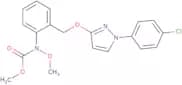
CAS:<p>Pyraclostrobin is a fungicide, which is a synthetic compound derived from the strobilurin class of fungicidal chemistry. It is characterized as a product of chemical synthesis designed to inhibit fungal growth through its unique mode of action. Pyraclostrobin functions by disrupting mitochondrial respiration in the targeted fungi, specifically inhibiting electron transfer at the cytochrome bc1 complex. This interference halts ATP production, ultimately leading to the death of the fungal cells.</p>Formula:C19H18ClN3O4Purezza:Min. 95%Colore e forma:PowderPeso molecolare:387.82 g/molRotenone
CAS:<p>Rotenone is a naturally occurring insecticide and piscicide, which is derived from the roots of several tropical and subtropical plant species, primarily from the Leguminosae family. Its primary source includes plants such as *Derris* and *Lonchocarpus*. Rotenone works by inhibiting cellular respiration. Specifically, it interferes with the mitochondrial electron transport chain by binding to complex I, blocking the production of ATP and ultimately leading to cell death.</p>Formula:C23H22O6Purezza:Min. 98 Area-%Colore e forma:Beige PowderPeso molecolare:394.42 g/molTheaflavin-3-O-gallate
CAS:<p>Theaflavin-3-O-gallate is a polyphenolic compound, which is derived from the oxidation of specific catechins found predominantly in black tea (Camellia sinensis). This compound is a significant member of the theaflavins, which are formed during the fermentation process of tea leaves. The bioactivity of Theaflavin-3-O-gallate is attributed to its ability to interact with and modulate various biological pathways, mainly through its antioxidant properties and its role in modulating cellular oxidative stress responses.</p>Formula:C36H28O16Purezza:Min. 95%Colore e forma:Red PowderPeso molecolare:716.6 g/molNaringenin trimethyl ether
CAS:<p>Naringenin trimethyl ether is a flavonoid compound, which is typically derived from citrus fruits and other plant sources. This compound is part of the larger class of polyphenolic compounds known as flavonoids, which are prominent for their presence in various plant species, contributing to a variety of physiological activities.</p>Formula:C18H18O5Purezza:Min. 95%Colore e forma:PowderPeso molecolare:314.33 g/mol3'-Hydroxy-5'-prenylbiochanin A
CAS:<p>3'-Hydroxy-5'-prenylbiochanin A is a prenylated isoflavone, which is a type of naturally occurring polyphenolic compound. It is predominantly sourced from various plant species, particularly those belonging to the Fabaceae family, such as legumes and soy. These compounds are often found in the plant's roots, stems, and leaves and play crucial roles in plant defense mechanisms.</p>Formula:C21H20O6Purezza:Min. 95%Peso molecolare:368.38 g/molAmentoflavone-7”,4”’-dimethyl ether
CAS:Amentoflavone-7",4"'-dimethyl ether is a synthetic biflavonoid derivative, which is modeled on natural compounds found in certain plant species. Biflavonoids are typically sourced from plants like Gingko biloba and Selaginella, known for their varied biological activities. The dimethyl ether modification enhances the molecule's chemical stability and potentially its bioavailability.Formula:C32H22O10Purezza:Min. 95%Peso molecolare:566.51 g/mol2',3,5,7-Tetrahydroxyflavone
CAS:<p>2',3,5,7-Tetrahydroxyflavone is a naturally occurring flavonoid compound, which is primarily derived from various plant sources known for their rich polyphenolic content. This compound is characterized by its multiple hydroxyl groups that confer significant antioxidant properties. Its mode of action primarily involves the scavenging of free radicals and the inhibition of oxidative enzyme systems. Additionally, it is known to modulate several intracellular signaling pathways, including those involved in inflammation and apoptosis.</p>Formula:C15H10O6Purezza:Min. 95%Colore e forma:PowderPeso molecolare:286.24 g/molIsookanin
CAS:Isookanin is a naturally occurring flavonoid compound, which is derived from various plant sources, including certain flowers and herbs. Its mode of action involves interacting with cellular pathways to exhibit anti-inflammatory and antioxidant properties. Isookanin achieves this by modulating the activity of enzymes and signaling molecules involved in inflammatory responses, thereby potentially reducing oxidative stress and inflammation.Formula:C15H12O6Purezza:Min. 98 Area-%Colore e forma:PowderPeso molecolare:288.25 g/molAcacetin 7-O-methyl ether
CAS:<p>Acacetin 7-O-methyl ether is a flavonoid derivative, which is a secondary metabolite primarily derived from various plants, including those in the Asteraceae family. This compound is biosynthesized as part of the plant's natural defense mechanism against herbivores and pathogens. Acacetin 7-O-methyl ether exhibits its biological activities through various modes of action, including anti-inflammatory and antioxidant effects, by inhibiting key signaling pathways and modulating enzyme activities.</p>Formula:C17H14O5Purezza:Min. 95%Colore e forma:White PowderPeso molecolare:298.29 g/molDidymin
CAS:<p>Didymin is a flavonoid compound, which is a type of polyphenolic molecule. It occurs naturally in certain citrus fruits and plants, representing a secondary metabolite with bioactive properties. Didymin exhibits antioxidative activity by neutralizing free radicals and reducing oxidative stress, primarily through the modulation of cellular signaling pathways. This mechanism involves the enhancement of endogenous antioxidant defenses and the inhibition of pro-inflammatory mediators.</p>Formula:C28H34O14Purezza:Min. 98 Area-%Colore e forma:PowderPeso molecolare:594.56 g/mol6,4'-Dimethoxyflavanone
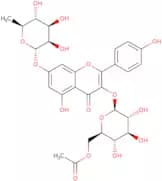
<p>6,4'-Dimethoxyflavanone is a flavanone derivative, which is a type of organic compound belonging to the larger class of flavonoids. These compounds are primarily sourced from natural products, frequently occurring in various plant species. Flavonoids are known for their diverse bioactive properties, which can include antioxidant, anti-inflammatory, and potential anticancer activities. The mode of action for 6,4'-Dimethoxyflavanone typically involves interacting with cellular pathways to modulate enzyme activities or signaling processes, potentially influencing oxidative stress and cellular proliferation.</p>Formula:C17H16O4Purezza:Min. 95%Peso molecolare:284.31 g/molKaempferol-3-glucoside(6”-O-acetate)-7-rhamnoside
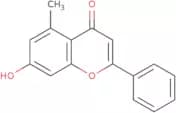
CAS:<p>Kaempferol-3-glucoside(6”-O-acetate)-7-rhamnoside is a flavonoid glycoside derivative, which is naturally sourced from various plants, particularly those in the Brassicaceae family. This compound is known for its significant antioxidant properties, allowing it to scavenge free radicals and reduce oxidative stress within biological systems. Its mode of action involves the modulation of several cellular pathways, including the inhibition of protein kinases and the regulation of anti-inflammatory responses. This results in potential therapeutic benefits in conditions related to oxidative stress and inflammation.</p>Formula:C29H32O16Purezza:Min. 95%Colore e forma:PowderPeso molecolare:636.55 g/mol7-Hydroxy-5-methylflavone
CAS:<p>7-Hydroxy-5-methylflavone is a flavonoid compound, which is a diverse group of phytonutrients present in a variety of plants. These compounds are derived from flavonoid biosynthesis pathways that commonly occur in fruits, vegetables, and certain beverages like tea. Flavonoids are well-regarded for their roles in plant defense mechanisms and their antioxidative properties.</p>Formula:C16H12O3Purezza:Min. 95%Colore e forma:PowderPeso molecolare:252.26 g/molFerreirin
CAS:<p>Ferreirin is an iron chelator, which is derived from natural sources. It functions by binding to excess iron ions in biological systems, forming a stable complex that can be excreted from the body. This mode of action is critical in managing iron overload conditions, often seen in various pathological states such as thalassemia or hemochromatosis where excess iron poses a risk of oxidative damage to cells and tissues.</p>Formula:C16H14O6Purezza:Min. 95%Peso molecolare:302.28 g/mol