Flavonoidi
Sottocategorie di "Flavonoidi"
- Antocianidine(46 prodotti)
- Antocianina(46 prodotti)
- Catechina(88 prodotti)
- Chalcones(237 prodotti)
- Pterocarpani(28 prodotti)
Trovati 2408 prodotti di "Flavonoidi"
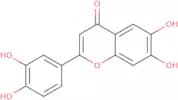
6,7,3',4'-Tetrahydroxyflavone
CAS:6,7,3',4'-Tetrahydroxyflavone is a natural flavonoid compound, which is a class of polyphenolic molecules found ubiquitously in plants. These compounds are synthesized via the phenylpropanoid pathway, predominantly in the leaves, flowers, and fruits of plants. 6,7,3',4'-Tetrahydroxyflavone exhibits its effects primarily through antioxidant and anti-inflammatory mechanisms. It interacts with cellular pathways to scavenge free radicals and modulate signaling pathways involved in inflammation and oxidative stress.Formula:C15H10O6Purezza:Min. 98 Area-%Colore e forma:PowderPeso molecolare:286.24 g/molEucomnalin
CAS:Eucomnalin is a synthetic compound, which is derived from a carefully controlled chemical synthesis process. Its mode of action involves modulation of specific biochemical pathways, targeting enzymes critical for cellular processes. This modulation allows it to influence various cellular functions, potentially rectifying imbalances or dysfunctions present in certain disease states.Formula:C17H14O6Purezza:Min. 95%Peso molecolare:314.29 g/mol7,2'-Dibenzyloxy-8,4'-dimethoxyisoflavone
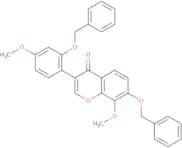
CAS:7,2'-Dibenzyloxy-8,4'-dimethoxyisoflavone is a complex flavonoid derivative, which is a synthetic isoflavone compound with potential applications in medical and biochemical research. It is derived from the modification of naturally occurring isoflavones, typically found in various plants, including soybeans. Isoflavones like this compound are of significant interest due to their estrogenic activities, as they can mimic or influence estrogen action in biological systems.
Formula:C31H26O6Purezza:Min. 95%Peso molecolare:494.53 g/molPoncirin
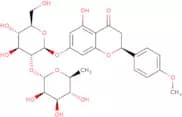
CAS:Poncirin is a natural flavonoid glycoside, which is derived from the fruit of Poncirus trifoliata, commonly known as bitter orange. This compound is extracted from the plant materials using solvents followed by purification processes to isolate the active flavonoid.Formula:C28H34O14Purezza:Min. 95%Colore e forma:PowderPeso molecolare:594.56 g/molEupatorin 5-methyl ether
CAS:Eupatorin 5-methyl ether is a bioactive compound, which is a naturally occurring flavonoid found in certain plant species. This compound is derived from various plants, including those in the Asteraceae family. Eupatorin 5-methyl ether functions primarily through modulating various biochemical pathways, exhibiting anti-inflammatory, antioxidant, and anticancer activities.Formula:C19H18O7Purezza:Min. 95%Colore e forma:PowderPeso molecolare:358.34 g/molNeoisoliquiritigenin
CAS:Neoisoliquiritigenin is a flavonoid compound, which is a phytoestrogen derived from the root of Glycyrrhiza glabra, commonly known as licorice. Its mode of action primarily involves modulation of various cellular signaling pathways, including its notable antioxidant and anti-inflammatory effects. This compound exhibits a significant capability to scavenge free radicals and to inhibit pro-inflammatory mediators, thereby impacting oxidative stress and inflammatory responses at the cellular level.Formula:C21H22O9Purezza:Min. 95%Colore e forma:PowderPeso molecolare:418.39 g/mol4'-Hydroxyflavanone
CAS:4'-Hydroxyflavanone is a naturally occurring flavonoid compound, which is derived from plant sources, particularly citrus fruits and other types of vegetation. The compound is characterized by its phenolic structure, which plays a significant role in its biological activity. 4'-Hydroxyflavanone exhibits its mode of action primarily through antioxidant activity, which involves scavenging reactive oxygen species and thus protecting cells from oxidative stress.Formula:C15H12O3Purezza:Min. 95%Colore e forma:PowderPeso molecolare:240.25 g/molCyrtopterinetin
CAS:Cyrtopterinetin is a naturally occurring flavonoid compound, which is derived from specific plant sources such as Cyrtomium species in Pteridaceae. This compound exerts its biological effects primarily through the modulation of various signaling pathways. It affects key molecular targets involved in the regulation of cell proliferation, apoptosis, and inflammation. The ability of cyrtopterinetin to influence these pathways is attributed to its capacity to bind with cellular proteins and alter gene expression.Formula:C17H16O5Purezza:Min. 98 Area-%Peso molecolare:300.31 g/mol3-Hydroxy-6,4'-dimethxyflavone
CAS:3-Hydroxy-6,4'-dimethoxyflavone is a flavone derivative, which is a type of flavonoid compound. It is typically sourced from various plant species, where it naturally occurs as a secondary metabolite. This compound exerts its mode of action through various biochemical pathways, primarily by interacting with enzymes and receptors involved in cellular oxidation and signaling processes. The flavone structure allows it to engage in antioxidant activities, and it is often studied for its potential effects on cellular defense mechanisms.Formula:C17H14O5Purezza:Min. 95%Colore e forma:PowderPeso molecolare:298.29 g/mol6,2',3'-Trimethoxyflavanone
CAS:6,2',3'-Trimethoxyflavanone is a type of flavonoid compound, specifically a flavanone, which is derived from natural sources, commonly plants. These compounds are often extracted from various parts of plants such as leaves, stems, or seeds, where they naturally occur in small quantities. The structure of flavanones, characterized by their three-ring system and methoxy groups, contributes to their biochemical activity.Formula:C18H16O5Purezza:Min. 95%Colore e forma:PowderPeso molecolare:312.3 g/mol5,7-Dihydroxy-8-methylflavanone
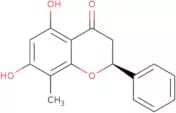
CAS:5,7-Dihydroxy-8-methylflavanone is a specialized flavanone compound, which is a type of flavonoid. This compound is typically derived from natural sources such as plants, where it serves various biological functions. Flavanones are known for their diverse effects and can be found in many fruits, vegetables, and other plant-based materials.Formula:C16H14O4Purezza:Min. 95%Peso molecolare:270.28 g/molLoureirin B
CAS:Loureirin B is a natural polyphenolic compound, which is derived from the resin of Dracaena cochinchinensis, commonly known as Dragon's Blood. This compound exhibits its mode of action primarily through the inhibition of key inflammatory pathways, including the suppression of cyclooxygenase-2 (COX-2) and the reduction of pro-inflammatory cytokines. Such mechanisms suggest its potential in modulating inflammatory responses effectively.Formula:C18H20O5Purezza:Min. 95%Colore e forma:White PowderPeso molecolare:316.35 g/mol3',4',5',6,7,8-Hexamethoxy-5-hydroxyflavone
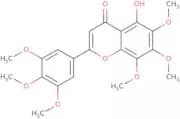
CAS:3',4',5',6,7,8-Hexamethoxy-5-hydroxyflavone is a methoxylated flavonoid, which is a type of polyphenolic compound derived from various plant sources. These compounds are often synthesized naturally within the plant kingdom, and their structures are characterized by multiple methoxy groups that contribute to their distinct bioactive properties.Formula:C21H22O9Purezza:Min. 95%Colore e forma:PowderPeso molecolare:418.39 g/mol3,5,7-Trihydroxy-4'-methoxyflavone
CAS:3,5,7-Trihydroxy-4'-methoxyflavone is a flavonoid compound, which is naturally occurring in various plants. These bioactive compounds are part of a larger group known as flavones, prevalent in many fruits, vegetables, and certain herbs. Flavonoids such as 3,5,7-Trihydroxy-4'-methoxyflavone are synthesized through the plant's secondary metabolic pathways, typically as a response to environmental stressors or as part of normal growth processes.
Formula:C16H12O6Purezza:Min. 95%Colore e forma:PowderPeso molecolare:300.26 g/mol3'-Benzyloxy-4',5,6,7-tetramethoxyflavone
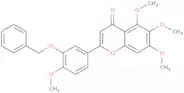
CAS:3'-Benzyloxy-4',5,6,7-tetramethoxyflavone is a synthetic flavone derivative, which is structurally modified from naturally occurring flavonoids. These compounds are often sourced from various plant species or created synthetically to mimic the beneficial components found in plant matter. The mode of action of this compound primarily hinges on its ability to interact with cellular pathways due to its polyphenolic structure. Such interactions may include the inhibition of certain enzymes, modulation of receptor activities, or altering oxidative states within cells.
Formula:C26H24O7Purezza:Min. 95%Peso molecolare:448.46 g/mol7-Methoxyisoflavone
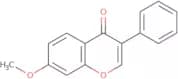
CAS:7-Methoxyisoflavone is a synthetic isoflavone, which is a type of flavonoid compound typically found in plants. This compound, however, is artificially synthesized in laboratories, differentiating it from naturally occurring isoflavones found in sources like soy and other legumes. Its structure allows it to act as a non-hormonal anabolic agent, meaning it purportedly enhances anabolic processes without directly interacting with hormonal pathways, such as those involving testosterone or other steroids.Formula:C16H12O3Purezza:Min. 95%Peso molecolare:252.26 g/molArvensan
CAS:Arvensan is a bioactive compound that acts as a biocide, derived from natural sources such as certain plant species. Its primary mode of action involves disrupting the cellular membranes of target microorganisms, leading to cell lysis and eventual death. This mechanism ensures efficacy against a broad spectrum of bacteria and fungi, demonstrating its potential as a versatile microbial control agent.
Formula:C17H18O4Purezza:Min. 95%Peso molecolare:286.32 g/mol8-O-Methylretusin
CAS:8-O-Methylretusin is a naturally occurring O-methylated flavonoid, which is derived from various plant sources. This compound is notable for its potential bioactive properties, including antioxidative, anti-inflammatory, and anticancer activities. The mode of action of 8-O-Methylretusin primarily involves modulation of cellular signaling pathways, such as the inhibition of reactive oxygen species and modulation of key transcription factors that regulate inflammatory and apoptotic processes.
Formula:C17H14O5Purezza:Min. 95%Peso molecolare:298.29 g/mol3,7,2',4',5'-Pentamethoxyflavone
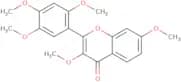
CAS:3,7,2',4',5'-Pentamethoxyflavone is a naturally occurring flavonoid compound, which is a type of polyphenolic product. It is commonly found in various plant species, serving potential protective and adaptive functions within these organisms. The mode of action of 3,7,2',4',5'-Pentamethoxyflavone involves interaction with multiple biological pathways, including modulation of enzyme activity and influence over cellular signaling pathways. Its biochemical interactions often result in antioxidant, anti-inflammatory, and possible antiproliferative effects.Formula:C20H20O7Purezza:Min. 95%Peso molecolare:372.37 g/molTricetin-6,8-di-C-glucoside
CAS:Tricetin-6,8-di-C-glucoside is a specific type of flavonoid glucoside, which is derived primarily from certain plant sources known for their rich polyphenolic content. This compound is characterized by the attachment of sugar moieties directly to carbon atoms on the flavonoid structure, specifically the 6 and 8 positions of the tricetin molecule. This C-glucosylation confers unique stability and solubility properties, distinguishing it from O-linked glycosides.Formula:C27H30O17Purezza:Min. 95%Colore e forma:PowderPeso molecolare:626.52 g/mol