Flavonoidi
Sottocategorie di "Flavonoidi"
- Antocianidine(46 prodotti)
- Antocianina(46 prodotti)
- Catechina(88 prodotti)
- Chalcones(237 prodotti)
- Pterocarpani(28 prodotti)
Trovati 2408 prodotti di "Flavonoidi"
Orientin
CAS:Orientin (Luteolin-8-C-glucoside) is a flavonoid that has been shown to have biological properties, such as anti-inflammatory and antioxidant activities, which may be due to its ability to inhibit toll-like receptor 4. Orientin is an effective inhibitor of the growth of Leishmania amazonensis in vitro. It also inhibits the growth of Candida glabrata, a fungus that causes oral thrush and other infections. Orientin has been shown to have high values in inflammatory bowel diseases (IBD).Formula:C21H20O11Purezza:Min. 95%Colore e forma:PowderPeso molecolare:448.38 g/mol4'-Methoxyflavone
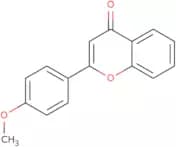
CAS:4'-Methoxyflavone is a synthetic flavonoid, which is derived from modifications of naturally occurring flavonoid structures. It is synthesized through chemical processes involving the methoxylation of flavonoids, commonly found in plants. The compound exhibits its mode of action primarily through antioxidant activity. By scavenging free radicals, 4'-Methoxyflavone helps to prevent oxidative stress at the cellular level, which can damage DNA, proteins, and lipids.
Formula:C16H12O3Purezza:Min. 95%Colore e forma:PowderPeso molecolare:252.26 g/mol2'-Hydroxyflavone
CAS:2'-Hydroxyflavone is a flavonoid compound that is naturally derived from various plant sources and is commonly found in certain fruits, vegetables, and herbs. Its structure is characterized by the presence of a hydroxyl group at the 2' position, which significantly influences its biological activity.Formula:C15H10O3Colore e forma:PowderPeso molecolare:238.24 g/mol3,7-Dihydroxy-3',4'-dimethoxyflavone
CAS:3,7-Dihydroxy-3',4'-dimethoxyflavone is a flavonoid compound, which is a type of polyphenolic molecule known for its diverse roles in biological systems. This compound is naturally sourced from various plants, where it functions as a secondary metabolite contributing to the plant's defense mechanisms. Its biochemical mode of action primarily involves scavenging free radicals, thereby exerting antioxidant effects. In addition, it modulates key signaling pathways to exhibit anti-inflammatory effects.Formula:C17H14O6Purezza:Min. 95%Colore e forma:White PowderPeso molecolare:314.29 g/mol6-O-Acetylgenistin
CAS:6-O-Acetylgenistin is a natural compound, classified as an acetylated isoflavone. It is sourced from soybeans, where it is naturally present as part of the plant's secondary metabolites. Isoflavones like 6-O-Acetylgenistin are known for their structural similarity to estrogens and are consequently categorized as phytoestrogens.Formula:C23H22O11Purezza:Min. 95 Area-%Colore e forma:White PowderPeso molecolare:474.41 g/molMyricitrin dihydrate
CAS:Myricitrin dihydrate is a flavonoid glycoside, which is a naturally occurring compound primarily found in the bark, leaves, and fruits of certain plants such as Myrica species. The source of this compound is botanical, extracted from plant material through various methods that preserve its structural integrity and bioactivity.Formula:C21H20O12Purezza:Min. 95%Peso molecolare:464.38 g/molQuercetin 3-b-D-galactoside
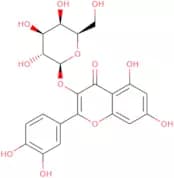
CAS:Quercetin 3-b-D-galactoside is a flavonoid glycoside, which is a type of polyphenolic compound. It is derived primarily from various fruits and vegetables, as it is a naturally occurring plant metabolite. This compound acts as an antioxidant, scavenging free radicals and reducing oxidative stress.Formula:C21H20O12Purezza:Min. 98 Area-%Colore e forma:Yellow PowderPeso molecolare:464.38 g/molSpiraeoside
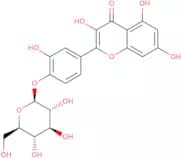
CAS:Spiraeoside is a flavonoid glycoside, which is a type of naturally occurring compound commonly found in various plant species. It is primarily sourced from the aerial parts of certain plants, including members of the Rosaceae family. The compound is characterized by its specific structure, which includes a sugar moiety attached to a flavonoid backbone.Formula:C21H20O12Purezza:Min. 95%Colore e forma:White PowderPeso molecolare:464.38 g/molBryacarpene-1
CAS:Bryacarpene-1 is a naturally-derived compound, which is sourced from marine organisms, particularly bryozoans. The product's mode of action involves modulation of specific biochemical pathways, potentially targeting cellular processes involved in disease progression. Bryacarpene-1 exhibits unique properties that could make it suitable for therapeutic applications, including anti-cancer and anti-inflammatory effects. It has shown potential in pre-clinical studies to inhibit the growth of certain cancer cell types and modulate immune responses, indicating its promise as a novel therapeutic agent. Continued research is necessary to elucidate its full mechanism of action and effectively harness its capabilities in scientific and medical settings.Formula:C18H16O7Purezza:Min. 95%Peso molecolare:344.32 g/molNeoliquiritin
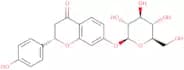
CAS:Neoliquiritin is a flavonoid compound, which is derived from the root of the licorice plant, Glycyrrhiza glabra. This compound exhibits significant antioxidant properties through its ability to scavenge free radicals, thereby reducing oxidative stress within biological systems. Neoliquiritin is primarily utilized in scientific research to explore its potential therapeutic effects, particularly its anti-inflammatory and antioxidant activities. Its mode of action involves modulation of various cellular signaling pathways associated with inflammation and oxidative damage, making it a subject of interest in studies related to chronic diseases and skin conditions. Researchers investigate its potential in mitigating oxidative stress-related cellular damage, offering insights into its possible applications in pharmacology and dermatology.Formula:C21H22O9Purezza:Min. 95%Colore e forma:PowderPeso molecolare:418.39 g/mol4',5-Dihydroxyflavone
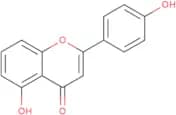
CAS:4',5-Dihydroxyflavone is a naturally occurring flavone, which is a type of polyphenolic compound. It is derived from various plant sources, particularly those rich in flavonoids, such as certain fruits, vegetables, and herbal extracts. The compound's mode of action primarily involves its ability to act as an antioxidant, scavenging free radicals and reducing oxidative stress in biological systems. This antioxidant activity is often linked to neuroprotective properties, as it may help mitigate damage to neurons caused by oxidative stress.
Formula:C15H10O4Purezza:Min. 98%Colore e forma:PowderPeso molecolare:254.24 g/molKazinol U
CAS:Kazinol U is a lignan glycoside, which is a naturally occurring compound sourced from Broussonetia kazinoki, a species belonging to the Moraceae family. This compound is characterized by its antioxidant properties, which are largely due to its unique chemical structure that allows it to neutralize reactive oxygen species and reduce oxidative stress.Formula:C20H22O4Purezza:Min. 95%Colore e forma:PowderPeso molecolare:326.39 g/mol7,3'-Dibenzyloxy-4'-methoxyisoflavone
CAS:7,3'-Dibenzyloxy-4'-methoxyisoflavone is a synthetic isoflavone compound, which is a chemically modified derivative of isoflavonoids typically found in plants such as soybeans. These compounds are part of a larger group of phytochemicals known for their potential health benefits. The synthesis of 7,3'-Dibenzyloxy-4'-methoxyisoflavone involves strategic chemical modifications aimed at enhancing potency or specificity compared to naturally occurring isoflavones.Formula:C30H24O5Purezza:Min. 95%Peso molecolare:464.51 g/mol7-Hydroxyflavone
CAS:7-Hydroxyflavone is a naturally occurring flavone, which is a type of polyphenolic compound found in various plants. It is commonly derived from plant sources such as fruits and vegetables, where it contributes to a range of biological activities. The structure of 7-Hydroxyflavone includes a hydroxyl group, which plays a significant role in its antioxidant capabilities.Formula:C15H10O3Peso molecolare:238.25 g/molRef: 3D-H-5100
50gPrezzo su richiesta100gPrezzo su richiesta250gPrezzo su richiesta-Unit-ggPrezzo su richiesta3',4'-Dihydroxy-α-napthoflavone
CAS:3',4'-Dihydroxy-α-napthoflavone is a synthetic flavonoid derivative, which is primarily recognized as a potent inhibitor of certain cytochrome P450 enzymes. Derived through chemical synthesis, its structure is akin to natural flavonoids but modified to enhance its biochemical interactions. This compound exhibits strong inhibitory effects on CYP1A1, CYP1A2, and CYP1B1 enzymes, which are key players in the metabolism of various xenobiotics and endogenous compounds.
Formula:C19H12O4Purezza:Min. 95%Colore e forma:PowderPeso molecolare:304.3 g/mol3,5,6,7,8,3',4'-Heptamethoxyflavone
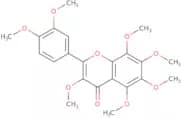
CAS:3,5,6,7,8,3',4'-Heptamethoxyflavone is a polymethoxyflavone, which is a type of flavonoid compound. It is primarily sourced from various citrus fruits, such as oranges and tangerines. These fruits naturally produce polymethoxyflavones as part of their secondary metabolite profiles.Formula:C22H24O9Purezza:Min. 95%Colore e forma:PowderPeso molecolare:432.42 g/mol3,6,3'-Trimethoxyflavone
CAS:3,6,3'-Trimethoxyflavone is a naturally occurring flavonoid compound, which is commonly found in various plants. Flavonoids like 3,6,3'-Trimethoxyflavone are primarily sourced from the fruits, flowers, and leaves of different botanical species. These compounds are well-known for their diverse biological activities and potential health benefits.Formula:C18H16O5Purezza:Min. 95%Peso molecolare:312.32 g/molQuercetin-3-arabinoside
CAS:Quercetin-3-arabinoside is a flavonoid glycoside, which is a naturally occurring compound found in various plants including fruits and vegetables. It is derived from quercetin, a flavonoid widely distributed in the plant kingdom. The arabinoside component is a sugar moiety that enhances the solubility and stability of the compound. Quercetin-3-arabinoside exerts its effects through antioxidant activity, where it scavenges free radicals and chelates metal ions, thus protecting cells from oxidative stress and potential damage.
Formula:C20H18O11Purezza:Min. 95%Colore e forma:PowderPeso molecolare:434.35 g/mol6,3'-Dimethoxyflavanone
6,3'-Dimethoxyflavanone is a naturally occurring flavanone, which is a type of polyphenolic compound predominantly found in certain plant species. Its source lies primarily in citrus fruits, where it exists as a secondary metabolite. These compounds are often studied for their diverse biological activities due to their presence in traditional medicinal systems.Formula:C17H16O4Purezza:Min. 95%Peso molecolare:288.41 g/molAequinetin
CAS:Aequinetin is a cyclic peptide, which is derived from marine organisms, specifically sponges. It acts by targeting cellular processes in bacteria and cancer cells through disruption of cell membrane integrity and interference with specific signaling pathways. This mode of action makes it a promising candidate for antibiotic and anticancer applications.Formula:C21H20O9Purezza:Min. 95%Peso molecolare:416.38 g/mol