Flavonoidi
Sottocategorie di "Flavonoidi"
- Antocianidine(46 prodotti)
- Antocianina(46 prodotti)
- Catechina(88 prodotti)
- Chalcones(237 prodotti)
- Pterocarpani(28 prodotti)
Trovati 2408 prodotti di "Flavonoidi"
6-Methylflavone
CAS:6-Methylflavone is a synthetic flavonoid, which is derived from the structural modification of natural flavonoids commonly found in various plants. This compound has garnered interest due to its pharmacological potential, particularly as a modulator of the central nervous system. The mode of action of 6-Methylflavone involves its interaction with the GABA_A receptors, where it is believed to function as a positive allosteric modulator. This interaction enhances the inhibitory effects of GABA, a primary neurotransmitter in the brain, thereby potentially exerting anxiolytic (anxiety-reducing) effects.Formula:C16H12O2Purezza:Min. 95%Colore e forma:PowderPeso molecolare:236.27 g/mol2',3'-Dimethoxyflavone
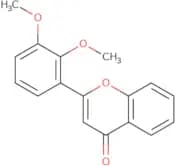
CAS:2',3'-Dimethoxyflavone is a synthetic flavone derivative, which is naturally sourced from plants, particularly those containing flavonoid compounds. Its mode of action involves modulating various biochemical pathways, including enzyme inhibition and interaction with cellular receptors. This modulation can alter cell signaling, affecting processes such as inflammation and cancer cell proliferation.Formula:C17H14O4Purezza:Min. 95%Colore e forma:PowderPeso molecolare:282.29 g/molFujikinetin
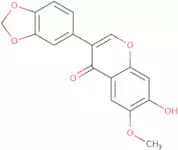
CAS:Isoflavone from processed leaves and stems of Cyclopia intermedia
Formula:C17H12O6Purezza:Min. 95%Colore e forma:PowderPeso molecolare:312.27 g/molChrysoeriol
CAS:Chrysoeriol is a flavonoid compound, which is derived from various plant sources, including many herbs and flowers such as chamomile and tarragon. It functions through inhibition of certain cellular pathways that lead to inflammation, such as the suppression of NF-kB and cyclooxygenase activity. Additionally, chrysoeriol exhibits antioxidative effects by scavenging free radicals and enhancing the body's natural antioxidant enzyme systems.Formula:C16H12O6Purezza:Min. 95%Colore e forma:Yellow PowderPeso molecolare:300.26 g/molGarciniflavanone
CAS:Garciniflavanone is a naturally occurring flavonoid compound, which is primarily derived from plants in the Garcinia genus. It acts as an antioxidant through the scavenging of free radicals, thereby mitigating oxidative stress within cellular environments. Additionally, garciniflavanone influences various cellular signaling pathways, contributing to its anti-inflammatory and potential anticancer effects.
Formula:C30H22O13Purezza:Min. 95%Peso molecolare:590.49 g/mol3-Hydroxy-2',4',5'-trimethoxyflavone
CAS:3-Hydroxy-2',4',5'-trimethoxyflavone is a naturally occurring flavone, which is a type of polyphenolic compound. This compound is typically derived from plant sources, where it is biosynthesized as part of the plant’s secondary metabolism. The mode of action for flavones like 3-Hydroxy-2',4',5'-trimethoxyflavone involves modulating various biochemical pathways, including antioxidant activity and enzyme inhibition, which may affect various metabolic and cellular processes.Formula:C18H16O6Purezza:Min. 95%Peso molecolare:328.32 g/mol7,2'-Dibenzyloxy-4'-methoxyisoflavone
CAS:7,2'-Dibenzyloxy-4'-methoxyisoflavone is a synthetic isoflavone compound, which is derived from chemical synthesis processes rather than natural sources. Isoflavones are a class of flavonoids often studied for their diverse biological activities, including antioxidant, anti-inflammatory, and potential anticancer properties. This compound is characterized by its unique chemical structure that incorporates benzyl and methoxy groups, possibly enhancing its pharmacokinetic profile and efficacy.
Formula:C30H24O5Purezza:Min. 95%Peso molecolare:464.51 g/molEpimedin C
CAS:Epimedin C is a flavonoid compound, which is derived from natural sources, specifically from plants belonging to the genus Epimedium. It is a bioactive constituent commonly found in traditional Chinese medicinal herbs known as "Horny Goat Weed." The mode of action of Epimedin C involves the modulation of various biological pathways, including the inhibition of specific enzymes and interaction with estrogen receptors. These actions contribute to its potential effects on bone health, cardiovascular function, and sexual health.Formula:C39H50O19Purezza:Min. 95%Colore e forma:PowderPeso molecolare:822.8 g/mol4',7-Dihydroxyflavone
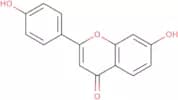
CAS:4',7-Dihydroxyflavone is a flavonoid compound, which is naturally found in various plants. This compound is sourced predominantly from the plant kingdom, particularly in leaves and flowers, where it plays a crucial role in plant defense mechanisms. The mode of action of 4',7-dihydroxyflavone involves modulation of various signaling pathways, most notably its interaction with the tropomyosin receptor kinase B (TrkB), which is known for its involvement in neuronal survival and synaptic plasticity.Formula:C15H10O4Purezza:Min. 95%Colore e forma:Yellow PowderPeso molecolare:254.24 g/molHomoplantaginin
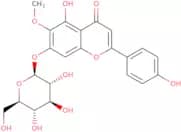
CAS:Homoplantaginin is a flavonoid glycoside, which is a bioactive compound primarily derived from certain plant species. As a naturally occurring flavonoid, it is sourced from plant material where it plays a significant role in the plant's metabolic and defensive systems. The mode of action of Homoplantaginin involves interacting with cellular pathways, often influencing processes such as anti-inflammatory responses, antioxidant activity, and modulation of enzyme activities.Formula:C22H22O11Purezza:Min. 95%Colore e forma:PowderPeso molecolare:462.4 g/molNaringin
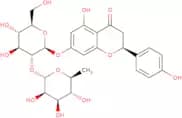
CAS:Naringin is a bioflavonoid, which is a secondary metabolite predominantly found in citrus fruits, particularly in grapefruits and oranges. This compound is sourced from the peels and juices of these fruits, where it serves as a major constituent contributing to their distinct bitter taste.Formula:C27H32O14Purezza:Min. 95.0 Area-%Colore e forma:White PowderPeso molecolare:580.53 g/molRutin hydrate
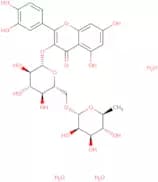
CAS:Capillary protectant; free radical scavenger; antioxidantFormula:C27H30O16·3H2OPurezza:Min. 95 Area-%Colore e forma:Yellow PowderPeso molecolare:664.56 g/mol8-Prenylgenistein
CAS:8-Prenylgenistein is a prenylated isoflavone, which is a type of naturally occurring polyphenolic compound. It is primarily sourced from plants, particularly legumes, and is a derivative of genistein, an isoflavone commonly found in soy products. The addition of a prenyl group distinguishes 8-prenylgenistein from its parent compound, potentially enhancing its bioactivity and pharmacokinetics.
Formula:C20H18O5Purezza:Min. 95%Colore e forma:PowderPeso molecolare:338.35 g/molDihydropunctatin
CAS:Dihydropunctatin is a natural compound, which is an organic molecule derived from specific fungal sources. The biosynthesis of Dihydropunctatin typically occurs in endophytic fungi, which inhabit the internal tissues of plants and contribute to the host's adaptability and survival. These fungi are known for producing a diverse range of secondary metabolites with potential bioactive properties.
Formula:C20H26O7Purezza:Min. 95%Peso molecolare:378.42 g/molIsorhoifolin
CAS:Anti-diabetic; anti-hyperlipidemic; antioxidantImage taken by Jin-Yao Ong 台灣山豆根 Euchresta formosana (Hayata) OhwiOhwi, J. Jap. Bot. 12(9): 659. 1936.Formula:C27H30O14Purezza:Min. 98 Area-%Colore e forma:White PowderPeso molecolare:578.52 g/mol3,6,2',3'-Tetrahydroxyflavone
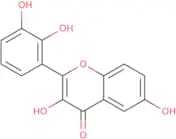
CAS:3,6,2',3'-Tetrahydroxyflavone is a naturally occurring flavonoid, which is a type of phytochemical found in various plants. As a secondary metabolite, flavonoids like this one are primarily sourced from the polyphenolic compounds prevalent in fruits, vegetables, and certain herbs.Formula:C15H10O6Purezza:Min. 95%Peso molecolare:286.24 g/molTernatin B
CAS:Ternatin B is a naturally derived compound, which is a cyclic peptide sourced from plant-based materials. It functions predominantly by inhibiting the mechanistic target of rapamycin complex 1 (mTORC1), a critical pathway involved in the regulation of cell growth and autophagy. This mode of action positions Ternatin B as a potent inhibitor of autophagy, the cellular process responsible for the degradation and recycling of cellular components.Formula:C75H81O41Purezza:Min. 95%Peso molecolare:1,638.42 g/mol5,3',4'-Trimethoxyflavone
CAS:5,3',4'-Trimethoxyflavone is a polyphenolic compound, which is categorized as a flavonoid. This compound is naturally sourced from certain plant species in the Asteraceae family, known for their rich flavonoid content. As a flavonoid, it functions primarily by modulating various biological pathways, including antioxidant, anti-inflammatory, and neuroprotective mechanisms.Formula:C18H16O5Purezza:Min. 95%Colore e forma:PowderPeso molecolare:312.32 g/mol5-Methoxyflavone
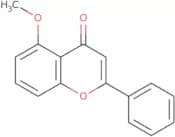
CAS:5-Methoxyflavone is a flavonoid compound, which is a type of polyphenolic compound found in various plants. This natural compound is synthesized primarily through the biosynthetic pathways of plants, involving the condensation of a phenylpropanoid with a polyketide. The mode of action of 5-Methoxyflavone involves interactions with cellular pathways, including modulation of oxidative stress and influences on cell signaling mechanisms.Formula:C16H12O3Purezza:Min. 95%Colore e forma:PowderPeso molecolare:252.26 g/mol3,7-Dihydroxy-3',4',5'-trimethoxyflavone
CAS:3,7-Dihydroxy-3',4',5'-trimethoxyflavone is a flavone derivative, which is a type of polyphenolic compound. It is primarily derived from various plant sources, particularly those known for high polyphenolic content, such as certain fruits, vegetables, and medicinal herbs. The mode of action of 3,7-Dihydroxy-3',4',5'-trimethoxyflavone involves modulation of oxidative stress pathways and inhibition of inflammatory mediators, making it a compound of interest in biochemical and pharmacological research.
Formula:C18H16O7Purezza:Min. 98 Area-%Colore e forma:PowderPeso molecolare:344.32 g/mol