Anticorpi primari
Gli anticorpi primari sono immunoglobuline che si legano specificamente a un antigene di interesse, consentendo la rilevazione e quantificazione di proteine, peptidi o altre biomolecole. Questi anticorpi sono strumenti fondamentali in un'ampia gamma di applicazioni, tra cui Western blot, immunoistochimica ed ELISA. Presso CymitQuimica, offriamo una vasta selezione di anticorpi primari di alta qualità, che garantiscono specificità e sensibilità per vari bisogni di ricerca, tra cui studi su cancro, immunologia e biologia cellulare.
Sottocategorie di "Anticorpi primari "
- Ricerca sul cancro Anticorpi(3.620 prodotti)
- Anticorpi cardiovascolari(2 prodotti)
- Biologia dello sviluppo(751 prodotti)
- Anticorpi epigenetici(162 prodotti)
- Anticorpi per l’immunologia(2.790 prodotti)
- Anticorpi metabolici(279 prodotti)
- Anticorpi per la microbiologia(736 prodotti)
- Trasduzione del segnale(2.717 prodotti)
- Tag e marcatori cellulari(33 prodotti)
Mostrare 1 più sottocategorie
Trovati 75326 prodotti di "Anticorpi primari "
Ordinare per
Purezza (%)
0
100
|
0
|
50
|
90
|
95
|
100
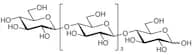
Cellopentaose
CAS:Formula:C30H52O26Purezza:>95.0%(HPLC)Colore e forma:White to Almost white powder to crystalPeso molecolare:828.72Recombinant Polyporus squamosus lectin (= rPSL1a) expressed in Escherichia coli
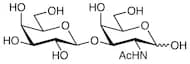
Colore e forma:Colorless to Light yellow to Light orange clear liquidGalacto-N-biose
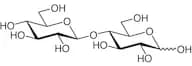
CAS:Formula:C14H25NO11Purezza:min. 95.0 area%(HPLC)Colore e forma:White to Almost white powder to crystalPeso molecolare:383.35D-(+)-Cellobiose
CAS:Formula:C12H22O11Purezza:>98.0%(HPLC)Colore e forma:White to Almost white powder to crystalPeso molecolare:342.301-Naphthol [for Biochemical Research]
CAS:Formula:C10H8OPurezza:>98.0%(GC)Colore e forma:White to Gray to Red powder to crystalPeso molecolare:144.177-Hydroxycoumarin-3-carboxylic Acid
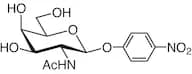
CAS:Formula:C10H6O5Purezza:>98.0%(HPLC)Colore e forma:White to Light yellow powder to crystalPeso molecolare:206.154-Nitrophenyl 2-Acetamido-2-deoxy-β-D-galactopyranoside
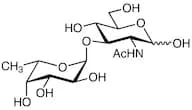
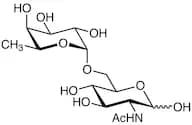
CAS:Formula:C14H18N2O8Purezza:min. 98.0 area%(HPLC)Colore e forma:White to Almost white powder to crystalinePeso molecolare:342.30Fucα(1-3)GlcNAc
CAS:Formula:C14H25NO10Purezza:min. 95.0 area%(HPLC)Colore e forma:SolidPeso molecolare:367.35Glucose Oxidase from Aspergillus niger
CAS:Colore e forma:Light yellow to Yellow to Orange powder to crystal4-Nitrophenyl β-D-Galactopyranoside [Substrate for β-Galactosidase]
CAS:Formula:C12H15NO8Purezza:>98.0%(HPLC)Colore e forma:White to Almost white powder to crystalPeso molecolare:301.25Recombinant Griffithsia sp. lectin (= rGRFT) expressed in Escherichia coli
Colore e forma:Colorless to Light yellow to Light orange clear liquidKeratanase II from Bacillus circulans, Recombinant
Colore e forma:Colorless to Almost colorlessclear liquid4-Nitrophenyl β-D-Glucopyranoside Monohydrate [Substrate for β-D-Glucosidase]
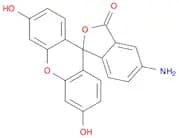
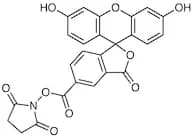
CAS:Formula:C12H15NO8·H2OPurezza:>98.0%(HPLC)Colore e forma:White to Light yellow powder to crystalPeso molecolare:319.275-Carboxyfluorescein N-Succinimidyl Ester
CAS:Formula:C25H15NO9Purezza:>90.0%(HPLC)Colore e forma:Light yellow to Yellow to Orange powder to crystalPeso molecolare:473.39Isomaltose
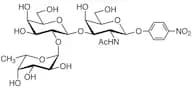
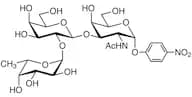
CAS:Formula:C12H22O11Purezza:>97.0%(HPLC)Colore e forma:White to Almost white powder to crystalPeso molecolare:342.30Fucα(1-2)Galβ(1-3)GalNAc-β-pNP (=H type 3 β-pNP Glycoside)
Formula:C26H38N2O17Colore e forma:SolidPeso molecolare:650.591,2-Phenylenediamine [for Biochemical Research]
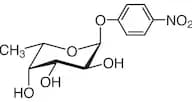
CAS:Formula:C6H8N2Purezza:>98.0%(GC)(T)Colore e forma:White to Almost white powder to crystalPeso molecolare:108.144-Nitrophenyl α-L-Fucopyranoside
CAS:Formula:C12H15NO7Purezza:>98.0%(HPLC)Colore e forma:White to Light yellow powder to crystalinePeso molecolare:285.25Sodium 3-(N-Ethylanilino)propanesulfonate [for Biochemical Research]
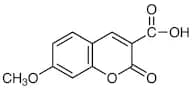
CAS:Formula:C11H16NNaO3SPurezza:>98.0%(HPLC)Colore e forma:White to Almost white powder to crystalPeso molecolare:265.307-Methoxycoumarin-3-carboxylic Acid
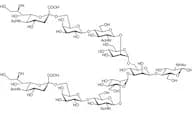
CAS:Formula:C11H8O5Purezza:>98.0%(GC)(T)Colore e forma:White to Almost white powder to crystalPeso molecolare:220.18Disialyloctasaccharide
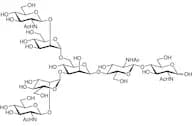
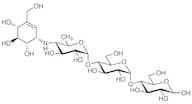
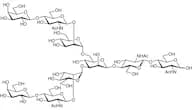
CAS:Formula:C76H125N5O57Purezza:>98.0%(HPLC)Colore e forma:White powder to crystalPeso molecolare:2,020.81Acarbose
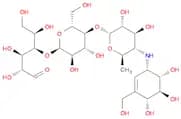
CAS:Formula:C25H43NO18Purezza:>98.0%(HPLC)(N)Colore e forma:White to Almost white powder to crystalPeso molecolare:645.61Fucα(1-2)Galβ(1-3)GalNAc-α-pNP (=H type 3 α-pNP Glycoside)
CAS:Formula:C26H38N2O17Colore e forma:SolidPeso molecolare:650.59AzBTS [=2,2'-Azinobis(3-ethylbenzothiazoline-6-sulfonic Acid Ammonium Salt)] [for Biochemical Research]
CAS:Formula:C18H24N6O6S4Purezza:>98.0%(T)Colore e forma:White to Dark green powder to crystalPeso molecolare:548.67G2 Glycan
CAS:Formula:C62H104N4O46Purezza:>95.0%(HPLC)Colore e forma:White to Almost white powder to crystalPeso molecolare:1,641.505-Bromo-4-chloro-3-indolyl β-D-Galactopyranoside [for Biochemical Research]
CAS:Formula:C14H15BrClNO6Purezza:>98.0%(HPLC)(N)Colore e forma:White to Light gray powder to crystalPeso molecolare:408.633-Methyl-2-benzothiazolinonehydrazone Hydrochloride [for Biochemical Research]
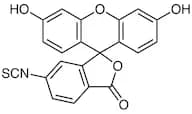
CAS:Formula:C8H9N3S·HClPurezza:>98.0%(T)(HPLC)Colore e forma:White to Light yellow to Light orange powder to crystalPeso molecolare:215.70Fluorescein 6-Isothiocyanate (isomer II)
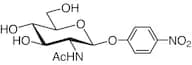
CAS:Formula:C21H11NO5SPurezza:>97.0%(T)(HPLC)Colore e forma:Yellow to Amber powder to crystalPeso molecolare:389.384-Nitrophenyl 2-Acetamido-2-deoxy-β-D-glucopyranoside
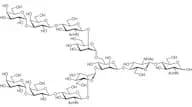
CAS:Formula:C14H18N2O8Purezza:>98.0%(HPLC)(N)Colore e forma:White to Almost white powder to crystalPeso molecolare:342.30Galα(1-3) N-Glycan
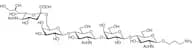
CAS:Formula:C74H124N4O56Purezza:min. 95.0 area%(HPLC)Colore e forma:SolidPeso molecolare:1,965.78Neu5Acα(2-6)Galβ(1-4)GlcNAcβ(1-3)Galβ(1-4)GlcNAc-β-propylamine
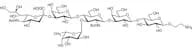
CAS:Formula:C42H72N4O29Purezza:min. 95.0 area%(HPLC)Colore e forma:SolidPeso molecolare:1,097.04Sialyl Lewis X-Lactose Ethylamine
Formula:C45H77N3O33Purezza:min. 95.0 area%(HPLC)Colore e forma:SolidPeso molecolare:1,188.10SSF1 rabbit pAb
The protein encoded by this gene is an evolutionarily conserved protein similar to yeast SSF1 as well as to the gene product of the Drosophila gene peter pan (ppan). SSF1 is known to be involved in the second step of mRNA splicing. Both SSF1 and ppan are essential for cell growth and proliferation. Exogenous expression of this gene was reported to reduce the anchorage-independent growth of some tumor cells. Read-through transcription of this gene with P2RY11/P2Y(11), an adjacent downstream gene that encodes an ATP receptor, has been found. These read-through transcripts are ubiquitously present and up-regulated during granulocyte differentiation. [provided by RefSeq, Nov 2010],LAT (Phospho Tyr255) rabbit pAb
function:Required for TCR (T-cell antigen receptor)- and pre-TCR-mediated signaling, both in mature T-cells and during their development. Involved in FCGR3 (low affinity immunoglobulin gamma Fc region receptor III)-mediated signaling in natural killer cells and FCER1 (high affinity immunoglobulin epsilon receptor)-mediated signaling in mast cells. Couples activation of these receptors and their associated kinases with distal intracellular events such as mobilization of intracellular calcium stores, PKC activation, MAPK activation or cytoskeletal reorganization through the recruitment of PLCG1, GRB2, GRAP2, and other signaling molecules.,miscellaneous:Engagement of killer inhibitory receptors (KIR) disrupts the interaction of PLCG1 with LAT and blocks target cell-induced activation of PLC, maybe by inducing the dephosphorylation of LAT.,PTM:Palmitoylation of Cys-26 and Cys-29 is required for raft targeting and efficient phosphorylation.,PTM:Phosphorylated on tyrosines by ZAP-70 upon TCR activation, or by SYK upon other immunoreceptor activation; which leads to the recruitment of multiple signaling molecules. Is one of the most prominently tyrosine-phosphorylated proteins detected following TCR engagement.,subcellular location:Present in lipid rafts.,subunit:When phosphorylated, interacts directly with the PIK3R1 subunit of phosphoinositide 3-kinase and the SH2 domains of GRB2, GRAP, GRAP2, PLCG1 and PLCG2. Interacts indirectly with CBL, SOS, VAV, and LCP2. Interacts with SHB, SKAP2 and CLNK (By similarity). Interacts with FCGR1A.,tissue specificity:Expressed in thymus, T-cells, NK cells, mast cells and, at lower levels, in spleen. Present in T-cells but not B-cells (at protein level).,TRα rabbit pAb
The protein encoded by this gene is a nuclear hormone receptor for triiodothyronine. It is one of the several receptors for thyroid hormone, and has been shown to mediate the biological activities of thyroid hormone. Knockout studies in mice suggest that the different receptors, while having certain extent of redundancy, may mediate different functions of thyroid hormone. Alternatively spliced transcript variants encoding distinct isoforms have been reported. [provided by RefSeq, Jul 2008],POGZ rabbit pAb
pogo transposable element with ZNF domain(POGZ) Homo sapiens The protein encoded by this gene appears to be a zinc finger protein containing a transposase domain at the C-terminus. This protein was found to interact with the transcription factor SP1 in a yeast two-hybrid system. Alternatively spliced transcript variants encoding distinct isoforms have been observed. [provided by RefSeq, Aug 2010],Cdc6 (phospho Ser54) rabbit pAb
The protein encoded by this gene is highly similar to Saccharomyces cerevisiae Cdc6, a protein essential for the initiation of DNA replication. This protein functions as a regulator at the early steps of DNA replication. It localizes in cell nucleus during cell cyle G1, but translocates to the cytoplasm at the start of S phase. The subcellular translocation of this protein during cell cyle is regulated through its phosphorylation by Cdks. Transcription of this protein was reported to be regulated in response to mitogenic signals through transcriptional control mechanism involving E2F proteins. [provided by RefSeq, Jul 2008],UBP29 rabbit pAb
catalytic activity:Ubiquitin C-terminal thioester + H(2)O = ubiquitin + a thiol.,similarity:Belongs to the peptidase C19 family.,GRK 1 rabbit pAb
This gene encodes a member of the guanine nucleotide-binding protein (G protein)-coupled receptor kinase subfamily of the Ser/Thr protein kinase family. The protein phosphorylates rhodopsin and initiates its deactivation. Defects in GRK1 are known to cause Oguchi disease 2 (also known as stationary night blindness Oguchi type-2). [provided by RefSeq, Jul 2008],HES3 rabbit pAb
domain:Has a particular type of basic domain (presence of a helix-interrupting proline) that binds to the N-box (CACNAG), rather than the canonical E-box (CANNTG).,domain:The C-terminal WRPW motif is a transcriptional repression domain necessary for the interaction with Groucho/TLE family members, transcriptional corepressors recruited to specific target DNA by Hairy-related proteins.,function:Transcriptional repressor of genes that require a bHLH protein for their transcription.,similarity:Contains 1 basic helix-loop-helix (bHLH) domain.,similarity:Contains 1 Orange domain.,subunit:Transcription repression requires formation of a complex with a corepressor protein of the Groucho/TLE family.,PHAPI2 rabbit pAb
function:Multifunctional protein working as a cell cycle progression factor as well as a cell survival factor. Required for the progression from the G1 to the S phase. Anti-apoptotic protein which functions as a caspase-3 inhibitor. Has no phosphatase 2A (PP2A) inhibitor activity.,similarity:Belongs to the ANP32 family.,similarity:Contains 4 LRR (leucine-rich) repeats.,subcellular location:Accumulates in the nuclei at the S phase.,tissue specificity:Expressed in heart, lung, pancreas, prostate and in spleen, thymus and placenta.,Histone H2A.Z (Acetyl Lys12) rabbit pAb
function:Variant histone H2A which replaces conventional H2A in a subset of nucleosomes. Nucleosomes wrap and compact DNA into chromatin, limiting DNA accessibility to the cellular machineries which require DNA as a template. Histones thereby play a central role in transcription regulation, DNA repair, DNA replication and chromosomal stability. DNA accessibility is regulated via a complex set of post-translational modifications of histones, also called histone code, and nucleosome remodeling. May be involved in the formation of constitutive heterochromatin. May be required for chromosome segregation during cell division.,mass spectrometry:Monoisotopic, not modified PubMed:16457589,PTM:Acetylated on Lys-5, Lys-8 and Lys-12 during interphase. Acetylation disappears at mitosis.,PTM:Monoubiquitination of Lys-122 gives a specific tag for epigenetic transcriptional repression.,PTM:Not phosphorylated.,similarity:Belongs to the histone H2A family.,subunit:The nucleosome is a histone octamer containing two molecules each of H2A, H2B, H3 and H4 assembled in one H3-H4 heterotetramer and two H2A-H2B heterodimers. The octamer wraps approximately 147 bp of DNA. H2A or its variant H2AFZ forms an heterodimer with H2B. H2AFZ interacts with INCENP.,HLX1 rabbit pAb
function:Transcription factor required for TBX21/T-bet-dependent maturation of Th1 cells as well as maintenance of Th1-specific gene expression. Involved in embryogenesis and hematopoiesis.,sequence caution:Translation N-terminally extended.,similarity:Belongs to the H2.0 homeobox family.,similarity:Contains 1 homeobox DNA-binding domain.,tissue specificity:Low level in normal B and T-cells, high level in activated lymphocytes and monocytes. Also found in thymus, tonsil, bone marrow, developing vessels, and fetal brain.,Vitronectin rabbit pAb
The protein encoded by this gene is a member of the pexin family. It is found in serum and tissues and promotes cell adhesion and spreading, inhibits the membrane-damaging effect of the terminal cytolytic complement pathway, and binds to several serpin serine protease inhibitors. It is a secreted protein and exists in either a single chain form or a clipped, two chain form held together by a disulfide bond. [provided by RefSeq, Jul 2008],RPA14 rabbit pAb
function:Required for DNA recombination, repair and replication. The activity of RP-A is mediated by single-stranded DNA binding and protein interactions.,subunit:Heterotrimer of 70, 32 and 14 kDa chains. The DNA-binding activity may reside exclusively on the 70 kDa subunit. Interacts with RPA4.,Tau (phospho-Ser202) rabbit pAb
This gene encodes the microtubule-associated protein tau (MAPT) whose transcript undergoes complex, regulated alternative splicing, giving rise to several mRNA species. MAPT transcripts are differentially expressed in the nervous system, depending on stage of neuronal maturation and neuron type. MAPT gene mutations have been associated with several neurodegenerative disorders such as Alzheimer's disease, Pick's disease, frontotemporal dementia, cortico-basal degeneration and progressive supranuclear palsy. [provided by RefSeq, Jul 2008],MFN1 rabbit pAb
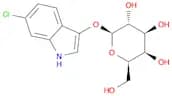
The protein encoded by this gene is a mediator of mitochondrial fusion. This protein and mitofusin 2 are homologs of the Drosophila protein fuzzy onion (Fzo). They are mitochondrial membrane proteins that interact with each other to facilitate mitochondrial targeting. [provided by RefSeq, Jul 2008],β-D-Galactopyranoside, 6-chloro-1H-indol-3-yl
CAS:Formula:C14H16ClNO6Purezza:98%Peso molecolare:329.7329COL1A2 rabbit pAb
This gene encodes the pro-alpha2 chain of type I collagen whose triple helix comprises two alpha1 chains and one alpha2 chain. Type I is a fibril-forming collagen found in most connective tissues and is abundant in bone, cornea, dermis and tendon. Mutations in this gene are associated with osteogenesis imperfecta types I-IV, Ehlers-Danlos syndrome type VIIB, recessive Ehlers-Danlos syndrome Classical type, idiopathic osteoporosis, and atypical Marfan syndrome. Symptoms associated with mutations in this gene, however, tend to be less severe than mutations in the gene for the alpha1 chain of type I collagen (COL1A1) reflecting the different role of alpha2 chains in matrix integrity. Three transcripts, resulting from the use of alternate polyadenylation signals, have been identified for this gene. [provided by R. Dalgleish, Feb 2008],TIS11B (phospho Ser92) rabbit pAb
This gene is a member of the TIS11 family of early response genes, which are induced by various agonists such as the phorbol ester TPA and the polypeptide mitogen EGF. This gene is well conserved across species and has a promoter that contains motifs seen in other early-response genes. The encoded protein contains a distinguishing putative zinc finger domain with a repeating cys-his motif. This putative nuclear transcription factor most likely functions in regulating the response to growth factors. Alternatively spliced transcript variants encoding different isoforms have been found for this gene. [provided by RefSeq, Sep 2011],EPYC rabbit pAb
epiphycan(EPYC) Homo sapiens Dermatan sulfate proteoglycan 3 is a member of the small leucine-rich repeat proteoglycan family. This gene is composed of seven exons. It regulates fibrillogenesis by interacting with collagen fibrils and other extracellular matrix proteins. [provided by RefSeq, Jul 2008],KERA rabbit pAb
The protein encoded by this gene is a keratan sulfate proteoglycan that is involved in corneal transparency. Defects in this gene are a cause of autosomal recessive cornea plana 2 (CNA2).[provided by RefSeq, May 2010],DONS rabbit pAb
This gene lies downstream of the SON gene and spans 10 kb on chromosome 21. The function of this gene is unknown. [provided by RefSeq, Jul 2008],CD88 rabbit pAb
function:Receptor for the chemotactic and inflammatory peptide anaphylatoxin C5a. This receptor stimulates chemotaxis, granule enzyme release and superoxide anion production.,PTM:Sulfation plays a critical role in the association of the receptor with C5a, but no significant role in the ability of the receptor to transduce a signal and mobilize calcium in response to a small peptide agonist.,similarity:Belongs to the G-protein coupled receptor 1 family.,IκB-ε (phospho Ser22) rabbit pAb
The protein encoded by this gene binds to components of NF-kappa-B, trapping the complex in the cytoplasm and preventing it from activating genes in the nucleus. Phosphorylation of the encoded protein targets it for destruction by the ubiquitin pathway, which activates NF-kappa-B by making it available to translocate to the nucleus. [provided by RefSeq, Sep 2011],ARHGAP23 rabbit pAb
The RHO (see ARHA; MIM 165390) family of small GTPases are involved in signal transduction through transmembrane receptors, and they are inactive in the GDP-bound form and active in the GTP-bound form. GTPase-activating proteins, such as ARHGAP23, inactivate RHO family proteins by stimulating their hydrolysis of GTP (Katoh and Katoh, 2004 [PubMed 15254754]).[supplied by OMIM, Mar 2008],Nup160 rabbit pAb
nucleoporin 160(NUP160) Homo sapiens NUP160 is 1 of up to 60 proteins that make up the 120-MD nuclear pore complex, which mediates nucleoplasmic transport.[supplied by OMIM, Apr 2004],Tuberin/TSC2 (phospho-Ser1387) rabbit pAb
Mutations in this gene lead to tuberous sclerosis complex. Its gene product is believed to be a tumor suppressor and is able to stimulate specific GTPases. The protein associates with hamartin in a cytosolic complex, possibly acting as a chaperone for hamartin. Alternative splicing results in multiple transcript variants encoding different isoforms. [provided by RefSeq, Jul 2008],ANXA5 rabbit pAb
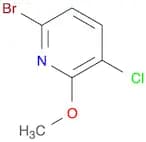
The protein encoded by this gene belongs to the annexin family of calcium-dependent phospholipid binding proteins some of which have been implicated in membrane-related events along exocytotic and endocytotic pathways. Annexin 5 is a phospholipase A2 and protein kinase C inhibitory protein with calcium channel activity and a potential role in cellular signal transduction, inflammation, growth and differentiation. Annexin 5 has also been described as placental anticoagulant protein I, vascular anticoagulant-alpha, endonexin II, lipocortin V, placental protein 4 and anchorin CII. The gene spans 29 kb containing 13 exons, and encodes a single transcript of approximately 1.6 kb and a protein product with a molecular weight of about 35 kDa. [provided by RefSeq, Jul 2008],6-Bromo-3-chloro-2-methoxypyridine
CAS:Formula:C6H5BrClNOPurezza:95%Colore e forma:SolidPeso molecolare:222.4670Ref: IN-DA00IA14
1g63,00€5g120,00€10g208,00€1kgPrezzo su richiesta25g255,00€250g503,00€500gPrezzo su richiesta250mg39,00€(2S,3S,4S,5R,6R)-3,4,5-Trihydroxy-6-(4-nitrophenoxy)tetrahydro-2H-pyran-2-carboxylic acid
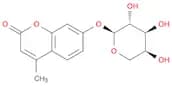
CAS:Formula:C12H13NO9Purezza:97%Colore e forma:SolidPeso molecolare:315.23294-Methylumbelliferyl a-L-arabinopyranoside
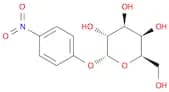
CAS:Formula:C15H16O7Purezza:98%Colore e forma:SolidPeso molecolare:308.28334-Nitrophenyl a-D-galactopyranoside
CAS:Formula:C12H15NO8Purezza:97%Colore e forma:SolidPeso molecolare:301.2494TCPG rabbit pAb
The protein encoded by this gene is a molecular chaperone that is a member of the chaperonin containing TCP1 complex (CCT), also known as the TCP1 ring complex (TRiC). This complex consists of two identical stacked rings, each containing eight different proteins. Unfolded polypeptides enter the central cavity of the complex and are folded in an ATP-dependent manner. The complex folds various proteins, including actin and tubulin. Alternate transcriptional splice variants have been characterized for this gene. In addition, a pseudogene of this gene has been found on chromosome 8. [provided by RefSeq, Aug 2010],ATG5 (3C7) Mouse mAb
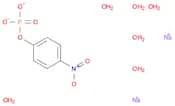
Autophagy is generally activated by conditions of nutrient deprivation but has also been associated with a number of physiological processes including development, differentiation, neurodegeneration, infection, and cancer. Formation of the autophagosome involves a ubiquitin-like conjugation system in which Atg12 is covalently bound to Atg5 and targeted to autophagosome vesicles. This conjugation reaction is mediated by the ubiquitin E1-like enzyme Atg7 and the E2-like enzyme Atg10.Phosphoric acid, mono(4-nitrophenyl) ester, sodium salt, hydrate(1:2:6)OTHER CA INDEX NAMES:Phosphoric acid, mono(4-nitrophenyl) ester, disodium salt, hexahydrate
CAS:Formula:C6H16NNa2O12PPurezza:97%Colore e forma:SolidPeso molecolare:371.1440SPEG rabbit pAb
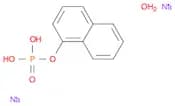
This gene encodes a protein with similarity to members of the myosin light chain kinase family. This protein family is required for myocyte cytoskeletal development. Along with the desmin gene, expression of this gene may be controlled by the desmin locus control region. Mutations in this gene are associated with centronuclear myopathy 5. [provided by RefSeq, Jun 2016],Sodium naphthalen-1-yl phosphate hydrate
CAS:Formula:C10H9Na2O5PPurezza:95%Colore e forma:SolidPeso molecolare:286.1288Paxillin rabbit pAb
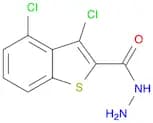
This gene encodes a cytoskeletal protein involved in actin-membrane attachment at sites of cell adhesion to the extracellular matrix (focal adhesion). Alternatively spliced transcript variants encoding different isoforms have been described for this gene. These isoforms exhibit different expression pattern, and have different biochemical, as well as physiological properties (PMID:9054445). [provided by RefSeq, Aug 2011],3,4-DICHLORO-1-BENZOTHIOPHENE-2-CARBOHYDRAZIDE
CAS:Formula:C9H6Cl2N2OSPurezza:98%Colore e forma:SolidPeso molecolare:261.12773,3'-(3,3'-Dimethoxy-[1,1'-biphenyl]-4,4'-diyl)bis(2,5-diphenyl-2H-tetrazol-3-ium) chloride
CAS:Formula:C40H32Cl2N8O2Purezza:95%Colore e forma:SolidPeso molecolare:727.6405VP33B rabbit pAb
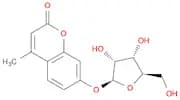
Vesicle mediated protein sorting plays an important role in segregation of intracellular molecules into distinct organelles. Genetic studies in yeast have identified more than 40 vacuolar protein sorting (VPS) genes involved in vesicle transport to vacuoles. This gene is a member of the Sec-1 domain family, and encodes the human ortholog of rat Vps33b which is homologous to the yeast class C Vps33 protein. The mammalian class C vacuolar protein sorting proteins are predominantly associated with late endosomes/lysosomes, and like their yeast counterparts, may mediate vesicle trafficking steps in the endosome/lysosome pathway. Mutations in this gene are associated with arthrogryposis-renal dysfunction-cholestasis syndrome. Alternative splicing results in multiple transcript variants. [provided by RefSeq, Jan 2014],4-Methylumbelliferyl β-D-ribofuranoside
CAS:Formula:C15H16O7Purezza:98%Colore e forma:SolidPeso molecolare:308.2833SIGIR rabbit pAb
function:Acts as a negative regulator of the Toll-like and IL-1R receptor signaling pathways. Attenuates the recruitment of receptor-proximal signaling components to the TLR4 receptor, probably through an TIR-TIR domain interaction with TLR4. Through its extracellular domain interferes with the heterodimerization of Il1R1 and IL1RAP.,similarity:Belongs to the interleukin-1 receptor family.,similarity:Contains 1 Ig-like C2-type (immunoglobulin-like) domain.,similarity:Contains 1 TIR domain.,subunit:Interacts with IL1R1, IRAK1, TLR4, TLR5, TLR9 and TRAF6. Upon IL-1 stimulation found in a complex at least composed of IL1R1, SIGIRR, MYD88, IRAK1 and TRAF6. Upon stimulation with LPC found in a complex at least composed of TLR4, SIG1IR, MYD88, IRAK1 and TRAF6.,tissue specificity:Mainly expressed in epithelial tissues such as kidney, lung and gut.,Cleaved-Integrin α5 LC (E895) rabbit pAb
integrin subunit alpha 5(ITGA5) Homo sapiens The product of this gene belongs to the integrin alpha chain family. Integrins are heterodimeric integral membrane proteins composed of an alpha subunit and a beta subunit that function in cell surface adhesion and signaling. The encoded preproprotein is proteolytically processed to generate light and heavy chains that comprise the alpha 5 subunit. This subunit associates with the beta 1 subunit to form a fibronectin receptor. This integrin may promote tumor invasion, and higher expression of this gene may be correlated with shorter survival time in lung cancer patients. Note that the integrin alpha 5 and integrin alpha V subunits are encoded by distinct genes. [provided by RefSeq, Oct 2015],Platycoside E
CAS:<p>Platycoside E (Platycodin E) is a platycodigenin-type saponin isolated from the root of Platycodon grandiflorum with haemolytic activity and adjuvant potential.</p>Formula:C69H112O38Purezza:99.27% - 99.82%Colore e forma:SolidPeso molecolare:1549.6



![1-Naphthol [for Biochemical Research]](/_next/image/?url=https%3A%2Fstatic.cymitquimica.com%2Fproducts%2F3B%2Fthumb-webp%2FN0864.webp&w=3840&q=75)


![4-Nitrophenyl β-D-Galactopyranoside [Substrate for β-Galactosidase]](/_next/image/?url=https%3A%2Fstatic.cymitquimica.com%2Fproducts%2F3B%2Fthumb-webp%2FN0616.webp&w=3840&q=75)


![4-Nitrophenyl β-D-Glucopyranoside Monohydrate [Substrate for β-D-Glucosidase]](/_next/image/?url=https%3A%2Fstatic.cymitquimica.com%2Fproducts%2F3B%2Fthumb-webp%2FN0235.webp&w=3840&q=75)

![1,2-Phenylenediamine [for Biochemical Research]](/_next/image/?url=https%3A%2Fstatic.cymitquimica.com%2Fproducts%2F3B%2Fthumb-webp%2FP1805.webp&w=3840&q=75)
![AzBTS (Ready-to-use solution) [for ELISA]](/_next/image/?url=https%3A%2Fstatic.cymitquimica.com%2Fproducts%2F3B%2Fthumb-webp%2FA3176.webp&w=3840&q=75)
![Sodium 3-(N-Ethylanilino)propanesulfonate [for Biochemical Research]](/_next/image/?url=https%3A%2Fstatic.cymitquimica.com%2Fproducts%2F3B%2Fthumb-webp%2FS0817.webp&w=3840&q=75)




![AzBTS [=2,2'-Azinobis(3-ethylbenzothiazoline-6-sulfonic Acid Ammonium Salt)] [for Biochemical Rese…](/_next/image/?url=https%3A%2Fstatic.cymitquimica.com%2Fproducts%2F3B%2Fthumb-webp%2FA2166.webp&w=3840&q=75)
![5-Bromo-4-chloro-3-indolyl β-D-Galactopyranoside [for Biochemical Research]](/_next/image/?url=https%3A%2Fstatic.cymitquimica.com%2Fproducts%2F3B%2Fthumb-webp%2FB3201.webp&w=3840&q=75)
![3-Methyl-2-benzothiazolinonehydrazone Hydrochloride [for Biochemical Research]](/_next/image/?url=https%3A%2Fstatic.cymitquimica.com%2Fproducts%2F3B%2Fthumb-webp%2FM2155.webp&w=3840&q=75)




![3,3'-(3,3'-Dimethoxy-[1,1'-biphenyl]-4,4'-diyl)bis(2,5-diphenyl-2H-tetrazol-3-ium) chloride](/_next/image/?url=https%3A%2Fstatic.cymitquimica.com%2Fproducts%2FIN%2Fthumb-webp%2FDA007S1S.webp&w=3840&q=75)