Anticorpi primari
Gli anticorpi primari sono immunoglobuline che si legano specificamente a un antigene di interesse, consentendo la rilevazione e quantificazione di proteine, peptidi o altre biomolecole. Questi anticorpi sono strumenti fondamentali in un'ampia gamma di applicazioni, tra cui Western blot, immunoistochimica ed ELISA. Presso CymitQuimica, offriamo una vasta selezione di anticorpi primari di alta qualità, che garantiscono specificità e sensibilità per vari bisogni di ricerca, tra cui studi su cancro, immunologia e biologia cellulare.
Sottocategorie di "Anticorpi primari "
- Ricerca sul cancro Anticorpi(3.620 prodotti)
- Anticorpi cardiovascolari(2 prodotti)
- Biologia dello sviluppo(751 prodotti)
- Anticorpi epigenetici(162 prodotti)
- Anticorpi per l’immunologia(2.709 prodotti)
- Anticorpi metabolici(279 prodotti)
- Anticorpi per la microbiologia(738 prodotti)
- Trasduzione del segnale(2.717 prodotti)
- Tag e marcatori cellulari(33 prodotti)
Mostrare 1 più sottocategorie
Trovati 75327 prodotti di "Anticorpi primari "
Ordinare per
Purezza (%)
0
100
|
0
|
50
|
90
|
95
|
100
Anti-Influenza A Virus Hemagglutinin H3 Monoclonal Antibody (Preservative : 0.05% NaN3, Stabilizer : 1% BSA)
Colore e forma:Colorless to Almost colorless clear liquid4-Aminoantipyrine [for Biochemical Research]
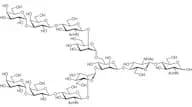
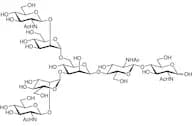
CAS:Formula:C11H13N3OPurezza:>98.0%(T)Colore e forma:White to Light yellow to Light orange powder to crystalPeso molecolare:203.25Galα(1-3) N-Glycan
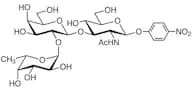
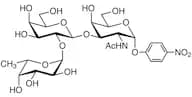
CAS:Formula:C74H124N4O56Purezza:min. 95.0 area%(HPLC)Colore e forma:SolidPeso molecolare:1,965.78Fucα(1-2)Galβ(1-3)GlcNAc-β-pNP (=H type 1 β-pNP Glycoside)
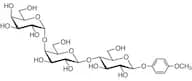
CAS:Formula:C26H38N2O17Colore e forma:SolidPeso molecolare:650.59Gb3-β-MP
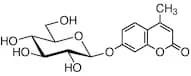
CAS:Formula:C25H38O17Purezza:>95.0%(HPLC)Colore e forma:White to Almost white powder to crystalPeso molecolare:610.564-Methylumbelliferyl β-D-Glucopyranoside
CAS:Formula:C16H18O8Purezza:>98.0%(HPLC)Colore e forma:White to Almost white powder to crystalPeso molecolare:338.314-Chloro-1-naphthol [for Biochemical Research]
CAS:Formula:C10H7ClOPurezza:>98.0%(T)Colore e forma:White to Gray to Brown powder to crystalPeso molecolare:178.626-Chloro-3-indolyl β-D-Galactopyranoside [for Biochemical Research]
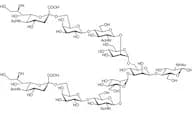
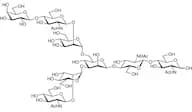
CAS:Formula:C14H16ClNO6Purezza:>98.0%(HPLC)Colore e forma:White to Light yellow powder to crystalPeso molecolare:329.73Disialylnonasaccharide-β-pNP
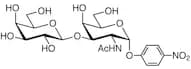
CAS:Formula:C90H141N7O64Purezza:>98.0%(HPLC)Colore e forma:White to Light yellow powder to crystalPeso molecolare:2,345.10Galβ(1-3)GalNAc-α-pNP
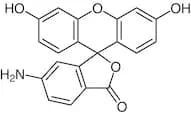
CAS:Formula:C20H28N2O13Purezza:>97.0%(HPLC)Colore e forma:White to Almost white powder to crystalPeso molecolare:504.455-Aminofluorescein (isomer I)
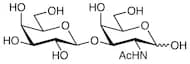
CAS:Formula:C20H13NO5Purezza:>95.0%(T)(HPLC)Colore e forma:Orange to Brown to Dark red powder to crystalPeso molecolare:347.33Galacto-N-biose
CAS:Formula:C14H25NO11Purezza:min. 95.0 area%(HPLC)Colore e forma:White to Almost white powder to crystalPeso molecolare:383.35Lectin, Fucose specific (= AOL) from Aspergillus oryzae (5mg/mL, PBS pH6.5)
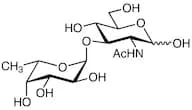
Colore e forma:Colorless to Light yellow to Light orange clear liquidFucα(1-3)GlcNAc
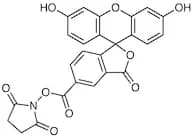
CAS:Formula:C14H25NO10Purezza:min. 95.0 area%(HPLC)Colore e forma:SolidPeso molecolare:367.355-Carboxyfluorescein N-Succinimidyl Ester
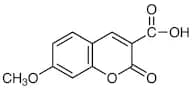
CAS:Formula:C25H15NO9Purezza:>90.0%(HPLC)Colore e forma:Light yellow to Yellow to Orange powder to crystalPeso molecolare:473.397-Methoxycoumarin-3-carboxylic Acid
CAS:Formula:C11H8O5Purezza:>98.0%(GC)(T)Colore e forma:White to Almost white powder to crystalPeso molecolare:220.18AzBTS [=2,2'-Azinobis(3-ethylbenzothiazoline-6-sulfonic Acid Ammonium Salt)] [for Biochemical Research]
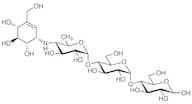
CAS:Formula:C18H24N6O6S4Purezza:>98.0%(T)Colore e forma:White to Dark green powder to crystalPeso molecolare:548.67Acarbose
CAS:Formula:C25H43NO18Purezza:>98.0%(HPLC)(N)Colore e forma:White to Almost white powder to crystalPeso molecolare:645.614-Nitrophenyl β-D-Galactopyranoside [Substrate for β-Galactosidase]
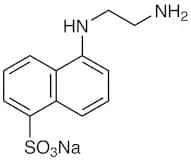
CAS:Formula:C12H15NO8Purezza:>98.0%(HPLC)Colore e forma:White to Almost white powder to crystalPeso molecolare:301.25Sodium 5-(2-Aminoethylamino)-1-naphthalenesulfonate
CAS:Formula:C12H13N2NaO3SPurezza:>98.0%(HPLC)Colore e forma:Light orange to Yellow to Green powder to crystalPeso molecolare:288.304-Chloro-1-naphthol (Ready-to-use solution) [for Western blotting]
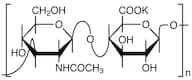
CAS:Colore e forma:Colorless to Almost colorless clear liquid3-Methyl-2-benzothiazolinonehydrazone Hydrochloride [for Biochemical Research]
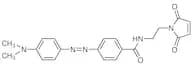
CAS:Formula:C8H9N3S·HClPurezza:>98.0%(T)(HPLC)Colore e forma:White to Light yellow to Light orange powder to crystalPeso molecolare:215.70DABCYL C2 maleimide
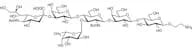
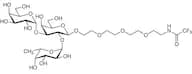
CAS:Formula:C21H21N5O3Purezza:>95.0%(T)(HPLC)Colore e forma:White to Yellow to Orange powder to crystalPeso molecolare:391.43Sialyl Lewis X-Lactose Ethylamine
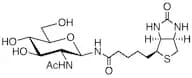
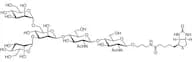
Formula:C45H77N3O33Purezza:min. 95.0 area%(HPLC)Colore e forma:SolidPeso molecolare:1,188.10N-GlcNAc-Biotin
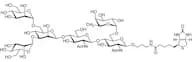
CAS:Formula:C18H30N4O7SPurezza:>90.0%(qNMR)Colore e forma:White to Almost white powder to crystalPeso molecolare:446.52M3(Fuc6)-biotin
CAS:Formula:C53H89N5O32SPurezza:min. 95.0 area%(HPLC)Colore e forma:SolidPeso molecolare:1,340.36Disodium 4-Nitrophenyl Phosphate Hexahydrate [for Biochemical Research]
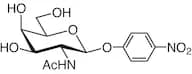
CAS:Formula:C6H4NNa2O6P·6H2OPurezza:>98.0%(T)(HPLC)Colore e forma:White to Light yellow powder to crystalPeso molecolare:371.144-Nitrophenyl 2-Acetamido-2-deoxy-β-D-galactopyranoside
CAS:Formula:C14H18N2O8Purezza:min. 98.0 area%(HPLC)Colore e forma:White to Almost white powder to crystalinePeso molecolare:342.304-Nitrophenyl α-D-Galactopyranoside [Substrate for α-D-Galactosidase]
CAS:Formula:C12H15NO8Purezza:>98.0%(HPLC)Colore e forma:White to Orange to Green powder to crystalPeso molecolare:301.254-Nitrophenyl Phosphate (Ready-to-use solution) [for ELISA]
Colore e forma:Colorless to Light orange to Yellow clear liquid1-Naphthol [for Biochemical Research]
CAS:Formula:C10H8OPurezza:>98.0%(GC)Colore e forma:White to Gray to Red powder to crystalPeso molecolare:144.177-(Diethylamino)coumarin-3-carboxylic Acid
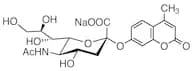
CAS:Formula:C14H15NO4Purezza:>98.0%(GC)(T)Colore e forma:Light yellow to Brown powder to crystalPeso molecolare:261.284-Methylumbelliferyl-N-acetyl-α-D-neuraminic Acid Sodium Salt
CAS:Formula:C21H24NNaO11Purezza:>93.0%(HPLC)Colore e forma:White to Light yellow powder to crystalPeso molecolare:489.41N-Succinimidyl 4-[4-(Dimethylamino)phenylazo]benzoate
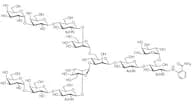
CAS:Formula:C19H18N4O4Purezza:>98.0%(T)(HPLC)Colore e forma:Light yellow to Brown to Dark red powder to crystalPeso molecolare:366.38Galα(1-3) core 6-Fucosylated N-Glycan 2AB (500pmol/vial)
Formula:C87H142N6O60Purezza:>98.0%(HPLC)Colore e forma:White to Almost white powder to crystalPeso molecolare:2,232.08α-Amylase diluted with Starch, from Bacillus amyloliquefaciens
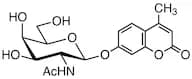
CAS:Colore e forma:White to Almost white powder to crystal4-Methylumbelliferyl 2-Acetamido-2-deoxy-β-D-galactopyranoside
CAS:Formula:C18H21NO8Purezza:>98.0%(HPLC)Colore e forma:White to Light yellow powder to crystalPeso molecolare:379.37Disialyloctasaccharide
CAS:Formula:C76H125N5O57Purezza:>98.0%(HPLC)Colore e forma:White powder to crystalPeso molecolare:2,020.815-Bromo-4-chloro-3-indolyl β-D-Glucopyranoside
CAS:Formula:C14H15BrClNO6Purezza:>98.0%(HPLC)Colore e forma:White to Light yellow powder to crystalPeso molecolare:408.63SGN
CAS:Formula:C88H144N8O64Purezza:>90.0%(HPLC)Colore e forma:White to Light yellow powder to crystalPeso molecolare:2,338.115-Bromo-4-chloro-3-indolyl β-D-Galactopyranoside [for Biochemical Research]
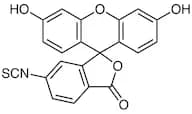
CAS:Formula:C14H15BrClNO6Purezza:>98.0%(HPLC)(N)Colore e forma:White to Light gray powder to crystalPeso molecolare:408.63Fluorescein 6-Isothiocyanate (isomer II)
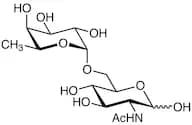
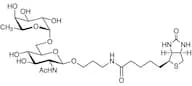
CAS:Formula:C21H11NO5SPurezza:>97.0%(T)(HPLC)Colore e forma:Yellow to Amber powder to crystalPeso molecolare:389.38Fucα(1-6)GlcNAc-β-propylamido-biotin
CAS:Formula:C27H46N4O12SColore e forma:SolidPeso molecolare:650.746-Carboxyfluorescein
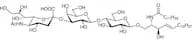
CAS:Formula:C21H12O7Purezza:>97.0%(HPLC)Colore e forma:Light yellow to Brown powder to crystalPeso molecolare:376.32Ganglioside GM3(Neu5Gc) (phyto-type)
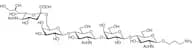
CAS:Formula:C59H110N2O23Purezza:min. 95.0 area%(HPLC)Colore e forma:SolidPeso molecolare:1,215.52Neu5Acα(2-6)Galβ(1-4)GlcNAcβ(1-3)Galβ(1-4)GlcNAc-β-propylamine
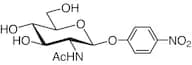
CAS:Formula:C42H72N4O29Purezza:min. 95.0 area%(HPLC)Colore e forma:SolidPeso molecolare:1,097.044-Nitrophenyl 2-Acetamido-2-deoxy-β-D-glucopyranoside
CAS:Formula:C14H18N2O8Purezza:>98.0%(HPLC)(N)Colore e forma:White to Almost white powder to crystalPeso molecolare:342.306-G1 Glycan
CAS:Formula:C56H94N4O41Purezza:min. 95.0 area%(HPLC)Colore e forma:SolidPeso molecolare:1,479.364-Nitrophenyl α-D-Glucopyranoside [Substrate for α-D-Glucosidase]
CAS:Formula:C12H15NO8Purezza:>98.0%(HPLC)Colore e forma:Very Pale Yellow - Pale Yellow SolidPeso molecolare:301.25Fucα(1-2)Galβ(1-3)GalNAc-α-pNP (=H type 3 α-pNP Glycoside)
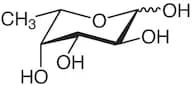
CAS:Formula:C26H38N2O17Colore e forma:SolidPeso molecolare:650.59L-(-)-Fucose
CAS:Formula:C6H12O5Purezza:>97.0%(HPLC)Colore e forma:White to Almost white powder to crystalPeso molecolare:164.164-Nitrophenyl β-D-Glucopyranoside Monohydrate [Substrate for β-D-Glucosidase]
CAS:Formula:C12H15NO8·H2OPurezza:>98.0%(HPLC)Colore e forma:White to Light yellow powder to crystalPeso molecolare:319.277-Hydroxycoumarin-3-carboxylic Acid
CAS:Formula:C10H6O5Purezza:>98.0%(HPLC)Colore e forma:White to Light yellow powder to crystalPeso molecolare:206.153-G1 Glycan
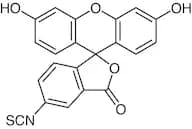
CAS:Formula:C56H94N4O41Purezza:min. 95.0 area%(HPLC)Colore e forma:SolidPeso molecolare:1,479.36Fluorescein 5-Isothiocyanate (isomer I)
CAS:Formula:C21H11NO5SPurezza:>97.0%(T)(HPLC)Colore e forma:White to Yellow to Orange powder to crystalPeso molecolare:389.384-Nitrophenyl Phosphate Di(tris) Salt [Substrate for Phosphatase]
CAS:Formula:C6H6NO6P·(C4H11NO3)2Purezza:>90.0%(T)Colore e forma:White to Orange to Green powder to crystalinePeso molecolare:461.36Neu5Gcα(2-6) N-Glycan
CAS:Formula:C84H138N6O64Purezza:min. 95.0 area%(HPLC)Colore e forma:SolidPeso molecolare:2,256.01M3-biotin
CAS:Formula:C47H79N5O28SPurezza:min. 95.0 area%(HPLC)Colore e forma:SolidPeso molecolare:1,194.22N,N-Dimethyl-1,4-phenylenediamine Dihydrochloride [for Biochemical Research]
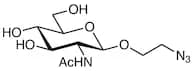
CAS:Formula:C8H12N2·2HClPurezza:>99.0%(T)(HPLC)Colore e forma:White to Light yellow to Dark green powder to crystalPeso molecolare:209.112-Azidoethyl 2-Acetamido-2-deoxy-β-D-glucopyranoside
CAS:Formula:C10H18N4O6Purezza:>98.0%(HPLC)Colore e forma:White to Almost white powder to crystalPeso molecolare:290.282-Nitrophenyl β-D-Galactopyranoside [Substrate for β-D-Galactosidase]
CAS:Formula:C12H15NO8Purezza:>98.0%(HPLC)Colore e forma:White to Light yellow powder to crystalinePeso molecolare:301.25Anti-Chondroitin Sulfate A Monoclonal Antibody (LY111)
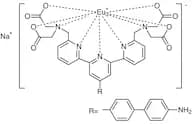
Colore e forma:Colorless to Almost colorless clear liquidATBTA-Eu3+
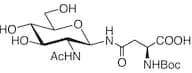
CAS:Formula:C37H30EuN6NaO8Purezza:>90.0%(T)(HPLC)Colore e forma:Light yellow to Brown to Dark green powder to crystalinePeso molecolare:861.63Nω-(2-Acetamido-2-deoxy-β-D-glucopyranosyl)-Nα-(tert-butoxycarbonyl)-L-asparagine
CAS:Formula:C17H29N3O10Purezza:>96.0%(HPLC)Colore e forma:White to Almost white powder to crystalPeso molecolare:435.43Anti-DTBTA-Eu3+ Rabbit Polyclonal Antibody [2.5mg/mL in PBS(-)] (Preservative : 0.1% NaN3)
Colore e forma:White or Colorless to Almost white or Almost colorless powder to lump to clear liquid4-Nitrophenyl α-D-Mannopyranoside [Substrate for α-Mannosidase]
CAS:Formula:C12H15NO8Purezza:>98.0%(HPLC)Colore e forma:White to Orange to Green powder to crystalPeso molecolare:301.25Sodium 3-[Ethyl(m-tolyl)amino]-2-hydroxy-1-propanesulfonate
CAS:Formula:C12H18NNaO4SPurezza:>98.0%(HPLC)Colore e forma:White to Almost white powder to crystalPeso molecolare:295.33Nitro Blue Tetrazolium [for Biochemical Research]
CAS:Formula:C40H30Cl2N10O6Purezza:>98.0%(T)(HPLC)Colore e forma:Light yellow to Brown powder to crystalPeso molecolare:817.64Sialyl Neolactotetraosylceramide (=Sialyl nLc4Cer)
CAS:Formula:C73H131N3O31Colore e forma:SolidPeso molecolare:1,546.84N-(2-Hydroxy-3-sulfopropyl)-3,5-dimethoxyaniline Sodium Salt [for Biochemical Research]
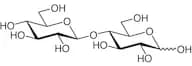
CAS:Formula:C11H16NNaO6SPurezza:>98.0%(HPLC)Colore e forma:White to Light yellow to Light orange powder to crystalPeso molecolare:313.30D-(+)-Cellobiose
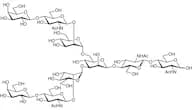
CAS:Formula:C12H22O11Purezza:>98.0%(HPLC)Colore e forma:White to Almost white powder to crystalPeso molecolare:342.30G2 Glycan
CAS:Formula:C62H104N4O46Purezza:>95.0%(HPLC)Colore e forma:White to Almost white powder to crystalPeso molecolare:1,641.50Sodium 3-(N-Ethyl-3-methoxyanilino)-2-hydroxy-1-propanesulfonate [for Biochemical Research]
CAS:Formula:C12H18NNaO5SPurezza:>98.0%(T)(HPLC)Colore e forma:White to Almost white powder to crystalPeso molecolare:311.335-Carboxyfluorescein
CAS:Formula:C21H12O7Purezza:>97.0%(T)(HPLC)Colore e forma:Light yellow to Brown powder to crystalPeso molecolare:376.326-Aminofluorescein (isomer II)
CAS:Formula:C20H13NO5Purezza:>95.0%(T)Colore e forma:Light yellow to Brown powder to crystalPeso molecolare:347.33Recombinant Griffithsia sp. lectin (= rGRFT) expressed in Escherichia coli
Colore e forma:Colorless to Light yellow to Light orange clear liquid3-Amino-9-ethylcarbazole [for Biochemical Research]
CAS:Formula:C14H14N2Purezza:>90.0%(T)(HPLC)Colore e forma:Light yellow to Brown to Dark green powder to crystalPeso molecolare:210.285-Bromo-3-indolyl β-D-Galactopyranoside [for Biochemical Research]
CAS:Formula:C14H16BrNO6Purezza:>98.0%(HPLC)Colore e forma:White to Almost white powder to crystalPeso molecolare:374.194-Nitrophenyl β-D-Glucuronide [Substrate for β-Glucuronidase]
CAS:Formula:C12H13NO9Purezza:>98.0%(HPLC)Colore e forma:White to Yellow to Orange powder to crystalPeso molecolare:315.23D-(+)-Glucose
CAS:Formula:C6H12O6Purezza:>98.0%(GC)Colore e forma:White powder to crystalPeso molecolare:180.16Glucose Oxidase from Aspergillus niger
CAS:Colore e forma:Light yellow to Yellow to Orange powder to crystalSialylglycopeptide
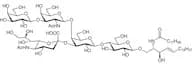
CAS:Formula:C112H187N15Na2O70Purezza:>95.0%(HPLC)Colore e forma:White to Almost white powder to crystalPeso molecolare:2,909.74SialylGb5 Ceramide
Formula:C77H136N3NaO36Purezza:>95.0%(HPLC)Colore e forma:White to Light yellow powder to crystalPeso molecolare:1,702.913,3'-Diaminobenzidine Tetrahydrochloride Hydrate [for Biochemical Research]
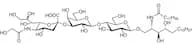
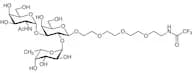
CAS:Formula:C12H14N4·4HCl·xH2OPurezza:>98.0%(HPLC)(N)Colore e forma:White to Amber to Dark purple powder to crystalPeso molecolare:360.10 (as Anhydrous)Galβ(1-3)GlcNAc[6S]β(1-3)Galβ(1-4)GlcNAc[6S]-β-PEG3-biotin
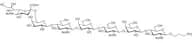
Formula:C49H82N6Na2O33S3Purezza:min. 95.0 area%(HPLC)Colore e forma:SolidPeso molecolare:1,425.36Sialyl Lewis X-Lactose Ethylazide
Formula:C45H75N5O33Purezza:min. 95.0 area%(HPLC)Colore e forma:SolidPeso molecolare:1,214.101,2-Phenylenediamine [for Biochemical Research]
CAS:Formula:C6H8N2Purezza:>98.0%(GC)(T)Colore e forma:White to Almost white powder to crystalPeso molecolare:108.14Isomaltose
CAS:Formula:C12H22O11Purezza:>97.0%(HPLC)Colore e forma:White to Almost white powder to crystalPeso molecolare:342.302-(4-Iodophenyl)-3-(4-nitrophenyl)-5-phenyltetrazolium Chloride [for Biochemical Research]
CAS:Formula:C19H13ClIN5O2Purezza:>98.0%(HPLC)Colore e forma:White to Yellow to Orange powder to crystalPeso molecolare:505.70Neu5Acα(2-6)Galβ(1-4)GlcNAcβ(1-3)Galβ(1-4)GlcNAcβ(1-3)Galβ(1-4)GlcNAc-β-propylamine
CAS:Formula:C56H95N5O39Purezza:min. 95.0 area%(HPLC)Colore e forma:SolidPeso molecolare:1,462.375-Bromo-4-chloro-3-indolyl Phosphate p-Toluidine Salt [for Biochemical Research]
CAS:Formula:C8H6BrClNO4P·C7H9NPurezza:>98.0%(T)Colore e forma:White to Orange to Green powder to crystalPeso molecolare:433.62N,N-Diethyl-m-toluidine [for Biochemical Research]
CAS:Formula:C11H17NPurezza:>99.0%(GC)Colore e forma:Light orange to Yellow to Green clear liquidPeso molecolare:163.26o-Dianisidine [for Biochemical Research]
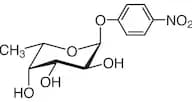
CAS:Formula:C14H16N2O2Purezza:>90.0%(T)Colore e forma:Yellow to Amber to Dark purple powder to crystalPeso molecolare:244.294-Nitrophenyl α-L-Fucopyranoside
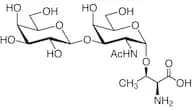
CAS:Formula:C12H15NO7Purezza:>98.0%(HPLC)Colore e forma:White to Light yellow powder to crystalinePeso molecolare:285.25Galβ(1-3)GalNAc-α-Thr
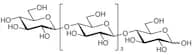
CAS:Formula:C18H32N2O13Purezza:>97.0%(HPLC)Colore e forma:White to Almost white powder to crystalPeso molecolare:484.46Cellopentaose
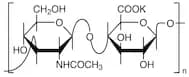
CAS:Formula:C30H52O26Purezza:>95.0%(HPLC)Colore e forma:White to Almost white powder to crystalPeso molecolare:828.72GlcNAcβ(1-4)[Fucα(1-6)]GlcNAc
CAS:Formula:C22H38N2O15Purezza:>98.0%(HPLC)Colore e forma:White to Almost white powder to crystalPeso molecolare:570.55Keratanase II from Bacillus circulans, Recombinant
Colore e forma:Colorless to Almost colorlessclear liquidStreptavidin from Streptomyces avidinii
CAS:Colore e forma:White to Brown to Dark green powder to crystalRecombinant Polyporus squamosus lectin (= rPSL1a) expressed in Escherichia coli
Colore e forma:Colorless to Light yellow to Light orange clear liquidSodium 3-(N-Ethylanilino)propanesulfonate [for Biochemical Research]
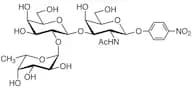
CAS:Formula:C11H16NNaO3SPurezza:>98.0%(HPLC)Colore e forma:White to Almost white powder to crystalPeso molecolare:265.30Fucα(1-2)Galβ(1-3)GalNAc-β-pNP (=H type 3 β-pNP Glycoside)
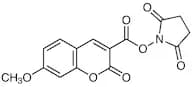
Formula:C26H38N2O17Colore e forma:SolidPeso molecolare:650.59N-Succinimidyl 7-Methoxycoumarin-3-carboxylate
CAS:Formula:C15H11NO7Purezza:>98.0%(HPLC)(N)Colore e forma:White to Almost white powder to crystalPeso molecolare:317.254-Aminoantipyrine Hydrochloride [for Biochemical Research]
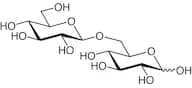
CAS:Formula:C11H13N3O·HClPurezza:>98.0%(T)(HPLC)Colore e forma:White to Light yellow to Light orange powder to crystalPeso molecolare:239.70Gentiobiose
CAS:Formula:C12H22O11Purezza:>96.0%(HPLC)Colore e forma:White to Almost white powder to crystalPeso molecolare:342.30Glucoamylase from Rhizopus (contains 50% Diatomaceous earth)
CAS:Colore e forma:White to Gray to Red powder to crystalAnnexin I rabbit pAb
This gene encodes a membrane-localized protein that binds phospholipids. This protein inhibits phospholipase A2 and has anti-inflammatory activity. Loss of function or expression of this gene has been detected in multiple tumors. [provided by RefSeq, Dec 2014],IDE/Insulin Degrading Enzyme Mouse mAb
Insulin Degrading Enzyme (IDE) is a large zinc-binding protease of the M16A metalloprotease subfamily known to cleave multiple short polypeptides that vary considerably in sequence. IDE was first identified by its ability to degrade the B chain of the hormone insulin. This activity was observed over fifty years ago, though the enzyme specifically responsible for B chain cleavage was identified more recently.DPP7 rabbit pAb
The protein encoded by this gene is a post-proline cleaving aminopeptidase expressed in quiescent lymphocytes. The resting lymphocytes are maintained through suppression of apoptosis, a state which is disrupted by inhibition of this novel serine protease. The enzyme has strong sequence homology with prolylcarboxypeptidase and is active at both acidic and neutral pH. [provided by RefSeq, Jul 2008],Met (phospho-Tyr1234/1235) rabbit pAb
This gene encodes a member of the receptor tyrosine kinase family of proteins and the product of the proto-oncogene MET. The encoded preproprotein is proteolytically processed to generate alpha and beta subunits that are linked via disulfide bonds to form the mature receptor. Further processing of the beta subunit results in the formation of the M10 peptide, which has been shown to reduce lung fibrosis. Binding of its ligand, hepatocyte growth factor, induces dimerization and activation of the receptor, which plays a role in cellular survival, embryogenesis, and cellular migration and invasion. Mutations in this gene are associated with papillary renal cell carcinoma, hepatocellular carcinoma, and various head and neck cancers. Amplification and overexpression of this gene are also associated with multiple human cancers. [provided by RefSeq, May 2016],MYBPC1 rabbit pAb
This gene encodes a member of the myosin-binding protein C family. Myosin-binding protein C family members are myosin-associated proteins found in the cross-bridge-bearing zone (C region) of A bands in striated muscle. The encoded protein is the slow skeletal muscle isoform of myosin-binding protein C and plays an important role in muscle contraction by recruiting muscle-type creatine kinase to myosin filaments. Mutations in this gene are associated with distal arthrogryposis type I. Alternatively spliced transcript variants encoding multiple isoforms have been observed for this gene. [provided by RefSeq, Dec 2011],BMAL1 (phospho-Ser42) rabbit pAb
The protein encoded by this gene is a basic helix-loop-helix protein that forms a heterodimer with CLOCK. This heterodimer binds E-box enhancer elements upstream of Period (PER1, PER2, PER3) and Cryptochrome (CRY1, CRY2) genes and activates transcription of these genes. PER and CRY proteins heterodimerize and repress their own transcription by interacting in a feedback loop with CLOCK/ARNTL complexes. Defects in this gene have been linked to infertility, problems with gluconeogenesis and lipogenesis, and altered sleep patterns. Several transcript variants encoding different isoforms have been found for this gene. [provided by RefSeq, Jul 2014],Kv4.2 rabbit pAb
Voltage-gated potassium (Kv) channels represent the most complex class of voltage-gated ion channels from both functional and structural standpoints. Their diverse functions include regulating neurotransmitter release, heart rate, insulin secretion, neuronal excitability, epithelial electrolyte transport, smooth muscle contraction, and cell volume. Four sequence-related potassium channel genes - shaker, shaw, shab, and shal - have been identified in Drosophila, and each has been shown to have human homolog(s). This gene encodes a member of the potassium channel, voltage-gated, shal-related subfamily, members of which form voltage-activated A-type potassium ion channels and are prominent in the repolarization phase of the action potential. This member mediates a rapidly inactivating, A-type outward potassium current which is not under the control of the N terminus as iTRAF2 rabbit pAb
TNF receptor associated factor 2(TRAF2) Homo sapiens The protein encoded by this gene is a member of the TNF receptor associated factor (TRAF) protein family. TRAF proteins associate with, and mediate the signal transduction from members of the TNF receptor superfamily. This protein directly interacts with TNF receptors, and forms a heterodimeric complex with TRAF1. This protein is required for TNF-alpha-mediated activation of MAPK8/JNK and NF-kappaB. The protein complex formed by this protein and TRAF1 interacts with the inhibitor-of-apoptosis proteins (IAPs), and functions as a mediator of the anti-apoptotic signals from TNF receptors. The interaction of this protein with TRADD, a TNF receptor associated apoptotic signal transducer, ensures the recruitment of IAPs for the direct inhibition of caspase activation. BIRC2/c-IAP1, an apoptosis inhibitor possessing ubiquitin ligase activity, can unbiquitinate and induce the degradation of this proLyn (phospho Tyr508) rabbit pAb
This gene encodes a tyrosine protein kinase, which maybe involved in the regulation of mast cell degranulation, and erythroid differentiation. Alternatively spliced transcript variants encoding different isoforms have been found for this gene. [provided by RefSeq, Jul 2011],ACTR-IIA rabbit pAb
This gene encodes a receptor that mediates the functions of activins, which are members of the transforming growth factor-beta (TGF-beta) superfamily involved in diverse biological processes. The encoded protein is a transmembrane serine-threonine kinase receptor which mediates signaling by forming heterodimeric complexes with various combinations of type I and type II receptors and ligands in a cell-specific manner. The encoded type II receptor is primarily involved in ligand-binding and includes an extracellular ligand-binding domain, a transmembrane domain and a cytoplasmic serine-threonine kinase domain. This gene may be associated with susceptibility to preeclampsia, a pregnancy-related disease which can result in maternal and fetal morbidity and mortality. Alternative splicing results in multiple transcript variants of this gene. [provided by RefSeq, Jun 2013],IPYR rabbit pAb
The protein encoded by this gene is a member of the inorganic pyrophosphatase (PPase) family. PPases catalyze the hydrolysis of pyrophosphate to inorganic phosphate, which is important for the phosphate metabolism of cells. Studies of a similar protein in bovine suggested a cytoplasmic localization of this enzyme. [provided by RefSeq, Jul 2008],DRP1 (phospho-Ser616) rabbit pAb
This gene encodes a member of the dynamin superfamily of GTPases. The encoded protein mediates mitochondrial and peroxisomal division, and is involved in developmentally regulated apoptosis and programmed necrosis. Dysfunction of this gene is implicated in several neurological disorders, including Alzheimer's disease. Mutations in this gene are associated with the autosomal dominant disorder, encephalopathy, lethal, due to defective mitochondrial and peroxisomal fission (EMPF). Alternative splicing results in multiple transcript variants encoding different isoforms. [provided by RefSeq, Jun 2013],RPAP1 rabbit pAb
This protein forms part of the RNA polymerase II (RNAPII) enzyme complex and may recruit RNAPII to chromatin through its interaction with acetylated histones. [provided by RefSeq, Jul 2012],CD200 rabbit pAb
This gene encodes a type I membrane glycoprotein containing two extracellular immunoglobulin domains, a transmembrane and a cytoplasmic domain. This gene is expressed by various cell types, including B cells, a subset of T cells, thymocytes, endothelial cells, and neurons. The encoded protein plays an important role in immunosuppression and regulation of anti-tumor activity. Alternative splicing results in multiple transcript variants encoding different isoforms. [provided by RefSeq, Jan 2016],mTOR (phospho Thr2446) rabbit pAb
The protein encoded by this gene belongs to a family of phosphatidylinositol kinase-related kinases. These kinases mediate cellular responses to stresses such as DNA damage and nutrient deprivation. This protein acts as the target for the cell-cycle arrest and immunosuppressive effects of the FKBP12-rapamycin complex. The ANGPTL7 gene is located in an intron of this gene. [provided by RefSeq, Sep 2008],NFκB-p52 (Cleaved-A454) rabbit pAb
disease:A chromosomal aberration involving NFKB2 is found in a case of B-cell non Hodgkin lymphoma (B-NHL). Translocation t(10;14)(q24;q32) with IGHA1. The resulting oncogene is also called Lyt-10C alpha variant.,disease:A chromosomal aberration involving NFKB2 is found in a cutaneous T-cell leukemia (C-TCL) cell line. This rearrangement produces the p80HT gene which encodes for a truncated 80 kDa protein (p80HT).,disease:In B-cell leukemia (B-CLL) cell line, LB40 and EB308, can be found after heterogeneous chromosomal aberrations, such as internal deletions.,domain:The C-terminus of p100 might be involved in cytoplasmic retention, inhibition of DNA-binding by p52 homodimers, and/or transcription activation.,domain:The glycine-rich region (GRR) appears to be a critical element in the generation of p52.,function:NF-kappa-B is a pleiotropic transcription factor which is present in almost all cell types and is involved in many biological processed such as inflammation, immunity, differentiation, cell growth, tumorigenesis and apoptosis. NF-kappa-B is a homo- or heterodimeric complex formed by the Rel-like domain-containing proteins RELA/p65, RELB, NFKB1/p105, NFKB1/p50, REL and NFKB2/p52. The dimers bind at kappa-B sites in the DNA of their target genes and the individual dimers have distinct preferences for different kappa-B sites that they can bind with distinguishable affinity and specificity. Different dimer combinations act as transcriptional activators or repressors, respectively. NF-kappa-B is controlled by various mechanisms of post-translational modification and subcellular compartmentalization as well as by interactions with other cofactors or corepressors. NF-kappa-B complexes are held in the cytoplasm in an inactive state complexed with members of the NF-kappa-B inhibitor (I-kappa-B) family. In a conventional activation pathway, I-kappa-B is phosphorylated by I-kappa-B kinases (IKKs) in response to different activators, subsequently degraded thus liberating the active NF-kappa-B complex which translocates to the nucleus. In a non-canonical activation pathway, the MAP3K14-activated CHUK/IKKA homodimer phosphorylates NFKB2/p100 associated with RelB, inducing its proteolytic processing to NFKB2/p52 and the formation of NF-kappa-B RelB-p52 complexes. The NF-kappa-B heterodimeric RelB-p52 complex is a transcriptional activator. The NF-kappa-B p52-p52 homodimer is a transcriptional repressor. NFKB2 appears to have dual functions such as cytoplasmic retention of attached NF-kappa-B proteins by p100 and generation of p52 by a cotranslational processing. The proteasome-mediated process ensures the production of both p52 and p100 and preserves their independent function. p52 binds to the kappa-B consensus sequence 5'-GGRNNYYCC-3', located in the enhancer region of genes involved in immune response and acute phase reactions. p52 and p100 are respectively the minor and major form; the processing of p100 being relatively poor. Isoform p49 is a subunit of the NF-kappa-B protein complex, which stimulates the HIV enhancer in synergy with p65.,PTM:Constitutive processing is tightly suppressed by its C-terminal processing inhibitory domain, named PID, which contains the death domain.,PTM:Subsequent to MAP3K14-dependent serine phosphorylation, p100 polyubiquitination occurs then triggering its proteasome-dependent processing.,PTM:While translation occurs, the particular unfolded structure after the GRR repeat promotes the generation of p52 making it an acceptable substrate for the proteasome. This process is known as cotranslational processing. The processed form is active and the unprocessed form acts as an inhibitor (I kappa B-like), being able to form cytosolic complexes with NF-kappa B, trapping it in the cytoplasm. Complete folding of the region downstream of the GRR repeat precludes processing.,similarity:Contains 1 death domain.,similarity:Contains 1 RHD (Rel-like) domain.,similarity:Contains 7 ANK repeats.,subcellular location:Nuclear, but also found in the cytoplasm in an inactive form complexed to an inhibitor (I-kappa-B).,subunit:Component of the NF-kappa-B RelB-p52 complex. Homodimer; component of the NF-kappa-B p52-p52 complex. Component of the NF-kappa-B p65-p52 complex. Component of the NF-kappa-B p52-c-Rel complex. NFKB2/p52 interacts with NFKBIE. Component of a complex consisting of the NF-kappa-B p50-p50 homodimer and BCL3.,Arg rabbit pAb
This gene encodes a member of the Abelson family of nonreceptor tyrosine protein kinases. The protein is highly similar to the c-abl oncogene 1 protein, including the tyrosine kinase, SH2 and SH3 domains, and it plays a role in cytoskeletal rearrangements through its C-terminal F-actin- and microtubule-binding sequences. This gene is expressed in both normal and tumor cells, and is involved in translocation with the ets variant 6 gene in leukemia. Multiple alternatively spliced transcript variants encoding different protein isoforms have been found for this gene. [provided by RefSeq, Nov 2009],NFκB-p105/p50 rabbit pAb
nuclear factor kappa B subunit 1(NFKB1) Homo sapiens This gene encodes a 105 kD protein which can undergo cotranslational processing by the 26S proteasome to produce a 50 kD protein. The 105 kD protein is a Rel protein-specific transcription inhibitor and the 50 kD protein is a DNA binding subunit of the NF-kappa-B (NFKB) protein complex. NFKB is a transcription regulator that is activated by various intra- and extra-cellular stimuli such as cytokines, oxidant-free radicals, ultraviolet irradiation, and bacterial or viral products. Activated NFKB translocates into the nucleus and stimulates the expression of genes involved in a wide variety of biological functions. Inappropriate activation of NFKB has been associated with a number of inflammatory diseases while persistent inhibition of NFKB leads to inappropriate immune cell development or delayed cell growth. Alternative splicing results in multiple transcript variants encoding different isofPPM1E rabbit pAb
This gene encodes a member of the PPM family of serine/threonine-protein phosphatases. The encoded protein is localized to the nucleus and dephosphorylates and inactivates multiple substrates including serine/threonine-protein kinase PAK 1, 5'-AMP-activated protein kinase (AMPK) and the multifunctional calcium/calmodulin-dependent protein kinases. Alternatively spliced transcript variants have been observed for this gene. [provided by RefSeq, May 2012],GRHPR rabbit pAb
This gene encodes an enzyme with hydroxypyruvate reductase, glyoxylate reductase, and D-glycerate dehydrogenase enzymatic activities. The enzyme has widespread tissue expression and has a role in metabolism. Type II hyperoxaluria is caused by mutations in this gene. [provided by RefSeq, Jul 2008],PAK4/5/6 rabbit pAb
PAK proteins, a family of serine/threonine p21-activating kinases, include PAK1, PAK2, PAK3 and PAK4. PAK proteins are critical effectors that link Rho GTPases to cytoskeleton reorganization and nuclear signaling. They serve as targets for the small GTP binding proteins Cdc42 and Rac and have been implicated in a wide range of biological activities. PAK4 interacts specifically with the GTP-bound form of Cdc42Hs and weakly activates the JNK family of MAP kinases. PAK4 is a mediator of filopodia formation and may play a role in the reorganization of the actin cytoskeleton. Multiple alternatively spliced transcript variants encoding distinct isoforms have been found for this gene. [provided by RefSeq, Jul 2008],Inhibin β-E rabbit pAb
This gene encodes a member of the TGF-beta (transforming growth factor-beta) superfamily of proteins. The encoded preproprotein is proteolytically processed to generate an inhibin beta subunit. Inhibins have been implicated in regulating numerous cellular processes including cell proliferation, apoptosis, immune response and hormone secretion. This gene may be upregulated under conditions of endoplasmic reticulum stress, and this protein may inhibit cellular proliferation and growth in pancreas and liver. [provided by RefSeq, Sep 2016],Urotensin II rabbit pAb
This gene encodes a mature peptide that is an active cyclic heptapeptide absolutely conserved from lamprey to human. The active peptide acts as a vasoconstrictor and is expressed only in brain tissue. Despite the gene family name similarity, this gene is not homologous to urocortin, a member of the sauvagine/corticotropin-releasing factor/urotensin I family. Most of the proprotein is cleaved to make the mature peptide. Transcript variants encoding different preproprotein isoforms have been described for this gene. [provided by RefSeq, Jul 2008],NF-L rabbit pAb
Neurofilaments are type IV intermediate filament heteropolymers composed of light, medium, and heavy chains. Neurofilaments comprise the axoskeleton and they functionally maintain the neuronal caliber. They may also play a role in intracellular transport to axons and dendrites. This gene encodes the light chain neurofilament protein. Mutations in this gene cause Charcot-Marie-Tooth disease types 1F (CMT1F) and 2E (CMT2E), disorders of the peripheral nervous system that are characterized by distinct neuropathies. A pseudogene has been identified on chromosome Y. [provided by RefSeq, Oct 2008],RAPSN rabbit pAb
This gene encodes a member of a family of proteins that are receptor associated proteins of the synapse. The encoded protein contains a conserved cAMP-dependent protein kinase phosphorylation site, and plays a critical role in clustering and anchoring nicotinic acetylcholine receptors at synaptic sites by linking the receptors to the underlying postsynaptic cytoskeleton, possibly by direct association with actin or spectrin. Mutations in this gene may play a role in postsynaptic congenital myasthenic syndromes. Alternatively spliced transcript variants encoding multiple isoforms have been observed for this gene. [provided by RefSeq, Apr 2011],NIBAN rabbit pAb
This gene encodes a member of the family with sequence similarity 129 protein family. This gene is highly expressed in several cancer cells and may serve as a prognostic marker for certain cancers. The encoded protein may play a role in regulating p53-mediated apoptosis. [provided by RefSeq, Sep 2016],CRIS2 rabbit pAb
function:May regulate some ion channels' activity and therebye regulate calcium fluxes during sperm capacitation.,similarity:Belongs to the CRISP family.,tissue specificity:Testis and epididymis.,FLRT3 rabbit pAb
fibronectin leucine rich transmembrane protein 3(FLRT3) Homo sapiens This gene encodes a member of the fibronectin leucine rich transmembrane protein (FLRT) family. FLRTs may function in cell adhesion and/or receptor signalling. Their protein structures resemble small leucine-rich proteoglycans found in the extracellular matrix. This gene is expressed in many tissues. Two alternatively spliced transcript variants encoding the same protein have been described for this gene. [provided by RefSeq, Jul 2010],PKM2 (phospho-Tyr105) rabbit pAb
This gene encodes a protein involved in glycolysis. The encoded protein is a pyruvate kinase that catalyzes the transfer of a phosphoryl group from phosphoenolpyruvate to ADP, generating ATP and pyruvate. This protein has been shown to interact with thyroid hormone and may mediate cellular metabolic effects induced by thyroid hormones. This protein has been found to bind Opa protein, a bacterial outer membrane protein involved in gonococcal adherence to and invasion of human cells, suggesting a role of this protein in bacterial pathogenesis. Several alternatively spliced transcript variants encoding a few distinct isoforms have been reported. [provided by RefSeq, May 2011],CD38 rabbit pAb
The protein encoded by this gene is a non-lineage-restricted, type II transmembrane glycoprotein that synthesizes and hydrolyzes cyclic adenosine 5'-diphosphate-ribose, an intracellular calcium ion mobilizing messenger. The release of soluble protein and the ability of membrane-bound protein to become internalized indicate both extracellular and intracellular functions for the protein. This protein has an N-terminal cytoplasmic tail, a single membrane-spanning domain, and a C-terminal extracellular region with four N-glycosylation sites. Crystal structure analysis demonstrates that the functional molecule is a dimer, with the central portion containing the catalytic site. It is used as a prognostic marker for patients with chronic lymphocytic leukemia. Alternative splicing results in multiple transcript variants. [provided by RefSeq, Sep 2015],PAGE-3 rabbit pAb
This gene is a member of family of proteins that are expressed in a variety of tumors and in some fetal and reproductive tissues. Multiple alternatively spliced transcript variants have been observed. [provided by RefSeq, Jan 2015],S22A4 rabbit pAb
Polyspecific organic cation transporters in the liver, kidney, intestine, and other organs are critical for elimination of many endogenous small organic cations as well as a wide array of drugs and environmental toxins. The encoded protein is an organic cation transporter and plasma integral membrane protein containing eleven putative transmembrane domains as well as a nucleotide-binding site motif. Transport by this protein is at least partially ATP-dependent. [provided by RefSeq, Jul 2008],MRG15 rabbit pAb
function:Component of the NuA4 histone acetyltransferase (HAT) complex which is involved in transcriptional activation of select genes principally by acetylation of nucleosomal histones H4 and H2A. This modification may both alter nucleosome - DNA interactions and promote interaction of the modified histones with other proteins which positively regulate transcription. This complex may be required for the activation of transcriptional programs associated with oncogene and proto-oncogene mediated growth induction, tumor suppressor mediated growth arrest and replicative senescence, apoptosis, and DNA repair. The NuA4 complex ATPase and helicase activities seem to be, at least in part, contributed by the association of RUVBL1 and RUVBL2 with EP400. NuA4 may also play a direct role in DNA repair when directly recruited to sites of DNA damage. Also component of the mSin3A complex which acts to repress transcription by deacetylation of nucleosomal histones.,similarity:Belongs to the MRG family.,subunit:Component of the NuA4 histone acetyltransferase complex which contains the catalytic subunit HTATIP/TIP60 and the subunits EP400, TRRAP/PAF400, BRD8/SMAP, EPC1, DMAP1/DNMAP1, RUVBL1/TIP49, RUVBL2, ING3, actin, ACTL6A/BAF53A, MORF4L1/MRG15, MORF4L2/MRGX, MRGBP, YEATS4/GAS41, VPS72/YL1 and EAF6. The NuA4 complex interacts with MYC and the adenovirus E1A protein. MORF4L1 may also participate in the formation of NuA4 related complexes which lack the HTATIP/TIP60 catalytic subunit, but which include the SWI/SNF related protein SRCAP. Component of the mSin3A histone deacetylase complex, which includes SIN3A, HDAC2, ARID4B, MORF4L1, RBBP4/RbAp48, and RBBP7/RbAp46. MORF4L1 interacts with RB1 and MYST1. MORF4L1 may also interact with PHF12 and one or more as yet undefined members of the TLE (transducin-like enhancer of split) family of transcriptional repressors. Interacts with the N-terminus of MRFAP1. Found in a complex composed of MORF4L1, MRFAP1 and RB1.,Neu (phospho Tyr1221/Y1222) rabbit pAb
This gene encodes a member of the epidermal growth factor (EGF) receptor family of receptor tyrosine kinases. This protein has no ligand binding domain of its own and therefore cannot bind growth factors. However, it does bind tightly to other ligand-bound EGF receptor family members to form a heterodimer, stabilizing ligand binding and enhancing kinase-mediated activation of downstream signalling pathways, such as those involving mitogen-activated protein kinase and phosphatidylinositol-3 kinase. Allelic variations at amino acid positions 654 and 655 of isoform a (positions 624 and 625 of isoform b) have been reported, with the most common allele, Ile654/Ile655, shown here. Amplification and/or overexpression of this gene has been reported in numerous cancers, including breast and ovarian tumors. Alternative splicing results in several additional transcript variants, some encoding dCD300d rabbit pAb
similarity:Belongs to the CD300 family.,similarity:Contains 1 Ig-like V-type (immunoglobulin-like) domain.,IFN14 rabbit pAb
function:Produced by macrophages, IFN-alpha have antiviral activities. Interferon stimulates the production of two enzymes: a protein kinase and an oligoadenylate synthetase.,similarity:Belongs to the alpha/beta interferon family.,FIBP rabbit pAb
Acidic fibroblast growth factor is mitogenic for a variety of different cell types and acts by stimulating mitogenesis or inducing morphological changes and differentiation. The FIBP protein is an intracellular protein that binds selectively to acidic fibroblast growth factor (aFGF). It is postulated that FIBP may be involved in the mitogenic action of aFGF. Two transcript variants encoding different isoforms have been found for this gene. [provided by RefSeq, Jul 2008],RHG24 rabbit pAb
This gene encodes a Rho-GTPase activating protein, which is specific for the small GTPase family member Rac. Binding of the encoded protein by filamin A targets it to sites of membrane protrusion, where it antognizes Rac. This results in suppression of lamellae formation and promotion of retraction to regulate cell polarity. Alternative splicing results in multiple transcript variants. [provided by RefSeq, Sep 2016],CLK4 rabbit pAb
CDC like kinase 4(CLK4) Homo sapiens The protein encoded by this gene belongs to the CDC2-like protein kinase (CLK) family. This protein kinase can interact with and phosphorylate the serine- and arginine-rich (SR) proteins, which are known to play an important role in the formation of spliceosomes, and thus may be involved in the regulation of alternative splicing. Studies in the Israeli sand rat Psammomys obesus suggested that the ubiquitin-like 5 (UBL5/BEACON), a highly conserved ubiquitin-like protein, may interact with and regulate the activity of this kinase. Multiple alternatively spliced transcript variants have been observed, but the full-length natures of which have not yet been determined. [provided by RefSeq, Jul 2008],NDUB8 rabbit pAb
function:Accessory subunit of the mitochondrial membrane respiratory chain NADH dehydrogenase (Complex I), that is believed to be not involved in catalysis. Complex I functions in the transfer of electrons from NADH to the respiratory chain. The immediate electron acceptor for the enzyme is believed to be ubiquinone.,similarity:Belongs to the complex I NDUFB8 subunit family.,subunit:Complex I is composed of 45 different subunits.,Cdc42EP2 rabbit pAb
CDC42, a small Rho GTPase, regulates the formation of F-actin-containing structures through its interaction with the downstream effector proteins. The protein encoded by this gene is a member of the Borg family of CDC42 effector proteins. Borg family proteins contain a CRIB (Cdc42/Rac interactive-binding) domain. They bind to, and negatively regulate the function of CDC42. Coexpression of this protein with CDC42 suggested a role of this protein in actin filament assembly and cell shape control. [provided by RefSeq, Aug 2011],MYO3B rabbit pAb
This gene encodes one of the class III myosins. Myosins are ATPases, activated by actin, that move along actin filaments in the cell. This class of myosins are characterized by an amino-terminal kinase domain and shown to be present in photoreceptors. Alternative splicing results in multiple transcript variants encoding different isoforms. [provided by RefSeq, Mar 2014],IGFL1 rabbit pAb
IGF like family member 1(IGFL1) Homo sapiens The protein encoded by this gene is a member of the insulin-like growth factor family of signaling molecules. The encoded protein is synthesized as a precursor protein and is proteolytically cleaved to form a secreted mature peptide. The mature peptide binds to a receptor, which in mouse was found on the cell surface of T cells. Increased expression of this gene may be linked to psoriasis. [provided by RefSeq, Aug 2016],S39A5 rabbit pAb
The protein encoded by this gene belongs to the ZIP family of zinc transporters that transport zinc into cells from outside, and play a crucial role in controlling intracellular zinc levels. Zinc is an essential cofactor for many enzymes and proteins involved in gene transcription, growth, development and differentiation. Mutations in this gene have been associated with autosomal dominant high myopia (MYP24). Alternatively spliced transcript variants have been found for this gene. [provided by RefSeq, Sep 2014],HGFL rabbit pAb
The protein encoded by this gene contains four kringle domains and a serine protease domain, similar to that found in hepatic growth factor. Despite the presence of the serine protease domain, the encoded protein may not have any proteolytic activity. The receptor for this protein is RON tyrosine kinase, which upon activation stimulates ciliary motility of ciliated epithelial lung cells. This protein is secreted and cleaved to form an alpha chain and a beta chain bridged by disulfide bonds. [provided by RefSeq, Jan 2010],CREG2 rabbit pAb
PTM:It is not sure whether N-glycosylation is on Asn-165 and/or Asn-166.,similarity:Belongs to the CREG family.,tissue specificity:Brain specific mainly in the limbic system and faintly in the spinal cord but not in cerebellum.,TPPC4 rabbit pAb
function:May play a role in vesicular transport from endoplasmic reticulum to Golgi.,similarity:Belongs to the TRAPP small subunits family. TRAPPC4 subfamily.,subunit:Part of the multisubunit TRAPP (transport protein particle) complex. Interacts with SDC2.,B23 (phospho Thr234) rabbit pAb
This gene encodes a phosphoprotein which moves between the nucleus and the cytoplasm. The gene product is thought to be involved in several processes including regulation of the ARF/p53 pathway. A number of genes are fusion partners have been characterized, in particular the anaplastic lymphoma kinase gene on chromosome 2. Mutations in this gene are associated with acute myeloid leukemia. More than a dozen pseudogenes of this gene have been identified. Alternative splicing results in multiple transcript variants.[provided by RefSeq, Nov 2009],



![4-Aminoantipyrine [for Biochemical Research]](/_next/image/?url=https%3A%2Fstatic.cymitquimica.com%2Fproducts%2F3B%2Fthumb-webp%2FA2254.webp&w=3840&q=75)

![4-Chloro-1-naphthol [for Biochemical Research]](/_next/image/?url=https%3A%2Fstatic.cymitquimica.com%2Fproducts%2F3B%2Fthumb-webp%2FC2291.webp&w=3840&q=75)
![6-Chloro-3-indolyl β-D-Galactopyranoside [for Biochemical Research]](/_next/image/?url=https%3A%2Fstatic.cymitquimica.com%2Fproducts%2F3B%2Fthumb-webp%2FC2371.webp&w=3840&q=75)



![AzBTS [=2,2'-Azinobis(3-ethylbenzothiazoline-6-sulfonic Acid Ammonium Salt)] [for Biochemical Rese…](/_next/image/?url=https%3A%2Fstatic.cymitquimica.com%2Fproducts%2F3B%2Fthumb-webp%2FA2166.webp&w=3840&q=75)
![4-Nitrophenyl β-D-Galactopyranoside [Substrate for β-Galactosidase]](/_next/image/?url=https%3A%2Fstatic.cymitquimica.com%2Fproducts%2F3B%2Fthumb-webp%2FN0616.webp&w=3840&q=75)
![4-Chloro-1-naphthol (Ready-to-use solution) [for Western blotting]](/_next/image/?url=https%3A%2Fstatic.cymitquimica.com%2Fproducts%2F3B%2Fthumb-webp%2FC3384.webp&w=3840&q=75)
![3-Methyl-2-benzothiazolinonehydrazone Hydrochloride [for Biochemical Research]](/_next/image/?url=https%3A%2Fstatic.cymitquimica.com%2Fproducts%2F3B%2Fthumb-webp%2FM2155.webp&w=3840&q=75)
![Disodium 4-Nitrophenyl Phosphate Hexahydrate [for Biochemical Research]](/_next/image/?url=https%3A%2Fstatic.cymitquimica.com%2Fproducts%2F3B%2Fthumb-webp%2FD4005.webp&w=3840&q=75)
![4-Nitrophenyl α-D-Galactopyranoside [Substrate for α-D-Galactosidase]](/_next/image/?url=https%3A%2Fstatic.cymitquimica.com%2Fproducts%2F3B%2Fthumb-webp%2FN0492.webp&w=3840&q=75)
![4-Nitrophenyl Phosphate (Ready-to-use solution) [for ELISA]](/_next/image/?url=https%3A%2Fstatic.cymitquimica.com%2Fproducts%2F3B%2Fthumb-webp%2FN1109.webp&w=3840&q=75)
![1-Naphthol [for Biochemical Research]](/_next/image/?url=https%3A%2Fstatic.cymitquimica.com%2Fproducts%2F3B%2Fthumb-webp%2FN0864.webp&w=3840&q=75)


![N-Succinimidyl 4-[4-(Dimethylamino)phenylazo]benzoate](/_next/image/?url=https%3A%2Fstatic.cymitquimica.com%2Fproducts%2F3B%2Fthumb-webp%2FS0857.webp&w=3840&q=75)




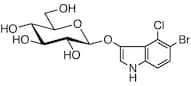

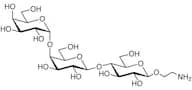
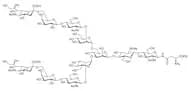

![5-Bromo-4-chloro-3-indolyl β-D-Galactopyranoside [for Biochemical Research]](/_next/image/?url=https%3A%2Fstatic.cymitquimica.com%2Fproducts%2F3B%2Fthumb-webp%2FB3201.webp&w=3840&q=75)

![4-Nitrophenyl α-D-Glucopyranoside [Substrate for α-D-Glucosidase]](/_next/image/?url=https%3A%2Fstatic.cymitquimica.com%2Fproducts%2F3B%2Fthumb-webp%2FN0493.webp&w=3840&q=75)
![4-Nitrophenyl β-D-Glucopyranoside Monohydrate [Substrate for β-D-Glucosidase]](/_next/image/?url=https%3A%2Fstatic.cymitquimica.com%2Fproducts%2F3B%2Fthumb-webp%2FN0235.webp&w=3840&q=75)


![4-Nitrophenyl Phosphate Di(tris) Salt [Substrate for Phosphatase]](/_next/image/?url=https%3A%2Fstatic.cymitquimica.com%2Fproducts%2F3B%2Fthumb-webp%2FN0422.webp&w=3840&q=75)
![N,N-Dimethyl-1,4-phenylenediamine Dihydrochloride [for Biochemical Research]](/_next/image/?url=https%3A%2Fstatic.cymitquimica.com%2Fproducts%2F3B%2Fthumb-webp%2FD3931.webp&w=3840&q=75)

![2-Nitrophenyl β-D-Galactopyranoside [Substrate for β-D-Galactosidase]](/_next/image/?url=https%3A%2Fstatic.cymitquimica.com%2Fproducts%2F3B%2Fthumb-webp%2FN0418.webp&w=3840&q=75)


![Anti-DTBTA-Eu3+ Rabbit Polyclonal Antibody [2.5mg/mL in PBS(-)] (Preservative : 0.1% NaN3)](/_next/image/?url=https%3A%2Fstatic.cymitquimica.com%2Fproducts%2F3B%2Fthumb-webp%2FA2239.webp&w=3840&q=75)
![4-Nitrophenyl α-D-Mannopyranoside [Substrate for α-Mannosidase]](/_next/image/?url=https%3A%2Fstatic.cymitquimica.com%2Fproducts%2F3B%2Fthumb-webp%2FN0619.webp&w=3840&q=75)
![Sodium 3-[Ethyl(m-tolyl)amino]-2-hydroxy-1-propanesulfonate](/_next/image/?url=https%3A%2Fstatic.cymitquimica.com%2Fproducts%2F3B%2Fthumb-webp%2FS0805.webp&w=3840&q=75)

![Nitro Blue Tetrazolium [for Biochemical Research]](/_next/image/?url=https%3A%2Fstatic.cymitquimica.com%2Fproducts%2F3B%2Fthumb-webp%2FD0844.webp&w=3840&q=75)
![AzBTS (Ready-to-use solution) [for ELISA]](/_next/image/?url=https%3A%2Fstatic.cymitquimica.com%2Fproducts%2F3B%2Fthumb-webp%2FA3176.webp&w=3840&q=75)

![N-(2-Hydroxy-3-sulfopropyl)-3,5-dimethoxyaniline Sodium Salt [for Biochemical Research]](/_next/image/?url=https%3A%2Fstatic.cymitquimica.com%2Fproducts%2F3B%2Fthumb-webp%2FS0827.webp&w=3840&q=75)
![Sodium 3-(N-Ethyl-3-methoxyanilino)-2-hydroxy-1-propanesulfonate [for Biochemical Research]](/_next/image/?url=https%3A%2Fstatic.cymitquimica.com%2Fproducts%2F3B%2Fthumb-webp%2FS0826.webp&w=3840&q=75)


![TMB [for ELISA] (Ready-to-use solution)](/_next/image/?url=https%3A%2Fstatic.cymitquimica.com%2Fproducts%2F3B%2Fthumb-webp%2FT3854.webp&w=3840&q=75)
![rGRFT-Biotin [for Manα(1-2)Man]](/_next/image/?url=https%3A%2Fstatic.cymitquimica.com%2Fproducts%2F3B%2Fthumb-webp%2FR0234.webp&w=3840&q=75)

![3-Amino-9-ethylcarbazole [for Biochemical Research]](/_next/image/?url=https%3A%2Fstatic.cymitquimica.com%2Fproducts%2F3B%2Fthumb-webp%2FA2167.webp&w=3840&q=75)
![5-Bromo-3-indolyl β-D-Galactopyranoside [for Biochemical Research]](/_next/image/?url=https%3A%2Fstatic.cymitquimica.com%2Fproducts%2F3B%2Fthumb-webp%2FB3470.webp&w=3840&q=75)

![4-Nitrophenyl β-D-Glucuronide [Substrate for β-Glucuronidase]](/_next/image/?url=https%3A%2Fstatic.cymitquimica.com%2Fproducts%2F3B%2Fthumb-webp%2FN0618.webp&w=3840&q=75)

![3,3'-Diaminobenzidine Tetrahydrochloride Hydrate [for Biochemical Research]](/_next/image/?url=https%3A%2Fstatic.cymitquimica.com%2Fproducts%2F3B%2Fthumb-webp%2FD3757.webp&w=3840&q=75)
![Galβ(1-3)GlcNAc[6S]β(1-3)Galβ(1-4)GlcNAc[6S]-β-PEG3-biotin](/_next/image/?url=https%3A%2Fstatic.cymitquimica.com%2Fproducts%2F3B%2Fthumb-webp%2FG0514.webp&w=3840&q=75)
![1,2-Phenylenediamine [for Biochemical Research]](/_next/image/?url=https%3A%2Fstatic.cymitquimica.com%2Fproducts%2F3B%2Fthumb-webp%2FP1805.webp&w=3840&q=75)

![2-(4-Iodophenyl)-3-(4-nitrophenyl)-5-phenyltetrazolium Chloride [for Biochemical Research]](/_next/image/?url=https%3A%2Fstatic.cymitquimica.com%2Fproducts%2F3B%2Fthumb-webp%2FI0781.webp&w=3840&q=75)
![5-Bromo-4-chloro-3-indolyl Phosphate p-Toluidine Salt [for Biochemical Research]](/_next/image/?url=https%3A%2Fstatic.cymitquimica.com%2Fproducts%2F3B%2Fthumb-webp%2FB1239.webp&w=3840&q=75)

![N,N-Diethyl-m-toluidine [for Biochemical Research]](/_next/image/?url=https%3A%2Fstatic.cymitquimica.com%2Fproducts%2F3B%2Fthumb-webp%2FD3868.webp&w=3840&q=75)
![o-Dianisidine [for Biochemical Research]](/_next/image/?url=https%3A%2Fstatic.cymitquimica.com%2Fproducts%2F3B%2Fthumb-webp%2FD3864.webp&w=3840&q=75)

![GlcNAcβ(1-4)[Fucα(1-6)]GlcNAc](/_next/image/?url=https%3A%2Fstatic.cymitquimica.com%2Fproducts%2F3B%2Fthumb-webp%2FG0423.webp&w=3840&q=75)


![Sodium 3-(N-Ethylanilino)propanesulfonate [for Biochemical Research]](/_next/image/?url=https%3A%2Fstatic.cymitquimica.com%2Fproducts%2F3B%2Fthumb-webp%2FS0817.webp&w=3840&q=75)
![4-Aminoantipyrine Hydrochloride [for Biochemical Research]](/_next/image/?url=https%3A%2Fstatic.cymitquimica.com%2Fproducts%2F3B%2Fthumb-webp%2FA0257.webp&w=3840&q=75)