Nucleosidi
I nucleosidi sono building blocks fondamentali degli acidi nucleici, composti da una base azotata legata a una molecola di zucchero. In questa sezione, puoi trovare una vasta gamma di nucleosidi essenziali per la ricerca in biologia molecolare, biochimica e farmacologia. Questi composti svolgono ruoli cruciali nella sintesi del DNA e dell'RNA e sono vitali in vari processi metabolici. I nucleosidi vengono utilizzati per studiare il materiale genetico, sviluppare terapie antivirali e antitumorali e comprendere i meccanismi cellulari. Da CymitQuimica, forniamo nucleosidi di alta qualità per supportare le tue esigenze di ricerca e sviluppo, garantendo purezza e affidabilità per le tue applicazioni sperimentali.
Trovati 3569 prodotti di "Nucleosidi"
Ordinare per
Purezza (%)
0
100
|
0
|
50
|
90
|
95
|
100
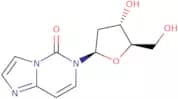
2'-Deoxy-N2,3-ethenoguanosine
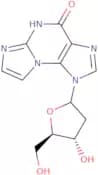
CAS:<p>2'-Deoxy-N2,3-ethenoguanosine is a novel antiviral agent that is phosphorylated by the viral enzyme ribonucleotide reductase and then incorporated into viral DNA. This compound is an activator of deoxyribonucleoside monophosphate activity and inhibits the synthesis of DNA and RNA. 2'-Deoxy-N2,3-ethenoguanosine has been shown to inhibit the growth of cancer cells in culture and may be useful for treating cancer.</p>Formula:C12H13N5O4Purezza:Min. 95%Peso molecolare:291.26 g/mol2'-Deoxy-2-fluoroadenosine
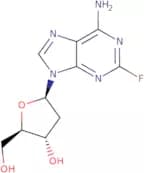
CAS:<p>2'-Deoxy-2-fluoroadenosine is an adenosine member and an organofluorine compound</p>Formula:C10H12FN5O3Purezza:Min. 98 Area-%Colore e forma:White PowderPeso molecolare:269.23 g/mol2'-Deoxy-4-thiouridine
CAS:<p>2'-Deoxy-4-thiouridine is a pyrimidine nucleoside for a range of applications</p>Formula:C9H12N2O4SPurezza:Min. 98 Area-%Colore e forma:PowderPeso molecolare:244.27 g/mol2'-Deoxy-a-guanosine
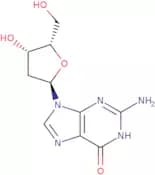
CAS:2'-Deoxy-a-guanosine is a nucleoside that is modified by the substitution of its ribose sugar with deoxyribose. It is used in anticancer and antiviral research. This chemical has been shown to inhibit DNA synthesis and RNA polymerase activity. 2'-Deoxy-a-guanosine has also been shown to have an anti-inflammatory effect, which may be due to its inhibition of prostaglandin synthesis.Formula:C10H13N5O4Purezza:Min. 95%Colore e forma:PowderPeso molecolare:267.25 g/moldNTP pre-mixes, 10 mM aqueous solution
CAS:<p>dATP, dTTP, dCTP and dGTP pre-mixed in a single vial</p>Formula:C10H16N5O12P3Purezza:Min. 95%Colore e forma:Clear LiquidPeso molecolare:491.18 g/molAdenosine 5'-diphosphate bis(cyclohexylammonium) salt
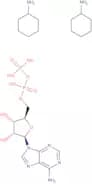
CAS:<p>Adenosine 5'-diphosphate bis(cyclohexylammonium) salt is a novel antiviral agent that has been shown to be an activator of the adenylate cyclase enzyme. It also inhibits DNA and RNA synthesis in viruses, which prevents viral replication. Adenosine 5'-diphosphate bis(cyclohexylammonium) salt is active against cancer cells and has been shown to inhibit tumor growth and prolong survival in animal models. This compound can be synthesized by reacting the monophosphate with phosphoramidites or deoxyribonucleosides.</p>Formula:C10H15N5O10P2·2C6H13NPurezza:Min. 98 Area-%Colore e forma:PowderPeso molecolare:625.55 g/molGuanosine 5'-monophosphate disodium [1',2',3',4',5'-13C5]
Guanosine 5'-monophosphate disodium salt [1',2',3',4',5'-13C5] is a modified nucleoside that is used as an antiviral agent. It inhibits the synthesis of DNA by competitively inhibiting the activity of ribonucleotide reductase, which is required for de novo synthesis of DNA. Guanosine 5'-monophosphate disodium salt [1',2',3',4',5'-13C5] has been shown to be effective in treating cancer and may have anticancer properties due to its ability to inhibit the proliferation of tumor cells.Formula:C5C5H14N5O8P•Na2Purezza:Min. 95%Colore e forma:PowderPeso molecolare:414.64 g/molGuanosine 3',5'-bisdiphosphate lithium salt - 100mM aqueous solution
CAS:Regulates gene transcription; inhibits the synthesis of tRNA and rRNAFormula:C10H17N5O17P4·xLiPurezza:Min. 85 Area-%Colore e forma:Colorless PowderPeso molecolare:602.16 g/molN3-Methylthymidine
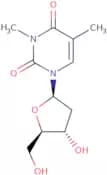
CAS:<p>N3-Methylthymidine is a metalloprotease inhibitor that has been shown to inhibit the activity of epidermal growth factor (EGF). N3-Methylthymidine is also an effective inhibitor of HIV infection. The inhibitory effect on HIV infection is due to the competitive inhibition of viral protease and subsequent degradation of viral proteins. N3-Methylthymidine inhibits the synthesis and release of infectious herpes simplex virus particles. This drug also inhibits the growth of human tumor cells in culture by inhibiting cell proliferation, most likely due to its ability to inhibit EGF. An analytical method for determining the concentration of this drug in plasma using chemical ligation has been developed.</p>Formula:C11H16N2O5Purezza:Min. 95%Colore e forma:White PowderPeso molecolare:256.26 g/molN6-Cyclopentyladenosine
CAS:<p>N6-Cyclopentyladenosine is a nucleoside analog that binds to the kappa-opioid receptor. The physiological effects of this drug are mediated through its interaction with the kappa-opioid receptor, which is found in the central nervous system and mediates many of the effects of morphine. N6-Cyclopentyladenosine has been shown to increase blood flow and heart rate in humans. This drug also inhibits tetrazolium dye uptake by papillary muscle cells, suggesting that it may have cardiotonic effects. N6-Cyclopentyladenosine has been used as an analytical probe for adenosine, which is metabolized by cyclic AMP and cyclic GMP phosphodiesterases into adenosine 3',5'-cyclic monophosphate (cAMP).</p>Formula:C15H21N5O4Purezza:Min. 95%Colore e forma:PowderPeso molecolare:335.36 g/mol2,4-Diamino-6-hydroxypyridine sulphate
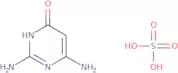
CAS:2,4-Diamino-6-hydroxypyridine sulphate is a nucleoside for use in research applicationsFormula:C4H6N4O•(H2SO4)xPurezza:Min. 95%Colore e forma:PowderPeso molecolare:224.2 g/mol3'-Azido-3'-deoxythymidine-b-D-glucuronide sodium salt
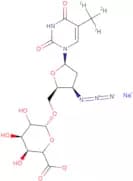
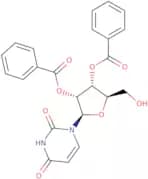
CAS:<p>3'-Azido-3'-deoxythymidine-b-D-glucuronide sodium salt is an antiviral and anticancer agent that inhibits the synthesis of DNA, RNA, and protein. It has shown to be effective against a variety of viruses including HIV-1, herpes simplex virus type 1, influenza A virus, vaccinia virus, and vesicular stomatitis virus. 3'-Azido-3'-deoxythymidine-b-D-glucuronide sodium salt also inhibits the growth of cancer cells in vitro. This drug is a modified nucleoside with a phosphoramidite backbone and a 3'-azido group at one end. The other end contains a beta D glucuronic acid moiety. The modifications allow for the inhibition of DNA synthesis by blocking the incorporation of deoxyribonucleotides into DNA chains.</p>Formula:C16H20N5NaO10Purezza:Min. 95%Colore e forma:PowderPeso molecolare:465.35 g/mol2',3'-Di-O-benzoyluridine
CAS:<p>2',3'-Di-O-benzoyluridine is a nucleoside for use in research applications</p>Formula:C23H20N2O8Purezza:Min. 98 Area-%Colore e forma:PowderPeso molecolare:452.41 g/mol2'-Deoxyinosine-5'-monophosphate disodium salt
CAS:<p>2'-Deoxyinosine-5'-monophosphate disodium salt is a synthetic nucleoside, phosphoramidite, and diphosphate that is used in the synthesis of DNA. It has been shown to have antiviral effects against HIV and herpes simplex virus type 2 (HSV-2). This drug also has anticancer activity and is an activator of novel nucleosides.</p>Formula:C10H11N4Na2O7PPurezza:Min. 98 Area-%Colore e forma:White PowderPeso molecolare:376.17 g/molQueuosine
CAS:Queuosine is a modified nucleoside found in the tRNA of both eukaryotic and prokaryotic organisms. It is primarily sourced from the gut microbiota and obtained through dietary intake, as humans lack the biosynthetic machinery to produce it endogenously. Queuosine plays a crucial role in cellular processes by contributing to the accuracy of protein synthesis, impacting cellular growth and maintenance. Its importance extends to understanding the molecular mechanisms underpinning various physiological processes and the potential for dysregulation in diseases. Ongoing research is exploring queuosine's implications in cellular metabolism, including its role in cancer biology and neurobiology. Understanding the pathways and effects of queuosine incorporation into tRNA may provide insights into novel therapeutic avenues for targeting metabolic disorders and diseases associated with translational fidelity.Formula:C17H23N5O7Purezza:Min. 95 Area-%Colore e forma:PowderPeso molecolare:409.39 g/mol4-[(1Z)-2-(4-Chlorophenyl)vinyl]pyridine
CAS:<p>4-[(1Z)-2-(4-Chlorophenyl)vinyl]pyridine is a modified nucleoside that is used in anticancer drugs. It has shown antiviral and antitumor effects. 4-[(1Z)-2-(4-Chlorophenyl)vinyl]pyridine is synthesized by condensing 4-chlorobenzaldehyde and 2,3-dichloropyridine. The nucleoside has been modified to be phosphorylated at the 5′ position and contains a ribonucleotide moiety and a deoxyribonucleotide moiety. This product is of high purity and quality, with an activator group at the 5′ position.</p>Formula:C13H10ClNPurezza:Min. 95%Peso molecolare:215.68 g/mol4-(b-D-Ribofuranosyl)-vic-triazolo[4,5-b]pyridin-5-one
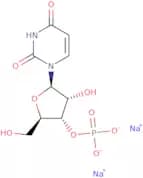
CAS:<p>Ribonucleosides, Deoxyribonucleosides and Activator are a group of synthetic compounds that are used in the synthesis of DNA. Ribonucleosides and Deoxyribonucleosides are nucleotides that contain ribose or deoxyribose as the sugar moiety. Activator is an activator for DNA polymerase, which catalyses the formation of a phosphodiester bond between two adjacent 3'-5' phosphate groups on a single strand of DNA. Ribonuclesides, Deoxyribonucleosides and Activator are used in recombinant DNA technology to synthesize DNA molecules containing modified bases. The CAS number for Ribonuclesides, Deoxyribonucleosides and Activator is 59892-40-9.</p>Formula:C10H12N4O5Purezza:Min. 95%Peso molecolare:268.23 g/molUridine 3'-monophosphate disodium salt
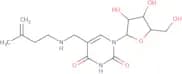
CAS:Uridine 3'-monophosphate disodium salt is a nucleotide that is part of the pyrimidine family. It is synthesized from uridine and phosphoric acid in a reaction that requires hydrogen bonding and the presence of an enzyme. Uridine 3'-monophosphate disodium salt has been shown to inhibit the production of eosinophil cationic protein, which may be due to its ability to denature proteins. This drug also has an effect on the synthesis of proteins by inhibiting enzymes such as acetylcholinesterase and catalase. The synthesis of glycosidic bonds is also inhibited, which may lead to an increase in body mass index (BMI).Formula:C9H11N2Na2O9PPurezza:Min. 95%Colore e forma:White PowderPeso molecolare:368.15 g/mol5-(Isopentenylaminomethyl)uridine
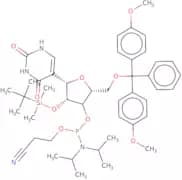
CAS:5-(Isopentenylaminomethyl)uridine is a modified uridine nucleoside that is used in biochemical research. It is the precursor to 5-amino-2'-deoxyuridine, which is converted to 5-iodo-2'-deoxyuridine. This modified uridine nucleoside can be used as a linker molecule for DNA and RNA ligation reactions and for analysis of biological samples. 5-(Isopentenylaminomethyl)uridine has been shown to inhibit the expression of genes in eukaryotes and prokaryotes. It also has been shown to inhibit the ribosome by binding to the peptidyl transferase center (PTC).Formula:C15H23N3O6Purezza:Min. 95%Peso molecolare:341.36 g/mol2'-O-tert-Butyldimethylsilyl-5'-O-DMT-pseudouridine 3'-CE phosphoramidite
CAS:<p>2'-O-tert-Butyldimethylsilyl-5'-O-DMT-pseudouridine 3'-CE phosphoramidite is a novel, high quality, high purity, and deoxyribonucleoside. It is a phosphoramidite that is used in the synthesis of oligodeoxyribonucleotides and has antiviral, anticancer, and anti-inflammatory activities. 2'-O-tert-Butyldimethylsilyl-5'-O-DMT-pseudouridine 3'-CE phosphoramidite inhibits the replication of DNA by inhibiting the synthesis of RNA from DNA. This deoxynucleoside also activates nucleases to degrade proteins that are involved in cancer cell proliferation.</p>Formula:C45H61N4O9PSiPurezza:Min. 95%Colore e forma:PowderPeso molecolare:861.05 g/mol5-Aza-7-deazaguanosine
CAS:5-Aza-7-deazaguanosine is a nucleoside analogue that has antiviral activity against herpes simplex virus, influenza, and other DNA viruses. 5-Aza-7-deazaguanosine is an analog of guanosine with the addition of a 7-deaza group on the nitrogen atom. This drug inhibits viral replication by inhibiting the polymerase function of the viral NS5B protein, which is essential for DNA synthesis. The structure activity relationship studies have shown that this compound has anti-hepatitis B virus activity, but not against hepatitis C virus. 5-Aza-7-deazaguanosine has been shown to be effective in animal models as well as in humans without any significant toxicity issues.Formula:C10H13N5O5Purezza:Min. 95%Colore e forma:PowderPeso molecolare:283.24 g/mol7-Methyl-6-thioguanosine inner salt
CAS:<p>7-Methyl-6-thioguanosine inner salt is a compound that inhibits the activity of creatine kinase and phosphatase, which are enzymes involved in energy metabolism. It also binds to actin filaments and prevents their depolymerization. The binding mechanism of 7-methyl-6-thioguanosine inner salt is believed to be due to its ability to form disulfide bonds with cysteine residues on the surface of the enzyme. This inhibition has been shown to reduce the ATP production in mammalian cells and has been used as a model system for studying cellular processes.</p>Formula:C11H15N5O4SPurezza:Min. 95 Area-%Colore e forma:White PowderPeso molecolare:313.33 g/molPolycytidylic acid
CAS:<p>Polycytidylic acid is a single stranded RNA analog which is combined with Polyinosinic acid to form a stable duplex structure known as Polyinosinic acid-polycytidylic acid (Poly I:C). PolyI:C stimulates the secretion of pro-inflammatory cytokines and type I interferon through its interaction with endosomal Toll-like receptor 3 (TLR-3) and the cytoplasmic receptors melanoma differentiation-associated gene 5 (MDA-5) and retinoic acid-inducible gene I (RIG-I). This immunostimulant activity makes Poly I:C a useful vaccine adjuvant and is used in vaccine formulations. Poly I:C and its stabilized analogs (e.g., poly-ICLC) are also being actively researched for their dual role in oncology: directly targeting tumors and acting as immune potentiators. For example Poly I:C can induce apoptosis in tumor cells and stimulate immunogenic cell death and is therefore being explored alongside chemotherapy, radiotherapy, and checkpoint inhibitors, helping to overcome resistance mechanisms and strengthen treatment outcomes. We can supply PolyI:C to all stages of your project - from R&D and preclinical phases right up to GMP commercial manufacture. Contact our team for custom Poly I:C products.<br>For more on poly I:C read out blog 'Poly I:C: A Vaccine Adjuvant With Oncological Potential.'</p>Purezza:Min. 95%Adenosine-5’-triphosphate disodium salt trihydrate
CAS:<p>Please enquire for more information about Adenosine-5’-triphosphate disodium salt trihydrate including the price, delivery time and more detailed product information at the technical inquiry form on this page</p>Formula:C10H14N5O13P3·2Na·3H2OPeso molecolare:605.19 g/moldNTP bundle, 4 x 100mM aqueous solution
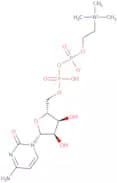
CAS:Each dNTP supplied in a separate vialPurezza:Min. 99 Area-%Colore e forma:Clear LiquidCytidine 5'-diphosphocholine
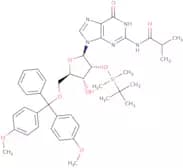
CAS:<p>Cytidine 5'-diphosphocholine is a nucleotide that is a precursor of uridine 5'-triphosphate and cytidine 5'-monophosphate, which are important for DNA synthesis. Cytidine 5'-diphosphocholine is used in the preparation of samples for experiments. This compound has been shown to induce neuronal death in an experimental model. It has also been shown to inhibit polymerase chain reactions and affect the activity of enzymes such as alpha-7 nicotinic acetylcholine receptors and glutamate decarboxylase. Cytidine 5'-diphosphocholine has been found to have no effect on basic fibroblast cells, but it does have physiological effects on human erythrocytes.</p>Formula:C14H26N4O11P2Purezza:Min. 98 Area-%Colore e forma:White PowderPeso molecolare:488.32 g/mol2'-O-(tert-Butyldimethylsilyl)-5'-O-DMT-N2-isobutyryl-guanosine
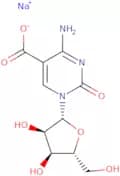
CAS:2'-O-(tert-Butyldimethylsilyl)-5'-O-DMT-N2-isobutyryl-guanosine is a synthetic nucleoside that has been modified with a tert-butyldimethylsilyl group. This modification is used to improve the efficiency of coupling reactions between nucleosides and phosphoramidites in oligonucleotide synthesis. The 2'-O-(tert-Butyldimethylsilyl)-5'-O-DMT-N2-isobutyryl guanosine is also used as a chromophore in spectroscopy experiments and as a ligand in metal coordination chemistry.Formula:C41H51N5O8SiPurezza:Min. 98 Area-%Colore e forma:Off-White PowderPeso molecolare:769.96 g/molCytidine-5-carboxylic acid sodium
CAS:Cytidine-5-carboxylic acid sodium salt is a nucleoside that is used as an activator for the synthesis of phosphoramidites. It is also used in anticancer and antiviral research as a component of DNA. Cytidine-5-carboxylic acid sodium salt is available in high purity, with a monophosphate form and diphosphate forms available.Formula:C10H13N3O7•NaPurezza:Min. 95%Colore e forma:PowderPeso molecolare:310.21 g/molGuanosine 5'-monophosphate disodium salt
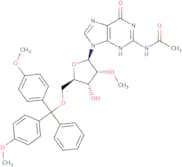
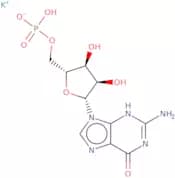
CAS:Guanosine 5'-monophosphate disodium salt (GMPDS) is an antiviral agent that inhibits the synthesis of viral nucleic acids by competitive inhibition of the enzyme ribonucleotide reductase. GMPDS has been shown to inhibit the replication of a number of RNA viruses, including influenza A and B, herpes simplex virus type 1, and human immunodeficiency virus type 1. This drug also has been shown to decrease cyclic adenosine monophosphate (cAMP) levels in cells by inhibiting phosphodiesterase activity. GMPDS is used for treatment of infectious diseases such as influenza A, herpes, and HIV-1.Formula:C10H12N5Na2O8PPurezza:Min. 98 Area-%Colore e forma:White Off-White PowderPeso molecolare:407.18 g/molN2-Acetyl-5'-O-DMT-2'-O-methyl guanosine
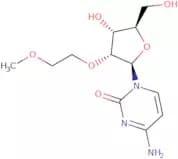
CAS:2'-O-Me protected nucleosideFormula:C34H35N5O8Peso molecolare:641.67 g/mol2'-O-(2-Methoxyethyl)cytidine
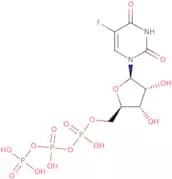
CAS:<p>2'-O-(2-Methoxyethyl)cytidine is a nutrient that is used to maintain the dry weight of Lactobacillus acidophilus cultures. It is also used as a texturizing agent in food products. 2'-O-(2-Methoxyethyl)cytidine has been shown to increase the rate of lactose hydrolysis and reduce the viscosity of yogurt by activating L. acidophilus. 2'-O-(2-Methoxyethyl)cytidine is also used as a dietary supplement for people with intestinal disorders, such as irritable bowel syndrome. It can be found in sodium salts and n-methyl-d-glucamine.</p>Formula:C12H19N3O6Purezza:Min. 95%Colore e forma:PowderPeso molecolare:301.3 g/mol5-Fluorouridine-5'-triphosphate sodium salt
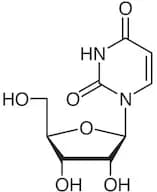
CAS:<p>5-Fluorouridine-5'-triphosphate sodium salt is an analog of uridine that has been used in the treatment of metastatic colorectal cancer. It is a prodrug that is metabolized to 5-fluorouracil, its active form. 5-Fluorouridine-5'-triphosphate sodium salt inhibits the synthesis of thymidylate, one of the precursors to DNA, and blocks the production of nucleotides. This results in cell lysis and death by apoptosis. The drug also inhibits epidermal growth factor receptor (EGFR), which may contribute to its antitumor effects.</p>Formula:C9H14N2O15P3FPurezza:Min. 95%Peso molecolare:502.13 g/molUridine
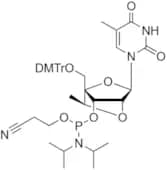
CAS:Formula:C9H12N2O6Purezza:>98.0%(T)(HPLC)Colore e forma:White powder to crystalPeso molecolare:244.205’-ODMT-cET-5-methyluridine 3’-OCE amidite
CAS:5’-ODMT-cET-5-methyluridine 3’-OCE amidite is a bicyclic nucleoside that is commonly known as BNA for bicyclic nucleic acid or LNA for locked nucleic acid. It comprises a bridge between the 4' and 2' carbon atoms to lock the ribose ring into a fixed configuration. The BNA or LNA incorporated oligonucleotides are useful to regulate gene expression via antisense mechanisms.Formula:C42H51N4O9PPeso molecolare:786.86 g/mol8-Amino[1''-(N''-dansyl)-4''-aminobutyl]-5'-(1-aziridinyl)-5'-deoxy adenosine
CAS:<p>8-Amino-[1''-(N''-dansyl)-4''-aminobutyl]-5'-(1-aziridinyl)-5'-deoxyadenosine is a novel nucleoside phosphoramidite that has antiviral and anticancer activity. It is currently under development as a potential treatment for Hepatitis C, HIV and cancer. 8-Amino-[1''-(N''-dansyl)-4''-aminobutyl]-5'-(1-aziridinyl)-5'-deoxyadenosine is an activator of the enzyme ribonucleotide reductase, which converts ribonucleotides to deoxyribonucleotides. It also inhibits the synthesis of DNA and RNA by inhibiting the enzyme DNA gyrase and topoisomerase IV. 8-Amino-[1''-(N''-dansyl)-4''-aminobutyl</p>Formula:C28H37N9O5SPurezza:Min. 95%Colore e forma:PowderPeso molecolare:611.72 g/mol2'-Amino-2'-deoxyadenosine-5'-triphosphate sodium salt - aqueous solution
CAS:2'-Amino-2'-deoxyadenosine-5'-triphosphate sodium salt - aqueous solution is a modified ATP analog, where the ribose has a 2'-amino substitution. This compound has potential research applicationsFormula:C10H17N6O12P3·xNaPurezza:Min. 95 Area-%Colore e forma:PowderPeso molecolare:506.2 g/mol8-Chloro-2'-deoxyadenosine
CAS:<p>8-Chloro-2'-deoxyadenosine is a nucleoside analogue and a disinfectant that inhibits the synthesis of DNA. It has been used to control active viruses and to induce apoptotic cell death in cancer cells. 8-Chloro-2'-deoxyadenosine binds to viral RNA and DNA, preventing viral replication by inhibiting the activity of reverse transcriptase, which is an enzyme that copies the virus's genetic information from RNA into DNA. This drug has also been shown to be effective for the treatment of HIV infection. 8-Chloro-2'-deoxyadenosine disrupts DNA synthesis and cellular metabolism by blocking transcription and protein synthesis.</p>Formula:C10H12ClN5O3Purezza:Min. 95%Colore e forma:PowderPeso molecolare:285.69 g/molN4-Etheno 2'-deoxycytidine
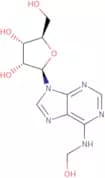
CAS:N4-Etheno 2'-deoxycytidine is an aromatic hydrocarbon that has been shown to be a potent inhibitor of DNA synthesis. It binds covalently with the N4 position of deoxycytidine in DNA, thereby inhibiting transcription and replication. This drug has been shown to be a potent inhibitor of DNA synthesis in human cells when it is added to the culture medium, but it does not inhibit protein synthesis. N4-Etheno 2'-deoxycytidine can also react with hydrogen bonds in cellular proteins and nucleosides that are involved in DNA repair mechanisms. This drug is reactive and may cause oxidative damage to cellular components, which may lead to carcinogenesis.Formula:C11H13N3O4Purezza:Min. 95%Colore e forma:White PowderPeso molecolare:251.24 g/molN6-Hydroxymethyladenosine
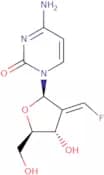
CAS:Please enquire for more information about N6-Hydroxymethyladenosine including the price, delivery time and more detailed product information at the technical inquiry form on this pageFormula:C11H15N5O5Purezza:Min. 95%Colore e forma:PowderPeso molecolare:297.27 g/mol(E)-2'-Deoxy-2'-(fluoromethylene)cytidine
CAS:<p>(E)-2'-Deoxy-2'-(fluoromethylene)cytidine is a cytostatic compound that inhibits DNA synthesis in tumor cells. It has been shown to be more potent than tezacitabine and hl-60 cells, as well as being less toxic than benzimidazole compounds. This analog of cytosine has been shown to have potent antitumor activity against carcinoma cell lines and myeloid leukemia cell lines. The oral prodrug form of this drug has been shown to be an effective treatment for myeloid leukemia in mice.</p>Formula:C10H12FN3O4Purezza:Min. 95%Peso molecolare:257.22 g/molNicotinic acid adenine dinucleotide sodium
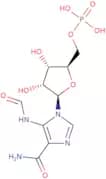
CAS:<p>Nicotinic acid adenine dinucleotide sodium (NAAD) is a novel anticancer and antiviral agent. NAAD is an analog of nicotinamide adenine dinucleotide (NAD) that has been modified to include a sodium ion. This modification inhibits the synthesis of DNA and RNA, which are required for cell division and replication. It has been shown to inhibit the growth of cancer cells in vitro and in vivo. In addition, NAAD suppresses viral replication by inhibiting protein synthesis in cells infected with HIV-1 or influenza virus. NAAD has also been shown to be a potent inhibitor of ribonucleoside reductase, which converts ribonucleosides into deoxyribonucleosides. This inhibition prevents the conversion of diphosphate nucleotides into monophosphate nucleotides, which are necessary for DNA synthesis.</p>Formula:C21H26N6O15P2•NaPurezza:Min. 95%Peso molecolare:687.4 g/mol5-Formylamino-4-imidazolecarboxamide ribonucleotide
CAS:5-Formylamino-4-imidazolecarboxamide ribonucleotide is a nucleoside that is synthesized from 5-aminoimidazole ribonucleotide. It has antiviral and anticancer properties and is used as a precursor for the synthesis of other nucleosides. 5-Formylamino-4-imidazolecarboxamide ribonucleotide can be used in the preparation of oligodeoxyribonucleotides, which are involved in DNA replication, transcription, and translation. This compound also has been shown to inhibit the growth of cells with HIV or cancerous cells.Formula:C10H15N4O9PPurezza:(Elemental Analysis) Min. 85%Peso molecolare:366.22 g/molCyclic inosine diphosphate ribose
CAS:<p>Cyclic inosine diphosphate ribose is a synthetic, fluorescent compound that can be used as a probe for assays. It has been synthesized by the solid-phase synthesis of a specific antibody and is bioconjugated with an oligo(ethylene glycol) moiety. Cyclic inosine diphosphate ribose can be used to measure lymphocyte activation, which is important for the study of autoimmune diseases and cancer. Cyclic inosine diphosphate ribose has also been shown to bind to the ryanodine receptor, which causes an increase in intracellular calcium concentration.</p>Formula:C15H20N4O14P2Purezza:Min. 95%Peso molecolare:542.29 g/molMyristoyl coenzyme A
CAS:<p>Myristoyl coenzyme A is a potential drug that inhibits the binding of human pathogens to protein. It also has been shown to have potential as an inhibitor for reactions involving myristoylation, which is a process where proteins are modified with myristic acid. Myristoyl coenzyme A was synthesized using titration calorimetry and in vitro assays. The compound has been shown to have the ability to inhibit polymerase chain reaction (PCR) and reduce the growth of bacteria in vitro. Myristoyl coenzyme A may be useful in treating metabolic disorders and infectious diseases such as AIDS, tuberculosis, and malaria.</p>Formula:C35H62N7O17P3S·H2OPurezza:Min. 90%Colore e forma:White PowderPeso molecolare:995.91 g/mol2'-Phosphoadenosine 5'-phosphosulfate tetralithium salt (mixture with 3'-isomer)
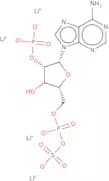
CAS:<p>2'-Phosphoadenosine 5'-phosphosulfate tetralithium salt (mixture with 3'-isomer) is a novel, modified nucleoside. It has antiviral properties and can be used for the treatment of cancer. 2'-Phosphoadenosine 5'-phosphosulfate tetralithium salt (mixture with 3'-isomer) inhibits viral replication by inhibiting the synthesis of viral DNA and RNA. This compound also inhibits cancer cell proliferation by inhibiting deoxyribonucleic acid (DNA) and ribonucleic acid (RNA) synthesis.</p>Formula:C10H11N5O13P2S·4LiPurezza:Min. 95%Colore e forma:SolidPeso molecolare:531 g/molPolyguanylic acid potassium
CAS:Polyguanylic acid potassium salt is a guanosine analog that is used as a probe for studying the interaction of cellular and target tissue. It has been found to be taken up by cells, with high affinity constants, and to be immobilized on cell surfaces. Polyguanylic acid potassium salt can also be used as an anticancer agent against epidermoid carcinoma cells with high affinity constants. The compound interacts with DNA and inhibits the growth of the tumor cells by interfering with the uptake of nucleic acids.Formula:(C10H14N5O8P)x•KxPurezza:Min. 95%Colore e forma:PowderLevovirin
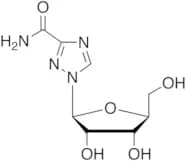
CAS:Prodotto controllato<p>Applications Levovirin is a monocyclic L-nucleosides with type 1 cytokine-inducing activity. Levovirin is the L-enantiomer of Ribavirin (R414475) with similar immunomodulatory activity but does not have direct antiviral activity or hemolytic anemia.<br>References Ramasamy, K.S. et al.: J. Med. Chem., 43, 1019 (2000); Fang, C. et al.: J. Appl. Toxicol., 23, 453 (2003):<br></p>Formula:C8H12N4O5Colore e forma:NeatPeso molecolare:244.208-Methylthioadenosine
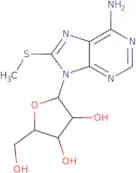
CAS:8-Methylthioadenosine is a synthetic analogue of adenosine that has been used as a biochemical stimulator. It has been shown to inhibit uptake of fatty acids and phospholipids into cells, which may be due to the inhibition of cellular ATPase. 8-Methylthioadenosine can also be used as a precursor for other molecules, such as methylation of DNA or RNA. 8-Methylthioadenosine is synthesized from linolenic acid and phosphate in a reaction catalyzed by molecular oxygen. The synthesis is stimulated by light and heat and inhibited by cyanide. Magnetic resonance spectroscopy (NMR) was used to confirm that the molecule had the correct structure.Purezza:Min. 95%3',5'-O-[Tetrakis(1-methylethyl)-1,3-disiloxanediyl]-guanosine
CAS:<p>3',5'-O-[Tetrakis(1-methylethyl)-1,3-disiloxanediyl]-guanosine is a nucleoside phosphoramidite that is synthesized by the reaction of 3',5'-O-[Tetrakis(trimethylsiloxy)silyl]guanosine with tetrakis(1-methylethyl) siloxane. It is a novel monophosphate analogue of guanosine and has antiviral, anticancer and activator properties. 3',5'-O-[Tetrakis(1-methylethyl)-1,3-disiloxanediyl]-guanosine is not toxic to cells and can be used in the treatment of cancer.</p>Formula:C22H39N5O6Si2Purezza:Min. 95%Peso molecolare:525.75 g/molγ-(2-Azidoethyl)-ATP sodium, 10 mM aqueous solution
<p>Please enquire for more information about γ-(2-Azidoethyl)-ATP sodium, 10 mM aqueous solution including the price, delivery time and more detailed product information at the technical inquiry form on this page</p>Formula:C12H19N8O13P3•NaxPurezza:Min. 95%2'-13CUridine
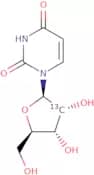
CAS:<p>2'-13CUridine is a nucleoside that is a pyrimidine nucleoside. It is a structural analogue of cytidine and deamination. 2'-13CUridine has been used in the synthesis of anti-cancer drugs such as cytarabine and 5-flurouracil. Cytarabine, a purine analog, is an important component of chemotherapy for the treatment of leukemia, lymphoma, and other cancers.</p>Formula:CC8H12N2O6Purezza:Min. 95%Colore e forma:PowderPeso molecolare:245.19 g/mol2-tert-Butylpyrimidine-5-carbaldehyde
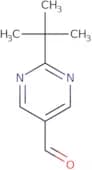
CAS:2-tert-Butylpyrimidine-5-carbaldehyde (2BP) is a potent, selective inhibitor of DNA polymerase that is expressed in the tibia during bone development. 2BP has been shown to inhibit platelet-derived growth factor (PDGF)-induced angiogenesis in mouse calvaria and animal research models. This compound also inhibits the proliferation of basic fibroblasts and cancer cells in vitro.Formula:C9H12N2OPurezza:Min. 95%Peso molecolare:164.2 g/mol5-Carboxymethylaminomethyl- 2'-O-methyluridine
CAS:5-Carboxymethylaminomethyl- 2'-O-methyluridine (5CmAMU) is a modified nucleobase that is categorized as a modified base. It is an analog of uridine, which has been shown to be effective against tuberculosis in mice. 5CmAMU inhibits the methylation of rRNA and DNA by binding to the enzyme RNA methyltransferase, thereby inhibiting transcription and replication. This modification has also been shown to inhibit cellular proliferation and promote apoptosis. 5CmAMU binds to guanine with a stoichiometry of 1:1, which provides evidence for its role in DNA synthesis and repair. The structural modifications on this molecule may lead to diagnostic applications or treatments for diseases such as tuberculosis.Formula:C13H19N3O8Purezza:Min. 95%Colore e forma:PowderPeso molecolare:345.31 g/mol2'-Deoxyuridine-5'-[(a,b)-imido]triphosphate sodium salt - 10mM aqueous solution
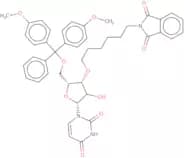
CAS:2'-Deoxyuridine-5'-[(a,b)-imido]triphosphate sodium salt - 10mM aqueous solution is an antiviral nucleoside phosphoramidite that is used in the synthesis of deoxyribonucleosides. It has been shown to be effective against some DNA viruses and has anticancer activity. 2'-Deoxyuridine-5'-[(a,b)-imido]triphosphate sodium salt - 10mM aqueous solution is synthesized from 2',3',4',5',6-pentakis(2-hydroxypropyl)carbamate and 2-deoxyuridine 5'-monophosphate.Formula:C9H16N3O13P3Purezza:Min. 95%Colore e forma:liquid.Peso molecolare:467.16 g/mol5'-O-DMT-3'-O-hexylphthalimidouridine
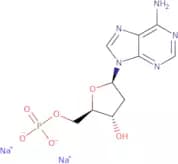
<p>5'-O-DMT-3'-O-hexylphthalimidouridine is an antiviral and anticancer agent that is a nucleoside analog. It inhibits viral replication by preventing the production of RNA, which is necessary for the synthesis of DNA. It also prevents the proliferation of cancer cells and induces apoptosis by inhibiting DNA synthesis. 5'-O-DMT-3'-O-hexylphthalimidouridine is a monophosphate that has been modified to form a phosphoramidite. The synthesized product was purified to high purity and quality with a novel structure.</p>Formula:C44H45N3O10Purezza:Min. 95%Peso molecolare:775.86 g/mol2'-Deoxyadenosine 5'-monophosphate sodium salt
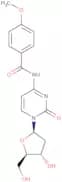
CAS:2'-Deoxyadenosine 5'-monophosphate sodium salt is a hydrated salt that is the sodium salt of 2'-deoxyadenosine 5'-monophosphate. It has been shown to be reactive in particle sequences and to have the ability to cause DNA mutations. Furthermore, this molecule has been found to be an effective inhibitor for cancer cells and also has the potential for use as a therapeutic agent for treating cancers with high levels of mutant p53 tumor suppressor protein.Formula:C10H14N5O6P·xNaPurezza:Min. 95%Colore e forma:PowderPeso molecolare:331.22 g/molN4-Anisoyl-2'-deoxycytidine
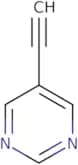
CAS:<p>N4-Anisoyl-2'-deoxycytidine is a nucleoside that contains a long chain of four carbon atoms. It is the cyclic form of N4-anisoyl-2'-deoxyadenosine. This compound has been shown to be synthesized in yields of up to 71% using acid anhydrides and diamino compounds. N4-Anisoyl-2'-deoxycytidine is a bifunctional reagent that can be used as a starting material for the synthesis of oligodeoxyribonucleotides. The compound has also been shown to function as an effective inhibitor of DNA synthesis, which may lead to anti-cancer effects.</p>Formula:C17H19N3O6Purezza:Min. 95%Colore e forma:PowderPeso molecolare:361.35 g/mol5-Ethynylpyrimidine
CAS:5-Ethynylpyrimidine is a supramolecular alkynyl group that has been shown to inhibit tyrosine kinase activity, cross-coupling, and the synthesis of proteins. It also exhibits luminescent properties and can be used in supramolecular chemistry. 5-Ethynylpyrimidine is a pyrimidine nucleoside, which is an organic compound that is a component of RNA. Pyrimidine nucleosides are important for protein synthesis and are used as luminophores or fluorescent resonance quenchers in biochemical assays for enzyme activity; they have also been shown to inhibit herpes simplex virus (HSV) replication. 5-Ethynylpyrimidine has been found to be able to bind terminal alkynes with high affinity.Formula:C6H4N2Purezza:Min. 95%Peso molecolare:104.11 g/molAICAR 3',5'-cyclic phosphate
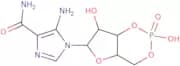
CAS:<p>AICAR 3',5'-cyclic phosphate is an antiviral and anticancer agent that inhibits the production of DNA and RNA, which may be due to its ability to activate AMP-activated protein kinase. AICAR 3',5'-cyclic phosphate has been shown to inhibit the proliferation of human breast cancer cells in vitro. This drug also has anticancer activity against various types of cancers, including prostate cancer and melanoma. AICAR 3',5'-cyclic phosphate is a novel compound that can be used as a phosphoramidite reagent for the synthesis of oligonucleotides.</p>Formula:C9H13N4O7PPurezza:Min. 95%Peso molecolare:320.2 g/molGuanosine 5'-triphosphate
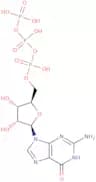
CAS:<p>Guanosine 5'-triphosphate (GTP) is a nucleotide that is involved in many cellular processes including transcription, protein synthesis, and intracellular signaling. GTP binds to the enzyme guanine nucleotide-binding proteins and regulates the activity of certain enzymes. One such enzyme is adenylyl cyclase, which converts ATP into cAMP. GTP also activates other enzymes that are involved in signal transduction pathways, such as phospholipase C-β1 and phospholipase D. The antimicrobial agents can inhibit these enzymes, thereby preventing bacterial growth and replication.</p>Formula:C10H16N5O14P3Purezza:Min. 95%Peso molecolare:523.18 g/mol4'-a-C-Methylguanosine
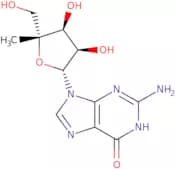
CAS:4'-a-C-Methylguanosine is a nucleoside that is synthesized by the condensation of 4'-amino-2',3'-dideoxyadenosine and 1,2-ethanediol. This product is an activator that can be used to synthesize novel DNA analogues with various chemical modifications. It has shown antiviral and anticancer activity in vitro. 4'-a-C-Methylguanosine was also found to be more active than guanosine when it came to inhibiting viral replication in human cells.Purezza:Min. 95%2-(2-Furyl)-5-pyrimidinecarbaldehyde
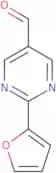
CAS:<p>2-(2-Furyl)-5-pyrimidinecarbaldehyde (2FP) is a novel anticancer activator that belongs to the class of modified DNA. 2FP is a nucleoside analogue that inhibits the synthesis of DNA, RNA, and protein. It has been shown to inhibit the growth of cancer cells in vitro and in vivo. This compound may be used as an antiviral agent against HIV and herpes virus infections. 2FP has high purity and quality, with CAS number 959240-19-8.</p>Formula:C9H6N2O2Purezza:Min. 95%Peso molecolare:174.16 g/molBenzoyl stavudine
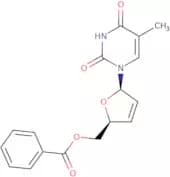
CAS:Benzoyl stavudine is a nucleoside that is used as an anti-HIV drug. It has been shown to be a prodrug of the active form, stavudine, by reductive elimination. Benzoyl stavudine has been shown to inhibit HIV replication by competitively binding to the viral reverse transcriptase enzyme and preventing the synthesis of RNA from DNA. This drug also inhibits ribonucleotide reductase, an enzyme that converts ribonucleotides into deoxyribonucleotides for DNA synthesis. This inhibition prevents the formation of new viral DNA and halts viral replication.Formula:C17H16N2O5Purezza:Min. 95%Peso molecolare:328.32 g/molN4-Acetyl-2'-deoxy-5'-O-DMT-cytidine 3'-Q linker CPG 1000Å
<p>N4-Acetyl-2'-deoxy-5'-O-DMT-cytidine 3'-Q linker CPG 1000Å is a nucleoside analog that is used in the synthesis of DNA. It is a phosphoramidite that has been modified with an acetyl group at the 2' position and a Q linker at the 3' position. This product can be used as an antiviral or anticancer agent, as well as for other research purposes. The CAS number for this product is 62660-67-7, and it has been shown to be active against HIV and HCV.</p>Purezza:Min. 95%1,5-Anhydro-3-O-benzoyl-4,6-O-benzylidene-2-deoxy-2-(uracil-1-yl)-D-altro-hexitol
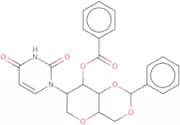
CAS:1,5-Anhydro-3-O-benzoyl-4,6-O-benzylidene-2-deoxy-2-(uracil-1-yl)-D-altrohexitol is a nucleoside that is used in the synthesis of DNA. It has antiviral and anticancer properties.Formula:C24H22N2O7Purezza:Min. 95%Colore e forma:SolidPeso molecolare:450.45 g/molUridine 5'-triphosphate
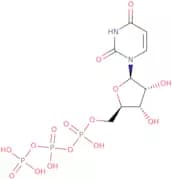
CAS:<p>P2Y receptor agonist; precursor in RNA biosynthesis</p>Formula:C9H15N2O15P3Purezza:Min. 95%Peso molecolare:484.14 g/mol2',3'-Di-O-isopropylidene-isocytidine
CAS:2',3'-Di-O-isopropylidene-isocytidine is a nucleoside that belongs to the group of antiviral and anticancer compounds. It is an analog of cytidine, and has been shown to be an activator of phosphoramidites, DNA, and RNA. 2',3'-Di-O-isopropylidene-isocytidine has been shown to have antineoplastic effects on tumor cells by inhibiting rna synthesis and protein synthesis. This compound also inhibits the growth of bacteria, including Mycobacterium tuberculosis and Mycobacterium avium complex. 2',3'-Di-O-isopropylidene-isocytidine has been shown to be a novel modified nucleoside with high purity and high quality.Purezza:Min. 95%2’,3’,5’-Tri-O-benzoyl-5-methoxyuridine
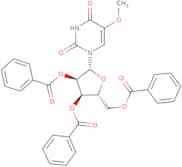
CAS:2’,3’,5’-Tri-O-benzoyl-5-methoxyuridine is a modified nucleoside that is structurally similar to the natural nucleoside uridine. It has antiviral properties and can be used as a monophosphate, diphosphate, or nucleotide. 2’,3’,5’-Tri-O-benzoyl-5-methoxyuridine is synthesized by reacting 5′-(triacetyl)aminoimidazole with 5′-(triisopropyl)phosphoroamidite in acetonitrile. The product has been shown to have anticancer activity in vitro and in vivo.Purezza:Min. 95%dNaM
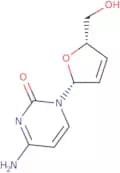
CAS:<p>dNaM is a metabolite of DNA that has been shown to be a potential biomarker for metabolic disorders and autoimmune diseases. dNaM levels are elevated in the blood of pregnant women, which may serve as a marker for preeclampsia. Elevated levels have also been observed in patients with type 2 diabetes, obesity, and cancer. Methylation plays an important role in dNaM metabolism. The enzyme DNA methyltransferase (DNMT) catalyzes the transfer of methyl groups from S-adenosyl methionine to cytosine residues on the DNA molecule. DNMT activity is increased by high body mass index (BMI), low vitamin B12 levels, and HIV infection. This enzyme is also inhibited by valproic acid and deprenyl, which may affect dNaM methylation status.</p>Formula:C16H18O4Purezza:Min. 95%Peso molecolare:274.31 g/mol2',3'-Dideoxy-2',3'-didehydrocytidine
CAS:<p>2',3'-Dideoxy-2',3'-didehydrocytidine (ddC) is a nucleoside analog that is used in the treatment of hepatitis B and C. This drug inhibits the reverse transcriptase enzyme and has cytostatic effects on viruses, for example, by preventing cell division. 2',3'-Dideoxy-2',3'-didehydrocytidine also inhibits viral replication by acting as an antigen and inducing antibody production. This drug binds to a variety of enzymes, including preparations of cellular enzymes, human immunodeficiency virus type 1 (HIV-1), and reverse transcriptase. The effective dose of ddC is 300 mg/day given orally.</p>Formula:C9H11N3O3Purezza:Min. 95%Peso molecolare:209.2 g/mol5’-O-DMT-N4-Phenoxyacetyl-2’-O-methylcytidine
5’-O-DMT-N4-Phenoxyacetyl-2’-O-methylcytidine is an Activator and Anticancer agent. The synthesis of this product is based on the modification of cytidine to 2’,4,6,-trimethoxybenzoylcytidine. This product has been shown to be more potent than other cytidine analogs in inhibiting the growth of cancer cells. 5'-O-DMT-N4-Phenoxyacetyl-2'-O-methylcytidine is a novel nucleoside that has been shown to have antiviral activity against human immunodeficiency virus (HIV).Purezza:Min. 95%2',3',5'-Tri-O-acetylnebularine
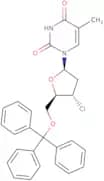
CAS:2',3',5'-Tri-O-acetylnebularine is a modified nucleoside that is synthesized from nebulareine. It has been shown to inhibit the growth of cancer cells, as well as HIV and influenza virus. This drug also has antiviral effects against herpes simplex virus type 1 (HSV-1) and herpes simplex virus type 2 (HSV-2). 2',3',5'-Tri-O-acetylnebularine inhibits viral replication by inhibiting DNA synthesis and RNA transcription, which prevents the production of proteins needed for cell multiplication.Formula:C16H18N4O7Purezza:Min. 95%Peso molecolare:378.34 g/mol2’,3’-Dideoxy-3’-chloro-5-methyl-5’-O-trityluridine
CAS:2’,3’-Dideoxy-3’-chloro-5-methyl-5’-O-trityluridine (ddCTP) is a novel nucleoside analog that is synthesized by the protection of the 5'-hydroxyl group with an acetyl group followed by a 2',3'-dideoxy substitution. This compound has been shown to have antiviral and anticancer activities. ddCTP is an activator of DNA polymerase and inhibits viral DNA synthesis in vitro. It also inhibits protein synthesis and cell division by binding to the RNA template strand, which prevents it from being used as a template for protein synthesis.Purezza:Min. 95%2'-Deoxy-5'-O-DMT-N2-isobutyrylguanosine 3'-H phosphonate triethylammonium salt
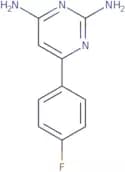
CAS:2'-Deoxy-5'-O-DMT-N2-isobutyrylguanosine 3'-H phosphonate triethylammonium salt is a novel nucleoside analog. It has been shown to be cytotoxic to cancer cells in vitro and in vivo. 2'-Deoxy-5'-O-DMT-N2-isobutyrylguanosine 3'-H phosphonate triethylammonium salt inhibits viral replication, including herpes simplex virus type 1 (HSV1) and human immunodeficiency virus type 1 (HIV1), by inhibiting DNA synthesis.Formula:C35H37N5O9PPurezza:Min. 95%Peso molecolare:804.89 g/mol6-(4-Fluorophenyl)pyrimidine-2,4-diamine
CAS:6-(4-Fluorophenyl)pyrimidine-2,4-diamine is an organic compound that has been shown to inhibit the proliferation of cells in vitro and to induce apoptosis. It also inhibits the growth of cancer cells. 6-(4-Fluorophenyl)pyrimidine-2,4-diamine mediates the activation of arylation, which is a chemical reaction that produces a new carbon-carbon bond between two or more molecules. This reaction is involved in the process of angiogenesis. In addition, this compound has been shown to be reactive with other compounds that are known to cause mutations and cellular damage.Formula:C10H9FN4Purezza:Min. 95%Peso molecolare:204.2 g/mol2,3'-Anhydro-N4-benzoyl-2'-deoxy-5'-O-DMT-cytidine
2,3'-Anhydro-N4-benzoyl-2'-deoxy-5'-O-DMT-cytidine is a nucleoside analog that was synthesized as an antiviral agent. It is not active against DNA viruses because it lacks the 2' hydroxyl group. This compound has been shown to be an effective inhibitor of human papillomavirus and herpes simplex virus type 1 replication in vitro. It also inhibits DNA synthesis by preventing incorporation of cytosine into DNA and may have anticancer activity.Purezza:Min. 95%5-Fluoro-2',3'-O-isopropylidenecytidine
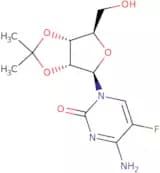
CAS:5-Fluoro-2',3'-O-isopropylidenecytidine is a modified nucleoside that has antiviral and anticancer properties. It is a diphosphate of cytidine, with a fluorine atom in the 2'-position and an isopropyl group in the 3'-position. 5-Fluoro-2',3'-O-isopropylidenecytidine is synthesized by reacting 5-fluorocytidine with isopropylamine. This novel compound has been shown to have high quality, high purity, and improved biological activity as compared to other nucleosides.Formula:C12H16FN3O5Purezza:Min. 95%Peso molecolare:301.27 g/mol5'-O-DMT-2'-O-pentylaminoadenosine
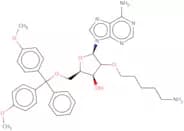
5'-O-DMT-2'-O-pentylaminoadenosine is a phosphoramidite nucleoside monophosphate. It is a novel anticancer and antiviral agent that has been shown to kill cancer cells, inhibit viral replication, and inhibit the synthesis of DNA in the cell. 5'-O-DMT-2'-O-pentylaminoadenosine has been shown to be an effective inhibitor of herpes simplex virus type 1 (HSV1) replication in vitro. This drug also inhibits the synthesis of DNA and RNA by inhibiting nucleoside diphosphate kinase, which is a key enzyme in the metabolism of nucleosides.Formula:C36H42N6O6Purezza:Min. 95%Peso molecolare:654.77 g/molL-5-methyluridine
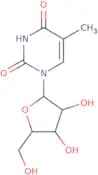
CAS:<p>L-5-methyluridine is a nucleoside that is used as a building block in the synthesis of oligonucleotides. It contains one ribose sugar and one deoxyribose sugar, linked to the base adenine by a phosphate group. L-5-methyluridine can be synthesized from 5-chloro-2'-deoxyadenosine, hypoxanthine, and ammonium chloride. The synthesis starts with condensation reactions between the two sugar molecules to form an intermediate called a nucleoside. This is followed by alkylation of the base and then oxidation of the sugar group to form anomeric esters. The last step involves hydrolysis of the acyloxy ester, which yields L-5-methyluridine after acidification.</p>Formula:C10H14N2OPurezza:Min. 95%Peso molecolare:178.23 g/mol2'-Deoxy-5'-O-DMT-N4-isobutyrylcytidine 3'-CE phosphoramidite
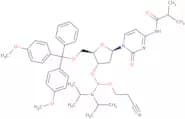
CAS:<p>This is a nucleotide analog that is used as a building block in DNA synthesis. It can be obtained from various sources, such as Sigma-Aldrich, Inc.</p>Purezza:Min. 95%N6-Benzoyl-2'-deoxy-a-adenosine
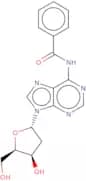
<p>N6-Benzoyl-2'-deoxy-a-adenosine is a synthetic nucleoside analog. N6-Benzoyl-2'-deoxy-a-adenosine has antiviral and anticancer properties. It is a potent inhibitor of DNA polymerase and also inhibits ribonucleotide reductase, which are enzymes crucial for DNA synthesis. N6-Benzoyl-2'-deoxy-a-adenosine inhibits the synthesis of viral RNA, leading to inhibition of viral replication. It has been shown to inhibit proliferation of tumor cells in vitro and in vivo by inhibiting DNA synthesis and inducing apoptosis.</p>Formula:C17H17N5O4Purezza:Min. 95%Peso molecolare:355.36 g/mol3'-Azido-3'-deoxythymidine-methyl-D3-b-D-glucuronide sodium salt
Prodotto controllato3'-Azido-3'-deoxythymidine-methyl-D3-b-D-glucuronide sodium salt is a novel antiviral nucleoside phosphoramidite that has been shown to be an effective activator in the synthesis of diphosphate and triphosphate analogs. The novel antiviral nucleoside phosphoramidite was synthesized from 3'-azido-3'-deoxythymidine, methyl bromoacetate and sodium hydroxide in methanol at room temperature. It is structurally similar to the natural nucleosides, deoxyribonucleosides and ribonucleosides with modifications on the sugar moiety and phosphate group. This compound is a high quality synthetic material for use in pharmaceutical research, as an anticancer agent and as a potential antiviral drug.Formula:C16H17D3N5NaO10Purezza:Min. 95%Colore e forma:PowderPeso molecolare:468.36 g/mol5-Bromo-2-methylsulfanyl-pyrimidine-4-carboxylic acid
CAS:5-Bromo-2-methylsulfanyl-pyrimidine-4-carboxylic acid is a pyrimidine derivative that inhibits protein kinases. The compound has been shown to inhibit the activity of protein kinase C, which is involved in mediating inflammatory responses, and phosphorylation of the insulin receptor substrate 1. 5-Bromo-2-methylsulfanyl-pyrimidine-4-carboxylic acid is an efficient inhibitor of kinases and can be used as a lead compound for the development of new compounds with therapeutic potential.Formula:C6H5BrN2O2SPurezza:Min. 95%Peso molecolare:249.09 g/mol2'-Deoxy-N2-isobutyrylcytidine
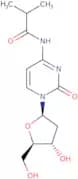
CAS:<p>2'-Deoxy-N2-isobutyrylcytidine is a nucleoside analogue of cytidine that has been modified with a 2-amino-2-deoxyribose moiety. The transaminated product is more stable than the parent compound and has improved anticoagulant activity. It has also been shown to be active in inhibiting DNA synthesis and cell proliferation in vitro. 2'-Deoxy-N2-isobutyrylcytidine inhibits the growth of bacteria by binding to their ribosomes, preventing protein synthesis. This compound has also been shown to inhibit the formation of blood clots in mice.</p>Formula:C13H19N3O5Purezza:Min. 95%Peso molecolare:297.31 g/mol1-(2-Deoxy-b-D-ribofuranosyl)-4-methylindole
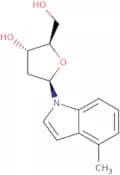
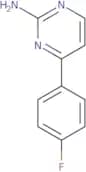
CAS:1-(2-Deoxy-b-D-ribofuranosyl)-4-methylindole is a nucleoside that can be used as an activator for phosphoramidite synthesis. It is also known to have antiviral, anticancer, and antimalarial properties. 1-(2-Deoxy-b-D-ribofuranosyl)-4-methylindole has been shown to inhibit the proliferation of human leukemia cells in culture. It has also been shown to suppress HIV replication in vitro by inhibiting viral RNA synthesis.Formula:C14H17NO3Purezza:Min. 95%Peso molecolare:247.3 g/mol2-Amino-4-(4-fluorophenyl)pyrimidine
CAS:<p>2-Amino-4-(4-fluorophenyl)pyrimidine is a fluorinated derivative of imatinib, which is a chemical that inhibits the activity of tyrosine kinases. It has been shown to be a more potent inhibitor than imatinib, and it also offers high yields and regioselectivity. This compound can be used in organic chemistry to produce fluorinated derivatives.</p>Formula:C10H8FN3Purezza:Min. 95%Peso molecolare:189.19 g/mol2'-Amino-2'-deoxyguanosine-5'-triphospate tetralithium salt
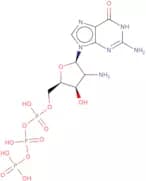
CAS:2'-Amino-2'-deoxyguanosine-5'-triphosphate tetralithium salt is a novel nucleoside analog that has antiviral and anticancer activities. It is a high quality, modified nucleoside that can be used for the synthesis of deoxyribonucleosides or ribonucleosides. It is synthesized from 2'-amino-2'-deoxyguanosine triphosphate and a lithium salt of tetrabutylammonium. This product has a CAS number of 108269-13-2 and a purity level of ≥99%.Formula:C10H17N6O13P3Li4Purezza:Min. 95%Peso molecolare:549.96 g/mol2'-Deoxy-2'-fluoroadenosine 5'-a-thiotriphosphate sodium salt
2'-Deoxy-2'-fluoroadenosine 5'-a-thiotriphosphate sodium salt (2'F-ATP) is a nucleoside analog that inhibits viral DNA polymerase and induces apoptosis in cancer cells. It is a novel, modified nucleotide that can be phosphorylated to 2'F-dATP, 2'F-AMP, or 2'F-GMP. The phosphate group in 2'F-ATP is replaced by a thiophosphate group, which increases the stability of the molecule and prevents it from being hydrolyzed by phosphatases. This makes it an effective activator for DNA synthesis reactions.Purezza:Min. 95%2'-C-Ethynylcytidine
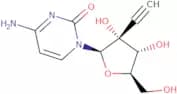
CAS:<p>2'-C-Ethynylcytidine is a synthetic surfactant that can be used in coatings and other surface treatments. It has been shown to inhibit the growth of bacteria and viruses, as well as being effective against a variety of bacterial species. 2'-C-Ethynylcytidine binds to sulfide, which is produced by bacteria, leading to cell death. The antimicrobial activity of 2'-C-Ethynylcytidine is due to its ability to form ester linkages with polyesters, which are able to penetrate the bacterial cell membrane and disrupt the integrity of the cytoplasmic membrane. This leads to leakage of intracellular contents, followed by cell death. 2'-C-Ethynylcytidine also has been shown to bind to metal ions such as silver, copper, zinc and cadmium and prevent their uptake into cells.</p>Purezza:Min. 95%2-(2-Methylphenyl)pyrimidine-5-carbaldehyde
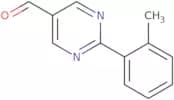
CAS:2-(2-Methylphenyl)pyrimidine-5-carbaldehyde is a crystalline solid that has been shown to have synergistic effects with polypropylene. It is synthesized from 2-methylphenylacetonitrile and 2,4-dichloro-6-(trifluoromethyl)pyrimidine in the presence of sodium metal. The product is soluble in alcohols and ethers, but insoluble in water.Formula:C12H10N2OPurezza:Min. 95%Peso molecolare:198.22 g/mol5'-O-DMT-thymidine 3'-Me phosphoramidite
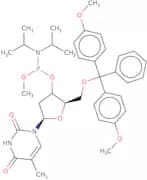
<p>5’-O-DMT-thymidine 3’-Me phosphoramidite is a novel and modified nucleotide analog that is used as an antiviral agent. It has been shown to be active against herpes simplex virus type 1 (HSV-1) and Epstein-Barr virus (EBV). 5'-O-DMT-thymidine 3’-Me phosphoramidite is not active against HIV, although it has been shown to inhibit the replication of Hepatitis B virus. This compound can also be used in cancer therapy.<br>5'-O-DMT-thymidine 3' -Me phosphoramidite inhibits cellular DNA synthesis by competing with natural thymidine monophosphate (TMP) for incorporation into DNA. The incorporation of 5'-O-DMT-thymidine 3' -Me into DNA leads to a high frequency of mutations, which causes the death of the cell.</p>Formula:C38H48N3O8PPurezza:Min. 96 Area-%Colore e forma:White Off-White PowderPeso molecolare:705.78 g/mol2'-Deoxy-5'-O-DMT-5-fluoro-4-O-(2,4,6-trimethylphenyl)uridine 3'-CE-phosphoramidite
<p>2'-Deoxy-5'-O-DMT-5-fluoro-4-O-(2,4,6-trimethylphenyl)uridine 3'-CE-phosphoramidite is a novel phosphoramidite monophosphate. It is modified to include fluorine at the 5 position of the uridine moiety and has antiviral activity. This product is a nucleoside with antiviral properties that can be used in cancer treatments. 2'-Deoxy-5'-O-DMT-5-fluoro-4-O-(2,4,6-trimethylphenyl)uridine 3'-CE phosphoramidite is synthesized from deoxyribonucleosides and ribonucleosides by using a high purity process.</p>Purezza:Min. 95%2-Fluoro-I ce-phosphoramidite (convertible G ce-phosphoramidite)
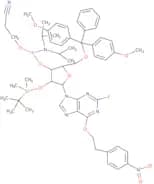
CAS:Please enquire for more information about 2-Fluoro-I ce-phosphoramidite (convertible G ce-phosphoramidite) including the price, delivery time and more detailed product information at the technical inquiry form on this pageFormula:C54H67FN7O10PSiPurezza:Min. 95%Peso molecolare:1,052.2 g/mol3'-O-Acetyl-5'-O-DMT-2'-O-methyuridine
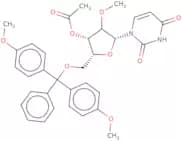
<p>3'-O-Acetyl-5'-O-DMT-2'-O-methyuridine is a novel nucleoside analogue with anticancer activity. 3'-O-Acetyl-5'-O-DMT-2'-O-methyuridine is a modified deoxyribonucleoside monophosphate, which is activated by phosphorylation to the corresponding diphosphate form and then converted to an antiviral agent. 3'-O-Acetyl-5'-O-DMT-2'-O-methyuridine has been shown to have antiviral activity against herpes simplex virus type 1 (HSV1) and Epstein Barr virus (EBV). This compound also inhibits the proliferation of human cancer cells in vitro and in vivo.</p>Formula:C33H34N2O9Purezza:Min. 95%Peso molecolare:602.63 g/molN4-Benzoyl-2'-deoxy-5'-O-levulinoylcytidine
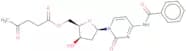
N4-Benzoyl-2'-deoxy-5'-O-levulinoylcytidine is a modified nucleoside that is synthesized from 2,4-dichloroacetophenone and cytidine. It has been shown to be an activator of the ribonucleotide reductase enzyme, which converts deoxyribonucleosides into their corresponding ribonucleotides. This drug is used in cancer therapy as well as antiviral and antiretroviral therapy. N4-Benzoyl-2'-deoxy-5'-O-levulinoylcytidine is also being investigated for use in treating other diseases such as malaria and AIDS.Formula:C21H23N3O7Purezza:Min. 95%Peso molecolare:429.43 g/mol2'-O-tert-Butyldimethylsilyluridine
CAS:<p>2'-O-tert-Butyldimethylsilyluridine is a nucleoside that is used in DNA synthesis, antiviral research, and anticancer therapy. It is synthesized from 2'-deoxyuridine monophosphate (2'-dUMP) with the aid of a phosphoramidite coupling agent. It has shown to be an effective activator in the synthesis of oligonucleotides, which are short chains of nucleotide units that can be used for various purposes including the treatment of cancer cells. These chains are synthesized by linking together individual nucleosides with phosphate molecules at each end. The bonds between these phosphate groups and the sugar-phosphate backbone of the nucleotide units are called phosphodiester bonds. This synthetic process can be used to produce DNA or RNA strands as well as modified versions of these strands such as those that have been synthesized with other chemical groups on their sugar-phosphate backbones.</p>Formula:C15H26N2O6SiPurezza:Min. 95%Colore e forma:PowderPeso molecolare:358.46 g/mol5'-O-DMT-2'-O-propynyluridine 3'-CE phosphoramidite
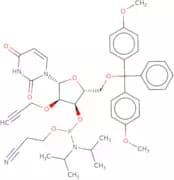
CAS:5'-O-DMT-2'-O-propynyluridine 3'-CE phosphoramidite is a novel nucleoside analogue that can be used to synthesize DNA and RNA. This compound has antiviral and anticancer properties, which may be due to its ability to inhibit the synthesis of RNA. This product is also high quality, high purity, and low cost. 5'-O-DMT-2'-O-propynyluridine 3'-CE phosphoramidite is an excellent chemical intermediate for the synthesis of nucleosides with modified sugar moieties. It can be used in pharmaceuticals and other chemical industries.Formula:C42H49N4O9PPurezza:Min. 95%Peso molecolare:784.83 g/mol2'-Deoxy-2'-fluoro-2-hydroxy-b-D-arabinoadenosine
CAS:<p>2'-Deoxy-2'-fluoro-2-hydroxy-b-D-arabinoadenosine is a novel nucleoside that was synthesized as a potential antiviral agent. It is an analog of adenosine and has been shown to inhibit the replication of HIV in vitro. This nucleoside is synthesized using a modified phosphoramidite approach and can be used in the synthesis of DNA or RNA. 2'-Deoxy-2'-fluoro-2-hydroxy-b-D-arabinoadenosine has also been shown to have anticancer activity.</p>Formula:C10H12FN5O4Purezza:Min. 95%Peso molecolare:285.23 g/mol3’-Azido-3’-deoxy-b-L-uridine
CAS:3’-Azido-3’-deoxy-b-L-uridine is a novel nucleoside analog that inhibits DNA polymerase. It is a modified, phosphoramidite precursor of the antiviral drug AZT and has been shown to inhibit human immunodeficiency virus (HIV) in vitro. 3’-Azido-3’-deoxy-b-L-uridine has also been found to be cytotoxic against cancer cells and may have antitumor activity. The phosphoramidite form of 3’ azido 3’ deoxy b L uridine can be used for the synthesis of oligonucleotides with high purity and quality.Formula:C9H11N5O5Purezza:Min. 95%Peso molecolare:269.21 g/mol5-Chlorouridine
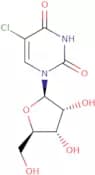
CAS:<p>5-Chlorouridine is a nucleoside with hypochlorous acid. It has been shown to inhibit the growth of tumor cells in tissue culture and to have an inhibitory effect on cervical cancer, which may be due to its ability to inhibit cellular metabolism and DNA synthesis. 5-Chlorouridine inhibits the uptake of uridine by blocking the conversion of uridine into cytosine, thereby preventing DNA synthesis. This prodrug also prevents radiation from inducing mutations in DNA. The molecular modeling study shows that 5-chlorouridine forms hydrogen bonds with hydroxyl groups in RNA, which may be important for its anti-cancer activity.</p>Formula:C9H11ClN2O6Purezza:Min. 95%Colore e forma:White PowderPeso molecolare:278.65 g/mol



![Guanosine 5'-monophosphate disodium [1',2',3',4',5'-13C5]](/_next/image/?url=https%3A%2Fstatic.cymitquimica.com%2Fproducts%2F3D%2Fthumb-webp%2FNG57598.webp&w=3840&q=75)





![4-[(1Z)-2-(4-Chlorophenyl)vinyl]pyridine](/_next/image/?url=https%3A%2Fstatic.cymitquimica.com%2Fproducts%2F3D%2Fthumb-webp%2FNC65881.webp&w=3840&q=75)
![4-(b-D-Ribofuranosyl)-vic-triazolo[4,5-b]pyridin-5-one](/_next/image/?url=https%3A%2Fstatic.cymitquimica.com%2Fproducts%2F3D%2Fthumb-webp%2FNR04971.webp&w=3840&q=75)






![8-Amino[1''-(N''-dansyl)-4''-aminobutyl]-5'-(1-aziridinyl)-5'-deoxy adenosine](/_next/image/?url=https%3A%2Fstatic.cymitquimica.com%2Fproducts%2F3D%2Fthumb-webp%2FNA16503.webp&w=3840&q=75)






![3',5'-O-[Tetrakis(1-methylethyl)-1,3-disiloxanediyl]-guanosine](/_next/image/?url=https%3A%2Fstatic.cymitquimica.com%2Fproducts%2F3D%2Fthumb-webp%2FNT16564.webp&w=3840&q=75)


![2'-Deoxyuridine-5'-[(a,b)-imido]triphosphate sodium salt - 10mM aqueous solution](/_next/image/?url=https%3A%2Fstatic.cymitquimica.com%2Fproducts%2F3D%2Fthumb-webp%2FND45196.webp&w=3840&q=75)