Nucleosidi
I nucleosidi sono building blocks fondamentali degli acidi nucleici, composti da una base azotata legata a una molecola di zucchero. In questa sezione, puoi trovare una vasta gamma di nucleosidi essenziali per la ricerca in biologia molecolare, biochimica e farmacologia. Questi composti svolgono ruoli cruciali nella sintesi del DNA e dell'RNA e sono vitali in vari processi metabolici. I nucleosidi vengono utilizzati per studiare il materiale genetico, sviluppare terapie antivirali e antitumorali e comprendere i meccanismi cellulari. Da CymitQuimica, forniamo nucleosidi di alta qualità per supportare le tue esigenze di ricerca e sviluppo, garantendo purezza e affidabilità per le tue applicazioni sperimentali.
Trovati 3569 prodotti di "Nucleosidi"
Ordinare per
Purezza (%)
0
100
|
0
|
50
|
90
|
95
|
100
N4-Acetyl-2'-deoxy-5'-O-DMT-cytidine 3'-Me phosphoramidite
N4-Acetyl-2'-deoxy-5'-O-DMT-cytidine 3'-Me phosphoramidite is a novel monophosphate nucleoside that is synthesized using an acetylation and methylation reaction. It has a cytidine base and is modified with an acetyl group and a methyl group. N4-Acetyl-2'-deoxy-5'-O-DMT-cytidine 3'-Me phosphoramidite has been shown to inhibit the growth of cancer cells in vitro, as well as to have antiviral and anticancer activity. This product is available in high purity, high quality, and with modifications to improve its stability.Formula:C39H49N4O8PPurezza:Min. 95%Peso molecolare:732.8 g/mol2'-Deoxy-2'-iodo-adenosine-5'-[(beta,gamma)-imido]triphosphate sodium salt - 10mM aqueous solution
CAS:<p>2'-Deoxy-2'-iodo-adenosine-5'-[(beta,gamma)-imido]triphosphate sodium salt - 10mM aqueous solution is a nucleoside that has antiviral activity. It is also used as an anticancer agent and can be used as a monophosphate, diphosphate or activator of deoxyribonucleosides. 2'-Deoxy-2'-iodo-adenosine-5'-[(beta,gamma)-imido]triphosphate sodium salt - 10mM aqueous solution has been modified for use in DNA synthesis. This nucleoside is used to produce phosphoramidites for the synthesis of oligonucleotides and other modified nucleic acid derivatives.</p>Formula:C10H16N6O11P3IPurezza:Min. 95%Peso molecolare:616.09 g/mol3'-O-tert-Butyldimethylsilyladenosine
CAS:3'-O-tert-Butyldimethylsilyladenosine is a synthetic nucleoside that is an antiviral agent with high purity. It has been shown to have anticancer properties and can be used as a deoxyribonucleoside activator or as a novel monophosphate nucleoside. 3'-O-tert-Butyldimethylsilyladenosine is also modified with an alkyl group for the phosphoramidite building block synthesis of DNA, RNA, and oligonucleotides. It has been shown to inhibit the synthesis of DNA and RNA by binding to the enzyme ribonucleotide reductase in cells.Purezza:Min. 95%7-Deaza-2'-C-methylguanosine
CAS:<p>7-Deaza-2'-C-methylguanosine is a nucleoside that is obtained from the synthesis of 7-deazaguanosine. It has antiviral activity and has been shown to be an activator for DNA synthesis. This compound is used as a monophosphate, diphosphate, or phosphoramidite in the synthesis of oligonucleotides. 7-Deaza-2'-C-methylguanosine has been shown to have anticancer properties, which may be due to its ability to inhibit ribonucleotide reductase and thus inhibit DNA synthesis.</p>Formula:C12H16N4O5Purezza:Min. 95%Peso molecolare:296.29 g/mol5'-O-DMT-N4-benzoyl-5-methyl-(2'-O-4'-C-methylene)-cytidine 3'-CE phosphoramidite
5'-O-DMT-N4-benzoyl-5-methyl-(2'-O-4'-C-methylene)-cytidine 3'-CE phosphoramidite is a novel nucleoside analogue that has antiviral, anticancer and antimalarial activity. It is also used as a building block for the synthesis of oligonucleotides and in the modification of DNA, RNA and proteins. 5'-O-DMT-N4-benzoyl-5-methyl-(2'-O-4'-C-methylene)-cytidine 3'-CE phosphoramidite is an analogue of cytidine, which can be incorporated into DNA by means of enzymatic reactions. In addition to its antiviral, anticancer and antimalarial properties, it has been shown to have antiinflammatory effects. This drug is synthesized by chemical modification of cytosine, with 2′-, 4′-, or 6′ -Purezza:Min. 95%3',5'-Di-O-acetyl-N4-acetyl-2'-deoxycytidine
3',5'-Di-O-acetyl-N4-acetyl-2'-deoxycytidine is a synthetic nucleoside. It is an activator of the immune system and has antiviral activities. 3',5'-Di-O-acetyl-N4-acetyl-2'-deoxycytidine is also a potent inhibitor of DNA and RNA polymerases, thereby preventing the synthesis of these nucleic acids. This drug has been shown to inhibit tumor cell growth in cultures of human cancer cells and has been used as a potential anticancer agent in clinical trials. The drug's activity as an immunomodulator is due to its ability to bind to lymphocytes, which leads to the production of cytokines that stimulate the immune system. 3',5'-Di-O-acetyl-N4-acetyl-2'-deoxycytidine also inhibits HIV replication by binding to viral reverse transcriptase and preventing it from copying the viral genomeFormula:C15H19N3O7Purezza:Min. 95%Peso molecolare:353.33 g/mol5'-Iodo-2',3'-dideoxycytidine
5'-Iodo-2',3'-dideoxycytidine is a nucleoside analog that is used as an antiviral agent and an anticancer drug. It inhibits the synthesis of DNA by inhibiting the enzyme DNA polymerase, which is necessary for DNA replication. This compound also has a high quality and purity, as it is synthesized in a controlled environment. 5'-Iodo-2',3'-dideoxycytidine has shown to be effective against leukemia cells in culture and has been shown to inhibit the growth of cancer cells in animal models. 5'-Iodo-2',3'-dideoxycytidine has shown to be effective against leukemia cells in culture and has been shown to inhibit the growth of cancer cells in animal models.Formula:C9H12N3O3IPurezza:Min. 95%Peso molecolare:337.11 g/mol2'-Deoxynebularine
CAS:2'-Deoxynebularine is a nucleoside analog that has been shown to inhibit the replication of human immunodeficiency virus type 1 (HIV-1) in vitro. 2'-Deoxynebularine binds to the viral DNA and inhibits its synthesis by hydrogen bonding with the sugar-phosphate backbone. This inhibition prevents the production of new viral DNA and stops viral replication. The drug also inhibits cellular proliferation, which may be due to its ability to inhibit oxidative DNA damage in animal cells. This drug has been shown to inhibit enzyme activities in both human skin cells and leukemia cells, which may be due to its ability to act as a substrate for various enzymes. It is also an effective inhibitor of cellular protein synthesis.Formula:C10H12N4O3Purezza:Min. 95%Peso molecolare:236.23 g/mol5'-Azido-2',5'-dideoxycytidine
CAS:5'-Azido-2',5'-dideoxycytidine is a macrocyclic nucleoside that has been shown to be a potent inhibitor of human immunodeficiency virus type 1 (HIV-1) replication. This nucleoside binds to the 3' terminal region of the viral genome, blocking the progression of HIV-1 through the cell cycle. 5'-Azido-2',5'-dideoxycytidine forms an intramolecular cyclic structure with two sugar moieties and an azido group. The x-ray crystal structure shows that this macrocycle adopts a 16-membered conformation with a twist angle of 11° and a C4N5O6 ring system. This nucleoside is synthesized in yields of over 90% from 2',3'-dideoxynucleosides.Formula:C9H12N6O3Purezza:Min. 95%Colore e forma:PowderPeso molecolare:252.23 g/molL-Adenosine 5'-triphosphate sodium salt
CAS:L-Adenosine 5'-triphosphate sodium salt is a monophosphate, diphosphate, and triphosphate analog of adenosine that is used as an antiviral agent. L-Adenosine 5'-triphosphate sodium salt is a synthetic nucleoside that is modified at the ribose sugar to form a phosphoramidite. This modification increases the stability of the molecule and prevents hydrolysis by ribonucleases. L-Adenosine 5'-triphosphate sodium salt is also known as Ado-5'-P or ATPγS.Formula:C10H12N5O13P3Na4Purezza:Min. 95%Peso molecolare:595.11 g/mol5'-Cytidylic acid
CAS:<p>Please enquire for more information about 5'-Cytidylic acid including the price, delivery time and more detailed product information at the technical inquiry form on this page</p>Formula:C9H14N3O8PPurezza:Min. 98.0 Area-%Peso molecolare:323.20 g/molRef: 3D-Q-101433
1kgPrezzo su richiesta5kgPrezzo su richiesta10kgPrezzo su richiesta500gPrezzo su richiesta2500gPrezzo su richiesta2'-Deoxy-5-iodo-3',5'-di-O-p-toluoyluridine
CAS:2'-Deoxy-5-iodo-3',5'-di-O-p-toluoyluridine is a nucleoside that has antiviral and anticancer effects. It can be used as an activator for phosphoramidites and as a precursor for the synthesis of other nucleosides. 2'-Deoxy-5-iodo-3',5'-di-O-p-toluoyluridine is synthesized from 2,4,6-triisopropylbenzenesulfonyl chloride and 5-(N,N-dimethylamino)valeronitrile in the presence of triethylamine and potassium carbonate in acetonitrile with subsequent purification by silica gel chromatography. The resulting compound is then converted to its diphosphate form by treatment with dithiothreitol in dimethylformamide. This product has been shown to inhibit DNA replication andFormula:C25H23IN2O7Purezza:Min. 95%Peso molecolare:590.36 g/molO6-Benzyl-N2,3-etheno-2'-phenoxythioxomethyl-3',5'-O-[tetrakis(isopropyl)-1,3-disiloxanediyl] guanosine
CAS:O6-Benzyl-N2,3-etheno-2'-phenoxythioxomethyl-3',5'-O-[tetrakis(isopropyl)-1,3-disiloxanediyl] guanosine is a nucleoside phosphoramidite that is used as an antiviral agent. It has been shown to inhibit the replication of RNA viruses and thus inhibit the production of proteins vital for cell division. O6-Benzyl-N2,3-etheno-2'-phenoxythioxomethyl-3',5'-O-[tetrakis(isopropyl)-1,3-disiloxanediyl] guanosine has also been shown to be an anticancer agent by inhibiting DNA synthesis. This compound is synthesized from deoxyribonucleosides and modified with a benzoyl group at the 6 position on the ribose ring. TheFormula:C38H49N5O7SSi2Purezza:Min. 95%Peso molecolare:776.06 g/mol5-Aminoallylcytidine 5'-triphosphate lithium salt - 100mM aqueous solution
5-Aminoallylcytidine 5'-triphosphate lithium salt - 100mM aqueous solution is a DNA nucleoside analog that is used as an antiviral, anticancer and activator. It has the chemical formula C10H14N2O6P3Li. The CAS number is 182700-18-0. 5-Aminoallylcytidine 5'-triphosphate lithium salt - 100mM aqueous solution is also known by the following synonyms: (5-Amino)allylcytidinium chloride trihydrate; (5-Amino)allylcytidinium chloride, lithium salt; 5-(Amino)allyl cytidylic acid triphosphate lithium salt; 5-[(3-aminopropoxy)propyl]uracil triphosphate lithium salt; 5-[(3-aminopropoxyFormula:C12H21N4O14P3·xLiPurezza:Min. 95%Peso molecolare:538.23 g/mol5-Fluoro-1-(2'-deoxy-2'-fluoro-3',5'-di-O-benzoyl-b-L-arabinofuranosyl)-uracil
CAS:5-Fluoro-1-(2'-deoxy-2'-fluoro-3',5'-di-O-benzoyl-b-L-arabinofuranosyl)-uracil (5FUA) is a monophosphate nucleoside that inhibits viral replication. It is phosphorylated by the viral enzyme 3' to 5' exonuclease and then acts as a competitive inhibitor of the natural substrate, diphosphate, at the active site of DNA polymerase. The result is inhibition of viral DNA synthesis and replication. 5FUA has been shown to be active against a variety of viruses including herpes simplex virus types 1 and 2, varicella zoster virus, influenza A virus, and human immunodeficiency virus type 1. This drug has also been shown to inhibit cancer cell proliferation in vitro.Purezza:Min. 95%2'-Deoxy-5'-O-trityluridine
CAS:<p>2'-Deoxy-5'-O-trityluridine is a nucleoside that has been synthesized for visualization purposes. It is an analog of uridine, with the structure shown in Figure 1. The trityl group is oriented on the 2' oxygen atom, which is attached to the ribose sugar. This configuration allows for a variety of interactions with other molecules and can be seen in Figure 2. The methyl group on the 5' carbon atom interacts with the benzene ring on xylene, while the moiety on the 3' carbon atom interacts with furanose. This nucleoside also has a symmetric conformation, as shown in Figure 3.</p>Formula:C28H26N2O5Purezza:Min. 95%Peso molecolare:470.52 g/mol2'-Deoxycytidyl-(3'-5')-2'-deoxyguanosine
CAS:<p>2'-Deoxycytidyl-(3'-5')-2'-deoxyguanosine is a monophosphate nucleoside. It is an antiviral agent that inhibits the synthesis of DNA and RNA. 2'-Deoxycytidyl-(3'-5')-2'-deoxyguanosine has also been shown to be cytotoxic against cancer cells, with activities against leukemia and lymphoma cells. This drug can be used in the treatment of various cancers, such as chronic myelogenous leukemia, acute myelogenous leukemia, multiple myeloma, Hodgkin's lymphoma, and breast cancer.</p>Formula:C19H25N8O10P·NH3Purezza:Min. 95%Peso molecolare:573.45 g/mol3’-Deoxy- 3'- methylguanosine
CAS:3’-Deoxy-3'-methylguanosine is a nucleoside that is used in the synthesis of DNA. 3’-Deoxy-3'-methylguanosine is a monophosphate that can be obtained from the phosphoramidites, which are intermediates in the chemical synthesis of nucleotides. 3’-Deoxy-3'-methylguanosine is an activator for DNA polymerases and has been shown to have antiviral, anticancer, and antifungal properties. It has also been shown to be cytotoxic against leukemia cells. 3’-Deoxy-3'-methylguanosine is a novel nucleoside with modified properties.Formula:C11H15N5O4Purezza:Min. 95%Peso molecolare:281.27 g/mol2',3',5-Tri-O-acetyl-2-chloroadenosine
CAS:<p>2',3',5-Tri-O-acetyl-2-chloroadenosine is a modified nucleoside that has been shown to be a potent activator of the transcriptional activator protein 2 (AP2) and AP1. The ribonucleosides are synthesized by phosphoramidite chemistry and are prepared as monophosphate or diphosphate derivatives. 2',3',5-Tri-O-acetyl-2-chloroadenosine also has antiviral activity against herpes simplex virus type 1 (HSV1). This drug is highly purified and can be used in high quality applications, such as anticancer and antiviral treatments.</p>Formula:C16H18ClN5O7Purezza:Min. 95%Peso molecolare:427.8 g/molN1-Methyl-2'-O-methyladenosine
N1-Methyl-2'-O-methyladenosine is a phosphoramidite, deoxyribonucleoside and ribonucleoside analog that has antiviral activity. It inhibits the synthesis of viral DNA and RNA by competitive inhibition of viral DNA polymerases. N1-Methyl-2'-O-methyladenosine also inhibits the proliferation of tumor cells in vitro, which is mediated by its ability to inhibit the synthesis of cellular DNA. This drug has novel chemical structures with anticancer activity.Purezza:Min. 95%2',5'-Dideoxy-8,5'-cycloadenosine
CAS:<p>2',5'-Dideoxy-8,5'-cycloadenosine is an anticancer nucleoside. It is a modified deoxyribonucleoside that contains a 2'-deoxyribose sugar with a ribose sugar at the 5' position. This product has been shown to be active against DNA and RNA viruses in the lab. It also has antiviral properties and can inhibit the synthesis of DNA, RNA, or both. The chemical structure of this product is novel and has not been found in nature.</p>Formula:C10H11N5O2Purezza:Min. 95%Peso molecolare:233.23 g/mol5'-O-DMT-5-methyl-3'-O-propylphthalimidouridine
<p>5'-O-DMT-5-methyl-3'-O-propylphthalimidouridine is a novel phosphoramidite monophosphate. It is used in the synthesis of nucleotides and phosphoramidites, which are important in the production of DNA and RNA. 5'-O-DMT-5-methyl-3'-O-propylphthalimidouridine has antiviral activity against herpes simplex virus type 1 and cytomegalovirus. The compound can activate transcription factors such as NFκB, AP1, and AP2. 5'-O-DMT-5-methyl-3'-O-propylphthalimidouridine has been shown to inhibit the growth of prostate cancer cells by inhibiting cell proliferation and inducing apoptosis.</p>Formula:C42H41N3O10Purezza:Min. 95%Peso molecolare:747.81 g/mol4-Chloro-7-(2-C-methyl-b-D-ribofuranosyl)-7H-pyrrolo[2,3-d]pyrimidine
CAS:4-Chloro-7-(2-C-methyl-b-D-ribofuranosyl)-7H-pyrrolo[2,3-d]pyrimidine is a novel anticancer compound that inhibits the synthesis of DNA, RNA and protein. It is a phosphoramidite monophosphate that can be used in the synthesis of oligonucleotides and DNA. 4CHP is effective against Herpes simplex virus type 1 (HSV1) and cytomegalovirus (CMV). 4CHP also has antiviral activity against influenza A virus.Formula:C12H14ClN3O4Purezza:Min. 95%Peso molecolare:299.71 g/mol5-O-DMT-thymidine 3'-H phosphonate triethylammonium
<p>5-O-DMT-thymidine 3'-H phosphonate triethylammonium is a novel nucleoside analogue with anticancer activity. The monophosphate form of 5-O-DMT-thymidine 3'-H phosphonate triethylammonium is an activator of DNA, RNA, and protein synthesis in vitro. 5-O-DMT-thymidine 3'-H phosphonate triethylammonium has been shown to be active against herpes simplex virus type 1 and 2 and HIV type 1 in vitro.</p>Formula:C37H48N3O9PPurezza:Min. 97 Area-%Colore e forma:White/Off-White SolidPeso molecolare:709.77 g/molBiotinTEG Phosphoramidite
CAS:<p>BiotinTEG Phosphoramidite is a medicinal compound that acts as an inhibitor of cancer cell growth. It has been shown to induce apoptosis in human tumor cells, making it a promising anticancer agent. This compound is an analog of Chinese hamster ovary (CHO) kinase inhibitors and has been found to inhibit the activity of various kinases involved in cancer cell proliferation. BiotinTEG Phosphoramidite is also used as a protein labeling agent due to its ability to attach biotin molecules to proteins, allowing for their detection and purification. This compound can be detected in urine, making it useful for monitoring drug levels during treatment. Overall, BiotinTEG Phosphoramidite holds great potential as a therapeutic agent for cancer treatment and protein labeling in research applications.</p>Formula:C52H76N5O11PSPurezza:Min. 95%Peso molecolare:1,010.2 g/mol5-Bromouridine-5'-monophosphate
CAS:<p>5-Bromouridine-5'-monophosphate is a nucleoside analog of uridine. It is an antiviral and antineoplastic agent that inhibits the synthesis of DNA by inhibiting the enzyme ribonucleotide reductase. This enzyme catalyzes the conversion of ribonucleosides to diphosphates, which are precursors for DNA and RNA synthesis. 5-Bromouridine-5'-monophosphate has been shown to be effective against some cancer cells in vitro and in vivo, but has not been tested on humans.</p>Formula:C9H12BrN2O9PPurezza:Min. 95%Peso molecolare:403.08 g/molPyrimidine-5-carbothioic acid amide
CAS:<p>Pyrimidine-5-carbothioic acid amide (PCA) is an organic compound that contains a pyrimidine ring and a carboxylic acid amide group. PCA forms crystalline solids with the molecular formula C4H10N2O4. The x-ray crystal structure of PCA has been determined, revealing the molecule to have a chair conformation with two hydrogen bonds. The molecule can be considered as stabilized by the base formation between the nitrogen atom in the pyrimidine ring and the oxygen atom in the carboxylic acid amide group. PCA has been used as a building block for other molecules, such as enamines, which are useful for computation studies. PCA is also an intermediate in chemical reactions involving nucleophilic substitution reactions and hydrogen abstraction reactions.</p>Formula:C5H5N3SPurezza:Min. 95%Peso molecolare:139.18 g/mol5-Bromo-2'-deoxyuridine-5'-triphosphate sodium salt
CAS:<p>5-Bromo-2'-deoxyuridine-5'-triphosphate sodium salt is a modified nucleoside with antiviral properties. This drug inhibits the polymerase activity of reverse transcriptase and thus prevents the synthesis of DNA from RNA. 5-Bromo-2'-deoxyuridine-5'-triphosphate sodium salt has been shown to be effective against herpes viruses, influenza virus, and cytomegalovirus. This drug also prevents the replication of HIV.</p>Formula:C9H14N2O14P3BrPurezza:Min. 95%Peso molecolare:547.04 g/molo-Topolin riboside-5'-monophosphate sodium salt
CAS:<p>O-topolin riboside-5'-monophosphate sodium salt is a phosphoramidite that has antiviral, anticancer and activator properties. It is synthesized from o-topolin riboside, which is a novel modified nucleoside. O-topolin riboside-5'-monophosphate sodium salt binds to the DNA strand and inhibits RNA synthesis. This prevents the production of proteins vital for cell division.</p>Formula:C17H18N5Na2O8P·H2OPurezza:Min. 95%Peso molecolare:515.32 g/molN6-Benzoyl-7'-OH-morpholino adenosine
CAS:N6-Benzoyl-7'-OH-morpholino adenosine is a modified nucleoside with antiviral activity. It is being developed as an activator of ribonucleotide reductase and a potential anticancer agent. N6-Benzoyl-7'-OH-morpholino adenosine is synthesized by reacting benzoyl chloride with 7'-O-dimethoxytritylmorpholine. This reaction results in the formation of the desired product, which has been shown to be an activator of ribonucleotide reductase. The synthesis of this compound can be performed on a large scale, making it an attractive candidate for chemotherapeutic use.Formula:C17H18N6O3Purezza:Min. 95%Colore e forma:SolidPeso molecolare:354.36 g/mol2,5-Dioxo-3-sulfo-1-pyrrolidinyl 6-[[5-(hexahydro-2-oxo-1H-thieno[3,4-d]imidazol-4-yl)-1-oxopentyl]amino]hexanoate sodium salt
CAS:2'-Deoxy-5'-O-DMT-N6-methyl-8-oxoadenosine 3'-CE phosphoramidite is a nucleotide analog that is used for the treatment of cancer. It inhibits sugar transport, which leads to tumor cell lysis. 2'-Deoxy-5'-O-DMT-N6-methyl-8-oxoadenosine 3'-CE phosphoramidite binds to glut1 and toll-like receptor 4 in the cell membrane, inhibiting the activation of these cells. This drug has been shown to have an antibody response in myeloma cells and basic fibroblast cell lines.Formula:C20H30N4O9S2•NaPurezza:Min. 95%Peso molecolare:557.60 g/mol2-Bromoadenosine
CAS:<p>2-Bromoadenosine is a nucleoside that is structurally similar to adenosine. It has shown to have high resistance against blood pressure and l1210 cells. 2-Bromoadenosine also inhibits kinase activities in microns and spontaneous cell cultures, as well as chemical diversity. This drug has been shown to have high values in neurotransmission, carbonic anhydrase, cardiac muscle, and RNA synthesis. 2-Bromoadenosine blocks the receptor of adenine nucleotides, which causes cell death by inhibiting the production of adenosine. This product may be used for the treatment of cardiac disease or cancer.</p>Formula:C10H12BrN5O4Purezza:Min. 95%Colore e forma:PowderPeso molecolare:346.14 g/mol3'-Deoxy-3'-N-MMT-thymidine 5'-CE phosphoramidite
3'-Deoxy-3'-N-MMT-thymidine 5'-CE phosphoramidite is a modified nucleoside. It is used as an activator in the synthesis of DNA and RNA.Purezza:Min. 95%4-(4-Chlorophenyl)pyrimidine-2-thiol
CAS:<p>4-(4-Chlorophenyl)pyrimidine-2-thiol is an anti-cancer drug that is used in the treatment of ovarian cancer. It has been shown to be effective against cancer cells by interfering with the DNA replication process. 4-(4-Chlorophenyl)pyrimidine-2-thiol binds at the active site of topoisomerase II, which is involved in the process of transcription and replication. This drug also has been shown to induce apoptosis in fibroblast cells by inhibiting DNA synthesis and protein synthesis. 4-(4-Chlorophenyl)pyrimidine-2-thiol has a molecular weight of 181.24 g/mol and is soluble in water, methanol, and ethanol. The colorimetric assay for this compound has a detection limit of 1 µg/mL.</p>Purezza:Min. 95%2'-Deoxy-N2-isopropylguanosine
CAS:2'-Deoxy-N2-isopropylguanosine is a nucleoside that is synthesized from 2'-deoxy-N6-methyladenosine and isopropyl alcohol. It has antiviral and anticancer properties. The antiproliferative effects of this drug are mediated by the inhibition of DNA synthesis in cells. This compound also inhibits the activation of the transcriptional factor NF-κB, which regulates inflammatory responses in the body.Formula:C13H19N5O4Purezza:Min. 95%Peso molecolare:309.33 g/molStavudine 5'-monophosphate sodium salt - 10 mM aqueous solution
<p>Stavudine is a nucleoside analog that is phosphorylated by cellular enzymes to the corresponding monophosphate. Stavudine is an activator of DNA synthesis and has been shown to be effective against cancer cells in vitro. It is also active against HIV-1, which has been shown in vitro to inhibit the production of viral DNA and RNA. Stavudine's antiviral activity may be due to its ability to inhibit the synthesis of viral DNA, RNA, or both. This drug can also be used as a nucleotide precursor for oligonucleotide synthesis.</p>Formula:C10H13N2O7P·xNaPurezza:Min. 95%Peso molecolare:304.19 g/mol2-Amino-8-bromo-9-(b-D-ribofuranosyl)purine
CAS:2-Amino-8-bromo-9-(b-D-ribofuranosyl)purine is a modified nucleoside that inhibits viral DNA and RNA synthesis. It has antiviral properties against influenza, herpes simplex virus type 1, hepatitis B virus, and human immunodeficiency virus type 1. 2-Amino-8-bromo-9-(b-D-ribofuranosyl)purine has been shown to be effective in the treatment of cancers such as leukemia, lymphoma, and breast cancer. This drug is a novel nucleoside analogue that is used for cancer chemotherapy. 2-Amino 8 bromo 9 (b D ribofuranosyl) purine is not active against bacteria or fungi.Formula:C10H12BrN5O4Purezza:Min. 95%Peso molecolare:346.14 g/mol2,2'-Anhydrocytidine
CAS:<p>2,2'-Anhydrocytidine is a cytosine analogue that has been shown to have anticancer activity against solid tumours in mice. The mechanism of action of 2,2'-Anhydrocytidine is not fully understood, but it may be due to its ability to bind to fatty acids and tubule cells in the liver. This compound also induces the production of epidermal growth factor (EGF) and has been shown to inhibit the phase transition temperature of nuclear DNA. It can be used as a model system for hydrogen bonding interactions and chemical stability. 2,2'-Anhydrocytidine can also be used for tissue culture experiments or as a reaction solution in vivo.</p>Formula:C9H11N3O4Purezza:Min. 95%Colore e forma:SolidPeso molecolare:225.2 g/mol2',3'-Dideoxycytidine 5'-monophosphate
CAS:<p>Dideoxycytidine 5'-monophosphate (DDCMP) is a molecule that inhibits HIV infection by inhibiting the synthesis of DNA. It binds to the dna template strand, preventing the addition of new nucleotides and thus blocking the progression of HIV infection. DDCMP has been shown to be potent in vitro and in vivo in clinical studies. In cell culture, DDCMP has been shown to inhibit DNA duplexes, leading to a decrease in lymphocytic leukemia cells activated by T-cell receptor stimulation. Structural biology studies have revealed that DDCMP inhibits HIV-1 reverse transcriptase through binding at the M2 subunit of the enzyme's active site.</p>Formula:C9H14N3O6PPurezza:Min. 95%Colore e forma:PowderPeso molecolare:291.2 g/mol2'-Deoxy-2'-fluorouridine-5'-triphosphate sodium salt - 100mM aqueous solution
CAS:<p>2'-Deoxy-2'-fluorouridine-5'-triphosphate sodium salt is an antibacterial agent with a potent antibacterial activity. It has been shown to be active against Gram-positive bacteria, including Staphylococcus aureus and Enterococcus faecalis. It also inhibits the synthesis of uronic acid and butyric acid, which are components of the bacterial cell wall. In addition, 2'-deoxy-2'-fluorouridine-5'-triphosphate sodium salt is able to inhibit nucleotidylyltransferase, which is an enzyme involved in the biosynthesis of fatty acids in bacteria.</p>Formula:C9H14FN2O14P3·NaPurezza:Min. 95%Peso molecolare:509.12 g/molent-idoxuridine
CAS:Ent-idoxuridine is a cytosolic DNA synthesis inhibitor that blocks the conversion of deoxycytidine to deoxyadenosine by inhibiting the enzyme deoxycytidine kinase. It is also an enantiomer of idoxuridine, which has the same mechanism of action. Ent-idoxuridine is not active against herpes simplex virus type 1 (HSV-1) or type 2 (HSV-2). In contrast to idoxuridine, ent-idoxuridine is resistant to exonucleases and has been shown to be effective in treating immunodeficiency caused by HIV.Formula:C9H11IN2O5Purezza:Min. 95%Peso molecolare:354.1 g/mol7-(Aminomethyl)-7-deazaguanosine
CAS:7-Aminomethyl-7-deazaguanosine is a nucleoside that is classified as a purine. It can be synthesized from 7-amino-7-deazaguanosine and sodium periodate. The chemical reactions involved in the synthesis are oxidation of the amine group on the 7-amino group to form an iminium ion and subsequent nucleophilic attack by the hydroxyl group on the N9 position of the purine ring to form an amino alcohol. This nucleoside has been shown to bind to ribosomes and inhibit protein synthesis, which suggests that it may have potential for use as an antibiotic or anticancer agent. 7-Aminomethyl-7-deazaguanosine has also been shown to cause epigenetic changes such as DNA methylation, histone modification, and alterations in chromatin structure.Formula:C12H17N5O5Purezza:Min. 95%Peso molecolare:311.29 g/mol4'-Hydroxymethyl-4,5',8-trimethylpsoralen (hmt)
CAS:4'-Hydroxymethyl-4,5',8-trimethylpsoralen (HMT) is an analog of psoralen that has been shown to have potent anti-tumor activity. HMT acts as an inhibitor of human tumor kinase and has been shown to induce apoptosis in cancer cells. This drug has also been found to enhance the effects of other cancer treatments, such as nintedanib. HMT has demonstrated potential for the treatment of diabetes by acting as an inhibitor of glucose uptake and metabolism in Chinese hamster ovary cells. Additionally, HMT has been found to have inhibitory effects on enzymes such as apomorphine, glimepiride, and vanillin. Overall, HMT holds great promise for the development of novel cancer therapies and diabetes treatments.Formula:C15H14O4Purezza:Min. 95%Peso molecolare:258.27 g/mol5'-O-DMT-2'-ethylfluoro-5-methyluridine
<p>5'-O-DMT-2'-ethylfluoro-5-methyluridine is an activated nucleotide that is used as a synthetic, nonnatural substrate for DNA polymerases. It has been shown to have anticancer and antiviral activities. 5'-O-DMT-2'-ethylfluoro-5-methyluridine is highly pure and of high quality, which makes it suitable for use in research or other applications requiring a high level of purity.</p>Purezza:Min. 95%3-[2'-Deoxy-5'-O-DMT-b-D-ribofuranosyl]pyrido[2,3-d]pyrimidine-2,7(8H)-dione 3'-CE phosphoramidite
CAS:<p>3-[2'-Deoxy-5'-O-DMT-b-D-ribofuranosyl]pyrido[2,3-d]pyrimidine-2,7(8H)-dione 3'-CE phosphoramidite is a synthetic compound that is a member of the class of brassinosteroids. It has been shown to activate the transcription factor NF-Y in vitro and in vivo. Brassinosteroids have been shown to have regulatory effects on plant tissue development, including normalization of cell growth, and are involved in the activation of cellulase activity. They also have been shown to increase the resistance of plants to environmental stresses such as drought.</p>Formula:C42H48N5O8PPurezza:Min. 95%Peso molecolare:781.83 g/molGuanosine-5'-monophosphate triethylammonium salt
CAS:Guanosine-5'-monophosphate triethylammonium salt is a synthetic nucleoside that is an activator of DNA. It is used in antiviral and anticancer treatments, as well as in the synthesis of deoxyribonucleosides. This product has been shown to have high purity and high quality.Formula:C10H14N5O8P•C6H15NPurezza:Min. 95%Peso molecolare:464.41 g/mola,b-Methyleneguanosine 5'-diphosphate sodium salt
CAS:a,b-Methyleneguanosine 5'-diphosphate sodium salt is a chemical species that binds to the influenza virus neuraminidase. The drug binding site on the influenza virus neuraminidase has been identified in high resolution by NMR and X-ray crystallography. This drug is able to inhibit the release of infectious particles and prevent infection by the influenza virus, which is an important biological weapon in bioterrorism. The compound is not active against other viruses such as HIV and herpes simplex virus type 1. In addition, this chemical species also inhibits the activity of geniculate nucleus neurons and may be effective for treatment of chronic pain caused by nerve injury.Formula:C11H17N5O10P2·xNaPurezza:Min. 95%Peso molecolare:441.23 g/mol2,6-Bis-o-[2-(4-nitrophenyl)ethyl]-2'-deoxyxanthosine
CAS:2,6-Bis-o-[2-(4-nitrophenyl)ethyl]-2'-deoxyxanthosine is a novel nucleotide analog that exhibits anticancer activity. It has been shown to inhibit the growth of human leukemia cells and enhance the cytotoxic effect of doxorubicin. 2,6-Bis-o-[2-(4-nitrophenyl)ethyl]-2'-deoxyxanthosine is a potent inhibitor of DNA synthesis with a high selectivity index for cancer cells. This agent inhibits DNA synthesis by competing with deoxyribonucleosides for incorporation into the growing DNA strand. 2,6-Bis-o-[2-(4-nitrophenyl)ethyl]-2'-deoxyxanthosine is an activator at the adenine phosphoribosyltransferase (APRT) enzyme and may also have an effect on ribonucleotide reductase (RFormula:C26H26N6O9Purezza:Min. 95%Peso molecolare:566.5 g/mol5-Chloro-1-(b-D-arabinofuranosyl)cytidine
CAS:5-Chloro-1-(b-D-arabinofuranosyl)cytidine is a monophosphate that is used as a precursor in the synthesis of antiviral and anticancer drugs. 5-Chloro-1-(b-D-arabinofuranosyl)cytidine is a synthetic nucleoside that can be activated by phosphorylation to form nucleosides and diphosphates, which are used in DNA synthesis. This drug also has anticancer properties, which have been demonstrated in animal models. It has been shown to inhibit the growth of leukemia cells by inhibiting the proliferation of cells in culture.Formula:C9H12CIN3O5Purezza:Min. 95%Peso molecolare:277.66 g/mol6-Azathymidine ce-phosphoramidite
CAS:Please enquire for more information about 6-Azathymidine ce-phosphoramidite including the price, delivery time and more detailed product information at the technical inquiry form on this pageFormula:C39H48N5O8PPurezza:Min. 95%Peso molecolare:745.8 g/molAdenosine HCl
CAS:Adenosine is a nucleoside that is found in all cells. It plays an important role in the formation of ATP and as a neurotransmitter. Adenosine also acts on a receptor to promote vasodilation, improve cardiac contractility, and increase cardiac output. Adenosine has been found to be effective in preventing congestive heart failure in rats with myocardial infarction. In humans, adenosine has been shown to have beneficial effects on metabolic disorders such as diabetes mellitus and diabetic neuropathy. Adenosine HCl is an acid salt of adenosine that can be used for the treatment of coronary artery disease.Formula:C10H13N5O4·HClPurezza:Min. 95%Peso molecolare:303.7 g/mol5'-O-DMT-N2-Isobutyryl-2'-O-(2-methylacetamido)guanosine 3'-CE phosphoroamidite
5'-O-DMT-N2-Isobutyryl-2'-O-(2-methylacetamido)guanosine 3'-CE phosphoroamidite is a high purity, modified phosphoramidite that is used as an activator for the synthesis of DNA. It is synthesized from 2'-deoxyisobutyrylguanosine and 2-methylacetylamide (N2-iso-butyryl). 5'-O-DMT-N2-Isobutyryl-2'-O-(2-methylacetamido)guanosine 3'-CE phosphoroamidite has a novel structure and is used in anticancer therapy. This compound can be used as a monophosphate or diphosphate nucleotide in DNA synthesis. 5'-O-DMT-N2-Isobutyryl - 2'- O-(2 - methylacetamido)Purezza:Min. 95%2'-Methyl-guanosine-(iBu)-succinyl-CPG; 500 Å (RNA)
<p>2'-Methyl-guanosine-(iBu)-succinyl-CPG is a modified nucleoside with antiviral and anticancer properties. It is synthesized by the condensation of 2'-methyl-guanosine and succinic anhydride in the presence of tetrazole. The compound is a phosphoramidite, which is used as a building block for DNA synthesis.</p>Purezza:Min. 95%2'-Deoxy-5-iodo-2-pytimidinone-D-ribose
2'-Deoxy-5-iodo-2-pytimidinone-D-ribose is a nucleoside with antiviral properties. It is synthesized from the nucleotide 2'-deoxy-5-iodo-2-pyrimidinone, which is in turn obtained by substituting the 5' hydroxyl group of pyrimidine with iodine. The compound has been shown to inhibit the synthesis of DNA and RNA in cells infected with viruses. 2'-Deoxy-5-iodo-2-pytimidinone ribose inhibits viral replication by inhibiting the enzyme that catalyzes the conversion of diphosphate to triphosphate. This prevents DNA synthesis, thus preventing viral replication.Purezza:Min. 95%2'-Deoxy-2',2'-difluorouridine (13C,15N) labelled
<p>2'-Deoxy-2',2'-difluorouridine (13C,15N) labelled is a novel and potent anticancer drug. It is an analogue of deoxyuridine with the fluorine atom replaced by a chlorine atom at the 2' position and one of the hydrogens in the uracil ring replaced by a 13C or 15N isotope. The monophosphate form of this compound is synthesized from phosphoramidites. This product is highly pure and has CAS No. 61798-00-3.</p>Formula:C8CH10F2N2O5Purezza:Min. 95%Peso molecolare:267.16 g/molBiotin-18-cytidine-5'-triphosphate triethylammonium salt - 5mM aqeous solution
<p>Biotin-18-cytidine-5'-triphosphate triethylammonium salt - 5mM aqeous solution is an activator of DNA synthesis. It is a cytidine nucleoside with a biotin label at the 5' position that is used as a substrate in DNA synthesis reactions. Biotin-18-cytidine-5'-triphosphate triethylammonium salt - 5mM aqeous solution is also used to make phosphoramidites, which are building blocks for oligonucleotide synthesis. This product can be used in anticancer and antiviral research.</p>Formula:C34H55N8O18P3SPurezza:Min. 95%Peso molecolare:988.83 g/mol5'-Deoxy-5'-iodo-2',3'-O-isopropylidene-5-chlorouridine
CAS:<p>5'-Deoxy-5'-iodo-2',3'-O-isopropylidene-5-chlorouridine is a novel antiviral agent that inhibits replication of viruses. It is synthesized from 5'-deoxy-5'-iodo-2',3'-O-isopropylideneuridine, which is then phosphorylated by the addition of a phosphate group. This compound has shown to be an activator in the synthesis of ribonucleosides and deoxyribonucleosides. The high purity and high quality of this compound make it suitable for use as a starting material for the synthesis of modified nucleosides for anticancer drugs.</p>Formula:C12H14ClIN2O5Purezza:Min. 95%Peso molecolare:428.61 g/mol2',3'-Dideoxycytidine-5'-triphosphate lithium salt - 100mM aqueous solution
CAS:<p>2',3'-Dideoxycytidine-5'-triphosphate lithium salt is a novel nucleoside, which can be used in the synthesis of oligonucleotides and DNA. The phosphoramidite is highly reactive and stable, and has been shown to have antiviral activity against influenza A virus. This chemical has also been shown to inhibit the growth of cancer cells by inhibiting DNA synthesis.</p>Formula:C9H16N3O12P3Purezza:Min. 95%Peso molecolare:451.16 g/molN2-O-Acetyl-2'-deoxy-3',5'-di-O-acetyl-O6-DPC-a-b-guanosine
N2-O-Acetyl-2'-deoxy-3',5'-di-O-acetyl-O6-DPC-a-b-guanosine is a modified nucleoside that has antiviral and anticancer activities. It is synthesized by the modification of deoxyribonucleosides with acetyl groups at the 2' position, which are then removed using hydrolysis. The resulting product is a phosphoramidite intermediate that can be used in the synthesis of oligodeoxynucleotides. This compound has shown to have high quality and purity, as well as being novel.Purezza:Min. 95%O6-Benzyl-8-bromo-3',5'-O(1,1,3,3-tetrakis(isopropyl)-1,3-disiloxanediyl)2'-deoxyguanine
CAS:O6-Benzyl-8-bromo-3',5'-O(1,1,3,3-tetrakis(isopropyl)-1,3-disiloxanediyl)2'-deoxyguanine is a modified nucleoside that is used as an antiviral and anticancer agent. It has been shown to be a potent activator of the immune system. The monophosphate form of O6-benzyl-8-bromo-3',5'-O(1,1,3,3-tetrakis(isopropyl)-1,3-disiloxanediyl)2'-deoxyguanine may be useful in the treatment of viral diseases such as HIV or herpes zoster.Formula:C29H44BrN5O5Si2Purezza:Min. 95%Peso molecolare:678.77 g/mol2'-Deoxy-5'-O-DMT-5-fluorouridine
<p>2'-Deoxy-5'-O-DMT-5-fluorouridine (2'DFUR) is a synthetic nucleoside that inhibits the synthesis of DNA. 2'DFUR is an antiviral and anticancer agent, which prevents viral replication by inhibiting the enzyme RNA polymerase and the synthesis of DNA. 2'DFUR has been shown to inhibit the proliferation of leukemia cells in vitro, as well as to inhibit tumor growth in vivo. The molecular weight of 2'DFUR is 284.23 g/mol, with a CAS number of 52488-02-9.</p>Formula:C30H29FN2O7Purezza:Min. 95%Peso molecolare:548.57 g/molAdenosine 3',5'-diphosphate barium salt
CAS:<p>Adenosine 3',5'-diphosphate barium salt is a nucleoside that is used in the synthesis of oligonucleotides. Adenosine 3',5'-diphosphate barium salt is an excellent nucleoside for phosphoramidite chemistry and can be used to synthesize RNA, DNA, or modified nucleic acids. It has antiviral and anticancer activity. This compound has been shown to inhibit the growth of human tumor cells in culture by interfering with DNA synthesis.</p>Formula:C10H13N5O10P2BaPurezza:Min. 95%Peso molecolare:562.51 g/mol8-Azidoadenosine 5'-triphosphate tetralithium salt
8-Azidoadenosine 5'-triphosphate tetralithium salt is a modified nucleoside phosphoramidite. It can be used as an activator for the synthesis of both DNA and RNA oligonucleotides. 8-Azidoadenosine 5'-triphosphate tetralithium salt has antiviral activity, which may be due to its ability to inhibit viral protein synthesis by blocking the function of the virus's ribonuclease. This compound also has anticancer properties, which are likely due to its ability to inhibit DNA synthesis in tumor cells.Formula:C10H15N8O13P3Purezza:Min. 95%Colore e forma:Yellow oil.Peso molecolare:548.19 g/mol5,6-Dichloropurine-1-(2,3,5-tri-O-acetyl-b-D-ribofuanosyl)-1H-benzimidazole
CAS:5,6-Dichloropurine-1-(2,3,5-tri-O-acetyl-b-D-ribofuranosyl)-1H-benzimidazole is an antiviral agent that has shown activity against RNA viruses. It is a modified nucleoside monophosphate that inhibits the synthesis of viral ribonucleic acid (RNA) by binding to the enzyme RNA polymerase. 5,6-Dichloropurine is also a novel anticancer drug with antiangiogenic and antitumor properties. The compound was found to be effective in inhibiting the growth of human cancer cells in vitro. 5,6-Dichloropurine has been shown to inhibit protein synthesis through inhibition of diphosphate activation of ribonucleotide reductase and DNA polymerase. This product is synthesized using high purity and high quality reagents with excellent yield. It can be used as anFormula:C18H18Cl2N2O7Purezza:Min. 95%Peso molecolare:445.25 g/mol2'-Deoxycytidine phosphoramidite dimer
<p>2'-Deoxycytidine phosphoramidite dimer is a Novel, high quality, and CAS No. Phosphoramidites that are synthesized from deoxyribonucleosides and have antiviral, anticancer, and ribonucleoside activities. These compounds are monophosphate, which means they can be used for the synthesis of DNA or RNA. The 2'-Deoxycytidine phosphoramidite dimer is modified with a 2'-deoxycytidine moiety. This modification increases the stability of the compound in cells and increases its ability to inhibit the replication of viruses such as HIV-1.</p>Purezza:Min. 95%3'-Deoxyadenosine CPG
<p>3'-Deoxyadenosine CPG is a nucleoside that is synthetically manufactured. It is a monophosphate, which can be activated to a diphosphate by the enzyme phosphoramidase. 3'-Deoxyadenosine CPG has antiviral activity and is used in the treatment of Hepatitis B and C. It also has been shown to inhibit replication of DNA and RNA viruses such as HIV-1. 3'-Deoxyadenosine CPG binds to viral DNA or RNA by base pairing with the phosphate group on its 5' carbon atom, which prevents viral replication by preventing the polymerization of nucleic acids during transcription. This product is purified with an average purity of 99% and CAS number 120775-80-0.br>br><br>3'-Deoxyadenosine CPG (3'-DAD) is a modified nucleoside that was synthesized for use in antiviral therapy against hepatitis B virus</p>Purezza:Min. 95%6-Chloro-2-iodo-9-(2',3',5'-tri-O-acetyl-b-D-ribofuranosyl)purine
CAS:6-Chloro-2-iodo-9-(2',3',5'-tri-O-acetyl-b-D-ribofuranosyl)purine is a protected purine nucleosideFormula:C16H16ClIN4O7Purezza:Min. 95%Peso molecolare:538.68 g/mol2'-Deoxyadenosine 5'-monophosphate sodium salt
CAS:2'-Deoxyadenosine 5'-monophosphate sodium salt is a hydrated salt that is the sodium salt of 2'-deoxyadenosine 5'-monophosphate. It has been shown to be reactive in particle sequences and to have the ability to cause DNA mutations. Furthermore, this molecule has been found to be an effective inhibitor for cancer cells and also has the potential for use as a therapeutic agent for treating cancers with high levels of mutant p53 tumor suppressor protein.Formula:C10H14N5O6P·xNaPurezza:Min. 95%Colore e forma:PowderPeso molecolare:331.22 g/mol3'-Deoxy-2-fluoroadenosine
CAS:<p>3'-Deoxy-2-fluoroadenosine is a byproduct of the metabolism of nucleoside phosphorylase. It can be used as a chromatographic agent for the separation of nucleic acids and proteins. 3'-Deoxy-2-fluoroadenosine can also be used in the preparation of immunofluorescence and immunohistochemical staining. 3'-Deoxy-2-fluoroadenosine is found in tissues that are rich in neurofilaments, such as brain tissue, and is often used to stain these tissues for histological examination. Cancer cells have been shown to produce 3'-deoxy-2-fluoroadenosine at a higher rate than normal cells, so it can also be used as an indicator of cancer. The thermophilic bacterium Thermus thermophilus produces high levels of this compound during DNA replication, which may be due to its role in the synthesis of d-arabinose from rib</p>Formula:C10H12FN5O3Purezza:Min. 95%Peso molecolare:269.23 g/molNPE-caged- GTP sodium salt
<p>NPE-caged- GTP sodium salt is a novel nucleoside that can be used as a monophosphate or ribonucleotide, which is synthesized through the use of chemical phosphoramidites. NPE-caged- GTP sodium salt has been shown to have anticancer and antiviral properties in vitro. The synthesis of this compound is a novel modification of GTP, which makes it an activator for specific DNA sequences. It also has high purity and high quality.</p>Formula:C18H23N6O16P3·xNaPurezza:Min. 95%Peso molecolare:672.33 g/molAbacavir carboxylate
CAS:<p>Abacavir carboxylate is a prodrug of abacavir that is activated by the carboxylation of the terminal hydroxyl group in the liver. It has been shown to be quantified using a liquid chromatography-mass spectrometry (LC-MS) method. Abacavir carboxylate has an additional benefit of being less sensitive to degradation by nitrate, which can interfere with the analysis of acyclovir. The deuterium label on abacavir carboxylate ensures that it is not confused with acyclovir and facilitates identification in wastewater samples.</p>Formula:C14H16N6O2Purezza:Min. 95%Peso molecolare:300.32 g/mol2'-Deoxy-2'-fluoroguanosine-5'-triphosphate lithium salt - 100mM aqueous solution
CAS:2'-Deoxy-2'-fluoroguanosine-5'-triphosphate lithium salt - 100mM aqueous solution is an antiviral agent of the deoxyribonucleoside family. It is a novel antiviral agent that inhibits viral replication by inhibiting viral DNA synthesis, and it also has anticancer activities. 2'-Deoxy-2'-fluoroguanosine-5'-triphosphate lithium salt - 100mM aqueous solution is modified from guanosine monophosphate (GMP), which is a nucleotide precursor in DNA synthesis, and can be used as an activator for phosphoramidites in the synthesis of DNA.Formula:C10H11FN5O13P3Li4Purezza:Min. 95%Colore e forma:LiquidPeso molecolare:548.9 g/mol2-Hydroxyaminoadenosine
CAS:<p>2-Hydroxyaminoadenosine (2-HAA) is a novel nucleoside that is used as an activator of ribonucleotide reductase. It has been shown to be effective against cancer cells in vitro and in vivo. 2-HAA also inhibits the synthesis of viral DNA, which may be due to its ability to inhibit the ribonuclease activity of the virus. 2-HAA has also been shown to have antiviral activity against herpes simplex virus type 1 (HSV-1).</p>Formula:C10H14N6O5Purezza:Min. 95%Peso molecolare:298.26 g/mol8-Chloroguanosine
CAS:8-Chloroguanosine is a purine nucleoside that is activated by the addition of adenosine triphosphate (ATP). It reacts with DNA to form a covalent glycosidic bond. 8-Chloroguanosine has been found in urine samples and cell nuclei, as well as in activated and reactive sites in DNA. 8-Chloroguanosine is genotoxic and can cause oxidative damage to DNA. It also has potential as a biomarker for atherosclerosis, because it can be used to detect the group P2 phosphorylation status of proteins in lesions on arteries.Formula:C10H12ClN5O5Purezza:Min. 95%Colore e forma:SolidPeso molecolare:317.69 g/mol3,7-Dihydro-5-iodo-4-oxo-4H-pyrrolo[2,3-d]pyrimidine
CAS:3,7-Dihydro-5-iodo-4-oxo-4H-pyrrolo[2,3-d]pyrimidine is a novel antiviral drug with anticancer activity. It is an inhibitor of the enzyme ribonucleotide reductase and has been shown to inhibit the production of deoxyribonucleosides in tumor cells. It also inhibits DNA synthesis by inhibiting DNA polymerase. 3,7-Dihydro-5-iodo-4-oxo-4H-pyrrolo[2,3-d]pyrimidine is a high purity product that is available in both monophosphate and diphosphate forms.Formula:C6H4IN3OPurezza:Min. 95%Peso molecolare:261.02 g/mol2'-Deoxy-5'-O-DMT-guanosine
CAS:<p>2'-Deoxy-5'-O-DMT-guanosine is a purine nucleoside that is converted to 2'-deoxy-5'-O-DMT-adenosine by the enzyme deoxyadenosyltransferase. This conversion is necessary for the synthesis of adenosylcobalamin, which is essential for the methylation of homocysteine to methionine. 2'-Deoxy-5'-O-DMT-guanosine has been shown to have cancer chemopreventive effects in vitro and in vivo. It also has been shown to enhance dna hybridization and hydrophobic interactions with cancerous cells, which may be due to its ability to inhibit gene expression.</p>Formula:C31H31N5O6Purezza:Min. 95%Peso molecolare:569.61 g/molAdenosine 2',3'-cyclic monophosphate-5'-monophosphate
<p>Adenosine 2',3'-cyclic monophosphate-5'-monophosphate (AMP-CP) is a nucleotide that is the cyclic form of adenosine monophosphate. It is a modified nucleoside that is used in the synthesis of DNA and RNA, as well as in anticancer and antiviral research. The structure of AMP-CP consists of an adenosine base attached to ribose through a phosphate group at the 3' carbon position. This nucleotide can be converted to adenosine 5'-monophosphate (AMP) by phosphoramidites, which are chemical compounds consisting of an aminopropyl group joined to a phosphoryl group. AMP-CP is also known as diphosphate or deoxyribonucleosides.<br>AMP-CP has shown antiviral activity against herpes simplex virus type 1, HIV, influenza A virus, and vesicular stom</p>Purezza:Min. 95%5-Iodo-2’-O-methylcytidine
CAS:<p>5-Iodo-2’-O-methylcytidine is a nucleoside that is used as an activator for the synthesis of ribonucleosides. It is also used in the synthesis of DNA, RNA, and phosphoramidites. 5-Iodo-2’-O-methylcytidine has shown anticancer activity against a variety of cancer cell lines. This novel nucleotide exhibits high quality and purity, with an excellent yield and low impurities. The compound has been assigned CAS No. 847650-69-5 and its physical properties have been described in detail.</p>Formula:C10H14IN3O5Purezza:Min. 95%Peso molecolare:383.14 g/molN-Acetyl-3',5'-O-(1,1,3,3-tetraisopropyl-1,3-disiloxanediyl)adenosine
CAS:<p>N-Acetyl-3',5'-O-(1,1,3,3-tetraisopropyl-1,3-disiloxanediyl)adenosine is a novel nucleoside analog which has been modified to improve its anticancer activity. This compound is an activator of adenosine deaminase and inhibits the proliferation of various tumor cells. It also blocks the formation of DNA by inhibiting the synthesis of ribonucleotides. N-acetyl-3',5'-O-(1,1,3,3-tetraisopropyl-1,3-disiloxanediyl)adenosine has antiviral properties and can inhibit HIV replication in vitro.</p>Formula:C23H41N3O7Si2Purezza:Min. 95%Peso molecolare:527.76 g/mol4-(1-Benzylpiperidin-4-Ylamino)-2-(Methylthio)Pyrimidine-5-Carboxylic Acid
CAS:<p>4-(1-Benzylpiperidin-4-Ylamino)-2-(Methylthio)Pyrimidine-5-Carboxylic Acid is a novel nucleoside analog that has been shown to have anticancer activity. It has also been found to have antiviral and antitumor activities. 4-(1-Benzylpiperidin-4-Ylamino)-2-(Methylthio)Pyrimidine-5-Carboxylic Acid is a nucleoside analog that is synthesized from monophosphate, diphosphate, and phosphate esters of 2-(methylthio)pyrimidine 5'-carboxylic acid. It is an analogue of the natural nucleoside uridine and has phosphorylase enzyme activity. This agent is cytotoxic against cells in culture by inhibiting DNA synthesis.</p>Formula:C18H22N4O2SPurezza:Min. 95%Peso molecolare:358.46 g/mol(5'S)-2'-Deoxy-8,5'-cycloadenosine
CAS:<p>(5'S)-2'-Deoxy-8,5'-cycloadenosine is a nucleoside analog that blocks the synthesis of DNA. It is a glycosylated nucleoside that contains an 8-carbon fatty acid chain linked to the 5’ carbon of the sugar ring. This compound is formed from the reaction of (5'S)-2'-deoxyadenosine and dicyclohexylcarbodiimide. The biological properties of this drug are not well understood, but it has been shown to be reactive with physiological levels and able to induce neuronal death in an experimental model. The mechanism for this effect is unknown, but may involve intramolecular hydrogen bonding or hydrolysis by esterases. A molecular docking analysis was performed to study the binding affinity between (5'S)-2'-deoxy-8,5'-cycloadenosine and human mda-mb-231 breast cancer cells. This analysis showed that wild</p>Formula:C10H11N5O3Purezza:Min. 95%Peso molecolare:249.23 g/mol5-Bromo-deoxyuridine CPG
5-Bromo-deoxyuridine CPG is a novel nucleoside. The chemical name of this compound is 5-bromo-2'-deoxyuridine (CAS No. 2305-39-4). 5-Bromo-deoxyuridine CPG has been synthesized from diphosphate and phosphoramidite. It is used to produce the monophosphate form, which acts as an antiviral and anticancer agent.Purezza:Min. 95%9-(b-D-Arabinofuranosyl)-N6-benzoyladenine
CAS:<p>9-(b-D-arabinofuranosyl)-N6-benzoyladenine is a novel nucleoside analogue that has been shown to be an effective anticancer agent. It is structurally related to the natural nucleosides adenosine and guanosine, but with the addition of a benzoyl group on the 9 position. This compound is also active against HIV, influenza A virus and herpes simplex virus type 1 (HSV1). It can be used as an antiviral agent in cancer therapy due to its ability to inhibit viral replication. 9-(b-D-arabinofuranosyl)-N6-benzoyladenine inhibits the growth of tumor cells by inhibiting DNA synthesis and RNA transcription. It also binds to DNA, thereby preventing DNA synthesis and RNA transcription.</p>Formula:C17H17N5O5Purezza:Min. 95%Peso molecolare:371.35 g/mol3'-Azido-3'-deoxythymidine methyl-D3
Prodotto controllato3'-Azido-3'-deoxythymidine methyl-D3 is a novel synthetic nucleoside. It is a modified version of the natural nucleoside deoxyribonucleoside, which is an essential component of DNA and RNA. 3'-Azido-3'-deoxythymidine methyl-D3 is an activator of the antiviral and anticancer properties of other drugs. It can be used as a phosphate donor in phosphoramidite synthesis to produce oligonucleotides for use in PCR amplification or in protein synthesis. 3'-Azido-3'-deoxythymidine methyl-D3 is also used as an antiviral agent because it inhibits viral replication by inhibiting viral reverse transcriptase.Formula:C10H10D3N5O4Purezza:Min. 95%Peso molecolare:270.26 g/mol2'-Deoxyadenosine-5'-[(a,b)-methyleno]triphosphate sodium salt - 10 mM aqueous solution
CAS:2'-Deoxyadenosine-5'-[(a,b)-methyleno]triphosphate sodium salt - 10 mM aqueous solution is a molecule that binds to the epidermal growth factor receptor (EGFR). It is a nucleotide that is used in pharmaceutical preparations to treat certain types of cancer. This drug can be used in tissue culture to increase follicular growth and pge2 levels. 2'-Deoxyadenosine-5'-[(a,b)-methyleno]triphosphate sodium salt - 10 mM aqueous solution has been shown to inhibit the proliferation of monoclonal antibody-producing cells by inhibiting DNA synthesis through the inhibition of RNA polymerase II and polymerase chain reaction.Formula:C11H18N5O11P3·xNaPurezza:Min. 95%Colore e forma:PowderPeso molecolare:489.21 g/mol2-tert-Butylpyrimidine-5-carbaldehyde
CAS:2-tert-Butylpyrimidine-5-carbaldehyde (2BP) is a potent, selective inhibitor of DNA polymerase that is expressed in the tibia during bone development. 2BP has been shown to inhibit platelet-derived growth factor (PDGF)-induced angiogenesis in mouse calvaria and animal research models. This compound also inhibits the proliferation of basic fibroblasts and cancer cells in vitro.Formula:C9H12N2OPurezza:Min. 95%Peso molecolare:164.2 g/mol5'-Tosyl-2'-deoxycytidine
CAS:5'-Tosyl-2'-deoxycytidine is a nucleoside with anticancer activity and is a novel derivative of cytidine. It has been shown to inhibit the proliferation of human cancer cells in culture. 5'-Tosyl-2'-deoxycytidine is also an antiviral agent that inhibits the synthesis of viral DNA by inhibiting the enzyme RNA polymerase. This product is synthetic, water soluble, and stable at pH 2.0 to 10.5, making it suitable for use in pharmaceutical formulations. The purity of this product is high and its chemical structure has been modified from cytidine to increase its stability against degradation by intracellular phosphatases.Formula:C16H19N3O5SPurezza:Min. 95%Peso molecolare:365.41 g/mol2'-Deoxyuridine-5'-[(a,b)-imido]triphosphate sodium salt - 10mM aqueous solution
CAS:2'-Deoxyuridine-5'-[(a,b)-imido]triphosphate sodium salt - 10mM aqueous solution is an antiviral nucleoside phosphoramidite that is used in the synthesis of deoxyribonucleosides. It has been shown to be effective against some DNA viruses and has anticancer activity. 2'-Deoxyuridine-5'-[(a,b)-imido]triphosphate sodium salt - 10mM aqueous solution is synthesized from 2',3',4',5',6-pentakis(2-hydroxypropyl)carbamate and 2-deoxyuridine 5'-monophosphate.Formula:C9H16N3O13P3Purezza:Min. 95%Colore e forma:liquid.Peso molecolare:467.16 g/molEthynyl 2-deoxy-5-O-DMT-ribosyl 3-CE phosphoramidite
CAS:Ethynyl 2-deoxy-5-O-DMT-ribosyl 3-CE phosphoramidite is a monophosphate nucleoside analog. The ethynyl group is attached to the 2'-hydroxyl group of the ribose sugar. This nucleotide analogue inhibits DNA and RNA synthesis by inhibiting DNA polymerase and RNA polymerase. Ethynyl 2-deoxy-5-O-DMT-ribosyl 3-CE phosphoramidite has antiviral activity against Herpes simplex virus type 1 (HSV1) and type 2 (HSV2) in vitro, as well as cytotoxic activity against human leukemia cells in vitro.Formula:C37H45N2O6PPurezza:Min. 95%Peso molecolare:644.74 g/molγ-(2-Azidoethyl)-ATP sodium, 10 mM aqueous solution
<p>Please enquire for more information about γ-(2-Azidoethyl)-ATP sodium, 10 mM aqueous solution including the price, delivery time and more detailed product information at the technical inquiry form on this page</p>Formula:C12H19N8O13P3•NaxPurezza:Min. 95%4'-C-Fluoroadenosine 5'-sulfamate
CAS:4'-C-Fluoroadenosine 5'-sulfamate is a molecule that inhibits protein synthesis by binding to the ribosomes of bacteria. It also has anti-angiogenic effects and can be used as an antimicrobial agent against staphylococci, streptococci, and mycobacteria. 4'-C-Fluoroadenosine 5'-sulfamate has minimal toxicity in humans and is not active against Saccharomyces cerevisiae or Escherichia coli. The optimum concentration for inhibiting protein synthesis in vitro was determined to be between 100 and 500 μM. This compound is inexpensive and can be synthesized from commercially available starting materials. In cell culture assays, this compound showed antimicrobial activity against staphylococci, streptococci, and mycobacteria with MIC values ranging from 0.03 to 1 mM.br> 4'-C-Fluoroadenosine 5'-sFormula:C10H13FN6O6SPurezza:Min. 95%Peso molecolare:364.31 g/molRef: 3D-NF76155
10mgPrezzo su richiesta25mgPrezzo su richiesta50mgPrezzo su richiesta100mgPrezzo su richiesta2',3'-Dideoxy-2',2'-difluorocytidine
CAS:<p>2',3'-Dideoxy-2',2'-difluorocytidine is a monophosphate derivative of the antiviral and anticancer drug 2',3'-dideoxycytidine. It is an activator of DNA synthesis, nucleosides, and nucleotides. It is also a phosphoramidite for the synthesis of oligonucleotides and modified ribonucleosides. 2',3'-Dideoxy-2',2'-difluorocytidine has CAS number 124708-94-7. It is available in high purity and quality, which makes this product suitable for research purposes.</p>Purezza:Min. 95%2'-13CUridine
CAS:<p>2'-13CUridine is a nucleoside that is a pyrimidine nucleoside. It is a structural analogue of cytidine and deamination. 2'-13CUridine has been used in the synthesis of anti-cancer drugs such as cytarabine and 5-flurouracil. Cytarabine, a purine analog, is an important component of chemotherapy for the treatment of leukemia, lymphoma, and other cancers.</p>Formula:CC8H12N2O6Purezza:Min. 95%Colore e forma:PowderPeso molecolare:245.19 g/molOctanoyl coenzyme A potassium salt
CAS:<p>Octanoyl CoA is a molecule that belongs to the class of acyl-coenzyme A. It is an important intermediate in fatty acid metabolism and is also used in the synthesis of long-chain fatty acids. Octanoyl CoA can be converted back to acetyl-CoA by enzymes called synthetases, which are active in energy metabolism. Octanoyl CoA has been shown to have clinical relevance for diseases such as acyl chain disorders, carnitine deficiency, and dehydrogenase deficiency. Octanoyl CoA is a potential drug target since it can be converted into octanoic acid, which has been shown to inhibit enzyme activities and protein synthesis.</p>Formula:C29H47N7O17P3S·3KPurezza:Min. 95%Colore e forma:PowderPeso molecolare:1,008 g/mol6-Iodo-uridine
CAS:<p>6-Iodo-uridine is an antiviral drug that is used to treat tuberculosis, influenza, and hepatitis. It has a propionyl group in place of the hydroxyl group on the pyrimidine ring. This substitution stabilizes the molecule and prevents it from being broken down by enzymes in the body. 6-Iodo-uridine can be synthesized from uridine through a cross-coupling reaction with formaldehyde and propionaldehyde. 6-Iodo-uridine can also be synthesized by coupling orotic acid 5′ monophosphate decarboxylase with formaldehyde.</p>Formula:C9H11IN2O6Purezza:Min. 95%Peso molecolare:370.1 g/mol2'-O-tert-Butyldimethylsilyl-N6-chloroacetyl-N1-methyl-5'-O-MMT-adenosine 3'-CE phosphoramidite
2'-O-tert-Butyldimethylsilyl-N6-chloroacetyl-N1-methyl-5'-O-MMT-adenosine 3'-CE phosphoramidite is an activated monophosphate chemical compound. It is a modified nucleoside that has been used for the synthesis of oligonucleotides and DNA. It also has anticancer, antiviral, and other pharmacological activities.Formula:C48H63ClN7O7PSiPurezza:Min. 95%Peso molecolare:944.57 g/mol5'-O-DMT-N2-phenylacetylguanosine
CAS:<p>5'-O-DMT-N2-phenylacetylguanosine is a novel synthetic nucleoside phosphoramidite which can be used for the synthesis of modified oligonucleotides. It has been shown to be an activator, anticancer, and antiviral agent in vitro. 5'-O-DMT-N2-phenylacetylguanosine is also a monophosphate, which can inhibit viral replication by interacting with the ribose sugar moiety of the nucleic acid strand. The antiviral activity has been demonstrated on human immunodeficiency virus type 1 (HIV-1), herpes simplex virus type 2 (HSV-2), and influenza A virus.</p>Formula:C39H37N5O8Purezza:Min. 95%Peso molecolare:703.76 g/mol2',3'-Di-O-acetyl-5'-O-DMT-5-methyluridine
<p>2',3'-Di-O-acetyl-5'-O-DMT-5-methyluridine is a monophosphate nucleotide, which is an antiviral agent. It is a novel, high quality and high purity compound. The CAS number for 2',3'-Di-O-acetyl-5'-O-DMT-5-methyluridine is 69681-06-8. It has antiviral activity against the herpes simplex virus type 1 (HSV1) and Epstein Barr virus (EBV). This drug also inhibits DNA synthesis by inhibiting the enzyme DNA polymerase. This product can be used in research to synthesize phosphoramidites, activator molecules, and nucleosides.</p>Purezza:Min. 95%Adenosine-5'-carboxylic acid
CAS:<p>Adenosine-5'-carboxylic acid is a pharmaceutical compound that is used as an anti-inflammatory agent. It is a synthetic, non-nucleoside adenine nucleotide analog that has been shown to have potent anti-inflammatory activity in vitro. Adenosine-5'-carboxylic acid inhibits the synthesis of prostaglandins and leukotrienes which are mediators of inflammation. It also inhibits the synthesis of protein kinase C, which plays a role in cell proliferation, differentiation and apoptosis. Adenosine-5'-carboxylic acid has also been found to inhibit the growth of glioma cells in tissue culture and human muscle cells in vivo. The mechanism for this effect may be due to its ability to inhibit DNA synthesis and induce apoptosis.</p>Formula:C10H11N5O5Purezza:Min. 95%Peso molecolare:281.23 g/mol6-Methylcytidine
CAS:<p>6-Methylcytidine is a nucleoside that is structurally related to uridine, which is an acceptor in DNA and RNA synthesis. It is synthesized from 8-bromoadenosine, which undergoes deamination by cytidine deaminase. 6-Methylcytidine can be used as a building block for the synthesis of other nucleosides with different conformational properties. It has been shown to inhibit the replication of pancreatic cancer cells and has been used in molecular modeling studies. However, its uptake into cells has been found to be very low. This may be due to its conformational properties and the presence of 8-oxoguanosine, which inhibits adenosine uptake into cells.</p>Formula:C10H15N3O5Purezza:Min. 95%Peso molecolare:257.24 g/mol5-Acetoxymethyl-2'-deoxycytidine
<p>5-Acetoxymethyl-2'-deoxycytidine (5-AO-dC) is a nucleoside that is used as an anticancer agent. It is a modified form of cytidine and has been shown to be effective in the treatment of cancer cells. 5-AO-dC inhibits the production of DNA by binding to deoxyribonucleotide triphosphate and preventing its conversion into diphosphate, thereby inhibiting DNA synthesis. The drug also inhibits viral replication by binding to viral RNA and interfering with the synthesis of viral proteins. 5-AO-dC may also inhibit HIV replication by competing with HIV reverse transcriptase for the incorporation of deoxyadenosine monophosphate into DNA.<br>5-AO-dC is not active against bacteria or fungi but it does bind to human ribonucleosides and can inhibit the synthesis of both DNA and RNA in human cells.</p>Formula:C12H17N3O6Purezza:Min. 95%Peso molecolare:299.28 g/mol5'-O-DMT-2'-fluoro-2'-deoxyinosine
CAS:5'-O-DMT-2'-fluoro-2'-deoxyinosine is a novel nucleoside that has been modified with 2'-fluoro and 2'-deoxy substitutions. It is phosphoramidite, which can be activated by any of the standard methods to make DNA or RNA. 5'-O-DMT-2'-fluoro-2'-deoxyinosine is synthesized from DMT and fluoroacetyl chloride in the presence of triethylamine. This nucleoside has antiviral activity against HIV and influenza A virus, as well as anticancer effects.Formula:C31H29FN4O6Purezza:Min. 95%Peso molecolare:572.58 g/mol2'-Deoxy-5'-O-DMT-N2-isobutyryl-3'-xanthylguanosine
2'-Deoxy-5'-O-DMT-N2-isobutyryl-3'-xanthylguanosine is a diphosphate synthetic activator. It has been shown to be an effective anticancer and antiviral agent.Formula:C46H49N5O8SPurezza:Min. 95%Peso molecolare:832 g/molCytidine 5’-phosphoromorpholidate N,N’-dicyclohexyl-4-morpholinecarboximidamide
CAS:<p>Cytidine 5’-phosphoromorpholidate N,N’-dicyclohexyl-4-morpholinecarboximidamide is a novel cytidine phosphoramidate monophosphate that has been shown to have anticancer and antiviral properties. It can be used as a DNA nucleoside phosphoramidite in the synthesis of oligonucleotides or as an antiviral agent by inhibiting viral RNA replication. Cytidine 5’-phosphoromorpholidate N,N’-dicyclohexyl-4-morpholinecarboximidamide is chemically synthesized in high purity and quality for use in research in the field of DNA, nucleosides, and antiviral agents.</p>Formula:C30H52N7O9PPurezza:Min. 95%Peso molecolare:685.75 g/mol2',5'-Bis-O-(triphenylmethyl)uridine
CAS:2',5'-Bis-O-(triphenylmethyl)uridine is a synthetic nucleoside that is used in the treatment of leukemia. It is used as an analogue of uridine and guanosine, and is converted to these compounds by decarboxylase enzymes. 2',5'-Bis-O-(triphenylmethyl)uridine has been shown to inhibit the proliferation of L1210 cells in vitro and in vivo, but not normal cells. 2',5'-Bis-O-(triphenylmethyl)uridine also inhibits DNA synthesis by inhibiting the enzyme hydroxylase and carboxylate, which are involved in purine metabolism. This drug binds to the ribonucleotide reductase enzyme and blocks its activity, thereby inhibiting RNA synthesis.Purezza:Min. 95%5'-O-DMT-N2-(4-isopropylphenoxyacetyl)-2'-O-methylguanosine 3'-CE phosphoramidite
This is a phosphoramidite that is used in the synthesis of DNA. The chemical name for this compound is 5'-O-DMT-N2-(4-isopropylphenoxyacetyl)-2'-O-methylguanosine 3'-CE phosphoramidite. This compound has been shown to be an anticancer drug and has high purity, high quality, and novel properties.Formula:C52H62N7O10PPurezza:Min. 95%Colore e forma:White PowderPeso molecolare:976.09 g/molDiethyl N-(tert-Butoxycarbonyl)phosphoramidate
CAS:<p>Diethyl N-(tert-Butoxycarbonyl)phosphoramidate is a chemical compound that is used in coupling reactions. It has a magnetic resonance and can be used to detect the presence of certain elements. Diethyl N-(tert-Butoxycarbonyl)phosphoramidate shifts at 12.2 ppm, which is higher than the normal chemical shift for an ester of this type. The magnetic resonance data for Covid-19 pandemic, Covid-19, and 3D-19 are all constant with Covid-19 pandemic being the most intense. Covid-19 pandemic has a structural formula of C8H16O4N2S, which is different from Covid-19 and 3D-19, which have structural formulas of C8H14O4N2S. The three compounds have similar chemical shifts with covid-19 having a slightly higher frequency than covid-19 pandemic</p>Formula:C9H20NO5PPurezza:Min. 95%Peso molecolare:253.23 g/mol2'-Deoxy-2',2'-difluoroguanosine
CAS:<p>2'-Deoxy-2',2'-difluoroguanosine (DFG) is an analog of guanosine that has been used to study the effect of guanylate kinase on cellular proliferation. This compound has also been shown to have a cytotoxic effect on leukemia cells. DFG has been shown to inhibit the growth of cancer cells and induce apoptosis in HL-60 leukemia cells. It has also been shown to inhibit the synthesis of DNA, RNA, and proteins. These effects are due to inhibition of guanylate kinase activity and may be related to its ability to cause the release of intracellular calcium ions.</p>Formula:C10H11F2N5O4Purezza:Min. 95%Peso molecolare:303.22 g/molN4-Acetyl-2'-deoxy-5'-O-DMT-cytidine 3'-Me phosphonamidite
<p>N4-Acetyl-2'-deoxy-5'-O-DMT-cytidine 3'-Me phosphonamidite is a monophosphate nucleoside that is synthetically modified. It has anticancer activity and can be used to treat viral infections. N4-Acetyl-2'-deoxy-5'-O-DMT-cytidine 3'-Me phosphonamidite is also a novel nucleoside that exhibits antiviral and antitumor properties. This compound can be used as an intermediate in the synthesis of DNA, ribonucleosides, and deoxyribonucleosides.</p>Formula:C39H49N4O7PPurezza:Min. 95%Peso molecolare:716.8 g/mol2-Methylsulfanyl-4-phenylpyrimidine
CAS:2-Methylsulfanyl-4-phenylpyrimidine is a heterocyclic compound that has been shown to be an effective anti-malarial agent. The drug inhibits the growth of malaria parasites by binding to the parasite's DNA and preventing its replication. 2-Methylsulfanyl-4-phenylpyrimidine also recycles the monocyclic pyrimidines, which are nucleophiles, and therefore can be used as a precursor for other drugs. 2-Methylsulfanyl-4-phenylpyrimidine is not very soluble in water but is soluble in organic solvents such as ethanol, propylene glycol, or acetone. It has also been found to form stable salts with perchlorate and guanidine.Purezza:Min. 95%Cytidine-5'-triphosphate
CAS:<p>Cytidine-5'-triphosphate is a nucleotide that is involved in the biosynthesis of fatty acids. It is synthesized by the enzyme cytidine triphosphate synthetase and converted to cytidine diphosphate (CDP) by the enzyme CTP synthetase. The nitrogen atoms are derived from ammonia. Cytidine-5'-triphosphate is found in mitochondria, where it participates in lipid synthesis. Cytidine-5'-triphosphate may also be used to treat cancer. This drug has been shown to inhibit tumor growth and metastasis, as well as induce apoptosis in cancer cells.</p>Purezza:Min. 95%1,N6-Ethenoadenosine-5'-diphosphate, Sodium salt
CAS:Emission max - 415nmMolar extinction coefficient ε [L·mol⁻¹·cm⁻¹] - 6000Fluorescent analogue of 5'-ADP, NA10698Formula:C12H15N5O10P2Purezza:Min. 95%Peso molecolare:451.22 g/mol2,6-Dihydro-9-(2',3',5'-tri-O-acetyl-b-D-ribofuranosyl)purine
CAS:Prodotto controllato<p>2,6-Dihydro-9-(2',3',5'-tri-O-acetyl-b-D-ribofuranosyl)purine is a synthetic activator that is used in the synthesis of nucleosides and nucleotide phosphoramidites. It has been shown to have antiviral activity against herpes simplex virus type 1, herpes simplex virus type 2, and vesicular stomatitis virus.</p>Formula:C16H22N4O7Purezza:Min. 95%Peso molecolare:382.37 g/moldATP - 100 mmol solution
CAS:aATP is useful in molecular biology applications including PCR/qPCR, reverse transcription, DNA labelling and DNA sequencing.Formula:C10H16N5O12P3Purezza:Min. 95%Peso molecolare:491.18 g/mol2-Amino-N6-isopentenyladenosine
CAS:2-Amino-N6-isopentenyladenosine is a nucleoside that is an activator of ribonucleotide reductase. It has antiviral properties and can be used as a therapeutic agent for HIV infection. 2-Amino-N6-isopentenyladenosine is also known to have anticancer properties, although it is not well studied.Purezza:Min. 95%1-(b-D-Ribofuranosyl)-5-nitropyridine-2-one
CAS:<p>1-(b-D-Ribofuranosyl)-5-nitropyridine-2-one is a nucleoside that has been modified to have anticancer properties. The drug is an activator of the enzyme ribonucleotide reductase, which is responsible for making deoxyribonucleotides from ribonuclesides. 1-(b-D-Ribofuranosyl)-5-nitropyridine-2-one inhibits viral replication by inhibiting the activity of DNA polymerase and preventing RNA synthesis. This drug also inhibits human immunodeficiency virus type 1 (HIV) reverse transcriptase and is used as an antiviral agent.</p>Formula:C10H12N2O7Purezza:Min. 95%Peso molecolare:272.21 g/molDibutyryladenosine cyclic 3',5'-monophosphate
CAS:Dibutyryladenosine cyclic 3',5'-monophosphate (DBACMP) is a mitochondrial function regulator that inhibits the synthesis of ATP by binding to the methyltransferase enzyme. DBACMP also has an inhibitory effect on other enzymes, such as dna binding activity and enzyme activities involved in cellular energy metabolism. DBACMP inhibits infectious diseases by altering signal pathways, which leads to the production of cytokines and chemokines that have pro-inflammatory effects and stimulate axonal growth. The drug may also bind to the atp-binding cassette transporter and inhibit mitochondrial calcium uptake. DBACMP binds to polymorphonuclear leucocytes and alters cytosolic calcium levels, which may lead to an increased production of protein genes for cell growth.Formula:C18H24N5O8PPurezza:Min. 95%Peso molecolare:469.39 g/mol3'-O-Azidomethyl 2'-deoxythymidine 5'-O-triphosphate sodium salt
<p>3'-O-Azidomethyl 2'-deoxythymidine 5'-O-triphosphate sodium salt is a nucleoside that inhibits the replication of DNA and RNA. It has antiviral activity against influenza A and herpes simplex virus, as well as anticancer activity.</p>Purezza:Min. 95%5-Azauridine
CAS:<p>5-Azauridine is a nucleoside that is synthesized from uridine. It inhibits protein synthesis by inhibiting the enzyme orotate phosphoribosyltransferase. This enzyme converts orotic acid to orotidine 5′-monophosphate, which is a precursor for the synthesis of pyrimidines and purines. 5-Azauridine has been shown to have an inhibitory effect on leukemia cells in tissue culture and also has been shown to inhibit leukemic mice with an efficacy of 50%. This drug may be useful for the treatment of solid tumours as it inhibits protein synthesis.</p>Formula:C8H11N3O6Purezza:Min. 95%Colore e forma:PowderPeso molecolare:245.19 g/molN4-Benzoyl-2'-deoxy-5-iodocytidine
CAS:N4-Benzoyl-2'-deoxy-5-iodocytidine is a nucleoside that is used as an activator for RNA synthesis and in the synthesis of phosphoramidites. It has antiviral and anticancer properties and is novel for its potential use as a therapeutic agent.Formula:C16H18IN3O4Purezza:Min. 95%Peso molecolare:443.24 g/molN4-(tert-Butylphenoxyacetyl)-5'-O-DMT-2'-O-methylcytidine 3'-CE phosphoramidite
N4-(tert-Butylphenoxyacetyl)-5'-O-DMT-2'-O-methylcytidine 3'-CE phosphoramidite is a modified nucleoside that inhibits DNA synthesis by inhibiting the activity of DNA polymerase. It has been shown to have anticancer effects in vitro and in vivo by inducing apoptosis and cell cycle arrest. This compound has also been shown to be more potent than other nucleosides, such as cytidine 5'-diphosphate (CDP) or cytidine 5'-monophosphate (CMP). This chemical is not yet commercially available but can be custom synthesized for research purposes.Formula:C52H64N5O10PPurezza:Min. 95%Peso molecolare:950.07 g/mol1-(3’,5’-Di-O-benzoyl-2'-Deoxy-2'-fluoro-b-D-arabinofuranosyl)uracil
CAS:1-(3’,5’-Di-O-benzoyl-2'-Deoxy-2'-fluoro-b-D-arabinofuranosyl)uracil (1DBUA) is a nucleoside phosphoramidite that is an antiviral agent. It inhibits viral replication by blocking the synthesis of DNA and RNA. 1DBUA does not have any anticancer activity and has been shown to be toxic to cells in culture. The purity of 1DBUA is high and it can be used for the preparation of oligonucleotides. 1DBUA has been modified with a benzoyl group at C1’ position. This modification improves solubility and prevents hydrolysis by esterases or glucuronidases. 1DBUA also acts as an activator in DNA polymerase reactions, which increases the efficiency of DNA synthesis.Purezza:Min. 95%O6-Benzyl-N2,3-etheno guanosine
CAS:<p>O6-Benzyl-N2,3-etheno guanosine is a phosphoramidite that can be used in the synthesis of DNA. It is a novel nucleoside analog with antiviral and anticancer properties. O6-Benzyl-N2,3-etheno guanosine has been shown to increase the antitumor activity of cisplatin in vitro and in vivo, as well as its ability to inhibit human immunodeficiency virus type 1 (HIV-1) replication. This compound also inhibits the replication of herpes simplex virus type 2 (HSV-2) without affecting the expression of cellular proteins. O6-Benzylguanosine is synthesized by reacting N2,3-ethenoguanosine with benzaldehyde in dichloromethane under microwave irradiation.</p>Formula:C19H19N5O5Purezza:Min. 95%Peso molecolare:397.38 g/molN-Acetyl-3',5'-O-(1,1,3,3-tetraisopropyl-1,3-disiloxanediyl)cytidine
CAS:N-Acetyl-3',5'-O-(1,1,3,3-tetraisopropyl-1,3-disiloxane diyl) cytidine is a novel modified ribonucleoside. It is an activator of DNA and RNA synthesis with anticancer properties. N-Acetyl-3',5'-O-(1,1,3,3-tetraisopropyl-1,3-disiloxane diyl) cytidine has been shown to be effective against influenza A virus and herpes simplex virus type 1. NACCTC has also shown antiviral activity against HIV type 2 in cell culture.Formula:C23H41N3O7Si2Purezza:Min. 95%Peso molecolare:527.76 g/molThymidine-3',5'-tetrabenzyldiphosphate
<p>Thymidine-3',5'-tetrabenzyldiphosphate is a monophosphate analog of thymidine. It has been used as a building block for the synthesis of DNA, RNA, and phosphoramidites. Thymidine-3',5'-tetrabenzyldiphosphate is a novel nucleoside compound that has been shown to have anticancer and antiviral activities. This product is intended for research purposes only.</p>Formula:C38H40N2O11P2Purezza:Min. 95%Peso molecolare:762.68 g/mol5-Isopropyl-2'-deoxyuridine
CAS:<p>5-Isopropyl-2'-deoxyuridine is a nucleoside analog that is used in the treatment of inflammatory bowel disease. It has been shown to be effective in the treatment of Crohn's disease, ulcerative colitis, and indeterminate colitis. 5-Isopropyl-2'-deoxyuridine inhibits bacterial growth by inhibiting RNA synthesis, which leads to cell death. This drug also inhibits the production of inflammatory mediators such as prostaglandins and leukotrienes that are released from cells infected with bacteria. 5-Isopropyl-2'-deoxyuridine is converted into an active form by hydrolysis or oxidation followed by phosphorylation. This drug binds to the 5' end of bacterial DNA and prevents the formation of hydrogen bonds between adjacent bases, causing strand breakage.</p>Formula:C12H18N2O5Purezza:Min. 95%Peso molecolare:270.28 g/mol7-Deaza-2'-deoxy-5'-O-DMT-adenosine
CAS:<p>7-Deaza-2'-deoxy-5'-O-DMT-adenosine is a nucleoside that has been synthesized by reacting 7-deaza-2'-deoxyadenosine with 5,6,7,8-tetrahydro-1H-[1]pyrazolo[3,4]pyrimidin-4(3H)-one. It is a novel anticancer agent that has been shown to inhibit the proliferation of various tumor cells in vitro. The cytotoxic effects of 7-deaza-2'-deoxy-5'-O-DMT adenosine are due to its ability to activate DNA synthesis while inhibiting DNA repair. It also inhibits ribonucleotide reductase and protein synthesis.</p>Formula:C32H32N4O5Purezza:Min. 95%Peso molecolare:552.62 g/molb-Methylcrotonyl coenzyme A lithium salt
CAS:b-Methylcrotonyl coenzyme A lithium salt is a phosphoramidite that has antiviral and anticancer properties. It is used as an activator in the synthesis of DNA, as well as a novel deoxyribonucleoside monophosphate. b-Methylcrotonyl coenzyme A lithium salt also has high purity and high quality.Purezza:Min. 95%Ethyl-2,4-diamino-pyrimidine-5-carboxylate
CAS:Ethyl-2,4-diamino-pyrimidine-5-carboxylate is a nucleoside that is used in the synthesis of ribonucleosides and deoxyribonucleosides. It has been shown to be an activator for DNA polymerase and an antiviral agent. Ethyl-2,4-diamino-pyrimidine-5-carboxylate binds to the enzyme DNA polymerase and stimulates its activity by facilitating the conversion of RNA into DNA. This drug also inhibits the replication of virus cells by inhibiting viral RNA synthesis.Formula:C7H10N4O2Purezza:Min. 95%Peso molecolare:182.18 g/mol5'-O-DMT-inosine
CAS:<p>5'-O-DMT-inosine is a novel monophosphate nucleotide analogue. It is modified by the attachment of an aminooxy group to the 5' position of the pentose. This modification prevents ribonucleotide reductase from converting it into deoxyribonucleotides, which are then incorporated into DNA. 5'-O-DMT-inosine has been shown to be cytotoxic in human leukemia cells due to its ability to inhibit the synthesis of DNA and RNA.</p>Formula:C31H30N4O7Purezza:Min. 95%Peso molecolare:570.59 g/mol8,5’(S)-Cycloguanosine
CAS:Please enquire for more information about 8,5’(S)-Cycloguanosine including the price, delivery time and more detailed product information at the technical inquiry form on this pageFormula:C10H10N5O5Purezza:Min. 95%1,2'-O-Dimethylguanosine
CAS:1,2'-O-Dimethylguanosine is an activator of anticancer activity. It has been shown to inhibit the proliferation of cancer cells in vitro and in vivo. 1,2'-O-Dimethylguanosine is a novel synthetic nucleoside analogue that can be modified to phosphoramidites and ribonucleosides for use as antiviral agents. This compound is also used as a building block for the synthesis of other nucleosides and nucleotides.Formula:C12H17N5O5Purezza:Min. 95%Peso molecolare:311.29 g/mol2'-Deoxy-N3-methylcytidine hydroiodide salt
CAS:2'-Deoxy-N3-methylcytidine hydroiodide salt is a nucleoside and phosphoramidite. It is used as an anticancer agent that inhibits DNA synthesis. It also has antiviral and antitumor effects. The chemical name for 2'-deoxy-N3-methylcytidine hydroiodide salt is 2'-deoxy-N3-methylcytidine, monophosphate salt with hydroiodic acid. This drug does not have a CAS number because it's not commercially available.Formula:C10H17N3O4·HIPurezza:Min. 95%Colore e forma:PowderPeso molecolare:371.17 g/molgamma-(BBT)-ATP
<p>gamma-(BBT)-ATP is a novel ATP analog that has been shown to activate the purine nucleotide receptor and cause tumor cell death. It is a deoxyribonucleoside, phosphoramidite, and monophosphate that can be used as an activator for DNA synthesis. gamma-(BBT)-ATP inhibits the growth of tumor cells in culture and has antiviral activity against herpes simplex virus type-1.</p>Formula:C24H22N7O13P3S2·xNaPurezza:Min. 95%Colore e forma:PowderPeso molecolare:773.52 g/mol2-(2-Cyclohexylethoxy)adenosine
CAS:<p>2-(2-Cyclohexylethoxy)adenosine (CX-5461) is a new chemical entity that has been shown to have an incremental effect on muscle contraction. The mechanism of action of CX-5461 is not fully understood, but it has been shown to be nonselective and to bind to adenosine receptors. This binding produces a response in the cell similar to that of adenosine, which is a small molecule involved in the regulation of blood pressure and heart rate. CX-5461 also binds with platelet membranes at the site of inflammation and causes vasodilation. It has been shown to be effective in animal models of pertussis, where it reduces the severity of muscle spasms and increases the duration before death. These effects are due to CX-5461's ability to lower intracellular calcium concentrations by preventing calcium release from internal stores or from outside sources such as muscle cells or platelets.</p>Formula:C18H27N5O5Purezza:Min. 95%Peso molecolare:393.44 g/mol7-Deaza-2'-deoxy-O6-methylguanosine
<p>7-Deaza-2'-deoxy-O6-methylguanosine is a novel nucleoside phosphoramidite that is the first of its kind to have been shown to be an antiviral agent. It is also anticancerous and stimulates diphosphate synthesis. 7-Deaza-2'-deoxy-O6-methylguanosine is a highly reactive nucleoside phosphoramidite that reacts with DNA in the same manner as deoxyribonucleotides. The monophosphate form of this compound has been shown to be anticancerous and stimulate diphosphate synthesis. This novel compound has been shown to inhibit replication of human immunodeficiency virus type 1 (HIV-1) in vitro.</p>Formula:C12H16N4O4Purezza:Min. 95%Peso molecolare:280.28 g/mol7-Deaza-7-iodoguanosine
CAS:7-Deaza-7-iodoguanosine is a novel, synthetic nucleoside analog that has antiviral and anticancer activity. It is modified by the addition of a 7-deaza substituent at the 2′ position of the ribose ring. The phosphoramidite form of this compound can be used to synthesize DNA and RNA for use in research and gene therapy. 7-Deaza-7-iodoguanosine may have anticancer activity due to its ability to inhibit protein synthesis by binding to diphosphate kinase, which prevents ATP production and inhibits protein synthesis.Purezza:Min. 95%5-Fluorouridine-5'-monophosphate sodium salt - 10mM aqueous solution
CAS:5-Fluorouridine-5'-monophosphate sodium salt is a nucleoside analog that is used as an antiviral drug. It inhibits viral DNA synthesis by competitive inhibition of thymidylate, which is a precursor for DNA synthesis. 5-Fluorouridine-5'-monophosphate sodium salt has been shown to be active against human pathogens and cancer cells in vitro. The enzyme activity of 5-fluorouridine-5'-monophosphate sodium salt can be inhibited by the presence of p-nitrophenyl phosphate, which is also a product of the enzymatic reaction. This may lead to synergistic effects in cells with both enzymes present.Formula:C9H12FN2O9PPurezza:Min. 95%Colore e forma:Colorless PowderPeso molecolare:342.17 g/molS4-(2-Cyanoethyl)-5'-o-(dimethoxytrityl)-4-thiothymidine
CAS:S4-(2-Cyanoethyl)-5'-o-(dimethoxytrityl)-4-thiothymidine is a DNA analog that inhibits the growth of tumor cells. It binds to purine nucleosides and prevents the synthesis of DNA and RNA, which can lead to cell death. S4-(2-Cyanoethyl)-5'-o-(dimethoxytrityl)-4-thiothymidine has been shown to inhibit the growth of tumor cells in vitro. It is an effective inhibitor of HIV replication in vitro, but it does not have any antiviral activity against other viruses. This drug is a modified form of thymidine, which is an important component of DNA.Formula:C34H35N3O6SPurezza:Min. 95%Peso molecolare:613.7 g/molL-Cystine dihydrochloride
CAS:<p>L-Cystine dihydrochloride is a white crystalline powder that is used to treat acute radiation syndrome. It is an amino acid that contains two cysteine residues linked by a disulfide bond. Cysteine is necessary for the formation of proteins and peptides, which are important in antibody production. L-Cystine dihydrochloride has been shown to increase the uptake of radioactive substances in cells. This drug also increases the amount of bioactive molecules such as glutathione, which protects cells from oxidative damage caused by radiation. The effects of L-cystine dihydrochloride are dose dependent, with higher doses leading to greater cellular death.<br>The unpaired cysteines in L-cystine dihydrochloride can react with each other, forming a new molecule called S-thiolactone. This reaction is catalyzed by porcine pancreatic lipase (PPLL), a membrane protein found in pancreat</p>Formula:C6H14Cl2N2O4S2Purezza:Min. 95%Peso molecolare:313.2 g/molrac-Lamivudine acid
CAS:<p>Lamivudine is an antiviral drug that is used as a nucleoside analogue. It is a prodrug that is converted to its active form, which inhibits the viral enzyme reverse transcriptase by interfering with the synthesis of viral DNA. Racemic lamivudine acid (LAM) crystallizes in the form of chains with hydrogen bonds oriented in an impurity plane. The LAM molecule has two substituents, one carboxylate and one oxathiolane group.</p>Formula:C8H9N3O4SPurezza:Min. 95%Peso molecolare:243.24 g/molAdenosine 2',3'-O-phenylboronate
CAS:<p>Adenosine 2',3'-O-phenylboronate is a nucleoside that is used as an antiviral and anticancer drug. It is used in the treatment of AIDS, leukemia, and lymphoma. Adenosine 2',3'-O-phenylboronate inhibits viral replication by preventing the formation of viral DNA. This nucleoside has also been shown to have antitumor properties and can be used to inhibit cancer cell growth.<br>br>br><br>Adenosine 2',3'-O-phenylboronate can be modified with phosphoramidites, which allow for the synthesis of modified adenosine 2',3'-O-phenylboronates. These modifications include substituting one or more hydrogen atoms with a variety of substituents, including fluorines, chlorine, bromines, nitro groups, alkyl groups, alkoxy groups and others. This modification provides for a novel type of anti</p>Formula:C16H16BN5O4Purezza:Min. 95%Peso molecolare:353.14 g/mol3',5'-Bis-O-(t-butyldimethylsilyl)thymidine
CAS:<p>3',5'-Bis-O-(t-butyldimethylsilyl)thymidine is a novel nucleoside phosphoramidite that can be used in the synthesis of oligonucleotides. This compound has antiviral and anticancer activities and is an excellent building block for the synthesis of modified nucleosides. 3',5'-Bis-O-(t-butyldimethylsilyl)thymidine is a high quality, high purity chemical with a CAS number of 40733-26-4.</p>Formula:C22H42N2O5Si2Purezza:Min. 95%Peso molecolare:470.7 g/mol8-(2-Amino-1-methyl-D3-6-phenylimidazo[4,5-b]pyridyl-2'-deoxyguanosine
CAS:Prodotto controllato8-(2-Amino-1-methyl-D3-6-phenylimidazo[4,5-b]pyridyl-2'-deoxyguanosine) is a modified nucleoside that is used as an antiviral agent. It is not active against DNA viruses but has been shown to inhibit the replication of RNA viruses such as human immunodeficiency virus type 1 (HIV). 8-(2-Amino-1-methyl-D3-6-phenylimidazo[4,5-b]pyridyl)-2'-deoxyguanosine has been found to be more effective than acyclovir (Zovirax), a commonly used antiviral drug. This nucleoside also has anticancer properties, which may be due to its ability to inhibit the synthesis of DNA and RNA.Formula:C23H20D3N9O4Purezza:Min. 95%Peso molecolare:492.5 g/mol2'-Azido-2'-deoxyadenosine-5'-triphosphate lithium salt
2'-Azido-2'-deoxyadenosine-5' triphosphate lithium salt is an activator nucleoside which is structurally related to ADP and ATP. It can be used as a starting material for the synthesis of phosphoramidites, nucleosides, ribonucleosides, and deoxyribonucleosides. In addition, it has antiviral properties and anticancer activity. 2'-Azido-2'-deoxyadenosine-5' triphosphate lithium salt can be modified to produce oligomers with different lengths or to modify the sugar chemical groups on the backbone.Formula:C10H15N8O12P3Purezza:Min. 95%Peso molecolare:532.19 g/mol5’-O-DMT cET-N4-benzoylcytidine 3’-OCE amdite
CAS:<p>Please enquire for more information about 5'-ODMT cEt N-Bzm5 C Phosphoramidite including the price, delivery time and more detailed product information at the technical inquiry form on this page</p>Formula:C49H56N5O9PPeso molecolare:889.97 g/mol5'-Ethylcarboxamido-2-iodoadenosine
CAS:5'-Ethylcarboxamido-2-iodoadenosine is a novel antiviral drug that belongs to the class of deoxyribonucleosides. It has been shown to inhibit viral replication at the level of DNA synthesis and RNA transcription. 5'-Ethylcarboxamido-2-iodoadenosine has shown activity against cancer cells as well as antiviral activity against HIV and influenza virus. This compound has also been shown to be an activator of phosphoramidites, which are used in many industrial chemical reactions. 5'-Ethylcarboxamido-2-iodoadenosine is synthesized from 2',3'-dideoxyadenosine by replacing the 3' hydroxyl group with ethyl carboxamide group. It is then reacted with iodine to give the final product, 5'-ethylcarboxamido-2-iodoadenosine.Formula:C12H15IN6O4Purezza:Min. 95%Peso molecolare:434.19 g/mol7-Benzyl-4-chloro-5-iodo-7H-pyrrolo[2,3-d]pyriMidine
CAS:<p>7-Benzyl-4-chloro-5-iodo-7H-pyrrolo[2,3-d]pyriMidine is an antiviral agent that is a modified nucleoside. It has shown to be a novel activator of the immune system. 7BICP has been shown to have high antiviral activity against herpes simplex virus type 1 (HSV1) and type 2 (HSV2) in cell cultures. It also inhibits the replication of HIV and influenza A virus in cell cultures. This drug is synthesized from deoxyribonucleosides, phosphoramidites, or nucleosides. 7BICP is a monophosphate and diphosphate, which are used as substrates for DNA synthesis by DNA polymerase. The CAS number for 7BICP is 1244855-59-1.</p>Purezza:Min. 95%N4-Benzoyl-1-(2'-deoxy-2'-fluoro-b-D-arabinofuranosyl)cytosine
N4-Benzoyl-1-(2'-deoxy-2'-fluoro-β-D-arabinofuranosyl)cytosine is a nucleoside analogue that inhibits HIV reverse transcriptase. It is a monophosphate and a diphosphate, which are activated by phosphorylation to form the active triphosphate. N4-Benzoyl-1-(2'-deoxy-2'-fluoro-β-D-arabinofuranosyl)cytosine has been shown to be an antiviral and anticancer agent. This compound has been modified with an aromatic benzoyl group at position 4 of the sugar moiety in order to block the interaction with the viral polymerase.Formula:C16H16FN3O5Purezza:Min. 95%Peso molecolare:349.32 g/mol2'-Ethylfluoro-5'-O-DMT-5-methylcytidine
2'-Ethylfluoro-5'-O-DMT-5-methylcytidine is a novel antiviral agent that is synthesized from 2'-deoxyribonucleosides. This product has been shown to be an effective activator of the human immune system and has potent anticancer activity. It inhibits DNA synthesis and protein synthesis, which leads to the death of cancer cells. In addition, this product has a high purity and high quality.Purezza:Min. 95%N6-2-(4-Aminophenyl)ethyladenosine
CAS:<p>N6-2-(4-Aminophenyl)ethyladenosine is a carbamazepine prodrug that is converted to the active form, carbamazepine, by esterases. It has been shown to inhibit the binding of adenosine to adenosine receptor subtypes and to have an antagonistic effect on the activity of endogenous adenosine at these receptors. N6-2-(4-Aminophenyl)ethyladenosine has also been shown to act as an antagonist at the A3 adenosine receptor. This drug has been shown to reduce bronchoconstrictor responses in animal models and may be used for treating asthma.<br>N6-2-(4-Aminophenyl)ethyladenosine has also been shown in vitro studies using human papillary muscle cells to enhance polymerase chain reactions (PCR).</p>Purezza:Min. 95%[(2R,3S,4R,5R)-5-(4-Benzamido-2-oxo-1,2-dihydropyrimidin-1-yl)-3-(benzoyloxy)-4-fluoro-4-methyloxolan-2-yl]methyl benzoate
CAS:[(2R,3S,4R,5R)-5-(4-Benzamido-2-oxo-1,2-dihydropyrimidin-1-yl)-3-(benzoyloxy)-4-fluoro-4-methyloxolan-2-yl]methyl benzoate is a novel anticancer drug that selectively inhibits the proliferation of cancer cells. It binds to the DNA and RNA in tumor cells to inhibit nucleotide synthesis and leads to cell death. This product has high purity and is modified for use.Formula:C31H26FN3O7Purezza:Min. 95%Peso molecolare:571.6 g/mol2',3'-Anhydrothymidine
CAS:<p>2',3'-Anhydrothymidine is a nucleoside analogue that has been shown to inhibit HIV-1 transcriptase and polymerase by binding to the enzyme's active site. It also inhibits DNA synthesis in human cells and inhibits the growth of E. coli. 2',3'-Anhydrothymidine is a prodrug that can be taken up by cells, where it is converted into an epoxide, which then binds to the enzyme's active site. This prevents the enzyme from catalyzing reactions and terminating DNA synthesis at the correct point during transcription. 2',3'-Anhydrothymidine may also have immunodeficiency-related benefits due to its ability to bind more tightly to dsDNA than natural nucleotides, causing termination of RNA synthesis at the wrong point.</p>Formula:C10H12N2O5Purezza:Min. 95%Peso molecolare:240.21 g/mol2'-Deoxy-6N-DMF-5'-O-DMT-adenosine
CAS:2'-Deoxy-6N-DMF-5'-O-DMT-adenosine is a novel antiviral agent that is activated by phosphoramidites and has high quality, high purity, and good stability. It has been shown to inhibit the replication of DNA by binding to the 3' hydroxyl group of deoxyribonucleotides. 2'-Deoxy-6N-DMF-5'-O-DMT-adenosine also inhibits the synthesis of RNA by binding to nucleoside monophosphates. This compound is synthesized in a modified form as an analog of adenosine and has been shown to be active against herpes simplex virus type 1 (HSV1).Formula:C34H36N6O5Purezza:Min. 95%Colore e forma:White Off-White PowderPeso molecolare:608.274728-Bromo-2'-deoxy-N2-DMF-5'-O-DMT-guanosine 3'-CE phosphoramidite
CAS:<p>8-Bromo-2'-deoxy-N2-DMF-5'-O-DMT guanosine 3'-CE phosphoramidite is a novel synthetic phosphoramidite and activator for the synthesis of oligodeoxynucleotides. The product is a white to off-white powder with a purity of 99% and an average molecular weight of 635.8. It has been used in the synthesis of oligonucleotides as an activator and monophosphate, including DNA, RNA, and PNA (peptide nucleic acid). 8-Bromo-2'-deoxy-N2-DMF 5'-O DMT guanosine 3'-CE phosphoramidite may be used as an anticancer drug or antiviral agent.</p>Formula:C43H52BrN8O7PPurezza:Min. 95%Peso molecolare:903.82 g/mol2'-Deoxy-5'-O-DMT-5-fluorouridine 3'-CE phosphoramidite
CAS:<p>2'-Deoxy-5'-O-DMT-5-fluorouridine 3'-CE phosphoramidite is a nucleoside analogue that inhibits the growth of cancer cells. It is used in the synthesis of oligonucleotides, which are used as drugs to treat cancers. This product has high purity and good quality and has been shown to be effective against cancer cells.</p>Formula:C39H46FN4O8PPurezza:Min. 95%Colore e forma:PowderPeso molecolare:748.8 g/mol5-Aminoallyluridine 5'-triphosphate sodium salt - 100mM aqueous solution
CAS:5-Aminoallyluridine 5'-triphosphate sodium salt is a modified nucleoside that has antiviral and anticancer activity. It is a prodrug of 5-aminoallyluridine and is activated by deoxyribonucleotide ribonucleotides in the cell. This drug also can be used as an activator for other drugs, such as cytosine arabinoside, which are inactive or less active when administered alone.Formula:C12H20N3O15P3·xNaPurezza:Min. 95%Peso molecolare:539.22 g/molBenzyl 2-acetamido-2-deoxy-3,4,6-tri-O-acetyl-β-D-glucopyranoside
CAS:<p>Benzyl 2-acetamido-2-deoxy-3,4,6-tri-O-acetyl-β-D-glucopyranoside is a synthetic nucleoside analog. It is an antiviral agent that inhibits the activity of reverse transcriptase and DNA polymerase. Benzyl 2-acetamido-2-deoxy--3,4,6--tri--O--acetyl--β--D--glucopyranoside has been shown to be active against hepatitis B virus and herpes simplex virus type 1. It also has been shown to inhibit the production of HIV in cell culture and is being investigated as a potential anti AIDS drug.</p>Purezza:Min. 95%5'-Azido-N6-Boc-5'-deoxy-2',3'-O-isopropylideneadenosine
CAS:5'-Azido-N6-Boc-5'-deoxy-2',3'-O-isopropylideneadenosine is an antiviral and anticancer agent that inhibits the replication of RNA and DNA. It inhibits viral infection by inhibiting the synthesis of viral genomes, which are made up of DNA or RNA. 5'-Azido-N6-Boc-5'-deoxy-2',3'-O-isopropylideneadenosine is a novel modified nucleoside analog that blocks the incorporation of ribonucleotides into viral DNA or RNA. The drug has been shown to be effective against Hepatitis B, Hepatitis C, HIV, and other viruses. This compound can also be used as a chemotherapeutic agent for cancer treatment due to its inhibition of DNA synthesis.Formula:C18H24N8O5Purezza:Min. 95%Peso molecolare:432.43 g/mol2',3'-Cyclic guanosine monophosphate-adenosine monophosphate
CAS:cyclic guanosine monophosphate (cGMP) is increasingly recognized as having widespread consequences for human health which include regulation of biofilm formation as well as virulence. It has now been identified as a specific and high affinity ligand for the GEMM class of bacterial riboswitches that regulate gene expression.Formula:C20H24N10O13P2Purezza:Min. 95%Peso molecolare:674.41 g/mol2'-O-tert-Butyldimethylsilyl-N2-isobutyrylguanosine
CAS:<p>2'-O-tert-Butyldimethylsilyl-N2-isobutyrylguanosine is an antiviral nucleoside that has been shown to inhibit the activity of a novel human DNA polymerase. This nucleoside is a monophosphate, CAS No. 182007-86-9, and is highly reactive with various phosphoramidites. 2'-O-tert-Butyldimethylsilyl-N2-isobutyrylguanosine is synthesized by the reaction of guanosine with dimethylchlorosilane in the presence of triethylamine. It can be used as a building block for synthesis of oligodeoxyribonucleotides or modified ribonucleotides.</p>Formula:C20H33N5O6SiPurezza:Min. 95%Colore e forma:PowderPeso molecolare:467.59 g/mol5’-O-DMT cET-N6-benzoyladenosine 3’-OCE amidite
CAS:<p>Please enquire for more information about 5'-ODMT cEt N-Bz A Phosphoramidite including the price, delivery time and more detailed product information at the technical inquiry form on this page</p>Formula:C49H54N7O8PPeso molecolare:899.97 g/mol2-(3-Methylphenyl)pyrimidine-5-carbaldehyde
CAS:2-(3-Methylphenyl)pyrimidine-5-carbaldehyde is a monophosphate nucleoside analog that can be used as an antiviral drug. It has shown cytotoxic activity against cells with a high DNA content, and it inhibits the synthesis of RNA and DNA. This compound could be useful for the treatment of HIV and other viral diseases.Formula:C12H10N2OPurezza:Min. 95%Peso molecolare:198.22 g/mol2'-Deoxy-5'-O-DMT-N6-isobutyryladenosine 3'-CE phosphoramidite
2'-Deoxy-5'-O-DMT-N6-isobutyryladenosine 3'-CE phosphoramidite is a novel and high quality anticancer agent that is used in the synthesis of DNA. This compound has shown potent cytotoxic activity against various cancer cell lines, including human leukemia cells, human breast carcinoma cells, and human colon carcinoma cells. 2'-Deoxy-5'-O-DMT-N6-isobutyryladenosine 3'-CE phosphoramidite inhibits DNA synthesis by inhibiting the enzyme DNA polymerase. It also inhibits protein synthesis and has been shown to be toxic to the mitochondria, which may be responsible for its anti-cancer effects.Formula:C44H54N7O7PPurezza:Min. 95%Peso molecolare:823.94 g/molN4-Benzoyl-2'-deoxy-5'-O-DMT-3'-O-(methanesulfonyl)cytidine
N4-Benzoyl-2'-deoxy-5'-O-DMT-3'-O-(methanesulfonyl)cytidine is a novel nucleoside with anticancer and antiviral activities. It is synthesized by reacting 4-benzoyl cytidine with 2'-deoxy-5'-O-DMT, followed by the treatment with methanesulfonyl chloride. This compound can be used as an activator of DNA polymerase. It has also been shown to be effective against HIV in vitro.Purezza:Min. 95%N4-Benzoyl-3'-O-tert-butyldimethylsilyl-5'-O-DMT-cytidine 2'-CE phosphoramidite
N4-Benzoyl-3'-O-tert-butyldimethylsilyl-5'-O-DMT-cytidine 2'-CE phosphoramidite is a monophosphate nucleotide analog that inhibits the growth of cancer cells by binding to DNA and inhibiting the synthesis of RNA. This drug is a novel, modified nucleoside with anticancer properties. It binds to DNA and inhibits the synthesis of RNA, which may be due to its ability to inhibit the enzyme ribonucleotide reductase. N4-Benzoyl-3'-O-tert-butyldimethylsilyl-5'-O-DMT-cytidine 2'-CE phosphoramidite also has antiviral activity against HIV and Herpes Simplex Virus Type 1 (HSV1).Formula:C52H66N5O9PSiPurezza:Min. 95%Peso molecolare:964.17 g/molN,N-Dimethyl-2'-O-methylguanosine
CAS:<p>N,N-Dimethyl-2'-O-methylguanosine is a nucleoside that belongs to the category of nucleosides. It is a chemical structure that has been shown to have research value for the study of nucleic acids and their related diseases. This compound is also used in posttranscriptional mechanisms and phylogenetic studies. N,N-Dimethyl-2'-O-methylguanosine can be synthesized from uridine, ribonucleotide, or other nucleosides through various chemical reactions. It is also used as a structural component in some pharmaceuticals.</p>Formula:C13H19N5O5Purezza:Min. 95%Peso molecolare:325.32 g/mol2-Amino-6-(4-methylphenyl)thio-9-(2',3',5'-tri-O-acetyl-b-D-ribofuranosyl)purine
CAS:2-Amino-6-(4-methylphenyl)thio-9-(2',3',5'-tri-O-acetyl-b-D-ribofuranosyl)purine is a novel nucleoside phosphoramidite that has antiviral and anticancer activity. This compound is a modified nucleoside that inhibits viral replication by inhibiting the synthesis of viral DNA. 2-Amino-6-(4-methylphenyl)thio-9-(2',3',5'-tri-O-acetylbD ribofuranosyl)purine binds to the catalytic site of the enzyme ribonucleotide reductase, which is essential for the production of dNTPs. This chemical also has shown anticancer activity in cell culture against leukemia cells and breast cancer cells, although it was not active against colon cancer cells.Formula:C23H25N5O7SPurezza:Min. 95%Peso molecolare:515.54 g/mol1-(3',5'-Di-O-benzoyl-2'-deoxy-2'-fluoro-D-arabinofuranosyl)uracil
1-(3',5'-Di-O-benzoyl-2'-deoxy-2'-fluoro-D-arabinofuranosyl)uracil is a modified nucleoside that is an activator of DNA synthesis. It inhibits the activity of an enzyme called thymidine kinase and prevents the formation of the prodrug 5-fluorouracil. 1-(3',5'-Di-O-benzoyl-2'-deoxy-2'-fluoro-D-arabinofuranosyl)uracil has been shown to be active against a variety of cancer cells, including leukemia, skin cancer, and breast cancer. This drug also has antiviral and antimetabolite properties.Formula:C23H19N2O7FPurezza:Min. 95%Peso molecolare:454.4 g/mol2'-Deoxy-5'-O-DMT-guanosine-(iBu)-succinyl CPG 1400 Å
2'-Deoxy-5'-O-DMT-guanosine-(iBu)-succinyl CPG 1400 Å is an antiviral, anticancer, and high purity monophosphate of 2'-deoxy-5'-O-DMT-guanosine. It is a novel nucleoside with a modified phosphate group. This product can be used to synthesize DNA and RNA, as well as in the treatment of cancer.Purezza:Min. 95%N6-Benzoyl-2'-deoxy-5'-O-DMT-adenosine-3'-lcaa-CPG
<p>N6-Benzoyl-2'-deoxy-5'-O-DMT-adenosine-3'-lcaa-CPG is a nucleotide analog with antiviral and anticancer activity. It is considered to be a novel nucleoside analogue. It is synthesized by attaching an acetyl group to the 2' position of the adenosine moiety, which prevents phosphorylation by kinase enzymes. This inhibits DNA synthesis and induces apoptosis in cancer cells.</p>Purezza:Min. 95%Colore e forma:PowderN4-p-Anisoylcytidine
CAS:<p>N4-p-Anisoylcytidine is a labile, crystalline, and water soluble oligoribonucleotide. It is an intermediate in the synthesis of cytidine and phenyl ring. N4-p-Anisoylcytidine can be prepared by reacting p-anisic acid with 4-benzoylcytosine. The reaction yields a mixture of products that can be purified by recrystallization or chromatography. It is hydrolyzed by acidic conditions to yield cytidine and phenyl ring. N4-p-Anisoylcytidine has been used as an intermediate in the synthesis of cytidine, which is subsequently converted to phenyl ring by reaction with benzene. This compound also has been used as an esterification agent for orthoesters.</p>Formula:C17H19N3O7Purezza:Min. 95%Peso molecolare:377.35 g/molGuanosine 2',3'-cyclic phosphate triethylamine salt
CAS:Guanosine 2',3'-cyclic phosphate triethylamine salt is a synthetic nucleoside that has antiviral and anticancer activity. It is a modified nucleoside with a cyclic phosphate group attached to the 2' position of the sugar ring. This modification prevents hydrolysis of the nucleotide by phosphodiesterases, which are enzymes that break down RNA and DNA. Guanosine 2',3'-cyclic phosphate triethylamine salt has been shown to be active against HIV-1, herpes simplex virus type 1 (HSV-1), HSV-2, and cytomegalovirus (CMV). It also inhibits the proliferation of various cancer cell lines including those from breast, prostate, lung, colon, and leukemia.Formula:C16H27N6O7PPurezza:Min. 95%Peso molecolare:446.4 g/mol2'-Deoxy-2'-fluoroadenosine-5'-triphosphate
CAS:<p>2'-Deoxy-2'-fluoroadenosine-5'-triphosphate is an analog of adenosine triphosphate (ATP). It inhibits the synthesis of RNA by binding to the ribonucleotide reductase enzyme. This inhibition leads to the inhibition of DNA synthesis, which in turn prevents cell division and/or causes cell death. The inhibitory effect of 2'-deoxy-2'-fluoroadenosine-5'-triphosphate on protein and DNA synthesis has been shown in vivo and in vitro using cell culture techniques. This compound inhibits topoisomerase II, a key enzyme in DNA replication, at high concentrations.</p>Formula:C10H15FNO12P3Purezza:Min. 95%Peso molecolare:509.18 g/mol2'/3'-O-Trinitrophenyl-adenosine-5'-diphosphate triethylammonium salt
CAS:<p>2'/3'-O-Trinitrophenyl-adenosine-5'-diphosphate triethylammonium salt (TPENAP) is an irreversible inhibitor of the enzyme adenosine kinase. TPENAP binds to the active site of the enzyme and blocks ATP synthesis, resulting in a rapid decrease in ATP levels. TPENAP is a potent fluorescence probe that reacts with tryptophan residues in proteins, thereby enhancing the fluorescence intensity. It has been shown to inhibit actin polymerization and depolymerize actin filaments, which may be due to its ability to inhibit ATP production.</p>Formula:C16H16N8O16P2Purezza:Min. 95%Peso molecolare:638.29 g/mol5′-O-DMT-LNA N-dmf guanosine
CAS:<p>5′-O-DMT-LNA N-dmf guanosine is a modified nucleoside that has anticancer, antiviral, and anti-inflammatory activities. It binds to the ribonucleotide reductase enzyme, which is an enzyme required for the production of new DNA and RNA. This binding prevents the synthesis of new DNA and RNA in cells, leading to cell death. 5′-O-DMT-LNA N-dmf guanosine has been shown to be active against cancer cells in vitro and in vivo. In addition, it also inhibits replication of human immunodeficiency virus type 1 (HIV) by binding to reverse transcriptase (RT), which is an enzyme critical for HIV replication.</p>Formula:C35H36N6O7Purezza:Min. 95%Peso molecolare:652.7 g/mol2'-Deoxy-2'-fluorouridine-5'-triphosphate lithium salt - 100mM aqueous solution
2'-Deoxy-2'-fluorouridine-5'-triphosphate lithium salt is an antiviral drug that inhibits viral DNA replication by inhibiting viral polymerase. It is a novel nucleoside analogue with antiviral activity against RNA viruses, including influenza virus and HIV. 2'-Deoxy-2'-fluorouridine-5'-triphosphate lithium salt can be used as a precursor for the synthesis of modified monophosphate nucleosides, ribonucleosides and phosphoramidites. This product is supplied in high purity (98%) and high quality.Formula:C9H14N2O14P3F·xLiPurezza:Min. 95%Peso molecolare:486.13 g/mol3'-Amino-N6-benzoyl-2'-O-tert-butyldimethylsilyl-5'-O-DMT-3'-deoxyadenosine
3'-Amino-N6-benzoyl-2'-O-tert-butyldimethylsilyl-5'-O-DMT-3'-deoxyadenosine is a nucleoside that is synthesized by the modification of deoxyadenosine. It has antiviral and anticancer properties, as well as other novel applications. The synthesis of this compound can be achieved in two steps: first, the amino group is attached to the 3' carbon atom of the sugar ring by reacting with N6-(benzoyl)adenine. In the second step, a silyl group is attached to the 5' carbon atom of the sugar ring by reacting with tert-butyldimethylchlorosilane and DMT (dimethoxytrityl).Formula:C44H50N6O6SiPurezza:Min. 95%Peso molecolare:786.99 g/mol2'-Deoxy-2'-fluoroinosine 5'-monophosphate lithium salt
2'-Deoxy-2'-fluoroinosine 5'-monophosphate lithium salt is a nucleoside analog that has been modified to contain a fluorine atom at the 2' position of the ribose sugar. This agent is an activator of DNA polymerase and can be used in the synthesis of oligonucleotides. It is also an antiviral and anticancer agent.Formula:C10H12FN4O7P·xLiPurezza:Min. 95%Peso molecolare:350.2 g/molN2-Methylguanosine-3',5'-cyclic monophosphate
CAS:N2-Methylguanosine-3',5'-cyclic monophosphate is a synthetic nucleoside that is the cyclic monophosphate analog of guanosine. It has antiviral, anticancer, and anti-inflammatory properties. N2-Methylguanosine-3',5'-cyclic monophosphate has been shown to inhibit viral replication in cells by inhibiting the synthesis of viral DNA and RNA. This compound also inhibits cancer cell growth in culture. The antiviral activity may be due to methylation at the 2' position of the sugar moiety, which prevents viral reverse transcriptase from copying viral RNA into DNA. The anticancer activity may be due to inhibition of ribonucleotide reductase and deoxyribonucleotide reductase, which are enzymes that maintain nucleotide pools necessary for DNA synthesis.Formula:C11H13N5O7P·NaPurezza:Min. 95%Peso molecolare:381.21 g/molN4-Benzoyl-5'-O-DMT-2'-O-(2-methoxyethyl)cytidine
CAS:N4-Benzoyl-5'-O-DMT-2'-O-(2-methoxyethyl)cytidine is a novel ribonucleotide that has been shown to inhibit the growth of cancer cells. It has been synthesized in high purity and quality, with a high phosphoramidite content, and is available in various quantities. This product is an activator of DNA polymerase and can be used as a monophosphate or diphosphate precursor for nucleic acid synthesis. It has antiviral properties, and may be useful in the treatment of HIV infection.Formula:C40H41N3O9Purezza:Min. 95%Colore e forma:White Off-White PowderPeso molecolare:707.77 g/mol3',5'-O-(1,1,3,3-Tetraisopropyl-1,3-disiloxanediyl)-2'-(p-nitrophenylcarbonyloxy)uridine
CAS:3',5'-O-(1,1,3,3-Tetraisopropyl-1,3-disiloxanediyl)-2'-(p-nitrophenylcarbonyloxy)uridine is a novel phosphoramidite. It is modified with p-nitrophenyl carbonyloxy group at the 3' position of the uracil moiety. This phosphoramidite has antiviral activity against Hepatitis C and HIV. It also has anticancer activity in vitro and in vivo. 3',5'-O-(1,1,3,3-Tetraisopropyl-1,3-disiloxanediyl)-2'-(p-nitrophenylcarbonyloxy)uridine is a nucleoside that can be used for DNA synthesis or as a monophosphate or diphosphate for RNA synthesis. It is synthesized from deoxyFormula:C28H41N3O11Si2Purezza:Min. 95%Peso molecolare:651.81 g/mol2',3'-Di-O-acetyl-5'-deoxy-5-fluoro-N4-(pentoxycarbonxyl)cytidine
CAS:2',3'-Di-O-acetyl-5'-deoxy-5-fluoro-N4-(pentoxycarbonxyl)cytidine is a nucleoside analog that inhibits DNA polymerase and RNA polymerase, which are enzymes vital for the production of DNA and RNA, respectively. This drug has been shown to be effective in treating cancer cells that are resistant to other chemotherapeutic agents. 2',3'-Di-O-acetyl-5'-deoxy-5-fluoro-N4-(pentoxycarbonxyl)cytidine has also been shown to inhibit viral replication by inhibiting viral reverse transcriptase.Formula:C19H26FN3O8Purezza:Min. 95%Peso molecolare:443.43 g/molN2-Phenoxyacetyl-3',5'-O-(1,1,3,3-tetraisopropyl-1,3-disiloxanediyl)guanosine
CAS:N2-Phenoxyacetyl-3',5'-O-(1,1,3,3-tetraisopropyl-1,3-disiloxanediyl)guanosine is an anticancer nucleoside with antiviral and antimalarial activities. This compound has been shown to inhibit the growth of human leukemia cells in vitro and has a pharmacokinetic profile suitable for use in humans. N2-Phenoxyacetyl-3',5'-O-(1,1,3,3-tetraisopropyl-1,3-disiloxanediyl)guanosine is a novel nucleotide analog with high purity and quality.Formula:C30H45N5O8Si2Purezza:Min. 95%Peso molecolare:659.88 g/mol2',3'-Dideoxyxanthosine
CAS:Prodotto controllato2',3'-Dideoxyxanthosine is a purine nucleoside analog that inhibits the production of human immunodeficiency virus (HIV). It has potent activity against HIV and is more potent than other drugs in its class. This drug also inhibits the growth of cells by preventing the synthesis of DNA, RNA, and proteins. 2',3'-Dideoxyxanthosine has shown to be an effective treatment for HIV infection.Formula:C10H12N4O4Purezza:Min. 95%Peso molecolare:252.23 g/molClofarabine 5'-monophosphate triethylammonium salt
CAS:Clofarabine is an anti-cancer drug that belongs to the class of diphosphate, Synthetic, Activator, Phosphoramidites, Deoxyribonucleosides. It is a modified nucleoside with antiviral and anticancer activity. Clofarabine 5'-monophosphate triethylammonium salt (CPF) has been shown to inhibit DNA synthesis by blocking the incorporation of deoxyribonucleotides into DNA. CPF binds to DNA at the 3' position of the deoxyribonucleotide chain, which prevents its extension and leads to inhibition of DNA replication. CPF also inhibits viral DNA synthesis through inhibition of viral DNA polymerase or viral RNA polymerase in vitro. Clofarabine is not active against bacteriophage T4 or bacterial RNA polymerase.Purezza:Min. 95%3'-O-Allylcytidine
<p>3'-O-Allylcytidine is a phosphoramidite nucleoside that is synthesized by the coupling of cytidine with allyl bromoacetate. It has antiviral activity, and has been shown to be active against herpes simplex virus type 1 (HSV-1) and hepatitis B virus (HBV). 3'-O-Allylcytidine has also been shown to inhibit the growth of cells in culture, suggesting that it may have anticancer properties. 3'-O-Allylcytidine is a novel monophosphate nucleoside that has not been previously reported.br></p>Formula:C12H17N3O5Purezza:Min. 95%Colore e forma:PowderPeso molecolare:283.28 g/mol3'-Amino-N4-benzoyl-2',3'-dideoxy-5'-O-DMT-cytidine
<p>3'-Amino-N4-benzoyl-2',3'-dideoxy-5'-O-DMT-cytidine is a novel 3'-amino nucleoside</p>Formula:C37H36N4O6Purezza:Min. 95%Peso molecolare:632.71 g/molN4-Benzoyl-5’-O-DMT-morpholinocytidine-N’-CE phosphoramidite
CAS:Please enquire for more information about N4-Benzoyl-5’-O-DMT-morpholinocytidine-N’-CE phosphoramidite including the price, delivery time and more detailed product information at the technical inquiry form on this pageFormula:C46H53N6O7PPurezza:Min. 98 Area-%Colore e forma:PowderPeso molecolare:832.92 g/mol2',5'-Dideoxyinosine
CAS:<p>2',5'-Dideoxyinosine is a nucleoside that can be used as an antiviral or anticancer agent. It is synthesized from the natural nucleoside inosine by phosphorylation of the hydroxyl group on position 5 of the sugar ring and replacement of the hydroxyl group on position 2 with a deoxyribose. The resulting product has a higher potency than the natural form, and is more stable to enzymatic hydrolysis. 2',5'-Dideoxyinosine has been shown to inhibit DNA polymerase in vitro, and also inhibits RNA synthesis, leading to cell death. In addition, it has been shown to be active against leukemia cells as well as breast cancer cells in vivo.</p>Formula:C10H12N4O3Purezza:Min. 95%Peso molecolare:236.23 g/mol(4-N,N-(Dipropyl-1,1-diido-2-)aminophenyl)(5'-deoxy-5'-glycylamino-2'-O-tetrahydropyranylcytidyl-3')hydrogen phosphate
This is an activator, CAS No. is not available, Anticancer, monophosphate, Deoxyribonucleosides, Novel, Synthetic, High purity, High quality, Modified. It is a nucleoside phosphoramidite that contains a modified phosphate group at the 5' position and can be used in the synthesis of oligonucleotides or polynucleotides. This compound is also an antiviral and diphosphate.Purezza:Min. 95%5-[3-(Trifluoroacetamido)-E-1-propenyl]-2’- deoxyuridine
CAS:5-[3-(Trifluoroacetamido)-E-1-propenyl]-2’-deoxyuridine is a monophosphate nucleoside analog that inhibits DNA synthesis by inhibiting the activity of ribonucleotide reductase. It is also antiviral, and has been shown to inhibit the growth of human erythroleukemia cells in vitro and to produce cytotoxic effects on murine leukemia cells. 5-[3-(Trifluoroacetamido)-E-1-propenyl]-2’-deoxyuridine is an anticancer drug that has been shown to be effective against a variety of cancers, including those of the breast, lung, prostate, and colon. It has also been shown to have high quality as it does not cause any significant side effects or show cross resistance with other cancer drugs.Formula:C14H16F3N3O6Purezza:Min. 95%Peso molecolare:379.29 g/mol5-Bromo-2'-deoxy-5'-O-DMT-uridine 3'-CE phosphoramidite
CAS:5-Bromo-2'-deoxy-5'-O-DMT-uridine 3'-CE phosphoramidite is a nucleoside analog and a potential anticancer drug. It is an excellent monophosphate, which can be used as a building block for synthesis of DNA. 5-Bromo-2'-deoxy-5'-O-DMT-uridine 3'-CE phosphoramidite has antiviral activity against HIV and herpes simplex virus, as well as antifungal activity against Candida albicans. This compound has also been shown to have antitumor activity in vitro in the presence of other anticancer drugs.Formula:C39H46BrN4O8PPurezza:Min. 95%Peso molecolare:809.7 g/mol5'-Phosphoguanylyl-(3'->5')-guanosine sodium
CAS:pGpG, linear diguanylate, is the first phosphodiesterase-catalyzed hydrolysis product of cylic di-GMP (c-diGMP). c-diGMP has been identified as a novel second messenger in bacteria that triggers various physiological changes such as virulence gene expression or cell differentiationFormula:C20H26N10O15P2·xNaPurezza:Min. 95 Area-%Colore e forma:PowderPeso molecolare:708.43 g/mol5'-O-DMT-2,3'-anhydrothymidine
CAS:5'-O-DMT-2,3'-anhydrothymidine is a solvent that is used for labeling nucleic acids. It can be used in positron emission tomography (PET) imaging as a diagnostic tool for cancer and other diseases. 5'-O-DMT-2,3'-anhydrothymidine is also used to carry the radioactive isotope fluorodeoxyglucose (FDG) in positron emission tomography (PET). The FDG is labeled with the PET tracer and then injected into the patient's body. This allows for whole-body visualization of glucose metabolism and tumor cell uptake.Formula:C31H30N2O6Purezza:Min. 95%Peso molecolare:528.61 g/mol5-Fluoro-O4-(2,4,6-trimethylphenyl)-2'-deoxyuridine
CAS:<p>5-Fluoro-O4-(2,4,6-trimethylphenyl)-2'-deoxyuridine is a novel monophosphate nucleotide activated with 2,4,6-trimethylphenyl (TMP) and used as a building block in the synthesis of oligonucleotides. The synthesized nucleoside can be converted to a diphosphate or phosphoramidite. 5-Fluoro-O4-(2,4,6-trimethylphenyl)-2'-deoxyuridine is an anticancer agent that inhibits DNA synthesis by inhibiting ribonucleic acid (RNA) synthesis. It has been shown to inhibit the proliferation of human leukemia cells and may have potential for use in therapy for cancer treatment.</p>Formula:C18H21FN2O5Purezza:Min. 95%Peso molecolare:364.4 g/mol2,3'-Anhydrothymidine, methyl-D3
Prodotto controllato<p>2,3'-Anhydrothymidine, methyl-D3 is a monophosphate nucleoside analogue that has antiviral and anticancer properties. It is a synthetic compound that has been modified to have some of the characteristics of natural DNA. 2,3'-Anhydrothymidine, methyl-D3 is an activator of ribonucleotide reductase and inhibits the synthesis of deoxyribonucleotides in cells. This compound can also be used as an anticancer agent due to its ability to inhibit DNA synthesis in cells.</p>Formula:C10H9D3N2O4Purezza:Min. 95%Peso molecolare:227.23 g/mol3'-O-Acetyl-2'-deoxy-2'-fluoro-5-methyluridine
3'-O-Acetyl-2'-deoxy-2'-fluoro-5-methyluridine (3'-O-AFA) is a synthetic, novel antiviral agent that has been shown to inhibit the synthesis of DNA and RNA in cells infected with viruses. 3'-O-AFA is an activator that binds to ribonucleosides and deoxyribonucleosides, which are used in the synthesis of DNA and RNA respectively. The phosphoramidites are then converted into monophosphate or diphosphate nucleotides by the enzyme DNA polymerase. 3'-O-AFA is a modified nucleoside which can be incorporated into viral DNA during replication, inhibiting its production. This drug has also been shown to have anticancer properties against human tumor cells and may be effective against other cancers such as leukemia.Formula:C12H15FN2O6Purezza:Min. 95%Peso molecolare:302.26 g/mol5'-O-DMT-2'-O-methylinosine 3'-CE phosphoramidite
CAS:5'-O-DMT-2'-O-methylinosine 3'-CE phosphoramidite is a novel modified nucleoside analog. It is synthesized from the corresponding ribonucleoside and deoxyribonucleoside by means of a high-yield, convergent method. This compound has antiviral activity against herpes simplex virus type 1 (HSV-1) and cytomegalovirus (CMV) in vitro. 5'-O-DMT-2'-O-methylinosine 3'-CE phosphoramidite also exhibits anticancer activities in cell culture.Formula:C41H49N6O8PPurezza:Min. 95%Peso molecolare:784.86 g/molN2-Isobutyryl-5’-O-DMT-morpholinoguanosine-N’-CE phosphoramidite
CAS:<p>A morpholino amidite</p>Formula:C44H55N8O7PPurezza:Min. 98 Area-%Colore e forma:PowderPeso molecolare:838.93 g/mol


![2'-Deoxy-2'-iodo-adenosine-5'-[(beta,gamma)-imido]triphosphate sodium salt - 10mM aqueous solution](/_next/image/?url=https%3A%2Fstatic.cymitquimica.com%2Fproducts%2F3D%2Fthumb-webp%2FND166258.webp&w=3840&q=75)
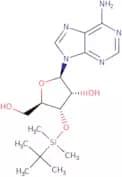
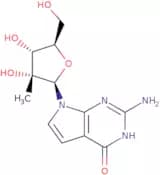
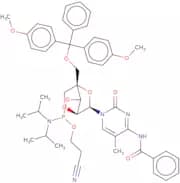
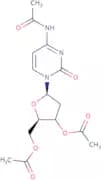
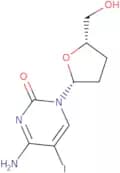

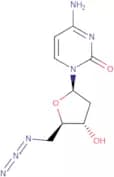
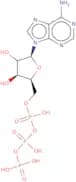


![O6-Benzyl-N2,3-etheno-2'-phenoxythioxomethyl-3',5'-O-[tetrakis(isopropyl)-1,3-disiloxanediyl] guan…](/_next/image/?url=https%3A%2Fstatic.cymitquimica.com%2Fproducts%2F3D%2Fthumb-webp%2FNB16631.webp&w=3840&q=75)
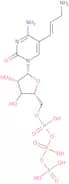

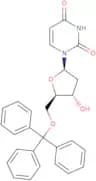
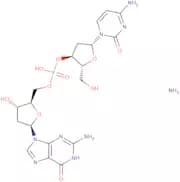
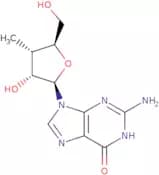
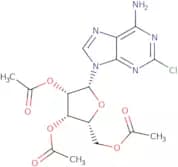

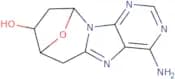
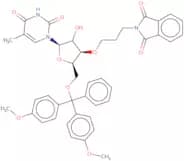
![4-Chloro-7-(2-C-methyl-b-D-ribofuranosyl)-7H-pyrrolo[2,3-d]pyrimidine](/_next/image/?url=https%3A%2Fstatic.cymitquimica.com%2Fproducts%2F3D%2Fthumb-webp%2FNC14084.webp&w=3840&q=75)

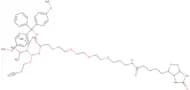
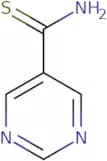
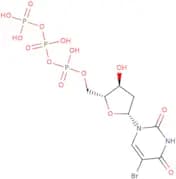

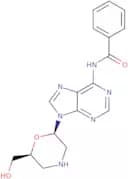
![2,5-Dioxo-3-sulfo-1-pyrrolidinyl 6-[[5-(hexahydro-2-oxo-1H-thieno[3,4-d]imidazol-4-yl)-1-oxopentyl…](/_next/image/?url=https%3A%2Fstatic.cymitquimica.com%2Fproducts%2F3D%2Fthumb-webp%2FPD08913.webp&w=3840&q=75)
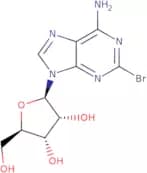

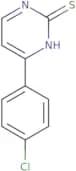


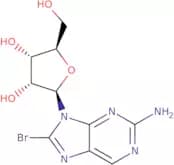
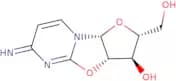
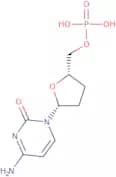
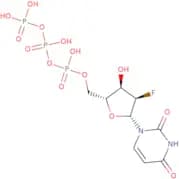
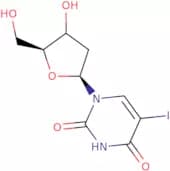
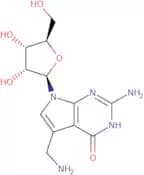
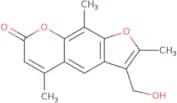

![3-[2'-Deoxy-5'-O-DMT-b-D-ribofuranosyl]pyrido[2,3-d]pyrimidine-2,7(8H)-dione 3'-CE phosphoramidite](/_next/image/?url=https%3A%2Fstatic.cymitquimica.com%2Fproducts%2F3D%2Fthumb-webp%2FPD09988.webp&w=3840&q=75)

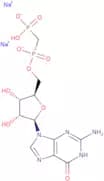
![2,6-Bis-o-[2-(4-nitrophenyl)ethyl]-2'-deoxyxanthosine](/_next/image/?url=https%3A%2Fstatic.cymitquimica.com%2Fproducts%2F3D%2Fthumb-webp%2FYEA10774.webp&w=3840&q=75)
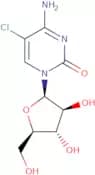
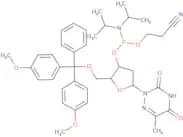






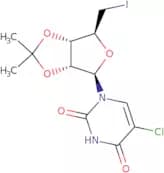
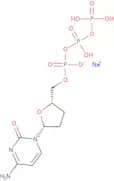

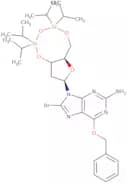
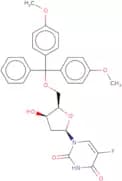
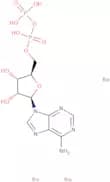
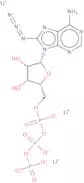
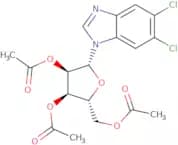


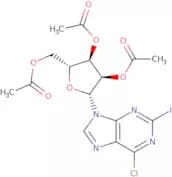
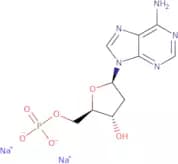
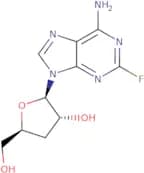

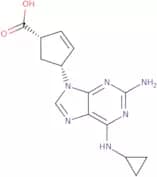
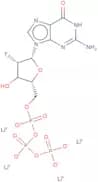
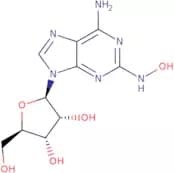
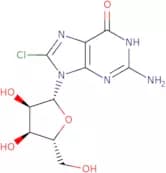
![3,7-Dihydro-5-iodo-4-oxo-4H-pyrrolo[2,3-d]pyrimidine](/_next/image/?url=https%3A%2Fstatic.cymitquimica.com%2Fproducts%2F3D%2Fthumb-webp%2FND57427.webp&w=3840&q=75)
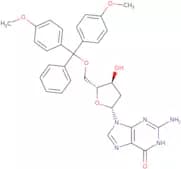

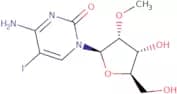
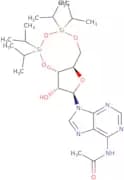
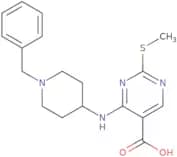
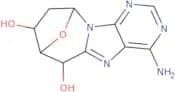

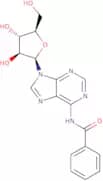
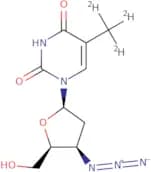
![2'-Deoxyadenosine-5'-[(a,b)-methyleno]triphosphate sodium salt - 10 mM aqueous solution](/_next/image/?url=https%3A%2Fstatic.cymitquimica.com%2Fproducts%2F3D%2Fthumb-webp%2FND46688.webp&w=3840&q=75)
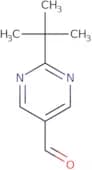
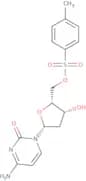
![2'-Deoxyuridine-5'-[(a,b)-imido]triphosphate sodium salt - 10mM aqueous solution](/_next/image/?url=https%3A%2Fstatic.cymitquimica.com%2Fproducts%2F3D%2Fthumb-webp%2FND45196.webp&w=3840&q=75)
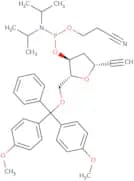

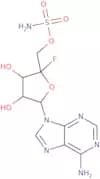

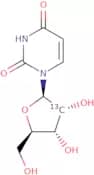
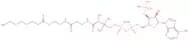
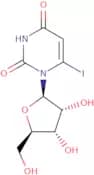
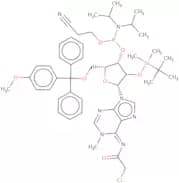
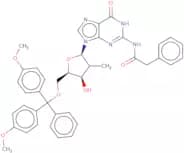


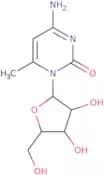
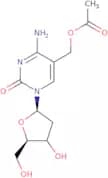
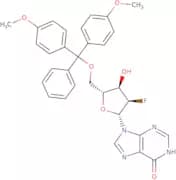
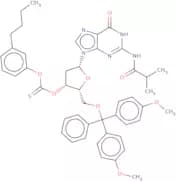

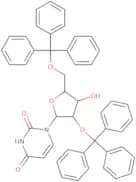
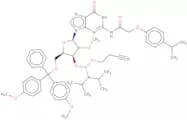
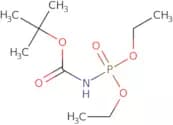
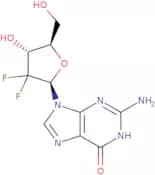

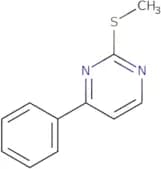
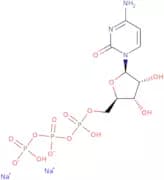
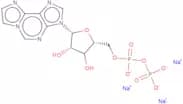
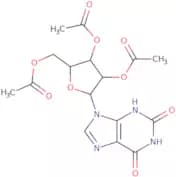


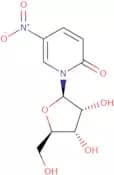
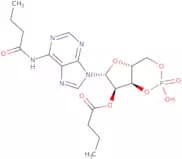

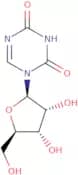
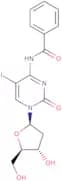


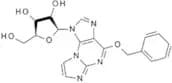
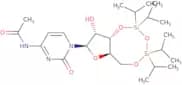

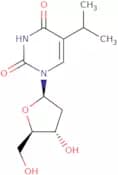
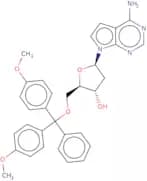
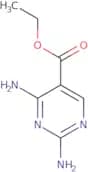
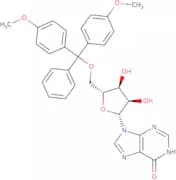
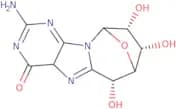
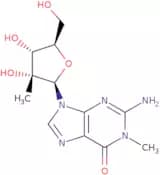
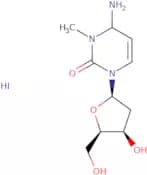

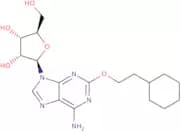
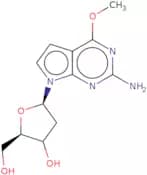
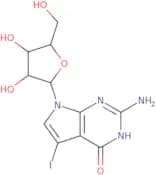
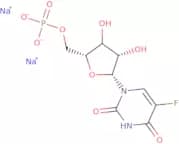
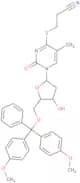
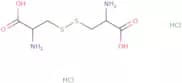
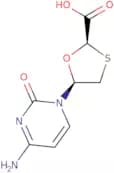
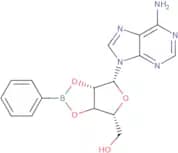
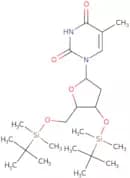
![8-(2-Amino-1-methyl-D3-6-phenylimidazo[4,5-b]pyridyl-2'-deoxyguanosine](/_next/image/?url=https%3A%2Fstatic.cymitquimica.com%2Fproducts%2F3D%2Fthumb-webp%2FNA05715.webp&w=3840&q=75)
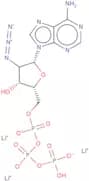

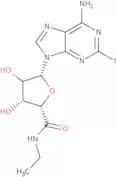
![7-Benzyl-4-chloro-5-iodo-7H-pyrrolo[2,3-d]pyriMidine](/_next/image/?url=https%3A%2Fstatic.cymitquimica.com%2Fproducts%2F3D%2Fthumb-webp%2FNB44294.webp&w=3840&q=75)
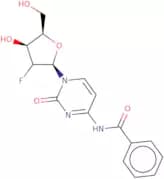



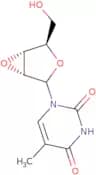

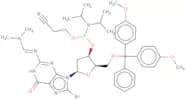
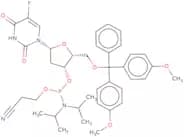
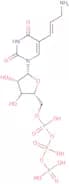
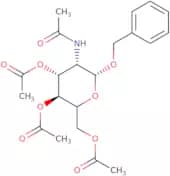
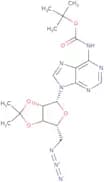
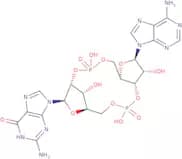
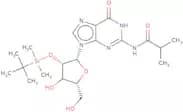

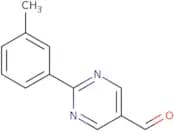
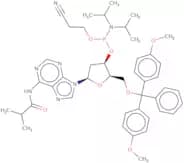

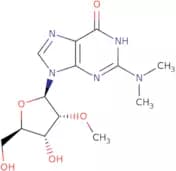
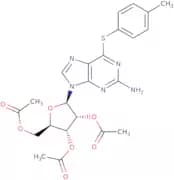
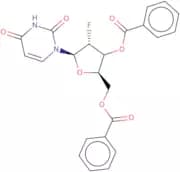

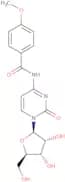
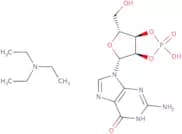
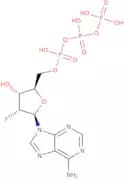
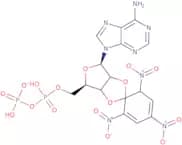


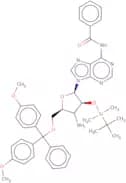


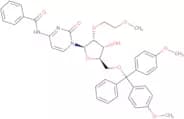
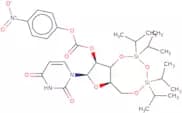
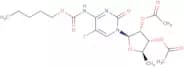
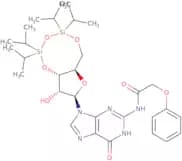
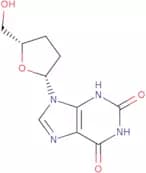

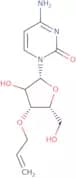
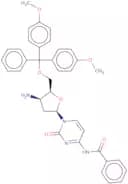
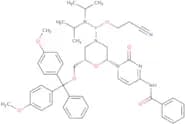
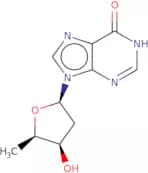

![5-[3-(Trifluoroacetamido)-E-1-propenyl]-2’- deoxyuridine](/_next/image/?url=https%3A%2Fstatic.cymitquimica.com%2Fproducts%2F3D%2Fthumb-webp%2FNT57550.webp&w=3840&q=75)