Nucleosidi
I nucleosidi sono building blocks fondamentali degli acidi nucleici, composti da una base azotata legata a una molecola di zucchero. In questa sezione, puoi trovare una vasta gamma di nucleosidi essenziali per la ricerca in biologia molecolare, biochimica e farmacologia. Questi composti svolgono ruoli cruciali nella sintesi del DNA e dell'RNA e sono vitali in vari processi metabolici. I nucleosidi vengono utilizzati per studiare il materiale genetico, sviluppare terapie antivirali e antitumorali e comprendere i meccanismi cellulari. Da CymitQuimica, forniamo nucleosidi di alta qualità per supportare le tue esigenze di ricerca e sviluppo, garantendo purezza e affidabilità per le tue applicazioni sperimentali.
Trovati 3569 prodotti di "Nucleosidi"
Ordinare per
Purezza (%)
0
100
|
0
|
50
|
90
|
95
|
100
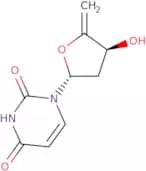
4’,5’-Didehydro-2’,5’-dideoxyuridine
CAS:4’,5’-Didehydro-2’,5’-dideoxyuridine (ddU) is a monophosphate of deoxyribonucleosides. It is an antiviral drug that was originally synthesized in the 1960s to combat viral infections. It has been used as a potential anticancer agent and as an activator for complex DNA synthesis. ddU has also been used in synthesis of phosphoramidites for DNA and RNA analogues.Purezza:Min. 95%2'-O-Acetyl-3'-azido-3'-deoxy-5'-O-(p-toluoyl)-6-azauridine
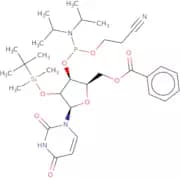
2'-O-Acetyl-3'-azido-3'-deoxy-5'-O-(p-toluoyl)-6-azauridine is a novel, modified nucleoside. It has antiviral activity and can be used as a building block for the synthesis of oligonucleotide analogues. 2'-O-Acetyl-3'-azido-3'-deoxy-5'-O-(p-toluoyl)-6-azauridine is a monophosphate that is phosphorylated to form an active ribonucleoside. It can be used in high purity as a building block for the synthesis of oligonucleotide analogues. This compound has been shown to have anticancer effects and DNA binding activities.Purezza:Min. 95%5'-O-Benzoyl-2'-O-tert-butyldimethylsilyluridine 3'-CE phosphoramidite
<p>5'-O-Benzoyl-2'-O-tert-butyldimethylsilyluridine 3'-CE phosphoramidite is a nucleoside monophosphate, which is used as a synthetic building block in DNA and RNA synthesis. 5'-O-Benzoyl-2'-O-tert-butyldimethylsilyluridine 3'-CE phosphoramidite has shown anticancer activity, which may be due to its ability to inhibit the activation of oncogenes by acting as an antagonist at the cell surface. This agent also inhibits viral replication and is active against HIV, herpes simplex virus type 1, and varicella zoster virus.</p>Formula:C31H47N4O8PSiPurezza:Min. 95%Peso molecolare:662.8 g/mol2'-O-(2-Methoxyethyl)guanosine
CAS:2'-O-(2-Methoxyethyl)guanosine is a guanosine derivative isolated from the reaction of 2-aminoadenosine with methylsulfonyl chloride. This compound has been shown to react with aromatic hydrocarbons to form a reagent that is useful for the alkylation of nucleophilic groups in organic synthesis.Formula:C13H19N5O6Purezza:Min. 95%Colore e forma:PowderPeso molecolare:341.32 g/mol2'-Deoxycytidine HCl
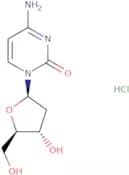
CAS:2'-Deoxycytidine HCl is a nucleoside analogue that is used as a radiation sensitizer in the treatment of tumors. It is converted into 2'-deoxycytidine-5'-triphosphate by incorporation into DNA during replication and inhibits DNA synthesis. This compound has been shown to have anti-leukemic activity against murine leukemia virus (MLV) and murine sarcoma virus (MSV) in mice, although it does not inhibit the proliferation of Swiss-Webster mice. The protonated form of 2'-deoxycytidine HCl has been observed using nuclear magnetic resonance spectroscopy, with a cyclohexane ring as the proton acceptor. The monosodium salt also forms a stable complex with amino groups, which may be due to its acidic ph.Formula:C9H13N3O4·HClPurezza:Min. 98 Area-%Colore e forma:White PowderPeso molecolare:263.68 g/mol5-o-(Dimethoxytrityl)-N4-dimethylaminomethylidene-5-iodo-2'-deoxycytidine
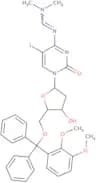
CAS:<p>Dimethoxytrityl-5-iodo-2'-deoxycytidine is a novel, modified nucleoside that has anticancer and antiviral properties. It is synthesized by reacting 5-iodo-2'-deoxycytidine with dimethoxytrityl chloride in the presence of triethylamine. This compound can be used to synthesize oligonucleotide phosphoramidites, ribonucleosides, and diphosphates.</p>Formula:C33H35IN4O6Purezza:Min. 95%Peso molecolare:710.6 g/molGuanosine 5'-triphosphate sodium salt hydrate
CAS:<p>Guanosine 5'-triphosphate sodium salt hydrate (GTP) is an energy-rich nucleotide that is synthesized from guanosine and inorganic phosphate. GTP acts as a coenzyme in the synthesis of proteins, lipids, and other biological molecules. It also has been shown to inhibit the growth of murine sarcoma virus by regulating intracellular calcium levels. GTP's binding to a receptor on the surface of cells leads to a cascade of reactions that ultimately lead to the production of proteins. This process can be inhibited by pharmacological agents such as thiostrepton, which blocks GTP's incorporation into proteins.</p>Formula:C10H16N5O14P3•Nax•(H2O)xPurezza:Min. 95%Colore e forma:White PowderPeso molecolare:523.18 g/mol5-Iodo-2’-C-methylcytidine
CAS:<p>5-Iodo-2’-C-methylcytidine is a synthetic nucleoside that is an activator of DNA polymerases. It has been shown to be an anticancer agent and antiviral agent, with potential applications in the treatment of HIV and HBV infections. 5-Iodo-2’-C-methylcytidine is a novel monophosphate nucleoside that has been modified to improve its stability. This product is sold as a high purity, high quality, NMR grade material that can be used in research or in the manufacture of pharmaceuticals.</p>Formula:C10H14IN3O5Purezza:Min. 95%Peso molecolare:383.14 g/mol1-(4’-Azido-2’-deoxy-2’-fluoro-b-D-arabinofuranosyl)N4-(n-octadecanoyl)-cytosine
1-(4’-Azido-2’-deoxy-2’-fluoro-b-D-arabinofuranosyl)N4-(n-octadecanoyl)-cytosine is an antiviral nucleoside that is synthesized from a 4′ azidodecanoyl derivative of cytosine. It has been shown to be effective against herpes simplex virus type 1 and 2 (HSV1, HSV2), varicella zoster virus (VZV), and Epstein Barr Virus (EBV). The antiviral mechanism of action for this compound is not known.Purezza:Min. 95%9-(5’-Methyl-b-D-ribofuranosyl)-6-chloropurine
<p>9-(5’-Methyl-b-D-ribofuranosyl)-6-chloropurine is a novel antiviral that belongs to the class of deoxyribonucleosides. It is synthesized by reacting 5’-methyl-2,4(1H,3H) pyrimidinedione with 6-chloropurine in the presence of sodium bicarbonate and sulfuric acid. 9-(5’-Methyl-b-D-ribofuranosyl)-6-chloropurine inhibits DNA synthesis by binding to the enzyme ribonuclease H (RNase H). RNase H hydrolyzes RNA sequences that are complementary to the 3’ end of DNA sequences and this drug prevents RNase H from functioning. 9-(5’-Methyl-b-Dribofuranosyl)-6 chloropurine also inhibits tumour cells and has shown anticancer activity in</p>Purezza:Min. 95%2'-Deoxy-5-methylcytidine HCl
CAS:<p>2'-Deoxy-5-methylcytidine HCl is a cytidine derivative that is used in the synthesis of DNA. It has been shown to have anticancer and antiviral properties, as well as being a synthetic activator for RNA polymerase. The chemical name for 2'-deoxy-5-methylcytidine HCl is 5'-[(2-bromoacetyl)amino]-2'-deoxyuridine 5'-O-(1,3-dithiole-2-thiocarbonyl)-3',5' -diiodo-. It belongs to the class of deoxyribonucleosides. This product may be used in applications such as DNA synthesis, modification of DNA, and antiviral treatment.</p>Formula:C10H15N3O4·HClPurezza:Min. 95%Colore e forma:White PowderPeso molecolare:277.7 g/molN3-Methylcytidine
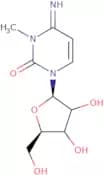
CAS:<p>N3-Methylcytidine is a synthetic analog of uridine. It is used for the treatment of syncytial virus infection, which is a group of diseases caused by viruses that have an RNA genome and replicate by forming syncytia—large groups of infected cells. N3-Methylcytidine inhibits the synthesis of proteins in cells and inhibits the growth of bacteria. This drug has been shown to inhibit actin polymerization and prevents cell spreading. N3-Methylcytidine also binds to RNA polymerase II and blocks its interaction with DNA, inhibiting protein synthesis at the ribosome level. N3-Methylcytidine is metabolized in vivo into methylated cytidine, which can be detected in urine samples using chemical biology methods or fluorescence resonance energy transfer (FRET) analysis. Synonyms: N3-methyluridine; 3-methyluridine</p>Formula:C10H15N3O5Purezza:Min. 95%Colore e forma:White PowderPeso molecolare:257.24 g/molN4-Benzoyl-5'-O-DMT-2'-O-(2-methoxyethyl)cytidine 3'-O succinate TEA
N4-Benzoyl-5'-O-DMT-2'-O-(2-methoxyethyl)cytidine 3'-O succinate TEA salt (BEDOT) is a novel nucleoside analogue that is a phosphoramidite for DNA synthesis. BEDOT has shown anticancer and antiviral activity in vitro.Purezza:Min. 95%2'-Deoxy-5'-O-DMT-N4-isobutyryl-5-methylcytidine
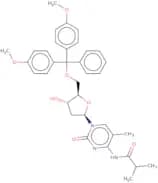
CAS:The chemical compound 2'-deoxy-5'-O-dimethyltryptophan 4-isobutyryl-5-methylcytidine is an antiviral and anticancer agent. It is a nucleoside analog that inhibits the synthesis of DNA, RNA, and proteins by inhibiting the activity of various enzymes in the cell. This agent also acts as an activator that binds to DNA, preventing transcription of genes. The modified nucleotide has been used in research to study the effects on cancer cells and HIV cells.Purezza:Min. 95%5'-O-[Bis(4-methoxyphenyl)(phenyl)methyl]-2'-deoxy-N-isobutyrylguanosine
CAS:5'-O-[Bis(4-methoxyphenyl)(phenyl)methyl]-2'-deoxy-N-isobutyrylguanosine is a synthetic nucleoside that is used as a building block in the synthesis of oligonucleotides. This chemical has an electronegativity value of 1.7, which means that it is more electronegative than guanine (1.0). It also has a conjugated system and is stable under a range of conditions. 5'-O-[Bis(4-methoxyphenyl)(phenyl)methyl]-2'-deoxy-N-isobutyrylguanosine reacts with tetrazole in the presence of phosphoramidite, yielding the corresponding 5'-O-(4,4'-dimethoxytrityl)-2'-deoxy-N-isobutyrylguanosine, which can then be used toFormula:C35H37N5O7Purezza:Min. 98 Area-%Colore e forma:White PowderPeso molecolare:639.71 g/mol5'-O-p-Anisoyl-N6-benzoyl-2'-deoxyadenosine
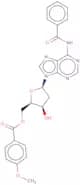
5'-O-p-Anisoyl-N6-benzoyl-2'-deoxyadenosine is a novel nucleoside analog with anticancer, antiviral, and antimalarial activities. It is synthesized by the condensation of 2'-deoxyadenosine with anisic acid in the presence of phosphoramidites. The compound is a potent inhibitor of DNA synthesis in cultured cells, and has been shown to inhibit replication of human immunodeficiency virus type 1 (HIV-1) in vitro. 5'-O-p-Anisoyl-N6-benzoyl-2'-deoxyadenosine also exhibits antiinflammatory activity against carrageenan induced paw edema in rats.Formula:C25H23N5O6Purezza:Min. 95%Peso molecolare:489.48 g/molN3-Cyanoethyl-5’-O-DMT-2’-O-methyluridine
<p>N3-Cyanoethyl-5’-O-DMT-2’-O-methyluridine is a nucleoside that is synthesized from 5'-O-DMT-2’-O-methyluridine. It has antiviral and anticancer properties, as well as an inhibitory effect on DNA synthesis. N3-Cyanoethyl-5’-O-DMT-2’-O methyluridine is a novel nucleoside with DMT and methylated uracil at the 3' position of the sugar moiety. Synthesis may be achieved by using phosphoramidites or modified nucleosides such as N3-(cyanoethyl)-5'-0-(dimethoxytrityl)thymidine. This product meets high purity standards, with a CAS number of 68719–77–8.</p>Purezza:Min. 95%7-[3,5-Bis-O-[(-2,4-dichlorophenyl)methyl]-2-C-methyl-b-D-ribofuranosyl]-4-chloro-5-iodo-7H-pyrrolo[2,3-d]pyrimidine
CAS:<p>7-[3,5-Bis-O-[(-2,4-dichlorophenyl)methyl]-2-C-methyl-b-D-ribofuranosyl]-4-chloro-5-iodo-7H-pyrrolo[2,3-d]pyrimidine is a synthetic nucleoside that inhibits viral DNA synthesis by interfering with the viral enzyme polymerase. It has been shown to be active against HIV and HSV and may have potential therapeutic use in antiviral therapy. 7-[3,5-Bis-O-[(-2,4-dichlorophenyl)methyl]-2-C--methyl--b--D--ribofuranosyl]-4--chloro--5--iodo--7H--pyrrolo[2,3--d]pyrimidine has been synthesized for the first time by a novel process involving deoxyribonucleosides and phosphor</p>Purezza:Min. 95%3’-deoxy-3’-fluorotoyocamycin
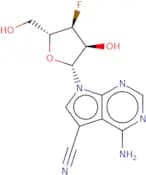
CAS:<p>3’-deoxy-3’-fluorotoyocamycin is a nucleoside, ribonucleoside and antiviral agent. It inhibits the replication of DNA viruses by inhibiting the viral enzyme RNA polymerase. This drug also has anticancer activity and can be used to treat leukemia and other cancers. 3’-deoxy-3’-fluorotoyocamycin can be used as a monophosphate or diphosphate activator for phosphoramidites in the synthesis of modified DNA. It is also a novel drug that has been modified to contain an additional phosphate group at position 3' on the sugar moiety. The CAS number for this compound is 847649-44-9.</p>Purezza:Min. 95%5'-O-DMT-2'-O-methyl-N6-phenylacetyladenosine
5'-O-DMT-2'-O-methyl-N6-phenylacetyladenosine is a synthetic nucleoside with anticancer properties. It is modified to be more resistant to phosphodiesterase which blocks the synthesis of DNA and RNA. This drug has been shown to activate the immune system, inhibit tumor growth, and inhibit viral replication. It has been shown to be effective in animal models against leukemia and lymphoma. The high quality pure chemical will be used for use in research purposes only.Purezza:Min. 95%2'-O-Acetyl-3'-deoxy-3'-fluoro-5-methoxy-5'-O-toluoyluridine
CAS:2'-O-Acetyl-3'-deoxy-3'-fluoro-5-methoxy-5'-O-toluoyluridine is a modified nucleoside that has antiviral, anticancer and antimalarial activities. This compound has been synthesized as a monophosphate derivative of the natural nucleoside uridine. It is an activator of DNA polymerase, which helps to synthesize DNA in cells. 2'-O-Acetyl-3'-deoxy-3'-fluoro-5-methoxy-5'-O-toluoyluridine also has anticancer activity due to its ability to inhibit the replication of the human tumor virus KSHV.Purezza:Min. 95%2,2'-Anhydrocytidine HCl
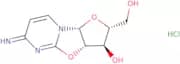
CAS:<p>2,2'-Anhydrocytidine HCl is a nucleoside for use as a DNA synthesis inhibitor</p>Formula:C9H11N3O4·HClPurezza:Min. 98 Area-%Colore e forma:White PowderPeso molecolare:261.66 g/mol2’C-Methyl-2-thiouridine
CAS:<p>2’C-Methyl-2-thiouridine is a novel nucleoside phosphoramidite that has been synthesized to serve as an activator for DNA polymerases. 2’C-Methyl-2-thiouridine is a potent antiviral agent that inhibits the replication of the hepatitis C virus in vitro. It also has antiproliferative effects against certain cancer cells and can be used as an anticancer drug. 2’C-Methyl-2-thiouridine contains a methylated thiol group, which confers a high degree of resistance to degradation by thiols, including glutathione (GSH). This compound is stable to hydrolysis and may be used in the synthesis of deoxyribonucleosides or monophosphate nucleotides.</p>Purezza:Min. 95%2'-O-tert-Butyldimethylsilyl-5'-O-toluoyluridine 3'-CE phosphoramidite
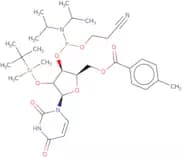
<p>2'-O-tert-Butyldimethylsilyl-5'-O-toluoyluridine 3'-CE phosphoramidite is a modified ribonucleotide that can be used as an activator in oligonucleotide synthesis. 2'-O-tert-Butyldimethylsilyl-5'-O-toluoyluridine 3'-CE phosphoramidite is a novel nucleoside that has antiviral and anticancer properties. It has been shown to inhibit the growth of cells by inhibiting DNA synthesis, which may be due to its ability to bind to DNA and inhibit DNA polymerase. The CAS number for this product is 126214-01-3.</p>Formula:C32H49N4O8PSiPurezza:Min. 95%Peso molecolare:676.83 g/mol2'-Deoxy-L-cytidine 3'-O-L-valinyl ester 2HCl
CAS:<p>2'-Deoxy-L-cytidine 3'-O-L-valinyl ester 2HCl is a nucleoside analog that is converted to its active form by intracellular dephosphorylation. It inhibits viral DNA polymerase, thereby preventing the replication of the virus. This drug has been shown to be effective against hepatitis B virus and influenza A virus. The triphosphate form of 2'-deoxy-3'-O-L-valinyl cytidine 2HCl is used as an antiviral agent in the treatment of chronic hepatitis and for prophylaxis against influenza A.</p>Formula:C14H22N4O5·2HClPurezza:Min. 95%Colore e forma:Off-White PowderPeso molecolare:399.27 g/mol2'-Deoxy-5'-O-DMT-cytidine
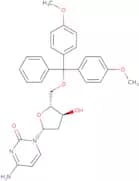
CAS:<p>2'-Deoxy-5'-O-DMT-cytidine is an organic compound. It is a synthetic, combinational and amine nitrogen containing heterocyclic compound that is used in organic synthesis. This chemical is also used as a building block for the synthesis of heterocyclic compounds with other functional groups such as thionyl, formulae, chlorides and hydrogen atoms.</p>Formula:C30H31N3O6Purezza:Min. 95 Area-%Colore e forma:White PowderPeso molecolare:529.58 g/molAcetyl coenzyme A sodium salt
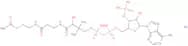
CAS:Acetyl-coenzyme A is an important intermediate in the metabolism of carbohydrates, fats, and proteins. It is a cytosolic molecule that is synthesized from Acetyl-CoA and ATP. The Michaelis–Menten kinetics describe the relationship between the concentration of acetyl-coenzyme A and the rate of its consumption. Acetyl co-enzyme A is found in many different tissues, including plants, animals, and humans. It has an important role in regulating cellular growth and differentiation by activating various enzymes involved in metabolic pathways. Acetyl CoA can be acetylated to form acetyl CoA carboxylic acid (ACC) which then turns into malonyl CoA through a series of reactions. Malonyl CoA then enters the Krebs cycle as a key intermediate for generating energy from fatty acids.Formula:C23H38N7O17P3S·xNaPurezza:Min. 95%Colore e forma:PowderPeso molecolare:809.57 g/mol3'-O-Acetyl-5'-tert-butyldiphenylsilyl-2'-deoxy-2'-fluoro-5-methyluridine
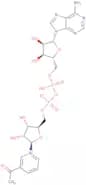
<p>3'-O-Acetyl-5'-tert-butyldiphenylsilyl-2'-deoxy-2'-fluoro-5-methyluridine is a synthetic nucleoside that has antiviral activity. It is a modified nucleoside that contains a monophosphate group, which makes it an activator of DNA polymerase. 3'-O-Acetyl-5'-tert-butyldiphenylsilyl-2'-deoxy-2'-fluoro-5-methyluridine is novel because it contains an acetyl group at the 3' position and a silyl ether on the 2' oxygen atom. 3'-O-Acetyl-5'-tert-butyldiphenylsilyl-2'-deoxy-2'-fluoro -5 -methyluridine has CAS No. 62768‑36‑3 and is available in high purity.</p>Purezza:Min. 95%3-Acetylpyridine adenine dinucleotide
CAS:A non-physiological analog of nicotinamide adenine dinucleotide (NAD+) in biochemical research, particularly as a tool to study the mechanisms of NAD+-dependent enzymes.Formula:C22H28N6O14P2Purezza:Min. 92 Area-%Colore e forma:White Off-White PowderPeso molecolare:662.44 g/molFluorescein-5(6)-carboxamidocaproyl-[5(3-aminoallyl)2-deoxyuridine-5-tr
<p>Fluorescein-5(6)-carboxamidocaproyl-[5(3-aminoallyl)2-deoxyuridine-5-triphosphate] is a modified nucleoside analog that is used as an antiviral agent against herpesviruses. This compound is phosphorylated by the virus encoded thymidine kinase, which converts it to the monophosphate form. Fluorescein-5(6)-carboxamidocaproyl-[5(3-aminoallyl)2-deoxyuridine-5-triphosphate] inhibits DNA synthesis by inhibiting viral DNA polymerase and has been shown to be active against human papillomavirus type 16 (HPV16) in vitro. It has also been shown to inhibit tumor cell proliferation and induce apoptosis in some types of cancer cells.</p>Purezza:Min. 95%3’-Deoxy-3’-fluoro-6-thioinosine
CAS:<p>Please enquire for more information about 3’-Deoxy-3’-fluoro-6-thioinosine including the price, delivery time and more detailed product information at the technical inquiry form on this page</p>Purezza:Min. 95%9-(2'-O-Acetyl-3'-deoxy-3'-fluoro-5'-O-toluoyl-b-D-ribofuranosyl)-6-phenylpurine
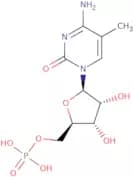
<p>9-(2'-O-Acetyl-3'-deoxy-3'-fluoro-5'-O-toluoyl-b-D-ribofuranosyl)-6-phenylpurine (FTC) is a novel antiviral nucleoside analog that inhibits the synthesis of DNA by inhibiting the enzyme DNA polymerase. It has been shown to be effective against HIV in vitro. FTC exhibits anticancer activity through inhibition of DNA synthesis and induction of apoptosis. FTC also has high purity and quality, as it is synthesized chemically without any purification steps.</p>Purezza:Min. 95%5-Methylcytidine-5'-monophosphate
CAS:<p>5-Methylcytidine-5'-monophosphate is a nucleotide that is an intermediate in the synthesis of DNA. It is a neutral form and has been sequenced. 5-Methylcytidine-5'-monophosphate is found in cellular components, such as mitochondria and nuclei. The biochemical properties of this molecule are dependent on its methylation state. This molecule also plays a role in mitochondrial functions and nuclear DNA modifications.</p>Formula:C10H16N3O8PPurezza:Min. 95%Colore e forma:White Off-White PowderPeso molecolare:337.22 g/mol2'-Deoxy-5'-O-DMT-N2-isobutyryl-a-guanosine
CAS:<p>2'-Deoxy-5'-O-DMT-N2-isobutyryl-a-guanosine is a nucleoside that is synthesized from 2'-deoxyribonucleosides and activated with diphosphate. It is an antiviral and anticancer agent that inhibits viral DNA polymerases, leading to the inhibition of viral replication. 2'-Deoxy-5'-O-DMT-N2-isobutyryl-a-guanosine has also been shown to inhibit cancer cell growth in vitro by inhibiting the synthesis of cellular DNA. This nucleoside has high purity and quality as it is made synthetically and has novel properties because it contains modified groups.</p>Formula:C35H37N5O7Purezza:Min. 95%Colore e forma:White to off-white solid.Peso molecolare:639.71 g/mol1-(2’-Deoxy-2’-fluoro-b-D-arabinofuranosyl)-N3-(2S)-(2-amino-3-carbonyl]propyluracil
CAS:1-(2’-Deoxy-2’-fluoro-β-D-arabinofuranosyl)-N3-(2S)-(2-amino-3-carbonyl]propyluracil is a novel, anticancer drug. It is active against both RNA and DNA viruses, such as HIV, influenza virus and herpes virus. 1-(2’-Deoxy-2’-fluoro-β-D-arabinofuranosyl)-N3-(2S)-(2-amino-3-carbonyl]propyluracil has been shown to be an activator for phosphoramidites in aqueous solution. This compound is of high purity with CAS No. 2072145–25–4. It is also a synthesized, monophosphate nucleoside that can be used in the production of modified nucleosides for therapeutic purposes or as antiviral agentsPurezza:Min. 95%N-Boc-5'-chloro-5'-deoxy-2,3-O-isopropylideneadenosine
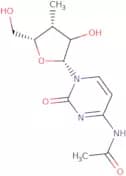
<p>N-Boc-5'-chloro-5'-deoxy-2,3-O-isopropylideneadenosine is a novel nucleoside phosphoramidite. It is synthesized by the reaction of 5'-chloro-5'-deoxyadenosine with 2,3-O-isopropylideneadenosine in the presence of tetrazole and triethylammonium tetrafluoroborate. This compound has been shown to be an activator against the ribonucleotide reductase enzyme, which is involved in the synthesis of DNA. N-Boc-5'-chloro-5'-deoxyadenosine also has antiviral activity against human cytomegalovirus and influenza A virus.</p>Purezza:Min. 95%N4-Acetyl-3'-deoxy-3'-C-methylcytidine
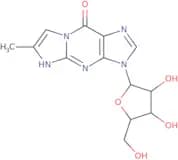
<p>N4-Acetyl-3'-deoxy-3'-C-methylcytidine is a novel antiviral drug that is modified from cytidine. It is an activator of the monophosphate pathway of DNA synthesis, which causes the incorporation of N4-acetyl-3'-deoxy-3'-C-methylcytidine into ribonucleosides and deoxyribonucleosides. This compound has been shown to be active against a variety of cancers, including leukemia, colon cancer, breast cancer, and prostate cancer.</p>Formula:C12H17N3O5Purezza:Min. 95%Peso molecolare:283.28 g/mol4-Demethylwyosine
CAS:4-Demethylwyosine is a metabolite found in the bacterium Pyrococcus furiosus. It is an intermediate in the biosynthesis of 2-amino-3,5-dimethyoxybenzoic acid. 4-Demethylwyosine has been shown to inhibit cancer cell proliferation by inhibiting the synthesis of lysine residues and base formation. This inhibition may be due to its methyl transferase activity, which leads to decreased levels of methionine, or it may be due to its ability to act as a carboxylate group donor. 4-Demethylwyosine has also been shown to bind with DNA and RNA, regulating posttranscriptional processes such as protein translation and transcription.Formula:C13H15N5O5Purezza:Min. 80 Area-%Colore e forma:PowderPeso molecolare:321.29 g/molN1-Methylguanosine
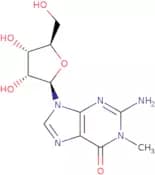
CAS:Prodotto controllato<p>N1-Methylguanosine is a methylated nucleotide that is incorporated into the growing DNA chain during protein synthesis. The incorporation of N1-methylguanosine into the growing DNA chain can cause frameshifting, which creates an unusual amino acid sequence. This effect has been shown in model organisms, such as Saccharomyces cerevisiae and Escherichia coli. In these organisms, N1-methylguanosine has been shown to induce cancer when added to the growth medium. It is also found in urine samples from people with bladder cancer and has been used to identify urinary tract cancers. Titration calorimetry studies have shown that N1-methylguanosine binds to a chelate ligand and forms a disulfide bond with cysteine residues on proteins or peptides, which may lead to mitochondrial dysfunction by interfering with hydrogen bonding interactions. Messenger RNA studies show that N1-methylguanosine inhibits translation of mRNA by binding to</p>Formula:C11H15N5O5Purezza:Min. 95%Colore e forma:White PowderPeso molecolare:297.27 g/mol5'-O-Benzoyl-2'-deoxyinosine 3'-CE phosphoramidite
<p>5'-O-Benzoyl-2'-deoxyinosine 3'-CE phosphoramidite is an anticancer and antiviral agent. It is a nucleoside analogue that inhibits the synthesis of DNA by competitive inhibition of ribonucleotide reductase, which converts ribonucleotides to deoxyribonucleotides. The monophosphate form also inhibits viral replication by inhibiting reverse transcriptase. This compound has been shown to be active against herpes simplex virus type 1 and 2, adenovirus, influenza A virus, and vaccinia virus.</p>Formula:C26H33N6O6PPurezza:Min. 95%Peso molecolare:556.56 g/mol3'-O-Propargylcytidine
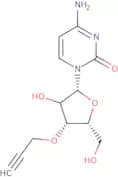
<p>3'-O-Propargylcytidine is a monophosphate nucleoside that belongs to the group of synthetic, novel nucleosides and deoxyribonucleosides. It is a modified form of cytidine with an extra methyl group attached to the 3' position of the ribose sugar. 3'-O-Propargylcytidine has been shown to inhibit cancer cells by binding to DNA and preventing transcription and replication. This compound also inhibits virus replication and has antiviral properties. 3'-O-Propargylcytidine is highly pure and high quality, which makes it a good candidate for use in pharmaceuticals or other applications requiring high purity.</p>Formula:C12H15N3O5Purezza:(%) Min. 97%Colore e forma:PowderPeso molecolare:281.26 g/mol2'-O-(2-Methoxyethyl)-5-methylcytidine 5'-monophosphate
2'-O-(2-Methoxyethyl)-5-methylcytidine 5'-monophosphate is a novel nucleoside analog that is phosphorylated to its active form, 5'-O-(4,4'-dimethoxytrityl)-2'-O-(2-methoxyethyl)-5-methylcytidine monophosphate, which has antiviral and anticancer properties. It can be used as an activator for oligonucleotide synthesis and DNA synthesis. This product is available in high purity (>98%) and high quality. CAS No.: 181297-76-7Purezza:Min. 95%3'-b-Azido-2',3'-dideoxy-5'-O-DMT-uridine
<p>3'-b-Azido-2',3'-dideoxy-5'-O-DMT-uridine is a modified nucleoside that is synthesized by the phosphoramidite method. It is a novel antiviral drug with anticancer properties. This active compound has been shown to be an activator of ribonucleotide reductases, which are enzymes that catalyze the conversion of ribonucleotides to deoxyribonucleotides. 3'-b-Azido-2',3'-dideoxy-5'-O-DMT-uridine is not cytotoxic at concentrations up to 40 mM, and it has been shown to inhibit replication of human immunodeficiency virus type 1 (HIV) in tissue culture.</p>Purezza:Min. 95%6-Amino-4-hydrazino-1-(b-D-ribofuranosyl)-1H-pyrazolo[3,4-d]pyrimidine
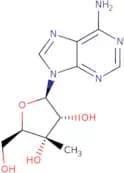
<p>6-Amino-4-hydrazino-1-(b-D-ribofuranosyl)-1H-pyrazolo[3,4-d]pyrimidine is a nucleoside phosphoramidite which is used in the synthesis of oligonucleotides. It is a novel modified nucleoside and has antiviral and anticancer activities. 6-Amino-4-hydrazino-1-(b-D ribofuranosyl)-1H pyrazolo[3,4 d]pyrimidine can be used as an activator for 2'-deoxyribonucleotide synthesis and an inhibitor of ribonucleotide synthesis.</p>Purezza:Min. 95%3’-b-C-Methyladenosine
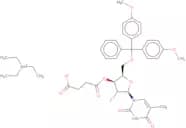
CAS:3’-b-C-Methyladenosine is a novel antiviral and anticancer agent that is synthetically derived from deoxyribonucleosides. 3’-b-C-Methyladenosine has been shown to have antiviral activity against HIV, influenza, herpes simplex virus type 1 and type 2, and vaccinia virus. It also has anticancer activity against leukemia cells. 3’-b-C-Methyladenosine can be used as a phosphoramidite in the synthesis of oligonucleotides. It may be useful as an activator for nucleophilic substitution reactions with phosphorus halides.Purezza:Min. 95%1-(2'-Deoxy-5'-O-DMT-2'-fluoro-β-D-arabinofuranosyl)thymine 3'-O-succinate triethylammonium
1-(2'-Deoxy-5'-O-DMT-2'-fluoro-b-D-arabinofuranosyl)thymine 3'-O-succinate triethylammonium salt is a compound used in the synthesis of oligonucleotides. The synthesis of such compounds often involves the use of protecting groups, such as the 4,4'-dimethoxytrityl (DMT) group, to prevent unwanted reactions during the synthesis process. The 2'-fluoro modification is of particular interest due to its potential to alter the chemical and biological properties of the resulting oligonucleotides. Fluorinated nucleosides and their analogs have been extensively studied for their antiviral and anticancer activitiesFormula:C35H34FN2O10•C6H16NPurezza:Min. 95%Peso molecolare:763.87 g/molN6-Benzoyl-9-(3'-O-methyl-b-D-xylofuranosyl)adenine
N6-Benzoyl-9-(3'-O-methyl-β-D-xylofuranosyl)adenine is a novel nucleoside containing an aromatic ring that is attached to the 9 position of the adenine base. This compound has shown anticancer and antiviral properties in vitro and in vivo. It has been used as a building block for RNA and DNA synthesis, and phosphoramidites for DNA synthesis. N6-Benzoyl-9-(3'-O-methyl-β-D-xylofuranosyl)adenine is also a potent activator of ribonucleotide reductase, which converts ribonucleotides into deoxyribonucleotides.Purezza:Min. 95%5-b-D-Glucopyranosyl-5-thio-thymine
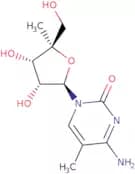
<p>5-b-D-Glucopyranosyl-5-thio-thymine is a novel, synthetic nucleoside that has antiviral activity. It is deoxyribonucleosides and ribonucleosides, which are the building blocks of DNA and RNA respectively. 5-b-D-Glucopyranosyl-5-thio-thymine can be used as an activator for phosphoramidites, which are used in the synthesis of DNA and RNA. This modified nucleotide also has anti cancer properties as it inhibits the growth of tumor cells.</p>Purezza:Min. 95%4’-C-Methyl-5-methylcytidine
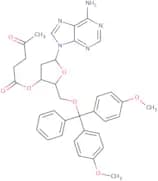
CAS:<p>4’-C-Methyl-5-methylcytidine is a phosphoramidite nucleoside that is used as a reagent in the synthesis of DNA. It is modified with a 4′-methyl and 5′-methyl group at the C4 and C5 positions of the cytosine base, respectively. The 4′-C methyl group is an antiviral agent that inhibits viral replication by inhibiting reverse transcriptase. The 5′-methyl group prevents deamination of cytosine residues by inhibiting uracil glycosylase. This product has anticancer properties due to its ability to inhibit cell division and activate apoptosis in tumor cells.</p>Purezza:Min. 95%5’-O-DMT-3’-O-levulinyl-2’-deoxyadenosine
CAS:5’-O-DMT-3’-O-levulinyl-2’-deoxyadenosine is a monophosphate antiviral agent. It has been shown to inhibit the activity of DNA and RNA polymerases in vitro. The drug is novel, and its antiviral properties have not been tested in vivo. 5’-O-DMT-3’-O-levulinyl-2’-deoxyadenosine has been synthesized using phosphoramidites and was found to be of high quality and purity. It has also been modified at the 2' position with an acetyl group and at the 3' position with a levulinoyl group.Purezza:Min. 95%









![5'-O-[Bis(4-methoxyphenyl)(phenyl)methyl]-2'-deoxy-N-isobutyrylguanosine](/_next/image/?url=https%3A%2Fstatic.cymitquimica.com%2Fproducts%2F3D%2Fthumb-webp%2FND02998.webp&w=3840&q=75)

![7-[3,5-Bis-O-[(-2,4-dichlorophenyl)methyl]-2-C-methyl-b-D-ribofuranosyl]-4-chloro-5-iodo-7H-pyrrol…](/_next/image/?url=https%3A%2Fstatic.cymitquimica.com%2Fproducts%2F3D%2Fthumb-webp%2FNB14088.webp&w=3840&q=75)









![1-(2’-Deoxy-2’-fluoro-b-D-arabinofuranosyl)-N3-(2S)-(2-amino-3-carbonyl]propyluracil](/_next/image/?url=https%3A%2Fstatic.cymitquimica.com%2Fproducts%2F3D%2Fthumb-webp%2FND162854.webp&w=3840&q=75)




![6-Amino-4-hydrazino-1-(b-D-ribofuranosyl)-1H-pyrazolo[3,4-d]pyrimidine](/_next/image/?url=https%3A%2Fstatic.cymitquimica.com%2Fproducts%2F3D%2Fthumb-webp%2FNA162943.webp&w=3840&q=75)