Nucleosidi
I nucleosidi sono building blocks fondamentali degli acidi nucleici, composti da una base azotata legata a una molecola di zucchero. In questa sezione, puoi trovare una vasta gamma di nucleosidi essenziali per la ricerca in biologia molecolare, biochimica e farmacologia. Questi composti svolgono ruoli cruciali nella sintesi del DNA e dell'RNA e sono vitali in vari processi metabolici. I nucleosidi vengono utilizzati per studiare il materiale genetico, sviluppare terapie antivirali e antitumorali e comprendere i meccanismi cellulari. Da CymitQuimica, forniamo nucleosidi di alta qualità per supportare le tue esigenze di ricerca e sviluppo, garantendo purezza e affidabilità per le tue applicazioni sperimentali.
Trovati 3569 prodotti di "Nucleosidi"
Ordinare per
Purezza (%)
0
100
|
0
|
50
|
90
|
95
|
100
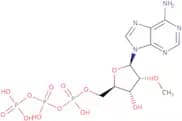
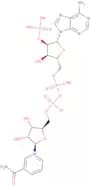
b-Nicotinamide adenine dinucleotide phosphate
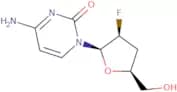
CAS:<p>Coenzyme and regenerating electron donor in catabolic processes</p>Formula:C21H28N7O17P3Purezza:Min. 80 Area-%Colore e forma:Off-White PowderPeso molecolare:743.41 g/mol1-(2,3-Dideoxy-2-fluoropentofuranosyl)cytosine
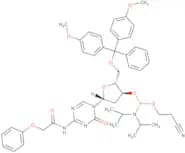
CAS:1-(2,3-Dideoxy-2-fluoropentofuranosyl)cytosine is a cytosine analog that is structurally similar to the antiviral drug tenofovir. It has been shown to be active against human serum and logarithmic growth phase cells, as well as cancer cell lines. 1-(2,3-Dideoxy-2-fluoropentofuranosyl)cytosine inhibits HIV infection in vitro by binding to the viral reverse transcriptase enzyme, blocking its activity and preventing DNA synthesis. This drug also inhibits the replication of human immunodeficiency virus type 1 (HIV-1) and other retroviruses in cell culture.Formula:C9H12FN3O3Purezza:Min. 95%Peso molecolare:229.21 g/mol5-Aza-N6-benzoyl-5'-O-DMT-2'-deoxycytidine 3'-CE phosphoramidite
CAS:<p>5-Aza-N6-benzoyl-5'-O-DMT-2'-deoxycytidine 3'-CE phosphoramidite is a monophosphate, Synthetic, DNA Activator, Anticancer, Modified, Novel, Nucleosides. It has the CAS No. 929904-98-3 and is High purity.</p>Formula:C46H53N6O9PPurezza:Min. 95%Peso molecolare:864.92 g/mol4-7H-Chloro-5-iodo-7-(2-C-methyl-b-D-ribofuranosyl)-7H-pyrrolo[2,3-d]pyrimidin-2-amine
CAS:<p>4-7H-Chloro-5-iodo-7-(2-C-methyl-b-D-ribofuranosyl)-7H-pyrrolo[2,3-d]pyrimidin-2-amine is a modified nucleoside that has been shown to have antiviral, anticancer and activator properties. This compound is synthesized by the reaction of 4,7H chloro 5 Iodo 7 (2 C methyl b D ribofuranosyl) 7 H pyrrolo[2,3 d]pyrimidine with 2 C methyl b D ribofuranosyl in aqueous solution at neutral pH. 4 - 7 H Chloro 5 Iodo 7 (2 C methyl b D ribofuranosyl) 7 H pyrrolo [2,3 d] pyrimidine reacts with 2 C methyl b D ribofuranosyl to form 4 - 7 H Chlor</p>Purezza:Min. 95%4-Hydroxy-6-methylpyrimidine
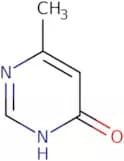
CAS:<p>4-Hydroxy-6-methylpyrimidine (4-OHMP) is a metabolite of trimethyltin. It is formed in the liver by methylation of 4,6-dimethylpyrimidine (4,6-DMPU). The levels of 4-OHMP in urine samples are used to monitor exposure to this agent. The median values for urinary concentrations of 4-OHMP are typically 10 times higher than those found in blood samples. The metabolite can be detected in urine up to 2 weeks after an individual’s last contact with trimethyltin. This compound has been shown to inhibit the synthesis of glycol dimethyl ethers and carbamates.</p>Formula:C5H6N2OPurezza:Min. 95%Peso molecolare:110.11 g/mol2'-Deoxy-5'-O-DMT-5-iodouridine
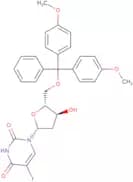
CAS:2'-Deoxy-5'-O-DMT-5-iodouridine is an intercalating agent that binds to DNA and RNA. It can be used as a probe for the detection of specific sequences in human cells. The fluorophore attached to the molecule allows it to be detected by fluorescence microscopy, while the chromophore is responsible for its ability to emit light at a wavelength of 535 nm. 2'-Deoxy-5'-O-DMT-5-iodouridine has been shown to enhance nucleotide excision repair and increase the sensitivity of cancer cells to chemotherapy drugs such as cisplatin. The molecule can also be used as a fluorescent protein marker in her-2 gene amplification and overexpression studies.Formula:C30H29IN2O7Purezza:Min. 95%Colore e forma:PowderPeso molecolare:656.48 g/molPolyinosinic acid-polycytidylic acid, homopolymer (1:1)
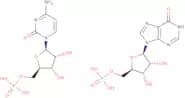
CAS:Polyinosinic acid-polycytidylic acid (Poly I:C), an agonist of TLR3 toll-like receptors, is a synthetic double-stranded RNA analog, consisting of polyinosinic acid (poly I) paired with polycytidylic acid (poly C), forming a stable duplex structure.PolyI:C stimulates the secretion of pro-inflammatory cytokines and type I interferon through its interaction with endosomal Toll-like receptor 3 (TLR-3) and the cytoplasmic receptors melanoma differentiation-associated gene 5 (MDA-5) and retinoic acid-inducible gene I (RIG-I). This immunostimulant activity makes Poly I:C a useful vaccine adjuvant and is used in vaccine formulations. Poly I:C and its stabilized analogs (e.g., poly-ICLC) are also being actively researched for their dual role in oncology: directly targeting tumors and acting as immune potentiators. For example Poly I:C can induce apoptosis in tumor cells and stimulate immunogenic cell death and is therefore being explored alongside chemotherapy, radiotherapy, and checkpoint inhibitors, helping to overcome resistance mechanisms and strengthen treatment outcomes.We can supply PolyI:C to all stages of your project - from R&D and preclinical phases right up to GMP commercial manufacture. Contact our team for custom Poly I:C products. For more on poly I:C read out blog 'Poly I:C: A Vaccine Adjuvant With Oncological Potential.'Formula:(C10H13N4O8P)x•(C9H14N3O8P)xColore e forma:Powder2-Methylmercapto-4-oxo-6-aminopyrimidine monohydrate
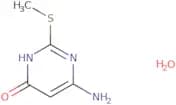
CAS:<p>2-Methylmercapto-4-oxo-6-aminopyrimidine monohydrate is a chemical substance that is used as an anticancer and antiviral agent. It has been demonstrated to inhibit the proliferation of tumor cells in vitro and in vivo, and to deplete tumor cell lines of the enzyme ribonucleotide reductase, which is essential for DNA synthesis. The compound also inhibits the synthesis of viral nucleic acid. 2MMAP has a novel chemical structure that includes a methyl group attached to one nitrogen atom. This modification increases its affinity for DNA and RNA molecules by binding to the phosphate groups on these molecules.</p>Formula:C5H7N3OS·H2OPurezza:Min. 95%Colore e forma:PowderPeso molecolare:175.21 g/molAcetyl coenzyme A sodium salt
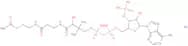
CAS:<p>Acetyl-coenzyme A is an important intermediate in the metabolism of carbohydrates, fats, and proteins. It is a cytosolic molecule that is synthesized from Acetyl-CoA and ATP. The Michaelis–Menten kinetics describe the relationship between the concentration of acetyl-coenzyme A and the rate of its consumption. Acetyl co-enzyme A is found in many different tissues, including plants, animals, and humans. It has an important role in regulating cellular growth and differentiation by activating various enzymes involved in metabolic pathways. Acetyl CoA can be acetylated to form acetyl CoA carboxylic acid (ACC) which then turns into malonyl CoA through a series of reactions. Malonyl CoA then enters the Krebs cycle as a key intermediate for generating energy from fatty acids.</p>Formula:C23H38N7O17P3S·xNaPurezza:Min. 95%Colore e forma:PowderPeso molecolare:809.57 g/mol4-Amino-7-(2-deoxy-b-D-ribofuranosyl)-7H-pyrrolo[2,3-d]pyrimidin-5-carboxamide
CAS:<p>4-Amino-7-(2-deoxy-b-D-ribofuranosyl)-7H-pyrrolo[2,3-d]pyrimidin-5-carboxamide is a synthetic compound that inhibits protein synthesis by binding to the 50S ribosomal subunit. It also prevents viral replication by inhibiting the incorporation of amino acids into proteins. 4-Amino-7-(2-deoxy-b-Dribofuranosyl)-7H pyrrolo[2,3 d]pyrimidin 5 carboxamide binds to the 50S ribosomal subunit and blocks tRNA entry into the A site of the ribosome. This binding prevents translation and transcription of mRNA, effectively inhibiting protein synthesis. It has been shown to be effective against murine leukemia virus (MLV), influenza A virus, and herpes simplex virus type 1 (HSV1) in cell culture</p>Formula:C12H15N5O4Purezza:Min. 95%Peso molecolare:293.28 g/molAdenosine 3',5'-bisphosphate triethylammonium salt - 10mM aqueous solution
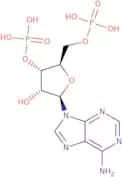
CAS:Adenosine 3',5'-bisphosphate triethylammonium salt is a metabolite of adenosine and an ester of triethylamine. The conjugate acid has been isolated from mouse urine. It is a metabolite of adenosine in the liver and is hydrolyzed to adenosine monophosphate and bisphosphate. Adenosine 3',5'-bisphosphate triethylammonium salt is used to study the metabolism of adenosine in mice. It has also been shown that this metabolite can inhibit the growth of E. coli (a bacterium) and mouse erythrocyte mitochondria by blocking ATP synthesis at the level of substrate-level phosphorylation.Formula:C10H15N5O10P2•(C6H15N)xPurezza:Min. 95%Peso molecolare:427.2 g/mol5-Aminoimidazole-4-carboxamide-1-b-D-ribofuranose
CAS:Acadesine is a purine nucleoside analogue that inhibits the synthesis of ATP in cells. Acadesine blocks phosphorylation of adenosine monophosphate (AMP) to adenosine triphosphate (ATP) by inhibiting the activity of kinase-3, an enzyme involved in the production of ATP. Acadesine also inhibits the release of ATP from muscle cells into the blood stream and preferentially targets kidney cells, thereby reducing renal injury. Acadesine has been shown to be effective at reducing proteinuria and improving renal function in rats with acute kidney injury. Acadesine also has anti-inflammatory properties due to its ability to inhibit proteins that are involved in inflammation.Formula:C9H14N4O5Purezza:Min. 98 Area-%Colore e forma:PowderPeso molecolare:258.23 g/mol2',3'-Dideoxycytidine
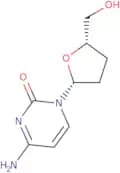
CAS:<p>Anti-viral; reverse transcriptase inhibitor</p>Formula:C9H13N3O3Purezza:Min. 98 Area-%Colore e forma:White PowderPeso molecolare:211.22 g/molInosine-3',5'-cyclic-monophosphate triethylammonium - 10 mM aqueous solution
Inosine-3',5'-cyclic-monophosphate triethylammonium is a synthetic nucleoside that functions as an activator of the deoxyribonucleotide synthesis. It has antiviral and anticancer properties, and has been shown to have anti-inflammatory activities. Inosine-3',5'-cyclic-monophosphate triethylammonium has been shown to inhibit the growth of cells in culture and induce apoptosis. This is due to its ability to inhibit DNA synthesis by inhibiting the enzyme ribonucleotide reductase.Formula:C10H11N4O7P·NC6H15Purezza:Min. 95%Peso molecolare:431.38 g/mol7-Deaza 2-C-methyl-N6-methyladenosine
CAS:<p>7-Deaza 2-C-methyl-N6-methyladenosine is a nucleoside that is modified with a methyl group at the 7 position of the deoxyribose ring. It has antiviral and anticancer properties. 7-Deaza 2-C-methyl-N6-methyladenosine is an activator of phosphoramidites, which are compounds that can be used to synthesize DNA or RNA.</p>Formula:C13H18N4O4Purezza:Min. 95 Area-%Peso molecolare:294.31 g/mol2'-Deoxy-7-deazaisoguanosine triphosphate
CAS:2'-Deoxy-7-deazaisoguanosine triphosphate is a nucleotide analogue that is used as an antiviral agent in the treatment of HIV. It has potent activity against HIV and other retroviruses, including SIV, FIV, and HTLV-1. 2'-Deoxy-7-deazaisoguanosine triphosphate has been shown to act as an activator of DNA polymerase by enhancing the incorporation of deoxynucleotide triphosphates into DNA. It also inhibits the synthesis of viral DNA by inhibiting the activity of reverse transcriptase enzymes. 2'-Deoxy-7-deazaisoguanosine triphosphate can be synthesized from diphosphates and phosphoramidites through a modified phosphoramidite approach that allows for high quality and purity with high yield.Formula:C11H17N4O13P3Purezza:Min. 95%Peso molecolare:506.19 g/mol4,6-Diamino-3-iodo-1-(b-D-ribofuranosyl)-1H-pyrazolo[3,4-d]pyrimidine
CAS:4,6-Diamino-3-iodo-1-(b-D-ribofuranosyl)-1H-pyrazolo[3,4-d]pyrimidine is a novel antiviral, modified nucleoside monophosphate. It is an inhibitor of the RNA polymerase and is active against both DNA and RNA viruses. 4,6-Diamino-3-iodo-1-(b-D-ribofuranosyl)-1H-pyrazolo[3,4-d]pyrimidine has been shown to have anticancer properties in vitro and in vivo. It also has been shown to be an activator of the enzyme diphosphate kinase.Purezza:Min. 95%N6-Benzoyl-7-deaza-2'-deoxy-7-iodoadenosine
CAS:N6-Benzoyl-7-deaza-2'-deoxy-7-iodoadenosine is an antiviral compound that inhibits the synthesis of DNA and RNA. It is a synthetic, modified nucleoside with antiviral properties. The compound has been shown to be active against both animal and human tumor cells, as well as being effective in the treatment of viral infections.N6-Benzoyl-7-deaza-2'-deoxy-7-iodoadenosine is water soluble and biologically stable.Purezza:Min. 95%2'-O-Methyladenosine-5'-triphosphate sodium salt - 100mM aqueous solution
CAS:<p>2'-O-Methyladenosine-5'-triphosphate sodium salt is a novel nucleoside phosphoramidite. It is an activator and it can be used in the synthesis of DNA and RNA. The compound has antiviral properties and has been shown to inhibit DNA replication, protein synthesis, and RNA transcription. The compound also inhibits the growth of cancer cells by inducing apoptosis.</p>Formula:C11H18N5O13P3·xNaPurezza:Min. 95%Colore e forma:PowderPeso molecolare:521.21 g/molN4-Acetyl-2'-deoxy-5'-O-DMT-cytidine 3'-Sp-oxazaphospholidine
<p>N4-Acetyl-2'-deoxy-5'-O-DMT-cytidine 3'-Sp-oxazaphospholidine is a novel antiviral drug that has been synthesized for the treatment of cancer and viral infections. This compound has been modified to increase its antiviral activity, which is due to its ability to inhibit DNA synthesis. The antiviral activity of N4-Acetyl-2'-deoxy-5'-O-DMT-cytidine 3'-Sp-oxazaphospholidine was shown in vitro using human and mouse cells infected with herpes simplex virus (HSV) type 1 and 2.</p>Purezza:Min. 95%

![4-7H-Chloro-5-iodo-7-(2-C-methyl-b-D-ribofuranosyl)-7H-pyrrolo[2,3-d]pyrimidin-2-amine](/_next/image/?url=https%3A%2Fstatic.cymitquimica.com%2Fproducts%2F3D%2Fthumb-webp%2FNC14083.webp&w=3840&q=75)
![4-Amino-7-(2-deoxy-b-D-ribofuranosyl)-7H-pyrrolo[2,3-d]pyrimidin-5-carboxamide](/_next/image/?url=https%3A%2Fstatic.cymitquimica.com%2Fproducts%2F3D%2Fthumb-webp%2FNA144685.webp&w=3840&q=75)



![4,6-Diamino-3-iodo-1-(b-D-ribofuranosyl)-1H-pyrazolo[3,4-d]pyrimidine](/_next/image/?url=https%3A%2Fstatic.cymitquimica.com%2Fproducts%2F3D%2Fthumb-webp%2FND162946.webp&w=3840&q=75)