Altri
Trovati 6275 prodotti di "Altri"
Ordinare per
Purezza (%)
0
100
|
0
|
50
|
90
|
95
|
100
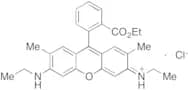
Rhodamine 6G
CAS:<p>Applications Rhodamine 6G is a fluorescent hydrophilic pH-sensitive dye that has been used on organosilicate nanoparticles as cell-preserving labels for photoacoustic signal generation. Dyes and metabolites, Environmental Testing<br> Not a dangerous good if item is equal to or less than 1g/ml and there is less than 100g/ml in the package<br>References O’Malley, S.M., et. al.: Chem. Phys. Lett., 615, 30 (2014); Silina, Y.E., et. al.: Analyst, 140, 771 (2015); Ramirez-Perez, F.I., et. al.: J. Biomed. Nanotech., 10, 3337 (2014)<br></p>Formula:C28H30N2O3·ClHColore e forma:Dark RedPeso molecolare:479.01α-Methyl-5-oxo-5H-[1]benzopyrano[2,3-b]pyridine-7-acetic Acid
CAS:<p>Applications 7-Ethyl-5-oxo-5H-[1]benzopyrano[2,3-b]pyridine is known to show antihistiminic and anaphylactic compounds. Maintains potential anti-inflammatory compounds.<br>References Valhondo, M. et al.: J. Med. Chem., 56, 7851 (2013); Ozcan, S. et al.: J. Med. Chem., 56, 3783 (2013); Tozzi, S. et al.: J. Med. Chem., 18, 1 (1975);<br></p>Formula:C15H11NO4Colore e forma:NeatPeso molecolare:269.2521Gimeracil
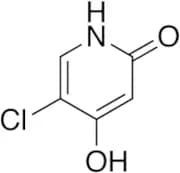
CAS:Prodotto controllato<p>Applications Gimeracil is an antitumor agent. Gimeracil is a potent inhibitor of dihydropyrimidine dehydrogenase (DPD).<br>References Shirasaka, T., et al.: Cancer Res., 56, 2602 (1996), Patt, Y., et al.: J. Clin. Oncol., 22, 271 (2004), Shirao, K., et al.: Cancer, 100, 2355 (2004), Kelly, H., et al.: J. Clin. Oncol., 23, 4553 (2005),<br></p>Formula:C5H4ClNO2Colore e forma:NeatPeso molecolare:145.54Zaleplon-d5
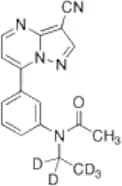
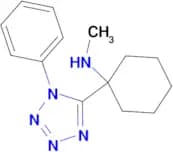
CAS:Prodotto controllato<p>Applications Selective non-benzodiazepine GABAA receptor agonist.<br>References Allen, D., et al.: Eur. J. Clin. Pharmacol., 45, 313 (1993), Beer, B., et al.: J. Clin. Pharmacol., 34, 335 (1994), Rosen, A.S., et al.: Biopharm. Drug Dispos., 20, 171 (1999), Elie, R., et al.: J. Clin. Psychiatry, 60, 536 (1999), Heydorn, W.E., et al.: Expert Opin. Invest. Drugs, 9, 841 (2000)<br></p>Formula:C172H5H10N5OColore e forma:Off White SolidPeso molecolare:310.36N-methyl-1-(1-phenyl-1H-tetrazol-5-yl)cyclohexanamine
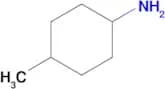
CAS:Purezza:95.0%Peso molecolare:257.341003417968754-Methylcyclohexanamine
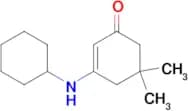
CAS:Purezza:95.0%Colore e forma:Liquid, ClearPeso molecolare:113.20400238037113-(cyclohexylamino)-5,5-dimethylcyclohex-2-en-1-one, 98%
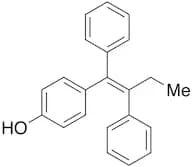
Purezza:98.0%Peso molecolare:221.343994140625(Z)-1,2-Diphenyl-1-(4-hydroxyphenyl)-1-butene (contain up to 10% E-isomer)
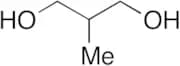
CAS:Prodotto controllatoFormula:C22H20OColore e forma:NeatPeso molecolare:300.3942-Methyl-1,3-propandiol (b-Hydroxyisobutanol)
CAS:Prodotto controllato<p>Applications β-Hydroxyisobutanol is used as a reagent in the synthesis of pyrazolo[1,5-a]pyridinecarbonyl-substituted spirocyclic piperidine ketals as inhibitors of HCV protein NS4B and of hepatitis C viral replication and their lack of cytotoxicity in human cells.<br>References Tai, V.W.-F., et al.: Bioorg. Med. Chem. Lett., 24, 2288 (2014);<br></p>Formula:C4H10O2Colore e forma:ColourlessPeso molecolare:90.121Fulvestrant 9-Sulfone
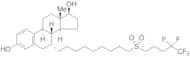
CAS:Prodotto controllato<p>Impurity Fulvestrant EP Impurity B<br>Applications A metabolite of Fulvestrant (F862500).<br>References Rao, P., et al.: J. Steroid Biochem., 25, 417 (1986), Wakeling, A., et al.: J. Steroid Biochem. Mol. Biol., 43, 173 (1992), DeFriend, D., et al.: Cancer Res., 54, 408 (1994),<br></p>Formula:C32H47F5O4SColore e forma:NeatPeso molecolare:622.77Enzalutamide Carboxylic Acid
CAS:<p>Applications Enzalutamide Carboxylic Acid is used as hormone therapies to prevent androgen-fuled growth of castrate-resistant prostate cancer.<br>References Tomasz, M.B., et al.: New Engl, J. Med., 424, 371 (2014);<br></p>Formula:C20H13F4N3O3SColore e forma:NeatPeso molecolare:451.39Salicylic Acid β-D-O-Glucuronide
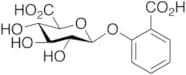
CAS:Prodotto controllato<p>Applications Salicylic Acid β-D-O-Glucuronide is a metabolite of Acetylsalicylic Acid (Aspirin) (A187780).<br>References Grootveld, M., et al.: Biochem. Pharmacol., 37, 271 (1988), Subbegowda, R., et al.: Cancer Res., 58, 2772 (1998), Yoshida, Y., et al.: Eur. J. Pharmacol., 349, 49 (1998),<br></p>Formula:C13H14O9Colore e forma:NeatPeso molecolare:314.245-Hydroxymethyl-2-furaldehyde
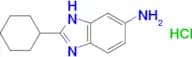
CAS:Prodotto controllato<p>Stability Light Sensitive, Very Hygroscopic<br>Applications An antioxidant for grape and apple juice.<br>References Kim, K., et al.: Agric. Biol. Chem., 38, 53 (1974), Vichi, S., et al.: Food Chem., 102, 1260 (2007),<br></p>Formula:C6H6O3Colore e forma:White To Dark BrownPeso molecolare:126.112-Cyclohexyl-1 H -benzoimidazol-5-ylamine hydrochloride
Formula:C13H18ClN3Colore e forma:SolidPeso molecolare:251.768-benzyl-4-cyclohexanecarbonyl-1-oxa-4,8-diazaspiro[4.5]decane-3-carboxylic acid
CAS:Purezza:95.0%Peso molecolare:386.492004394531254-cyclohexyl-3-{[(3-methoxyphenyl)amino]methyl}-4,5-dihydro-1H-1,2,4-triazole-5-thione
Peso molecolare:318.44000244140625N-Acetyl-glycine p-nitroanilide
CAS:<p>Substrate for hydrolases</p>Formula:C10H10N2O5Purezza:Min. 95%Colore e forma:Yellow powder.Peso molecolare:238.2 g/mol5-Cyano-3-indoxyl-β-D-galactopyranoside
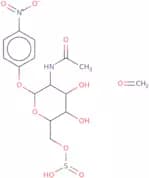
<p>For detection of beta-galactosidase activity. <br>The colors of the chromogen can be adjusted by incorporating different functional groups, e.g. cyano or nitro group, which yields purple or black green colonies with beta-galactosidase positive strain.</p>Formula:C15H16N2O6Peso molecolare:320.3 g/mol4-Nitrophenyl 2-acetamido-2-deoxy-b-D-glucopyranoside-6-sulfate
<p>4-Nitrophenyl 2-acetamido-2-deoxy-b-D-glucopyranoside is a chemiluminescent substrate that can be used in the detection of various enzymes. This product has been tested for sterility and purity, and it has passed all tests. It is also free of any detectable levels of heavy metals or other contaminants. 4NP2AG6S is a high quality bioluminescent substrate with CAS No. 71498-92-5. It is a fluorescent compound that reacts with an enzyme to produce light. The reaction can be detected by measuring the emitted light intensity at 680 nm (max).</p>Purezza:Min. 95%Aldol® 518 choline phosphate, Biosynth Patent: EP 2427431 and US 8940909
<p>Aldol® 518 choline phosphate is a fluorogenic substrate that is used in the detection of enzyme activity. It has been shown to be an effective substrate for enzymes such as beta-galactosidase and phosphatases, and can be used in the detection of bacterial growth. Aldol® 518 choline phosphate is also a chromogenic substrate for the detection of alkaline phosphatase. It has been shown to have high purity and bioluminescence properties, making it useful for detecting bacteria in culture media or environmental testing. The conjugate of Aldol® 518 choline phosphate with various ligands can be used to detect specific proteins or antibodies.</p>Formula:C28H31ClN3O5PPurezza:Min. 95 Area-%Peso molecolare:556 g/mol2-Nitrophenyl butyrate
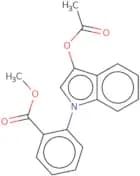
CAS:<p>2-Nitrophenyl butyrate is a chromogenic enzyme substrate that is commonly used in enzymatic assays to detect lipases and esterases. When hydrolyzed by these enzymes, the substrate yields a yellow product that can be detected spectrophotometrically at 405 nm. The advantage of using 2-nitrophenyl butyrate is its high sensitivity and specificity for detecting lipolytic and esterolytic activities. This substrate is widely used in various applications, including enzyme kinetics studies, inhibitor screening, and the determination of esterase activity in biological samples such as serum, plasma, and cell lysates.</p>Formula:C10H11NO4Purezza:Min. 95%Colore e forma:Clear LiquidPeso molecolare:209.2 g/molAldol® 458 acetate, Biosynth Patent: EP 2427431 and US 8940909
CAS:Prodotto controllato<p>Aldol 458 acetate is a fluoroquinolone antibiotic. It is an enzyme substrate that can be used in the detection of β-galactosidase, alkaline phosphatase, and other enzymes. Aldol 458 acetate can be used for the detection of β-galactosidase by chemiluminescence or bioluminescence. It has been shown to have high purity and high quality as well as being a ligand that can be conjugated with a fluorescent dye to provide a fluorescent substrate. Aldol 458 acetate can also be used in culture media for the growth of bacteria. It has been shown to have strong inhibitory effects on Escherichia coli, Bacillus subtilis, Pseudomonas aeruginosa, and Staphylococcus aureus.</p>Formula:C18H15NO4Purezza:Min. 95%Colore e forma:PowderPeso molecolare:309.32 g/mol4-Nitrophenyl b-L-arabinofuranoside
CAS:<p>Chromogenic substrate targeting alpha-L-arabinofuranosidase</p>Purezza:Min. 95%Colore e forma:White/Off-White SolidPeso molecolare:271.22 g/mol3,4-Cyclohexenoesculetine-N-acetyl-glucosamine
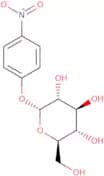
<p>Please enquire for more information about 3,4-Cyclohexenoesculetine-N-acetyl-glucosamine including the price, delivery time and more detailed product information at the technical inquiry form on this page</p>4-Nitrophenyl-α-D-glucopyranoside, β-Anomer < 0.1%
CAS:<p>4-Nitrophenyl-alpha-D-glucopyranoside, beta-Anomer is a chromogenic sugar that can be used as an indicator for the presence of 4-nitrophenol. It is a highly reactive compound that spontaneously reacts with nitrobenzene to form a dinitroaniline. This anomeric structure is easily oxidized by air and light to form the corresponding o-dinitroaniline. When this reaction occurs, this substance changes color from yellow to red.</p>Formula:C12H15NO8Purezza:Min. 99.0 Area-%Peso molecolare:301.26 g/mol6-Bromo-2-naphthyl b-D-glucuronide
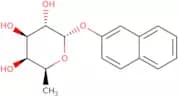
CAS:<p>6-Bromo-2-naphthyl beta-D-glucuronide is a substrate for beta-glucuronidase, an enzyme involved in detoxification and bacterial metabolism. Upon enzymatic hydrolysis, it releases 6-bromo-2-naphthol, which forms a detectable dye when reacted with diazonium salts. This compound is widely used in microbiology to detecting E. coli in water testing and histochemical staining. 6-Bromo-2-naphthyl beta-D-glucuronide is also been used in cancer research studies. It has been found that some tumors are related to a high activity of beta-glucuronidase, responsible to reactivate the carcinogens and promote tumor progression, developing a drug resistance to chemotherapy.</p>Formula:C16H15BrO7Purezza:Min 97%Colore e forma:White Off-White PowderPeso molecolare:399.2 g/mol2-Naphthyl-α-L-fucopyranoside
CAS:<p>Chromogenic substrate for α-L-Fucosidase. 2-naphthol is released upon hydrolyzation. By simultaneous coupling with a suitable staining reagent, such as hexazonium p-rosaniline, the corresponding azo-dye is formed. Naphthols can also be detected by fluorescence analysis.</p>Formula:C16H18O5Purezza:Min. 98 Area-%Peso molecolare:290.32 g/mol4-Nitrophenyl 2,3,4,6-tetra-O-acetyl-b-D-thioglucopyranoside
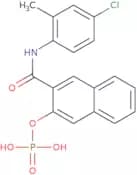
CAS:<p>4-Nitrophenyl 2,3,4,6-tetra-O-acetyl-b-D-thioglucopyranoside is a fluorescent dye that is used in recording and registration. It has been shown to be a very sensitive reporter of protein interactions in living cells. This dye binds to proteins via the hydroxyl groups on its sugar moiety, and has been shown to bind to a variety of proteins such as myosin light chain kinase and phosphatidylinositol 4-kinase. The fluorescent properties of this dye make it useful for tracking protein localization in the cell.</p>Purezza:Min. 95%Peso molecolare:485.46 g/molNaphthol AS-TR phosphate
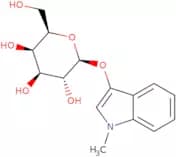
CAS:<p>Modified naphtol AS substrate used in histochemical and cytochemical staining</p>Formula:C18H15ClNO5PPurezza:Min. 95%Colore e forma:Off-White PowderPeso molecolare:391.74 g/molN-Methylindoxyl-β-D-galactopyranoside monohydrate
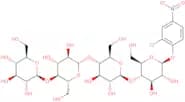
CAS:<p>N-Methylindoxyl-beta-D-galactopyranoside monohydrate (MG) is a chromogenic probe that interacts with galactose residues found on glycoproteins, which are found on cell surfaces, leading to activation of cells. MG also binds specifically to the surface of lung cells and can inhibit the development of certain types of infections..</p>Formula:C15H21NO7Purezza:Min. 98 Area-%Colore e forma:PowderPeso molecolare:327.33 g/mol2-Chloro-4-nitrophenyl-β-D-cellotetraoside
CAS:<p>2-chloro-4-nitrophenyl-beta-D-cellotetraoside is a chromogenic substrate for measuring cellulase activity and other glycosyl hydrolases. The release of 2-chloro-4-nitrophenol can be detected at 405 nm.</p>Formula:C30H44ClNO23Purezza:Min. 95%Colore e forma:PowderPeso molecolare:822.12 g/mol5-Bromo-3-indoxyl phosphate, p-toluidine salt
CAS:<p>Used as substrate for chemiluminescent assay of alkaline phosphatase (ALP) to produce a blue colour precipitate when cleaved.</p>Formula:C15H16BrN2O4PPurezza:Min. 98.0 Area-%Peso molecolare:399.19 g/molAldol® 515 β-D-xylopyranoside, Biosynth Patent: EP 2427431 and US 8940909
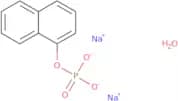
CAS:<p>Aldol® 515 beta-D-xylopyranoside is a chemiluminescent ligand that can be used for the detection of beta-xylosidase activity to yield a red color.</p>Formula:C28H34N2O6Purezza:Min. 95%Colore e forma:PowderPeso molecolare:494.59 g/mola-Naphthyl phosphate disodium salt hydrate
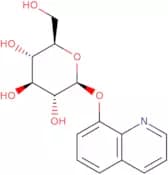
CAS:<p>a-Naphthyl phosphate disodium salt hydrate is a highly water-soluble chromogenic substrate used to determine phosphatase activity in research and analytical applications, particularly for staining and differentiating acid and alkaline phosphatases.</p>Purezza:Min. 95%Colore e forma:White PowderPeso molecolare:268.11 g/mol8-Hydroxyquinoline b-D-glucopyranoside
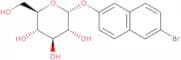
CAS:<p>8-Hydroxyquinoline b-D-glucopyranoside (8-OHG-glu) is a chromogenic enzyme substrate commonly used to detect the presence of beta-glucosidase in biological samples. When hydrolyzed by beta-glucosidase, 8-OHG-glu produces a yellow-orange color, indicating the presence of the enzyme. This substrate is particularly useful for measuring beta-glucosidase activity in soil and plant samples.</p>Formula:C15H17NO6Purezza:Min. 95%Colore e forma:PowderPeso molecolare:307.3 g/mol6-Bromo-2-naphthyl a-D-glucopyranoside
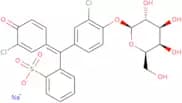
CAS:<p>6-Bromo-2-naphthyl alpha-D-glucopyranoside is a chromogenic substrate used to detect alpha-glucosidase enzyme activity. When cleaved by the enzyme alpha-glucosidase, it releases 6-bromo-2-naphthol, which can be coupled with diazonium salts (for example 4'-amino-2,3'-dimethylazobenzene, also known as Fast Garnet GBC) to form a colored precipitate. 6-Bromo-2-naphthyl alpha-D-glucopyranoside is used in biochemical assays, histochemistry, and diagnostic tests for conditions like lysosomal storage disorders (e.g. Pompe disease) and carbohydrate metabolism studies.</p>Formula:C16H17BrO6Purezza:Min. 95%Colore e forma:White Off-White PowderPeso molecolare:385.21 g/molChlorophenol red β-D-galactopyranoside sodium salt
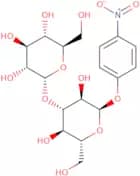
CAS:<p>Chlorophenol red beta-D-galactopyranoside sodium salt is a water soluble, colorless salt that is used as a substrate for the reduction of contaminants in soil and water. It can be used to measure the activity of microorganisms in the environment and has been shown to inhibit growth of certain bacteria, such as methylotrophic bacteria. Chlorophenol red beta-D-galactopyranoside sodium salt is also used in biological treatment systems. This product can be mixed with other substances in order to regulate the microbial population and reduce nutrients.</p>Formula:C25H21Cl2NaO10SPurezza:Min. 96.0 Area-%Peso molecolare:607.40 g/mol4-Nitrophenyl 3-O-(a-D-glucopyranosyl)-a-D-glucopyranoside
CAS:<p>4-Nitrophenyl 3-O-(a-D-glucopyranosyl)-a-D-glucopyranoside (pNP-Glc-Glc) is a highly sensitive and potent chromogenic substrate for the enzymatic detection and measurement of alpha-glucosidase activity. The rapid color change triggered by the hydrolysis of pNP-Glc-Glc provides a clear and efficient method for monitoring enzyme kinetics, screening inhibitors, and functional characterization of α-glucosidases. This substrate is soluble in aqueous and polar organic solvents and yields a detectable 4-nitrophenol product with a distinct yellow color under both visible and ultraviolet light, enabling quantitative spectrophotometric measurements. With a superior signal-to-noise ratio and maximal sensitivity, pNP-Glc-Glc is a reliable and robust option for biochemical and biomedical research involving glucosidase enzymes.</p>Purezza:Min. 95%Colore e forma:PowderPeso molecolare:463.39 g/mol3,3'-Diaminobenzidine tetrahydrochloride hydrate
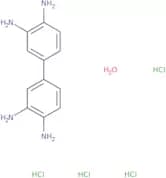
CAS:<p>3,3'-Diaminobenzidine (DAB) is an organic compound derived from benzidine. DAB is water-soluble as the tetrahydrochloride salt and is used in immunohistochemical staining of nucleic acids and proteins. Within research in Alzheimer's disease, Aβ protein amyloid plaques are targeted by a primary antibody, and subsequently by a secondary antibody, which is conjugated with a peroxidase enzyme. This will bind DAB as a substrate and oxidize it, producing an easily observable brown colour. 3,3’-Diaminobenzidine tetrahydrochloride hydrate is also available as the tetrahydrochloride salt and as the free base.</p>Formula:C12H14N4·4HCl·xH2OPurezza:Min. 97 Area-%Colore e forma:PowderPeso molecolare:360.11 g/mol4-Nitrophenyl-N-acetyl-β-D-glucosaminide
CAS:<p>Chromogenic β-glucosaminidase substrate yielding a yellow solution upon cleavage, used particularly in yeasts and molds.</p>Formula:C14H18N2O8Purezza:Min. 99.0 Area-%Peso molecolare:342.31 g/mol4-Nitrophenyl α-L-fucopyranoside
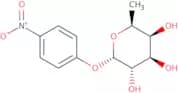
CAS:<p>Chromogenic substrate for alpha-L-fucosidase</p>Formula:C12H15NO7Purezza:(%) Min. 98.0%Colore e forma:PowderPeso molecolare:285.25 g/mol5-Bromo-4-chloro-3-indoxyl-α-D-fucopyranoside
CAS:<p>5-Bromo-4-chloro-3-indoxyl-alpha-D-fucopyranoside is a photosynthetic agent that belongs to the class of fucopyranosides. It is a non-proteinogenic amino acid that has been shown to be encoded in chloroplasts and mitochondria in photosynthetic organisms. 5B4C3IF has also been found to be involved in the synthesis of polynucleotides and polypeptides, as well as the regulation of biomass.</p>Formula:C14H15BrClNO5Peso molecolare:392.64 g/molRef: 3D-B-7134
1gPrezzo su richiesta5gPrezzo su richiesta250mgPrezzo su richiesta500mgPrezzo su richiesta2500mgPrezzo su richiesta-Unit-ggPrezzo su richiesta2-Nitrophenyl b-D-galactopyranoside-6-phosphate cyclohexylammonium salt
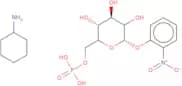
CAS:<p>2-Nitrophenyl beta-D-galactopyranoside-6-phosphate cyclohexylammonium salt is a chromogenic substrate used to detect the enzymatic activity of beta-galactosidase-6-phosphatase. After cleavage, the nitrophenyl moiety is released exhibiting a light yellowish color. 2-Nitrophenyl beta-D-galactopyranoside-6-phosphate cyclohexylammonium salt is used in diagnostic assays such as lysosomal storage disorder.</p>Purezza:Min. 95%Colore e forma:PowderPeso molecolare:480.4 g/mol2-(N-Hexadecanoylamino)-4-nitrophenylphosphocholine hydroxide
CAS:<p>2-(N-Hexadecanoylamino)-4-nitrophenylphosphocholine hydroxide, often abbreviated as HDA-PC, is a chromogenic substrate for acid sphingomyelinase enzyme. HDA-PC is used as a key substrate for measuring the activity of this enzyme, responsible for catalyzing the hydrolysis of sphingomyelin to ceramide. The activity assay for this measuring this enzyme's acitivy is to detect a deficiency (or lack) of the enzyme which is directly related to the Niemann-Pick disease.</p>Formula:C27H50N3O8PPurezza:Min. 95%Colore e forma:Off-White PowderPeso molecolare:575.68 g/mol6-Chloro-3-indoxyl-β-D-glucuronic acid methyl ester, Biosynth Patent: EP 2718458 and US 9127303
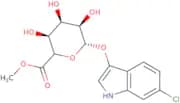
<p>6-Chloro-3-indoxyl-beta-D-glucuronic acid methyl ester is a chromogenic substrate that can be used for the detection of indoxyl glucuronide in urine and other biological fluids. 6-Chloro-3-indoxyl-beta-D-glucuronic acid methyl ester is a white or light yellow crystalline solid that is soluble in water. It has a melting point of about 80°C and is stable at pH levels ranging from 2 to 12. The CAS number for this compound is 13982-87-6.</p>Formula:C15H16ClNO7Purezza:Min. 97.0 Area-%Peso molecolare:357.74 g/mol6-Chloro-3-indoxyl choline phosphate
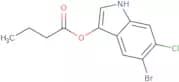
CAS:<p>6-Chloro-3-indoxyl choline phosphate is a chromogenic substrate for phosphatidylcholine-specific phospholipase C (PC-PLC) for the detection of mibrobial metabolites. The use of this specific substrate permits monitoring the activity of PC-PLC. This an important enzyme for the regulation of steady-state levels of phosphatidylcholine (PC) and diacylglycerol (DAG). Abnormally high levels of PC-PLC activity in various tissues have been linked to many disease progressions.</p>Formula:C13H18ClN2O4PPurezza:Min. 99 Area-%Colore e forma:PowderPeso molecolare:332.72 g/mol5-Bromo-6-chloro-3-indoxyl butyrate
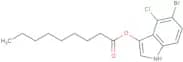
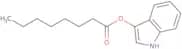
CAS:<p>5-Bromo-6-chloro-3-indoxyl butyrate is a chromogenic substrate that yields a magenta-colored product after cleavage. The chromophore 5-bromo-6-chloro-indoxyl is released, generating the observable color. It is used in lipid digestion assays.</p>Formula:C12H11BrClNO2Purezza:Min. 95%Colore e forma:PowderPeso molecolare:316.58 g/mol5-Bromo-4-chloro-3-indolyl nonanoate
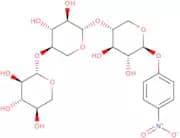
CAS:<p>5-Bromo-4-chloro-3-indolyl nonanoate is a fluorogenic substrate that is used in the detection of enzymes. The substrate reacts with various enzymes and produces a fluorescent product, which can be detected using a fluorimeter or luminometer. It has been shown to be active against β-galactosidase, α-chymotrypsin, and β-glucuronidase. This compound may also be used as an enzyme substrate for the detection of bacteria in culture media or for food testing. 5-Bromo-4-chloro-3 indolyl nonanoate is not mutagenic or genotoxic when tested on bacterial cells.</p>Formula:C17H21BrClNO2Purezza:Min. 95%Peso molecolare:386.71 g/mol4-Nitrophenyl b-D-xylotrioside
CAS:<p>Chromogenic substrate targeting beta-D-xylosidase. A xylanase substrate.</p>Formula:C21H29NO15Purezza:Min. 98 Area-%Colore e forma:PowderPeso molecolare:535.45 g/mol5-Bromo-3-indoxyl caprylate
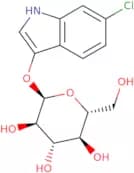
CAS:<p>5-Bromo-3-indoxyl caprylate is a fluorogenic substrate that can be used for the detection of β-galactosidase. It is an enzyme substrate that can be used to measure β-galactosidase activity in cell culture media. It has a high purity and high quality. 5-Bromo-3-indoxyl caprylate is also used as a chromogenic substrate for the detection of β-galactosidase. This product has a CAS number of 133950-69-3.</p>Formula:C16H20BrNO2Purezza:Min. 99 Area-%Peso molecolare:338.24 g/mol6-Chloro-3-indoxyl-β-D-galactopyranoside, plant origin
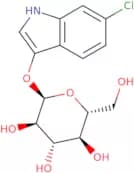
CAS:<p>6-Chloro-3-indoxyl-beta-D-galactopyranoside is a chromogenic substrate for beta-galactosidase that yields a salmon or rose-coloured precipitate and hence is also known as Salmon-Gal. It can be used in conjunction with isopropyl-beta-D-thiogalactopyranoside (IPTG) as an alternative to the chromogenic substrate 5-bromo-4-chloro-3-indolyl beta-D-galactopyranoside (X-Gal) for detection of beta-galactosidase activity in bacterial colonies in colorimetric assays. Where beta-galactosidase expressed from a reporter gene in molecular biology experiments, recombinant colonies on growth plates are salmon-coloured while non-recombinants appear as white. Use of nitroblue tetrazolium salt (NBT) with Salmon-Gal may provide faster results, yielding a clear, purple precipitate, than for Salmon-Gal alone. In conjunction with 5-bromo-4-chloro-3-indolyl-beta-D-glucoside (X-Glc), Salmon-Gal is useful for simultaneous detection of GUS and Lac activities in the same medium.</p>Formula:C14H16ClNO6Purezza:Min. 98.0 Area-%Peso molecolare:329.74 g/mol5-Bromo-3-indoxyl-β-D-galactopyranoside
CAS:<p>Chromogenic substrate for beta-D-galactosidase yielding a lapis colored precipitate. 5-Bromo-3-indoxyl-beta-D-galactopyranoside can be used in conjunction with isopropyl-beta-D-thiogalactopyranoside as an alternative to 5-bromo-4-chloro-3-indolyl-beta-D-galactopyranoside (X-gal), producing a darker blue color for detection of beta-galactosidase activity in bacterial colonies in a colorimetric assay to detect recombinants (white) from non-recombinants (blue). 5-Bromo-3-indoxyl-beta-D-galactopyranoside is also used in histochemistry to demonstrate beta-galactosidase activity in tissues.</p>Formula:C14H16BrNO6Purezza:Min. 99.0 Area-%Peso molecolare:374.20 g/molAldol® 458 nonanoate solution, 0.75 M in DMSO, Biosynth Patent: EP 2427431 and US 8940909
CAS:Prodotto controllato<p>Aldol 458 nonanoate solution is a high quality, enzyme substrate that can be used for a number of applications. It has been shown to be an excellent chromogenic substrate, bioluminescence, ligand and chemiluminescence. Aldol 458 nonanoate solution has also been used for the detection of staining and diagnostics. The compound is a conjugate with an excellent binding affinity to proteins. This product can be used in food testing, culture media, fluorogenic substrate and environmental testing. CAS No. 2484873-15-4</p>Formula:C25H29NO4Purezza:Of Solute (Hplc) 98.0 To 100.0 Area-%Peso molecolare:407.51 g/molRef: 3D-A-4714_P00
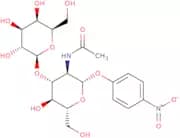
1gPrezzo su richiesta5gPrezzo su richiesta10gPrezzo su richiesta2500mgPrezzo su richiesta-Unit-ggPrezzo su richiesta4-Nitrophenyl 2-acetamido-2-deoxy-3-O-(b-D-galactopyranosyl)-b-D-glucopyranoside
CAS:<p>Chromogenic substrate for fucosyltransferases</p>Formula:C20H28N2O13Purezza:Min. 98 Area-%Colore e forma:White PowderPeso molecolare:504.44 g/mol2-Chloro-4-nitrophenyl b-D-maltoside
<p>2-Chloro-4-nitrophenyl b-D-maltoside is a fluorescent substrate used in diagnostic kits. It is used to detect the presence of beta-glucuronidase enzymes, which are found in many bacteria and fungi. 2-Chloro-4-nitrophenyl b-D-maltoside has been shown to be a superior substrate for beta-glucuronidase as it can be used at lower concentrations and is more stable than other substrates. The enzyme hydrolyzes the 2,4 nitrophenyl ester bond and releases the fluorogenic product 4-(2'-hydroxyethyl)benzene diazonium chloride (HED). This product emits light under ultraviolet light, making it ideal for use in Bioluminescence Assays.</p>Purezza:Min. 95%6-Chloro-3-indoxyl palmitate
CAS:<p>6-Chloro-3-indoxyl palmitate is a high quality, pure chemical reagent that can be used as a substrate for enzyme activity. It is a chromogenic substrate that is used in the detection of esterase activity. 6-Chloro-3-indoxyl palmitate is also used as a fluorogenic substrate in the presence of horseradish peroxidase and hydrogen peroxide to produce chemiluminescence. 6-Chloro-3-indoxyl palmitate has been shown to be an effective bioluminescent substrate for luciferase enzymes, such as firefly luciferase and Renilla luciferase.</p>Formula:C24H36ClNO2Purezza:Min. 98 Area-%Peso molecolare:406.01 g/mol3,4-Cyclohexenoesculetine phosphate disodium
<p>Please enquire for more information about 3,4-Cyclohexenoesculetine phosphate disodium including the price, delivery time and more detailed product information at the technical inquiry form on this page</p>4-Nitrophenyl-N-acetyl-β-D-galactosaminide
CAS:<p>4-Nitrophenyl-N-acetyl-beta-D-galactosaminide is a synthetic substrate that is used in enzyme kinetics. It is a beta-galactosidase substrate that reacts with the enzyme to form a product. The rate of reaction can be measured by following the change in absorbance over time. This product will react with an acceptor, such as chondroitin sulfate, to produce an observable reaction product. 4NPBGA has been shown to be an effective carbon source for plant physiology studies and has been shown to have optimal activity at pH 6.5.</p>Formula:C14H18N2O8Purezza:Min. 98 Area-%Peso molecolare:342.31 g/molAldol® 455 α-D-maltopyranoside, Biosynth Patent: EP 2427431 and US 8940909
<p>Aldol® 455 alpha-D-maltopyranoside is a chromogenic substrate developed by Cymit Quimica, designed for the detection of maltosidases.</p>Formula:C33H34ClNO12Purezza:Min. 95.0 Area-%Peso molecolare:672.08 g/mol4-Nitrocatechol sulfate dipotassium salt
CAS:<p>Chromogenic sulfatase substrate</p>Formula:C6H3NO7SK2Purezza:Min. 98 Area-%Colore e forma:PowderPeso molecolare:311.35 g/mol5-Bromo-4-chloro-3-indoxyl-α-L-fucopyranoside
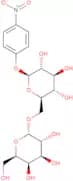
CAS:<p>Chromogenic substrate for α-D-Fucosidase yielding a blue precipitate.</p>Formula:C14H15BrClNO5Purezza:Min. 98.0 Area-%Peso molecolare:392.64 g/mol4-Nitrophenyl 6-O-(a-D-glucopyranosyl)-b-D-glucopyranoside
CAS:<p>4-Nitrophenyl 6-O-(alpha-D-glucopyranosyl)-beta-D-glucopyranoside is a chromogenic substrate for beta-glucosidase. Upon hydrolysis, para-nitrophenol is released yielding a yellowish colour. 4-Nitrophenyl 6-O-(alpha-D-glucopyranosyl)-beta-D-glucopyranoside is used in different applications such as the Cellulose metabolism research, biofuel production</p>Purezza:Min. 95%Colore e forma:PowderPeso molecolare:463.39 g/mol3-Indoxyl caprylate
CAS:<p>3-Indoxyl caprylate is an enzyme substrate used in a variety of diagnostic applications, including the detection of various bacterial and viral infections. It is used as a substrate for beta-galactosidase, which can be detected by bioluminescence or chromogenic substrates. 3-Indoxyl caprylate also serves as a ligand for receptor binding and has been shown to bind to CD4 receptors on human T cells. 3-Indoxyl caprylate is also used as an enzyme substrate in the detection of DNA polymerases, RNA polymerases, and ATPases. This product is available with a high purity that ranges from 98% to 99%. 3-Indoxyl caprylate is soluble in water, alcohols, acetone, acetic acid, and chloroform.</p>Formula:C16H21NO2Peso molecolare:259.35 g/molRef: 3D-I-5690
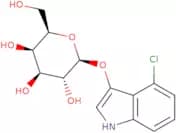
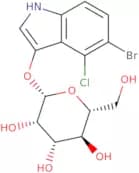
1gPrezzo su richiesta5gPrezzo su richiesta10gPrezzo su richiesta500mgPrezzo su richiesta2500mgPrezzo su richiesta-Unit-ggPrezzo su richiesta4-Chloro-3-indolyl β-D-galactopyranoside
CAS:<p>2-Chloro-4-nitrophenyl b-D-lactoside is a chromogenic enzyme substrate used to study the activity of enzymes. It produces a color when hydrolyzed, which makes it a valuable tool in screening for enzyme activity and studying enzyme kinetics.</p>Formula:C14H16ClNO6Purezza:Min. 95%Colore e forma:SolidPeso molecolare:329.73 g/mol3,4-Cyclohexenoesculetine-N-acetyl-glucosamine
<p>Please enquire for more information about 3,4-Cyclohexenoesculetine-N-acetyl-glucosamine including the price, delivery time and more detailed product information at the technical inquiry form on this page</p>Purezza:Min. 95%Aldol® 495 inositol-phosphate, ammonium salt, Biosynth Patent: EP 2427431 and US 8940909
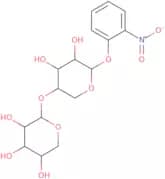
CAS:<p>Aldol® 495 inositol-phosphate is a chromogenic and fluorogenic enzyme substrate used for detection of phosphatidylinositol specific phospholipase C activity (PI-PLC, EC 4.6.1.13). The colorless enzyme substrate is cleaved by PI-PLC or PI-PLC-positive microorganisms in liquid or solid media, yielding orange color. In addition, green fluorescence is generated when a suitable matrix is present, e.g. PE-Pellets or cellulose acetate filter. Aldol® 495 inositol-phosphate is suitable for use in liquid and solid media, under aerobic as well as anaerobic conditions.</p>Formula:C26H29ClN3O10PPurezza:Min. 95.0 Area-%Peso molecolare:609.95 g/mol2-Nitrophenyl b-D-xylobioside
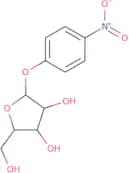
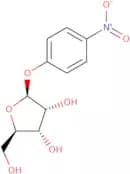
CAS:<p>2-Nitrophenyl b-D-xylobioside is a chromogenic substrate for the enzyme xylanase.</p>Purezza:Min. 95%Colore e forma:PowderPeso molecolare:403.34 g/mol4-Nitrophenyl b-D-ribofuranoside
CAS:<p>4-Nitrophenyl β-D-ribofuranoside is a synthetic chromogenic molecule designed to profile phosphorolytic enzyme activity, specifically ribonucleoside-hydrolyzing enzymes. Upon hydrolysis by these enzymes, it releases a 4-nitrophenolic compound, which can be monitored spectrophotometrically at 405-410 nm as a quantitative indicator of enzyme activity. This substrate is suitable for studying ribonucleoside-hydrolyzing enzymes, such as ribo- and deoxyribonucleases, in various biological systems and, in turn, could help advance our understanding of nucleic acid metabolism, gene function, and regulatory processes.</p>Formula:C11H13NO7Purezza:Min. 97 Area-%Colore e forma:White PowderPeso molecolare:271.22 g/molChloro-3-indolyl a-D-glucopyranoside
CAS:<p>Chromogenic substrate for α-glucosidase</p>Formula:C14H16ClNO6Purezza:Min. 97 Area-%Colore e forma:White PowderPeso molecolare:329.73 g/mol3,4-Cyclohexenoesculetine phosphate disodium
<p>Chromogenic substrate for phosphatase</p>Purezza:Min. 95%6-Chloro-3-indolyl butyrate
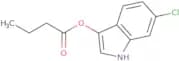
CAS:<p>6-Chloro-3-indolyl butyrate is a chromogenic substrate for lipases. Use in lipid digestion and metabolism studies, it produces a salmon-pink color when 6-chloro-3-indolyl is released after enzymatic cleavage.</p>Formula:C12H12ClNO2Purezza:Min. 95%Colore e forma:PowderPeso molecolare:237.68 g/mol5-Bromo-4-chloro-3-indoxyl-α-D-N-acetylneuraminic acid, cyclohexylammonium salt
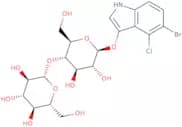
<p>5-Bromo-4-chloro-3-indoxyl-alpha-D-N-acetylneuraminic acid, cyclohexylammonium salt is a chemiluminescent substrate that provides a significant increase in light emission. It has a CAS number of 59820-92-0 and is supplied in high purity and high quality. This product is used for the detection of various biological reactions, including diagnostics, enzyme substrates, food testing, and more.</p>Purezza:Min. 95%5-Bromo-4-chloro-1H-indol-3-yl-β-D-cellotetraoside
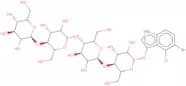
<p>5-Bromo-4-chloro-1H-indol-3-yl-b-D-cellotetraoside is a chromogenic substrate used to detect the specific enzymatic activity of cellulase. After cleavage, 5-bromo-4-chloro-indoxyl is released, resulting in a blue to blue-green color change in bacterial colonies or media. 5-Bromo-4-chloro-1H-indol-3-yl-b-D-cellotetraoside is used in bacterial cellulase detection and biomass conversion research.</p>Formula:C32H45BrClNO21Purezza:Min. 95%Colore e forma:PowderPeso molecolare:895.05 g/molAldol® 458 nonanoate solution, 0.75 M in DMSO, Biosynth Patent: EP 2427431 and US 8940909
CAS:Prodotto controllato<p>Aldol 458 nonanoate solution (0.75 M) is a substrate for enzymes and ligands, which is used in various applications such as food testing, staining, fluorogenic substrate, environmental testing, chromogenic substrate and conjugate. Aldol 458 nonanoate solution (0.75 M) has high purity and is highly stable at pH 2-12. This product can be used as a chemiluminescence or bioluminescence substrate. The CAS number for this product is 2484873-15-4.</p>Formula:C25H29NO4Purezza:Min. 95%Colore e forma:Clear LiquidPeso molecolare:407.51 g/mol4-Nitrophenyl myristate
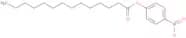
CAS:<p>4-Nitrophenyl myristate (NphOMy) is a chromogenic enzyme substrate used as a diagnosis tool for detection of β-lactamase hydrolysis activities. In the presence of certain drugs, 4-nitrophenyl myristate HSA-Tyr411-catalyzed hydrolysis seems to be inhibited.</p>Formula:C20H31NO4Purezza:Min. 95 Area-%Colore e forma:White PowderPeso molecolare:349.46 g/mol5-Bromo-4-chloro-3-indolyl b-D-mannopyranoside
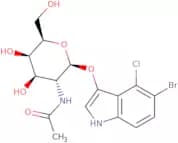
CAS:<p>5-Bromo-4-Chloro-3-Indolyl b-D-Mannopyranoside, also known as X-Man, is an enzyme substrate commonly used for detecting mannosidase enzymes. Upon hydrolysis by the enzyme, it produces a blue-green colored compound that can be detected visually or measured spectrophotometrically. This substrate is useful in characterizing the activity of mannosidases involved in glycoprotein processing and quality control.</p>Formula:C14H15BrClNO6Colore e forma:White Off-White PowderPeso molecolare:408.63 g/mol5-Bromo-4-chloro-3-indoxyl-N-acetyl-β-D-galactosaminide
CAS:<p>5-Bromo-4-Chloro-3-Indoxyl-N-Acetyl-Beta-D-Galactosaminide is a chromogenic substrate for detecting beta-galactosidase and GalNAc-transferase enzymes. Upon hydrolysis by the enzyme, it produces a blue-green colored compound that can be detected visually or measured spectrophotometrically. This substrate is useful in characterizing the activity of Beta-Galactosidase and GalNAc-transferase enzymes involved in glycobiology research and diagnostic applications.</p>Formula:C16H18BrClN2O6Purezza:Min. 98 Area-%Colore e forma:Crystalline PowderPeso molecolare:449.68 g/mol5-Bromo-4-chloro-3-indoxyl-β-D-cellobioside
CAS:<p>Chromogenic substrate for β-D-Cellobiosidase yielding a blue precipitate.</p>Formula:C20H25BrClNO11Purezza:Min. 99.0 Area-%Peso molecolare:570.78 g/mol5-Bromo-6-chloro-3-indoxyl sulfate, potassium salt
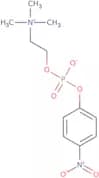
CAS:<p>5-Bromo-6-chloro-3-indoxyl sulfate, potassium salt is a fluorogenic substrate for the enzyme alkaline phosphatase. This compound is used in the detection of alkaline phosphatase activity as well as in many other applications such as diagnostic tests and environmental testing. 5-Bromo-6-chloro-3-indoxyl sulfate, potassium salt is available at high purity and quality.</p>Formula:C8H4BrClKNO4SPurezza:Min. 98 Area-%Peso molecolare:364.65 g/mol4-Nitrophenylphosphorylcholine
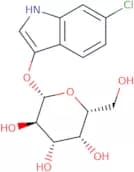
CAS:<p>Chromogenic substrate used to measure phospholipase C (PLC) activity</p>Formula:C11H17N2O6PPurezza:Min. 95 Area-%Colore e forma:PowderPeso molecolare:304.24 g/mol6-Chloro-3-indoxyl-α-D-glucopyranoside
CAS:<p>Chromogenic substrate for α-glucosidase yielding a salmon-colored precipitate.</p>Formula:C14H16ClNO6Purezza:Min. 98 Area-%Peso molecolare:329.74 g/molRef: 3D-C-5015
1gPrezzo su richiesta5gPrezzo su richiesta10gPrezzo su richiesta25gPrezzo su richiesta2500mgPrezzo su richiesta-Unit-ggPrezzo su richiesta2-Nitrophenyl-β-D-galactopyranoside
CAS:<p>Chromogenic β-galactosidase substrate yielding a yellow solution upon cleavage. Can be used for the detection of coliforms due to their beta-galactosidase activity.</p>Formula:C12H15NO8Purezza:Min. 99.0 Area-%Peso molecolare:301.26 g/molAldol® 470 butyrate, Biosynth Patent: EP 2427431 and US 8940909
CAS:Prodotto controllato<p>Aldol® 470 butyrate, a chromogenic substrate manufactured by Cymit Quimica and used for enzymatic assays that produces a yellow-orange color upon enzymatic cleavage.</p>Formula:C27H25NO5Purezza:Min. 95%Colore e forma:PowderPeso molecolare:443.5 g/molAldol® 470 nonanoate, Biosynth Patent: EP 2427431 and US 8940909
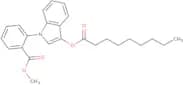
CAS:Prodotto controllato<p>Aldol® 470 nonanoate is a chemiluminescent substrate that can be used as a ligand for the detection of C8/C9-esterases, lipases activity, to result in an orange/green color. Aldol® 470 nonanoate has been shown to be active with horseradish peroxidase in a number of different assay systems. The purity and quality of Aldol® 470 nonanoate has been tested with culture media, environmental testing, bioluminescence, staining, fluorogenic substrate, chromogenic substrate, enzyme substrate, food testing and conjugates.</p>Formula:C32H35NO5Purezza:Min. 95%Colore e forma:PowderPeso molecolare:513.62 g/mol4-Nitrophenyl 2-acetamido-2-deoxy-a-D-glucopyranoside
CAS:<p>4-Nitrophenyl 2-acetamido-2-deoxy-a-D-glucopyranoside is a chromogenic pNP substrate specifically designed for the analysis of N-acetylglucosaminidase activity. Upon enzyme action, the substrate releases 4-nitrophenol, a yellow compound that can be detected by spectrophotometric methods, providing a reliable and sensitive means of quantifying enzyme activity. This versatile substrate is widely used in biochemical studies, disease diagnostics, and the enzyme production industry.</p>Formula:C14H18N2O8Colore e forma:White Off-White PowderPeso molecolare:342.3 g/mol

![α-Methyl-5-oxo-5H-[1]benzopyrano[2,3-b]pyridine-7-acetic Acid](/_next/image/?url=https%3A%2Fstatic.cymitquimica.com%2Fproducts%2FTR%2Fthumb-webp%2FM325405.webp&w=3840&q=75)



![5-(Benzo[d][1,3]dioxol-5-yl)cyclohexane-1,3-dione](/_next/image/?url=https%3A%2Fstatic.cymitquimica.com%2Fproducts%2F10%2Fthumb-webp%2FF729767.webp&w=3840&q=75)


![8-benzyl-4-cyclohexanecarbonyl-1-oxa-4,8-diazaspiro[4.5]decane-3-carboxylic acid](/_next/image/?url=https%3A%2Fstatic.cymitquimica.com%2Fproducts%2F10%2Fthumb-webp%2FF525797.webp&w=3840&q=75)
![4-cyclohexyl-3-{[(3-methoxyphenyl)amino]methyl}-4,5-dihydro-1H-1,2,4-triazole-5-thione](/_next/image/?url=https%3A%2Fstatic.cymitquimica.com%2Fproducts%2F10%2Fthumb-webp%2FF912523.webp&w=3840&q=75)