Carboidrati e Glicoconiugati
I carboidrati sono composti organici costituiti da carbonio, idrogeno e ossigeno, con una struttura di base formata da monosaccaridi. Questi possono unirsi per formare disaccaridi, oligosaccaridi o polisaccaridi, a seconda del numero di unità monomeriche. I carboidrati svolgono un ruolo fondamentale nell’immagazzinamento dell’energia, nella struttura cellulare e nella comunicazione cellulare. I loro derivati sono utilizzati nei prodotti farmaceutici, come dolcificanti ed eccipienti.
Presso CymitQuimica, offriamo un’ampia varietà di carboidrati e loro derivati per la ricerca e le applicazioni industriali.
Trovati 5010 prodotti di "Carboidrati e Glicoconiugati"
Ordinare per
Purezza (%)
0
100
|
0
|
50
|
90
|
95
|
100
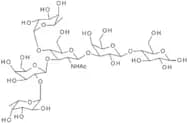
Lewis Y pentasaccharide
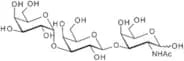
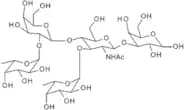
<p>Lewis Y pentasaccharide is a carbohydrate antigen that is expressed on the surface of cells in the cancer, tissue and lymphatic system. It has been shown to be a polyvalent carbohydrate ligand for lectins, which are proteins that bind carbohydrates. Lewis Y pentasaccharide has a high affinity for erythrocytes of blood group A and B, which makes it useful as an antigen for detection of these blood groups. The binding of Lewis Y pentasaccharide to glycolipids on tumor cells initiates complement-dependent cytotoxicity (CDC) by activating the classical pathway of the immune system. CDC can be used as an adjuvant therapy in cancer treatment.</p>Formula:C32H55NO24Purezza:Min. 95%Colore e forma:PowderPeso molecolare:837.79 g/molLactobionic acid ethyl ester
<p>Lactobionic acid ethyl ester is a custom synthesis of an oligosaccharide that is modified by fluorination, methylation, and click modification. Lactobionic acid ethyl ester is synthesized from the sugar D-glucose and the monosaccharide D-galactose. This product can be used as a substitute for sucrose in food products as it has similar taste, texture and sweetness. It also has many other applications such as being used in the manufacture of polysaccharides and complex carbohydrates.</p>Purezza:Min. 95%2-O-a-D-Glucopyranosyl-D-galactopyranose
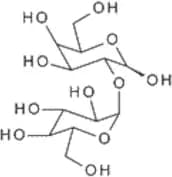
CAS:<p>2-O-a-D-Glucopyranosyl-D-galactopyranose is a synthetic monosaccharide that can be used as a glycosylate building block in the synthesis of oligosaccharides. It has been fluorinated, methylated, and click modified. This high purity material is available for custom synthesis. 2-O-a-D-Glucopyranosyl-D-galactopyranose is also known by its CAS number 7368-73-2.</p>Formula:C12H22O11Purezza:Min. 95%Colore e forma:White PowderPeso molecolare:342.3 g/molD-Cello-oligosaccharides
<p>This mixture contains all the members of the series up to DP9</p>Purezza:Min. 90 Area-%Colore e forma:White Powder1,6-Anhydro-b-D-cellopentose
CAS:<p>1,6-Anhydro-b-D-cellopentose is a synthetic cello-oligomer</p>Formula:C30H50O25Purezza:Min. 95%Colore e forma:PowderPeso molecolare:810.7 g/mol4-Methoxyphenyl 4-O-(b-D-galactopyranosyl)-b-D-glucopyranoside
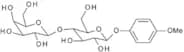
CAS:<p>4-Methoxyphenyl 4-O-(b-D-galactopyranosyl)-b-D-glucopyranoside is a carbohydrate with the CAS number 150412-80-9. It is an Oligosaccharide that is synthesized from monosaccharides and saccharides. This product can be custom synthesized to produce high purity, methylated, glycosylated and fluorinated products. There are many modifications that can be made to this carbohydrate using Click chemistry.</p>Formula:C19H28O12Purezza:Min. 95%Colore e forma:PowderPeso molecolare:448.42 g/molZymosan A (from Saccharomyces cerevisiae)
CAS:<p>Zymosan is prepared from the cell walls of baker's yeast (Saccharomyces cerevisiae) and consists of polysaccharide chains of various molecular weights, containing approximately 73% polysaccharide, 15% protein, 7% lipid and other inorganic components. When injected into animals, it induces inflammation and has been used for many years in inflammation and immunology research. The conditions activated include components of the complement system, prostaglandins and leukotrienes, platelet aggregation factor, and lysosomal enzymes. Zymosan preparations are often insoluble but can be made soluble for separation on DE cellulose or Sepharose to produce more active fractions.</p>Cellobionic acid ammonium salt
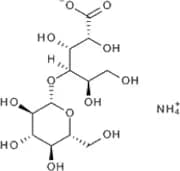
CAS:<p>Cellobionic acid is produced by oxidative enzymes working on cellulose. These compounds have found application in cosmetic antiaging formulations, moisturizers, and peels, and in treatment products to improve hyperpigmentation and acne. The bionic acids such as cellobionic acid offer the benefits of α-hydroxyacids without irritation. They also provide additional antioxidant/chelation, barrier strengthening, and moisturizing effects.</p>Formula:C12H25NO12Purezza:Min. 95%Colore e forma:Off-White PowderPeso molecolare:375.33 g/molMaltose syrup
<p>Used for making baked goods, soft drinks, sweets, alcoholic drinks, and infant food. It is also used to produce the sugar substitute maltitol.</p>Purezza:Min. 95%N-Acetylneuraminic acid-OVA
<p>N-Acetylneuraminic acid-OVA refers to ovalbumin that has been conjugated with N-acetylneuraminic acid (Neu5Ac), a type of sialic acid. Sialic acids are important components of glycan structures and play various roles in biological processes, such as cell-cell interactions, immune response, and pathogen recognition. Conjugation of ovalbumin with N-acetylneuraminic acid can be used as a tool to study sialic acid-mediated biological phenomena or as an immunogen to elicit a specific immune response.</p>Colore e forma:PowderHeparin derived dp12 Saccharide ammonium salt
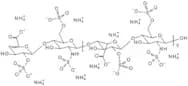
<p>Heparin is a carbohydrate that is derived from the mucopolysaccharide heparin. It is a complex carbohydrate that consists of a chain of alternating N-acetylglucosamine and glucuronic acid. Heparin is used as an anticoagulant to prevent blood clotting, which may occur due to injury or during surgery. Heparin's use in medicine has been limited by its low solubility and rapid clearance from the body. Recently, it has been modified with a fluorine atom on the sugar ring, which increases their solubility and bioavailability. Click chemistry can be used to attach other molecules to the saccharide ammonium salt in order to modify the properties of heparin. This modification can be done with methyl groups or glycosyl groups, and it can also be done with other sugars such as galactose or glucose.</p>Purezza:Min. 95%Colore e forma:PowderPeso molecolare:~3550 (Average)4-Methoxyphenyl 4-O-(4-O-acetyl-3,6-di-O-benzyl-2-deoxy-2-phthalimido-b-D-glucopyranosyl)-3-O-benzyl-2-deoxy-2-phthalimido-b-D-gluco pyranoside
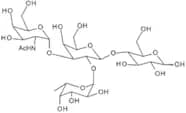
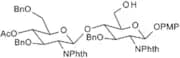
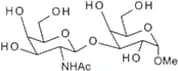
<p>4-Methoxyphenyl 4-O-(4-O-acetyl-3,6-di-O-benzyl-2-deoxy-2-phthalimido-b-D-glucopyranosyl)-3,6,2′,4′″triphosphate (4MPP) is a methylated saccharide. It can be modified with click chemistry and has been shown to inhibit the synthesis of glycogen in the liver. 4MPP is a high purity product that has been synthesized from naturally occurring carbohydrates. It is also fluorinated for use in research.</p>Formula:C58H54N2O15Purezza:Min. 95%Peso molecolare:1,019.05 g/molMethyl 3-O-(2-acetamido-2-deoxy-b-D-galactopyranosyl)-a-D-galactopyranoside
CAS:<p>Methyl 3-O-(2-acetamido-2-deoxy-b-D-galactopyranosyl)-a-D-galactopyranoside is a sugar that is synthesized by the Click modification of 3,4,6-trihydroxybenzoic acid and 2,3,6,7,8-pentahydroxyacetophenone. This sugar is used in glycosylation reactions to modify proteins or peptides.</p>Formula:C15H27NO11Purezza:Min. 95%Colore e forma:White PowderPeso molecolare:397.38 g/molLactobionate hydrazide
<p>Lactobionate hydrazide is a custom synthesis of an oligosaccharide. It is a complex carbohydrate with CAS No. that has been modified by glycosylation, methylation and fluorination. Lactobionate hydrazide is a polysaccharide which has been synthesized by click chemistry and contains high purity with a sugar content of over 99%. This oligosaccharide is not saccharide-bound and can be modified to produce different chemical structures. Lactobionate hydrazide has been used for glycogen storage disorders, as well as for the synthesis of oligosaccharides for the treatment of cancer cells.</p>Purezza:Min. 95%D-Lactal
CAS:<p>D-Lactal is a dibutyltin oxide that is used in the synthesis of n-acetyllactosamine, disaccharides and trisaccharides. D-Lactal has been shown to have high resistance to chloride ion, which is one of the most common reagents for cleavage. It can also be used as a synthetic precursor for other glycoside derivatives by reacting with triflic acid or trisaccharide. Triflic acid and trisaccharide react with chloride to form a stereoselective glycosidic bond. D-Lactal is also able to bind lectins, carbohydrate chemistry and carbohydrate chemistry reagents.</p>Formula:C12H20O9Purezza:Min. 95%Colore e forma:White/Off-White SolidPeso molecolare:308.28 g/molHexa-mannuronic acid sodium
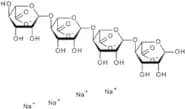
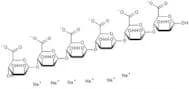
<p>Hexa-mannuronic acid sodium salt (β-1,4-linked sodium mannuronohexaose) is one of a number of oligosaccharides obtained from alginate which is a polysaccharide in brown seaweeds containing: blocks of repeating mannuronic acid sequences (M-M-M-M etc), repeating guluronic acid sequences (G-G-G-G etc), and alternating M-G-M-G sequences.Oligosaccharides can be released using several methods (Lua, 2015; Yanga, 2004) and claims have been published that mannuronic acid oligosaccharides for example, can be effective in the prophylaxis and treatment of Alzheimer's disease, or for the prophylaxis and treatment of diabetes (USP 8835403B2, 2014).</p>Formula:C36H44O37Na6Purezza:Min. 95 Area-%Colore e forma:PowderPeso molecolare:1,206.65 g/molBenzyl 4-O-(β-D-galactopyranosyl)-β-D-glucopyranoside
CAS:<p>Benzyl 4-O-(b-D-galactopyranosyl)-b-D-glucopyranoside is a Glycosylation product that is custom synthesized to order. It is an oligosaccharide, which is synthesized by the modification of monosaccharides with other saccharides. This product has been fluorinated and acetylated at its C4 position and methylated at its C6 position. This compound has CAS No. 18404-72-3 and can be used as a sugar in the synthesis of complex carbohydrates or as a component of polysaccharides.</p>Formula:C19H28O11Purezza:Min. 95%Colore e forma:PowderPeso molecolare:432.42 g/molSucrose palmitate
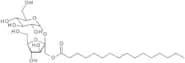
CAS:<p>The ‘tallowate’ esters are probably the best known derivatives of sucrose and many attempts have been made to commercialise them in order to exploit their excellent surfactant functionalities. The most functional products are the mono- and diesters of the tallow acids (stearic, palmitic, oleic) with hydrophile-lipophile balance (HLB) values that lend themselves to surfactant applications in foods and cosmetics. They also have other uses, for example in coating fruits with a semipermeable membrane that acts as a preservative. Manufacturing economics have prevented these products from mass production and they remain in niche applications.</p>Formula:C28H52O12Purezza:(%) Min. 90.0%Colore e forma:White PowderPeso molecolare:508.72 g/mol1,2,3,6-Tetra-O-acetyl-4-O-(2,3,4,6-tetra-O-acetyl-b-D-galactopyranosyl)-b-D-thioglucopyranose
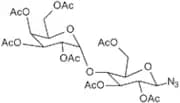
CAS:<p>This is a synthetic, high purity and custom-synthesized carbohydrate. The chemical name is 1,2,3,6-Tetra-O-acetyl-4-O-(2,3,4,6-tetra-O-acetyl-b-D-galactopyranosyl)-b-D-thioglucopyranose. It has been modified with the Click reaction to allow for chemical modification. This product is a complex carbohydrate that has been fluorinated to create an organic fluorine compound.</p>Formula:C28H38O18SPurezza:Min. 95%Peso molecolare:694.66 g/mol4-Methoxyphenyl 2,6-di-O-acetyl-4-O-[2,4,6-tri-O-acetyl-3-O-allyl-β-D-galactopyranosyl]-3-O-allyl-β-D-glucopyranoside
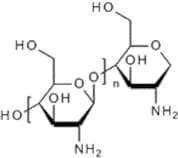
<p>The chemical structure of this compound is composed of a custom synthesis, modification, and fluorination. The molecular weight is 572.6 g/mol and the CAS No. is 1027152-06-6. The molecular formula is C50H76O24. This compound has a molecular weight of 572.6 g/mol and an empirical formula of C50H76O24. It appears as a white crystalline powder that can be dissolved in water or ethanol.=END>></p>Formula:C35H46O17Purezza:Min. 95%Peso molecolare:738.73 g/molChitosan oligomer (Dp 3-7) hydrochloride - Molecular weight 1640
<p>Chitosan oligomer (Dp 3-7) hydrochloride is a carbohydrate with a molecular weight of 1640. It is used as a sugar and an adjuvant in vaccine development. Chitosan oligomer (Dp 3-7) hydrochloride is synthesized by the reaction of chitosan with phosphoryl chloride and has been shown to have antiviral, antibacterial, and anti-inflammatory effects.</p>Formula:(C6H13NO5•HCl)nPurezza:Min. 95 Area-%Colore e forma:PowderChitobiose octaacetate
CAS:<p>Octacetylated chitobiose derivative</p>Formula:C28H40N2O17Purezza:Min. 95%Colore e forma:White PowderPeso molecolare:676.62 g/molIsomaltotriose
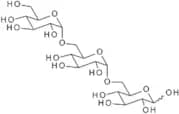
CAS:<p>Produced from high maltose syrup by treatment with transglucosidase</p>Formula:C18H32O16Purezza:Min. 97 Area-%Colore e forma:White Off-White PowderPeso molecolare:504.44 g/molMethyl 2-O-(a-D-mannopyranosyl)-b-D-mannopyranoside
<p>Methyl 2-O-(a-D-mannopyranosyl)-b-D-mannopyranoside is a glycosylation product of mannose and glucose. It is an intermediate in the synthesis of the complex carbohydrate, methylated mannan. This compound is also an intermediate in the synthesis of saccharides with a fluorinated sugar moiety. Methyl 2-O-(a-D-mannopyranosyl)-b-D-mannopyranoside can be custom synthesized to meet your needs.</p>Formula:C13H24O11Purezza:Min. 95%Peso molecolare:356.32 g/molk-Carrahexaitol trisulfate trisodium salt
<p>k-carrageenan derived hexasaccharide alcohol trisulfate+(3-6 anhydrogalactose)</p>Formula:C36H55O37S3Na3Purezza:Min. 95%Peso molecolare:1,244.97 g/mol2,3,6,2',3',4',6'-Hepta-O-acetyl-b-lactosyl azide
CAS:<p>2,3,6,2',3',4',6'-Hepta-O-acetyl-b-lactosyl azide is a custom synthesis of a carbohydrate that has been modified by the addition of acetyl groups to one end and the attachment of an azide group to the other. The synthesis of this compound has been completed in high purity and is available for purchase. This compound is a complex carbohydrate that is a sugar that can be modified by fluorination. It is also an oligosaccharide or polysaccharide with saccharide units.</p>Formula:C26H35N3O17Purezza:Min. 95%Colore e forma:PowderPeso molecolare:661.57 g/mol[UL-¹³C₁₂]Sucrose
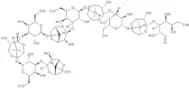
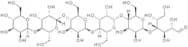
CAS:<p>Sucrose is a sugar that is used as a food additive. It is the disaccharide of glucose and fructose, which are two monosaccharides. Sucrose can be synthesized by the glycosylation of glucose and fructose in an α-1,2 linkage. Sucrose can also be synthesized by the fluorination of sucrose followed by methylation with methylamine. The synthesis of sucrose starts with the reaction of acrylonitrile with formaldehyde to produce acrylonitrile trimer, which is then reacted with methanol to produce methyl 3-hydroxybutyrate. This product undergoes a series of reactions to form sucrose.</p>Formula:C12H22O11Purezza:Min. 98 Area-%Colore e forma:PowderPeso molecolare:354.21 g/mola1-3[a1-6]a1-6[a1-3]Mannopentaose
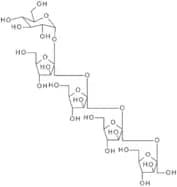
CAS:<p>Found in glycoproteins including ovalbumin and human immunoglobulin M</p>Formula:C30H52O26Purezza:Min. 95 Area-%Colore e forma:White PowderPeso molecolare:828.72 g/molN,N',N'',N''',N''''-Pentaacetyl chitopentaose
CAS:<p>Chitopentaose is a pentaacetyl derivative of the sugar chitohexaose. It is an oligosaccharide that has been shown to inhibit the activity of glycosidases and lectins, which may be due to its high affinity to these enzymes. Chitopentaose has also been found to bind to insulin receptors in the human tumor cell line A-20, leading to a reduction in tumor growth. The molecule also inhibits the transcriptional regulation of genes encoding for penicillin-binding protein, mouse tumor necrosis factor, and α1-acid glycoprotein.</p>Formula:C40H67N5O26Purezza:Min. 95 Area-%Colore e forma:PowderPeso molecolare:1,033.98 g/molNeoagarodecaose
CAS:<p>Agarose is a polysaccharide found in red algae, typically Gelidium and Gracilaria. It is a strictly alternating polysaccharide of α-1,3 linked D-galactose and β-1,4 linked L-3,6 anhydrogalactose with occasional sulfation at position 6 of the anhydrogalactose residue. Agaro-oligosaccharides result from cleavage at galactose residues and neoagaro-oligosaccharides from cleavage at 3,6-anhydro residues. Neoagarodecaose is reported to have potential for novel cosmeceuticals.</p>Formula:C60H92O46Purezza:Min. 95%Colore e forma:PowderPeso molecolare:1,549.34 g/mol1,4-b-D-Mannohexaose
CAS:<p>Isolated from ivory-nut mannan hydrolysates</p>Formula:C36H62O31Purezza:Min. 90 Area-%Colore e forma:White PowderPeso molecolare:990.86 g/mol3-(a-D-Rhamnopyranosyl)-D-glucose
<p>3-(a-D-Rhamnopyranosyl)-D-glucose is a glycosylation product that is synthesized by the methylation of glucose. It is a complex carbohydrate with a high purity, CAS number and custom synthesis. 3-(a-D-Rhamnopyranosyl)-D-glucose has been modified by fluorination and click chemistry to produce a versatile reagent for glycosylation reactions.</p>Purezza:Min. 95%Monosialyllacto-N-hexaose III
<p>Monosialyllacto-N-hexaose III is an oligosaccharide. It is a complex carbohydrate that is custom synthesized and purified. Monosialyllacto-N-hexaose III has CAS number: 51486-71-4. It contains six monosaccharides, namely glucose, galactose, mannose, N-acetylglucosamine, and sialic acid (sialic acid). The sugar molecule has a methyl group on the terminal carbon atom at position 3′. Monosialyllacto-N-hexaose III can be fluorinated to form monofluoroacetyl monosialyllacto-N-hexaose III. Monofluoroacetyl monosialyllacto-N-hexaose III can be glycosylated with a hexasaccharide to form hexaglycosylated monofluoroacet</p>Purezza:Min. 95%Blood group A type 4 linear trisaccharide-NGL
<p>Useful oligosaccharide-lipid conjugate for raising antibodies.</p>Purezza:Min. 95%1,1,1-Kestopentaose
CAS:<p>Non-reducing sucrose analog containing glucose and fructose; prebiotic fibre</p>Formula:C30H52O26Purezza:Min. 95 Area-%Colore e forma:White PowderPeso molecolare:828.72 g/mol6-O-(b-D-Mannopyranosyl)-D-mannose
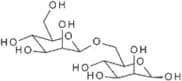
CAS:<p>Isolated from the products of the acid reversion of D-mannose</p>Formula:C12H22O11Purezza:Min. 98 Area-%Colore e forma:PowderPeso molecolare:342.3 g/mol2-Methyl-(4-O-β-D-glucopyranosyl)-1,2-dideoxy-α-D-glucopyrano)-[2,1-d]-2-oxazoline
CAS:<p>2-Methyl-(4-O-b-D-glucopyranosyl)-1,2-dideoxy-a-D-glucopyrano)-[2,1-d]-2-oxazoline is a custom synthesis of a carbohydrate. It can be modified by fluorination, methylation, and monosaccharide modification. It has been synthesized from a saccharide with a molecular weight of 803. This molecule has the CAS number 91433-96-7.</p>Formula:C14H23NO10Purezza:Min. 95%Colore e forma:PowderPeso molecolare:365.33 g/mol2-O-(a-D-Mannopyranosyl)-D-mannopyranose
CAS:<p>Synthesized by the action of zinc chloride on tetra-O-acetylmannose and 1-chloro-3,4,6- tri-0-acetylmannose. Isolated from partial acetolysates of baker's yeast mannan and Saccharomyces rouxii mannan.</p>Formula:C12H22O11Purezza:Min. 95 Area-%Colore e forma:White PowderPeso molecolare:342.3 g/molGD1b-Ganglioside sodium
CAS:<p>GD1b (shown as sodium salt) is one of the major gangliosides in neuronal and glial membranes. It has a core tetrasaccharide structure (Galβ1,3GalNAcβ1,4Galβ1,4Glc) with itâs two sialic acids linked α2,3/α2,8 to the inner galactose residue and ceramide linked β to position 1 on the reducing terminal glucose residue (Ledeen, 2009). GD1b acts as a receptor for BK virus as well as for heat-labile LTII-a toxin, produced by enteropathogenicâ¯E. coli. GD1b ganglioside also interacts with tetanus neurotoxin (TeNT) and is crucial for its entry into cells (Kolter, 2012).</p>Purezza:Min. 95%Colore e forma:Powder2-Acetamido-6-O-(2-acetamido-2-deoxy-a-D-galactopyranosyl)-2-deoxy-D-galactopyranose
CAS:<p>2-Acetamido-6-O-(2-acetamido-2-deoxy-a-D-galactopyranosyl)-2-deoxy-D-galactopyranose is an n-acetylated disaccharide (naturally occurring) that is a glycosidic bond between the two sugars, n-acetyl D galactosamine and 2,3,4,6 tetraacetamido 2 deoxy D galactose. This compound has an acetamide residue in place of a hydroxyl group on the second carbon atom of the sugar. The linkage between these two sugars is a glycosidic bond. In its natural form, this molecule can be found in mammalian cells and bacterial cell walls.</p>Formula:C16H28N2O11Purezza:Min. 95%Peso molecolare:424.4 g/molCarboxymethyl cellulose sodium - Viscosity 400-800cps
CAS:<p>Food additive; soil suspension polymer in detergents; thickening agent</p>Formula:C28H30Na8O27Purezza:Min. 95%Colore e forma:White To Light Brown SolidPeso molecolare:982.444-O-β-D-Galactosylsucrose
CAS:<p>Similar to Raffinose but with the galactose residue attached 1,4 to the glucose</p>Formula:C18H32O16Purezza:Min. 95 Area-%Colore e forma:White PowderPeso molecolare:504.44 g/molGD1a-Oligosaccharide
CAS:<p>GD1a oligosaccharide is the carbohydrate moiety from the disialylated glycosphingolipid GD1a of the a-series (shown in the sodium form), a major ganglioside found in neuronal and glial membranes. GD1a oligosaccharide has a core tetrasaccharide structure (Galβ1,3GalNAcβ1,4Galβ1,4Glc) with sialic acids linked α2,3/α2,8 to the inner galactose residue, α2,3 to the outer galactose residue (Ledeen, 2009). GD1a ganglioside interacts with myelin-associated glycoprotein (MAG) and is essential for long-term axon-myelin stability. GD1a ganglioside plays a role in viral infection as it is a receptor for viral glycoproteins in rotavirus and paramyxovirus 1. The hexasaccharide GD1a moiety was also found on a glycoprotein that acts as a receptor for adenovirus type 37. Additionally, GD1a ganglioside interacts with botulinum neurotoxin (BoNT) and is crucial for its entry into cells (Kolter, 2012).</p>Formula:C48H79N3O37Purezza:Min. 95%Colore e forma:PowderPeso molecolare:1,290.14 g/mol1,4-b-D-Xylotetraose decasulfate sodium salt
<p>1,4-b-D-Xylotetraose decasulfate sodium salt is a highly purified and custom synthesized carbohydrate. It is used as a reagent in biochemical research. 1,4-b-D-Xylotetraose decasulfate sodium salt can be modified with various reagents to produce desired properties for use in various applications. Modifications can include methylation, saccharide, Polysaccharide, Click modification, or Modification. Carbohydrate modifications can include Oligosaccharide or Custom synthesis. Fluorination of 1,4-b-D-Xylotetraose decasulfate sodium salt is an available modification that produces the product with high purity and reduced viscosity. <br>1,4-b-D-Xylotetraose decasulfate sodium salt has a CAS number of 52878-68-9 and is available for custom synthesis at</p>Purezza:Min. 95%2-O-(2-Acetamido-2-deoxy-β-D-glucopyranosyl)-D-mannopyranose
CAS:<p>2-O-(2-Acetamido-2-deoxy-b-D-glucopyranosyl)-D-mannopyranose is a disaccharide that contains two acetamides. It has a glycosidic bond and is classified as a glycoside. This compound has the same sequence of residues as D-mannose, but one less carbon atom. The acetamides form an ester linkage to the 2’ and 3’ hydroxyl groups on the sugar moiety.</p>Formula:C14H25NO11Purezza:Min. 95%Colore e forma:PowderPeso molecolare:383.35 g/molGlycyl-sialyllacto-N-tetraose b
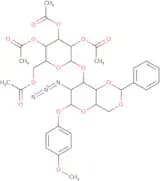
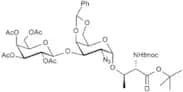
<p>Glycyl-sialyllacto-N-tetraose b is a custom synthesis of an oligosaccharide consisting of four monosaccharides. The monosaccharides are glycyl, sialyllactose and two tetrasaccharides with the configuration of (1,4)-alpha-D-mannopyranosyl-(1,2)-alpha-D-mannopyranosyl-(1,6)-beta-D-glucopyranosyl-(1,4)-alpha-D-mannopyranosyl. Glycyl-sialyllacto-N-tetraose b is a high purity product that can be modified to contain fluorine atoms. This product has been shown to have methylation activity in Methylation reactions.</p>Formula:C39H66N4O29Purezza:Min. 95%Peso molecolare:1,054.95 g/mol4-Methoxyphenyl 3-O-(2,3,4,6-Tetra-O-acetyl-b-D-galactopyranosyl)-2-azido-4,6-O-benzylidene-2-deoxy-b-D-galactopyranoside
<p>4-Methoxyphenyl 3-O-(2,3,4,6-Tetra-O-acetyl-b-D-galactopyranosyl)-2-azido-4,6-O-benzylidene-2-deoxy-b -D -galactopyranoside is a sugar that can be methylated or modified with other saccharides. It has CAS No. 91485 and can be synthesized by Click chemistry. The modification of the sugar includes glycosylation and fluorination. This compound is a complex carbohydrate that is used in synthetic chemistry.</p>Purezza:Min. 95%4-Methoxyphenyl 3-O-Bn-4-O-{4-O-[2-O-Ac-3-O-(3-O-tri-O-Bn-2,4,6-O-(3,4,6-tri-O-Bn-2-PhthN -β-D-Glc)-α-D-Man)-6-O-(3-O-tri-O-Bn-2,4,6 -O-(3,4,6-tri-O-Ac-2-PhthN-β-D-Glc)-α-D-Man)-β-D-Man]-3,6-di-O-Bn-2-PhthN -β-D-Glc}-6-O-PMP-2-PhthN-β-D-Glc
<p>4-Methoxyphenyl 3-O-Bn-4-O-[4-(2,6-dideoxy-3-O-(3,4,6-tri-O-Bn-2,4,6 -O-(3,4,6-tri -O -Ac)-a -D -Man)-b -D -Man]-3,6-di -O-(3,4,6,-tri -O Bn 2 4 6 O</p>Purezza:Min. 95%Agarotriose
CAS:<p>Agarose is a polysaccharide found in red algae, typically Gelidium and Gracilaria. It is a strictly alternating polysaccharide of β-1,3 linked D-galactose and α-1,4 linked L-3,6 anhydrogalactose with occasional sulfation at position 6 of the anhydrogalactose residue. Agaro-oligosaccharides result from cleavage at galactose residues and neoagaro-oligosaccharides from cleavage at 3,6-anhydro residues. It is reported that agarotriose has prebiotic properties.</p>Formula:C18H30O15Purezza:Min. 98 Area-%Colore e forma:White PowderPeso molecolare:486.42 g/molGT1b-Ganglioside sodium
CAS:<p>GT1b (sodium salt) has a core tetrasaccharide structure (Galβ1,3GalNAcβ1,4Galβ1,4Glc) with two sialic acids (NeuAc) linked α2,3/α2,8 to the inner galactose residue, sialic acid (NeuAc) linked α2,3 to the terminal galactose residue and ceramide linked β to position 1 on the reducing terminal glucose residue (Ledeen, 2009). GT1b is one of the major gangliosides in neuronal and glial membranes, it interacts with the myelin-associated glycoprotein (MAG) and is essential for long-term axon-myelin stability. GT1b ganglioside also acts as a receptor for bacterial toxins, such as, tetanus and botulinum toxins (Nishik,i 1996), as well as for viruses, a few examples include: Merkel cell polyomavirus, JC virus, BK virus, norovirus, and others (Low, 2006).</p>Formula:C95H165N5O48·xNaColore e forma:White PowderPeso molecolare:2,145.33 g/molMan-6 Glycan, 2-AB labelled
<p>Man-6 Glycan, 2-AB labelled is a custom synthesis of mannose-6-phosphate, a monosaccharide. The molecule contains six carbons and one phosphate group. It can be modified with fluorination, methylation, or click modification. This glycan is synthesized by the addition of an oligosaccharide to a polysaccharide. Mannose-6-phosphate is an Oligosaccharide that carries out glycosylation reactions in the body. It is used as a precursor for other glycans such as N-Acetylglucosamine and N-Acetylgalactosamine.</p>Purezza:Min. 95%Lacto-N-neohexaose
CAS:<p>Neutral hexasasaccharide naturally present in human breast milk</p>Formula:C40H68N2O31Purezza:Min. 90 Area-%Colore e forma:White PowderPeso molecolare:1,072.96 g/molHeparin disaccharide II-A disodium salt
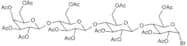
CAS:<p>Heparin Disaccharide II-A Disodium Salt is a modification of heparin. It is an oligosaccharide with a molecular weight of about 2,000 Daltons. This product can be custom synthesized as per the requirement of the customer. The purity level of this product is very high and it has been shown to have antiviral, anticoagulant, anti-inflammatory, and anticlotting properties.</p>Formula:C14H19NO14SNa2Purezza:Min. 95 Area-%Colore e forma:White Off-White PowderPeso molecolare:503.34 g/mol2,3,6-Tri-O-acetyl-4-O-[2,3,6-tri-O-acetyl-4-O-(2,3,6-tri-O-acetyl-4-O-(2,3,4,6-tetra-O-acetyl-b-D-galactopyranosyl)-b-D-glucopyrano syl)-b-D-glucopyranosyl]-a-D-glucopyranosyl bromide
<p>2,3,6-Tri-O-acetyl-4-O-[2,3,6-tri-O-acetyl-4-O-(2,3,6-tri-O-acetyl-4-O-(2,3,4,6-tetra-O-acetyl bDgalactopyranosyl)-bDglucopyranosyl]-aDglucopyranosyl bromide (TTA) is an acetylated oligosaccharide with a degree of polymerization of 5. It has a molecular weight of 1312. The compound is a methylated saccharide which is synthesized from 2,3,6 tri O acetyl 4 O methyl 2 3 6 tetra O acetyl b D galactopyranosy 1</p>Formula:C50H67BrO33Purezza:Min. 95%Peso molecolare:1,275.95 g/molBianntennary N-linked core pentasaccharide
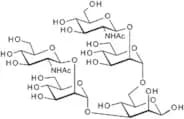
<p>The bianntennary N-linked core pentasaccharide is an oligosaccharide that contains a biantennary glycan and a high purity. This product can be custom synthesized with custom modifications. The bianntennary N-linked core pentasaccharide is an excellent substrate for Click modification, fluorination, and glycosylation reactions. It has been shown to have antiviral activity against herpes simplex virus type 1 (HSV-1) in the guinea pig erythrocyte assay. This product has been methylated at the 6 position of the sugar moiety to yield a modified form.</p>Formula:C34H58N2O26Purezza:Min. 95 Area-%Colore e forma:White PowderPeso molecolare:910.82 g/mol3-Fucosyllactose
CAS:<p>3-Fucosyllactose (3-FL) is a small and neutral human milk oligosaccharide (HMO) that is metabolized by bacteria in the large intestine. It's a trisaccharide composed of L-fucose, D-galactose and D-glucose and like many other HMOs it offers great interest for the studies of baby milk formula.</p>Formula:C18H32O15Purezza:Min. 95%Colore e forma:White PowderPeso molecolare:488.44 g/molSucrose dipalmitate
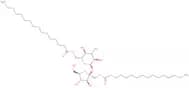
CAS:<p>Sucrose dipalmitate is a pharmaceutical dosage form that is made of sucrose, a high-energy sugar, and palmitic acid. It has a low energy content and can be used as a diagnostic agent in nuclear medicine. Sucrose dipalmitate can be used as an emulsifier in the preparation of nanoemulsions. The particle size of sucrose dipalmitate can be adjusted to achieve the desired effect. In addition, this compound is used for the treatment of cardiac disease and other conditions such as high blood pressure and diabetes.</p>Formula:C44H82O13Purezza:Min. 95%Peso molecolare:819.11 g/molGQ1b-Ganglioside sodium
CAS:<p>GQ1b ganglioside (sodium salt) has a core tetrasaccharide structure (Galβ1,3GalNAcβ1,4Galβ1,4Glc) with two sialic acids (NeuAc) linked α2,3/α2,8 to the inner galactose residue, two sialic acids (NeuAc) linked α2,3/α2,8 to the terminal galactose residue and ceramide linked β to position 1 on the reducing terminal glucose residue (Ledeen, 2009). Anti-GQ1b ganglioside antibody is associated with Miller Fisher syndrome and is also found in patients with related conditions that may share the same pathogenic mechanism, such as, Bickerstaff brainstem encephalitis. Thus, the measurement of the anti-GQ1b antibody in suspected cases of Miller Fisher syndrome is a useful diagnostic marker (Paparounas, 2004). It has been found that GQ1b ganglioside contributes to synaptic transmission and synapse formation. Low concentrations of GQ1b ganglioside, evoked dopamine (DA) release from laboratory tissues (Chen, 2018).</p>Formula:C106H182N6O56·4NaPurezza:Min. 95%Colore e forma:White PowderPeso molecolare:2,528.55 g/molD-Cellobiose
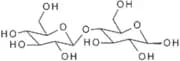
CAS:<p>D-Cellobiose, also known as cellose, is a reducing disaccharide consisting of two β(1-4)-linked glucopyranose units. It is produced by the hydrolysis of cellulose, a homopolysaccharide of glucose with β(1-4)-linkages. Cellobiose constitutes the polar part of cellobiose lipids (CLs) that are secreted by yeasts and mycelia fungi. Their various biological activities have led to a range of applications in the food industry, pharmaceutical industry and in medicine. Cellobiose itself has been used as an indicator carbohydrate for Crohn's disease and malabsorption syndrome. In biotechnology, cellobiose is one of the sugars explored for the synthesis of biotensides.</p>Formula:C12H22O11Purezza:Min. 97 Area-%Colore e forma:White Off-White Crystalline PowderPeso molecolare:342.30 g/molLacto-N-difucohexaose I
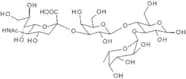
CAS:<p>Fucosyloligosaccharide present in human milk and colostrum</p>Formula:C38H65NO29Purezza:Min. 95 Area-%Colore e forma:White PowderPeso molecolare:999.91 g/mol3-O-(a-L-Fucopyranosyl)-4-O-(3-sialyl-b-D-galactopyranosyl)-D-glucose
<p>3-O-(a-L-Fucopyranosyl)-4-O-(3-sialyl-b-D-galactopyranosyl)-D-glucose is a modification of the complex carbohydrate, oligosaccharide, monosaccharide, and polysaccharide. It is synthesized by methylation of glucose and glycosylation with sialic acid. The product has a CAS number and a high purity level. This product is an example of a synthetic oligosaccharide that has been fluorinated. The product can be used as an additive or preservative in food products.</p>Formula:C29H49NO23Purezza:Min. 95%Peso molecolare:779.71 g/molO-(2,3,4,6-Tetra-O-benzyl-a-D-gal)-(1-4)-O-(2,3,6-tri-O-benzyl-b-D-gal)-(1-4)-2,3,6-tri-O-benzyl-D-glc
<p>O-(2,3,4,6-Tetra-O-benzyl-a-D-gal)-(1-4)-O-(2,3,6-tri-O-benzyl-b-D-gal)-(1-4)-2,3,6-tri-O-benzyl D glucal is a modification of the Oligosaccharide carbohydrate. It is synthesized by custom synthesis and is high purity. The CAS number for this product is . The monosaccharide in this product is methylated and glycosylated. This product has fluorination and saccharide properties.</p>Purezza:Min. 95%Blood Group A tetrasaccharide type V
CAS:<p>Core antigen fragment in ABO blood group system</p>Formula:C26H45NO20Purezza:Min. 90%Colore e forma:White PowderPeso molecolare:691.63 g/molD-Melezitose, monohydrate
CAS:<p>Used to differentiate microorganisms based on their metabolic properties.</p>Formula:C18H34O17Purezza:Min. 98.0 Area-%Peso molecolare:522.46 g/molRef: 3D-M-1520
25gPrezzo su richiesta50gPrezzo su richiesta100gPrezzo su richiesta250gPrezzo su richiesta500gPrezzo su richiesta-Unit-ggPrezzo su richiestaMonofucosyl (1-2)-iso-lacto-N-octaose II
<p>Monofucosyl (1-2)-iso-lacto-N-octaose II is an oligosaccharide that is found in human milk</p>Purezza:Min. 95%Globo-H hexaose
CAS:<p>Cancer-associated carbohydrate antigen</p>Formula:C38H65NO30Purezza:Min. 90%Colore e forma:White PowderPeso molecolare:1,015.91 g/molN,N',N'',N''',N'''',N''''',N''''''-Heptaacetylchitoheptaose
CAS:<p>Chitinases are enzymes that hydrolyze chitin, a polysaccharide found in the exoskeleton of insects, fungi and other invertebrates. Chitohexaose is a sugar that has been shown to have anti-inflammatory properties. It is a carbohydrate with six acetyl groups attached to it. When this sugar reacts with ammonium bicarbonate (NH4HCO3) in an acidic environment, it produces N,N',N'',N''',N'''',N''''',N''''''-heptaacetylchitoheptaose. This reaction system can be used as a chitinase preparation for investigating the biological effects of chitohexaose. The magnetic resonance spectroscopy was used to study the reaction system and revealed that the product is a hexamer with six acetyl groups on each monomer.</p>Formula:C56H93N7O36Purezza:Min. 95%Colore e forma:PowderPeso molecolare:1,440.36 g/molMaltohexaose eicosaacetate
CAS:<p>CO2-philic compound; used in pharmaceuticals and CO2-based processes</p>Formula:C76H102O51Purezza:Min. 90.0 Area-%Colore e forma:White PowderPeso molecolare:1,831.59 g/molLewis X trisaccharide
CAS:<p>Milk oligosaccharide; antigen; expressed on gastric mucosa and cancer cells</p>Formula:C20H35NO15Purezza:Min. 90 Area-%Colore e forma:PowderPeso molecolare:529.49 g/molN-Acetylneuraminyl-(a2-3)-D-galactopyranosyl-(b1-3)-D-N-acetylgalactosaminyl serine-biotin
<p>N-Acetylneuraminyl-(a2-3)-D-galactopyranosyl-(b1-3)-D-N-acetylgalactosaminyl serine-biotin is a custom synthesis of complex carbohydrates. It is an oligosaccharide with a CAS number and has been modified with methylation, glycosylation, and click chemistry. The carbohydrate has a high purity and has been fluorinated for the purpose of making it synthetic.</p>Formula:C36H58N4O23SPurezza:Min. 95%Peso molecolare:946.92 g/molBlood group H type II trisaccharide
CAS:<p>Core antigen fragment in ABO blood group system</p>Formula:C20H35NO15Purezza:Min. 95%Colore e forma:White PowderPeso molecolare:529.5 g/mol1,4-β-D-Mannopentaose
CAS:<p>Isolated from ivory-nut mannan hydrolysates</p>Formula:C30O26H52Purezza:Min. 95%Colore e forma:PowderPeso molecolare:828.72 g/molIsoprimeverose
CAS:<p>Isoprimeverose is a covalently linked polysaccharide with a molecular weight of about 5,000. It has been shown to have an optimum pH at around 7.5 and is soluble in water. Isoprimeverose was found to be highly immunogenic in rats and mice, producing high levels of polyclonal antibodies against the protein target. The carbohydrate moiety of isoprimeverose contains galacturonic acid, which may play a role in its uptake by mammalian cells. The hydroxyl group on the sugar molecule may also play a role in this process. Isoprimeverose can be used as an artificial sweetener because it does not contain any sugars or carbohydrates that can cause tooth decay or other dental problems.</p>Formula:C11H20O10Purezza:Min. 95%Colore e forma:White PowderPeso molecolare:312.27 g/molChitosan
CAS:<p>Chitosan is the deacetylated form of chitin. The polysaccharide is deacetylated in order to render it soluble, which is then possible at pH values of less than 7 (normally in dilute acid). This then allows the material to be used in a number of industrial applications as a binder and film former.Molecular weight range 350 - 3500 Da.</p>Colore e forma:PowderMaltoheptaose tricosaacetate
CAS:<p>CO2-philic compound; used in pharmaceuticals and CO2-based processes</p>Formula:C88H118O59Purezza:Min. 95%Colore e forma:PowderPeso molecolare:2,119.92 g/molBlood group A hexasaccharide type II
CAS:<p>A antigen hexasaccharide Type II, possible use in antiviral development</p>Formula:C40H68N2O30Purezza:Min. 90 Area-%Colore e forma:White PowderPeso molecolare:1,056.96 g/molD-Cellobiose octaacetate
CAS:<p>Fully acetylated cellohexoses, part of a polymer homologous series of oligosaccharides isolated from cellulose by acetolysis followed by chromatography.</p>Formula:C28H38O19Purezza:Min. 98 Area-%Colore e forma:White PowderPeso molecolare:678.59 g/mol3'-Sialyl Lewis X 16-sp - biotin
<p>3'-Sialyl Lewis X 16-sp - biotin is a modified oligosaccharide that is synthesized by the addition of a sialic acid residue to the terminal position of the carbohydrate. This product has a CAS number and can be custom synthesized to meet specific customer requirements. 3'-Sialyl Lewis X 16-sp - biotin is an important glycosylation site for many proteins, including CD45 and CD47, which are present in erythrocytes and leukocytes respectively. It is also used as an important substrate for methylation reactions due to its susceptibility to S-adenosyl methionine. 3'-Sialyl Lewis X 16-sp - biotin is soluble in water and has a high purity. The structure of this oligosaccharide includes a complex carbohydrate composed of mono-, di-, tri-, tetra-, penta-, hexa-, hepta-, octa-, nona-, deca-sac</p>Formula:C56H95N7O26SPurezza:Min. 95%Colore e forma:White PowderPeso molecolare:1,314.45 g/molMethyl 3-O-(2,3,4,6-tetra-O-acetyl-a-D-mannopyranosyl)-a-D-mannopyranoside
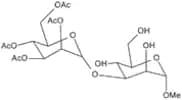
CAS:<p>Methyl 3-O-(2,3,4,6-tetra-O-acetyl-a-D-mannopyranosyl)-a-D-mannopyranoside is a synthetic glycosylation product of methyl 3,4,6-triacetate and a mannose. It is an Oligosaccharide with the molecular formula (C12H25O14)n. Methyl 3-O-(2,3,4,6-tetra-O-acetyl-a-D-mannopyranosyl)-a-D -mannopyranoside is a white crystalline powder that can be used in the synthesis of complex carbohydrates. It has been shown to react with fluorine to produce a monofluorinated product and methylated products. This compound can be custom synthesized and modified for specific applications. Methyl 3 - O - ( 2 , 3 , 4 , 6 -</p>Formula:C21H32O15Purezza:Min. 95%Peso molecolare:524.47 g/mol3a,4b,3a-Galactotetraose
CAS:<p>The acetolysis of carrageenan produces a polymer homologous series of oligosaccharides, [Gal α1,3 Gal, Gal β1,4 Gal], [Gal α1,3 Gal β1,4 Gal, Gal β14, Gal α1,3 Gal], [Gal α1,3 Gal β1,4 Gal α1,3 Gal, Gal β1,4Gal α1,3Gal β1,4Gal] etc. (Lawson, 1968). This is significant as it provides an entry to the α-gal series or Galili antigens due to the fact that the disaccharide Galα1,3 Gal can be isolated in quantity. The distribution of the full α-gal epitope (Galα1-3Galβ1-4GlcNAc-R) is unique in mammals, being abundantly expressed on glycoconjugates of non-primate mammals, prosimians and New World monkeys. In contrast, the α-gal epitope is not expressed on glycoconjugates of Old World monkeys, apes and humans; instead, they produce the natural anti-Gal antibody that specifically binds the α-epitope. Anti-Gal mediates the rejection of pig xenograft organs in humans and monkeys by binding α-gal epitopes on the pig cells, inducing complement mediated destruction and antibody dependent cell mediated destruction. This barrier to xenotransplantation has been eliminated by producing α1,3 glycosyltransferase to knockout pigs. Since anti-Gal is ubiquitous in humans, the α-gal epitope has clinical potential in the production of vaccines expressing α-epitopes that can be targeted to antigen presenting cells (APC), thereby increasing the immunogenicity of viral and other microbial vaccines (Macher, 2008).</p>Formula:C24H42O21Purezza:Min. 95 Area-%Colore e forma:White Off-White PowderPeso molecolare:666.58 g/mol1,6-Anhydro-β-D-cellotriose
CAS:<p>Produced by the fast pyrolysis of cellulose</p>Formula:C18H30O15Purezza:Min. 95%Colore e forma:PowderPeso molecolare:486.42 g/mol3-O-(a-D-Galactopyranosyl)-D-glucopyranose
CAS:<p>3-O-(a-D-Galactopyranosyl)-D-glucopyranose is a custom synthesis that can be fluorinated, methylated, and modified with click chemistry. 3-O-(a-D-Galactopyranosyl)-D-glucopyranose is a sugar that can be used in the synthesis of oligosaccharide or polysaccharide. It also has saccharide binding properties. 3-O-(a-D-Galactopyranosyl)-D-glucopyranose is soluble in water and does not react with strong acids such as HCl.</p>Formula:C12H22O11Purezza:Min. 95%Colore e forma:PowderPeso molecolare:342.3 g/molAllyl a-D-lactose
CAS:<p>A functionalized carbohydrate that serves as a valuable precursor for the synthesis of complex glycoconjugates, oligosaccharides, and glycopolymers through reactions like glycosylation and click chemistry</p>Formula:C15H26O11Peso molecolare:382.36 g/molLaminaritetraose
CAS:<p>Ex algal/bacterial polysaccharides-value in b1-3 glucanase assays & diagnostics</p>Formula:C24H42O21Purezza:Min. 95 Area-%Colore e forma:White PowderPeso molecolare:666.6 g/molTetra-guluronic acid sodium
CAS:<p>Tetra-guluronic acid sodium salt (1,4-linked α-L-sodium guluronotetraose) is one of a number of oligosaccharides obtained from alginate, a polysaccharide from brown seaweeds. It contains blocks of: repeating mannuronic acid sequences (M-M-M-M etc), repeating guluronic acid sequences (G-G-G-G etc), and alternating M-G-M-G sequences. This oligosaccharide can be released by acid hydrolysis and a number of biological activities have been discussed in a recent review.</p>Formula:C24H30O25Na4Purezza:Min. 98 Area-%Colore e forma:White PowderPeso molecolare:810.44 g/molVinyl a-D-lactose
<p>Vinyl a-D-lactose is a custom synthesis, fluorinated, modified monosaccharide that can be used to modify proteins and polysaccharides. It has been shown to react with proteins through the click chemistry reaction and methylation. Vinyl a-D-lactose can be used for glycosylation of saccharides and complex carbohydrates in order to synthesize oligosaccharides.</p>Purezza:Min. 95%Methoxyphenyl 3-O-(3-O-allyl-2,4,6-tri-O-benzyl-b-D-galactopyranosyl)-6-O-benzyl-2-deoxy-2-N-phthalamido-b-D-glucopyranoside
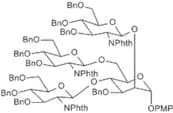
<p>Methoxyphenyl 3-O-(3-O-allyl-2,4,6-tri-O-benzyl-β-D-galactopyranosyl)-6-O-benzyl-2,-deoxy, 2N-(phthalamido)-bDglucopyranoside is a fluorinated monosaccharide that is synthesized from the corresponding benzaldehyde and propargylic alcohol. The glycosidic bond is formed by an O-(3'-O allyl) β - D - galactopyranosyl group. The methylene bridge in the molecule can be modified with a click chemistry reaction to react with a thiol group on a protein. This modification allows for the site specific incorporation of the sugar into proteins.</p>Formula:C58H59NO13Purezza:Min. 95%Peso molecolare:978.09 g/mol4-Methoxyphenyl 2,4,6-tri-O-(3,4,6-tri-O-benzyl-2-deoxy-2-phthalimido-β-D-glucopyranosyl)-3-O-benzyl-α-D-mannopyranoside
<p>4-Methoxyphenyl 2,4,6-tri-O-(3,4,6-tri-O-benzyl-2-deoxy-2-phthalimido-b-D-glucopyranosyl)-3-O-(benzyl)aDmannopyranoside is a custom synthesis of an oligosaccharide. It is an acetal derivative of 4methoxyphenyl 2,4,6tri O-(3,4,6tri Obenzyl 2deoxy2 phthalimido b D glucopyranosyl) 3 O (benzyl) ad mannopyranoside with a methoxymethyl group at the C5 position and a benzyl ether moiety at the C6 position. The molecule contains a methylated sugar as well as fluorine modification on the ring oxygen atom. This molecule has a high purity and is offered in both monos</p>Formula:C125H117N3O25Purezza:Min. 95%Peso molecolare:2,061.27 g/mol3-O-(2,3,4,6-Tetra-O-acetyl-b-D-galactopyranosyl)-2-azido-4,6-O-benzylidene-2-deoxy-a-D-galactopyranosyl-Fmoc threonine tert-butyl e ster
CAS:<p>3-O-(2,3,4,6-Tetra-O-acetyl-b-D-galactopyranosyl)-2-azido-4,6-O-benzylidene-2-deoxy-a-D--galactopyranosyl (TBS) is a synthetic carbohydrate that has been modified with fluorine and methyl groups. It is a complex carbohydrate that can be used as an intermediate in the synthesis of oligosaccharides and other saccharides. TBS is a monosaccharide that can be glycosylated or methylated to form many different products. This product can be custom synthesized to meet specific customer needs.</p>Formula:C50H58N4O18Purezza:Min. 95%Peso molecolare:1,003.01 g/molBlood Group B type III/IV linear trisaccharide
<p>The blood group B type III/IV linear trisaccharide is a synthetic oligosaccharide. The methylation of the saccharide and click modification of the polysaccharide molecule allow for fast, efficient synthesis. This product has been custom synthesized to be free of impurities, high in purity, and available in glycosylation form. It can be modified with fluorination or other modifications to meet your needs.</p>Formula:C20H35NO16Purezza:Min. 95%Peso molecolare:545.49 g/molKojipentaose
CAS:<p>Kojipentaose is a glycosidic oligosaccharide that is synthesized by the enzyme phosphorylase. It is an important nutrient for many organisms, including bacteria and fungi. Kojipentaose has been found to be synthesized from the terminal sugars of teichoic acids in both Gram-positive and Gram-negative bacteria. The stereoselectivity of the synthesis may be due to enzymatic activity or the availability of chiral substrates.</p>Formula:C30H52O26Purezza:Min. 95%Peso molecolare:828.72 g/mol5-O-β-D-Glucopyranosyl-D-xylitol
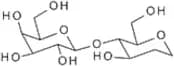
CAS:<p>5-O-β-D-Glucopyranosyl-D-xylitol is a disaccharide that is synthesized for use in research.</p>Formula:C11H22O10Purezza:Min. 95%Colore e forma:PowderPeso molecolare:314.29 g/molFA2B Glycan, 2-AB labelled
<p>This is a monosaccharide with 2-AB labelled. It is a modification of the oligosaccharide, carbohydrate, complex carbohydrate, and custom synthesis. This product has high purity and CAS No. It is methylated and glycosylated. The product is fluorinated and saccharide.</p>Purezza:Min. 95%Globo-H BSA conjugate
<p>Useful for study of immune response in cancer vaccine development</p>Colore e forma:PowderPeso molecolare:1539.56Maltodecaose, min 98%
CAS:<p>α 1,4-glucodecasaccharide derived from starch by hydrolysis and chromatography</p>Formula:C60H102O51Purezza:Min. 98 Area-%Colore e forma:White PowderPeso molecolare:1,639.42 g/molMaltooctaose
CAS:<p>α 1,4-glucooctasaccharide derived from starch by hydrolysis and chromatography</p>Formula:C48H82O41Purezza:Min. 80 Area-%Colore e forma:White PowderPeso molecolare:1,315.16 g/molHeparin disaccharide II-S trisodium salt
CAS:<p>Heparin breakdown product</p>Formula:C12H16NNa3O16S2Purezza:Min. 95 Area-%Colore e forma:White Off-White PowderPeso molecolare:563.35 g/molGalNAc-b-1-4-Gal-b-1-4-Glc-b-ethylazide
<p>GalNAc-b-1-4-Gal-b-1-4-Glc-b-ethylazide is a custom synthesis, modification, and fluorination of a monosaccharide. It is a polysaccharide that has been synthesized using the click chemistry modification. The CAS number for GalNAc-b-1-4-Gal-b-1-4-Glc-b is 203359. GalNAc is an oligosaccharide that contains one or more sugars linked together by glycosyl bonds. This carbohydrate is made up of galactose and N acetylgalactosamine as its two monomers. The complex carbohydrate can be found in natural sources such as milk, egg white, and soybeans.</p>Purezza:Min. 95%k-Carradecaitolpentasulfate pentasodium salt
<p>k-carrageenan derived decasaccharide alcohol pentasulfate+(3-6 anhydrogalactose)</p>Formula:C60H89O61S5Na5Purezza:Min. 95%Peso molecolare:2,061.59 g/mol4-O-(β-D-Glucopyranosyl)-α-D-thioglucopyranose
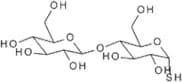
<p>4-O-(b-D-Glucopyranosyl)-a-D-thioglucopyranose is a synthetic sugar that is used in the synthesis of glycosides and carbohydrates. This product is available as a custom synthesis, but can also be found in the form of an oligosaccharide or monosaccharide. It has a high purity and can be used to produce fluorinated sugars.</p>Formula:C12H22O10SPurezza:Min. 95%Peso molecolare:358.36 g/mol




![4-Methoxyphenyl 2,6-di-O-acetyl-4-O-[2,4,6-tri-O-acetyl-3-O-allyl-β-D-galactopyranosyl]-3-O-allyl-…](/_next/image/?url=https%3A%2Fstatic.cymitquimica.com%2Fproducts%2F3D%2Fthumb-webp%2FOM10984.webp&w=3840&q=75)


![[UL-¹³C₁₂]Sucrose](/_next/image/?url=https%3A%2Fstatic.cymitquimica.com%2Fproducts%2F3D%2Fthumb-webp%2FOS29120.webp&w=3840&q=75)
![a1-3[a1-6]a1-6[a1-3]Mannopentaose](/_next/image/?url=https%3A%2Fstatic.cymitquimica.com%2Fproducts%2F3D%2Fthumb-webp%2FOM05332.webp&w=3840&q=75)



![2-Methyl-(4-O-β-D-glucopyranosyl)-1,2-dideoxy-α-D-glucopyrano)-[2,1-d]-2-oxazoline](/_next/image/?url=https%3A%2Fstatic.cymitquimica.com%2Fproducts%2F3D%2Fthumb-webp%2FOM10959.webp&w=3840&q=75)