Monosaccaridi
I monosaccaridi sono la forma più semplice dei carboidrati e fungono da blocchi fondamentali per zuccheri più complessi e polisaccaridi. Queste singole molecole di zucchero svolgono ruoli critici nel metabolismo energetico, nella comunicazione cellulare e nei componenti strutturali delle cellule. In questa sezione troverai una vasta gamma di monosaccaridi essenziali per la ricerca in biochimica, biologia molecolare e glicoscienza. Questi composti sono cruciali per studiare le vie metaboliche, i processi di glicosilazione e lo sviluppo di agenti terapeutici. Da CymitQuimica, offriamo monosaccaridi di alta qualità per supportare le tue esigenze di ricerca, garantendo precisione e affidabilità nelle tue indagini scientifiche.
Sottocategorie di "Monosaccaridi"
- Alloses(11 prodotti)
- Arabinosi(21 prodotti)
- Eritrosio(11 prodotti)
- Fruttosio(9 prodotti)
- Fucosio(36 prodotti)
- Galactosamina(41 prodotti)
- Galattosio(261 prodotti)
- Glucosio(365 prodotti)
- Acidi glucuronici(51 prodotti)
- Glicosubstrati per enzima(77 prodotti)
- Gulosio(6 prodotti)
- Idosio(4 prodotti)
- Inositoli(15 prodotti)
- Lixosio(4 prodotti)
- Mannosio(65 prodotti)
- O-Glicani(48 prodotti)
- Psicosi(3 prodotti)
- Rhamnosio(10 prodotti)
- Ribosi(61 prodotti)
- Acidi Sialici(100 prodotti)
- Sorbosio(4 prodotti)
- Zuccheri(173 prodotti)
- Tagatosio(4 prodotti)
- Talosio(8 prodotti)
- Xyloses(20 prodotti)
Mostrare 17 più sottocategorie
Trovati 6090 prodotti di "Monosaccaridi"
Ordinare per
Purezza (%)
0
100
|
0
|
50
|
90
|
95
|
100
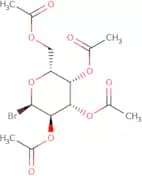
1-Bromo-2,3,4,6-tetra-O-acetyl-α-D-galactopyranoside
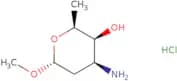
CAS:Donor for Koenigs-Knorr type galactosylation and other anomeric substitutionsFormula:C14H19BrO9Purezza:Min. 95%Colore e forma:White PowderPeso molecolare:411.2 g/molMethyl α-L-daunosamide hydrochloride
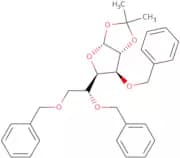
CAS:Methyl α-L-daunosamide hydrochloride is a drug that inhibits the production of DNA. It is used to treat infectious diseases such as malaria, in which it can inhibit the growth of the parasite by preventing DNA replication and transcription. The methyl α-L-daunosamide hydrochloride molecule is a polymerase chain inhibitor that binds to the enzyme adriamycin synthetase, which catalyzes the conversion of daunosamine into adriamycin. This binding prevents the formation of stable complexes with the target enzymes and blocks their activity, leading to inhibition of DNA synthesis and transcription. Methyl α-L-daunosamide hydrochloride has been shown to inhibit glycan biosynthesis in rat liver microsomes and does not have significant interactions with other drugs or with glycan in human serum.Formula:C7H15NO3•HClPurezza:Min. 85 Area-%Colore e forma:PowderPeso molecolare:197.66 g/mol3,5,6-Tri-O-benzyl-1,2-O-Isopropylidene-a-D-glucofuranose
CAS:<p>3,5,6-Tri-O-benzyl-1,2-O-isopropylidene-a-D-glucofuranose is a synthetic monosaccharide that has been fluorinated at the C3 position. It is an oligosaccharide with a complex carbohydrate structure. This glycosylation product can be custom synthesized and has been modified by methylation. 3,5,6-Tri-O-benzyl-1,2-O-isopropylidene Glucuronic acid can be used in the synthesis of polysaccharides or as a sugar for click chemistry. The chemical formula is C13H28O4F3 and its molecular weight is 322.32 g/mol.</p>Formula:C30H34O6Purezza:Min. 95%Colore e forma:PowderPeso molecolare:490.59 g/molHaloperidol b-D-glucuronide
CAS:Prodotto controllato<p>Haloperidol b-D-glucuronide is the glucuronide conjugate of haloperidol. It is a major metabolite of haloperidol, which can be detected in urine samples and plasma concentration–time curves. It has been shown to be effective in the treatment of schizophrenic patients and is used as a marker for schizophrenia. Haloperidol b-D-glucuronide has been found to inhibit the reduction of carbonyl groups by human liver microsomes, but not rat liver microsomes. This inhibition may be due to its capacity to bind with human liver enzymes, such as cytochrome P450 reductase and glutathione reductase. Haloperidol b-D-glucuronide also inhibits the uptake of antipsychotic medications into human liver cells, but not rat liver cells.</p>Formula:C27H31ClFNO8Purezza:Min. 95%Peso molecolare:551.99 g/mol2,3,4,6-Tetra-O-benzoyl-1-deoxy-D-arabino-hex-1-enopyranose
CAS:2,3,4,6-Tetra-O-benzoyl-1-deoxy-D-arabino-hex-1-enopyranose is a glycosyl compound that has been synthesized by the elimination of trifluoride and alcohols. It is used as a starting material for the synthesis of other compounds. This compound can react with halides to form etherate or ester derivatives. 2,3,4,6-Tetra-O-benzoyl-1-deoxy-D-arabino hexane can also be reacted with boron trifluoride or boron trifluoride etherate to form eliminations.Formula:C34H26O9Purezza:Min. 95%Peso molecolare:578.57 g/mol1-Chloro-2-deoxy-3,5-di-O-toluoyl-D-ribofuranose
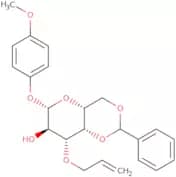
CAS:Synthetic building block for nucleic acid researchFormula:C21H21ClO5Purezza:Min. 95%Colore e forma:Off-White PowderPeso molecolare:388.84 g/mol4-Methoxyphenyl 3-O-allyl-4,6-O-benzylidene-β-D-galactopyranoside
CAS:4-Methoxyphenyl 3-O-allyl-4,6-O-benzylidene-b-D-galactopyranoside is a galactoside that is commonly found in plants. The biosynthesis of this molecule has been studied in the bacteria N. meningitidis and it has been shown that it can be synthesized from fatty acids. 4-Methoxyphenyl 3-O-allyl-4,6-O-benzylidene b -D -galactopyranoside can be used as a HIV drug, as it inhibits the growth of HIV cells by inhibiting protein synthesis and RNA transcription. This molecule is also able to inhibit cancer cell proliferation in vitro.Formula:C23H26O7Purezza:Min. 95%Colore e forma:White Off-White PowderPeso molecolare:414.45 g/molL-Idonic acid sodium
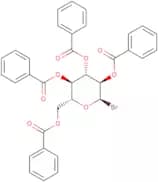
CAS:<p>L-Idonic acid sodium is a plant hormone that regulates carbohydrate metabolism. It has been shown to regulate the synthesis of galacturonic acid and malic acid, which are important for the production of glucose. L-Idonic acid sodium also regulates the synthesis of fatty acids, which are important for cell membrane formation. L-Idonic acid sodium is an intermediate in the biosynthesis of l-tartaric acid, which is an enzyme substrate. The gene product that encodes this molecule has been characterized as a protein with a molecular weight of approximately 9,000 daltons and a hydroxyl group on C-3.</p>Formula:C6H11O7NaPurezza:Min. 95%Colore e forma:PowderPeso molecolare:218.15 g/mol2,3,4,6-Tetra-O-benzoyl-α-D-glucopyranosyl bromide
CAS:2,3,4,6-Tetra-O-benzoyl-α-D-glucopyranosyl bromide is a derivative of vitamin A. It has been used as a carbonate for the synthesis of retinol, tetrabenzoate and other related compounds. The compound is soluble in water and has shown growth promoting activity in studies with Salmonella typhimurium. 2,3,4,6-Tetra-O-benzoyl-α-D-glucopyranosyl bromide is metabolized to retinol by hydrolysis or oxidation. It can also be converted into tetrabenzoate by oxidation followed by reduction of the 4′ position hydroxyl group.Formula:C34H27BrO9Purezza:Min. 95%Colore e forma:PowderPeso molecolare:659.48 g/molColchicoside
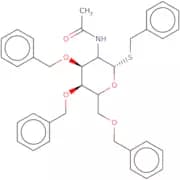
CAS:<p>Colchicoside is a natural compound that belongs to the chemical family of phenylpropanoids. It is used in the treatment of gout and pseudogout, and has been shown to be effective against demecolcine-induced hemolytic activity. Colchicoside has also shown to be an analog for other compounds with toxicological studies, such as hydrochloric acid and potassium dichromate. The toxicity studies performed on colchicoside have shown that it can cause damage to cells in culture by inhibiting DNA repair mechanisms.</p>Formula:C27H33NO11Purezza:Min. 95%Colore e forma:PowderPeso molecolare:547.55 g/mol2-Acetamido-1,3,4,6-tetra-O-benzyl-2-deoxy-β-D-thioglucopyranose
2-Acetamido-1,3,4,6-tetra-O-benzyl-2-deoxy-b-D-thioglucopyranose is a modification of the natural molecule glucose. It is an Oligosaccharide with a complex carbohydrate structure. The molecule has been custom synthesized and is synthesized to be of high purity. It has CAS No.: 52268-42-9. 2-Acetamido-1,3,4,6-tetra-O-benzyl-2-deoxyglucopyranose is a Monosaccharide that can be methylated and glycosylated to form Polysaccharides. This molecule can be used as a sugar in food products or as a Fluorination agent for other molecules.Formula:C36H39NO5SPurezza:Min. 95%Peso molecolare:597.76 g/molMethyl a-D-fucopyranoside
CAS:<p>Methyl a-D-fucopyranoside is a monoclonal antibody that binds to the O-antigen of the polysaccharide chain. It is a synthetic trisaccharide consisting of an o-antigen, an α-linked D-fucose residue, and an α-linked galactose residue. This antibody interacts with the serologic subtypes of Group A Streptococcus, but not with other serogroups. Methyl a-D-fucopyranoside utilizes conformational epitopes and disaccharides which are not accessible to other antibodies in order to bind to the o-antigen. The o-antigen is composed of two serologically distinct regions: one region for binding by anti-A antibodies, and another for binding by anti-B antibodies.</p>Formula:C7H14O5Purezza:Min. 98 Area-%Colore e forma:White Off-White PowderPeso molecolare:178.18 g/mol2,3,4-Tri-O-acetyl-6-deoxy-6,6-difluoro-a-D-mannopyranosyl-1-bis[2-(acetylthio)ethyl]phosphate
CAS:Fucosylation inhibitorFormula:C20H29F2O13PS2Peso molecolare:610.54 g/mol4,6-O-Ethylidene-D-glucopyranose
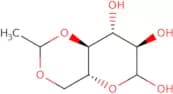
CAS:4, 6-O-Ethylidene-D-glucopyranose is a glucose analogue that inhibits sugar transport. It has been shown to inhibit glucose transport by binding to the hydroxyl group on the red cell membrane. This binding prevents the sugar from entering the cell and as a result, glucose accumulates in the blood. 4, 6-O-Ethylidene-D-glucopyranose also binds to tryptophan fluorescence and inhibits cytochalasin B binding to tryptophans that are located on the plasma membrane of eukaryotic cells.Formula:C8H14O6Purezza:Min. 90 Area-%Colore e forma:PowderPeso molecolare:206.19 g/molSophoricoside
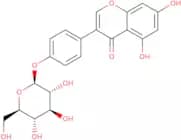
CAS:<p>Sophoricoside is a natural compound present in the fructus of Sophora flavescens and is used as an anti-diabetic medicine. It has been shown to have genotoxic effects, which may be due to its ability to induce reactive oxygen species (ROS) and DNA damage. Sophoricoside also has a matrix effect on radiation. This effect has been shown in rat cardiac cells and human serum. Sophoricoside also exhibits hepatoprotective properties by reducing hepatic steatosis, which may be due to its ability to inhibit lipogenesis and stimulate fat oxidation. In addition, sophoricoside has been shown to have anti-inflammatory activities.</p>Formula:C21H20O10Purezza:Min. 95%Colore e forma:PowderPeso molecolare:432.38 g/mol2-Deoxy-1,3,4,6-tetra-O-pivaloyl-D-glucopyranose
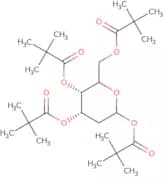
<p>2-Deoxy-1,3,4,6-tetra-O-pivaloyl-D-glucopyranose is a glycosylation sugar that belongs to the category of complex carbohydrates. It is a methylated sugar that can be fluorinated or modified with other saccharides. This product can be custom synthesized and has high purity.</p>Formula:C26H44O9Purezza:Min. 95%Peso molecolare:500.64 g/molN-Methyl-D-glucamine HCl
CAS:N-Methyl-D-glucamine HCl is a salt of N-methylglucamine and hydrochloric acid. It is used as a buffer to maintain the pH of solutions at a desired level. N-Methyl-D-glucamine HCl has an inhibition constant (Ki) of 0.5 mM for glutamate, which can be used to measure the concentration of glutamate in tissue samples or reaction mixtures. This compound also inhibits locomotor activity, and its effect on blood pressure may be due to its ability to inhibit amines. The Ki for chloride is approximately 2 mM, and it can be used to measure the concentration of chloride in solution.Formula:C7H17NO5·HClColore e forma:PowderPeso molecolare:231.67 g/mol3-O-Benzyl-2-deoxy-1,6-di-O-methoxyphenyl-2-phthalimido-β-D-glucopyranoside
3-O-Benzyl-2-deoxy-1,6-di-O-methoxyphenyl-2-phthalimido-b-D-glucopyranoside is a synthetic glycosylation agent. It is a sugar with an Oligosaccharide structure. 3-O-Benzyl--2'-deoxy--1,6'-di--O--methoxyphenyl--2'-phthalimido--b--D--glucopyranoside has been synthesized by fluorination of the sugar and methylation of the benzyl group. Click modification can be used to modify the carbohydrate to create complex carbohydrates. This compound is made from natural ingredients and has a high purity level. Molecular weight: 592.24 g/mol CAS Number: 251300 EINECS Number: 208–831–3 Melting Point: 130°C (decFormula:C35H33NO9Purezza:Min. 95%Peso molecolare:611.64 g/molDapagliflozin propanediol monohydrate
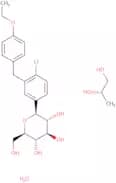
CAS:Dapagliflozin is an oral antidiabetic drug that acts by inhibiting the SGLT2 enzyme. The SGLT2 enzyme is responsible for reabsorbing glucose from the kidney, so by inhibiting this enzyme, glucose will be excreted in the urine and blood glucose levels will decrease. Dapagliflozin also has a low bioavailability in vivo, which can be improved by administration with food. This drug has been shown to have a longer elimination half-life than canagliflozin and empagliflozin. Dapagliflozin has been shown to have a higher potency than metformin hydrochloride in vitro.Formula:C24H35ClO9Purezza:(Hplc) Min. 99.0%Colore e forma:PowderPeso molecolare:502.98 g/mol6-O-Malonyldaidzin free acid
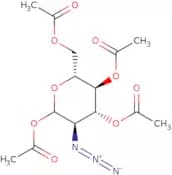
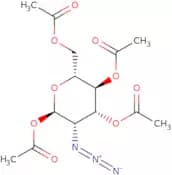
CAS:<p>6-O-Malonyldaidzin is a metabolite of the soybean isoflavone daidzein. It is an isoflavonoid that has been shown to activate estrogen receptors in vitro and in vivo. 6-O-Malonyldaidzin has been found to have a protective effect on hepatic steatosis, as well as an anti-inflammatory effect. This compound also appears to have matrix effects on plasma lipoproteins and vascular endothelial cells. 6-O-Malonyldaidzin is absorbed efficiently from the gastrointestinal tract, with its bioavailability being 70% or higher when taken orally. The chemical reaction for the synthesis of 6-O-Malonyldaidzin free acid can be carried out using acetylgenistin as a starting material. The sample preparation for this reaction solution may include distillation, recrystallization, or column chromatography. The analytical method for measuring the concentration of this compound includes UV spectrosc</p>Formula:C24H22O12Purezza:Min. 95%Colore e forma:White PowderPeso molecolare:502.42 g/mol1,3,4,6-Tetra-O-acetyl-2-azido-2-deoxy-D-glucopyranose
CAS:<p>1,3,4,6-Tetra-O-acetyl-2-azido-2-deoxy-D-glucopyranose is a small molecule that binds to the D1 protein of the glycolytic enzyme phosphofructokinase and inhibits enzymatic activity. This inhibitor is used in diagnostic procedures to identify mutations in the gene encoding for this protein, which is associated with familial and sporadic aneurysms. The inhibitor is also used to study the pathogenic mechanism of aneurysms. 1,3,4,6-Tetra-O-acetyl-2-azido-2-deoxy--D--glucopyranose has been shown to inhibit cell nuclei polymerase in vitro and prevents cell division in vivo.</p>Formula:C14H19N3O9Purezza:Min. 95 Area-%Colore e forma:White PowderPeso molecolare:373.32 g/molD-Gluconic acid calcium salt
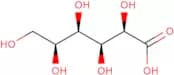
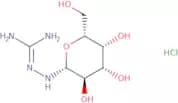
CAS:D-Gluconic acid calcium salt is a chemical that inhibits the activity of enzymes in the pathway of methyl glycosides. It has been shown to inhibit cortisol production and reduce the concentration of this hormone in cell culture. D-Gluconic acid calcium salt also inhibits enzyme activities, such as cholesterol esterase and lipase, which are involved in lipid metabolism. This chemical has been shown to be an effective inhibitor of benzalkonium chloride (a disinfectant used for sterilization) and chinese herb (used as a traditional medicine). D-Gluconic acid calcium salt can also inhibit locomotor activity and lower cholesterol levels in mice.Formula:C6H11O7CaPurezza:Min. 95%Colore e forma:White PowderPeso molecolare:215.19 g/molN1-α-L-Arabinopyranosylamino-guanidine hydrochloride
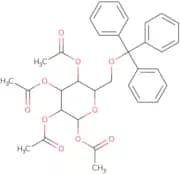
CAS:N1-a-L-Arabinopyranosylamino-guanidine HCl is a carbohydrate that belongs to the class of oligosaccharides. It is a synthetic compound, which is custom synthesized for use in research. This product has been shown to be high purity and is methylated, glycosylated, and click modified. The CAS number 109853-78-3 refers to the chemical name of this product. The molecular weight of N1-a-L-Arabinopyranosylamino-guanidine HCl is 597.14 g/mol with an empirical formula C8H23N2O6.Formula:C6H14N4O4•HClPurezza:Min. 95%Colore e forma:White to off-white solid.Peso molecolare:242.66 g/mol1,2,3,4-Tetra-O-acetyl-6-O-trityl-b-D-mannopyranose
CAS:1,2,3,4-Tetra-O-acetyl-6-O-trityl-b-D-mannopyranose is a synthetic sugar that can be used as a building block for the synthesis of oligosaccharides. It is also used to alter the properties of sugars and polysaccharides by modifying their glycosidic linkages. The product is insoluble in water and organic solvents. It is stable under acidic conditions and can be hydrolyzed with acids or alkalis. It is also soluble in methanol and methylene chloride. The CAS number for this product is 92621-31-3.End>Purezza:Min. 95%6-Deoxy-D-glucose
CAS:Homomorph used to study the biological role of 6 hydroxyl group of glucoseFormula:C6H12O5Purezza:Min. 98 Area-%Colore e forma:White PowderPeso molecolare:164.16 g/mol7'-Hydroxypropranolol-b-D-glucuronide
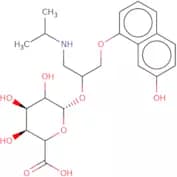
<p>7'-Hydroxypropranolol-b-D-glucuronide is a synthetic compound with a molecular formula of C21H28F3NO6. It has a melting point of 155 °C, and it is soluble in water. 7'-Hydroxypropranolol-b-D-glucuronide is an intermediate in the synthesis of other compounds, and it can be used as a building block for custom synthesis. This compound can be modified with click chemistry or saccharide linkages, providing additional opportunities for modification.</p>Formula:C22H29NO9Purezza:Min. 95%Peso molecolare:451.47 g/mol1,5-Diepi-adenophorine
1,5-Diepi-adenophorine is a fluorinated monosaccharide. It is synthesized by an asymmetric glycosylation with 1,5-dideoxyadenosine and α-D-mannose as the donors. The synthesis of this compound requires custom synthesis and high purity. 1,5-Diepi-adenophorine can be modified with methyl groups or click chemistry to make it more suitable for use in biochemistry research.Purezza:Min. 95%2,3,4,6-Tetra-O-benzoyl-b-D-glucopyranosyl cyanide
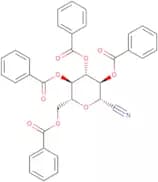
CAS:2,3,4,6-Tetra-O-benzoyl-b-D-glucopyranosyl cyanide is a quaternary ammonium salt that is found in the cenozoic sequence of samples. It has been suggested that this compound may be a new source of radiocarbon.Formula:C35H27NO9Purezza:Min. 95%Colore e forma:PowderPeso molecolare:605.59 g/mol2,3,4,6-Tetra-O-benzyl-D-galactopyranose
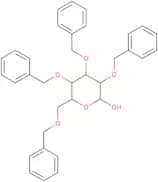
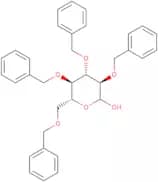
CAS:2,3,4,6-Tetra-O-benzyl-D-galactopyranose is a building block which can be used as both a galactosyl donor and acceptor in the synthesis of saccharides. The benzyl protecting groups can be readily and selectively cleaved but are stable to a variety of reaction conditions allowing chemical manipulations to be carried out on the rest of the saccharide. 2,3,4,6-Tetra-O-benzyl-D-galactopyranose has been used in the synthesis of potential cholera toxin inhibitors, analogues of α-galactosyl ceramide (iNKT agonist) and more recently in the synthesis of Scleropentaside A.Formula:C34H36O6Purezza:Min. 98 Area-%Colore e forma:White PowderPeso molecolare:540.65 g/mol1,2,3,4,6-Penta-O-benzoyl-D-mannopyranose
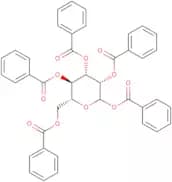
CAS:1,2,3,4,6-Penta-O-benzoyl-D-mannopyranose is a high purity sugar that is custom synthesized to be used in glycosylation reactions. It has been shown to be effective for Click chemistry and can be fluorinated or methylated. 1,2,3,4,6-Penta-O-benzoyl-D-mannopyranose is a synthetic sugar that can be modified by glycosylation reactions. This sugar has the CAS No. 96996-90-6 and is known as Methyl 1-(1'-methylpropyl)-1H-[1',2',3',4',5',6']pentaoxacyclohexane.Formula:C41H32O11Purezza:Min. 95%Colore e forma:White PowderPeso molecolare:700.69 g/molN-(e-Aminocaproyl)-b-L-fucopyranosyl amine
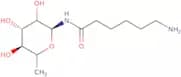
CAS:This compound is a fluorination reagent that is used in carbohydrate synthesis. It can be used to modify complex carbohydrates, such as polysaccharides and oligosaccharides, by attaching a single fluorine atom at the C-2 position of an aminocaproyl moiety. This product can also be used to attach glycosylation sites and methyl groups. The purity of this product is greater than 99%.Formula:C12H24N2O5Purezza:Min. 95 Area-%Colore e forma:White PowderPeso molecolare:276.33 g/mol1,6-Anhydro-2-azido-2-deoxy-b-D-glucopyranose
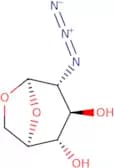
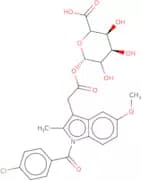
CAS:1,6-Anhydro-2-azido-2-deoxy-b-D-glucopyranose is a sugar. It belongs to the group of carbohydrates and has a molecular weight of 198.15 g/mol. The CAS number for this compound is 67546-20-7. 1,6-Anhydro-2-azido-2,3,4,5,6,7,8,9,10,-hexahydroxybenzoate (1) is an intermediate in the synthesis of 1,6 anhydro 2 azido 2 deoxy b D glucopyranose (2). In this reaction 2 are reacted with sodium azide and potassium hydroxide in ethanol to give 2 as a white crystalline solid with mp 169°C. This product can be used as a monosaccharide or modified monosaccharide for glycosylation or methylation reactions.Formula:C6H9N3O4Purezza:Min. 95%Colore e forma:SolidPeso molecolare:187.15 g/molIndomethacin acyl-b-D-glucuronide
CAS:<p>Indomethacin acyl-b-D-glucuronide is a prodrug of indomethacin. It is absorbed through the stomach and small intestine and metabolized in the liver. The pharmacokinetic parameters are not as well understood as with other drugs, but it has been shown that indomethacin acyl-b-D-glucuronide has a higher systemic exposure than indomethacin. This may be due to an increase in absorption or faster elimination. Indomethacin acyl-b-D-glucuronide is used for the treatment of pain and inflammation associated with rheumatoid arthritis, osteoarthritis, ankylosing spondylitis, gouty arthritis, and bursitis.</p>Formula:C25H24ClNO10Purezza:Min. 95 Area-%Colore e forma:Yellow PowderPeso molecolare:533.91 g/molTriclosan-beta-D-glucopyranoside
<p>Triclosan-beta-D-glucopyranoside is a synthetic sugar that can be used as a building block for the preparation of complex carbohydrates. Triclosan-beta-D-glucopyranoside is not known to have any commercial applications.</p>Formula:C18H17Cl3O7Purezza:Min. 95%Colore e forma:PowderPeso molecolare:451.68 g/mol2,3,4,6-Tetra-O-benzyl-D-glucopyranose
CAS:<p>2,3,4,6-Tetra-O-benzyl-D-glucopyranose is a selectively protected intermediate, where the anomeric 1-O-hydroxyl group is free. This hemiacetal has been used successfully as an intermediate for glucosylation couplings, where it was converted into 2,3,4,6-tetra-O-benzyl-D-glucopyranose trichloroacetimidate using trichloroacetonitrile in the presence of a base such as potassium carbonate and DBU. Importantly, this imidate donor with no neighbouring participating groups is commonly used for the selective formation of α-glucosides. 2,3,4,6-tetra-O-benzyl-D-glucopyranose can also be oxidized to the lactone, or reduced to give the open chain form. Additionally, 2,3,4,6-tetra-O-benzyl-D-glucopyranose can be used for the preparation of glucono-1,5-lactone hydrazine, which was used, in-turn, to form a glucosylidene-spirocyclopropane.</p>Formula:C34H36O6Purezza:Min. 98.0 Area-%Peso molecolare:540.66 g/molRef: 3D-T-1900
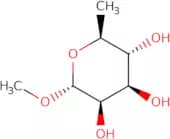
1kgPrezzo su richiesta50gPrezzo su richiesta250gPrezzo su richiesta500gPrezzo su richiesta2500gPrezzo su richiesta-Unit-ggPrezzo su richiestaMethyl α-L-rhamnopyranoside
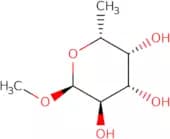
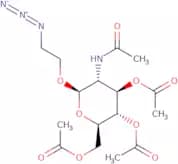
CAS:<p>Methyl α-L-rhamnopyranoside is a conjugate molecule made via a Fisher glycosylation with MeOH. It has been shown to have pesticidal activities and can be used in the production of pesticides or glycoconjugates. Methyl α-L-rhamnopyranoside is of interest as a vaccine adjuvant, due to its ability to activate the immune system. This compound also has anti-inflammatory properties, which may be due to its inhibition of prostaglandin synthesis.</p>Formula:C7H14O5Purezza:Min. 95 Area-%Colore e forma:White PowderPeso molecolare:178.18 g/mol2-Azidoethyl 2-acetamido-3,4,6-tri-O-acetyl-2-deoxy-β-D-glucopyranoside
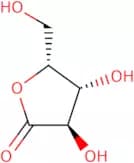
CAS:The 2-azidoethyl 2-acetamido-3,4,6-tri-O-acetyl-2-deoxy-b-D-glucopyranoside is a custom synthesis in a high purity that can be methylated and modified for glycosylation. It is an azide sugar with the CAS number 142072-11-5. The product can be used for saccharide and polysaccharides modifications or click chemistry. This product is also available for custom synthesis.Formula:C16H24N4O9Purezza:Min. 95%Peso molecolare:416.38 g/mol2,3,5-Tri-O-benzyl-D-arabino-1,4-lactone
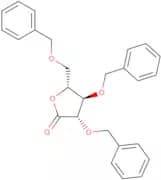
CAS:2,3,5-Tri-O-benzyl-D-arabino-1,4-lactone is a carbonyl compound that has been used to synthesize carbonyl compounds. It has been shown to catalyze the formation of benzaldehyde from acetoacetic ester in the presence of hydrochloric acid. The melting point of 2,3,5-tri-O-benzyl-D-arabino-1,4--lactone is reported to be between 138° and 141°C.Formula:C26H26O5Purezza:Min. 95%Colore e forma:PowderPeso molecolare:418.48 g/mol3,4,6-Tri-O-acetyl-2-azido-2-deoxy-b-D-galactopyranosyl trichloroacetimidate
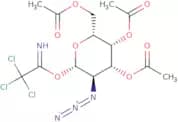
CAS:Glycosyl-donor for syntheses of N-acetylgalactosamine-glycoconjugatesFormula:C14H17Cl3N4O8Purezza:(%) Min. 80%Colore e forma:White PowderPeso molecolare:475.67 g/mol2,3,4,6-Tetra-O-benzyl-D-glucono-1,5-lactone
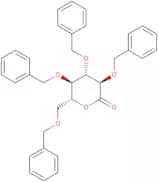
CAS:<p>Intermediate in the synthesis of tofogliflozin</p>Formula:C34H34O6Purezza:Min. 95%Colore e forma:PowderPeso molecolare:538.63 g/molL-Sorbose
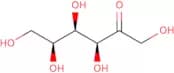
CAS:<p>Resource for the industrial synthesis of ascorbic acid alias Vitamin C</p>Formula:C6H12O6Purezza:Min. 98 Area-%Colore e forma:White Off-White PowderPeso molecolare:180.16 g/molL-Erythrose
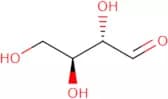
CAS:L-Erythrose is a monosaccharide that contains an hydroxyl group on the second carbon atom. It can be synthesized by a synthetic scheme involving glycolaldehyde and hydroxylamine. L-Erythrose has been shown to inhibit the enzyme phosphoglycerate kinase, which converts 2-phosphoglycerate into phosphoenolpyruvate. L-Erythrose has also been shown to inhibit dehydroascorbic acid reductase, which converts dehydroascorbic acid into ascorbic acid, and galactitol reductase, which converts galactitol into D-tagatose. The mutant strain of Escherichia coli K12 that was engineered to produce L-erythrose showed a decreased susceptibility to phage infection and an increased resistance to oxidative stress. In addition, the polyol pathway in E. coli was induced by L-erythrose treatment.Formula:C4H8O4Purezza:(%) Min. 90%Colore e forma:Slightly Yellow PowderPeso molecolare:120.1 g/mol2,3,4,6-Tetra-O-acetyl-β-D-thioglucopyranose
CAS:Inhibits the Maillard reaction between glucose and glycineFormula:C14H20O9SPurezza:Min. 95%Colore e forma:PowderPeso molecolare:364.37 g/molMethyl mandelate glucoside
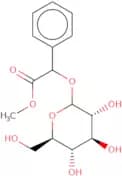
Methyl mandelate glucoside is a glycosylation product that is custom synthesized for its fluorination and methylation. The molecule has a complex structure, consisting of monosaccharides and polysaccharides. Methyl mandelate glucoside is a high-purity compound with a CAS number. This chemical is also modified by click chemistry to create an oligosaccharide.Formula:C15H20O8Purezza:Min. 95%Peso molecolare:328.31 g/molTrichloroethyl b-D-glucuronide potassium salt
CAS:<p>Trichloroethyl b-D-glucuronide potassium salt (TCEBG) is a chloral compound that is metabolized to trichloroacetic acid. It has been shown to be carcinogenic in rats, but not in mice. Trichloroethyl b-D-glucuronide potassium salt has been used as an experimental agent for the synthesis of monoclonal antibodies. TCEBG binds to rat liver microsomes and CD1 mouse liver microsomes, which may be due to its high lipophilicity. TCEBG also disrupts cell membranes and induces cell death by inhibiting protein synthesis at the ribosome level.</p>Formula:C8H10Cl3KO7Purezza:Min. 98 Area-%Colore e forma:PowderPeso molecolare:363.62 g/molBenzyl-alpha-S-GalNAc
CAS:<p>Please enquire for more information about Benzyl-alpha-S-GalNAc including the price, delivery time and more detailed product information at the technical inquiry form on this page</p>Formula:C15H21NO5SPurezza:Min. 98 Area-%Peso molecolare:327.4 g/mol1-D-4-O-Methyl-myo-inositol
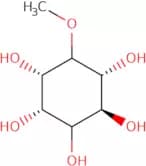
CAS:<p>1-D-4-O-Methyl-myo-inositol is a compound that belongs to the group of biological compounds. It has been shown to have hypoglycemic effects in a model system and to inhibit 3t3-l1 preadipocyte differentiation. This compound also inhibits the activity of enzymes involved in metabolic pathways, and has an effect on lipid metabolism in kidney beans. 1-D-4-O-Methyl-myo-inositol has been shown to have antiobesity properties as well as antihyperglycemic activities.</p>Formula:C7H14O6Purezza:Min. 95%Colore e forma:White Off-White PowderPeso molecolare:194.18 g/molD-Glucuronic acid methyl ester
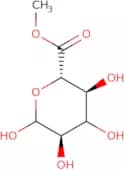
CAS:<p>D-Glucuronic acid methyl ester is an acidic, carbohydrate-binding molecule. It has been shown to bind to sugar residues in proteins and form covalent linkages with ester linkages. D-Glucuronic acid methyl ester has also been shown to be effective for the treatment of pentosan polysulfate sodium (PPS) induced inflammation in animal models. D-Glucuronic acid methyl ester binds to the monoclonal antibodies that are used for structural analysis of glycosidic bonds and oligosaccharides. The hydroxyl group on the molecule can form hydrogen bonds with other molecules, which may explain its usefulness as a magnetic resonance spectroscopy probe.</p>Formula:C7H12O7Purezza:Min. 90 Area-%Colore e forma:Yellow PowderPeso molecolare:208.17 g/mol2,3,4-Tri-O-benzyl-D-glucuronide benzyl ester
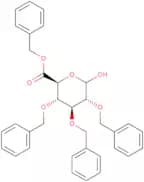
CAS:2,3,4-Tri-O-benzyl-D-glucuronide benzyl ester is a synthetic glycosylation product. It has been custom synthesized and modified with fluorination and methylation. This compound is an oligosaccharide that can be used as a pharmaceutical intermediate or in the synthesis of complex carbohydrates. 2,3,4-Tri-O-benzyl-D-glucuronide benzyl ester has been shown to have high purity and can be used for research purposes.Formula:C34H34O7Purezza:Min. 95%Colore e forma:PowderPeso molecolare:554.63 g/mol2-Deoxy-2-fluoro-D-mannose
CAS:2-Deoxy-2-fluoro-D-mannose is known for its antiviral properties as a sugar analog and glycosylation inhibitor. It works by inhibiting the glycosylation of viral envelope proteins, which can prevent viral replication and reduce viral infectivity. Studies have shown that 2-deoxy-2-fluoro-D-mannose can inhibit the replication of various viruses, including influenza A virus, human immunodeficiency virus (HIV), and hepatitis C virus (HCV). Inhibition of viral glycosylation by 2-Deoxy-2-fluoro-D-mannose can also enhance the effectiveness of some antiviral drugs, making them more potent.Formula:C6H11FO5Purezza:Min. 97 Area-%Colore e forma:PowderPeso molecolare:182.15 g/molN-Acetyl-L-talosaminuronic acid
CAS:<p>N-Acetyl-L-talosaminuronic acid is a natural product that has been shown to have anti-inflammatory activity in experimental models of inflammatory bowel disease. N-Acetyl-L-talosaminuronic acid inhibits the production of proinflammatory cytokines, such as tumor necrosis factor alpha (TNFα), by binding to TNFα receptors on the surface of cells. This can be attributed to its ability to inhibit ATP levels and reduce oxidative stress, which are both factors that contribute to inflammation. N-Acetyl-L-talosaminuronic acid also has been shown to inhibit inflammatory responses in human monocytes and neutrophils. It binds specifically to her2+ breast cancer cells and inhibits their growth in culture. Furthermore, it has been shown to have cytotoxic effects on bladder cancer cells and can be used for the treatment of bladder cancer.</p>Formula:C8H13NO7Purezza:Min. 95 Area-%Colore e forma:PowderPeso molecolare:235.19 g/molFerric carboxymaltose
CAS:<p>Ferric carboxymaltose is a form of iron that is administered intravenously and is used to treat iron deficiency. Ferric carboxymaltose has been shown to be effective in treating iron deficiency anemia as well as other conditions, such as inflammation of the bowel or hematologic response. Ferric carboxymaltose binds to free iron in the blood and prevents it from oxidizing. Ferric carboxymaltose also exhibits an anti-inflammatory effect by inhibiting the production of pro-inflammatory cytokines and chemokines. The polymerase chain reaction (PCR) technique has been used to measure ferritin levels in the blood, which are then used to determine whether treatment with ferric carboxymaltose is necessary.</p>Colore e forma:PowderPhenyl b-D-galactopyranoside
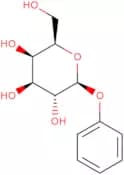
CAS:Phenyl b-D-galactopyranoside is a glycoside of galactose. It is used as an antigen and cross-linking agent in the preparation of monoclonal antibodies to human serum proteins. Phenyl b-D-galactopyranoside has been shown to be a potent inhibitor of protein synthesis in cells from primary tumors, and it has been found to decrease the rate of tumor growth in mice. This compound also inhibits the growth of certain bacteria, including methicillin-resistant Staphylococcus aureus (MRSA), Mycobacterium tuberculosis, and Mycobacterium avium complex. The mechanism by which phenyl b-D-galactopyranoside inhibits bacterial growth is not well understood.Formula:C12H16O6Purezza:Min. 98 Area-%Colore e forma:PowderPeso molecolare:256.25 g/mol2,3,4,6-Tetra-O-benzyl-D-glucopyranose
CAS:<p>2,3,4,6-Tetra-O-benzyl-D-glucopyranose is a selectively protected intermediate, where the anomeric 1-O-hydroxyl group is free. This hemiacetal has been used successfully as an intermediate for glucosylation couplings, where it was converted into 2,3,4,6-tetra-O-benzyl-D-glucopyranose trichloroacetimidate using trichloroacetonitrile in the presence of a base such as potassium carbonate and DBU. Importantly, this imidate donor with no neighbouring participating groups is commonly used for the selective formation of α-glucosides. 2,3,4,6-tetra-O-benzyl-D-glucopyranose can also be oxidized to the lactone, or reduced to give the open chain form. Additionally, 2,3,4,6-tetra-O-benzyl-D-glucopyranose can be used for the preparation of glucono-1,5-lactone hydrazine, which was used, in-turn, to form a glucosylidene-spirocyclopropane.</p>Formula:C34H36O6Purezza:Min. 97 Area-%Colore e forma:White PowderPeso molecolare:540.65 g/molIsopropyl 2-acetamido-2-deoxy-α-D-glucopyranoside
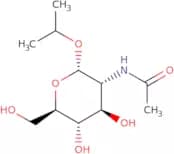
CAS:<p>Isopropyl 2-acetamido-2-deoxy-α-D-glucopyranoside is a modification of an oligosaccharide. It has been synthesized and characterized by NMR spectroscopy. This carbohydrate is custom synthesized as a complex carbohydrate. It is also a synthetic carbohydrate. Isopropyl 2-acetamido-2-deoxy-α-D-glucopyranoside is used as a monosaccharide, in glycosylation, methylation, polysaccharides, and other sugar chemistry reactions. Isopropyl 2-acetamido-2-deoxy-α-D-glucopyranoside can be used for fluorination or saccharides.</p>Formula:C11H21NO6Purezza:Min. 95%Colore e forma:PowderPeso molecolare:263.29 g/mol2, 4-Anhydro-5-O-tert.butyldimethylsilyl- 6- deoxy- L- mannonic acid methyl ester
2, 4-Anhydro-5-O-tert.butyldimethylsilyl-6-deoxy-L-mannonic acid methyl ester is a modification of mannose. It is an oligosaccharide with a complex carbohydrate structure. 2, 4-Anhydro-5-O-tert.butyldimethylsilyl-6-deoxy-L-mannonic acid methyl ester has been synthesized using custom synthesis methods. This product has high purity and CAS number: 29674–84–3.Purezza:Min. 95%α-L-Rhamnose monohydrate
CAS:a-L-Rhamnose monohydrate is a white crystalline solid that is soluble in water. It has a molecular weight of 296.03, a melting point of 117 °C, and a density of 1.5 g/cm3. The solubility of this compound in water is dependent on the concentration and temperature; it exhibits the highest solubility at 25 °C and concentrations between 0.1% and 2%. The solubility decreases with increasing pH, but increases with increasing ionic strength or proton concentration.Formula:C6H12O5•H2OPurezza:Min. 98 Area-%Colore e forma:PowderPeso molecolare:182.17 g/molMethyl 2,3,4,6-tetra-O-benzyl-b-D-thiogalactopyranoside
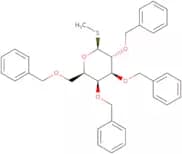
CAS:Methyl 2,3,4,6-tetra-O-benzyl-b-D-thiogalactopyranoside is a synthetic monosaccharide that has been modified with fluorination and glycosylation. It is a product of the click reaction, which is a chemical modification that involves the formation of an aziridine and an alkene in one step. This product has been used for the synthesis of oligosaccharides and complex carbohydrates.Formula:C35H38O5SPurezza:Min. 95%Colore e forma:PowderPeso molecolare:570.74 g/mol4-Methylphenyl b-D-thioglucopyranoside
CAS:4-Methylphenyl b-D-thioglucopyranoside is a carbohydrate that has been modified by fluorination, methylation, glycosylation, and click modification. It is an oligosaccharide sugar with CAS No. 1152-39-2 and is custom synthesized for high purity. This compound is synthesized from saccharides or from the combination of monosaccharides using glycosylation and click chemistry. 4-Methylphenyl b-D-thioglucopyranoside can be used as a synthetic intermediate in the synthesis of other compounds.Formula:C13H18O5SPurezza:Min. 95%Colore e forma:White PowderPeso molecolare:286.35 g/molPhenyl 3-deoxy-3-fluoro-α-D-glucopyranoside
<p>Phenyl 3-deoxy-3-fluoro-a-D-glucopyranoside is a modified oligosaccharide, which is synthesized by the glycosylation of 3,6-diaminohexanoic acid with phenyl boronic acid. This compound is also known as an anti-tuberculosis drug. It has been shown to inhibit bacterial growth by binding to DNA dependent RNA polymerase, thereby preventing transcription and replication. The high frequency of human activity has been shown using a patch clamp technique on human erythrocytes. Phenyl 3-deoxy-3-fluoro-a-D-glucopyranoside also specifically binds to markers expressed at high levels in Mycobacterium tuberculosis strains (e.g., ESX1 secretion system protein) and inhibits cell growth in culture.</p>Formula:C12H15FO5Purezza:Min. 95%Colore e forma:White to off-white solid.Peso molecolare:258.24 g/molEthyl 2-acetamido-2-deoxy-β-D-thioglucopyranoside
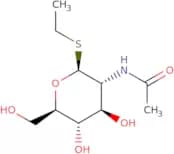
CAS:Ethyl 2-acetamido-2-deoxy-b-D-thioglucopyranoside is a sugar that is used in the synthesis of glycosylates. It has been shown to be modified by Click chemistry, which allows for the introduction of fluorine atoms onto the sugar molecule. This compound can also be modified with methyl groups, which are added to the hydroxyl group on C2. Ethyl 2-acetamido-2-deoxy-b-D-thioglucopyranoside is an oligosaccharide that can be used as a building block for polysaccharides and saccharides. This product is typically used in high purity and in custom synthesis.Formula:C10H19NO5SPurezza:Min. 95%Colore e forma:White To Off-White SolidPeso molecolare:265.33 g/molD-Glucosamine-2-N,3-O-disulphate disodium salt
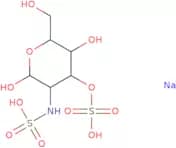
CAS:D-Glucosamine-2-N,3-O-disulphate disodium salt is a carbohydrate that is a modification of the saccharide D-glucosamine. It can be synthesized by modification and fluorination of the saccharide. The complex carbohydrate is a methylated glycosylated oligosaccharide that is custom synthesized and has high purity. This product contains no detectable impurities, such as other sugars or amino acids. This carbohydrate also undergoes methylation and glycosylation to provide stability to the molecule in the presence of water or heat.Formula:C6H11NO11S2Na2Purezza:Min. 95%Colore e forma:White PowderPeso molecolare:383.25 g/mol2-Azidoethyl 2,3,4,6-tetra-O-acetyl-a-D-mannopyranoside
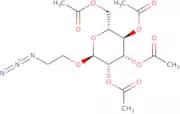
CAS:2-Azidoethyl 2,3,4,6-tetra-O-acetyl-a-D-mannopyranoside is a custom synthesis. It is a complex carbohydrate that has been modified with glycosylation and methylation. This saccharide is a glycoside of the simple sugar mannose and the amino acid 2-azidoethanol. The compound has been fluorinated to yield a stable molecule. This product is of high purity and can be used in the synthesis of other compounds.Formula:C16H23N3O10Purezza:Min. 95 Area-%Colore e forma:PowderPeso molecolare:417.37 g/molMethyl 3,5-di-O-(2,4-dichlorobenzyl)-2-C-methyl-α-D-ribofuranoside
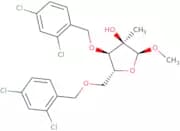
CAS:<p>Building block for the synthesis of 2'-âC-âmethyl substituted nucleosides</p>Formula:C21H22Cl4O5Purezza:Min. 95%Colore e forma:Yellow PowderPeso molecolare:496.21 g/mol1,3,4,6-Tetra-O-acetyl-2-azido-2-deoxy-α-D-mannopyranose
CAS:1,3,4,6-Tetra-O-acetyl-2-azido-2-deoxy-a-D-mannopyranose (1,3,4,6-TA) is a stable analog of the glycosidic sugar 2,6-dideoxymannose. This compound has been shown to be a potent inhibitor of the synthesis of Neisseria meningitidis capsular polysaccharides and an effective vaccine adjuvant against Mycobacterium tuberculosis. 1,3,4,6-TA is also a competitive inhibitor for the enzyme mycothiol and other thioglycosidic enzymes that are involved in the biosynthesis of mycolic acids. 1,3,4,6-TA was synthesized from 2-(N'-bromoacetamido)-2'-deoxymannose by reaction with sodium azide in acetone. The structure is bicyclic with twoFormula:C14H19N3O9Purezza:Min. 95%Colore e forma:White PowderPeso molecolare:373.32 g/mol6-Deoxy-L-piscose
<p>6-Deoxy-L-piscose is a synthetic monosaccharide that has been fluorinated to 6-fluoro-D-piscose. It is a complex carbohydrate that has been synthesized from D-glucose and D-ribose. The glycosylation reaction was conducted with N,N'-diacetylchitobioglycine and the methylation reaction with sodium methoxide. Click modification was performed by reacting 6-deoxy L-piscose with 2-(2′,4′,5′,7′,8′)-octamethyltrigonal bipyramid (OMeTBP) in dry DMF at 120°C for 10 minutes. The chemical structure of this sugar is shown below:</p>Purezza:Min. 95%Butyl α-D-glucopyranoside
CAS:<p>Butyl a-D-glucopyranoside is an antimicrobial agent that inhibits the growth of photosynthetic organisms. It has been shown to have high cytotoxicity against Gram-positive bacteria, including Enterobacter and Bacillus. Butyl a-D-glucopyranoside also exhibits strong antimicrobial activity against Gram-negative bacteria such as Escherichia coli, Salmonella enterica, Klebsiella pneumoniae, and Pseudomonas aeruginosa. This compound also has potent activity against fungi and yeast. The mechanism of action is not known but may involve the inhibition of tyrosol synthesis or the disruption of microbial membranes.</p>Formula:C10H20O6Purezza:Min. 95%Colore e forma:PowderPeso molecolare:236.26 g/molN1-β-D-Galactopyranosylamino-guanidine hydrochloride
CAS:N1-b-D-Galactopyranosylamino-guanidine HCl is a synthetic, fluorinated monosaccharide that contains an amino group on the 1' carbon. It has been modified with methyl groups at the C6 and C7 positions to increase its stability and inhibit enzymatic hydrolysis. This product is also a glycosylation agent for complex carbohydrate synthesis.Formula:C7H16N4O5•HClPurezza:Min. 95%Colore e forma:White to off-white solid.Peso molecolare:272.69 g/molUDP-D-Fucose
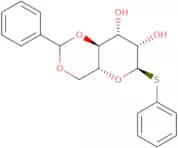
<p>sugar nucleotide</p>Formula:C15H24N2O16P2Purezza:Min. 95 Area-%Peso molecolare:550.31 g/molPhenyl 4,6-O-benzylidene-a-D-thiomannopyranoside
CAS:Phenyl 4,6-O-benzylidene-a-D-thiomannopyranoside is a custom synthesis that is modified with fluorination, methylation and click modification. It is a monosaccharide that is used in the preparation of polysaccharides and glycosylations. Phenyl 4,6-O-benzylidene-a-D-thiomannopyranoside also has saccharide and carbohydrate properties.Formula:C19H20O5SPurezza:Min. 95%Colore e forma:White PowderPeso molecolare:360.43 g/molD-Mannurono-6,3-lactone
CAS:D-Mannurono-6,3-lactone is a carbohydrate that can be found in plants. The compound is a monosaccharide and an isomer of D-mannose. It consists of 6 carbon atoms, 3 oxygen atoms, and 1 nitrogen atom. D-Mannurono-6,3-lactone has been shown to have kinetic properties that are different from other carbohydrates. The chromatographic method used to isolate the compound was based on its acidic properties. This acid hydrolysis allowed for the separation of the molecule into two components: one with a pK value of 4.5 and another with a pK value of 2.5. These components were then separated using a fluorimetric method due to their differing fluorescence intensities at 490 nm and 530 nm wavelengths. D-Mannurono-6,3-lactone has been shown to interact with fulvellum (an antibiotic). This interactionFormula:C6H8O6Purezza:Min. 95%Colore e forma:PowderPeso molecolare:176.12 g/mol1,2,3,4-Tetra-O-acetyl-6-deoxy-6,6,6-trifluoro-L-galactose
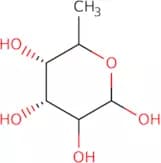
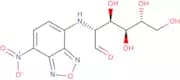
CAS:<p>fucosylation inhibitor</p>Formula:C14H17F3O9Peso molecolare:386.28 g/mol2-NBDG
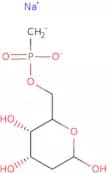
CAS:Fluorescent substrate used to monitor glucose uptakeFormula:C12H14N4O8Purezza:Min. 95%Colore e forma:Red SolidPeso molecolare:342.26 g/mol2-Deoxy-D-glucose-6-phosphate sodium salt
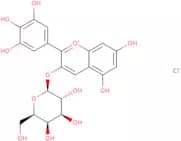
CAS:<p>Glucose 6-phosphatase substrate</p>Formula:C6H12NaO8PPurezza:Min. 98 Area-%Colore e forma:White PowderPeso molecolare:266.12 g/molDelphinidin 3-galactoside chloride
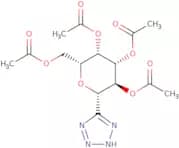
CAS:Delphinidin 3-galactoside chloride is a natural organic compound that belongs to the flavonol glycosides. It is a pigment that has been identified in flowers and fruits, such as the fruit tree. This compound exhibits antioxidant properties and can scavenge radicals, which may be due to its ability to inhibit dehydroascorbate reductase activity. Delphinidin 3-galactoside chloride also has an effect on high cholesterol levels, which may be due to its ability to inhibit HMG-CoA reductase activity. In addition, it has been shown that this compound can inhibit the growth of human pathogens such as P. aeruginosa and S. aureus.Formula:C21H21O12ClPurezza:Min. 95%Peso molecolare:500.84 g/mol5'-(2,3,4,6-Tetra-O-acetyl-b-D-galactopyranosyl) tetrazole
CAS:<p>Glycogen phosphorylase inhibitor</p>Formula:C15H20N4O9Purezza:Min. 95%Peso molecolare:400.34 g/mol1-Deoxy-D-tagatose
CAS:1-Deoxy-D-tagatose (1Dt) is a competitive inhibitor of glycolysis, which blocks the conversion of glucose to pyruvate. 1Dt has been shown to inhibit the growth of strain CAEN on media containing l-arabinose and d-xylose as carbon sources. 1Dt also inhibits the activity of dehydrogenase enzymes in C. elegans, leading to inhibition of mitochondrial respiration and impaired locomotion. It has been shown that 1Dt can be used as a substrate for bioproduction, with hydrazone as an intermediate product. Larger molecules are produced after hydrolysis and decarboxylation of 1Dt. The most common products are tagatose, l-fucitol, and l-arabinose. 1Dt has been shown to have anti-inflammatory properties in animal models by inhibiting the production of reactive oxygen species that are generated during inflammationFormula:C6H12O5Purezza:Min. 95%Peso molecolare:164.16 g/molHyacinthine crystals
Hyacinthine is a sugar that is synthesized in the laboratory. It is modified with fluorine, methyl, and click chemistry. Hyacinthine has been shown to have antifungal, antiviral, and antitumour properties. It also has been shown to have anti-inflammatory effects. Hyacinthine can be used as a probe for the study of glycosylation reactions or as a model for the synthesis of complex carbohydrates.Purezza:Min. 95%Xylitol - BP/EP
CAS:<p>Xylitol is a sugar alcohol that has been shown to have antimicrobial properties. It has been found to be effective in inhibiting the growth of bacteria, yeast, and fungi by disrupting their cell membranes. In addition, xylitol appears to have the ability to reduce plasma glucose levels in animals and humans. Xylitol has also been shown to inhibit the growth of bacteria in acidic environments by binding with proteins on the bacterial cell membrane. This binding prevents the transport of nutrients into the cell and results in cell death. Xylitol is not metabolized by human cells because it cannot be broken down into acetaldehyde or acetate. However, xylitol can be metabolized by certain types of liver cells.<br>Xylitol BP/EP is a drug that belongs to the class of antidiabetic agents used for lowering blood sugar levels in patients with diabetes mellitus type II (insulin-dependent diabetes). It is an exogenous insulin secretagogue that stimulates insulin secretion from pancreatic</p>Formula:C5H12O5Purezza:Min. 95%Peso molecolare:152.15 g/molMethyl 2-acetamido-4,6-O-benzylidene-2-deoxy-a-D-glucopyranoside
CAS:<p>Methyl 2-acetamido-4,6-O-benzylidene-2-deoxy-a-D-glucopyranoside is a synthetic monosaccharide with a high purity. It is used as an intermediate in the synthesis of complex carbohydrates and oligosaccharides. Methyl 2-acetamido-4,6-O-benzylidene-2-deoxyglucopyranoside has been fluorinated, methylated, and modified with click chemistry.</p>Formula:C16H21NO6Purezza:Min. 95%Colore e forma:PowderPeso molecolare:323.34 g/molD-Mannose - F (from birch)
CAS:Abundant and critical component of natural glycans and glycoproteinsFormula:C6H12O6Purezza:Min. 98 Area-%Colore e forma:White PowderPeso molecolare:180.16 g/mol1,2,4,6-Tetra-O-acetyl-3-deoxy-D-galactose
1,2,4,6-Tetra-O-acetyl-3-deoxy-D-galactose (1,2,4,6TDA) is a custom synthesis that is a complex carbohydrate. It has been modified with methylation and glycosylation. 1,2,4,6TDA is an oligosaccharide with a molecular weight of 498.06 Da and a CAS number of 90193-74-8. This product is high purity and can be fluorinated. This product can also be synthesized using the click modification reaction.Formula:C14H20O9Purezza:Min. 95%Peso molecolare:332.3 g/molD-Gulonic acid-1,4-lactone
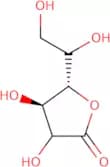
CAS:D-Gulonic acid-1,4-lactone is a naturally occurring compound that is formed from L-gulonic acid and a 1,4-lactone ring. It has been shown to have inhibitory properties against the matrix metalloproteinases MMP-2 and MMP-9. It also has an effect on dehydroascorbic acid, which plays an important role in the regulation of bioavailability of vitamin C. D-Gulonic acid-1,4-lactone has been found to stimulate collagen synthesis in human skin cells, which may be due to its ability to increase the activity of enzymes such as pyruvate kinase and lactate dehydrogenase. The structural analysis of this compound reveals a pyrazole ring with two hydroxyl groups (OH).Formula:C6H10O6Purezza:Min. 98 Area-%Colore e forma:White PowderPeso molecolare:178.14 g/mol1,3,5-Tri-O-benzoyl-2-deoxy-2-fluoro-a-D-ribofuranose
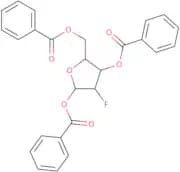
CAS:1,3,5-Tri-O-benzoyl-2-deoxy-2-fluoro-a-D-ribofuranose is a synthetic saccharide that can be used as a fluorinated carbohydrate. This compound has been shown to have high purity and can be custom synthesized with various functional groups. 1,3,5-Tri-O-benzoyl-2-deoxy-2-fluoro--aD ribofuranose is a methylated sugar that can be modified to include glycosylation or modification of the sugar with click chemistry. It has CAS number 704916121.Formula:C26H21FO7Purezza:Min. 95%Colore e forma:White PowderPeso molecolare:464.44 g/molBenzocaine N-b-D-glucoside
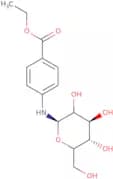
CAS:Benzocaine N-b-D-glucoside is an adjuvant that is used in pharmaceutical products. It has been shown to increase the stability of drugs and prolong their effects. Benzocaine N-b-D-glucoside also enhances the absorption, distribution, and elimination of drugs. This adjuvant has a number of functionalities including being a carbonyl scavenger and having mottling effects on drug particles. Benzocaine N-b-D-glucoside is often used as a pharmaceutical product adjuvant to stabilize formulations and extend the shelf life of medications.Formula:C15H21NO7Purezza:Min. 95%Colore e forma:PowderPeso molecolare:327.33 g/mola-Homonojirimycin
CAS:<p>a-Homonojirimycin is a chaperone that is effective in inhibiting HIV infection. It has been shown to inhibit the activity of chymotrypsin, carboxypeptidase A, and aminopeptidase B. The model system used for this compound was the human liver, which showed that a-homonojirimycin had a potent inhibitory activity against these enzymes. This drug also has a dry weight of 1,520 g/mol and an effective dose of 0.01 mg/mL. In vitro studies have shown that a-homonojirimycin inhibits influenza virus by binding to the hemagglutinin protein on the surface of the virus and preventing its attachment to host cells.</p>Formula:C7H15NO5Purezza:Min. 98 Area-%Colore e forma:White PowderPeso molecolare:193.2 g/molα-D-Galactosamine-1-phosphate
CAS:a-D-Galactosamine-1-phosphate is a synthetic, fluorinated glycosylation inhibitor. It inhibits the synthesis of complex carbohydrates and is used in biochemical research. This compound has been shown to inhibit the methylation of glycoproteins and polysaccharides. It also inhibits the phosphorylation of glycogen, which may be useful in cases of diabetes mellitus.Formula:C6H14NO8PPurezza:Min. 95%Colore e forma:PowderPeso molecolare:259.15 g/mol2,6-Dideoxy-D-arabino-hexose
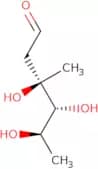
CAS:<p>2,6-Dideoxy-D-arabino-hexose is a hydrogenolysis product of 2,6-dideoxy-D-ribo-hexose. It has been shown to have a solvolytic activity and can be used for the dehalogenation of several halogenated compounds. 2,6-Dideoxy-D-arabino-hexose is also stereoselective and can be used as an estimator in population genetics. This sugar is also regulatory, catalytic, and crystalline. It is found in many carbohydrates, including weighting disaccharides such as sucrose.</p>Purezza:Min. 95%2-Acetamido-2-deoxy-D-glucono-1,5-lactone
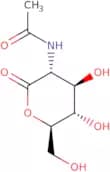
CAS:2-Acetamido-2-deoxy-D-glucono-1,5-lactone is a diagnostic agent that inhibits the activities of enzymes such as protein synthesis and cell division. It can be used to identify viral infections in animals, plants and marine microorganisms. 2-Acetamido-2-deoxy-D-glucono-1,5-lactone has been shown to inhibit the biochemical activity of enzymes in cells grown in culture. 2AADG is also a diagnostic agent that can be used to detect tumors in subcutaneous tissues due to its ability to inhibit the production of proteins essential for cell division.Formula:C8H13NO6Purezza:Min. 95%Colore e forma:PowderPeso molecolare:219.19 g/molD-Glucuronic acid
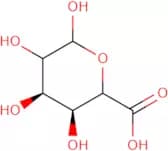
CAS:<p>D-Glucuronic acid (GlcA) is D-glucose with position six oxidised to a carboxyl group (Collins, 2006). It is a common component of a number of gums and mucilages structurally related to pectins, where it is can be present as a terminal non reducing end residue (Renard, 1999). Glucuronic acid is also found in bacterial polysaccharides, such as, xanthan gum produced by Xanthomonas campestris (Faria, 2011), and in glycosaminoglycans, such as, heparan sulfate (Casale, 2020).</p>Formula:C6H10O7Purezza:Min. 98%Colore e forma:White Off-White PowderPeso molecolare:194.14 g/molBenzyl 2-acetamido-4,6-O-benzylidene-2-deoxy-α-D-glucopyranoside
CAS:Please enquire for more information about Benzyl 2-acetamido-4,6-O-benzylidene-2-deoxy-α-D-glucopyranoside including the price, delivery time and more detailed product information at the technical inquiry form on this pageFormula:C22H25NO6Purezza:Min. 98 Area-%Colore e forma:White PowderPeso molecolare:399.44 g/molAcetobromo-D-glucose - 2% CaCO3
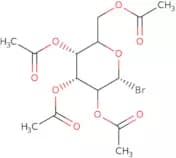
CAS:Intermediate for β-glucosides; potential PET surface modification reagentFormula:C14H19BrO9Purezza:Min. 95%Colore e forma:White PowderPeso molecolare:411.2 g/mol3,4,6-Tri-O-acetyl-1,2-O-ethylidene-b-D-mannopyranose
3,4,6-Tri-O-acetyl-1,2-O-ethylidene-b-D-mannopyranose is a synthetic glycoside that has been fluorinated and methylated. The compound is a versatile building block for the synthesis of complex carbohydrates. It is most commonly used in the synthesis of Oligosaccharides as well as sugar derivatives such as Methylation and Monosaccharide. 3,4,6-Tri-O-acetyl-1,2-O-ethylidene-b-D-mannopyranose has a CAS number of 118810.Purezza:Min. 95%1,3,4,6-Tetra-O-acetyl-2-[[2-(acetylthio)acetyl]amino]-2-deoxy-D-galactopyranose
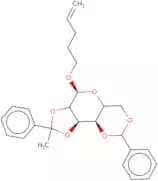
CAS:1,3,4,6-Tetra-O-acetyl-2-[[2-(acetylthio)acetyl]amino]-2-deoxy-D-galactopyranose is a modified GalNAc analogueFormula:C18H25NO11SPurezza:Min. 95%Colore e forma:PowderPeso molecolare:463.46 g/mol4-Pentenyl 4,6-O-benzylidene-2,3-phenylethylidene-α-D-mannopyranoside
<p>4-Pentenyl 4,6-O-benzylidene-2,3-phenylethylidene-a-D-mannopyranoside is a modification of the natural oligosaccharide, mannose. The complex carbohydrate is synthesized using a custom synthesis and has a high purity that meets the CAS No. requirements. This molecule has been fluorinated and saccharides have been methylated and glycosylated.</p>Formula:C26H30O6Purezza:Min. 95%Peso molecolare:438.51 g/molD-Xylonic-1,4-lactone
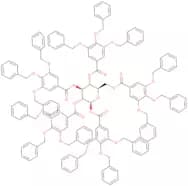
CAS:<p>D-Xylonic acid-1,4-lactone is a substrate that participates in the synthesis of glyceric acid. It has been shown to be a synthetic substrate for benzyl groups and leukemia HL-60 cells. D-Xylonic acid-1,4-lactone can react with chloride ions to form D-xylose. The product of this reaction is an epimerization reaction that occurs when the hydroxyl group on the carbon atom adjacent to the carbonyl group (C1) reacts with a proton from water to form a double bond at C2. This conversion produces xylonic acid and lactone.</p>Formula:C5H8O5Purezza:Min. 97 Area-%Colore e forma:White PowderPeso molecolare:148.11 g/mol1,2,3,4,6-Penta-O-(3,4,5-tri-O-benzylgalloyl)-b-D-glucopyranose
CAS:<p>1,2,3,4,6-Penta-O-(3,4,5-tri-O-benzylgalloyl)-b-D-glucopyranose is a custom synthesis, complex carbohydrate that has been modified with methylation and glycosylation. It is also a saccharide that can be found in the form of an Oligosaccharide or Polysaccharide. The CAS No. for this compound is 122625-60-9. This compound has a purity level of 99% and is 100% synthetic. It has been fluorinated to make it more stable.<br>1,2,3,4,6-Penta-O-(3,4,5-tri-O-benzylgalloyl)-b-D-glucopyranose can be used in pharmaceuticals as a sugar or carbohydrate. It can also be used as a food additive for flavoring purposes</p>Formula:C146H122O26Purezza:Min. 95%Peso molecolare:2,292.52 g/mol4-O-β-D-Galactopyranosyl-D-glucitol
CAS:<p>Lactitol is a polyol sugar alcohol that has been used in the treatment of chronic viral hepatitis. It is also used to treat constipation, irritable bowel syndrome, and other gastrointestinal disorders. Lactitol is metabolized by certain types of bacteria and can have a laxative effect. Lactitol is not absorbed in the human intestine and thus does not cause an increase in blood sugar levels. Lactitol has been shown to be effective against microbial translocation and bacterial overgrowth in the gut, which may be due to its ability to lower pge2 levels and inhibit histological changes.</p>Formula:C12H24O11Purezza:Min. 98.0 Area-%Peso molecolare:344.31 g/molRef: 3D-W-109090
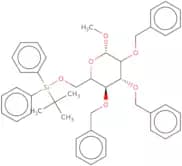
1kgPrezzo su richiesta5kgPrezzo su richiesta10kgPrezzo su richiesta500gPrezzo su richiesta2500gPrezzo su richiesta-Unit-kgkgPrezzo su richiestaMethyl 2,3,4-tri-O-benzyl-6-O-tert-butyldiphenylsilyl-a-D-galactopyranoside
Methyl 2,3,4-tri-O-benzyl-6-O-tert-butyldiphenylsilyl-a-D-galactopyranoside is a synthetic sugar that is used in the synthesis of complex carbohydrates. It has been shown to be useful in glycosylation reactions by preparing glycosides of amino acids and peptides. This compound can also be modified with methyl groups to create a variety of derivatives. Methyl 2,3,4-tri-O-benzyl-6-O-tert-butyldiphenylsilyl--a--D--galactopyranoside has a CAS number and is sold as a high purity product.Formula:C44H50O6SiPurezza:Min. 95%Peso molecolare:702.95 g/mol4-Deoxy-4-fluoro-D-glucopyranose
CAS:<p>4-Deoxy-4-fluoro-D-glucopyranose is a fluorinated sugar that is found in the roots of Glycyrrhiza uralensis. It can inhibit glycosylation by blocking the stepwise addition of glucose to the growing oligosaccharide chain. 4-Deoxy-4-fluoro-D-glucopyranose also has biological activities, such as antiinflammatory and antitumor properties. This compound is an analog of D-arabinose and D-xylulose, which are found in many plants. 4DFG can be used to synthesize glycosides with various substituents on the hydroxyl group.</p>Purezza:Min. 95%




![2,3,4-Tri-O-acetyl-6-deoxy-6,6-difluoro-a-D-mannopyranosyl-1-bis[2-(acetylthio)ethyl]phosphate](/_next/image/?url=https%3A%2Fstatic.cymitquimica.com%2Fproducts%2F3D%2Fthumb-webp%2FMT96598.webp&w=3840&q=75)






















![1,3,4,6-Tetra-O-acetyl-2-[[2-(acetylthio)acetyl]amino]-2-deoxy-D-galactopyranose](/_next/image/?url=https%3A%2Fstatic.cymitquimica.com%2Fproducts%2F3D%2Fthumb-webp%2FMT145185.webp&w=3840&q=75)