Monosaccaridi
I monosaccaridi sono la forma più semplice dei carboidrati e fungono da blocchi fondamentali per zuccheri più complessi e polisaccaridi. Queste singole molecole di zucchero svolgono ruoli critici nel metabolismo energetico, nella comunicazione cellulare e nei componenti strutturali delle cellule. In questa sezione troverai una vasta gamma di monosaccaridi essenziali per la ricerca in biochimica, biologia molecolare e glicoscienza. Questi composti sono cruciali per studiare le vie metaboliche, i processi di glicosilazione e lo sviluppo di agenti terapeutici. Da CymitQuimica, offriamo monosaccaridi di alta qualità per supportare le tue esigenze di ricerca, garantendo precisione e affidabilità nelle tue indagini scientifiche.
Sottocategorie di "Monosaccaridi"
- Alloses(11 prodotti)
- Arabinosi(21 prodotti)
- Eritrosio(11 prodotti)
- Fruttosio(9 prodotti)
- Fucosio(36 prodotti)
- Galactosamina(41 prodotti)
- Galattosio(261 prodotti)
- Glucosio(365 prodotti)
- Acidi glucuronici(51 prodotti)
- Glicosubstrati per enzima(77 prodotti)
- Gulosio(6 prodotti)
- Idosio(4 prodotti)
- Inositoli(15 prodotti)
- Lixosio(4 prodotti)
- Mannosio(65 prodotti)
- O-Glicani(48 prodotti)
- Psicosi(3 prodotti)
- Rhamnosio(10 prodotti)
- Ribosi(61 prodotti)
- Acidi Sialici(100 prodotti)
- Sorbosio(4 prodotti)
- Zuccheri(173 prodotti)
- Tagatosio(4 prodotti)
- Talosio(8 prodotti)
- Xyloses(20 prodotti)
Mostrare 17 più sottocategorie
Trovati 6090 prodotti di "Monosaccaridi"
Ordinare per
Purezza (%)
0
100
|
0
|
50
|
90
|
95
|
100
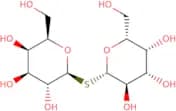
Thiodigalactoside - Bio-X ™
CAS:This product is part of our Bio-X ™ Range. These products are aimed at life science researchers who need high quality ready-to-use products for assay development, screening or other R&D work. With a solubility datasheet and convenient vials, all of our Bio-X ™ products are in stock across our global warehouses for rapid delivery and ease of use.Formula:C12H22O10SPurezza:Min. 95%Colore e forma:PowderPeso molecolare:358.36 g/mol2-Acetamido-2,4-dideoxy-4-fluoro-D-glucopyranose
CAS:2-Acetamido-2,4-dideoxy-4-fluoro-D-glucopyranose (2ADFG) is a glycosaminoglycan that inhibits the biosynthesis of glycosaminoglycans by binding to the enzyme UDP-N-acetylglucosamine 2-epimerase. It is used in cellular control experiments to determine if cells are hepatocytes or not. This compound binds to glycosaminoglycans and prevents them from being synthesized, which leads to cell death. The binding of 2ADFG also results in a decrease in cellular protein synthesis and an increase in cellular lysosomal activity.Formula:C8H14FNO5Purezza:Min. 95%Peso molecolare:223.2 g/molPentagalloylglucose - Bio-X ™
CAS:A gallotannin found in plants, with various biological activities. Its anti-cancer effect has been demonstrated in several cancer cell lines, mediated by inhibition of DNA replication, proliferation and angiogenesis. Elicits anti-inflammatory, antioxidative and anti-diabetic effects. Recently, it has been identified as an inhibitor of c-Myc in hepatocellular carcinoma and multiple myeloma cells.Formula:C41H32O26Purezza:Min. 98 Area-%Colore e forma:PowderPeso molecolare:940.68 g/mol2,3,4,6-Tetra-O-allyl-D-glucopyranose
CAS:<p>2,3,4,6-Tetra-O-allyl-D-glucopyranose is a synthetic oligosaccharide that is used in the synthesis of glycoproteins and other complex carbohydrates. The sugar has been fluorinated to produce 2,3,4,6-Tetra-O-fluoro-D-glucopyranose. This sugar can be custom synthesized with methylation or click modification. It is a high purity product with no impurities detected.</p>Purezza:Min. 95%D-Erythrono-1.4-lactone
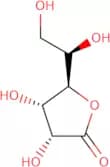
<p>D-Erythrono-1.4-lactone is a carbohydrate that belongs to the group of oligosaccharides. It is a synthetic sugar with the CAS number 687-83-0. This carbohydrate is a monosaccharide with an oxygen atom in the alpha position, which has been fluorinated and methylated. The methylation on this sugar can be accomplished by either a glycosylation or click chemistry modification. This sugar can be used as an anti-tumor agent or as an adjuvant for chemotherapy treatments.</p>Purezza:Min. 95%1,6-Anhydro-2,3,4-tri-O-benzyl-b-D-glucopyranose
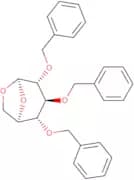
CAS:1,6-Anhydro-2,3,4-tri-O-benzyl-b-D-glucopyranose is a polymer that can be synthesized by copolymerizing the monomer with other reagents. The acetal linkage between the two glucose units allows for a cyclic structure, and this compound is soluble in water and methanol. 1,6-Anhydro-2,3,4-tri-O-benzyl-b-D-glucopyranose has been used to synthesize a variety of polymers such as polyacetals and polyesters.Formula:C27H28O5Purezza:Min. 95%Colore e forma:White PowderPeso molecolare:432.51 g/molAllyl 3-O-benzyl-a-D-glucopyranoside
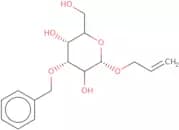
CAS:Allyl 3-O-benzyl-a-D-glucopyranoside is a synthetic, monosaccharide carbohydrate. The product is a modification of the natural polysaccharide allyl 3-O-benzyl-a-D-glucopyranoside. Allyl 3-O-benzyl-a -D glucopyranoside is an Oligosaccharide with CAS No. 145454-72 -4 and has the molecular formula C14H20O6 and molecular weight of 312.32 g/mol. The product is available in high purity and can be synthesized to order. Allyl 3-O -benzyl -a D glucopyranosides are useful as a Fluorination, saccharide for use in glycosylation or methylation reactions or as a complex carbohydrate in the synthesis of oligosaccharides, polysaccharides, or sugar chains.Formula:C16H22O6Purezza:Min. 95%Peso molecolare:310.34 g/molUDP-3-O-(R-3-hydroxydecanoyl)-GlcNAc sodium salt
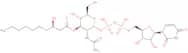
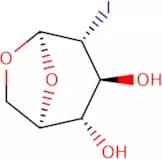
CAS:<p>Substrate for UDP-3-O-acyl-GlcNAc deacetylase</p>Formula:C27H43N3O19P2·xNaPurezza:Min. 90 Area-%Colore e forma:White Off-White Solidified MassPeso molecolare:777.6 g/mol1,6-Anhydro-2-deoxy-2-iodo-β-D-glucopyranose
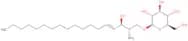
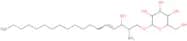
CAS:1,6-Anhydro-2-deoxy-2-iodo-b-D-glucopyranose is a sugar that has been used in the synthesis of a number of organic compounds. It is an intermolecular hydrogen bond donor, and it forms hydrogen bonds with other molecules. The molecular structure of 1,6-Anhydro-2-deoxy-2-iodo-b-D-glucopyranose consists of a six carbon chain with three hydroxyl groups and two ether groups.Formula:C6H9IO4Purezza:Min. 95%Colore e forma:Off-White To Tan SolidPeso molecolare:272.04 g/molGlucosyl-C18-sphingosine
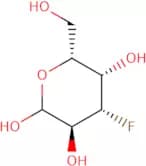
CAS:Glucosyl-C18-sphingosine is a sphingolipid that has been shown to inhibit the activity of Gaucher's enzyme, which is responsible for the synthesis of glucosylceramide. It has been demonstrated in a model system that glucosyl-C18-sphingosine inhibits mitochondrial membrane potential and decreases ATP levels, leading to cell death. The molecular pathogenesis of Gaucher disease is not well understood but it is believed to be related to defective lysosomal function. Glucosyl-C18-sphingosine may be used as a diagnostic agent for Gaucher disease and other metabolic disorders involving glucosylceramide accumulation.Formula:C24H47NO7Purezza:Min. 95%Colore e forma:PowderPeso molecolare:461.63 g/mol3-Deoxy-3-fluoro-D-galactose - Aqueous solution
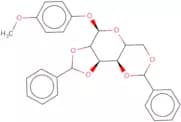
CAS:3-Deoxy-3-fluoro-D-galactose (3DFGal) is a potential drug that has been shown to shift the metabolic pathway of gram-positive pathogens from glycolysis to gluconeogenesis. This compound may be used as a tool for studying the enzymatic reaction catalyzed by galactokinase, which is involved in the conversion of 3DFGal to D-galactose. 3DFGal is a stereospecific carbohydrate and can be used as a substrate for biochemical studies. The bacterial surface profile of 3DFGal has been investigated and it has been found that 3DFGal is not significantly toxic to Gram-negative bacteria. The kinetics of 3DFGal hydrolysis have been studied and it was found that the hydrolysis rate was increased when the solution was acidified with hydrofluoric acid.Formula:C6H11FO5Purezza:Min. 98 Area-%Colore e forma:PowderPeso molecolare:182.15 g/mol4-Methoxyphenyl 2,3:4,6-di-O-benzylidene-α-D-mannopyranoside
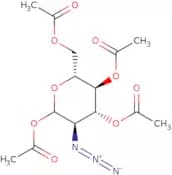
CAS:4-Methoxyphenyl 2,3:4,6-di-O-benzylidene-a-D-mannopyranoside is a water soluble polysaccharide that is a methylated derivative of mannose. It has been fluorinated at the 4 position and modified with benzyl groups at the 2, 3, and 6 positions. This compound is used in custom synthesis to synthesize oligosaccharides or polysaccharides.Formula:C27H26O7Purezza:Min. 95%Peso molecolare:462.49 g/mol1,3,4,6-Tetra-O-acetyl-2-azido-2-deoxy-D-glucopyranose
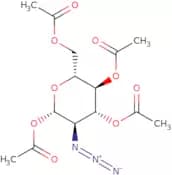
CAS:1,3,4,6-Tetra-O-acetyl-2-azido-2-deoxy-D-glucopyranose is a small molecule that binds to the D1 protein of the glycolytic enzyme phosphofructokinase and inhibits enzymatic activity. This inhibitor is used in diagnostic procedures to identify mutations in the gene encoding for this protein, which is associated with familial and sporadic aneurysms. The inhibitor is also used to study the pathogenic mechanism of aneurysms. 1,3,4,6-Tetra-O-acetyl-2-azido-2-deoxy--D--glucopyranose has been shown to inhibit cell nuclei polymerase in vitro and prevents cell division in vivo.Formula:C14H19N3O9Purezza:Min. 95 Area-%Colore e forma:White PowderPeso molecolare:373.32 g/molGlucosylsphingosine
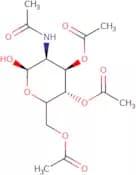
CAS:Glucosylsphingosine is a modified carbohydrate that belongs to the group of complex carbohydrates. It is a custom synthesis and has high purity with no detectable impurities. Glucosylsphingosine is an oligosaccharide, which is a polysaccharide composed of three or more monosaccharides. This compound can be methylated, glycosylated, or fluorinated in order to change its properties. Glucosylsphingosine has been synthesized from glucose and sphinganine, which are both monosaccharides. Glucose can be synthesized by the reduction of glucose-6-phosphate using glucose-6-phosphate dehydrogenase or it can be obtained from hydrolysis of starch. Sphinganine can be obtained by hydrolysis of sphingomyelin, which is a phospholipid found in cell membranes or by deacylation of N-acetylFormula:C24H47NO7Purezza:Min. 95%Peso molecolare:461.63 g/mol2-Acetamido-3,4,6-tri-O-acetyl-2-deoxy-D-glucopyranose
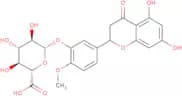
CAS:2-Acétamido-3,4,6-tri-O-acetyl-2-deoxy-D-glucopyranose is a cytotoxic glycoside that can be used as an intermediate in the synthesis of saponins. It has been shown to yield high yields of trifluoromethanesulfonate (TFM) when reacted with glycosyl acceptors such as albizia bark extract. The TFM may then be used for the synthesis of nitromethane and alcohols. This compound also reacts with oleanolic acid to form an anomeric mixture that can be used to yield 2,3,4,6 tetraacetylated 2 deoxyglucose.Formula:C14H21NO9Purezza:Min. 95%Colore e forma:PowderPeso molecolare:347.32 g/molHesperetin 3'-O-b-D-glucuronide
CAS:<p>Hesperetin 3'-O-b-D-glucuronide is a natural product that is synthesized by glycosylation of hesperidin with 3,4,5-trihydroxybenzoic acid. It is a synthetic and complex carbohydrate that can be modified to include fluorination, monosaccharide, oligosaccharide, methylation, and click modification. Hesperetin 3'-O-b-D-glucuronide can also be used in the synthesis of polysaccharides with glycosylations. This product has high purity and can be custom synthesized for customers.</p>Formula:C22H22O12Purezza:Min. 95%Colore e forma:Slightly Yellow PowderPeso molecolare:478.4 g/mol1,2:5,6-Di-O-isopropylidene-a-D-ribo-hexofuranose-3-ulose monohydrate
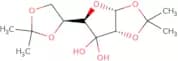
CAS:1,2:5,6-Di-O-isopropylidene-a-D-ribo-hexofuranose-3-ulose monohydrate is a fluorinated carbohydrate that has been synthesized in our lab. It is a complex carbohydrate and can be used as a building block for glycosylation. The synthesis of this compound is done through the use of click chemistry to modify the sugar. We have high purity levels for this compound and can provide custom synthesis services for your needs.Formula:C12H20O7·H2OPurezza:Min. 95%Colore e forma:White PowderPeso molecolare:294.3 g/mol2,3,4,6-Tetra-O-acetyl-α-D-glucopyranosyl chloride
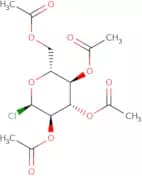
CAS:<p>2,3,4,6-Tetra-O-acetyl-a-D-glucopyranosyl chloride (TAOC) is a nuclear magnetic resonance (NMR) probe that has been used to study the structure of nuclei. It is synthesised by reacting acetyl chloride with sucrose in a reaction catalyzed by sodium hydroxide. The compound can be detected in quadrupole and resonance spectroscopy due to its high sensitivity to nuclear magnetic resonance. This NMR probe is typically used to study the structures of nuclei or for the analysis of polysaccharides.</p>Formula:C14H19ClO9Purezza:Min. 95%Colore e forma:PowderPeso molecolare:366.8 g/molPerseitol
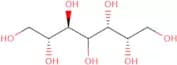
CAS:Perseitol is a nutrient solution that contains fatty acids and is used in tissue culture to supplement the growth of cells. It can be used as a substitute for animal serum, which is usually derived from bovine or porcine sources. Perseitol provides all essential components required for cell growth, including amino acids, vitamins, minerals, and lipids. Perseitol is also used in vitro assay systems to determine the redox potential of substances. This solution has been shown to have anti-inflammatory properties due to its ability to inhibit prostaglandin synthesis.Formula:C7H16O7Purezza:Min. 95%Colore e forma:White Off-White PowderPeso molecolare:212.2 g/moltrans,trans-3,4-Dihydroxy-D-proline
<p>Trans,trans-3,4-Dihydroxy-D-proline is a custom synthesis that has been fluorinated and methylated. It is a polysaccharide with a sugar backbone of an oligosaccharide or saccharide. The carbons in the backbone are connected by glycosylation to form a complex carbohydrate. This product has CAS No.</p>Purezza:Min. 95%3,5-O-Isopropylidene-a-L-xylofuranose
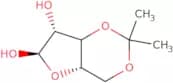
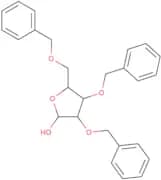
3,5-O-Isopropylidene-a-L-xylofuranose is a Custom synthesis, modification, fluorination and methylation of a monosaccharide. 3,5-O-Isopropylidene-a-L-xylofuranose is a synthetic oligosaccharide that has been modified by click chemistry with the addition of an acetate group.Formula:C8H14O5Purezza:Min. 95%Peso molecolare:190.19 g/mol2,3,5-Tri-O-benzyl-L-arabinofuranose - technical grade
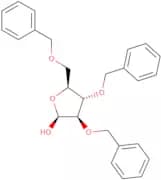
CAS:2,3,5-Tri-O-benzyl-L-arabinofuranose is a benzyl ester of an anomeric mixture that can be prepared by hydrogenolysis of 2,3,5-tri-O-benzyl L-arabinofuranose. It is an experimental compound that may be used for the synthesis of optical anomers or as a starting material for the preparation of other compounds. The reactivity of the carbonyl group in this compound is determined by the steric hindrance from the benzyl esters. This compound also has chloride and trifluoromethanesulfonic acid esters.Formula:C26H28O5Purezza:Min. 95%Colore e forma:White PowderPeso molecolare:420.5 g/molBiochanin A b-D-glucuronide
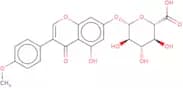
CAS:Biochanin A b-D-glucuronide is a synthetic chemical compound. It is a monosaccharide that is modified by methylation and fluorination. This product has been shown to have antiviral activity against herpes simplex virus type 1, 2, and 3 in vitro and in vivo. Biochanin A b-D-glucuronide also has anti-inflammatory properties, which may be due to its ability to inhibit prostaglandin synthesis.Formula:C22H20O11Purezza:Min. 95%Colore e forma:PowderPeso molecolare:460.39 g/molQuercetin-3-O-b-D-glucose-7-O-b-D-gentiobioside
CAS:Quercetin-3-O-b-D-glucose-7-O-b-D-gentiobioside is a flavonoid that is found in fruits and vegetables. Quercetin has been shown to have antioxidative activity and can be used as a dietary supplement for the prevention of cardiovascular disease. Quercetin has also been shown to inhibit the oxidation of cholesterol, which may help prevent atherosclerosis. Quercetin has been shown to have antiinflammatory properties in women with symptoms of premenstrual syndrome (PMS). Quercetin inhibits the production of prostaglandins, which are inflammatory mediators that are associated with PMS. Quercetin also blocks the inflammatory effects of methyl linoleate, a fatty acid found in meat, dairy products, and vegetable oils. Quercetin has also been shown to bind with specific proteins on white blood cells called immunoglobulins or antibodies. TheFormula:C33H40O22Purezza:Min. 95%Colore e forma:White PowderPeso molecolare:788.66 g/mol(2R, 3R, 3aS, 9aR) -3- (Benzoyloxy) - 2- [(benzoyloxy) methyl] - 2, 3, 3a, 9a- tetrahydro- 3a- methyl-6H- Furo[2', 3':4, 5] oxazolo[ 3, 2- a] pyrimidin- 6- one
<p>(2R, 3R, 3aS, 9aR) -3- (Benzoyloxy) - 2- [(benzoyloxy) methyl] - 2, 3, 3a, 9a- tetrahydro- 3a- methyl-6H- Furo[2', 3':4, 5] oxazolo[3,2- a]pyrimidin- 6- one is a custom synthesis of Methylation. It is only available in the form of a white solid and has a purity of 99.9%. It is soluble in methanol and ethanol.</p>Purezza:Min. 95%1,3,4,6-Tetra-O-acetyl-2-azido-2-deoxy-β-D-glucopyranose
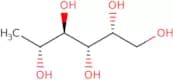
CAS:1,3,4,6-Tetra-O-acetyl-2-azido-2-deoxy-b-D-glucopyranose is a monosaccharide that has been shown to be a potential biomarker for protein synthesis. It has been used in the diagnosis of dissections and potential models in vitro. 1,3,4,6-Tetra-O-acetyl-2-azido-2-deoxy--b -D--glucopyranose has also been used as a model system for the study of protein transport and whole genome sequencing. It is an experimental tool for studying protein synthesis and cell nuclei in vitro.Formula:C14H19N3O9Purezza:Min. 95%Colore e forma:PowderPeso molecolare:373.32 g/mol6-Deoxy-D-altritol
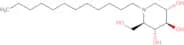
CAS:6-Deoxy-D-altritol is a structural analysis of a polysaccharide carbohydrate that is found in the cell walls of asteroides. It has been shown to contain mannose, d-arabinose, and d-glucose residues. 6-Deoxy-D-altritol also contains galactosyl and phosphate groups. The backbone of 6-Deoxy-D-altritol is made up of phosphodiester bonds with a d-galactose skeleton. This molecule can be used for the identification and characterization of bacteria species such as Mycobacterium tuberculosis and Mycobacterium avium complex.Formula:C6H14O5Purezza:Min. 95%Peso molecolare:166.17 g/molN-Dodecyldeoxynojirimycin
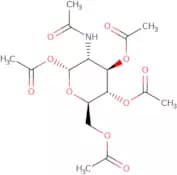
CAS:<p>Dodecyldeoxynojirimycin is a polyketide natural product that has been shown to be a potent inhibitor of the synthesis of mannose-containing glycoproteins, including glucans and chitooligosaccharides. It binds to the active site of glucan synthetase and prevents the formation of glucose residues, which blocks glucan biosynthesis. Dodecyldeoxynojirimycin has also been shown to have anti-inflammatory properties.</p>Formula:C18H37NO4Purezza:Min. 95 Area-%Colore e forma:White PowderPeso molecolare:331.49 g/mol2-Acetamido-1,3,4,6-tetra-O-acetyl-2-deoxy-a-D-glucopyranose
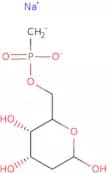
CAS:2-Acetamido-1,3,4,6-tetra-O-acetyl-2-deoxy-a-D-glucopyranose (2AAT) is a synthetic nucleoside that binds to the same sequence of n-acetylgalactosamine in the cell wall of Gram positive bacteria. It was found to be effective against bacterial strains that produce beta lactamase enzymes. 2AAT has been shown to inhibit the growth of Gram positive bacteria and is able to penetrate tissues. It also prevents bacterial DNA gyrase and topoisomerase IV from binding with their respective substrates. 2AAT is made up of four parts: two ribose molecules, one deoxyribose molecule and one acetamido group. This last part is what makes it bind to the bacterial cell wall and inhibits protein synthesis by preventing mRNA from being translated into proteins.Formula:C16H23NO10Purezza:Min. 98 Area-%Colore e forma:White PowderPeso molecolare:389.36 g/mol2-Deoxy-D-glucose-6-phosphate sodium salt
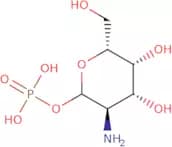
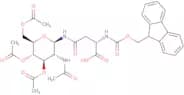
CAS:<p>Glucose 6-phosphatase substrate</p>Formula:C6H12NaO8PPurezza:Min. 98 Area-%Colore e forma:White PowderPeso molecolare:266.12 g/mol2-Acetamido-3,4,6-tri-O-acetyl-2-deoxy-β-D-glucopyranosyl-Fmoc-asparagine
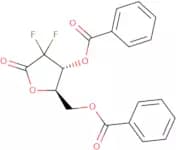
CAS:2-Acetamido-3,4,6-tri-O-acetyl-2-deoxy-β-D-glucopyranosyl-Fmoc-asparagine is a synthetic oligosaccharide that has been modified with a fluorine atom at the 6 position. The acetamido group has been methylated and the sugar moiety is attached to an Fmoc group. The molecular weight of this compound is 1,000. It can be used for the synthesis of saccharides and polysaccharides by click chemistry or as a monosaccharide in carbohydrate research. 2AATGFFmocAsp can also be used for modification purposes with different reagents such as hydrazine, NIS, and TEMPO.Formula:C33H37N3O13Purezza:Min. 95 Area-%Colore e forma:PowderPeso molecolare:683.66 g/mol3,5-Di-O-benzoyl-2-deoxy-2,2-difluoro-D-ribonic acid-1,4-lactone
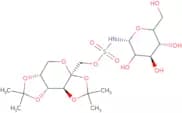
CAS:3,5-Di-O-benzoyl-2-deoxy-2,2-difluoro-D-ribonic acid-1,4-lactone (3DBR) is a nucleoside that has been shown to have antiaging properties. It has been found to be an effective scavenger of peroxyl radicals and reactive oxygen species (ROS). 3DBR also inhibits the formation of aluminum oxide and styrene by catalyzing the salt formation reaction. This compound also has anti-tumour activity and can be used as a chemotherapeutic agent for the treatment of cancer. It is heat resistant and can be combined with gemcitabine hydrochloride in chemotherapy.Formula:C19H14F2O6Purezza:Min. 95%Colore e forma:White PowderPeso molecolare:376.31 g/molTopiramate D-galactopyranose
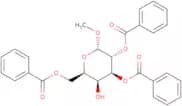
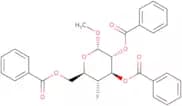
<p>Topiramate D-galactopyranose is a custom synthesis, modification, fluorination, methylation and monosaccharide. It is synthesized by clicking modification and oligosaccharide. Topiramate D-galactopyranose has CAS No. and polysaccharide. This product has sugar and complex carbohydrate. It can be used as a fluoroquinolone antibiotic for the treatment of bacterial infections such as tuberculosis, leprosy, mycobacterium avium complex, or staphylococcus aureus infection.<br>!--</p>Formula:C18H31NO13SPurezza:Min. 95%Peso molecolare:501.5 g/molMethyl 2,3,6-tri-O-benzoyl-4-deoxy-4-fluoro-a-D-glucopyranoside
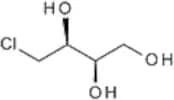
CAS:Methyl 2,3,6-tri-O-benzoyl-4-deoxy-4-fluoro-a-D-glucopyranoside is a sugar that is synthetically modified. This product has been fluorinated and glycosylated with a benzoyl group at C2 position. It contains methyl groups attached to the ring carbons at C1 and C6 positions. The product is also an oligosaccharide that contains two monosaccharides (sugar units) linked by an alpha (1→4) glycosidic bond. Methyl 2,3,6-tri-O-benzoyl-4-deoxy-4-fluoro-a-Dglucopyranoside can be used as a synthetic building block for the synthesis of complex carbohydrate structures.Formula:C28H25FO8Purezza:Min. 95%Colore e forma:White PowderPeso molecolare:508.49 g/mol1-Chloro-1-deoxythreitol
<p>1-Chloro-1-deoxyribitol is a methylating agent that can be used for the synthesis of complex carbohydrates, such as oligosaccharides and polysaccharides. It is also used in click chemistry to modify saccharides with fluoride or other reagents. 1-Chloro-1-deoxyribitol is highly pure and stable, and is available in monosaccharide form. This compound is a synthetic sugar that has been modified to contain chlorine atoms at both the hydroxyl groups.</p>Formula:C4H9ClO3Purezza:Min. 95%Peso molecolare:140.57 g/molHesperetin 7,3'-O-b-D-glucuronide
<p>Hesperetin 7,3'-O-b-D-glucuronide is a custom synthesis that can be synthesized with a variety of modifications including the addition of fluorine atoms. It is an oligosaccharide or polysaccharide consisting of saccharides. Hesperetin 7,3'-O-b-D-glucuronide is a white crystalline powder that has high purity and low impurities. It is an effective topical treatment for acne vulgaris and other skin conditions.</p>Formula:C28H30O18Purezza:Min. 95%Peso molecolare:654.53 g/mol2,3,5-Tri-O-benzyl-L-lyxofuranose
CAS:2,3,5-Tri-O-benzyl-L-lyxofuranose is an acetal that is prepared by hydrolysis of 2,3,5-tri-O-benzylglycol with sodium methoxide in methanol. It can be made from the dimethyl acetal by displacement with sulphonate. The aldehyde group can be converted to an acetal by reaction with ethylene glycol and hydrochloric acid. The displacement of the aldehyde group with methoxide produces the acetal. Dimethyl acetals are also displaced by methyl iodide to produce aldehydes. Acetals are readily hydrolysed and acidic hydrolysis produces the corresponding alcohols.Formula:C26H28O5Purezza:Min. 95%Peso molecolare:420.5 g/molHesperetin-d3 7-O-β-D-glucuronide
Hesperetin-d3 7-O-beta-D-glucuronide is a novel glycosylated hesperetin derivative that has been synthesized for the first time. It is a synthetic sugar with an Oligosaccharide structure, which is a saccharide composed of three to nine monosaccharides. Hesperetin-d3 7-O-beta-D-glucuronide has been fluorinated and methylated on the sugar moiety. It has been prepared in high purity and it is available at CAS No. 1407813-41-5. This product can be custom synthesized according to your specifications and needs.Purezza:Min. 95%UDP-D-Fucose
<p>sugar nucleotide</p>Formula:C15H24N2O16P2Purezza:Min. 95 Area-%Peso molecolare:550.31 g/molButyl α-D-glucopyranoside
CAS:<p>Butyl a-D-glucopyranoside is an antimicrobial agent that inhibits the growth of photosynthetic organisms. It has been shown to have high cytotoxicity against Gram-positive bacteria, including Enterobacter and Bacillus. Butyl a-D-glucopyranoside also exhibits strong antimicrobial activity against Gram-negative bacteria such as Escherichia coli, Salmonella enterica, Klebsiella pneumoniae, and Pseudomonas aeruginosa. This compound also has potent activity against fungi and yeast. The mechanism of action is not known but may involve the inhibition of tyrosol synthesis or the disruption of microbial membranes.</p>Formula:C10H20O6Purezza:Min. 95%Colore e forma:PowderPeso molecolare:236.26 g/mol1,2,4-Tri-O-acetyl-3-O-benzyl-D-xylopyranoside
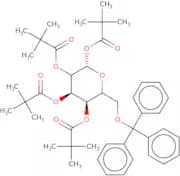
1,2,4-Tri-O-acetyl-3-O-benzyl-D-xylopyranoside is a carbohydrate that has been modified with fluorine. The chemical formula is C12H21FO5. It has CAS number: 90693-24-9 and molecular weight of 356.35 g/mol. There are many uses for this compound, including being a synthetic sugar for use in pharmaceuticals, being a custom synthesis for research purposes, or as an intermediate in the production of other compounds. 1,2,4-Tri-O-acetyl-3-O-benzyl--D--xylopyranoside is also used as a fluorescence probe to detect saccharides and oligosaccharides because it emits light when bound to these compounds due to its high purity. 1,2,4 Tri O acetyl 3 O benzyl D xylopyranoside can be used toPurezza:Min. 95%1,2,3,4-Tetra-O-pivaloyl-6-O-trityl-b-D-glucopyranose
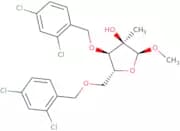
CAS:1,2,3,4-Tetra-O-pivaloyl-6-O-trityl-b-D-glucopyranose is a trityl derivative of glucose that can be used as a diagnostic agent for the assessment of cancer. When labeled with radioactive iodine, 1,2,3,4-Tetra-O-pivaloyl-6-O-trityl-b-D-glucopyranose has been shown to accumulate in bile and esophageal cancer cells. Magnetic resonance imaging (MRI) was used to evaluate the distribution of 1,2,3,4 tetra O pivaloyl 6 O trityl b D glucopyranose in patients with cirrhosis. The results suggest that this compound can be used as an indicator for the diagnosis of liver disease.Formula:C45H58O10Purezza:Min. 95%Peso molecolare:758.94 g/molMethyl 3,5-di-O-(2,4-dichlorobenzyl)-2-C-methyl-α-D-ribofuranoside
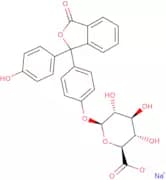
CAS:Building block for the synthesis of 2'-âC-âmethyl substituted nucleosidesFormula:C21H22Cl4O5Purezza:Min. 95%Colore e forma:Yellow PowderPeso molecolare:496.21 g/molPhenolphthalein b-D-glucuronic acid sodium salt
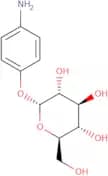
CAS:beta-glucuronidase substrateFormula:C26H22O10NaPurezza:Min. 95 Area-%Colore e forma:Yellow PowderPeso molecolare:517.44 g/mol4-Aminophenyl a-D-glucopyranoside
CAS:4-Aminophenyl a-D-glucopyranoside is an alkoxycarbonyl analog that can be used in the preparation of antigens. It is a small, water-soluble molecule that can be used to induce antibody production and to identify antigenic determinants. 4-Aminophenyl a-D-glucopyranoside has been shown to react with glutamicum and corynebacterium cells in vitro. The compound binds to the bacterial cell surface by reacting with amino groups, inducing the production of acid molecules, which leads to bacterial death. 4-Aminophenyl a-D-glucopyranoside also reacts with methoxy residues on the ribosomal RNA molecule and corynebacterium DNA molecules. This allows it to be used as an expression vector for proteins and nucleic acids in Corynebacterium glutamicum (a bacterium commonly found in soil). SpectroscFormula:C12H17NO6Purezza:Min. 95%Colore e forma:PowderPeso molecolare:271.27 g/mol4-Deoxy-4-fluoro-D-glucose
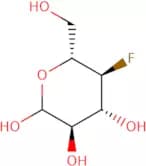
CAS:4-Deoxy-4-fluoro-D-glucose is a biochemical compound that is used to bind to the carbon source in target tissues. It has a fluorine atom and two hydroxy groups, which are responsible for its biological properties. 4-Deoxy-4-fluoro-D-glucose binds to the 6 phosphate in bacterial enzymes and inhibits their activity, leading to cell death. It also binds to the hydroxyl group of proteins and alters their function. 4-Deoxy-4-fluoro-D-glucose is an inhibitor of bacterial enzymes, but has no effect on eukaryotic cells due to its inability to bind with these types of enzymes.Formula:C6H11FO5Purezza:Min. 95%Colore e forma:PowderPeso molecolare:182.15 g/molMagnesium L-lactate
CAS:<p>Magnesium L-lactate is a form of magnesium that is found in the human body, and it is often used to treat women with depressive disorders. This drug works by reducing the synthesis of cholesterol and increasing the level of serotonin in the brain. Magnesium L-lactate is not readily absorbed by the body, so it has low bioavailability. It also has an adverse effect on heart rate and cardiac rhythm, so people who have these conditions should avoid using this drug. The particle size of this drug is high, which can lead to low bioavailability.</p>Formula:C6H10MgO6Purezza:Min. 95%Peso molecolare:202.45 g/mol2,7-Anhydro-D-sedoheptulose-2,3,4,5,6,7-13C6
2,7-Anhydro-D-sedoheptulose-2,3,4,5,6,7-13C6 is a custom synthesis of a complex carbohydrate. It is an oligosaccharide that is modified with methylation and glycosylation. This compound has been synthesized by Click modification and fluorination. 2,7-Anhydro-D-sedoheptulose-2,3,4,5,6,7-13C6 is water soluble and has a high purity. It is used as a research tool in the field of saccharides and carbohydrates.Purezza:Min. 95%L-Xylose
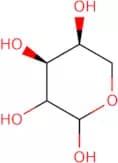
CAS:Chiral-pool resource for organic synthesisFormula:C5H10O5Purezza:Min. 99 Area-%Colore e forma:White PowderPeso molecolare:150.13 g/molAllyl α-D-galactopyranoside
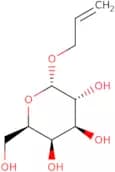
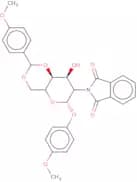
CAS:Allyl α-D-galactopyranoside is a colorimetric reagent that reacts with the polysaccharides to form a colored product. The reaction is based on the transfer of an allyl group from the reagent to the polysaccharide. This reaction can be performed using atomic force microscopy and microscopy techniques, as well as using light and UV-visible spectroscopy. The reaction can also be used to measure glycopolymer concentrations. A titration procedure has been developed for this purpose, in which an excess of allyl α-D-galactopyranoside is added to a solution containing galactose and ammonium sulfate. Allyl α-D-galactopyranoside reacts with galactose to produce an insoluble precipitate that can be measured by weighing or using optical density measurements at a certain wavelength.Formula:C9H16O6Purezza:Min. 97 Area-%Colore e forma:White Off-White PowderPeso molecolare:220.22 g/mol4-Methoxyphenyl 2-deoxy-4,6-O-(4-methoxybenzylidene)-2-phthalimido-β-D-glucopyranoside
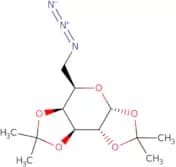
4-Methoxyphenyl 2-deoxy-4,6-O-(4-methoxybenzylidene)-2-phthalimido-b-D-glucopyranoside is a complex carbohydrate that has been modified with methylation and glycosylation. This product can be used for custom synthesis and is a high purity product. It is soluble in water. The CAS number for this compound is 57810-97-0. The molecular weight of this product is 576. The chemical formula for this compound is C24H28N2O8F3O7, which corresponds to an empirical formula of C24H28N2O8F3O7.Formula:C29H27NO9Purezza:Min. 95%Peso molecolare:533.53 g/mol6-Azido-6-deoxy-1,2:3,4-di-O-isopropylidene-a-D-galactopyranose
CAS:6-Azido-6-deoxy-1,2:3,4-di-O-isopropylidene-a-D-galactopyranose is a copper complex that is soluble in water. It is used as an initiator for the polymerization of galactose monomers. 6AIDOGAL reacts with azide or diazo compounds to form a cycloaddition reaction and can be used to prepare copolymers by reacting with other monomers such as D-glucose. The temperature range for this reaction is between 20°C and 100°C. This compound has been shown to form stable complexes with Cu(II) ions at temperatures below 0°C.Formula:C12H19N3O5Purezza:Min. 98 Area-%Colore e forma:Colorless Clear LiquidPeso molecolare:285.3 g/mol2-Acetamido-2-deoxy-D-mannono-1,4-lactone
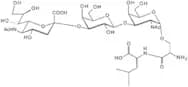
CAS:<p>2-Acetamido-2-deoxy-D-mannono-1,4-lactone is a chemical compound that is an aldonic acid and is classified as an ester. It has a molecular formula of C8H10O5 and it has the following structural formula:<br>This product can be synthesized from benzoic acid and glyceraldehyde. 2-Acetamido-2-deoxy-D-mannono-1,4-lactone is also known as benzoylated mannose. It has been reconfirmed to have high yield in acetylation reactions with molybdate. 2-Acetamido-2deoxy-Dmannono1,4lactone can also undergo epimerization to form the optical antipode of 2,3,4,6tetraacetyloxybenzoic acid (2,3,4,6tetraacetyl</p>Formula:C8H13NO6Purezza:Min. 95%Colore e forma:White to off-white solid.Peso molecolare:219.19 g/mol(Neu5Ac a(2-3)-Gal-b(1-3)-GalNAc)SL-OH
<p>Neu5Ac a(2-3)-Gal-b(1-3)-GalNAc)SL-OH is an Oligosaccharide that is a complex carbohydrate with a Methylation modification. It is the product of Click chemistry and has been Fluorinated and saccharide, Modification, sugar, Oligosaccharide, Synthetic, CAS No., Monosaccharide, Custom synthesis, High purity.</p>Purezza:Min. 95%1,7,7a-Triepialexine
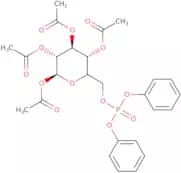
CAS:<p>The compound 1,7,7a-Triepialexine is an alkaloid that is found in plants of the genus Trientalis. It has been shown to have anti-inflammatory properties due to its ability to inhibit prostaglandin synthesis. The compound also has a stereoselective synthesis and a stereoselective syntheses.</p>Purezza:Min. 95%1,2,3,4-Tetra-O-acetyl-6-diphenylphosphoryl-b-D-mannopyranose
CAS:This product is custom synthesized. The synthesis of this product was accomplished by modification, fluorination, methylation and monosaccharide synthesis. It is a synthetic oligosaccharide that has been modified with click chemistry. This product is made up of saccharides in a glycosylation configuration. It is a complex carbohydrate that contains sugar units in various configurations. This product has high purity and can be used as an intermediate for the synthesis of other products.Formula:C26H29O13PPurezza:Min. 95%Colore e forma:White PowderPeso molecolare:580.47 g/molmyo-Inositol
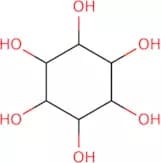
CAS:Vitamin added to plant cell culture medium to promote growth. Used to differentiate microorganisms based on their metabolic properties.Formula:C6H12O6Purezza:Min. 99.0 Area-%Peso molecolare:180.16 g/molN-Acetyl-L-talosaminuronic acid
CAS:<p>N-Acetyl-L-talosaminuronic acid is a natural product that has been shown to have anti-inflammatory activity in experimental models of inflammatory bowel disease. N-Acetyl-L-talosaminuronic acid inhibits the production of proinflammatory cytokines, such as tumor necrosis factor alpha (TNFα), by binding to TNFα receptors on the surface of cells. This can be attributed to its ability to inhibit ATP levels and reduce oxidative stress, which are both factors that contribute to inflammation. N-Acetyl-L-talosaminuronic acid also has been shown to inhibit inflammatory responses in human monocytes and neutrophils. It binds specifically to her2+ breast cancer cells and inhibits their growth in culture. Furthermore, it has been shown to have cytotoxic effects on bladder cancer cells and can be used for the treatment of bladder cancer.</p>Formula:C8H13NO7Purezza:Min. 95 Area-%Colore e forma:PowderPeso molecolare:235.19 g/mol4-O-Acetyl-N-acetyl-neuraminic acid
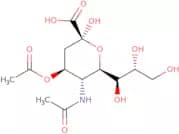
CAS:4-O-Acetyl-N-acetyl-neuraminic acid is a derivative of sialic acid, which is an important component of the human cell membrane. It has been found to have inhibitory properties against influenza virus and other viruses. 4-O-Acetyl-N-acetyl-neuraminic acid inhibits viral activity by irreversible inhibition of the α subunit on the surface glycoprotein, preventing it from binding to host cells. This compound has been shown to be effective against hepatitis B virus and galleria mellonella (a type of wax moth). 4-O-Acetylneuraminic acid has also been shown to be effective in inhibiting the replication of Influenza A virus strains that are resistant to neuraminidase inhibitors such as zanamivir and oseltamivir.Formula:C13H21NO10Purezza:Min. 95 Area-%Colore e forma:PowderPeso molecolare:351.31 g/molD-Glucopyranosyl thiosemicarbazide
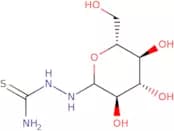
CAS:D-Glucopyranosyl thiosemicarbazide is a synthetic molecule that reacts with halides to produce regiospecifically substituted aldehydes. It has been used in the synthesis of glycosylated heterocycles and for the conversion of amines into reactive intermediates. D-Glucopyranosyl thiosemicarbazide can be prepared by reacting 2,3-dichloro-5,6-dicyanobenzoquinone with sodium nitrite in methanol followed by hydrolysis with water. This reaction produces an intermediate that reacts with sulfur dioxide to form the desired product. The structure of this molecule was determined using X-ray crystallography on crystals obtained from aspergillus mold.Formula:C7H15N3O5SPurezza:Min. 95%Colore e forma:White to off-white powder.Peso molecolare:253.28 g/molDihydrozeatin-O-glucoside riboside
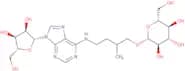
CAS:Dihydrozeatin-O-glucoside riboside is a plant hormone that is found in the roots of Eucomis species. It has been shown to interact with indole-3-acetyl-L-aspartic acid and inhibit the growth of plantlets. The interaction between dihydrozeatin and indole-3-acetyl-L-aspartic acid has been shown to be due to the formation of an intermediate, which is also metabolized by rhizobia. Dihydrozeatin also interacts with ammonium formate and profiles have been obtained for its metabolic products. This molecule also inhibits the production of growth regulators such as abscisic acid, alnifolia, and salicylic acid.Formula:C21H33N5O10Purezza:Min. 95 Area-%Colore e forma:PowderPeso molecolare:515.51 g/molL-Erythrose
CAS:L-Erythrose is a monosaccharide that contains an hydroxyl group on the second carbon atom. It can be synthesized by a synthetic scheme involving glycolaldehyde and hydroxylamine. L-Erythrose has been shown to inhibit the enzyme phosphoglycerate kinase, which converts 2-phosphoglycerate into phosphoenolpyruvate. L-Erythrose has also been shown to inhibit dehydroascorbic acid reductase, which converts dehydroascorbic acid into ascorbic acid, and galactitol reductase, which converts galactitol into D-tagatose. The mutant strain of Escherichia coli K12 that was engineered to produce L-erythrose showed a decreased susceptibility to phage infection and an increased resistance to oxidative stress. In addition, the polyol pathway in E. coli was induced by L-erythrose treatment.Formula:C4H8O4Purezza:(%) Min. 90%Colore e forma:Slightly Yellow PowderPeso molecolare:120.1 g/molAllyl 2-acetamido-3,4-di-O-acetyl-6-azido-2-deoxy-D-galactopyranoside
Allyl 2-acetamido-3,4-di-O-acetyl-6-azido-2-deoxy-D-galactopyranoside is a carbohydrate that belongs to the group of sugars. It is a complex carbohydrate with a CAS number. This compound has fluorination and methylation modifications. Allyl 2-acetamido-3,4-di-O-acetyl-6-azido-2,6 -dideoxygalactopyranoside is synthesized from allyl 2,3,4,6 -tetraacetate by reaction with acetamide and sodium azide in an acetone/water mixture. The product contains high purity and custom synthesis.Purezza:Min. 95%N-[2-(4'-Methoxyphenylacetonitrile)]-2,3,4,6-tetra-O-pivaloyl-D-glucopyranoside
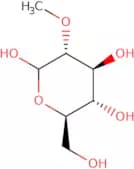
<p>N-[2-(4'-Methoxyphenylacetonitrile)]-2,3,4,6-tetra-O-pivaloyl-D-glucopyranoside is a custom synthesis of a carbohydrate. It is a synthetic saccharide that is modified by fluorination and methylation. This compound has high purity and can be custom synthesized to order.</p>Formula:C35H52N2O10Purezza:Min. 95%Peso molecolare:660.79 g/mol2-O-Methyl-D-glucose
CAS:2-O-Methyl-D-glucose is an aldohexose that is used in the synthesis of a number of biological compounds. It has been shown to inhibit the growth of cancer cells by interfering with the synthesis of fatty acids and proteins.Formula:C7H14O6Purezza:Min. 95%Colore e forma:PowderPeso molecolare:194.18 g/molL-Sorbose
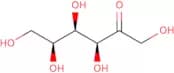
CAS:<p>Resource for the industrial synthesis of ascorbic acid alias Vitamin C</p>Formula:C6H12O6Purezza:Min. 98 Area-%Colore e forma:White Off-White PowderPeso molecolare:180.16 g/mol3,4:5,6-Di-O-Isopropylidene-2-O-tert.butyldimethylsilyl-L-idonic acid methyl ester
3,4:5,6-Di-O-isopropylidene-2-O-(tert.butyldimethylsilyl)-L-idonic acid methyl ester is an organosilicon compound that is used in the preparation of oligosaccharides and polysaccharides. This compound has a CAS number of 2134160-04-6 and can be custom synthesized to meet your needs. 3,4:5,6-Di-O-isopropylidene-2-O-(tert.butyldimethylsilyl)-L-idonic acid methyl ester is available at a purity of 99% or greater, which makes it ideal for modification to produce monosaccharides or other types of sugar derivatives.Purezza:Min. 95%4-Methoxyphenyl 3-O-benzyl-6-O-tert-butyldimethylsilyl-2-deoxy-2-phthalimido-b-D-glucopyranoside
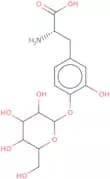
CAS:C3-Benzyl-6-O-tert-butyldimethylsilyl-2-deoxy-2-phthalimido-b-D-glucopyranoside is a synthetic glycosylation agent that converts carbohydrates to sugar derivatives. It is a fluorinated sugar with a benzyl group and can be used in the synthesis of complex polysaccharides and saccharides. C3BzTBDMSG has been shown to have high purity, which makes it an ideal choice for Click chemistry and modification.Formula:C34H41NO8SiPurezza:Min. 95%Peso molecolare:619.78 g/mol4'-O-(β-D-Glucopyranosyl)-L-DOPA
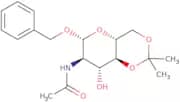
Prodotto controllato4'-O-(b-D-Glucopyranosyl)-L-DOPA is a custom synthesis, modification, fluorination, methylation, monosaccharide, synthetic, click modification, oligosaccharide saccharide. 4'-O-(b-D-Glucopyranosyl)-L-DOPA may be used in the treatment of certain cancers and for other conditions as determined by your doctor. 4'-O-(b-D-Glucopyranosyl)-L-DOPA may also be used for purposes not listed in this medication guide.Formula:C15H21NO9Purezza:Min. 95%Colore e forma:White to off-white solid.Peso molecolare:359.33 g/molBenzyl 2-acetamido-2-deoxy-4,6-O-isopropylidene-b-D-glucopyranoside
CAS:Benzyl 2-acetamido-2-deoxy-4,6-O-isopropylidene-b-D-glucopyranoside is a surfactant that is used in the measurement of polymers. It is soluble in water and has a low concentration. This surfactant can be used as a copolymer with terephthalate to form polyurethane foam. Benzyl 2-acetamido-2-deoxy-4,6-O-isopropylidene b -D -glucopyranoside also has high concentrations for sedimentation and sulfonate properties.Formula:C18H25NO6Purezza:Min. 95%Colore e forma:PowderPeso molecolare:351.39 g/molD-Mannosaminuronic acid
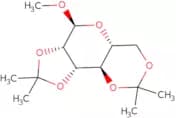
<p>D-Mannosaminuronic acid is a monosaccharide that has been isolated from the seed of the African plant, Acacia drepanolobium. It is found to be an antigenic component of shigella and related enterobacteria and plays an important role in the biosynthesis of glycolipids. D-Mannosaminuronic acid can be hydrolyzed by acidic enzymes such as lipases, esterases, phosphatases, or proteases. This process may lead to the liberation of fatty acids and sugars. The purified enzyme preparations have been shown to catalyze the synthesis of D-mannosaminuronic acid from mannose and fructose.</p>Purezza:Min. 95%Methyl 2,3:4,6-di-O-isopropylidene-D-mannopyranoside
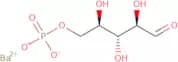
CAS:Methyl 2,3:4,6-di-O-isopropylidene-D-mannopyranoside is a synthetic glycosylate sugar that has been modified with fluorination. It is a monosaccharide that is used in the synthesis of complex carbohydrates. Click modification of this molecule has been performed to yield high purity and desired modifications. CAS number 50705-56-1.Formula:C13H22O6Purezza:Min. 95%Colore e forma:PowderPeso molecolare:274.31 g/molD-Ribose-5-phosphate barium salt hexahydrate
CAS:D-Ribose-5-phosphate barium salt hexahydrate is a Modification, Oligosaccharide, Carbohydrate, complex carbohydrate. It is a Custom synthesis, Synthetic, High purity, Monosaccharide, Methylation, Glycosylation and Polysaccharide. D-Ribose-5-phosphate barium salt hexahydrate has CAS No. 15673-79-7 and Fluorination. It is an saccharide sugar.Formula:C5H9BaO8P·6H2OPurezza:Min. 95%Colore e forma:White PowderPeso molecolare:473.51 g/molFlurbiprofen sorbitol ester
Flurbiprofen is an anti-inflammatory drug that belongs to the group of non-steroidal anti-inflammatory drugs. It is a prodrug that is converted to the active form, flurbiprofen acid, in the liver. Flurbiprofen is used to reduce inflammation and relieve pain. The synthesis of this compound starts with the fluorination of 2,3-dihydroxybenzoic acid using N-fluorobenzenesulfonimide as a reagent. This reaction produces an alkylating agent, which reacts with sucrose in the presence of sodium methoxide to produce methylated sucrose ester. This is then oxidized with potassium permanganate to produce methylated sucrose ester oxide, which undergoes a click modification reaction with tetramethyl orthosilicate and triethylamine to produce flurbiprofen sorbitol ester (FSE).Formula:C21H25FO7Purezza:Min. 95%Colore e forma:PowderPeso molecolare:408.42 g/mol1,2-O-Di-O-acetyl-5-O-benzoyl-3-deoxy-D-ribofuranose
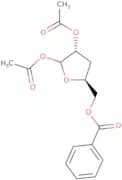
CAS:1,2-O-Di-O-acetyl-5-O-benzoyl-3-deoxy-D-ribofuranose is a carbohydrate that is used as a building block in the synthesis of oligosaccharides and polysaccharides. The compound is also used to modify glycoproteins to increase their stability and to improve their solubility. 1,2-O-Di-O-acetyl-5-O-benzoyl--3 -deoxy--D--ribofuranose has been modified with fluorination, saccharide methylation, glycosylation and polysaccharide synthesis.Formula:C16H18O7Purezza:Min. 90%Colore e forma:PowderPeso molecolare:322.31 g/molD-Glucose 1-13C
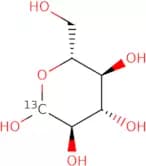
CAS:D-Glucose 1-13C is a kinetic isotope that is used to study the metabolic pathways of glucose. The presence of 13C in the molecule allows for the identification of metabolites and provides an accurate measurement of metabolic rate. This isotope has been used to study lipid metabolism in exudates from animals, as well as fatty acid synthesis in microsomes from rats. D-Glucose 1-13C has also been used in studies on yeast, specifically Saccharomyces cerevisiae strain and Saccharomyces cerevisiae strain.Formula:CC5H12O6Purezza:Min. 95%Colore e forma:White PowderPeso molecolare:181.15 g/molD-Sorbitol hexaacetate
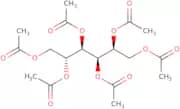
CAS:Sorbitol hexaacetate is a low-energy compound that has a hydroxyl group and a phenolic acid. It is used as an intermediate in the production of detergents, surfactants, and other industrial chemicals. In addition to this, sorbitol hexaacetate can be used as a radiation shield and an effective dose for radiation therapy. Sorbitol hexaacetate is also used as an ingredient in lipolytic enzymes. It has been shown to inhibit the activity of lipolytic enzymes by forming hydrogen bonds with the enzyme active site. Magnetic resonance spectroscopy studies have revealed that sorbitol hexaacetate has a cavity that can be filled with water molecules, which may explain its ability to act as an optical polarizer.Formula:C18H26O12Purezza:Min. 97 Area-%Colore e forma:White PowderPeso molecolare:434.39 g/molMethyl 2,3,5-tri-O-(p-chlorobenzoyl)-β-D-ribofuranoside
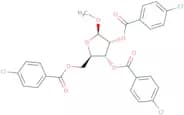
CAS:Methyl 2,3,5-tri-O-(p-chlorobenzoyl)-b-D-ribofuranoside is a custom synthesis that has been modified with fluorination and methylation. It is a monosaccharide that can be synthesized by the reaction of 3,5-di-O-(p-chlorobenzoyl)ribose with formaldehyde. Methyl 2,3,5-tri-O-(p-chlorobenzoyl)-b-D-ribofuranoside can be used in saccharide or glycosylation reactions to produce oligosaccharides or polysaccharides. This chemical is also useful for click chemistry modifications.Formula:C27H21Cl3O8Purezza:Min. 95%Colore e forma:White to off-white solid.Peso molecolare:579.81 g/molD-Glucose - monohydrate
CAS:D-Glucose - monohydrate is a glucose molecule that is found in the blood stream. It is the preferred source of energy for the brain and has been shown to enhance brain function. Glucose is also used to maintain the water balance of cells and tissues, as well as to prevent or treat hypoglycemia. This molecule can be found in many foods, such as honey, corn syrup, molasses, fruits and fruit juices. D-Glucose - monohydrate has antibacterial efficacy against a number of bacteria including staphylococcus aureus, Escherichia coli, Pseudomonas aeruginosa and Bacillus subtilis. It can also inhibit squamous cell carcinoma growth in vivo by preventing the proliferation of cancer cells. D-Glucose - monohydrate is structurally similar to adenosine diphosphate (ADP), which binds to dinucleotide phosphate (DP) enzymes that are involved in energy metabolismFormula:C6H12O6·H2OPurezza:(%) Min. 95%Colore e forma:White PowderPeso molecolare:198.17 g/mol1,2-O-Isopropylidene-α-D-glucofuranurono-6,3-lactone
CAS:1,2-O-Isopropylidene-a-D-glucofuranurono-6,3-lactone is a compound with hepatocyte growth factor activity that is used in the diagnosis of liver diseases. It can also be used as a reagent for the detection of lactones and as an industrial chemical. 1,2-O-Isopropylidene-a-D-glucofuranurono-6,3-lactone has been shown to activate the hepatocyte growth factor receptor (HGFR) and induce cell proliferation in human hepatocytes. This compound is not toxic to cells at concentrations up to 100 mM.Formula:C9H12O6Purezza:Min. 98%Colore e forma:PowderPeso molecolare:216.19 g/mol2,3:4,5-Di-O-isopropylidene-D-xylitol
CAS:<p>2,3:4,5-Di-O-isopropylidene-D-xylitol is an acceptor for the Stannic Chloride Reaction. It is a lacto-n-biose derivative of D-xylitol that has been shown to have antibiotic activity against Streptococcus section A and B. The temporary protection of the hydroxyl group in 2,3:4,5diOisopropylidene-Dxylitol with methyl glycosides provides a convenient method for glycosylations. The chloride ion can be replaced by hexaacetate to yield 1amino1deoxyDxylitol hydrochloride, which is a benzyl derivative. This reaction allows for research into the transfer of 2,3:4,5diOisopropylideneDxylitol.</p>Formula:C11H20O5Purezza:Min. 95%Colore e forma:Solidified MassPeso molecolare:232.27 g/mol5-Aldo-1,2-O-isopropylidene-b-D-arabinofuranose
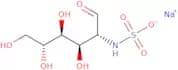
CAS:5-Aldo-1,2-O-isopropylidene-b-D-arabinofuranose is a sugar that is synthesized from D-glucose. It has been modified with fluorine to produce an analogue of 5-fluoroarabinofuranose. The methylation and glycosylation of this compound have also been investigated. This chemical can be used for the synthesis of complex carbohydrates.Formula:C8H12O5Purezza:Min. 95%Colore e forma:PowderPeso molecolare:188.18 g/molD-Glucosamine-2-N-sulfate sodium
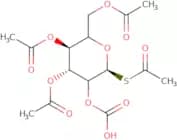
CAS:D-Glucosamine-2-N-sulfate sodium is a synthetic, high purity carbohydrate with a custom synthesis. It is an oligosaccharide that is also a sugar and a saccharide. The methylation of D-glucosamine 2-N-sulfate sodium can be achieved by glycosylation or click modification. Click modification is the addition of a carbon atom to the molecule through the reaction with an electrophile, such as N-hydroxysuccinimide ester. This modification can be used to introduce fluorine atoms into the molecules, which can improve their solubility and stability. The product has shown anti-inflammatory activities in animal models, which may be due to its ability to inhibit prostaglandin synthesis.Formula:C6H12NNaO8SPurezza:Min. 95 Area-%Colore e forma:White Off-White PowderPeso molecolare:281.22 g/mol2,3,4,6-Tetra-O-acetyl-1-S-acetyl-b-D-thiogalactopyranose
2,3,4,6-Tetra-O-acetyl-1-S-acetyl-b-D-thiogalactopyranose is a synthetic sugar that is used in the synthesis of complex carbohydrates. It has been modified with methylation and acetylation reactions. The CAS number for this compound is 112724-71-8.Formula:C15H20O11SPurezza:Min. 95%Peso molecolare:408.38 g/molD-Ribose, 99.0%+
CAS:D-Ribose is a pentose sugar that is the ribose sugar of D-arabinose. It is an inhibitor of bacterial growth and has been shown to inhibit binding of adenine nucleotides to their receptors in the human erythrocyte membrane. Ribose plays a vital role in energy metabolism, as it is a component of ATP and NADH. It also participates in the synthesis of DNA and RNA. Ribose can be found in many foods, such as pears, apples, potatoes, and rice. D-ribose has been shown to have significant cytotoxicity against cancer cells that are dependent on glycolysis for their energy needs. D-Ribose may also be used as a polymerase chain reaction (PCR) substrate to determine the presence of infectious diseases such as HIV or hepatitis C virus in human serum samples.Formula:C5H10O5Purezza:Min. 99.0 Area-%Peso molecolare:150.13 g/molRef: 3D-R-5495
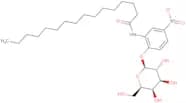
1kgPrezzo su richiesta100gPrezzo su richiesta250gPrezzo su richiesta500gPrezzo su richiesta2500gPrezzo su richiesta-Unit-kgkgPrezzo su richiesta2’-(N-Hexadecanoylamino)-4’-nitrophenyl-β-D-galactopyranoside
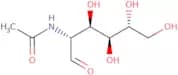
CAS:<p>2’-(N-Hexadecanoylamino)-4’-nitrophenyl-b-D-galactopyranoside is a synthetic substrate that is used to diagnose and monitor brain diseases. It can be used in the diagnosis of Alzheimer's disease by measuring the amount of amniotic fluid that leaks into the brain. The rate of hydrolysis of this substrate has been shown to be higher in patients with Alzheimer's disease than in healthy controls. This synthetic substrate is also useful for monitoring the activity of taurocholate galactohydrolase, which is an enzyme that breaks down bile salts and plays a role in cholesterol metabolism. The rate of hydrolysis has been found to be increased in patients with Parkinson's disease, but not in those with Alzheimer's disease or healthy controls. 2’-(N-Hexadecanoylamino)-4’-nitrophenyl-b-D-galactop</p>Formula:C28H46N2O9Purezza:Min. 95%Colore e forma:PowderPeso molecolare:554.67 g/molN-Acetyl-D-glucosamine - plant source
CAS:N-acetyl D-glucosamine (GlcNAc) is an aldohexose (2-acetamido-2-deoxyglucose) in which the hydroxyl group at position 2 is replaced by NHAc (Collins, 2006). N-acetyl D-glucosamine forms the exoskeletons of molluscs and insects as the building block of the polysaccharide chitin (Rudrapatnam, 2003). N-acetyl D-glucosamine is a key component of N- and O-linked glycans, present in glycolipids and the glycosaminoglycan hyaluronic acid (Fallacara, 2018). A recent study has suggested that N-acetyl D-glucosamine may have therapeutic potential for COVID-19 as it affects the spike protein-ACE2 receptor interaction during the infection with SARS-CoV-2 virus (Baysal, 2021).Formula:C8H15NO6Purezza:Min. 98 Area-%Colore e forma:PowderPeso molecolare:221.21 g/mol2-Azido-((R)-3,5-O-benzylidene)-2,6-dideoxy-L-mannofuranose
2-Azido-((R)-3,5-O-benzylidene)-2,6-dideoxy-L-mannofuranose is a carbohydrate with a complex sugar structure. This compound is synthesized by reacting 2,6-dideoxy-L-mannofuranose with sodium azide and benzyl bromide in the presence of triethylamine. The resulting product is purified by crystallization from methanol and ethanol. This chemical has been shown to react with DNA to form a stable covalent bond at the N7 position of guanine residues.Purezza:Min. 95%1,4-Anhydro-D-xylitol
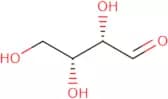
CAS:<p>1,4-Anhydro-D-xylitol is a solid catalyst that is used for the synthesis of 1,4-anhydro-D-glucitol. The reaction follows a nucleophilic attack by sodium citrate on the oxygen atom at the anomeric position of D-xylose. 1,4-Anhydro-D-xylitol has been shown to be present in fruit extracts and it has been hypothesized that it may have biological activity as a growth factor or as a polylactic acid (PLA) or fatty acid film-forming polymer.</p>Formula:C5H10O4Purezza:Min. 95%Colore e forma:PowderPeso molecolare:134.13 g/molD-(-)-Threose
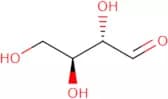
CAS:<p>Popular resource for chiral-pool based organic syntheses<br>Sold as an aqueous solution and by weight of active material</p>Formula:C4H8O4Purezza:Min. 90 Area-%Colore e forma:Colorless Clear LiquidPeso molecolare:120.1 g/molD-Allono-1,4-lactone
CAS:D-Allono-1,4-lactone is a biochemical compound that has been shown to have immunosuppressant properties. D-Allono-1,4-lactone is an inhibitor of maltase, an enzyme involved in the digestion of starch and glycogen. D-Allono-1,4-lactone also inhibits transglucosylase, an enzyme involved in the conversion of sucrose into glucose. It binds to sulfur transfer proteins and has been shown to be effective against mutants with altered biochemical properties.Formula:C6H10O6Purezza:Min. 95%Colore e forma:PowderPeso molecolare:178.14 g/molMethyl 2,3,6-tri-O-benzoyl-α-D-galactopyranoside
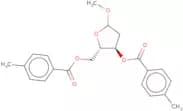
CAS:Methyl 2,3,6-tri-O-benzoyl-α-D-galactopyranoside is a water soluble white powder. It has a molecular weight of 370.62 and a melting point of 199°C. This product is used as an intermediate in the synthesis of complex carbohydrates and is also used in the production of glycosylations and polysaccharides. The purity of this product is >98%.Formula:C28H26O9Purezza:Min. 95%Colore e forma:White PowderPeso molecolare:506.5 g/molMethyl 2-deoxy-3,5-di-O-toluoyl-L-ribofuranoside
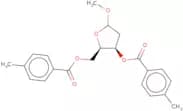
CAS:Methyl 2-deoxy-3,5-di-O-toluoyl-L-ribofuranoside is a custom synthesis that is a complex carbohydrate that is used in the modification of saccharides. It has been shown to be able to methylate and glycosylate carbohydrates and can be fluorinated for use in click chemistry experiments. Methyl 2-deoxy-3,5-di-O-toluoyl-L-ribofuranoside is highly pure and can be synthesized with high yield.Formula:C22H24O6Purezza:Min. 95%Colore e forma:Brown oil.Peso molecolare:384.43 g/molD-Galactosamine-1-phosphate
CAS:D-Galactosamine-1-phosphate is a precursor of UDP-glucose and is used in the synthesis of fatty acids. D-Galactosamine-1-phosphate is synthesized by the enzyme UDP-glucose pyrophosphorylase, which catalyzes the reaction between UDP and D-galactose. It is expressed in strains that have been engineered to produce recombinant proteins. This product can be produced in vitro by a number of methods, including enzymatic or chemical synthesis. The enzyme activity of D-galactosamine 1 phosphate synthase is temperature dependent, with optimal activity at 40°C. This product has been shown to inhibit hepatitis virus production and lipid formation in vitro.Formula:C6H14NO8PPurezza:Min. 95%Colore e forma:PowderPeso molecolare:259.15 g/mol2-Azidoethyl b-D-fructopyranoside
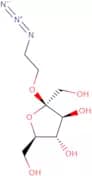
CAS:2-Azidoethyl b-D-fructopyranoside is a custom synthesis of glycogen, which is a complex carbohydrate. This product can be fluorinated or methylated at the 2’ position of the sugar moiety. It also has been modified with Click chemistry and polysaccharides. The CAS number for this product is 99042-58-7 and it has a purity of >99%.Formula:C8H15N3O6Purezza:Min. 95%Colore e forma:PowderPeso molecolare:249.3 g/mol2-Acetamido-3,4,6-tri-O-benzyl-2-deoxy-D-glucono-1,5-lactone
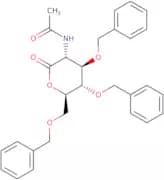
CAS:2-Acetamido-3,4,6-tri-O-benzyl-2-deoxy-D-glucono-1,5-lactone is a methylated saccharide with a modified sugar. This compound can be used as a building block for the synthesis of glycosides and oligosaccharides. 2AATGL has been shown to be compatible with click chemistry and is available in high purity. It can also be custom synthesized to meet your needs.Formula:C29H31NO6Purezza:Min. 90%Colore e forma:PowderPeso molecolare:489.56 g/molPhenyl 4,6-O-benzylidene-2-deoxy-2-phthalimido-b-D-thioglucopyranoside
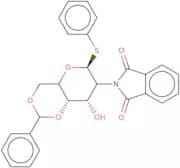
CAS:Phenyl 4,6-O-benzylidene-2-deoxy-2-phthalimido-b-D-thioglucopyranoside is a custom synthesis sugar that has been modified with fluorination, glycosylation, and carbamoylation. It is an oligosaccharide that contains a saccharide at the reducing end of the molecule. The CAS number for this compound is 79528-51-1.Formula:C27H23NO6SPurezza:Min. 95%Colore e forma:White PowderPeso molecolare:489.54 g/molMethyl 2-deoxy-3,5-di-O-toluoyl-D-ribofuranoside
CAS:Methyl 2-deoxy-3,5-di-O-toluoyl-D-ribofuranoside is a carbohydrate compound that is a modification of the saccharide and oligosaccharide. It is fluorinated at the 3' position. The monosaccharide is synthesized from D-ribose and methylated at the 2' and 5' positions. Methyl 2-deoxy-3,5-di-O-toluoyl-D-ribofuranoside is a synthetic sugar that has been modified with glycosylation and Click chemistry.Formula:C22H24O6Purezza:Min. 95%Colore e forma:PowderPeso molecolare:384.42 g/molD-Glucuronamide
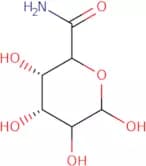
CAS:D-Glucuronamide is a kinetic model system for the glycosylation reaction, which is an important step in the biosynthesis of complex oligosaccharides and polysaccharides. It has been shown to be an amide analog that can be acetylated with acetic anhydride in a reaction mechanism that involves nucleophilic attack by the amino group of D-glucuronamide on the electrophilic carbonyl carbon of acetic anhydride. The second-order rate constants for this reaction were determined to be 2.3×10 M-1s-1 at pH 7 and 25°C. NMR spectra showed that the product was not a simple amide but rather a glycopolymer with a distribution of different sugar residues, including D-glucose, D-galactose, and D-mannose.Formula:C6H11NO6Purezza:Min. 95%Colore e forma:PowderPeso molecolare:193.15 g/mol(2S, 3R, 4R, 5R, 6R) -2-Ethyl- 6- (hydroxymethyl) -3, 4, 5- piperidinetriol
(2S, 3R, 4R, 5R, 6R) -2-Ethyl- 6- (hydroxymethyl) -3, 4, 5- piperidinetriol is a synthetic monosaccharide that is modified with fluorine. The physicochemical properties of this chemical compound are:Purezza:Min. 95%




![(2R, 3R, 3aS, 9aR) -3- (Benzoyloxy) - 2- [(benzoyloxy) methyl] - 2, 3, 3a, 9a- tetrahydro- 3a- met…](/_next/image/?url=https%3A%2Fstatic.cymitquimica.com%2Fproducts%2F3D%2Fthumb-webp%2FMB170592.webp&w=3840&q=75)






![N-[2-(4'-Methoxyphenylacetonitrile)]-2,3,4,6-tetra-O-pivaloyl-D-glucopyranoside](/_next/image/?url=https%3A%2Fstatic.cymitquimica.com%2Fproducts%2F3D%2Fthumb-webp%2FMM08496.webp&w=3840&q=75)