


Monosaccaridi
I monosaccaridi sono la forma più semplice dei carboidrati e fungono da blocchi fondamentali per zuccheri più complessi e polisaccaridi. Queste singole molecole di zucchero svolgono ruoli critici nel metabolismo energetico, nella comunicazione cellulare e nei componenti strutturali delle cellule. In questa sezione troverai una vasta gamma di monosaccaridi essenziali per la ricerca in biochimica, biologia molecolare e glicoscienza. Questi composti sono cruciali per studiare le vie metaboliche, i processi di glicosilazione e lo sviluppo di agenti terapeutici. Da CymitQuimica, offriamo monosaccaridi di alta qualità per supportare le tue esigenze di ricerca, garantendo precisione e affidabilità nelle tue indagini scientifiche.
Sottocategorie di "Monosaccaridi"
- Alloses(11 prodotti)
- Arabinosi(21 prodotti)
- Eritrosio(11 prodotti)
- Fruttosio(9 prodotti)
- Fucosio(36 prodotti)
- Galactosamina(41 prodotti)
- Galattosio(261 prodotti)
- Glucosio(365 prodotti)
- Acidi glucuronici(51 prodotti)
- Glicosubstrati per enzima(77 prodotti)
- Gulosio(6 prodotti)
- Idosio(4 prodotti)
- Inositoli(15 prodotti)
- Lixosio(4 prodotti)
- Mannosio(65 prodotti)
- O-Glicani(48 prodotti)
- Psicosi(3 prodotti)
- Rhamnosio(10 prodotti)
- Ribosi(61 prodotti)
- Acidi Sialici(100 prodotti)
- Sorbosio(4 prodotti)
- Zuccheri(173 prodotti)
- Tagatosio(4 prodotti)
- Talosio(8 prodotti)
- Xyloses(20 prodotti)
Mostrare 17 più sottocategorie
Trovati 6090 prodotti di "Monosaccaridi"
Ordinare per
Purezza (%)
0
100
|
0
|
50
|
90
|
95
|
100
L-Xylonic acid-1,4-lactone
CAS:<p>L-Xylonic acid-1,4-lactone is an enzyme that functions as a glycolytic enzyme. It catalyzes the conversion of D-xylose to L-xylonic acid and L-xylonic acid-1,4-lactone. This enzyme is expressed in leukemia HL60 cells and is activated by acidic conditions. L-Xylonic acid-1,4-lactone has been shown to be catabolized by the enzyme xylanase. The kinetic properties of this reaction have been studied using mass spectrometric techniques and biochemical methods. The rate of the reaction was found to be dependent on the presence of divalent cations (Mg2+ or Ca2+) or monovalent ions (Na+ or K+). L-Xylonic acid 1,4 lactone also catabolizes glucose with a similar rate constant.</p>Formula:C5H8O5Purezza:Min. 95 Area-%Colore e forma:White PowderPeso molecolare:148.11 g/mol6-Hydroxyestradiol-6-O-b-D-glucuronide
6-Hydroxyestradiol-6-O-b-D-glucuronide is a synthetic, 6-hydroxyestradiol derivative that is useful for the study of estrogen metabolism and the development of progesterone agonists. The compound has been shown to have high purity, and is custom synthesized in accordance with customer specifications. 6-Hydroxyestradiol-6-O-b-D-glucuronide can be modified by glycosylation, methylation, or fluorination. This product also has a number of applications in the biomedical field due to its ability to act as an intermediate in the synthesis of oligosaccharides and saccharides.Purezza:Min. 95%1,3:4,6-Di-O-benzylidene-D-mannitol
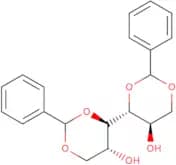
CAS:1,3:4,6-Di-O-benzylidene-D-mannitol is a chiral sugar that is synthesized from d-mannitol. It is used for the preparation of polymers with acrylonitrile and phosphine. 1,3:4,6-Di-O-benzylidene-D-mannitol can be obtained by copolymerizing the monomers d-mannitol and acrylonitrile in an enantioselective manner. The yield of this compound depends on the analytical methods used to determine the composition of the polymer. The product is also used as a ligand in metal hydrides and simplifies the synthesis of chiral methyl esters.Formula:C20H22O6Purezza:Min. 95%Colore e forma:PowderPeso molecolare:358.39 g/molN-Acetyl-3-fluoro-neuraminic acid sodium
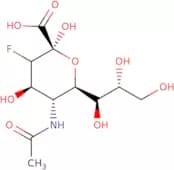
CAS:<p>N-Acetyl-3-fluoro-neuraminic acid sodium (AFNA) is an inhibitor that binds to the terminal sialic acid residue of the glycoprotein neuraminidase in influenza viruses, preventing the virus from attaching to cells. AFNA is a fluorinated derivative of mannosamine and is synthesized by reacting an aldolase with sulfur trifluoride. AFNA has been shown to inhibit sialidases and utilising enzymes, which are necessary for viral replication. AFNA also inhibits bacterial sialidases, which are required for the synthesis of cell wall components.</p>Formula:C11H18FNO9•Nax327Purezza:Min. 95%Colore e forma:PowderPeso molecolare:326.25 g/molN-Acetyl-D-mannosaminuronic acid sodium
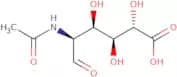
CAS:N-Acetyl-D-mannosaminuronic acid sodium (NAMSA) is a precursor to uridine and fatty acids. It is synthesized in vivo by the enzyme mannosaminase, which cleaves the glycosidic linkage of NAMSA to form uridine and mannose. NAMSA has been shown to be an essential gene product for S. aureus strains. The activity of NAMSA can be monitored using the assay of radioactive incorporation into sialic acid, which is coupled with gel chromatography. This compound has also been used as a monoclonal antibody to detect CD4+ cells in vitro, and was shown to inhibit the growth of infectious diseases such as Mycobacterium tuberculosis, Neisseria meningitidis, and Salmonella typhimurium.Formula:C8H12NO7NaPurezza:Min. 95%Colore e forma:PowderPeso molecolare:257.17 g/mol2-Chloro-2-deoxy-D-mannitol
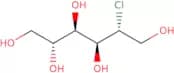
CAS:2-Chloro-2-deoxy-D-mannitol is a synthetic sugar that is used in the synthesis of oligosaccharides and complex carbohydrates. It is also used to fluorinate saccharides. 2-Chloro-2-deoxy-D-mannitol can be modified with methyl groups, which allows for the synthesis of monosaccharides and polysaccharides. This product has a CAS number of 127530-02-3 and is soluble in water. It has a melting point of 220°C, boiling point of 390°C, density of 1.8 g/mL at 20°C, and refractive index (n20 D) of 1.54792 at 20°C.Formula:C6H13ClO5Purezza:Min. 95%Peso molecolare:200.62 g/mol2-Acetamido-1,3-di-O-acetyl-2-deoxy-D-glucopyranose
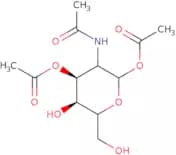
CAS:2-Acetamido-1,3-di-O-acetyl-2-deoxy-D-glucopyranose is a synthetic sugar that is used in the synthesis of complex carbohydrates. It has been shown to be an effective fluorinating agent for glycosylations and can be methylated or click modified. 2-Acetamido-1,3-di-O-acetyl-2-deoxy-D-glucopyranose has high purity and can be custom synthesized to order.Formula:C12H19NO8Purezza:Min. 95%Colore e forma:White PowderPeso molecolare:305.28 g/mol2-Deoxy-D-ribonic acid-1,4-lactone
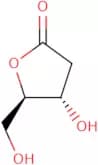
CAS:2-Deoxy-D-ribonic acid-1,4-lactone (2DRA) is a chemical compound with physiological effects. 2DRA is an irreversible inhibitor of DNA polymerase that has been shown to be a potent inhibitor of nuclear DNA synthesis in vitro and in vivo. The 2DRA inhibits the transfer reactions that are required for the replication of DNA. 2DRA binds to the nuclease domain of the enzyme and prevents it from cutting the phosphodiester bonds, leading to inhibition of DNA synthesis. This compound also has genotoxic effects and can cause mutation in cells through radiation or chemical treatment.Formula:C5H8O4Purezza:Min. 95%Colore e forma:Colorless Yellow PowderPeso molecolare:132.12 g/molVoglibose
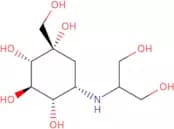
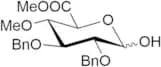
CAS:Voglibose is a competitive inhibitor of α-glucosidase used for the control of blood sugar levels in patients with type 2 diabetes mellitus. The compound binds reversibly to intestinal carbohydrate-active digestive enzymes with α-glucosidase activity, inhibits breakdown of complex sugars and consequently delays the absorption of glucose into blood.Formula:C10H21NO7Colore e forma:White PowderPeso molecolare:267.28 g/molMethyl (2,3-di-O-benzyl-4-O-methyl-α,β-D-glucopyranoside)uronate
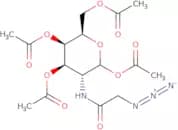
CAS:A protected glucuronide which is an anomeric mixture.Formula:C22H26O7Purezza:Min. 95%Colore e forma:PowderPeso molecolare:402.44 g/mol1,3,4,6-Tetra-O-acetyl-N-azidoacetylgalactosamine
CAS:1,3,4,6-Tetra-O-acetyl-N-azidoacetylgalactosamine is an azido-tagged analogue of N-acetylgalactosamine. It features azide functionality on the N-acyl side chain and is acetylated to aid in cell membrane permeation. It is metabolised by mammalian cells and incorporated into mucin-type-O-linked glycoproteins. The azide functionality is exploited as a biorthogonal functional group that can be reacted with phosphine probes by the Staudinger ligation.Formula:C16H22N4O10Purezza:Min. 95 Area-%Colore e forma:White Off-White PowderPeso molecolare:430.37 g/mol2, 5- Anhydro-4,6-O-isopropylidene-D- idonic acid
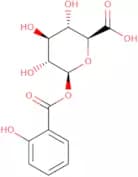
2, 5-Anhydro-4,6-O-isopropylidene-D-idonic acid is a carbohydrate that can be used as a saccharide or oligosaccharide. This product has been fluorinated and methylated. It is also glycosylated and click modified. 2,5-Anhydro-4,6-O-isopropylidene-D-idonic acid can be synthesized to order and is available in high purity.Purezza:Min. 95%Salicylic acid-acyl-b-D-glucuronide
CAS:Salicylic acid-acyl-b-D-glucuronide is an anti-inflammatory compound that is found in the urine of diabetic patients. It has been shown to inhibit the production of a number of proinflammatory compounds, including prostaglandin E2 (PGE2), in human serum. Salicylic acid-acyl-b-D-glucuronide is formed by the reaction of salicylic acid with acetylsalicylic acid. The rate of formation is dependent on the concentration of salicylic acid and pH. The reactive product can form covalent adducts with tyrosinase and other proteins, leading to inhibition of tyrosinase activity and melanin synthesis.Formula:C13H14O9Purezza:Min. 95%Colore e forma:White PowderPeso molecolare:314.24 g/molN-Boc-1,5-imino-1,5-dideoxy-D-glucitol
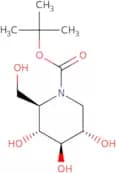
CAS:N-Boc-1,5-imino-1,5-dideoxy-D-glucitol is a custom synthesis product that is synthesized by methylation and click chemistry. The chemical name of N-Boc-1,5-imino-1,5-dideoxyglucitol is 1,5-(N′-(tertiary butyloxycarbonyl)-L-serine)-1,5-dideoxyglucitol. It has a CAS number of 1305391207 and molecular weight of 478.18 g/mol. It is a modified carbohydrate with the molecular formula C14H27NO8 and molecular weight of 478.18 g/mol. It has an Oligosaccharide with the molecular formula C14H27NO8 and molecular weight of 478.18 g/mol. It has a Polysaccharide with the molecular formula C14H27NO8 andFormula:C11H21NO6Purezza:Min. 95%Colore e forma:Beige solid.Peso molecolare:263.29 g/molMethyl 4,6-O-benzylidene-2,3-di-O-(p-toluenesulfonyl)-α-D-glucopyranoside
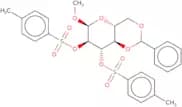
CAS:<p>Methyl 4,6-O-benzylidene-2,3-di-O-(p-toluenesulfonyl)-a-D-glucopyranoside is a custom synthesis that has been modified with fluorination, methylation, and click modification. It is a monosaccharide that can be found in saccharides and polysaccharides. This product is also a synthetic carbohydrate with the CAS number of 6884-01-1.<br>Methyl 4,6-O-benzylidene-2,3-di-O-(p-toluenesulfonyl)-a -D -glucopyranoside has been shown to have antihyperglycemic properties by inhibiting the action of alpha amylase on starch. This product also inhibits the activity of alpha amylase on glycogen and lactose.</p>Formula:C28H30O10S2Purezza:Min. 95%Peso molecolare:590.66 g/molNeoandrographolide
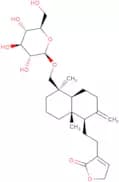
CAS:Neoandrographolide is a diterpene compound that has been shown to have a significant cytotoxic effect on HL-60 cells. It also shows matrix effects in body formation and chemiluminescence. Neoandrographolide is extracted from the plant Andrographis paniculata, which belongs to the family Acanthaceae. This plant has been used historically as a medical herb in China and India for centuries. The extract of this plant has shown anti-inflammatory properties and can be used to treat infectious diseases such as bowel disease.Formula:C26H40O8Purezza:Min. 95%Colore e forma:White PowderPeso molecolare:480.6 g/molEthyl 2-O-benzoyl-4,6-O-benzylidene-β-D-galactopyranoside
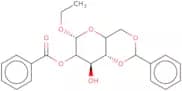
CAS:Ethyl 2-O-benzoyl-4,6-O-benzylidene-β-D-galactopyranoside (E2B) is a fluorinated oligosaccharide that has been synthesized using the Click chemistry. The synthesis proceeds via an oxidative coupling of benzoyl chloride and 4,6-O-benzylidene β-D galactopyranose. The product was purified by crystallization from methanol. E2B is a complex carbohydrate that can be modified to suit your needs. It is used in research as a model for glycosylation and polysaccharides with methylation or sugar modification.Formula:C22H24O7Purezza:Min. 95%Colore e forma:Off-White PowderPeso molecolare:400.43 g/mol1-Chloro-2-deoxy-3,5-di-O-toluoyl-D-ribofuranose
CAS:Synthetic building block for nucleic acid researchFormula:C21H21ClO5Purezza:Min. 95%Colore e forma:Off-White PowderPeso molecolare:388.84 g/molEthyl 4,6-O-benzylidene-b-D-galactopyranoside
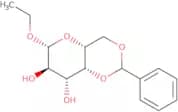
CAS:Ethyl 4,6-O-benzylidene-β-D-galactopyranoside is a carbohydrate that belongs to the monosaccharide class. It is glycosylated with an ethyl group at the hydroxyl group at the 6th position and methylated on the benzene ring at the 4th position. This modification has been shown to increase its solubility in water and its stability in basic solutions. The synthesis of this compound is performed through a click reaction, which allows for high purity and custom synthesis. Ethyl 4,6-O-benzylidene-β-D-galactopyranoside can be used as a sugar substitute or in pharmaceuticals for treatment of diabetes mellitus type 2.Formula:C15H20O6Purezza:Min. 95%Colore e forma:PowderPeso molecolare:296.32 g/mol2-Formylphenyl 2,3,4,6-tetra-O-acetyl-b-D-glucopyranoside
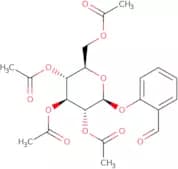
CAS:<p>2-Formylphenyl 2,3,4,6-tetra-O-acetyl-b-D-glucopyranoside is a natural product of the gentisyl family. It is synthesized from benzyl alcohol and acetic anhydride. This compound has been shown to have anticancer properties in animal studies. The acetyl groups are thought to be responsible for the cytotoxicity of this compound. Salireposide is one such analog that has been shown to inhibit protein synthesis and induce apoptosis in cancer cells.</p>Formula:C21H24O11Purezza:Min. 95%Colore e forma:PowderPeso molecolare:452.41 g/mol6-Deoxy-D-gulono(L-mannono)-1.4-lactone
6-Deoxy-D-gulono(L-mannono)-1.4-lactone is a custom synthesis of an oligosaccharide. It is a polysaccharide that is glycosylated with a sugar or carbohydrate. This molecule can be modified in the following ways: fluorination, methylation, and click modification. The CAS number for this compound is 73226-08-2.Purezza:Min. 95%D-Glucose 3-sulfate sodium salt
CAS:D-Glucose 3-sulfate sodium salt is a fluorinated, monosaccharide that can be used as a synthetic, oligosaccharide or complex carbohydrate. It is custom synthesized with glycosylation and polysaccharides and has been shown to be useful in click modification. D-Glucose 3-sulfate sodium salt is also methylated and sugar modified. The CAS number for this product is 89830-83-1. It has high purity and can be purchased at any lab supply store.Formula:C6H11NaO9SPurezza:Min. 98 Area-%Colore e forma:PowderPeso molecolare:282.2 g/mol2,3-O-IIsopropylidene-D-allono-1.4-lactone
2,3-O-Isopropylidene-D-allono-1.4-lactone is a methylated saccharide that has been modified by the click reaction with a phosphonate group and an isopropylidene group. The synthesis of this product can be customized to suit your needs. This product is offered in high purity, and it is an excellent source of carbohydrates or sugars. 2,3-O-Isopropylidene-D-allono-1.4-lactone also has a fluorinated group on its molecule. It is a complex carbohydrate that can be used for glycosylation or as a click modification substrate.Purezza:Min. 95%Methyl 3,4-di-O-benzyl-2-deoxy-a-D-glucopyranoside
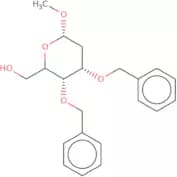
<p>Methyl 3,4-di-O-benzyl-2-deoxy-a-D-glucopyranoside (MBG) is a synthetic compound that is modified at the C3 position with a benzyl group. MBG is an oligosaccharide and polysaccharide that has been shown to have potential as a drug for the treatment of cancer. It has been shown to inhibit tumor growth in animals and human cells by inhibiting DNA synthesis and protein synthesis. Additionally, it can be used for the prevention of postoperative adhesions by inhibiting collagen formation.</p>Formula:C21H26O5Purezza:Min. 95%Peso molecolare:358.43 g/molDimethyl (2S)-2-((4R)-3-O-benzyl-1,2-O-isopropylidene-D-threos-4-yl)succinate
Dimethyl 2-((4R)-3-O-benzyl-1,2-O-isopropylidene-D-threos--4-yl)succinate is a glycosylate compound that is used in the synthesis of saccharides and oligosaccharides. This product can be custom synthesized to order as a monosaccharide or oligosaccharide and can be fluorinated or methylated. Dimethyl (2S)-2-(4R)-3-O-benzyl-1,2--O--isopropylidene D--threo--4--yl)succinate has CAS number 49627–08–0 and molecular weight of 334.24 g/mol. This product is not intended for therapeutic use.Purezza:Min. 95%Phloridzin dihydrate
CAS:Phloridzin is a phenolic acid that is found in the cell walls of plants. It has been shown to be a potent antioxidant, with anti-inflammatory and anti-tumour properties. Phloridzin is also an inhibitor of the divalent metal ion-dependent diphenolase activity that causes oxidative DNA damage. The dihydrate form of phloridzin has been shown to inhibit cisplatin-induced nephrotoxicity in mice by reducing oxidative stress.Formula:C21H24O10·2H2OPurezza:Min. 95%Colore e forma:Off-White PowderPeso molecolare:472.44 g/molN-(4-Methylbenzyliden)imino-2,3,4,6-tetra-O-pivaloyl-D-glucopyranoside
N-(4-Methylbenzyliden)imino-2,3,4,6-tetra-O-pivaloyl-D-glucopyranoside is a synthetic monosaccharide with a complex carbohydrate structure. It can be used in custom synthesis and glycosylation reactions. This product is not found in nature and has not been reported to be found in any natural products. The CAS number for this compound is 51492-04-3.Formula:C34H51NO9Purezza:Min. 95%Peso molecolare:617.77 g/molMethyl 2,3,4-tri-O-benzyl-α-D-glucopyranoside
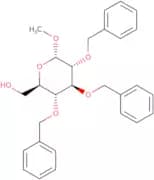
CAS:Resource for the 6-O-modification of Glc e.g. in glucuronic acid synthesisFormula:C28H32O6Purezza:Min. 95%Colore e forma:White PowderPeso molecolare:464.55 g/mol2,6-Dideoxy-D-arabino-hexose
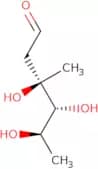
CAS:<p>2,6-Dideoxy-D-arabino-hexose is a hydrogenolysis product of 2,6-dideoxy-D-ribo-hexose. It has been shown to have a solvolytic activity and can be used for the dehalogenation of several halogenated compounds. 2,6-Dideoxy-D-arabino-hexose is also stereoselective and can be used as an estimator in population genetics. This sugar is also regulatory, catalytic, and crystalline. It is found in many carbohydrates, including weighting disaccharides such as sucrose.</p>Purezza:Min. 95%β-D-Thiogalactose sodium
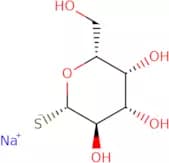
CAS:β-D-Thiogalactose sodium (DTGS) is a radiometric technique that evaluates the profiles of gases by measuring their molecular weights. DTGS is used to measure gas concentrations in the atmosphere, which are transferred to positions on a map. The DTGS technique is validated and calibrated by comparing its measurements with those of other techniques, such as infrared spectroscopy. It can be used to evaluate water vapor and other gases in the atmosphere. This technique has been shown to have accurate results at temperatures ranging from −5°C up to 100°C and at frequencies from 1 Hz up to 10 MHz.Formula:C6H11NaO5SPurezza:Min. 95%Colore e forma:PowderPeso molecolare:218.2 g/mol4-Methoxyphenyl 2-deoxy-3-benzyl-4,6-O-(4-methoxybenzylidene)-2-phthalimido-β-D-glucopyranoside
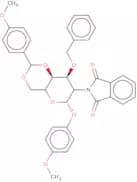
4-Methoxyphenyl 2-deoxy-3-benzyl-4,6-O-(4-methoxybenzylidene)-2-phthalimido-b-D-glucopyranoside is a custom synthesis that has been modified with fluorination and carbamoylation. This product is an oligosaccharide that belongs to the group of polysaccharides. It is a complex carbohydrate that has been synthesized from monosaccharides and sugar. 4MPBGP is soluble in water and has high purity levels. *The following content was automatically generated by eCommerce software:Formula:C36H33NO9Purezza:Min. 95%Peso molecolare:623.65 g/mol1-Deoxy-D-tagatose
CAS:1-Deoxy-D-tagatose (1Dt) is a competitive inhibitor of glycolysis, which blocks the conversion of glucose to pyruvate. 1Dt has been shown to inhibit the growth of strain CAEN on media containing l-arabinose and d-xylose as carbon sources. 1Dt also inhibits the activity of dehydrogenase enzymes in C. elegans, leading to inhibition of mitochondrial respiration and impaired locomotion. It has been shown that 1Dt can be used as a substrate for bioproduction, with hydrazone as an intermediate product. Larger molecules are produced after hydrolysis and decarboxylation of 1Dt. The most common products are tagatose, l-fucitol, and l-arabinose. 1Dt has been shown to have anti-inflammatory properties in animal models by inhibiting the production of reactive oxygen species that are generated during inflammationFormula:C6H12O5Purezza:Min. 95%Peso molecolare:164.16 g/mol1,2-O-Isopropylidene-D-mannitol
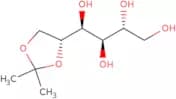
CAS:<p>1,2-O-Isopropylidene-D-mannitol is an alditol that is synthesized by the reaction of 1,2-O-isopropylidene glycerol with sodium sulfide. This product can be further reacted with allylamine to form a thiepane derivative. Thiepane derivatives are polyhydroxylated and have been shown to have antibacterial activity against Staphylococcus aureus, Mycobacterium tuberculosis, and Streptococcus pneumoniae.</p>Formula:C9H18O6Purezza:Min. 95%Colore e forma:PowderPeso molecolare:222.24 g/molPhenyl-beta-D-glucopyranoside
CAS:<p>Phenyl-beta-D-glucopyranoside is a phenolic compound that can be found in plant cell walls. It is a monosaccharide with an ester linkage, which is hydrolyzed by esterases to yield protocatechuic acid. Phenyl-beta-D-glucopyranoside is an inhibitor of sugar transport and has been shown to have protective effects on the liver when it is exposed to toxic substances. This sugar also binds to proteins, which may alter the function of these proteins. Phenyl-beta-D-glucopyranoside has been shown to inhibit glycolysis in hepatic tissues and tannins are released from erythrocytes treated with this substance. Phenyl-beta-D-glucopyranoside has been shown to be chemically stable under acidic conditions.</p>Formula:C12H16O6Peso molecolare:256.26 g/mol1,3,4,6-Tetra-O-acetyl-a-D-galactopyranose
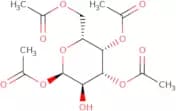
CAS:1,3,4,6-Tetra-O-acetyl-a-D-galactopyranose is a custom synthesis of 1,3,4,6-tetra-O-acetyl-a-D-galactopyranose. It is used in the modification of saccharides and polysaccharides. The modification is done by Click chemistry with the incorporation of fluorine in the sugar ring. This product is available as a white powder and has a CAS number of 19186-40-4.Formula:C14H20O10Purezza:Min. 95%Colore e forma:White PowderPeso molecolare:348.3 g/mol2-Acetamido-2-deoxy-D-glucono-1,5-lactone
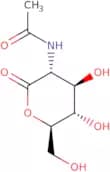
CAS:2-Acetamido-2-deoxy-D-glucono-1,5-lactone is a diagnostic agent that inhibits the activities of enzymes such as protein synthesis and cell division. It can be used to identify viral infections in animals, plants and marine microorganisms. 2-Acetamido-2-deoxy-D-glucono-1,5-lactone has been shown to inhibit the biochemical activity of enzymes in cells grown in culture. 2AADG is also a diagnostic agent that can be used to detect tumors in subcutaneous tissues due to its ability to inhibit the production of proteins essential for cell division.Formula:C8H13NO6Purezza:Min. 95%Colore e forma:PowderPeso molecolare:219.19 g/mol3,4,6-Tri-O-acetyl-1,2-O-ethylidene-b-D-mannopyranose
3,4,6-Tri-O-acetyl-1,2-O-ethylidene-b-D-mannopyranose is a synthetic glycoside that has been fluorinated and methylated. The compound is a versatile building block for the synthesis of complex carbohydrates. It is most commonly used in the synthesis of Oligosaccharides as well as sugar derivatives such as Methylation and Monosaccharide. 3,4,6-Tri-O-acetyl-1,2-O-ethylidene-b-D-mannopyranose has a CAS number of 118810.Purezza:Min. 95%3,4,6-Tri-O-benzyl-1-deoxy-D-sorbofuranose
3,4,6-Tri-O-benzyl-1-deoxy-D-sorbofuranose is a custom synthesis of a monosaccharide that can be modified to include other sugars. It is an example of a complex carbohydrate, which are carbohydrates composed of multiple saccharides. Carbohydrates are vital for all living organisms as they provide the basic fuel for cellular respiration and serve as structural components of cells and tissues. 3,4,6-Tri-O-benzyl-1-deoxy-D-sorbofuranose is used in the synthesis of polysaccharides and glycosylations. This compound has been fluorinated to create an important chemical intermediate for synthesizing saccharides with a high purity.Purezza:Min. 95%Benzyl α-D-glucopyranoside
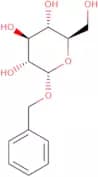
CAS:Benzyl a-D-glucopyranoside is an organic compound with the chemical formula CHO. It is a benzoyl derivative of glucose, which has been shown to be useful in the synthesis of other glycosides. The reaction yield and condition are dependent on reaction temperature and yield rate. The chloride ion reacts with the benzoyl chloride to form an ester, which then hydrolyzes to produce the desired product and hydrogen chloride. The reaction can be carried out at room temperature or under reflux conditions.Formula:C13H18O6Purezza:Min. 95%Colore e forma:PowderPeso molecolare:270.28 g/mol1-Deoxy-1-fluoro-D-tagatose
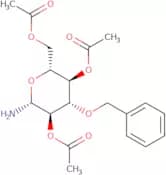
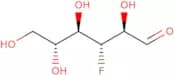
1-Deoxy-1-fluoro-D-tagatose is a sugar with the chemical formula C6H12O6. It has a high purity and can be custom synthesized. The modification of this sugar includes fluorination, glycosylation, and methylation. 1-Deoxy-1-fluoro-D-tagatose is also an oligosaccharide that consists of one monosaccharide and one saccharide. This compound belongs to the group of complex carbohydrates because it is made up of many different sugars that are linked together in chains.Purezza:Min. 95%2,4,6-Tri-O-acetyl-3-O-benzyl-b-D-glucopyranosylamine
CAS:Building block for 3-O-modified glucosylamide-linked glyconconjugatesFormula:C19H25NO8Purezza:Min. 95%Colore e forma:PowderPeso molecolare:395.4 g/molD-Salicin
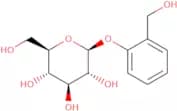
CAS:<p>D-Salicin is a naturally occurring compound, classified as a biologically active glycoside. It is acquired from the bark of willow trees, primarily species within the genus Salix. The primary mode of action of D-Salicin involves its metabolic conversion into salicylic acid within the human body. This conversion occurs in the gastrointestinal tract and bloodstream, ultimately displaying effects similar to non-steroidal anti-inflammatory drugs (NSAIDs).</p>Formula:C13H18O7Purezza:Min. 98 Area-%Colore e forma:White Off-White PowderPeso molecolare:286.28 g/mol2-Azido-2-deoxy-3,5-O-isopropylidene-D-xylono-1.4-lactone
2-Azido-2-deoxy-3,5-O-isopropylidene-D-xylono-1.4-lactone is a glycosylation agent that can be used in the synthesis of complex carbohydrates and saccharides. This compound is fluorinated at the 3 position and then modified with a click chemistry reaction to introduce an azide group. The azide group can be used for subsequent modifications such as Polysaccharide, Fluorination, or Click modification. 2-Azido-2-deoxy-3,5-O-isopropylidene -D-xylono--1.4--lactone has CAS number 79840–01–8 and is custom synthesized to high purity for research purposes only.Purezza:Min. 95%Phenyl-6-azido-6-deoxy-2,3,4-tris-O-(phenylmethyl)-1-thio-b-D-galactopyranoside
CAS:Phenyl-6-azido-6-deoxy-2,3,4-tris-O-(phenylmethyl)-1-thio-β-D-galactopyranoside is an oligosaccharide that can be used in the synthesis of complex carbohydrates. This compound has a CAS number of 260976-50-9 and a molecular weight of 536. It can be used as a synthetic intermediate in the production of saccharides and sugar derivatives. Phenyl 6 Azido 6 Deoxy 2,3,4 Tris O (phenylmethyl) 1 Thio β D Galactopyranoside is soluble in water and insoluble in organic solvents. It is also stable under acidic conditions and can be easily converted to other compounds with different functional groups.Purezza:Min. 95%N6-Benzyladenine-7-glucoside
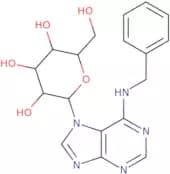
CAS:<p>N6-Benzyladenine-7-glucoside is a benzyladenine derivative that is the major precursor of dihydrozeatin, an important plant growth regulator. N6-Benzyladenine-7-glucoside has been shown to be a potent inhibitor of the uptake of radioactive n6-benzyladenine in tobacco leaves. It also inhibits the uptake of radioactive adenine and guanine in tabacum l. explants and tissues. The compound can inhibit cell division by interfering with hormonal treatments that promote growth and development. The inhibition of cell division may be due to interference with the auxin transport system in plants, which leads to decreased levels of endogenous auxins and growth regulators, such as cytokinins, gibberellins, abscisic acid, and ethylene.</p>Formula:C18H21N5O5Purezza:Min. 95%Colore e forma:PowderPeso molecolare:387.39 g/molMethy 2-deoxy-5-O-(4-phenylbenzoyl)-a-D-ribofuranoside
CAS:Methyl 2-deoxy-5-O-(4-phenylbenzoyl)-a-D-ribofuranoside is a custom synthesis of an Oligosaccharide, Polysaccharide, saccharide, Carbohydrate. It is a fluorinated modification of a high purity custom synthesis of Methy 2-deoxy-5-O-(3,4,6-trichlorobenzoyl)-a-D-ribofuranoside. The compound has been modified by Click chemistry to include a methyl group at the C2 position and it has been shown to be a complex carbohydrate. The compound has also been synthesized with great purity and high quality. This compound can be used in the study of monosaccharides, sugars and synthetic compounds.Formula:C19H20O5Purezza:Min. 95%Peso molecolare:328.36 g/molDuloxetine-4-hydroxy-D-glucuronide
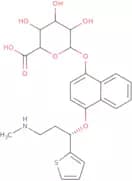
CAS:Duloxetine-4-hydroxy-D-glucuronide is a synthetic, fluorinated derivative of duloxetine. It is an active metabolite of the antidepressant drug duloxetine and has been shown to have similar pharmacological activity. Duloxetine-4-hydroxy-D-glucuronide is prepared by click chemistry from 4-(dihydroxymethyl)benzaldehyde and 2,3,4,6-tetrabromobenzene. The product can be purified by crystallization or recrystallization from methanol. Duloxetine-4-hydroxy-D-glucuronide is a white powder that can be modified with saccharides for glycosylation or with polysaccharides for complex carbohydrate synthesis.Formula:C24H27NO8SPurezza:Min. 95%Colore e forma:Off-white to yellow/brown solid.Peso molecolare:489.54 g/molD-Xylose-5-phosphate disodium
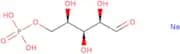
CAS:D-Xylose-5-phosphate disodium salt is a Custom synthesis that has been fluorinated, methylated, and modified with a click reaction. D-Xylose-5-phosphate disodium salt is also an oligosaccharide and polysaccharide. The CAS No. for this compound is 1083083-57-1.Formula:C5H11O8P•Na2Purezza:(%) Min. 80%Colore e forma:White/Off-White SolidPeso molecolare:276.09 g/molD-Gulose
CAS:<p>D-Gulose is a sugar that has been shown to have inhibitory properties on blood glucose levels. It also has insulin-like effects and can be used as an alternative to insulin injections in patients with Type 1 diabetes. D-Gulose is metabolized by the liver into 5-deoxy-D-gluconic acid and then into glucose, which can then be used for cellular energy production. The rate constant for this process was determined in experiments using rat liver slices. D-Gulose may also have potent angiogenic effects, as it increased the proliferation of pluripotent cells and caused significant increases in growth factor β1 expression. D-Gulose may also have potential anti-cancer effects, as it inhibited nitrate reductase activity in tumor cells and decreased xanthine oxidase activity.</p>Formula:C6H12O6Purezza:Min. 99 Area-%Colore e forma:White PowderPeso molecolare:180.16 g/mol(R)-1,4-Anhydro-2-O-(2,4-dimethoxybenzoyl)-3,5-O-(1,1,3,3- tetraisopropyldisiloxane-1,3-diyl)-4-sulfinyl-D-ribitol
CAS:(R)-1,4-Anhydro-2-O-(2,4-dimethoxybenzoyl)-3,5-O-(1,1,3,3- tetraisopropyldisiloxane-1,3-diyl)-4-sulfinyl-D-ribitol is a synthetic carbohydrate. It is a monosaccharide that has been modified with methylation and fluorination. The compound is used in the synthesis of oligosaccharides and polysaccharides. (R)-1,4-Anhydro-2-O-(2,4-dimethoxybenzoyl)-3,5--O-(1,1,3,3--tetraisopropyldisiloxane) -D ribitol has been found to be an active ingredient in pharmaceutical products.Purezza:Min. 95%N-(7-Oxadecyl)deoxynojirimycin
CAS:<p>N-(7-Oxadecyl)deoxynojirimycin is a chaperone protein. It belongs to the group of proteins that are deficient in patients with type 1 glycogen storage disease and can be used to treat this condition. N-(7-Oxadecyl)deoxynojirimycin has been shown to bind to the endoplasmic reticulum, thereby preventing the maturation of certain proteins and their transport into other cellular compartments. This agent also has a protective function in muscle cells by preventing protein degradation due to abnormal folding or misfolding. The long-term effect of N-(7-Oxadecyl)deoxynojirimycin on skeletal muscle is unclear, although it has been found to be beneficial in the short term for patients with type 1 glycogen storage disease.</p>Formula:C15H31NO5Purezza:Min. 95%Colore e forma:PowderPeso molecolare:305.41 g/mol1-Cyano-2-deoxy-3,5-di-O-toluoyl-α-D-ribofuranose
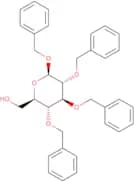
<p>1-Cyano-2-deoxy-3,5-di-O-toluoyl-a-D-ribofuranose is a fluorinated monosaccharide that is synthesized by the glycosylation of 1,2:3,4:6,7:8,9-hexahydrobenzo[e]pyrrolo[1,2a]pyrazinone with 2,6:3',5'-dioxo-[1]benzothiophene. This compound has been shown to be an effective inhibitor of the enzyme glycogen synthase kinase 3β (GSK3β) and may have potential as a therapeutic agent for type II diabetes.</p>Formula:C22H21NO5Purezza:Min. 95%Peso molecolare:379.41 g/mol1,2,3,4-Tetra-O-benzyl-β-D-glucopyranoside
CAS:1,2,3,4-Tetra-O-benzyl-β-D-glucopyranoside is a prodrug that becomes active after acetylation. It is an endogenous compound that has been shown to inhibit the synthesis of myelin and lipid peroxidation in rat brains. This drug has also been found to be effective in the treatment of amyotrophic lateral sclerosis (ALS). 1,2,3,4-Tetra-O-benzyl-β-D-glucopyranoside is unmodified and does not have any side effects on the nervous system. It can be used for the treatment of Parkinson's disease when combined with levodopa.Formula:C34H36O6Purezza:Min. 95%Colore e forma:White Off-White PowderPeso molecolare:540.65 g/mol1-O-Acetyl-3,5-bis(4-chlorobenzoyl)-2-deoxy-D-ribose
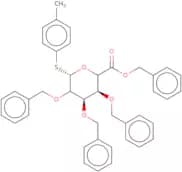
CAS:1-O-Acetyl-3,5-bis(4-chlorobenzoyl)-2-deoxy-D-ribose is a methylated saccharide that can be synthesized from D-ribose and 4-(chloromethyl)benzaldehyde. It has been used for the modification of polysaccharides with click chemistry to produce oligosaccharides. This compound has also been used in the synthesis of glycosyls such as N,N'-diacetylchitobiose and N,N'-diacetylchitotriose. 1-O-Acetyl 3,5 bis (4 chlorobenzoyl)-2 deoxy D ribose is an Oligosaccharide that is soluble in water and is stable at high temperatures. The purity of this compound exceeds 99% and it's CAS number is 1207459-15-1.Formula:C21H18Cl2O7Purezza:(%) Min. 95%Colore e forma:White PowderPeso molecolare:453.27 g/mol4-Methylphenyl 2,3,4-tri-O-benzyl-b-D-thioglucuronide benzyl ester
CAS:<p>4-Methylphenyl 2,3,4-tri-O-benzyl-b-D-thioglucuronide benzyl ester is a carbohydrate that is synthesized from the monosaccharide 4-methylphenol and bromoacetaldehyde. It is a custom synthesis that can be modified with fluorination or methylation. The purity of this product is high and it has been synthesized using a click modification.</p>Formula:C41H40O6SPurezza:Min. 95%Peso molecolare:660.82 g/molD-Galactose non-animal origin
CAS:<p>D-Galactose is a monosaccharide that is found in the cells of plants and animals. It can be synthesized from D-glucose by adding a D-galactose molecule to the alpha carbon of an existing glucose molecule. The resulting bond is called a glycosidic linkage. This process is called glycosylation. Glycosylation occurs when a sugar molecule reacts with another molecule, such as an amino acid, lipid, or nucleotide, to form what is known as a glycoside linkage. In this case, the sugar is D-galactose and the other molecules are either amino acids or lipids. The reaction between D-galactose and other molecules often results in polysaccharides and complex carbohydrates such as cellulose, chitin, and glycogen.<br>Methylation of D-galactose can produce methyl galactoside (CAS No. 1881-42-7), which</p>Formula:C6H12O6Purezza:Min. 98 Area-%Peso molecolare:180.16 g/mol1,4-Anhydro-D-erythritol
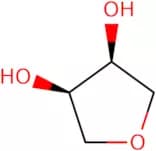
CAS:<p>1,4-Anhydro-D-erythritol is a sugar alcohol that can be found in various plants and fruits. It is a reaction product of D-erythrose and glycerol, with an average formation rate of 10%. The hydroxyl group on the 1,4-anhydro-D-erythritol molecule reacts with methyl glycosides to produce an ester. Trifluoromethanesulfonic acid is used as a catalyst in this process, which activates the hydroxyl group on the molecule. The reaction mechanism for this process involves three steps: elimination of water, dehydration of the hydroxyl group, and addition of methyl glycoside. This process results in a new molecule called 1,4-anhydro-D-erythritol methyl ester (AEME). AEME has been shown to have conformational properties that are different from those of its parent compound. The conformational</p>Formula:C4H8O3Purezza:Min. 95%Colore e forma:Clear LiquidPeso molecolare:104.1 g/molADP-D-glucose disodium salt
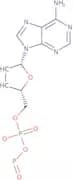
CAS:ADP-D-glucose disodium salt is a synthetic saccharide with the chemical formula C6H14N2O8. It is used as a building block for the synthesis of complex carbohydrates, such as polysaccharides and oligosaccharides. ADP-D-glucose disodium salt can be modified to create methylated, glycosylated, and fluorinated derivatives. These modifications allow ADP-D-glucose disodium salt to be used in Click chemistry and other advanced applications.br>br>ADP-D-glucose disodium salt is also known by its CAS number 102129-65-7.br>br> br>br>Formula:C16H23N5O15P2·2NaPurezza:Min. 95%Colore e forma:PowderPeso molecolare:633.31 g/mol3,4,6-Tri-O-allyl-D-glucal
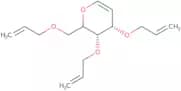
CAS:3,4,6-Tri-O-allyl-D-glucal is a custom synthesis of a complex carbohydrate. It is an Oligosaccharide and Polysaccharide that can be modified by methylation and glycosylation. The product is a Modification of saccharides that has been shown to have Methylation, Glycosylation, Carbohydrate and Click modification. 3,4,6-Tri-O-allyl-D-glucal has CAS No. 434327-45-4 and is available in High purity with Fluorination.Formula:C15H22O4Purezza:Min. 95%Peso molecolare:266.33 g/mol2-Azidoethyl 2,3,4,6-tetra-O-acetyl-b-D-galactopyranoside
CAS:Epidermal growth factor is a polypeptide that regulates the proliferation and differentiation of cells. It has been shown to have anabolic effects on muscle, connective tissue and bone. Epidermal growth factor binds to the epidermal growth factor receptor (EGFR), which is found in the cell membrane. The binding of the ligand to this receptor induces a conformational change in the receptor, which activates downstream signalling pathways, leading to its biological effects. Epidermal growth factor has been shown to stimulate protein synthesis in skeletal muscle cells by increasing levels of messenger ribonucleic acid (mRNA) encoding for insulin-like growth factor I (IGF-I). This stimulation is mediated by an increase in cAMP concentrations induced by EGFR activation.br>br>Formula:C16H23N3O10Purezza:Min. 95%Colore e forma:White PowderPeso molecolare:417.37 g/molN-Amyl β-D-glucopyranoside
CAS:N-Amyl b-D-glucopyranoside is a monosaccharide with a glucose residue at the 1 position and an amyl group at the 2 position. It is a synthetic sugar that can be used as a starting material in glycosylation reactions to modify oligosaccharides, saccharides, and complex carbohydrates. N-Amyl b-D-glucopyranoside can also be fluorinated, methylated, or modified by click chemistry to produce novel compounds. N-Amyl b-D-glucopyranoside is typically obtained by the glycosylation of amylamine with dibenzoyl glucose in the presence of an acid catalyst. This reaction produces a mixture of mono-, di-, tri-, tetra-, penta-, hexa-, hepta-, octa-, nona-, deca-, undeca-, dodeca-, and tetradecasaccharides, whichFormula:C11H22O6Purezza:Min. 95%Colore e forma:White to off-white solid.Peso molecolare:250.29 g/mol2,3-O-Isopropylidene-D-lyxofuranose
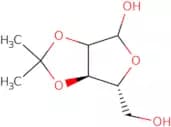
CAS:2,3-O-Isopropylidene-D-lyxofuranose is a synthetic disaccharide that is used as an antiinflammatory agent. It has been shown to inhibit the production of e-selectin, a protein that mediates inflammation by binding to cells in the vicinity of the site of injury. This compound has also been shown to inhibit diacetate formation from oxocarbenium ions and glycosidic linkage formation. 2,3-O-Isopropylidene-D-lyxofuranose may be synthesized via a Wittig reaction with phytosphingosine or wittig reaction with acetone.Formula:C8H14O5Purezza:Min. 98 Area-%Colore e forma:White PowderPeso molecolare:190.19 g/mol3,5-o-Benzyl-idono-d-lyx-r-lactone
3,5-o-Benzylidene-d-lyxuronic acid is a carbohydrate derivate that is used in the modification of oligosaccharides and polysaccharides. 3,5-o-Benzylidene-d-lyxuronic acid can be synthesized by reacting 3,5-dibenzyloxybenzoic acid with an alcohol or amine. This compound has a CAS number of 4891-57-3. It is a white to off white powder that has a molecular weight of 264.24 g/mol and chemical formula C21H28O4. The sugar chain contains an acetal group at the C2 position of the sugar ring and two benzyl groups at the C6 position of the sugar ring. 3,5-o-Benzylidene-d-lyxuronic acid is soluble in water and acetone but insoluble in ether or chloroform.Purezza:Min. 95%3,4-O-(1',1',3',3'-Tetraisopropyl-1,3-disiloxanediyl)-L-rhamnal
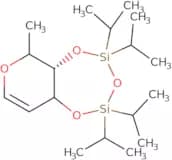
CAS:3,4-O-(1',1',3',3'-Tetraisopropyl-1,3-disiloxanediyl)-L-rhamnal is a synthetic sugar that is used as a building block for the synthesis of glycoproteins and other polymers. It can be methylated to give 3,4-O-(1',1',3',3'-tetramethyl-1,3-disiloxanediyl)-L-rhamnal, which is an inhibitor of protein glycosylation. 3,4-O-(1',1',3',3'-Tetraisopropyl-1,3-disiloxanediyl)-L-rhamnal has been fluorinated to give 3,4-O-(2'-fluoroethylidene) -L-rhamnal and used in Click chemistry reactions.Formula:C18H36O4Si2Purezza:Min. 95%Peso molecolare:372.65 g/mol5-Fluorouridine 5'-Diphosphate Galactose
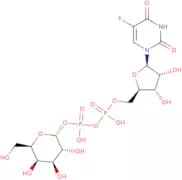
CAS:5-Fluorouridine 5'-Diphosphate Galactose is a nucleotide that is used as an inhibitor of thymidylate synthase. It is a chemotherapeutic agent that inhibits the production of DNA and RNA, which leads to the death of tumor cells. 5-Fluorouridine 5'-Diphosphate Galactose binds to a specific site on the enzyme thymidylate synthase, preventing it from catalyzing the conversion of thymine to thymine monophosphate. This prevents DNA synthesis and also causes the death of tumor cells due to lack of DNA and RNA synthesis. 5-Fluorouridine 5'-Diphosphate Galactose is synthesized from uracil and galactose. It is converted into 5-fluorouridine 5'-diphosphate by pyrophosphatase, which then reacts with ATP or GTP to form 5-fluorouridineFormula:C15H23FN2O17P2Purezza:Min. 95%Peso molecolare:584.29 g/molMethyl 2,3,4-tri-O-benzoyl-6-O-trityl-a-D-glucopyranoside
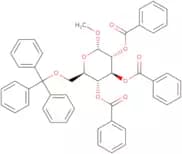
CAS:Methyl 2,3,4-tri-O-benzoyl-6-O-trityl-a-D-glucopyranoside is a synthetic compound that has been modified. This modification includes the addition of fluorine at the 6th carbon on the right side of the molecule. The methylation and tritylation of the molecule have also been performed to create a new product with a better stability. Methyl 2,3,4-tri-O-benzoyl-6-O-trityl-aDglucopyranoside can be used as a monosaccharide or oligosaccharide in glycosylation reactions. It can also be used as an intermediate in the synthesis of complex carbohydrate molecules.Formula:C47H40O9Purezza:Min. 95%Peso molecolare:748.84 g/mol3-Deoxy-3-fluoro-D-allose
CAS:<p>3-Deoxy-3-fluoro-D-allose is a chemical compound with the molecular formula CHNO. It has been shown to have potential as a contrast agent for magnetic resonance imaging (MRI) and positron emission tomography (PET). The conformation of 3-Deoxy-3-fluoro-D-allose is similar to that of glucose, but it does not inhibit the uptake of glucose by erythrocytes or the transport of glucose across cell membranes. 3DFA has been shown to be taken up by cells in the brain, kidney, and liver. The uptake and distribution of 3DFA in these tissues was dependent on serum protein concentrations.</p>Formula:C6H11FO5Colore e forma:PowderPeso molecolare:182.15 g/mol1,2:5,6-Di-O-isopropylidene-a-D-gulofuranose
CAS:Synthetic building blockFormula:C12H20O6Purezza:Min. 98 Area-%Colore e forma:White PowderPeso molecolare:260.28 g/mol2,3-Di-O-benzyl-4,6-O-ethylidene-D-glucopyranose
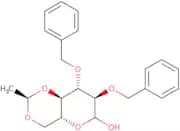
CAS:2,3-Di-O-benzyl-4,6-O-ethylidene-D-glucopyranose is a synthetic oligosaccharide that can be used as a starting material for the synthesis of glycosylated polysaccharides. It is custom synthesized to your specifications and is available in high purity.Formula:C22H26O6Purezza:Min. 95%Colore e forma:PowderPeso molecolare:386.44 g/molD-Galactosamine hydrochloride - Synthetic origin
CAS:<p>D-Galactosamine (GalN) is an aldohexose (2-Amino-2-deoxygalactose) in which the hydroxyl group at position 2 is replaced by an amino group (Collins, 2006). Galactosamine (as the N-Acetyl derivative) forms a key part of both N- and O-linked glycoproteins, glycolipids and glycosaminoglycans. Treatment of experimental animals with D-galactosamine / lipopolysaccharide causes lethal liver injury characterized by apoptosis of the hepatocyte and it is used as a laboratory model to study the effect of therapeutic agents (Hirono, 2001).</p>Formula:C6H13NO5·HClPurezza:Min. 98 Area-%Colore e forma:White PowderPeso molecolare:215.63 g/mol2-Deoxy-2-fluoro-L-fucose
CAS:2-Deoxy-2-fluoro-L-fucose (2FF) is a fluorinated analogue of fucose that can be converted to GDP (Guanosine Diphosphate)-2FF in vitro, a competitive inhibitor of alpha-1,3-fucosyltransferase V. It can also be metabolised inside the cell to a substrate-based inhibitor of fucosyltransferases. 2FF reduces fucosylation of IgG in antibodies, which increases therapeutic efficacies of antibodies that cause antibody-dependent cellular cytotoxicity.Formula:C6H11FO4Purezza:Min. 98.0 Area-%Colore e forma:White PowderPeso molecolare:166.15 g/molGypsogenin-3-O-glucuronide
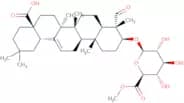
CAS:Gypsogenin-3-O-glucuronide is a saponin found in the roots of Gypsophila paniculata, a plant native to China. It has been shown to have anti-inflammatory and anti-tumor activities. Gypsogenin-3-O-glucuronide has been shown to inhibit tumor growth in mice by inhibiting protein synthesis. The pentasaccharides that make up gypsogenin are present in different proportions, which leads to differences in the biological activity of this compound. This is one of the reasons why saponins have not yet been fully explored for potential use in medicine.Formula:C37H56O10Purezza:Min. 95%Colore e forma:PowderPeso molecolare:660.83 g/mol1,2,3,4-Tetra-O-benzoyl-6-O-tert-butyldimethylsilyl-a-D-mannopyranose
CAS:1,2,3,4-Tetra-O-benzoyl-6-O-tert-butyldimethylsilyl-a-D-mannopyranose is a custom synthesis of a complex carbohydrate. It is an Oligosaccharide that is Polysaccharide in nature. The saccharide has been modified with Methylation and Glycosylation. Carbohydrate modifications include Click modification and Fluorination. CAS No. 1222709-51-4. 1,2,3,4 Tetra O benzoyl 6 O tert butyldimethylsilyl a D mannopyranose has high purity with a purity greater than 99%.Formula:C40H42O10SiPurezza:Min. 95%Peso molecolare:710.86 g/mol(2R, 3R, 4R) -3, 4- Dihydroxy- 2- (hydroxymethyl) - 1- pyrrolidineacetic acid
CAS:(2R, 3R, 4R) -3, 4- Dihydroxy- 2- (hydroxymethyl) - 1- pyrrolidineacetic acid is a synthetic monosaccharide that can be modified with fluorine and methylation. This compound is a carbohydrate that can be used for the synthesis of oligosaccharides and polysaccharides. It has been shown to be useful for glycosylation reactions and in the synthesis of complex carbohydrates.Purezza:Min. 95%3,5-((R)-Benzylidene)-6-deoxy-L-glucono-1,4-lactone
3,5-((R)-Benzylidene)-6-deoxy-L-glucono-1,4-lactone is a synthesized sugar that can be modified to include fluorination, glycosylation, methylation and other modifications. It is an oligosaccharide with a saccharide backbone made up of glucose units. The monosaccharides are galactose and glucuronic acid. 3,5-(R) Benzylidene)-6-deoxy-L-glucono-1,4-lactone is used in the synthesis of complex carbohydrates for research purposes.Purezza:Min. 95%α-D-Mannose-1-phosphate sodium
CAS:<p>α-D-Mannose-1-phosphate sodium is a synthetically made mannose phosphate. This compound is used in the synthesis of oligosaccharides and glycoproteins.</p>Formula:C6H11Na2O9PPurezza:Min. 98 Area-%Colore e forma:White PowderPeso molecolare:304.1 g/mol4-Methoxyphenyl 2,3,6-tri-O-benzoyl-b-D-galactopyranoside
CAS:<p>The 4-methoxyphenyl 2,3,6-tri-O-benzoyl-b-D-galactopyranoside (4MP) is a coagulation factor that inhibits the activity of coagulation factors Xa and IIa. The compound has been shown to be reactive with the detection methods used for other coagulation factors. The sensitivity of 4MP to detection was assessed using a battery of detection methods. 4MP was found to be more reactive than other compounds studied with regard to the use of an immunoassay for detection. This compound has hepatotoxic effects and can cause cell death in vitro. Cell culture studies show that 4MP causes membrane permeabilization and cellular uptake by bacteria.</p>Formula:C34H36O7Purezza:Min. 95%Colore e forma:White to off-white solid.Peso molecolare:556.24612,3:4,6-Di-O-isopropylidene-α-L-sorbofuranose
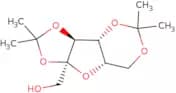
CAS:2,3:4,6-Di-O-isopropylidene-α-L-sorbofuranose is a furanose sugar that is structurally similar to sorbose. It is a five membered ring with two stereocenters. The conformation of this molecule encompasses the techniques of dialkyl and furanose synthesis. This compound can be used as a vitamin and can be degraded by ozonation in water. 2,3:4,6-Di-O-isopropylidene-α-L-sorbofuranose is biodegradable and has been shown to have antiinflammatory properties.Formula:C12H20O6Purezza:Min. 95%Colore e forma:White PowderPeso molecolare:260.28 g/molMethyl 3,4-di-O-acety-2-O-benzyl-β-D-xylopyranoside
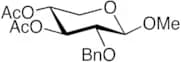
CAS:Methyl 3,4-di-O-acety-2-O-benzyl-β-D-xylopyranoside is a selectively protected xylose building block.Formula:C17H22O7Purezza:Min. 95%Colore e forma:PowderPeso molecolare:338.38 g/molPhenyl b-L-thiofucopyranoside
<p>Phenyl b-L-thiofucopyranoside is a custom-synthesized, fluorinated, modified sugar that is used in the synthesis of oligosaccharides and polysaccharides. This compound is an excellent choice for methylation reactions due to its high reactivity and stability under harsh conditions. Phenyl b-L-thiofucopyranoside can be used as a precursor for the synthesis of saccharide derivatives, such as monosaccharides and complex carbohydrates. It has been shown to be stable to heat and pH extremes, making it ideal for use in organic syntheses.</p>Formula:C12H16O4SPurezza:Min. 95%Colore e forma:PowderPeso molecolare:256.32 g/mol4-O-Acetyl-2,5-anhydro-1,3-isopropylidene-D-glucitol
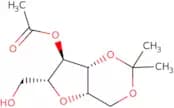
CAS:4-O-Acetyl-2,5-anhydro-1,3-isopropylidene-D-glucitol (4AIG) is a modification of glucose. 4AIG is a white to light yellow crystalline solid that melts with decomposition at 150°C. It is soluble in water and acetone but insoluble in ether. 4AIG can be used as a raw material for the synthesis of oligosaccharides and polysaccharides.Formula:C11H18O6Purezza:Min. 95%Peso molecolare:246.26 g/molN-Methyl-L-glucosamine
CAS:N-Methyl-L-glucosamine is a monosaccharide that is used as a building block for glycosaminoglycans. It can be synthesized by the enzyme glucoamylase from glucose and UDP-N-acetylglucosamine, or supplied exogenously as a dietary supplement. N-Methyl-L-glucosamine is stable in the presence of light and resistant to microbial degradation. This agent has been shown to be effective in inhibiting skin cancer in mice when combined with other agents such as hydroquinone, retinoic acid, and tretinoin. N-Methyl-L-glucosamine has been shown to have antiangiogenic properties on tubule cells, which may be due to its ability to inhibit the production of vascular endothelial growth factor (VEGF) in these cells.Formula:C7H15NO5Purezza:Min. 95%Peso molecolare:193.2 g/molTizoxanide O-b-D-glucuronide sodium salt
CAS:Tizoxanide O-b-D-glucuronide sodium salt is a synthetic glycosylate of tizoxanide, which is a sulfonamide antibacterial agent. The drug has broad-spectrum activity against Gram-positive and Gram-negative bacteria as well as anaerobic bacteria. Tizoxanide O-b-D-glucuronide sodium salt is also effective against mycoplasma, chlamydia, and rickettsia. This compound can be formulated in the form of a sterile powder for intravenous injection or oral administration. It is used to treat infections caused by bacteria that are resistant to other antibiotic drugs. Tizoxanide O-b-D-glucuronide sodium salt has an excellent safety profile in humans with no significant side effects reported.Formula:C16H14N3NaO10SPurezza:Min. 95%Colore e forma:PowderPeso molecolare:463.35 g/mol2-Iodoethyl 2,3,4-tri-O-acetyl-a-L-fucopyranoside
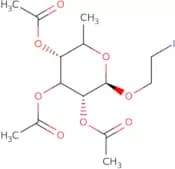
2-Iodoethyl 2,3,4-tri-O-acetyl-a-L-fucopyranoside is a synthetic glycosylate compound that can be used as an intermediate in the synthesis of oligosaccharides. It has been modified with methylation and fluorination to introduce new functional groups. This product is highly pure and can be custom synthesized to meet your needs.Formula:C14H21IO8Purezza:Min. 95%Colore e forma:White To Off-White SolidPeso molecolare:444.22 g/molMethyl 4,6-O-benzylidene-2-deoxy-a-D-glucopyranoside
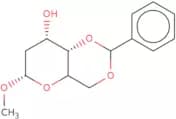
Methyl 4,6-O-benzylidene-2-deoxy-a-D-glucopyranoside is a modification of the sugar, glucopyranose. This modified sugar can be used to produce complex carbohydrates or polysaccharides. It is synthesized by reacting methyl groups with the hydroxyl group at position 6 of glucopyranose and then reacting with an aldehyde group at position 2. Methyl 4,6-O-benzylidene-2-deoxy-a-D-glucopyranoside is also known as DMBG for its chemical name. This compound has CAS number 537894 and a molecular weight of 264.24 g/mol. It has a purity of 99% and can be used in various applications such as glycosylation reactions and fluorination reactions.Formula:C14H18O5Purezza:Min. 95%Peso molecolare:266.3 g/molDucheside A pentaacetate
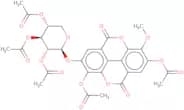
Ducheside A pentaacetate is a fluorescent sugar that can be used as a fluorescent probe to study the glycosylation of proteins. This compound has been shown to be effective in inhibiting the growth of Gram-positive bacteria such as Mycobacterium tuberculosis, Clostridium perfringens, and Streptococcus pyogenes. Ducheside A pentaacetate is synthesized from duchesidin I and an acetyl group, which is then fluorinated with N-fluorobenzenesulfonamide. The product can be modified through methylation or click chemistry reactions. Ducheside A pentaacetate is soluble in water and has a molecular weight of 585.5 g/mol. It has CAS number 314965-07-8 and purity greater than 99%.Purezza:Min. 95%1,3,4,6-Tetra-O-acetyl-2-deoxy-2-fluoro-D-galactopyranose
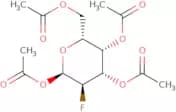
CAS:1,3,4,6-Tetra-O-acetyl-2-deoxy-2-fluoro-D-galactopyranose is a fluorinated sugar that is used in the synthesis of glycosides. It is a synthetic compound that is prepared by reacting 1,3,4,6-tetraacetyl galactose with potassium bifluoride and diethyl oxalate in presence of anhydrous sodium sulfate. The product obtained has the following structural formula: The chemical name for this compound is 1,3,4,6-Tetraacetyl -2-[(1R)-1-(ethoxycarbonyl)propyl]-2-(fluorooxymethyl) -D-galactopyranose. The CAS number for this compound is 83697–45–4.Formula:C14H19FO9Purezza:(As Sum Of Anomers) Min. 98 Area-%Colore e forma:White PowderPeso molecolare:350.3 g/mol2-Methyl-(1,2-dideoxy-a-D-glucopyrano)-[2,1-d]-2-oxazoline
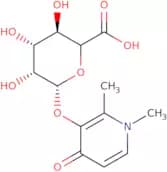
CAS:2-Methyl-(1,2-dideoxy-a-D-glucopyrano)-[2,1-d]-2-oxazoline is a high purity, custom synthesis carbohydrate. It has been fluorinated and methylated to increase its stability and resistance to proteases. This compound is used in the synthesis of oligosaccharides and polysaccharides. It can be glycosylated or click modified with thiol groups.Formula:C8H13NO5Purezza:Min. 95%Colore e forma:PowderPeso molecolare:203.19 g/molDeferiprone 3-O-β-D-glucuronide
CAS:Deferiprone 3-O-b-D-glucuronide is a modification of deferiprone. It is synthesized by methylation, glycosylation, and polysaccharide modification with fluorine. Deferiprone 3-O-b-D-glucuronide is monosaccharide in nature and has high purity and custom synthesis.Formula:C13H17NO8Purezza:Min. 95%Colore e forma:Light (Or Pale) Yellow SolidPeso molecolare:315.28 g/mol3,4-O-Isopropylidene-L-arabinose
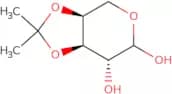
CAS:<p>3,4-O-Isopropylidene-L-arabinose (3,4-OIRA) is an isopropylidene derivative of L-arabinose. 3,4-OIRA has been shown to be a substrate for glycosylation reactions with various other sugars. It can also undergo methylation reactions and has been modified by fluorination. 3,4-OIRA is a food additive that belongs to the category of complex carbohydrates.</p>Formula:C8H14O5Purezza:Min. 98 Area-%Colore e forma:PowderPeso molecolare:190.19 g/molGDP-D-mannose disodium salt
CAS:GDP-D-mannose is a natural mannosyl donor and substrate for mannosyltransferases that catalyses mannosylation, for instance during the synthesis of the trimannoside core of complex, high-mannose or hybrid N-glycans. GDP-D-mannose is widely used in (chemo)enzymatic synthesis of oligosaccharides and its biosynthesis occurs from glucose-6-phosphate over several steps. GDP-D-mannose consists of a D-mannose unit, α-glycosydically linked to the nucleotide guanosine diphosphate (GDP). Examples of this important reaction would be the transfer of mannosyl moieties onto the dolichol-P-P-GlcNAc2 precursor of N-glycans in the endoplasmatic reticulum, with release of GDP, or the mannosylation reactions during GPI-anchor (bio)synthesis. GDP-D-mannose has also been used for the in vitro synthesis of b-mannan oligosaccharides.Formula:C16H23N5O16P2Na2Purezza:Min. 90 Area-%Colore e forma:White PowderPeso molecolare:649.3 g/mol2-Hydroxydesipramine glucuronide
CAS:2-Hydroxydesipramine glucuronide is a metabolite of desipramine, which is a tricyclic antidepressant that inhibits the uptake of noradrenaline and 5-hydroxytryptamine. 2-Hydroxydesipramine glucuronide is formed by conjugation with glucuronic acid. It has been found in human urine and has been proposed as a biomarker for the clinical monitoring of patients taking desipramine. The pharmacological effects of 2-hydroxydesipramine glucuronide are similar to those of desipramine, but it is less potent and selective than its parent compound. This metabolite also has biliary excretion properties, which may be due to its small molecular size.Formula:C24H30N2O7Purezza:Min. 95 Area-%Colore e forma:PowderPeso molecolare:458.51 g/molPalatinose hydrate
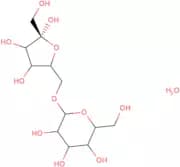
CAS:Palatinose hydrate is a polyol that is produced by the hydrolysis of inulin. It has been shown to have antibacterial activity against Lactococcus lactis, an important probiotic bacteria. Palatinose hydrate also has an amine group that can react with the carbonyl group of other compounds. This makes it effective against bacteria such as Echinocandin, which contains a reactive carbonyl group. Palatinose hydrate is used in food products and has been shown to have anti-viral properties. The viscosity of this compound can be increased by mixing with glycerol or sorbitol.Formula:C12H22O11·xH2OPurezza:Min. 95%Colore e forma:PowderPeso molecolare:342.3 g/mol2,3,4,6-Tetra-O-benzoyl-β-D-glucopyranosyl fluoride
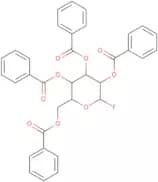
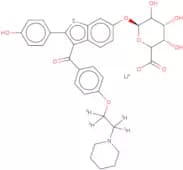
CAS:<p>Synthetic carbohydrate building block</p>Formula:C34H27FO9Purezza:Min. 95%Colore e forma:PowderPeso molecolare:598.59 g/molRaloxifene-6-D-glucuronide D4 lithium salt
Prodotto controllatoThis is a custom synthesis of an oligosaccharide with a 6-D-glucuronide D4 lithium salt. It is a complex carbohydrate that has been modified with methylation and glycosylation. This compound can be used as a synthetic intermediate for the production of other compounds or it can be used as a pharmaceutical agent.Formula:C34H30NO10SD4·LiPurezza:Min. 95%Peso molecolare:659.66 g/mol2-Amino- 2- deoxy- 3, 4- di- O- methyl-D- glucose
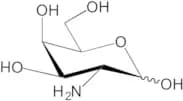
CAS:2-Amino- 2-deoxy-3,4-di-O-methyl-D-glucose is a sugar that belongs to the group of carbohydrates. It has been custom synthesized and modified with fluorine and methyl groups. This product is available in high purity, which can be used as a building block for glycosylation or click modification.Formula:C8H17NO5Purezza:Min. 95%Peso molecolare:207.22 g/molL-Erythrono-1,4-lactone
CAS:L-Erythrono-1,4-lactone is a dicarboxylic acid that is synthesized from l-threonic acid and d-arabinose. L-Erythrono-1,4-lactone is biosynthesized by the conversion of l-serine to pyruvate and then to erythrose 4-phosphate. This compound is also produced by the oxidation of ascorbic acid and can be used for the synthesis of dermatan sulfates. The accumulation of L-Erythrono-1,4-lactone in high concentrations has been found in patients with dermatan sulfate deficiency.Formula:C4H6O4Purezza:Min. 95%Colore e forma:PowderPeso molecolare:118.09 g/molAllitol
CAS:<p>Allitol is a sugar alcohol that is used as a sweetener. It can be found naturally in some fruits and vegetables, but it can also be produced by hydrogenation of xylose. Allitol is metabolized by the liver and has been shown to inhibit fatty acid synthesis. It also has insulin-resistance effects, which may be due to its ability to inhibit the conversion of glucose into fatty acids. Allitol has been shown to decrease the levels of hydrochloric acid in the stomach, which may lead to an increase in gastric pH. Allitol will react with strong bases such as sodium hydroxide or potassium hydroxide to form d-talitol and polycarboxylic acid, respectively. Magnetic resonance spectroscopy (MRS) can be used to study the biochemical properties of allitol because it has a unique magnetic resonance spectrum (MRS).</p>Formula:C6H14O6Purezza:Min. 98 Area-%Colore e forma:PowderPeso molecolare:182.17 g/molD-Mannuronic acid sodium salt
CAS:D-Mannuronic acid (ManA) is a hexuronic acid having the CH2OH at C5 of mannose replaced by a carboxyl group (Collins, 2006). The major source of D-mannuronic acid is the polysaccharide, alginic acid, found in brown seaweeds (Phaeophyceae). The polysaccharide is a linear glycuronan consisting of (1+4)-linked residues of D-mannuronic acid and L-guluronic acid arranged in a block fashion in the polymer chain, with blocks containing one type of residue being separated by segments in which the two residues aIternate (Percival, 1967). In addition to algal sources, two genera of bacteria have been shown to secrete alginate-like polysaccharides, Pseudomonas and Azotobacter. Most of the research into bacterial alginate biosynthesis has been conducted on the opportunistic human pathogen Pseudomonas aeruginosa or the soil dwelling Azotobacter vinelandii. In both cases, bacterial alginate is partially acetylated (Hay, 2013).Formula:C6H10O7•NaPurezza:Min. 98 Area-%Colore e forma:White PowderPeso molecolare:217.13 g/molN- [[(2R, 3R, 4S) - 4- [(Acetyloxy) methyl] - 3- (phenylmethoxy) - 1- (phenylmethyl) - 2- azetidinyl] methyl] -acetamide
CAS:N-[[(2R, 3R, 4S) - 4- [(Acetyloxy) methyl] - 3- (phenylmethoxy) - 1- (phenylmethyl) - 2- azetidinyl] methyl] -acetamide is a modified carbohydrate with the molecular formula C14H19NO5. This product is a white to off-white crystalline solid, which can be used in the synthesis of various carbohydrates and sugars. It has been shown that this compound has good solubility in water and DMSO. N-[[(2R, 3R, 4S) - 4- [(Acetyloxy) methyl] - 3- (phenylmethoxy) - 1- (phenylmethyl) - 2- azetidinyl] methyl] -acetamide is an acetamide derivative of N-[2-(acetoxymethyl)-1-[3-(4′′′′′′′′′′Formula:C23H28N2O4Purezza:Min. 95%Peso molecolare:396.48 g/mol
























![2-Methyl-(1,2-dideoxy-a-D-glucopyrano)-[2,1-d]-2-oxazoline](/_next/image/?url=https%3A%2Fstatic.cymitquimica.com%2Fproducts%2F3D%2Fthumb-webp%2FMM10955.webp&w=3840&q=75)




![N- [[(2R, 3R, 4S) - 4- [(Acetyloxy) methyl] - 3- (phenylmethoxy) - 1- (phenylmethyl) - 2- azetidin…](/_next/image/?url=https%3A%2Fstatic.cymitquimica.com%2Fproducts%2F3D%2Fthumb-webp%2FMA163471.webp&w=3840&q=75)