


Monosaccaridi
I monosaccaridi sono la forma più semplice dei carboidrati e fungono da blocchi fondamentali per zuccheri più complessi e polisaccaridi. Queste singole molecole di zucchero svolgono ruoli critici nel metabolismo energetico, nella comunicazione cellulare e nei componenti strutturali delle cellule. In questa sezione troverai una vasta gamma di monosaccaridi essenziali per la ricerca in biochimica, biologia molecolare e glicoscienza. Questi composti sono cruciali per studiare le vie metaboliche, i processi di glicosilazione e lo sviluppo di agenti terapeutici. Da CymitQuimica, offriamo monosaccaridi di alta qualità per supportare le tue esigenze di ricerca, garantendo precisione e affidabilità nelle tue indagini scientifiche.
Sottocategorie di "Monosaccaridi"
- Alloses(11 prodotti)
- Arabinosi(21 prodotti)
- Eritrosio(11 prodotti)
- Fruttosio(9 prodotti)
- Fucosio(36 prodotti)
- Galactosamina(41 prodotti)
- Galattosio(261 prodotti)
- Glucosio(365 prodotti)
- Acidi glucuronici(51 prodotti)
- Glicosubstrati per enzima(77 prodotti)
- Gulosio(6 prodotti)
- Idosio(4 prodotti)
- Inositoli(15 prodotti)
- Lixosio(4 prodotti)
- Mannosio(65 prodotti)
- O-Glicani(48 prodotti)
- Psicosi(3 prodotti)
- Rhamnosio(10 prodotti)
- Ribosi(61 prodotti)
- Acidi Sialici(100 prodotti)
- Sorbosio(4 prodotti)
- Zuccheri(173 prodotti)
- Tagatosio(4 prodotti)
- Talosio(8 prodotti)
- Xyloses(20 prodotti)
Mostrare 17 più sottocategorie
Trovati 6090 prodotti di "Monosaccaridi"
Ordinare per
Purezza (%)
0
100
|
0
|
50
|
90
|
95
|
100
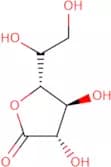
D-Idonic acid-1,4-lactone
CAS:D-Idonic acid-1,4-lactone is a modification of a carbohydrate which can be custom synthesized. The product is an oligosaccharide that has a high purity and is synthetically produced. This product is composed of monosaccharides, methylation, glycosylation, polysaccharides and sugar. It also contains fluorination and saccharide.Formula:C6H10O6Purezza:Min. 95%Colore e forma:Colorless PowderPeso molecolare:178.14 g/molIsosaccharinic acid
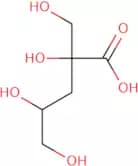
CAS:<p>Isosaccharinic acid is a bacterial strain that produces isosaccharinic acid as its main fatty acid. The thermodynamic data for the reaction mechanism of the conversion of glucose to isosaccharinic acid has been determined. Isosaccharinic acid formation is catalyzed by an enzyme called glycosyl-glycerate dehydrogenase, which converts glycerate to 3-hydroxypropanoic acid and then to 3-oxopropanoate before it undergoes decarboxylation and reduction to form isosaccharinic acid. Radionuclides such as TcO4 are used in chemical ionization mass spectrometry for the detection of this compound in samples. Neutral pH, high activation energies, and low binding constants are all factors that affect the stability of this molecule.</p>Formula:C6H12O6Purezza:Min. 95%Peso molecolare:180.16 g/mol2-Acetamido-2-deoxy-alpha-D-galactopyranosyl L-threonine hydrochloride
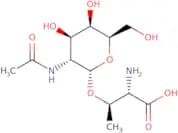
CAS:<p>2-Acetamido-2-deoxy-alpha- D-galactopyranosyl L-threonine is a synthetic sugar. It has a CAS number of 67315-18-8 and a molecular weight of 289.05 g/mol. This sugar is synthesized by the Click modification, fluorination, glycosylation, and methylation methods. The synthesis can be modified to produce 2-acetamido-2,3,4,5,-tetra deoxygalactose or 2 acetamido 4,6 deoxy galactose. This sugar also has saccharide properties as it is classified as an oligosaccharide or monosaccharide.</p>Formula:C12H22N2O8•HClPurezza:Min. 95%Colore e forma:PowderPeso molecolare:358.77 g/mol4,7-Anhydro-1,2,3-trideoxy-D-allo-oct-1-enitol
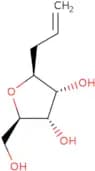
CAS:4,7-Anhydro-1,2,3-trideoxy-D-allo-oct-1-enitol is a modified sugar that has been synthesized for use in glycosylation reactions. It is a high purity product with no detectable impurities. Click modification of this product has been shown to be useful for glycosylation reactions. 4,7-Anhydro-1,2,3-trideoxy-D-allo-oct-1-enitol is also fluorinated and glycosylated. This product can be used in the synthesis of oligosaccharides and monosaccharides.Formula:C8H14O4Purezza:Min. 95%Peso molecolare:174.19 g/molL-Glucuronic acid sodium salt
CAS:<p>L-Glucuronic acid sodium salt is a natural product that is used as an excipient and additive in pharmaceuticals. L-Glucuronic acid sodium salt is the sodium salt of L-glucuronic acid, which is a natural compound found in plants, animals and humans. It is used as a protective agent for drugs because it can be easily metabolized by the liver and has low toxicity. L-Glucuronic acid sodium salt inhibits the uptake of radioactive isotopes into cells, which may be due to its ability to bind to cytosolic proteins. The binding of L-glucuronic acid sodium salt to these proteins blocks the binding sites for radioactive isotopes on these proteins. This inhibition leads to reduced uptake of radioactive isotopes by cells.</p>Formula:C6H9NaO7Purezza:Min. 95%Peso molecolare:216.12 g/molD-Glucose ethylenedithioacetal
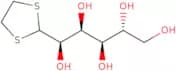
CAS:D-Glucose ethylenedithioacetal is a biological agent. It is a white to off-white crystalline powder that has a molecular weight of 204.3. D-Glucose ethylenedithioacetal is soluble in water and ethanol, but not in ether or chloroform. It is stable in air, but will react with alkali to form the corresponding salt of D-glucose.Formula:C8H16O5S2Purezza:Min. 95%Peso molecolare:256.34 g/mol2,3,5-Tri-O-benzyl-1-a-D-arabinofuranosyl chloride
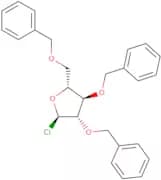
CAS:2,3,5-Tri-O-benzyl-1-a-D-arabinofuranosyl chloride is a patent antibiotic produced by Streptomyces antibioticus. It has potent anticancer activity and is being developed as an antitumor agent. 2,3,5-Tri-O-benzyl-1-a-D-arabinofuranosyl chloride inhibits cell proliferation by inhibiting DNA synthesis and protein synthesis. This compound also induces programmed cell death (apoptosis) in tumor cells. Vidarabine is a nucleoside analog that can be used to treat herpes virus infections of the eye or genital tract. Vidarabine is chemically synthesized from 2,3,5 tri O benzyl d arabinofuranosyl chloride and has been shown to have potential antitumor activity.Formula:C26H27ClO4Purezza:Min. 95%Peso molecolare:438.94 g/molDihydrozeatin-7-glucoside
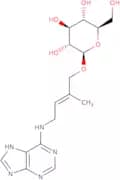
CAS:Dihydrozeatin-7-glucoside (DZG) is a plant hormone that belongs to the group of abscisic acid. It is biosynthesized from zeatin, an intermediate in the synthesis of the plant hormone gibberellin. DZG has been shown to regulate water loss in plants and plays a role in the regulation of photosynthesis and seed germination. The uptake of DZG by plant cells is complex and can be influenced by both physiological and environmental factors. It can be conjugated with small molecules such as typhasterol, which is found in tobacco leaves, or tabacum l., which is found in certain species of tobacco plants. Dihydrozeatin-7-glucoside also interacts with other hormones such as 24-epibrassinolide and regulates various biochemical processes such as protein synthesis and cell growth.Formula:C16H25N5O6Purezza:Min. 95%Peso molecolare:383.4 g/mol1,4-Dideoxy-1,4-epithio-D-ribitol
CAS:1,4-Dideoxy-1,4-epithio-D-ribitol is a complex carbohydrate that belongs to the group of oligosaccharides. It is an Oligosaccharide with a molecular weight of 538.77. It has been modified by methylation and glycosylation and fluorination. The compound is synthesized in high purity and is available for custom synthesis.Formula:C5H10O3SPurezza:Min. 95%Peso molecolare:150.2 g/moltrans-Zeatin-O-glucoside
CAS:<p>trans-Zeatin-O-glucoside is a cytokinin metabolite, which is a compound derived from the naturally occurring plant hormone zeatin. This product is synthesized or can be naturally found in plants, where it plays a crucial role in the regulation of growth and development. As a glucoside, it involves a glucose molecule attached to the cytokinin, which affects the compound's solubility, stability, and transport within the plant system.</p>Formula:C16H23N5O6Purezza:Min. 95%Peso molecolare:381.38 g/mol6-Amino-6-deoxy-D-mannopyranose hydrochloride
CAS:<p>The 6-Amino-6-deoxy-D-mannopyranose hydrochloride is a custom synthesis and modification of mannose. It is a complex carbohydrate that is an oligosaccharide or polysaccharide, and it can be modified by methylation, glycosylation, or carbamylation. The 6-Amino-6-deoxy-D-mannopyranose hydrochloride has high purity and fluorescence properties. This compound has the CAS number 2074444-9 and is synthetically produced.</p>Formula:C6H13NO5•HClPurezza:Min. 95%Peso molecolare:215.63 g/molGalactostatin
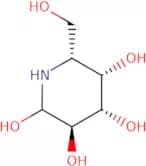
CAS:Galactostatin is a protein synthesis inhibitor that binds to the l-tartaric acid site of the bacterial 30S ribosomal subunit. It inhibits the binding of aminoacyl-tRNA to the ribosome, preventing translation and inhibiting cell growth. Galactostatin has been shown to be effective against HIV infection in mammalian cells. This drug also has a chaperone effect that protects cells from heat or cold stress.Formula:C6H13NO5Purezza:Min. 95%Peso molecolare:179.17 g/molADP-L-glycero-b-D-manno-heptose
<p>ADP-L-glycero-b-D-manno-heptose is a synthetic, fluorinated oligosaccharide that is custom synthesized and modified. It has a high purity level and CAS No., as well as being a complex carbohydrate that can be modified with methylation or click modification to generate desired properties. ADP-L-glycero-b-D-manno-heptose is an Oligosaccharide with a glycosylation and methylation. This compound can be used in the synthesis of saccharides, polysaccharides, or other complex carbohydrates.</p>Purezza:Min. 95%3-Deoxy-2-keto-D-xylonate lithium
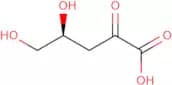
CAS:3-Deoxy-2-keto-D-xylonate lithium salt is a synthetic compound that is used in the synthesis of protamine. It is produced by the reduction of an aldehyde with borohydride. 3-Deoxy-2-keto-D-xylonate lithium salt has been shown to be active against E. cloacae, which can cause diarrhea and other gastrointestinal disorders. 3-Deoxy-2-keto-D-xylonate lithium salt inhibits the growth of E. cloacae by inhibiting glycolaldehyde reductase and aldolases, which are enzymes that are essential for glycolysis and citrate metabolism, respectively. The cleavage products formed by this reaction inhibit bacterial growth by interfering with cell wall biosynthesis, preventing protein synthesis, or blocking ATP production (oxidative phosphorylation).Formula:C5H8O5•LixPurezza:Min. 95%Colore e forma:PowderPeso molecolare:148.11 g/mol(±)-Muscarine chloride
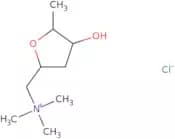
CAS:Prodotto controllato<p>Muscarine chloride is a potent acetylcholine receptor agonist that causes activation of the postsynaptic membrane by increasing the K+ concentration and hyperpolarizing the membrane. Muscarine chloride increases spontaneous activity in muscle and ganglion cells, which may be due to its ability to activate cholinergic receptors. Muscarine chloride has been shown to cause paralysis of skeletal muscle when injected into frog sciatic nerve, which is caused by its ability to block nerve impulses. Muscarine chloride is effective at doses as low as 0.1 ug/kg and can be used for research purposes when activating acetylcholine receptors.br> br></p>Formula:C9H20NO2•ClPurezza:Min. 95%Colore e forma:PowderPeso molecolare:209.71 g/mol3-Deoxy-2-keto-6-phospho-D-galactonate lithium salt
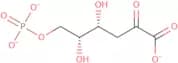
CAS:<p>The enzyme aldolase, which is involved in the metabolism of carbohydrates, catalyzes the cleavage of 3-deoxy-2-keto-6-phospho-D-galactonate to form aldol and 6-phosphoglycerate. The reaction mechanism involves an initial dehydration step that converts the substrate to an enolate ion. This intermediate then reacts with water to produce aldol and 6-phosphoglycerate. The enzyme is active only at low pH levels due to its dependence on divalent cations. The enzyme is also inhibited by other substrates or products of the reaction, such as D-tagatose, D-sorbose, and maltophilia.</p>Formula:C6H11O9P·xLiPurezza:Min. 95%L-Psicose
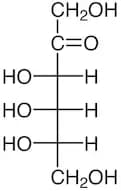
CAS:Formula:C6H12O6Purezza:>98.0%(HPLC)Colore e forma:White to Almost white powder to crystalPeso molecolare:180.16Heptyl β-D-glucopyranoside, 99%
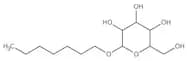
CAS:<p>This Thermo Scientific Chemicals brand product was originally part of the Alfa Aesar product portfolio. Some documentation and label information may refer to the legacy brand. The original Alfa Aesar product / item code or SKU reference has not changed as a part of the brand transition to Thermo Scientific Chemicals.</p>Formula:C13H26O6Purezza:99%Peso molecolare:278.342,3,5-Tri-O-benzyl-L-arabinofuranose, 98%
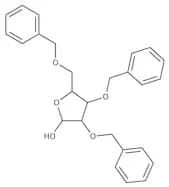
CAS:<p>This Thermo Scientific Chemicals brand product was originally part of the Alfa Aesar product portfolio. Some documentation and label information may refer to the legacy brand. The original Alfa Aesar product / item code or SKU reference has not changed as a part of the brand transition to Thermo Scientific Chemicals.</p>Formula:C26H28O5Purezza:98%Peso molecolare:420.5D-Fructose-1,6-diphosphate dicalcium salt, 95%
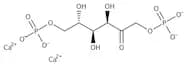
CAS:<p>D-Fructose-1,6-diphosphate dicalcium salt is essential for glycolysis to occur efficiently. It links to adenine nucleotides which regulate 6-phosphofructokinases (Pfks) that catalyze one of the rate limiting steps of glycolysis. This Thermo Scientific Chemicals brand product was originally part of the Alfa Aesar product portfolio. Some documentation and label information may refer to the legacy brand. The original Alfa Aesar product / item code or SKU reference has not changed as a part of the brand transition to Thermo Scientific Chemicals.</p>Formula:C6H12Ca2O12PPurezza:95%Peso molecolare:418.24Methyl (Phenyl 5-Acetamido-7,8,9-tri-O-acetyl-5-N,4-O-carbonyl-3,5-dideoxy-2-thio-β-D-glycero-D-galacto-2-nonulopyranosid)onate
CAS:Formula:C25H29NO12SPurezza:96%Colore e forma:SolidPeso molecolare:567.5623Ref: IN-DA00GWLG
Prodotto fuori produzioneb-D-Glucopyranoside,(1aR,2S,3aR,5R,5aR,5bS)-5b-[(benzoyloxy)methyl]tetrahydro-5-hydroxy-2-methyl-2,5-methano-1H-3,4-dioxacyclobuta[cd]pentalen-1a(2H)-yl
CAS:Formula:C23H28O11Purezza:95%Colore e forma:SolidPeso molecolare:480.4618Ref: IN-DA00I9IF
Prodotto fuori produzioneIsopropyl-beta-D-thioglucuronic acid, sodium salt
CAS:<p>Isopropyl-β-D-thioglucuronic acid is a β-D-glucuronidase inducer. It enhances the sensitivity of β-glucuronidase assays in E. coli.</p>Formula:C9H15NaO6SPurezza:Min. 98 Area-%Peso molecolare:274.27 g/mol6-Deoxy-6-fluoro-D-glucose
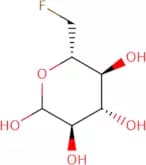
CAS:<p>6-Deoxy-6-fluoro-D-glucose is a molecule that belongs to the group of glucose analogs. It has been shown that 6-deoxy-6-fluoro-D-glucose, or dF6G, induces apoptosis in MCF7 cells through inhibition of glut1, the rate limiting enzyme for glycolysis. The structural analysis of the compound showed that it contains a fluorine atom at C2 and an oxygen atom at C3. The kinetic studies revealed that dF6G reacts with H2O in a 1:1 stoichiometric ratio to form hydrogen fluoride and 6-deoxyhexoate. 6dF6G has been shown to have pharmacokinetic properties similar to glucose and it can be used as an alternative source of energy by many organisms including aerobacter aerogenes.</p>Formula:C6H11FO5Purezza:Min. 95%Colore e forma:White PowderPeso molecolare:182.15 g/mol3-Deoxy-D-gluconic acid
CAS:<p>3-Deoxy-D-gluconic acid is a chemical compound that has the chemical structure of C6H12O6. It is a white crystalline solid that can be found in nature as a reaction product of glucose and oxygen. 3-Deoxy-D-gluconic acid can also be synthesized by reacting D-glucose with nitrous acid or sulfur dioxide. 3-Deoxy-D-gluconic acid is an organic acid and has been shown to inhibit the growth of filamentous fungi by acting on their glycosidic bonds. This chemical compound has not been shown to have any adverse health effects in humans, although it may cause irritation if it comes into contact with skin or eyes.</p>Formula:C6H12O6Purezza:Min. 95%Peso molecolare:180.16 g/molb-D-Glucose - 85%
CAS:<p>Glycol ethers are compounds that are used as solvents and plasticizers. They have been shown to inhibit the activity of enzymes, such as glucose-6-phosphate dehydrogenase, which is involved in the conversion of glucose to phosphate. Glycol ethers also promote sugar transport by inhibiting the sodium-dependent glucose transporter (SGLT). This transport mechanism is important for maintaining normal blood sugar levels and preventing diabetic neuropathy. Glycol ethers are also anti-diabetic agents that can increase insulin sensitivity by stimulating insulin release from pancreatic beta cells and improving the response of peripheral tissues to insulin stimulation.</p>Formula:C6H12O6Purezza:Min. 95%Colore e forma:White PowderPeso molecolare:180.16 g/molD-Galactal
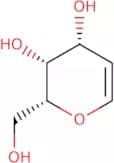
CAS:<p>Building block for oligosaccharide synthesis</p>Formula:C6H10O4Purezza:Min. 98 Area-%Colore e forma:White Off-White PowderPeso molecolare:146.14 g/mol3-Deoxy-L- threo- 2- hexulosaric acid
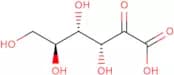
CAS:<p>3-Deoxy-L-threo-2-hexulosaric acid is a sugar that is modified by the addition of a fluorine atom to one of its hydroxyl groups. 3-Deoxy-L-threo-2-hexulosaric acid is used in the synthesis of complex carbohydrates and oligosaccharides. It is also used in the modification of saccharides, sugars, and polysaccharides. 3-Deoxy-L-threo-2-hexulosaric acid can be custom synthesized according to your specifications. It can be synthesized with high purity at our labs.</p>Purezza:Min. 95%1-Amino-1-deoxy-D-galactitol hydrochloride
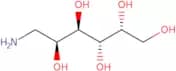
CAS:<p>1-Amino-1-deoxy-D-galactitol hydrochloride is a natural polymer that is found in many organisms, including bacteria and fungi. It can be obtained by enzymatic conversion of galactose, which is an epimer of glucose. 1-Amino-1-deoxy-D-galactitol hydrochloride has been shown to have viscosity properties that are similar to those of natural polymers. This compound also has the ability to form hydrogen bonds with other molecules. 1-Amino-1-deoxy-D-galactitol hydrochloride is produced by chemoenzymatic reactions and can be used as a substitute for natural polymers in certain applications (e.g., food industry).</p>Formula:C6H15NO5·HClPurezza:Min. 95%Colore e forma:PowderPeso molecolare:217.65 g/molD-Fructose 1-phosphate disodium
CAS:<p>Please enquire for more information about D-Fructose 1-phosphate disodium including the price, delivery time and more detailed product information at the technical inquiry form on this page</p>Formula:C6H11Na2O9PPurezza:90%Colore e forma:PowderPeso molecolare:304.1 g/molAustraline
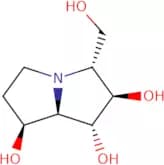
CAS:<p>Inhibitor of alpha-glucosidase II</p>Formula:C8H15NO4Purezza:Min. 95%Colore e forma:PowderPeso molecolare:189.21 g/molGDP-D-mannose disodium salt
CAS:<p>GDP-D-mannose is a natural mannosyl donor and substrate for mannosyltransferases that catalyses mannosylation, for instance during the synthesis of the trimannoside core of complex, high-mannose or hybrid N-glycans. GDP-D-mannose is widely used in (chemo)enzymatic synthesis of oligosaccharides and its biosynthesis occurs from glucose-6-phosphate over several steps. GDP-D-mannose consists of a D-mannose unit, α-glycosydically linked to the nucleotide guanosine diphosphate (GDP). Examples of this important reaction would be the transfer of mannosyl moieties onto the dolichol-P-P-GlcNAc2 precursor of N-glycans in the endoplasmatic reticulum, with release of GDP, or the mannosylation reactions during GPI-anchor (bio)synthesis. GDP-D-mannose has also been used for the in vitro synthesis of b-mannan oligosaccharides.</p>Formula:C16H23N5O16P2Na2Purezza:Min. 95 Area-%Peso molecolare:649.3 g/molUDP-Gal 2Na
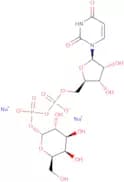
CAS:<p>UDP-a-D-galactose disodium salt (UDP-Gal) is a sugar-nucleotide substrate of galactosyltransferases. It’s used as the donor of galactose in the biosyntheses of glycoproteins and glycolipids. Its low cellular content is also hypothetically linked to the defective galactosylation in galactosemia.</p>Formula:C15H22N2O17P2·2NaPurezza:Min. 95 Area-%Colore e forma:PowderPeso molecolare:610.27 g/mol2-Keto-L-gluconic acid
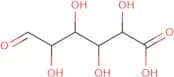
CAS:<p>Please enquire for more information about 2-Keto-L-gluconic acid including the price, delivery time and more detailed product information at the technical inquiry form on this page</p>Formula:C6H10O7Purezza:Min. 95%Peso molecolare:194.14 g/mol1-Octen-3-ol glucoside
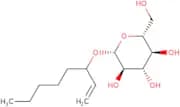
CAS:<p>1-Octen-3-ol glucoside is a synthetic, fluorinated sugar that is modified with glycosylation, methylation, and click chemistry. It contains a high degree of purity and is custom synthesized to order. This product can be used as a substitute for other sugars in the production of oligosaccharides, saccharides, and polysaccharides.<br>1-Octen-3-ol glucoside has been shown to have various modifications including glycosylation, methylation, and click chemistry. It is often used when there are restrictions on the types of sugars that can be used in the synthesis of complex carbohydrates.</p>Formula:C14H26O6Purezza:Min. 95%Colore e forma:PowderPeso molecolare:290.35 g/mol2-Deoxy- 4-C-methyl-2- methylene- 3, 4- O- isopropylidene -L- erythro- pentonic acid d- lactone
<p>2-Deoxy-4-C-methyl-2-methylene-3,4-O-isopropylidene -L-erythro pentonic acid d-lactone is a methylated sugar with a degree of substitution of 1.0, which can be used for the synthesis of various saccharides and polysaccharides. This product has been modified with click chemistry. It is available in custom synthesis and high purity. The CAS number for this compound is 121592-71-8, and it can be used to synthesize glycans or oligosaccharides. This product can be fluorinated or complexed with other sugars.</p>Purezza:Min. 95%3,4,6-Tri-O-acetyl-D-glucal
CAS:<p>3,4,6-Tri-O-acetyl-D-glucal, also called 1,5-anhydro-2-deoxy-D-arabino-hex-1-enitol triacetate, is the acetate protected cyclic enol-ether (glycal) of D-glucose. 3,4,6-Tri-O-acetyl-D-glucal is a building block useful in the synthesis of a range of carbohydrates with the glucal double bond allowing other functional groups to be introduced. As an alkene, a glycal can undergo electrophilic addition across the double bond to introduce halogens and epoxides or be used to generate deoxy monosaccharides. 3,4,6-Tri-O-acetyl-D-glucal can undergo a Ferrier rearrangement with an alcohol and Lewis acid to give a 2,3-unsaturated product.</p>Formula:C12H16O7Purezza:Min. 98 Area-%Colore e forma:White Off-White PowderPeso molecolare:272.25 g/mol2,4,6-Tri-O-benzoyl-3-O-benzyl-D-mannopyranose
<p>2,4,6-Tri-O-benzyl-3-O-benzyl-D-mannopyranose is a modification of the monosaccharide D-mannopyranose. It is a carbohydrate that can be custom synthesized and has high purity with a CAS number. The 2,4,6-tri-O-benzoyl group can be used for glycosylation reactions to produce polysaccharides. This modification also has the ability to be fluorinated or methylated by using the corresponding reagents.<br>2,4,6-Tri-O-benzoyl-3-O-benzyl mannopyranose is an oligosaccharide that can serve as a building block for more complicated carbohydrates like polysaccharides. It has not been shown to have any toxicity in animals and is used as a food additive in some countries.</p>Formula:C34H30O9Purezza:Min. 95%Peso molecolare:582.6 g/mola-Acetobromo-D-xylose
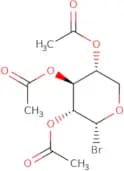
CAS:<p>a-Acetobromo-D-xylose is an oligosaccharide sugar used in glycosylation and polysaccharide modifications. It is synthesized by the fluorination of xylose with acetic acid, bromine, and a base. The product is purified by vacuum distillation and recrystallization. In addition to its use as a carbohydrate, this product can be modified using methylation or click chemistry to create derivatives.</p>Formula:C11H15BrO7Purezza:Min. 95%Peso molecolare:339.14 g/mol2-Deoxy-D-glucose
CAS:<p>Glycolytic inhibitor; pro-apoptotic; anti-cancer agent</p>Formula:C6H12O5Purezza:Min. 98 Area-%Colore e forma:White Off-White PowderPeso molecolare:164.16 g/mol1-Azido- 1- deoxy- 2- C- hydroxymethyl - 2, 3-O-isopropylidene-D- glucitol
<p>1-Azido-1-deoxy-2-C-hydroxymethyl-2,3-O-isopropylidene -D-glucitol is a synthetic monosaccharide that can be used for glycosylation, methylation, and click modification. It is a complex carbohydrate with an Oligosaccharide structure. 1-Azido -1-deoxy -2 -C -hydroxymethyl -2,3 -O -isopropylidene D glucitol has been fluorinated. This compound is a sugar that has been modified with a Click modification. It is a sugar that has been synthesized and custom synthesized by high purity.</p>Purezza:Min. 95%5,6-O-Isopropylidene-L-gulonic acid-1,4-lactone
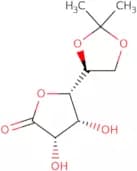
CAS:<p>5,6-O-Isopropylidene-L-gulonic acid-1,4-lactone is a synthetic monosaccharide with the molecular formula C8H14O5. It has a CAS number of 94697-68-4 and is available for custom synthesis. The chemical structure of 5,6-O-Isopropylidene-L-gulonic acid-1,4-lactone consists of a methyl group attached to the hydroxyl at position 1 and a fluoro group attached to the hydroxyl at position 4. 5,6--O--Isopropylidene--L--gulonic acid--1,4--lactone is not naturally occurring and is made by modification of glycosides. This compound can be used in click chemistry or complex carbohydrate reactions.</p>Formula:C9H14O6Purezza:Min. 99 Area-%Colore e forma:White PowderPeso molecolare:218.2 g/mol2,3:4,5:6,7-Tri-O-isopropylidene-D-glycero-D-ido-heptonic acid methyl ester
<p>2,3:4,5:6,7-Tri-O-isopropylidene-D-glycero-D-ido-heptonic acid methyl ester is an oligosaccharide that is a synthetic glycosylation product. It is a complex carbohydrate that has a high purity and CAS No. This compound can be custom synthesized to your specifications and modified in the lab with fluorination or methylation.</p>Purezza:Min. 95%1,4-Anhydro-2,O:5,6-di-O-isopropylidene-2-C-(hydroxymethyl)-D-galactitol
<p>1,4-Anhydro-2,O:5,6-di-O-isopropylidene-2-C-(hydroxymethyl)-D-galactitol is a custom synthesis. It is commonly used in the modification of saccharides and oligosaccharides to produce fluorinated derivatives with various functional groups. The preparation of this compound has been described by Click chemistry.</p>Purezza:Min. 95%1-O-Methyl-α-D-glucopyranoside
CAS:<p>Methyl α-D- glucopyranoside is a methylated sugar used as an inhibitor of lectin-conjugate binding. Methyl α-D- glucopyranoside is commonly used in protein purification for eluting glycoproteins and other glycoconjugates from affinity chromatography columns of agarose lectin. Methyl α-D- glucopyranoside is also known as Methyl alpha-D-glucoside or alpha-Methyl-glucoside.</p>Formula:C7H14O6Purezza:Min. 99.0 Area-%Peso molecolare:194.19 g/molD-Glucuronolactone
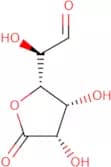
CAS:<p>D-Glucuronolactone is supposed to be involved in detoxification processes.</p>Formula:C6H8O6Peso molecolare:176.13 g/molL-Fucose
CAS:<p>L-Fucose is a monosaccharide that is an important component of glycoproteins and glycolipids. L-Fucose is also found in the cell wall of bacteria. The most abundant sources of L-fucose are from the hydrolysis of lactose or sucrose by bacteria, or as a result of intestinal microbial fermentation. L-Fucose has been shown to be involved in the regulation of many metabolic processes, including the glomerular filtration rate and sephadex g-100 binding capacity in the kidney. It has also been shown to improve growth in infant rats with protein malnutrition. The enzyme that catalyzes the conversion of D-arabinose to L-fucose is known as fucokinase.</p>Formula:C6H12O5Purezza:Min. 98.0 Area-%Peso molecolare:164.16 g/mol2-[(1E)-2-[6-(β-D-Galactopyranosyloxy)-2,3-dihydro-1H-xanthen-4-yl]ethenyl]-3,3-dimethyl-1-propyl-3H-indolium iodide
CAS:<p>Please enquire for more information about 2-[(1E)-2-[6-(β-D-Galactopyranosyloxy)-2,3-dihydro-1H-xanthen-4-yl]ethenyl]-3,3-dimethyl-1-propyl-3H-indolium iodide including the price, delivery time and more detailed product information at the technical inquiry form on this page</p>Formula:C34H40NO7•IPurezza:Min. 95%Peso molecolare:701.59 g/mol






![b-D-Glucopyranoside,(1aR,2S,3aR,5R,5aR,5bS)-5b-[(benzoyloxy)methyl]tetrahydro-5-hydroxy-2-methyl-2…](/_next/image/?url=https%3A%2Fstatic.cymitquimica.com%2Fproducts%2FIN%2Fthumb-webp%2FDA00I4J3.webp&w=3840&q=75)









![2-[(1E)-2-[6-(β-D-Galactopyranosyloxy)-2,3-dihydro-1H-xanthen-4-yl]ethenyl]-3,3-dimethyl-1-propyl-…](/_next/image/?url=https%3A%2Fstatic.cymitquimica.com%2Fproducts%2F3D%2Fthumb-webp%2FMG183953.webp&w=3840&q=75)